


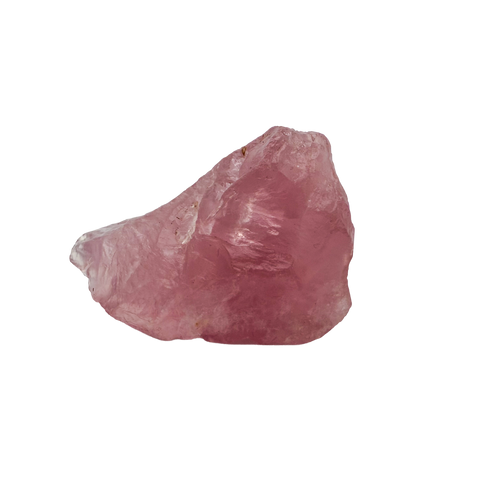
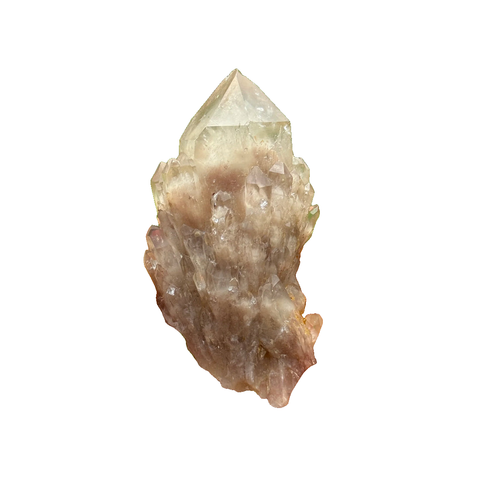
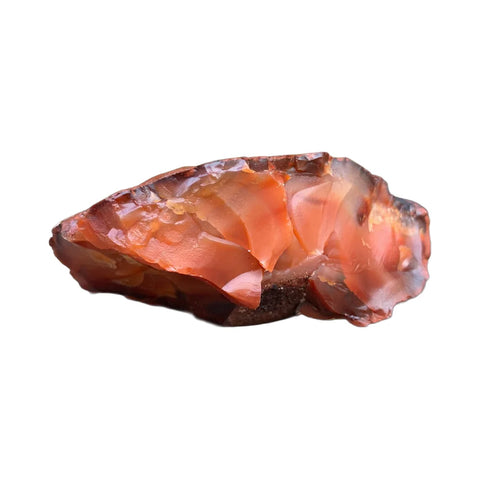
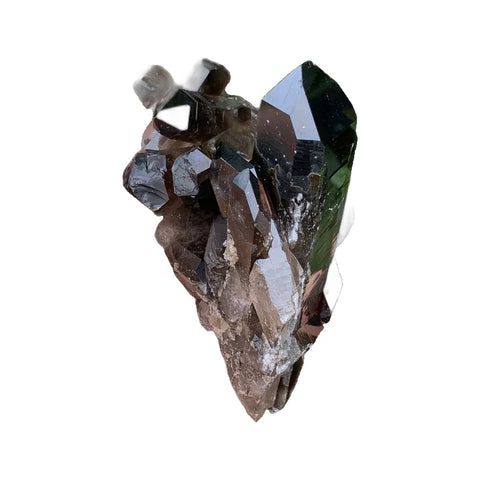
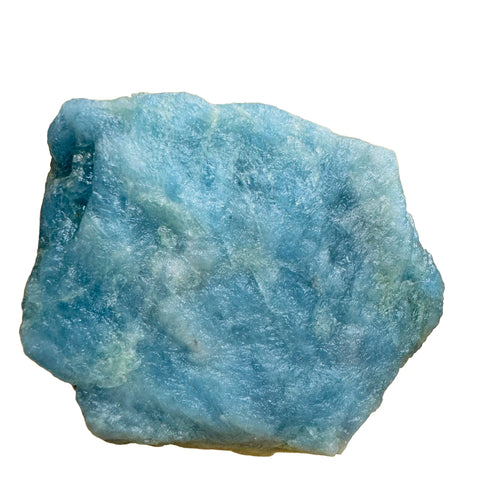
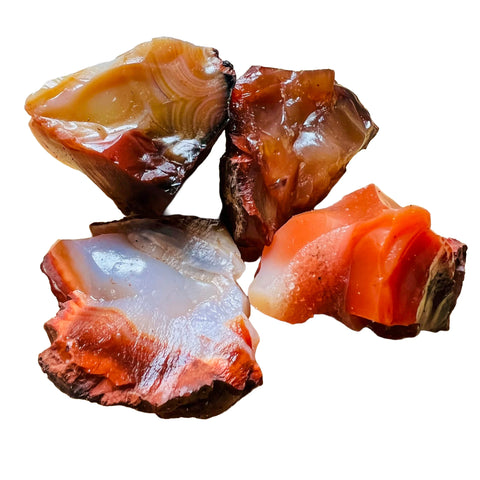


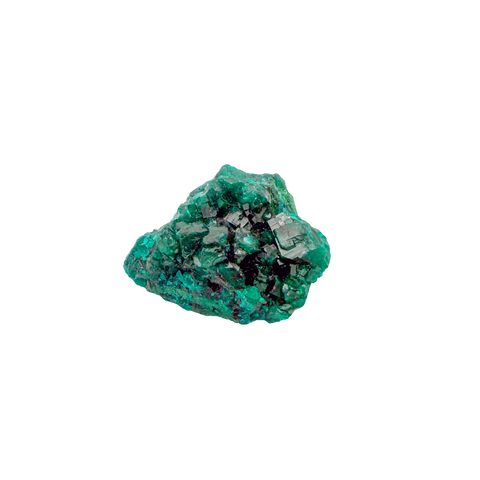
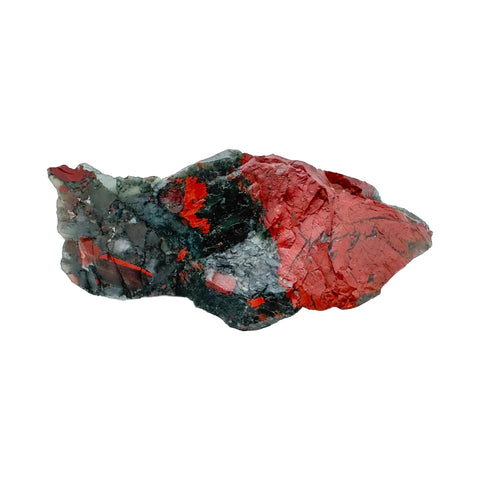
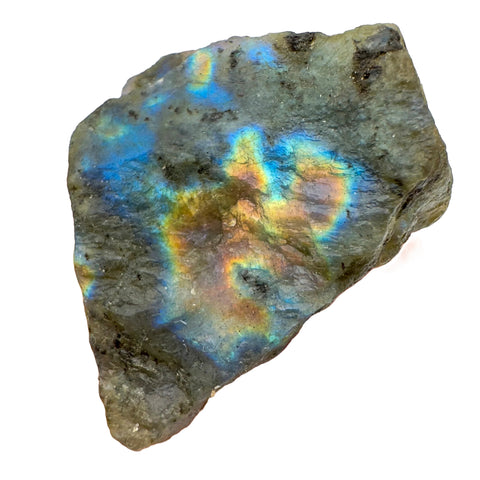
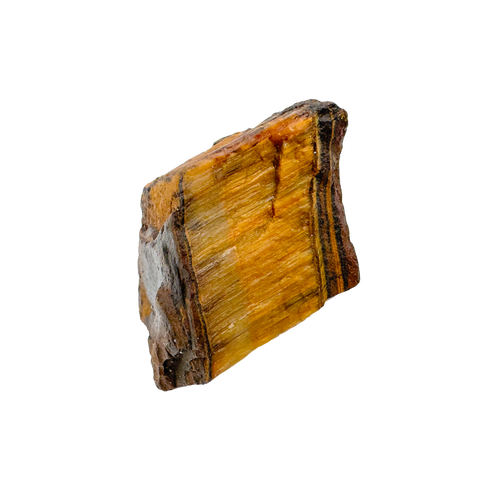
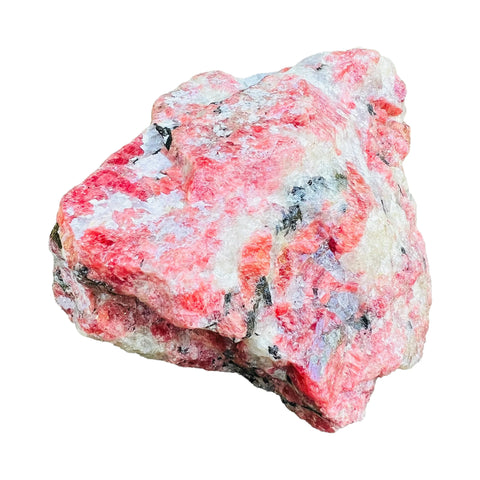
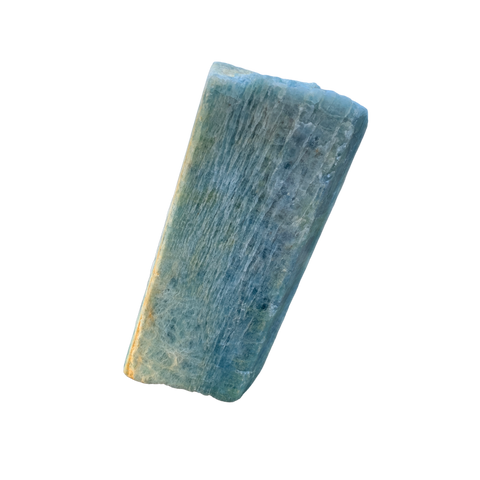
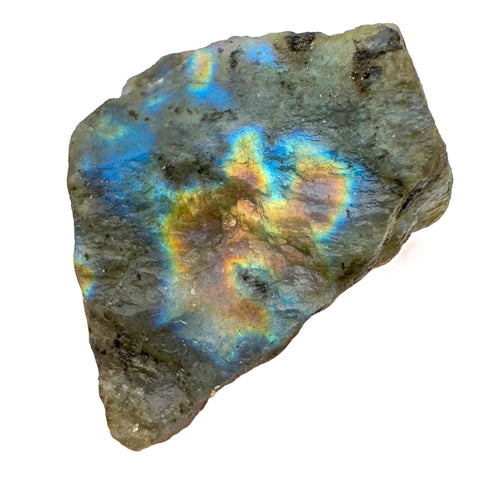
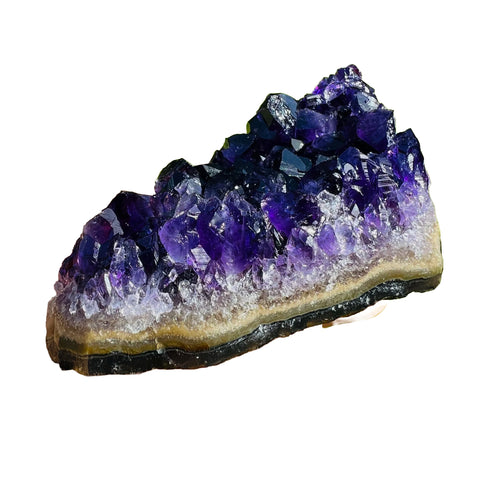



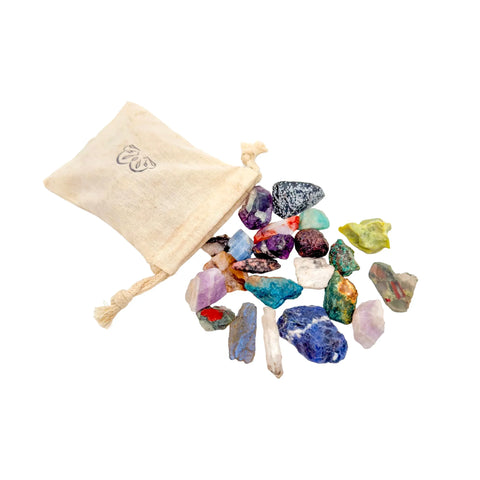
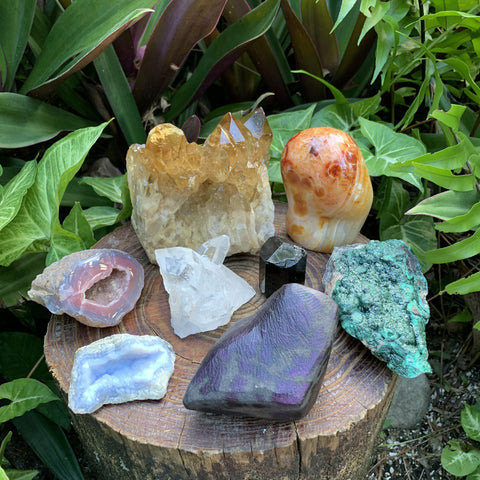
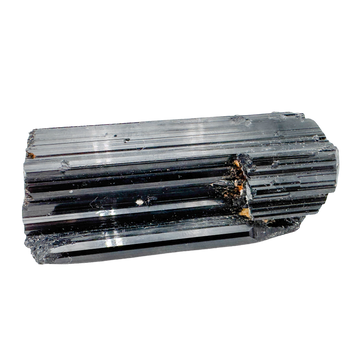
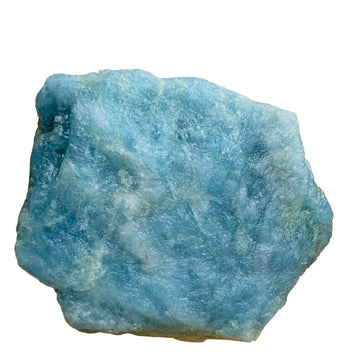
 Raw Stones
179 pieces
Raw Stones
179 pieces
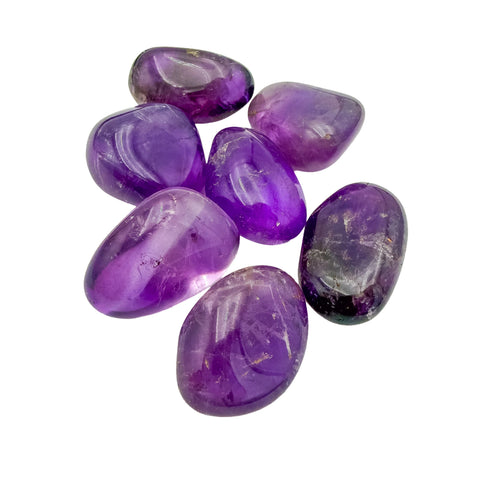
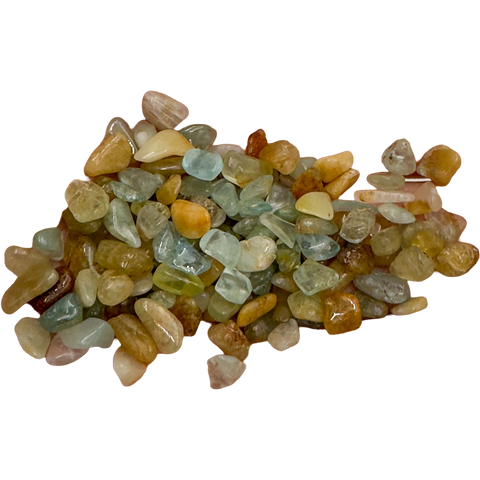
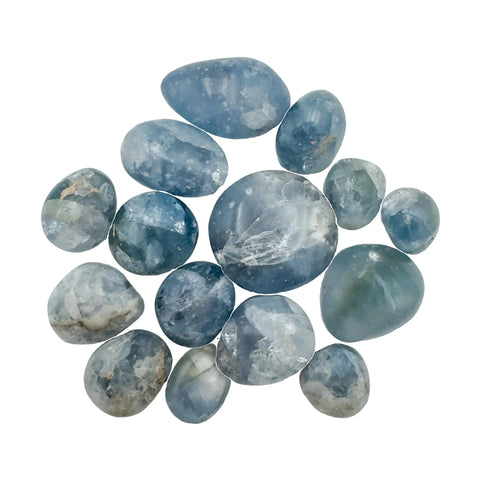
 Tumbled Stones
162 pieces
Tumbled Stones
162 pieces
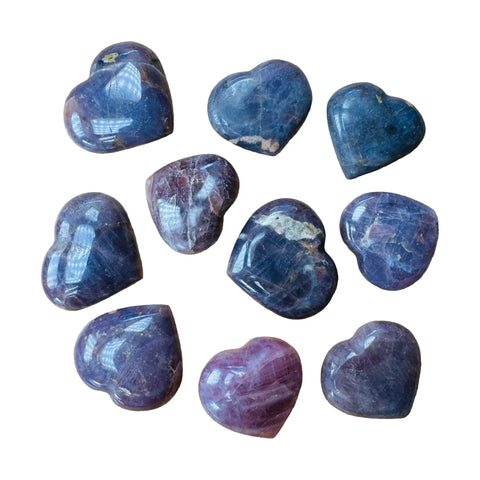
 Palm Stones
25 pieces
Palm Stones
25 pieces
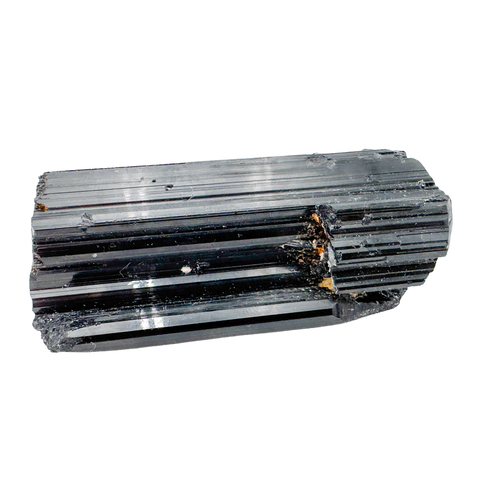
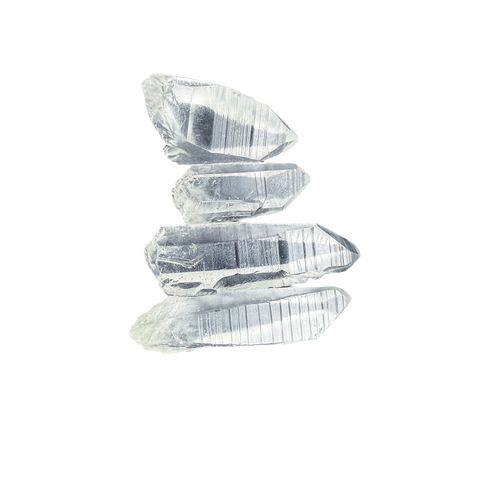
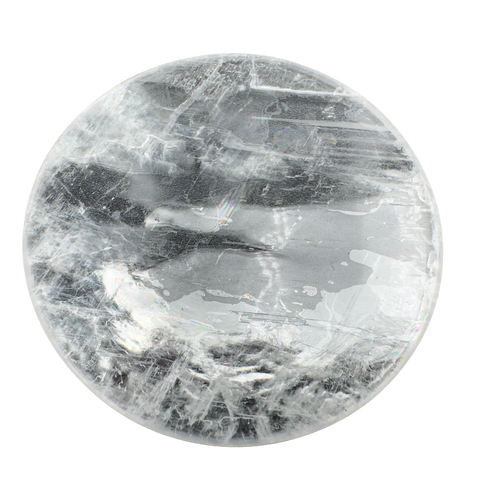
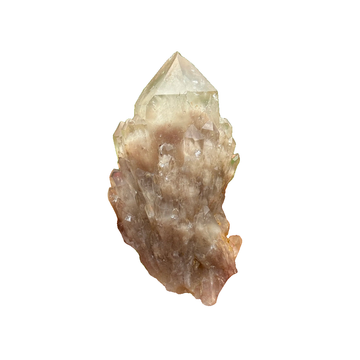
 Crystal Points
23 pieces
Crystal Points
23 pieces
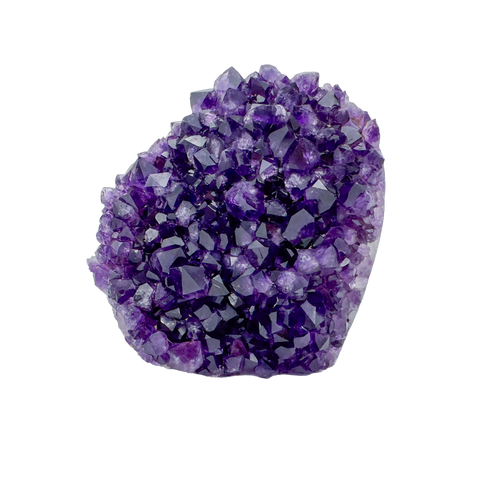
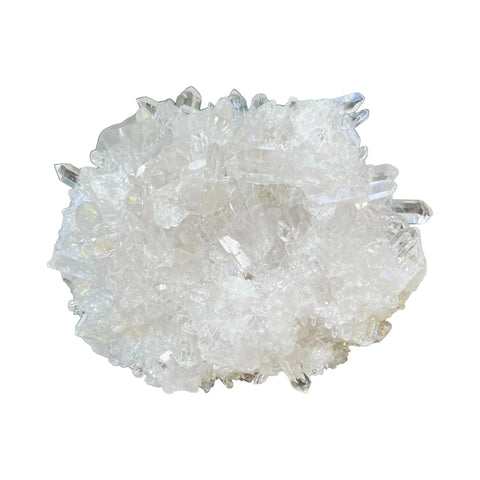
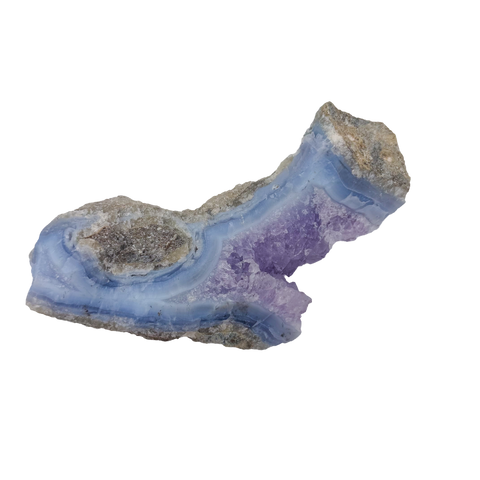
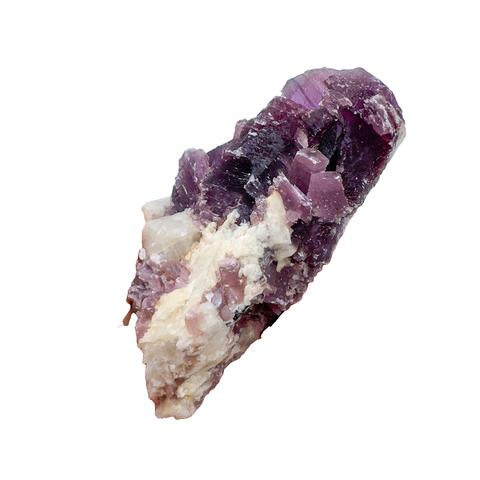
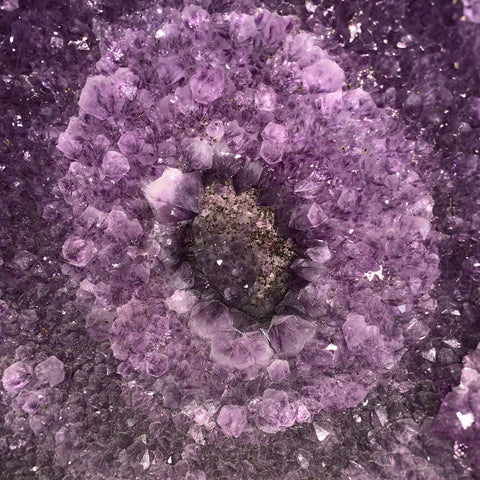
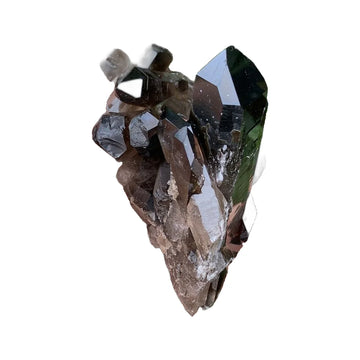
 Clusters & Geodes
105 pieces
Clusters & Geodes
105 pieces
 Polished & Decor
151 pieces
Polished & Decor
151 pieces
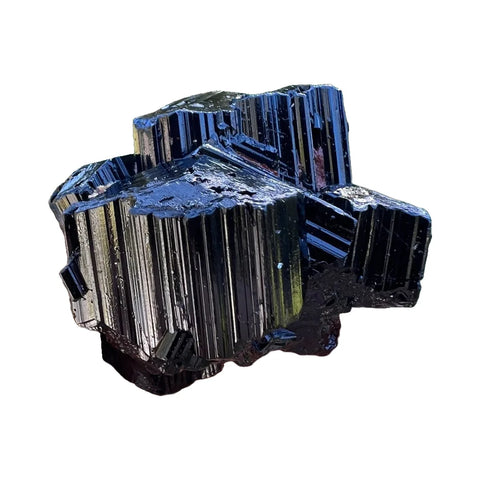
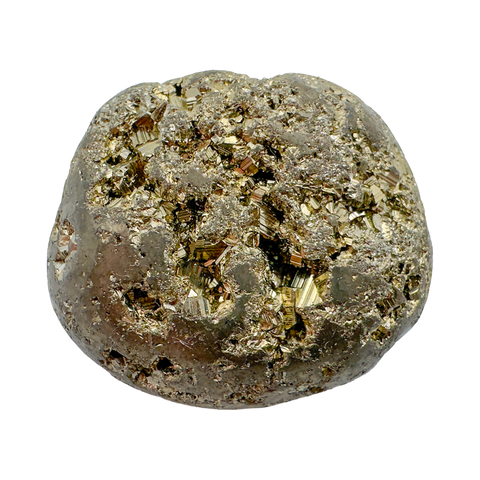
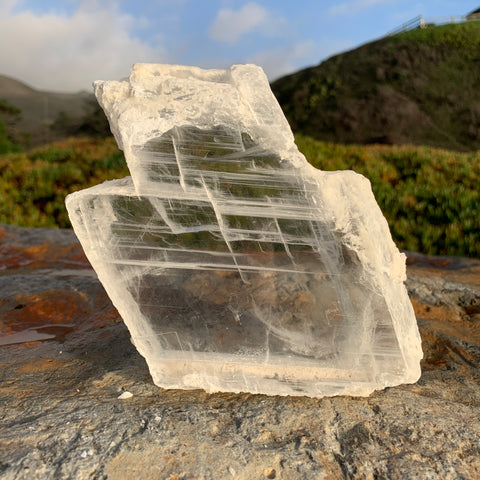
 Mineral Specimens
262 collector pieces
Mineral Specimens
262 collector pieces
 Crystal Chips
21 pieces
Browse everything
Every collection, one page.
View All Collections →
Crystal Chips
21 pieces
Browse everything
Every collection, one page.
View All Collections →


 Aries
Mar 21 – Apr 19
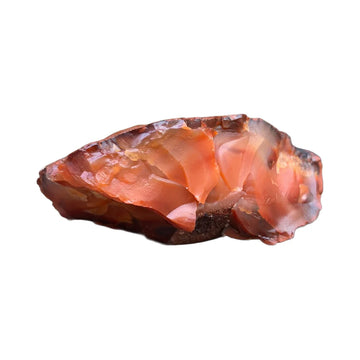
Carnelian
›
Aries
Mar 21 – Apr 19
Carnelian
›
 Taurus
Apr 20 – May 20
Rose Quartz
›
Taurus
Apr 20 – May 20
Rose Quartz
›
 Gemini
May 21 – Jun 20
Agate
›
Gemini
May 21 – Jun 20
Agate
›
 Cancer
Jun 21 – Jul 22
Moonstone
›
Cancer
Jun 21 – Jul 22
Moonstone
›
 Leo
Jul 23 – Aug 22
Citrine
›
Leo
Jul 23 – Aug 22
Citrine
›
 Virgo
Aug 23 – Sep 22
Amazonite
›
Virgo
Aug 23 – Sep 22
Amazonite
›
 Libra
Sep 23 – Oct 22
Blue Lace Agate
›
Libra
Sep 23 – Oct 22
Blue Lace Agate
›
 Scorpio
Oct 23 – Nov 21
Obsidian
›
Scorpio
Oct 23 – Nov 21
Obsidian
›
 Sagittarius
Nov 22 – Dec 21
Sodalite
›
Sagittarius
Nov 22 – Dec 21
Sodalite
›
 Capricorn
Dec 22 – Jan 19
Black Tourmaline
›
Capricorn
Dec 22 – Jan 19
Black Tourmaline
›
 Aquarius
Jan 20 – Feb 18
Amethyst
›
Aquarius
Jan 20 – Feb 18
Amethyst
›
 Pisces
Feb 19 – Mar 20
Aquamarine
›
Gifting?
A birthday stone is the safe bet.
Read the zodiac guide →
Pisces
Feb 19 – Mar 20
Aquamarine
›
Gifting?
A birthday stone is the safe bet.
Read the zodiac guide →


Garnet
Garnet is not a single stone but a family of related silicate minerals sharing the same crystal structure. The family includes almandine (red-purple), pyrope (blood red), spessartine (orange), grossular (green, yellow, brown), andradite (green, yellow), and uvarovite (emerald green). Most commercial garnet is natural and untreated. India, Madagascar, Brazil, and Namibia are the primary sources. Garnet is harder than quartz at 6.5 to 7.5 on the Mohs scale and has been valued for jewelry, carving, and tools for thousands of years.
Shop garnetThe geology.
Garnet is a family of silicate minerals, not a single species. All members share the same cubic crystal structure and similar hardness, but they vary widely in color, composition, and origin. Almandine, the most common variety, is a deep red to red-purple iron aluminum silicate. Pyrope is blood red, slightly denser, and often from volcanic sources. Spessartine is orange to reddish-brown. Grossular includes the green Tsavorite and the golden Hessonite. Andradite produces green Demantoid, prized for its brilliance and rarity. Uvarovite is emerald green and rarely seen in the gem market.
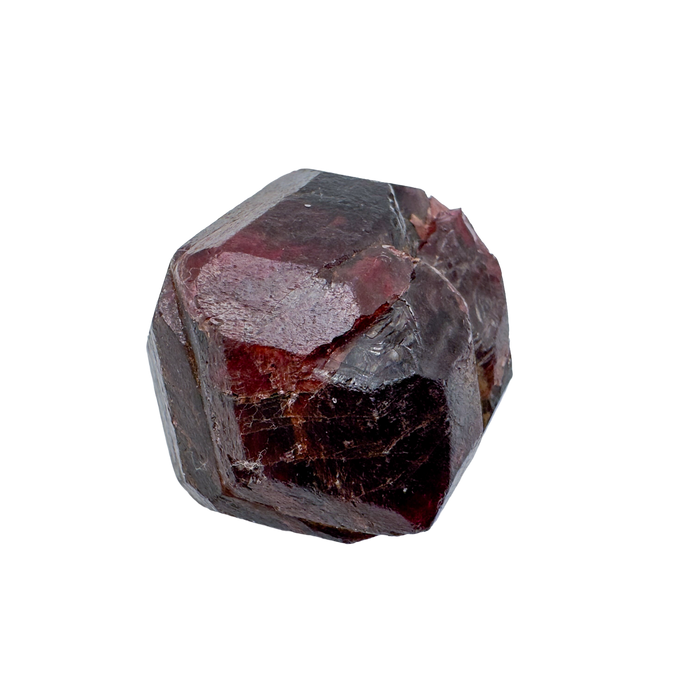
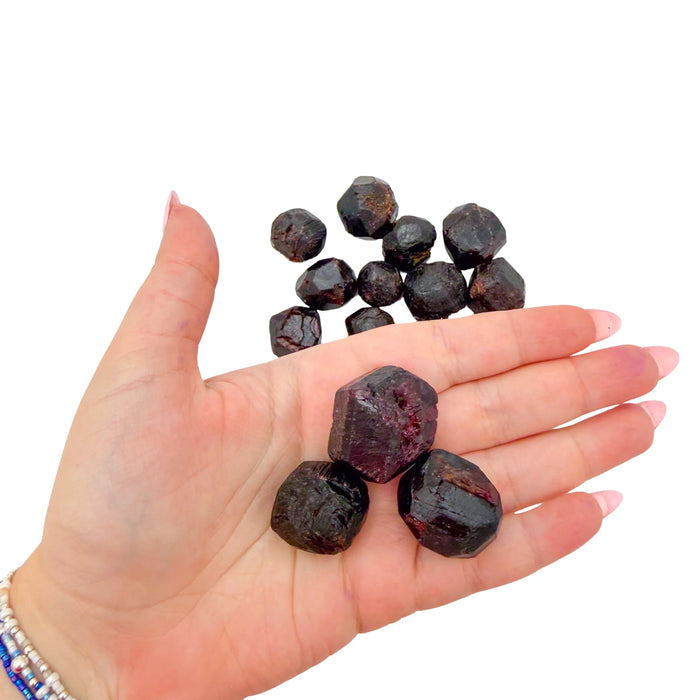
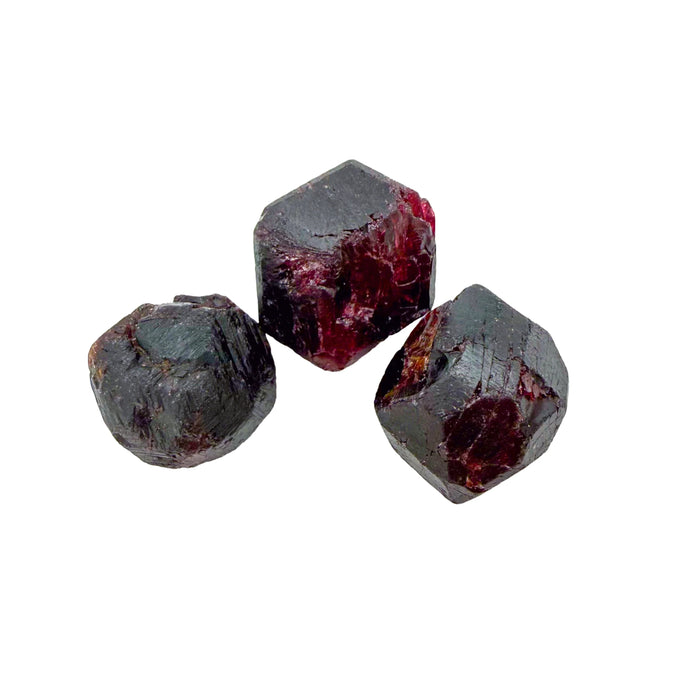
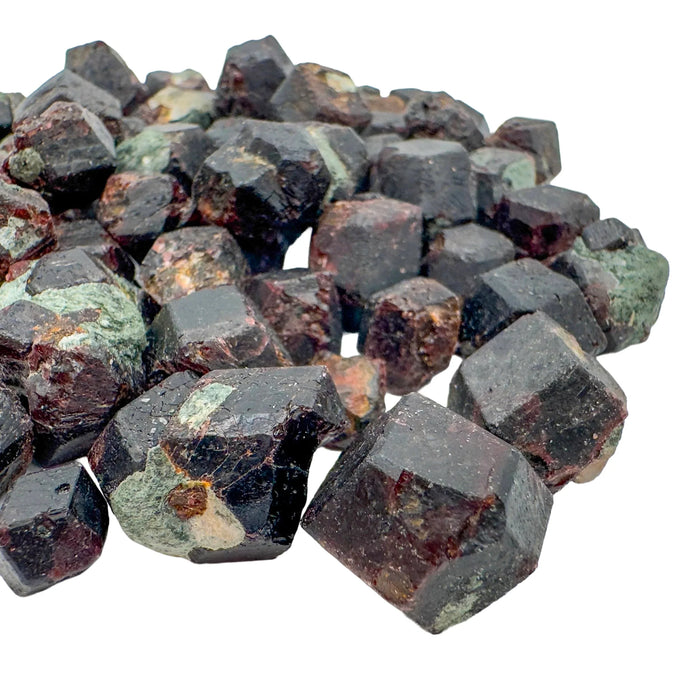
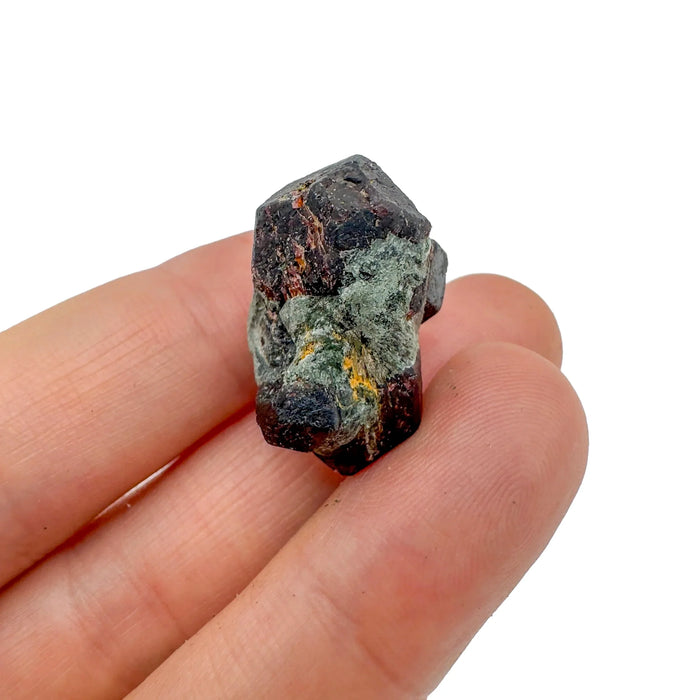
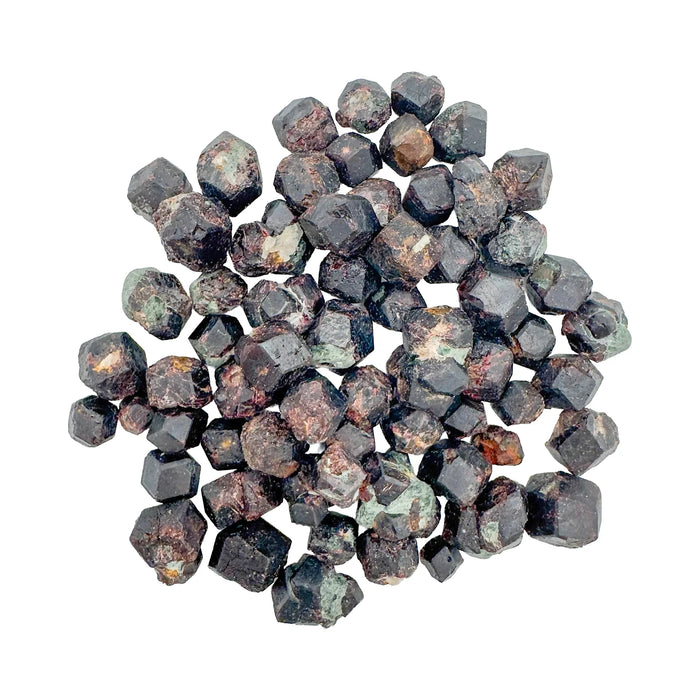
Garnets form in metamorphic rocks, in pegmatites, and in igneous environments. The specific variety depends on the element ratio in the host rock and the conditions of formation. Garnet crystals often show perfect cubic or dodecahedral forms, with sharp edges and brilliant luster. The mineral sits between 6.5 and 7.5 on the Mohs scale depending on variety, making it significantly harder than quartz and suitable for everyday jewelry. Specific gravity varies from 3.5 to 4.3 depending on composition. The color comes from iron, manganese, chromium, and other transition metals within the crystal lattice. Most garnets are transparent to translucent, though massive opaque garnets are also mined and used for industrial abrasives and tumbled stones.
The origins.
Garnet is mined across the globe. Brazil, particularly in the state of Minas Gerais, produces almandine and mixed-variety garnet in abundance. The material is sourced through both artisanal and larger-scale operations, with hand-sorting and careful selection of specimen-grade pieces. Brazilian almandine typically shows deep red to red-purple tones with good clarity and polish potential.
India is a major supplier of fine almandine, particularly from Rajasthan and other regions. Indian garnets are often noted for their deep, pure red color and have been worked and valued for centuries. Madagascar produces almandine and other varieties, particularly through alluvial and small-scale mining. The supply is steady and the material ranges from tumbled to faceted quality depending on demand.
Namibia contributes high-quality almandine and pyrope. Tanzania is known as the source of Tsavorite, one of the rarest and most valuable garnets, with a green color that rivals emerald. Russia produces Demantoid and Uvarovite from specific deposits. Other significant sources include Mozambique, Kenya, and parts of South Africa. More origins of garnet exist worldwide than these, but these represent the most reliable commercial sources. The variety available and the hardness of the material make garnet one of the most accessible semi-precious stones in the market.
Traditional associations.
Garnet has been valued and worked with across cultures for thousands of years. Ancient Romans, Egyptians, and Mediterranean traders recognized it as a stone of power and passion. Medieval Europeans called it the carbuncle and attributed protection to it. The name itself comes from the pomegranate fruit, from the way the deep red crystals resemble pomegranate seeds. This long history has woven garnet into spiritual practices across multiple traditions, making it one of the most consistently honored stones in metaphysical work.
In modern crystal practice, garnet is most commonly associated with the Root chakra and the Sacral chakra. It is paired with the elements Fire and Earth, representing both passion and grounded strength. People work with garnet for vitality, courage, commitment, and the kind of steady passion that sustains action over time. Many turn to it for practices around financial grounding, physical vitality, and honest self-assessment. The deep red varieties are often chosen for root chakra work. The rarer varieties like Tsavorite and Demantoid carry their own associations with heart opening and prosperity, though the foundational garnet energy remains tied to fire, passion, and grounded stability.
Spotting the real thing.
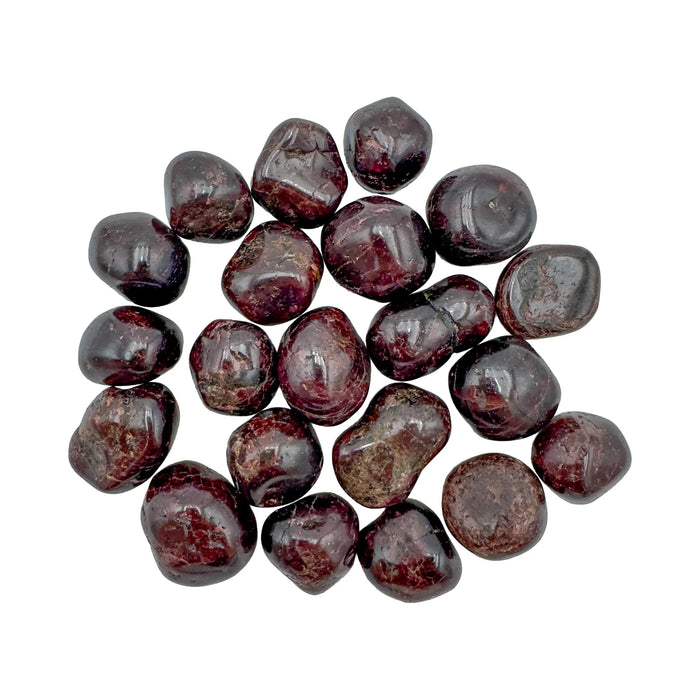
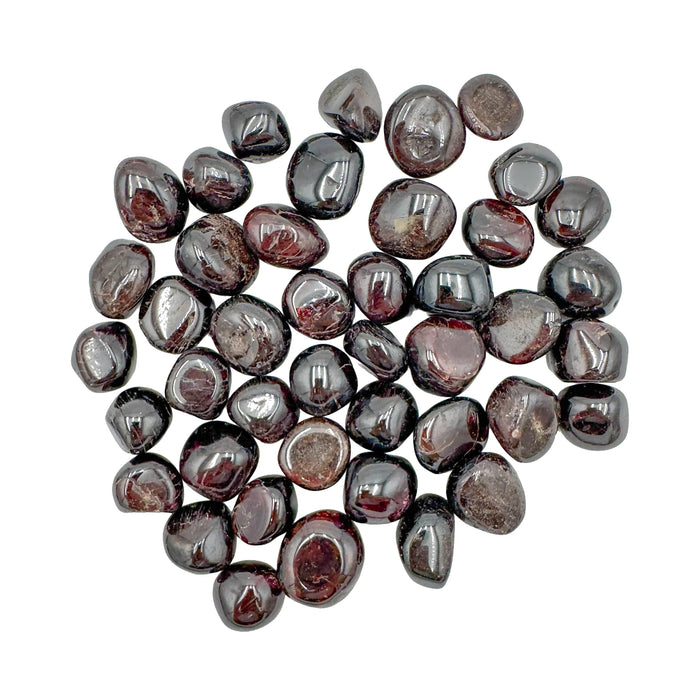
Genuine garnet is hard and dense. A tumbled stone feels substantial and solid in the hand. The color in natural almandine is typically deep red to red-purple, not brilliant red. Pyrope is a clearer, deeper blood red. Spessartine is orange to reddish-brown. Each variety has its own color profile, but all natural garnets show subtle internal variation and are not perfectly uniform in color or transparency. Look for visible inclusions, color shifts, and the natural pattern of the specific variety.
Garnets are difficult to substitute convincingly. Glass imitations exist but lack the weight and hardness. Red tourmaline, red spinel, and other red stones are sometimes mistaken for garnet, but they differ in hardness, density, and crystal form. A piece that is genuinely hard, shows natural color variation, and feels weighty is likely authentic garnet. Garnet scratches glass and is not easily scratched by common objects. If a stone scratches easily or lacks the characteristic weight, it is probably not garnet. Cut and polished specimens should show the internal inclusions and coloration patterns typical of the variety. Any claims of "perfect clarity" or "flawless" garnet should prompt questions about origin and treatment.
Care & handling.
Garnet is a hardy stone and benefits from regular handling. It can be worn in jewelry without concern and will not be damaged by everyday activity. Unlike softer stones, garnet does not require special storage or protection from other minerals. Clean garnet with cool water, mild soap, and a soft cloth or brush. Avoid harsh chemicals and steam cleaners. Ultrasonic cleaning is acceptable for most garnets but should be skipped if the stone has visible fractures or inclusions that might be stressed by vibration.
Store garnet with other hard stones if you wish. It will not scratch and will not be scratched. Direct sunlight will not fade garnet like it does some other stones. The stone is stable and durable. Treat it as you would any valued piece, with reasonable care in handling, but know that garnet is built to be worn and lived with. It is a stone that gains meaning through use, not from being protected.
Pairs well with.
Proof, not promises.
We measure our own sourcing across five dimensions. Supply chain, environmental footprint, artisan support, market integrity, and pricing. The number is honest, not perfect. Where we can do better, we say so.
A deeper look.
Extended geology, sourcing, authentication, varieties, and pricing for when the quick guide isn't quite enough.
Extended geology
Garnet is a group of silicate minerals with the general formula X3Y2(SiO4)3, where X and Y are cations that vary depending on the specific variety. Almandine is Fe3Al2(SiO4)3. Pyrope is Mg3Al2(SiO4)3. Spessartine is Mn3Al2(SiO4)3. Grossular is Ca3Al2(SiO4)3. Andradite is Ca3Fe2(SiO4)3. Uvarovite is Ca3Cr2(SiO4)3. These chemical differences create the color and property variations across the family.
All garnets crystallize in the cubic system. The crystal forms are typically dodecahedral (12-faced) or cubic, often with sharp, well-defined edges. Hardness ranges from 6.5 (spessartine and grossular) to 7.5 (almandine), making all varieties suitable for jewelry and tumbling. Specific gravity correlates with the density of the constituent elements; iron-rich varieties like almandine sit at 4.0 to 4.3, while magnesium-rich pyrope is 3.7 to 3.85. Garnets form in metamorphic rocks from colliding continental plates, in pegmatites during igneous cooling, and in skarn zones where magma meets limestone. The variety present in a deposit depends entirely on the chemistry of the parent rock.
Garnet varieties
Almandine is the most abundant and widely mined garnet. It is a deep red to red-purple, often with brown undertones in certain lights. Almandine is found in Brazil, India, Madagascar, and many other locations. Its hardness and relative abundance make it affordable and accessible.
Pyrope is a slightly denser, clearer blood red than almandine. It often forms in volcanic rocks and is sometimes included in diamond pipes. Pyrope is valued for its brilliant red color and is frequently used in fine jewelry. It is often more expensive than almandine per carat.
Spessartine is orange to reddish-brown and less commonly seen in retail. When it is available, it is typically more expensive than almandine due to its relative rarity and warm color.
Grossular includes the bright green Tsavorite, named for the Tsavo region in Tanzania, and the golden-orange Hessonite. Tsavorite is one of the most valuable garnets and can rival emerald in color intensity. Hessonite is warm and honey-toned, popular for Victorian-style jewelry.
Andradite includes Demantoid, a brilliant green garnet with exceptional fire that rivals diamond. Demantoid is rare, expensive, and almost always natural and untreated. It is one of the most prized of all garnets among collectors and jewelry makers.
Uvarovite is emerald green and the rarest of the common varieties. It is almost never faceted because it rarely occurs in sizes large enough for cutting. It is valued by collectors in its natural crystalline form.
Sourcing and supply chains
Brazil produces the majority of commercial garnet globally, with extensive deposits in Minas Gerais and other states. The material is sourced through both artisanal small-scale mining and larger operations. Hand-sorting is common. Brazilian almandine is known for its depth of color.
India has been a garnet source for centuries, particularly in Rajasthan. Indian garnets are prized for their deep, pure red color. Sourcing varies from artisanal to industrial scale depending on region.
Madagascar produces steady supplies of almandine and mixed varieties. Tanzania is the source of Tsavorite, one of the most valuable garnets. Tanzania's deposits are both alluvial and primary source mining. Russia produces Demantoid and Uvarovite from specific geological zones. Kenya, Namibia, Mozambique, and other African nations contribute to global supply. The supply chain for rare varieties like Tsavorite and Demantoid is much smaller and more controlled than that for common almandine.
Treatment and market practices
Most garnet is natural and untreated. Heat treatment is applied to some lower-grade stones to deepen color or improve transparency, but it is not standard practice for specimen-grade material. Fracture filling is occasionally applied to faceted stones with visible inclusions to improve clarity for jewelry. Reputable sellers disclose these practices.
The market includes untreated material without disclosure, so it is worth asking about origin and treatment before purchase. Demantoid and Tsavorite are almost always sold untreated. Common almandine is typically natural but heat-treated material exists and is sometimes sold without disclosure.
Pricing and market notes
Tumbled almandine runs $4 to $8 per piece retail depending on size and polish. Cut faceted specimens start at $15 for smaller pieces and scale upward based on clarity, cut quality, and size. Rare varieties command significantly higher prices. Tsavorite can reach $500 to $5,000 per carat depending on quality. Demantoid is similarly expensive. Hessonite typically runs $10 to $100 per carat. Pyrope garnet is usually more expensive than almandine but less than the rare varieties.
Garnet priced far below standard market rates should prompt questions about origin and authenticity. Garnet is relatively common as a tumbled stone and should reflect that affordability. Conversely, rare varieties and high-quality faceted specimens justify premium pricing.
Good sourcing is a practice, not a claim.
Nothing we sell is dyed, stabilized, reconstituted, or color-enhanced without full disclosure. We name our origins where we can. We say so when we cannot. We walk away from material that does not meet our standard, even when it costs us sales.
Bring garnet home.
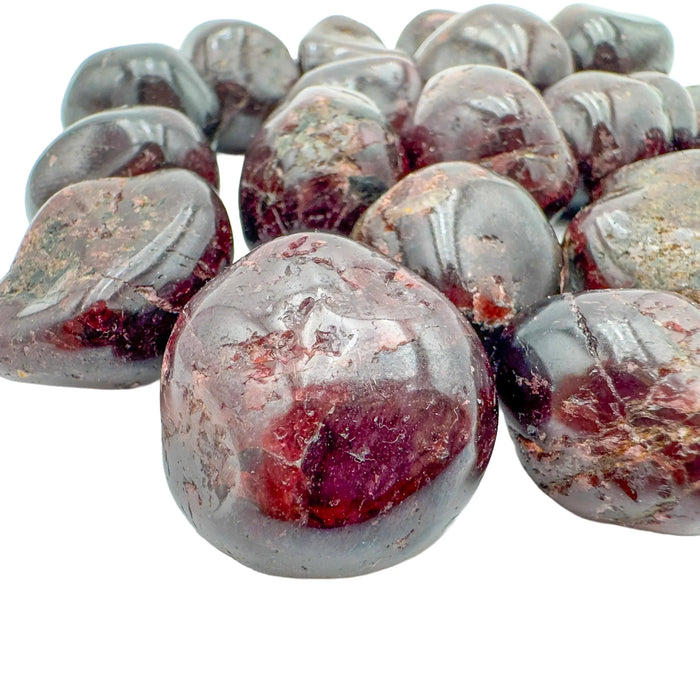
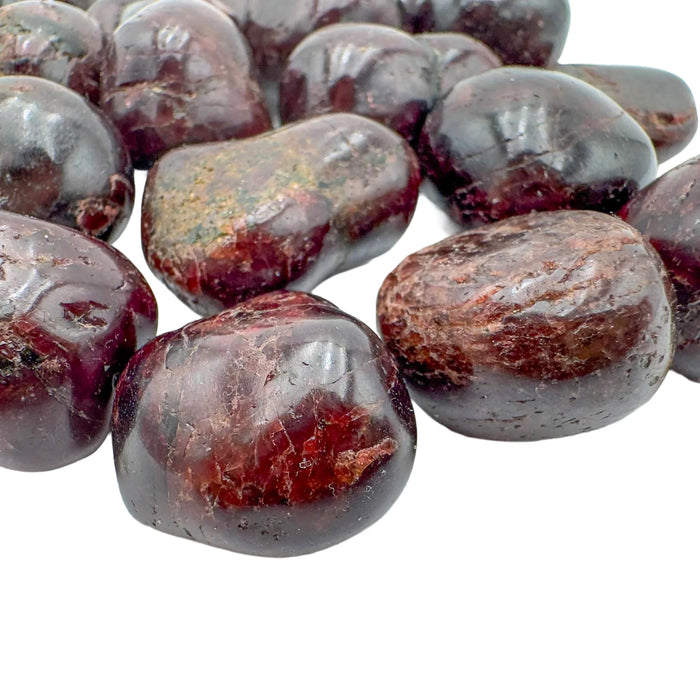
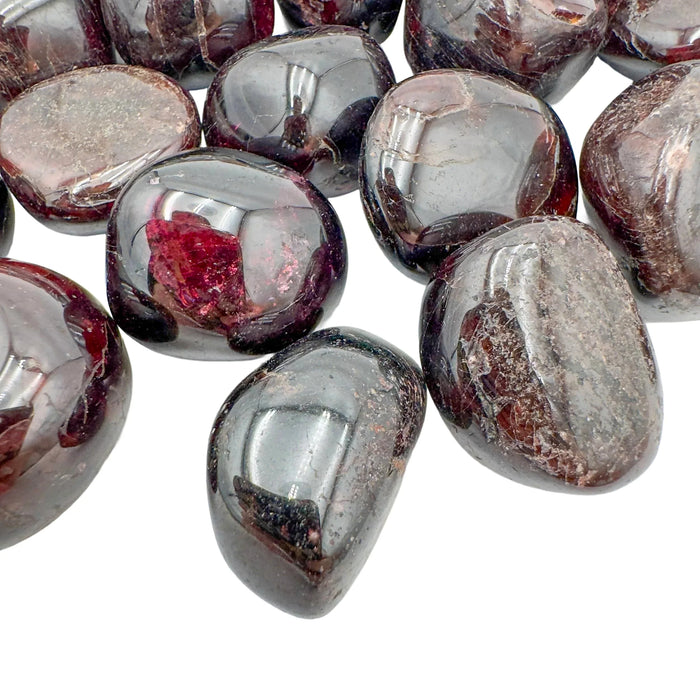
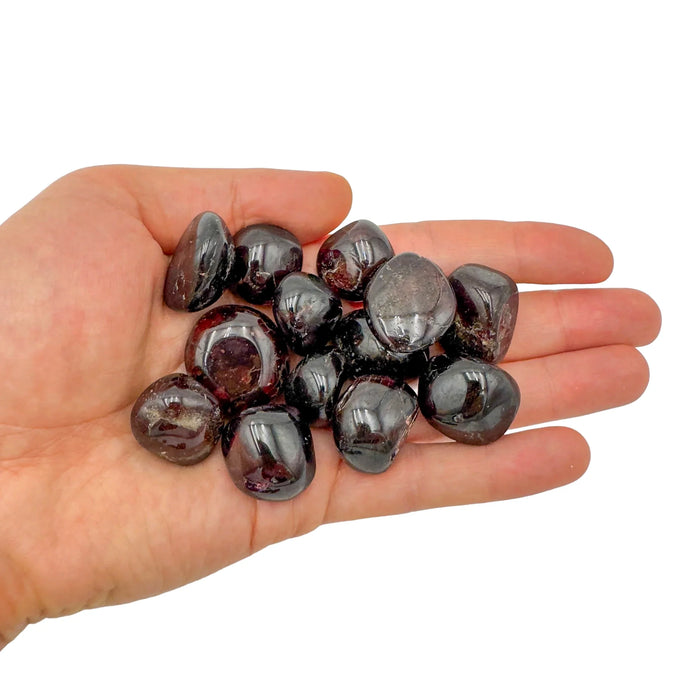
Tumbled almandine garnet from Brazil. Natural color, untreated, hand-selected for tone and finish. Each piece comes with origin documentation confirming Brazil source and variety disclosed per stone.
Shop the garnet collectionGarnet, in stock now.
Our most-loved Garnet pieces, ready to ship.
- from 1,000+ reviews
- Ships within 72 hoursMonday to Friday, tracked
- 90 days to return itif you do not love it
- Free US shipping over $99$8.99 flat rate under
The Slow Note
New stones go to the list first.
No forwarding, no selling. Unsubscribe in one click. Privacy