









 Agatefor stress relief
 Amazonitefor stress relief
 Aquamarinefor serenity
 Aventurinefor luck
 Bloodstonefor energy
 Blue Kyanitefor confidence
 Blue Lace Agatefor stress relief
 Chrysocollafor emotional healing
 Fluoritefor focus
 Garnetfor energy
 Lepidolitefor stress relief
 Malachitefor emotional healing
 Moonstonefor grounding
 Obsidianfor protection
 Ocean Jasperfor emotional healing
 Red Jasperfor grounding
 Rhodonitefor emotional healing
 Selenitefor cleansing
 Sodalitefor focus
 Tiger Eyefor confidence








































 Amethyst
 Clear Quartz
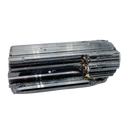 Black Tourmaline
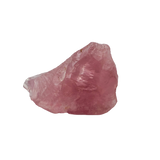 Rose Quartz
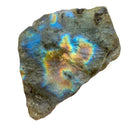 Labradorite
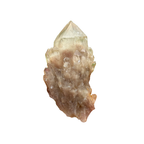 Natural Citrine
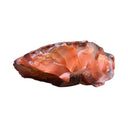 Carnelian
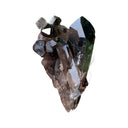 Smoky Quartz
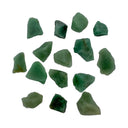 Aventurine
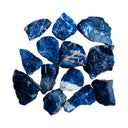 Sodalite
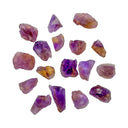 Ametrine
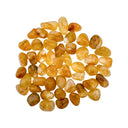 Golden Healer
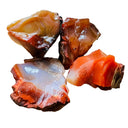 Raw Stones
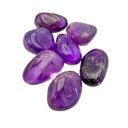 Tumbled Stones
 Palm Stones
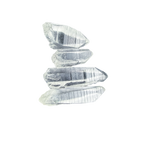 Crystal Points
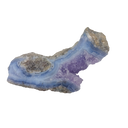 Clusters & Geodes
 Polished & Decor
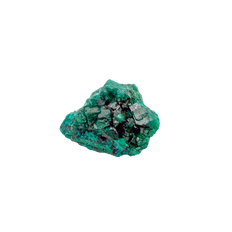 Mineral Specimens
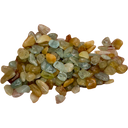 Crystal Chips




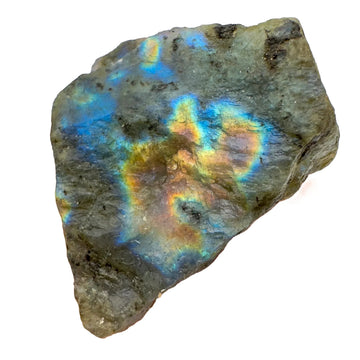



 Raw Stones
179 to choose from
Raw Stones
179 to choose from
 Tumbled Stones
162 to choose from
Tumbled Stones
162 to choose from
 Palm Stones
25 to choose from
Palm Stones
25 to choose from
 Crystal Points
23 to choose from
Crystal Points
23 to choose from
 Clusters & Geodes
99 to choose from
Clusters & Geodes
99 to choose from
 Polished & Decor
147 to choose from
Polished & Decor
147 to choose from
 Mineral Specimens
248 to choose from
Mineral Specimens
248 to choose from
 Crystal Chips
21 to choose from
Crystal Chips
21 to choose from


 AngolaAquamarine
›
AngolaAquamarine
›
 BotswanaCarnelian, Tree Agate
›
BotswanaCarnelian, Tree Agate
›
 DR CongoMalachite, Natural Citrine
›
DR CongoMalachite, Natural Citrine
›
 EswatiniBloodstone
›
EswatiniBloodstone
›
 MadagascarLabradorite, Clear Quartz
›
MadagascarLabradorite, Clear Quartz
›
 MalawiBlue Lace Agate, Garnet
›
MalawiBlue Lace Agate, Garnet
›
 MozambiqueAmazonite
›
MozambiqueAmazonite
›
 NamibiaSodalite, Blue Lace Agate
›
NamibiaSodalite, Blue Lace Agate
›
 Republic of the CongoDioptase
›
Republic of the CongoDioptase
›
 South AfricaTiger Eye, Unakite
›
South AfricaTiger Eye, Unakite
›
 ZambiaChevron Amethyst
›
ZambiaChevron Amethyst
›
 ZimbabweEmerald, Rhodonite
›
ZimbabweEmerald, Rhodonite
›
 ArgentinaBlack Obsidian, Rhodochrosite
›
ArgentinaBlack Obsidian, Rhodochrosite
›
 BoliviaAmetrine
›
BoliviaAmetrine
›
 BrazilAmethyst, Clear Quartz
›
BrazilAmethyst, Clear Quartz
›
 PeruSerpentine, Jade
›
PeruSerpentine, Jade
›
 UruguayAmethyst
›
UruguayAmethyst
›
 Dominican RepublicLarimar
›
Dominican RepublicLarimar
›
 MexicoRainbow Obsidian, Crazy Lace Agate
›
MexicoRainbow Obsidian, Crazy Lace Agate
›
 United StatesSelenite, Peridot
›
United StatesSelenite, Peridot
›
 ChinaFluorite
›
ChinaFluorite
›
 RussiaShungite
›
RussiaShungite
›
 AustraliaMookaite
›
AustraliaMookaite
›
 Where our crystals come from
See where we source →
Where our crystals come from
See where we source →


 Aries
Mar 21 to Apr 19
Carnelian
›
Aries
Mar 21 to Apr 19
Carnelian
›
 Taurus
Apr 20 to May 20
Rose Quartz
›
Taurus
Apr 20 to May 20
Rose Quartz
›
 Gemini
May 21 to Jun 20
Agate
›
Gemini
May 21 to Jun 20
Agate
›
 Cancer
Jun 21 to Jul 22
Moonstone
›
Cancer
Jun 21 to Jul 22
Moonstone
›
 Leo
Jul 23 to Aug 22
Citrine
›
Leo
Jul 23 to Aug 22
Citrine
›
 Virgo
Aug 23 to Sep 22
Amazonite
›
Virgo
Aug 23 to Sep 22
Amazonite
›
 Libra
Sep 23 to Oct 22
Blue Lace Agate
›
Libra
Sep 23 to Oct 22
Blue Lace Agate
›
 Scorpio
Oct 23 to Nov 21
Obsidian
›
Scorpio
Oct 23 to Nov 21
Obsidian
›
 Sagittarius
Nov 22 to Dec 21
Sodalite
›
Sagittarius
Nov 22 to Dec 21
Sodalite
›
 Capricorn
Dec 22 to Jan 19
Black Tourmaline
›
Capricorn
Dec 22 to Jan 19
Black Tourmaline
›
 Aquarius
Jan 20 to Feb 18
Amethyst
›
Aquarius
Jan 20 to Feb 18
Amethyst
›
 Pisces
Feb 19 to Mar 20
Aquamarine
›
Gifting?
A birthday stone is the safe bet.
Read the zodiac guide →
Pisces
Feb 19 to Mar 20
Aquamarine
›
Gifting?
A birthday stone is the safe bet.
Read the zodiac guide →


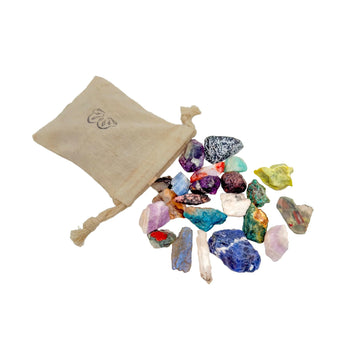










Golden Healer Quartz
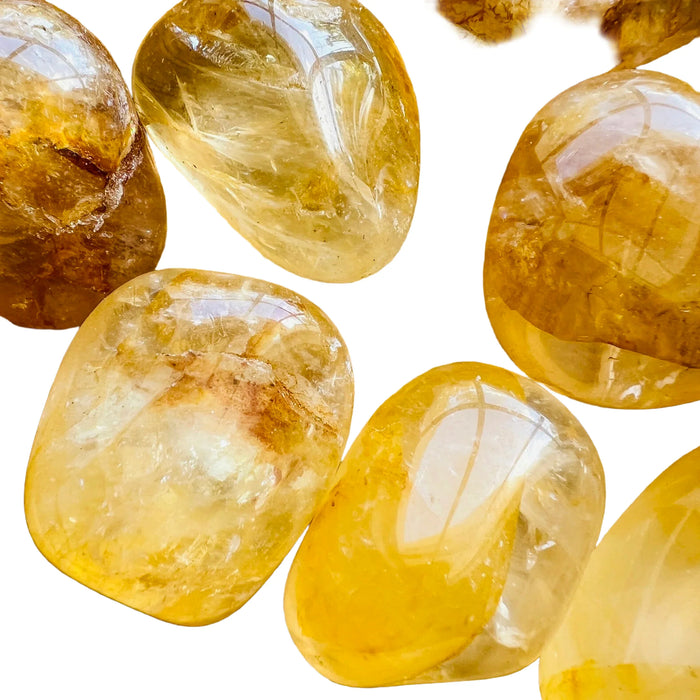
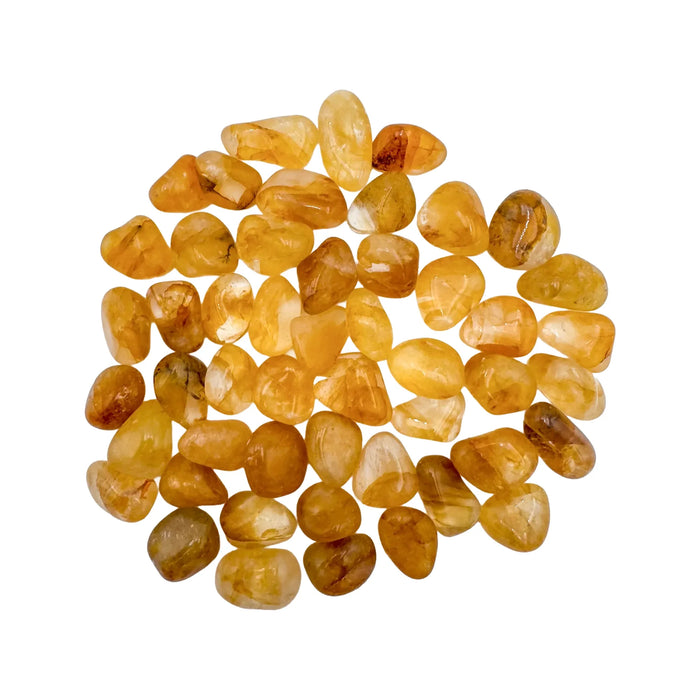
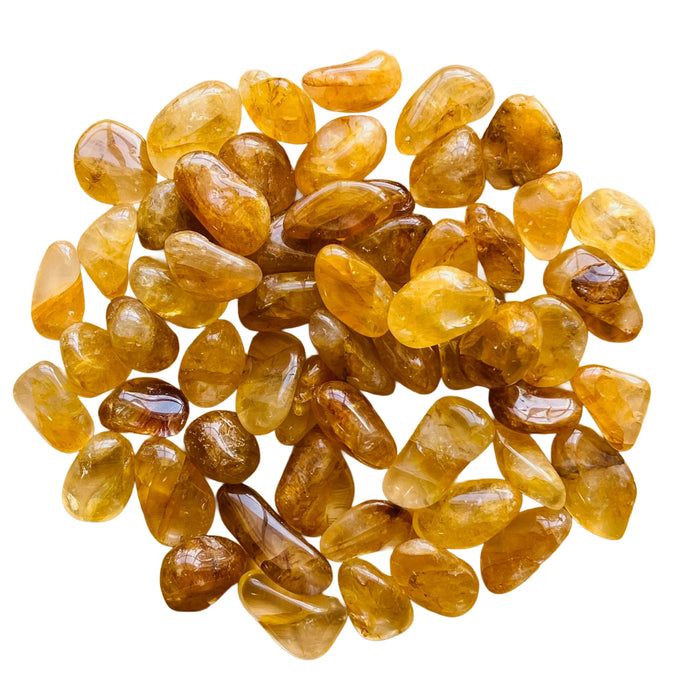
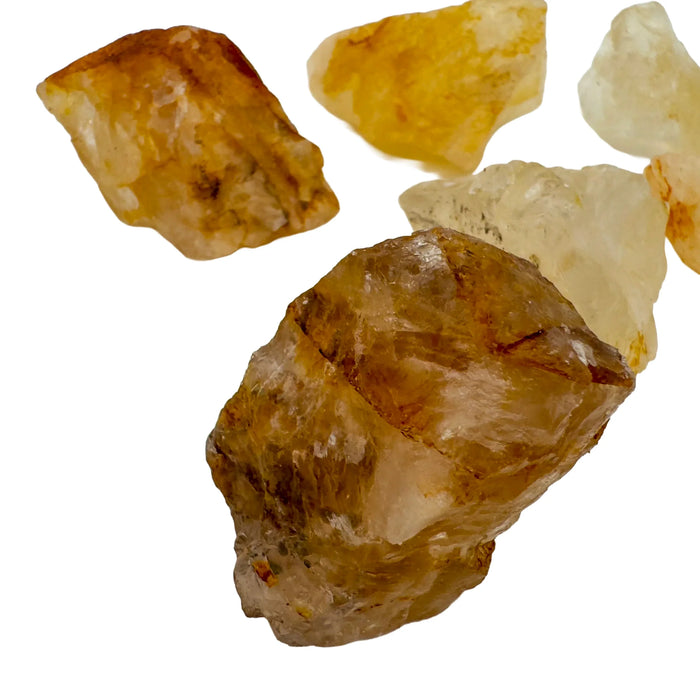
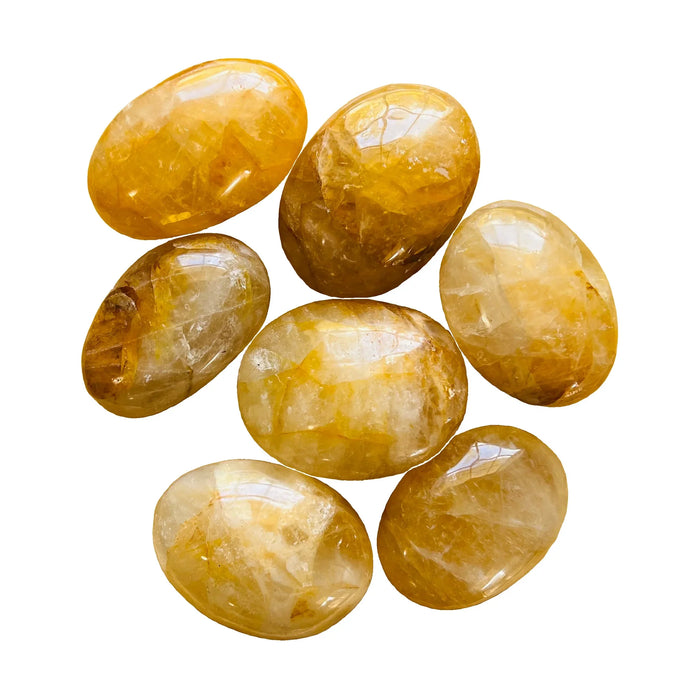
Golden Healer is clear quartz with golden-yellow to honey-colored iron oxide inclusions that coat the surface or form internal phantoms. The color comes from hydrous iron oxide, typically limonite or goethite, that formed in the crystal during growth or deposited on crystal faces during later mineral phases. Most commercial material comes from Brazil and Madagascar. The stone is rarely treated; the natural golden color and phantom patterns cannot be artificially produced without obvious tells.
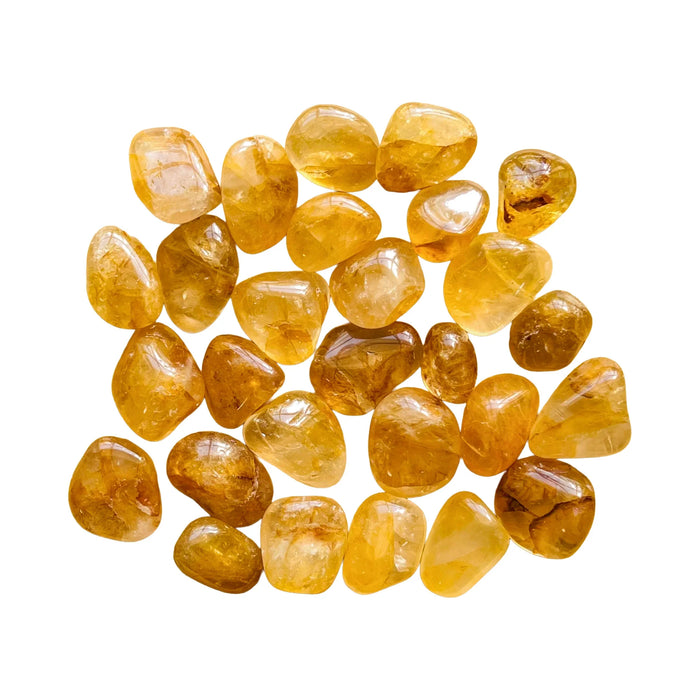
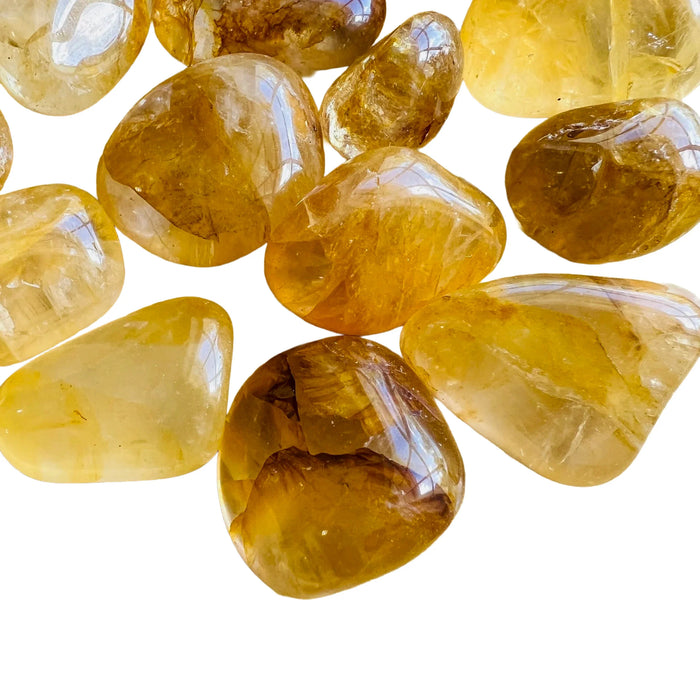
Shop golden healerGolden Healer, in stock now.
Our most-loved Golden Healer pieces, ready to ship.

- from 1,000+ reviews
- Ships within 72 hoursMonday to Friday, tracked
- 90 days to return itif you do not love it
- Free US shipping over $99$8.99 flat rate under
The geology.
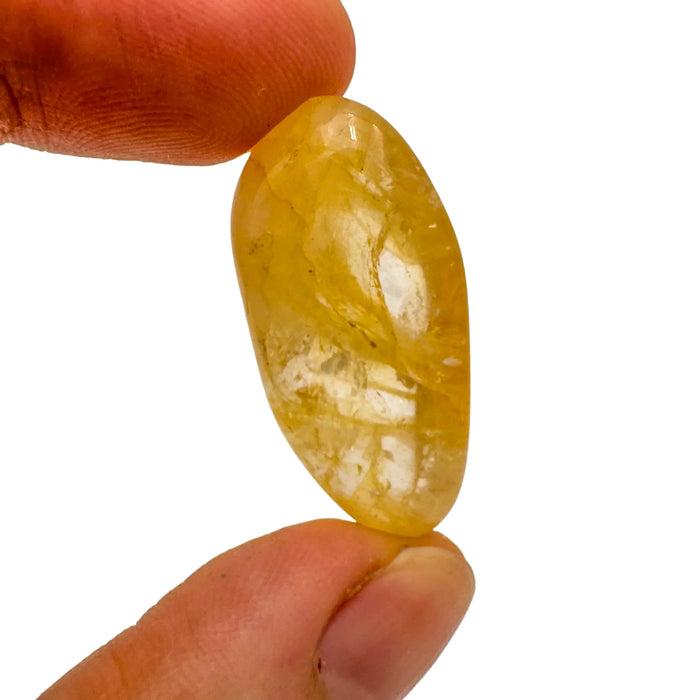
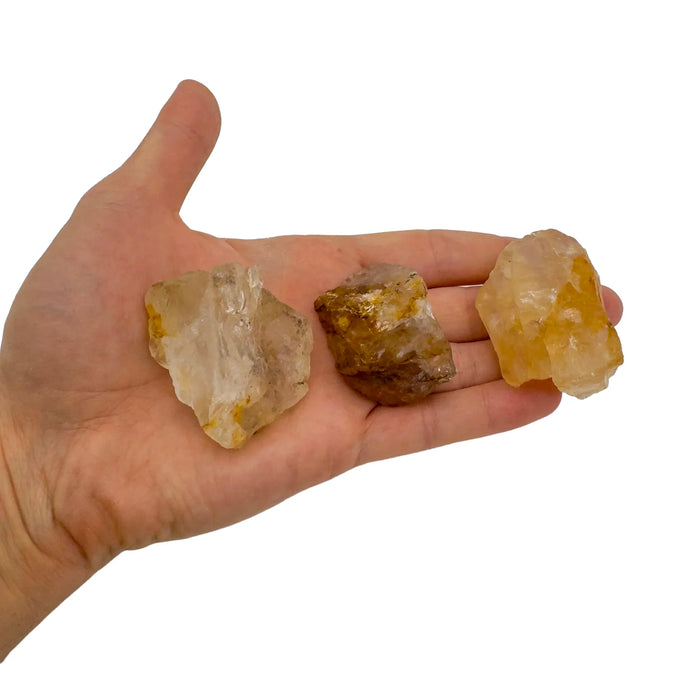
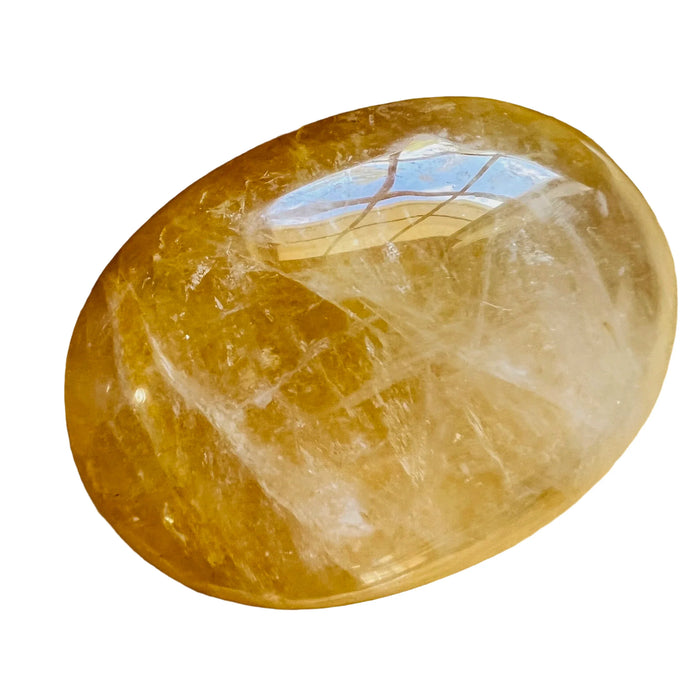
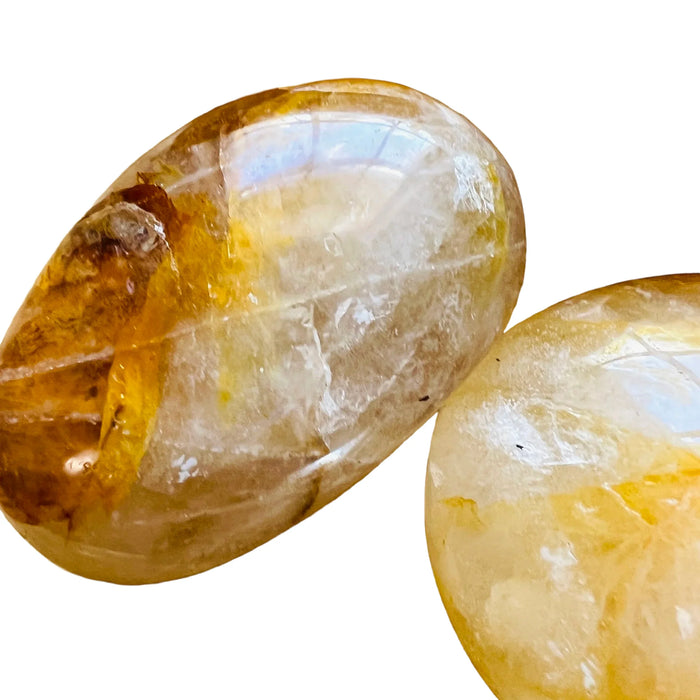
Golden Healer is clear to translucent quartz, chemical formula SiO2, with iron oxide inclusions that give it its golden-yellow to honey color. The inclusions form as surface coatings or internal phantoms, which are ghost-like crystalline patterns visible inside the stone. Hydrous iron oxide minerals, most commonly limonite and goethite, are responsible for the color. The concentration and distribution of iron oxide vary with each deposit and even within single stones, creating the natural variation visible in well-selected pieces.
The stone crystallizes in the trigonal (rhombohedral) system and sits at 7 on the Mohs hardness scale, making it durable for everyday wear and care. Specific gravity runs around 2.65, consistent with quartz. Golden Healer typically forms as massive material in pegmatite and hydrothermal deposits rather than as perfect crystal points, which is why commercial material is usually tumbled, polished, or carved. The stone shows a vitreous luster when polished and fractures unevenly. The golden phantoms and color distribution are the key distinguishing features, and they cannot be artificially replicated without using obvious surface treatments or dyes.
The origins.
The Golden Healer we carry comes primarily from Brazil and Madagascar. Brazil, particularly Minas Gerais, produces material with deeper, more saturated gold coloring and more pronounced phantom formations. The rough is sourced through vetted small-scale mining operations and hand-sorted before tumbling and polishing. The Brazilian material often shows honey to amber tones with clear quartz matrix visible between the golden areas, creating striking contrast in polished pieces.
Madagascar produces lighter, more buttery golden tones with finer phantom detail. The material tends toward pale yellow to champagne gold rather than deep honey. Both origins are equally natural and contain the same iron oxide inclusions; the difference is in the intensity and distribution of those inclusions during formation. We select pieces that show clear phantom structure or surface coating rather than heavily treated or artificially enhanced material.
Golden Healer occurs in other deposits worldwide, but Brazil and Madagascar offer the most reliable color profile and consistent supply. The mining methods vary by region and operator, but most commercial material involves hand-sorting and careful selection to preserve the phantoms and natural coloring. Rough that's over-processed or mechanically tumbled at high speed can lose the definition of the phantom structure.
Traditional associations.
Golden Healer is a modern addition to crystal practice, gaining popularity in the 1990s as wider mineral exploration made previously lesser-known varieties of quartz available to the commercial market. Unlike historical stones like clear quartz or amethyst, Golden Healer does not have deep roots in traditional metaphysical practice. Its associations are built by contemporary crystal workers who recognized its warm color, phantom structure, and solar plexus affinity, seeing in it a stone for warmth, gentle energy, and personal restoration.
In modern crystal work, Golden Healer is most commonly associated with the Solar Plexus and Crown chakras, the elements Fire and Air, and intentions around warmth, light, optimism, and gentle healing energy. Many people work with it for meditation when seeking personal clarity or warmth, for grounding during times of stress, and for practices around personal power without aggression. It's often chosen alongside citrine or sunstone when someone wants to amplify warmth and light but prefers the quieter, more grounded energy of quartz. The phantom formations are significant to many practitioners, who see in them a record of the stone's growth and a reflection of personal transformation over time.
Spotting the real thing.
Genuine Golden Healer shows clear to translucent quartz with golden-yellow iron oxide phantoms or surface coating. The color is warm, never neon or artificially vivid, and will vary in intensity across a single piece. Look for pieces where you can see the phantom structure clearly or visible golden coating on edges and surfaces. True Golden Healer feels smooth and glassy when polished, sits at 7 on the Mohs scale, and will not scratch easily under fingernail pressure. The golden color and phantom formations are natural features and cannot be artificially replicated convincingly without obvious tells.
Dyed or coated imitations show artificially uniform color, high gloss that looks plastic, and lack the internal phantom structure of genuine Golden Healer. Some artificial coatings will chip or fade with handling and wear, revealing clear quartz underneath. A practical test: genuine Golden Healer shows variation in the intensity of golden color, with clear areas visible where the iron oxide is minimal or absent. Pieces that show absolute uniform coloring throughout are likely dyed or heavily treated. If a stone feels soft, scratches easily, shows no internal phantom structure, or has a chemical smell, it's not Golden Healer.
Care & handling.
Golden Healer is hard quartz and very durable. It can be rinsed under cool running water, dried with a soft cloth, and is safe for brief soaking in water. Unlike softer stones, it won't dissolve or soften over time in water. Avoid harsh soap, hot water, or chlorine. Do not use ultrasonic or steam cleaners, which can stress the stone or damage any coated areas. Store away from direct heat and avoid sharp impacts or pressure on edges.
The golden iron oxide on the surface is stable and won't fade with light exposure the way some other stones do. Dust can be removed with a soft dry brush or cloth. For energetic cleansing, water, salt, moonlight, sound, or smoke are all appropriate. Genuine Golden Healer is straightforward to care for and will maintain its appearance with simple mindful handling. Treat it the way you'd treat any piece of clear quartz, and it will last indefinitely.
Pairs well with.
Proof, not promises.
We measure our own sourcing across five dimensions. Supply chain, environmental footprint, artisan support, market integrity, and pricing. The number is honest, not perfect. Where we can do better, we say so.
A deeper look.
Extended geology, sourcing, authentication, phantom formation, varieties, and pricing for when the quick guide isn't quite enough.
Extended geology
Golden Healer is a variety of quartz, SiO2, with iron oxide inclusions that range from pale coating to deeply saturated phantom formations. The iron oxide minerals responsible for color are typically limonite (FeO(OH).nH2O) or goethite (FeO(OH)), hydrous iron oxides that form as surface coatings or internal phantals. A phantom is a ghostly impression of a former crystal face, created when mineral growth pauses and resumes, leaving a record of different growth phases in the crystal structure. In Golden Healer, these phantoms are colored by the iron oxides present during those growth phases.
The stone forms in pegmatite and hydrothermal deposits as massive material rather than as distinct crystal points. This is why commercial Golden Healer is always worked from larger pieces and finished into tumbled stones, polished palm forms, or carvings. The massive habit does not diminish the value or utility of the stone; it defines how the material naturally presents. The clarity can range from nearly transparent clear quartz with faint golden phantoms to more translucent material with pronounced golden formation. Hardness is 7 on the Mohs scale, specific gravity 2.65.
Phantom formations and coloring
The golden phantoms in Golden Healer are visible evidence of episodic crystal growth. When mineral-rich fluid flows through a pegmatite, it deposits quartz and iron oxide in layers. As conditions change, growth may pause. When growth resumes, a new layer begins, but the boundary between old and new growth is marked by a visible line of iron oxide. Over many cycles of growth and pause, these phantom lines build up, creating the distinctive interior formations that are visible in polished pieces. The phantoms are structural and permanent; they cannot fade or be artificially replicated without surface treatment or dyes.
The concentration of iron oxide varies dramatically by location within a deposit and even within single stones. This creates the natural color variation that distinguishes genuine Golden Healer from artificially coated material. Pieces with evenly distributed color throughout, with no variation in phantom intensity, should be suspect of coating or heavy treatment.
Brazil vs. Madagascar sourcing
Brazil, particularly Minas Gerais, is the primary source of commercial Golden Healer. The material typically shows deeper golden tones, honey to amber coloring, and pronounced phantom formations. The rough is mined at small to medium scale and hand-sorted before being sent for tumbling and polishing. Brazilian Golden Healer often shows clear quartz matrix between golden phantom areas, creating striking visual contrast. Production is generally consistent, though individual batches vary in phantom definition and color saturation.
Madagascar produces lighter golden tones, pale yellow to champagne hues, with finer phantom detail. The material is less common in the North American market than Brazilian Golden Healer, which makes it less familiar to many people, though both are equally genuine. Madagascan material sometimes shows subtle undertones or multiple phantom colors from different iron oxide minerals present during formation. Both sources have their aesthetic merits; the difference is in tone and phantom intensity, not in authenticity or quality.
Coated vs. natural material
A significant portion of "golden healer" sold in the commercial market is actually coated quartz, where clear quartz is artificially treated with iron oxide or other surface deposits to simulate the appearance of genuine Golden Healer. Legitimate sellers clearly disclose coating in their product descriptions; the problem lies with sellers who label coated material as "natural" or "untreated." Coated pieces show artificially uniform color, often lack interior phantom structure, and the coating is vulnerable to chipping or fading with regular handling and wear. Over months to years, coated pieces will reveal the clear quartz underneath as the coating wears away.
Genuine Golden Healer shows uneven color distribution, visible internal phantoms (in transparent pieces), and clear areas between golden regions. The phantoms are three-dimensional features within the stone, not just surface color. If a piece shows absolute uniform coloring front to back, no variation in phantom intensity, and a glossy plastic appearance, it's coated material. Some coated pieces smell faintly chemical or metallic when handled fresh from the supplier.
Pricing and market context
Grade A tumbled Golden Healer starts around $5 to $8 per piece at retail depending on size and phantom definition. Hand-polished pieces typically $10 to $20. Palm stones and larger carvings scale upward from $18 to $50 depending on weight and phantom quality. Exceptionally large display pieces with prominent phantom formations can reach $50 to $100.
Commodity-priced Golden Healer under $3 per tumble or under $10 for palm stones should prompt questions about origin and treatment. Genuine Golden Healer at those price points usually reflects smaller sizes or minimal phantom definition rather than legitimate bargains. Conversely, Golden Healer priced far above these ranges often reflects artistry, specialized carving work, or rarity in phantom formation rather than the mineral itself. Clear labeling of origin, form, and any treatments is a strong signal of seller integrity.
Good sourcing is a practice, not a claim.
Nothing we sell is dyed, coated, stabilized, reconstituted, or color-enhanced without full disclosure. We name our origins where we can. We say so when we cannot. We walk away from material that doesn't meet our standard, even when it costs us sales.
Bring golden healer home.
Raw and hand-polished Golden Healer from Brazil and Madagascar. Natural color and phantoms, untreated, hand-selected for phantom definition and tone. Each piece comes with origin documentation confirming either Brazil or Madagascar source.
Shop the golden healer collectionGrounded Connections
New stones go to the list first.
No forwarding, no selling. Unsubscribe in one click. Privacy