


 Agatefor stress relief
 Amazonitefor stress relief
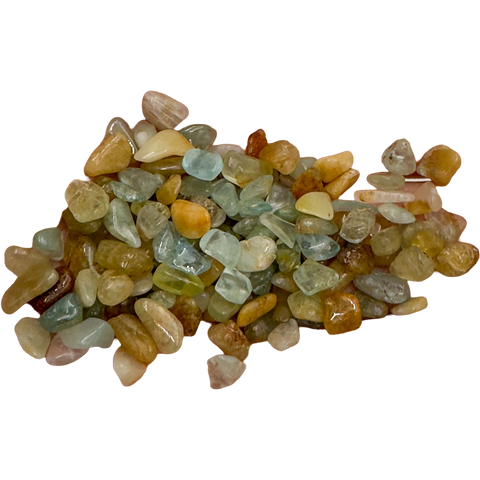
 Aquamarinefor serenity
 Aventurinefor luck
 Bloodstonefor energy
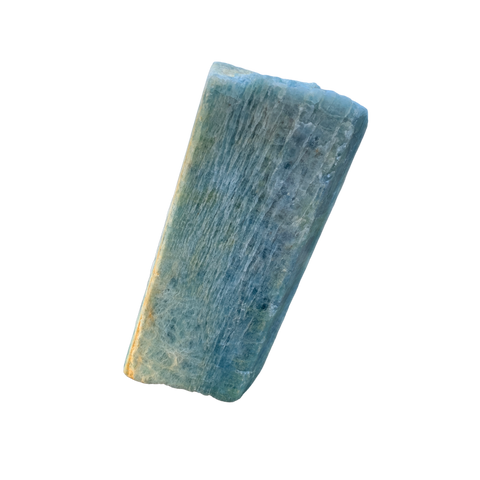
 Blue Kyanitefor confidence
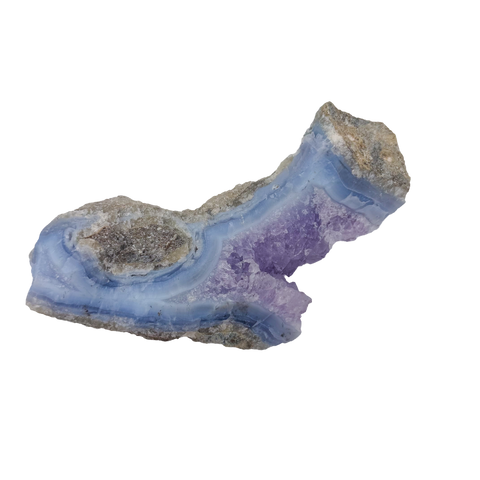
 Blue Lace Agatefor stress relief
 Chrysocollafor emotional healing
 Fluoritefor focus
 Garnetfor energy
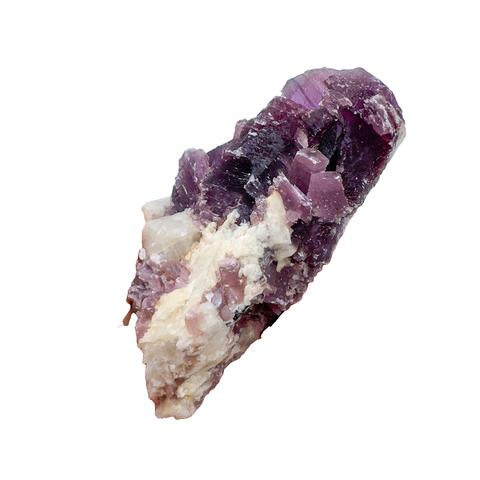
 Lepidolitefor stress relief
 Malachitefor emotional healing
 Moonstonefor grounding
 Obsidianfor protection
 Ocean Jasperfor emotional healing
 Red Jasperfor grounding
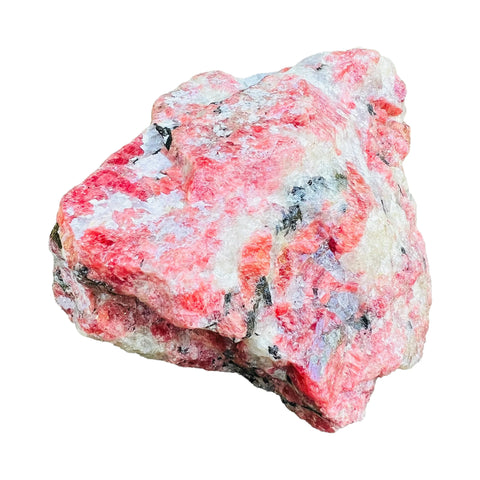
 Rhodonitefor emotional healing
 Selenitefor cleansing
 Sodalitefor focus
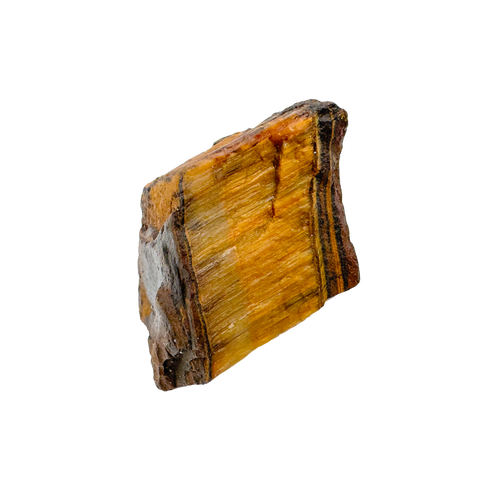
 Tiger Eyefor confidence
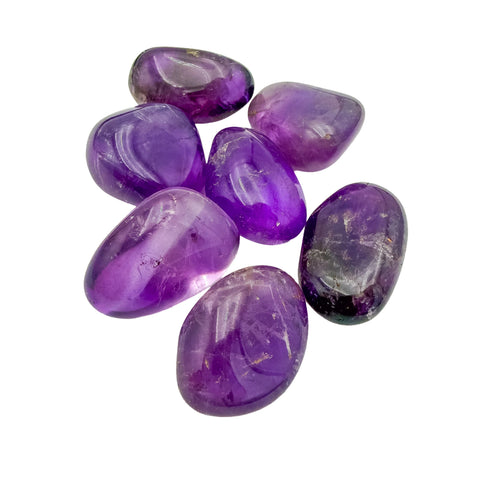


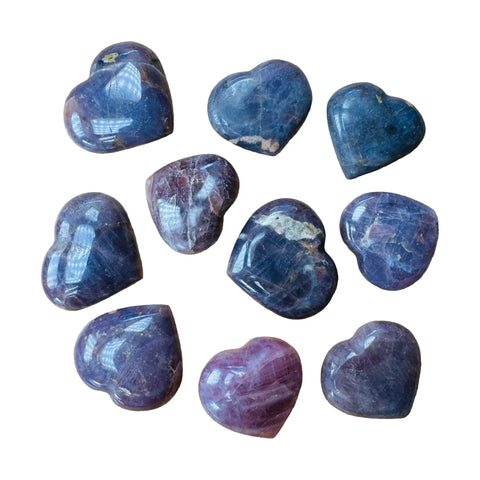
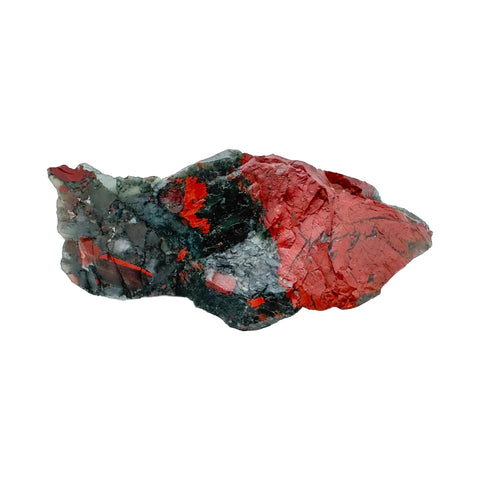
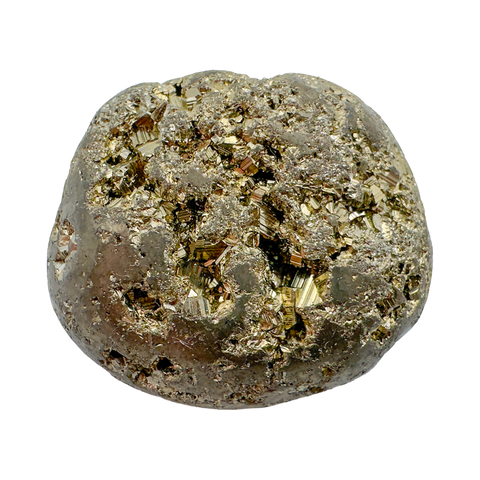
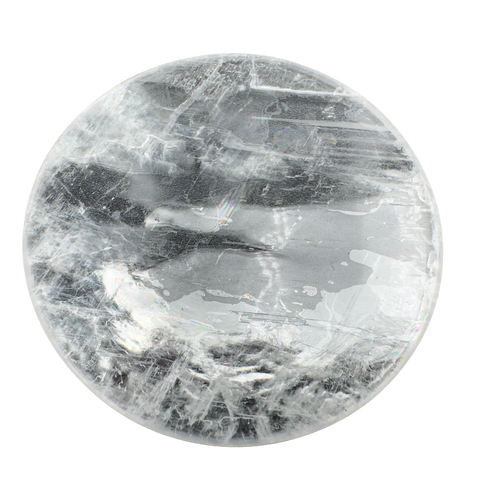
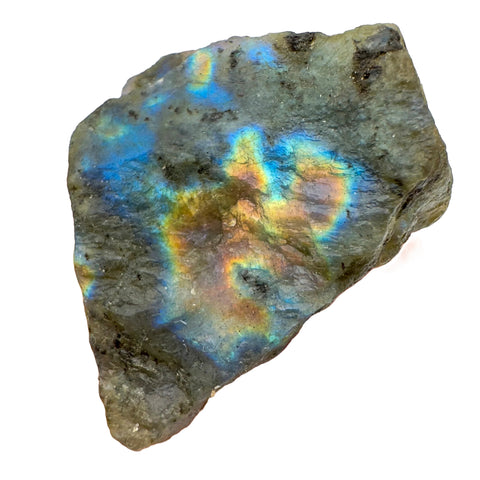
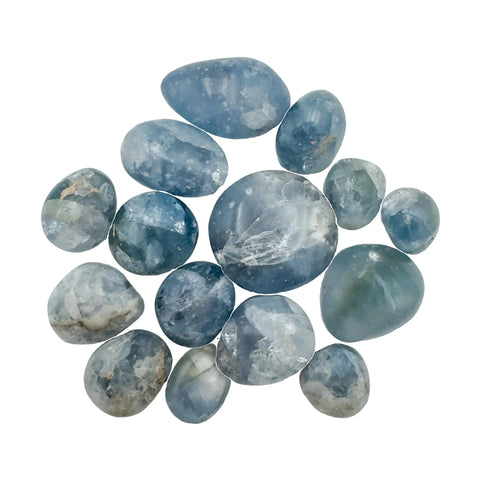


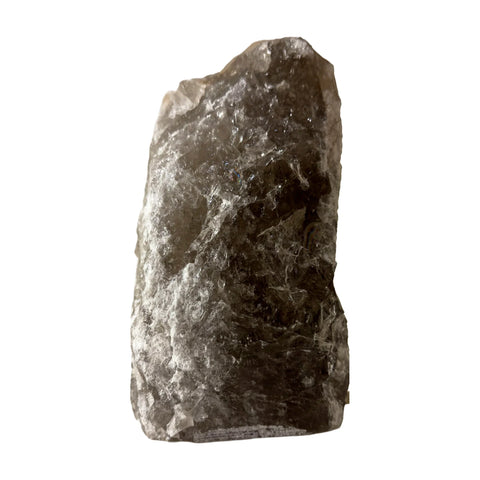
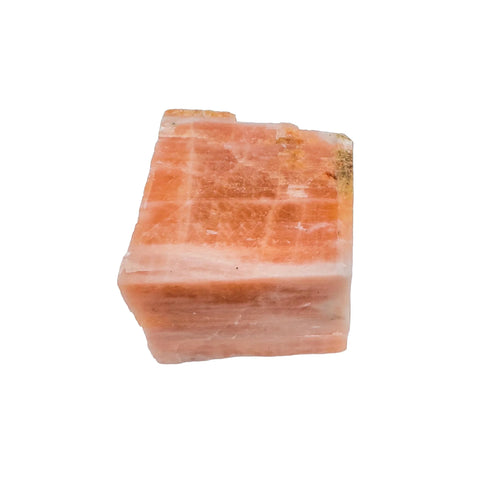
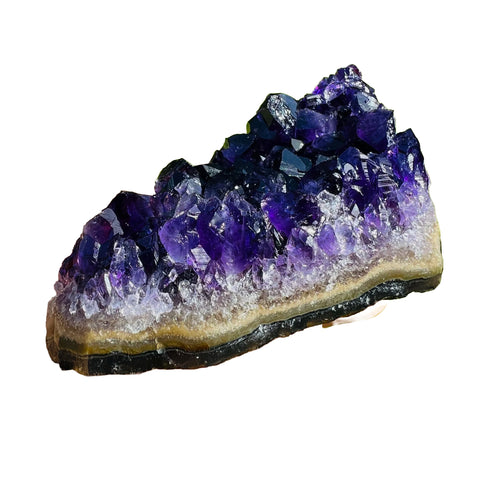





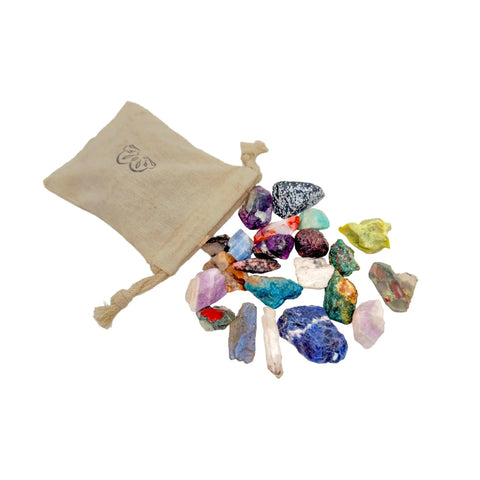
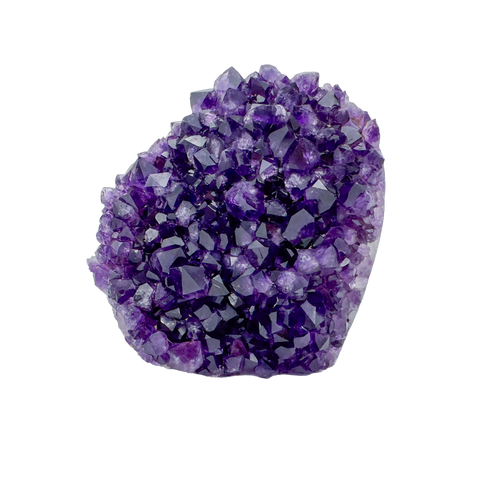
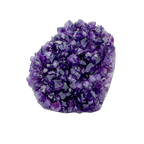 Amethyst
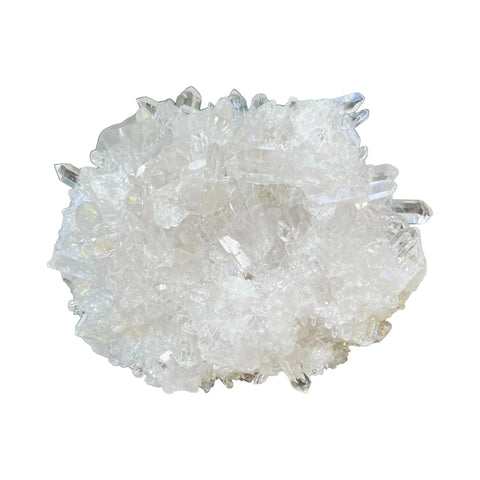
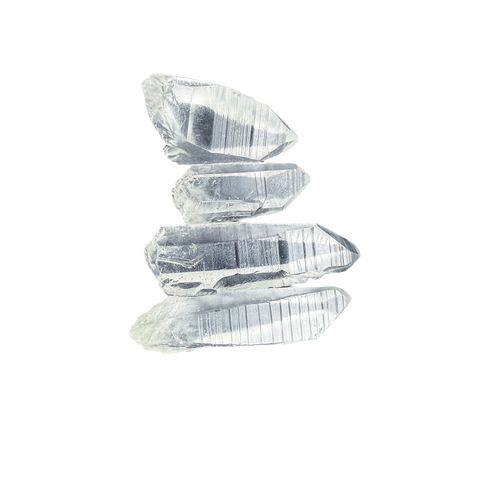
 Clear Quartz
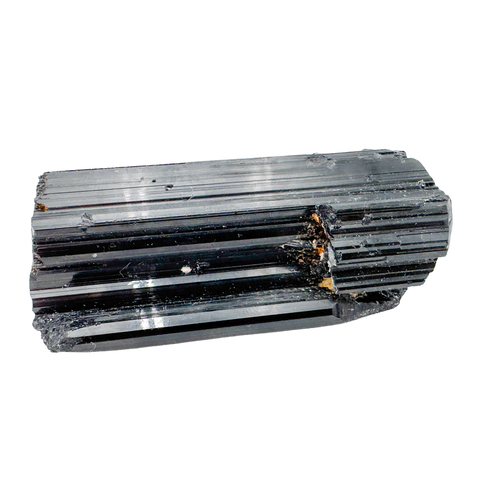
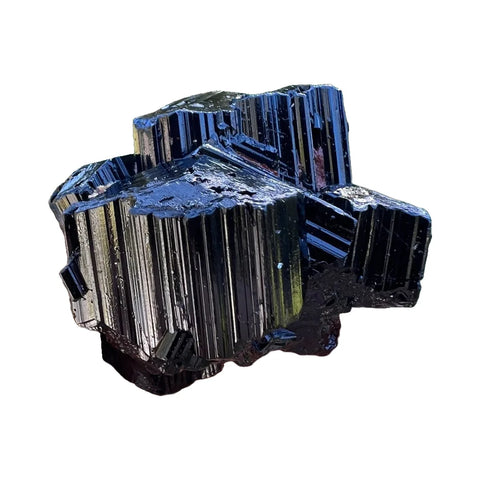
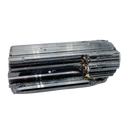 Black Tourmaline
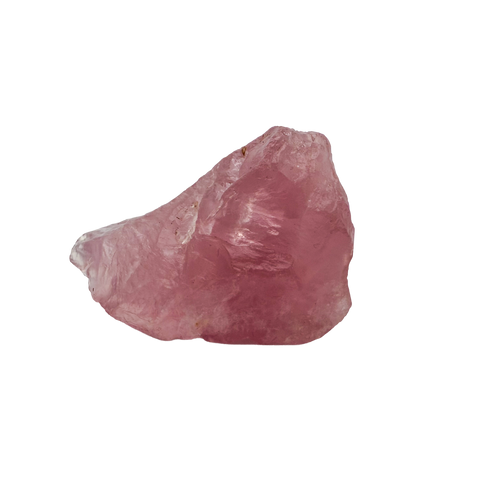
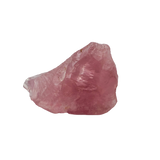 Rose Quartz
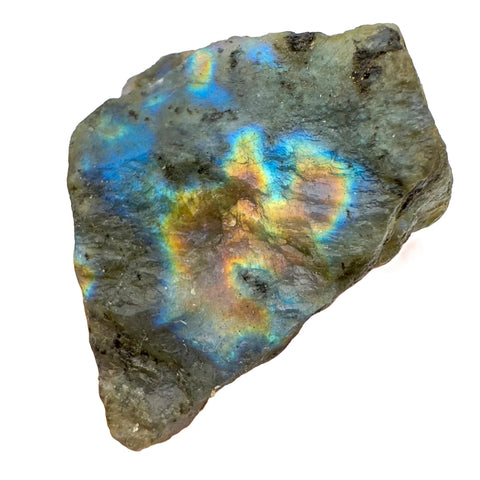
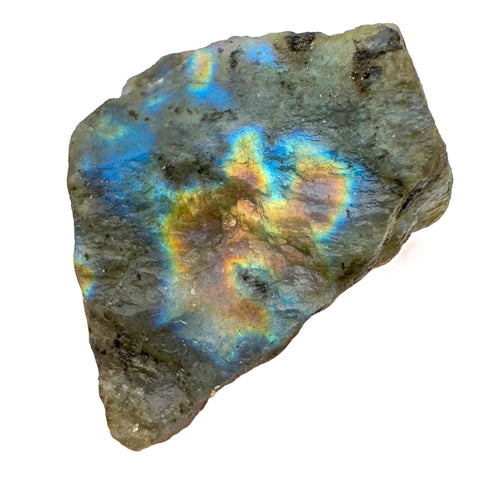
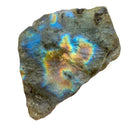 Labradorite
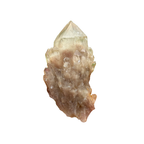 Natural Citrine
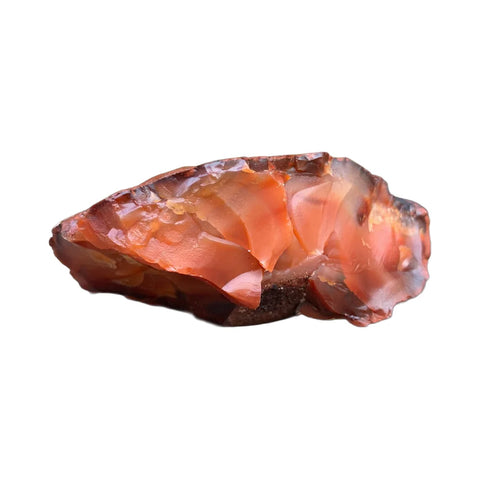
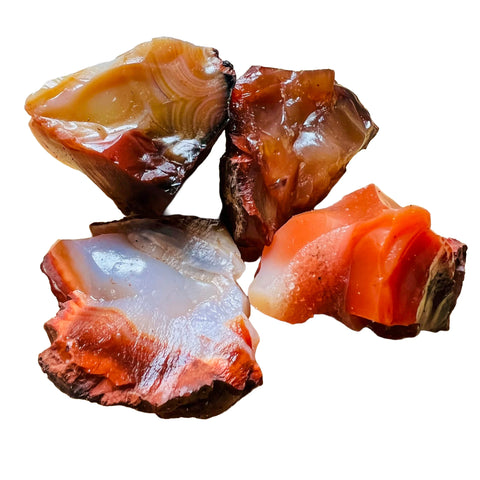
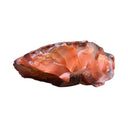 Carnelian
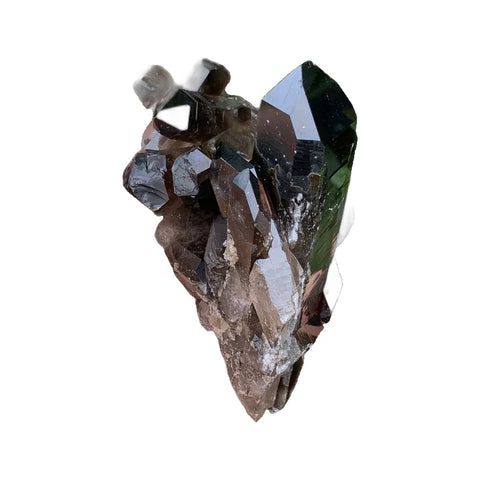
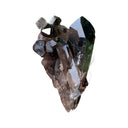 Smoky Quartz
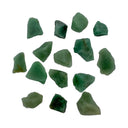 Aventurine
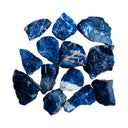 Sodalite
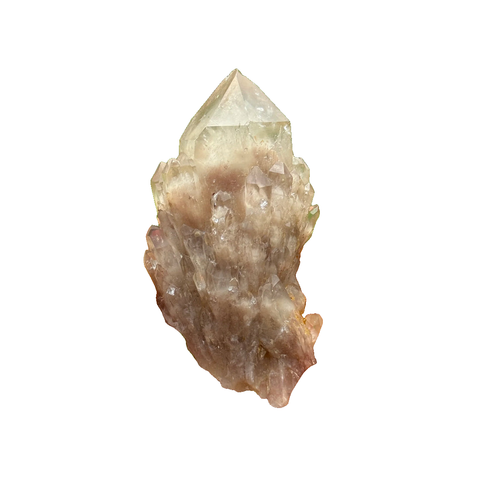
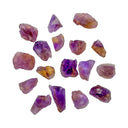 Ametrine
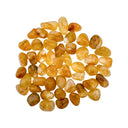 Golden Healer
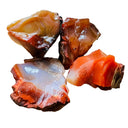 Raw Stones
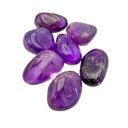 Tumbled Stones
 Palm Stones
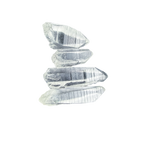 Crystal Points
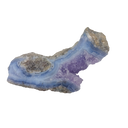 Clusters & Geodes
 Polished & Decor
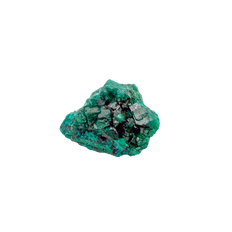 Mineral Specimens
 Crystal Chips
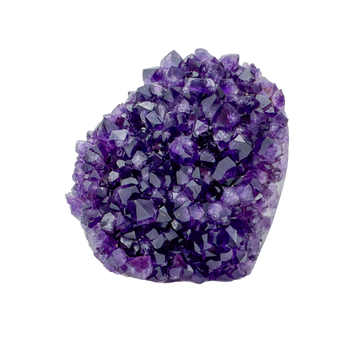
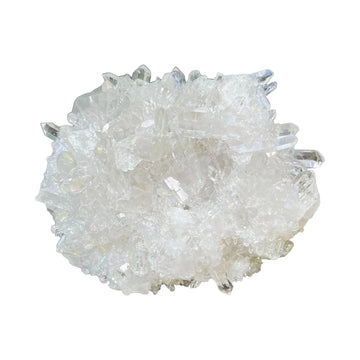
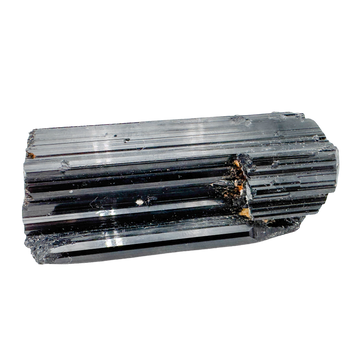
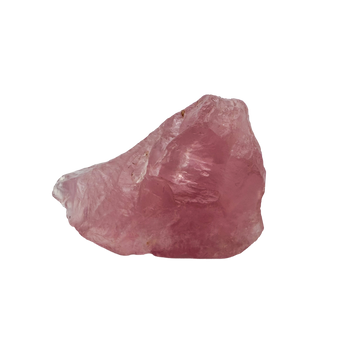
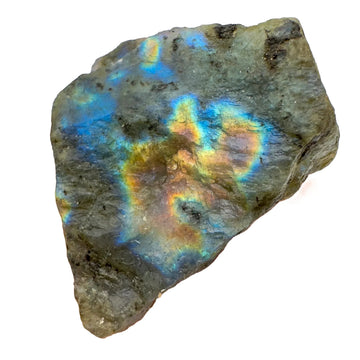
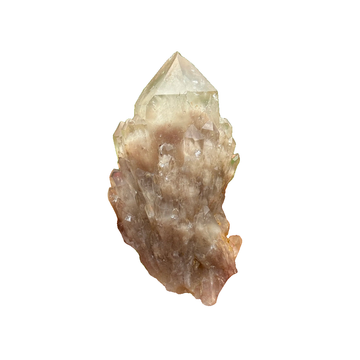
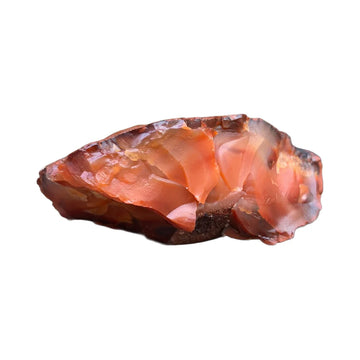
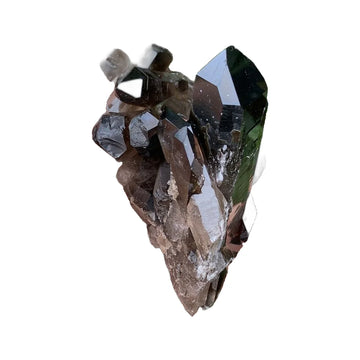
 Raw Stones
179 to choose from
Raw Stones
179 to choose from
 Tumbled Stones
162 to choose from
Tumbled Stones
162 to choose from
 Palm Stones
25 to choose from
Palm Stones
25 to choose from
 Crystal Points
23 to choose from
Crystal Points
23 to choose from
 Clusters & Geodes
103 to choose from
Clusters & Geodes
103 to choose from
 Polished & Decor
148 to choose from
Polished & Decor
148 to choose from
 Mineral Specimens
257 to choose from
Mineral Specimens
257 to choose from
 Crystal Chips
21 to choose from
Crystal Chips
21 to choose from


 AngolaAquamarine
›
AngolaAquamarine
›
 BotswanaCarnelian, Tree Agate
›
BotswanaCarnelian, Tree Agate
›
 DR CongoMalachite, Natural Citrine
›
DR CongoMalachite, Natural Citrine
›
 EswatiniBloodstone
›
EswatiniBloodstone
›
 MadagascarLabradorite, Clear Quartz
›
MadagascarLabradorite, Clear Quartz
›
 MalawiBlue Lace Agate, Garnet
›
MalawiBlue Lace Agate, Garnet
›
 MozambiqueAmazonite
›
MozambiqueAmazonite
›
 NamibiaSodalite, Blue Lace Agate
›
NamibiaSodalite, Blue Lace Agate
›
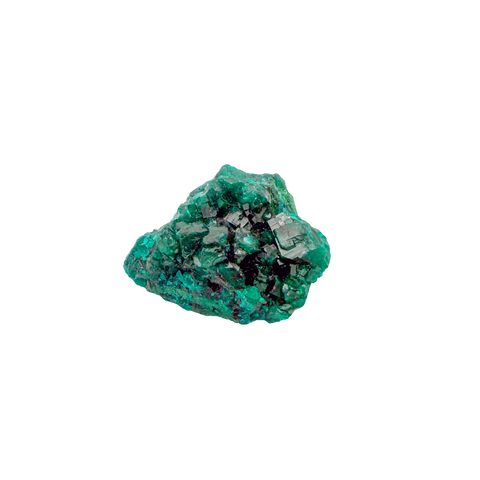
 Republic of the CongoDioptase
›
Republic of the CongoDioptase
›
 South AfricaTiger Eye, Unakite
›
South AfricaTiger Eye, Unakite
›
 ZambiaChevron Amethyst
›
ZambiaChevron Amethyst
›
 ZimbabweEmerald, Rhodonite
›
ZimbabweEmerald, Rhodonite
›
 ArgentinaBlack Obsidian, Rhodochrosite
›
ArgentinaBlack Obsidian, Rhodochrosite
›
 BoliviaAmetrine
›
BoliviaAmetrine
›
 BrazilAmethyst, Clear Quartz
›
BrazilAmethyst, Clear Quartz
›
 PeruSerpentine, Jade
›
PeruSerpentine, Jade
›
 UruguayAmethyst
›
UruguayAmethyst
›
 Dominican RepublicLarimar
›
Dominican RepublicLarimar
›
 MexicoRainbow Obsidian, Crazy Lace Agate
›
MexicoRainbow Obsidian, Crazy Lace Agate
›
 United StatesSelenite, Peridot
›
United StatesSelenite, Peridot
›
 ChinaFluorite
›
ChinaFluorite
›
 RussiaShungite
›
RussiaShungite
›
 AustraliaMookaite
›
AustraliaMookaite
›
 Where our crystals come from
See where we source →
Where our crystals come from
See where we source →


 Aries
Mar 21 to Apr 19
Carnelian
›
Aries
Mar 21 to Apr 19
Carnelian
›
 Taurus
Apr 20 to May 20
Rose Quartz
›
Taurus
Apr 20 to May 20
Rose Quartz
›
 Gemini
May 21 to Jun 20
Agate
›
Gemini
May 21 to Jun 20
Agate
›
 Cancer
Jun 21 to Jul 22
Moonstone
›
Cancer
Jun 21 to Jul 22
Moonstone
›
 Leo
Jul 23 to Aug 22
Citrine
›
Leo
Jul 23 to Aug 22
Citrine
›
 Virgo
Aug 23 to Sep 22
Amazonite
›
Virgo
Aug 23 to Sep 22
Amazonite
›
 Libra
Sep 23 to Oct 22
Blue Lace Agate
›
Libra
Sep 23 to Oct 22
Blue Lace Agate
›
 Scorpio
Oct 23 to Nov 21
Obsidian
›
Scorpio
Oct 23 to Nov 21
Obsidian
›
 Sagittarius
Nov 22 to Dec 21
Sodalite
›
Sagittarius
Nov 22 to Dec 21
Sodalite
›
 Capricorn
Dec 22 to Jan 19
Black Tourmaline
›
Capricorn
Dec 22 to Jan 19
Black Tourmaline
›
 Aquarius
Jan 20 to Feb 18
Amethyst
›
Aquarius
Jan 20 to Feb 18
Amethyst
›
 Pisces
Feb 19 to Mar 20
Aquamarine
›
Gifting?
A birthday stone is the safe bet.
Read the zodiac guide →
Pisces
Feb 19 to Mar 20
Aquamarine
›
Gifting?
A birthday stone is the safe bet.
Read the zodiac guide →


Green Jade
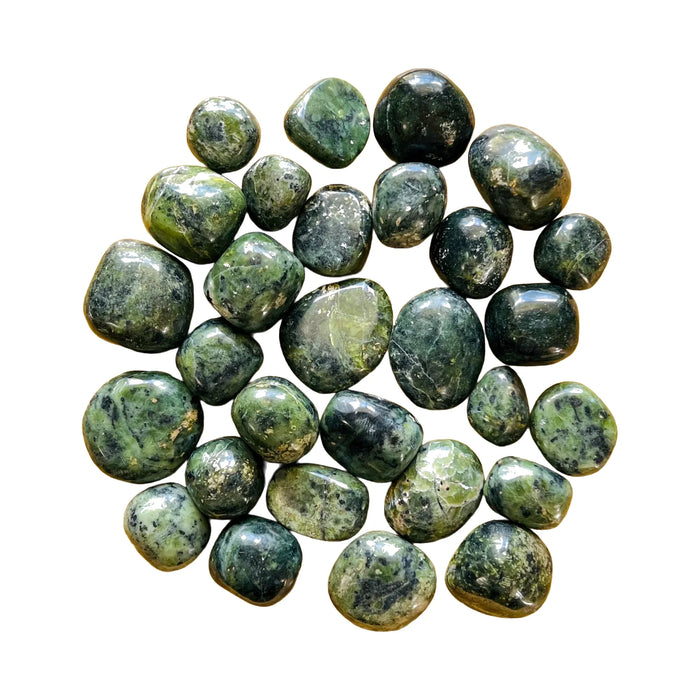
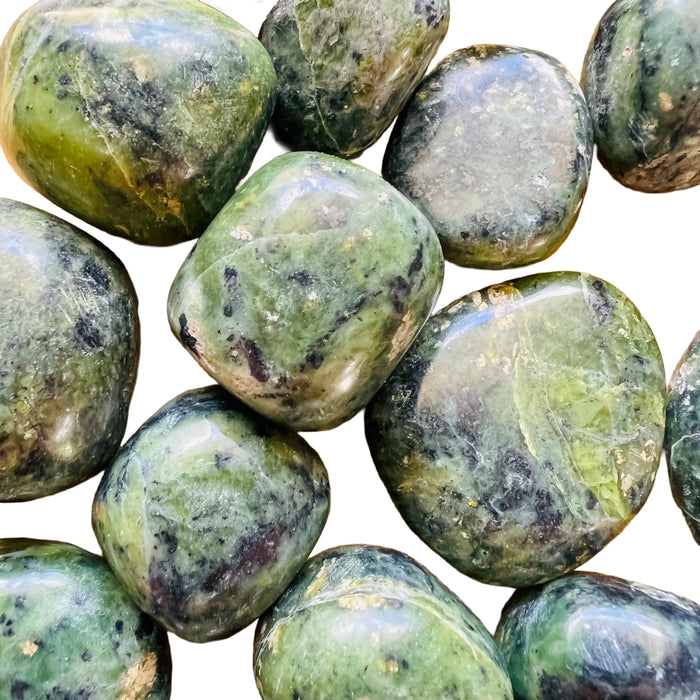
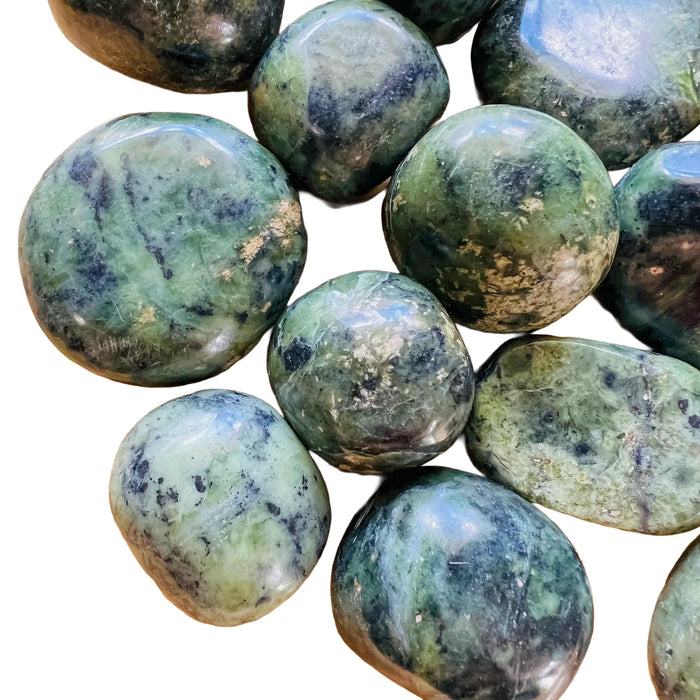
"Jade" is a commercial term covering two mineralogically distinct minerals: nephrite (a tremolite-actinolite amphibole) and jadeite (a pyroxene), along with several regional serpentine-based stones also sold as "green jade." Peruvian green jade, our primary source, comes from Lima Province and is typically serpentine-based or tremolite-rich, traded in the crystal market as green jade for its color and traditional heart-chakra association. The material is relatively durable (Mohs 5 to 6.5 depending on variety) and is almost always sold untreated. The broader jade market has significant treatment and substitution issues, especially in jadeite. Serpentine-based green jade from Peru is generally cleaner in this regard.
Shop green jadeLove Green Nephrite Jade? Meet Jade.
Green Nephrite Jade is not something we carry. Jade is the closest match in color, and every product page names its origin and grade.


- from 1,000+ reviews
- Ships within 72 hoursMonday to Friday, tracked
- 90 days to return itif you do not love it
- Free US shipping over $99$8.99 flat rate under
The geology.
The term "jade" encompasses two distinct minerals: nephrite, a dense amphibole (primarily tremolite-actinolite), and jadeite, a pyroxene. Beyond these, many regional stones marketed as "jade" are serpentine-based or include tremolite-rich metamorphic material without being true nephrite or jadeite. Peruvian green jade, our primary source, typically falls into the serpentine or tremolite-nephrite group rather than pure nephrite. This does not make it less durable or less desirable; it means the stone's properties and treatment history reflect its actual mineralogy rather than assumptions based on the jade label.
Green jade from Peru forms in metamorphic deposits in the Lima Province region, where mineral-rich rock has been subjected to heat and pressure over geological time. The resulting material shows a waxy to polished luster, compact density, and color ranging from pale to medium to deep green depending on trace metals and the proportion of different minerals in the stone. The monoclinic crystal system characteristic of serpentine and tremolite varieties creates compact, workable material that tumbles and polishes well. Hardness sits between 5 and 6.5 on the Mohs scale, depending on the exact composition and mineral ratio. This durability makes it suitable for pendant, bracelet, and everyday wear without the fragility of softer stones.
The origins.
Peruvian green jade from Lima Province is our primary source and the material we focus on for transparency and sourcing documentation. The stone forms in metamorphic zones and is worked through small-scale to medium-scale mining operations. The deposits yield material ranging from pale celadon to deep forest green, with some pieces showing natural striping or subtle texture variations created during formation. We select for well-finished pieces that show the stone's natural character: dense, waxy, and stable under normal handling.
Green jade occurs in several other regions worldwide. True nephrite deposits are found in Canada (British Columbia), Russia (Siberia), and New Zealand (pounamu, a Maori cultural tradition). Jadeite, the second major jade mineral, comes primarily from Myanmar and China, with smaller deposits in Guatemala and other Central American regions. Each origin produces distinct color ranges and surface qualities. Canadian and Russian nephrite tends toward deeper green; New Zealand pounamu ranges from pale to very dark depending on the deposit. Jadeite from Myanmar often shows more vivid, translucent greens. The jade family as a whole is global, but the Peruvian serpentine-based material we carry offers a distinct aesthetic and straightforward sourcing story.
The broader jade market includes numerous regional varieties and treatment practices. Knowing the actual origin and mineralogy of your jade is essential for understanding its durability, care requirements, and how it was produced. We prioritize Peruvian material for this reason: it offers reliable sourcing documentation, natural untreated status, and the visual character people seek when they choose green jade.
Traditional associations.
Jade has deep roots in Asian traditions, particularly Chinese culture, where it has been revered for thousands of years as a stone of virtue, harmony, and protection. Traditional Chinese medicine and metaphysical practice associate jade with balance, longevity, and the flow of vital energy. Western crystal practice built on these foundations, adopting jade as a heart-chakra stone and associating it with compassion, emotional grounding, and steady endurance. Unlike some newer stones in modern crystal work, jade carries the weight of ancient cultural use and continues to hold strong traditional associations.
In modern crystal practice, green jade is most commonly worked with for heart-chakra opening, emotional balance during times of change, and the kind of steady, grounded strength that endurance requires. Many people carry it for protection during travel or as a daily touchstone for calm decision-making. It is often chosen alongside other heart-centered stones like aventurine or rose quartz when someone wants to blend softness with strength. The traditional associations emphasize resilience, good judgment, and the harmony that comes from aligning with what is true rather than forcing what is wanted.
Spotting the real thing.
Genuine green jade feels dense and slightly cool to the touch. The surface is smooth and waxy when polished, with a subtle sheen rather than a glass-like shine. The color will vary slightly across most pieces unless the material is exceptionally uniform, and you may see subtle striping or layering created during formation. Press gently with a fingernail or copper coin on an inconspicuous edge; true jade resists scratching at these hardnesses. Real jade does not scratch easily like calcite or fluorite would.
Dyed or artificially enhanced jade often shows uniform, unnaturally vivid color and a plastic-like or glossy finish. These imitations may be softer and easier to scratch. Some lower-grade jade is stabilized with resin or polymer to improve durability and appearance; while this does not make the stone worthless, it is important to know what you are purchasing. Genuine Peruvian green jade should feel substantial, show natural variation, and maintain a matte to waxy finish when hand-polished. If a stone feels lightweight for its size, shows perfectly uniform color, or scratches easily, it may not be true jade or may be a lower-grade imitation.
Care & handling.
Green jade is relatively durable and suitable for daily wear. It can be worn in rings, bracelets, and pendants without special concern, though it is still wise to avoid dropping it from height or subjecting it to sharp impacts. The stone is not sensitive to water, so brief rinsing under cool running water is fine. For a deeper clean, you can use warm soapy water and a soft cloth. Avoid harsh chemical cleaners or prolonged soaking in hot water, which can weaken any adhesive used in settings or carving work.
Store jade with other stones or by itself; it is durable enough not to scratch easily, so storage concerns are minimal. Sunlight does not fade or damage green jade, so you can display it openly without concern. For energetic cleansing, you can use smoke, sound, moonlight, running water, or salt water without damage to the stone. The density and stability of jade make it one of the more low-maintenance stones to live with. Treat it with the respect any meaningful object deserves, but know that its durability is a real feature you can rely on.
Pairs well with.
Proof, not promises.
We measure our own sourcing across five dimensions. Supply chain, environmental footprint, artisan support, market integrity, and pricing. The number is honest, not perfect. Where we can do better, we say so.
A deeper look.
Extended geology, sourcing, authentication, jade varieties, treatment practices, and pricing for when the quick guide isn't quite enough.
Extended geology and mineralogy
The term "jade" refers to two mineralogically distinct stones: nephrite and jadeite. Nephrite is a compact amphibole, primarily tremolite-actinolite, with a monoclinic crystal system. Jadeite is a pyroxene, also monoclinic. Beyond these, many stones marketed as "jade" are serpentine-based or include tremolite-rich material that resembles jade in appearance and durability without being pure nephrite or jadeite. Peruvian green jade falls mostly into the serpentine and tremolite-nephrite category.
The green color in jade comes from trace iron, chromium, or other metals in the crystal structure. Peruvian material typically shows greens ranging from pale celadon to deep forest, sometimes with subtle striping or layering. The formation process in metamorphic zones creates compact, workable material. Mohs hardness sits between 5 and 6.5 depending on the exact mineral composition. Specific gravity runs around 2.9 to 3.0 for serpentine-based jade. The stone's density, even at relatively modest hardness, makes it durable for everyday wear and resistant to fracturing under normal handling.
Jade varieties and regional differences
True nephrite forms in metamorphic deposits worldwide. Canadian nephrite from British Columbia is known for deep green tones and high density; it is considered among the finest nephrite by traditional standards. Russian nephrite from Siberia produces similar qualities and has been valued in jewelry for centuries. New Zealand pounamu is a nephrite variety with cultural significance in Maori tradition; the material ranges from pale greenstone to very dark jade. Jadeite, the second major jade mineral, occurs primarily in Myanmar (Burma) and Guatemala, producing vivid, sometimes translucent greens highly prized in carving and jewelry.
Peruvian green jade, in contrast, is typically serpentine or a blend of serpentine and tremolite. This does not make it inferior; it means the stone has its own set of properties, treatment history, and sourcing story. Understanding the actual mineralogy of your jade is essential for knowing how to care for it and what you are purchasing. Marketing all green jade stones under the same "jade" label obscures important differences.
Treatment practices in the jade market
Type B jadeite treatment involves impregnating the stone with polymers or resin to fill surface fractures, improving appearance and durability. Type C jadeite is dyed, either to enhance existing color or to alter it entirely. Both treatments are common in the jadeite market, particularly for lower-grade material. Type A jadeite, marketed as untreated, commands higher prices. Nephrite and serpentine-based jade see far less treatment overall because the material's value lies in color and texture rather than clarity. Some lower-grade green jade is dyed to deepen color or create more uniform appearance, but this is less routine than with jadeite.
Our Peruvian green jade is natural and untreated. No polymers, dyes, or stabilization are applied. The color and texture you see is the stone as it comes from the earth. This means the material may show subtle variation in tone and texture, which are authentic properties of untreated jade rather than defects.
Sourcing and labor in Peru
Lima Province jade mining is small-scale to medium-scale. Most operations involve hand-mining and on-site sorting, with local artisans handling polishing and finishing. We work with suppliers who prioritize fair wages, safe conditions, and material quality over volume. Labor and environmental practices vary by operation; we prioritize documented suppliers with transparent practices over relationships where conditions are unclear.
Pricing and market notes
Grade A tumbled green jade from Peru runs $8 to $16 per piece depending on size and finish quality. Hand-polished pieces typically $14 to $28. Palm stones and larger carvings scale upward from $25 to $60 depending on weight and finish. Very large display pieces or high-carving work can reach $80 and above. Pricing reflects grade, origin transparency, and sourcing care.
Commodity-priced green jade (under $3 per tumble, under $10 for palm stones) should prompt questions about origin and treatment. Pieces from unknown sources or without origin disclosure are common at these price points. Conversely, exceptionally high prices often reflect artistry or carving work rather than the jade mineralogy itself.
Good sourcing is a practice, not a claim.
Nothing we sell is dyed, stabilized, reconstituted, or color-enhanced without full disclosure. We name our origins where we can. We say so when we cannot. We walk away from material that does not meet our standard, even when it costs us sales.
Bring green jade home.
Tumbled and hand-polished green jade from Lima, Peru. Natural, untreated, and selected for color clarity and finish quality. Each piece comes with origin documentation confirming Peruvian source and confirming untreated status.
Shop the green jade collectionGrounded Connections
New stones go to the list first.
No forwarding, no selling. Unsubscribe in one click. Privacy