


 Agatefor stress relief
 Amazonitefor stress relief
 Aquamarinefor serenity
 Aventurinefor luck
 Bloodstonefor energy
 Blue Kyanitefor confidence
 Blue Lace Agatefor stress relief
 Chrysocollafor emotional healing
 Fluoritefor focus
 Garnetfor energy
 Lepidolitefor stress relief
 Malachitefor emotional healing
 Moonstonefor grounding
 Obsidianfor protection
 Ocean Jasperfor emotional healing
 Red Jasperfor grounding
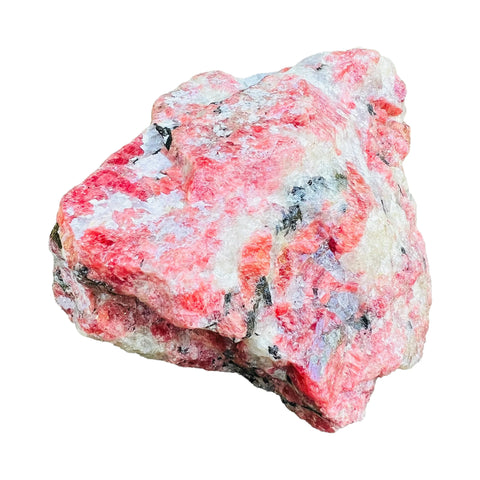
 Rhodonitefor emotional healing
 Selenitefor cleansing
 Sodalitefor focus
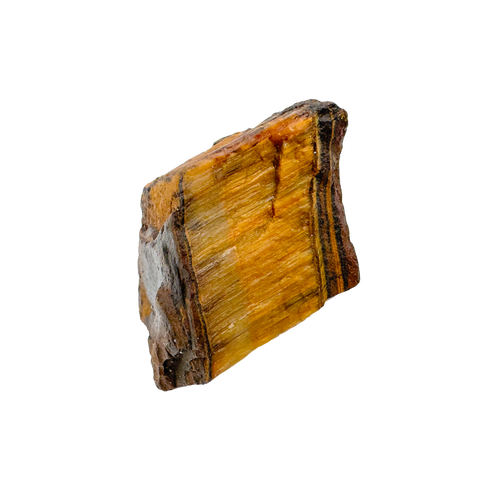
 Tiger Eyefor confidence


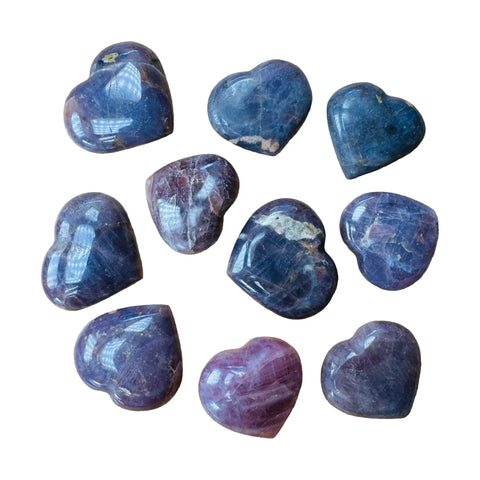
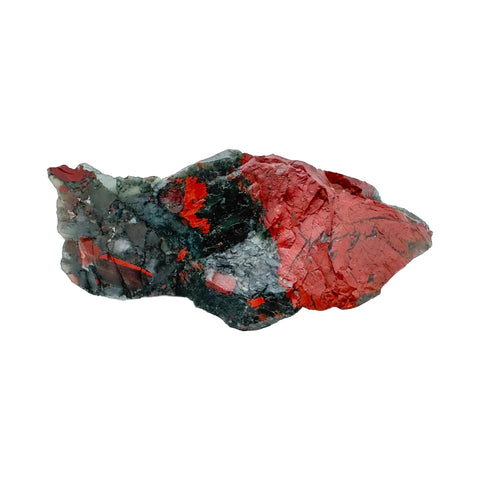
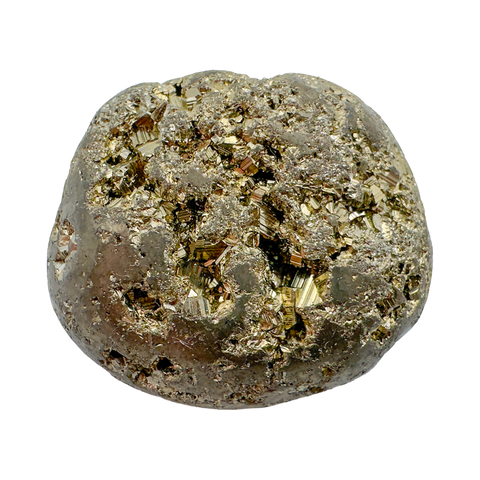
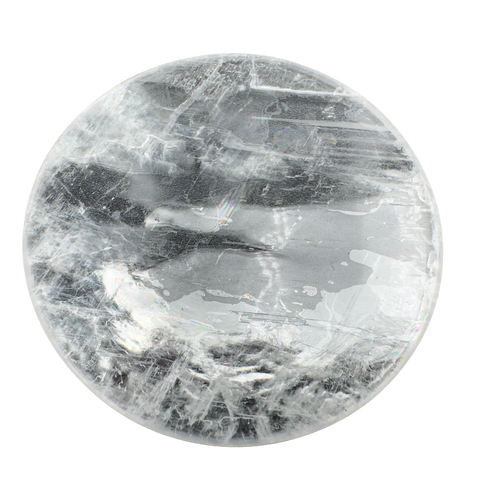


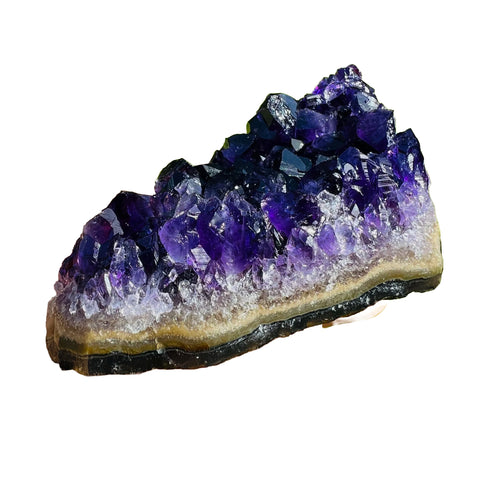





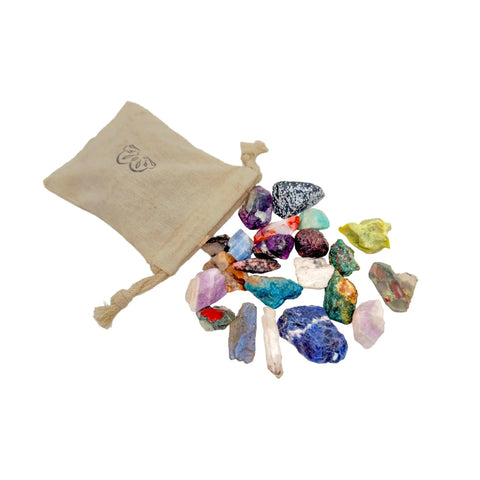
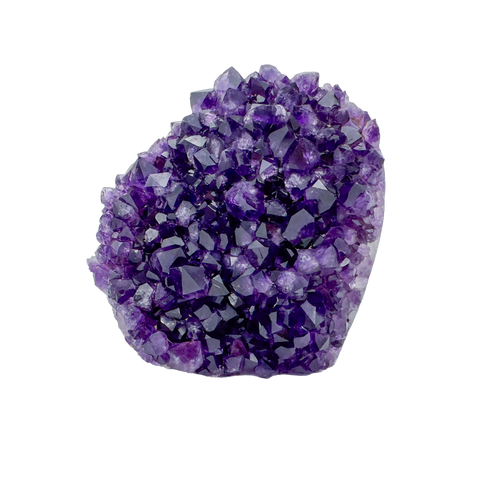
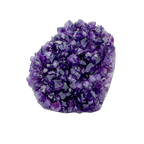 Amethyst
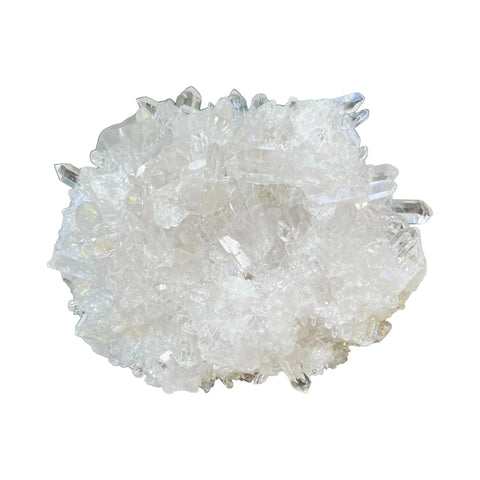
 Clear Quartz
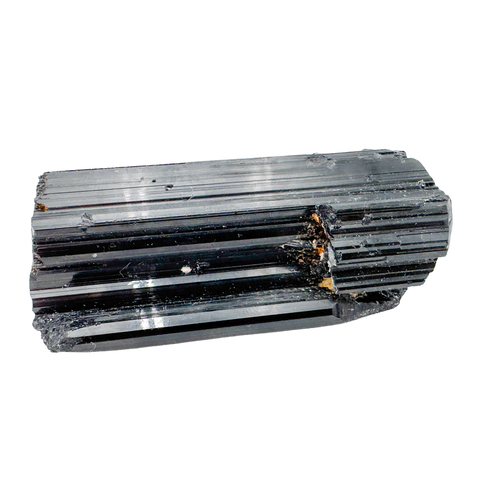
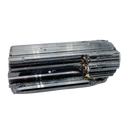 Black Tourmaline
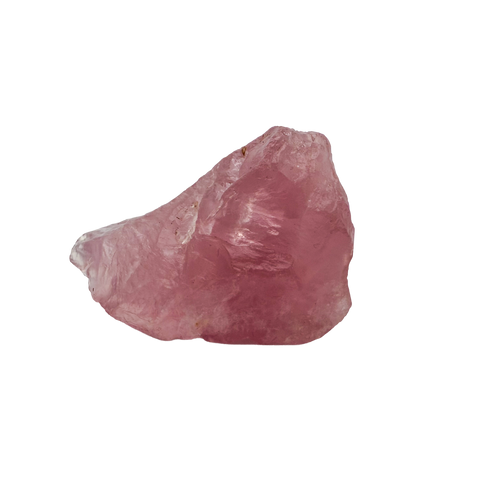
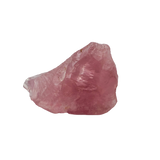 Rose Quartz
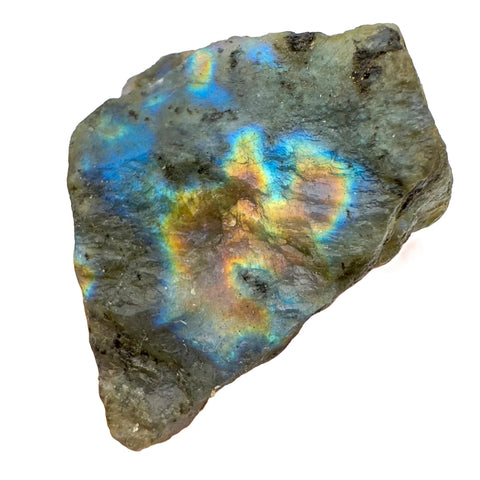
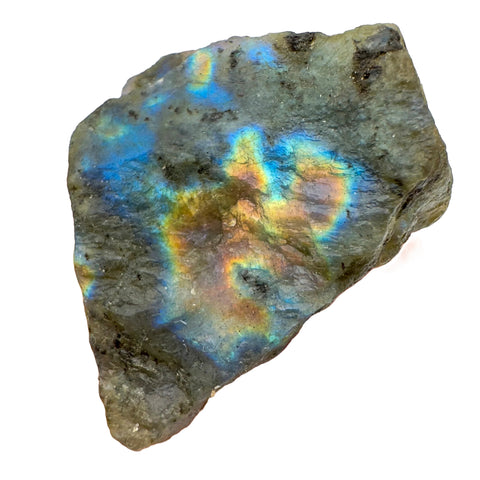
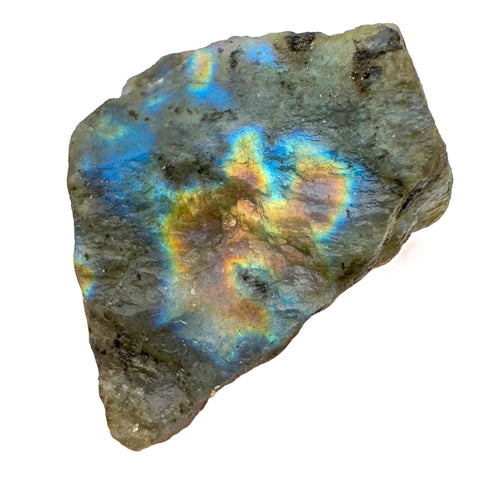
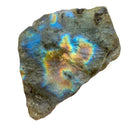 Labradorite
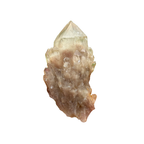 Natural Citrine
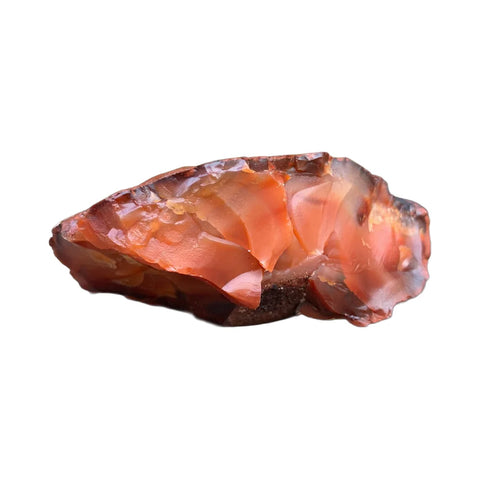
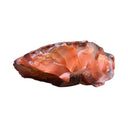 Carnelian
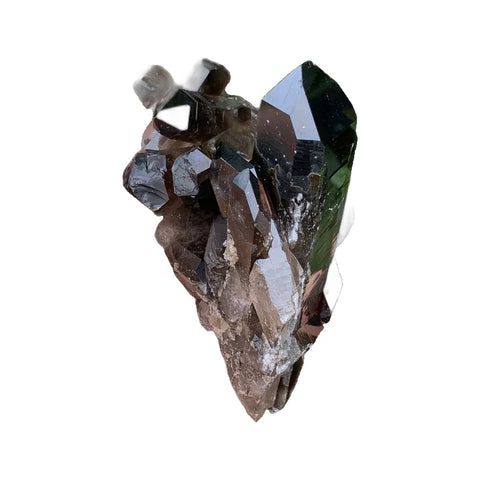
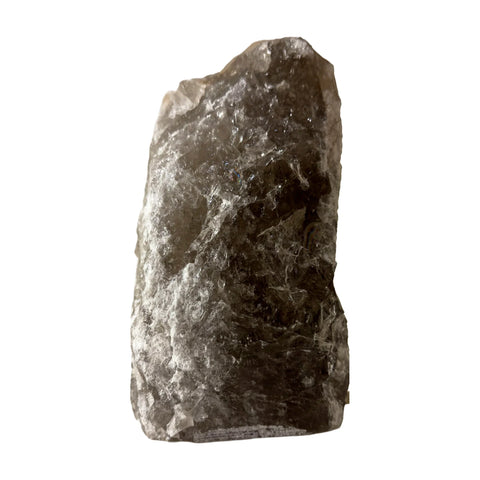
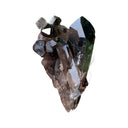 Smoky Quartz
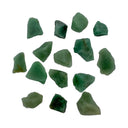 Aventurine
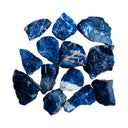 Sodalite
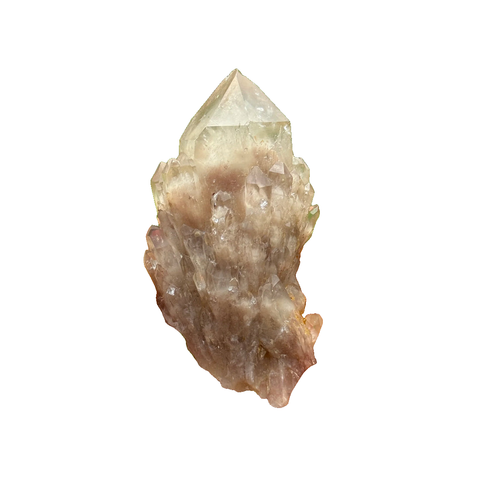
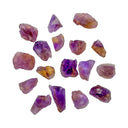 Ametrine
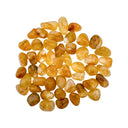 Golden Healer
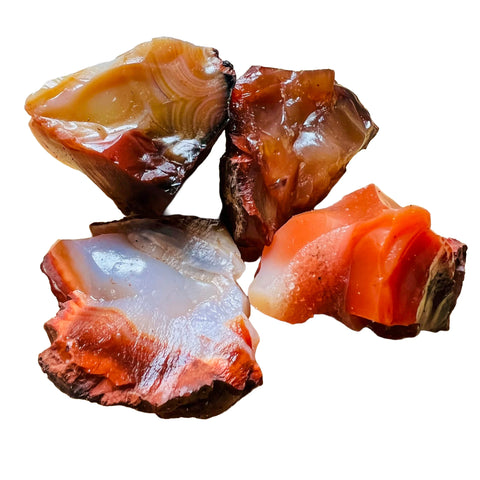
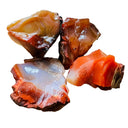 Raw Stones
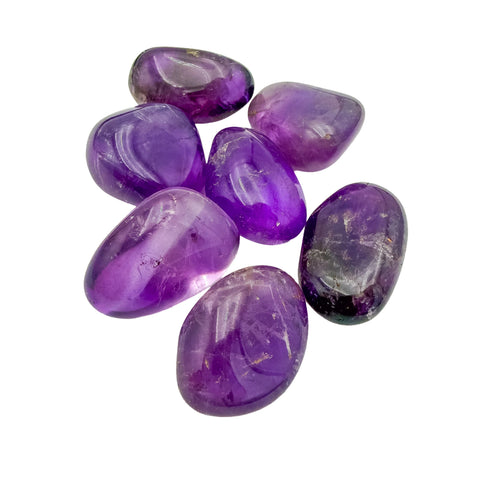
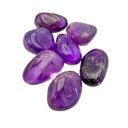 Tumbled Stones
 Palm Stones
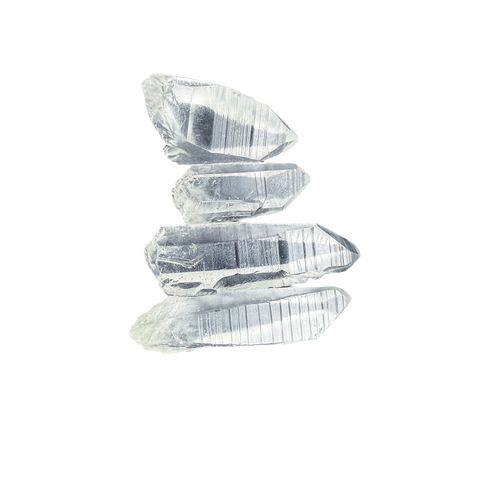
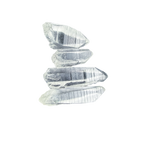 Crystal Points
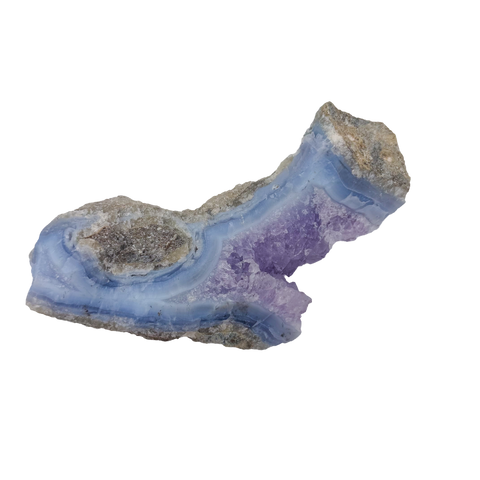
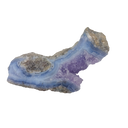 Clusters & Geodes
 Polished & Decor
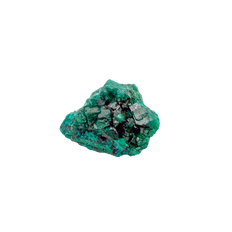 Mineral Specimens
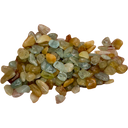 Crystal Chips
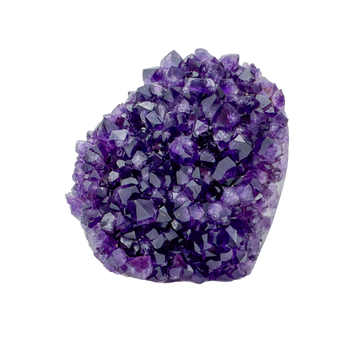
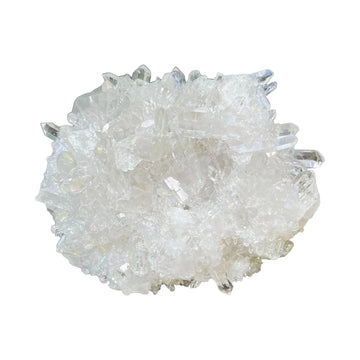
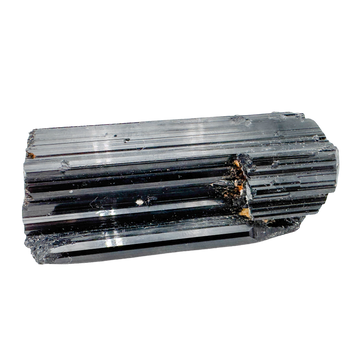
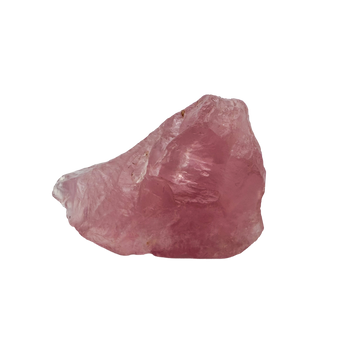
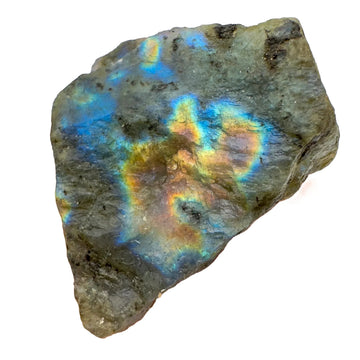
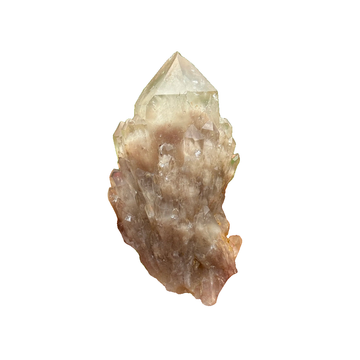
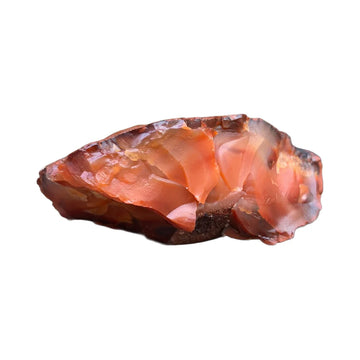
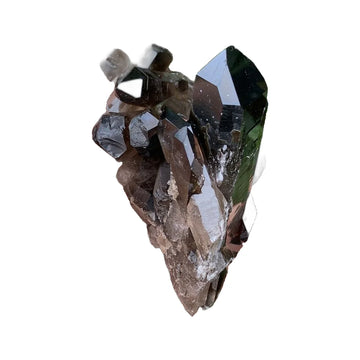
 Raw Stones
179 to choose from
Raw Stones
179 to choose from
 Tumbled Stones
162 to choose from
Tumbled Stones
162 to choose from
 Palm Stones
25 to choose from
Palm Stones
25 to choose from
 Crystal Points
23 to choose from
Crystal Points
23 to choose from
 Clusters & Geodes
103 to choose from
Clusters & Geodes
103 to choose from
 Polished & Decor
148 to choose from
Polished & Decor
148 to choose from
 Mineral Specimens
257 to choose from
Mineral Specimens
257 to choose from
 Crystal Chips
21 to choose from
Crystal Chips
21 to choose from


 AngolaAquamarine
›
AngolaAquamarine
›
 BotswanaCarnelian, Tree Agate
›
BotswanaCarnelian, Tree Agate
›
 DR CongoMalachite, Natural Citrine
›
DR CongoMalachite, Natural Citrine
›
 EswatiniBloodstone
›
EswatiniBloodstone
›
 MadagascarLabradorite, Clear Quartz
›
MadagascarLabradorite, Clear Quartz
›
 MalawiBlue Lace Agate, Garnet
›
MalawiBlue Lace Agate, Garnet
›
 MozambiqueAmazonite
›
MozambiqueAmazonite
›
 NamibiaSodalite, Blue Lace Agate
›
NamibiaSodalite, Blue Lace Agate
›
 Republic of the CongoDioptase
›
Republic of the CongoDioptase
›
 South AfricaTiger Eye, Unakite
›
South AfricaTiger Eye, Unakite
›
 ZambiaChevron Amethyst
›
ZambiaChevron Amethyst
›
 ZimbabweEmerald, Rhodonite
›
ZimbabweEmerald, Rhodonite
›
 ArgentinaBlack Obsidian, Rhodochrosite
›
ArgentinaBlack Obsidian, Rhodochrosite
›
 BoliviaAmetrine
›
BoliviaAmetrine
›
 BrazilAmethyst, Clear Quartz
›
BrazilAmethyst, Clear Quartz
›
 PeruSerpentine, Jade
›
PeruSerpentine, Jade
›
 UruguayAmethyst
›
UruguayAmethyst
›
 Dominican RepublicLarimar
›
Dominican RepublicLarimar
›
 MexicoRainbow Obsidian, Crazy Lace Agate
›
MexicoRainbow Obsidian, Crazy Lace Agate
›
 United StatesSelenite, Peridot
›
United StatesSelenite, Peridot
›
 ChinaFluorite
›
ChinaFluorite
›
 RussiaShungite
›
RussiaShungite
›
 AustraliaMookaite
›
AustraliaMookaite
›
 Where our crystals come from
See where we source →
Where our crystals come from
See where we source →


 Aries
Mar 21 to Apr 19
Carnelian
›
Aries
Mar 21 to Apr 19
Carnelian
›
 Taurus
Apr 20 to May 20
Rose Quartz
›
Taurus
Apr 20 to May 20
Rose Quartz
›
 Gemini
May 21 to Jun 20
Agate
›
Gemini
May 21 to Jun 20
Agate
›
 Cancer
Jun 21 to Jul 22
Moonstone
›
Cancer
Jun 21 to Jul 22
Moonstone
›
 Leo
Jul 23 to Aug 22
Citrine
›
Leo
Jul 23 to Aug 22
Citrine
›
 Virgo
Aug 23 to Sep 22
Amazonite
›
Virgo
Aug 23 to Sep 22
Amazonite
›
 Libra
Sep 23 to Oct 22
Blue Lace Agate
›
Libra
Sep 23 to Oct 22
Blue Lace Agate
›
 Scorpio
Oct 23 to Nov 21
Obsidian
›
Scorpio
Oct 23 to Nov 21
Obsidian
›
 Sagittarius
Nov 22 to Dec 21
Sodalite
›
Sagittarius
Nov 22 to Dec 21
Sodalite
›
 Capricorn
Dec 22 to Jan 19
Black Tourmaline
›
Capricorn
Dec 22 to Jan 19
Black Tourmaline
›
 Aquarius
Jan 20 to Feb 18
Amethyst
›
Aquarius
Jan 20 to Feb 18
Amethyst
›
 Pisces
Feb 19 to Mar 20
Aquamarine
›
Gifting?
A birthday stone is the safe bet.
Read the zodiac guide →
Pisces
Feb 19 to Mar 20
Aquamarine
›
Gifting?
A birthday stone is the safe bet.
Read the zodiac guide →


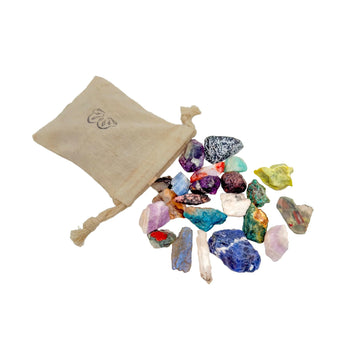

Green Tourmaline
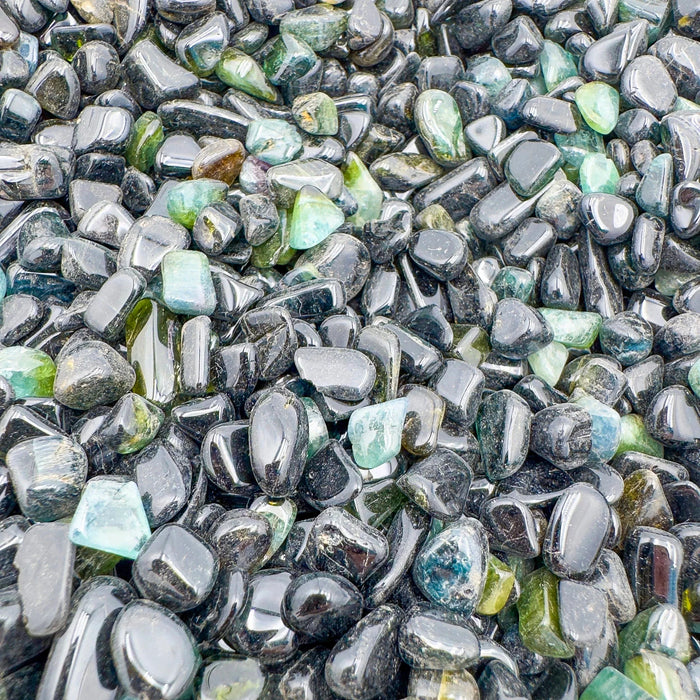
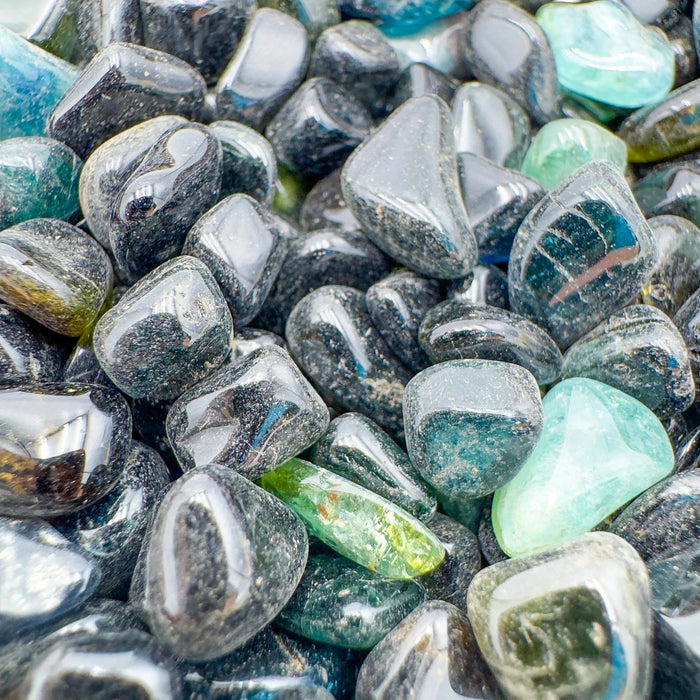
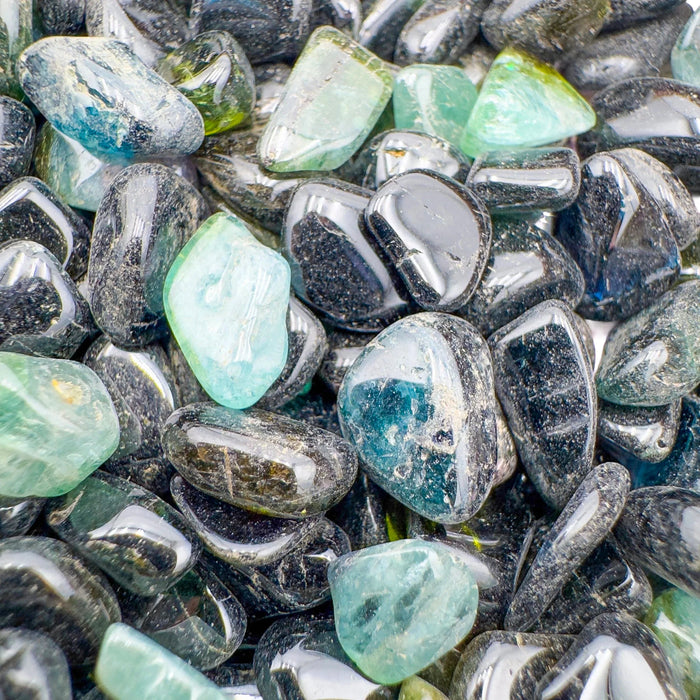
Green tourmaline is a color variety of Elbaite, a significant commercial species within the tourmaline group. Its green color comes from trace iron, chromium, or vanadium. Known as Verdelite in some markets, green tourmaline ranges from pale olive to deep emerald. Heat treatment and irradiation are common in the commercial gem market to improve or deepen color, and these treatments are considered acceptable industry practice when disclosed. Beyond Bohemian's material comes from two sources: raw specimens from Minas Gerais, Brazil, and crystal chips from Nampula, Mozambique.
Shop green tourmalineGreen Tourmaline, in stock now.
From Nampula, Mozambique, ready to ship.
- from 1,000+ reviews
- Ships within 72 hoursMonday to Friday, tracked
- 90 days to return itif you do not love it
- Free US shipping over $99$8.99 flat rate under
The geology.
Green tourmaline is a color variety of Elbaite, a borosilicate mineral and the most commercially significant species within the tourmaline group. Its green color comes from trace amounts of iron, chromium, or vanadium substituting for or sitting alongside aluminum in the crystal lattice. The concentration and type of trace metal determines whether the green reads as pale olive, forest green, or deep emerald. Green tourmaline crystallizes in the trigonal system and typically forms as prismatic crystals, often with striated (grooved) faces running parallel to the long axis. It sits at 7 to 7.5 on the Mohs hardness scale, making it durable for jewelry and pocket carry.
The specific gravity of green tourmaline ranges from 3.0 to 3.25, heavier than quartz but lighter than many gemstones. The stone shows a vitreous luster when polished and often displays pleochroism, meaning it shows different color intensities depending on the angle from which you view it. Raw and rough green tourmaline from Brazil often occurs with lepidolite, a lithium-rich mica that creates a distinctive matrix, while Mozambique material typically appears as crystal fragments or chips. Both forms are natural; the difference reflects how each deposit occurs and how the material is worked.
The origins.
Green tourmaline reaches Beyond Bohemian from two primary sources: Minas Gerais, Brazil, and Nampula, Mozambique. Minas Gerais has long been a major production hub for tourmaline in multiple colors. The green tourmaline there typically occurs as specimen-grade material, often embedded in a matrix of lepidolite or other minerals. The crystals form in pegmatite deposits, and the raw material is hand-selected and often minimal-polish preserved to keep the natural crystal structure visible. Brazilian green tourmaline ranges from pale olive to medium forest green, and the material we carry comes from small-scale mining operations with direct sourcing relationships.
Nampula in northern Mozambique is a secondary but significant source of green tourmaline, producing crystal chips and fragments rather than large specimen pieces. This material is natural and untreated, often worked from primary mining tailings or secondary deposits. Mozambique chips tend toward slightly deeper green tones and have a compact, glassy quality. The crystal fragments range from small chips suitable for bulk use or craft to larger pieces that can stand alone. Both origins produce 100 percent natural material before any commercial treatment is applied.
Green tourmaline occurs in other deposits worldwide, including Afghanistan, Namibia, and the United States, but Brazil and Mozambique are our primary sources because they offer consistent color, reliable supply, and direct relationships that allow us to confirm treatment status per batch. The mining approaches differ by region, but both prioritize hand-selection to preserve crystal form and quality.
Traditional associations.
Green tourmaline has held a place in crystal practice for decades, valued for its strong heart-chakra affinity and connection to growth and renewal. Unlike some newer or niche stones, green tourmaline appears in a range of modern and contemporary traditions across different crystal systems and practices. Many of the associations come from its pairing with other green stones and from the broader energetic frameworks that associate the color green with the heart, vitality, and the bridge between personal renewal and compassionate connection.
In contemporary practice, green tourmaline is most commonly associated with the Heart chakra, the elements Earth and Water together, and intentions around heart healing, growth, vitality, and compassionate renewal. Many people work with it for practices around opening the heart without harshness, for grounding emotional growth in the body, and for the kind of vitality that comes from feeling genuinely alive rather than simply moving through motion. It is often chosen when someone wants stone support that feels anchored and strong rather than ethereal or gentle. The traditional associations emphasize its role in drawing energy down from the mind into the heart and into the body, creating the foundation for genuine growth.
Spotting the real thing.
Genuine green tourmaline shows a glassy, vitreous luster and sits at 7 to 7.5 on the Mohs hardness scale, making it hard enough to resist scratching from quartz. The color ranges from pale olive to deep emerald, and raw specimens often show natural crystal faces or striations running along the length of the crystal. Brazilian specimens commonly appear with a lepidolite matrix, a soft mica that you can scratch easily while the tourmaline itself remains hard. Look for natural variation in color tone and visible crystal structure rather than absolute uniformity, which would be a sign of treatment or substitution.
Treated green tourmaline (heat or irradiated) is still genuine tourmaline, but the color may be unusually vivid or uniform compared to untreated material. Substitutes like dyed quartz or dyed glass can mimic green tourmaline at first glance, but they lack the hardness and the prismatic crystal form. Tourmaline shows a distinctive long, narrow crystal habit with parallel striations, while quartz or glass substitutes will show different formations. If a piece scratches easily under a copper coin and the color is absolutely uniform with no natural banding, it's not tourmaline. Tourmaline is resistant to scratching and typically shows subtle color variation even within a single piece.
Care & handling.
Green tourmaline is hard and durable, sitting at 7 to 7.5 on the Mohs hardness scale. It can be cleaned with water and mild soap, rinsed thoroughly, and dried with a soft cloth. Avoid harsh thermal changes, which can cause internal stress in any crystal. Do not use ultrasonic or steam cleaners, as the rapid temperature and vibration can damage internal fractures if present. For raw specimens with lepidolite matrix, keep the softer matrix pieces out of direct contact with harder stones that might scratch them.
Store green tourmaline separately from softer minerals, and protect it from prolonged direct sunlight if you want to preserve color intensity, though green tourmaline is more stable in sunlight than some other stones. For energetic cleansing, you can use water, smoke, sound, moonlight, or breath. The hardness of green tourmaline makes it suitable for daily wear in jewelry, though you should still avoid impacts and rough handling. The strength of the stone mirrors the intention many people bring to it, and treating it with that kind of respectful care creates a natural ritual in itself.
Pairs well with.
Proof, not promises.
We measure our own sourcing across five dimensions. Supply chain, environmental footprint, artisan support, market integrity, and pricing. The number is honest, not perfect. Where we can do better, we say so.
A deeper look.
Extended geology, sourcing, authentication, treatment practices, commercial market context, and pricing for when the quick guide isn't quite enough.
Extended geology
Green tourmaline is a color variety of Elbaite, a complex borosilicate mineral crystallizing in the trigonal system. Elbaite is the most commercially significant tourmaline species and exists in a full spectrum of colors depending on trace metal content. In green tourmaline, trace iron, chromium, or vanadium substitutes for aluminum in the crystal structure. The specific type and concentration of these trace metals determines the hue, with iron producing more olive greens and chromium or vanadium producing more vivid forest or emerald tones.
Green tourmaline typically forms as elongated prismatic crystals, often with distinctive parallel striations running along the crystal faces. The crystal habit is one of the most reliable tells for tourmaline authenticity. Mohs hardness sits at 7 to 7.5, making the stone durable for jewelry and pocket carry. Specific gravity ranges from 3.0 to 3.25. The stone shows a vitreous luster when polished and often displays pleochroism, meaning the color can appear different depending on the angle from which you view it. This pleochroic effect is stronger in some pieces than others and reflects the trace metal distribution within the crystal lattice.
Sourcing and mining context
Minas Gerais in Brazil has been a major tourmaline production hub for decades, producing tourmaline in multiple colors from pegmatite deposits. The region's pegmatites are mineral-rich formations where tourmaline occurs alongside beryl, quartz, lepidolite, and other minerals. Green tourmaline from Minas Gerais typically occurs as specimen-grade material, often embedded in a lepidolite matrix. Mining is artisanal and small-scale, with hand-sorting and minimal heavy machinery. The material we source comes from established channels with documented relationships and above-market compensation for miners and suppliers.
Nampula in northern Mozambique produces green tourmaline primarily as crystal chips and fragments rather than large specimens. The material is often sourced from existing mining tailings or secondary deposits, where crystal fragments are collected and sorted by size and color. This sourcing approach reduces the need for new extraction while utilizing material that would otherwise remain unused. Mozambique material is natural and untreated before any commercial processing.
Treatment practices in the market
Heat treatment of green tourmaline is standard practice in the commercial gem market, particularly for faceted stones cut for jewelry. Heat treatment improves color tone, deepens green hues, and removes or improves any unwanted brown or yellow tones. The treatment is permanent and stable under normal conditions. Irradiation is also used occasionally in the market to intensify green color, particularly on paler material. Both treatments are considered acceptable industry practice when disclosed.
Raw and rough green tourmaline specimens often are natural and untreated because the value of specimen material comes from crystal form and origin rather than from faceted-gem standards. However, some dealers do heat-treat rough material at the wholesale level for aesthetic purposes. Our sourcing protocol confirms treatment status per piece, with Brazilian specimens from Minas Gerais documented as natural mineral specimens and Mozambique chips documented as natural, untreated crystal fragments. Any heat or irradiation treatment applied is disclosed in individual product listings.
Authentication and testing
Genuine green tourmaline is hard at 7 to 7.5 on the Mohs scale and resists scratching from quartz. The crystal form is a primary tell: tourmaline forms as long, narrow, prismatic crystals with parallel striations running along the faces. Dyed quartz or glass substitutes lack this distinctive crystal habit. The color in natural green tourmaline will typically show subtle variation and often pleochroism, while artificially dyed material tends toward uniform color.
Brazilian specimens often occur with a lepidolite matrix, which is soft and scratchable while the tourmaline itself remains hard. This combination is a strong authenticity indicator. Mozambique chips show the glassy, hard quality of genuine tourmaline and the characteristic prismatic crystal form, while substitutes would show different structures. If a piece scratches easily, shows artificially uniform color, and lacks the distinctive crystal habit, it is not genuine tourmaline.
Market overview and pricing
Green tourmaline commands varying prices depending on size, form, origin, and treatment status. Raw Brazilian specimens typically range from $18 for small display pieces to $80 or more for larger, high-quality specimens. Mozambique chips start around $4 per piece and scale upward by weight and visual quality. Faceted green tourmaline cut for jewelry can range from $20 to several hundred dollars per carat depending on saturation, clarity, and provenance.
Commodity-priced green tourmaline that lacks origin disclosure or treatment transparency should prompt questions. Material priced far below typical ranges often reflects poor quality or mixed origin. Conversely, premium pricing usually reflects origin transparency, documented sourcing, or artistry in cutting or display. Our pricing reflects the cost of knowing where material comes from and confirming treatment status per batch.
Good sourcing is a practice, not a claim.
Nothing we sell is dyed, stabilized, reconstituted, or color-enhanced without full disclosure. We name our origins where we can. We say so when we cannot. We walk away from material that does not meet our standard, even when it costs us sales.
Bring green tourmaline home.
Raw specimens and crystal chips from Brazil and Mozambique. Natural material with treatment status disclosed per piece. Brazilian specimens come with lepidolite matrix and documented origin from Minas Gerais. Mozambique chips are natural, untreated crystal fragments from Nampula. Each piece arrives with sourcing transparency and care instructions.
Shop the green tourmaline collectionGrounded Connections
New stones go to the list first.
No forwarding, no selling. Unsubscribe in one click. Privacy