


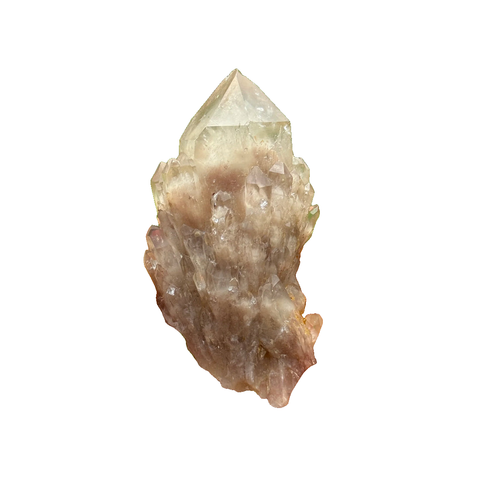
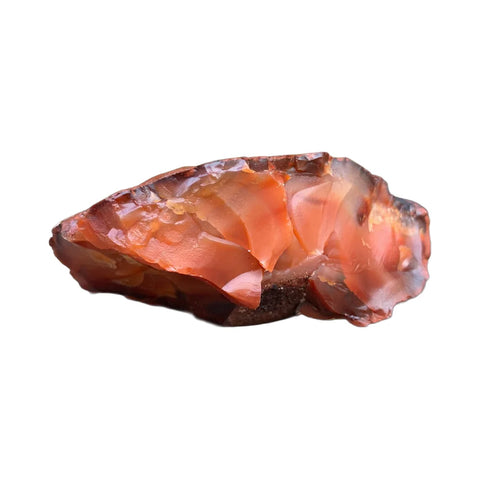
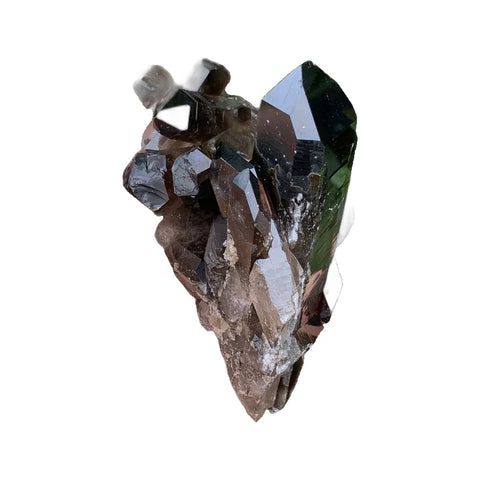
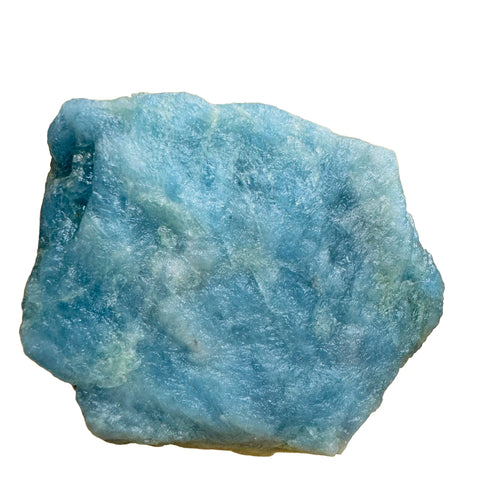
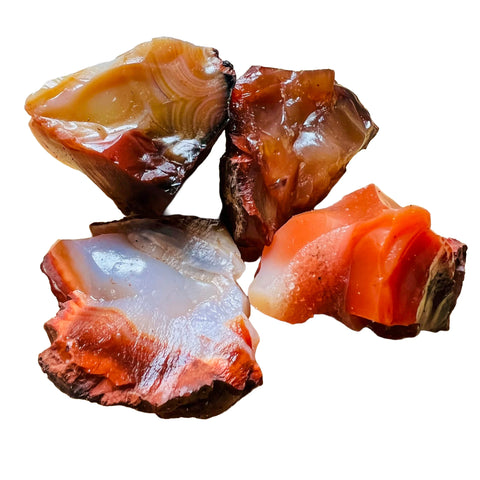


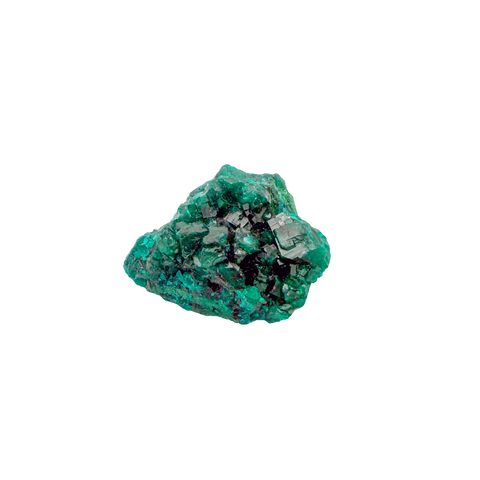
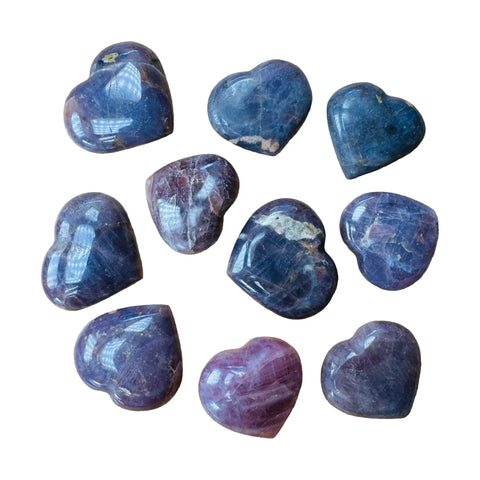
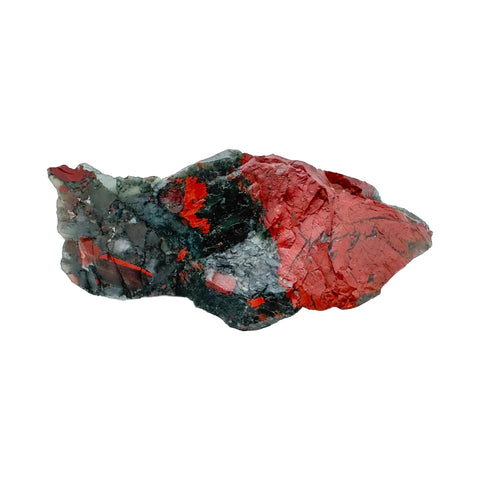
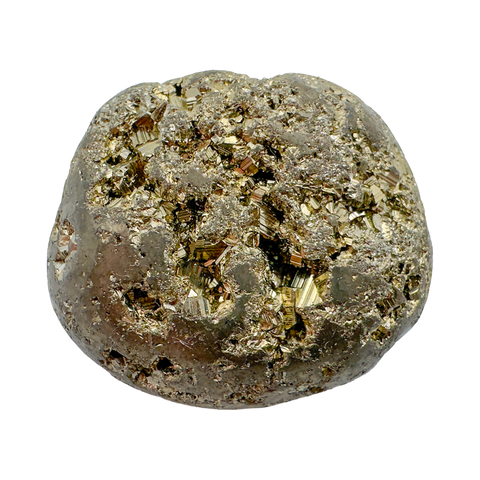
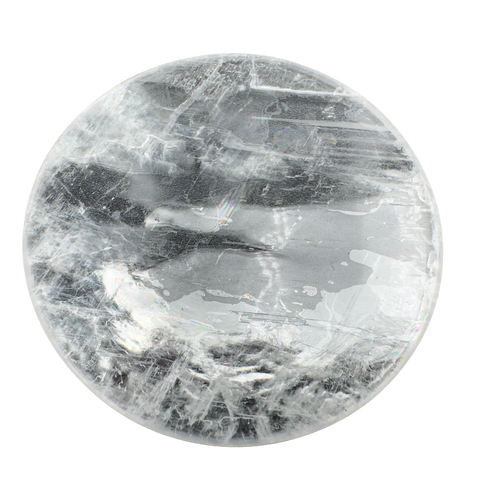
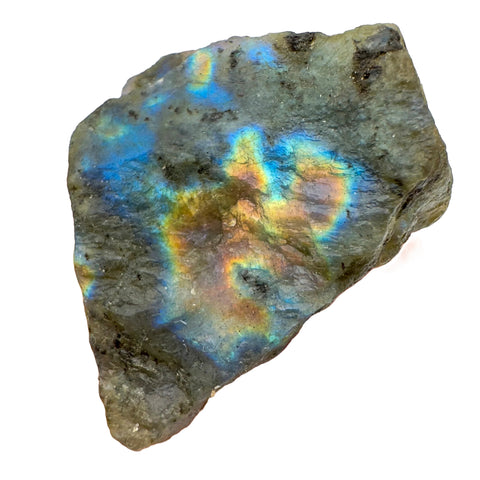
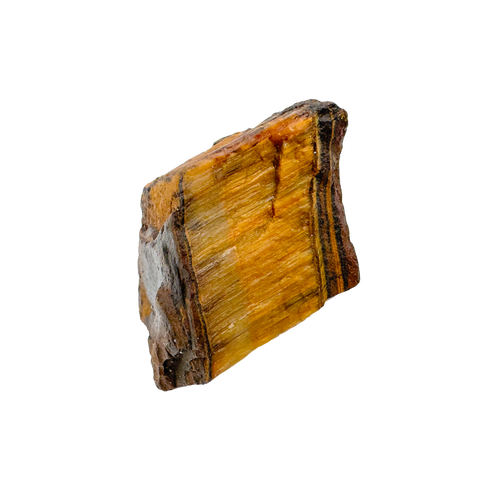
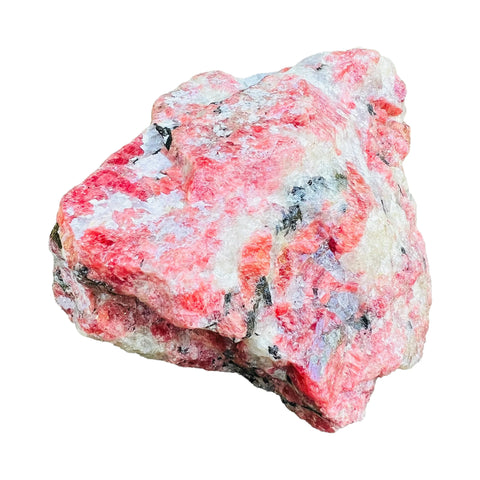
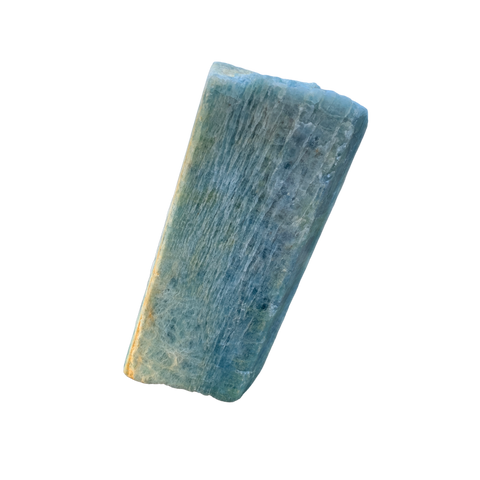
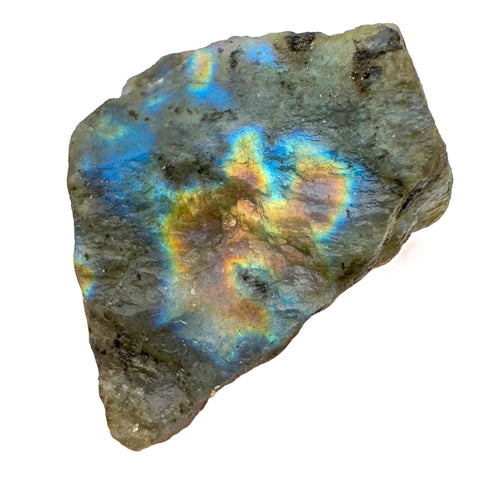
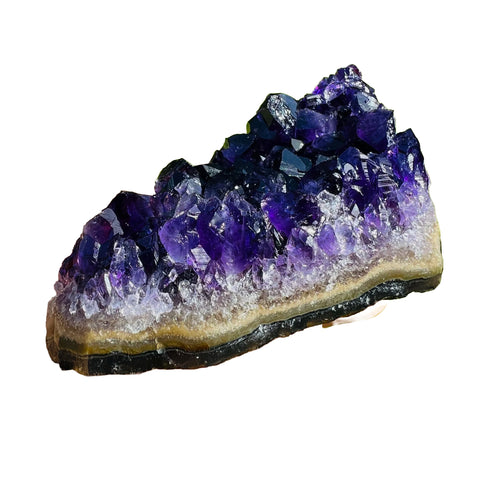



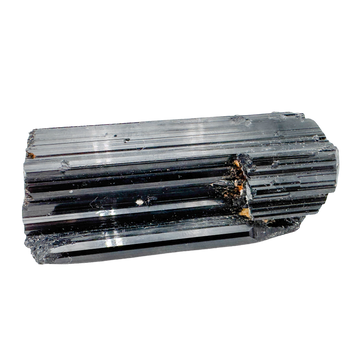
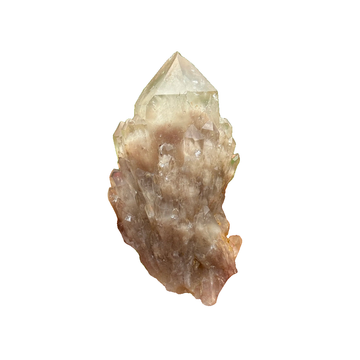
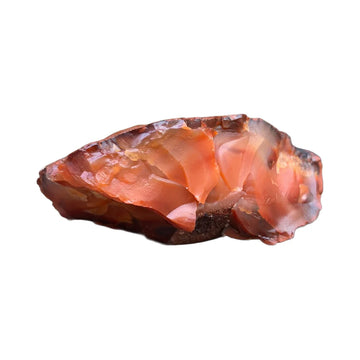
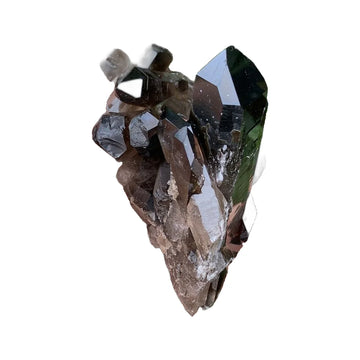
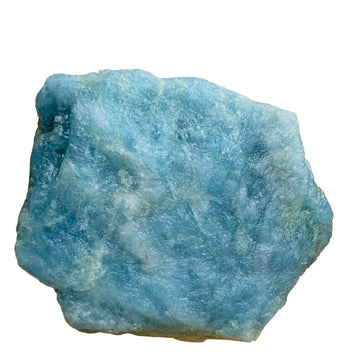
 Raw Stones
179 pieces
Raw Stones
179 pieces
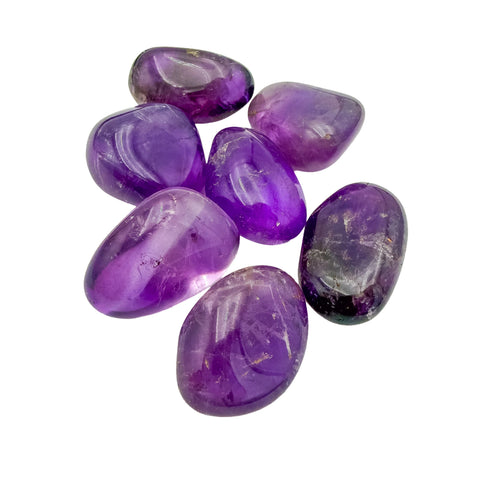
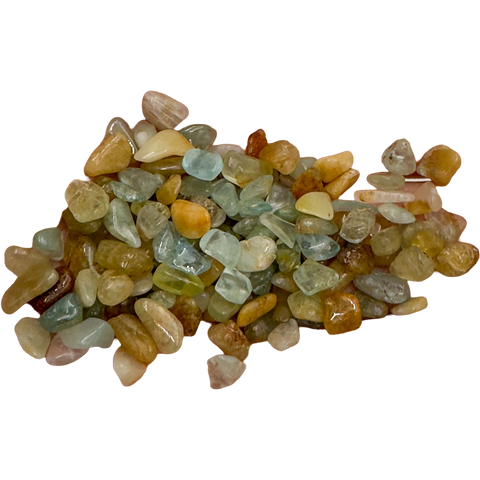
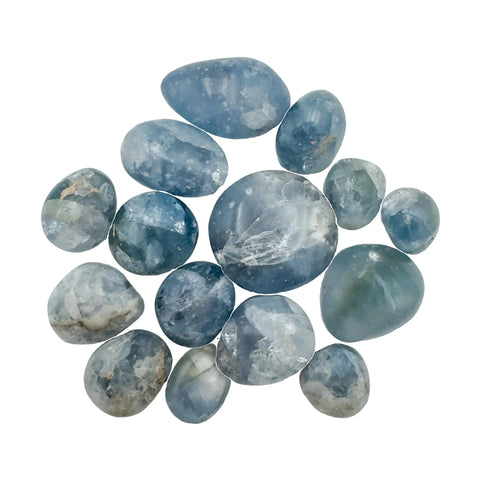
 Tumbled Stones
162 pieces
Tumbled Stones
162 pieces
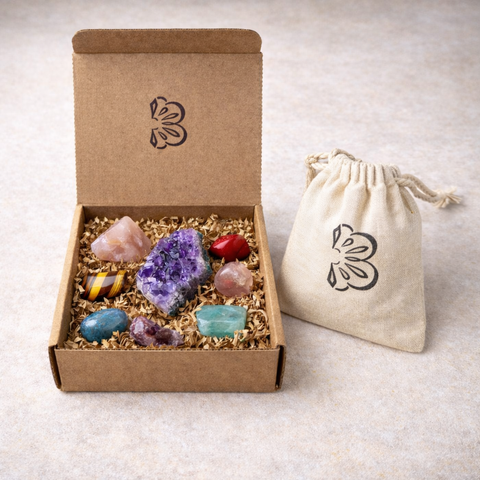
 Palm Stones
25 pieces
Palm Stones
25 pieces
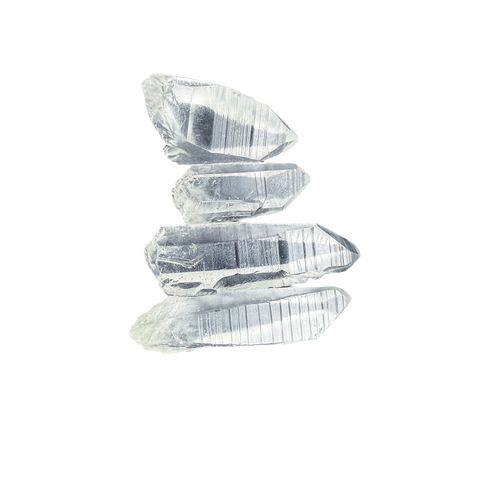
 Crystal Points
23 pieces
Crystal Points
23 pieces
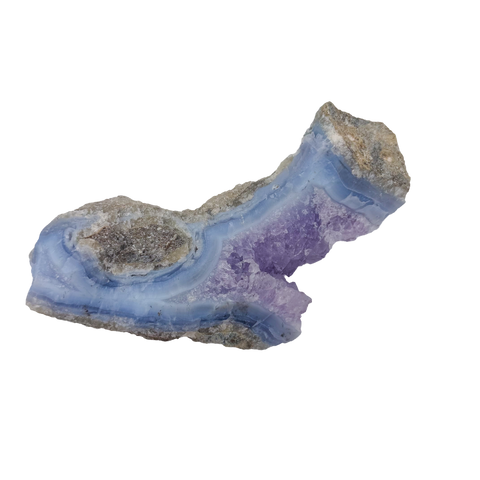
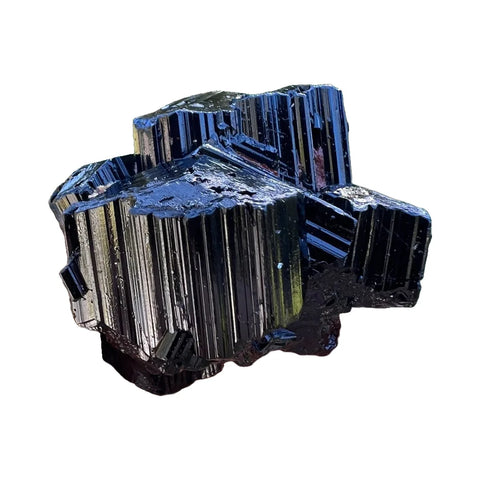
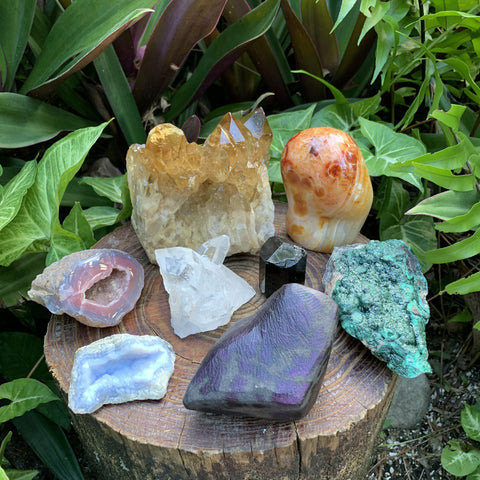
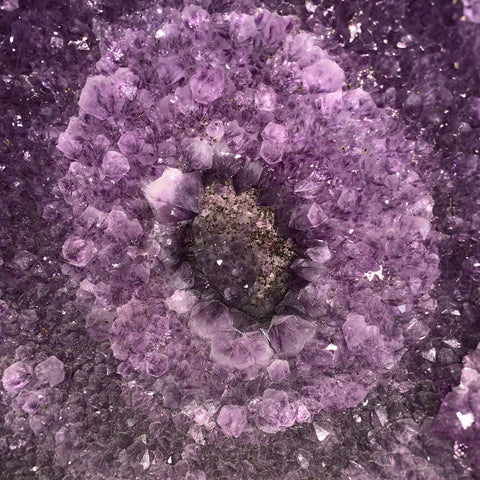
 Clusters & Geodes
104 pieces
Clusters & Geodes
104 pieces
 Polished & Decor
148 pieces
Polished & Decor
148 pieces
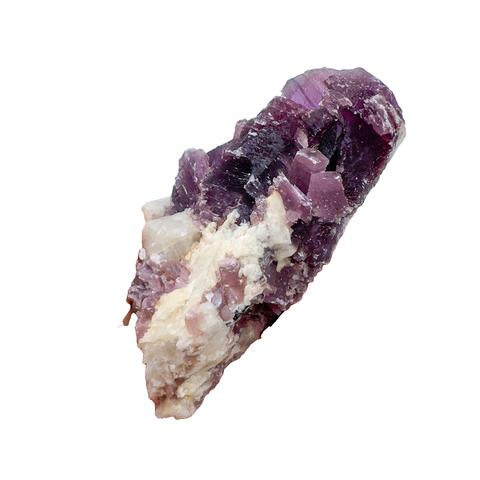
 Mineral Specimens
259 collector pieces
Mineral Specimens
259 collector pieces
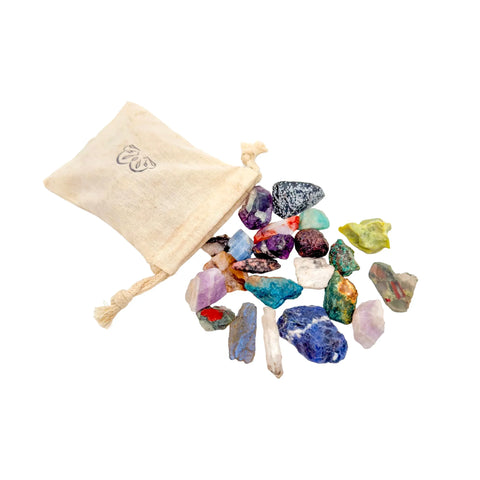
 Crystal Chips
21 pieces
Browse everything
Every collection, one page.
View All Collections →
Crystal Chips
21 pieces
Browse everything
Every collection, one page.
View All Collections →


 Aries
Mar 21 – Apr 19
Carnelian
›
Aries
Mar 21 – Apr 19
Carnelian
›
 Taurus
Apr 20 – May 20
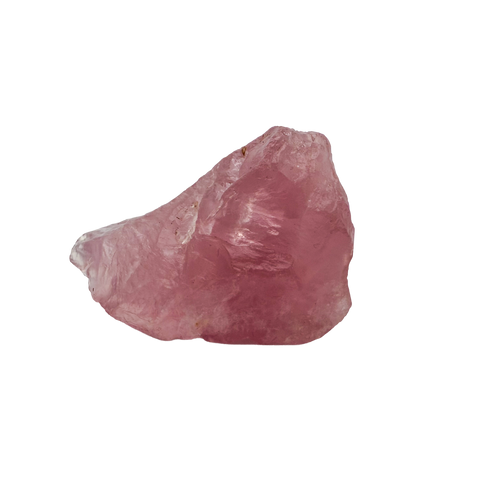
Rose Quartz
›
Taurus
Apr 20 – May 20
Rose Quartz
›
 Gemini
May 21 – Jun 20
Agate
›
Gemini
May 21 – Jun 20
Agate
›
 Cancer
Jun 21 – Jul 22
Moonstone
›
Cancer
Jun 21 – Jul 22
Moonstone
›
 Leo
Jul 23 – Aug 22
Citrine
›
Leo
Jul 23 – Aug 22
Citrine
›
 Virgo
Aug 23 – Sep 22
Amazonite
›
Virgo
Aug 23 – Sep 22
Amazonite
›
 Libra
Sep 23 – Oct 22
Blue Lace Agate
›
Libra
Sep 23 – Oct 22
Blue Lace Agate
›
 Scorpio
Oct 23 – Nov 21
Obsidian
›
Scorpio
Oct 23 – Nov 21
Obsidian
›
 Sagittarius
Nov 22 – Dec 21
Sodalite
›
Sagittarius
Nov 22 – Dec 21
Sodalite
›
 Capricorn
Dec 22 – Jan 19
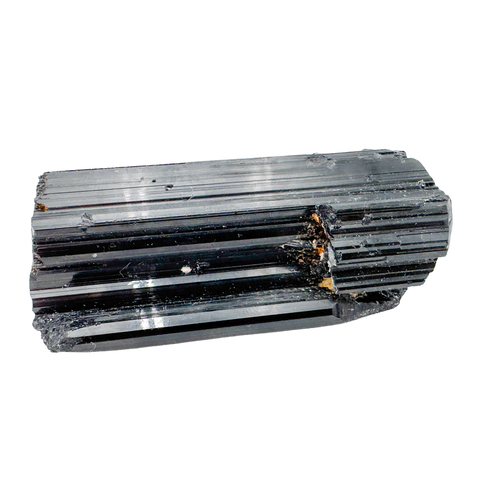
Black Tourmaline
›
Capricorn
Dec 22 – Jan 19
Black Tourmaline
›
 Aquarius
Jan 20 – Feb 18
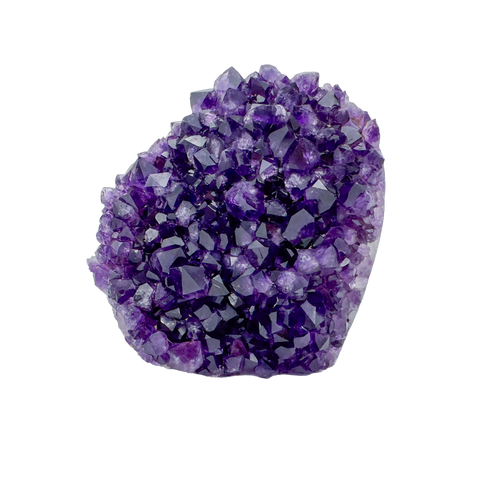
Amethyst
›
Aquarius
Jan 20 – Feb 18
Amethyst
›
 Pisces
Feb 19 – Mar 20
Aquamarine
›
Gifting?
A birthday stone is the safe bet.
Read the zodiac guide →
Pisces
Feb 19 – Mar 20
Aquamarine
›
Gifting?
A birthday stone is the safe bet.
Read the zodiac guide →

Aventurine
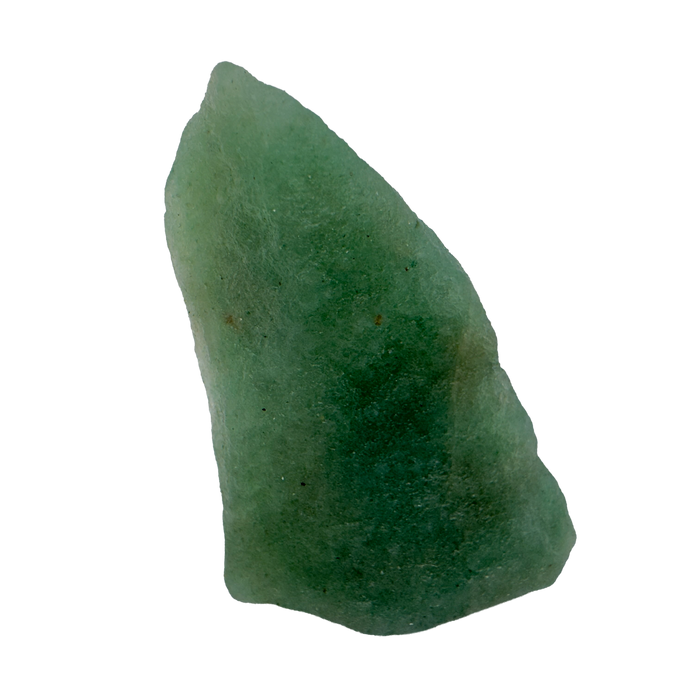
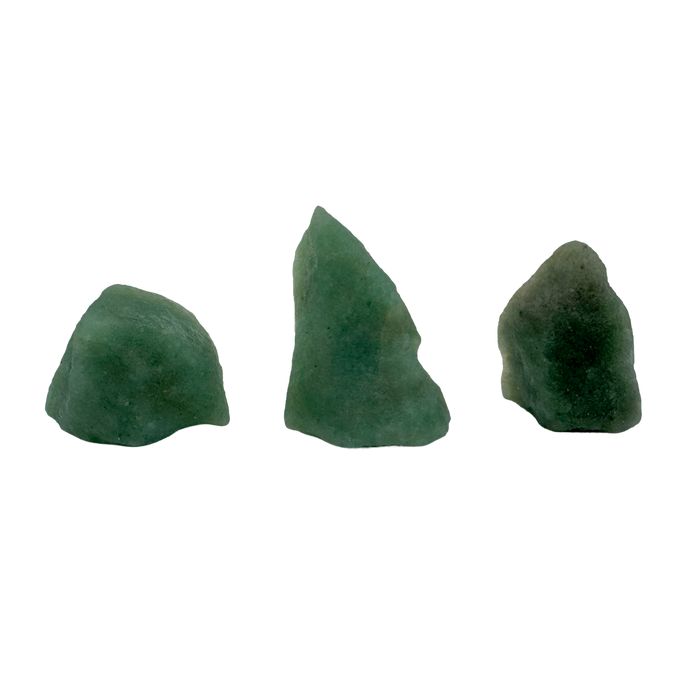
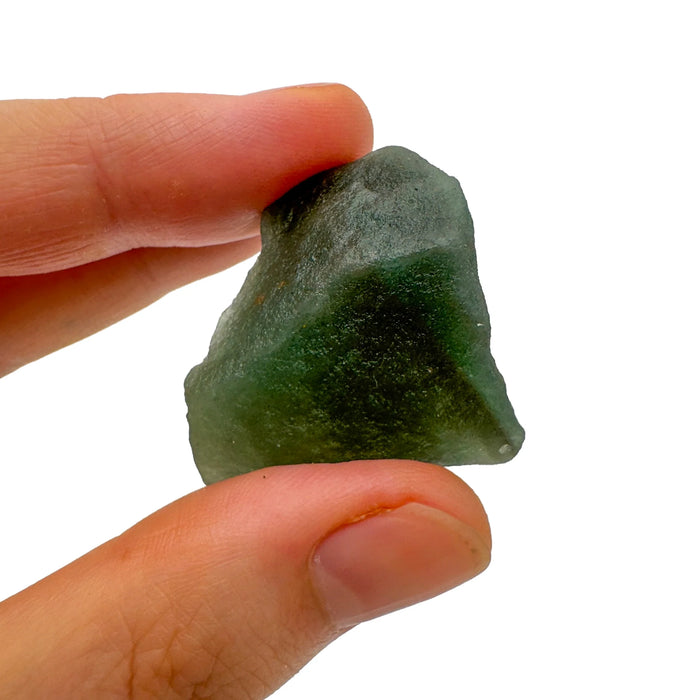
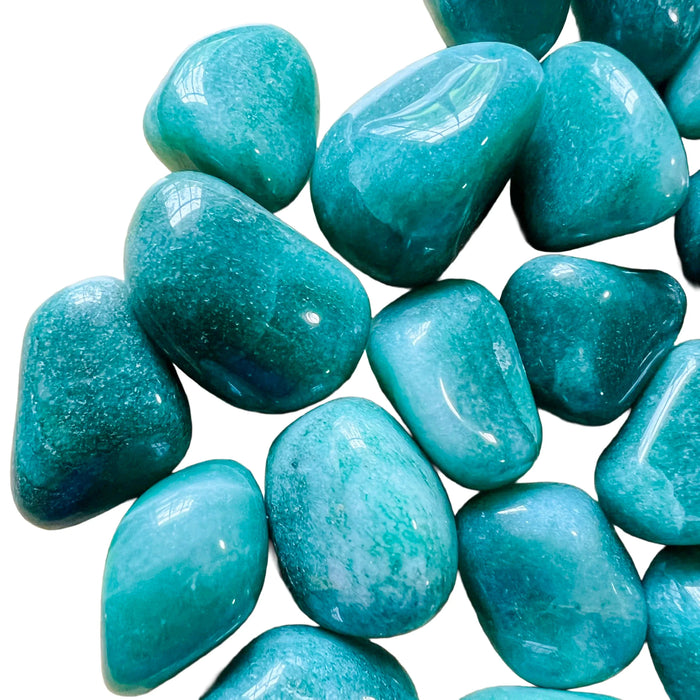
Aventurine is a quartzite colored by platy mica inclusions, most commonly the chromium-bearing mica fuchsite, which produces its soft green tone and the subtle shimmer (aventurescence) that gave it its name. Many people work with it for heart-centered calm, steady optimism, and the kind of hope that gets something done.
Shop aventurineThe geology.
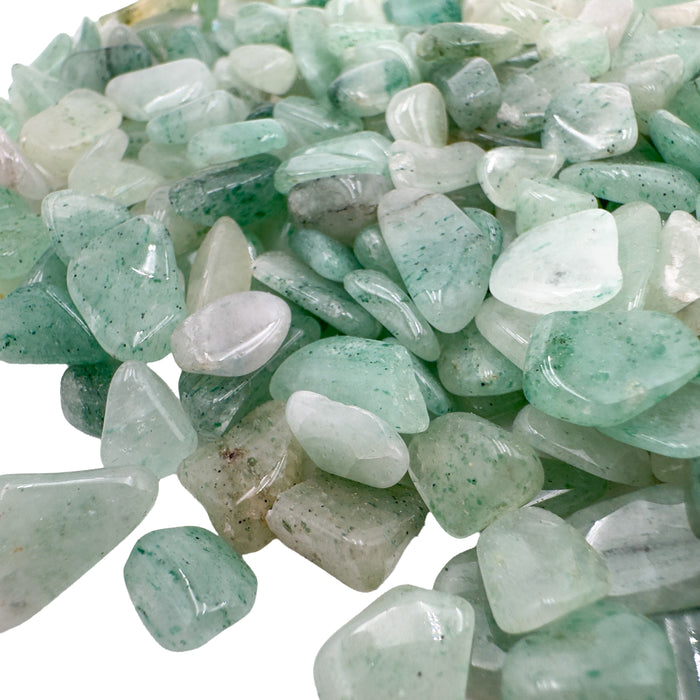
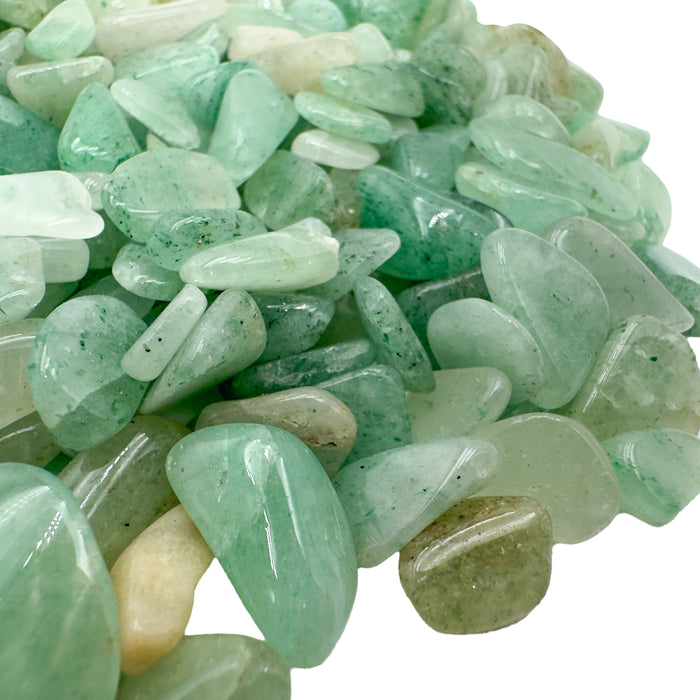
Aventurine is a quartzite, a metamorphic rock made of interlocking quartz grains (SiO₂) with small platy inclusions that give it its characteristic shimmer. In green aventurine, the most common variety and the only color we carry, those platelets are fuchsite, a chromium-bearing variety of muscovite mica. Other aventurine colors come from different inclusion minerals: hematite produces red and peach material; dumortierite gives the rare blue and violet pieces; pyrite or ilmenite can push toward gold.
Quartzite hardness sits at 6.5 to 7 on the Mohs scale, close to pure quartz but slightly lower because of the softer mica inclusions. Specific gravity runs 2.64 to 2.69. The shimmer effect, called aventurescence, comes from light reflecting off the flat mica platelets when they sit in near-parallel orientation within the quartz matrix. The name is a reversal of the usual order: Italian glassmakers in seventeenth-century Venice produced a glittery copper-speck glass by accident (a ventura, "by chance"), and the mineral was later named after the glass, rather than the other way around.
The origins.
Aventurine is produced commercially on every inhabited continent. India has historically been the volume leader, with deposits in Tamil Nadu, Karnataka, and Jharkhand supplying much of the global bead and tumbled stock for decades. Brazil's Minas Gerais state contributes substantial rough and finished material and is the primary source of the cleanest mid-grade tumbles on the North American market. Zimbabwe's central highlands, particularly Mashonaland West and Masvingo provinces, yield both fine-grade raw material and the chromium-rich variety that gives the deepest green tones. Russia, Chile, Nepal, Tanzania, and the United States also supply the global market. This is not a complete list.
Our aventurine comes from two regions. Our AA-grade raw and tumbled material sources from Minas Gerais, Brazil, through co-operative and family-run operations with ongoing sourcing documentation. Our A-grade raw material and crystal chips come from Zimbabwe (Masvingo and Mashonaland West). Zimbabwean material tends to run a little darker green and slightly more uneven in color than Brazilian stock, both because of natural variation and because the supply chain there involves more small-scale collectors. Origin is confirmed at the batch level before each piece is listed.
Traditional associations.
Aventurine's metaphysical associations are almost entirely modern, built in the late twentieth century as crystal healing literature standardized around elements, chakras, and zodiac correspondences. The stone has no meaningful ancient or medieval tradition in Western lapidary texts, which makes it something of a blank slate: the current reading is that green aventurine is the stone of gentle abundance, steady hope, and heart-centered optimism. Hindu tradition in India, where aventurine has been worked for much longer, associates the stone with the heart chakra and with Anahata, though the specific practices vary by region and lineage.
In modern crystal work, aventurine is most commonly associated with the Heart chakra, the element of Earth, and the zodiac signs Aries, Taurus, and Cancer. Many people work with it for luck that comes from preparation rather than chance, for softening anxiety around money without pushing false positivity, and for emotional healing that takes root slowly. It is often chosen as a beginner stone because the energy is steady and forgiving, without the intensity some practitioners report from stronger heart-chakra allies.
Spotting the real thing.
Natural green aventurine has a characteristic appearance that most substitutes miss. The color runs through the entire stone rather than sitting on the surface, and the shimmer should be subtle rather than dramatic, with small bright flecks scattered through the body. The green is rarely perfectly uniform; most genuine pieces show minor banding, lighter patches, or gentle variation from one side to the other. If you see a piece in an impossibly even saturated green with a glossy surface and no interior variation, the realistic assumption is dyed quartzite or dyed white marble.
A practical test: aventurine sits at 6.5 to 7 on the Mohs scale and scratches glass cleanly. Dyed marble (hardness around 3) will not scratch glass and can be marked with a copper coin. Look at a chipped or cleaved edge under a loupe; in dyed material, the color sits noticeably darker along cracks and edges, and sometimes stops short of reaching the deep interior. Green glass imitations show bubbles under magnification and lack the fine mica platelets that give aventurescence. A strong lamp held behind a thin slab of genuine aventurine reveals scattered bright points where light catches the mica flakes; glass or dyed marble stays even and dull under the same light.
Care & handling.
Aventurine is a hard, durable stone that handles daily wear and carry well. Warm water and a soft cloth are fine for regular cleaning. Gentle soap is safe for occasional deeper cleaning. Avoid ultrasonic and steam cleaners for pieces with visible fractures or visible mica platelet layers, since vibration can work the mica loose at weak points over time. Store separately from softer stones (calcite, aragonite, fluorite) to prevent scratching them.
Prolonged direct sunlight can fade the chromium-rich green over months or years, especially for lighter Brazilian pieces. A sunny shelf is fine for days; a permanent south-facing window is not. Energetic cleansing suits aventurine through smoke, sound, breath, or running water, all of which the stone handles comfortably. Charging with moonlight or brief morning sunlight works well. Chemical cleaners and prolonged acid exposure (including some citrus oils) should be avoided to preserve the mica content.
Pairs well with.
Proof, not promises.
We measure our own sourcing across five dimensions. Supply chain, environmental footprint, artisan support, market integrity, and pricing. The number is honest, not perfect. Where we can do better, we say so.
A deeper look.
Extended geology, sourcing, authentication, history, varieties, and pricing, for when the quick guide isn't quite enough.
Extended geology
Aventurine is a quartzite, a metamorphic rock composed primarily of interlocking quartz (SiO₂) grains with small amounts of platy inclusion minerals. Quartz crystallizes in the trigonal system, but in quartzite the individual crystals sit in a dense interlocking mosaic rather than in discrete euhedral form. The platy inclusions responsible for aventurescence sit parallel or near-parallel to one another within the quartz matrix, reflecting light in a way that produces the signature shimmer. The inclusion mineralogy determines color: fuchsite (chromium-bearing muscovite, K(Al,Cr)₂(AlSi₃O₁₀)(OH)₂) for green, hematite (Fe₂O₃) for red and peach, dumortierite (Al₇(BO₃)(SiO₄)₃O₃) for blue-violet, pyrite or ilmenite for gold or darker shimmer.
Physical properties: Mohs hardness 6.5 to 7 (lower than pure quartz because of softer mica content). Specific gravity 2.64 to 2.69. Refractive index 1.544 to 1.553. Birefringence very low in the composite rock. Luster is vitreous on freshly broken surfaces, waxy to greasy on polished surfaces. Cleavage is absent in the rock as a whole; individual quartz grains show no visible cleavage. Fracture is granular, which distinguishes aventurine from glass imitations that fracture conchoidally.
Aventurescence, the optical effect: the platy mica inclusions sit in a near-parallel orientation from the original metamorphic fabric of the host rock. When light enters a polished or tumbled surface, individual platelets reflect bright points of color back toward the viewer. The effect is strongest on smoothed surfaces and weakest on rough broken ones. Concentration of inclusions varies by deposit, which is why Brazilian aventurine often has a more uniform shimmer than Zimbabwean material, where the mica content is more concentrated in bands and patches.
Extended sourcing
India has been the historic volume leader for aventurine for several decades. Deposits in Tamil Nadu, Karnataka, and Jharkhand supply much of the global bead, carving, and tumbled market. Indian material is typically processed in-country through established cutting centers and exported to North American and European wholesalers. Much of what reaches the commodity end of the bead market in the United States comes from Indian sources, often through distributors who do not document further up the supply chain than the country of origin.
Brazil's Minas Gerais state is a major current source, particularly for the cleaner mid-grade tumbled and raw material. Brazilian quartzite deposits in the region run through several distinct mine and quarry operations, some of which are vertically integrated from extraction through hand finishing. The material typically shows a softer, more even green than Indian stock, and the supply chain is easier to document because the processing stages cluster in the same geographic area.
Zimbabwe has emerged in the last twenty years as a significant source, particularly for the deeper-toned chromium-rich material from the central highlands. Mashonaland West and Masvingo provinces contain both large-scale commercial quarries and small-scale artisanal sites. The small-scale end of the Zimbabwean supply chain involves more collectors, local consolidators, and export brokers than Brazil, which makes mine-level traceability harder but keeps more of the price in-country.
Russia (Urals), Chile (Coquimbo), Nepal, Tanzania, and the United States (Georgia, Vermont) also contribute commercial and specimen-grade material. Each source region produces material with slightly different inclusion density, color tone, and texture, recognizable to experienced traders but not easily distinguishable by eye at the retail level. Our supply currently runs through Minas Gerais and Zimbabwean partner channels. We do not source from Indian distributors because the chain of custody there has been harder to document to our standard.
Authentication and warning signs
Natural aventurine color runs through the entire rock rather than sitting on the surface. A broken or chipped piece should show the same green in the interior as on the polished outside. Dyed quartzite and dyed white marble, both of which circulate in the commodity bead market under the aventurine name, show color concentrated along surfaces and edges, fading or stopping short in the deeper interior. A damp cotton swab will sometimes lift traceable dye from freshly cut or chipped areas of dyed material, though this test is inconsistent and not definitive.
Hardness tests: aventurine (6.5 to 7) scratches glass (5.5) cleanly. Dyed marble or calcite (3) does not scratch glass and will be marked by a copper coin or steel knife. Green glass imitations (5 to 6) scratch softer materials but show internal bubbles under a loupe and lack the characteristic mica platelets that produce aventurescence. A strong transmitted light test: holding a thin slab of genuine aventurine against a bright light reveals scattered sparkle points where light reflects off individual mica flakes. Dyed marble and glass stay uniformly dull or uniformly translucent.
Warning signs in the wider market: uniform saturated green with no interior variation on inexpensive beads or tumbles, a glossy surface shine with no internal shimmer when the stone is turned in the light, no country of origin provided, or claims of "rare deep emerald aventurine" at commodity prices. Much of what is sold as blue or red aventurine at low volume-discount pricing is dyed howlite or dyed agate rather than true aventurine with dumortierite or hematite inclusions.
Historical and cultural context
Aventurine's name is one of the few in mineralogy derived from a manufactured material rather than the other way around. Around 1650, glassmakers on the island of Murano in Venice discovered that adding copper filings to molten glass produced a sparkling decorative material. A contemporary account attributes the discovery to a member of the Miotti family, who allegedly spilled copper shavings into a glass crucible "a ventura" (by chance). The resulting aventurine glass became a prized Venetian export, and when a similar-looking natural stone was later identified in India, it was named after the glass.
The natural stone has a much longer working history in India, where it has been used for beads, carvings, and ornamental inlay for centuries. Ayurvedic tradition associates aventurine with prosperity, though the specific correspondences vary by regional and lineage practice. In Tibet, aventurine has historically been used for the "eyes" of statues and carvings, a practice that predates its Western crystal-healing adoption by several centuries. European lapidary tradition has no substantial aventurine lore, because the stone did not enter European commerce in significant volume until the nineteenth century.
Modern crystal work attached aventurine to the heart chakra and to themes of luck, abundance, and emotional healing during the late twentieth-century popularization of crystal literature. The specific correspondences were largely codified by authors like Melody and Judy Hall during the 1980s and 1990s, and have remained stable since. The stone's reputation as a beginner-friendly "gentle" ally reflects both its soft visual character and its relatively recent entry into the Western metaphysical canon.
Varieties and trade names
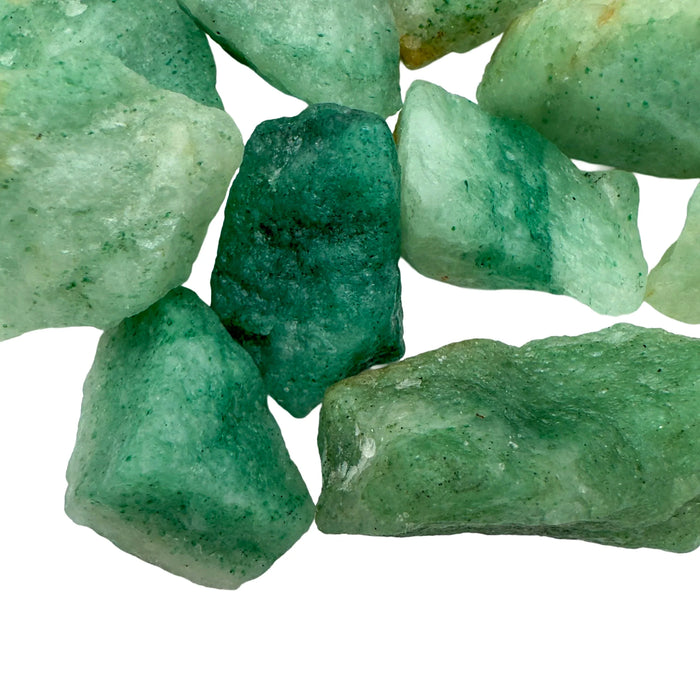
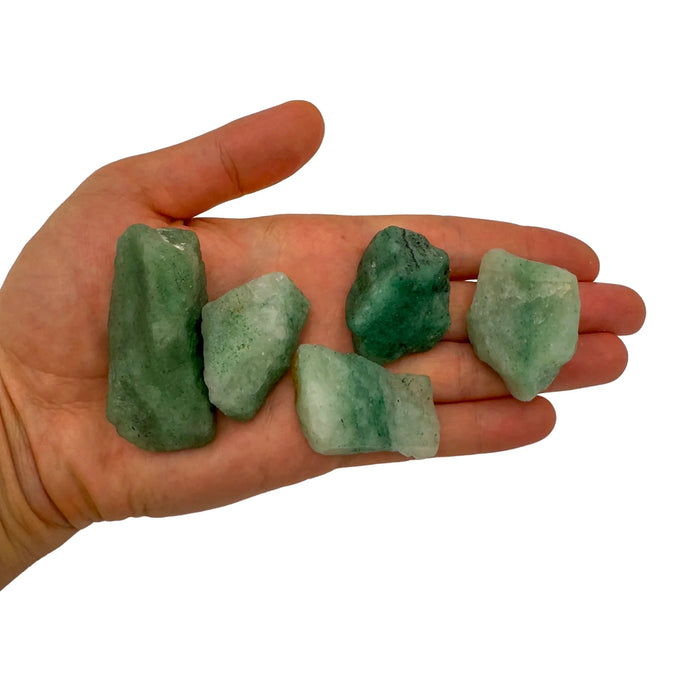
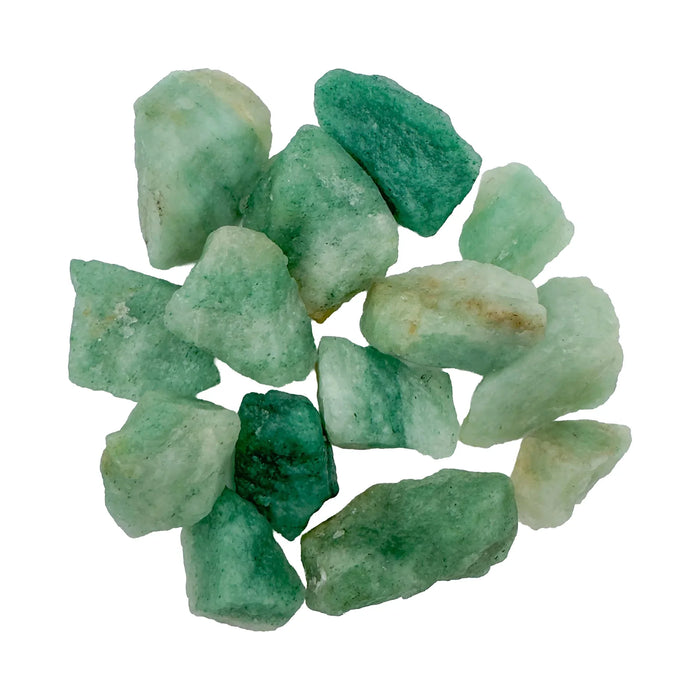
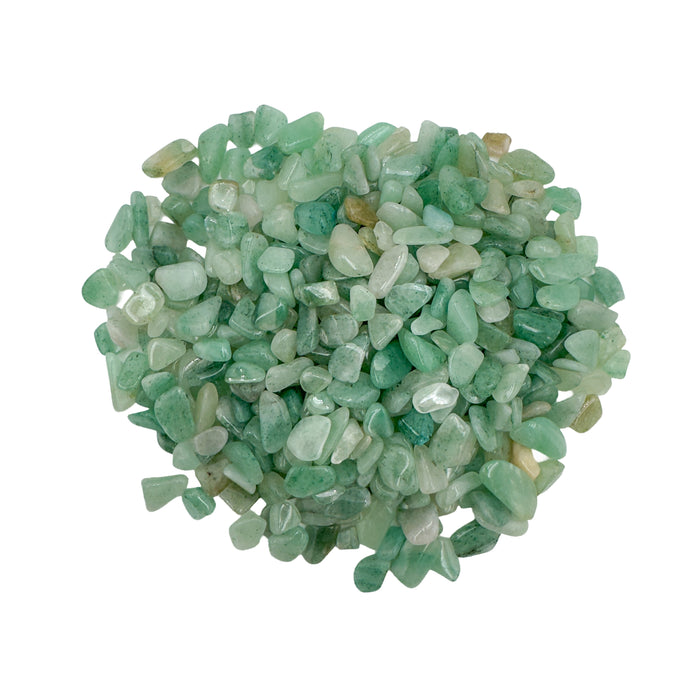
Green Aventurine: the dominant market variety, colored by fuchsite mica. Source regions include Brazil, Zimbabwe, India, and Russia. The material we carry.
Peach Aventurine (also Red Aventurine): colored by hematite or goethite inclusions. Found in Brazil, India, and Tanzania. Typically pale to medium red-orange with a soft shimmer.
Blue Aventurine: colored by dumortierite inclusions. Rarer than green and typically sourced from India and Brazil. Frequently confused with dyed quartzite in the commodity market.
Gold Aventurine (also Sunstone Aventurine, not true sunstone): colored by pyrite, goethite, or iron oxide inclusions that give a warm gold-brown tone with strong shimmer. Most commonly from Brazil.
White Aventurine: a rare silvery-white variety with muscovite platelet shimmer. Found in small quantities in India and Tanzania.
Aventurine Glass (Goldstone): manufactured copper-fleck glass originally developed in Venice. Not a natural stone, though frequently sold as "gold aventurine" or "blue goldstone" in bead stock. The manufactured material should be labeled as glass; when it is not, the sale is typically misrepresentation.
Pricing reality
Tumbled Grade AA green aventurine: 2 to 8 dollars per piece at retail, depending on size. Raw Grade AA green aventurine: 4 to 15 dollars per piece. Crystal chips and bead strands: 6 to 25 dollars depending on weight and grade. Larger hand-carved pieces and specimen material move up to 20 to 80 dollars. Peach and gold aventurine price comparable to green; true blue aventurine with verified dumortierite inclusions runs higher and can reach 15 to 40 dollars per tumbled piece.
Manufactured goldstone labeled or mislabeled as aventurine sells in the 1 to 3 dollar range and should always be identified as glass. Bead strands that price well below 1 dollar per bead are almost always dyed quartzite or dyed marble rather than natural aventurine, regardless of the listing description.
Value drivers: color depth, inclusion density and distribution (the quality of the shimmer), size, finish, and documented origin. Warning signs in pricing: bead strands or bulk tumbles at commodity prices with uniformly saturated color, "rare blue aventurine" at low per-piece rates, and any aventurine sold without a country of origin on the listing.
Good sourcing is a practice, not a claim.
Nothing we sell is dyed, stabilized, or color-enhanced without full disclosure. We name our origins where we can. We say so when we cannot. We walk away from material that does not meet our standard, even when it costs us sales.
Bring aventurine home.
Raw, tumbled, and crystal-chip aventurine from Minas Gerais, Brazil, and central Zimbabwe. Natural color, untreated, hand-selected. No dyed quartzite, no mystery origin.
Shop the aventurine collectionAventurine, in stock now.
Our most-loved Aventurine pieces, ready to ship.
- from 1,000+ reviews
- Ships within 72 hoursMonday to Friday, tracked
- 90 days to return itif you do not love it
- Free US shipping over $99$8.99 flat rate under
The Slow Note
New stones go to the list first.
No forwarding, no selling. Unsubscribe in one click. Privacy