


 Agatefor stress relief
 Amazonitefor stress relief
 Aquamarinefor serenity
 Aventurinefor luck
 Bloodstonefor energy
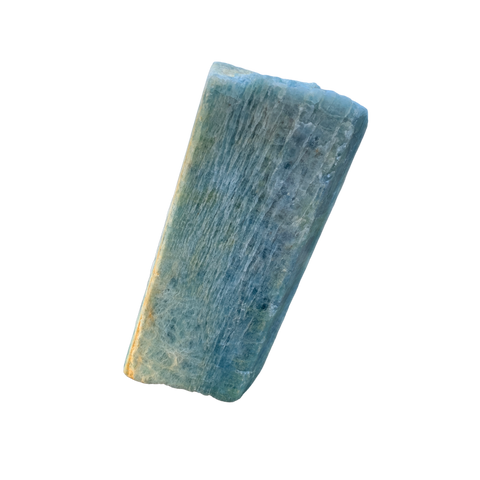
 Blue Kyanitefor confidence
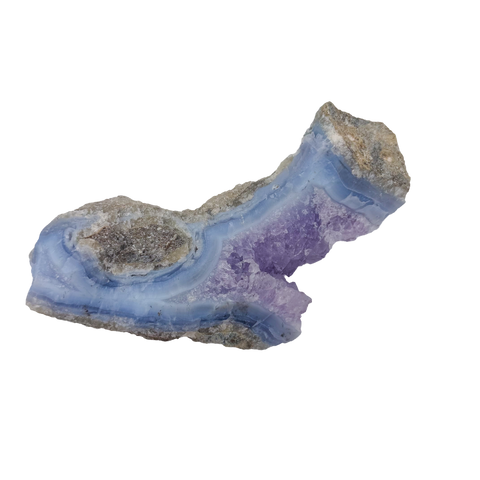
 Blue Lace Agatefor stress relief
 Chrysocollafor emotional healing
 Fluoritefor focus
 Garnetfor energy
 Lepidolitefor stress relief
 Malachitefor emotional healing
 Moonstonefor grounding
 Obsidianfor protection
 Ocean Jasperfor emotional healing
 Red Jasperfor grounding
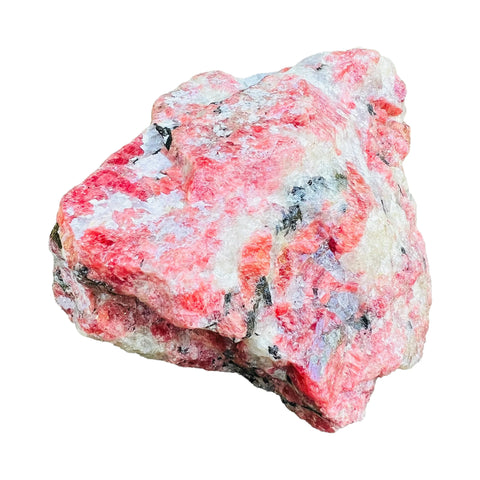
 Rhodonitefor emotional healing
 Selenitefor cleansing
 Sodalitefor focus
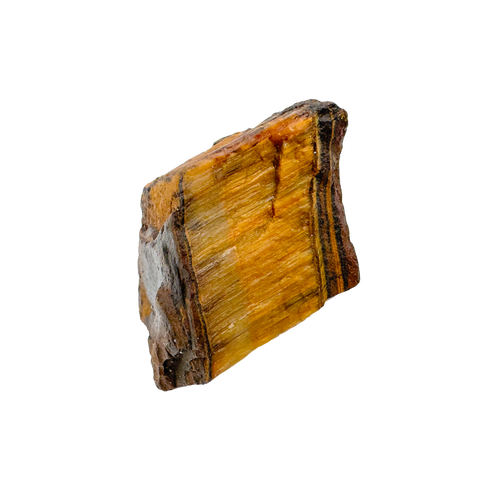
 Tiger Eyefor confidence
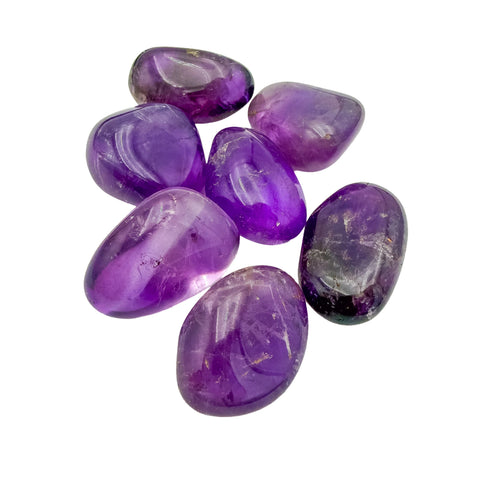


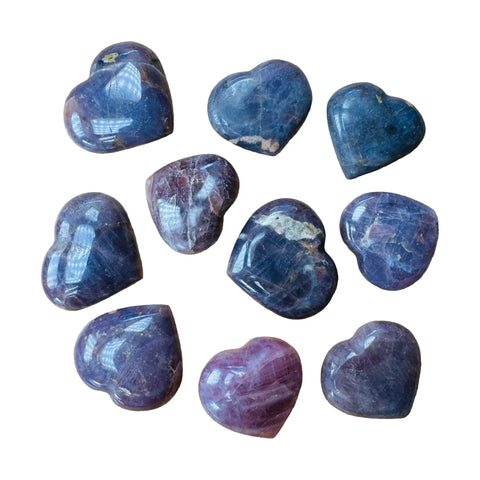
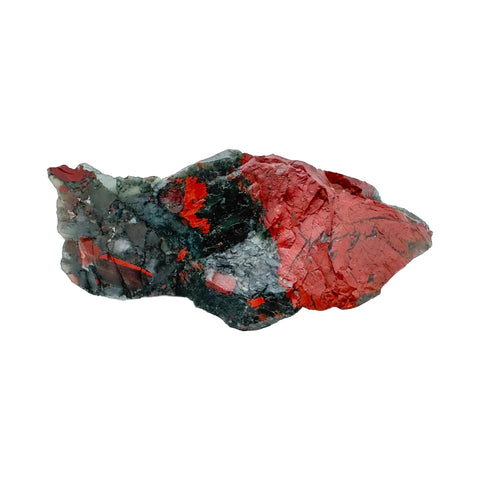
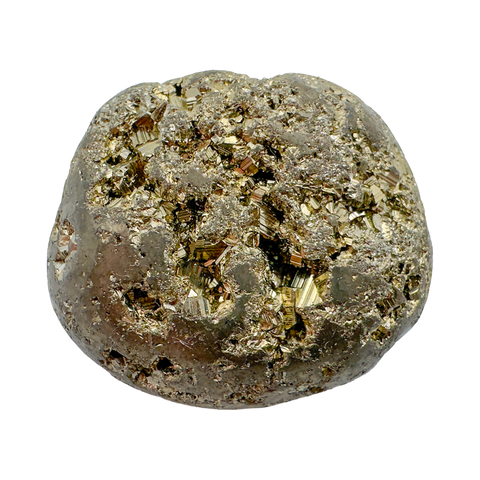
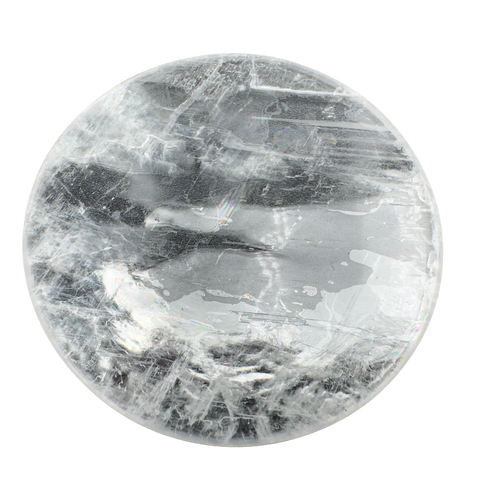


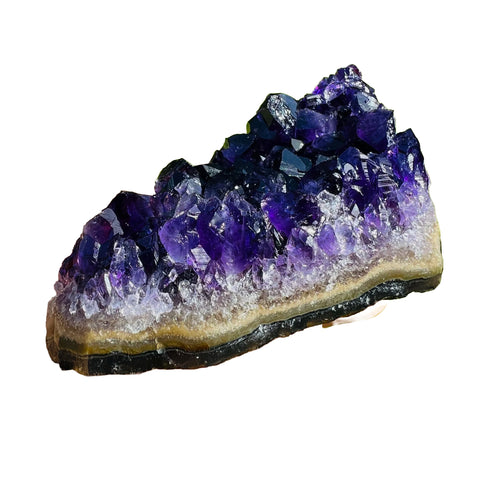





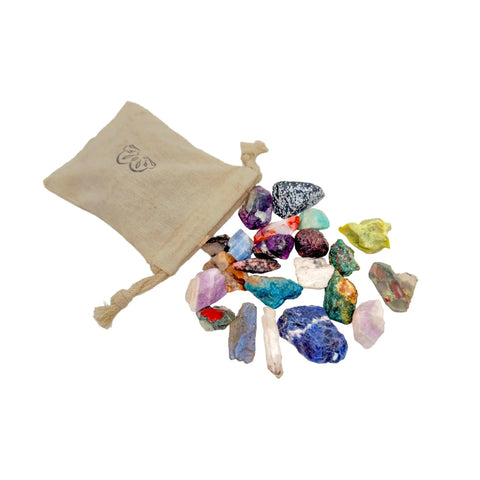
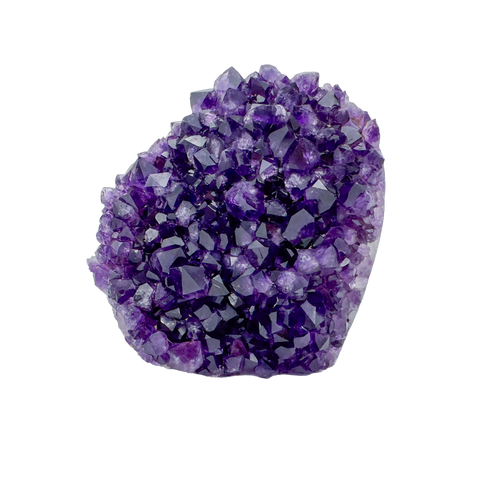
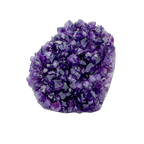 Amethyst
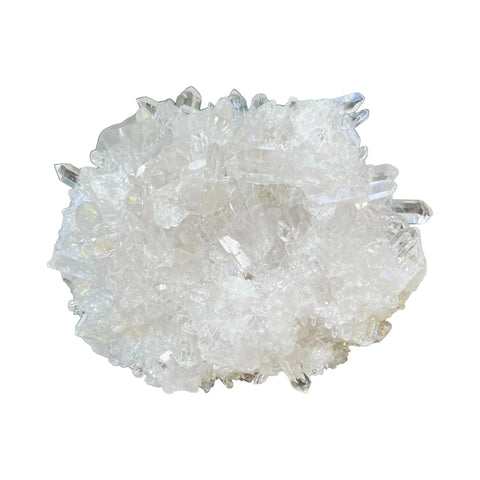
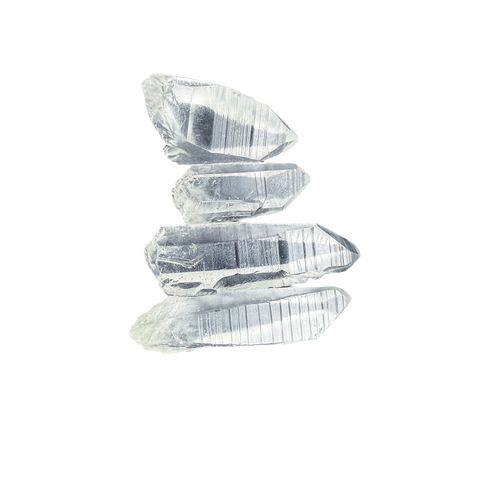
 Clear Quartz
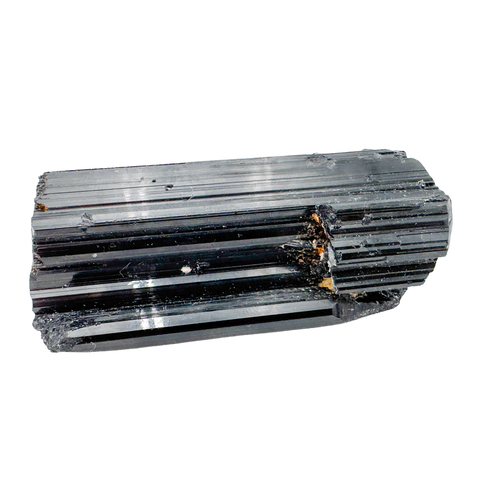
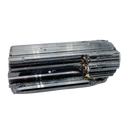 Black Tourmaline
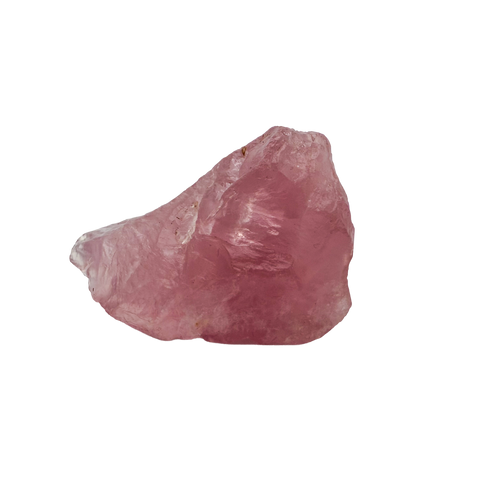
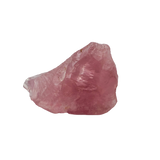 Rose Quartz
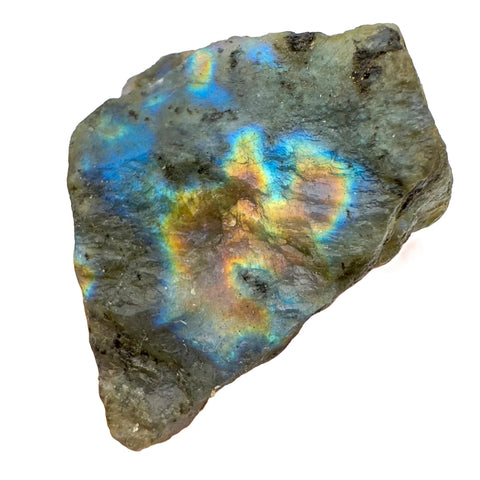
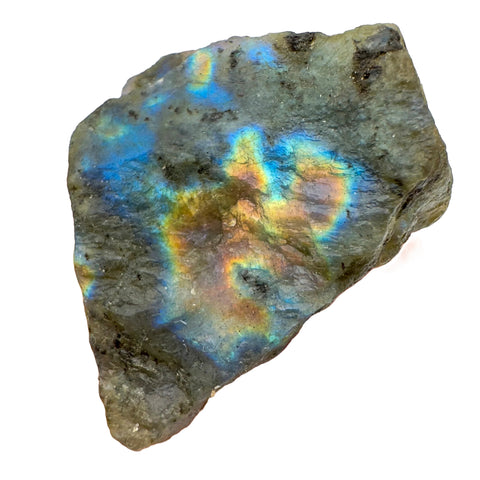
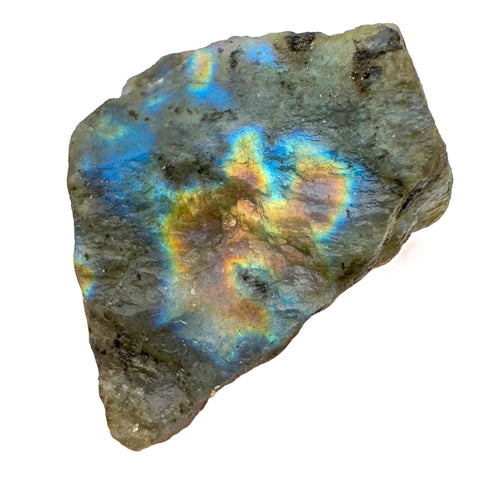
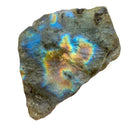 Labradorite
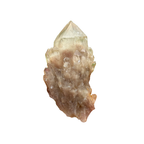 Natural Citrine
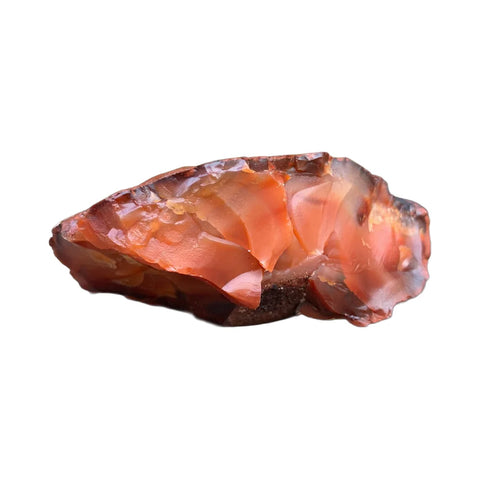
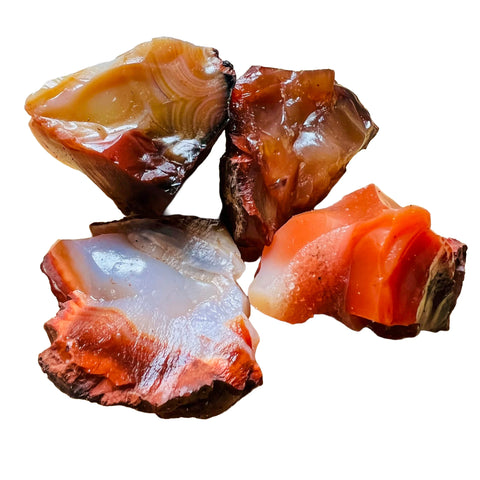
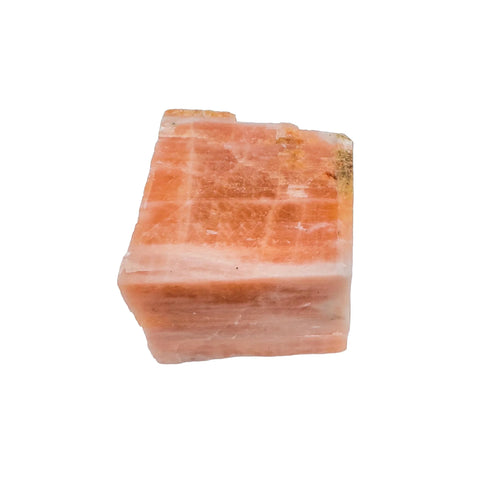
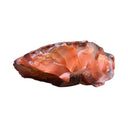 Carnelian
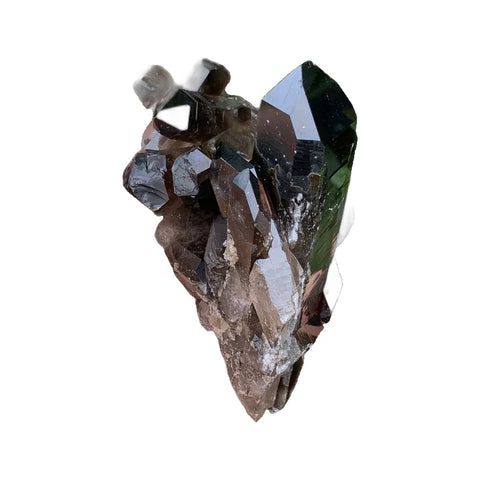
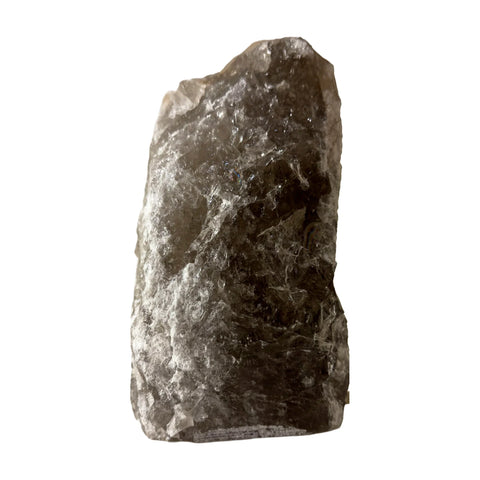
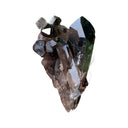 Smoky Quartz
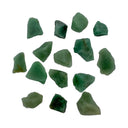 Aventurine
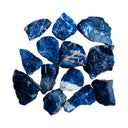 Sodalite
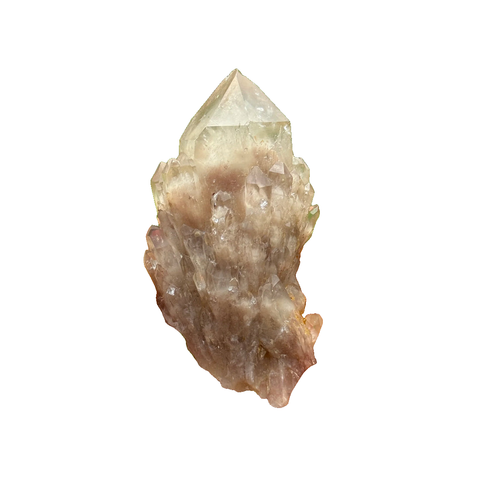
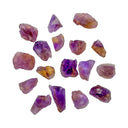 Ametrine
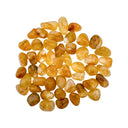 Golden Healer
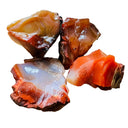 Raw Stones
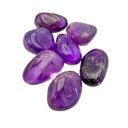 Tumbled Stones
 Palm Stones
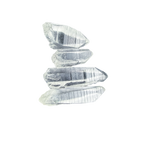 Crystal Points
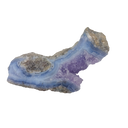 Clusters & Geodes
 Polished & Decor
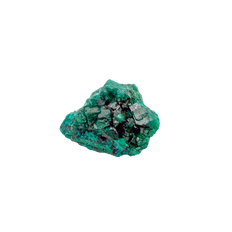 Mineral Specimens
 Crystal Chips
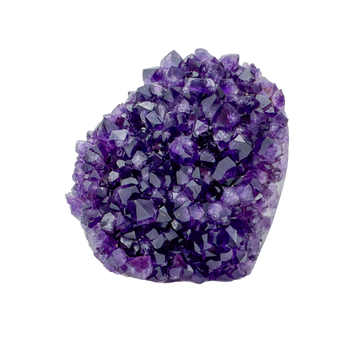
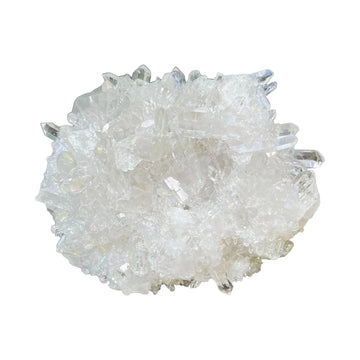
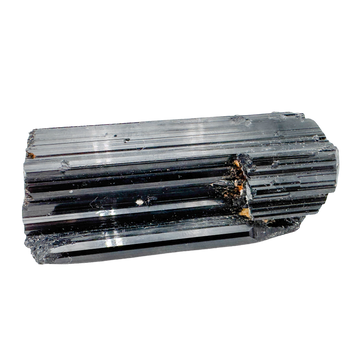
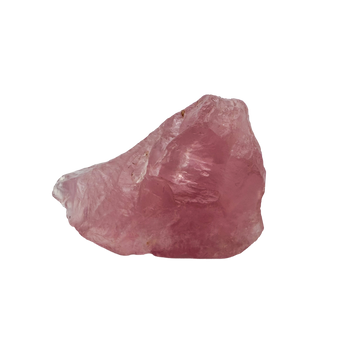
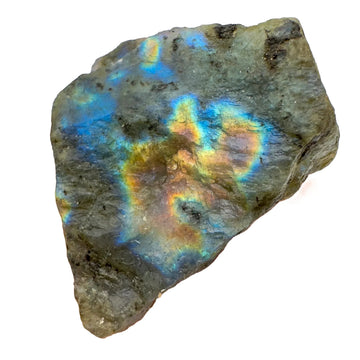
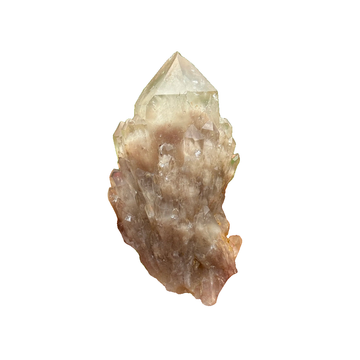
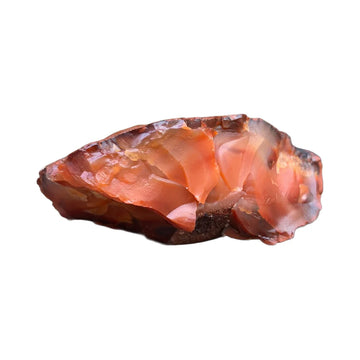
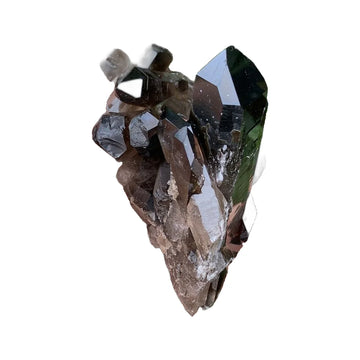
 Raw Stones
179 to choose from
Raw Stones
179 to choose from
 Tumbled Stones
162 to choose from
Tumbled Stones
162 to choose from
 Palm Stones
25 to choose from
Palm Stones
25 to choose from
 Crystal Points
23 to choose from
Crystal Points
23 to choose from
 Clusters & Geodes
103 to choose from
Clusters & Geodes
103 to choose from
 Polished & Decor
148 to choose from
Polished & Decor
148 to choose from
 Mineral Specimens
257 to choose from
Mineral Specimens
257 to choose from
 Crystal Chips
21 to choose from
Crystal Chips
21 to choose from


 AngolaAquamarine
›
AngolaAquamarine
›
 BotswanaCarnelian, Tree Agate
›
BotswanaCarnelian, Tree Agate
›
 DR CongoMalachite, Natural Citrine
›
DR CongoMalachite, Natural Citrine
›
 EswatiniBloodstone
›
EswatiniBloodstone
›
 MadagascarLabradorite, Clear Quartz
›
MadagascarLabradorite, Clear Quartz
›
 MalawiBlue Lace Agate, Garnet
›
MalawiBlue Lace Agate, Garnet
›
 MozambiqueAmazonite
›
MozambiqueAmazonite
›
 NamibiaSodalite, Blue Lace Agate
›
NamibiaSodalite, Blue Lace Agate
›
 Republic of the CongoDioptase
›
Republic of the CongoDioptase
›
 South AfricaTiger Eye, Unakite
›
South AfricaTiger Eye, Unakite
›
 ZambiaChevron Amethyst
›
ZambiaChevron Amethyst
›
 ZimbabweEmerald, Rhodonite
›
ZimbabweEmerald, Rhodonite
›
 ArgentinaBlack Obsidian, Rhodochrosite
›
ArgentinaBlack Obsidian, Rhodochrosite
›
 BoliviaAmetrine
›
BoliviaAmetrine
›
 BrazilAmethyst, Clear Quartz
›
BrazilAmethyst, Clear Quartz
›
 PeruSerpentine, Jade
›
PeruSerpentine, Jade
›
 UruguayAmethyst
›
UruguayAmethyst
›
 Dominican RepublicLarimar
›
Dominican RepublicLarimar
›
 MexicoRainbow Obsidian, Crazy Lace Agate
›
MexicoRainbow Obsidian, Crazy Lace Agate
›
 United StatesSelenite, Peridot
›
United StatesSelenite, Peridot
›
 ChinaFluorite
›
ChinaFluorite
›
 RussiaShungite
›
RussiaShungite
›
 AustraliaMookaite
›
AustraliaMookaite
›
 Where our crystals come from
See where we source →
Where our crystals come from
See where we source →


 Aries
Mar 21 to Apr 19
Carnelian
›
Aries
Mar 21 to Apr 19
Carnelian
›
 Taurus
Apr 20 to May 20
Rose Quartz
›
Taurus
Apr 20 to May 20
Rose Quartz
›
 Gemini
May 21 to Jun 20
Agate
›
Gemini
May 21 to Jun 20
Agate
›
 Cancer
Jun 21 to Jul 22
Moonstone
›
Cancer
Jun 21 to Jul 22
Moonstone
›
 Leo
Jul 23 to Aug 22
Citrine
›
Leo
Jul 23 to Aug 22
Citrine
›
 Virgo
Aug 23 to Sep 22
Amazonite
›
Virgo
Aug 23 to Sep 22
Amazonite
›
 Libra
Sep 23 to Oct 22
Blue Lace Agate
›
Libra
Sep 23 to Oct 22
Blue Lace Agate
›
 Scorpio
Oct 23 to Nov 21
Obsidian
›
Scorpio
Oct 23 to Nov 21
Obsidian
›
 Sagittarius
Nov 22 to Dec 21
Sodalite
›
Sagittarius
Nov 22 to Dec 21
Sodalite
›
 Capricorn
Dec 22 to Jan 19
Black Tourmaline
›
Capricorn
Dec 22 to Jan 19
Black Tourmaline
›
 Aquarius
Jan 20 to Feb 18
Amethyst
›
Aquarius
Jan 20 to Feb 18
Amethyst
›
 Pisces
Feb 19 to Mar 20
Aquamarine
›
Gifting?
A birthday stone is the safe bet.
Read the zodiac guide →
Pisces
Feb 19 to Mar 20
Aquamarine
›
Gifting?
A birthday stone is the safe bet.
Read the zodiac guide →


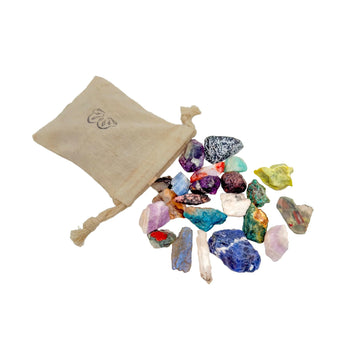
Azurite
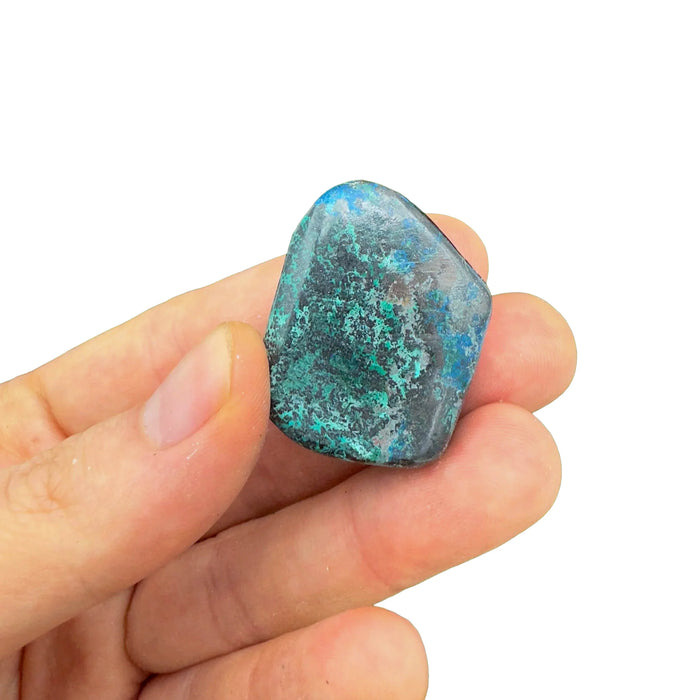
Azurite is a copper carbonate that forms in the oxidation zones of copper deposits, where slow-moving groundwater reacts with buried ore. Its deep blue is the same mineral pigment Renaissance painters called "mountain blue." Many people work with it for mental clarity, inner seeing, and the kind of insight that asks to be sat with rather than rushed.
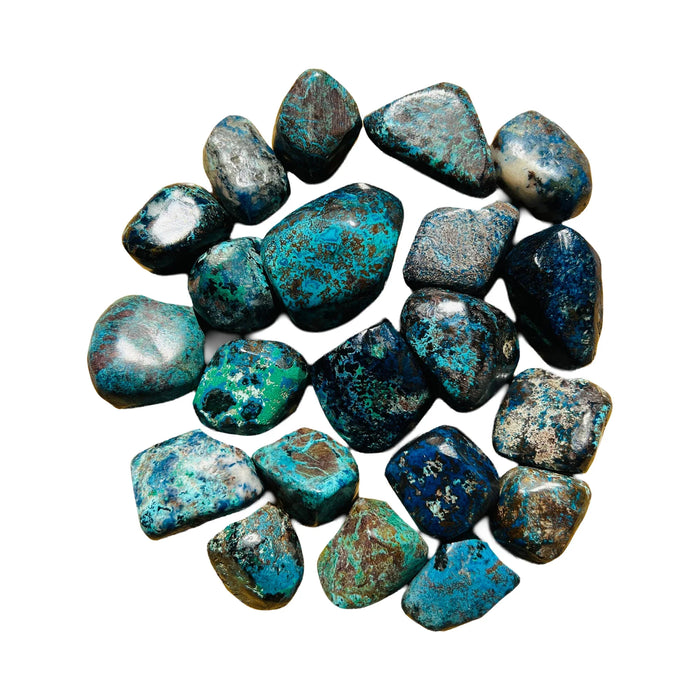
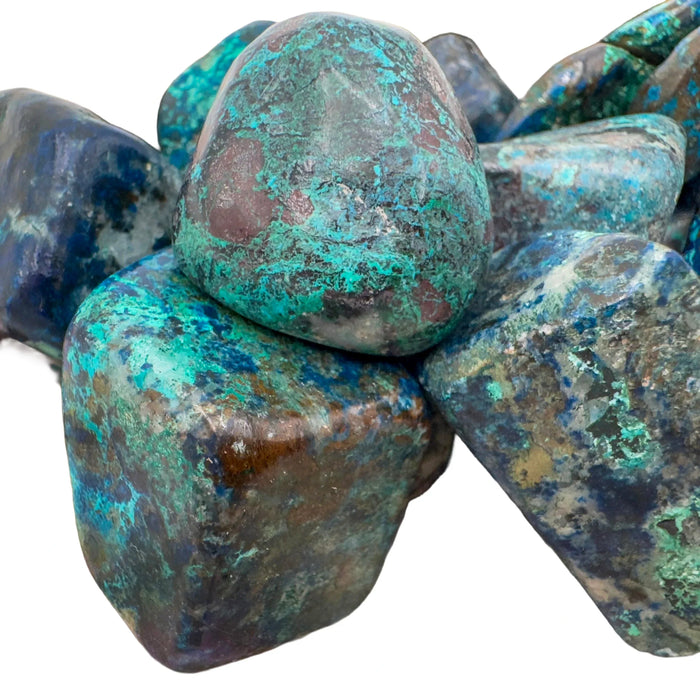
Shop azuriteAzurite, in stock now.
From Kunene, Namibia, ready to ship.
- from 1,000+ reviews
- Ships within 72 hoursMonday to Friday, tracked
- 90 days to return itif you do not love it
- Free US shipping over $99$8.99 flat rate under
The geology.
Azurite is a basic copper carbonate with the formula Cu₃(CO₃)₂(OH)₂. It crystallizes in the monoclinic system and forms as a secondary mineral in the oxidation zone of copper deposits, where rainwater and groundwater carry dissolved carbonate into buried copper-bearing rock. The stone's saturated blue comes directly from its copper content, not from any treatment or dye. Color can range from bright cornflower blue in small clear crystals to deep navy in massive material, with darker tones common in thicker pieces.
Hardness sits at 3.5 to 4 on the Mohs scale, which is soft by stone standards; azurite can be scratched by a knife blade and chips easily if dropped. Specific gravity is high (3.77 to 3.89) because of the copper content, so a piece of azurite feels noticeably heavier in the hand than its size suggests. The crystal habit includes prismatic, tabular, and rosette-like aggregates, often intergrown with malachite (the stone's green sibling) in the same oxidation zone. Azurite is chemically unstable in humid environments and slowly converts to malachite over long timescales, which is why medieval paintings that originally used azurite for blue robes often now show green.
The origins.
Azurite occurs wherever copper has been oxidized at or near the surface, which means the best material has historically come from mines rather than surface collections. Chessy-les-Mines in France produced the type specimens in the early nineteenth century, which is why azurite is still sometimes called chessylite in older mineralogy texts. Tsumeb in Namibia produced the most celebrated crystal specimens of the twentieth century, though the Tsumeb mine itself closed in 1996. Current production centers include Milpillas in Sonora, Mexico, which has yielded the sharpest modern crystal specimens; Touissit and Kerrouchen in Morocco; Liufengshan in Guangdong, China; and several deposits in Australia and the southwestern United States. This is not a complete list.
Our azurite comes from the Kunene region of northwestern Namibia, through a small-scale supply channel working copper oxidation material outside the famous Tsumeb area. The Namibian copper belt has yielded azurite for over a century, and the current generation of small mining operations in Kunene produces both crystal specimens and the Grade AA hand-polished tumbles we carry. Each batch is origin-confirmed at the supplier level, with country and region documented before the material is listed. We do not currently carry Moroccan or Mexican azurite, though both produce excellent material at different price points.
Traditional associations.
Azurite has a longer documented tradition than most modern crystal-shop staples, primarily as a pigment rather than a metaphysical stone. Ancient Egyptians ground it alongside malachite for cosmetic eye paint. Chinese painters called it "mountain blue" and used it for landscape work from the Tang dynasty onward. In medieval and Renaissance Europe, azurite was the working painter's blue, cheaper than ultramarine (which was made from ground lapis lazuli and cost more than gold) and used for the sky backgrounds, the robes of saints, and the Virgin Mary's clothing in many altarpieces. The stone's tendency to alter to green over centuries is why several famous frescoes and panel paintings have shifted in color since they were made.
Modern crystal work associates azurite primarily with the Third Eye chakra, with Crown as a secondary association, and with mental clarity, intuitive development, and slow introspective insight. The element is Water (per the stone's sensitivity to moisture and its association with flowing inner states) and the zodiac signs most often linked are Sagittarius and Capricorn. Many people work with azurite for meditation, dream work, writing and study practice, and situations that call for cutting through mental fog rather than pushing through it. It is not a high-energy stone; the traditional reading is that it asks for patience and returns clarity at its own pace.
Spotting the real thing.
Natural azurite has a characteristic saturated blue that reads slightly violet-navy in thick pieces and cornflower-bright in thinner crystal faces. The stone is heavy for its size (high copper content pushes specific gravity to 3.77–3.89) and relatively soft, so hand-polished pieces often show small surface pits where softer inclusions worked away during finishing. A loupe should reveal granular structure and, frequently, green malachite veining running through the blue; azurite and malachite form together in the same oxidation zones, and small green patches are a good sign the material is natural rather than reconstituted.
Reconstituted azurite, the main integrity issue in the wider market, is powdered natural stone bound with epoxy or polyester resin and pressed into blocks for slicing. The result is uniform dense blue with no visible crystal structure, no granular variation, no malachite green, and often a slightly plastic-looking sheen. A hot pin held briefly against an inconspicuous edge will release a faint resin odor from reconstituted material; natural azurite has no smell. Dyed howlite and dyed magnesite are also sometimes sold as azurite at commodity prices; both are white under the surface color and fizz only faintly in weak acid, while azurite is blue throughout and effervesces visibly. A drop of dilute hydrochloric acid on an inconspicuous area causes genuine azurite to fizz and release CO₂; the test damages the stone slightly, so it is a lab check, not a field one.
Care & handling.
Azurite is one of the more sensitive stones we carry. Store in a low-humidity space and handle gently. Soft cloth wipe only; avoid prolonged water exposure, and never soak azurite or leave it in a rinse bath. Water will not instantly damage the stone, but repeated or extended exposure accelerates conversion to malachite and dulls the blue over time. Keep it away from chemical cleaners, ultrasonic cleaners, steam, saltwater, essential oils, and any acidic solution (including some citrus and vinegar-based cleaners); acids dissolve copper carbonates on contact.
Prolonged direct sunlight fades the blue. A display shelf out of direct UV is ideal. Store separately from harder stones in your collection because azurite scratches easily at 3.5 to 4 on the Mohs scale, roughly the hardness of a copper coin. For energetic cleansing, use sound, breath, or smoke; skip running water and skip salt. Charge by moonlight or brief morning sunlight only, never full-day sun. The stone rewards careful handling and punishes neglect, which tracks with its traditional associations around slow, attentive inner work.
Pairs well with.
Proof, not promises.
We measure our own sourcing across five dimensions. Supply chain, environmental footprint, artisan support, market integrity, and pricing. The number is honest, not perfect. Where we can do better, we say so.
A deeper look.
Extended geology, sourcing, authentication, history, varieties, and pricing, for when the quick guide isn't quite enough.
Extended geology
Azurite is a basic copper carbonate, Cu₃(CO₃)₂(OH)₂, forming in the oxidation zone of copper deposits through the reaction of carbonate-bearing groundwater with copper sulfides and copper oxides. The reaction requires an open system where groundwater can cycle slowly through the buried ore body, carrying dissolved carbonate (often from overlying limestone or dolomite) into contact with copper. Where conditions favor azurite, the stone precipitates out as crusts, botryoidal masses, nodules, radiating prismatic crystals, and the characteristic rosette aggregates that collectors prize. Azurite frequently coexists with malachite in the same deposit, since both minerals form from the same copper-carbonate system under slightly different moisture conditions.
Physical properties: Mohs hardness 3.5 to 4, specific gravity 3.77 to 3.89, vitreous to adamantine luster on crystal faces, streak pale blue. Refractive index 1.730 to 1.838, with strong birefringence (0.108) that can produce visible color shifts in large clear crystals. Cleavage is perfect in one direction (010) and good in a second, which is why fine crystals can split cleanly along their length and why carved azurite pieces sometimes develop cracks that follow the cleavage planes. Fracture is conchoidal to uneven. The crystal system is monoclinic, space group P2₁/c, and the most common crystal habits are tabular, prismatic, and rosette.
Stability is azurite's most distinctive physical characteristic. The mineral is metastable at surface conditions; given enough moisture and time, it converts to malachite, Cu₂(CO₃)(OH)₂, through the loss of carbon dioxide. This is not a rapid process at normal humidity, but over centuries or millennia it is measurable. Art historians and conservators document the azurite-to-malachite transition in medieval European paintings, where the original bright blue pigment in robes and skies has often shifted to muted green in humid church interiors. The same transition is visible in natural "azurmalachite" specimens, which preserve the intermediate stages of alteration.
Extended sourcing
The historic type locality is Chessy-les-Mines, a copper and silver mining area west of Lyon in France, where azurite was first scientifically described in 1824 by the French mineralogist François Sulpice Beudant. Chessy material is still referenced in older mineralogy literature as "chessylite," and fine specimens from the historic workings are collected items rather than current commercial supply. The mines closed in the early twentieth century.
Tsumeb in the Otjikoto region of northern Namibia produced the most celebrated crystal specimens of the twentieth century. The mine operated from 1905 to 1996 on an unusually rich polymetallic ore body and produced azurite crystals of exceptional size, color, and clarity, including specimens with crystal faces over ten centimeters long. Tsumeb material commands high prices on the collector market because the mine is closed and no comparable deposit has since been discovered. Our azurite does not come from Tsumeb, and we are careful not to label Namibian azurite as "Tsumeb" unless it genuinely originates from that specific mine.
Current commercial production centers on several deposits. Milpillas in Sonora, Mexico, active since the early 2000s, has produced the sharpest modern crystal specimens and continues to yield material through its copper operations. The Touissit-Bou Beker district and the Kerrouchen region in Morocco supply consistent mid-grade azurite, including nodular material and crystal clusters. Liufengshan in Guangdong, China, and the Shilu mine in Hainan contribute commercial supply. Smaller producers include Malbunka in the Northern Territory of Australia (famous for "azurite suns," flat radial aggregates), and Bisbee in Arizona (historic rather than current production).
Our supply currently runs through a single Namibian channel in the Kunene region, working copper oxidation material outside the Tsumeb area. The relationship is direct with a small-scale operator and local hand-polishing cooperative. Country and region are confirmed per batch. We are evaluating a second Moroccan source to diversify, because single-channel sourcing is a resilience limitation; we say so openly rather than present our current supply as uniquely secure.
Authentication and warning signs
Genuine crystal azurite shows a saturated blue that reads slightly violet in transmitted light, with granular or crystalline texture visible under a loupe. Malachite green veining is common and, contrary to some consumer assumption, is a good sign of authenticity; the two minerals form together in the same oxidation zones. Azurite is noticeably heavy for its size (specific gravity 3.77 to 3.89) and noticeably soft (3.5 to 4 Mohs), so a tumbled piece that feels light or scratches like a much harder material is not azurite.
Reconstituted azurite is the most common market fake. It is produced by grinding natural azurite to powder, binding it with epoxy or polyester resin, and pressing the composite into blocks for slicing into cabochons and beads. Reconstituted material shows uniform dense color with no granular variation, no crystal structure under magnification, and no natural malachite inclusions. A hot pin test on an inconspicuous edge releases a faint resin smell. Under ultraviolet light, some resins fluoresce, though many modern binders are UV-inert. Dyed howlite and dyed magnesite are sold at commodity prices under the azurite name; both are white underneath the dye and softer than natural azurite, and the dye layer sits on the surface rather than running through the stone. Chrysocolla is sometimes substituted for azurite in cabochons; chrysocolla is harder (2 to 4, overlapping) but shows a turquoise-green color range rather than azurite's navy-violet, and has a different chemistry entirely.
Chemical tests: a drop of dilute hydrochloric acid causes genuine azurite to effervesce visibly as carbonate releases CO₂. The test damages the test area slightly, so it is a laboratory check rather than a field check. Streak test on unglazed porcelain produces a pale blue streak for genuine azurite; reconstituted and dyed material produces a paler, sometimes white streak. Warning signs in the wider market: uniform saturated blue with no visible variation or malachite inclusions, unusually light pieces sold by size rather than weight, "azurite beads" at volume discount prices well below $5 per strand, and any azurite sold without disclosure of treatment or reconstitution status.
Historical and cultural context
Azurite has one of the longest documented working histories of any blue mineral. Egyptian tomb paintings and cosmetic traditions used ground azurite from at least the Fourth Dynasty, often alongside malachite as complementary blue-green eye paints. The stone was quarried from deposits in Sinai and the eastern desert, and traces of azurite pigment survive in several New Kingdom tombs. In classical antiquity, Pliny the Elder described the mineral under the name "caeruleum" and noted its use in wall painting and manuscript illumination. Chinese painters of the Tang dynasty and later called it "mountain blue" (shiqing) and used it extensively in landscape work; surviving Song dynasty paintings show its characteristic granular blue in sky and water passages.
In medieval and Renaissance Europe, azurite was the working painter's blue. Ultramarine, ground from imported lapis lazuli, was prohibitively expensive and reserved for the most important figures in an altarpiece, usually the Virgin Mary's mantle. Azurite filled everything else: the skies, the robes of secondary saints, the garments of lay figures, the background landscapes. Painters including Cennino Cennini, Dürer, and Titian used azurite extensively, and its grinding and preparation are described in detail in medieval artists' manuals. The shift in many Renaissance paintings from their original blues to muted greens is partly the result of azurite's slow alteration to malachite in humid church environments over five to six centuries.
Esoteric and metaphysical associations came later. The stone appears in some alchemical literature, usually grouped with copper minerals and associated with the planet Venus. Modern crystal work largely traces to the early twentieth century, when Edgar Cayce referenced azurite in his readings, and to the late twentieth-century crystal healing movement that codified its current third-eye and intuition correspondences. Like aventurine, modern azurite lore is largely a twentieth-century construction, though the stone's much longer history as a pigment gives its cultural weight a depth that newer metaphysical stones lack.
Varieties and trade names
Azurite (crystal): prismatic or tabular crystals, often in rosette clusters. The most collectible form; finest material from Tsumeb (historic), Milpillas (current), Touissit, and Bisbee.
Azurite (massive): the material we primarily carry in tumbled form. Granular to microcrystalline, often with malachite veining. Slightly more durable than large crystals because there are fewer cleavage planes to propagate damage.
Azurite-Malachite (azurmalachite): natural intergrowth of azurite and malachite, showing both blue and green in the same piece. Sold under either name or as "azurmalachite." Considered a legitimate natural variety.
Azurite Suns (Malbunka azurite): flat radial aggregates from the Malbunka Mine in Australia's Northern Territory, where azurite formed in thin layers between clay beds, producing disc-shaped sunburst patterns. Specialty specimen material.
Azurite Nodules (Moroccan kidney azurite): rounded blue concretions from Touissit and Kerrouchen, often with polished surfaces showing botryoidal or reniform texture. Popular specimen material.
Chessylite: historic synonym for azurite from the Chessy-les-Mines locality in France. Still used in older mineralogy references.
Reconstituted azurite: not a natural variety. Powdered azurite bound with epoxy or polyester resin and pressed into blocks. Sold in cabochons and bead form at low prices. Should always be labeled as reconstituted; when it is not, the sale is misrepresentation.
Pricing reality
Hand-polished Grade AA tumbled azurite: $14 to $25 per piece at retail for small to medium sizes, climbing to $80 or more for larger display pieces. Raw azurite nodules and crystal clusters: $25 to $150 for small to medium pieces, with premium Moroccan nodules and Mexican Milpillas crystals ranging from $200 to several thousand dollars for fine specimens. Azurite-malachite tumbles: $15 to $30 depending on size and color balance. Historic Tsumeb azurite crystals sit in the high-end collector market and are priced in the thousands for museum-grade pieces.
Reconstituted azurite cabochons and beads sell in the $2 to $8 range and should always be identified as reconstituted. Bead strands priced well below $10 for the full strand are almost always reconstituted or dyed material. Any azurite priced at commodity tumbled-stone rates ($1 to $3 per piece) should prompt questions about origin and treatment, because genuine crystal azurite does not move at that price point.
Value drivers: crystal quality and clarity, color saturation, size, documented locality, absence of treatment, and the presence or absence of natural malachite veining (sometimes adds value for its visual interest, sometimes reduces it for collectors who want pure azurite). Warning signs in pricing: very cheap "azurite" beads, "Tsumeb" labels on current Namibian material that is not from the historic Tsumeb mine, and any seller unable or unwilling to specify the region of origin.
Good sourcing is a practice, not a claim.
Nothing we sell is dyed, stabilized, reconstituted, or color-enhanced without full disclosure. We name our origins where we can. We say so when we cannot. We walk away from material that does not meet our standard, even when it costs us sales.
Bring azurite home.
Hand-polished Grade AA azurite from Kunene, Namibia. Natural color, untreated, no reconstituted material. Each piece heavy for its size, deep blue throughout, and carefully finished by hand.
Shop the azurite collectionGrounded Connections
New stones go to the list first.
No forwarding, no selling. Unsubscribe in one click. Privacy