


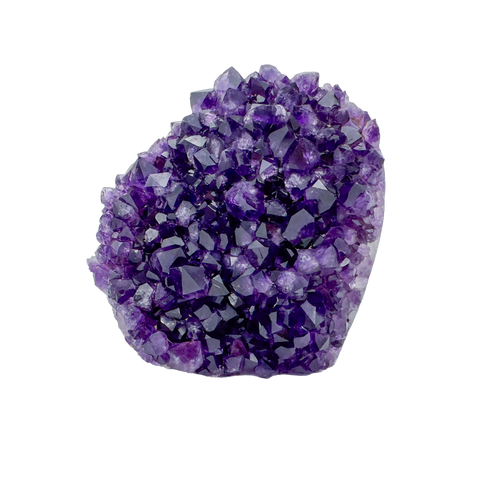
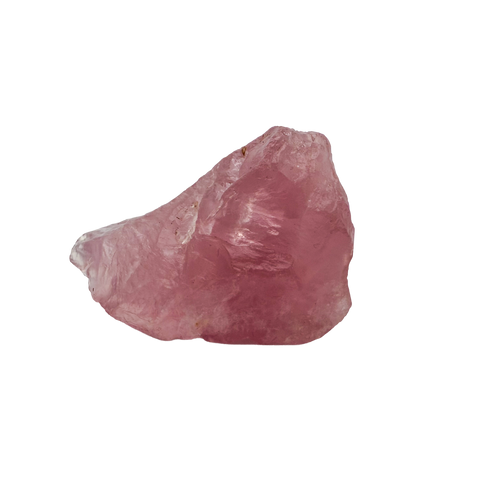
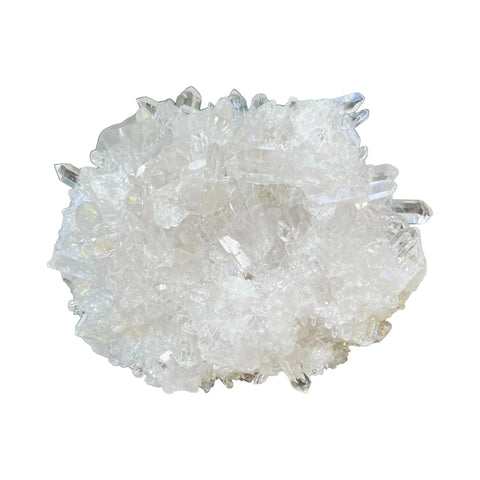
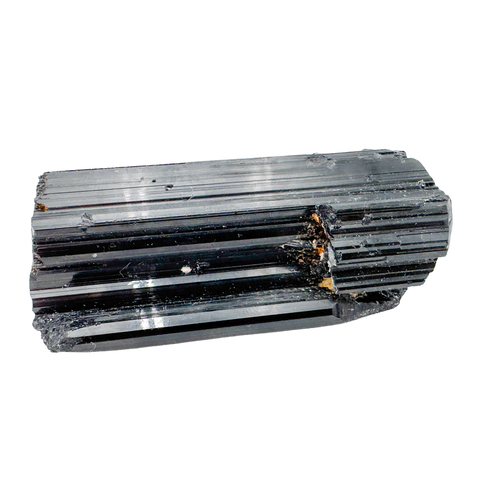
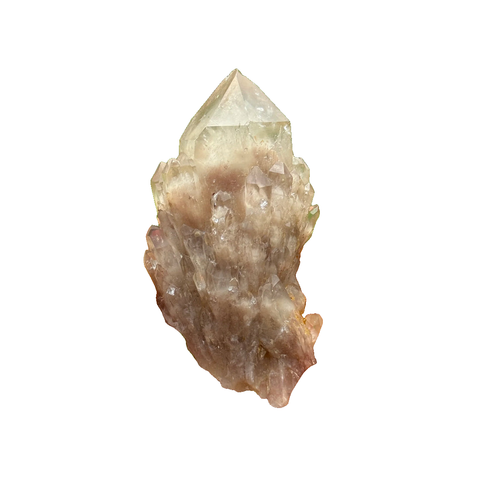
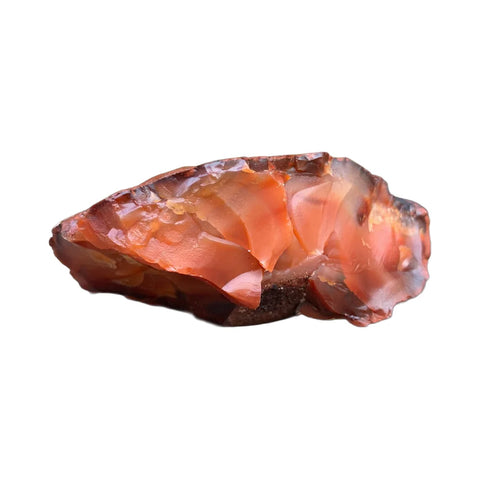
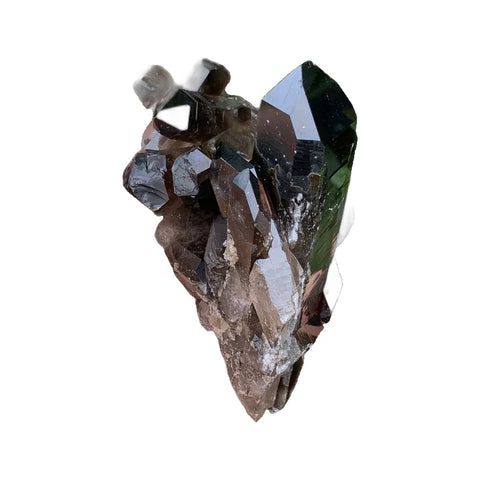
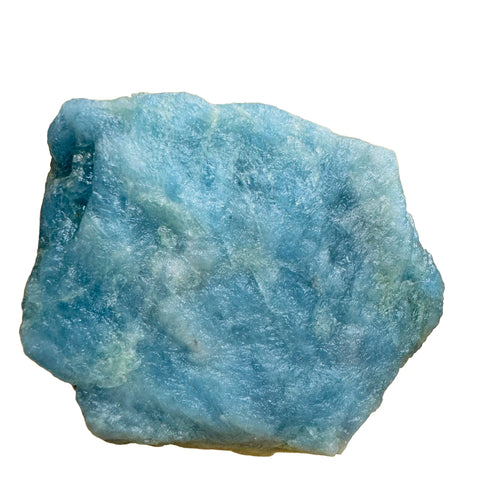
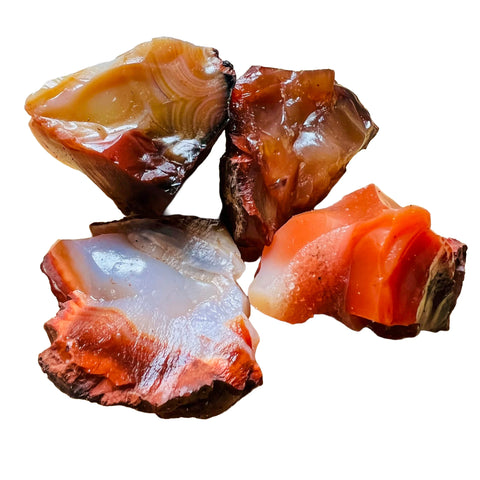


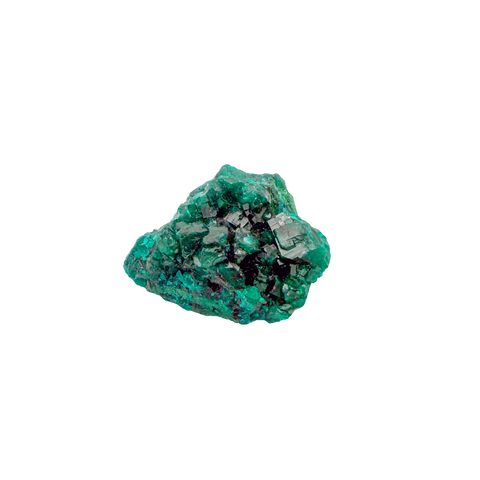
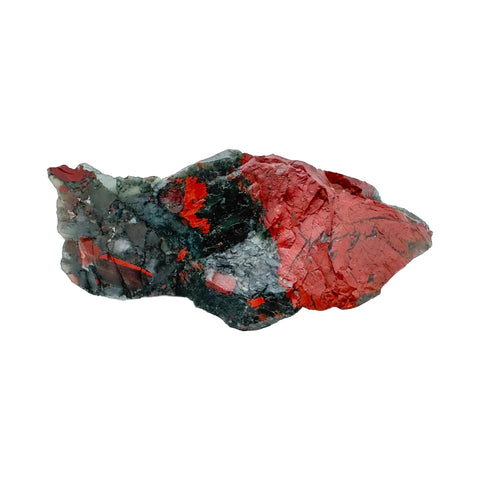
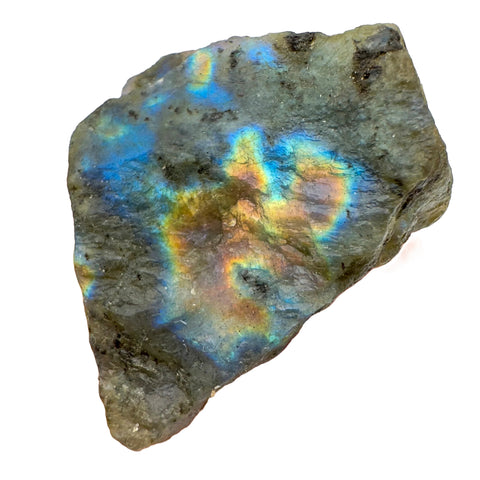
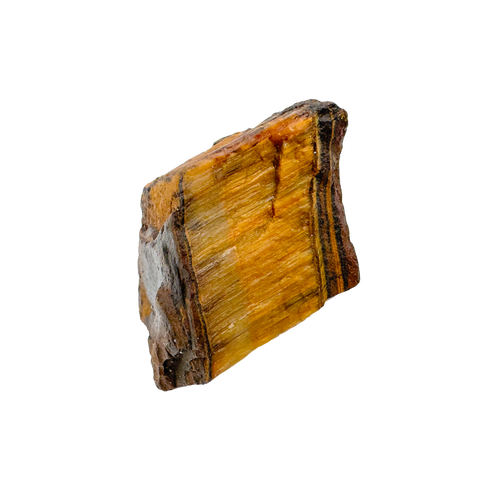
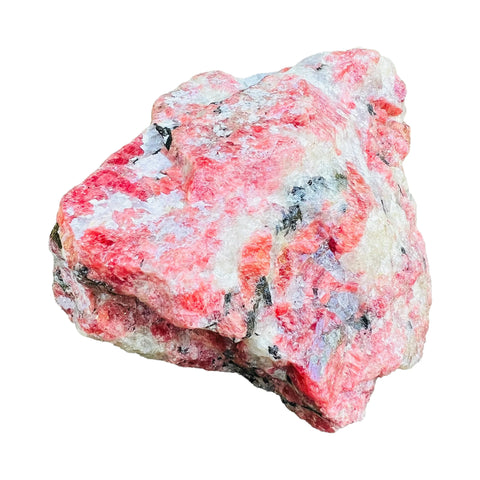
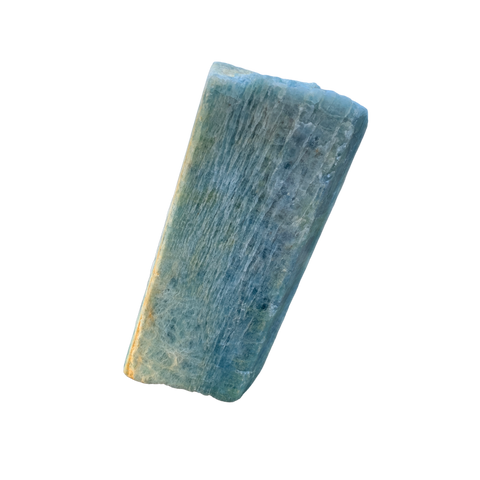
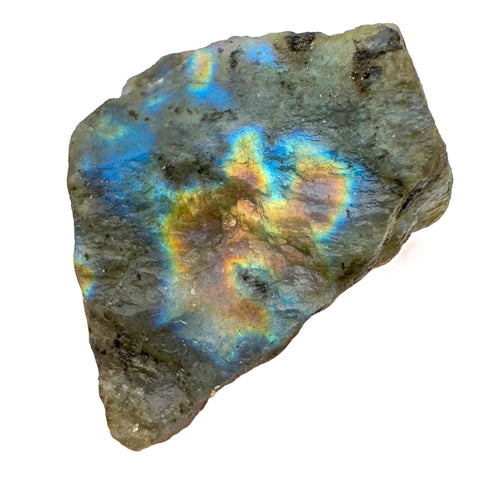
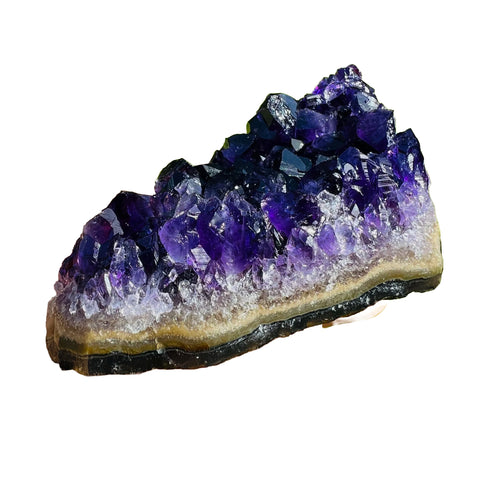



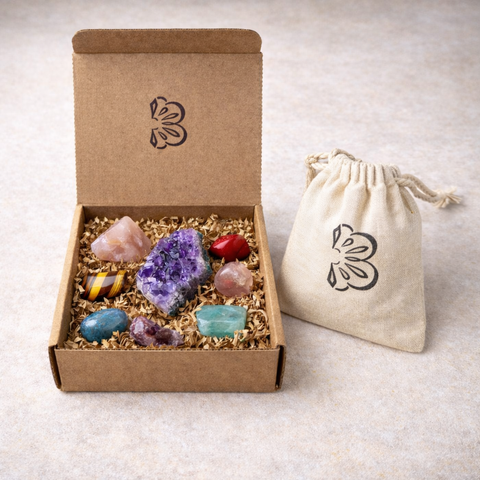
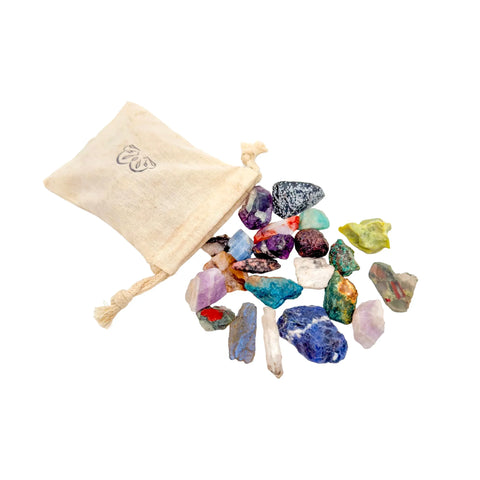
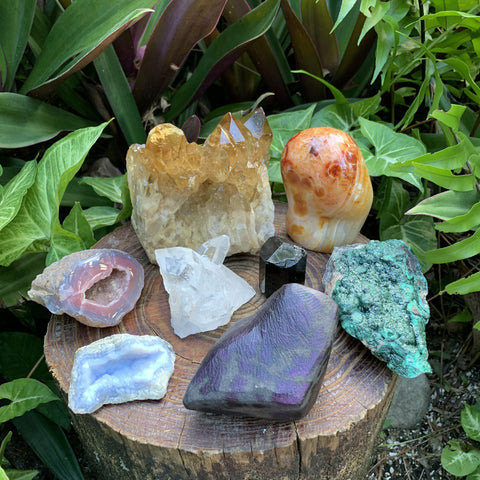
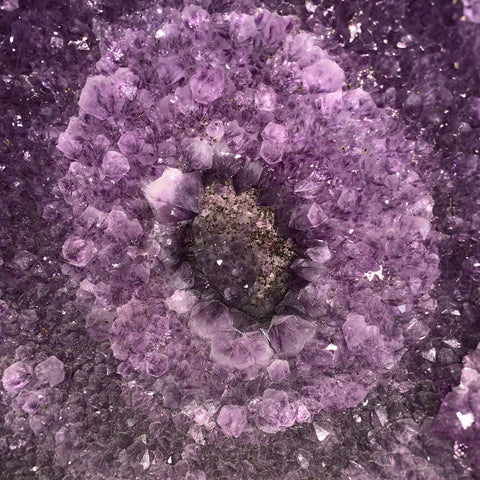
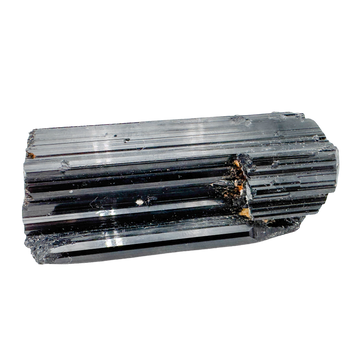
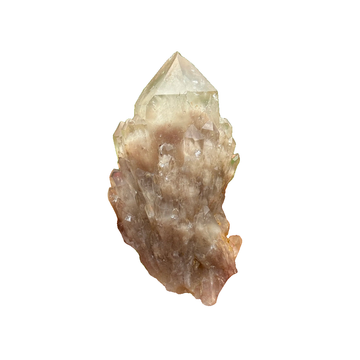
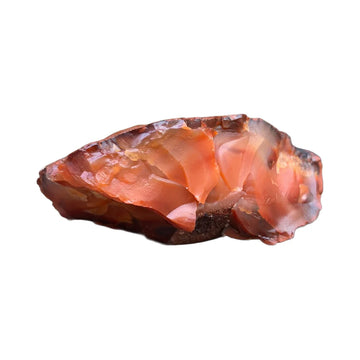
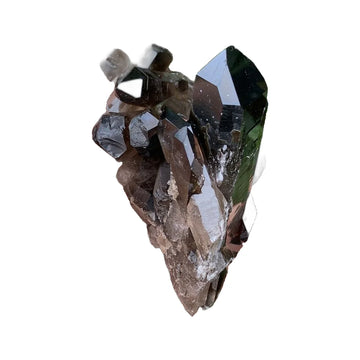
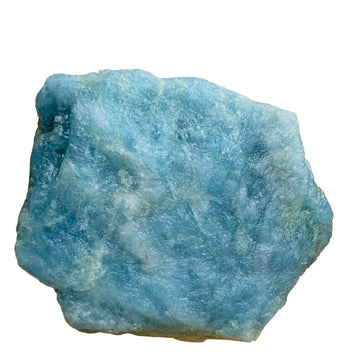
 Raw Stones
180 pieces
Raw Stones
180 pieces
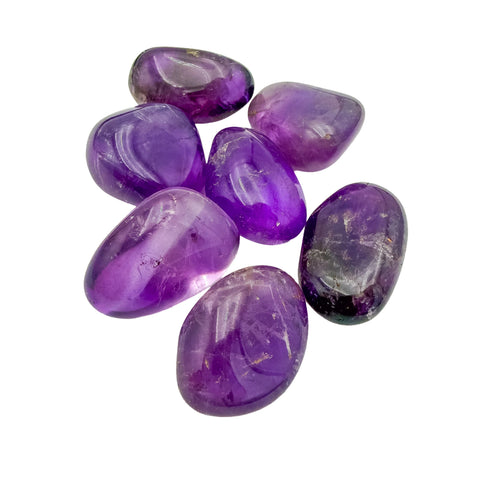
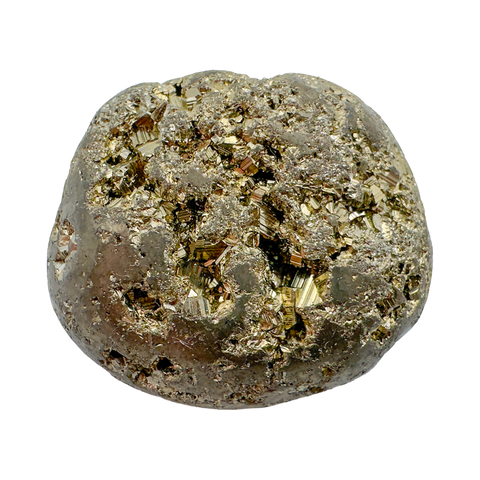
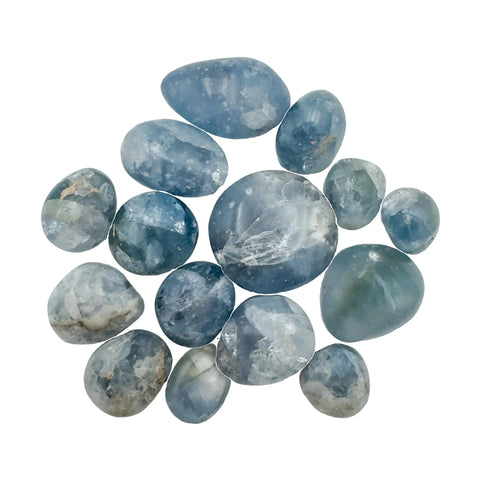
 Tumbled Stones
162 pieces
Tumbled Stones
162 pieces
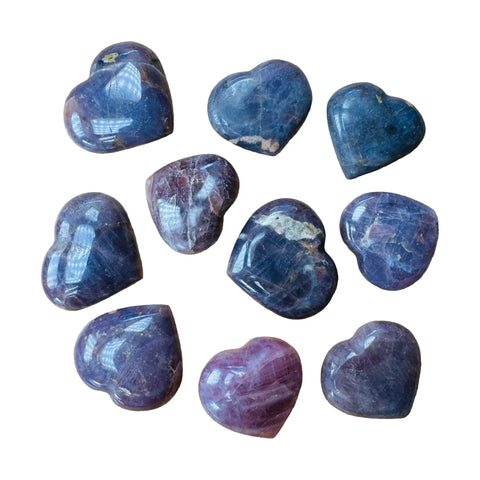
 Palm Stones
26 pieces
Palm Stones
26 pieces
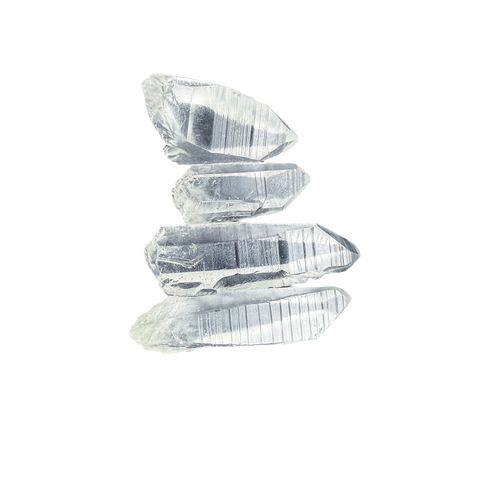
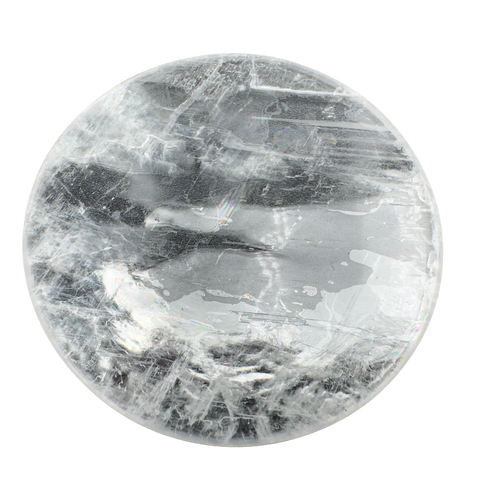
 Crystal Points
23 pieces
Crystal Points
23 pieces
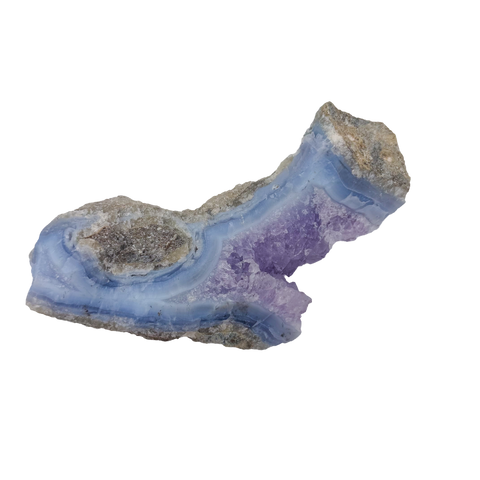
 Clusters & Geodes
109 pieces
Clusters & Geodes
109 pieces
 Polished & Decor
152 pieces
Polished & Decor
152 pieces
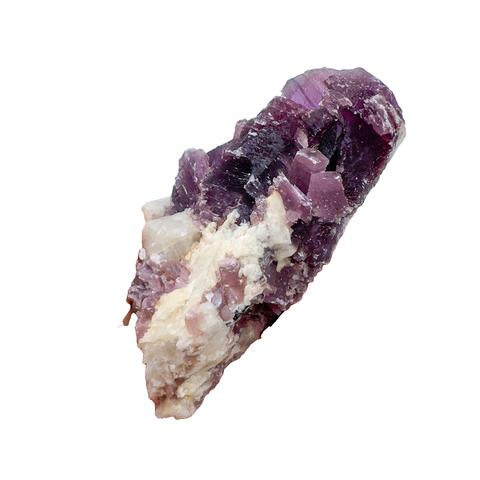
 Mineral Specimens
261 collector pieces
Mineral Specimens
261 collector pieces
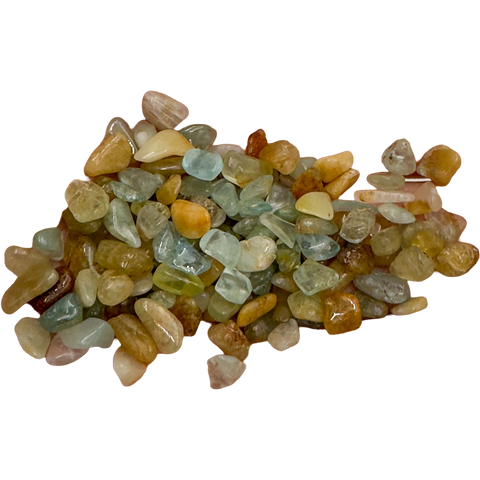
 Crystal Chips
21 pieces
Browse everything
Every collection, one page.
View All Collections →
Crystal Chips
21 pieces
Browse everything
Every collection, one page.
View All Collections →


 Aries
Mar 21 – Apr 19
Carnelian
›
Aries
Mar 21 – Apr 19
Carnelian
›
 Taurus
Apr 20 – May 20
Rose Quartz
›
Taurus
Apr 20 – May 20
Rose Quartz
›
 Gemini
May 21 – Jun 20
Agate
›
Gemini
May 21 – Jun 20
Agate
›
 Cancer
Jun 21 – Jul 22
Moonstone
›
Cancer
Jun 21 – Jul 22
Moonstone
›
 Leo
Jul 23 – Aug 22
Citrine
›
Leo
Jul 23 – Aug 22
Citrine
›
 Virgo
Aug 23 – Sep 22
Amazonite
›
Virgo
Aug 23 – Sep 22
Amazonite
›
 Libra
Sep 23 – Oct 22
Blue Lace Agate
›
Libra
Sep 23 – Oct 22
Blue Lace Agate
›
 Scorpio
Oct 23 – Nov 21
Obsidian
›
Scorpio
Oct 23 – Nov 21
Obsidian
›
 Sagittarius
Nov 22 – Dec 21
Sodalite
›
Sagittarius
Nov 22 – Dec 21
Sodalite
›
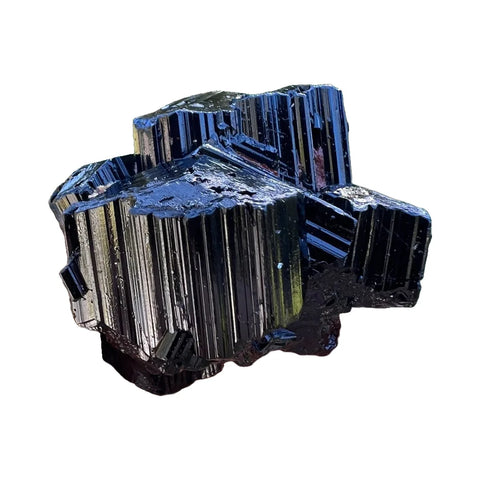
 Capricorn
Dec 22 – Jan 19
Black Tourmaline
›
Capricorn
Dec 22 – Jan 19
Black Tourmaline
›
 Aquarius
Jan 20 – Feb 18
Amethyst
›
Aquarius
Jan 20 – Feb 18
Amethyst
›
 Pisces
Feb 19 – Mar 20
Aquamarine
›
Gifting?
A birthday stone is the safe bet.
Read the zodiac guide →
Pisces
Feb 19 – Mar 20
Aquamarine
›
Gifting?
A birthday stone is the safe bet.
Read the zodiac guide →

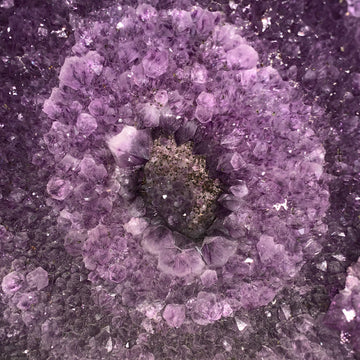
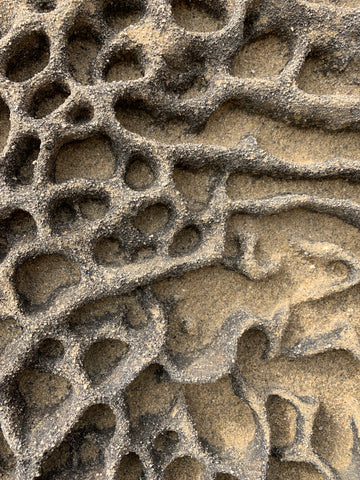
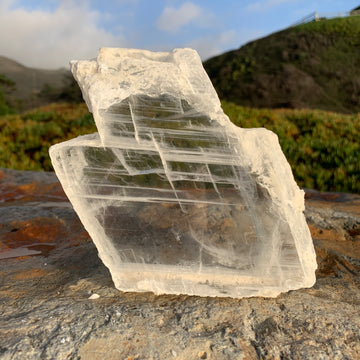
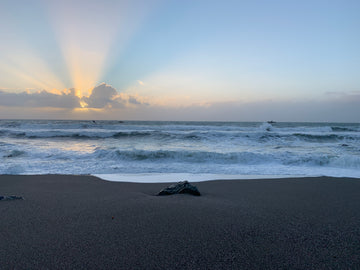
Aragonite
Aragonite is calcium carbonate (CaCO₃), a polymorph of calcite that forms in hot springs, cave systems, and pegmatite cavities. Named for Aragón, Spain, where it was first described in 1797. Many people work with it for grounding, steadying nerves, and the kind of focus that comes back only after your feet touch the floor.
Shop aragoniteThe geology.
Aragonite is a carbonate mineral with the formula CaCO₃, the same chemistry as calcite but a different crystal structure. It sits in the orthorhombic system, while calcite sits in the trigonal system. The two are polymorphs: identical on paper, different in how the atoms pack together. Aragonite forms preferentially at slightly elevated temperatures, higher magnesium content, or faster crystallization rates, which is why it is the common carbonate in hot springs, cave flowstones, biogenic shells, and some pegmatite pockets.
Hardness sits at 3.5 to 4 on the Mohs scale, softer than calcite's 3 by a narrow margin, but still soft enough that a fingernail comes close and a copper coin will mark it. Specific gravity is 2.93 to 2.95, noticeably denser than calcite (2.71). Cleavage is distinct in one direction and poor in two others. Fracture is subconchoidal to uneven. Color depends entirely on trace impurities: iron gives red and brown tones, copper produces blue, manganese can push toward pink. The famous "sputnik" clusters from Morocco and the red tumbled material from Peru are both aragonite, just with different impurity chemistry and different growth environments.
The origins.
Aragonite is produced commercially in more places than most buyers realize. Morocco's Tazouta and Midelt regions yield the hexagonal twin clusters known in the trade as "sputnik" or "star" aragonite. Spain gave the mineral its name, and historic specimen material still comes from Molina de Aragón and Minglanilla. Peru's Junín region produces the red and brown tumbled and raw material that most crystal shops in the United States stock. Namibia, the Czech Republic, Mexico, China, and the United States (caves in Virginia, New Mexico, and Arizona produce aragonite flowstone and cave formations) all contribute meaningful volume. This is not a complete list.
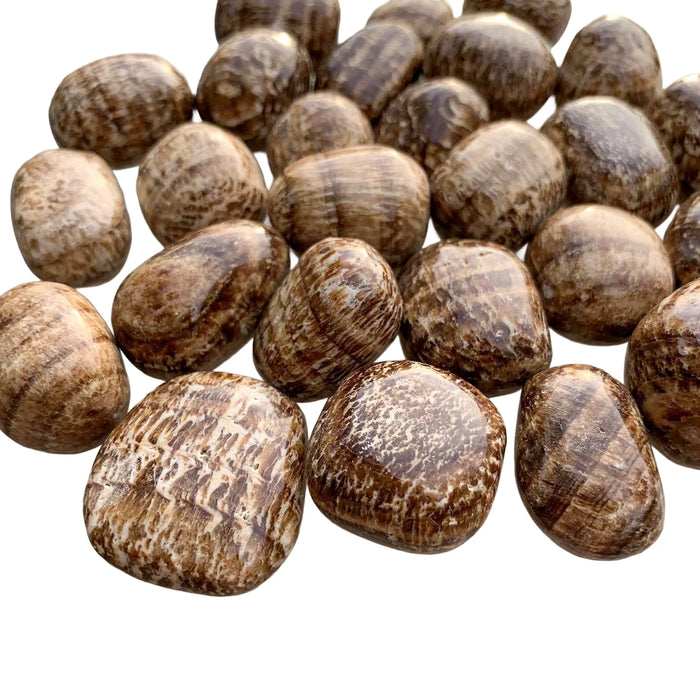
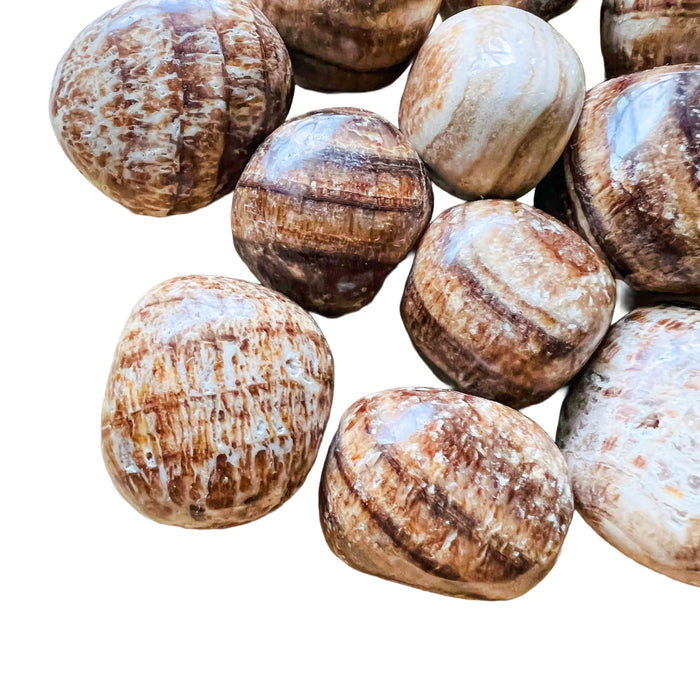
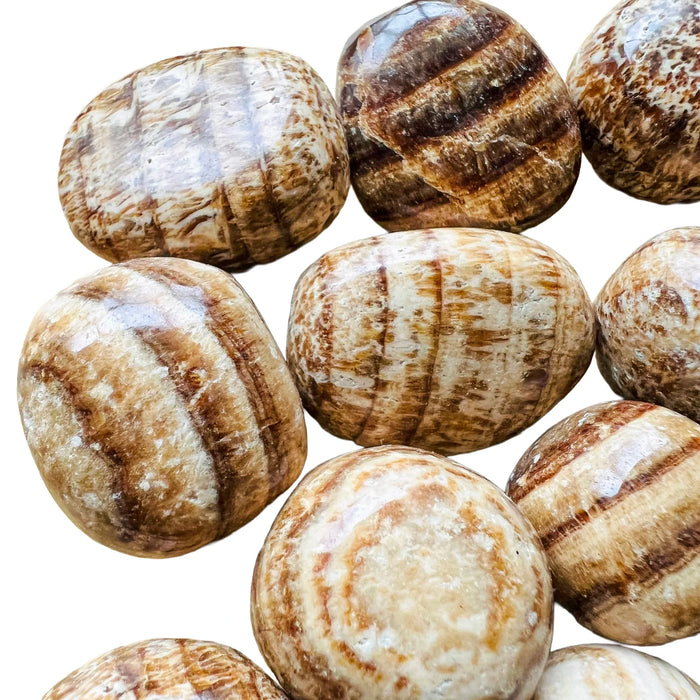
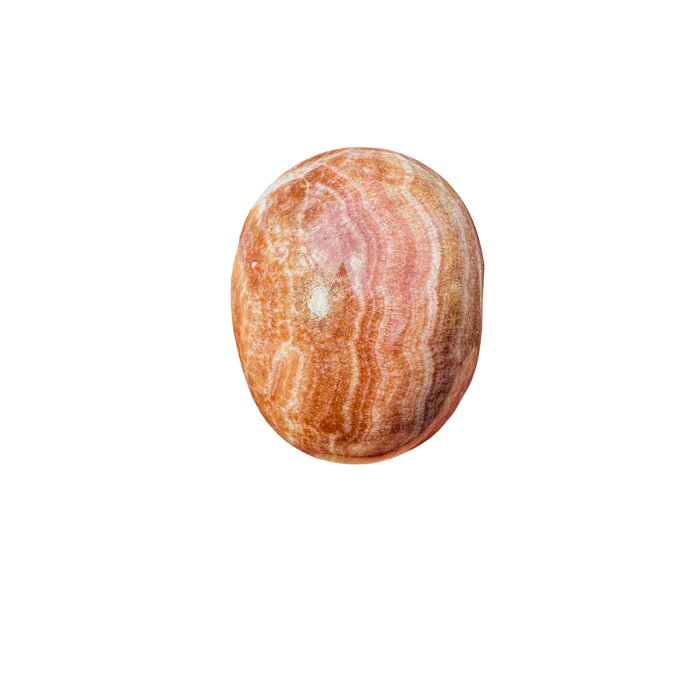
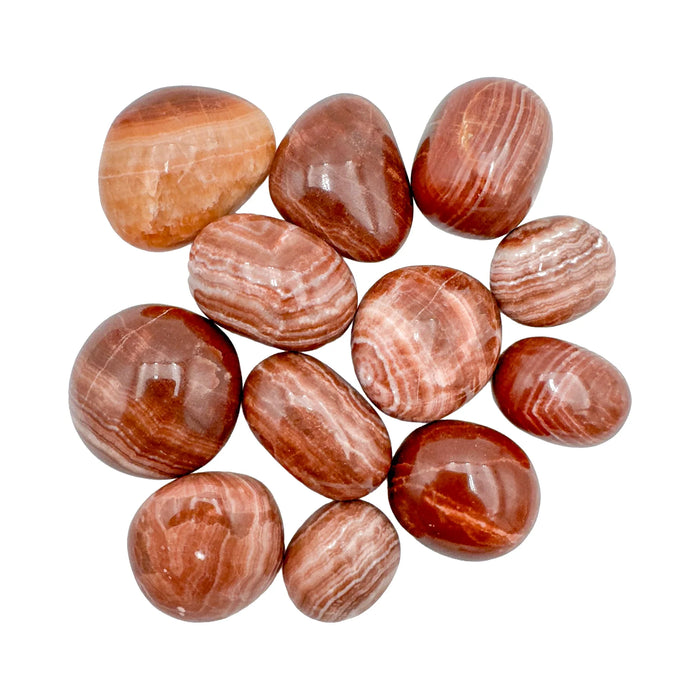
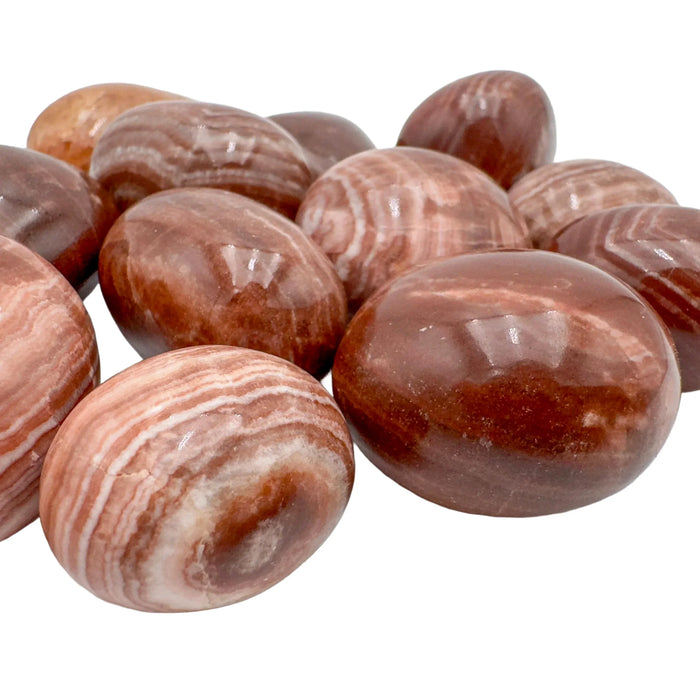
Our aragonite comes from Junín, Peru. All three forms we carry (red hand-polished, brown hand-polished, and brown raw) trace to the same region. Peru's mineral trade runs through a layered network of extractors, cooperatives, consolidators, and export brokers. We only list Peruvian material when our partner can confirm where and how a stone was collected. That process has not always been simple for us; when paperwork or provenance is incomplete, we hold material back rather than pretend. Origin is confirmed at the batch level before each piece is listed.
Traditional associations.
Aragonite is a relatively young stone in Western crystal tradition. The mineral was only formally described and named by Abraham Gottlob Werner in 1797, after samples from Aragón, Spain. Its metaphysical associations are mostly modern, built in the twentieth century as crystal healing literature standardized around elements, chakras, and zodiac correspondences. That said, its grounding reputation has become one of the most consistent readings across practitioner sources.
In modern crystal work, aragonite is most commonly associated with the Root and Sacral chakras, the elements of Earth and Fire, and the zodiac sign Capricorn. Many people work with red aragonite for steady energy, for staying physically present during stressful days, and for finding confidence that sits in the body rather than in the head. Brown aragonite is often chosen for focus, stress relief, and quiet emotional balance, the kind that helps someone work through a backlog rather than react to it. The two varieties share a common reputation: calm from below, not from above.
Spotting the real thing.
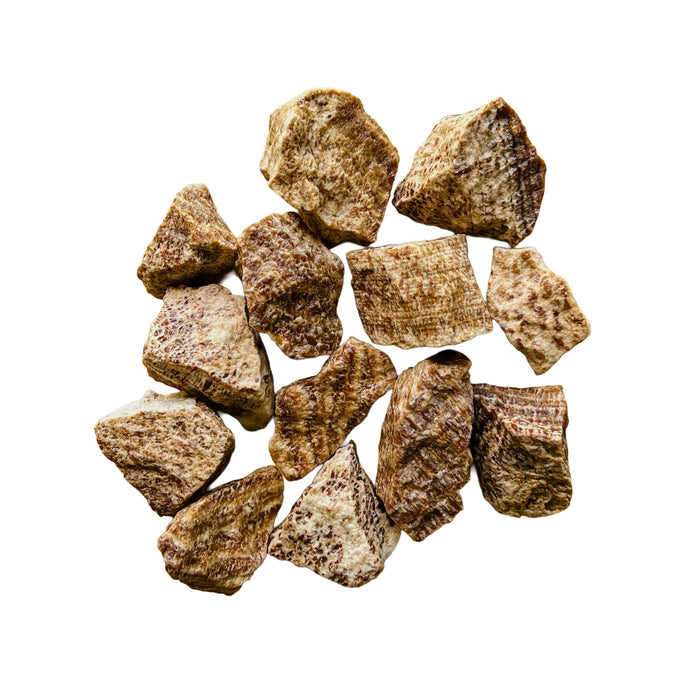
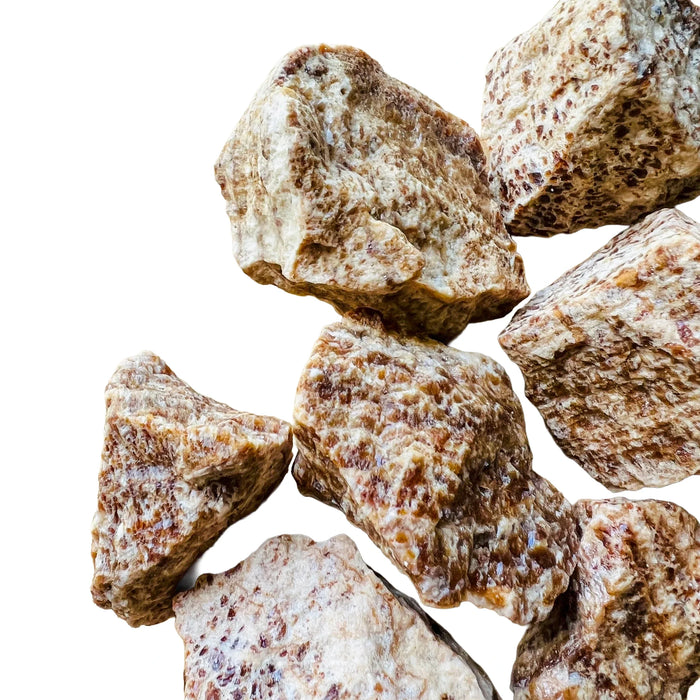
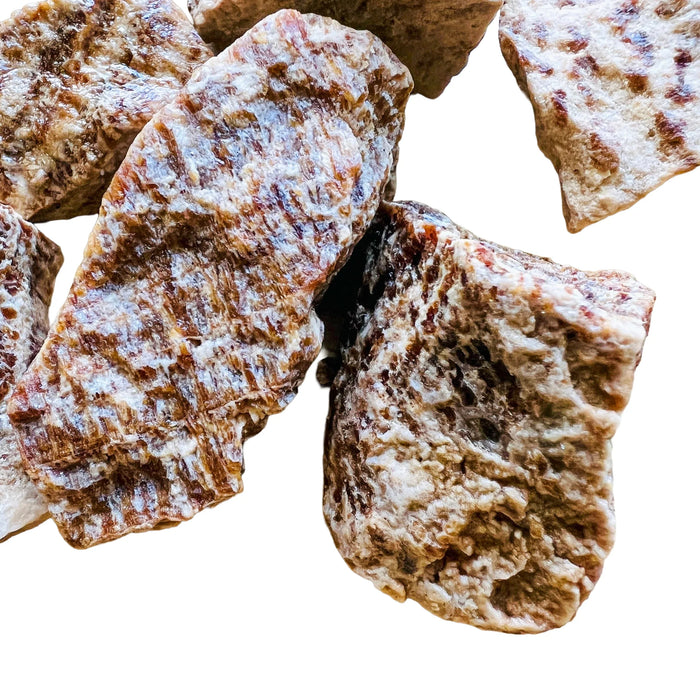
Natural aragonite sits in a characteristic color range. Peruvian red and brown material shows mottled iron coloration with banded or irregular patches, rarely a flat uniform tone. When you see a tumbled piece in an impossibly even saturated red, the honest default assumption is dye. Dyed aragonite usually gives itself away along chipped edges or inside natural fractures, where the color sits darker than the surrounding surface. Natural color, by contrast, fades subtly into the stone at damage points.
A practical test: aragonite is soft at 3.5 to 4 on the Mohs scale. A copper coin (3.5) should leave a faint mark with pressure; a steel needle (5.5) will scratch it cleanly. It is noticeably heavier than calcite in hand for the same size, which is useful when distinguishing the two polymorphs. Aragonite reacts to dilute hydrochloric acid with effervescence, the same as calcite, so the acid test alone does not separate them. A quick distinguishing cue: aragonite often forms in pseudohexagonal twins or radiating fibrous masses, while calcite commonly shows rhombohedral cleavage steps. Under ultraviolet light, some aragonite fluoresces pink or yellow, while calcite typically fluoresces red or orange.
Care & handling.
Aragonite is a soft, water-sensitive stone. Prolonged water exposure will etch the surface and dull the polish. Saltwater, acidic liquids, and chemical cleaners are all off-limits. Dry-care only. Wipe with a soft dry cloth; if a quick rinse is unavoidable, dry immediately and do not soak. Store separately from harder stones (quartz, feldspar, topaz, corundum) to prevent scratches along cleavage planes. Handle gently. A drop from counter height can chip a tumble; a drop onto tile can fracture a raw cluster along a growth seam.
Energetic cleansing suits this stone through sound, breath, or intention rather than water or salt. Charging with moonlight or brief morning sunlight works well. Avoid prolonged direct sunlight, which can dull lighter Peruvian material over time. Raw pieces are best kept in a padded compartment or on a stable surface where they will not be knocked; the radiating fibrous habit makes some specimens more fragile than their weight suggests.
Pairs well with.
Proof, not promises.
We measure our own sourcing across five dimensions. Supply chain, environmental footprint, artisan support, market integrity, and pricing. The number is honest, not perfect. Where we can do better, we say so.
A deeper look.
Extended geology, sourcing, authentication, history, varieties, and pricing, for when the quick guide isn't quite enough.
Extended geology
Aragonite is a carbonate mineral with the formula CaCO₃, a polymorph of calcite. It crystallizes in the orthorhombic system, space group Pmcn (sometimes written Pnma depending on axis choice). Typical habit is pseudohexagonal twin clusters (the classic "sputnik" form from Morocco), radiating fibrous or acicular masses, short prisms with bevelled terminations, or flowstone and stalactitic forms in caves. Cleavage is distinct on {010} and poor on {110}. Fracture is subconchoidal to uneven. Luster is vitreous to resinous on fresh surfaces.
Physical properties: Mohs hardness 3.5 to 4. Specific gravity 2.93 to 2.95, notably higher than calcite's 2.71, which is a useful distinguishing test in hand. Refractive index 1.530 to 1.685 with high birefringence (0.155). Dispersion 0.026. Pleochroism is weak. Aragonite is metastable at surface temperatures and pressures, meaning that given geological time it will slowly invert to the more stable calcite structure. Many ancient aragonite deposits have fully converted, which is why most prehistoric shell material in the fossil record is now calcite.
Color chemistry: pure aragonite is colorless to white. The red and orange tones in Peruvian material come from trace ferric iron (Fe³⁺) and iron oxide inclusions. Brown reflects mixed iron and organic staining. Blue aragonite, which surfaces occasionally from Africa, is colored by trace copper. The coloration sits in thin layers or dispersed grains rather than in the primary lattice, which is why natural pieces often show mottling, banding, and zoning rather than uniform tone. Biogenic aragonite (nacre, coral, some mollusk shells) is built of the same mineral with different trace-element and organic-matrix chemistry.
Extended sourcing
Peru is the current volume leader for rough and tumbled red and brown aragonite in the North American wholesale market. The material originates in the Junín region of the central Andes, where carbonate-rich sedimentary units host aragonite veins and cave-fill deposits. Extraction is predominantly small-scale and artisanal, using hand tools and surface collection from quarry faces and cave vugs. Material moves from extractors through consolidators to exporters, then to brokers and wholesalers abroad. Mine-level traceability is unusual at the wholesale stage and is rarely verified when claimed.
Morocco supplies the iconic pseudohexagonal twin clusters, known in the trade as "sputnik aragonite" or "star aragonite," from the Tazouta and Midelt regions. These form in oxidized lead-zinc orebodies and are extracted primarily for the collector and crystal markets. Morocco's sputnik material is among the most counterfeited aragonite in the global market, with reconstructed or reglued specimens appearing at unusually low prices.
Spain is the type locality: Abraham Gottlob Werner described and named the mineral in 1797 from samples collected in the Province of Aragón. Historic specimen material from Molina de Aragón and Minglanilla remains in collector circulation. The Czech Republic, Mexico (Guanajuato, Sonora), Namibia (Tsumeb, where the copper-blue variety has been documented), China (Guizhou, Hubei), and the United States (caves and hot-spring deposits in Virginia, New Mexico, Arizona, and Nevada) also contribute commercial and specimen-grade material.
Our supply: our red hand-polished, brown hand-polished, and brown raw aragonite all trace to the Junín region of Peru through a single-channel partner. We confirm country and region at the batch level. We do not claim individual mine sites because the consolidator stage of the Peruvian trade makes that claim unreliable. Material with incomplete documentation is held back rather than listed.
Authentication and warning signs
Natural aragonite in the Peruvian trade is mottled and uneven by default. Red pieces show banded or patchy iron coloration, often with paler cream or brown zones. Brown pieces shade from warm tan through deeper chocolate, with visible fibrous or radiating structure in some specimens. A 2-inch tumbled stone in a perfectly uniform saturated red should be treated with suspicion. Dye tends to concentrate along edges, inside fractures, and on the inner surfaces of cleavage breaks. If the color runs deeper in the damaged areas than on the polished surface, dye is the likely cause.
Hardness and gravity tests: aragonite scratches easily with a steel knife or needle (5.5), is marked by a copper coin (3.5) with pressure, and will not scratch glass. Specific gravity in hand feels heavier than calcite for the same size. A small drop of dilute hydrochloric acid produces strong effervescence (both aragonite and calcite do this). Under ultraviolet long-wave light, some aragonite varieties fluoresce pink, creamy white, or yellow; calcite typically fluoresces red or orange.
Warning signs in the wider market: uniform deep saturation across large tumbled pieces at commodity pricing (likely dyed), dramatic color flashes in banded stones that suggest surface coating rather than natural layering, Moroccan sputnik clusters at unusually low prices (common for glued or reassembled specimens), and any seller who cannot state country of origin when asked. Blue aragonite should be priced in the collector range; pieces offered cheap in bulk are almost always dyed howlite, magnesite, or quartz.
Historical and cultural context
The name aragonite was formalized by Abraham Gottlob Werner in 1797, based on specimens from Molina de Aragón in central Spain. Before Werner's description, the mineral had been confused with calcite for centuries, since both share the same chemistry. The structural distinction between the two polymorphs was only resolved in the early nineteenth century through crystallographic work by René Just Haüy and others.
Biological aragonite has a much older human story. Mollusk shells, coral skeletons, and the nacre layer of pearl oysters are all aragonite, and all have been traded, carved, and used ornamentally for thousands of years. The biogenic forms converted slowly to calcite in deep geological time, which is why most fossil shell material is now calcite rather than aragonite. Living coral reefs and modern seashells remain the largest reservoir of aragonite on the planet.
Modern crystal associations for aragonite emerged in the late twentieth century as crystal healing literature consolidated around elemental and chakra correspondences. Unlike aquamarine or amethyst, aragonite has no substantial ancient or medieval lore, and any source claiming otherwise is importing narrative from other stones.
Varieties and trade names
Red Aragonite: iron-rich Peruvian material, most commonly hand-polished or tumbled. The dominant variety in the United States retail market.
Brown Aragonite: mixed iron and organic coloration, also primarily Peruvian. Sold in both hand-polished and raw forms.
Sputnik Aragonite (also Star Aragonite): pseudohexagonal twin clusters from Morocco. Specimen-grade material with a distinctive radiating three-axis habit.
Blue Aragonite: copper-bearing aragonite, rare and typically sourced from African or Chinese localities. Collector material. Frequently faked with dyed howlite or magnesite.
Flos Ferri (Flower of Iron): fragile white coralloidal aragonite from iron-ore deposits, particularly Eisenerz, Austria. Historically prized as a mineralogical curiosity.
Cave Aragonite (also Flowstone, Helictite): aragonite forms in cave systems worldwide, often in delicate branching helictite structures that defy gravity due to capillary action during growth. Extraction from active caves is restricted in most jurisdictions.
Onyx Aragonite (Calcareous Onyx): banded aragonite marketed as onyx, particularly from Mexican and Moroccan sources. Not the same as true onyx (banded chalcedony).
Pricing reality
Raw Grade A brown aragonite: 2 to 6 dollars per piece at retail. Hand-polished Grade AA brown aragonite: 6 to 12 dollars per piece. Hand-polished Grade AAA red aragonite: 15 to 28 dollars per piece depending on size, color saturation, and finish. Moroccan sputnik clusters: 20 to 300 dollars depending on cluster size, symmetry, and undamaged terminations. Large specimen clusters and showpiece pieces climb into the mid-hundreds.
Blue aragonite in tumbled form: 8 to 30 dollars per piece, though much of the market is mislabeled dyed material at lower prices. Verified copper-blue aragonite crystal specimens sit in the collector range at 100 dollars and up. Fossil coral and nacre products (mother-of-pearl, ammolite) price on their own curves and are not directly comparable to mineral aragonite.
Value drivers: color saturation, natural patterning, size, cluster symmetry for sputnik material, and documented origin. Warning signs in pricing: uniform saturated red at commodity prices, Moroccan sputnik priced below typical specimen rates (usually glued or reconstructed), and blue aragonite offered cheap in quantity.
Good sourcing is a practice, not a claim.
Nothing we sell is dyed, stabilized, or color-enhanced without full disclosure. We name our origins where we can. We say so when we cannot. We walk away from material that does not meet our standard, even when it costs us sales.
Bring aragonite home.
Red hand-polished, brown hand-polished, and brown raw pieces, all from the Junín region of Peru. Untreated, hand-selected for natural color and honest form. No dyed showroom reds, no mystery origin.
Shop the aragonite collectionAragonite, in stock now.
Our most-loved Aragonite pieces, ready to ship.
- from 1,000+ reviews
- Ships within 72 hoursMonday to Friday, tracked
- 90 days to return itif you do not love it
- Free US shipping over $99$8.99 flat rate under
The Slow Note
New stones go to the list first.
No forwarding, no selling. Unsubscribe in one click. Privacy