


 Agatefor stress relief
 Amazonitefor stress relief
 Aquamarinefor serenity
 Aventurinefor luck
 Bloodstonefor energy
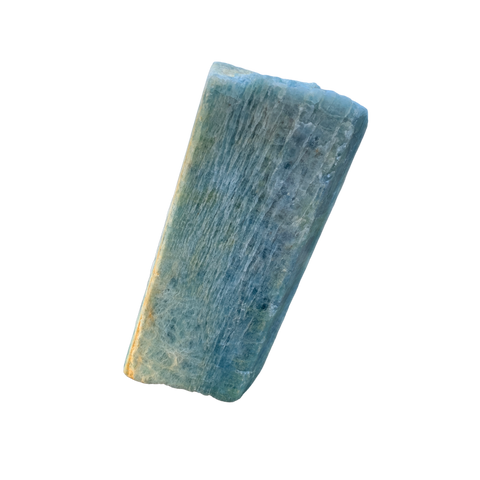
 Blue Kyanitefor confidence
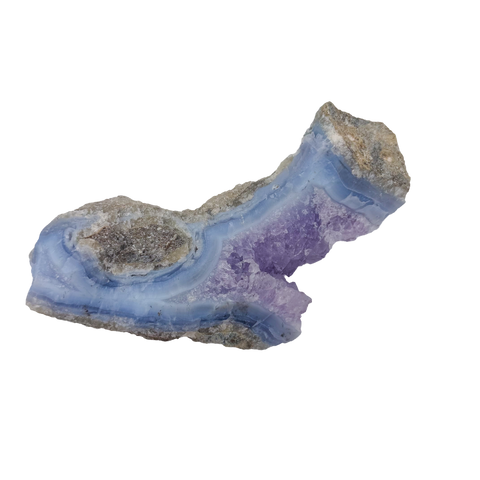
 Blue Lace Agatefor stress relief
 Chrysocollafor emotional healing
 Fluoritefor focus
 Garnetfor energy
 Lepidolitefor stress relief
 Malachitefor emotional healing
 Moonstonefor grounding
 Obsidianfor protection
 Ocean Jasperfor emotional healing
 Red Jasperfor grounding
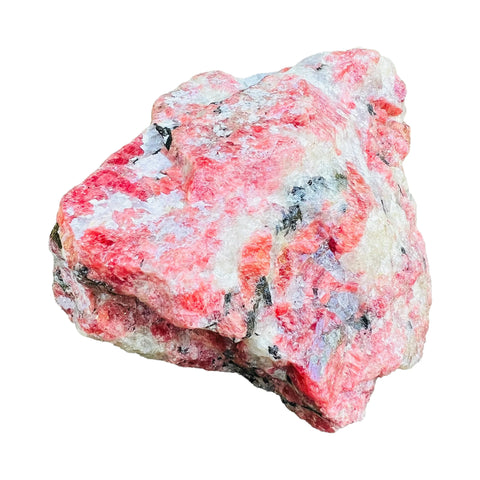
 Rhodonitefor emotional healing
 Selenitefor cleansing
 Sodalitefor focus
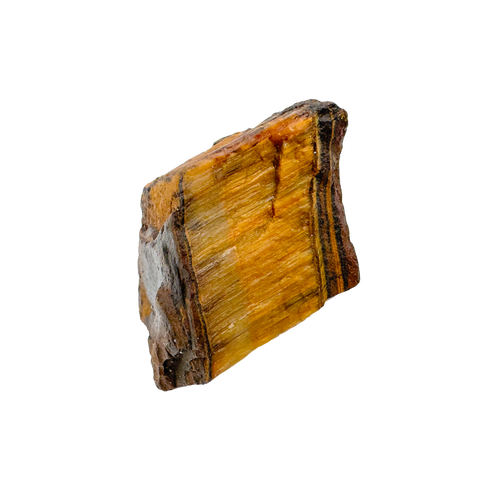
 Tiger Eyefor confidence
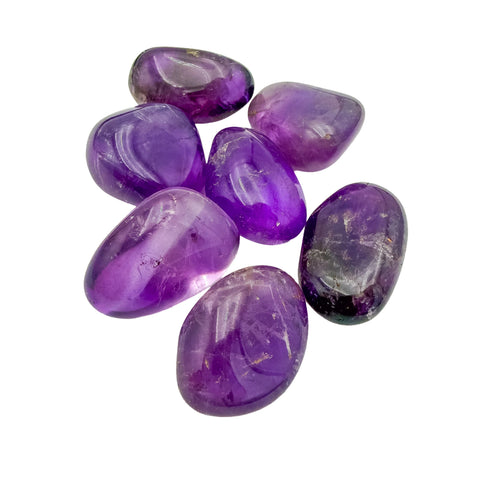


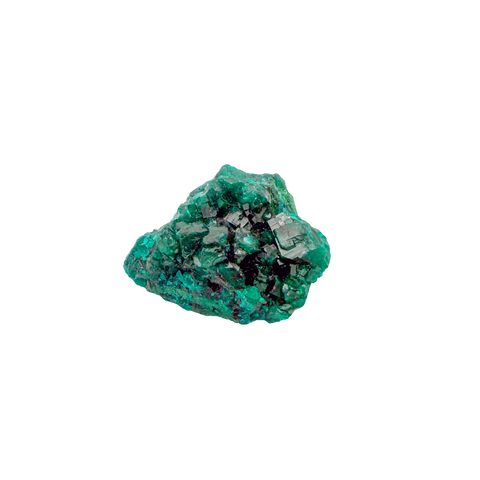
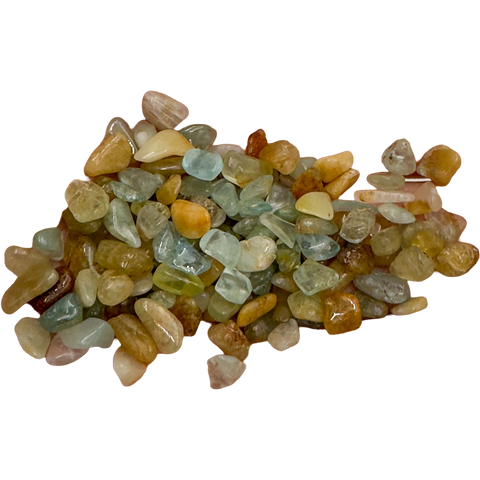
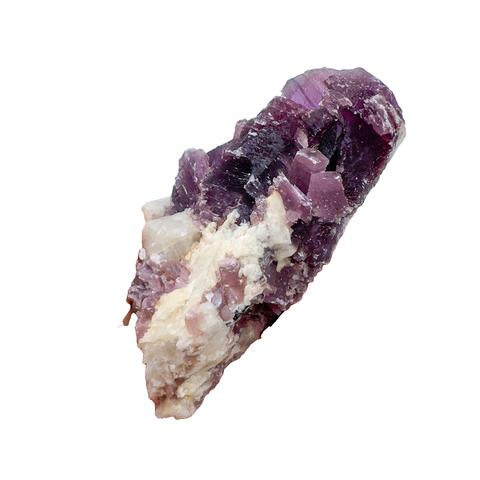
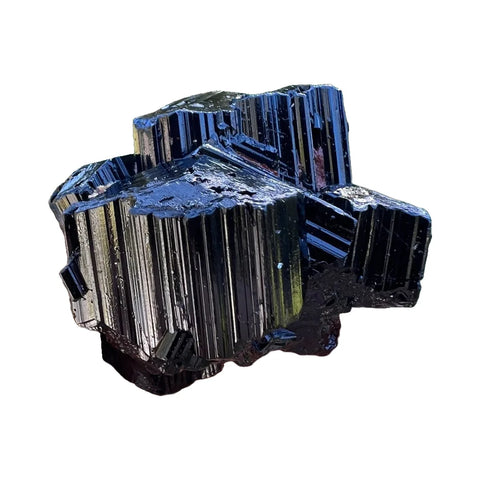
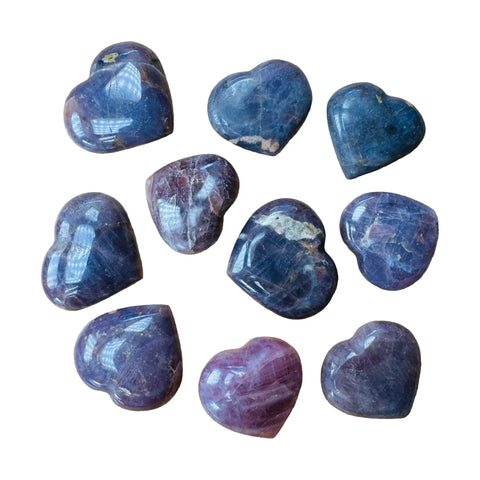
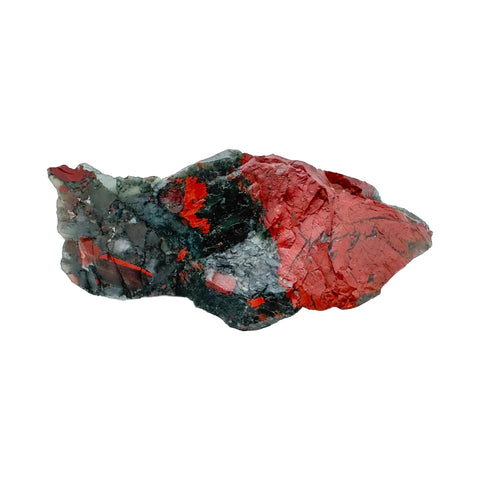
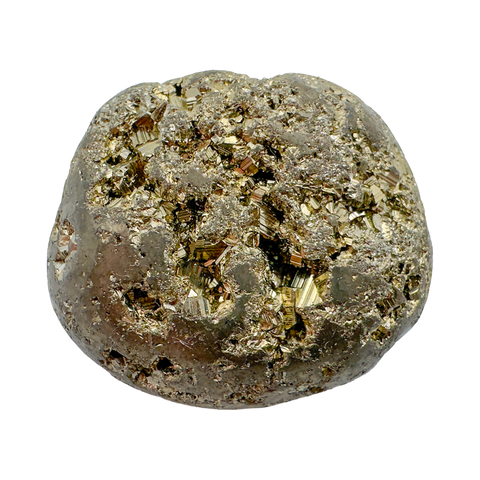


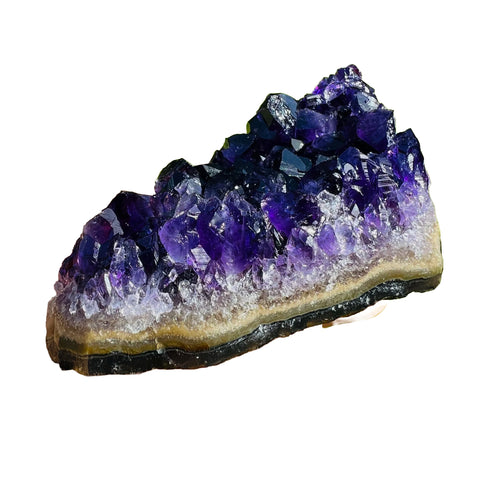





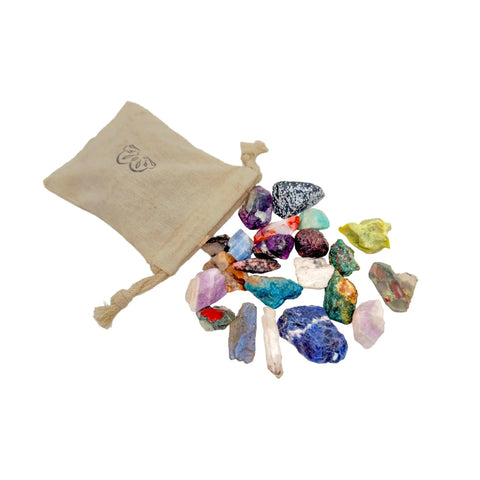
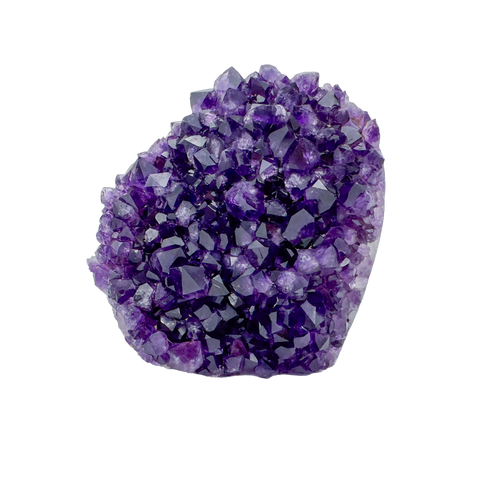
 Amethyst
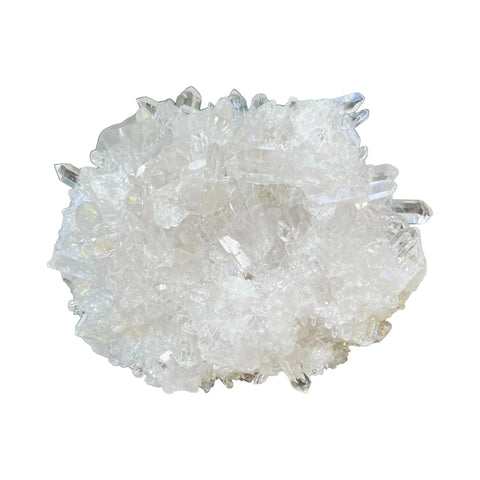
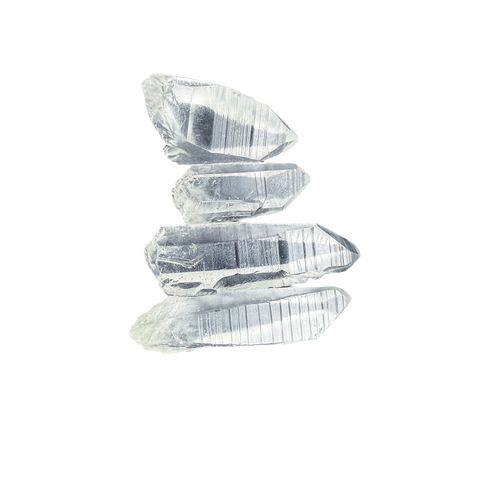
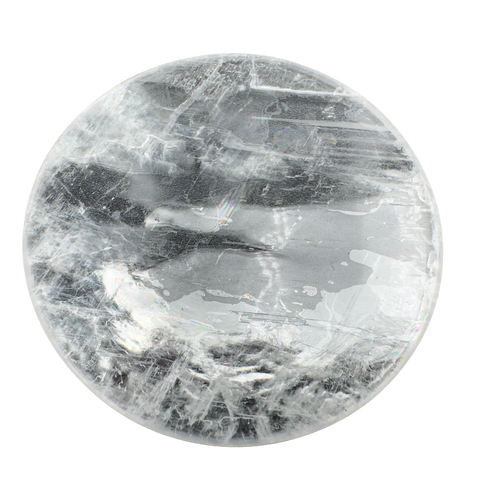
 Clear Quartz
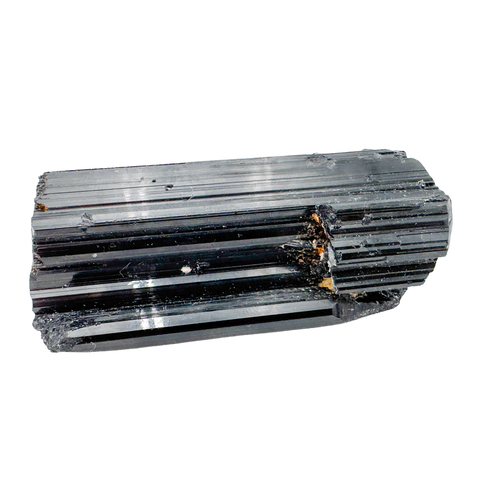
 Black Tourmaline
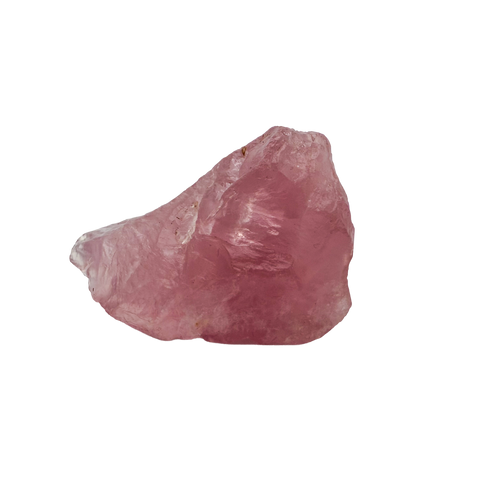
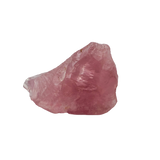 Rose Quartz
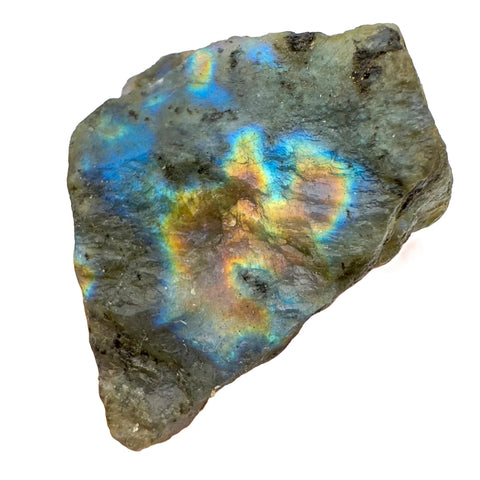
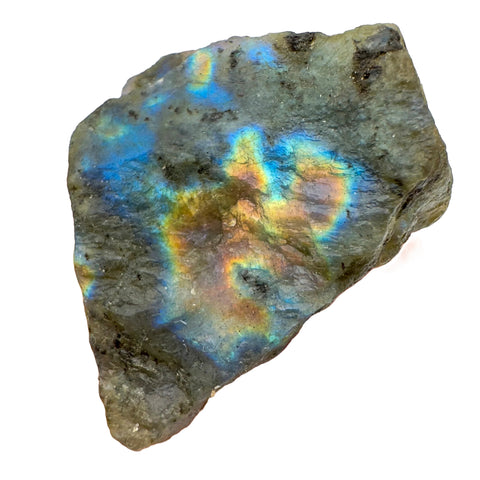
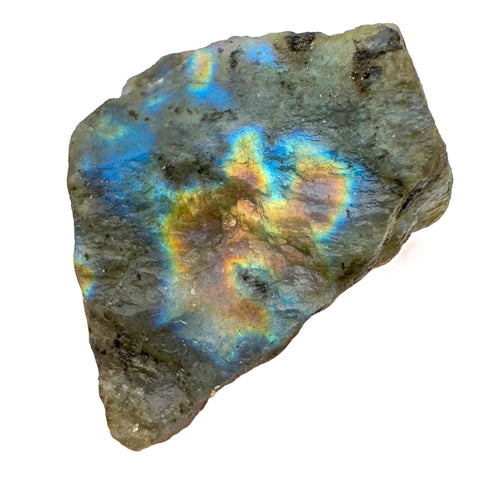
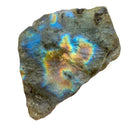 Labradorite
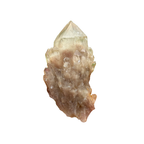 Natural Citrine
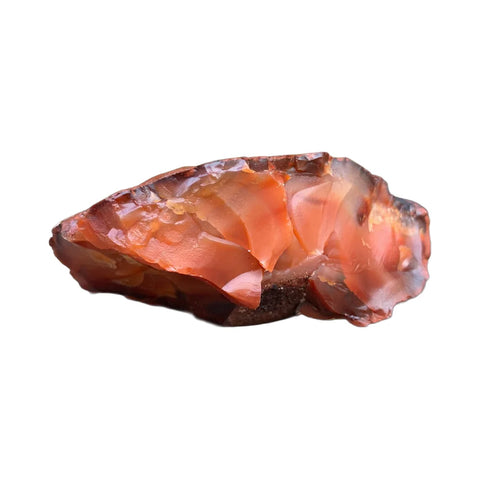
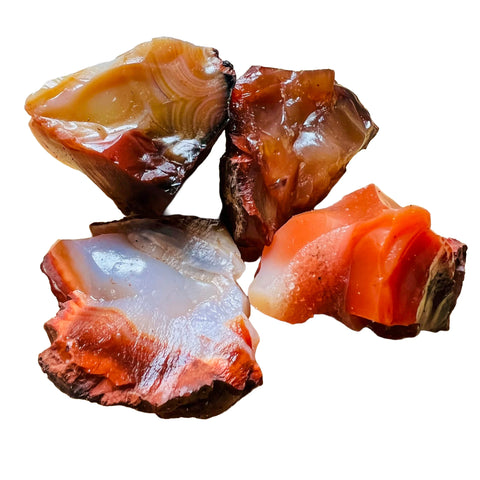
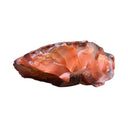 Carnelian
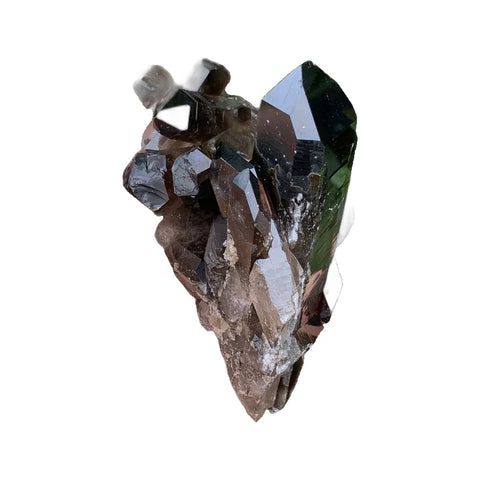
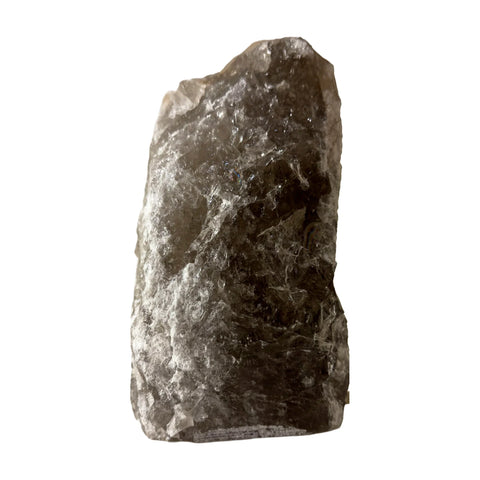
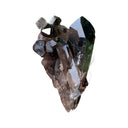 Smoky Quartz
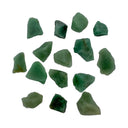 Aventurine
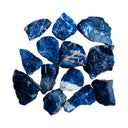 Sodalite
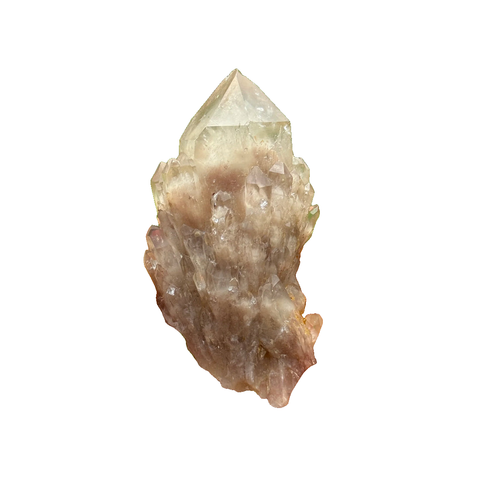
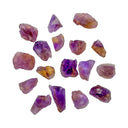 Ametrine
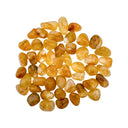 Golden Healer
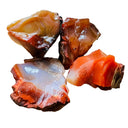 Raw Stones
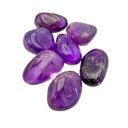 Tumbled Stones
 Palm Stones
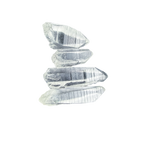 Crystal Points
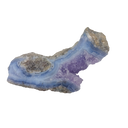 Clusters & Geodes
 Polished & Decor
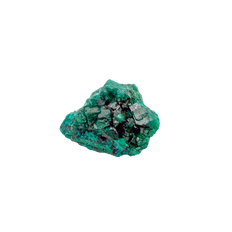 Mineral Specimens
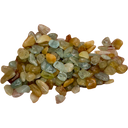 Crystal Chips
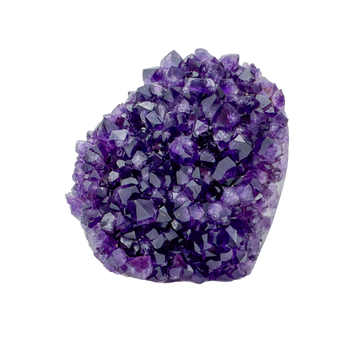
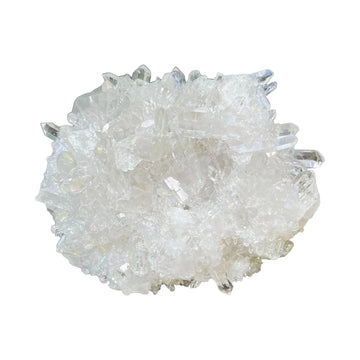
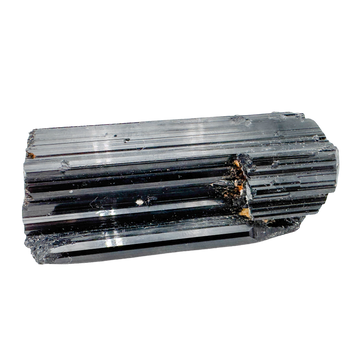
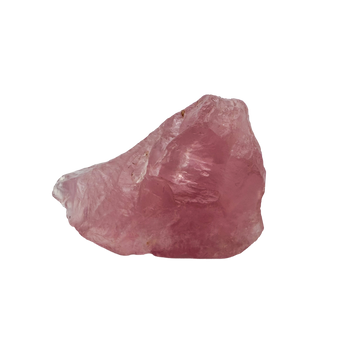
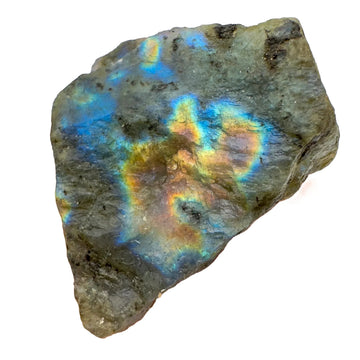
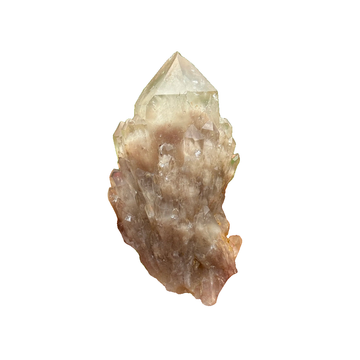
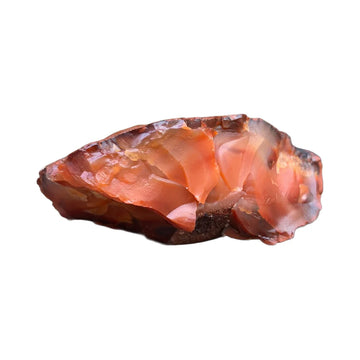
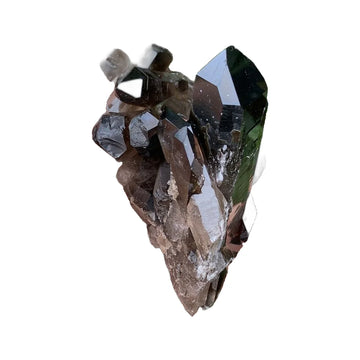
 Raw Stones
179 to choose from
Raw Stones
179 to choose from
 Tumbled Stones
162 to choose from
Tumbled Stones
162 to choose from
 Palm Stones
25 to choose from
Palm Stones
25 to choose from
 Crystal Points
23 to choose from
Crystal Points
23 to choose from
 Clusters & Geodes
103 to choose from
Clusters & Geodes
103 to choose from
 Polished & Decor
148 to choose from
Polished & Decor
148 to choose from
 Mineral Specimens
257 to choose from
Mineral Specimens
257 to choose from
 Crystal Chips
21 to choose from
Crystal Chips
21 to choose from


 AngolaAquamarine
›
AngolaAquamarine
›
 BotswanaCarnelian, Tree Agate
›
BotswanaCarnelian, Tree Agate
›
 DR CongoMalachite, Natural Citrine
›
DR CongoMalachite, Natural Citrine
›
 EswatiniBloodstone
›
EswatiniBloodstone
›
 MadagascarLabradorite, Clear Quartz
›
MadagascarLabradorite, Clear Quartz
›
 MalawiBlue Lace Agate, Garnet
›
MalawiBlue Lace Agate, Garnet
›
 MozambiqueAmazonite
›
MozambiqueAmazonite
›
 NamibiaSodalite, Blue Lace Agate
›
NamibiaSodalite, Blue Lace Agate
›
 Republic of the CongoDioptase
›
Republic of the CongoDioptase
›
 South AfricaTiger Eye, Unakite
›
South AfricaTiger Eye, Unakite
›
 ZambiaChevron Amethyst
›
ZambiaChevron Amethyst
›
 ZimbabweEmerald, Rhodonite
›
ZimbabweEmerald, Rhodonite
›
 ArgentinaBlack Obsidian, Rhodochrosite
›
ArgentinaBlack Obsidian, Rhodochrosite
›
 BoliviaAmetrine
›
BoliviaAmetrine
›
 BrazilAmethyst, Clear Quartz
›
BrazilAmethyst, Clear Quartz
›
 PeruSerpentine, Jade
›
PeruSerpentine, Jade
›
 UruguayAmethyst
›
UruguayAmethyst
›
 Dominican RepublicLarimar
›
Dominican RepublicLarimar
›
 MexicoRainbow Obsidian, Crazy Lace Agate
›
MexicoRainbow Obsidian, Crazy Lace Agate
›
 United StatesSelenite, Peridot
›
United StatesSelenite, Peridot
›
 ChinaFluorite
›
ChinaFluorite
›
 RussiaShungite
›
RussiaShungite
›
 AustraliaMookaite
›
AustraliaMookaite
›
 Where our crystals come from
See where we source →
Where our crystals come from
See where we source →


 Aries
Mar 21 to Apr 19
Carnelian
›
Aries
Mar 21 to Apr 19
Carnelian
›
 Taurus
Apr 20 to May 20
Rose Quartz
›
Taurus
Apr 20 to May 20
Rose Quartz
›
 Gemini
May 21 to Jun 20
Agate
›
Gemini
May 21 to Jun 20
Agate
›
 Cancer
Jun 21 to Jul 22
Moonstone
›
Cancer
Jun 21 to Jul 22
Moonstone
›
 Leo
Jul 23 to Aug 22
Citrine
›
Leo
Jul 23 to Aug 22
Citrine
›
 Virgo
Aug 23 to Sep 22
Amazonite
›
Virgo
Aug 23 to Sep 22
Amazonite
›
 Libra
Sep 23 to Oct 22
Blue Lace Agate
›
Libra
Sep 23 to Oct 22
Blue Lace Agate
›
 Scorpio
Oct 23 to Nov 21
Obsidian
›
Scorpio
Oct 23 to Nov 21
Obsidian
›
 Sagittarius
Nov 22 to Dec 21
Sodalite
›
Sagittarius
Nov 22 to Dec 21
Sodalite
›
 Capricorn
Dec 22 to Jan 19
Black Tourmaline
›
Capricorn
Dec 22 to Jan 19
Black Tourmaline
›
 Aquarius
Jan 20 to Feb 18
Amethyst
›
Aquarius
Jan 20 to Feb 18
Amethyst
›
 Pisces
Feb 19 to Mar 20
Aquamarine
›
Gifting?
A birthday stone is the safe bet.
Read the zodiac guide →
Pisces
Feb 19 to Mar 20
Aquamarine
›
Gifting?
A birthday stone is the safe bet.
Read the zodiac guide →


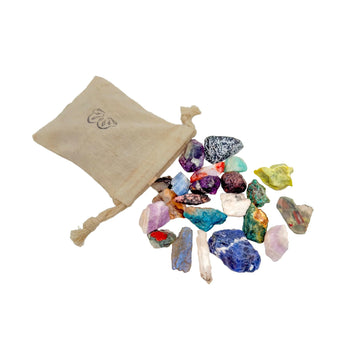
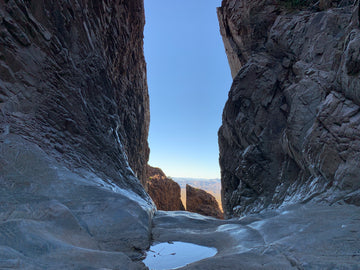
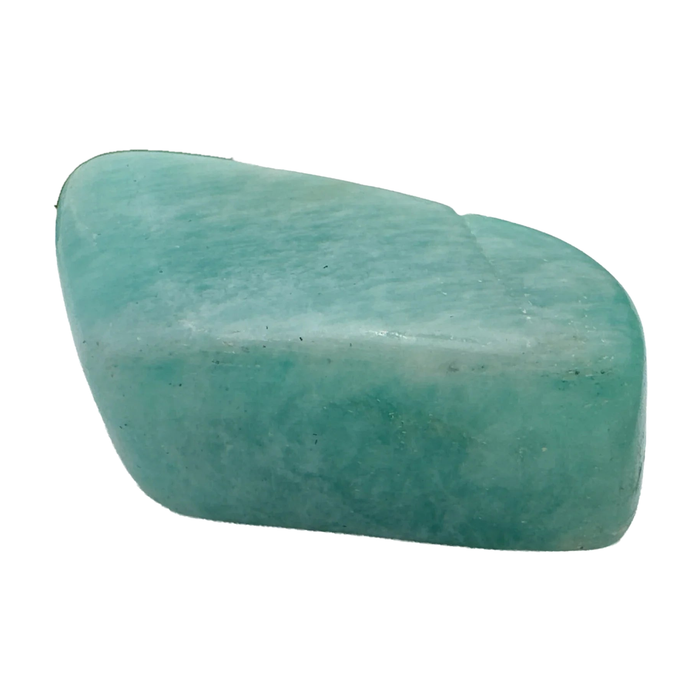
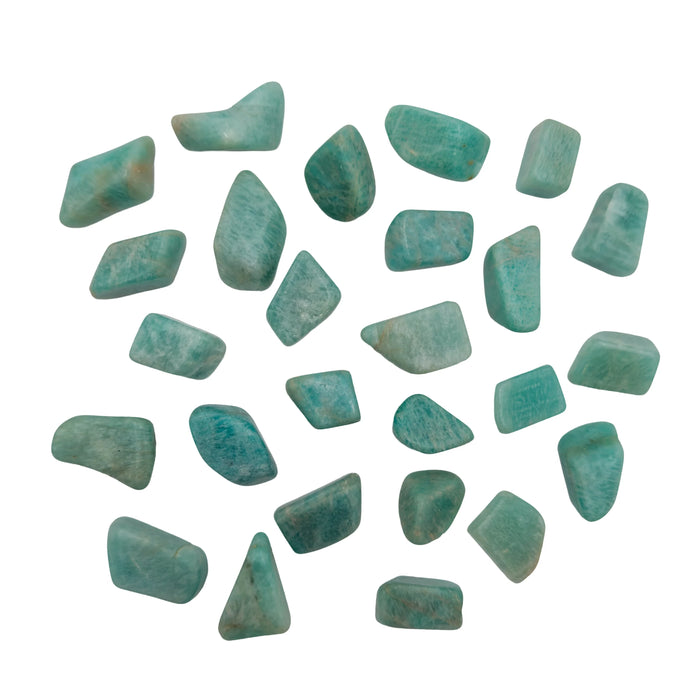
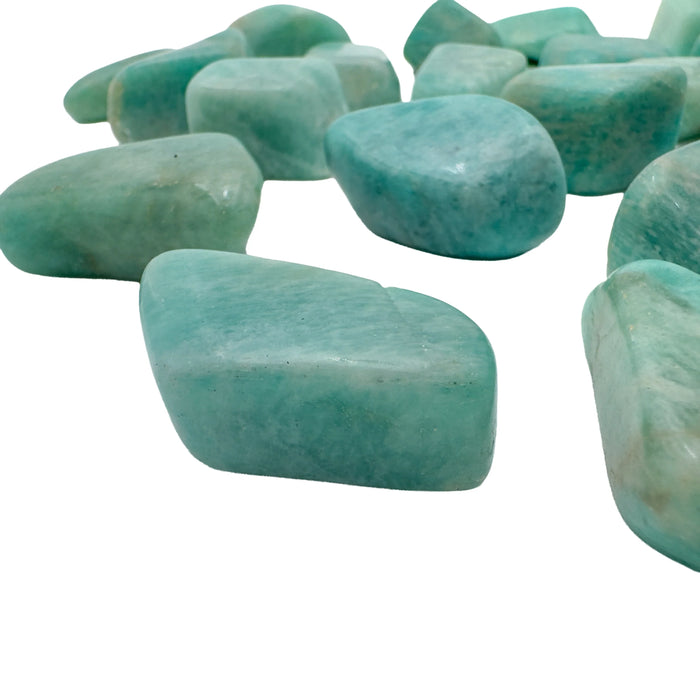
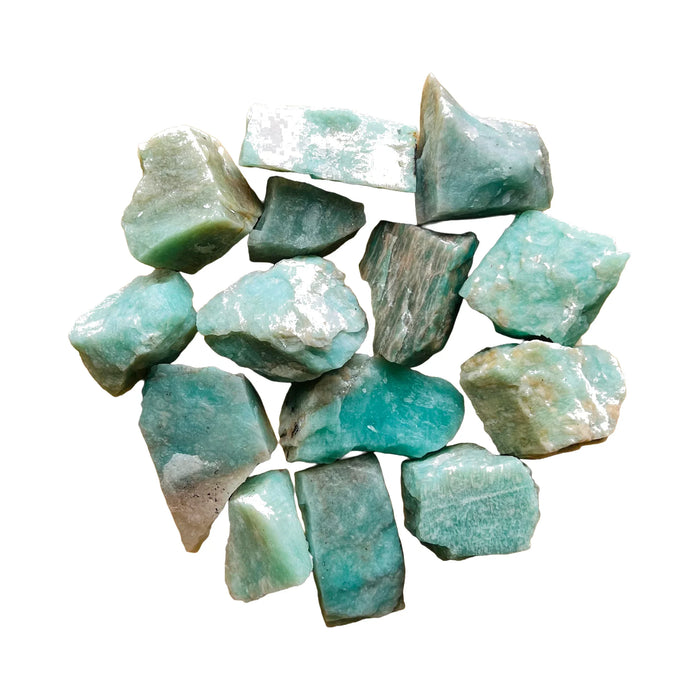
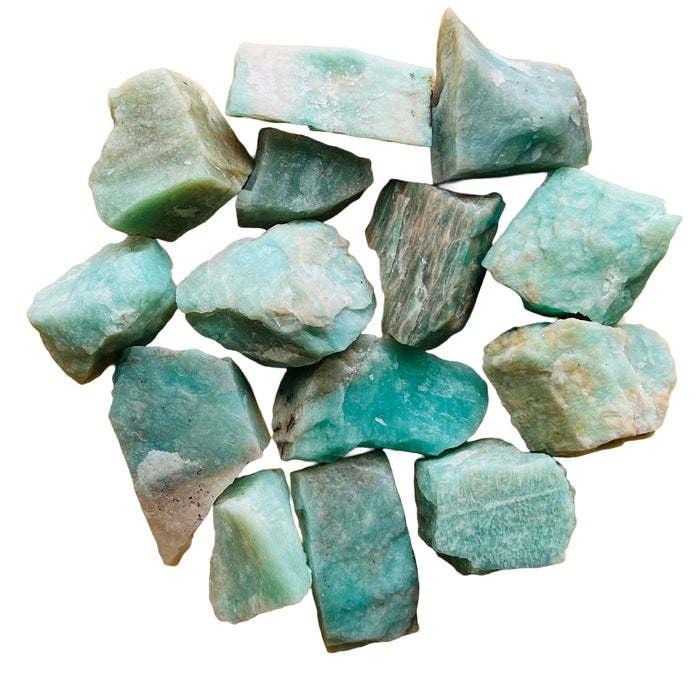
Amazonite
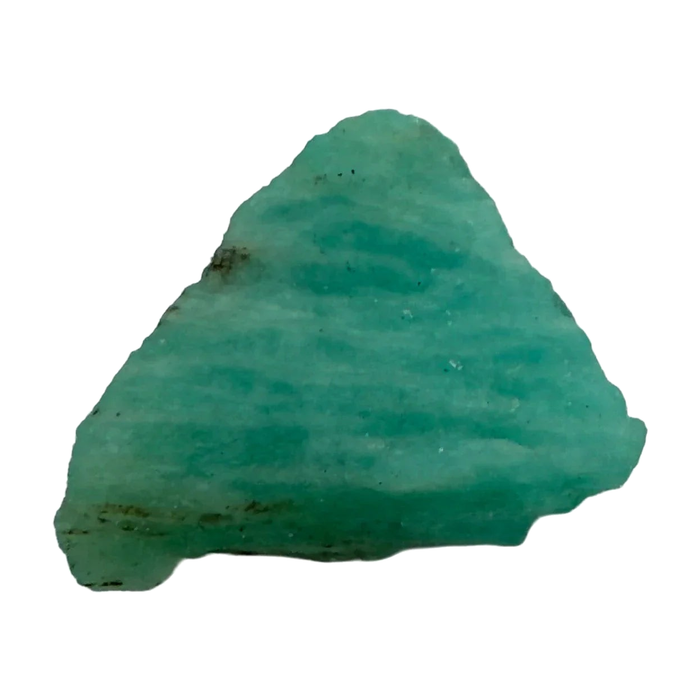
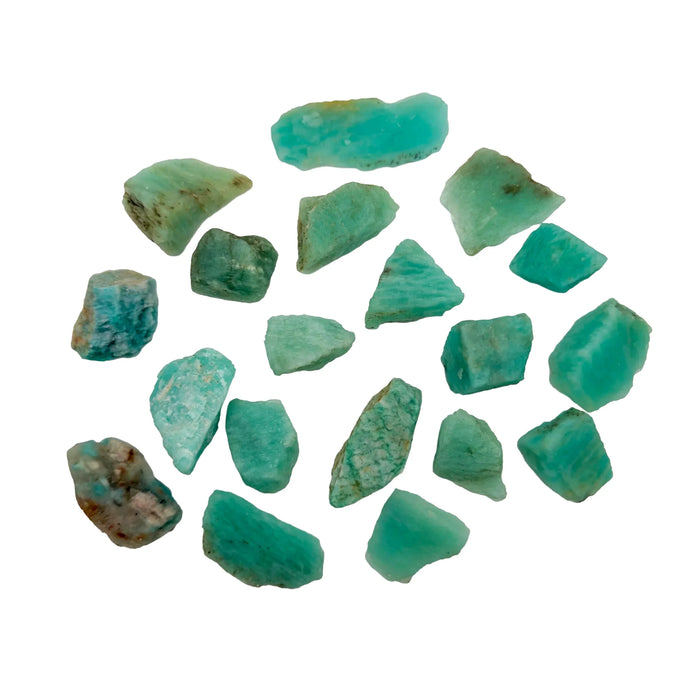
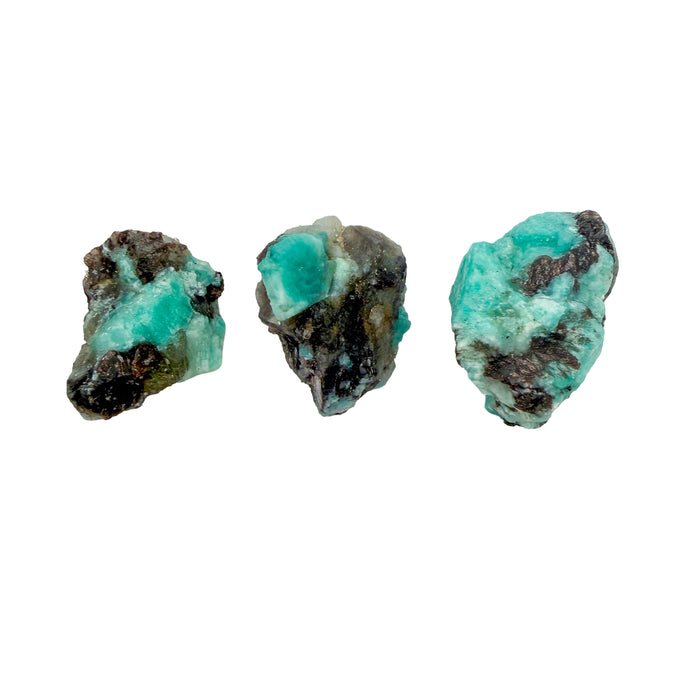
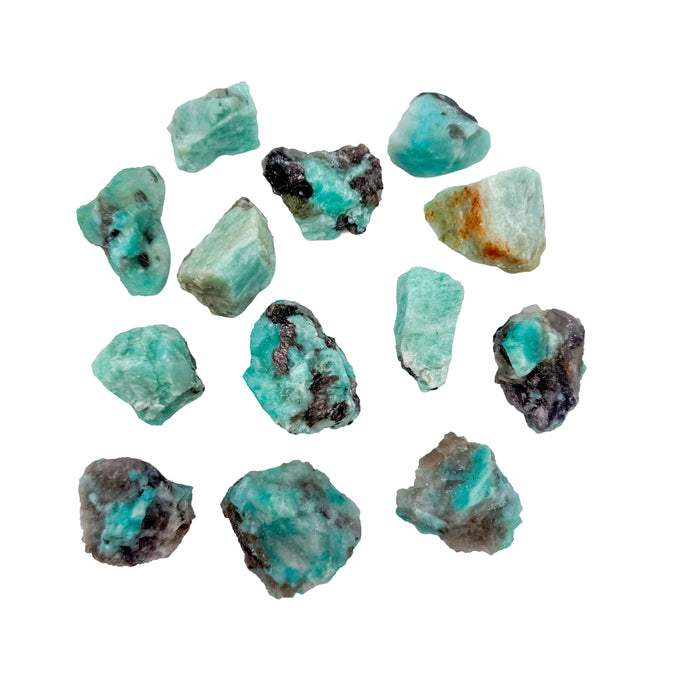
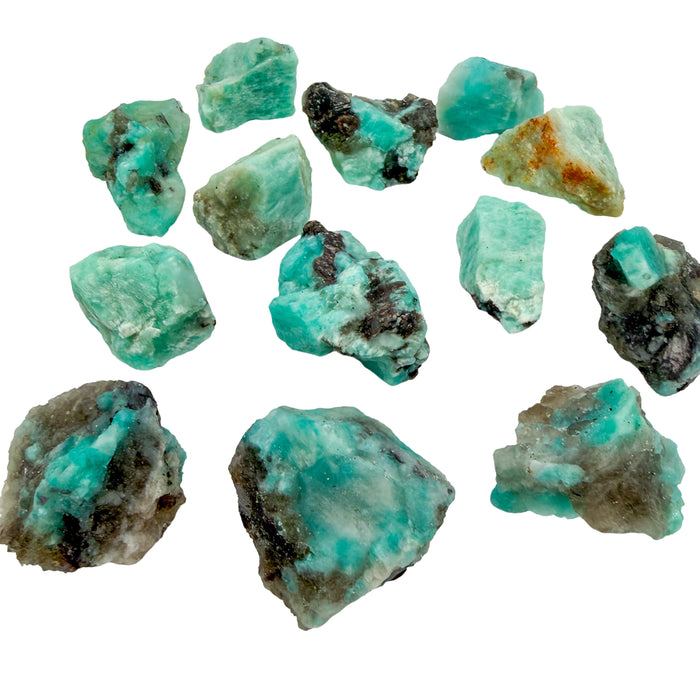
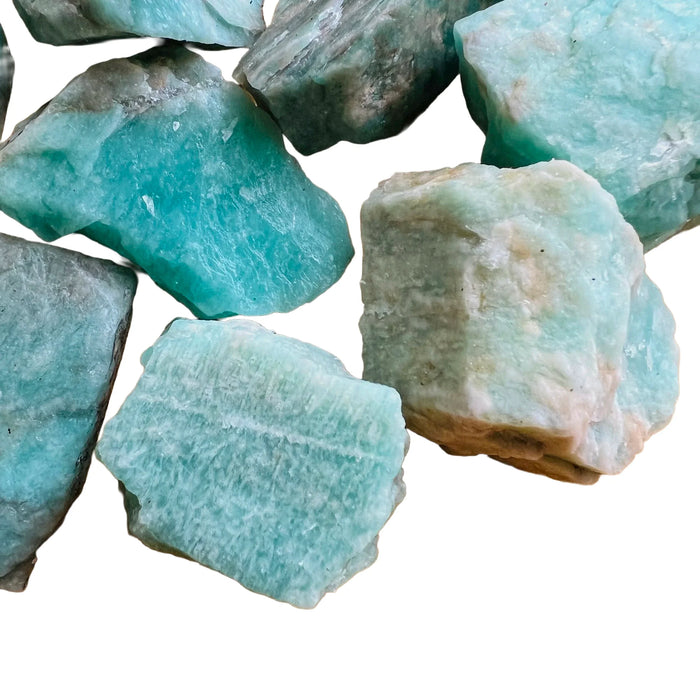
Amazonite is a blue-green variety of microcline feldspar whose cool turquoise color comes from trace amounts of lead locked into its crystal structure. Often called the 'stone of courage and truth', it's traditionally worked with for honest communication, setting boundaries, and calming an anxious heart.
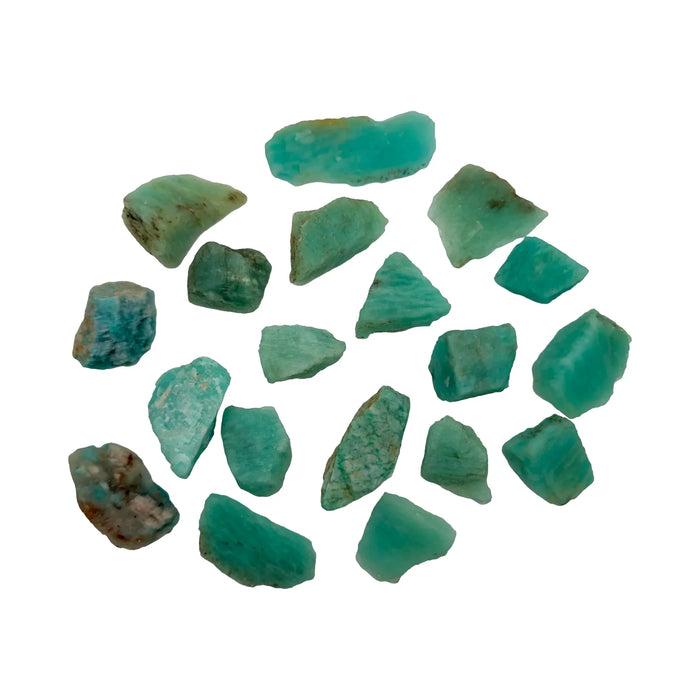
Shop amazoniteAmazonite, in stock now.
Our most-loved Amazonite pieces, ready to ship.
- from 1,000+ reviews
- Ships within 72 hoursMonday to Friday, tracked
- 90 days to return itif you do not love it
- Free US shipping over $99$8.99 flat rate under
The geology.
Amazonite is a gem-quality variety of microcline, a potassium feldspar (KAlSi₃O₈) in the triclinic crystal system. Its defining blue-green to turquoise color comes from trace amounts of lead combined with structural water, not from copper as was long assumed. The intensity of color depends on both the amount of lead and the degree of ordering in the crystal lattice.
Amazonite often grows alongside smoky quartz and albite feldspar, producing the striking white-and-turquoise striping that collectors prize. Hardness sits between 6 and 6.5, making it durable enough for jewelry but soft enough to scratch with quartz. Cleavage in two directions at nearly ninety degrees is characteristic of feldspars and affects how the stone is cut and polished.
The origins.
Amazonite is mined commercially in several parts of the world. Brazil's Minas Gerais region yields large amounts of the softer seafoam-to-turquoise material most people recognize. The Pike's Peak area of Colorado produces the bold deep-teal "Colorado Amazonite" famous for its white striping with smoky quartz. Russia's Ilmen Mountains have yielded amazonite since the eighteenth century and remain the classic historical source. Madagascar, Namibia, Mozambique, and India round out the commercial market.
Our inventory rotates across multiple origins. Depending on what's available and meets our sourcing standard, a given piece may be Brazilian, Malagasy, Mozambican, or from another established producer. We confirm country and region of origin on each batch before listing.
Traditional associations.
Amazonite is named for the Amazon River, though no significant deposits are actually found along it. The stone has been used in jewelry and carving since at least ancient Egypt; pieces were found in Tutankhamun's tomb, and amulets of green feldspar are referenced in the Egyptian Book of the Dead. It was also worked by Pre-Columbian Mesoamerican cultures into ornaments and ritual objects.
Many people work with Amazonite for honest communication, setting boundaries, soothing anxiety, and cooling emotional reactivity. It is most commonly associated with the Throat and Heart chakras, the element of Water, and the zodiac signs Virgo, Aries, and Leo. The stone is often called the 'stone of courage and truth' for its association with speaking what needs to be said without heat.
Spotting the real thing.
Real Amazonite has a natural, slightly uneven blue-green color that can shift across a single piece, with subtle white or cream veining from intergrown albite feldspar. Under strong light it shows the characteristic feldspar sheen, a soft, almost pearly glow that travels across a polished surface. The hardness of 6 to 6.5 means it will not scratch a steel knife blade but can be scratched by quartz.
The most common imitation is dyed green quartz or dyed howlite, both of which tend to show uniform, saturated color with no veining or structural variation. Dyed pieces may also reveal color pooling in fractures and on the bottom where dye settled. Glass imitations will feel warmer to the touch and show bubbles under magnification. Ask for country of origin. Silence about sourcing and treatment is the real warning sign.
Care & handling.
Water-safe for short cleaning with warm water and a soft cloth. Avoid prolonged soaks and ultrasonic cleaners, which can exploit the stone's cleavage planes and cause fracturing. Amazonite can fade slightly under prolonged direct sunlight, so display it away from south-facing windows for long-term keeping.
Cleanse energetically with moonlight, sound, smoke, or by placing on selenite overnight. The hardness of 6 to 6.5 makes Amazonite a reasonable daily-wear stone as long as it is not subjected to hard knocks or abrasion from stones harder than itself. Store separately from quartz, topaz, and harder gem materials to avoid scratching.
Pairs well with.
Proof, not promises.
We measure our own sourcing across five dimensions. Supply chain, environmental footprint, artisan support, market integrity, and pricing. The number is honest, not perfect. Where we can do better, we say so.
A deeper look.
Extended geology, sourcing, authentication, history, varieties, and pricing, for when the quick guide isn't quite enough.
Extended geology
Amazonite is a blue-green to turquoise gem variety of microcline, a potassium feldspar in the triclinic crystal system with chemical composition KAlSi₃O₈. Its color was long attributed to copper, but modern spectroscopic analysis has established that trace amounts of lead, combined with the radiation-induced stabilization of color centers involving structural water, are responsible for the characteristic hue. Iron content and crystal ordering also influence tone. Specific gravity falls between 2.56 and 2.58. Refractive indices run 1.514 to 1.529. Luster is vitreous to slightly pearly on cleavage surfaces. Cleavage is perfect in two directions at approximately ninety degrees. Mohs hardness sits between 6 and 6.5.
Amazonite crystallizes in granitic pegmatites, where it often grows in association with smoky quartz, albite, and mica. The best specimens show clear crystal form, though most commercial material is tumbled or shaped from cleavage fragments. The stone is pleochroic, meaning color can shift slightly depending on viewing angle, though this is often subtle.
Extended sourcing
Russia's Ilmen Mountains produced the historic reference material for the species, and Russian Amazonite is still considered a high-tier source by collectors. Colorado's Pike's Peak pegmatite district is famous for classic blue-green specimens in large crystals, often intergrown with smoky quartz in dramatic contrast. Brazilian material from Minas Gerais is the most widely available on the commercial market, with color ranging from pale seafoam to saturated turquoise. Madagascar produces excellent tumbling material. Namibia, Mozambique, and India round out the commercial supply. Each source has a recognizable color signature once you've handled enough pieces.
Brazilian Amazonite typically commands modest prices in tumbled and small specimen form, while fine Colorado and Russian specimens can reach genuine collector pricing, especially in museum-quality matrix pieces with smoky quartz association.
Authentication and warning signs
Dyed green quartz is the most common imitation at low price points. It will show saturated, uniform color with no veining, crystal structure, or feldspar sheen. Under a loupe, dye concentration along fractures is often visible. Dyed howlite is another common substitute, lighter in weight and less dense. Glass imitations will feel noticeably warmer to the touch and show air bubbles under magnification.
Reputable sellers will disclose origin and any treatment. The presence of natural albite veining, subtle color variation across a piece, and visible feldspar cleavage are all good signs of authentic material. Price is another reasonable signal. Suspiciously low pricing for large, perfectly uniform turquoise pieces warrants questions.
Historical and cultural context
Named in the eighteenth century for the Amazon River, Amazonite's name is something of a misnomer. No significant deposits were actually found along the Amazon in antiquity, and the stone attributed to that region by European explorers was likely a different green mineral entirely. True Amazonite has been used in jewelry and amulets since at least ancient Egypt, where green feldspar was associated with renewal and protection. Beads and amulets carved from Amazonite were found among the grave goods of Tutankhamun, and references to green stones with similar properties appear in the Egyptian Book of the Dead. Pre-Columbian cultures of Mesoamerica also used Amazonite in ornaments and ceremonial objects.
Varieties and trade names
Colorado Amazonite: from Pike's Peak and the surrounding pegmatites, known for deep blue-green color and classic striping with smoky quartz.
Russian Amazonite: from the Ilmen Mountains, prized historically for high-grade material.
Brazilian Amazonite: the most common commercial material, ranging from pale to saturated turquoise.
Amazonite with Smoky Quartz: a popular collector combination showing both minerals growing intergrown in pegmatite.
Pricing reality
Tumbled Amazonite: 3 to 10 dollars per piece. Small carved pieces: 15 to 50 dollars. Larger Brazilian specimens: 30 to 150 dollars. Fine Russian or Colorado specimens with intact crystal form: 100 to 500 dollars. Museum-quality Colorado matrix pieces with smoky quartz association: several hundred to several thousand dollars.
Value drivers: depth and saturation of blue-green color, crystal form (versus tumbled fragments), presence of natural albite or smoky quartz intergrowth, size, and documented origin. Warning signs: perfectly uniform color with no variation, suspiciously low pricing, no origin offered.
Good sourcing is a practice, not a claim.
Nothing we sell is heat-treated, dyed, stabilized, or color-enhanced without full disclosure. We name our origins where we can. We say so when we cannot. We walk away from material that does not meet our standard, even when it costs us sales.
Bring amazonite home.
Collector pieces are photographed individually, and you receive the exact piece shown. Batch stones are sold by the piece or by the pound from the lot pictured, with the same origin and treatment notes on every listing.
Shop the amazonite collectionGrounded Connections
New stones go to the list first.
No forwarding, no selling. Unsubscribe in one click. Privacy