


 Agatefor stress relief
 Amazonitefor stress relief
 Aquamarinefor serenity
 Aventurinefor luck
 Bloodstonefor energy
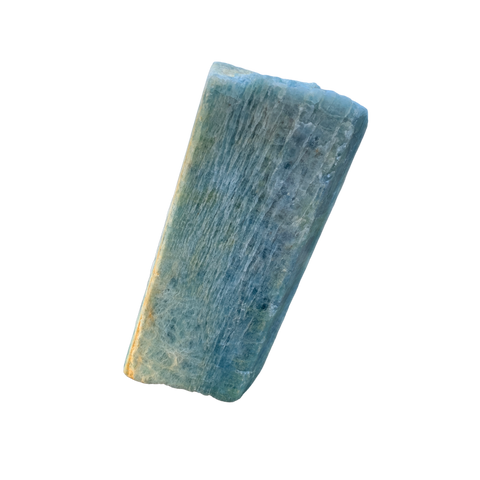
 Blue Kyanitefor confidence
 Blue Lace Agatefor stress relief
 Chrysocollafor emotional healing
 Fluoritefor focus
 Garnetfor energy
 Lepidolitefor stress relief
 Malachitefor emotional healing
 Moonstonefor grounding
 Obsidianfor protection
 Ocean Jasperfor emotional healing
 Red Jasperfor grounding
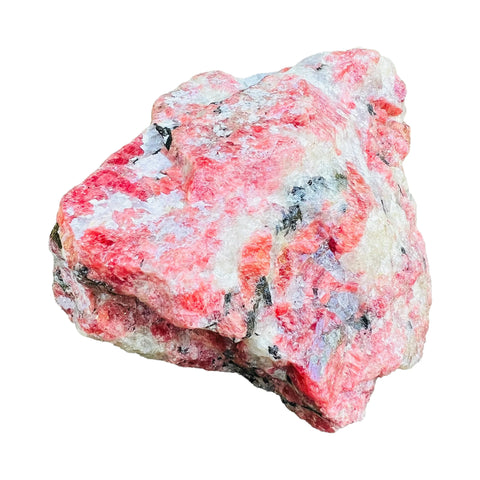
 Rhodonitefor emotional healing
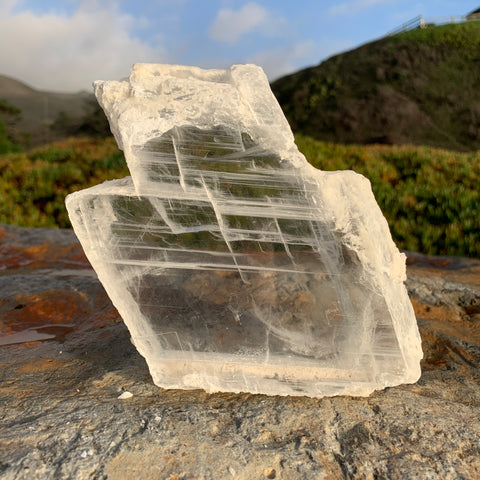
 Selenitefor cleansing
 Sodalitefor focus
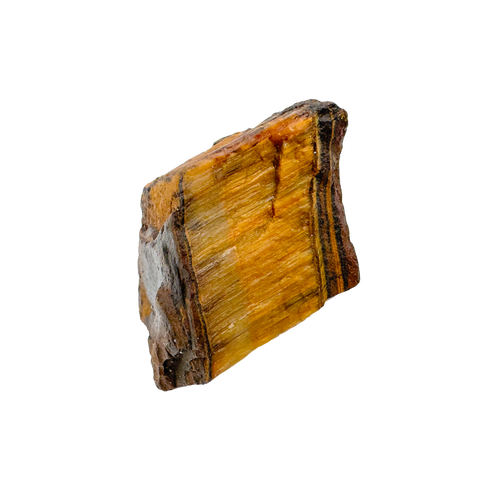
 Tiger Eyefor confidence
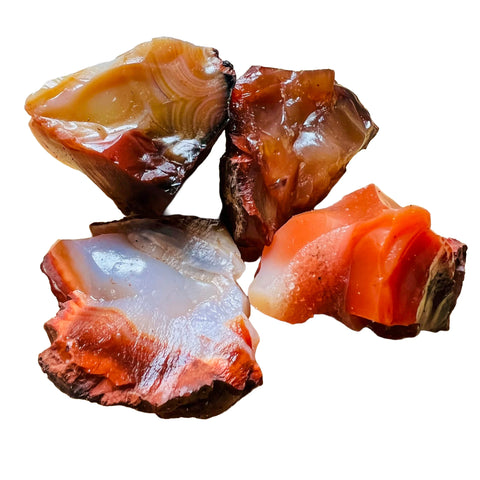
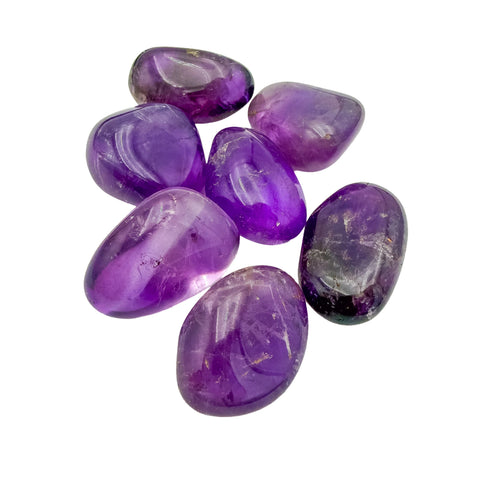


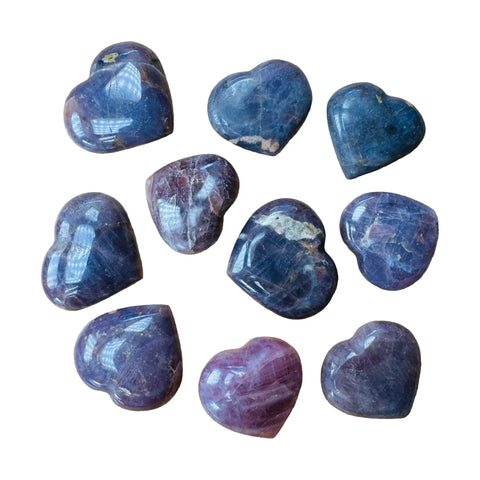
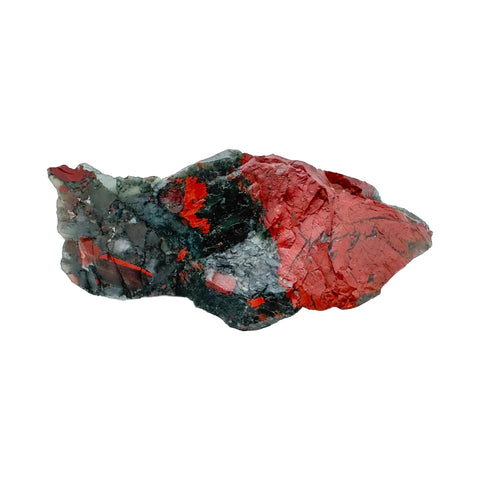
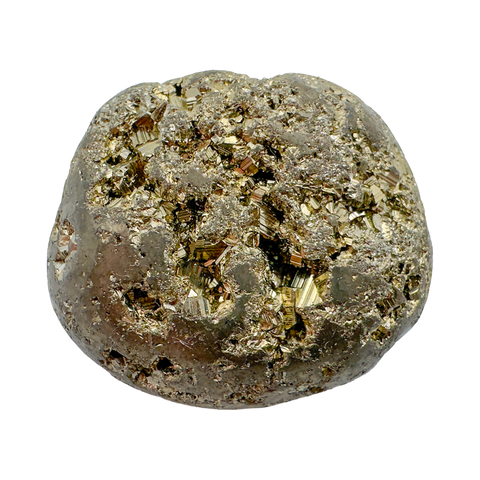
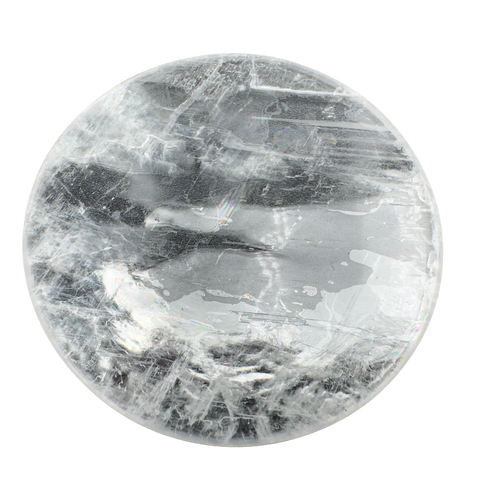


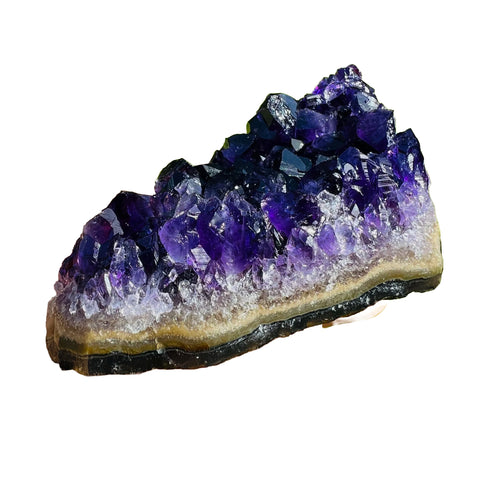




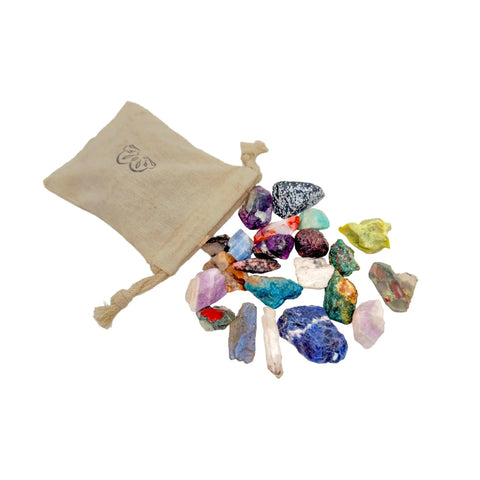
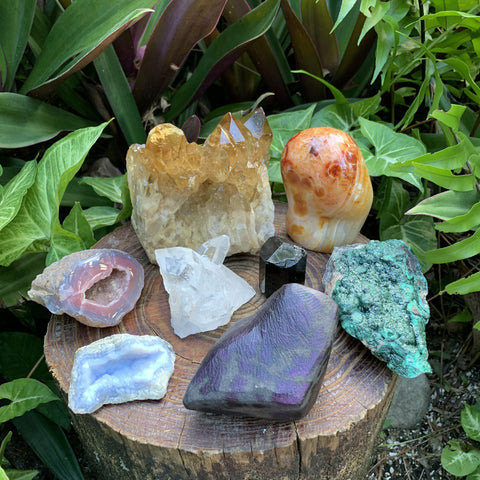
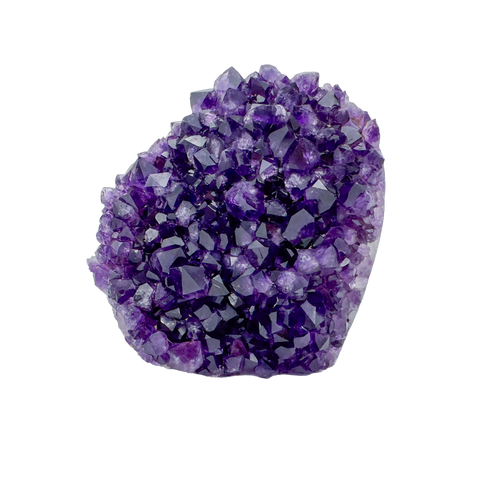
 Amethyst
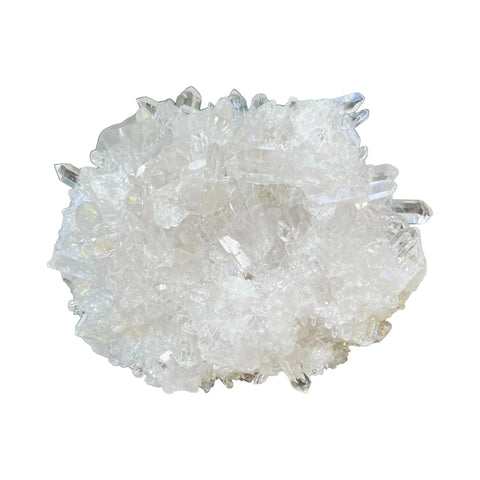
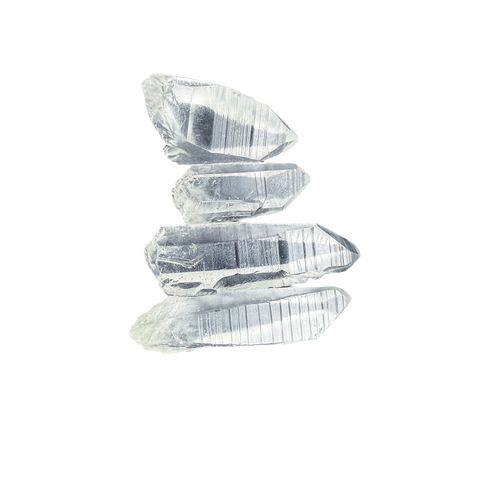
 Clear Quartz
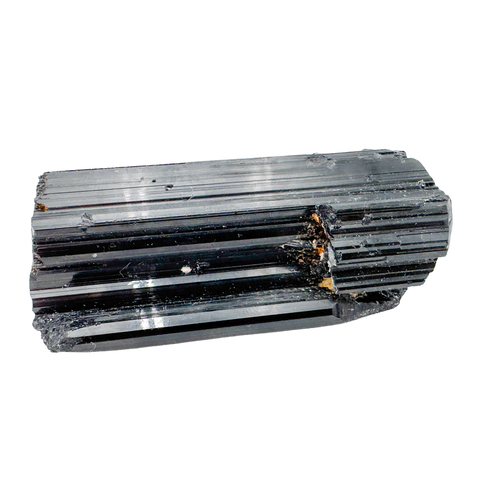
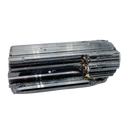 Black Tourmaline
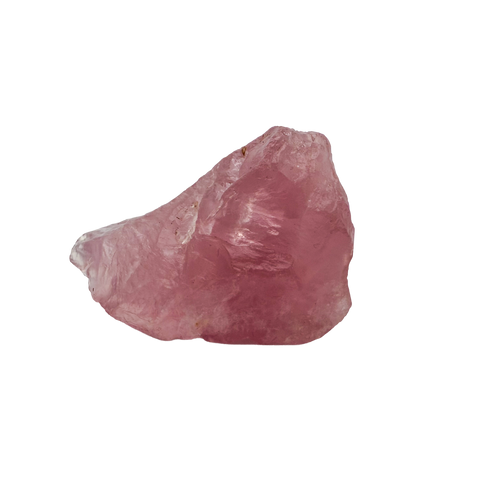
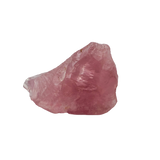 Rose Quartz
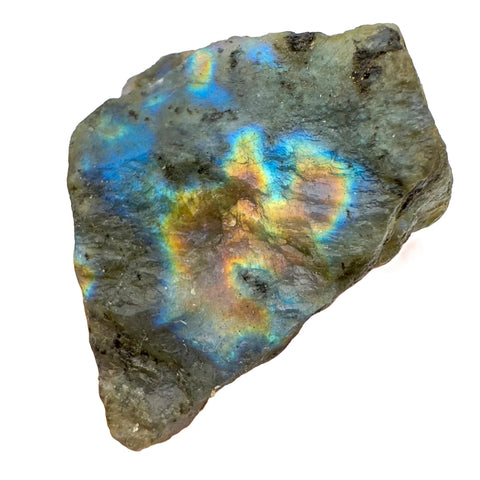
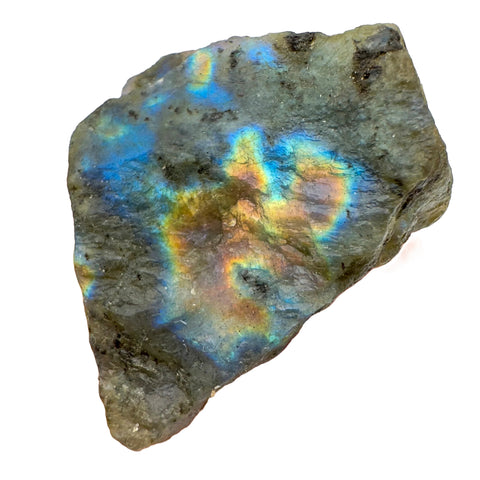
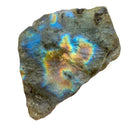 Labradorite
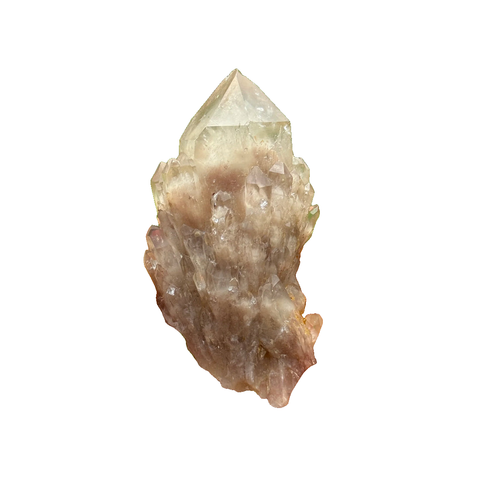
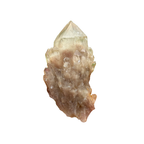 Natural Citrine
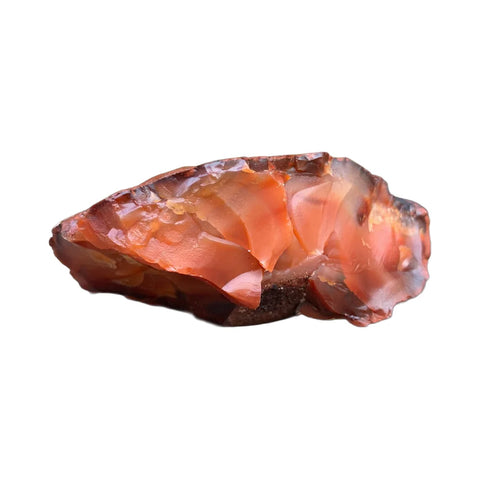
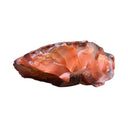 Carnelian
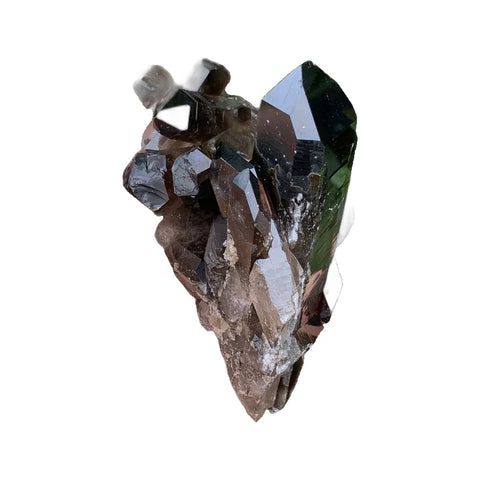
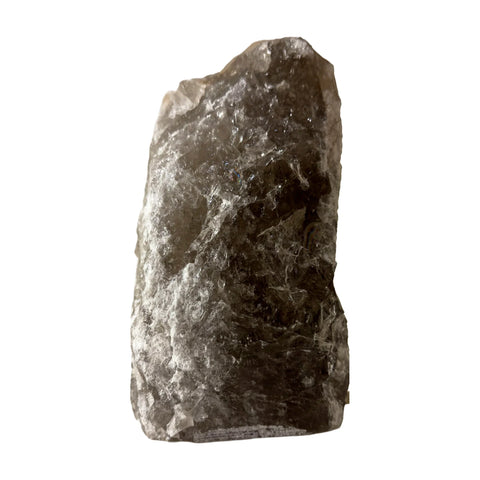
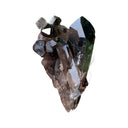 Smoky Quartz
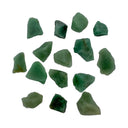 Aventurine
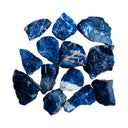 Sodalite
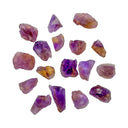 Ametrine
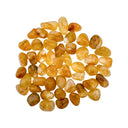 Golden Healer
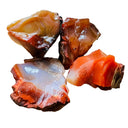 Raw Stones
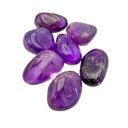 Tumbled Stones
 Palm Stones
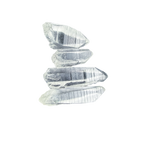 Crystal Points
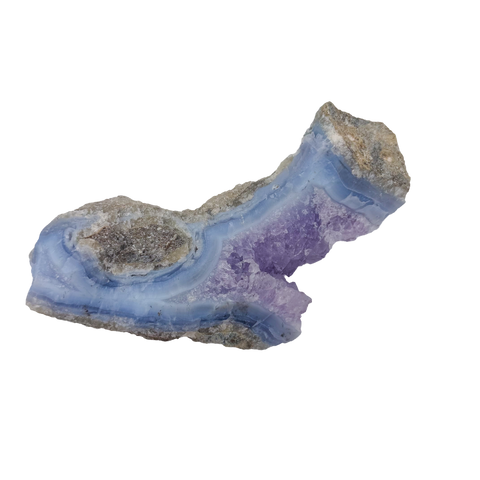
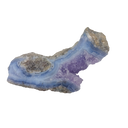 Clusters & Geodes
 Polished & Decor
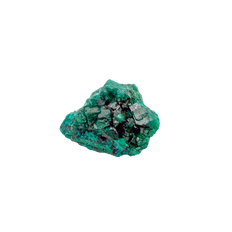 Mineral Specimens
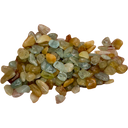 Crystal Chips
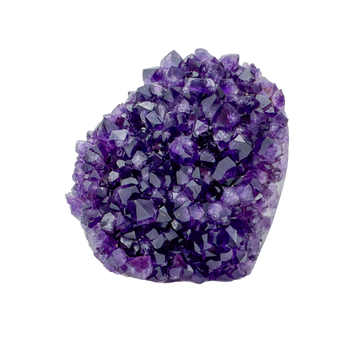
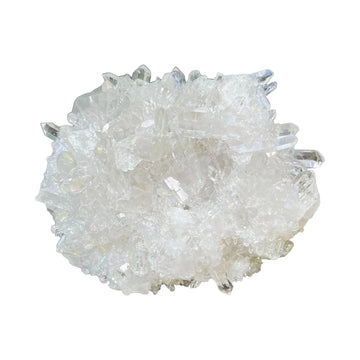
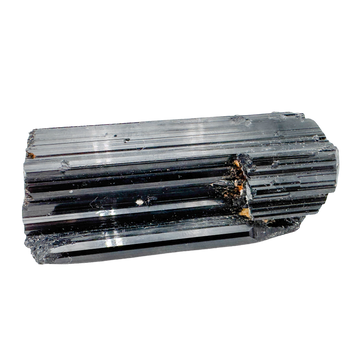
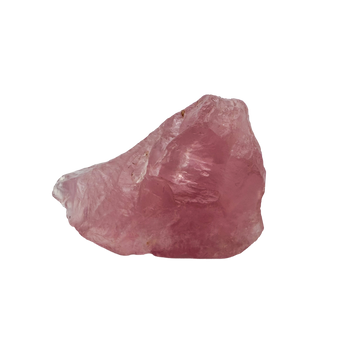
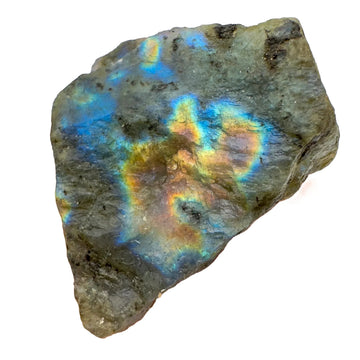
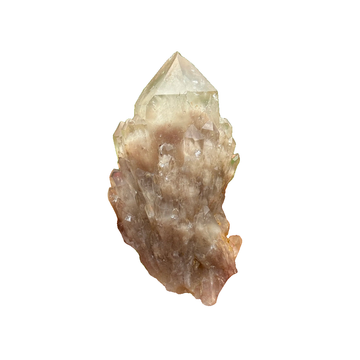
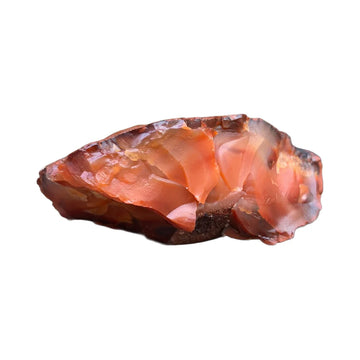
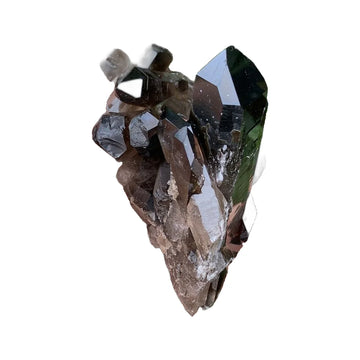
 Raw Stones
179 to choose from
Raw Stones
179 to choose from
 Tumbled Stones
162 to choose from
Tumbled Stones
162 to choose from
 Palm Stones
25 to choose from
Palm Stones
25 to choose from
 Crystal Points
23 to choose from
Crystal Points
23 to choose from
 Clusters & Geodes
103 to choose from
Clusters & Geodes
103 to choose from
 Polished & Decor
148 to choose from
Polished & Decor
148 to choose from
 Mineral Specimens
257 to choose from
Mineral Specimens
257 to choose from
 Crystal Chips
21 to choose from
Crystal Chips
21 to choose from


 AngolaAquamarine
›
AngolaAquamarine
›
 BotswanaCarnelian, Tree Agate
›
BotswanaCarnelian, Tree Agate
›
 DR CongoMalachite, Natural Citrine
›
DR CongoMalachite, Natural Citrine
›
 EswatiniBloodstone
›
EswatiniBloodstone
›
 MadagascarLabradorite, Clear Quartz
›
MadagascarLabradorite, Clear Quartz
›
 MalawiBlue Lace Agate, Garnet
›
MalawiBlue Lace Agate, Garnet
›
 MozambiqueAmazonite
›
MozambiqueAmazonite
›
 NamibiaSodalite, Blue Lace Agate
›
NamibiaSodalite, Blue Lace Agate
›
 Republic of the CongoDioptase
›
Republic of the CongoDioptase
›
 South AfricaTiger Eye, Unakite
›
South AfricaTiger Eye, Unakite
›
 ZambiaChevron Amethyst
›
ZambiaChevron Amethyst
›
 ZimbabweEmerald, Rhodonite
›
ZimbabweEmerald, Rhodonite
›
 ArgentinaBlack Obsidian, Rhodochrosite
›
ArgentinaBlack Obsidian, Rhodochrosite
›
 BoliviaAmetrine
›
BoliviaAmetrine
›
 BrazilAmethyst, Clear Quartz
›
BrazilAmethyst, Clear Quartz
›
 PeruSerpentine, Jade
›
PeruSerpentine, Jade
›
 UruguayAmethyst
›
UruguayAmethyst
›
 Dominican RepublicLarimar
›
Dominican RepublicLarimar
›
 MexicoRainbow Obsidian, Crazy Lace Agate
›
MexicoRainbow Obsidian, Crazy Lace Agate
›
 United StatesSelenite, Peridot
›
United StatesSelenite, Peridot
›
 ChinaFluorite
›
ChinaFluorite
›
 RussiaShungite
›
RussiaShungite
›
 AustraliaMookaite
›
AustraliaMookaite
›
 Where our crystals come from
See where we source →
Where our crystals come from
See where we source →


 Aries
Mar 21 to Apr 19
Carnelian
›
Aries
Mar 21 to Apr 19
Carnelian
›
 Taurus
Apr 20 to May 20
Rose Quartz
›
Taurus
Apr 20 to May 20
Rose Quartz
›
 Gemini
May 21 to Jun 20
Agate
›
Gemini
May 21 to Jun 20
Agate
›
 Cancer
Jun 21 to Jul 22
Moonstone
›
Cancer
Jun 21 to Jul 22
Moonstone
›
 Leo
Jul 23 to Aug 22
Citrine
›
Leo
Jul 23 to Aug 22
Citrine
›
 Virgo
Aug 23 to Sep 22
Amazonite
›
Virgo
Aug 23 to Sep 22
Amazonite
›
 Libra
Sep 23 to Oct 22
Blue Lace Agate
›
Libra
Sep 23 to Oct 22
Blue Lace Agate
›
 Scorpio
Oct 23 to Nov 21
Obsidian
›
Scorpio
Oct 23 to Nov 21
Obsidian
›
 Sagittarius
Nov 22 to Dec 21
Sodalite
›
Sagittarius
Nov 22 to Dec 21
Sodalite
›
 Capricorn
Dec 22 to Jan 19
Black Tourmaline
›
Capricorn
Dec 22 to Jan 19
Black Tourmaline
›
 Aquarius
Jan 20 to Feb 18
Amethyst
›
Aquarius
Jan 20 to Feb 18
Amethyst
›
 Pisces
Feb 19 to Mar 20
Aquamarine
›
Gifting?
A birthday stone is the safe bet.
Read the zodiac guide →
Pisces
Feb 19 to Mar 20
Aquamarine
›
Gifting?
A birthday stone is the safe bet.
Read the zodiac guide →


Labradorite
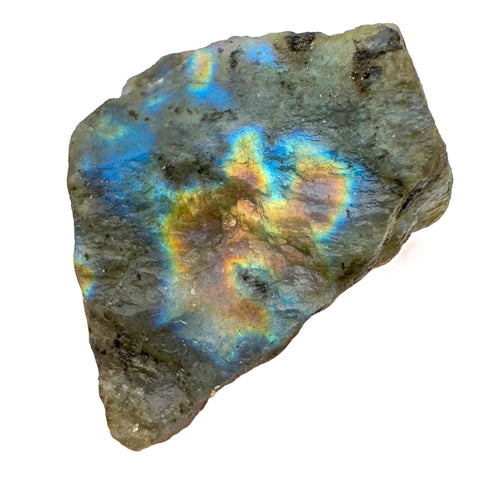
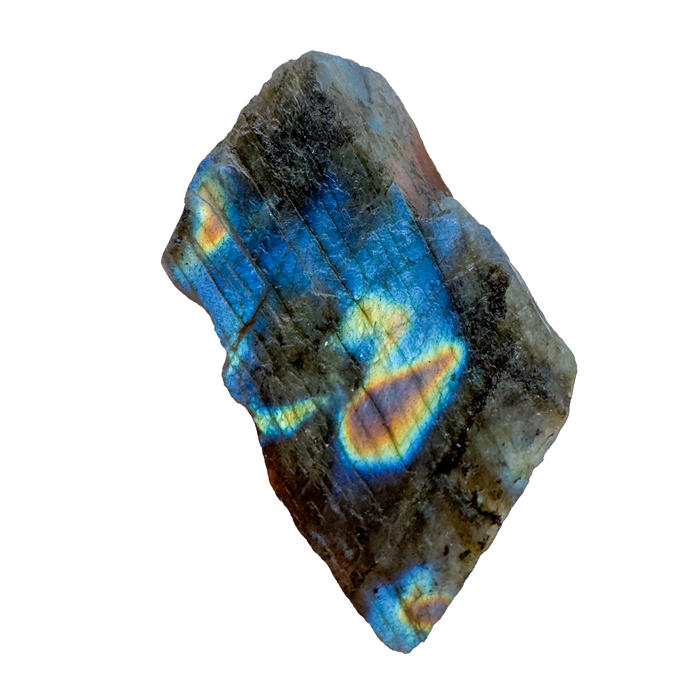
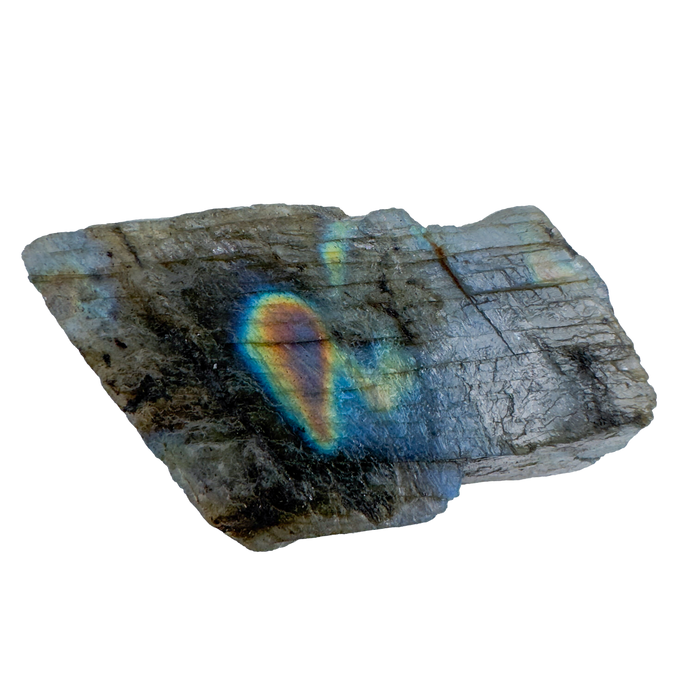
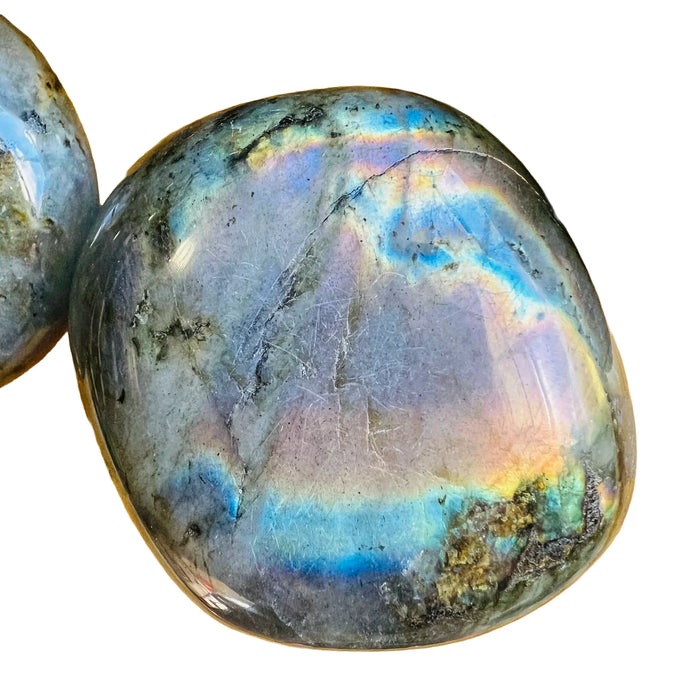
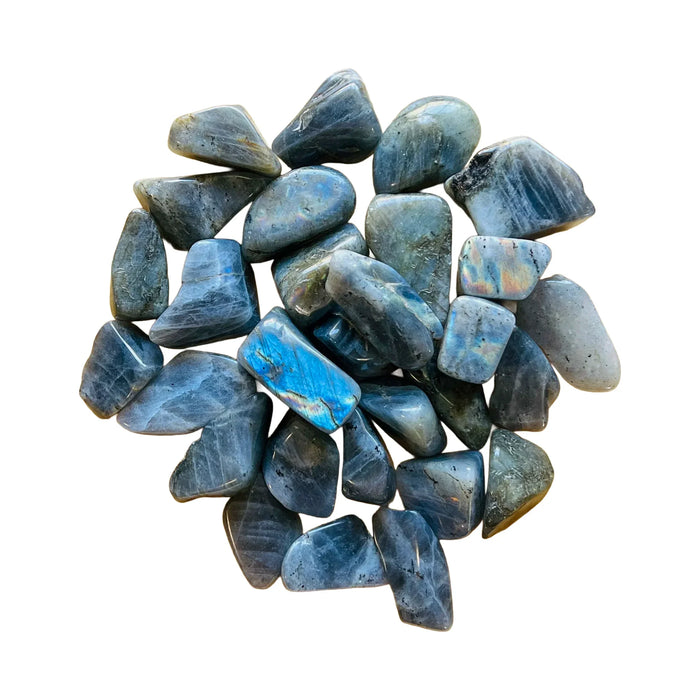
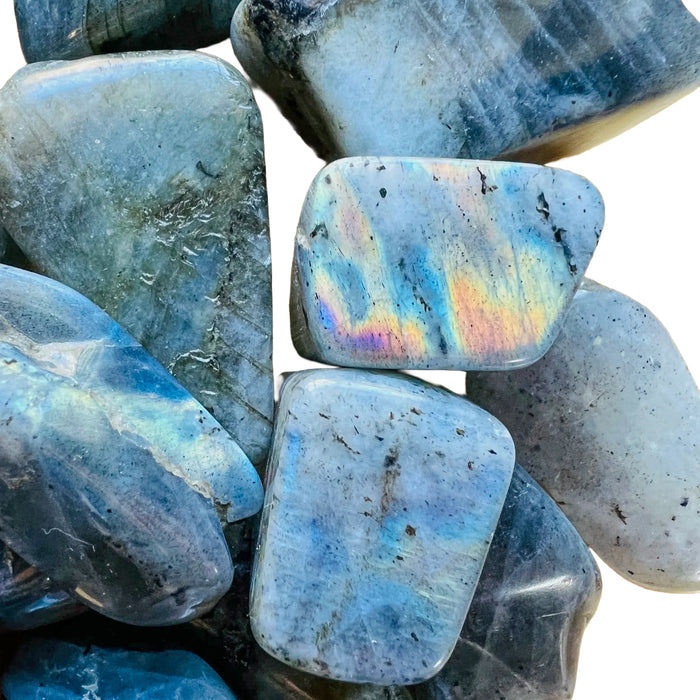
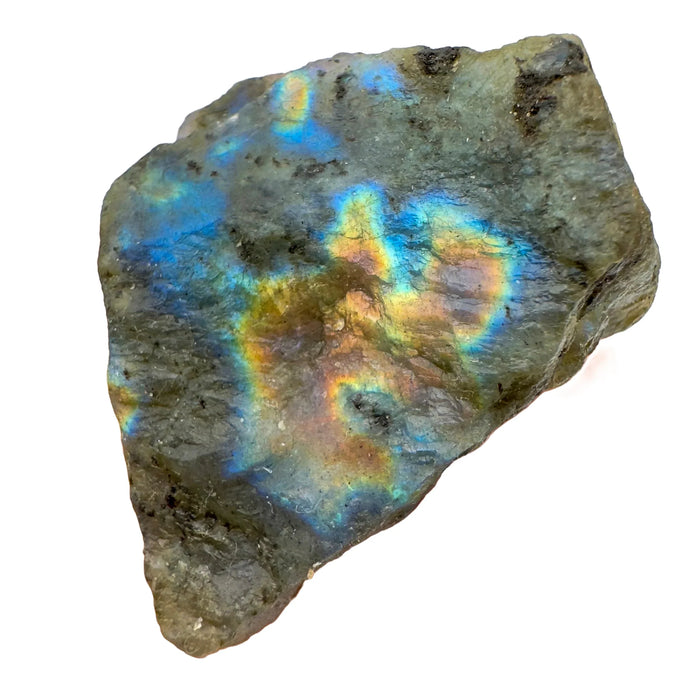
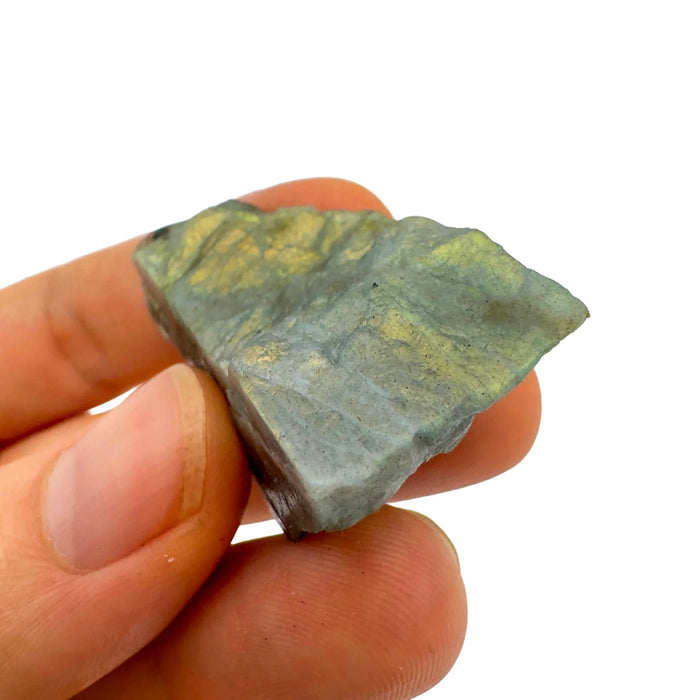
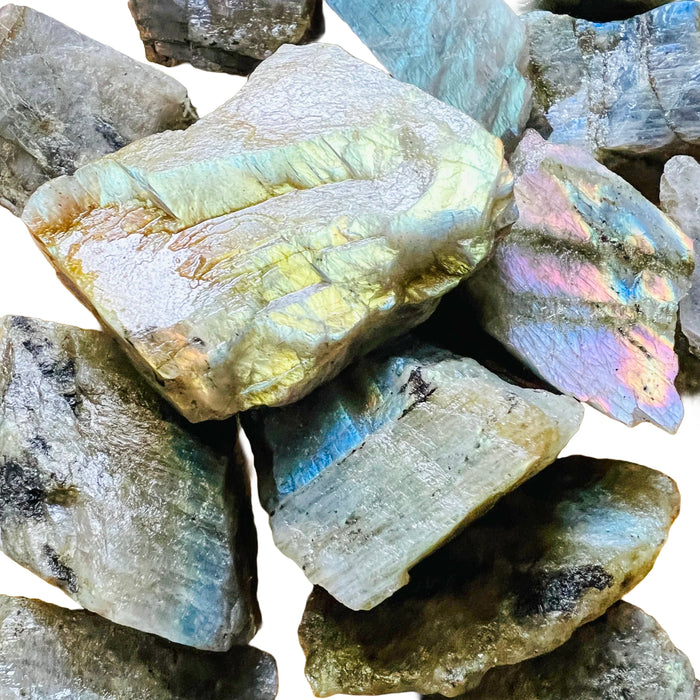
Labradorite is a plagioclase feldspar that shows labradorescence, an internal optical effect scattering light into blue, green, gold, orange, and purple flashes. The stone is natural, untreated, and named for the effect that defines it. Many people work with it for deep intuition, transformation, protection, and the kind of inner vision that helps you cross thresholds in your life.
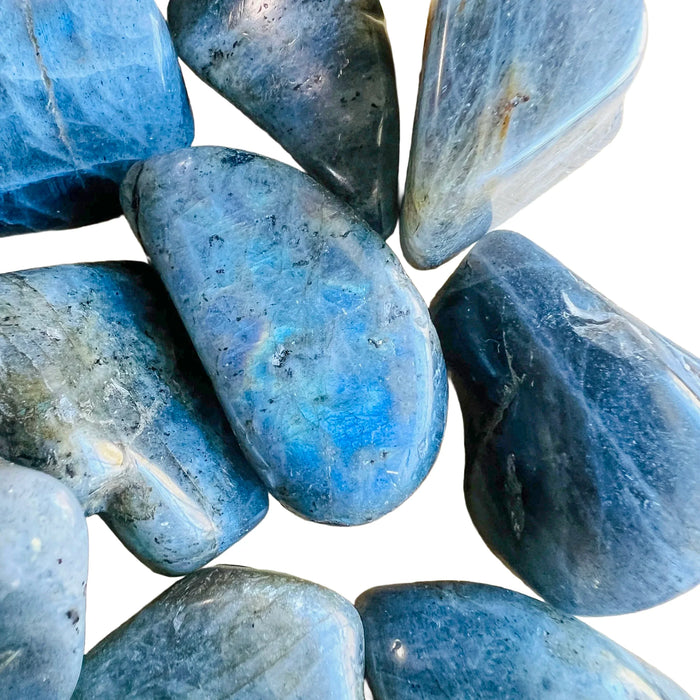
Shop labradoriteLabradorite, in stock now.
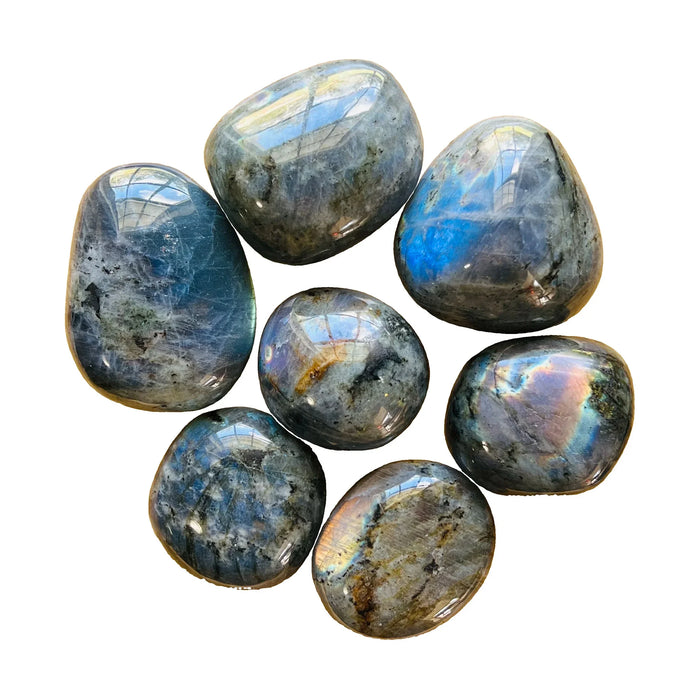
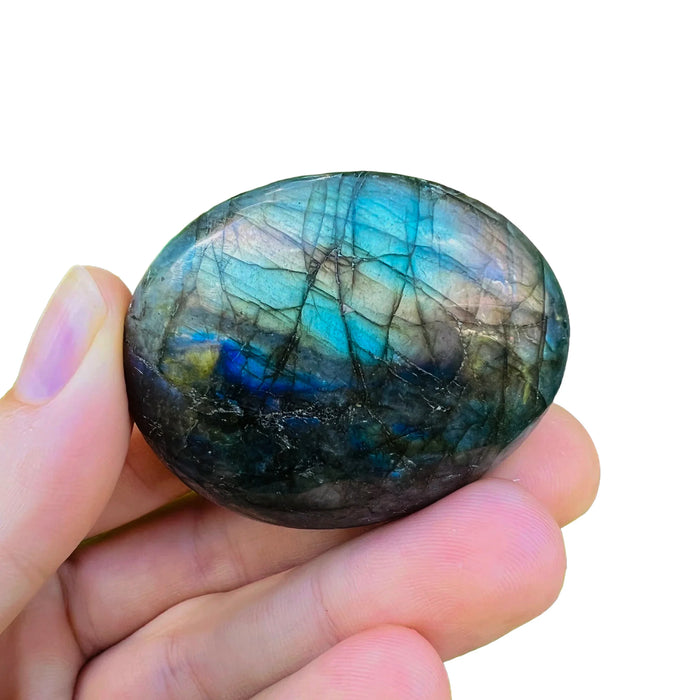
Our most-loved Labradorite pieces, ready to ship.
- from 1,000+ reviews
- Ships within 72 hoursMonday to Friday, tracked
- 90 days to return itif you do not love it
- Free US shipping over $99$8.99 flat rate under
The geology.
Labradorite is a plagioclase feldspar, part of a mineral series defined by the ratio of calcium feldspar (anorthite) to sodium feldspar (albite). Labradorite sits at roughly 50 to 70 percent calcium feldspar and 30 to 50 percent sodium feldspar. The defining characteristic is labradorescence, an internal optical effect caused by microscopic alternating layers of two slightly different feldspar compositions that scatter light, creating flashes of blue, green, gold, orange, and purple. The effect is named after the stone itself, discovered in 1770 on the Labrador Peninsula in Canada.
Labradorite forms in igneous rocks like gabbro, basalt, and anorthosite through the slow cooling of plagioclase-rich magmas. The alternating layers develop as the mineral cools and two feldspar compositions separate, creating the conditions for labradorescence. Color varieties include standard labradorite showing blue and gold flash, rainbow labradorite showing blue, green, orange, and purple, and purple-predominant material with a distinctive cool violet flash. Hardness is 6 to 6.5 on the Mohs scale, making labradorite moderately durable. Specific gravity runs 2.68 to 2.72. Crystal system is triclinic. The stone has no cleavage but will split along planes if stressed. Luster on polished surfaces is glassy to slightly waxy.
The origins.
Our labradorite comes from Madagascar, sourced from small-scale cooperative mining operations across multiple regions. Madagascar produces a broad color range consistently: blue-predominant stones with strong flash, rainbow varieties showing green and orange alongside blue, and purple-predominant material with distinctive cool violet hues. Raw material is extracted as unpolished blocks, then cut, tumbled, or hand-polished locally before export. The work is carried out by documented workshops with direct relationships we maintain.
Labradorite is mined globally from igneous rock formations. Finland produces spectrolite, an especially vibrant variety prized for show-quality specimens. Russia, Canada (the type locality), and the United States (Oregon) all have significant deposits. Commercial-grade material comes primarily from Madagascar and Finland. We commit to Madagascar as our primary source because the color diversity is reliable, the supply is steady, the labor practices are documented, and we know the intermediaries involved. If our Madagascar supply ever changes, we will say so.
Traditional associations.
Labradorite is associated with the Third Eye, Throat, and Crown chakras, and with the elements Water and Wind. The Inuit of Labrador tell stories describing the stone as aurora borealis caught in rock, connecting the stone's flash to the movement of northern lights. In modern crystal work, labradorite is most often chosen for practices around deep intuition, inner vision, transformation during life transitions, protection, and the kind of magic that helps you step across thresholds from one state of being to another.
Many people work with labradorite for dream work, for grounding intuition that feels uncertain, for energetic boundaries that feel protective rather than hard, and for the transformative energy of crossing into unknown territory with clarity. It is often paired with stones supporting intuitive sight or protective grounding. The flash itself carries metaphorical weight for many people drawn to it, reflecting the idea of hidden light waiting for the right angle or the right moment to become visible. Labradorite is a stone for people working at the edges of their ordinary experience.
Spotting the real thing.
Genuine labradorite shows a clear labradorescent flash that moves and shifts as the stone tilts in light. The flash should be visible from multiple angles and intensify when tilted. Blue and gold flash is standard; rainbow labradorite shows additional green, orange, and purple. Purple-predominant material shows a distinctive cool violet flash. The flash moves within the stone's interior rather than staying fixed on the surface. Mohs 6 to 6.5 means labradorite scratches glass and cannot be easily scratched by steel. Specific gravity around 2.70 makes it noticeably heavier than glass but lighter than quartz.
Glass imitations show uniform or too-regular iridescence that does not shift as you tilt the stone. They feel lighter than genuine labradorite and lack the depth of flash. Real labradorite has natural variation in flash intensity across a single stone and may show faint cleavage planes as straight lines in the interior. Spectrolite, the premium Finnish variety, shows broader color range and particularly strong flash quality. Authentic labradorite requires no treatment to display its optical effect; if you see material described as coated or heat-treated, that is a treatment the seller should disclose clearly.
Care & handling.
Labradorite is moderately durable at Mohs 6 to 6.5 but benefits from careful handling. The stone can split along cleavage planes if dropped or stressed. Avoid sudden thermal shock from hot to cold water. Clean with water and mild soap, then rinse and dry thoroughly. Avoid ultrasonic and steam cleaners, which can stress the feldspar structure and cause internal fracturing. Store separately from harder stones that could scratch the surface and dull the flash through fine scratches.
The labradorescent flash depends on clean, scratch-free surfaces inside the stone and good light catching the internal layers. Storing labradorite with softer stones or away from abrasion helps preserve the visibility of the effect over time. For energetic cleansing, use water, smoke, sound, moonlight, or breath. Labradorite sits naturally with intuitive and protective energy and responds well to moonlight exposure. The moderate hardness means the stone is fine for everyday carry but benefits from a protective pouch in a pocket or bag where keys or harder stones will not strike it.
Pairs well with.
Proof, not promises.
We measure our own sourcing across five dimensions. Supply chain, environmental footprint, artisan support, market integrity, and pricing. The number is honest, not perfect. Where we can do better, we say so.
A deeper look.
Extended geology, sourcing, authentication, history, varieties, and pricing, for when the quick guide isn't quite enough.
Extended geology
Labradorite is a plagioclase feldspar occupying the middle range of the plagioclase feldspar series, where composition is roughly 50 to 70 percent anorthite (calcium feldspar) and 30 to 50 percent albite (sodium feldspar). The plagioclase series spans from pure albite on one end to pure anorthite on the other, with intermediate compositions named oligoclase, andesine, labradorite, bytownite, and anorthite. Labradorite sits in the middle-to-upper range and is distinguished by the presence of labradorescence.
Labradorescence results from microscopic alternating layers of two slightly different feldspar compositions, typically rich in different amounts of calcium and sodium. These layers are so fine they cannot be seen with ordinary magnification, but they scatter light in a way that creates iridescent color. The effect is caused by interference and diffraction of light waves bouncing off these internal planes. The color visible depends on layer spacing and the wavelengths of light that are constructively amplified. Blue and gold are most common. Rainbow labradorite shows broader color range. Purple-predominant material, rarer and more expensive, displays a cool violet flash due to the specific composition and layer structure in those specimens.
Labradorite forms in igneous rocks like gabbro, basalt, diorite, and anorthosite through the slow cooling of magmas rich in plagioclase feldspar. The alternating layers develop during cooling as the mineral separates into two slightly different compositions, a process called exsolution. Mohs hardness is 6 to 6.5. Specific gravity is 2.68 to 2.72. The crystal system is triclinic, meaning the crystal axes are unequal and not at right angles. Cleavage is present but not perfect; the stone will split along planes under stress but does not cleave cleanly like some minerals. Fracture is uneven.
Extended sourcing and regional varieties
Madagascar produces labradorite in multiple regions and is the primary commercial source for gem-quality material. The deposits yield broad color range: blue-predominant, rainbow, and purple varieties are all common. Cutting and polishing is done locally in Madagascar workshops with which we maintain direct relationships. This reduces transport footprint and supports local employment.
Finland produces spectrolite, a premium variety of labradorite showing exceptionally broad color range with particularly strong flash. Spectrolite commands higher prices due to rarity and visual impact. Russia has significant deposits and is a commercial source. Canada (the Labrador Peninsula type locality) produces material primarily for collection and historical interest rather than large-scale commerce. The United States (Oregon, other western states) has deposits worked at small to medium scale.
Our commitment to Madagascar is based on consistent color quality, steady supply, documented labor practices, and direct relationships with the cutting and polishing workshop. If that changes, we will explore alternatives and disclose any shifts transparently.
Authentication and market imitations
Glass imitations are the most common substitutes for labradorite in low-cost retail. Glass imitations show uniform or overly regular iridescence that does not shift as you tilt the stone. They feel lighter than genuine labradorite and lack depth of flash. Real labradorite shows natural variation in flash intensity and quality across the surface and shifts visibly as the stone moves in light.
Under magnification, genuine labradorite shows fine internal structure with no visible crystals and a natural surface texture on unpolished pieces. Faint cleavage planes may be visible as straight lines in the interior. Glass imitations show a smooth, featureless interior under magnification. Ultraviolet light testing can distinguish some fakes from genuine material, as certain glass dyes fluoresce in ways natural labradorite does not.
Historical and cultural context
Labradorite was first identified and named in 1770 from specimens found on the Labrador Peninsula in what is now Canada. The name derives directly from the locality. The Inuit people of Labrador have long told stories describing labradorite as aurora borealis caught in stone, connecting the visible flash to the movement of northern lights and imbuing the stone with stories of celestial energy.
The stone has been worked and collected since its discovery, but it entered mainstream Western crystal markets in the late twentieth century as the broader crystal market expanded. Modern crystal associations emphasize intuition, transformation, protection, and the crossing of thresholds, drawing from the Inuit narrative of captured light and the optical effect of the flash itself.
Related minerals and trade distinctions
Spectrolite is an especially vibrant variety of labradorite from Finland showing exceptionally broad color range. It is sometimes sold under the separate name spectrolite to indicate premium quality, but mineralogically it is labradorite. Moonstone is an orthoclase feldspar or albite feldspar showing adularescence, a different optical effect from labradorescence. Sunstone is an orthoclase or albite feldspar with hematite or goethite inclusions creating a glittery effect. Both are feldspars but distinct from labradorite in composition and optical mechanism.
Andesine is the plagioclase feldspar composition adjacent to labradorite on the series, with less calcium feldspar and more sodium feldspar than labradorite. Some andesine shows a similar flash, but the composition and therefore hardness, specific gravity, and refractive index differ. Labrador feldspar is simply labradorite.
Pricing reality
Blue-predominant labradorite raw AAA: $15 to $60 per piece depending on size and flash quality. Rainbow varieties: $25 to $80 per piece. Purple-predominant: $30 to $120+ per piece due to rarity. Tumbled stones: $12 to $30. Palm stones: $20 to $45. Carved or special forms: $40 to $150+. Spectrolite (Finnish premium): $50 to $200+ for show-quality pieces.
Value drivers: flash visibility and color range, natural variation (which adds character), size, finish quality, and lack of visible damage or internal fractures. Warning signs: extremely low pricing on raw material (likely glass), labradorite sold without flash disclosure, uniform iridescence that looks printed, and material sold without country or variety information. Purple-predominant material is expensive because it is rarer and more sought after by collectors and practitioners. Pricing variation by sourcing is notable; Madagascar material sits in the middle range while spectrolite commands premium pricing.
Good sourcing is a practice, not a claim.
Nothing we sell is dyed, stabilized, reconstituted, or color-enhanced without full disclosure. We name our origins where we can. We say so when we cannot. We walk away from material that does not meet our standard, even when it costs us sales.
Bring labradorite home.
Raw and tumbled labradorite from Madagascar. Natural, untreated, hand-selected for flash quality and color variety. Blue-predominant, rainbow, and purple-predominant stones, each finished to preserve the labradorescent effect that makes the stone distinctive. Choose by color preference and the intensity of flash that speaks to you.
Shop the labradorite collectionGrounded Connections
New stones go to the list first.
No forwarding, no selling. Unsubscribe in one click. Privacy