


 Agatefor stress relief
 Amazonitefor stress relief
 Aquamarinefor serenity
 Aventurinefor luck
 Bloodstonefor energy
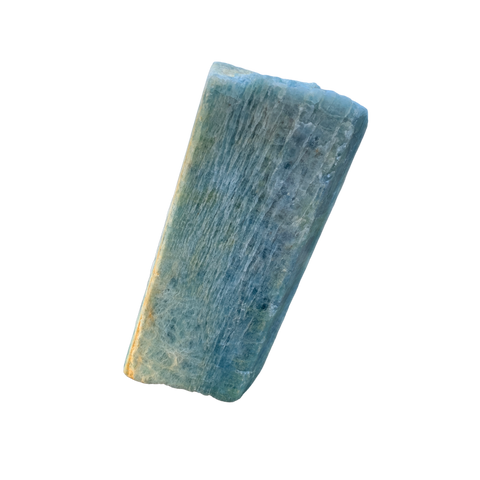
 Blue Kyanitefor confidence
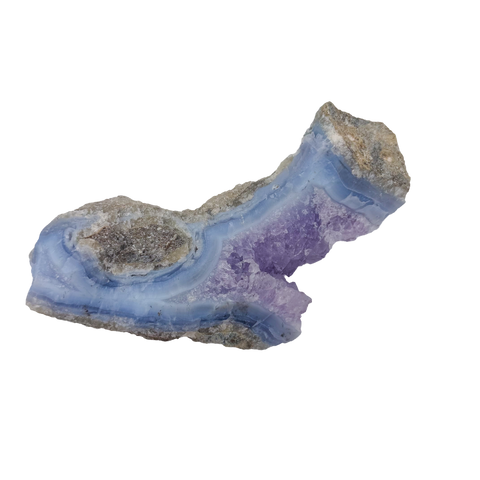
 Blue Lace Agatefor stress relief
 Chrysocollafor emotional healing
 Fluoritefor focus
 Garnetfor energy
 Lepidolitefor stress relief
 Malachitefor emotional healing
 Moonstonefor grounding
 Obsidianfor protection
 Ocean Jasperfor emotional healing
 Red Jasperfor grounding
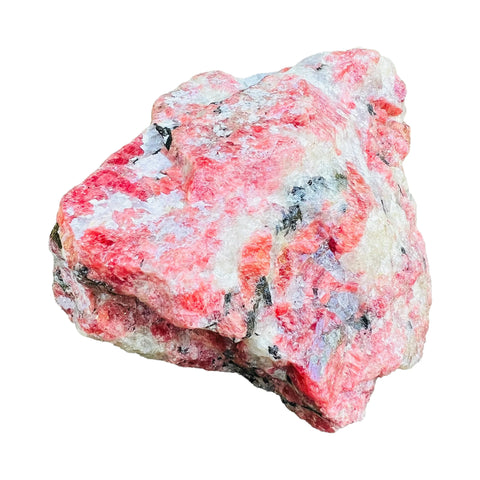
 Rhodonitefor emotional healing
 Selenitefor cleansing
 Sodalitefor focus
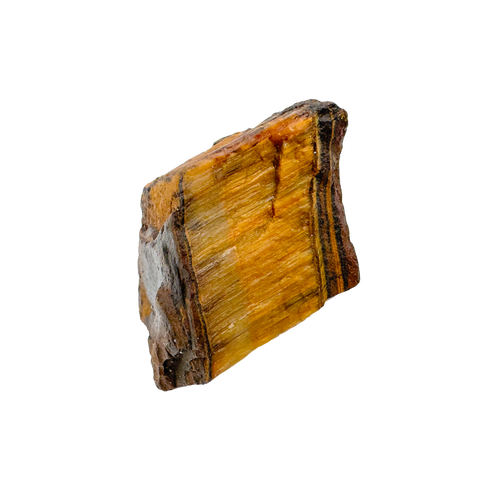
 Tiger Eyefor confidence
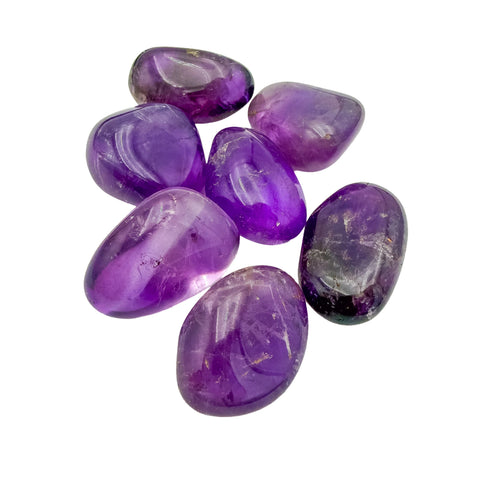


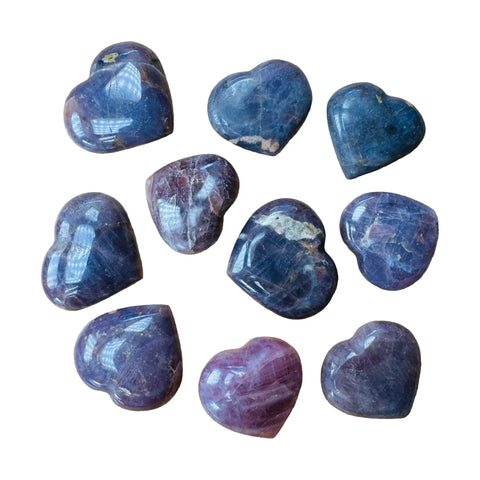
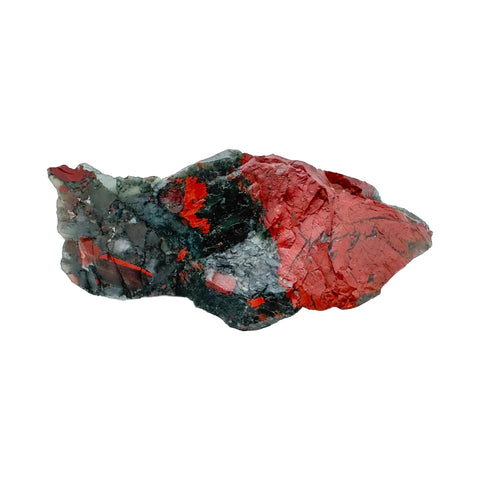
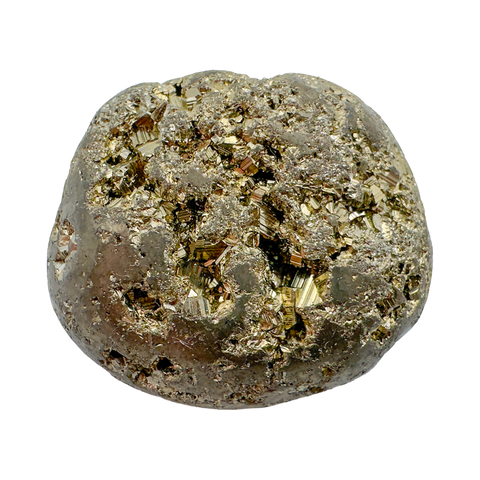
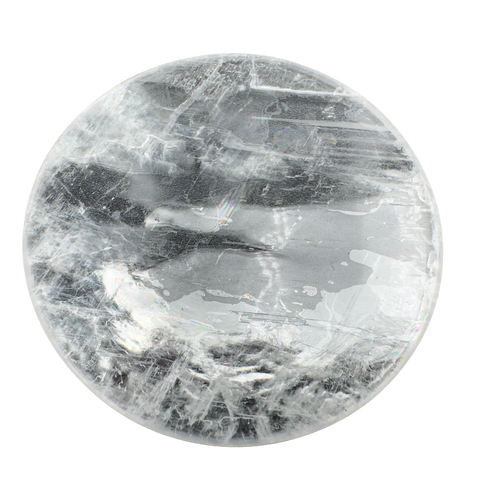


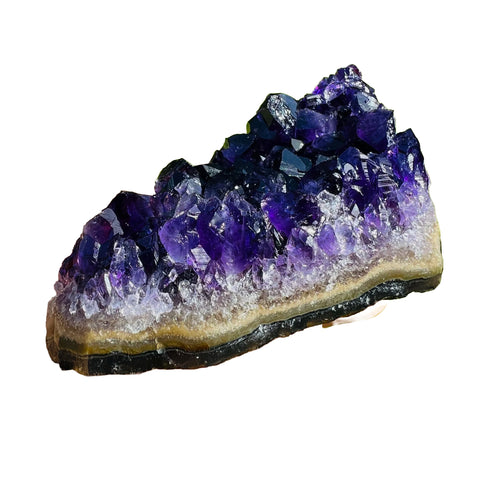





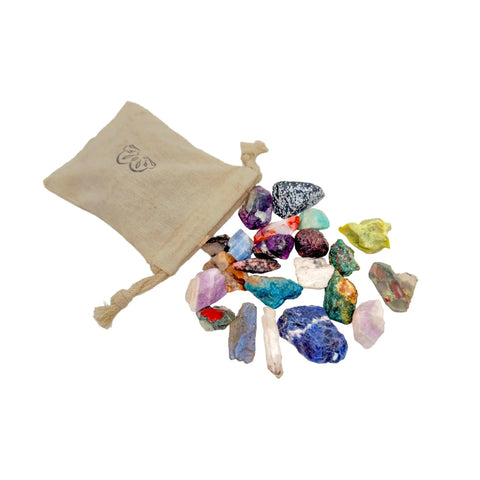
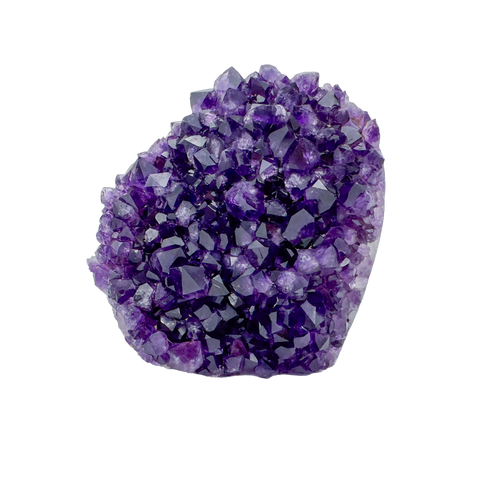
 Amethyst
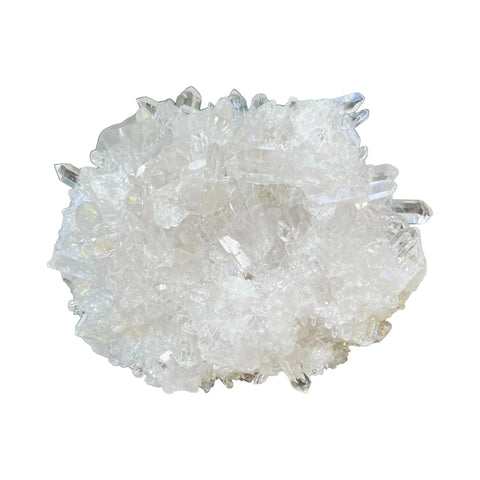
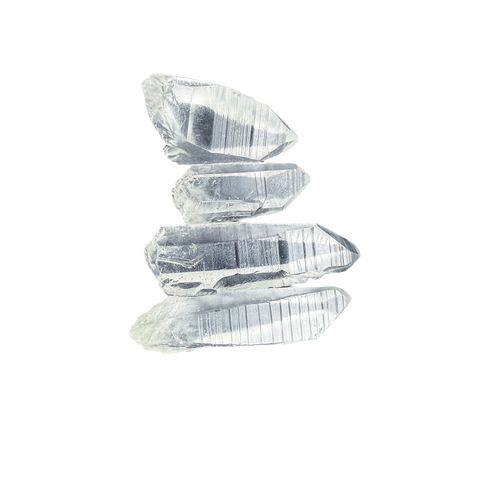
 Clear Quartz
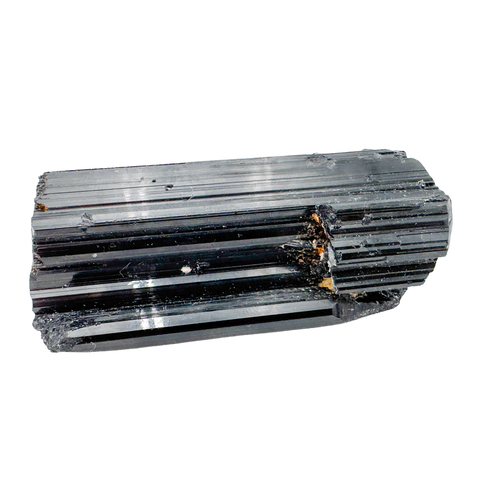
 Black Tourmaline
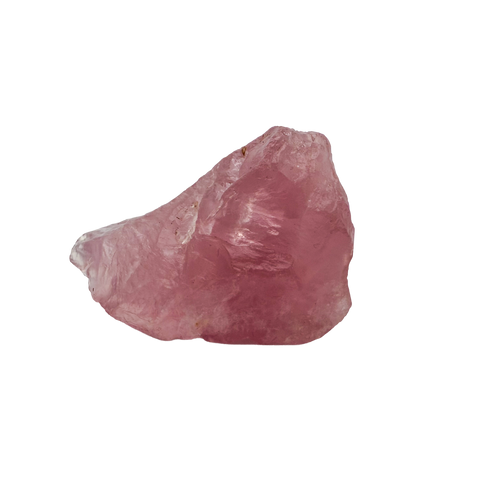
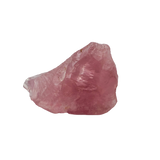 Rose Quartz
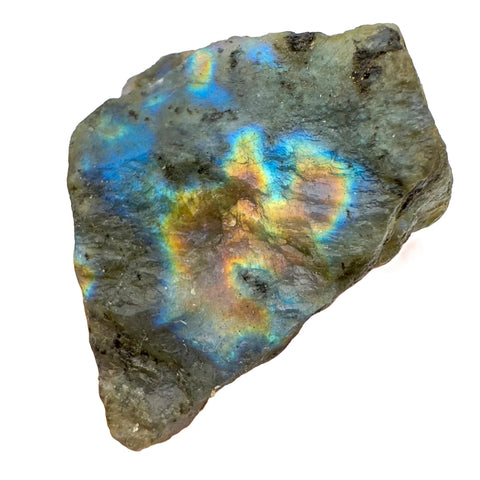
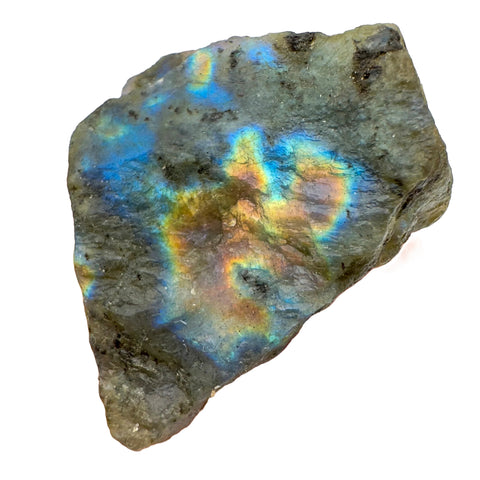
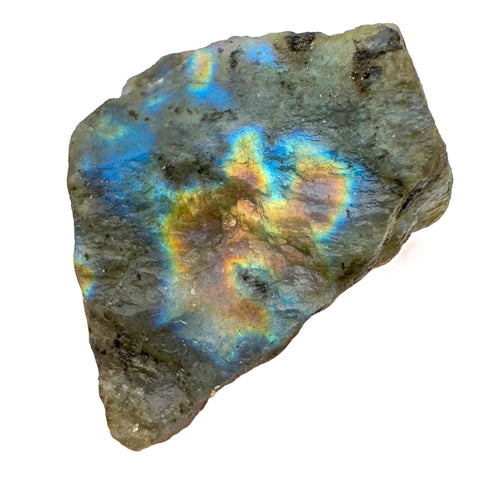
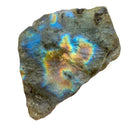 Labradorite
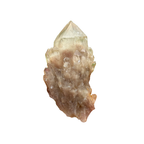 Natural Citrine
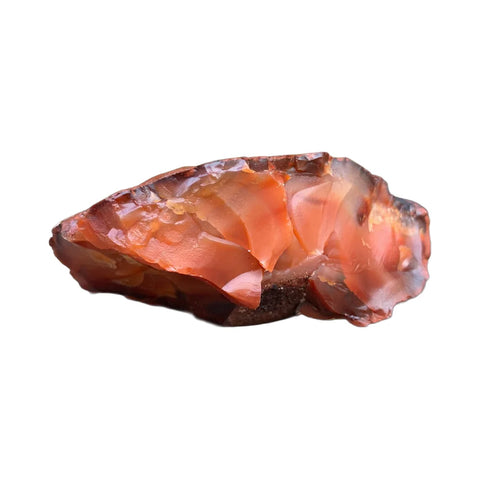
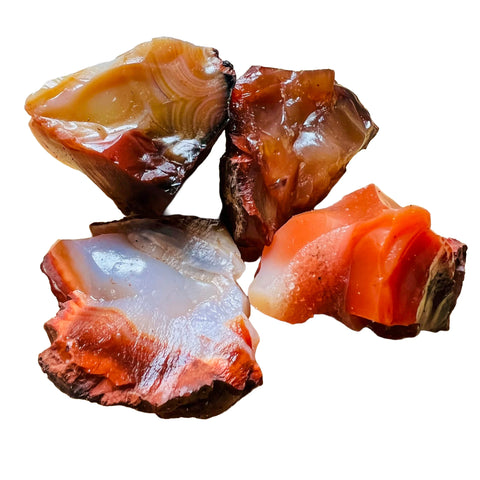
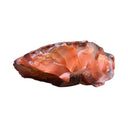 Carnelian
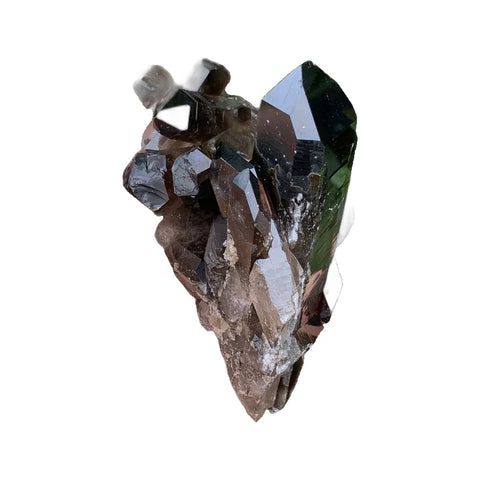
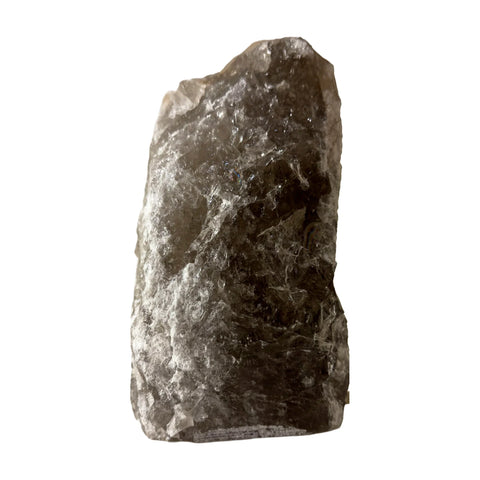
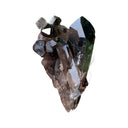 Smoky Quartz
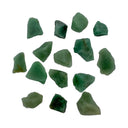 Aventurine
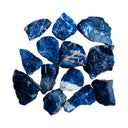 Sodalite
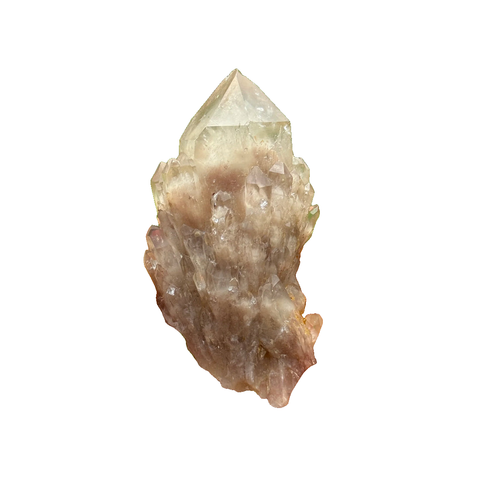
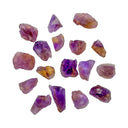 Ametrine
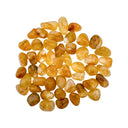 Golden Healer
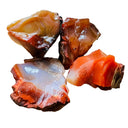 Raw Stones
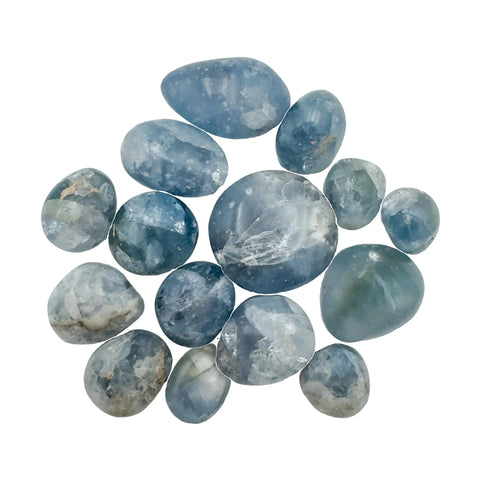
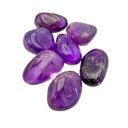 Tumbled Stones
 Palm Stones
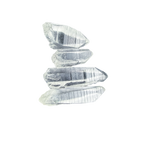 Crystal Points
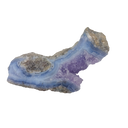 Clusters & Geodes
 Polished & Decor
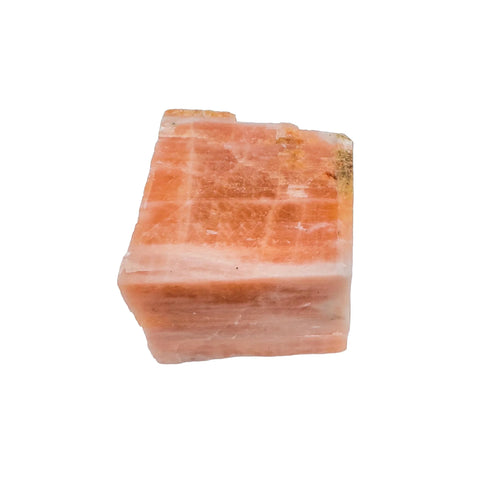
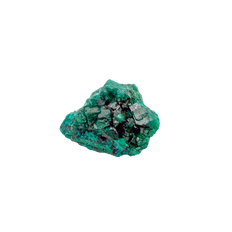 Mineral Specimens
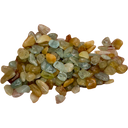 Crystal Chips
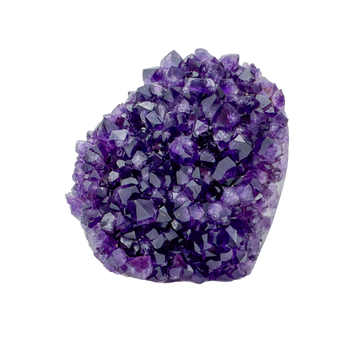
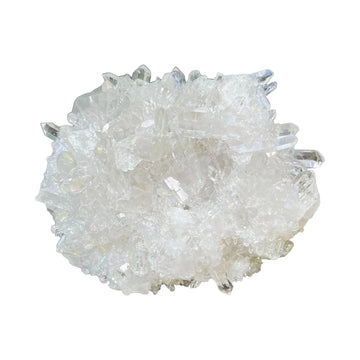
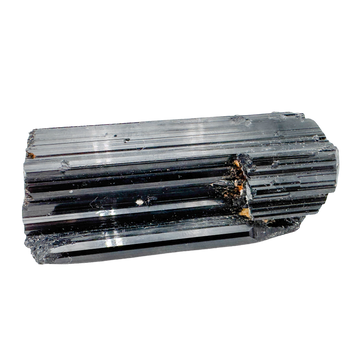
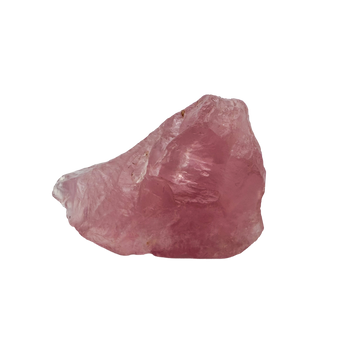
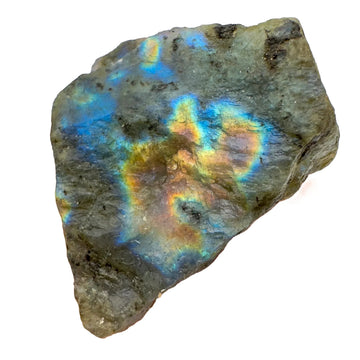
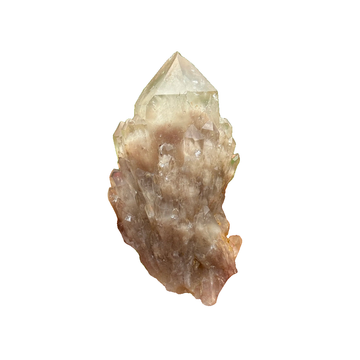
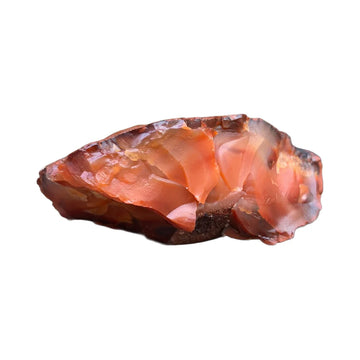
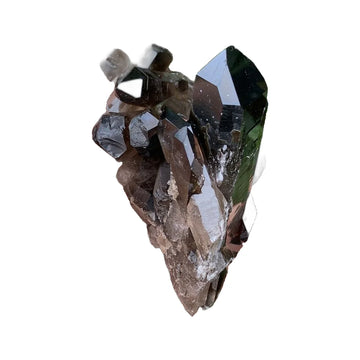
 Raw Stones
179 to choose from
Raw Stones
179 to choose from
 Tumbled Stones
162 to choose from
Tumbled Stones
162 to choose from
 Palm Stones
25 to choose from
Palm Stones
25 to choose from
 Crystal Points
23 to choose from
Crystal Points
23 to choose from
 Clusters & Geodes
103 to choose from
Clusters & Geodes
103 to choose from
 Polished & Decor
148 to choose from
Polished & Decor
148 to choose from
 Mineral Specimens
257 to choose from
Mineral Specimens
257 to choose from
 Crystal Chips
21 to choose from
Crystal Chips
21 to choose from


 AngolaAquamarine
›
AngolaAquamarine
›
 BotswanaCarnelian, Tree Agate
›
BotswanaCarnelian, Tree Agate
›
 DR CongoMalachite, Natural Citrine
›
DR CongoMalachite, Natural Citrine
›
 EswatiniBloodstone
›
EswatiniBloodstone
›
 MadagascarLabradorite, Clear Quartz
›
MadagascarLabradorite, Clear Quartz
›
 MalawiBlue Lace Agate, Garnet
›
MalawiBlue Lace Agate, Garnet
›
 MozambiqueAmazonite
›
MozambiqueAmazonite
›
 NamibiaSodalite, Blue Lace Agate
›
NamibiaSodalite, Blue Lace Agate
›
 Republic of the CongoDioptase
›
Republic of the CongoDioptase
›
 South AfricaTiger Eye, Unakite
›
South AfricaTiger Eye, Unakite
›
 ZambiaChevron Amethyst
›
ZambiaChevron Amethyst
›
 ZimbabweEmerald, Rhodonite
›
ZimbabweEmerald, Rhodonite
›
 ArgentinaBlack Obsidian, Rhodochrosite
›
ArgentinaBlack Obsidian, Rhodochrosite
›
 BoliviaAmetrine
›
BoliviaAmetrine
›
 BrazilAmethyst, Clear Quartz
›
BrazilAmethyst, Clear Quartz
›
 PeruSerpentine, Jade
›
PeruSerpentine, Jade
›
 UruguayAmethyst
›
UruguayAmethyst
›
 Dominican RepublicLarimar
›
Dominican RepublicLarimar
›
 MexicoRainbow Obsidian, Crazy Lace Agate
›
MexicoRainbow Obsidian, Crazy Lace Agate
›
 United StatesSelenite, Peridot
›
United StatesSelenite, Peridot
›
 ChinaFluorite
›
ChinaFluorite
›
 RussiaShungite
›
RussiaShungite
›
 AustraliaMookaite
›
AustraliaMookaite
›
 Where our crystals come from
See where we source →
Where our crystals come from
See where we source →


 Aries
Mar 21 to Apr 19
Carnelian
›
Aries
Mar 21 to Apr 19
Carnelian
›
 Taurus
Apr 20 to May 20
Rose Quartz
›
Taurus
Apr 20 to May 20
Rose Quartz
›
 Gemini
May 21 to Jun 20
Agate
›
Gemini
May 21 to Jun 20
Agate
›
 Cancer
Jun 21 to Jul 22
Moonstone
›
Cancer
Jun 21 to Jul 22
Moonstone
›
 Leo
Jul 23 to Aug 22
Citrine
›
Leo
Jul 23 to Aug 22
Citrine
›
 Virgo
Aug 23 to Sep 22
Amazonite
›
Virgo
Aug 23 to Sep 22
Amazonite
›
 Libra
Sep 23 to Oct 22
Blue Lace Agate
›
Libra
Sep 23 to Oct 22
Blue Lace Agate
›
 Scorpio
Oct 23 to Nov 21
Obsidian
›
Scorpio
Oct 23 to Nov 21
Obsidian
›
 Sagittarius
Nov 22 to Dec 21
Sodalite
›
Sagittarius
Nov 22 to Dec 21
Sodalite
›
 Capricorn
Dec 22 to Jan 19
Black Tourmaline
›
Capricorn
Dec 22 to Jan 19
Black Tourmaline
›
 Aquarius
Jan 20 to Feb 18
Amethyst
›
Aquarius
Jan 20 to Feb 18
Amethyst
›
 Pisces
Feb 19 to Mar 20
Aquamarine
›
Gifting?
A birthday stone is the safe bet.
Read the zodiac guide →
Pisces
Feb 19 to Mar 20
Aquamarine
›
Gifting?
A birthday stone is the safe bet.
Read the zodiac guide →


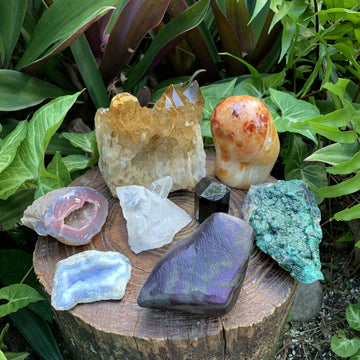
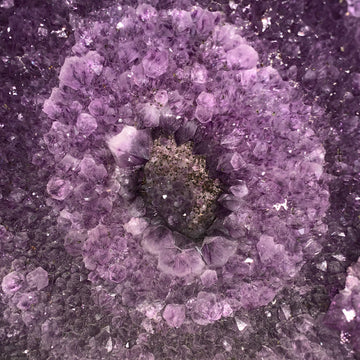
Malachite
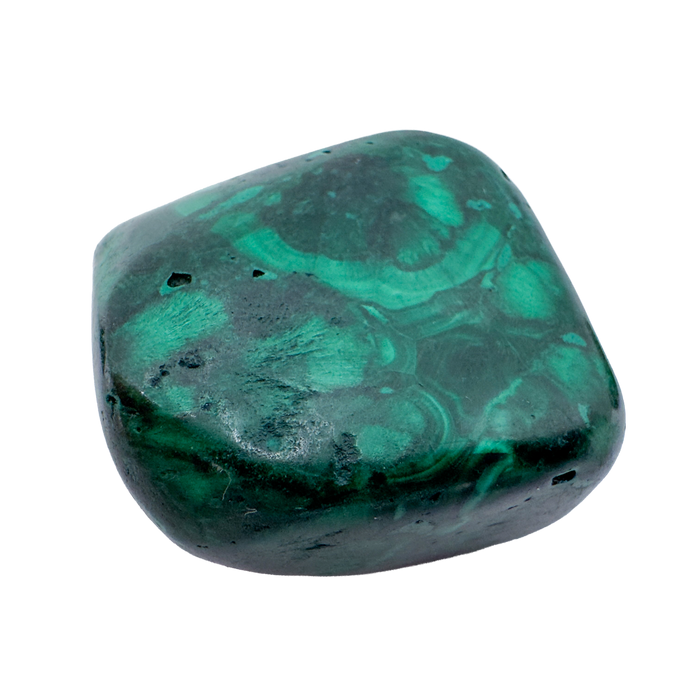
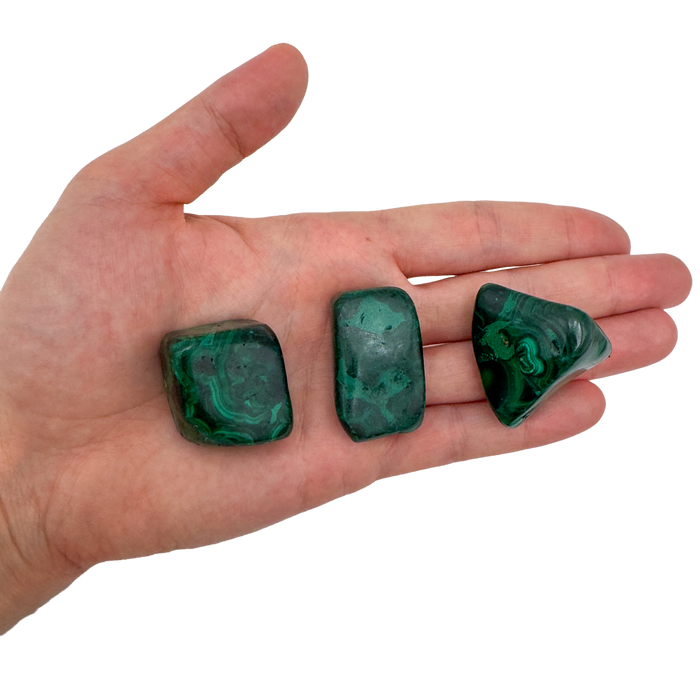
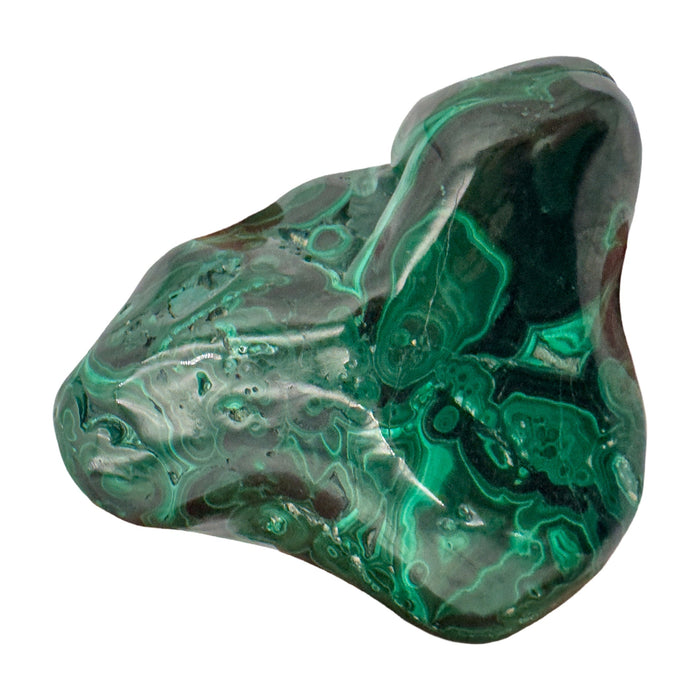
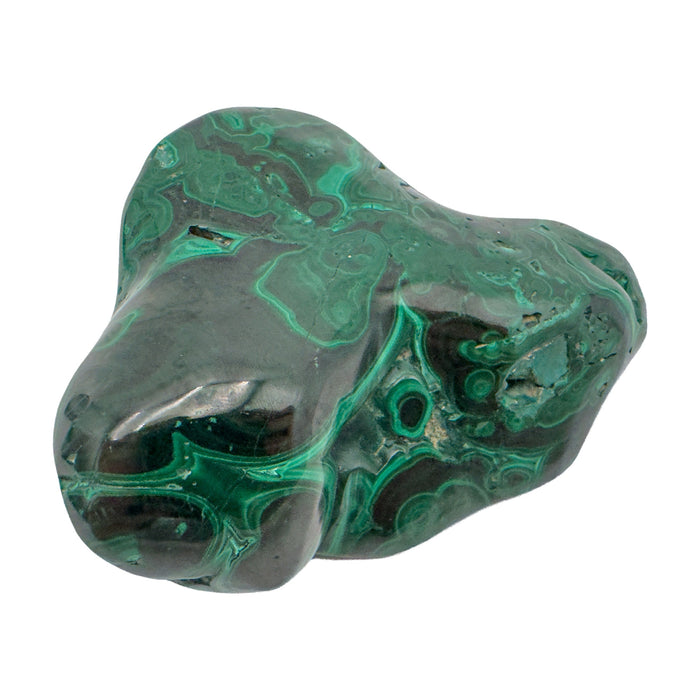
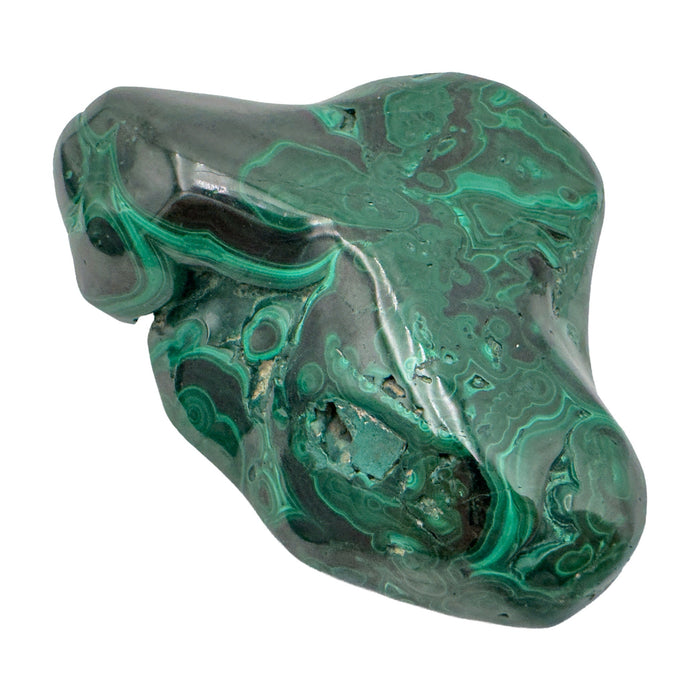
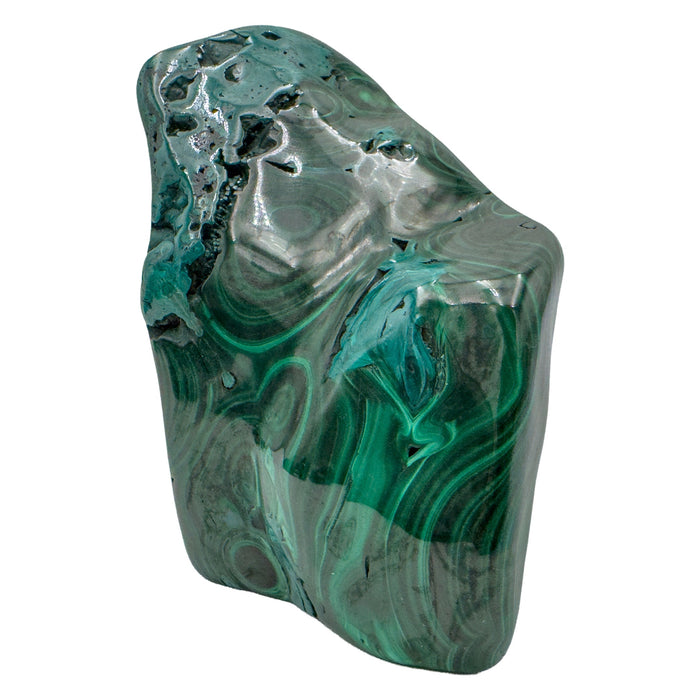
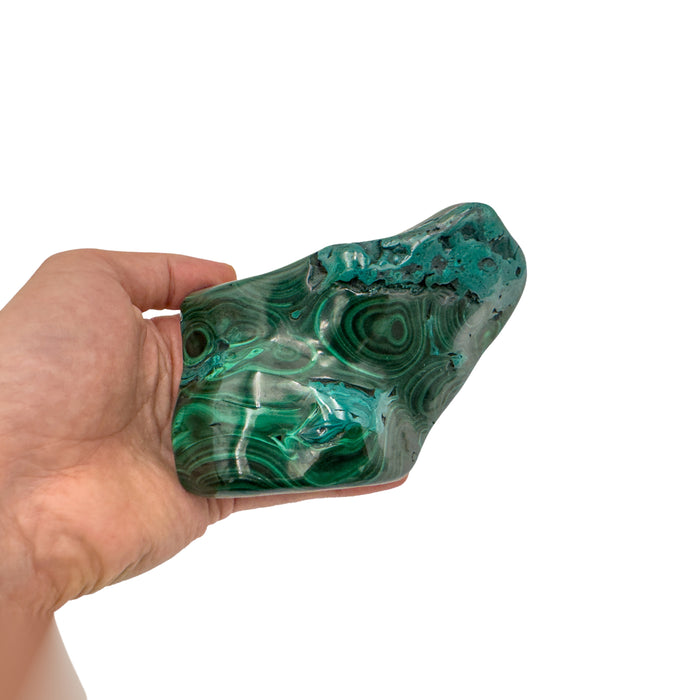
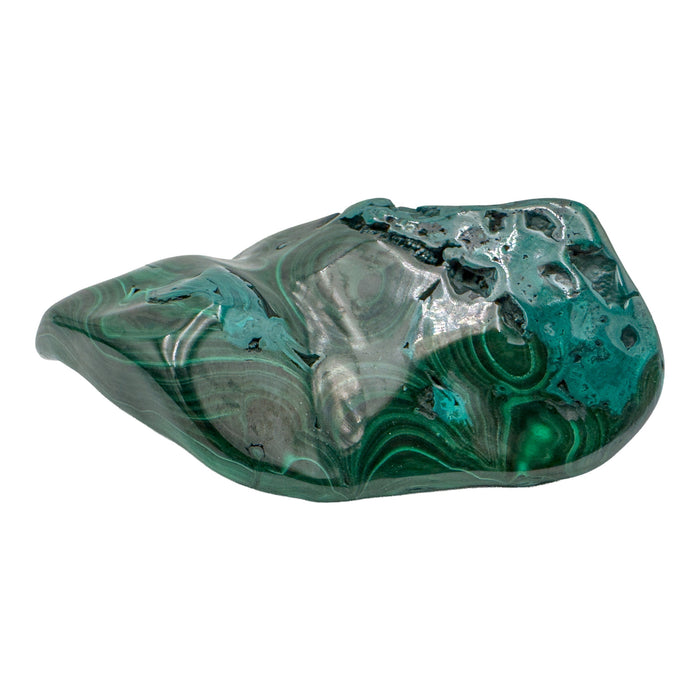
Malachite is a basic copper carbonate that forms as secondary mineral in oxidation zones of copper deposits when carbonated water meets primary copper minerals. The vivid green and distinctive concentric banding come from cyclical mineral deposition as groundwater chemistry shifts. Many people work with it for emotional transformation, protection, and heart-centered practices, though its softness requires genuine care.
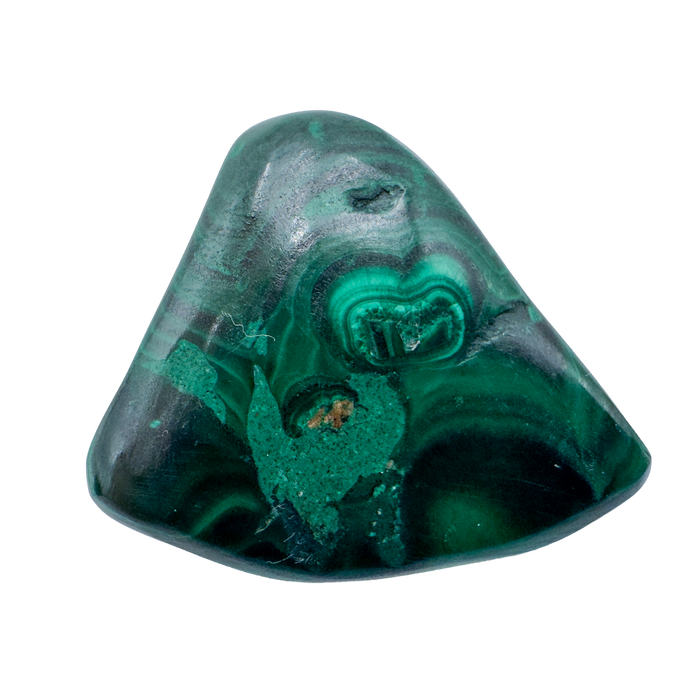
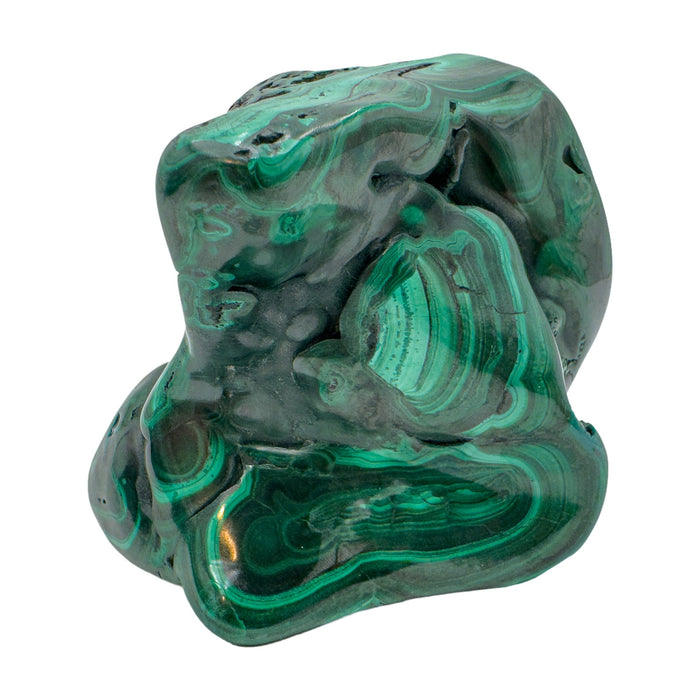
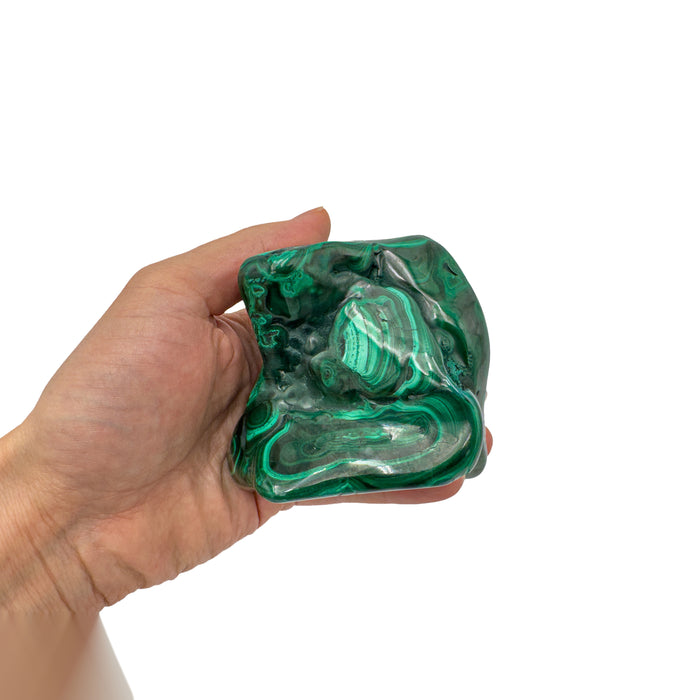
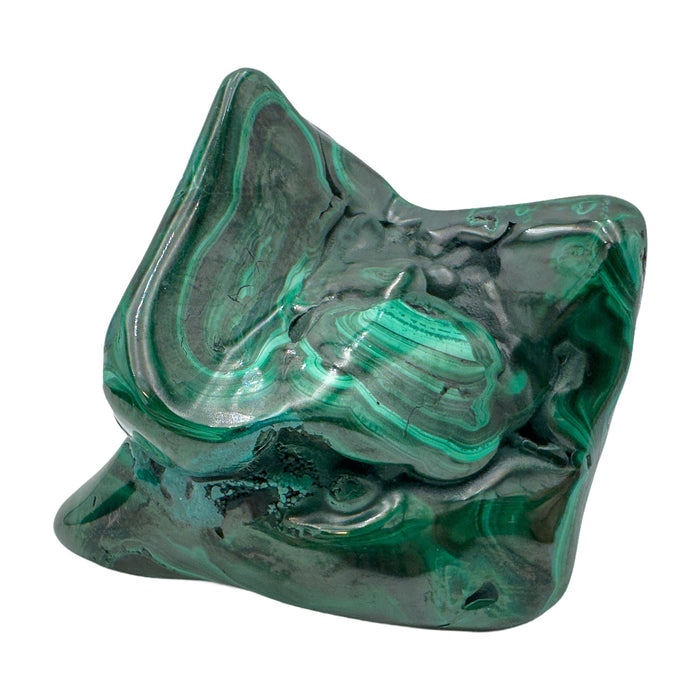
Shop malachiteMalachite, in stock now.
Our most-loved Malachite pieces, ready to ship.
- from 1,000+ reviews
- Ships within 72 hoursMonday to Friday, tracked
- 90 days to return itif you do not love it
- Free US shipping over $99$8.99 flat rate under
The geology.
Malachite is a basic copper carbonate (Cu2CO3(OH)2) that forms as a secondary mineral in the oxidation zones of copper deposits, where primary copper minerals meet carbonated groundwater. The mineral precipitates when copper-bearing solutions interact with carbonate-rich water in cave-like oxidation zones. The vivid green color comes directly from copper content. The characteristic concentric banding pattern is the hallmark of malachite and results from cyclical mineral deposition: as groundwater chemistry shifts over time, layers of malachite precipitate with slightly different color saturation and crystal size, building the distinctive banded appearance visible in every specimen.
Hardness sits at 3.5 to 4 on the Mohs scale, making malachite moderately soft and notably softer than quartz. Specific gravity is substantial at 3.6 to 4.0, reflecting the copper content, so malachite feels denser than many other stones. The crystal system is monoclinic, though natural specimens show massive aggregates rather than distinct crystals. Perfect cleavage makes malachite brittle in certain directions. The mineral has a waxy to vitreous luster on polished surfaces. Malachite commonly forms alongside azurite (a bluer copper carbonate), chrysocolla (copper silicate), and native copper in oxidation zones. Botryoidal (grape-cluster) masses and stalactitic formations are typical. Copper dust from cutting or polishing carries inhalation risk, though finished pieces are safe to handle.
The origins.
The malachite we carry comes from the Democratic Republic of the Congo, specifically from hand-polished and raw specimens sourced from mining operations in Haut-Katanga and Lualaba Provinces. The DRC produces the vast majority of commercial malachite globally. The material is worked by hand into tumbled stones and polished pieces, and we receive documented batches with confirmed origin. We acknowledge plainly that DRC mineral sourcing is complex. The Congo Basin has documented concerns around labor conditions, conflict minerals, and supply chain opacity. We source through partners with documented ethical practices and direct relationships, but we hold no illusions about perfect chain-of-custody verification in this region. When visibility is incomplete, we say so rather than pretending we have certainty we lack.
Other malachite sources exist globally but are minor producers compared to the DRC. Russia's Urals region has historic significance and produced imperial-quality material used in nineteenth-century Russian palace interiors. Namibia, Zambia, Mexico (Milpillas mine), and Australia produce smaller volumes. We commit to DRC sourcing because the color quality is consistent and the supply is stable, and because we believe sourcing from challenging regions with care is more important than sourcing only from easy ones. If our DRC supply ever changes, we will announce it directly.
Traditional associations.
Malachite carries a long history. Ancient Egypt used it as pigment and ornamental material over four thousand years ago, grinding it into the green eye paint worn by pharaohs and nobility. Medieval and Renaissance cultures valued malachite for amulets and protective objects. Russian imperial craftsmanship achieved iconic status with the Malachite Room in the Winter Palace, an entire chamber lined with Urals malachite, completed in the nineteenth century. The stone's visual presence and rarity made it a symbol of wealth and refinement in European courts.
In contemporary crystal work, malachite is associated with the Heart chakra and Earth element. Many people work with it for emotional healing and transformation, boundary-setting, protection, and practices around the physical heart. The stone is often chosen alongside rose quartz, emerald, and other green heart stones when intention involves deep emotional work or protection. The banding itself carries metaphorical weight: the layers suggest growth, the boundaries between them suggest protection.
Spotting the real thing.
Genuine malachite shows distinctive concentric green banding with natural irregularity and variation. Color is deep green and uneven, with lighter and darker bands creating the characteristic pattern. Mohs 3.5 to 4 means the stone scratches with a steel knife and will not scratch glass. Specific gravity is heavy for its size at 3.6 to 4.0, so genuine malachite feels denser than glass and most substitutes. Natural malachite never shows perfectly regular banding; overly symmetrical or printed patterns suggest reconstituted material. Hold the stone and verify the weight matches the visual size. Light stones are usually imitation.
Dyed howlite is softer still and often shows paint pooling in cracks or surface irregularities. Dyed serpentine looks similar at first glance but is harder and lacks the characteristic banding. Reconstituted material has color zones that are too perfect. Identical repeating patterns and unnatural color uniformity between bands are warning signs. The surface of reconstituted pieces sometimes shows a slight sheen or plasticity that real malachite does not. Under magnification, real malachite shows fine banding and a consistent mineral texture, while reconstituted material shows resin binding and irregular particle size.
Care & handling.
Malachite is moderately soft and notably water-sensitive. Dry care is strongly preferred. A brief quick rinse under running water is acceptable when necessary, but soaking, saltwater, ultrasonic cleaners, and chemical cleaners should be avoided entirely. Extended water exposure can darken the stone and degrade the polish over time. Store in low-humidity conditions, away from prolonged direct sunlight (which can fade the color slightly), and separately from harder stones to prevent scratching. Avoid smoke exposure, as it can darken the banding.
Handling should be gentle and deliberate. Do not carry malachite in pockets with keys or harder minerals. Avoid dropping or placing pressure on the stone. For energetic cleansing, use smoke (traditional but may affect the stone), sound, moonlight, breath, or brief placement on selenite. Smoke is the historical method but can darken malachite, so consider it optional. Malachite sits naturally with earth energy and lunar cycles. The softness and water-sensitivity are not flaws but part of the stone's nature: they invite slow, intentional living with it rather than casual tossing into a pocket. Many people find this slowness meaningful in itself.
Pairs well with.
Proof, not promises.
We measure our own sourcing across five dimensions. Supply chain, environmental footprint, artisan support, market integrity, and pricing. The number is honest, not perfect. Malachite's DRC sourcing is complex and carries transparency limitations we openly acknowledge.
A deeper look.
Extended geology, DRC sourcing complexity, authentication, market imitations, historical significance, care science, and pricing breakdown for those who want full context.
Extended geology and formation
Malachite (Cu2CO3(OH)2) is a secondary mineral that forms in the oxidation zones of copper deposits, the weathered upper portions of ore bodies where water, oxygen, and carbonic acid meet primary copper minerals. When copper-bearing solutions (water carrying dissolved copper from deeper primary minerals) meet carbonate-rich groundwater, malachite precipitates as crusts, botryoidal masses, or stalactitic formations lining cave-like cavities.
The concentric banding that defines malachite results from cyclical changes in precipitation conditions. As groundwater chemistry fluctuates seasonally or over longer timescales, the saturation state changes, causing pulses of malachite deposition. Each pulse creates a layer with subtly different copper concentration and crystal size, producing the visible banding. No two malachite specimens have identical banding patterns because the precipitation history is unique to each location and time period.
Hardness of 3.5 to 4 on the Mohs scale places malachite between calcite (3) and fluorite (4). Specific gravity of 3.6 to 4.0 is substantial, reflecting copper's density (9.0), so malachite feels heavier than most silicate stones of similar volume. Perfect cleavage means the stone breaks cleanly in certain directions and is brittle relative to quartz. Crystal system is monoclinic but not visually apparent because specimens form as aggregates. Malachite occurs alongside azurite (darker, bluer copper carbonate), chrysocolla (blue-green copper silicate), native copper, and various iron oxides in the oxidation zone assemblage.
The DRC sourcing reality
The Democratic Republic of the Congo is the world's primary malachite source, producing more commercial malachite than all other countries combined. This is geological fact and economic reality. DRC mineral sourcing is ethically complex. The region has documented concerns including unregulated artisanal mining, labor trafficking, child labor, conflict minerals, and opaque supply chains. Formal mining operations exist but often operate with limited transparency and environmental oversight compared to developed-world standards.
We source malachite from DRC because we believe sourcing from difficult regions with intentional care is more important than sourcing only from easy ones. Our approach: work through intermediaries with documented practices, request origin information per batch, accept transparency limitations rather than pretend to certainty we lack, pay above-commodity prices to reflect the ethical premium of documented sourcing, and be honest about gaps. We do not visit DRC operations directly, which is a real limitation. We acknowledge it. If direct supply partnerships become possible in the future, we will move toward them. Until then, we source responsibly within the constraints of current reality.
Authentication and market imitations
Dyed howlite is the most common malachite imitation. Howlite is softer (3 to 3.5) than real malachite and white or gray naturally; when dyed green, it lacks the natural banding and often shows dye pooling in surface cracks. Under a loupe, howlite shows a porous, grainy texture, while malachite shows fine, dense banding. Dyed serpentine is another imitation: it is harder than howlite (4.5 to 5) and lacks the characteristic concentric patterns of real malachite.
Reconstituted "pressed malachite" is made from crushed malachite dust bonded with resin. It has suspiciously regular banding, unnatural color uniformity between layers, and a slightly plasticky surface feel. Under magnification, the resin binder is visible between malachite particles. The specific gravity is lower than genuine material because the resin component is less dense than malachite mineral.
Tests for authenticity: genuine malachite scratches with a steel knife and does not scratch glass (hardness 3.5 to 4). Feel the weight. Genuine malachite at a given visual size is noticeably heavier than imitations. Inspect the banding under magnification: real malachite shows fine, natural variation. Reconstituted material shows resin binding and particle aggregates. Price is a signal. Malachite under $5 per tumbled stone is almost certainly dyed glass or reconstituted material. Genuine malachite requires hand-finishing and has real material cost.
Historical and cultural context
Malachite has one of the longest known stone histories. Ancient Egyptians ground malachite into the green eye paint (kohl) worn by pharaohs and nobility, establishing its status as high-value material in the ancient world. The green was associated with protective power and divine connection. Malachite amulets and vessels appear throughout Egyptian archaeology, particularly in the New Kingdom (circa 1550 to 1070 BCE).
Medieval and Renaissance Europe valued malachite as protective stone and ornamental material in religious and noble contexts. The association with healing and protection was strong. The nineteenth-century Malachite Room in the Winter Palace of St. Petersburg remains the most iconic use: an entire chamber lined with hand-cut malachite slabs from the Urals, completed over decades and representing the height of imperial craftsmanship and resource control.
In contemporary crystal work, malachite carries associations with emotional transformation and protection rooted in both historical use and modern metaphor: the layers suggest growth and boundaries, the green suggests heart and earth, the banding suggests slow, deliberate change.
Care science
Malachite is water-sensitive because Cu2CO3(OH)2 has hydroxyl (OH) groups and can slowly revert toward different copper minerals with water exposure. Extended soaking can also cause the surface polish to dull as microscopic water penetration affects the surface. Smoke exposure darkens malachite by depositing carbon on and in the stone; if you use smoke for energetic cleansing, understand that visible darkening may result.
The perfect cleavage means the stone can crack if pressure is applied along certain planes. Impact resistance is low relative to quartz. Store separately from harder stones to prevent scratching the surface. Low humidity is ideal; very damp environments can accelerate any weathering processes. Direct prolonged sunlight can fade the green slightly over years, though this is slow.
Pricing breakdown
Grade A tumbled malachite: $8 to $18 per piece at retail for small to medium sizes, depending on color saturation and polish quality. Palm stones: $18 to $45. Raw specimens: $15 to $60 depending on size and botryoidal form. Carved pieces: $30 to $150+ depending on intricacy and size. Specialty forms and exceptional color can reach higher prices. Commodity malachite under $5 per piece is almost always dyed glass, dyed howlite, or reconstituted material.
Price drivers: banding pattern regularity and distinctness, color saturation (darker greens command premiums), finish quality, size, and lack of visible damage or wear. DRC origin premium reflects ethical sourcing cost and hand-polishing labor. Russian Urals malachite when available commands higher prices due to historical significance and rarity. Warning signs: malachite sold without origin disclosure, extremely low pricing on bulk collections, overly uniform banding (suggests reconstituted), and material sold without treatment disclosure.
Good sourcing is a practice, not a claim.
Nothing we sell is dyed, stabilized, reconstituted, or color-enhanced without full disclosure. We name our origins where we can. We say so when we cannot. We walk away from material that does not meet our standard, even when it costs us sales.
Bring malachite home.
Hand-polished tumbled stones, palm stones, and raw specimens from the Democratic Republic of the Congo. Natural, untreated, selected for deep green color and distinctive concentric banding. Each piece finished with care to honor the softness of the stone and the integrity of its formation. Malachite is not casual stone; it asks for slow, intentional living with it.
Shop the malachite collectionGrounded Connections
New stones go to the list first.
No forwarding, no selling. Unsubscribe in one click. Privacy