


 Agatefor stress relief
 Amazonitefor stress relief
 Aquamarinefor serenity
 Aventurinefor luck
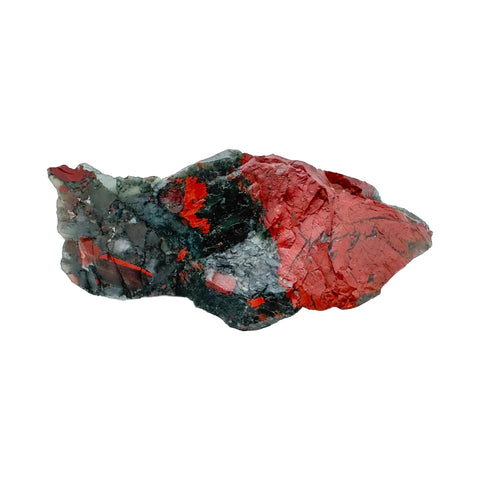
 Bloodstonefor energy
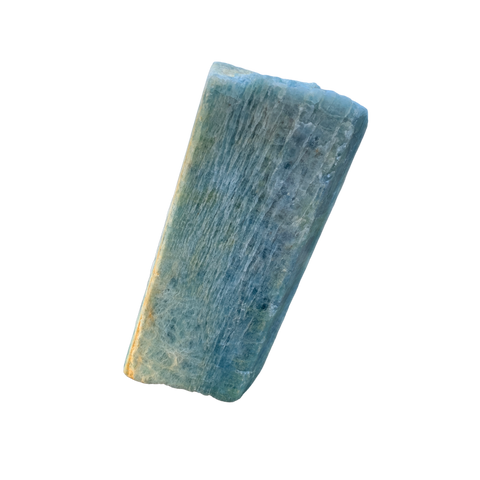
 Blue Kyanitefor confidence
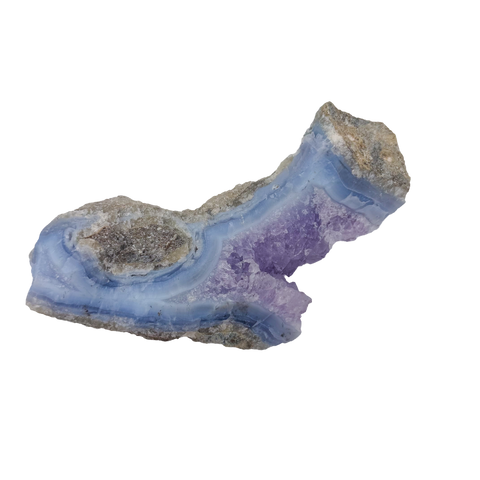
 Blue Lace Agatefor stress relief
 Chrysocollafor emotional healing
 Fluoritefor focus
 Garnetfor energy
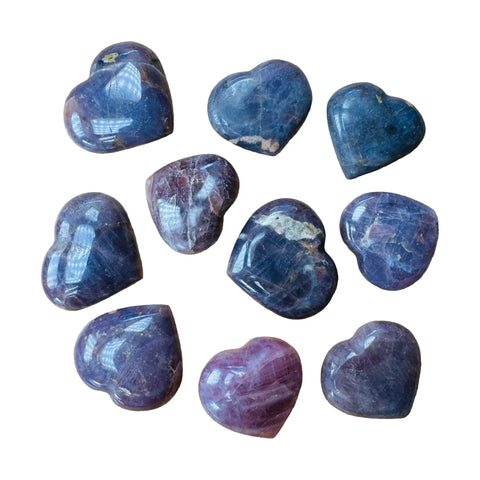
 Lepidolitefor stress relief
 Malachitefor emotional healing
 Moonstonefor grounding
 Obsidianfor protection
 Ocean Jasperfor emotional healing
 Red Jasperfor grounding
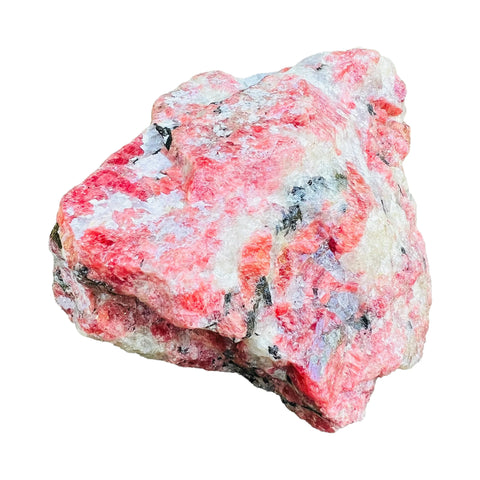
 Rhodonitefor emotional healing
 Selenitefor cleansing
 Sodalitefor focus
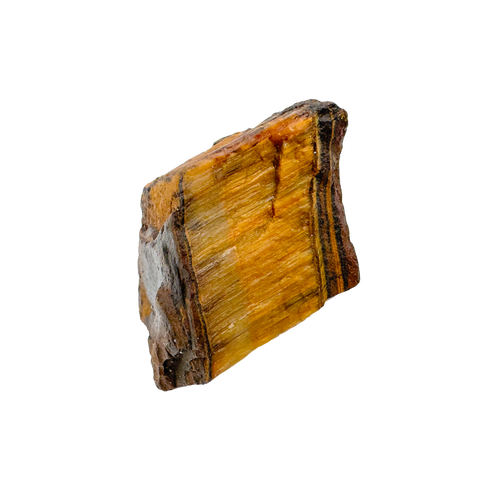
 Tiger Eyefor confidence
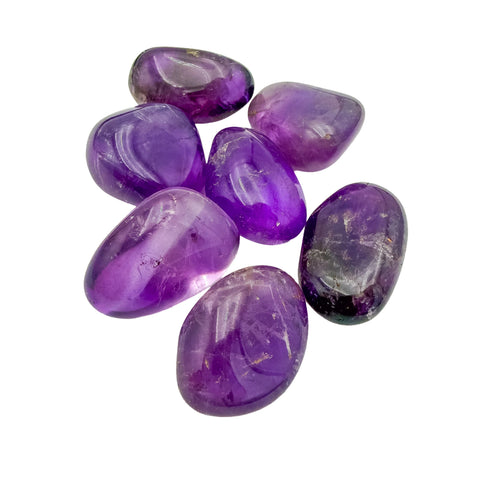




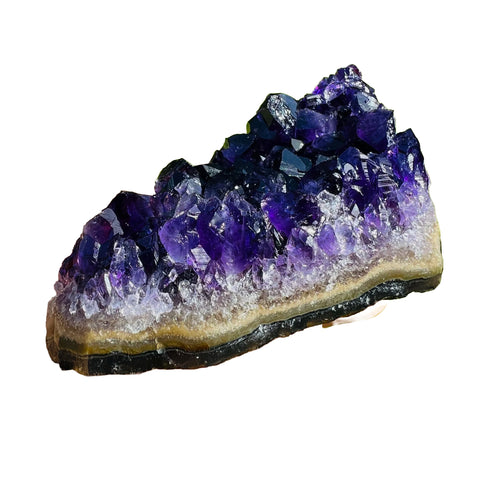





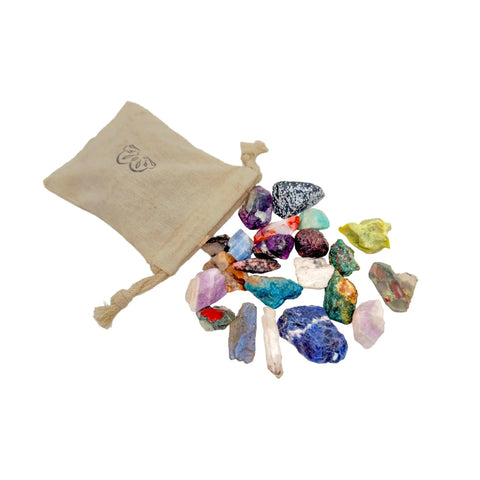
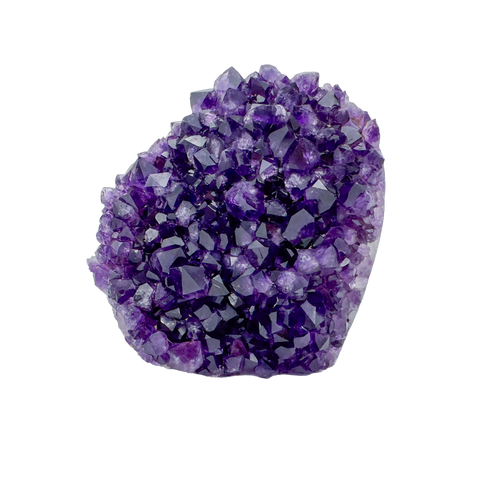
 Amethyst
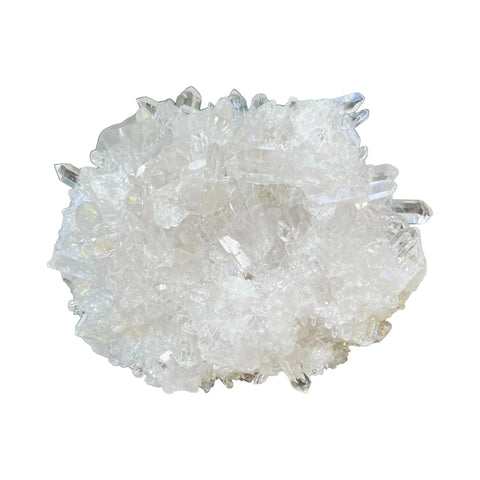
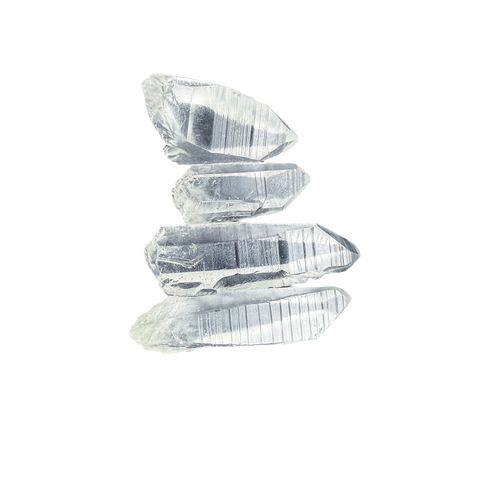
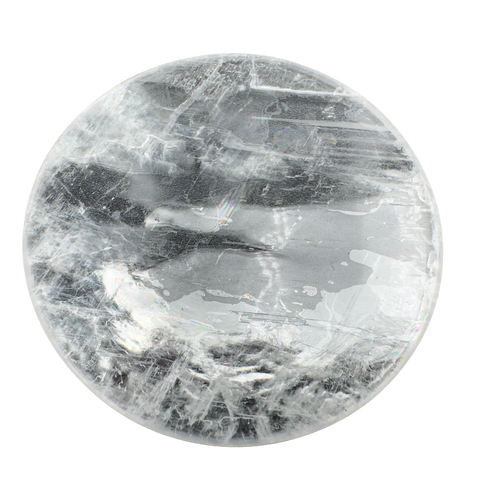
 Clear Quartz
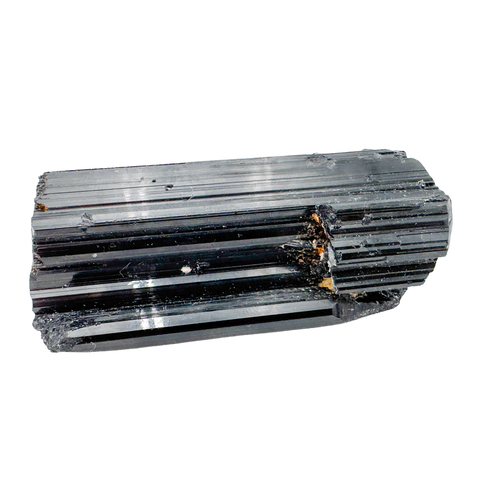
 Black Tourmaline
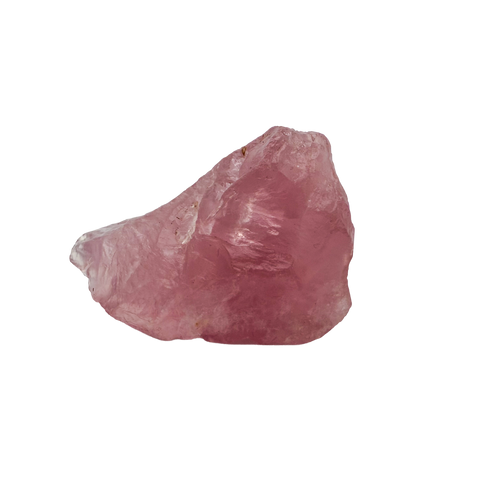
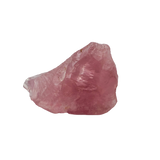 Rose Quartz
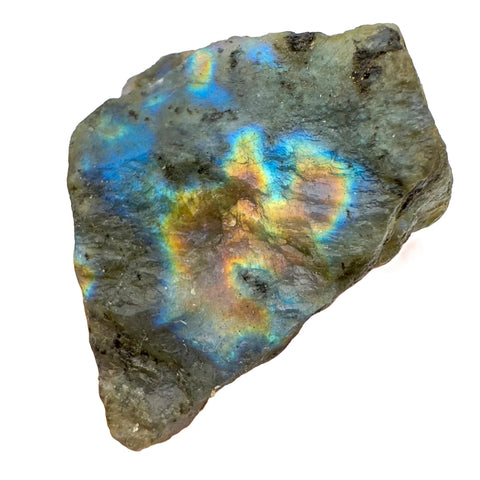
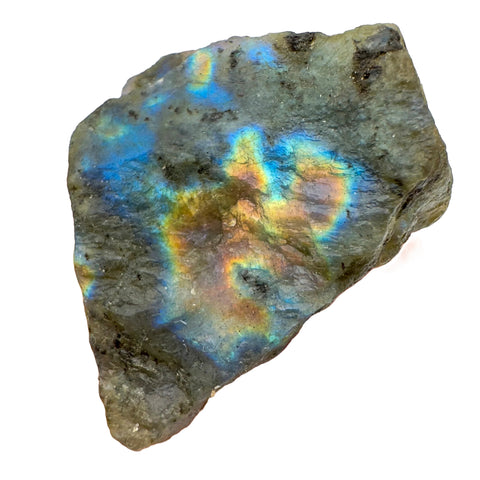
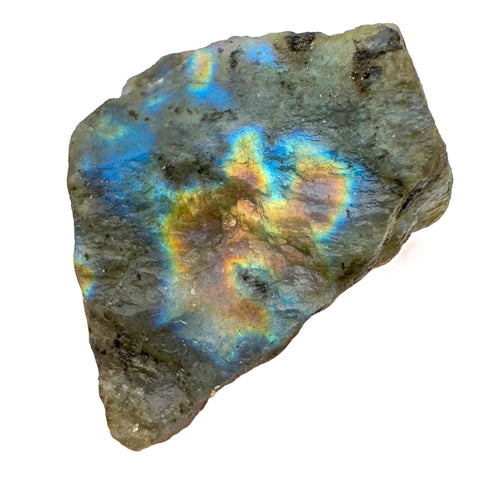
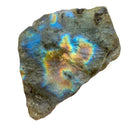 Labradorite
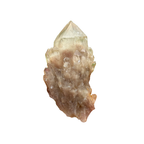 Natural Citrine
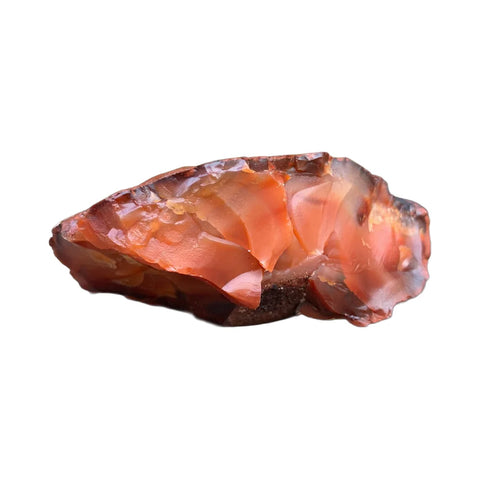
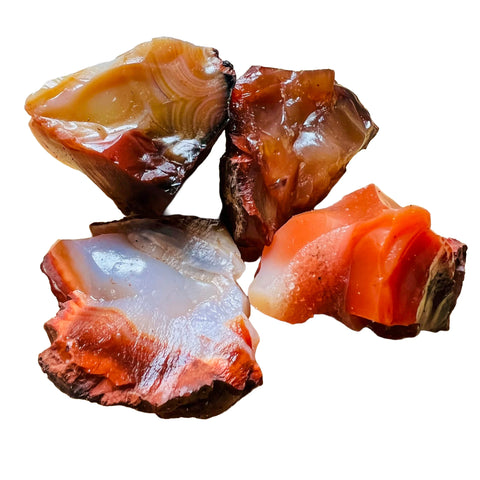
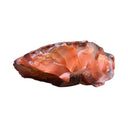 Carnelian
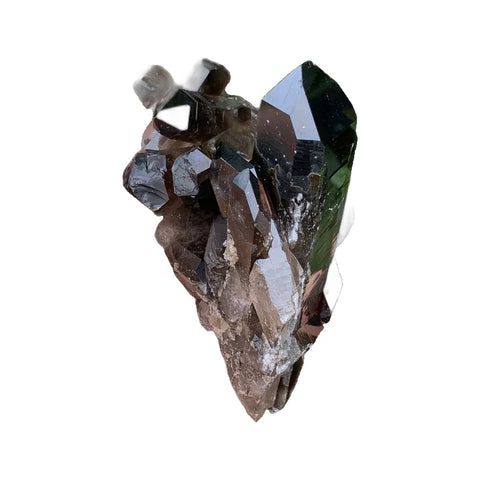
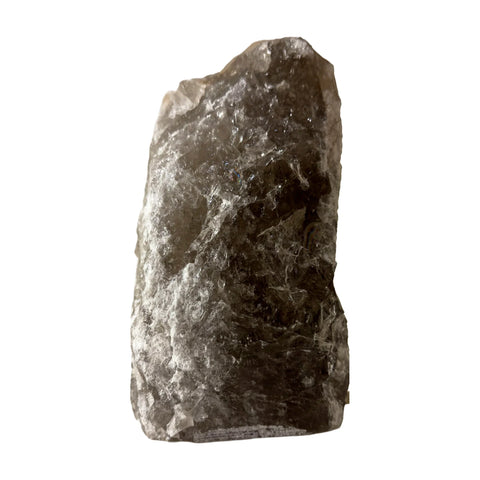
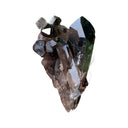 Smoky Quartz
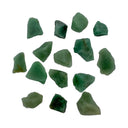 Aventurine
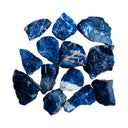 Sodalite
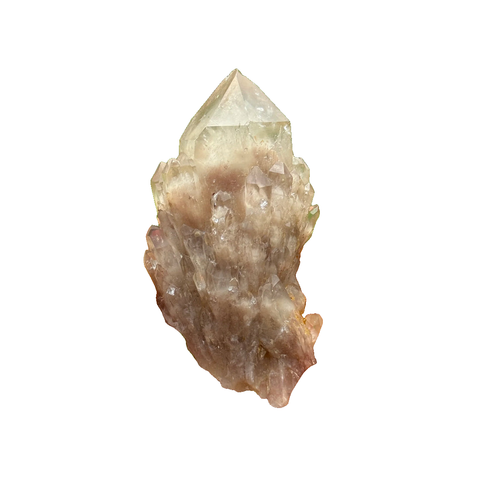
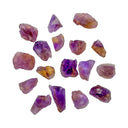 Ametrine
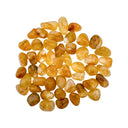 Golden Healer
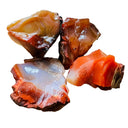 Raw Stones
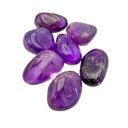 Tumbled Stones
 Palm Stones
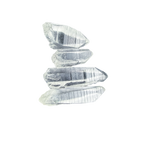 Crystal Points
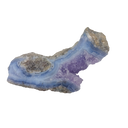 Clusters & Geodes
 Polished & Decor
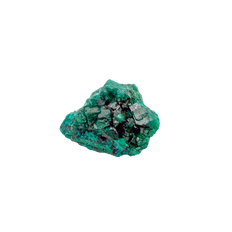 Mineral Specimens
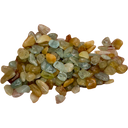 Crystal Chips
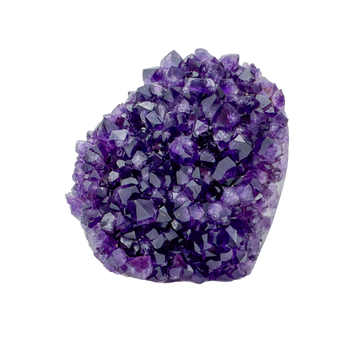
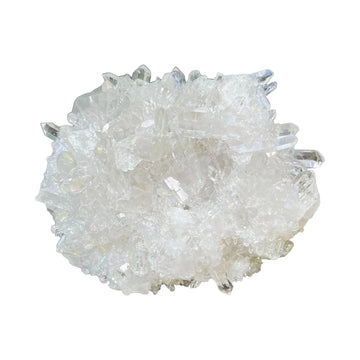
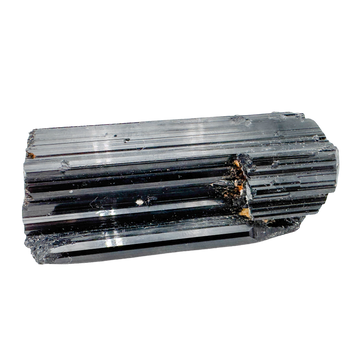
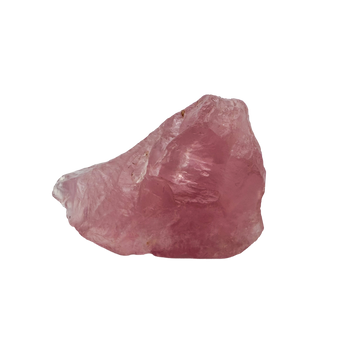
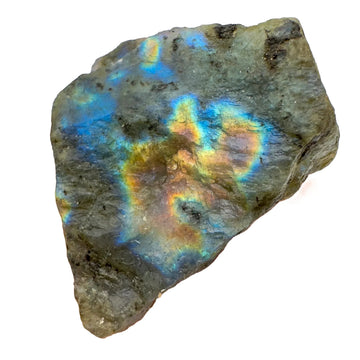
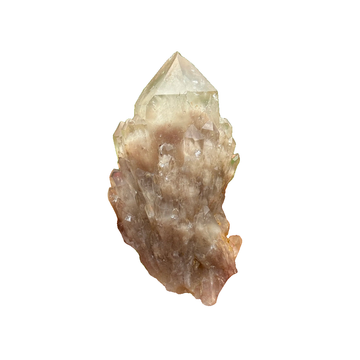
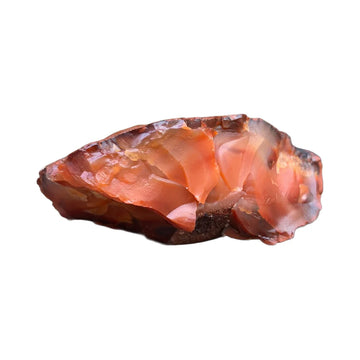
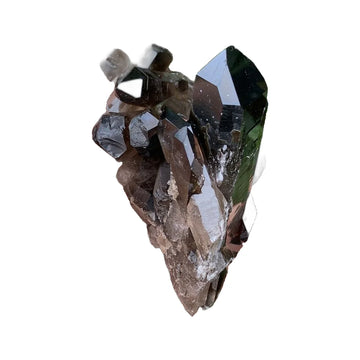
 Raw Stones
179 to choose from
Raw Stones
179 to choose from
 Tumbled Stones
162 to choose from
Tumbled Stones
162 to choose from
 Palm Stones
25 to choose from
Palm Stones
25 to choose from
 Crystal Points
23 to choose from
Crystal Points
23 to choose from
 Clusters & Geodes
98 to choose from
Clusters & Geodes
98 to choose from
 Polished & Decor
147 to choose from
Polished & Decor
147 to choose from
 Mineral Specimens
248 to choose from
Mineral Specimens
248 to choose from
 Crystal Chips
21 to choose from
Crystal Chips
21 to choose from


 AngolaAquamarine
›
AngolaAquamarine
›
 BotswanaCarnelian, Tree Agate
›
BotswanaCarnelian, Tree Agate
›
 DR CongoMalachite, Natural Citrine
›
DR CongoMalachite, Natural Citrine
›
 EswatiniBloodstone
›
EswatiniBloodstone
›
 MadagascarLabradorite, Clear Quartz
›
MadagascarLabradorite, Clear Quartz
›
 MalawiBlue Lace Agate, Garnet
›
MalawiBlue Lace Agate, Garnet
›
 MozambiqueAmazonite
›
MozambiqueAmazonite
›
 NamibiaSodalite, Blue Lace Agate
›
NamibiaSodalite, Blue Lace Agate
›
 Republic of the CongoDioptase
›
Republic of the CongoDioptase
›
 South AfricaTiger Eye, Unakite
›
South AfricaTiger Eye, Unakite
›
 ZambiaChevron Amethyst
›
ZambiaChevron Amethyst
›
 ZimbabweEmerald, Rhodonite
›
ZimbabweEmerald, Rhodonite
›
 ArgentinaBlack Obsidian, Rhodochrosite
›
ArgentinaBlack Obsidian, Rhodochrosite
›
 BoliviaAmetrine
›
BoliviaAmetrine
›
 BrazilAmethyst, Clear Quartz
›
BrazilAmethyst, Clear Quartz
›
 PeruSerpentine, Jade
›
PeruSerpentine, Jade
›
 UruguayAmethyst
›
UruguayAmethyst
›
 Dominican RepublicLarimar
›
Dominican RepublicLarimar
›
 MexicoRainbow Obsidian, Crazy Lace Agate
›
MexicoRainbow Obsidian, Crazy Lace Agate
›
 United StatesSelenite, Peridot
›
United StatesSelenite, Peridot
›
 ChinaFluorite
›
ChinaFluorite
›
 RussiaShungite
›
RussiaShungite
›
 AustraliaMookaite
›
AustraliaMookaite
›
 Where our crystals come from
See where we source →
Where our crystals come from
See where we source →


 Aries
Mar 21 to Apr 19
Carnelian
›
Aries
Mar 21 to Apr 19
Carnelian
›
 Taurus
Apr 20 to May 20
Rose Quartz
›
Taurus
Apr 20 to May 20
Rose Quartz
›
 Gemini
May 21 to Jun 20
Agate
›
Gemini
May 21 to Jun 20
Agate
›
 Cancer
Jun 21 to Jul 22
Moonstone
›
Cancer
Jun 21 to Jul 22
Moonstone
›
 Leo
Jul 23 to Aug 22
Citrine
›
Leo
Jul 23 to Aug 22
Citrine
›
 Virgo
Aug 23 to Sep 22
Amazonite
›
Virgo
Aug 23 to Sep 22
Amazonite
›
 Libra
Sep 23 to Oct 22
Blue Lace Agate
›
Libra
Sep 23 to Oct 22
Blue Lace Agate
›
 Scorpio
Oct 23 to Nov 21
Obsidian
›
Scorpio
Oct 23 to Nov 21
Obsidian
›
 Sagittarius
Nov 22 to Dec 21
Sodalite
›
Sagittarius
Nov 22 to Dec 21
Sodalite
›
 Capricorn
Dec 22 to Jan 19
Black Tourmaline
›
Capricorn
Dec 22 to Jan 19
Black Tourmaline
›
 Aquarius
Jan 20 to Feb 18
Amethyst
›
Aquarius
Jan 20 to Feb 18
Amethyst
›
 Pisces
Feb 19 to Mar 20
Aquamarine
›
Gifting?
A birthday stone is the safe bet.
Read the zodiac guide →
Pisces
Feb 19 to Mar 20
Aquamarine
›
Gifting?
A birthday stone is the safe bet.
Read the zodiac guide →


Turquoise
Turquoise is an opaque blue to green phosphate mineral that humans have prized for at least seven thousand years. It is also one of the most treated and copied stones in the trade, so understanding what you are actually holding, natural, stabilized, reconstituted, or imitation, matters more here than with almost any other gem.
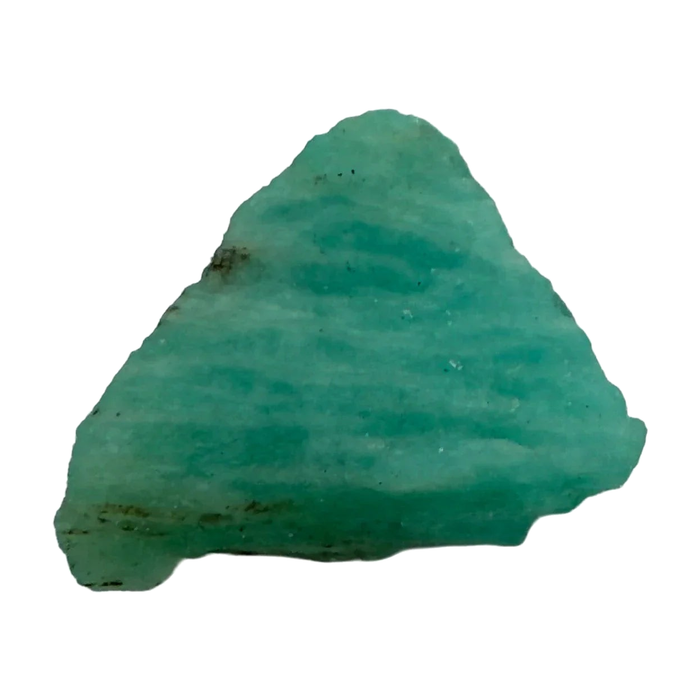
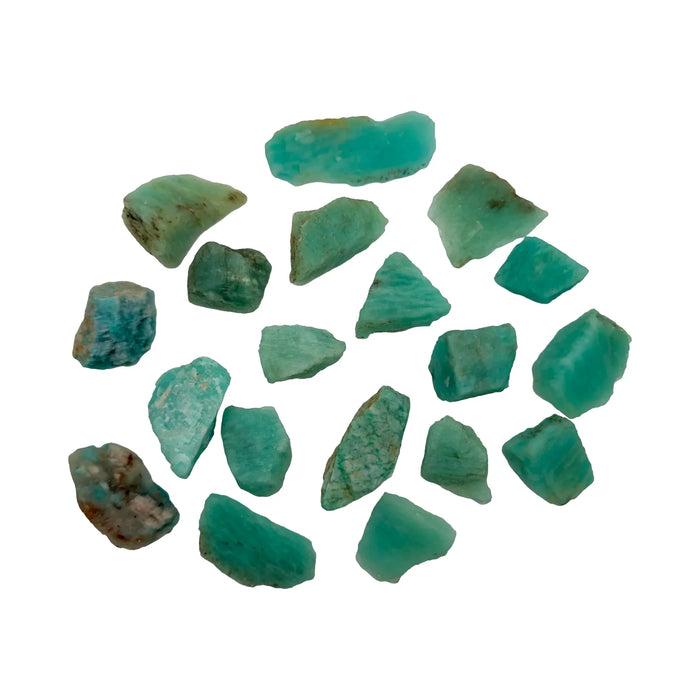
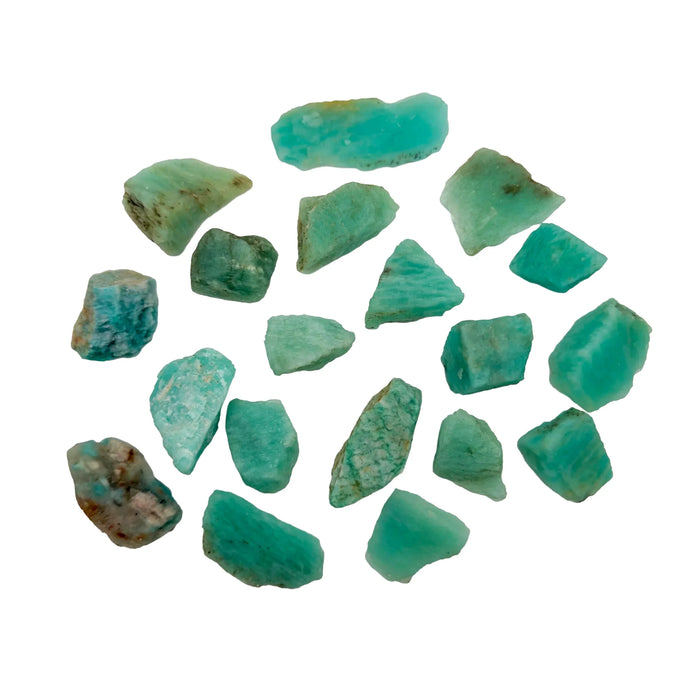
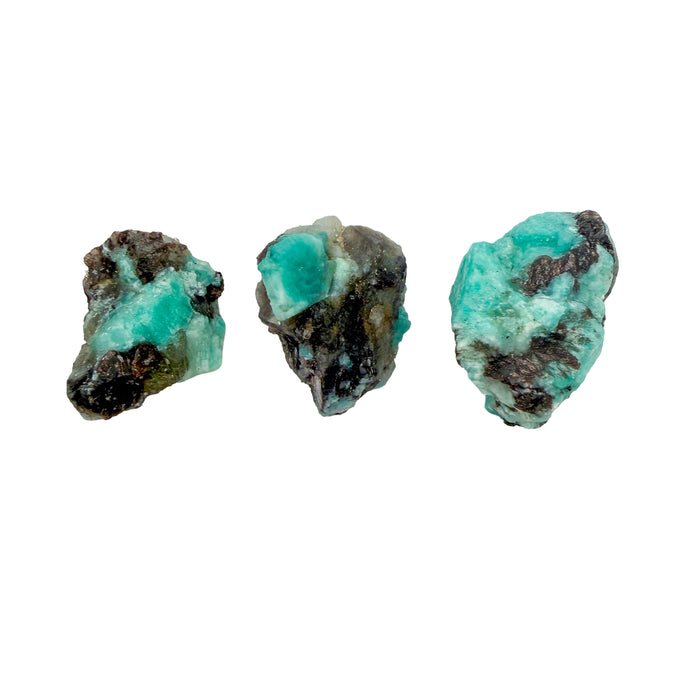
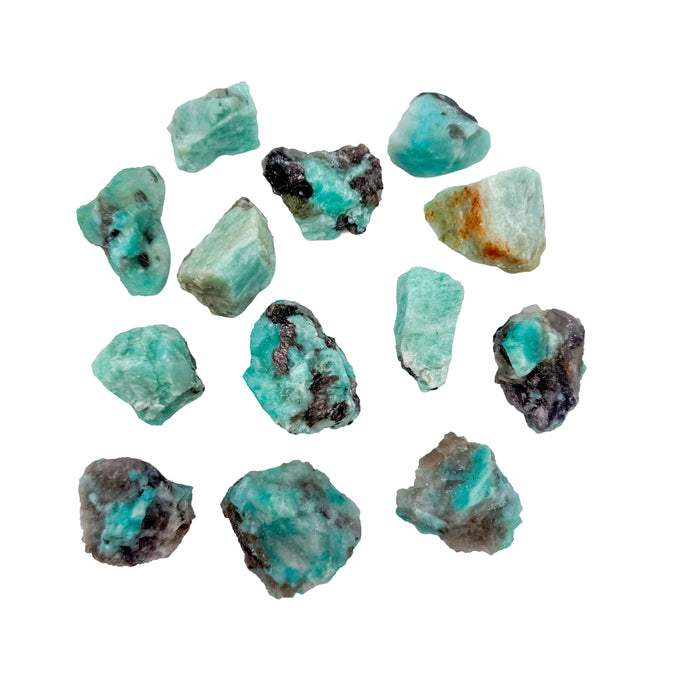
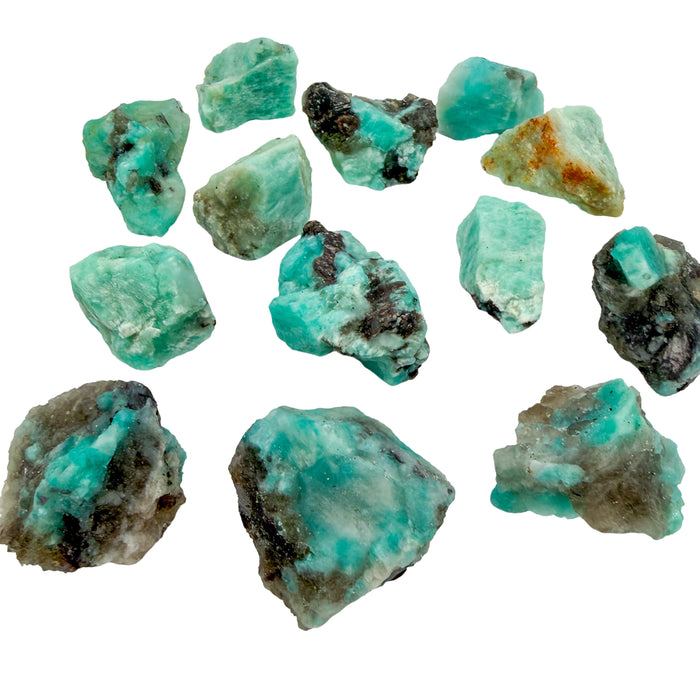
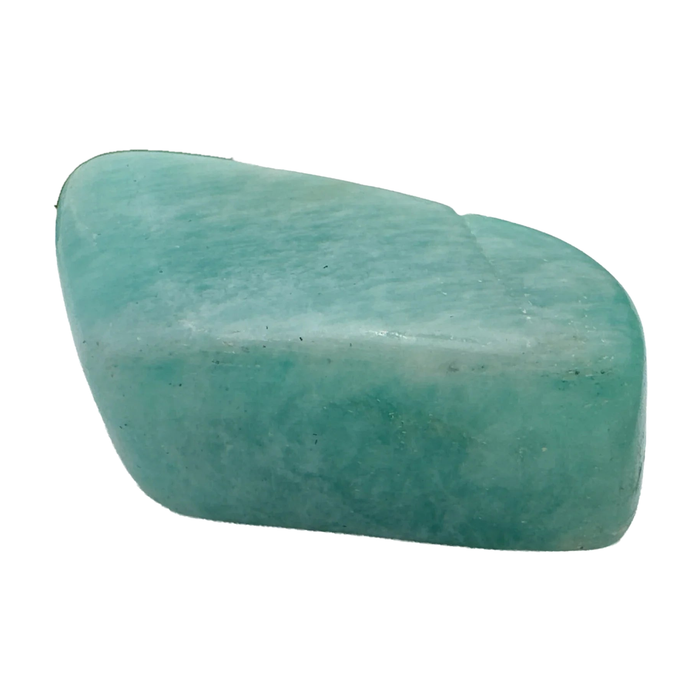
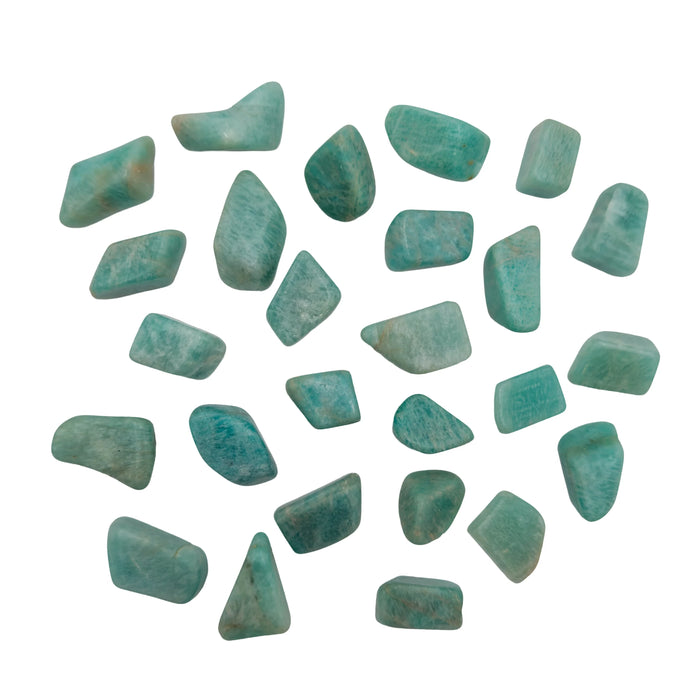
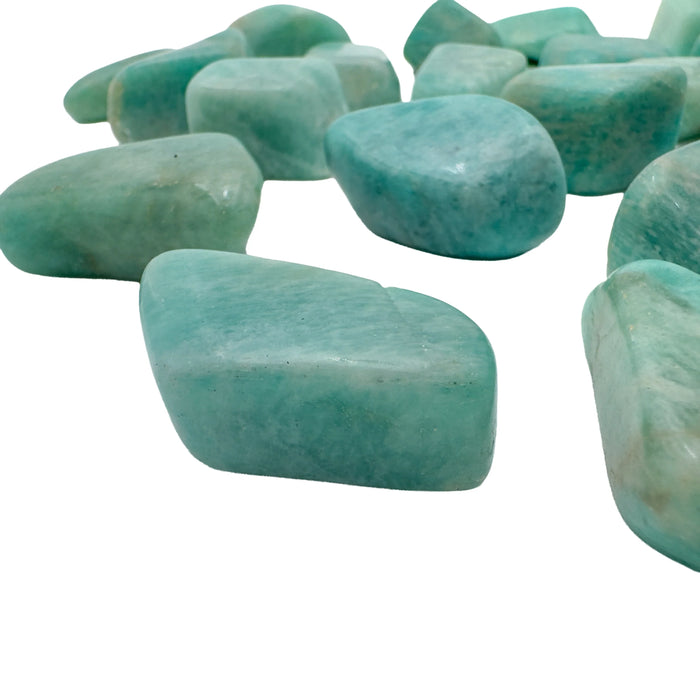
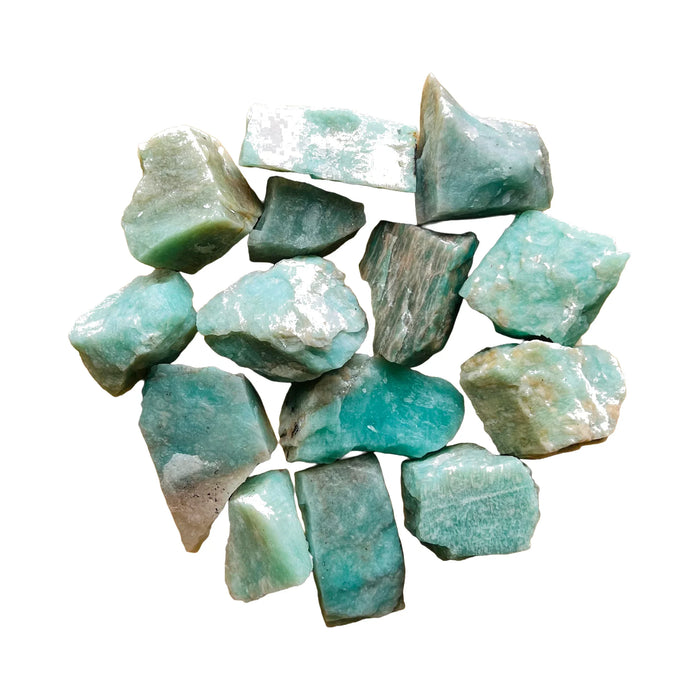
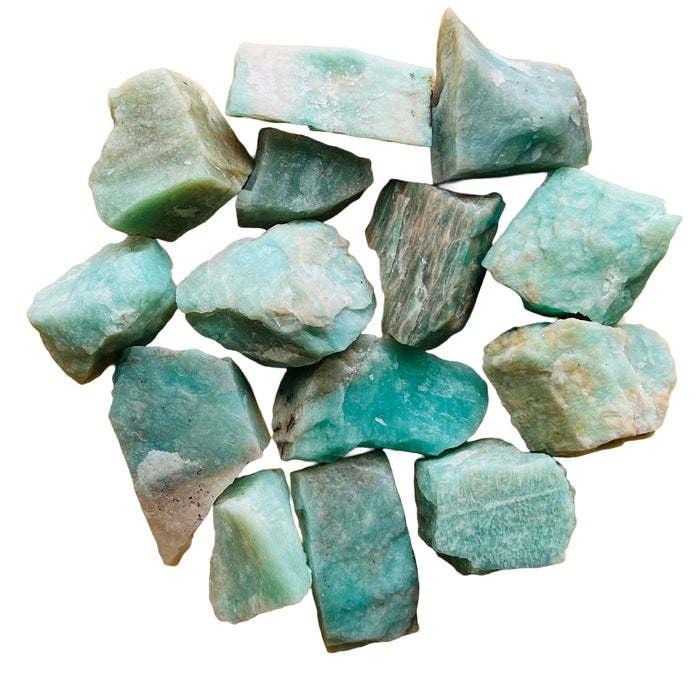
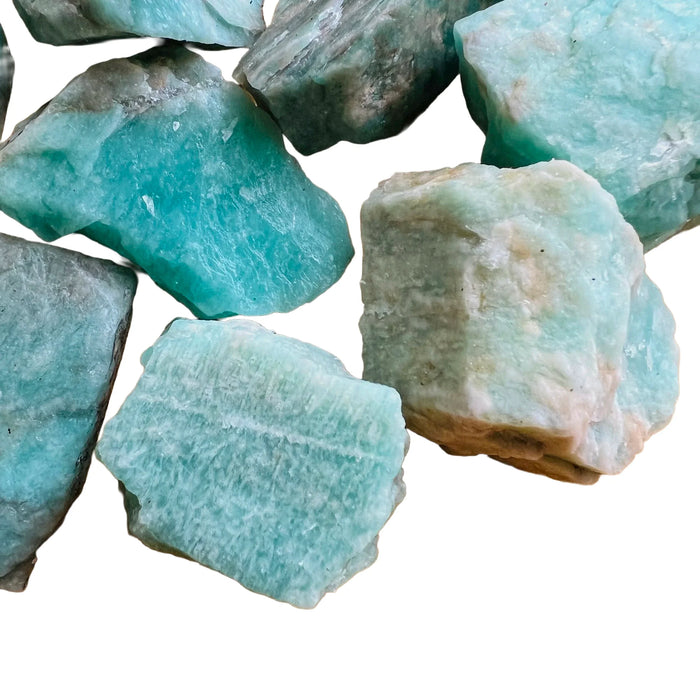
Love Turquoise? Meet Amazonite.
Turquoise is not something we carry. Amazonite is the closest match in color, and every product page names its origin and grade.
- from 1,000+ reviews
- Ships within 72 hoursMonday to Friday, tracked
- 90 days to return itif you do not love it
- Free US shipping over $99$8.99 flat rate under
The geology.
Turquoise is a hydrated phosphate of copper and aluminum, with the formula CuAl6(PO4)4(OH)8 followed by water. It forms near the surface in dry, copper-rich regions, where acidic groundwater carrying copper percolates through aluminum-bearing rock and precipitates turquoise in seams and nodules. The copper gives it that famous sky blue, and when iron substitutes for some of the aluminum the color shifts toward green.
It is a cryptocrystalline aggregate, meaning it is built from crystals far too small to see, which is why it reads as a solid opaque stone rather than a faceted gem. Hardness runs 5 to 6 on the Mohs scale, softer and more porous than quartz, and the dark webbing many people love, called matrix, is the surrounding host rock left inside the stone.
The origins.
Before the map, one honest note: a large share of what is sold as turquoise is stabilized, reconstituted, or not turquoise at all. Genuine, naturally hard turquoise from a known mine is the exception, not the rule, which is exactly why origin matters here.
Iran, historically Neyshabur (Nishapur), has produced the legendary even sky blue for over a thousand years. The American Southwest is the other great source, with Arizona (Kingman, Bisbee, the now-closed Sleeping Beauty) and Nevada (Royston, Lander) prized for distinctive colors and matrix. China, particularly Hubei Province, is now the largest producer by volume, and the Sinai Peninsula in Egypt holds some of the oldest worked deposits on earth.
Traditional associations.
Turquoise is one of the oldest protective and ceremonial stones we know of. It has been worn and traded across Persia, Egypt, Tibet, and the American Southwest for thousands of years, often set in amulets for safe travel and worn by riders to guard horse and rider alike.
Many people work with turquoise for protection, clear communication, and a sense of calm steadiness. It is most often linked to the Throat chakra, the element of Air, and the sign Sagittarius, and it is a traditional birthstone for December. A common practice is simply to wear it daily as a quiet talisman.
Spotting the real thing.
Start from the assumption that inexpensive turquoise is treated or imitation until shown otherwise, because natural untreated stone is genuinely scarce. The most common fake is dyed howlite or magnesite. Both are softer and naturally white, so the giveaway is dye pooling inside the cracks rather than real matrix, which is host rock running through the body of the stone.
Reconstituted or block turquoise looks too uniform and often too perfectly colored, because it is powder bound in resin. Real matrix is irregular and follows the stone, not the surface. The honest path is to buy from a seller who will name the species, the treatment (natural, stabilized, reconstituted, or imitation), and ideally the mine. For a full walk-through, see our guide on telling real turquoise from fake.
Care & handling.
Turquoise is soft and porous, so treat it gently. Keep it away from water, perfume, lotion, cosmetics, household chemicals, and even prolonged skin oils and sweat, all of which can seep in and dull or discolor it over time. Skip ultrasonic cleaners and salt entirely. Wipe it with a dry or barely damp soft cloth and let it air.
Heat and strong sunlight can fade turquoise and dry out the structure, so store it cool and out of direct light, kept apart from harder stones that could scratch it. Stabilized turquoise tolerates daily wear better than natural, but the same gentle habits keep any piece looking its best.
Pairs well with.
A deeper look.
Extended geology, sourcing, authentication, history, and varieties, for when the quick guide isn't quite enough.
Extended geology
Turquoise is a secondary mineral, meaning it forms from the alteration of pre-existing rock rather than crystallizing from a melt. It belongs to the triclinic system but almost never grows visible crystals, occurring instead as massive, nodular, or vein-filling cryptocrystalline material. Specific gravity sits roughly between 2.6 and 2.9, and the luster is waxy to subvitreous, dropping toward dull in chalkier, more porous grades.
Color chemistry is straightforward: copper drives the blue, and iron substituting into the structure pushes it green. Porosity varies enormously between deposits, and the chalkier the natural material, the more likely it has been stabilized to be usable. The matrix, the brown, tan, or black webbing, is limonite or the host chert and sandstone, and a fine even web is called spiderweb turquoise.
Extended sourcing
Persian turquoise from the Neyshabur district set the historic standard for clean, matrix-free robin's egg blue. In the United States, the Southwest produced a family of famous mine colors: Kingman and Bisbee in Arizona, Royston and the rare Lander Blue in Nevada, and Sleeping Beauty, whose clean light blue became scarce and pricier after the mine ceased turquoise production around 2012.
China, especially Hubei Province, is now the dominant world producer and supplies a huge range of qualities. The Sinai Peninsula in Egypt holds deposits worked since antiquity. As with most opaque gems, named-mine American and fine Persian material commands a strong premium over generic stabilized stone, because verifiable origin and natural hardness are exactly what is rare.
Authentication and warning signs
The practical grading ladder runs from natural (untreated, naturally hard enough to cut and polish), to stabilized (resin-impregnated to harden and set color), to color-treated or dyed, to reconstituted or block (crushed turquoise in binder), to outright imitation (dyed howlite, magnesite, plastic, or glass). Each step down is cheaper, and each should be disclosed.
Useful tells: dyed howlite and magnesite are softer than turquoise and show dye concentrated in surface cracks; reconstituted block looks unnaturally consistent; and a real matrix pattern is irregular and three dimensional rather than printed. A reputable seller states species, treatment, and origin without being pressed. When a price looks too good for natural turquoise, it usually is.
History and folklore
Turquoise threads through more ancient cultures than almost any stone. Egyptians mined it in the Sinai and set it in jewelry and in the funerary mask of Tutankhamun. In Persia it was called firouzeh, a word tied to victory, and used on domes and daggers. Mesoamerican artisans worked it into mosaic masks and shields prized by the Aztec and Mixtec.
In the American Southwest, Navajo, Zuni, Hopi, and Pueblo silversmiths built an entire jewelry tradition around it. The English name comes through French as pierre turquoise, the Turkish stone, after the trade routes that first carried Persian material into Europe. December claims it as a birthstone, alongside its long reputation as a guardian for travelers.
Varieties and trade names
Much of the market is organized by named mine, each with a signature look: Sleeping Beauty (clean light blue, little matrix), Kingman (bright blue, often with pyrite or black web), Bisbee (deep blue with chocolate matrix), Royston (blue to green with golden brown web), Persian (even sky blue), and Hubei or Cloud Mountain from China. Spiderweb turquoise describes any fine even matrix pattern.
Just as important is the treatment label attached to a stone. The same blue can be sold as natural, stabilized, color-shot, reconstituted, or imitation, at wildly different prices. Two stones that look identical across a table can differ by an order of magnitude in value depending entirely on which of those words is true.
What it costs in the market
Turquoise pricing is driven less by a single color chart and more by the treatment ladder and provenance. Natural, untreated, high-grade material from celebrated sources such as Persian, Bisbee, or Lander Blue ranks among the most valuable opaque gems by weight. Stabilized turquoise of similar appearance costs a fraction of that, which is the entire point of stabilization.
At the low end, strands of bright blue beads sold for a few dollars are almost always dyed howlite or magnesite rather than turquoise at all. Because look alone cannot separate these tiers, the honest variables that set price are natural versus treated, color and evenness, matrix character, and a named, verifiable origin.
An education-first guide.
We don't currently carry turquoise, so there's nothing to sell you here. This guide exists because the more you understand a stone, the better every decision you make about it becomes, wherever you buy it. Explore the rest of our crystal guides for stones we do source, each with full origin and treatment notes.
Explore the Crystal GuideGrounded Connections
New stones go to the list first.
No forwarding, no selling. Unsubscribe in one click. Privacy