


 Agatefor stress relief
 Amazonitefor stress relief
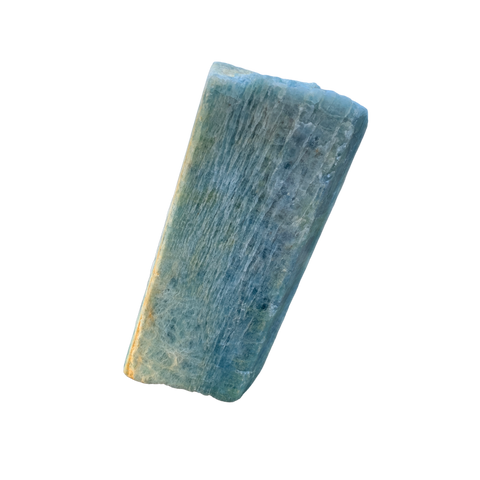
 Aquamarinefor serenity
 Aventurinefor luck
 Bloodstonefor energy
 Blue Kyanitefor confidence
 Blue Lace Agatefor stress relief
 Chrysocollafor emotional healing
 Fluoritefor focus
 Garnetfor energy
 Lepidolitefor stress relief
 Malachitefor emotional healing
 Moonstonefor grounding
 Obsidianfor protection
 Ocean Jasperfor emotional healing
 Red Jasperfor grounding
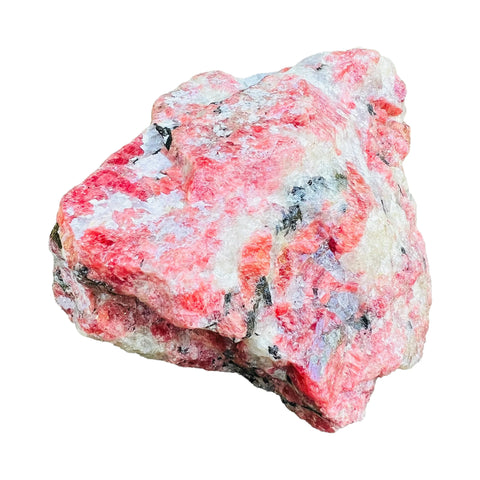
 Rhodonitefor emotional healing
 Selenitefor cleansing
 Sodalitefor focus
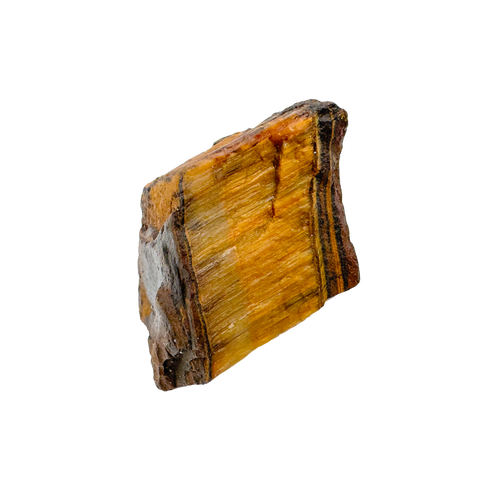
 Tiger Eyefor confidence


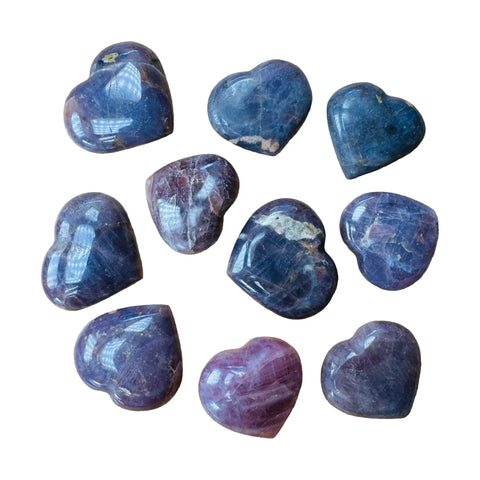
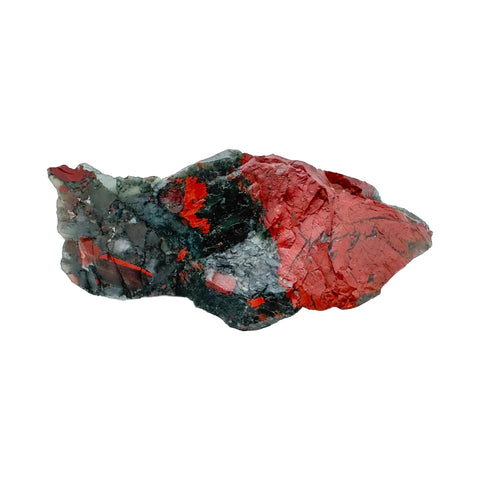
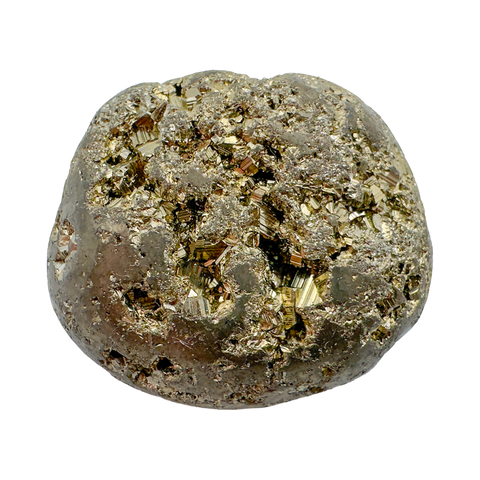
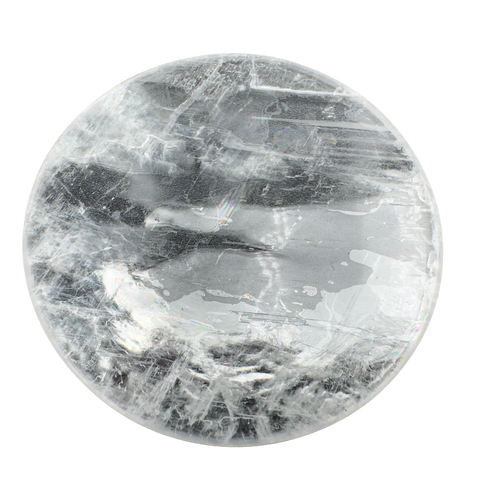


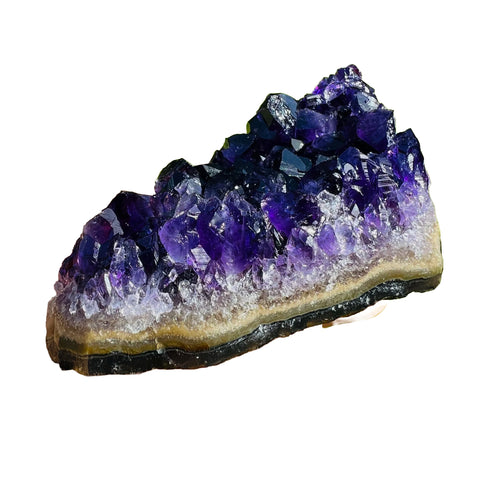






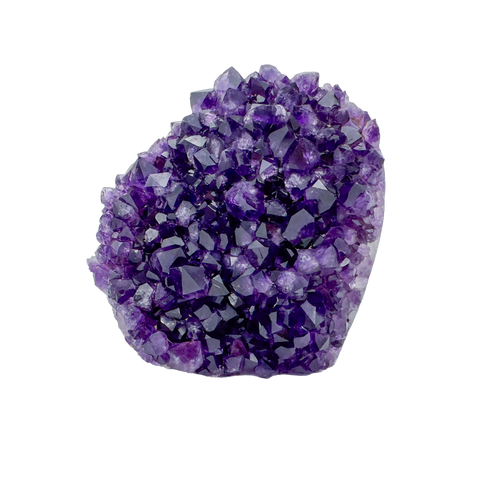
 Amethyst
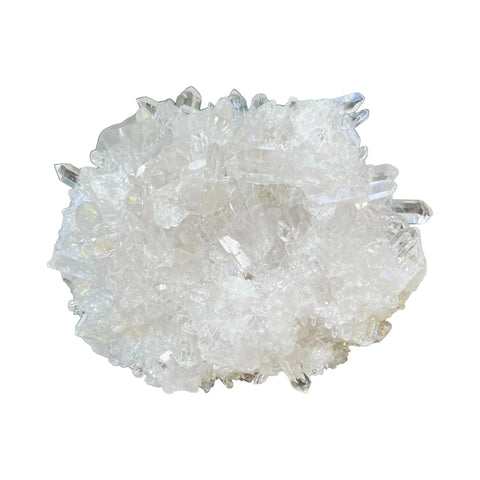
 Clear Quartz
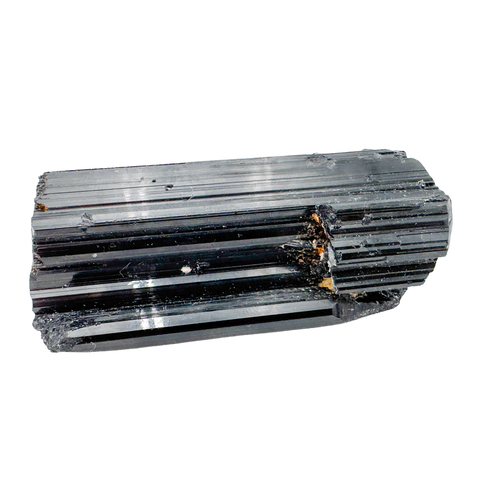
 Black Tourmaline
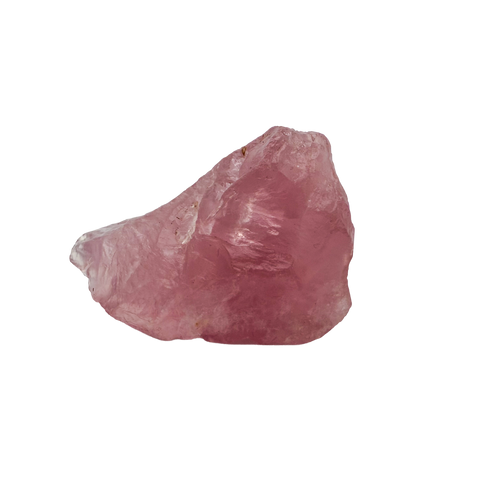
 Rose Quartz
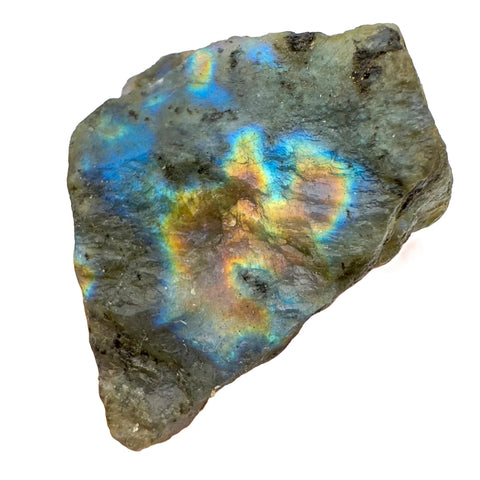
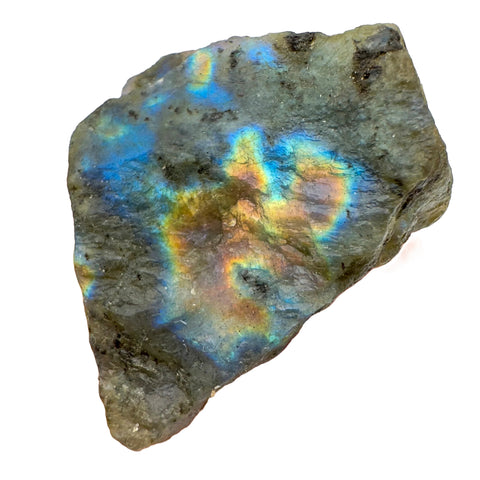
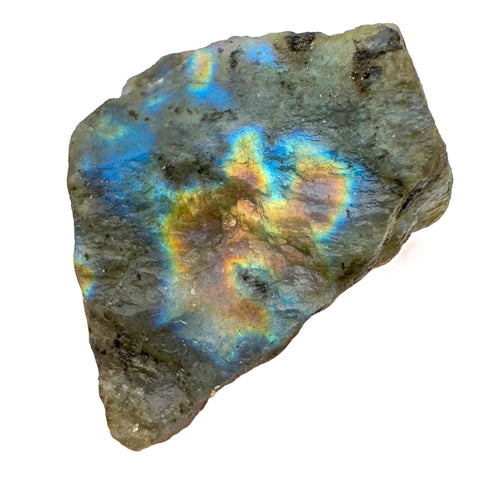
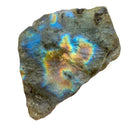 Labradorite
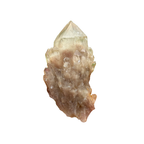 Natural Citrine
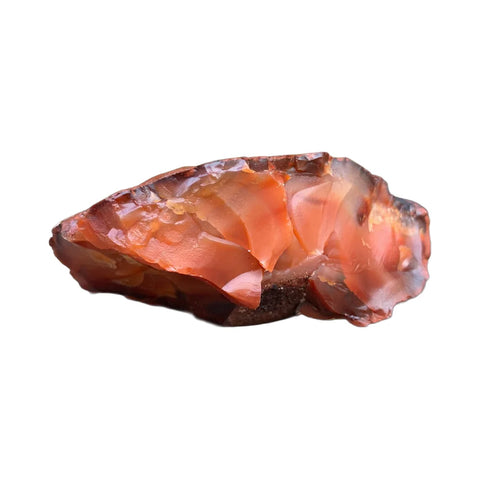
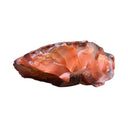 Carnelian
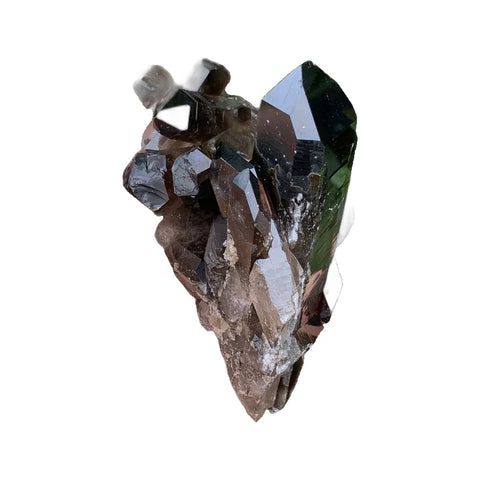
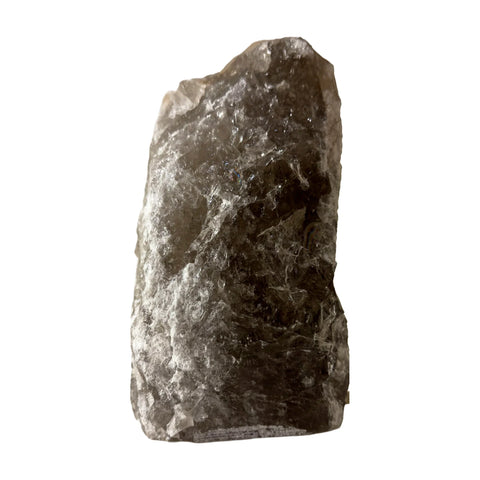
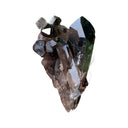 Smoky Quartz
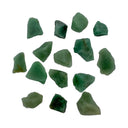 Aventurine
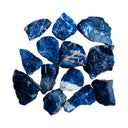 Sodalite
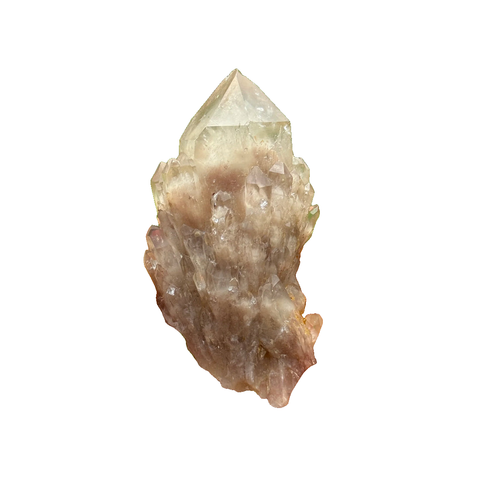
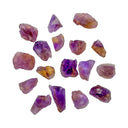 Ametrine
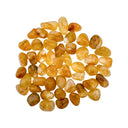 Golden Healer
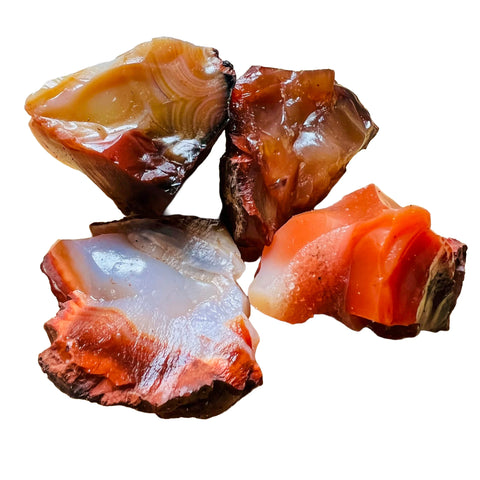
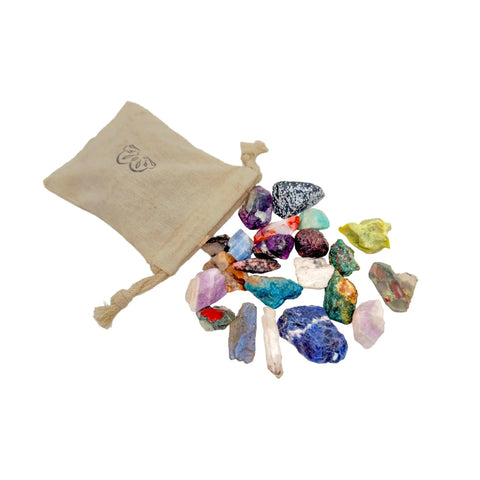
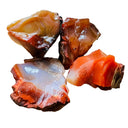 Raw Stones
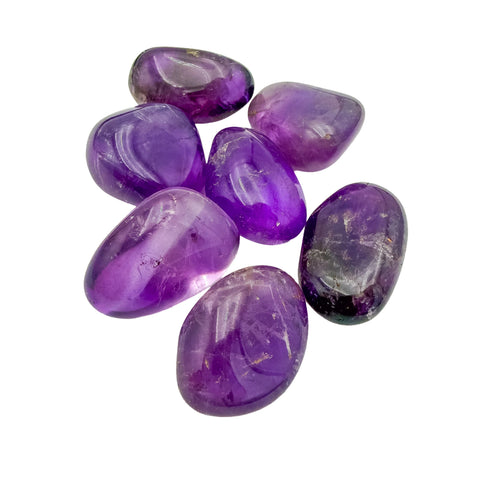
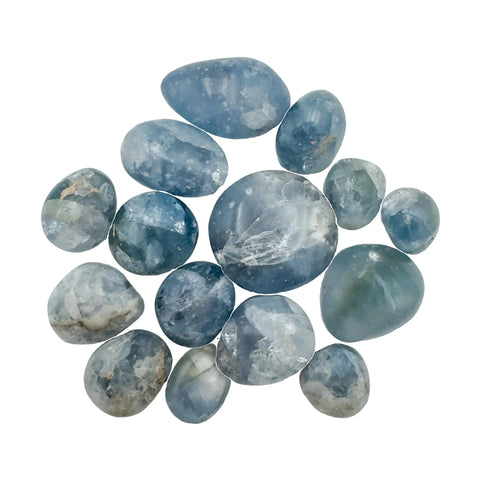
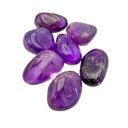 Tumbled Stones
 Palm Stones
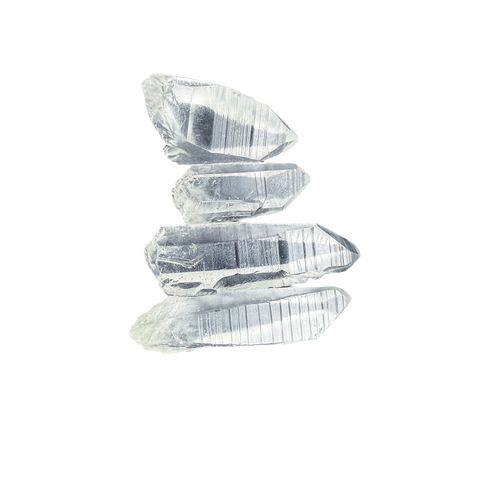
 Crystal Points
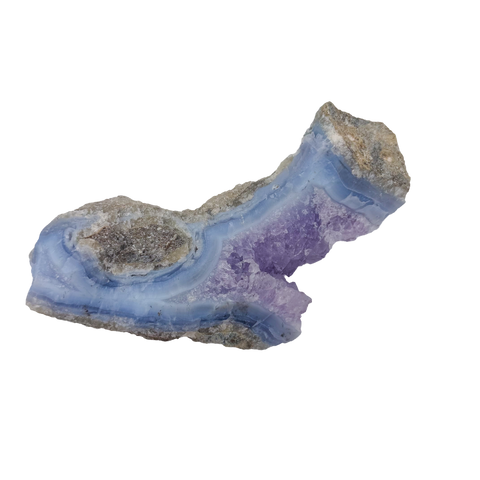
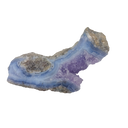 Clusters & Geodes
 Polished & Decor
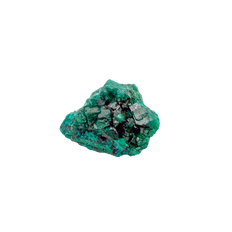 Mineral Specimens
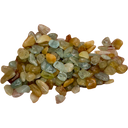 Crystal Chips
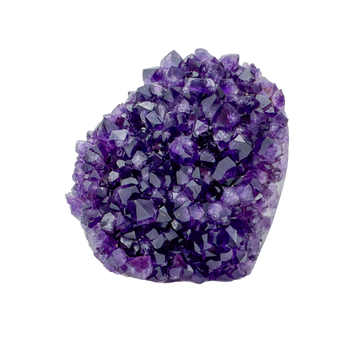
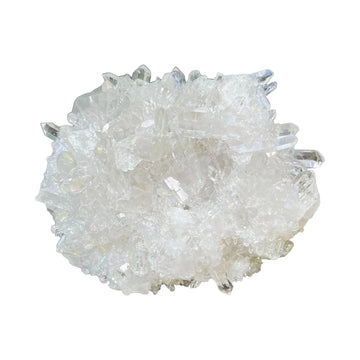
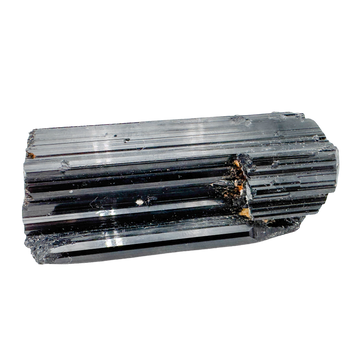
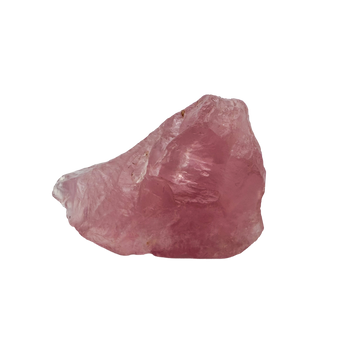
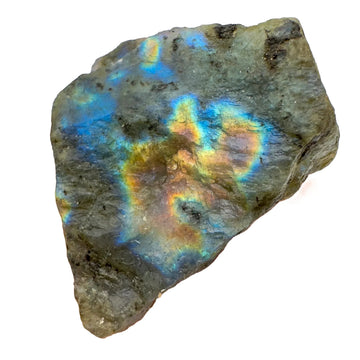
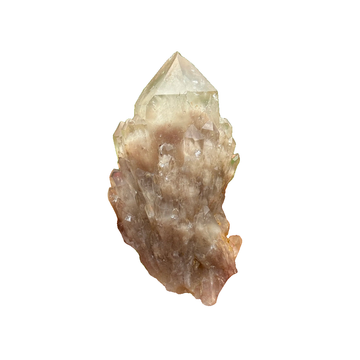
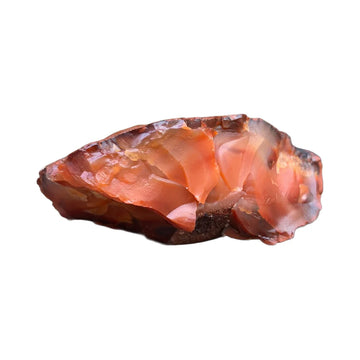
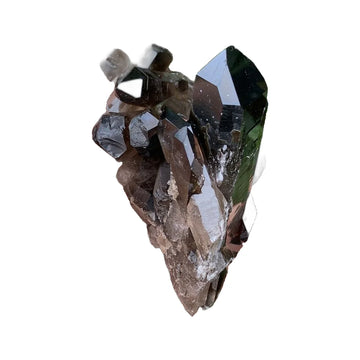
 Raw Stones
179 to choose from
Raw Stones
179 to choose from
 Tumbled Stones
162 to choose from
Tumbled Stones
162 to choose from
 Palm Stones
25 to choose from
Palm Stones
25 to choose from
 Crystal Points
23 to choose from
Crystal Points
23 to choose from
 Clusters & Geodes
98 to choose from
Clusters & Geodes
98 to choose from
 Polished & Decor
147 to choose from
Polished & Decor
147 to choose from
 Mineral Specimens
248 to choose from
Mineral Specimens
248 to choose from
 Crystal Chips
21 to choose from
Crystal Chips
21 to choose from


 AngolaAquamarine
›
AngolaAquamarine
›
 BotswanaCarnelian, Tree Agate
›
BotswanaCarnelian, Tree Agate
›
 DR CongoMalachite, Natural Citrine
›
DR CongoMalachite, Natural Citrine
›
 EswatiniBloodstone
›
EswatiniBloodstone
›
 MadagascarLabradorite, Clear Quartz
›
MadagascarLabradorite, Clear Quartz
›
 MalawiBlue Lace Agate, Garnet
›
MalawiBlue Lace Agate, Garnet
›
 MozambiqueAmazonite
›
MozambiqueAmazonite
›
 NamibiaSodalite, Blue Lace Agate
›
NamibiaSodalite, Blue Lace Agate
›
 Republic of the CongoDioptase
›
Republic of the CongoDioptase
›
 South AfricaTiger Eye, Unakite
›
South AfricaTiger Eye, Unakite
›
 ZambiaChevron Amethyst
›
ZambiaChevron Amethyst
›
 ZimbabweEmerald, Rhodonite
›
ZimbabweEmerald, Rhodonite
›
 ArgentinaBlack Obsidian, Rhodochrosite
›
ArgentinaBlack Obsidian, Rhodochrosite
›
 BoliviaAmetrine
›
BoliviaAmetrine
›
 BrazilAmethyst, Clear Quartz
›
BrazilAmethyst, Clear Quartz
›
 PeruSerpentine, Jade
›
PeruSerpentine, Jade
›
 UruguayAmethyst
›
UruguayAmethyst
›
 Dominican RepublicLarimar
›
Dominican RepublicLarimar
›
 MexicoRainbow Obsidian, Crazy Lace Agate
›
MexicoRainbow Obsidian, Crazy Lace Agate
›
 United StatesSelenite, Peridot
›
United StatesSelenite, Peridot
›
 ChinaFluorite
›
ChinaFluorite
›
 RussiaShungite
›
RussiaShungite
›
 AustraliaMookaite
›
AustraliaMookaite
›
 Where our crystals come from
See where we source →
Where our crystals come from
See where we source →


 Aries
Mar 21 to Apr 19
Carnelian
›
Aries
Mar 21 to Apr 19
Carnelian
›
 Taurus
Apr 20 to May 20
Rose Quartz
›
Taurus
Apr 20 to May 20
Rose Quartz
›
 Gemini
May 21 to Jun 20
Agate
›
Gemini
May 21 to Jun 20
Agate
›
 Cancer
Jun 21 to Jul 22
Moonstone
›
Cancer
Jun 21 to Jul 22
Moonstone
›
 Leo
Jul 23 to Aug 22
Citrine
›
Leo
Jul 23 to Aug 22
Citrine
›
 Virgo
Aug 23 to Sep 22
Amazonite
›
Virgo
Aug 23 to Sep 22
Amazonite
›
 Libra
Sep 23 to Oct 22
Blue Lace Agate
›
Libra
Sep 23 to Oct 22
Blue Lace Agate
›
 Scorpio
Oct 23 to Nov 21
Obsidian
›
Scorpio
Oct 23 to Nov 21
Obsidian
›
 Sagittarius
Nov 22 to Dec 21
Sodalite
›
Sagittarius
Nov 22 to Dec 21
Sodalite
›
 Capricorn
Dec 22 to Jan 19
Black Tourmaline
›
Capricorn
Dec 22 to Jan 19
Black Tourmaline
›
 Aquarius
Jan 20 to Feb 18
Amethyst
›
Aquarius
Jan 20 to Feb 18
Amethyst
›
 Pisces
Feb 19 to Mar 20
Aquamarine
›
Gifting?
A birthday stone is the safe bet.
Read the zodiac guide →
Pisces
Feb 19 to Mar 20
Aquamarine
›
Gifting?
A birthday stone is the safe bet.
Read the zodiac guide →



Emerald
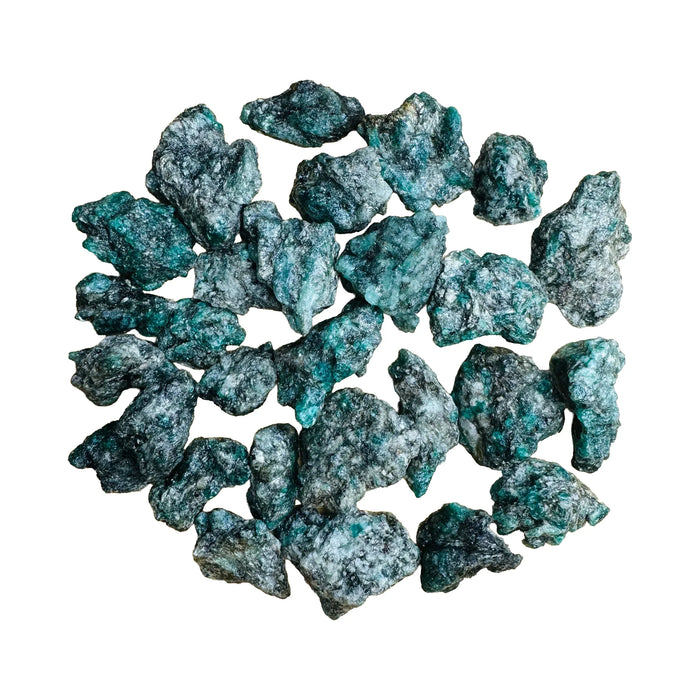
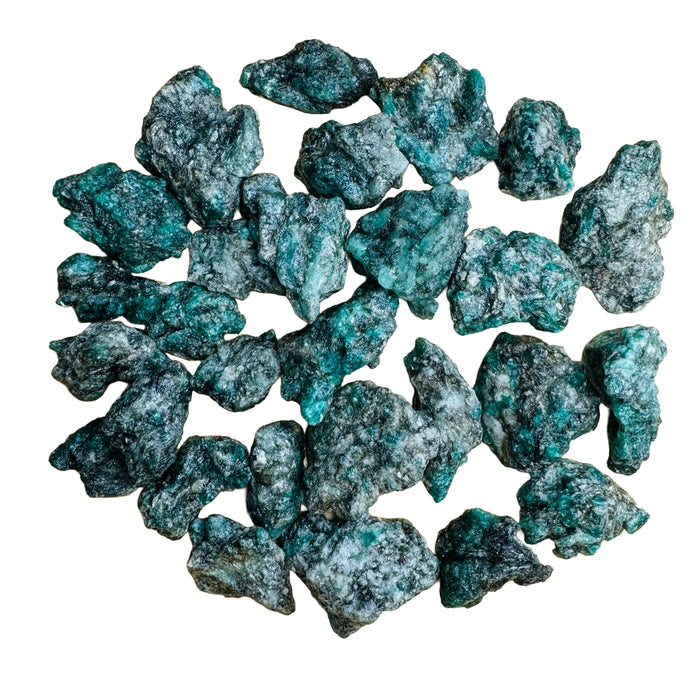
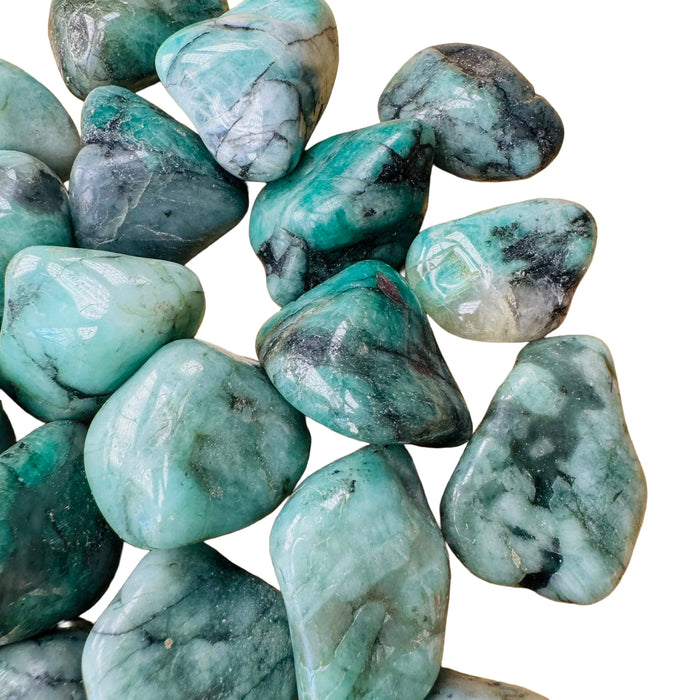
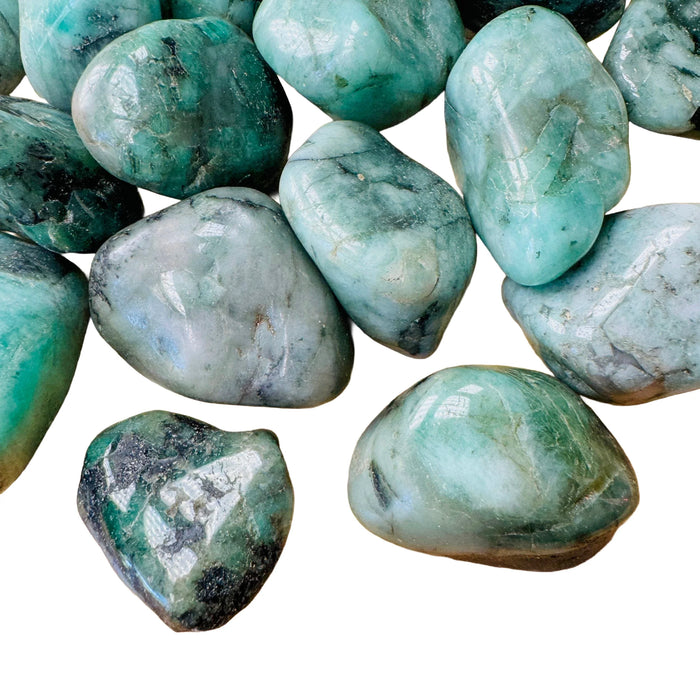
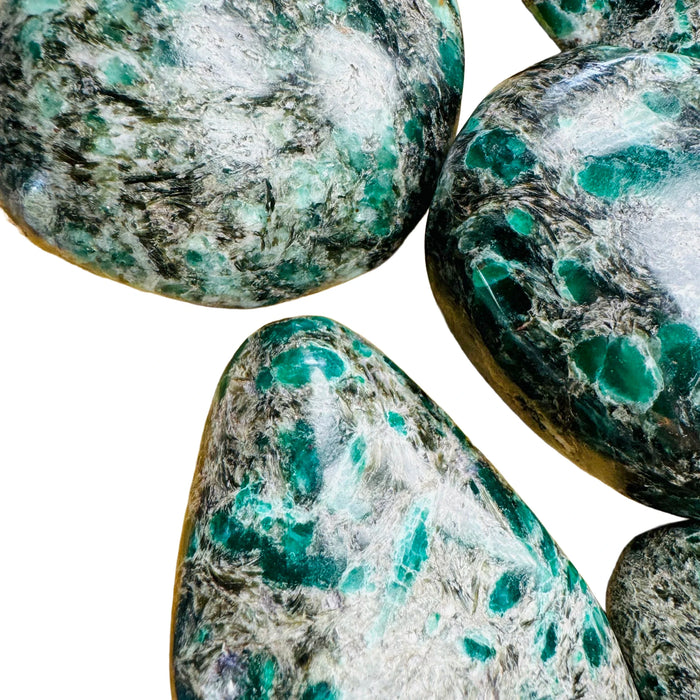
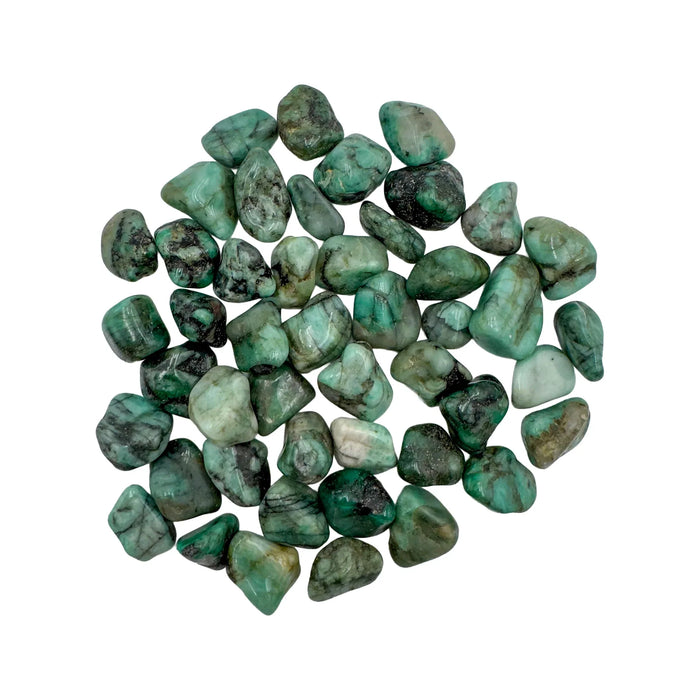
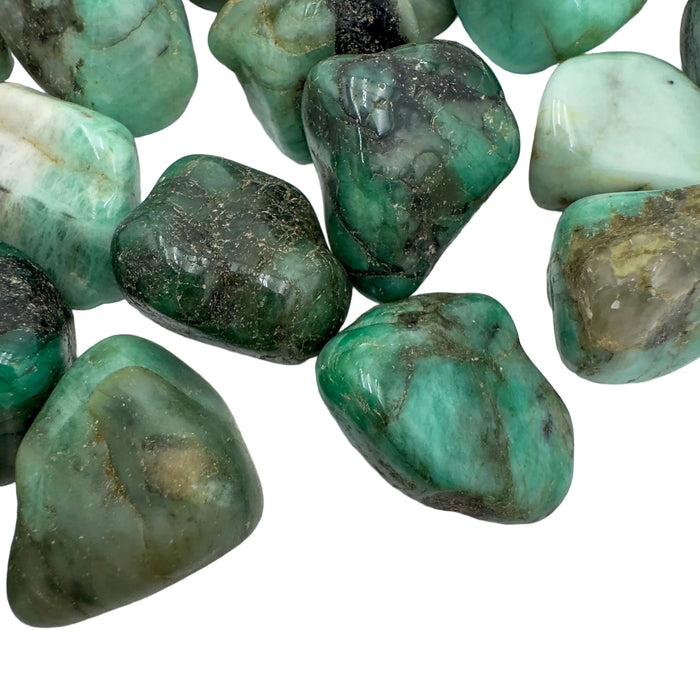
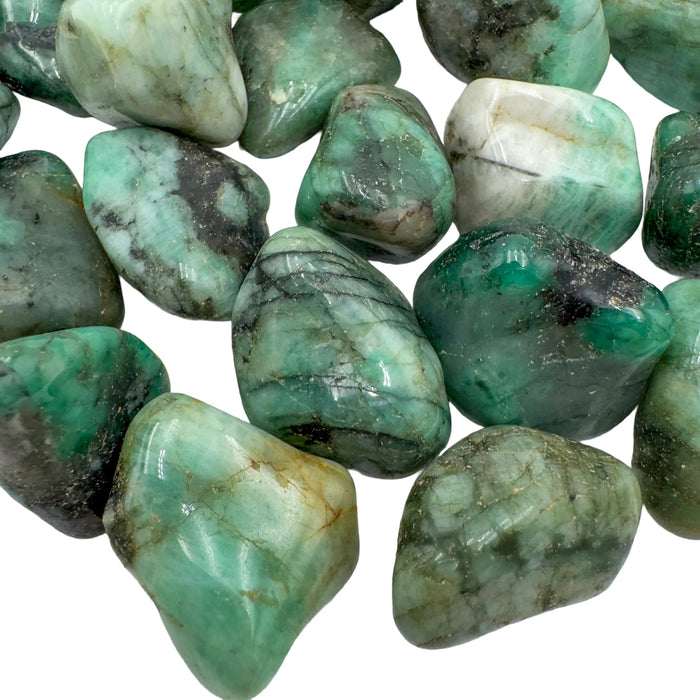
Emerald is the green variety of beryl, colored by trace chromium or vanadium. It's been prized for over 4,000 years and remains one of the most significant gemstones in the world. Commercial emeralds almost always contain natural inclusions called "jardin" (French for garden), which are accepted as part of the stone's character. Near-universal treatment in the gem market is oiling, where natural or synthetic oils are impregnated into surface-reaching fractures to improve clarity. Beyond Bohemian offers raw and rough emerald specimens, which have different treatment profiles than cut gemstones.
Shop emeraldEmerald, in stock now.
Our most-loved Emerald pieces, ready to ship.
- from 1,000+ reviews
- Ships within 72 hoursMonday to Friday, tracked
- 90 days to return itif you do not love it
- Free US shipping over $99$8.99 flat rate under
The geology.
Emerald is the green variety of beryl, a beryllium aluminum silicate mineral with the chemical formula Be3Al2Si6O18. Its color comes from trace chromium and vanadium atoms that replace beryllium in the crystal structure. The intensity and hue of green depend on the concentration and ratio of these trace metals, varying from light spring green to deep forest green. Colombia's emeralds tend toward pure, slightly bluish greens. Zambian and Zimbabwe emeralds often show more yellow-green tones. Brazilian material sits somewhere in between.
Emerald crystallizes in the hexagonal system and forms in hydrothermal environments associated with mica schist and metamorphic rock, often alongside quartz and feldspar. Unlike some other gemstones, emerald is relatively brittle and forms with a high density of natural fractures and inclusions. These fractured crystal structures are so common that their absence would be the real anomaly. The traditional term for emerald inclusions is "jardin" or "garden," referring to the web-like appearance of internal features. The presence of a garden is simply proof that the stone grew in nature without industrial enhancement.
Emerald sits at 7.5 to 8 on the Mohs hardness scale. Specific gravity ranges from 2.7 to 2.8. It shows a resinous to vitreous luster. The stone's refractive index is around 1.57 to 1.59, which contributes to its distinctive green glow when lit from behind.
The origins.
Colombia has been the historical gold standard for emerald since the Spanish conquistadores first encountered Muzo and Chivor emeralds in the 1500s. Muzo emeralds, still mined near Bogotá, are known for their pure, vivid green and command the highest prices in the market. The material comes from hydrothermal vein deposits that require careful hand-mining due to the stone's brittleness. Colombian emerald remains the benchmark against which all others are measured.
Brazil is the world's largest producer of emerald by volume. Brazilian emeralds come from multiple regions, with Bahia being the primary source. The material tends toward lighter, more yellow-green tones compared to Colombian stone, and Brazilian specimens are often more included and fractured than their Colombian counterparts. Despite these differences, Brazilian emerald is entirely genuine and increasingly valued as a more sustainable and ethical alternative to high-pressure Colombian sourcing.
Zambia and Zimbabwe produce deeper, more saturated green emeralds with a distinct character. Zambian emeralds from the Kagem region are darker and sometimes more uniform in color. Zimbabwe's emeralds, from the Midlands Province and elsewhere, show variable green tones with high inclusion levels but excellent natural character. Both African origins are gaining market recognition as their supply chains become better documented.
Emerald also occurs in Russia, Afghanistan, Madagascar, and other regions, but Colombia, Brazil, Zambia, and Zimbabwe represent the most reliable and commercially significant sources reaching the North American market.
Understanding treatment.
Oiling is near-universal in commercial cut-gem emeralds. The practice involves impregnating natural or surface-reaching fractures with cedar oil, synthetic oils, or proprietary polymers to improve clarity and hide the visibility of surface fractures. This is considered industry standard in fine jewelry and is disclosed by reputable dealers as "minor treatment." More aggressive clarity enhancement uses opticon or other high-refractive-index polymers that can dramatically improve the apparent clarity of heavily included stones. For cut faceted emeralds, untreated stones command dramatic price premiums and are genuinely rare. If you see a faceted emerald marketed as "untreated" at standard retail prices, skepticism is warranted.
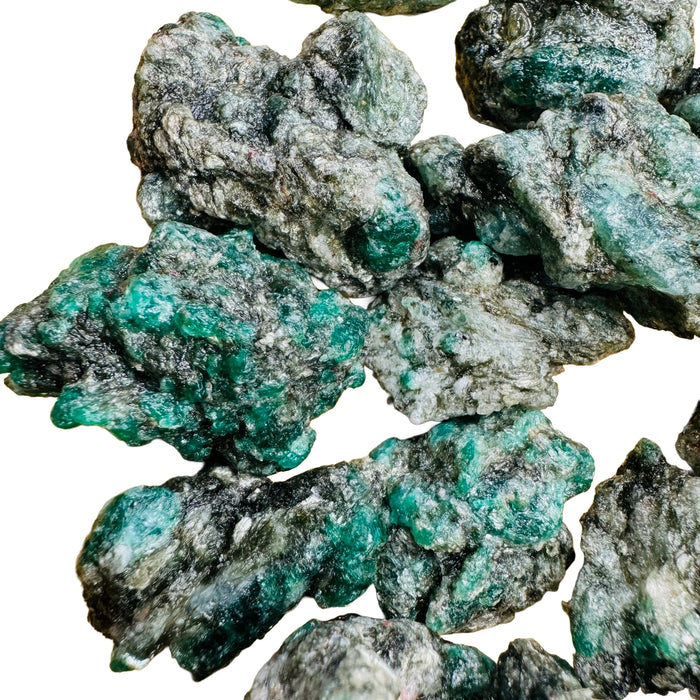
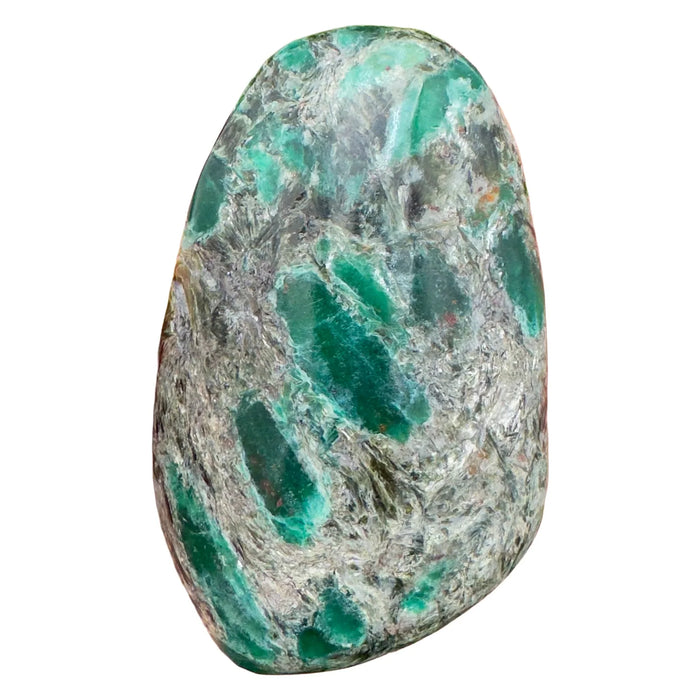
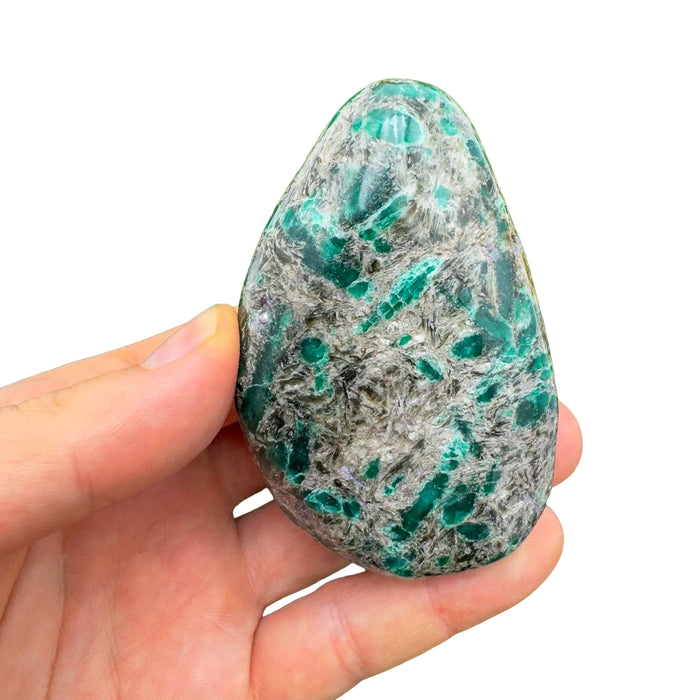
Raw and rough emerald specimens like those Beyond Bohemian carries have different treatment profiles than cut gemstones. Mineral-specimen emeralds are usually sold natural and unoiled, because the value lies in crystallographic form, origin, and the visible character of the raw material rather than optical clarity. Some fragile specimens may be stabilized in resin to prevent further damage during handling, which we disclose on individual pieces. The synthetic hydrothermal emerald market is also significant, and legitimate sellers label synthetics clearly. We do not carry synthetic emerald.
Our emerald specimens are natural and unoiled. We source primarily from Colombia, Brazil, Zambia, and Zimbabwe. Any resin stabilization on delicate pieces is documented in the product listing. We do not carry faceted gems, so the oiling story that dominates the fine-jewelry market doesn't apply to what we sell. What you receive shows emerald's real character: visible inclusions, natural fracture patterns, the garden that proves origin, and the color that has made this stone legendary for four millennia.
Traditional associations.
Emerald's history spans continents and centuries. Ancient Egyptians mined emerald as symbols of fertility and rebirth. Cleopatra wore emeralds as marks of power and wisdom. In medieval Europe, emeralds were associated with vision, truth, and the protection of the heart. The stone has remained a constant in human culture, valued not just for beauty but for the meaning people have consistently found in its green.
In modern crystal practice, emerald is primarily associated with the Heart chakra and the element Earth. It's traditionally worked with for cultivating compassion, emotional balance, unconditional love, and the ability to speak truth with gentle strength. Many people carry emerald during times of heart-centered work, relationship healing, or when they want to deepen their connection to personal growth and natural cycles. The stone is often paired with rose quartz when someone wants soft, nurturing energy, or with clear quartz when they want amplification and clarity alongside heart work.
Emerald's green connects it to spring, renewal, and the life force itself. Traditional associations emphasize its role in grounding the heart in reality and in sustaining growth that's rooted rather than fleeting. The density of inclusions in natural emerald is sometimes interpreted as the stone's way of holding knowledge and experience.
Spotting the real thing.
Genuine emerald has a distinctive resinous luster and a green that seems to glow from within, especially when held to light. The stone shows natural inclusions, visible fracture patterns, and what's called the "garden" of internal features. If an emerald looks perfectly clear with uniform color and no visible inclusions, it's either a synthetic, a heavily treated stone, or not emerald at all. The inclusions are the proof.
Real emerald will scratch with a knife or show white marks if pressed with a fingernail, though we don't recommend testing this on pieces you want to keep. Synthetic emerald is harder and more uniform in color. Green-dyed glass or green tourmaline can mimic emerald's look but will feel different in the hand. Emerald's specific gravity (around 2.75 to 2.8) is noticeably heavier than glass but lighter than tourmaline. The refractive index around 1.57 gives emerald a distinctive optical behavior that trained eyes can spot.
For raw specimens, look for that characteristic green glow and visible crystal form. The inclusions and fractures should look organic and varied, not machined or uniform. If a rough emerald from any origin shows suspiciously perfect color saturation or no visible inclusions, ask questions about its source and treatment before buying.
Care & handling.
Emerald is harder than most minerals you'll work with, but the natural fractures make it brittle. Never soak emerald in water for extended periods if the piece is oiled, as water can degrade the oil treatment over time. For raw and rough specimens without oil treatment, brief cool-water rinsing is fine, but avoid hot water, steam, or ultrasonic cleaners. Dry care with a soft cloth is always the safest approach.
Store emerald separately from harder stones that could scratch it, and away from direct heat sources. Avoid rapid temperature changes, which can cause additional fracturing in a stone that already contains surface-reaching fractures. Don't expose emerald to harsh chemicals or prolonged direct sunlight without protection. For energetic cleansing, use smoke, moonlight, or sound rather than water or salt. Treat emerald's brittleness as part of its nature, not a weakness. That delicate character is part of what makes the stone meaningful.
Pairs well with.
Proof, not promises.
We measure our own sourcing across five dimensions. Supply chain, environmental footprint, artisan support, market integrity, and pricing. The number is honest, not perfect. Where we can do better, we say so.
A deeper look.
Extended geology, sourcing, oiling treatment, color varieties, authentication methods, and pricing for when the quick guide isn't quite enough.
Extended geology and color science
Emerald is beryllium aluminum silicate, formula Be3Al2Si6O18, crystallizing in the hexagonal (dihexagonal dipyramidal) system. Trace chromium (Cr3+) and vanadium (V3+) ions substitute for beryllium or sit within crystal voids, producing the characteristic green. The ratio and concentration of these ions determine hue and saturation. High chromium produces pure, slightly bluish greens; higher vanadium produces warmer, yellower greens. Colombian Muzo emeralds are valued for their chromium-dominant, pure green. Brazilian stones often show vanadium influence, resulting in warmer tones. Zambian and Zimbabwean emeralds can show either hue depending on the deposit.
Emerald forms in hydrothermal environments at moderate to high pressure and temperature, typically in pegmatite or mica-schist host rocks rich in beryllium. The process is slow and happens under conditions that naturally introduce fractures and inclusions. The presence of other minerals alongside beryllium during formation creates the visible features that define raw emerald's character. Specific gravity is around 2.75 to 2.8, and refractive index around 1.57 to 1.59. Hardness is 7.5 to 8 on the Mohs scale, making it harder than quartz but still vulnerable to impact and rapid thermal shock due to its fracture-prone structure.
The oiling market and treatment gradations
Oiling emerald is not a recent innovation. The practice dates back centuries and was well-established in the fine-jewelry trade by the 1800s. Modern oiling uses cedar oil, synthetic oils like xylene, or proprietary polymers. Cedar oil is considered the most benign and reversible; synthetic oils are more durable but can change color or cloudy over decades. Polymer treatments like opticon are permanent and create dramatic clarity improvements but are harder to disclose because they chemically bond to the stone.
In the cut-gemstone market, treatment levels are officially graded: minor (small amount of oil in some surface fractures), moderate (visible oil in multiple fractures), and heavy (heavy polymer enhancement, sometimes called clarity-enhanced). Untreated cut emeralds do exist but are rare and command prices 2 to 5 times higher than treated stones of similar size and color. Many fine-jewelry retailers do not carry untreated emeralds because the cost makes them unsellable to standard consumers.
Our raw and specimen emeralds operate outside this framework entirely. The specimens we carry are valued for their natural form, color, and mineral character, not for transparency. Oiling doesn't improve a specimen's collectible value the way it does for faceted gems. When we encounter emerald that's been aggressively treated or stabilized in resin for fragility, we document it clearly. For the vast majority of our pieces, you're getting natural emerald as it came from the earth.
Authentication and testing
Genuine emerald shows resinous to vitreous luster and a characteristic green glow when backlit. The stone will scratch with a knife, though this is destructive and we don't recommend it. Synthetic emeralds are often more uniform in color, harder, and can show chevron or growth patterns visible under magnification that differ from natural emerald's random inclusion patterns. Dyed green glass or green tourmaline imitations feel different in the hand and show different optical behavior when moved under light.
Under a loupe, natural emerald shows the "garden" of three-phase inclusions (liquid, gas bubble, crystals) that define Colombian and many Brazilian emeralds. Zambian and Zimbabwean stones often show different inclusion arrays. Synthetic hydrothermal emerald grown in labs shows too-regular color zoning and distinctive growth patterns. The refractive index (around 1.57) is slightly lower than tourmaline's and noticeably different from glass, and trained gemologists can identify emerald optically with certainty.
For raw specimens, the presence of natural fractured surfaces, visible crystal faces, and the characteristic green glow are the best tests. If a rough emerald claims to be natural but shows impossibly perfect crystal form or completely uniform color with no variation, ask about sourcing and treatment before committing.
Regional characteristics
Colombian emeralds from Muzo are the most sought, known for vivid, bluish-green hue and characteristic three-phase inclusions. Colombian material from Chivor shows slightly lighter, warmer greens. Both are expensive and historically the benchmark. Brazilian emeralds are more yellow-green, often more heavily included, and significantly more affordable. Despite these differences, quality Brazilian emerald is beautiful and genuine.
Zambian emeralds tend toward deeper, more saturated greens with complex inclusion patterns. Zimbabwean material is variable, ranging from light to deep green depending on deposit. Both African origins are gaining market recognition for ethical sourcing and excellent color character.
Pricing and market factors
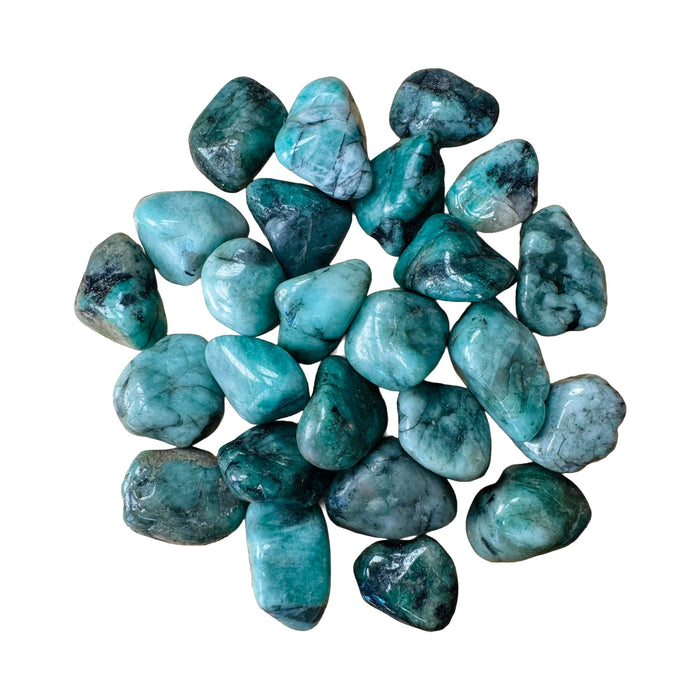
Raw emerald rough typically prices by weight and origin. Brazilian rough averages $15 to $25 per gram. Colombian rough ranges $50 to $150+ per gram depending on color saturation. Zambian and Zimbabwean material falls in the middle, around $25 to $50 per gram. For pieces in the Beyond Bohemian collection, single raw specimens run $15 to $40 depending on size and origin. Palm stones $28 to $65. Larger display pieces scale upward.
Faceted cut emeralds price dramatically higher, especially for untreated material. A 2-carat untreated Colombian emerald can easily exceed $3,000 to $5,000 at retail. Treated emeralds are 40 to 60 percent less expensive. These prices reflect both the rarity of clean material and the cultural valuation of emerald in fine jewelry.
Warning signs in the market: emeralds sold without origin disclosure, material claimed to be "museum grade" or exceptionally rare when it's not, faceted emeralds sold as untreated without third-party certification, and rough specimens showing artificial polishing or uniform color saturation when natural variation is expected.
Good sourcing is a practice, not a claim.
Nothing we sell is dyed, synthetically enhanced, or aggressively treated without full disclosure. We name our origins where we can. We say so when we cannot. We walk away from material that does not meet our standard, even when it costs us sales.
Bring emerald home.
Raw, rough, and hand-finished emerald from Colombia, Brazil, Zambia, and Zimbabwe. Natural specimens with visible gardens and fractures, unoiled. Each piece comes with origin documentation and care guidance specific to that form.
Shop the emerald collectionGrounded Connections
New stones go to the list first.
No forwarding, no selling. Unsubscribe in one click. Privacy