


 Agatefor stress relief
 Amazonitefor stress relief
 Aquamarinefor serenity
 Aventurinefor luck
 Bloodstonefor energy
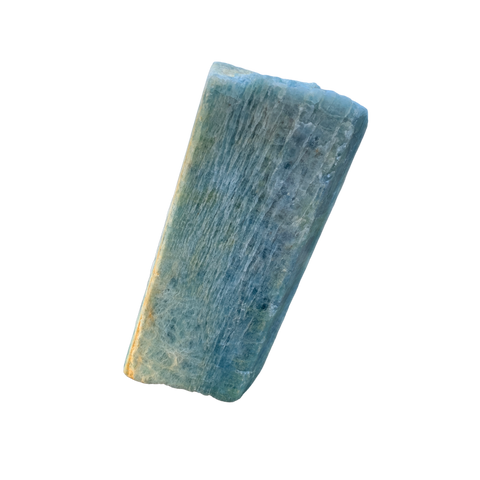
 Blue Kyanitefor confidence
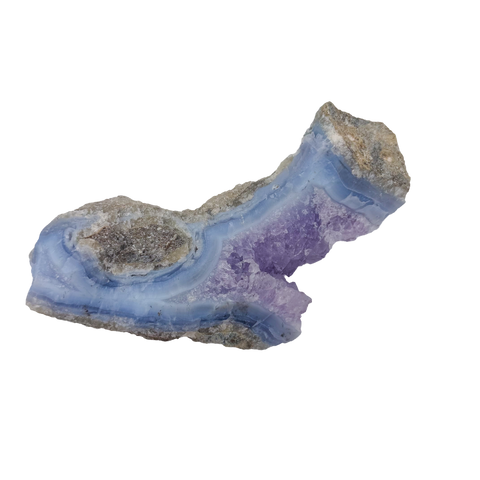
 Blue Lace Agatefor stress relief
 Chrysocollafor emotional healing
 Fluoritefor focus
 Garnetfor energy
 Lepidolitefor stress relief
 Malachitefor emotional healing
 Moonstonefor grounding
 Obsidianfor protection
 Ocean Jasperfor emotional healing
 Red Jasperfor grounding
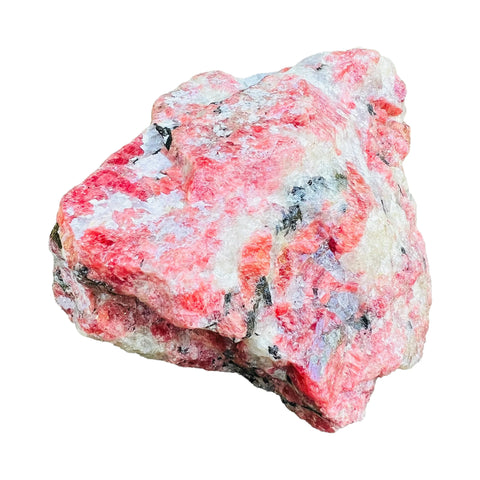
 Rhodonitefor emotional healing
 Selenitefor cleansing
 Sodalitefor focus
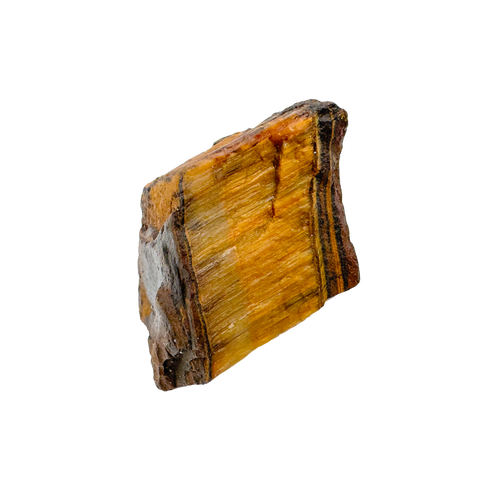
 Tiger Eyefor confidence
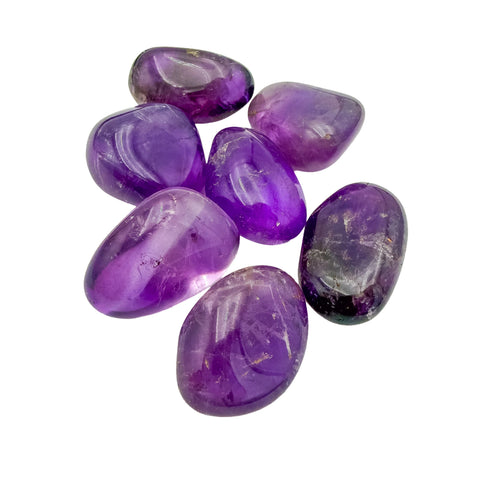


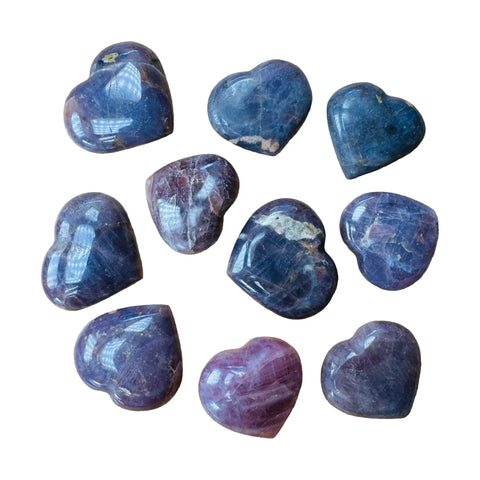
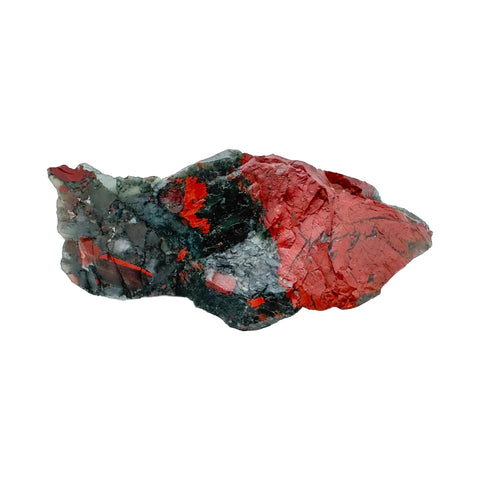
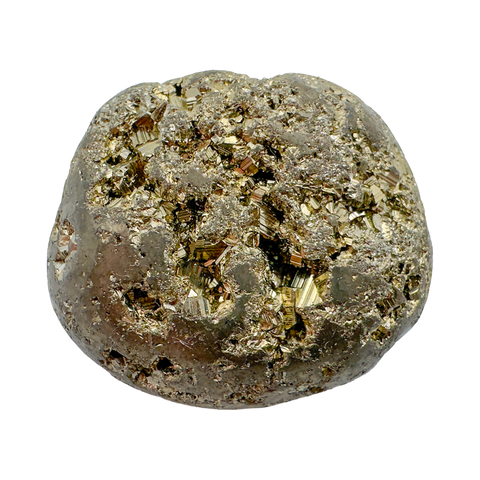
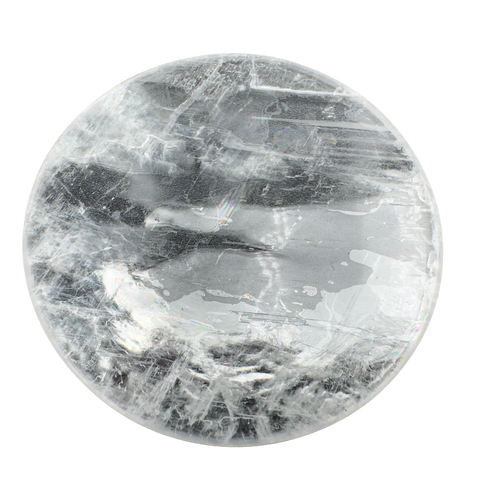


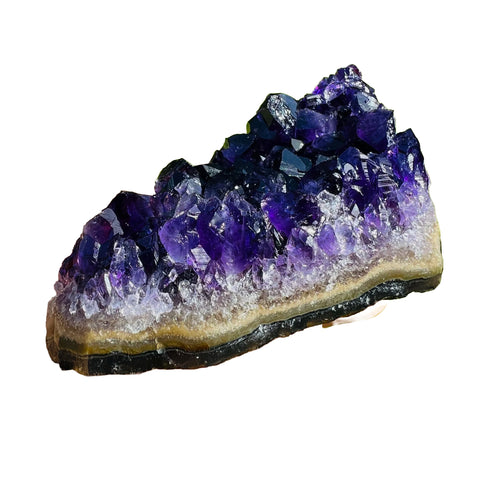






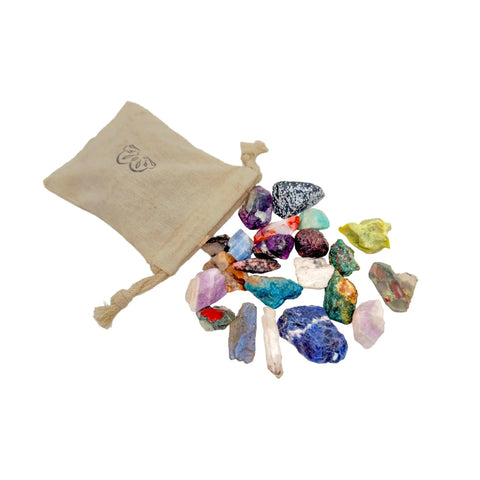
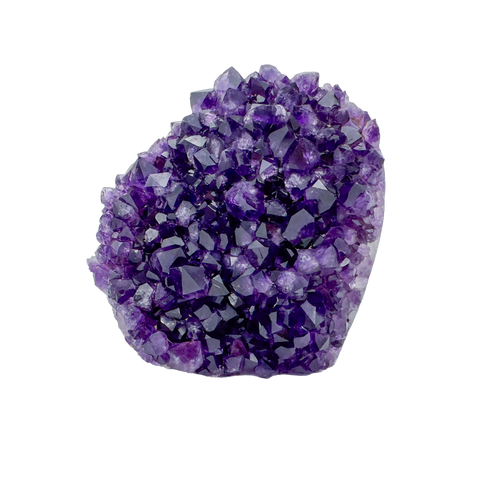
 Amethyst
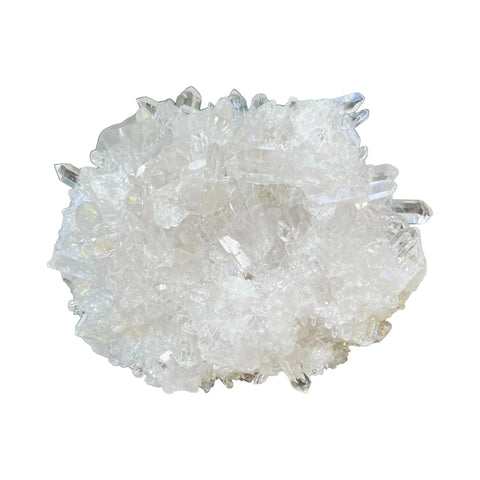
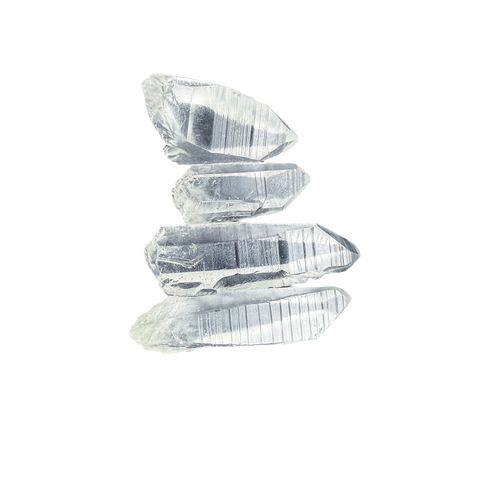
 Clear Quartz
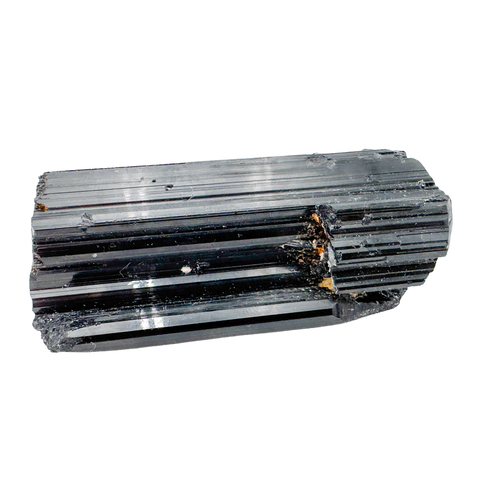
 Black Tourmaline
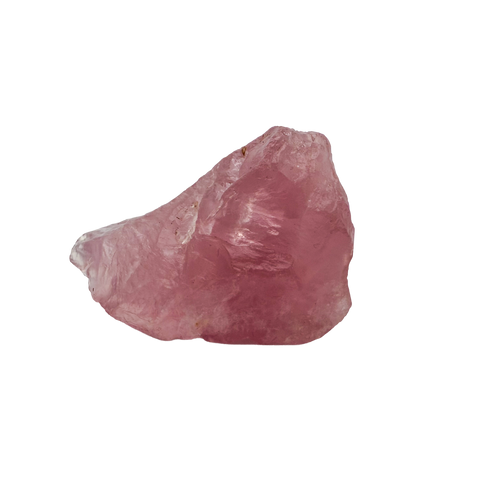
 Rose Quartz
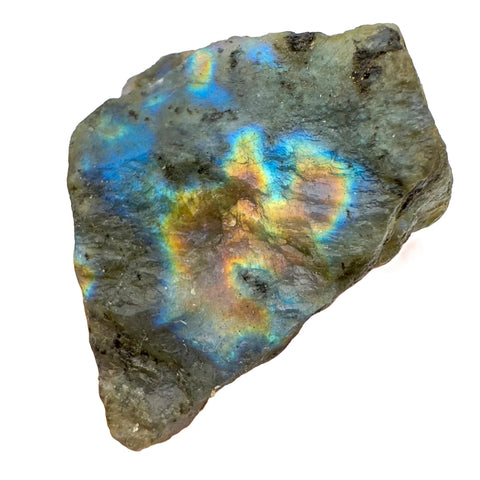
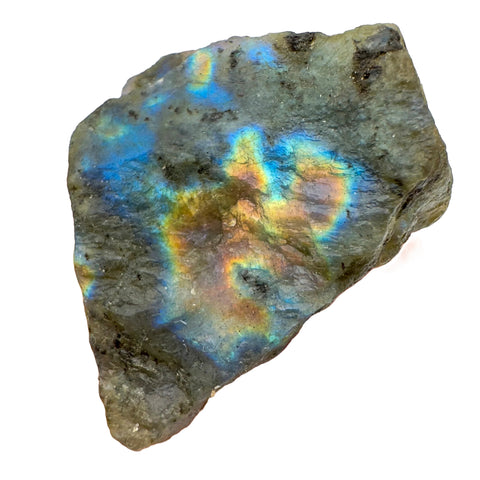
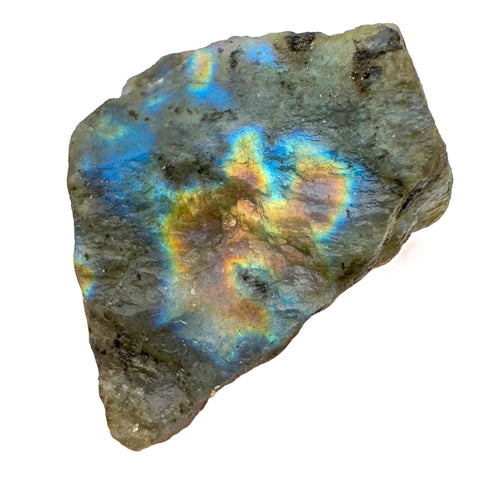
 Labradorite
 Natural Citrine
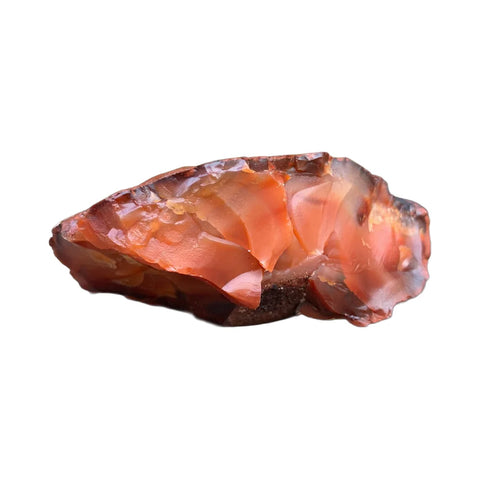
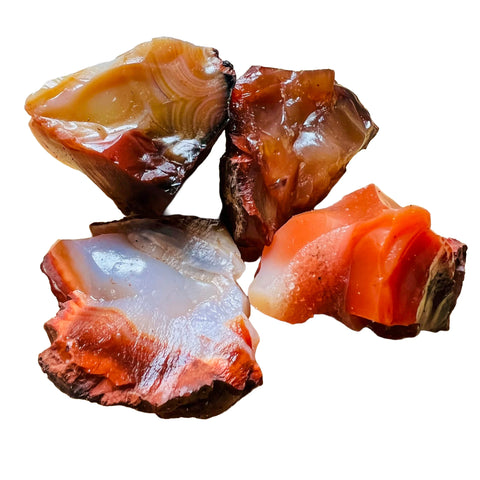
 Carnelian
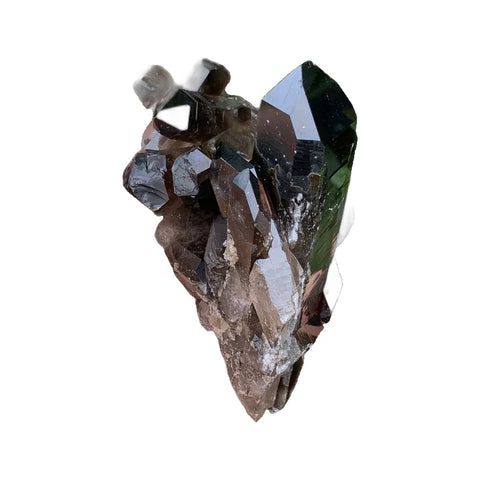
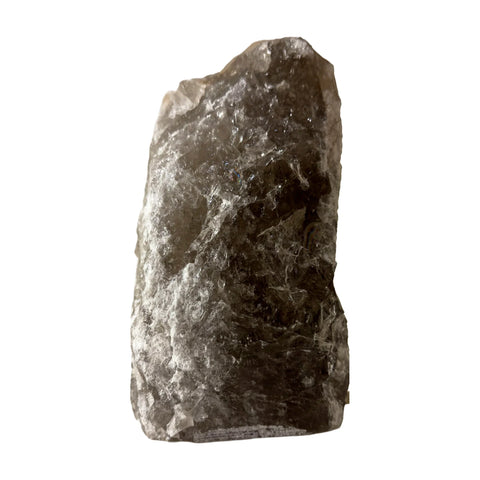
 Smoky Quartz
 Aventurine
 Sodalite
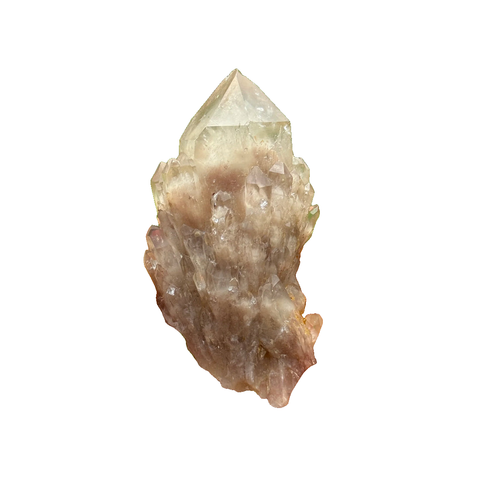
 Ametrine
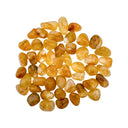 Golden Healer
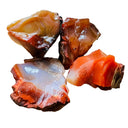 Raw Stones
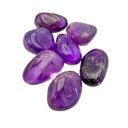 Tumbled Stones
 Palm Stones
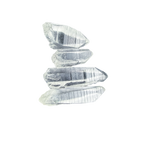 Crystal Points
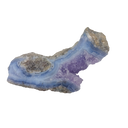 Clusters & Geodes
 Polished & Decor
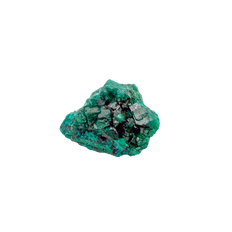 Mineral Specimens
 Crystal Chips
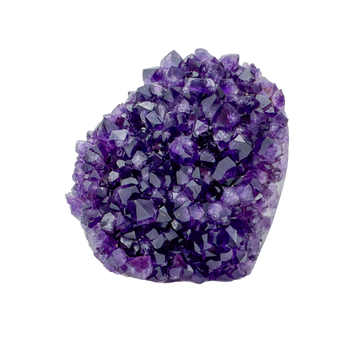
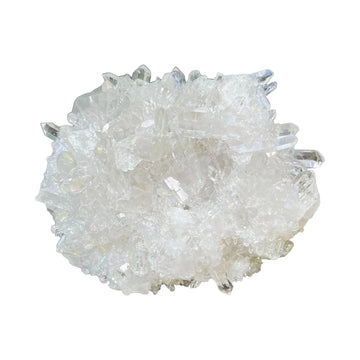
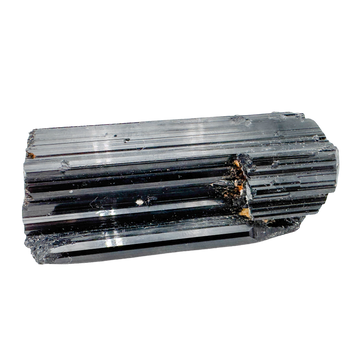
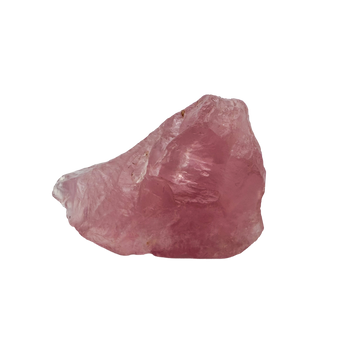
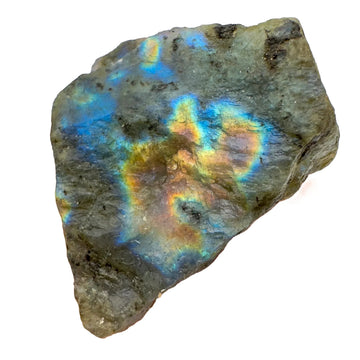
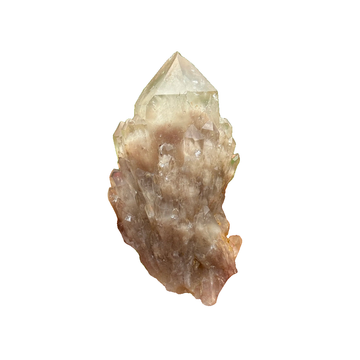
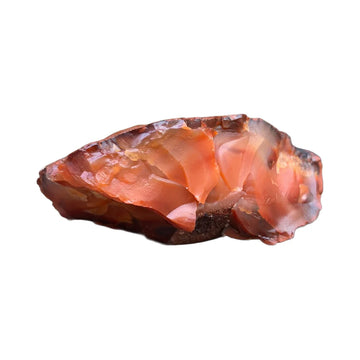
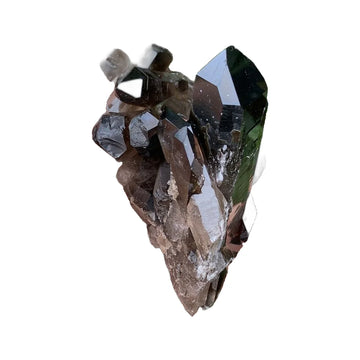
 Raw Stones
179 to choose from
Raw Stones
179 to choose from
 Tumbled Stones
162 to choose from
Tumbled Stones
162 to choose from
 Palm Stones
25 to choose from
Palm Stones
25 to choose from
 Crystal Points
23 to choose from
Crystal Points
23 to choose from
 Clusters & Geodes
96 to choose from
Clusters & Geodes
96 to choose from
 Polished & Decor
146 to choose from
Polished & Decor
146 to choose from
 Mineral Specimens
245 to choose from
Mineral Specimens
245 to choose from
 Crystal Chips
21 to choose from
Crystal Chips
21 to choose from


 AngolaAquamarine
›
AngolaAquamarine
›
 BotswanaCarnelian, Tree Agate
›
BotswanaCarnelian, Tree Agate
›
 DR CongoMalachite, Natural Citrine
›
DR CongoMalachite, Natural Citrine
›
 EswatiniBloodstone
›
EswatiniBloodstone
›
 MadagascarLabradorite, Clear Quartz
›
MadagascarLabradorite, Clear Quartz
›
 MalawiBlue Lace Agate, Garnet
›
MalawiBlue Lace Agate, Garnet
›
 MozambiqueAmazonite
›
MozambiqueAmazonite
›
 NamibiaSodalite, Blue Lace Agate
›
NamibiaSodalite, Blue Lace Agate
›
 Republic of the CongoDioptase
›
Republic of the CongoDioptase
›
 South AfricaTiger Eye, Unakite
›
South AfricaTiger Eye, Unakite
›
 ZambiaChevron Amethyst
›
ZambiaChevron Amethyst
›
 ZimbabweEmerald, Rhodonite
›
ZimbabweEmerald, Rhodonite
›
 ArgentinaBlack Obsidian, Rhodochrosite
›
ArgentinaBlack Obsidian, Rhodochrosite
›
 BoliviaAmetrine
›
BoliviaAmetrine
›
 BrazilAmethyst, Clear Quartz
›
BrazilAmethyst, Clear Quartz
›
 PeruSerpentine, Jade
›
PeruSerpentine, Jade
›
 UruguayAmethyst
›
UruguayAmethyst
›
 Dominican RepublicLarimar
›
Dominican RepublicLarimar
›
 MexicoRainbow Obsidian, Crazy Lace Agate
›
MexicoRainbow Obsidian, Crazy Lace Agate
›
 United StatesSelenite, Peridot
›
United StatesSelenite, Peridot
›
 ChinaFluorite
›
ChinaFluorite
›
 RussiaShungite
›
RussiaShungite
›
 AustraliaMookaite
›
AustraliaMookaite
›
 Where our crystals come from
See where we source →
Where our crystals come from
See where we source →


 Aquarius
Jan 20 to Feb 18
Amethyst
›
Aquarius
Jan 20 to Feb 18
Amethyst
›
 Pisces
Feb 19 to Mar 20
Aquamarine
›
Pisces
Feb 19 to Mar 20
Aquamarine
›
 Aries
Mar 21 to Apr 19
Carnelian
›
Aries
Mar 21 to Apr 19
Carnelian
›
 Taurus
Apr 20 to May 20
Rose Quartz
›
Taurus
Apr 20 to May 20
Rose Quartz
›
 Gemini
May 21 to Jun 20
Agate
›
Gemini
May 21 to Jun 20
Agate
›
 Cancer
Jun 21 to Jul 22
Moonstone
›
Cancer
Jun 21 to Jul 22
Moonstone
›
 Leo
Jul 23 to Aug 22
Citrine
›
Leo
Jul 23 to Aug 22
Citrine
›
 Virgo
Aug 23 to Sep 22
Amazonite
›
Virgo
Aug 23 to Sep 22
Amazonite
›
 Libra
Sep 23 to Oct 22
Blue Lace Agate
›
Libra
Sep 23 to Oct 22
Blue Lace Agate
›
 Scorpio
Oct 23 to Nov 21
Obsidian
›
Scorpio
Oct 23 to Nov 21
Obsidian
›
 Sagittarius
Nov 22 to Dec 21
Sodalite
›
Sagittarius
Nov 22 to Dec 21
Sodalite
›
 Capricorn
Dec 22 to Jan 19
Black Tourmaline
›
Gifting?
A birthday stone is the safe bet.
Read the zodiac guide →
Capricorn
Dec 22 to Jan 19
Black Tourmaline
›
Gifting?
A birthday stone is the safe bet.
Read the zodiac guide →


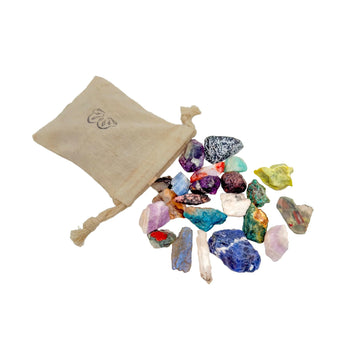
Mangano Calcite
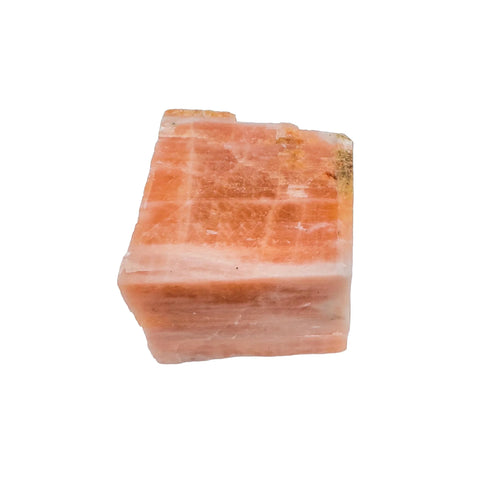
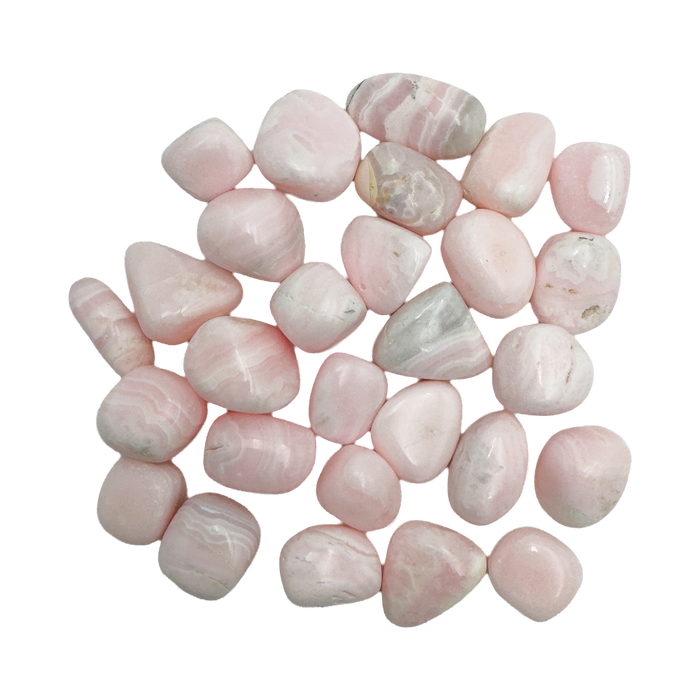
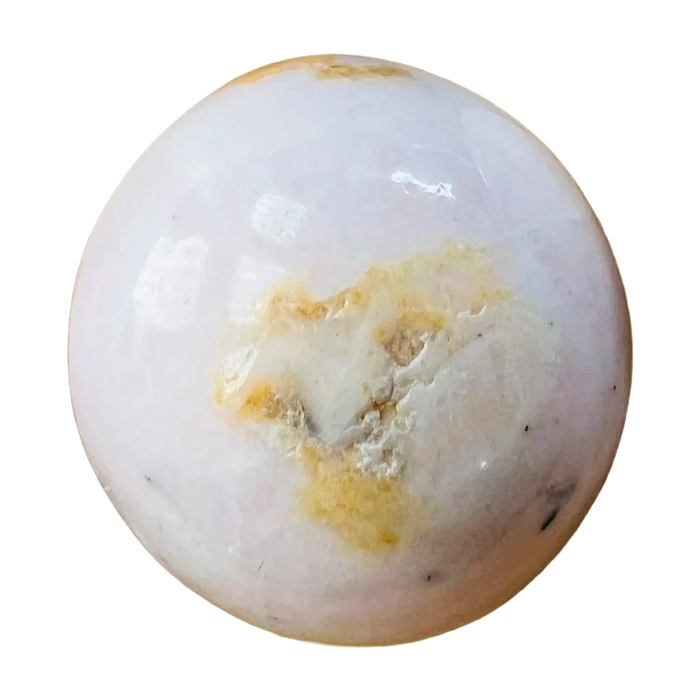
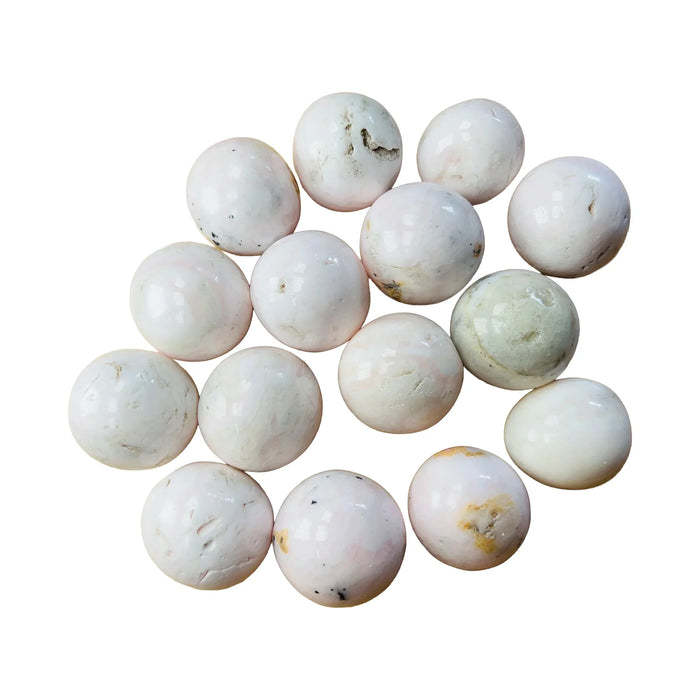
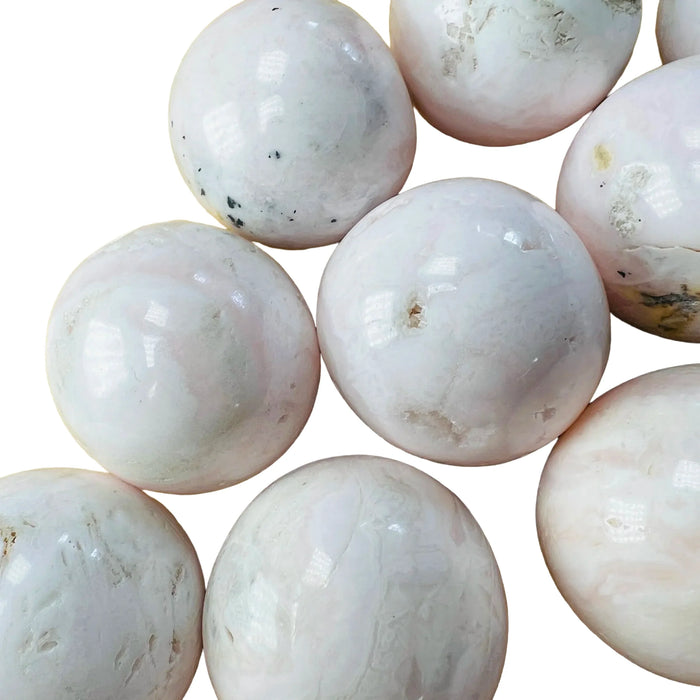
Mangano Calcite is the pink variety of calcite, colored by trace manganese substituting into the calcium carbonate lattice. The tone runs from pale bubblegum to warm rose, often with translucent soft-focus depth and occasional white banding from alternating pure calcite layers. The primary commercial source is Peru, with smaller production from Afghanistan and Pakistan. Traditionally associated with the heart chakra, emotional healing, and the gentle kind of self-compassion that sits with difficult feelings without trying to fix them.
Shop mangano calciteMangano Calcite, in stock now.
Our most-loved Mangano Calcite pieces, ready to ship.
- from 1,000+ reviews
- Ships within 72 hoursMonday to Friday, tracked
- 90 days to return itif you do not love it
- Free US shipping over $99$8.99 flat rate under
The geology.
Mangano Calcite is a variety of calcite, calcium carbonate (CaCO₃), with the pink coloration caused by trace amounts of manganese (Mn²⁺) substituting for calcium in the crystal lattice. Calcite is one of the most common minerals on Earth, forming in sedimentary, metamorphic, and hydrothermal environments. The Peruvian Mangano Calcite comes specifically from hydrothermal vein deposits where manganese-bearing fluids crystallized calcite at the same time, producing the uniformly pink material.
Hardness runs just 3 on the Mohs scale, which is soft enough that a copper coin will scratch it. Specific gravity 2.71. Crystal system trigonal. Calcite shows perfect rhombohedral cleavage in three directions, producing characteristic geometric break patterns when struck. The translucent-to-slightly-opaque body, soft coloration, and occasional white calcite banding are the visual signatures of quality Peruvian Mangano Calcite.
The origins.
Peru is the dominant commercial source for Mangano Calcite, with the majority of market material coming from specific hydrothermal deposits in the Andean mineral belt. Peruvian Mangano Calcite entered the crystal trade in the late twentieth century and has become a staple of the pink-stone category. Afghanistan and Pakistan (particularly the Badakhshan region and northern frontier provinces) produce smaller commercial quantities with slightly different tonal characteristics.
Minor occurrences of manganese-pink calcite are documented in Russia, Romania, Mexico, and the United States, but these are rarely seen in the commercial market. When you see Mangano Calcite on a crystal shop shelf in North America or Europe, the overwhelming probability is that it came from Peru. Peruvian material tends toward even pink coloration with occasional white banding, while Afghan and Pakistani material can show deeper saturation and more variable tones.
Traditional associations.
Mangano Calcite entered the metaphysical market relatively recently, as Peruvian commercial supply made pink calcite accessible at modest prices. Its working associations are primarily modern rather than traditional, built around the consistent themes of pink heart-chakra stones in contemporary crystal culture: emotional healing, self-compassion, grief support, and softness without fragility.
Many people reach for Mangano Calcite during periods of emotional processing, grief, self-criticism, or when they want a gentler companion than the more active Rose Quartz or Rhodochrosite. It's typically associated with the Heart and Higher Heart (thymus) chakras, the element of Water, and the astrological signs Cancer, Taurus, and Pisces. Some practitioners describe it as a stone that helps you stay with difficult feelings without trying to fix or resolve them prematurely.
Spotting the real thing.
Real Mangano Calcite shows soft pink coloration with translucent depth, occasional white calcite banding from alternating mineralization, and the characteristic rhombohedral cleavage of the calcite family. A copper coin will scratch the polished surface at Mohs 3. Under short-wave ultraviolet light, genuine Mangano Calcite commonly fluoresces bright pink to red, a classic diagnostic test.
Dyed calcite is the main imitation concern. Dye pooling in fractures, unnaturally saturated color, and lack of fluorescence under UV light are warning signs. Glass and plastic imitations exist at the very low end of the market but are easily identified by hardness (they won't scratch with a copper coin) and lack of cleavage. Provenance documentation pointing to Peru, Afghanistan, or Pakistan is the simplest check.
Care & handling.
Mangano Calcite is water-sensitive. Brief rinses are fine, but avoid prolonged soaks, salt water, and ultrasonic cleaners entirely. At Mohs 3, the surface is easily scratched by harder stones, fingernails in extended contact, and household dust on unprotected pieces. Clean with a soft dry or slightly damp cloth.
Cleanse energetically with moonlight, sound, smoke, or by placing on selenite overnight. Avoid sunlight for extended periods, as pink calcite can fade over months to years of intense UV exposure. Handle carefully, especially with polished spheres or freeforms; a single drop onto a hard surface can cause cleavage chips that are difficult to repair.
Pairs well with.
Proof, not promises.
We measure our own sourcing across five dimensions. Supply chain, environmental footprint, artisan support, market integrity, and pricing. The number is honest, not perfect. Where we can do better, we say so.
A deeper look.
Extended geology, sourcing, authentication, history, varieties, and pricing, for when the quick guide isn't quite enough.
Extended geology
Mangano Calcite forms in hydrothermal vein deposits where manganese-bearing mineralizing fluids crystallized calcite from aqueous solution. The manganese content in commercial-grade Mangano Calcite is typically low (fractions of a percent), but that trace amount is enough to produce the distinctive pink color through electronic transitions in the manganese ion within the carbonate lattice. Higher manganese content shifts the color toward deeper pink; trace iron can introduce orange or reddish tones.
Specific gravity 2.71. Mohs hardness 3. Luster vitreous to pearly. Perfect rhombohedral cleavage in three directions (a classic calcite diagnostic). Refractive index shows strong birefringence, which is why transparent calcite varieties produce the famous double-image effect. Mangano Calcite typically isn't transparent enough to show the double-image clearly, but the underlying property is identical to other calcite varieties.
Extended sourcing
The Peruvian Mangano Calcite deposits sit within the broader Andean mineralization belt, one of the most productive metallogenic provinces in the world. Specific locality information for the crystal trade is often general (Peru, sometimes Pasco or Huancavelica regions), with rarely-specified mine names. This is typical of the calcite market, where the material is not scarce enough to command the granular sourcing documentation that rarer stones receive.
Afghan and Pakistani Mangano Calcite comes from the Badakhshan mineralization zone and the northern provinces of Pakistan, respectively. These sources produce material with slightly different tonal signatures, sometimes deeper rose or with different patterns of white banding. Russian occurrences in the Urals and Siberia are documented but rarely reach the Western crystal market. Mexican and US occurrences are mineralogically interesting but commercially minor.
Authentication and warning signs
Genuine Mangano Calcite fluoresces pink to red under short-wave ultraviolet light, a useful diagnostic test. The fluorescence comes from the manganese-activated luminescence that is a signature of genuine material. The soft pink body color with occasional white banding, Mohs 3 hardness (copper coin scratches), and rhombohedral cleavage are additional confirmations.
Warning signs: saturation that looks too uniform or intense (possible dye), lack of UV fluorescence (possible dyed calcite from a different source), price points well below genuine Peruvian material, and missing origin documentation. Dyed white calcite is the most common deception, sold at roughly the same visual impression but without the characteristic fluorescence or natural color zoning.
Historical and cultural context
Mangano Calcite has no deep pre-industrial tradition. The specific pink variety entered the commercial crystal market in the late twentieth century as Peruvian production increased and pink heart-chakra stones gained popularity in Western metaphysical culture. Calcite more broadly has been known and used since antiquity (the word calcite comes from the Latin calx, meaning lime, reflecting the mineral's role as a lime-producing carbonate).
In contemporary Western crystal culture, Mangano Calcite joins the broader family of pink heart stones (Rose Quartz, Rhodochrosite, Rhodonite, Morganite, Pink Opal) that collectively represent heart-chakra work. Its specific role in that family is typically described as the gentlest of the pink stones, softer than Rhodochrosite's active emotional processing and less expansive than Rose Quartz's broad heart presence.
Varieties and trade names
Mangano Calcite: the standard name in the crystal trade.
Manganoan Calcite: the formal mineralogical term.
Pink Calcite: generic alternate name.
Pink Mangano Calcite: redundant but common marketing name.
Peruvian Pink Calcite: regional trade description.
Pricing reality
Tumbled Mangano Calcite: 2 to 8 dollars per piece. Small polished palm stones and freeforms: 8 to 35 dollars. Polished spheres and larger specimens: 25 to 150 dollars depending on color quality, size, and pattern. Specimen-grade pieces with exceptional coloration and banding: 50 to 300 dollars and up.
Value drivers: color saturation and uniformity, size, clean polish, banding pattern, and UV fluorescence intensity. Warning signs: saturation that exceeds genuine Peruvian material (possible dye), missing fluorescence in purported natural pieces, and generic pink calcite without Peru origin claims at Mangano Calcite prices.
Good sourcing is a practice, not a claim.
Nothing we sell is dyed calcite sold as Mangano Calcite. We source from Peru with documented origin, test for UV fluorescence as part of our authentication checks, and walk away from material with unnatural saturation, even when it costs us sales.
Bring mangano-calcite home.
Collector pieces are photographed individually, and you receive the exact piece shown. Batch stones are sold by the piece or by the pound from the lot pictured, with the same origin and treatment notes on every product page.
Shop the mangano-calcite collectionGrounded Connections
New Mangano Calcite pieces go to the list first.
No forwarding, no selling. Unsubscribe in one click. Privacy