






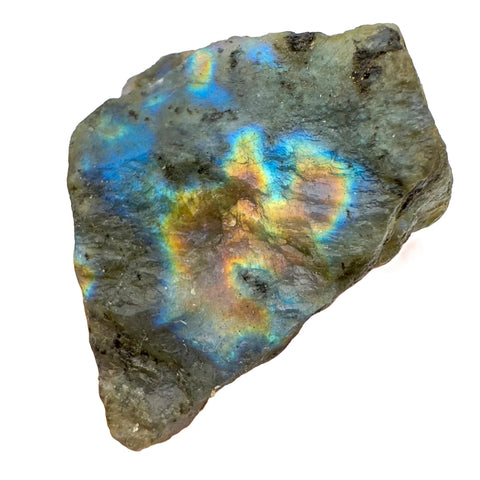



 Agatefor stress relief
 Amazonitefor stress relief
 Aquamarinefor serenity
 Aventurinefor luck
 Bloodstonefor energy
 Blue Kyanitefor confidence
 Blue Lace Agatefor stress relief
 Chrysocollafor emotional healing
 Fluoritefor focus
 Garnetfor energy
 Lepidolitefor stress relief
 Malachitefor emotional healing
 Moonstonefor grounding
 Obsidianfor protection
 Ocean Jasperfor emotional healing
 Red Jasperfor grounding
 Rhodonitefor emotional healing
 Selenitefor cleansing
 Sodalitefor focus
 Tiger Eyefor confidence








































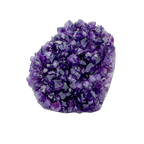 Amethyst
 Clear Quartz
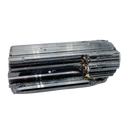 Black Tourmaline
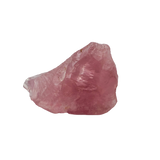 Rose Quartz
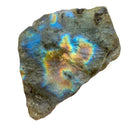 Labradorite
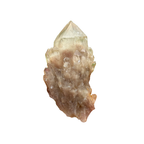 Natural Citrine
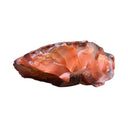 Carnelian
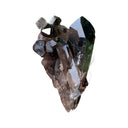 Smoky Quartz
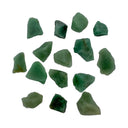 Aventurine
 Sodalite
 Ametrine
 Golden Healer
 Raw Stones
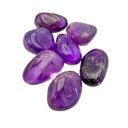 Tumbled Stones
 Palm Stones
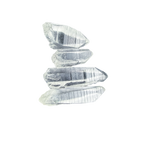 Crystal Points
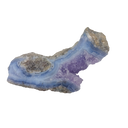 Clusters & Geodes
 Polished & Decor
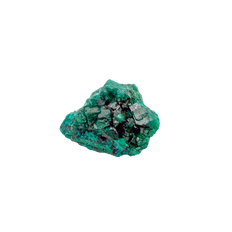 Mineral Specimens
 Crystal Chips




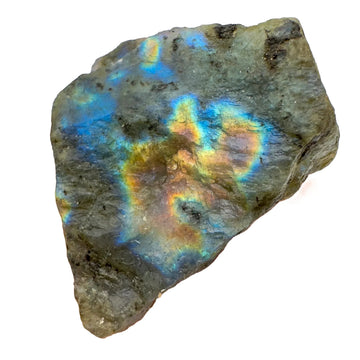



 Raw Stones
179 to choose from
Raw Stones
179 to choose from
 Tumbled Stones
162 to choose from
Tumbled Stones
162 to choose from
 Palm Stones
25 to choose from
Palm Stones
25 to choose from
 Crystal Points
23 to choose from
Crystal Points
23 to choose from
 Clusters & Geodes
98 to choose from
Clusters & Geodes
98 to choose from
 Polished & Decor
147 to choose from
Polished & Decor
147 to choose from
 Mineral Specimens
248 to choose from
Mineral Specimens
248 to choose from
 Crystal Chips
21 to choose from
Crystal Chips
21 to choose from


 AngolaAquamarine
›
AngolaAquamarine
›
 BotswanaCarnelian, Tree Agate
›
BotswanaCarnelian, Tree Agate
›
 DR CongoMalachite, Natural Citrine
›
DR CongoMalachite, Natural Citrine
›
 EswatiniBloodstone
›
EswatiniBloodstone
›
 MadagascarLabradorite, Clear Quartz
›
MadagascarLabradorite, Clear Quartz
›
 MalawiBlue Lace Agate, Garnet
›
MalawiBlue Lace Agate, Garnet
›
 MozambiqueAmazonite
›
MozambiqueAmazonite
›
 NamibiaSodalite, Blue Lace Agate
›
NamibiaSodalite, Blue Lace Agate
›
 Republic of the CongoDioptase
›
Republic of the CongoDioptase
›
 South AfricaTiger Eye, Unakite
›
South AfricaTiger Eye, Unakite
›
 ZambiaChevron Amethyst
›
ZambiaChevron Amethyst
›
 ZimbabweEmerald, Rhodonite
›
ZimbabweEmerald, Rhodonite
›
 ArgentinaBlack Obsidian, Rhodochrosite
›
ArgentinaBlack Obsidian, Rhodochrosite
›
 BoliviaAmetrine
›
BoliviaAmetrine
›
 BrazilAmethyst, Clear Quartz
›
BrazilAmethyst, Clear Quartz
›
 PeruSerpentine, Jade
›
PeruSerpentine, Jade
›
 UruguayAmethyst
›
UruguayAmethyst
›
 Dominican RepublicLarimar
›
Dominican RepublicLarimar
›
 MexicoRainbow Obsidian, Crazy Lace Agate
›
MexicoRainbow Obsidian, Crazy Lace Agate
›
 United StatesSelenite, Peridot
›
United StatesSelenite, Peridot
›
 ChinaFluorite
›
ChinaFluorite
›
 RussiaShungite
›
RussiaShungite
›
 AustraliaMookaite
›
AustraliaMookaite
›
 Where our crystals come from
See where we source →
Where our crystals come from
See where we source →


 Aries
Mar 21 to Apr 19
Carnelian
›
Aries
Mar 21 to Apr 19
Carnelian
›
 Taurus
Apr 20 to May 20
Rose Quartz
›
Taurus
Apr 20 to May 20
Rose Quartz
›
 Gemini
May 21 to Jun 20
Agate
›
Gemini
May 21 to Jun 20
Agate
›
 Cancer
Jun 21 to Jul 22
Moonstone
›
Cancer
Jun 21 to Jul 22
Moonstone
›
 Leo
Jul 23 to Aug 22
Citrine
›
Leo
Jul 23 to Aug 22
Citrine
›
 Virgo
Aug 23 to Sep 22
Amazonite
›
Virgo
Aug 23 to Sep 22
Amazonite
›
 Libra
Sep 23 to Oct 22
Blue Lace Agate
›
Libra
Sep 23 to Oct 22
Blue Lace Agate
›
 Scorpio
Oct 23 to Nov 21
Obsidian
›
Scorpio
Oct 23 to Nov 21
Obsidian
›
 Sagittarius
Nov 22 to Dec 21
Sodalite
›
Sagittarius
Nov 22 to Dec 21
Sodalite
›
 Capricorn
Dec 22 to Jan 19
Black Tourmaline
›
Capricorn
Dec 22 to Jan 19
Black Tourmaline
›
 Aquarius
Jan 20 to Feb 18
Amethyst
›
Aquarius
Jan 20 to Feb 18
Amethyst
›
 Pisces
Feb 19 to Mar 20
Aquamarine
›
Gifting?
A birthday stone is the safe bet.
Read the zodiac guide →
Pisces
Feb 19 to Mar 20
Aquamarine
›
Gifting?
A birthday stone is the safe bet.
Read the zodiac guide →


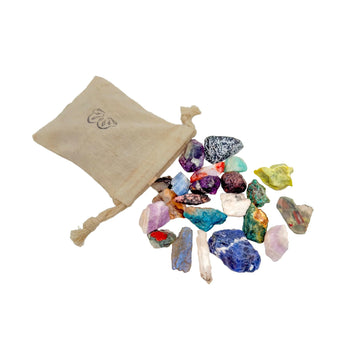










Mookaite Jasper
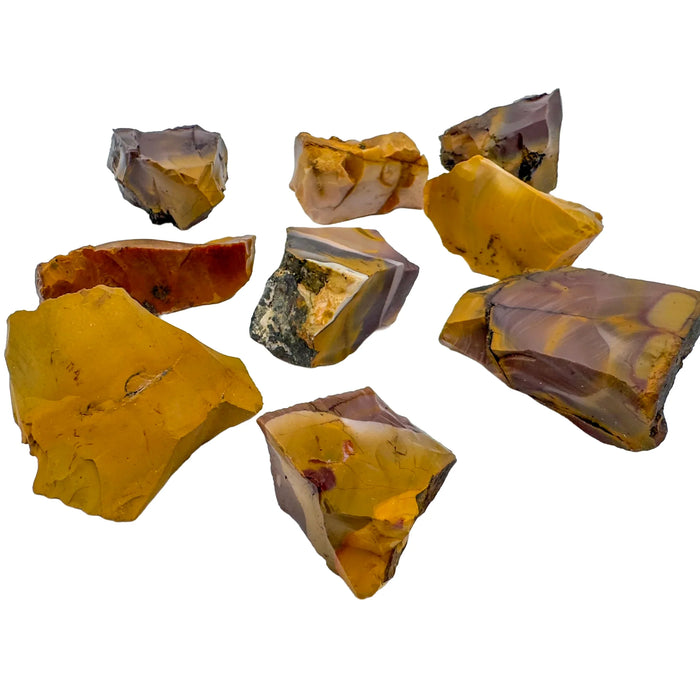
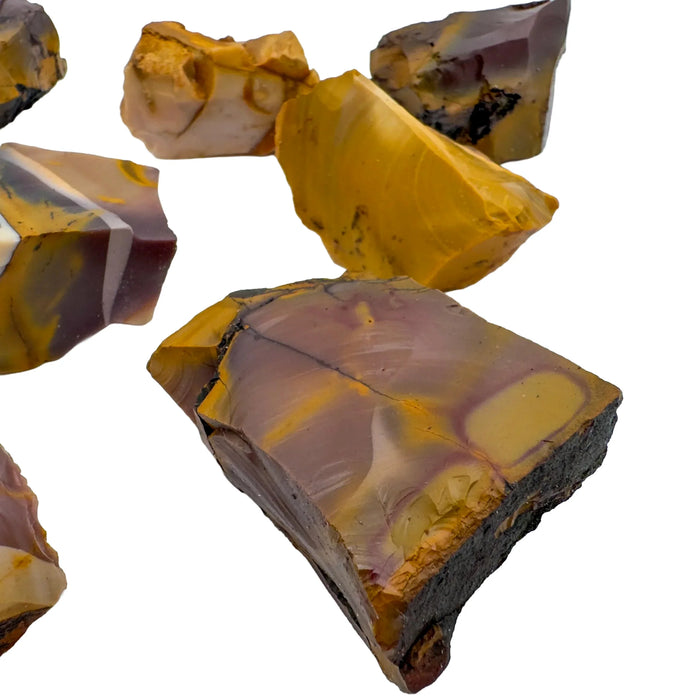
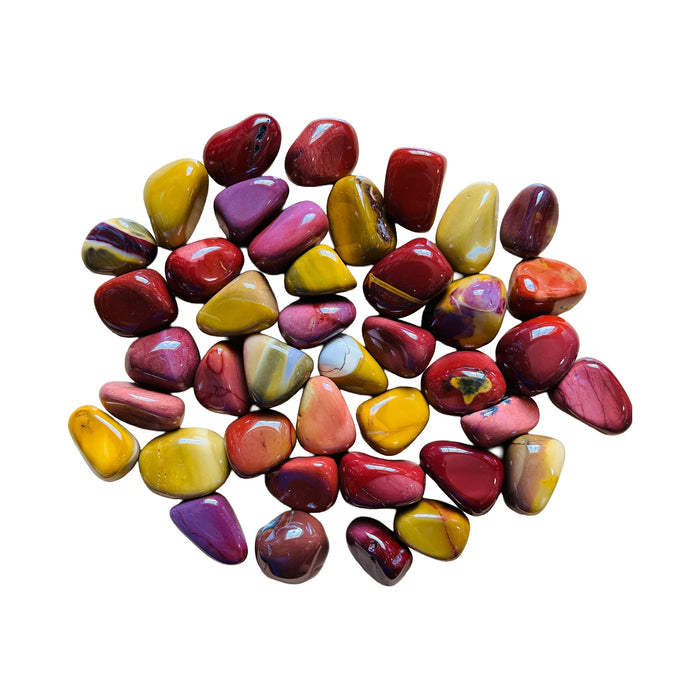
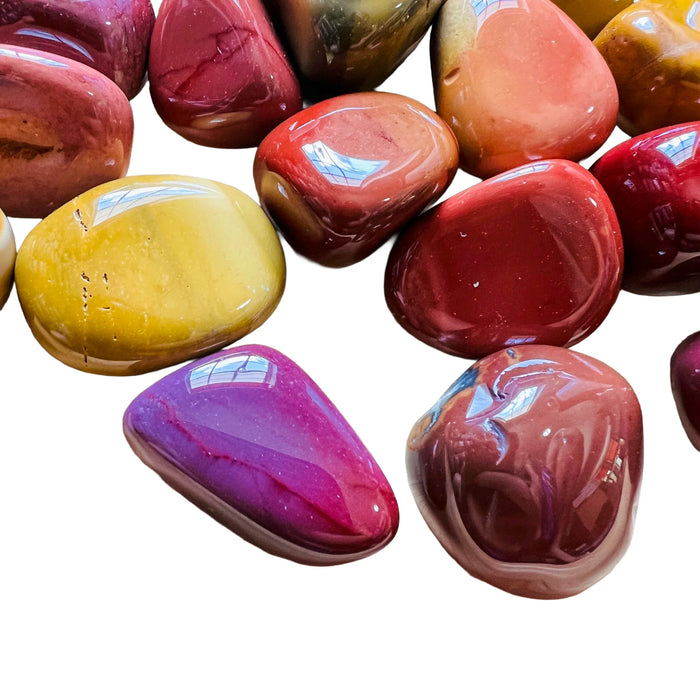
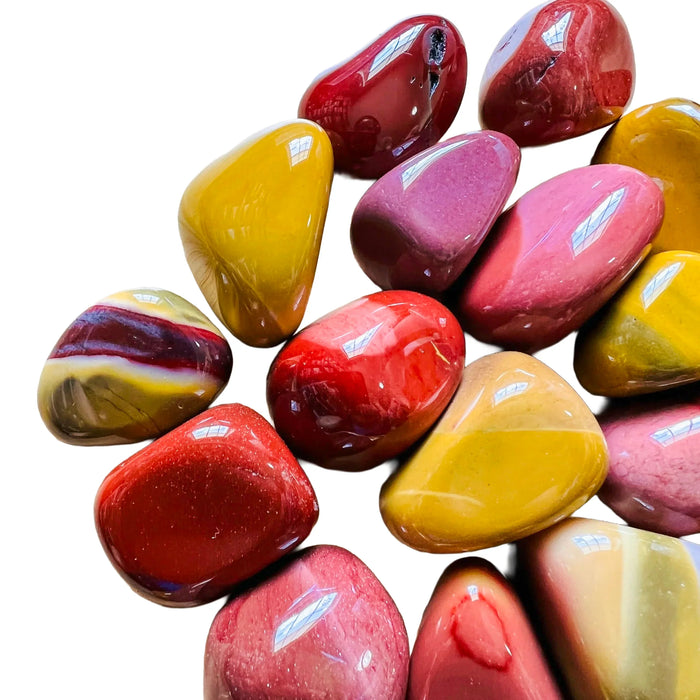
Mookaite Jasper is a variety of silicified mudstone from a single source: Mooka Creek and the surrounding Kennedy Ranges in Western Australia. The characteristic palette runs through red, mustard yellow, cream, burgundy, and mauve, often all in the same piece, with a density and polish that feels closer to ceramic than sedimentary rock. Named for the Aboriginal word for running water, the stone holds a unique position in the jasper family: geographically specific, aesthetically distinct, and traditionally associated with Earth connection, grounding, and enjoying the present moment.
Shop mookaite jasperMookaite Jasper, in stock now.
Our most-loved Mookaite Jasper pieces, ready to ship.
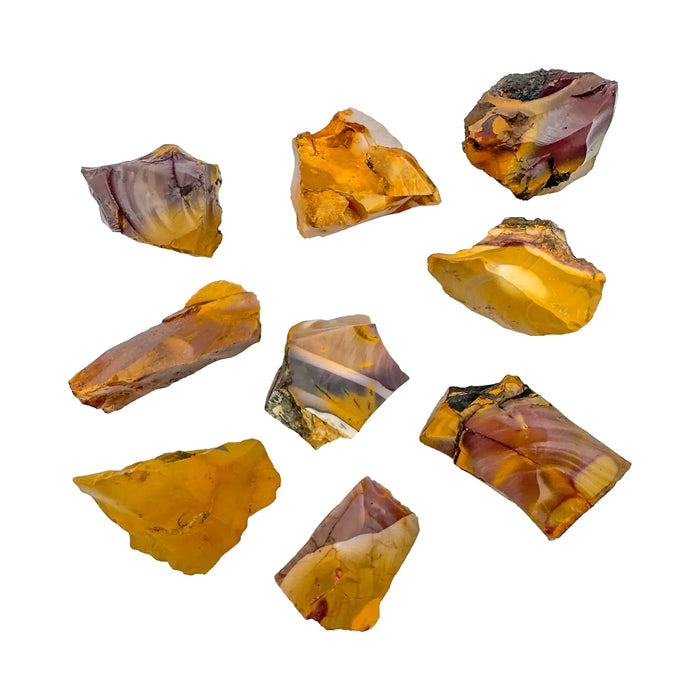
- from 1,000+ reviews
- Ships within 72 hoursMonday to Friday, tracked
- 90 days to return itif you do not love it
- Free US shipping over $99$8.99 flat rate under
The geology.
Mookaite Jasper is a silicified mudstone, technically a fine-grained cherty jasper formed when silica-rich fluids infiltrated and replaced the original sediment. The mudstone began as radiolarian ooze (deep-sea sediment made of the silica shells of tiny marine organisms) that accumulated on the Australian seafloor roughly 120 million years ago during the Cretaceous period. Over time, silica replacement preserved the sedimentary layering while converting the soft mud into hard, polishable jasper.
The distinctive color palette comes from iron and manganese oxide distribution through the silicified matrix. Red and burgundy zones are iron oxide rich, yellow and mustard tones come from limonite and goethite, cream and white zones are nearly pure silica, and purple and mauve tones appear where manganese is present. Hardness runs 6.5 to 7 on the Mohs scale, typical for jasper. No cleavage, conchoidal fracture, vitreous-to-waxy luster after polishing.
The origins.
Mookaite Jasper is single-source. The stone comes exclusively from a small deposit at Mooka Creek and the nearby Kennedy Ranges in the Gascoyne region of Western Australia, roughly 900 kilometers north of Perth. The land is traditional country of the Yinggarda Aboriginal people, and the name Mookaite derives from a local word connected to running water. The deposit itself is compact, the operations are small-scale, and no other locality on Earth produces the same geological mix.
Because the source is geographically unique, every Mookaite Jasper in the global market traces back to the same small area. This makes provenance simple in one sense (there is only one country and region of origin) and complicated in another (extraction is controlled by a small number of local operators, and supply has fluctuated as mining access has changed over time). The finite, single-source nature contributes to Mookaite's rising market value compared to more common jaspers.
Traditional associations.
Mookaite Jasper has traditional significance to the Yinggarda people of the Gascoyne region, where the stone has been used in ceremonial and decorative contexts for many generations. It's worth noting that the commercial use of the name Mookaite and the stone's presence in the global crystal market is a relatively modern phenomenon, dating mostly to the twentieth century.
Contemporary Western metaphysical practice casts Mookaite as a grounding stone associated with physical vitality, connection to the Earth, and presence in the current moment. Many people work with it during times of change or when they want to feel more anchored in the body. It's typically associated with the Root, Sacral, and Solar Plexus chakras, the element of Earth, and the zodiac signs Leo, Virgo, and Scorpio. The stone is often recommended for people drawn to desert landscapes or Australian natural heritage.
Spotting the real thing.
Real Mookaite Jasper shows the characteristic palette of red, yellow, cream, and burgundy within a single piece or batch, with gradational color transitions and occasional sedimentary layering visible on cut surfaces. The stone takes a high polish and feels dense in the hand. Hardness 6.5 to 7 will scratch glass.
Warning signs include dyed or color-enhanced jasper from other sources (often Madagascar or Indian material) sold under the Mookaite name. Genuine Mookaite shows natural color zoning with organic edges between zones; dyed material typically has more abrupt color boundaries and can show dye pooling in fractures. Provenance documentation is the simplest check: reputable sellers can trace to Mooka Creek or the Kennedy Ranges specifically.
Care & handling.
Water safe for cleaning with warm water and a soft brush. Handles ultrasonic and steam cleaning well. Stable under sunlight, though very prolonged intense exposure can marginally shift some of the yellow and red tones over years.
Cleanse energetically with smoke, sound, sunlight, or by placing on selenite overnight. At 6.5 to 7 on the Mohs scale, handles daily wear in jewelry well. Store separately from softer stones to avoid scratching them, or from much harder stones to preserve its own polish.
Pairs well with.
Proof, not promises.
We measure our own sourcing across five dimensions. Supply chain, environmental footprint, artisan support, market integrity, and pricing. The number is honest, not perfect. Where we can do better, we say so.
A deeper look.
Extended geology, sourcing, authentication, history, varieties, and pricing, for when the quick guide isn't quite enough.
Extended geology
Mookaite Jasper originated as radiolarian ooze on the Cretaceous seafloor off the Australian continental margin. Radiolarians are single-celled marine organisms that build silica skeletons, and their accumulation over millions of years produces thick sedimentary layers rich in biogenic silica. As these deposits were compacted and subjected to circulating silica-rich fluids, the original mudstone became silicified into what we now know as Mookaite Jasper.
Specific gravity 2.58 to 2.64. Mohs hardness 6.5 to 7. Luster vitreous to waxy after polishing. No cleavage, conchoidal fracture. The iron and manganese distribution that creates the color palette is sedimentary in origin, reflecting the depositional chemistry of the original Cretaceous seafloor. Pieces often show preserved sedimentary layering as visible bands on cut surfaces.
Extended sourcing
The Mooka Creek deposit sits on Yinggarda country in the Gascoyne region of Western Australia, about 130 kilometers inland from the town of Carnarvon. The terrain is remote, arid, and difficult to work, which has kept the operations small. Rights to mine the deposit have moved through different operators over the years, and supply to the global market has fluctuated accordingly. Some periods have seen abundant new material; others have tightened to nearly collectible status.
Because Mookaite is geographically unique, genuine specimens always trace to the same general source. Pieces without specific Australian origin claims should be scrutinized. Some jasper material from Madagascar, India, and Brazil shares a vaguely similar palette but lacks the specific Mookaite combination of sedimentary layering, color variety, and density. Experienced jasper dealers can distinguish Mookaite by pattern and polish characteristics.
Authentication and warning signs
Genuine Mookaite shows the characteristic multi-color palette (red, yellow, cream, burgundy) with natural gradational boundaries between color zones. Under magnification, the silicified mudstone texture is visible as fine sedimentary layering. Hardness 6.5 to 7 scratches glass. The polish quality is typically excellent due to the stone's density and fine grain.
Warning signs: abrupt color boundaries that look painted or dyed rather than geological, dye pooling in fractures, prices far below genuine Mookaite for supposedly similar material, and missing specific Australian origin documentation. Dyed Madagascan and Indian jaspers are the main stand-ins in less reputable channels. Picture Jasper from the US also occasionally gets sold as Mookaite, though its pattern and colors differ on close inspection.
Historical and cultural context
Mookaite Jasper has traditional cultural significance to the Yinggarda Aboriginal people of the Gascoyne region, where the stone has been part of local heritage for many generations. The commercial global crystal market for Mookaite is mostly a twentieth-century development, emerging as Australian mineral exports expanded and jasper collecting became popular among Western enthusiasts.
Contemporary Western metaphysical associations with Mookaite are modern rather than traditional, built around the stone's grounding earthy palette and its Australian provenance. The stone is often paired in modern practice with stones associated with Earth connection, stability, and present-moment awareness. Some practitioners note that Mookaite's unique single-source nature gives it a particular quality of place-based energy compared to stones with multiple global sources.
Varieties and trade names
Mookaite Jasper: the standard trade name, covering the Mooka Creek Australian material.
Mookaite: common shortened form.
Mook Jasper: less common alternate.
Radiolarite: the formal geological term referring to the sedimentary origin.
Windalia Radiolarite: specific geological unit name sometimes used by collectors and geologists.
Pricing reality
Tumbled Mookaite: 2 to 8 dollars per piece. Small polished specimens and palm stones: 10 to 40 dollars. Polished slabs and freeforms 2 to 4 inches: 20 to 100 dollars depending on pattern quality. Large specimen-grade pieces and spheres: 50 to 300 dollars and up.
Value drivers: pattern complexity and color range, size, clean polish, and documented Australian origin. Warning signs: generic jasper sold as Mookaite without source claims, dyed material at premium prices, and pieces missing specific locality information.
Good sourcing is a practice, not a claim.
Nothing we sell is dyed jasper from other localities sold as Mookaite. We source from documented Mooka Creek operations in Western Australia and walk away from material without specific locality proof, even when it costs us sales.
Bring mookaite-jasper home.
Every piece we carry is photographed individually and listed with its own origin and treatment notes. What you see is what ships.
Shop the mookaite-jasper collectionGrounded Connections
New stones go to the list first.
No forwarding, no selling. Unsubscribe in one click. Privacy