






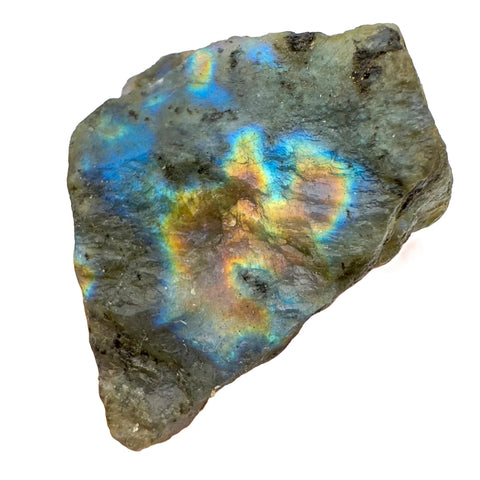



 Agatefor stress relief
 Amazonitefor stress relief
 Aquamarinefor serenity
 Aventurinefor luck
 Bloodstonefor energy
 Blue Kyanitefor confidence
 Blue Lace Agatefor stress relief
 Chrysocollafor emotional healing
 Fluoritefor focus
 Garnetfor energy
 Lepidolitefor stress relief
 Malachitefor emotional healing
 Moonstonefor grounding
 Obsidianfor protection
 Ocean Jasperfor emotional healing
 Red Jasperfor grounding
 Rhodonitefor emotional healing
 Selenitefor cleansing
 Sodalitefor focus
 Tiger Eyefor confidence









































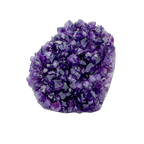 Amethyst
 Clear Quartz
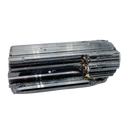 Black Tourmaline
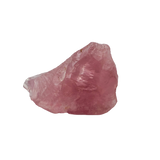 Rose Quartz
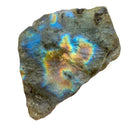 Labradorite
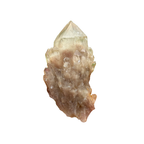 Natural Citrine
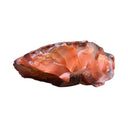 Carnelian
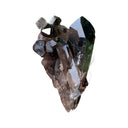 Smoky Quartz
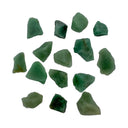 Aventurine
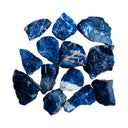 Sodalite
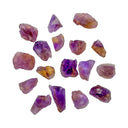 Ametrine
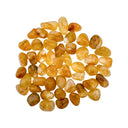 Golden Healer
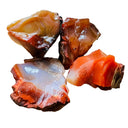 Raw Stones
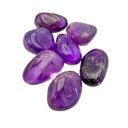 Tumbled Stones
 Palm Stones
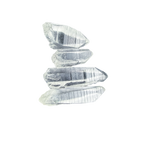 Crystal Points
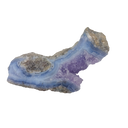 Clusters & Geodes
 Polished & Decor
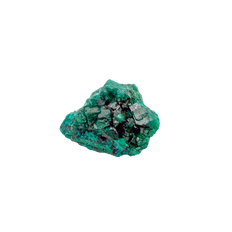 Mineral Specimens
 Crystal Chips







 Raw Stones
179 to choose from
Raw Stones
179 to choose from
 Tumbled Stones
162 to choose from
Tumbled Stones
162 to choose from
 Palm Stones
25 to choose from
Palm Stones
25 to choose from
 Crystal Points
23 to choose from
Crystal Points
23 to choose from
 Clusters & Geodes
97 to choose from
Clusters & Geodes
97 to choose from
 Polished & Decor
146 to choose from
Polished & Decor
146 to choose from
 Mineral Specimens
247 to choose from
Mineral Specimens
247 to choose from
 Crystal Chips
21 to choose from
Crystal Chips
21 to choose from


 AngolaAquamarine
›
AngolaAquamarine
›
 BotswanaCarnelian, Tree Agate
›
BotswanaCarnelian, Tree Agate
›
 DR CongoMalachite, Natural Citrine
›
DR CongoMalachite, Natural Citrine
›
 EswatiniBloodstone
›
EswatiniBloodstone
›
 MadagascarLabradorite, Clear Quartz
›
MadagascarLabradorite, Clear Quartz
›
 MalawiBlue Lace Agate, Garnet
›
MalawiBlue Lace Agate, Garnet
›
 MozambiqueAmazonite
›
MozambiqueAmazonite
›
 NamibiaSodalite, Blue Lace Agate
›
NamibiaSodalite, Blue Lace Agate
›
 Republic of the CongoDioptase
›
Republic of the CongoDioptase
›
 South AfricaTiger Eye, Unakite
›
South AfricaTiger Eye, Unakite
›
 ZambiaChevron Amethyst
›
ZambiaChevron Amethyst
›
 ZimbabweEmerald, Rhodonite
›
ZimbabweEmerald, Rhodonite
›
 ArgentinaBlack Obsidian, Rhodochrosite
›
ArgentinaBlack Obsidian, Rhodochrosite
›
 BoliviaAmetrine
›
BoliviaAmetrine
›
 BrazilAmethyst, Clear Quartz
›
BrazilAmethyst, Clear Quartz
›
 PeruSerpentine, Jade
›
PeruSerpentine, Jade
›
 UruguayAmethyst
›
UruguayAmethyst
›
 Dominican RepublicLarimar
›
Dominican RepublicLarimar
›
 MexicoRainbow Obsidian, Crazy Lace Agate
›
MexicoRainbow Obsidian, Crazy Lace Agate
›
 United StatesSelenite, Peridot
›
United StatesSelenite, Peridot
›
 ChinaFluorite
›
ChinaFluorite
›
 RussiaShungite
›
RussiaShungite
›
 AustraliaMookaite
›
AustraliaMookaite
›
 Where our crystals come from
See where we source →
Where our crystals come from
See where we source →


 Aquarius
Jan 20 to Feb 18
Amethyst
›
Aquarius
Jan 20 to Feb 18
Amethyst
›
 Pisces
Feb 19 to Mar 20
Aquamarine
›
Pisces
Feb 19 to Mar 20
Aquamarine
›
 Aries
Mar 21 to Apr 19
Carnelian
›
Aries
Mar 21 to Apr 19
Carnelian
›
 Taurus
Apr 20 to May 20
Rose Quartz
›
Taurus
Apr 20 to May 20
Rose Quartz
›
 Gemini
May 21 to Jun 20
Agate
›
Gemini
May 21 to Jun 20
Agate
›
 Cancer
Jun 21 to Jul 22
Moonstone
›
Cancer
Jun 21 to Jul 22
Moonstone
›
 Leo
Jul 23 to Aug 22
Citrine
›
Leo
Jul 23 to Aug 22
Citrine
›
 Virgo
Aug 23 to Sep 22
Amazonite
›
Virgo
Aug 23 to Sep 22
Amazonite
›
 Libra
Sep 23 to Oct 22
Blue Lace Agate
›
Libra
Sep 23 to Oct 22
Blue Lace Agate
›
 Scorpio
Oct 23 to Nov 21
Obsidian
›
Scorpio
Oct 23 to Nov 21
Obsidian
›
 Sagittarius
Nov 22 to Dec 21
Sodalite
›
Sagittarius
Nov 22 to Dec 21
Sodalite
›
 Capricorn
Dec 22 to Jan 19
Black Tourmaline
›
Gifting?
A birthday stone is the safe bet.
Read the zodiac guide →
Capricorn
Dec 22 to Jan 19
Black Tourmaline
›
Gifting?
A birthday stone is the safe bet.
Read the zodiac guide →


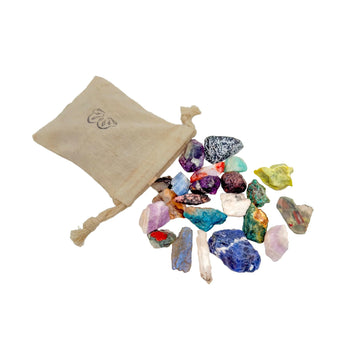










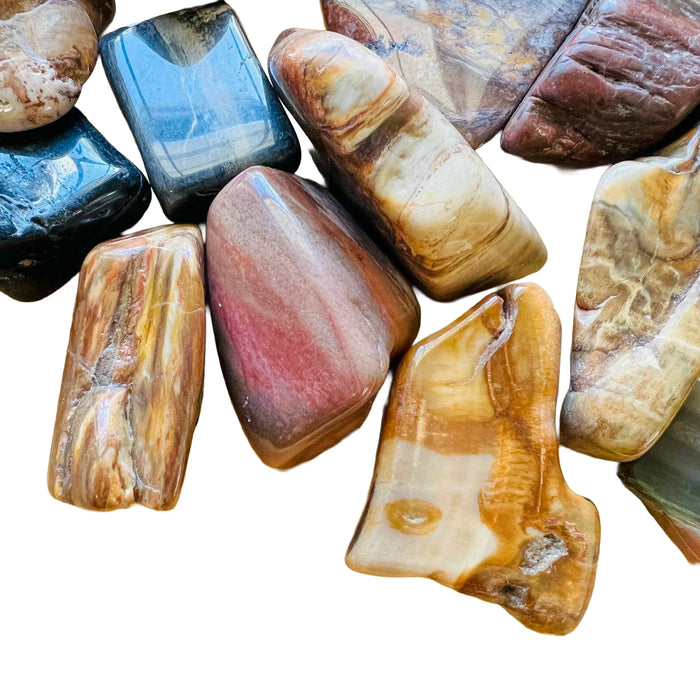
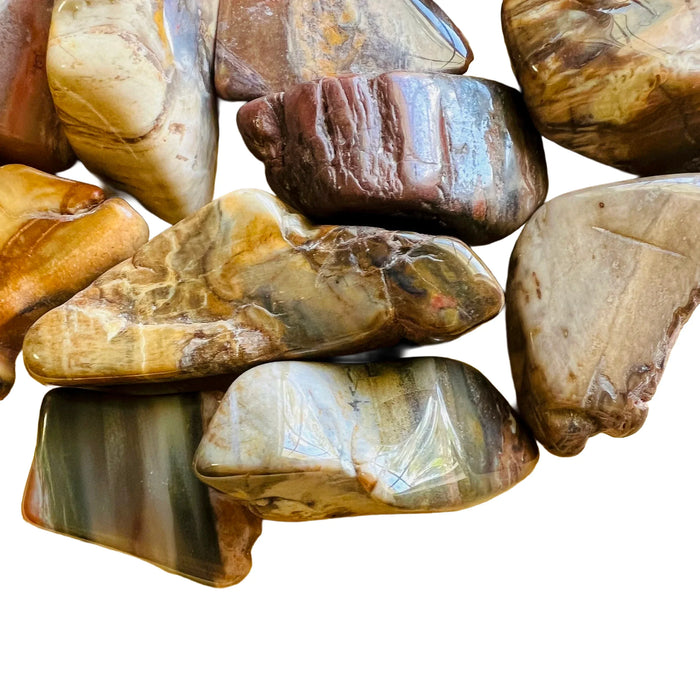
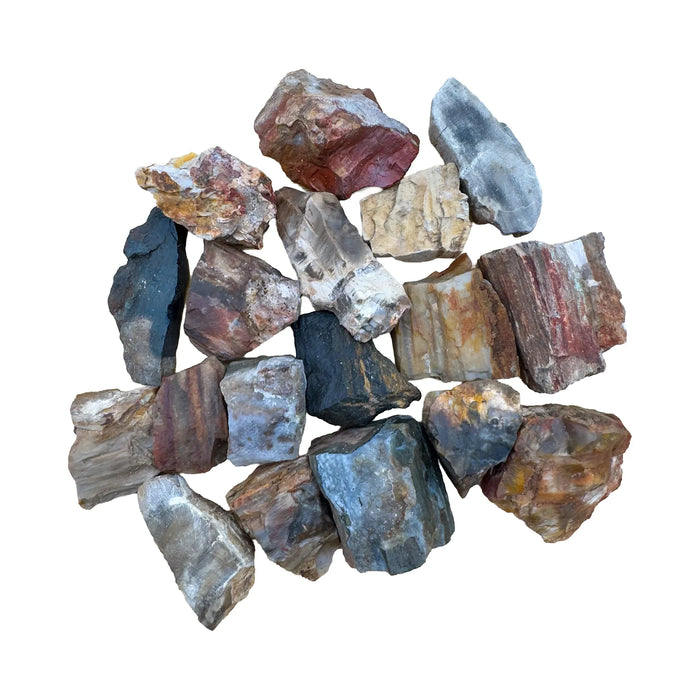
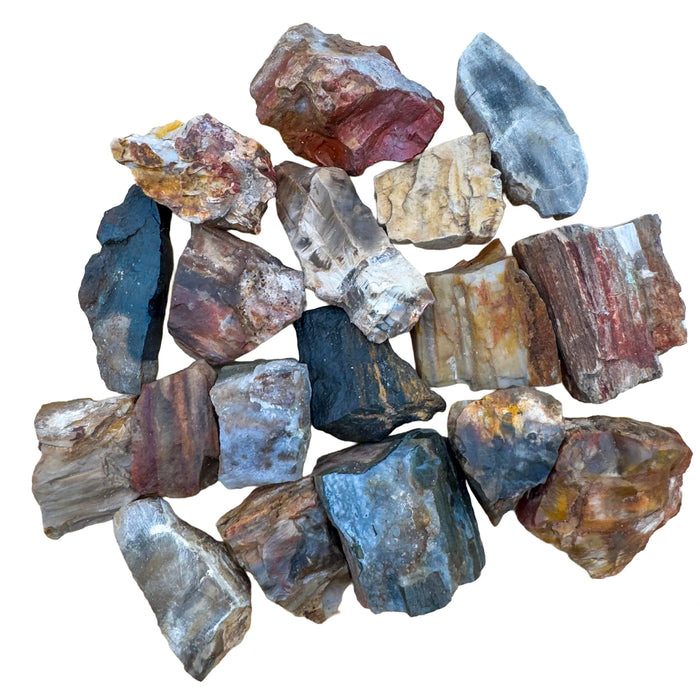
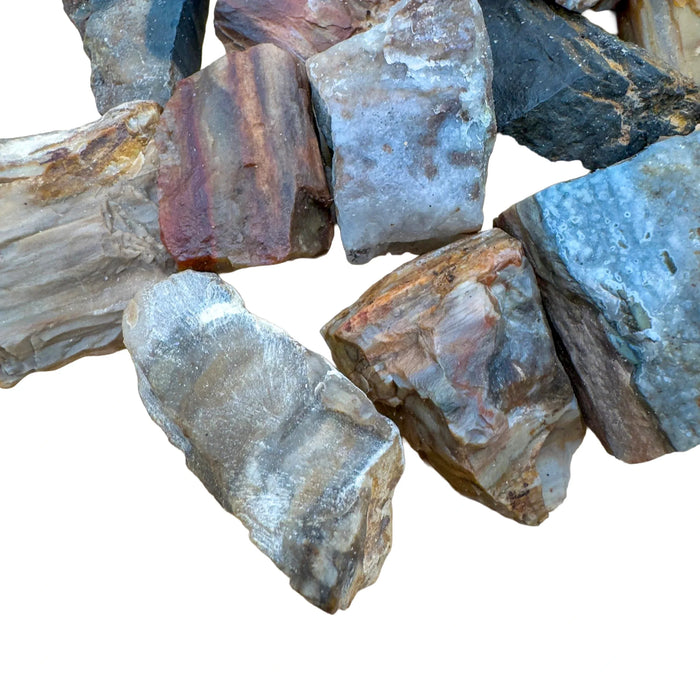
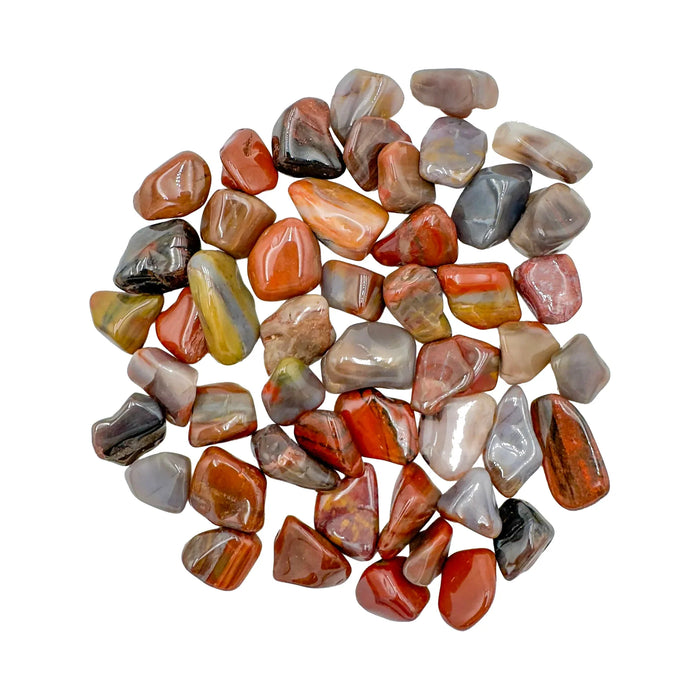
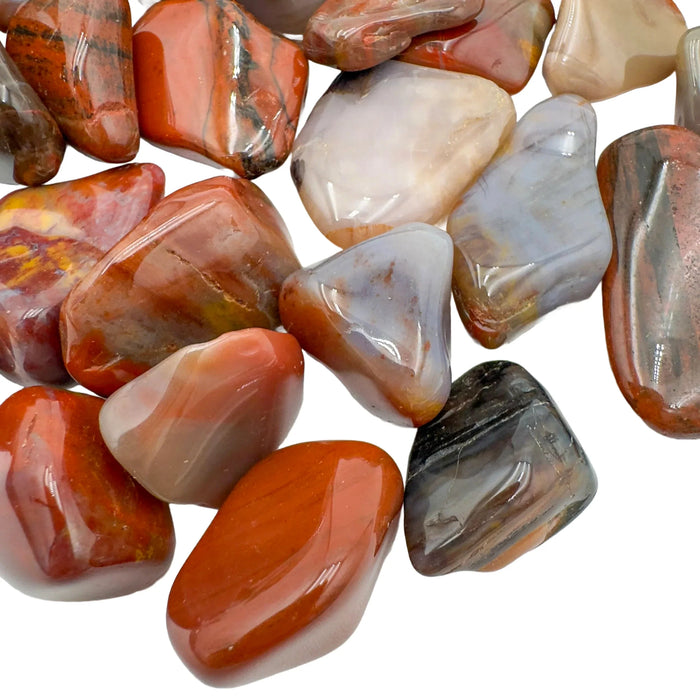
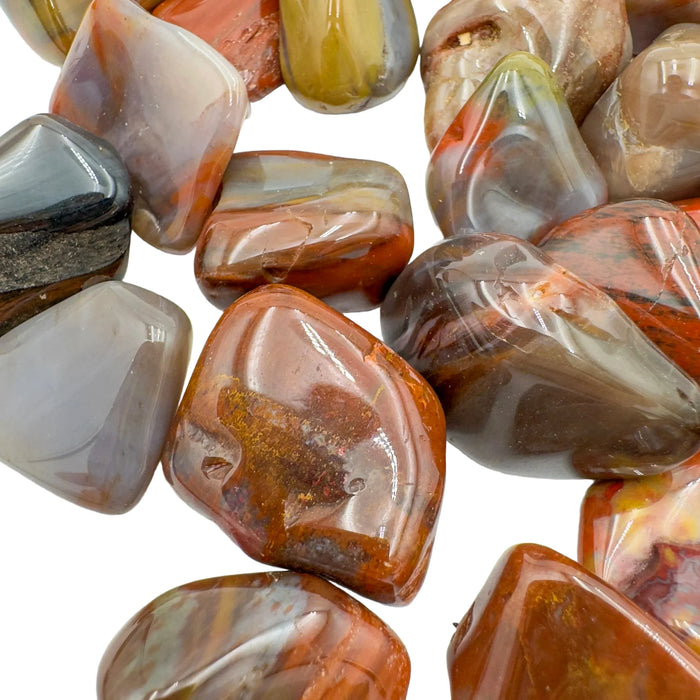
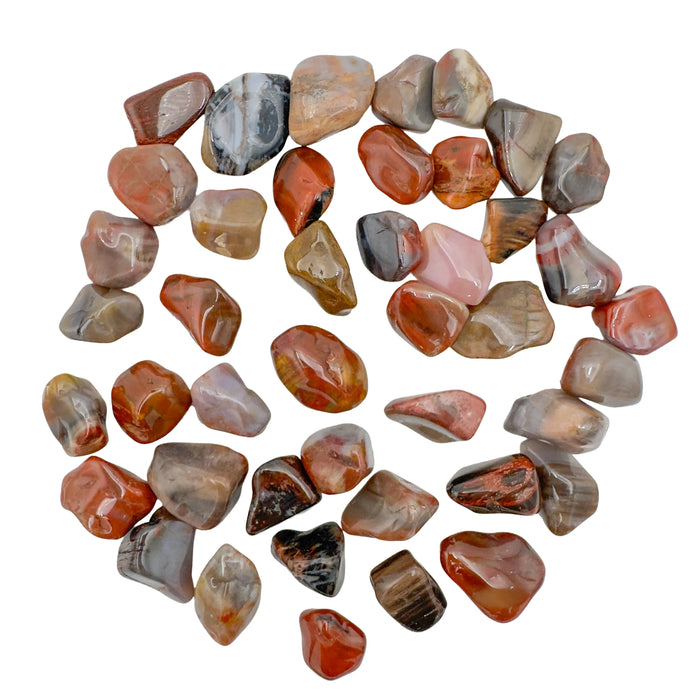
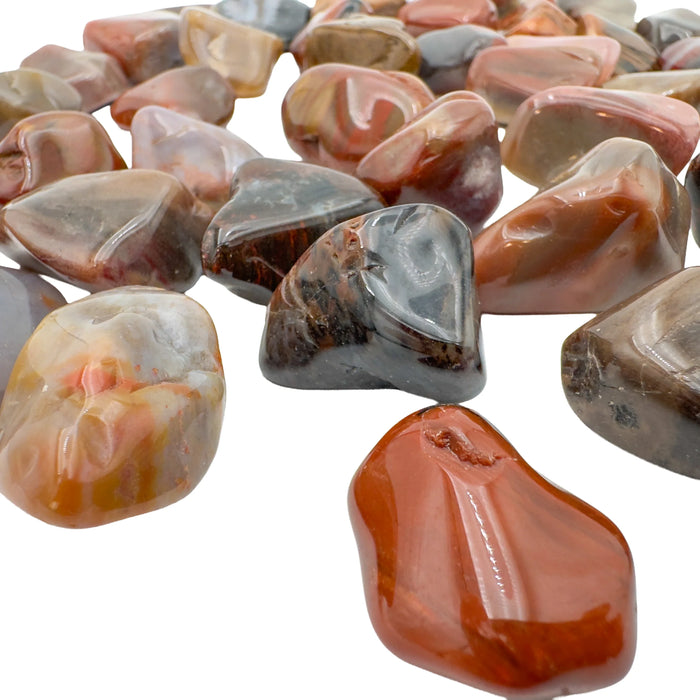
Petrified Wood
Petrified Wood is fossilized wood where the original organic material has been completely replaced by silica (primarily chalcedony, jasper, or opal) while the cellular structure of the tree is preserved in stone. Traditionally associated with patience, ancestral connection, and the slow transformation that comes with time. Genuinely ancient material, often hundreds of millions of years old.
Shop petrified woodPetrified Wood, in stock now.
Our most-loved Petrified Wood pieces, ready to ship.

- from 1,000+ reviews
- Ships within 72 hoursMonday to Friday, tracked
- 90 days to return itif you do not love it
- Free US shipping over $99$8.99 flat rate under
The geology.
Petrified Wood is fossilized wood in which the original organic cellulose and lignin have been completely replaced by silica (SiO₂) over millions of years. The replacement process preserves the cellular and structural features of the tree, sometimes including growth rings, bark patterns, and even cellular detail visible under magnification. Replacement silica is usually chalcedony or jasper, occasionally opal, depending on the groundwater chemistry during fossilization.
Hardness runs 6.5 to 7 on the Mohs scale, depending on whether chalcedony, jasper, or opal fills the original wood structure. The stone is technically a pseudomorph (one material taking the shape of another). Trace minerals in the replacement silica produce a range of colors: iron gives reds and yellows, manganese gives black, copper gives greens. Each piece is genuinely unique because each represents a specific ancient tree.
The origins.
Petrified Wood is found in many commercial and collector regions worldwide. Madagascar's Majunga Basin produces much of the small-shop tumbled material, with wood typically 150 to 180 million years old. The United States has multiple significant sources: Arizona's Petrified Forest National Park (material is protected there, but commercial Arizona Petrified Wood comes from private land), and Washington, Oregon, Nevada, and Colorado all produce commercial material. Argentina's Patagonia region produces ancient Jurassic-era material.
Each source has recognizable character. Malagasy material is typically warm brown to tan with good preservation of wood grain. Arizona Petrified Wood from private land shows vivid color from iron and manganese traces. Washington material often includes opal replacement. Argentinian Petrified Wood can be very ancient (200+ million years) and has a distinct collector following. The age and species of the original tree affect the final appearance.
Traditional associations.
Petrified Wood has been valued across cultures for thousands of years, though its identification as fossilized tree material rather than stone in the shape of wood is a relatively modern understanding. Ancient Egyptian tradition used Petrified Wood in amulets. Greek and Roman writers described the 'wood that became stone' as a natural curiosity. Indigenous American traditions used Petrified Wood in ceremonial objects, particularly in regions with significant local deposits.
Many people work with Petrified Wood for patience, ancestral connection, and the slow transformation that comes with deep time. It's most commonly associated with the Root and Earth Star chakras, the element of Earth, and the zodiac signs Leo and Scorpio. The classic working is as an anchor stone for long-term projects or intentions that need to mature gradually rather than quickly.
Spotting the real thing.
Real Petrified Wood shows preserved cellular and structural features of the original tree: growth rings, bark patterns, sometimes visible tree-ring texture. Under a loupe, the fine cellular structure of the original wood is often visible in the silica replacement. Hardness 6.5 to 7 (scratches glass). The colors are natural and follow grain patterns rather than appearing uniform.
Fakes are uncommon because the cellular structure is genuinely hard to reproduce. Occasional resin casts or carved ordinary wood sold as Petrified Wood fail the hardness test immediately. Ordinary wood is much softer; real Petrified Wood is a silicate and scratches glass. Reputable sellers confirm country of origin and approximate age of the material.
Care & handling.
Water safe for a brief rinse with warm water and a soft cloth. Skip long soaks, saltwater, and ultrasonic cleaners. Stable under sunlight. Handle opalized Petrified Wood more carefully as it can be prone to crazing with temperature shifts.
Cleanse energetically with moonlight, sound, smoke, or by placing on selenite overnight. At 6.5 to 7 on the Mohs scale, handles daily wear well in jewelry. Store with care, particularly for pieces with visible fractures along wood grain.
Pairs well with.
Proof, not promises.
We measure our own sourcing across five dimensions. Supply chain, environmental footprint, artisan support, market integrity, and pricing. The number is honest, not perfect. Where we can do better, we say so.
A deeper look.
Extended geology, sourcing, authentication, history, varieties, and pricing, for when the quick guide isn't quite enough.
Extended geology
Petrified Wood forms through a process called permineralization, in which the original organic wood material is gradually replaced by minerals over geological time. When a tree falls into an anaerobic environment (like a river channel or volcanic ash deposit) and is buried before rotting, mineral-rich groundwater slowly infiltrates the wood cells. As the organic material decays, it's replaced molecule-by-molecule by silica, preserving the cellular structure in stone.
The dominant replacement mineral is chalcedony (microcrystalline quartz, SiO₂), though jasper (red-colored chalcedony with hematite), opal (hydrous silica), or carbonate minerals can also form. Mohs hardness varies by replacement mineral: chalcedony/jasper 6.5 to 7, opal 5.5 to 6.5. The preservation can include visible growth rings, bark patterns, insect damage, and fungal infection structures that were in the original tree.
Extended sourcing
Madagascar's Majunga Basin produces significant commercial quantities of Petrified Wood, mostly Jurassic-age material (150 to 180 million years old) from ancient forests preserved in sedimentary deposits. The color range is typically warm browns and tans with occasional dramatic color from trace minerals.
The United States has multiple major deposits. Arizona's Petrified Forest National Park contains some of the world's most spectacular and colorful Petrified Wood (Triassic, about 225 million years old), but collecting there is illegal; commercial Arizona Petrified Wood comes from private land around the park. Washington's Ginkgo Petrified Forest State Park is another major site; Oregon's Crooked River and Hampton Butte deposits produce collector material. Argentina's Patagonia has Jurassic-age Petrified Wood. Indonesia produces modern-era (tens of millions of years old) petrified wood. Egypt has ancient material from the Sahara.
Authentication and warning signs
Real Petrified Wood has visible wood grain, growth rings, or bark structure preserved in the mineral replacement. Under magnification, fine cellular detail of the original wood is often visible. Hardness 6.5 to 7 will scratch glass easily; ordinary wood will not. The colors follow grain patterns rather than appearing uniform.
Fakes are rare. Occasional resin-cast imitations or actual wood pieces painted to look like Petrified Wood fail the hardness test immediately. Real Petrified Wood feels cold to the touch (it's a silicate, not organic material); fakes feel warm. Reputable sellers confirm country of origin and approximate geological age.
Historical and cultural context
Petrified Wood has been recognized as unusual material across human history, though the understanding that it was fossilized tree material rather than stone naturally shaped like wood is a relatively recent development (nineteenth century onward). Ancient Egyptian tradition used Petrified Wood in amulets, sometimes as a component of protective charms. Greek and Roman writers described the material as a natural wonder.
Indigenous American traditions, particularly in the American Southwest, used Petrified Wood in ceremonial and decorative objects. The Navajo name for Petrified Wood (yeitso bidilii) translates roughly as 'giant-serpent blood,' reflecting one of several origin stories. Contemporary metaphysical practice treats Petrified Wood as a stone of ancestral connection, deep time, and patient transformation.
Varieties and trade names
Araucaria Petrified Wood: fossilized ancient Araucaria (monkey puzzle) trees, often from Argentina or Arizona.
Oak Petrified Wood: from fossilized oak, usually from Washington or Oregon.
Palm Petrified Wood: distinctive dotted pattern from fossilized palm stems.
Opalized Petrified Wood: where replacement mineral is opal, sometimes with precious opal sheen.
Peanut Wood: Australian Petrified Wood with characteristic pale oval inclusions from fossilized marine organisms.
Pricing reality
Tumbled Petrified Wood: 1 to 5 dollars per piece. Small polished shapes and palm stones: 8 to 30 dollars. Larger polished slabs and freeforms: 25 to 150 dollars. Specimen-grade pieces with dramatic color or rare species preservation: 50 to 500 dollars. Fine Arizona or Argentinian collector specimens: 200 to several thousand dollars.
Value drivers: quality of cellular preservation, color (vivid red and yellow from iron and manganese traces command premiums), size, species identification, and documented origin. Warning signs: pieces without origin detail at specimen pricing, 'Arizona' material without legitimate provenance (possible illegal collection), or material that doesn't show real wood grain structure.
Good sourcing is a practice, not a claim.
Nothing we sell is illegally collected from protected areas or sold without documented origin. We name our origins where we can. We say so when we cannot. We walk away from material that doesn't meet our standard, even when it costs us sales.
Bring petrified-wood home.
Collector pieces are photographed individually, and you receive the exact piece shown. Batch stones are sold by the piece or by the pound from the lot pictured, with the same origin and treatment notes on every product page.
Shop the petrified-wood collectionGrounded Connections
New Petrified Wood pieces go to the list first.
No forwarding, no selling. Unsubscribe in one click. Privacy