


 Agatefor stress relief
 Amazonitefor stress relief
 Aquamarinefor serenity
 Aventurinefor luck
 Bloodstonefor energy
 Blue Kyanitefor confidence
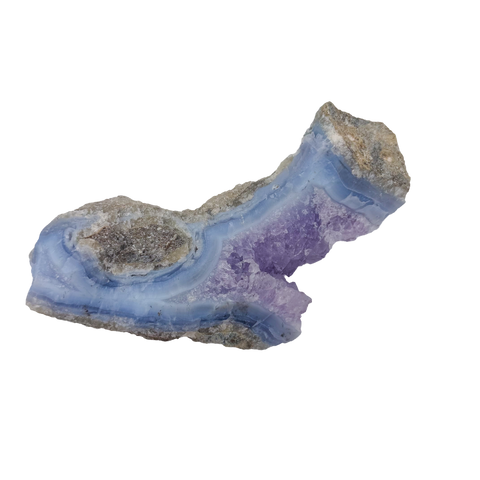
 Blue Lace Agatefor stress relief
 Chrysocollafor emotional healing
 Fluoritefor focus
 Garnetfor energy
 Lepidolitefor stress relief
 Malachitefor emotional healing
 Moonstonefor grounding
 Obsidianfor protection
 Ocean Jasperfor emotional healing
 Red Jasperfor grounding
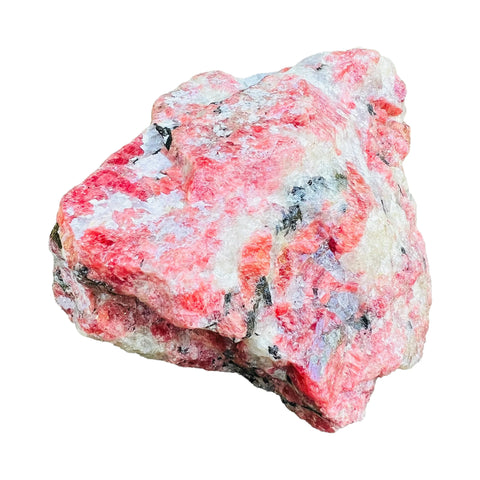
 Rhodonitefor emotional healing
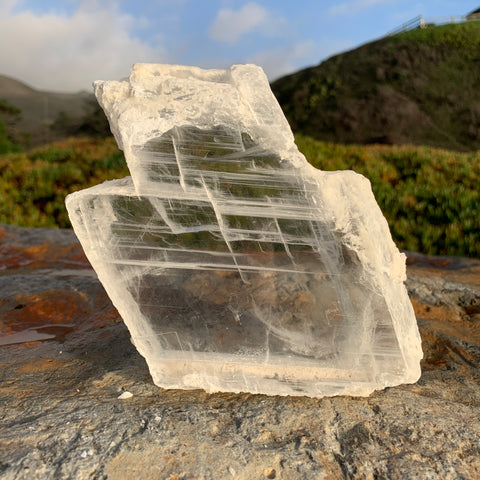
 Selenitefor cleansing
 Sodalitefor focus
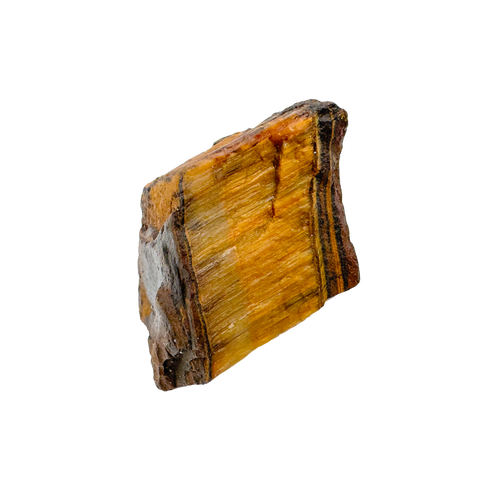
 Tiger Eyefor confidence
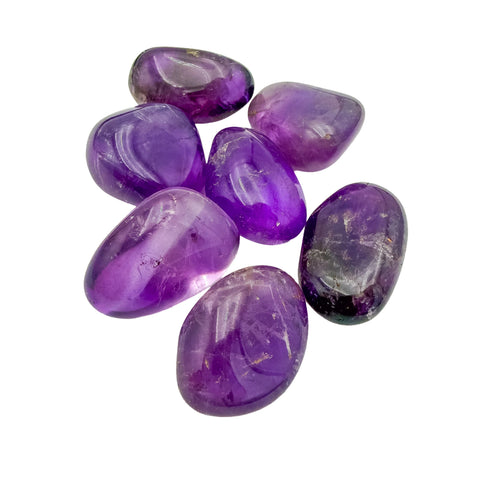


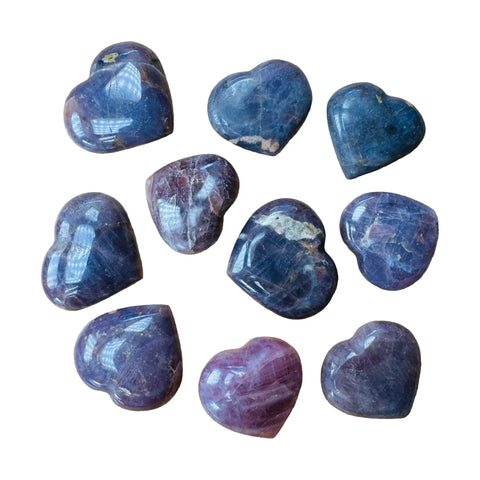
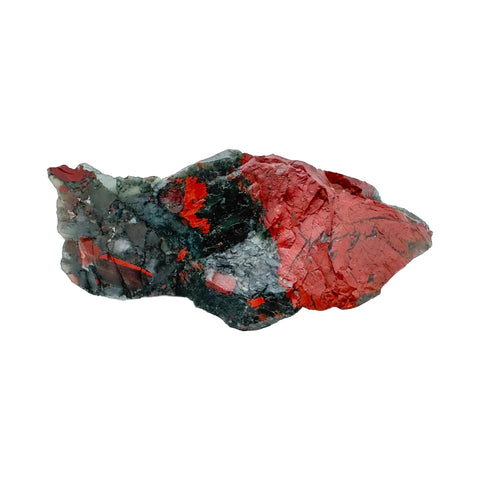
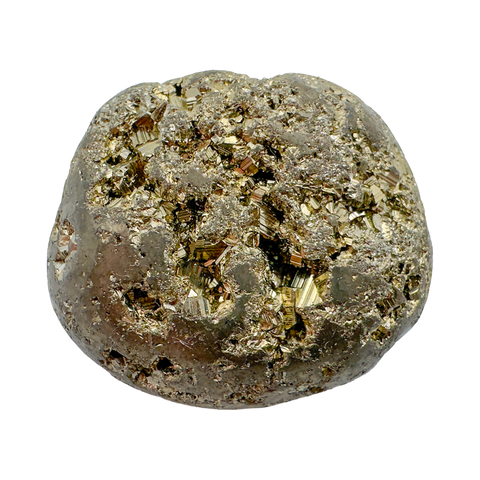
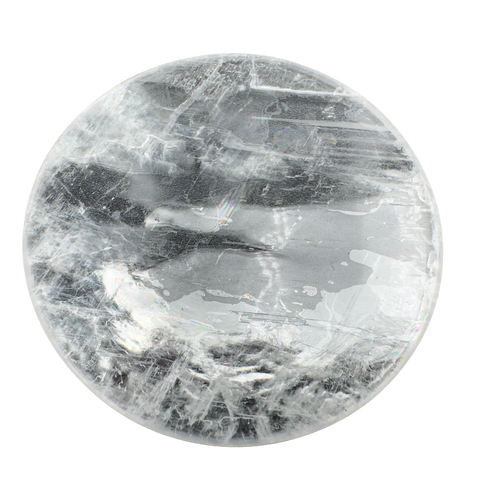
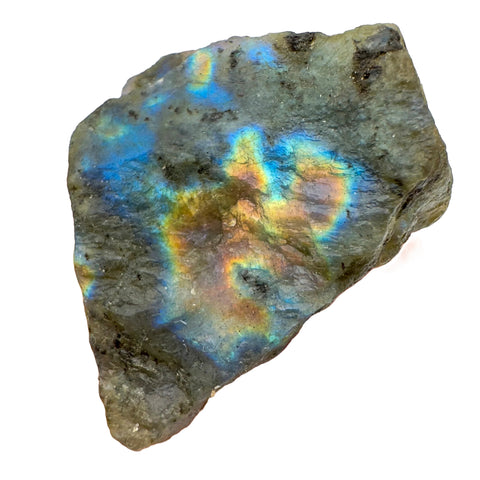


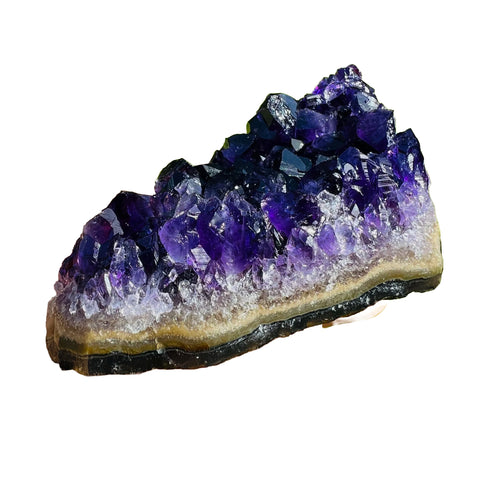




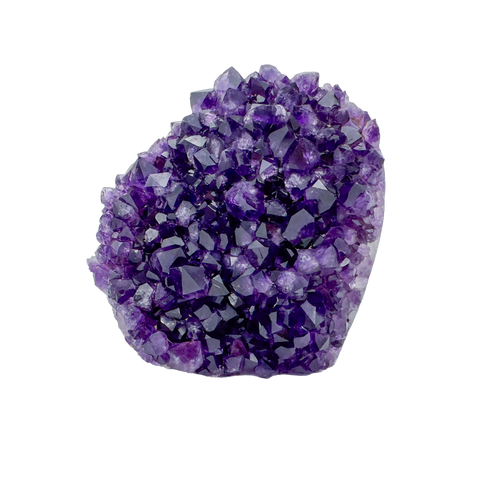
 Amethyst
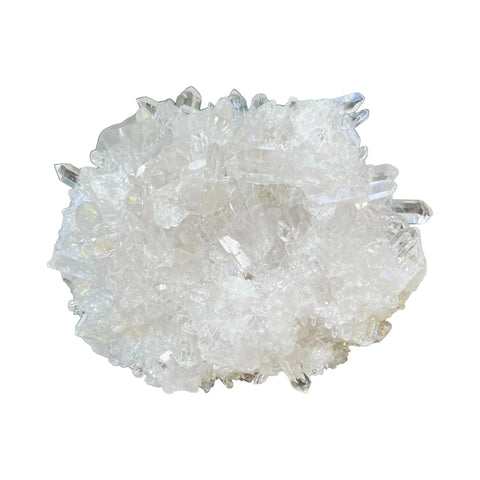
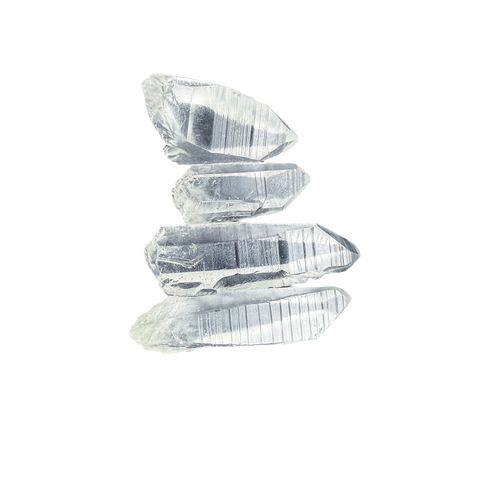
 Clear Quartz
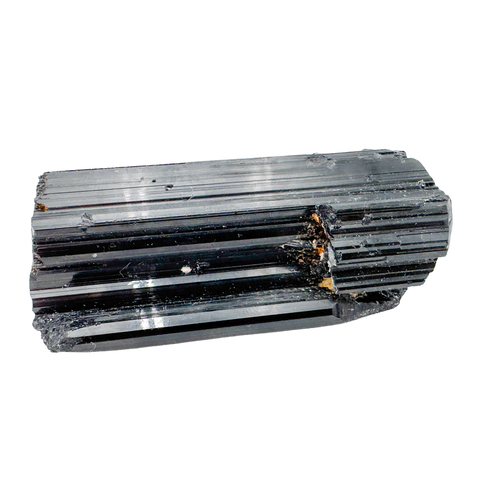
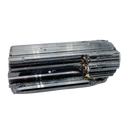 Black Tourmaline
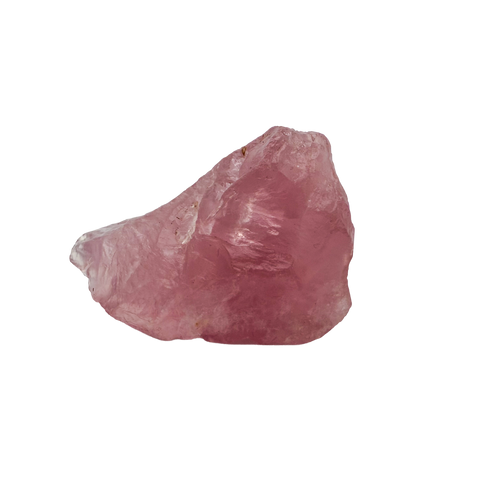
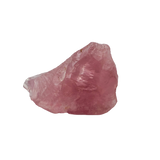 Rose Quartz
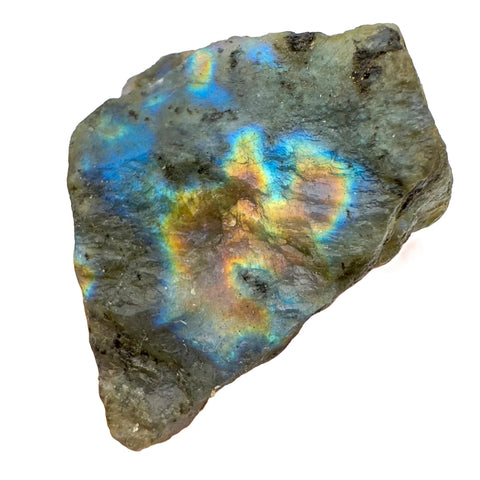
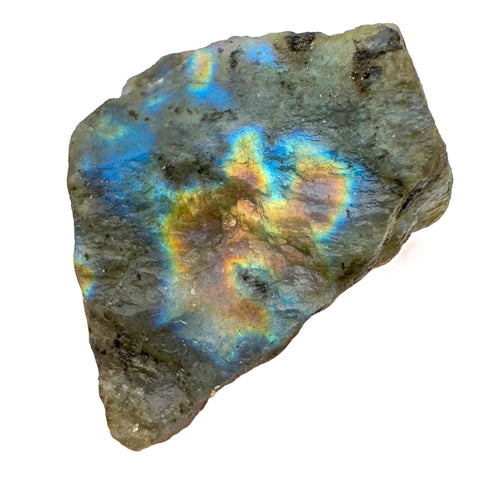
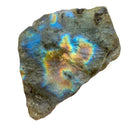 Labradorite
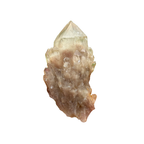 Natural Citrine
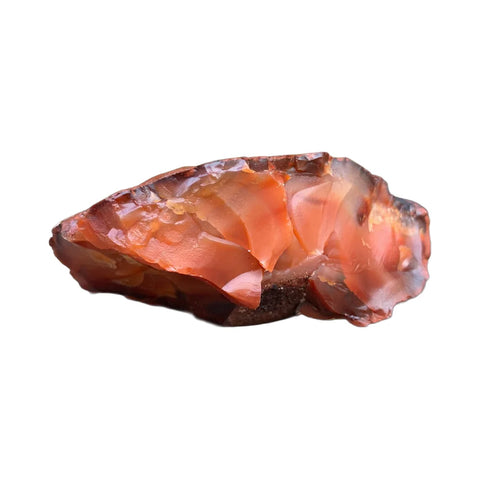
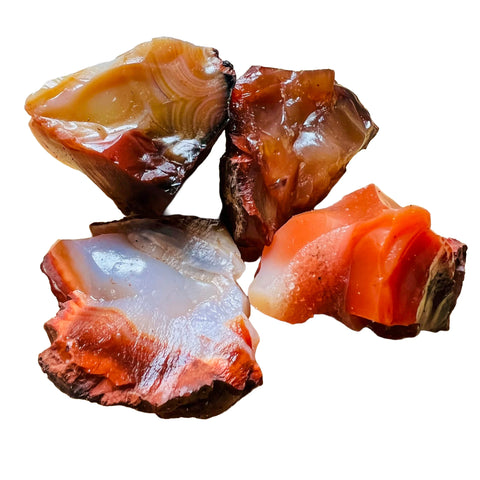
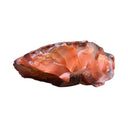 Carnelian
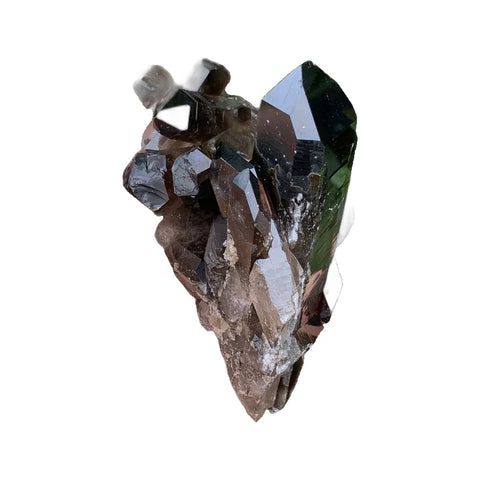
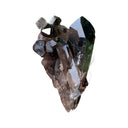 Smoky Quartz
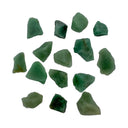 Aventurine
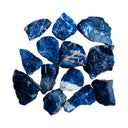 Sodalite
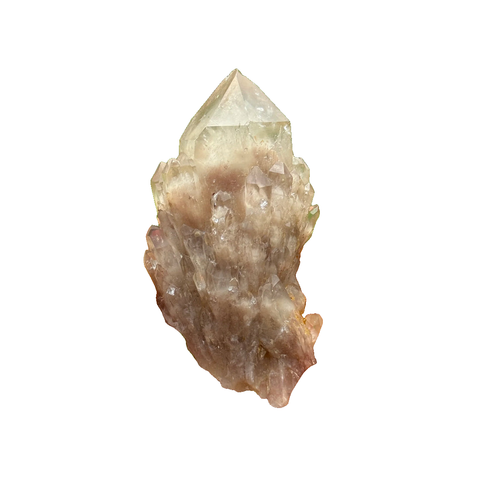
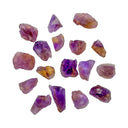 Ametrine
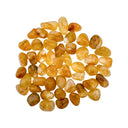 Golden Healer
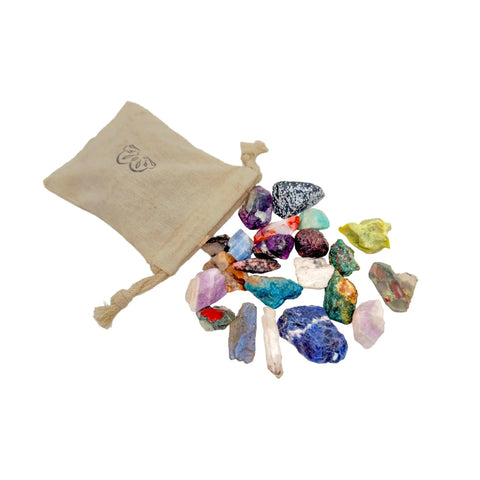
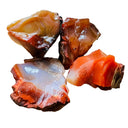 Raw Stones
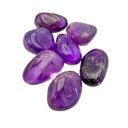 Tumbled Stones
 Palm Stones
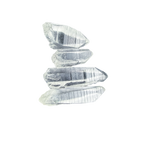 Crystal Points
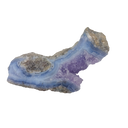 Clusters & Geodes
 Polished & Decor
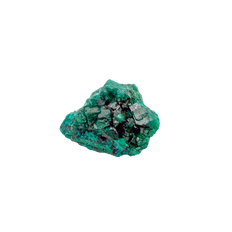 Mineral Specimens
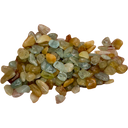 Crystal Chips
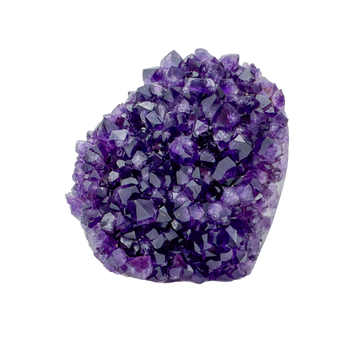
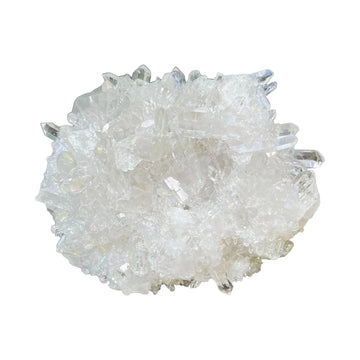
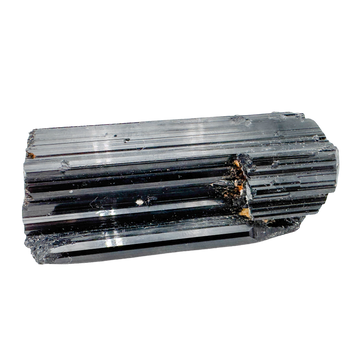
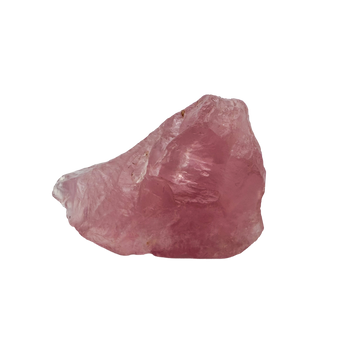
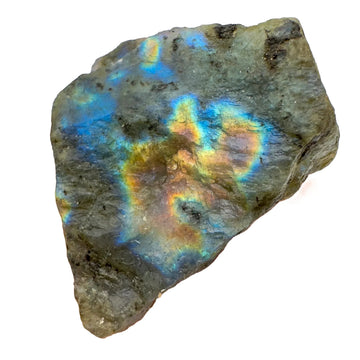
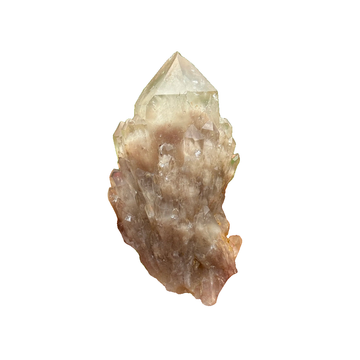
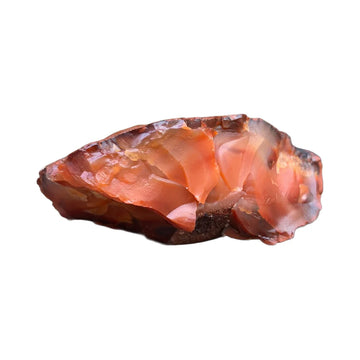
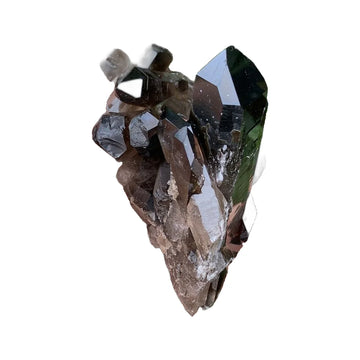
 Raw Stones
179 to choose from
Raw Stones
179 to choose from
 Tumbled Stones
162 to choose from
Tumbled Stones
162 to choose from
 Palm Stones
25 to choose from
Palm Stones
25 to choose from
 Crystal Points
23 to choose from
Crystal Points
23 to choose from
 Clusters & Geodes
101 to choose from
Clusters & Geodes
101 to choose from
 Polished & Decor
148 to choose from
Polished & Decor
148 to choose from
 Mineral Specimens
254 to choose from
Mineral Specimens
254 to choose from
 Crystal Chips
21 to choose from
Crystal Chips
21 to choose from


 AngolaAquamarine
›
AngolaAquamarine
›
 BotswanaCarnelian, Tree Agate
›
BotswanaCarnelian, Tree Agate
›
 DR CongoMalachite, Natural Citrine
›
DR CongoMalachite, Natural Citrine
›
 EswatiniBloodstone
›
EswatiniBloodstone
›
 MadagascarLabradorite, Clear Quartz
›
MadagascarLabradorite, Clear Quartz
›
 MalawiBlue Lace Agate, Garnet
›
MalawiBlue Lace Agate, Garnet
›
 MozambiqueAmazonite
›
MozambiqueAmazonite
›
 NamibiaSodalite, Blue Lace Agate
›
NamibiaSodalite, Blue Lace Agate
›
 Republic of the CongoDioptase
›
Republic of the CongoDioptase
›
 South AfricaTiger Eye, Unakite
›
South AfricaTiger Eye, Unakite
›
 ZambiaChevron Amethyst
›
ZambiaChevron Amethyst
›
 ZimbabweEmerald, Rhodonite
›
ZimbabweEmerald, Rhodonite
›
 ArgentinaBlack Obsidian, Rhodochrosite
›
ArgentinaBlack Obsidian, Rhodochrosite
›
 BoliviaAmetrine
›
BoliviaAmetrine
›
 BrazilAmethyst, Clear Quartz
›
BrazilAmethyst, Clear Quartz
›
 PeruSerpentine, Jade
›
PeruSerpentine, Jade
›
 UruguayAmethyst
›
UruguayAmethyst
›
 Dominican RepublicLarimar
›
Dominican RepublicLarimar
›
 MexicoRainbow Obsidian, Crazy Lace Agate
›
MexicoRainbow Obsidian, Crazy Lace Agate
›
 United StatesSelenite, Peridot
›
United StatesSelenite, Peridot
›
 ChinaFluorite
›
ChinaFluorite
›
 RussiaShungite
›
RussiaShungite
›
 AustraliaMookaite
›
AustraliaMookaite
›
 Where our crystals come from
See where we source →
Where our crystals come from
See where we source →


 Aries
Mar 21 to Apr 19
Carnelian
›
Aries
Mar 21 to Apr 19
Carnelian
›
 Taurus
Apr 20 to May 20
Rose Quartz
›
Taurus
Apr 20 to May 20
Rose Quartz
›
 Gemini
May 21 to Jun 20
Agate
›
Gemini
May 21 to Jun 20
Agate
›
 Cancer
Jun 21 to Jul 22
Moonstone
›
Cancer
Jun 21 to Jul 22
Moonstone
›
 Leo
Jul 23 to Aug 22
Citrine
›
Leo
Jul 23 to Aug 22
Citrine
›
 Virgo
Aug 23 to Sep 22
Amazonite
›
Virgo
Aug 23 to Sep 22
Amazonite
›
 Libra
Sep 23 to Oct 22
Blue Lace Agate
›
Libra
Sep 23 to Oct 22
Blue Lace Agate
›
 Scorpio
Oct 23 to Nov 21
Obsidian
›
Scorpio
Oct 23 to Nov 21
Obsidian
›
 Sagittarius
Nov 22 to Dec 21
Sodalite
›
Sagittarius
Nov 22 to Dec 21
Sodalite
›
 Capricorn
Dec 22 to Jan 19
Black Tourmaline
›
Capricorn
Dec 22 to Jan 19
Black Tourmaline
›
 Aquarius
Jan 20 to Feb 18
Amethyst
›
Aquarius
Jan 20 to Feb 18
Amethyst
›
 Pisces
Feb 19 to Mar 20
Aquamarine
›
Gifting?
A birthday stone is the safe bet.
Read the zodiac guide →
Pisces
Feb 19 to Mar 20
Aquamarine
›
Gifting?
A birthday stone is the safe bet.
Read the zodiac guide →

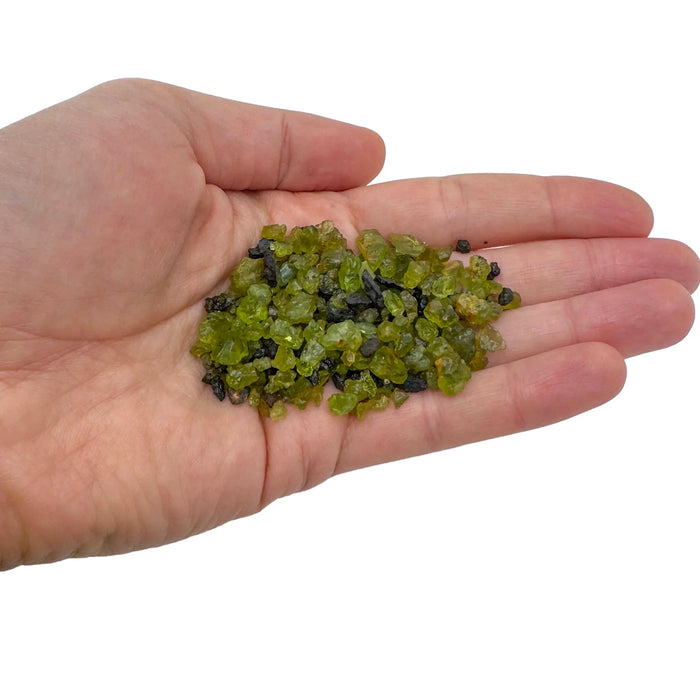
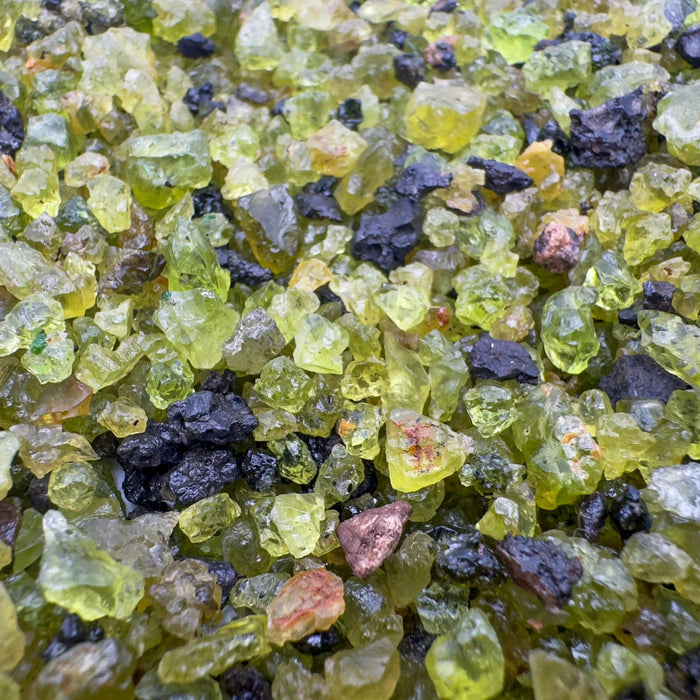
Peridot
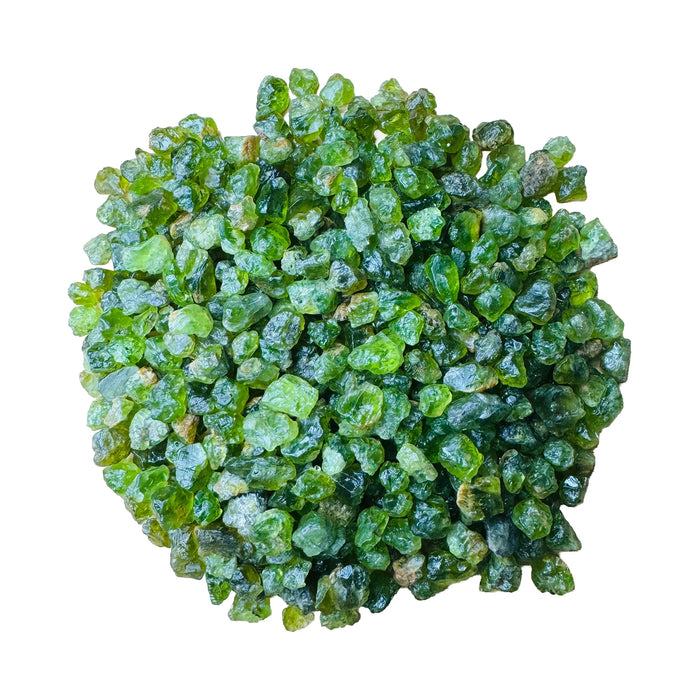
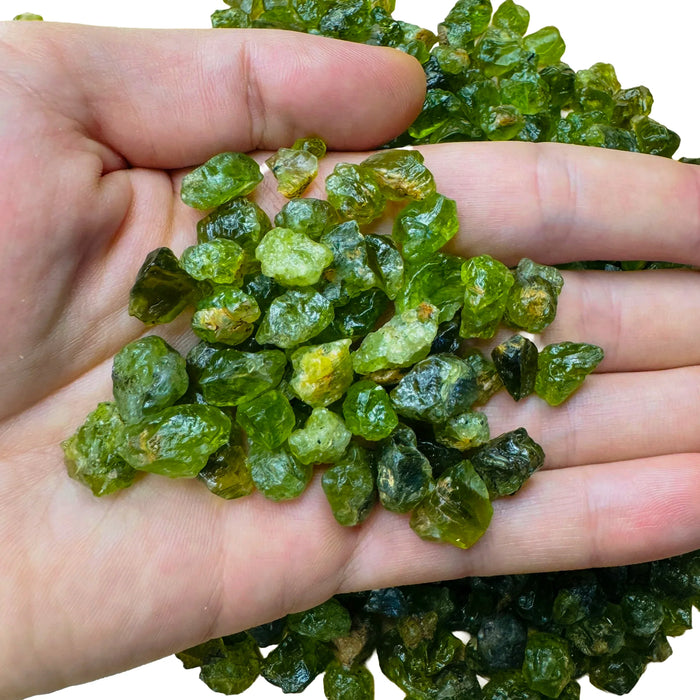
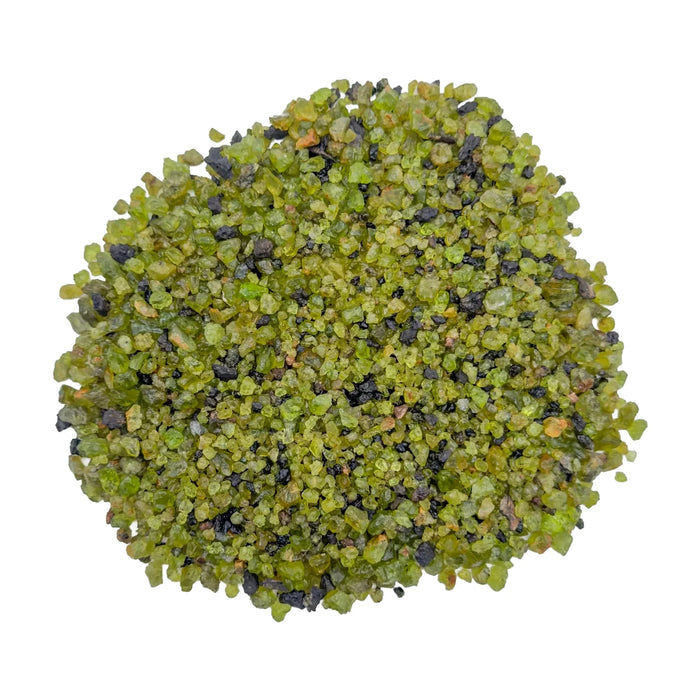
Peridot is the gem variety of olivine, an iron-magnesium silicate that's one of the most common minerals in the Earth's mantle. Its signature olive-green color comes from iron in the crystal structure. Traditionally associated with renewal, heart-centered warmth, and the quiet confidence that comes from belonging. One of the few gemstones that only comes in a single color.
Shop peridotPeridot, in stock now.
Our most-loved Peridot pieces, ready to ship.
- from 1,000+ reviews
- Ships within 72 hoursMonday to Friday, tracked
- 90 days to return itif you do not love it
- Free US shipping over $99$8.99 flat rate under
The geology.
Peridot is the gem-quality variety of olivine, an iron-magnesium silicate with the chemical formula (Mg,Fe)₂SiO₄. Olivine is one of the most abundant minerals in the Earth's upper mantle; Peridot is the rare clear, gem-quality form of this otherwise very common mineral. The characteristic olive-green color comes from iron in the crystal structure. Unlike most gemstones that occur in multiple colors, Peridot is essentially monochromatic, varying only in intensity of green.
Hardness runs 6.5 to 7 on the Mohs scale. Peridot has perfect cleavage in one direction, which affects how it's cut and mounted. It's also moderately heat-sensitive, which matters for jewelry care. Occasionally Peridot arrives on Earth from space: pallasite meteorites contain olivine crystals that are effectively extraterrestrial Peridot, a small but genuine market for collectors.
The origins.
Peridot is mined in several commercial producer regions. Arizona's San Carlos Apache reservation is a significant source of commercial Peridot and has been mined by Apache communities for generations. Myanmar's Mogok Valley produces fine gem-quality Peridot historically. Pakistan's Suppat and Kohistan regions produce exceptional large crystals. Egypt's Zabargad Island in the Red Sea is the ancient source dating back to Pharaonic times, still producing some material.
Each source has recognizable character. San Carlos material tends toward smaller stones with consistent olive-green color; it's the primary commercial source for the small-shop market. Burmese Peridot is historically the finest for gem work. Pakistani crystals can be dramatically large. Egyptian material carries ancient provenance. China (Hebei) and Vietnam also produce commercial Peridot.
Traditional associations.
Peridot has one of the oldest continuous mining traditions of any gemstone. Egypt's Zabargad Island (called Topazios in ancient Greek, sometimes called the Island of Peridot) has been mined for at least 3,500 years. Ancient Egyptian tradition associated Peridot with the sun, and Pharaohs wore it in jewelry. Roman tradition valued it alongside other precious gems; some of what was called 'topaz' in ancient Roman sources was actually Peridot. Medieval European tradition used Peridot in ecclesiastical jewelry.
Many people work with Peridot for renewal, heart-centered warmth, and the quiet confidence that comes from belonging. It's most commonly associated with the Heart and Solar Plexus chakras, the elements of Earth and Fire, and the zodiac signs Leo and Virgo (Peridot is Leo's traditional birthstone in some systems). The classic working is as a steady companion stone for returning to yourself after a difficult stretch.
Spotting the real thing.
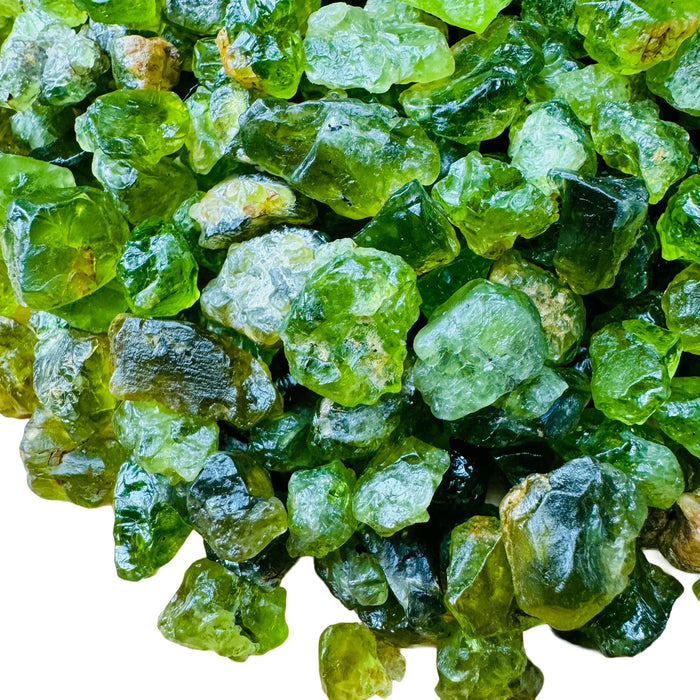
Real Peridot shows a distinctive olive-green color with slight yellow cast, not quite emerald green and not quite yellow-green. Under strong light, the color maintains consistency but might show subtle color zoning. Under a loupe, gem-quality Peridot shows characteristic inclusions that gemologists call 'lily pad inclusions,' small disc-shaped features unique to this stone. Hardness 6.5 to 7 will scratch glass.
Fakes include green glass (often called 'Peridot glass,' a common costume jewelry material), dyed olivine-group minerals, and synthetic lab-grown Peridot. Glass imitations feel warmer to touch, show bubbles, and won't scratch glass (same hardness). Synthetic Peridot is chemically real but should be disclosed and priced accordingly. The lily pad inclusions are a reliable authentication feature for natural material.
Care & handling.
Peridot requires gentle care. Water safe for brief rinses with lukewarm water only; avoid hot water, ultrasonic cleaners, and steam cleaners, all of which can exploit the cleavage and cause fracturing. Avoid sudden temperature changes. Chemical cleaners, especially anything acidic, can damage the surface.
Cleanse energetically with moonlight, sound, smoke, or by placing on selenite overnight. At 6.5 to 7 on the Mohs scale with perfect cleavage, Peridot handles careful daily wear in protected jewelry settings but isn't ideal for rings in active use. Store separately from harder stones, in a padded compartment. Remove before physical activity or rough work.
Pairs well with.
Proof, not promises.
We measure our own sourcing across five dimensions. Supply chain, environmental footprint, artisan support, market integrity, and pricing. The number is honest, not perfect. Where we can do better, we say so.
A deeper look.
Extended geology, sourcing, authentication, history, varieties, and pricing, for when the quick guide isn't quite enough.
Extended geology
Peridot is the gem-quality variety of olivine, an iron-magnesium silicate with formula (Mg,Fe)₂SiO₄ forming a solid solution between two end-member species: forsterite (magnesium end, Mg₂SiO₄) and fayalite (iron end, Fe₂SiO₄). Most Peridot is forsterite-rich with smaller amounts of iron; the green color comes from that iron. Olivine crystallizes in the orthorhombic system and forms one of the most abundant mineral groups in the Earth's upper mantle.
Mohs hardness 6.5 to 7. Specific gravity 3.27 to 3.37. Perfect cleavage in one direction. Conchoidal fracture. Vitreous luster. Peridot is notable among gems for occurring almost exclusively in a single color range (olive green to yellow-green). The characteristic 'lily pad inclusions' are small disc-shaped features unique to Peridot and a reliable natural-authentication feature.
Extended sourcing
Arizona's San Carlos Apache Indian Reservation is the largest commercial producer of Peridot globally, supplying most of the small-shop market. Mining has been conducted by Apache community members for generations, with small-scale operations in basalt flows where olivine crystals are weathered out of the host rock.
Myanmar's Mogok Valley has produced fine gem-quality Peridot for centuries and remains one of the most prestigious sources. Pakistan's Suppat and Kohistan regions produce exceptional large crystals with particularly clean color. Egypt's Zabargad Island (the ancient Topazios) in the Red Sea has been mined for at least 3,500 years and still produces some material. China's Hebei province, Vietnam, and meteorite-sourced Peridot (from pallasite meteorites) round out the global market.
Authentication and warning signs
The lily pad inclusions are the most reliable natural authentication feature; under magnification, Peridot frequently shows small disc-shaped features that are genuinely unique to this species. Color should be olive green with slight yellow cast; perfectly neutral or emerald green suggests imitation. Hardness 6.5 to 7 will scratch glass.
Green glass ('Peridot glass') is the most common imitation in costume jewelry; it's softer, warmer to the touch, and often shows air bubbles. Synthetic lab-grown Peridot exists but is rare; when present, it's chemically indistinguishable from natural Peridot without gemological testing and should be disclosed. Real Peridot with perfect cleavage may show cleavage planes at certain angles.
Historical and cultural context
Peridot has among the longest continuous gemstone-mining traditions. Egypt's Zabargad Island (ancient Greek Topazios, which caused considerable confusion because the name later transferred to a different gemstone) has been mined for 3,500+ years. Ancient Egyptian tradition associated Peridot with Ra (the sun god) and incorporated it into royal jewelry. Some of the gems in Cleopatra's reputed 'emerald' jewelry may have been Peridot.
Roman and medieval European tradition used Peridot alongside other precious gems; a significant portion of large 'emeralds' in European ecclesiastical treasures, including reputed emeralds in the Cologne Cathedral's Shrine of the Three Kings, have been reidentified as Peridot. In contemporary metaphysical practice, Peridot is grouped with heart-warming and renewing stones, often framed as a gentler alternative to Emerald.
Varieties and trade names
Peridot: the gem-quality olivine, standard commercial term.
Forsterite: the magnesium-rich end-member of the olivine series.
Chrysolite: historical name for Peridot and related olivine gems, now largely obsolete.
Pallasite Peridot: Peridot from meteorites, typically sold to collectors interested in extraterrestrial provenance.
Egyptian Peridot: Peridot from Zabargad Island, carrying ancient provenance.
Pricing reality
Tumbled and small raw San Carlos Peridot: 5 to 25 dollars per piece. Small faceted San Carlos Peridot: 20 to 80 dollars per carat. Larger faceted commercial Peridot: 60 to 200 dollars per carat. Fine Burmese, Pakistani, or Egyptian Peridot: 200 to 500+ dollars per carat. Exceptional large clean gems: 500 to several thousand dollars per carat. Pallasite meteorite Peridot: collector pricing.
Value drivers: color saturation (deeper olive green is most valued), clarity, size (Peridot typically comes in smaller sizes; larger clean stones are rare), origin, and documentation. Warning signs: 'Peridot' at suspiciously low per-carat prices (possibly green glass), material without origin detail, or stones with perfect uniform color suggesting lab-grown rather than natural.
Good sourcing is a practice, not a claim.
Nothing we sell is green glass or synthetic lab-grown material sold as natural Peridot. We name our origins where we can and support Apache community mining at San Carlos. We walk away from material that doesn't meet our standard, even when it costs us sales.
Bring peridot home.
Every piece we carry is photographed individually and listed with its own origin and treatment notes. What you see is what ships.
Shop the peridot collectionGrounded Connections
New stones go to the list first.
No forwarding, no selling. Unsubscribe in one click. Privacy