


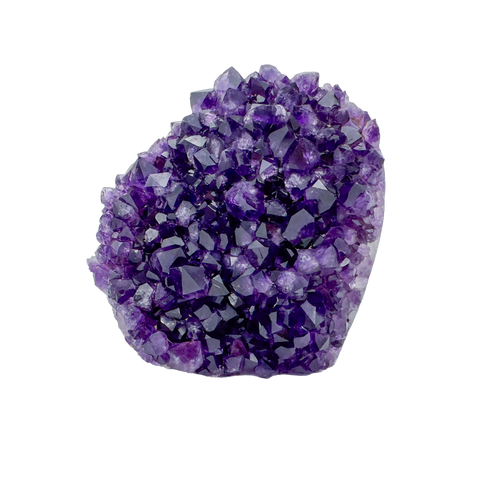
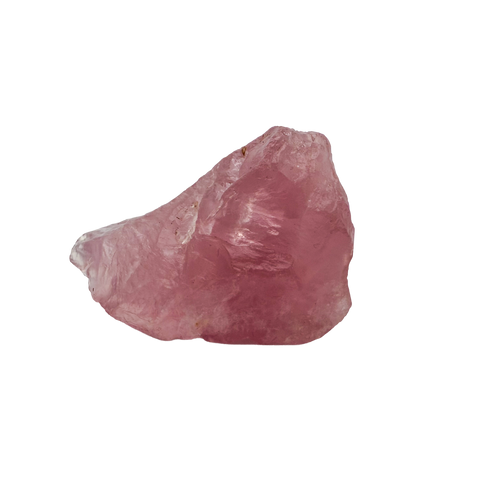
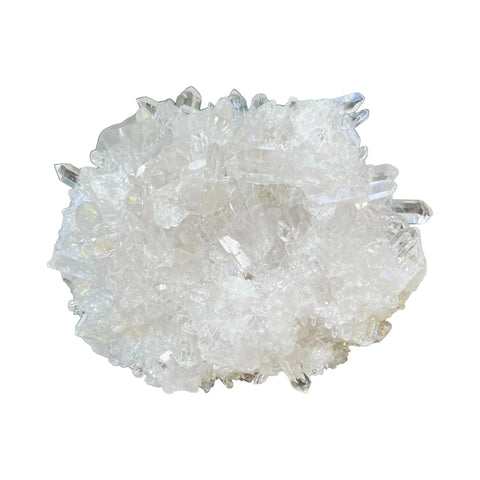
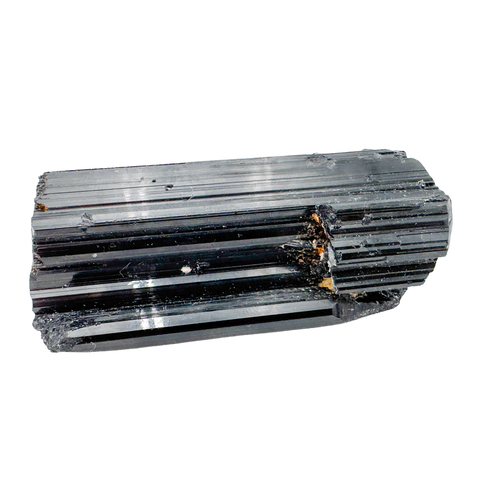
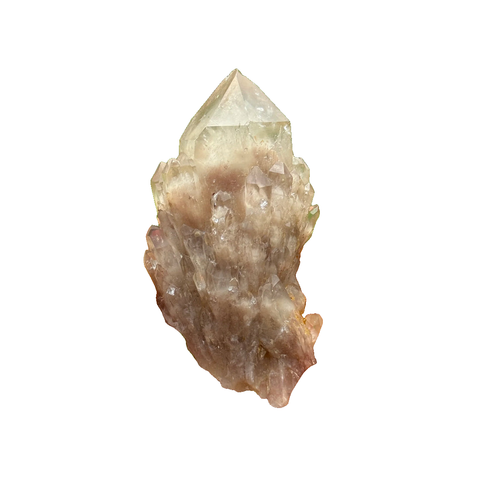
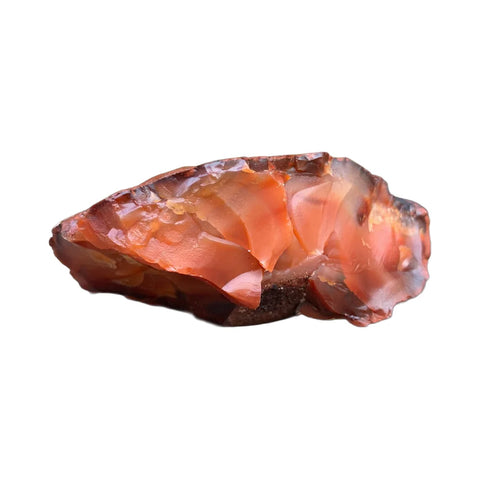
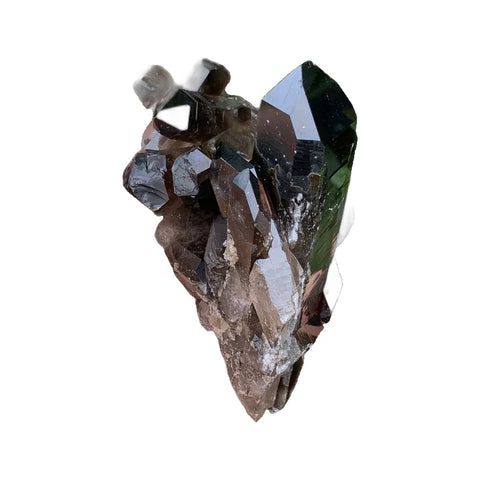
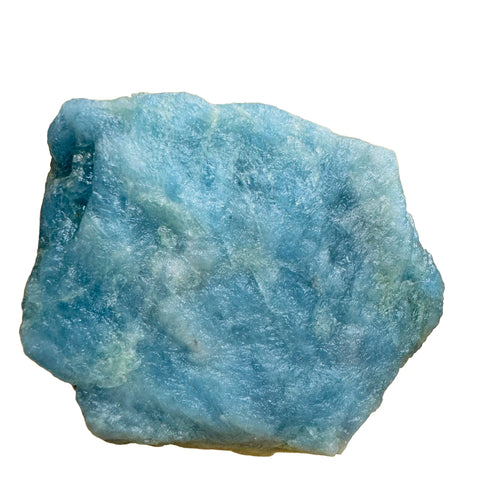
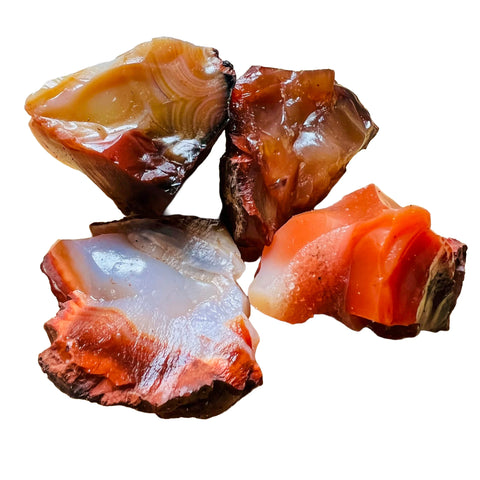


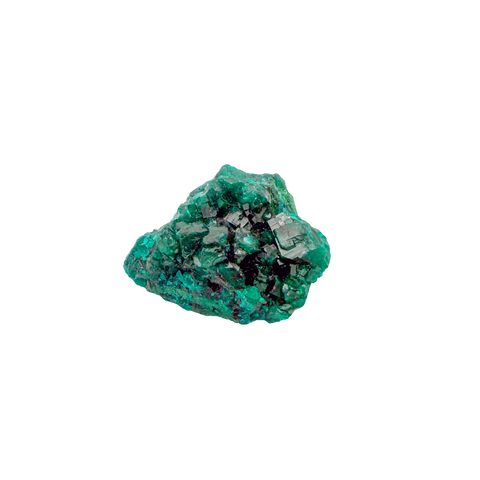
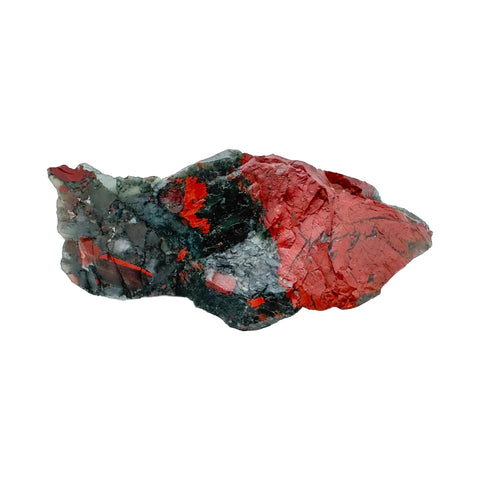
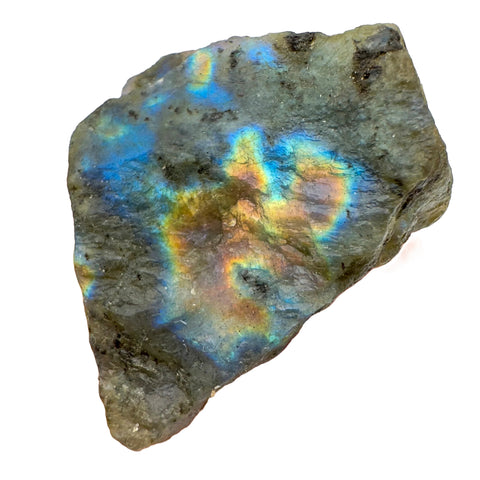
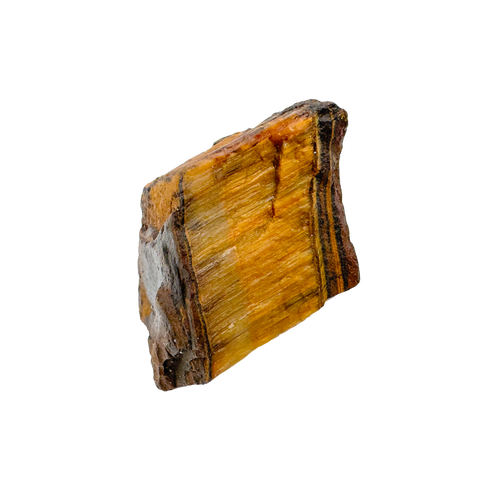
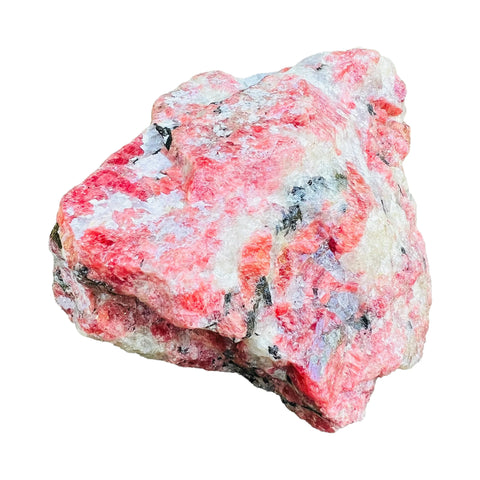
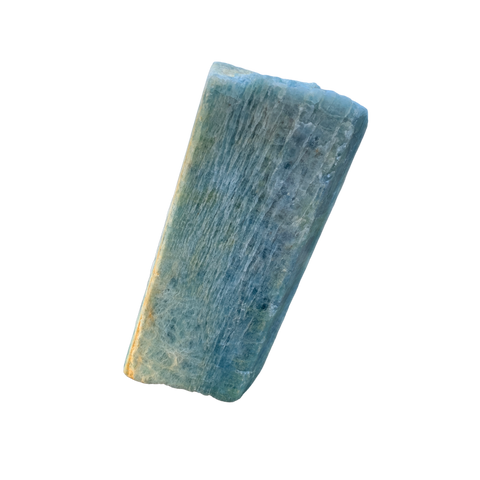
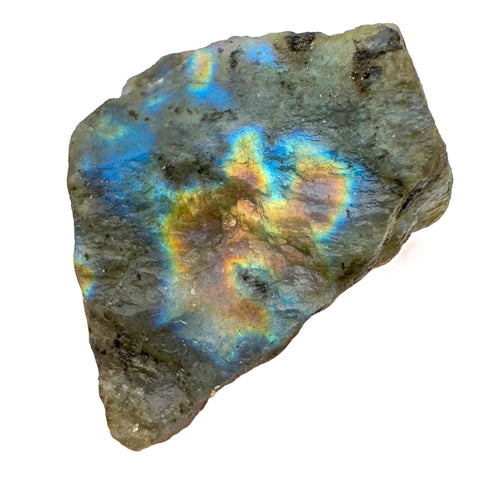



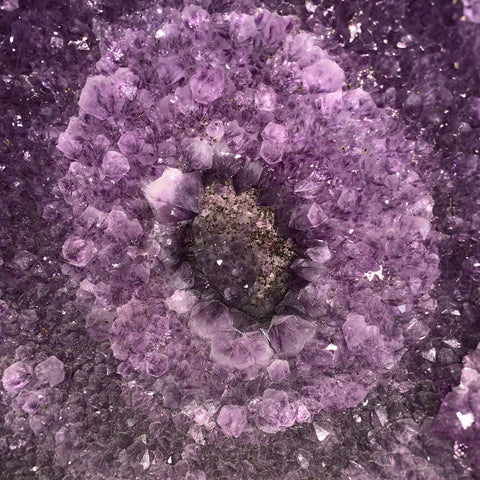
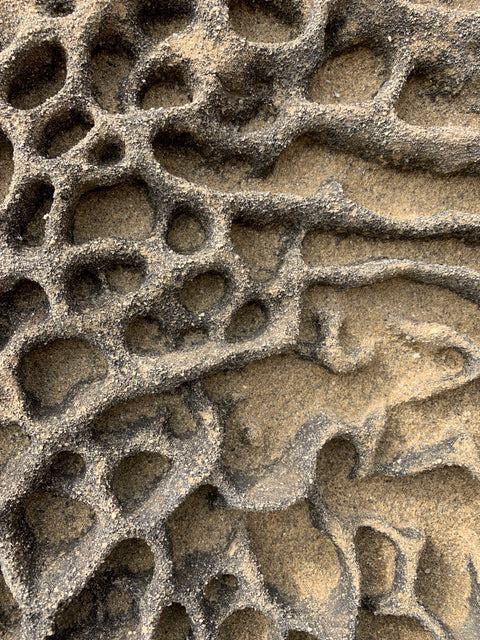
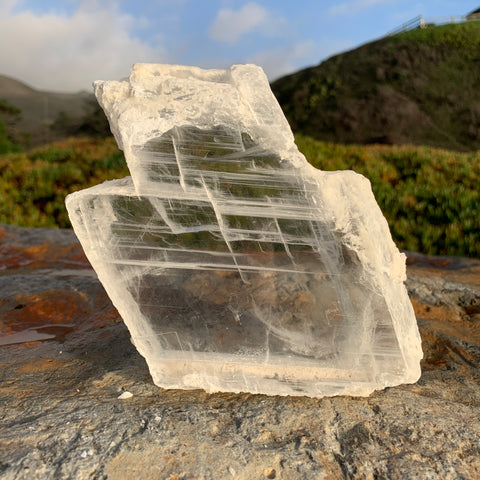

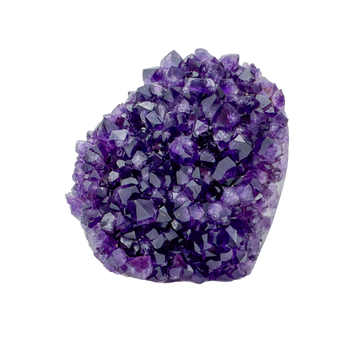
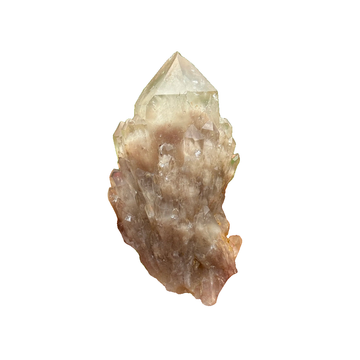
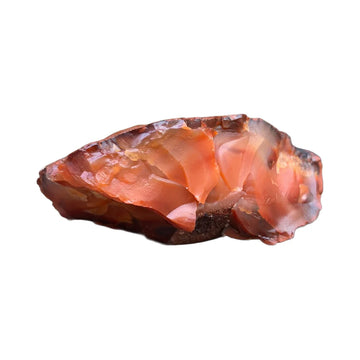
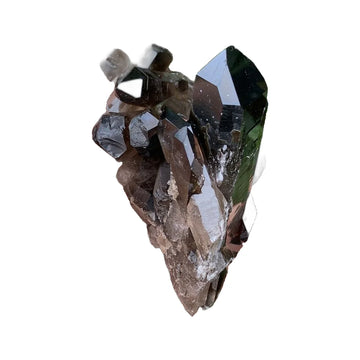
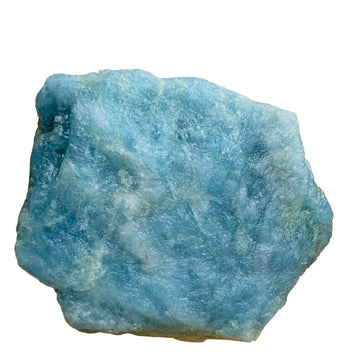
 Raw Stones
179 pieces
Raw Stones
179 pieces
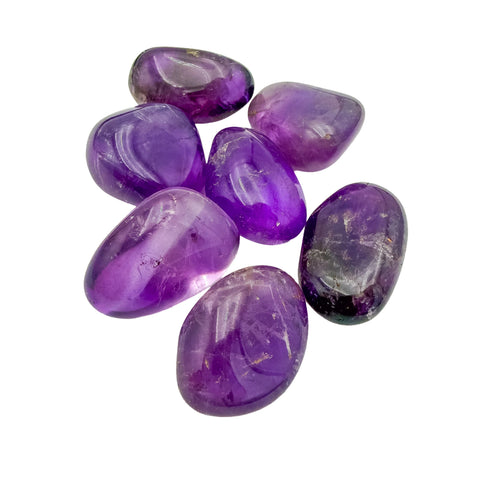
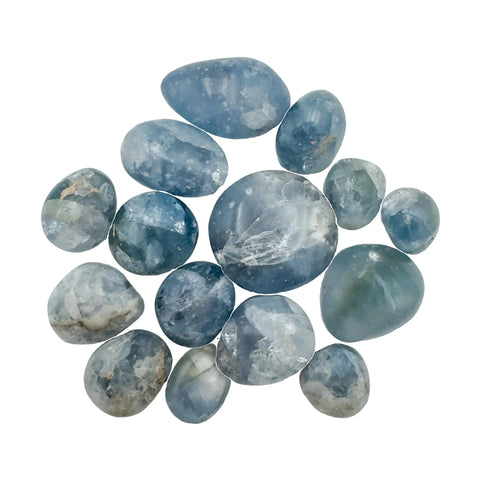
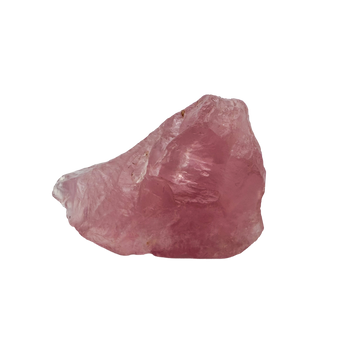
 Tumbled Stones
162 pieces
Tumbled Stones
162 pieces
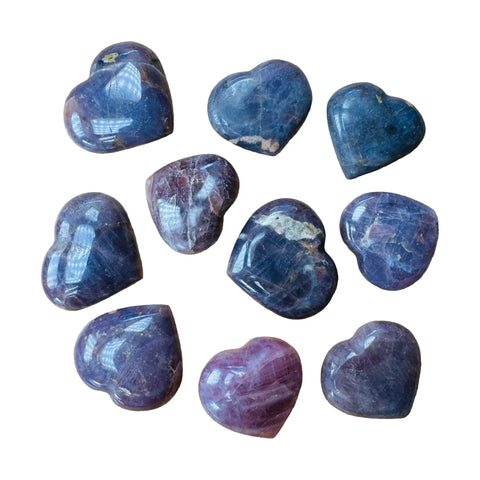
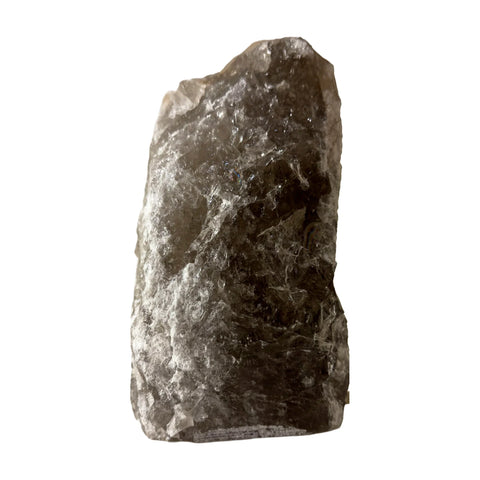
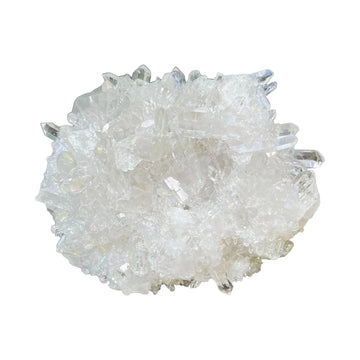
 Palm Stones
25 pieces
Palm Stones
25 pieces
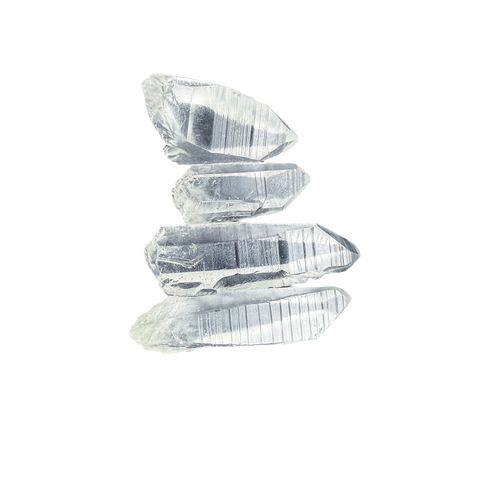
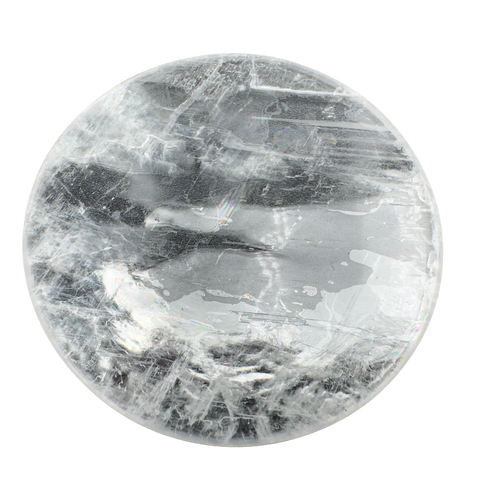
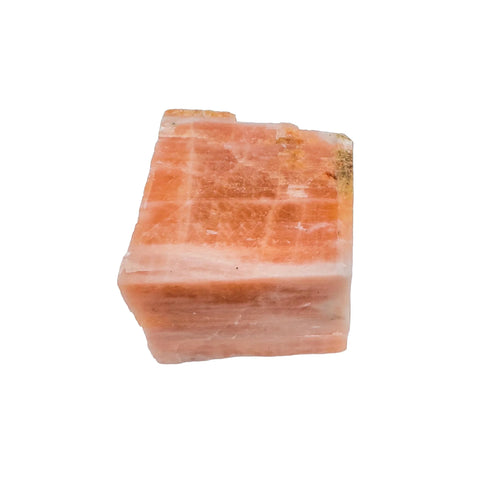
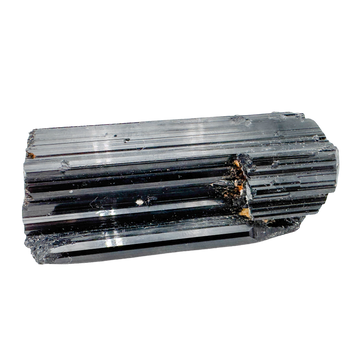
 Crystal Points
23 pieces
Crystal Points
23 pieces
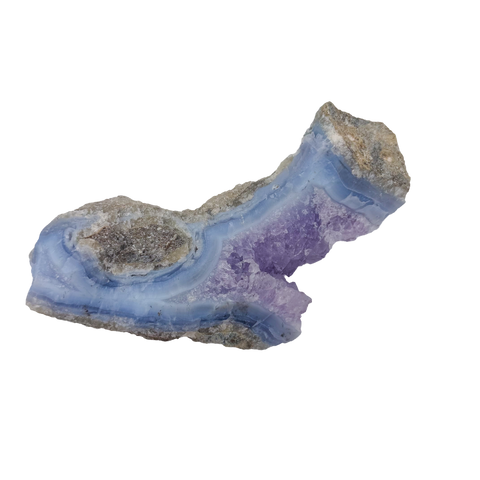
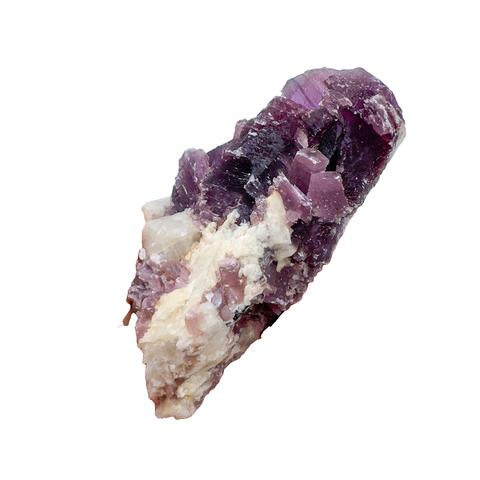
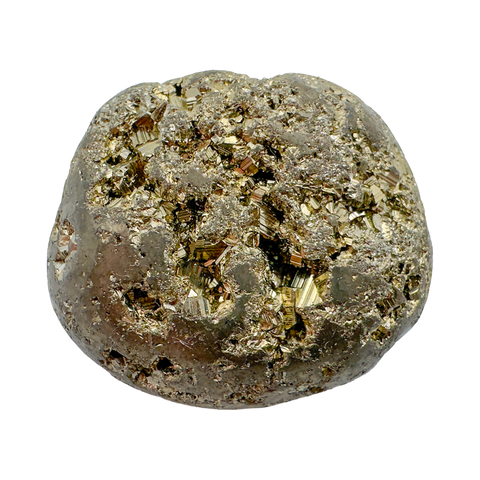
 Clusters & Geodes
104 pieces
Clusters & Geodes
104 pieces
 Polished & Decor
148 pieces
Polished & Decor
148 pieces
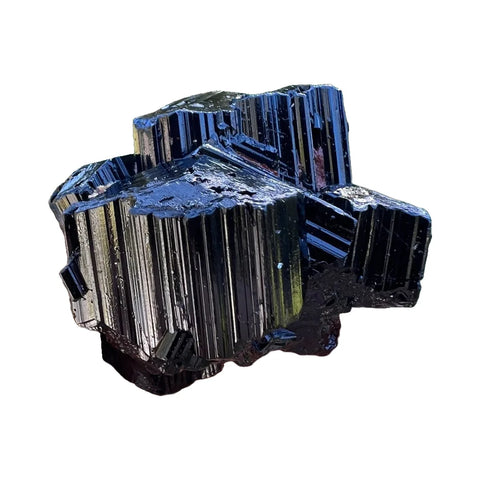
 Mineral Specimens
259 collector pieces
Mineral Specimens
259 collector pieces
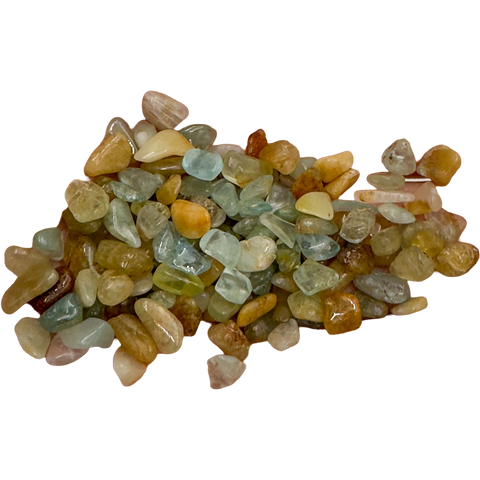
 Crystal Chips
21 pieces
Browse everything
Every collection, one page.
View All Collections →
Crystal Chips
21 pieces
Browse everything
Every collection, one page.
View All Collections →


 Aries
Mar 21 – Apr 19
Carnelian
›
Aries
Mar 21 – Apr 19
Carnelian
›
 Taurus
Apr 20 – May 20
Rose Quartz
›
Taurus
Apr 20 – May 20
Rose Quartz
›
 Gemini
May 21 – Jun 20
Agate
›
Gemini
May 21 – Jun 20
Agate
›
 Cancer
Jun 21 – Jul 22
Moonstone
›
Cancer
Jun 21 – Jul 22
Moonstone
›
 Leo
Jul 23 – Aug 22
Citrine
›
Leo
Jul 23 – Aug 22
Citrine
›
 Virgo
Aug 23 – Sep 22
Amazonite
›
Virgo
Aug 23 – Sep 22
Amazonite
›
 Libra
Sep 23 – Oct 22
Blue Lace Agate
›
Libra
Sep 23 – Oct 22
Blue Lace Agate
›
 Scorpio
Oct 23 – Nov 21
Obsidian
›
Scorpio
Oct 23 – Nov 21
Obsidian
›
 Sagittarius
Nov 22 – Dec 21
Sodalite
›
Sagittarius
Nov 22 – Dec 21
Sodalite
›
 Capricorn
Dec 22 – Jan 19
Black Tourmaline
›
Capricorn
Dec 22 – Jan 19
Black Tourmaline
›
 Aquarius
Jan 20 – Feb 18
Amethyst
›
Aquarius
Jan 20 – Feb 18
Amethyst
›
 Pisces
Feb 19 – Mar 20
Aquamarine
›
Gifting?
A birthday stone is the safe bet.
Read the zodiac guide →
Pisces
Feb 19 – Mar 20
Aquamarine
›
Gifting?
A birthday stone is the safe bet.
Read the zodiac guide →


Phantom Amethyst
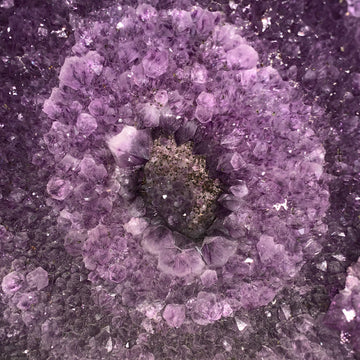
Phantom amethyst is a purple quartz crystal with visible ghost outlines of earlier crystal formations preserved inside. Each transparent layer is a pause in the stone's growth, marked by a thin boundary of other minerals, then resumes. The phantoms are visible as pyramid-shaped shadows nested within the main crystal. Many people work with it for meditation, inner growth, and practices around honoring the different versions of self layered through time.
Shop phantom amethystThe geology.
Phantom amethyst is purple quartz (silicon dioxide, SiO2) with visible internal phantom crystal formations. Phantoms appear as ghost-like pyramid shapes suspended inside the larger crystal, marking pauses in the stone's growth. The color comes from trace iron and gamma radiation from surrounding rock, which creates color centers that read as purple on the visible spectrum. The phantom boundaries are themselves layers of other minerals, typically iron oxide or clay deposits, that settle on the crystal faces during growth interruptions and then resume as the crystal continues to build outward.
The formation process unfolds over geological time in silica-rich geodes within volcanic basalt. As conditions shift seasonally or as silica saturation changes in the surrounding fluids, crystal growth pauses. During that pause, fine sediment or mineral deposits coat the exposed crystal face. When conditions favor growth again, the main crystal resumes building around that layer, trapping it inside. The result is a nested set of pyramid-shaped phantoms visible through the transparent or translucent host crystal. Mohs hardness is 7, making phantom amethyst durable for handling, display, and meditation work. Specific gravity runs 2.65. Crystal system is trigonal (part of the hexagonal family). The luster is vitreous, and the transparency ranges from translucent to transparent depending on the degree of inclusions and color saturation.
The origins.
The phantom amethyst we carry comes from Southern Province Zambia, specifically from the Kariba region where artisanal and small-scale mining operations extract raw crystal points from basalt geodes. Zambia is one of the world's primary amethyst producers and among the most reliable sources for material with clearly visible phantom formations. The Zambian material shows pale to medium purple color with clean phantom pyramid outlines visible through the crystal body. We work with local cooperative mining networks that practice hand-extraction and minimal mechanical processing, prioritizing the preservation of crystal quality and phantom definition.
Phantom amethyst formations also occur in other regions. Brazil (Rio Grande do Sul) produces substantial amethyst volumes and occasional phantom material, though phantom definition varies by deposit. Uruguay, Namibia, and Madagascar all yield amethyst with phantom zones, but Zambian material is valued for consistent phantom clarity and color. We commit to Zambia as our primary source because the phantom formations are reliable, the supply is steady, and we maintain documented relationships with the cooperative suppliers. If our Zambian supply changes, we will disclose that immediately.
Traditional associations.
Phantom amethyst carries associations with the Third Eye and Crown chakras, the elements Air and Water, and practices around inner growth, shadow work, and meditation. The visible phantom layers hold metaphorical weight for many people who work with it, since the nested growth rings parallel how emotional and spiritual development layers over time. The stone is often described as a stone for honoring past versions of self, for integrating different life phases, and for working with the parts of oneself that are not always visible to others.
Many people choose phantom amethyst for meditation practices focused on accessing intuition, deepening self-understanding, and integrating shadow work. It is often paired with practices around acceptance of all phases of the self and permission to hold complexity. The clear-to-purple gradient in the crystal itself, combined with the visible phantom formations, makes it meaningful for people exploring layers of consciousness or working with the idea that inner depth is real and valuable even when not immediately visible from the outside. Traditional zodiac associations include Pisces, Aquarius, and Virgo.
Spotting the real thing.
Genuine phantom amethyst shows clear internal phantom shapes that follow natural quartz crystal geometry. The phantoms appear as nested pyramid outlines, aligned with the main crystal's termination point. The color is translucent to transparent with visible purple or pale-purple tones. Hold the stone to light and you will see the phantoms as distinct boundaries inside the stone, never as surface features. The overall crystal should feel smooth and hard (Mohs 7, scratches glass). Genuine phantom formations are three-dimensional shapes visible from multiple angles, not painted or etched surface details.
Glass imitations with painted phantoms are the primary concern. These show flat, two-dimensional phantom shapes that do not follow crystal geometry and appear only from certain angles. The painted shapes are crude under magnification and may show brush strokes or uneven color saturation. Real glass will not scratch actual glass, whereas genuine quartz crystal at Mohs 7 will. Composite pieces assembled from fragments will show glue lines or seams inside the crystal body when examined carefully in light. Genuine Zambian phantom amethyst shows a consistent pale-to-purple gradient with clean phantom definition and no visible seams or construction artifacts.
Care & handling.
Phantom amethyst at Mohs 7 is durable for everyday handling, display, meditation, and carrying. The stone tolerates water exposure well and can be rinsed under running water or held under flowing water for brief cleansing. Avoid prolonged soaking in saltwater, which can affect some quartz varieties over extended periods. Warm water and mild soap work for gentle cleaning. Do not subject the stone to extreme temperature shifts, which can cause internal fracture stress along phantom boundary zones.
For energetic cleansing, phantom amethyst responds well to water, smoke, sound, moonlight, or sunlight. Brief direct sunlight is fine, though prolonged intense UV exposure over months or years can fade purple color slightly. Store the crystal separately from much softer stones to avoid scratching those stones, since phantom amethyst's Mohs 7 hardness makes it harder than most other common crystals. The durability of this stone means it is excellent for regular meditation work, carrying in pockets, or display on altars. Many people find the visibility of the phantom zones one of the most meaningful aspects of working with the stone.
Pairs well with.
Proof, not promises.
We measure our own sourcing across five dimensions. Supply chain, environmental footprint, artisan support, market integrity, and pricing. The number is honest, not perfect. Where we can do better, we say so.
A deeper look.
Extended geology, sourcing, authentication, formation, varieties, and pricing, for when the quick guide is not quite enough.
Extended geology and phantom formation
Phantom amethyst is purple silicon dioxide (SiO2) quartz with visible internal growth phantoms. The phantom formations are the most distinctive feature and result from pauses in crystal growth. When a quartz crystal develops in a geode environment, growth happens continuously as long as silica saturation and temperature remain stable. When conditions shift (seasonal change, slight pH change, temperature drop, or deposition of other minerals), growth halts. At this pause, the exposed crystal termination becomes a boundary. Fine sediment, clay particles, or iron oxide deposits settle on this boundary surface. The layer may be only nanometers to micrometers thick. When growth resumes as conditions favor it again, the main crystal continues building around this boundary layer, trapping it inside. The result is a nested set of smaller crystal shapes visible through the transparent host crystal, each one representing a distinct growth pause and resumption cycle.
Phantom amethyst phantoms are typically pyramid-shaped because they represent the termination point (tip) of earlier crystal growth. If growth stops when the crystal is halfway formed, a small pyramid is visible inside. The next growth phase builds around that pyramid. Over hundreds to thousands of growth cycles, multiple nested pyramids accumulate, creating the distinctive phantom landscape. The color of phantom amethyst comes from trace iron (Fe) and gamma irradiation from surrounding radioactive minerals, which create color centers that absorb certain light wavelengths and transmit purple. The exact shade depends on iron concentration and the degree of natural irradiation exposure.
Mohs hardness of 7 makes phantom amethyst durable for handling, jewelry, and meditation work. Specific gravity is 2.65. Crystal system is trigonal, which is part of the hexagonal crystal family. Luster is vitreous (glass-like) on fresh fracture surfaces and polished faces. Fracture is conchoidal (shell-like). No cleavage. Transparency ranges from translucent to transparent depending on inclusion density and color saturation. Under ultraviolet light, phantom amethyst may show minor fluorescence depending on the trace element composition, but this is not a defining characteristic.
Extended sourcing and Zambian material
Phantom amethyst mining is concentrated in a few regions worldwide. Zambia, particularly the Southern Province Kariba region, is the primary commercial source for material with clear phantom definition and consistent purple color. The Zambian deposits sit in weathered basalt formations where geodes rich in silica allow amethyst crystals to develop over millions of years. Artisanal and small-scale mining operations extract these geodes by hand, break them open, and select the best crystal points. Zambian phantom amethyst is valued in the international market for phantom clarity and color saturation.
Other phantom amethyst sources exist. Brazil (Rio Grande do Sul) produces substantial amethyst volumes with occasional phantom formations, though phantom quality is variable and consistent material is less reliable. Uruguay has deposits with phantom zones, as do Namibia and Madagascar, but supply is limited and phantom definition is often less pronounced than Zambian material. The market for phantom-specific amethyst is smaller than for standard amethyst, so sourcing is more concentrated. We work through cooperative mining networks in Zambia because the supply is reliable, the phantom formations are consistently clear, and the documented relationships allow us to verify labor practices and origin per batch.
Authentication and market imitations
Glass imitations with painted or etched phantom shapes are the most common substitutes for genuine phantom amethyst. These can be visually convincing at first glance but fail under closer inspection. The painted phantoms are flat, two-dimensional surface features that do not follow true crystal geometry and appear only from one viewing angle. Under a loupe, brush strokes or uneven paint application become obvious. Glass will not scratch genuine glass, but real quartz at Mohs 7 will, providing a practical distinction.
Composite pieces assembled from multiple fragments joined with adhesive also circulate in the lower-cost market. These are constructed by cutting or breaking quartz into pieces and gluing them together to create the appearance of a phantom. Under light and magnification, glue lines become visible inside the crystal body. Genuine phantom amethyst shows no seams or glue traces.
Authenticity markers include: phantoms that follow true pyramid geometry aligned with the main crystal termination; three-dimensional phantom shapes visible from multiple angles; no painted or etched surface details; no visible glue seams or composite construction; Mohs 7 hardness (scratches glass, not scratched by steel); consistent color saturation without overly uniform saturation that appears printed; clear Zambian or Brazilian origin disclosure from a reputable seller. Zambian material typically shows a pale-to-medium purple gradient with crisp phantom boundaries.
Historical and cultural context
Phantom amethyst is a modern market category with no deep historical tradition. The name and trade focus emerged in the late twentieth century as crystal and mineralogy markets expanded and collectors became interested in quartz varieties with distinctive internal features. Amethyst itself has been valued for thousands of years in various cultures, but phantom formations were treated as geological curiosities rather than significant features until the modern crystal market developed interest.
Contemporary crystal work often assigns phantom formations metaphorical meaning related to layers of growth, inner structure, and the accumulation of experience over time. This interpretation fits the literal geology of how phantoms form, which may contribute to the appeal of phantom amethyst for people working with themes of self-development and integration.
Related minerals and distinctions
Phantom amethyst IS amethyst with visible internal phantom formations. The phantom is not a separate mineral but a structural feature of the quartz crystal itself. Standard amethyst may or may not show visible phantoms depending on the growth conditions during formation. All amethyst is quartz (SiO2) colored by trace iron and natural irradiation. Clear quartz also forms phantoms, creating clear quartz with phantom features, which is less commonly marketed but mineralogically equivalent to phantom amethyst with a different color.
Smoky quartz, another quartz variety, can also show phantom formations. Chlorite quartz (quartz with visible chlorite mineral inclusions) is sometimes confused with phantom amethyst because both show internal structure, but chlorite is a distinct green mineral deposited in fractures and cavities within the quartz, not a growth boundary feature like a phantom.
Pricing and value drivers
Grade A Zambian phantom amethyst raw points: $20 to $45 for small-to-medium pieces (under 50g), $45 to $120 for larger specimens (50-200g), specialty or particularly clear formations $120 and up. Value drivers include phantom clarity and definition, size, overall color saturation, and lack of damage or cloudiness. Commodity amethyst without visible phantoms trades below these prices. Prices reflect sourcing from cooperative networks, hand-finishing, and the rarity of specimens with clear phantom formations relative to standard amethyst.
Warning signs of imitation or misrepresented material: prices under $10 for pieces claimed to be phantom amethyst from Zambia (indicates glass or painted imitation); lack of stated origin or vague sourcing language; phantoms visible only from one angle or appearing flat under magnification; overly uniform color that appears printed rather than geological; material sold without any authenticity documentation. Genuine phantom amethyst does not move at commodity pricing because the phantom clarity requires careful material selection and the sourcing verification adds cost.
Good sourcing is a practice, not a claim.
Nothing we sell is dyed, stabilized, reconstituted, or color-enhanced without full disclosure. We name our origins where we can. We say so when we cannot. We walk away from material that does not meet our standard, even when it costs us sales.
Bring phantom amethyst home.
Raw crystal points from Zambia with visible phantom formations. Natural, untreated, hand-selected for clear phantom definition and consistent purple color. Each piece finished with care and chosen for the distinctness of its internal phantom layers, making every crystal a singular study in growth and pause.
Shop the phantom amethyst collectionThe Slow Note
New stones go to the list first.
No forwarding, no selling. Unsubscribe in one click. Privacy