









 Agatefor stress relief
 Amazonitefor stress relief
 Aquamarinefor serenity
 Aventurinefor luck
 Bloodstonefor energy
 Blue Kyanitefor confidence
 Blue Lace Agatefor stress relief
 Chrysocollafor emotional healing
 Fluoritefor focus
 Garnetfor energy
 Lepidolitefor stress relief
 Malachitefor emotional healing
 Moonstonefor grounding
 Obsidianfor protection
 Ocean Jasperfor emotional healing
 Red Jasperfor grounding
 Rhodonitefor emotional healing
 Selenitefor cleansing
 Sodalitefor focus
 Tiger Eyefor confidence








































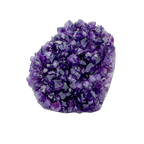 Amethyst
 Clear Quartz
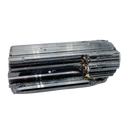 Black Tourmaline
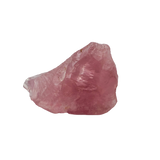 Rose Quartz
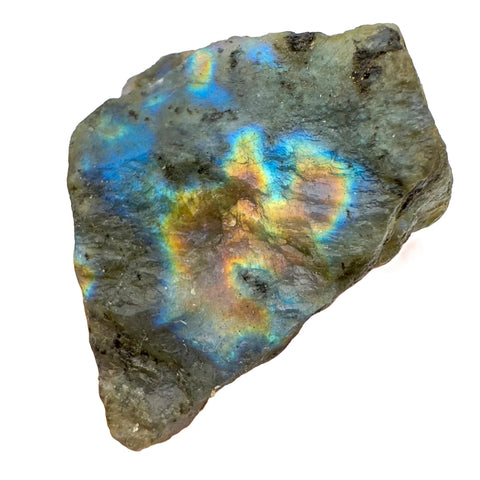
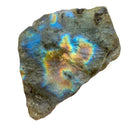 Labradorite
 Natural Citrine
 Carnelian
 Smoky Quartz
 Aventurine
 Sodalite
 Ametrine
 Golden Healer
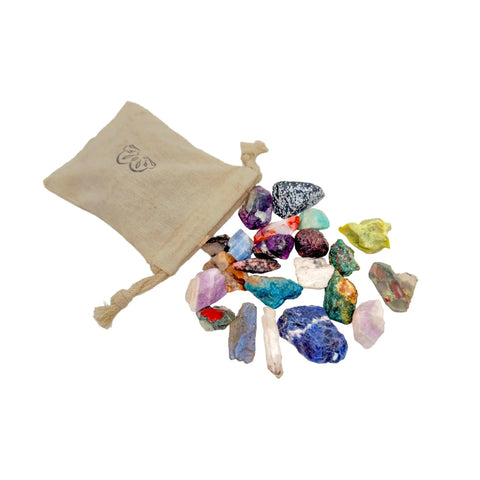
 Raw Stones
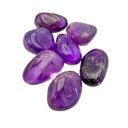 Tumbled Stones
 Palm Stones
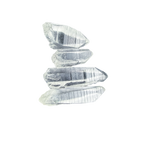 Crystal Points
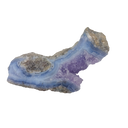 Clusters & Geodes
 Polished & Decor
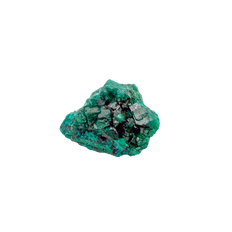 Mineral Specimens
 Crystal Chips







 Raw Stones
179 to choose from
Raw Stones
179 to choose from
 Tumbled Stones
162 to choose from
Tumbled Stones
162 to choose from
 Palm Stones
25 to choose from
Palm Stones
25 to choose from
 Crystal Points
23 to choose from
Crystal Points
23 to choose from
 Clusters & Geodes
101 to choose from
Clusters & Geodes
101 to choose from
 Polished & Decor
148 to choose from
Polished & Decor
148 to choose from
 Mineral Specimens
254 to choose from
Mineral Specimens
254 to choose from
 Crystal Chips
21 to choose from
Crystal Chips
21 to choose from


 AngolaAquamarine
›
AngolaAquamarine
›
 BotswanaCarnelian, Tree Agate
›
BotswanaCarnelian, Tree Agate
›
 DR CongoMalachite, Natural Citrine
›
DR CongoMalachite, Natural Citrine
›
 EswatiniBloodstone
›
EswatiniBloodstone
›
 MadagascarLabradorite, Clear Quartz
›
MadagascarLabradorite, Clear Quartz
›
 MalawiBlue Lace Agate, Garnet
›
MalawiBlue Lace Agate, Garnet
›
 MozambiqueAmazonite
›
MozambiqueAmazonite
›
 NamibiaSodalite, Blue Lace Agate
›
NamibiaSodalite, Blue Lace Agate
›
 Republic of the CongoDioptase
›
Republic of the CongoDioptase
›
 South AfricaTiger Eye, Unakite
›
South AfricaTiger Eye, Unakite
›
 ZambiaChevron Amethyst
›
ZambiaChevron Amethyst
›
 ZimbabweEmerald, Rhodonite
›
ZimbabweEmerald, Rhodonite
›
 ArgentinaBlack Obsidian, Rhodochrosite
›
ArgentinaBlack Obsidian, Rhodochrosite
›
 BoliviaAmetrine
›
BoliviaAmetrine
›
 BrazilAmethyst, Clear Quartz
›
BrazilAmethyst, Clear Quartz
›
 PeruSerpentine, Jade
›
PeruSerpentine, Jade
›
 UruguayAmethyst
›
UruguayAmethyst
›
 Dominican RepublicLarimar
›
Dominican RepublicLarimar
›
 MexicoRainbow Obsidian, Crazy Lace Agate
›
MexicoRainbow Obsidian, Crazy Lace Agate
›
 United StatesSelenite, Peridot
›
United StatesSelenite, Peridot
›
 ChinaFluorite
›
ChinaFluorite
›
 RussiaShungite
›
RussiaShungite
›
 AustraliaMookaite
›
AustraliaMookaite
›
 Where our crystals come from
See where we source →
Where our crystals come from
See where we source →


 Aries
Mar 21 to Apr 19
Carnelian
›
Aries
Mar 21 to Apr 19
Carnelian
›
 Taurus
Apr 20 to May 20
Rose Quartz
›
Taurus
Apr 20 to May 20
Rose Quartz
›
 Gemini
May 21 to Jun 20
Agate
›
Gemini
May 21 to Jun 20
Agate
›
 Cancer
Jun 21 to Jul 22
Moonstone
›
Cancer
Jun 21 to Jul 22
Moonstone
›
 Leo
Jul 23 to Aug 22
Citrine
›
Leo
Jul 23 to Aug 22
Citrine
›
 Virgo
Aug 23 to Sep 22
Amazonite
›
Virgo
Aug 23 to Sep 22
Amazonite
›
 Libra
Sep 23 to Oct 22
Blue Lace Agate
›
Libra
Sep 23 to Oct 22
Blue Lace Agate
›
 Scorpio
Oct 23 to Nov 21
Obsidian
›
Scorpio
Oct 23 to Nov 21
Obsidian
›
 Sagittarius
Nov 22 to Dec 21
Sodalite
›
Sagittarius
Nov 22 to Dec 21
Sodalite
›
 Capricorn
Dec 22 to Jan 19
Black Tourmaline
›
Capricorn
Dec 22 to Jan 19
Black Tourmaline
›
 Aquarius
Jan 20 to Feb 18
Amethyst
›
Aquarius
Jan 20 to Feb 18
Amethyst
›
 Pisces
Feb 19 to Mar 20
Aquamarine
›
Gifting?
A birthday stone is the safe bet.
Read the zodiac guide →
Pisces
Feb 19 to Mar 20
Aquamarine
›
Gifting?
A birthday stone is the safe bet.
Read the zodiac guide →


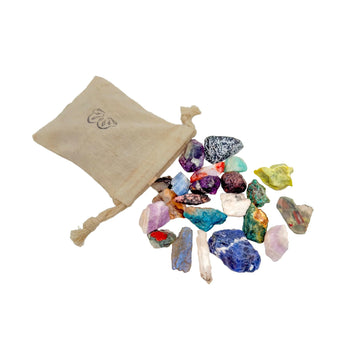










Chlorite Quartz
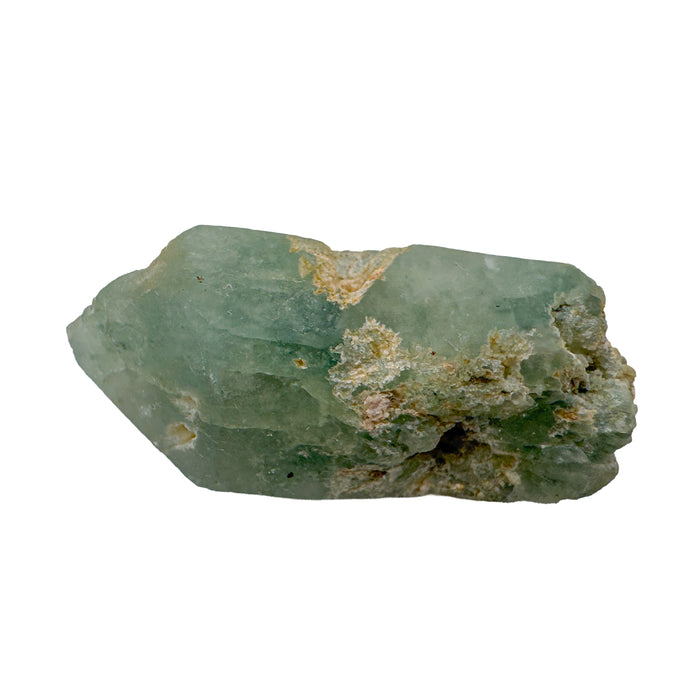
Chlorite quartz is clear or milky quartz holding delicate green chlorite inclusions. The chlorite appears as veils, phantoms, or wispy patterns inside the crystal, giving the stone its garden-like character. Brazilian material is the most common commercial source, though high-quality pieces also come from Madagascar and occasional Alpine deposits. The inclusions are the point. Any treatment would cloud the stone or destroy the phantom structures that make it distinctive.
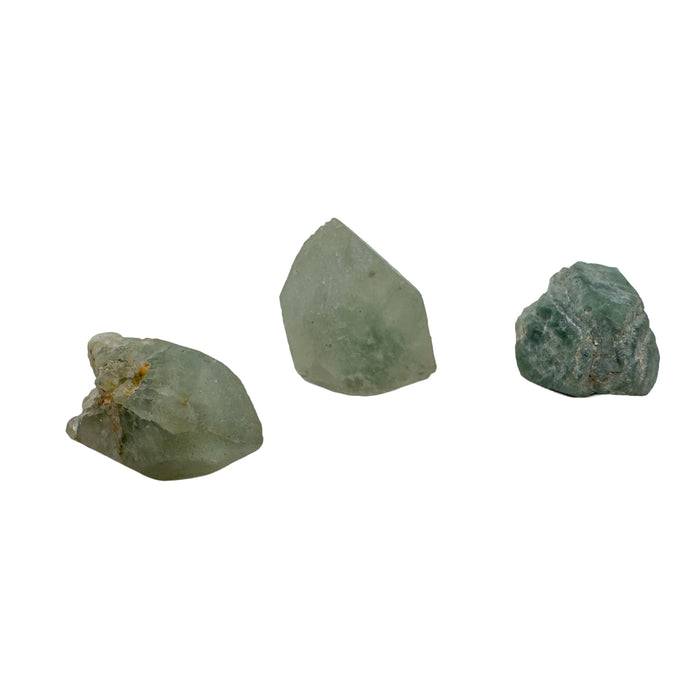
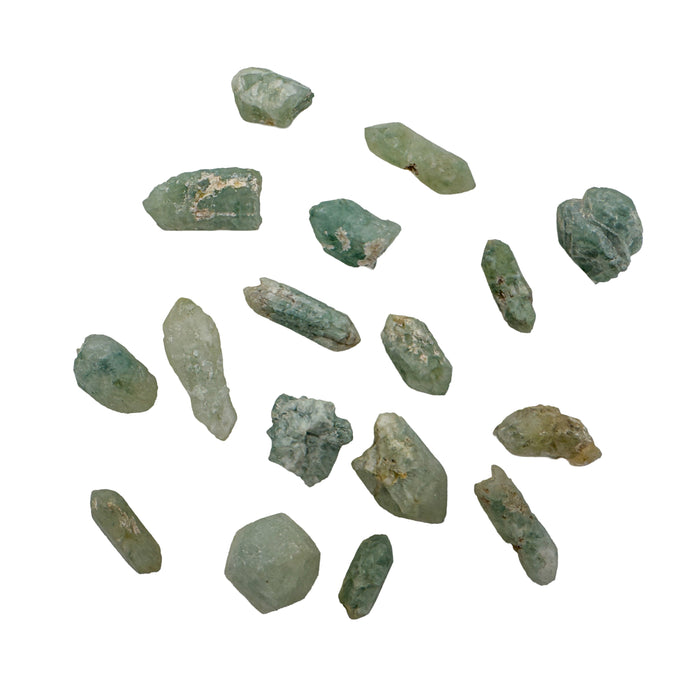
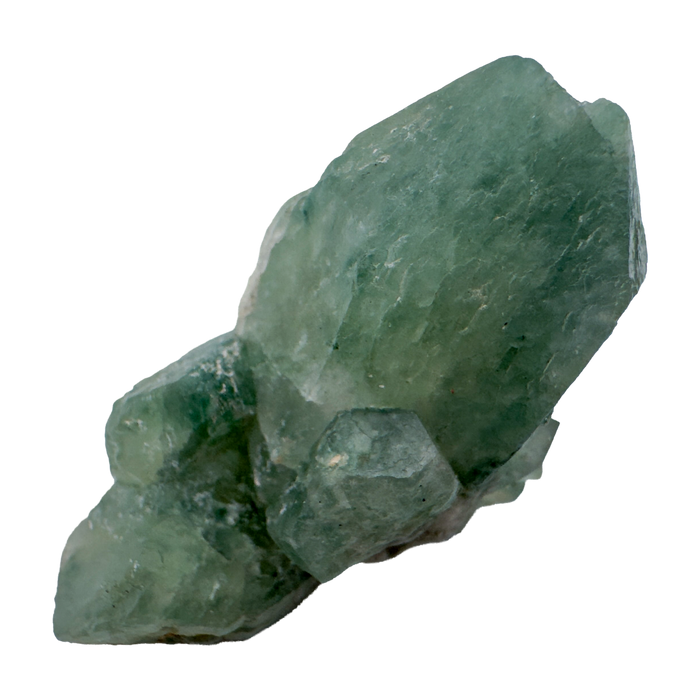
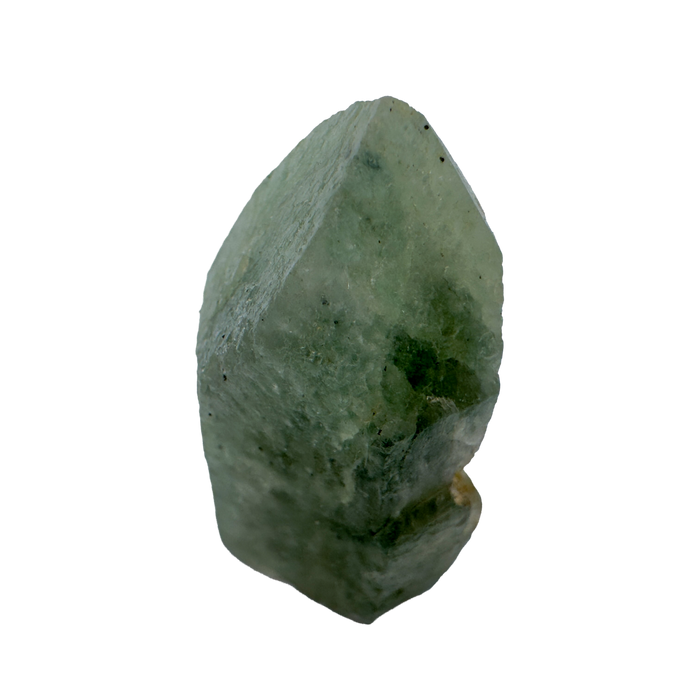
Shop chlorite quartzChlorite Quartz, in stock now.
Our most-loved Chlorite Quartz pieces, ready to ship.
- from 1,000+ reviews
- Ships within 72 hoursMonday to Friday, tracked
- 90 days to return itif you do not love it
- Free US shipping over $99$8.99 flat rate under
The geology.
Chlorite quartz is silicon dioxide (SiO2), the quartz family, with inclusions of chlorite. Chlorite itself is a green iron-magnesium silicate mineral. The chlorite sits inside the quartz as distinct inclusions, appearing as phantom shapes, garden-like veils, or wispy patterns. The result is a stone where two minerals coexist visibly, the quartz host providing hardness and clarity, the chlorite providing color and distinction.
Quartz sits at 7 on the Mohs hardness scale, which makes chlorite quartz suitable for most jewelry and daily handling without worry. The chlorite inside is softer (3 to 3.5), but because it's protected by the quartz host, it doesn't compromise the stone's durability. The inclusions vary in density, color (pale green to deeper forest green depending on iron content), and pattern. Some pieces show delicate phantoms, others show broad veils. This variation is the stone's signature and the reason people seek it out.
Chlorite quartz forms in quartz veins and pegmatites, where hydrothermal fluids and mineral-rich solutions allow both minerals to crystallize together. The chlorite inclusions develop as the stone forms, not after. This is why they are part of the crystal structure itself and cannot be introduced or removed without fundamentally changing the stone.
The origins.
Brazil, specifically the states of Minas Gerais and Espírito Santo, is the primary commercial source for chlorite quartz. The deposits are rich and well-established, producing material with consistent pale to medium green phantom patterns. The quartz is relatively pure and the chlorite inclusion is crisp and visible. Brazilian pieces run from small tumbled stones to large points suitable for display or jewelry work.
Madagascar produces chlorite quartz as well, with material often showing slightly deeper green tones and sometimes broader veils of chlorite running through the host crystal. The pieces can be quite large and are sourced through small-scale operations that hand-select and cut the rough into points and polished pieces. Madagascar chlorite quartz is less common in the North American market than Brazilian material, which can make it a fresher find for collectors.
Alpine sources, including parts of Switzerland and Austria, produce smaller quantities of very high-clarity chlorite quartz with particularly fine phantom formations. This material is rarer and typically commands higher prices. Wherever chlorite quartz comes from, the sourcing approach is the same: look for pieces where the chlorite inclusions are visible and intact, and avoid heavily fractured material.
Traditional associations.
Chlorite quartz is a grounded stone in modern crystal practice, linked to earth, growth, and the slower rhythms of nature. The garden-like patterns in the stone have made it a natural choice for people working with intentions around grounding, renewal, and cleansing. It's held for meditation, placed on altars, or kept in spaces where stillness and deep calm are wanted.
Traditionally, chlorite quartz is associated with both the Heart and Root chakras. The Heart association comes from the gentle green of the chlorite; the Root association comes from the grounding, earth-connected quality that the stone seems to carry. Many people work with it for cleansing, for releasing old patterns, and for the kind of patient growth that happens slowly and from the ground up. The intention is steady, not urgent. The stone is one of those that invites you to sit with it and notice what unfolds, rather than one that rushes the process.
Spotting the real thing.
Genuine chlorite quartz shows distinct green inclusions inside the host quartz. The chlorite patterns can be sharp phantoms, broad veils, or wispy streaks, depending on the piece, but they should be clearly visible under normal light. The quartz host can range from completely clear to milky white, but either way, you should be able to see the chlorite inside. The stone is hard (7 on Mohs), so it doesn't scratch easily and feels cool and solid in the hand.
Imitations or heavily altered pieces show uniform coloring throughout with no distinct inclusion patterns, or the green is dyed onto the surface rather than sitting inside the stone. Some low-quality versions present heavily fractured quartz with faint chlorite, which will feel grainy or brittle. True chlorite quartz resists scratching, shows clear phantom or veil formations, and has no surface coating. If a piece shows no visible chlorite patterns or the green is only on the surface, it's not genuine chlorite quartz.
Care & handling.
Chlorite quartz is a hardy stone. At 7 on the Mohs scale, it can handle everyday wear in jewelry without worry. Clean it with cool running water and a soft brush if needed. Avoid steam cleaners and ultrasonic cleaning, as the vibration can sometimes stress the inclusions. Dry care with a soft cloth works best for routine maintenance.
The stone does not need special storage, but it benefits from being kept away from strong direct heat and from being knocked against harder minerals. A cloth pouch or a dedicated space on a shelf keeps it safe. Chlorite quartz is a stable mineral, so fading or color shift is not a concern like it is with some softer stones. The inclusions are permanent and protected by the quartz host, so the stone maintains its appearance over time and with gentle use.
Pairs well with.
Proof, not promises.
We measure our own sourcing across five dimensions. Supply chain, environmental footprint, artisan support, market integrity, and pricing. The number is honest, not perfect. Where we can do better, we say so.
A deeper look.
Extended geology, sourcing, authentication, phantom formation, varieties, and pricing for when the quick guide isn't quite enough.
Extended geology and phantom formation
Chlorite quartz is silicon dioxide with inclusions of chlorite, a magnesium iron aluminum silicate. The chlorite forms as the quartz crystallizes, and the two minerals grow together in the same hydrothermal environment. The result is not a coating or a surface treatment but an integral feature of the stone's structure.
Phantom formations occur when growth conditions change slightly during crystallization. The chlorite inclusion grows along a particular plane, then conditions shift, and clear quartz begins to form over it. The result is a visible green phantom shape inside the crystal, a record of the stone's growth history. The term "phantom" refers to the visible outline of an earlier growth stage, preserved inside the final crystal form. Phantoms in chlorite quartz can be sharp and angular or soft and diffuse depending on the rate of crystal growth and the chlorite concentration.
Brazilian sources and consistency
Brazil's Minas Gerais deposits produce the majority of commercial chlorite quartz. The region has well-developed mining infrastructure and a long history of gemstone production. Brazilian chlorite quartz typically shows pale to medium green phantoms in clear or milky quartz hosts. The consistency of color and pattern is high, which is why this material is the market standard. The pieces are usually worked into points, polished stones, or jewelry cuts by local artisans before export.
Madagascar and Alpine material
Madagascar produces smaller quantities of often larger, more dramatically patterned chlorite quartz. The green tones can be deeper, and the veils broader, creating a more visually striking stone. Alpine sources from Switzerland and Austria produce exceptionally clear material with fine phantoms, but in limited quantities. This material is rarer and typically costs more per gram than Brazilian material.
Authentication and common issues
Genuine chlorite quartz shows visible green inclusions protected inside the quartz host. The inclusions should be clearly seen in normal daylight without magnification. Imitations might show surface coating, heavy fracturing around the inclusions, or uniform greenish tint without distinct phantom patterns. Some lower-grade material is heavily fractured, which compromises both durability and appearance.
The hardness difference between quartz (7) and chlorite (3 to 3.5) is not a durability problem because the chlorite is enclosed. However, heavily fractured pieces should be avoided because the fractures can open or spread with wear or impact.
Pricing notes and value factors
Brazilian tumbled or polished chlorite quartz typically costs $8 to $20 per piece depending on size and polish quality. Small raw points run $10 to $25. Larger display-quality specimens or pieces with exceptional phantom clarity run $35 to $80. Madagascar and Alpine material commands premiums due to rarity. Exceptionally large or museum-quality pieces can exceed $100.
Pricing reflects size, clarity of the host quartz, distinctness of the phantom patterns, and origin. Pieces with multiple visible phantoms or broad veils of chlorite are valued higher than pieces with faint or sparse chlorite. Like all quartz, chlorite quartz offers good value for the durability and visual impact the stone provides.
Good sourcing is a practice, not a claim.
Nothing we sell is dyed, stabilized, reconstituted, or color-enhanced without full disclosure. We name our origins where we can. We say so when we cannot. We walk away from material that does not meet our standard, even when it costs us sales.
Bring chlorite quartz home.
Natural chlorite quartz from Brazil, Madagascar, and occasional Alpine sources. Points, polished pieces, and raw clusters, each with visible phantom formations and documented origin. Every piece hand-selected for clarity and the distinctness of its chlorite patterns.
Shop the chlorite quartz collectionGrounded Connections
New stones go to the list first.
No forwarding, no selling. Unsubscribe in one click. Privacy