


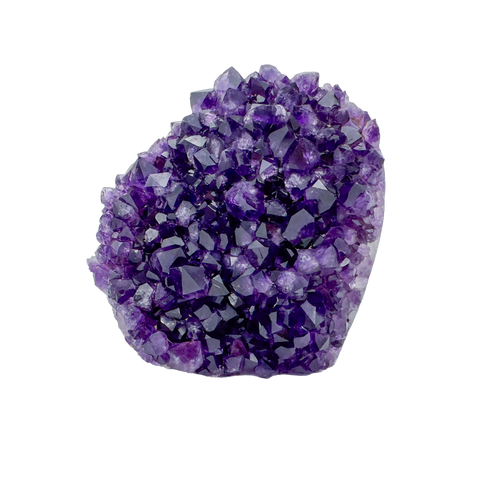
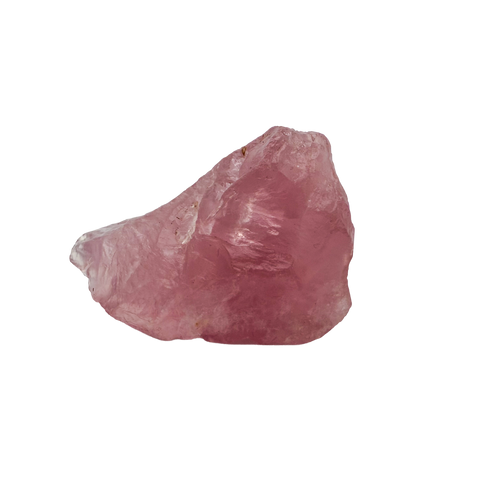
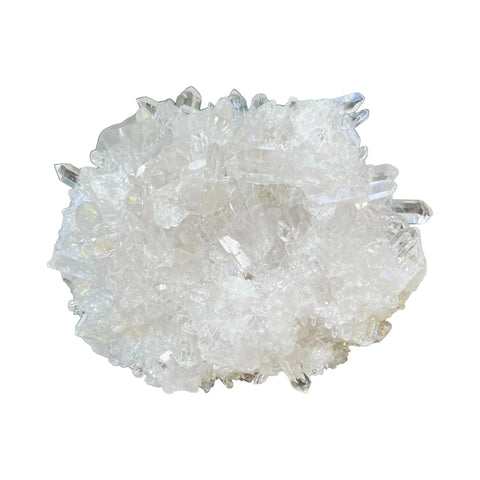
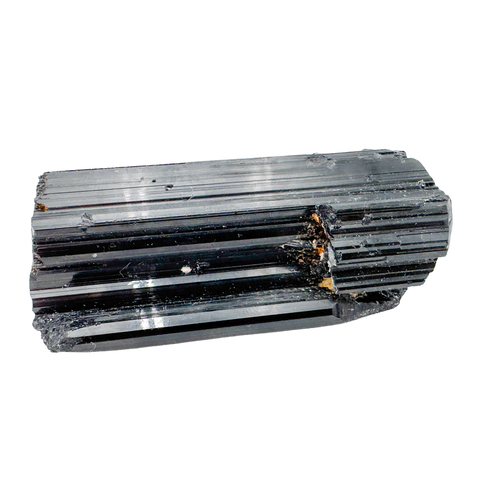
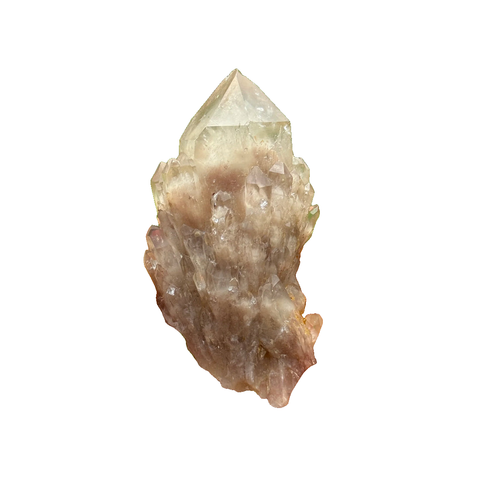
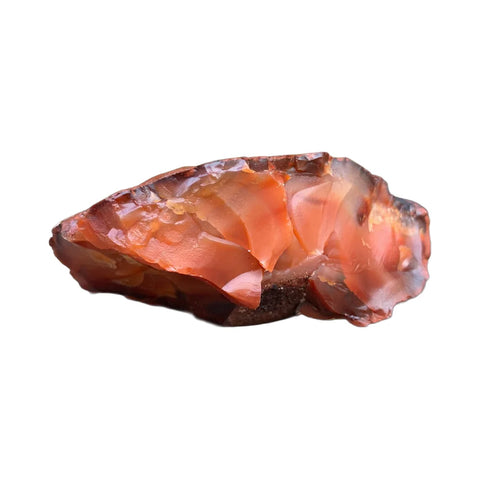
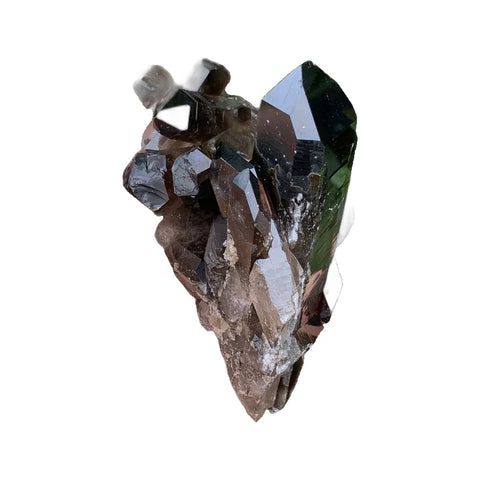
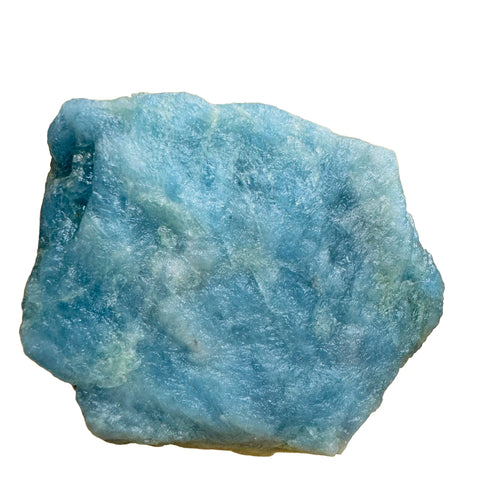
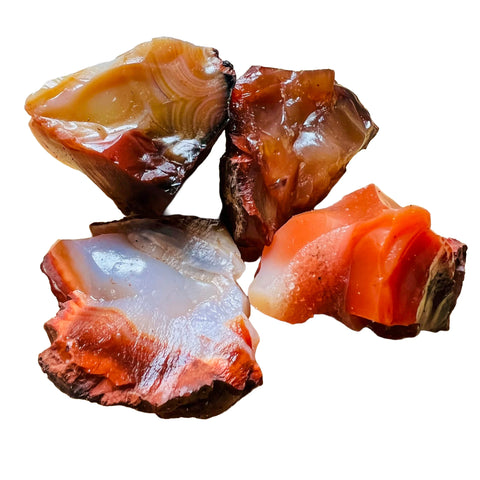


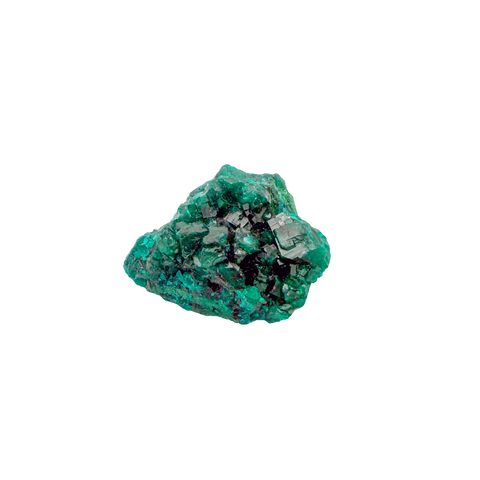
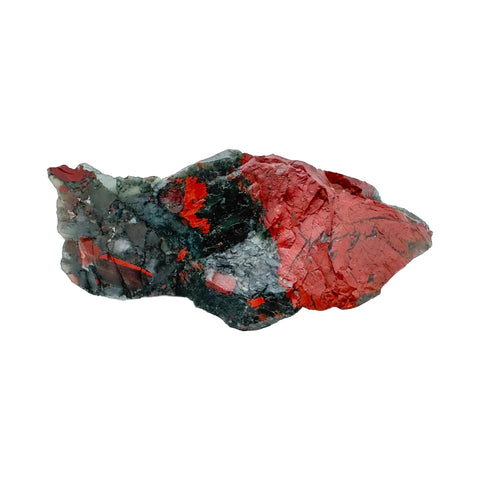
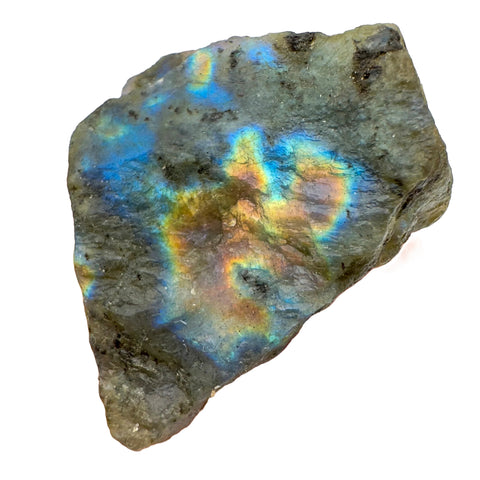
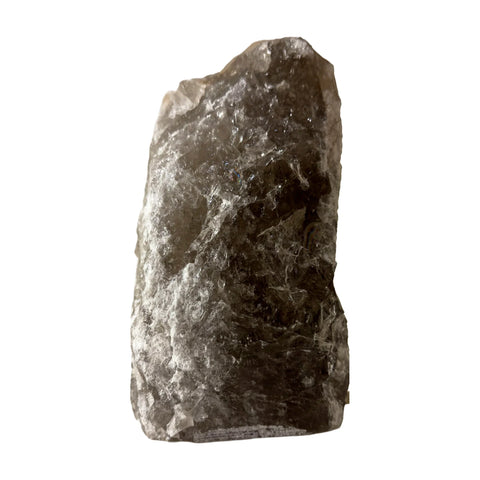
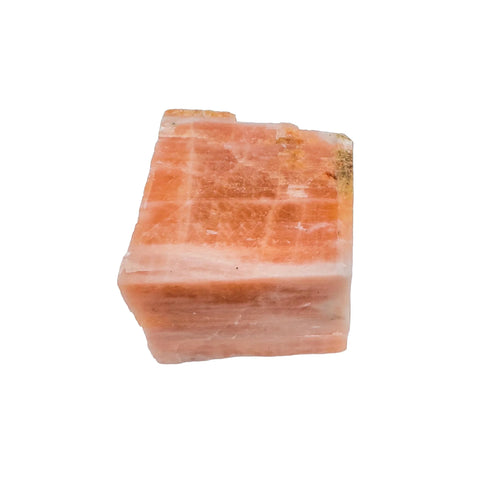
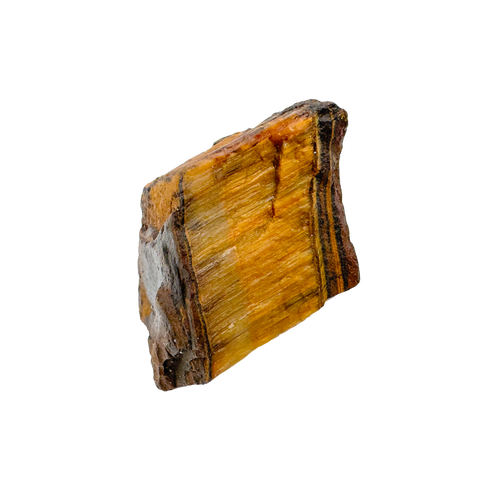
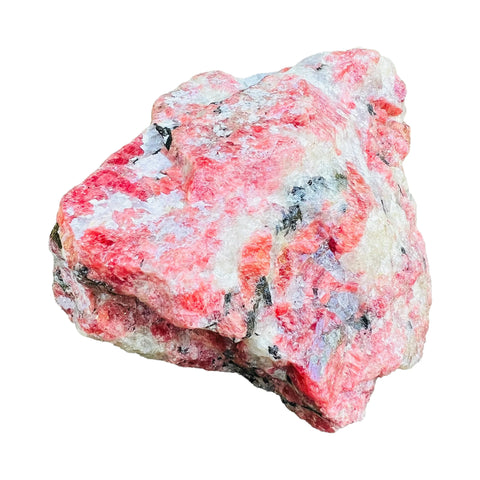
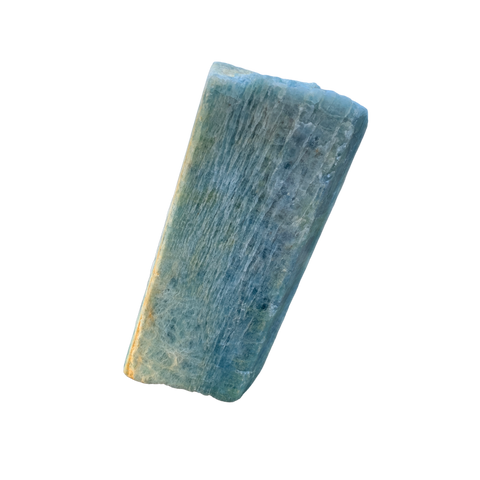
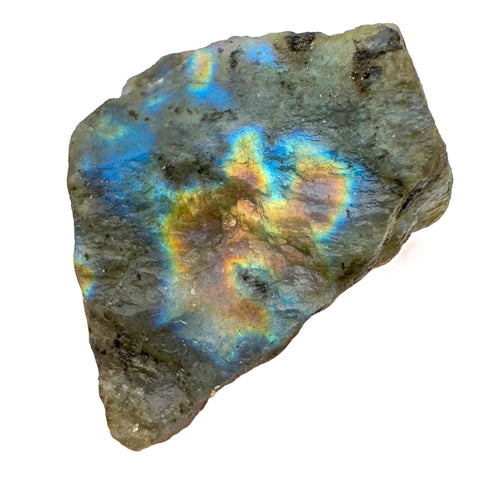


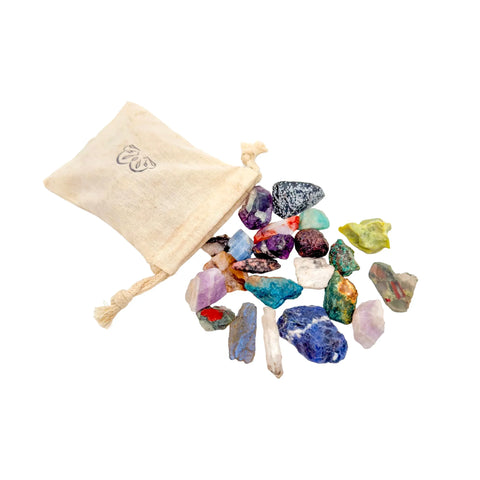
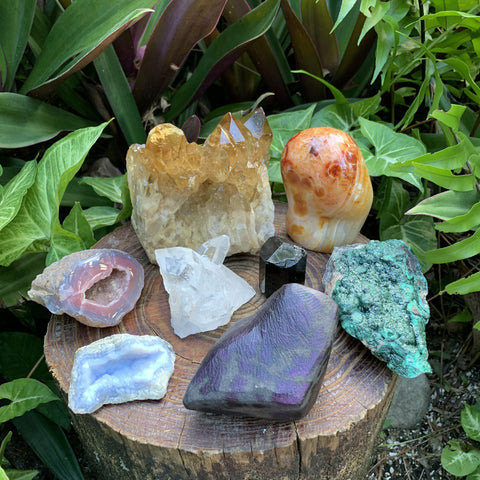
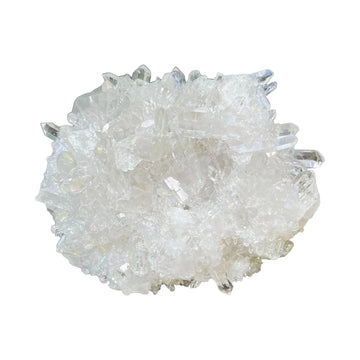
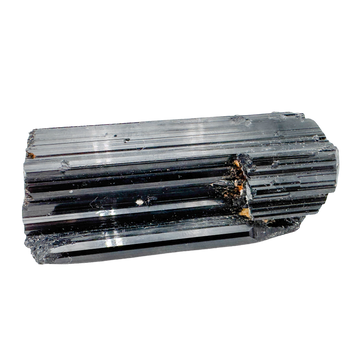
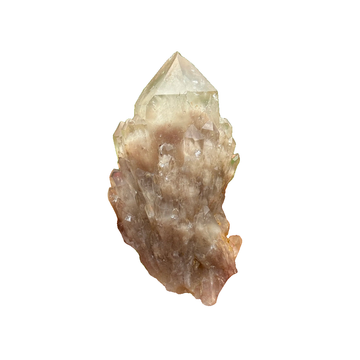
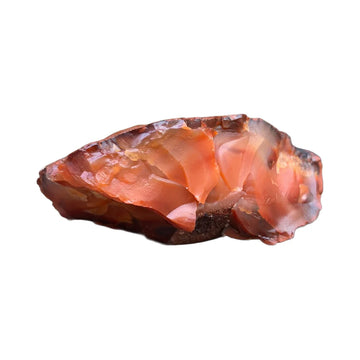
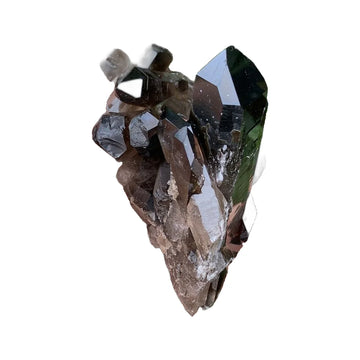
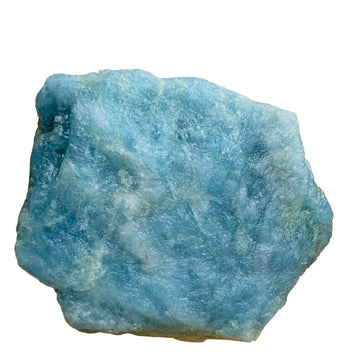
 Raw Stones
179 pieces
Raw Stones
179 pieces
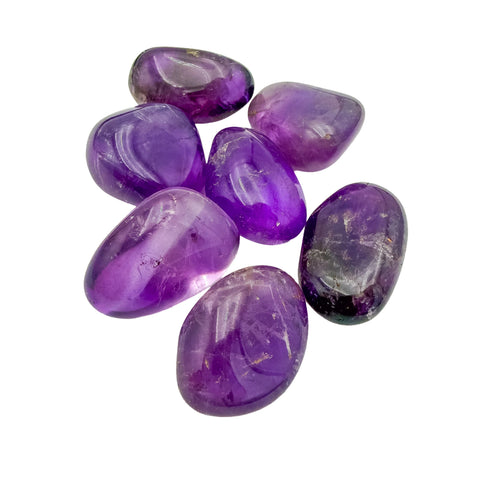
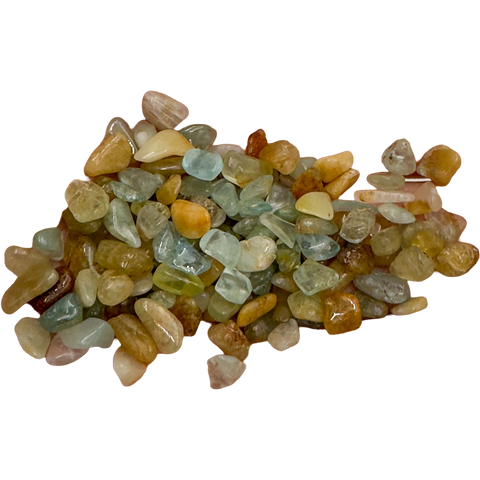
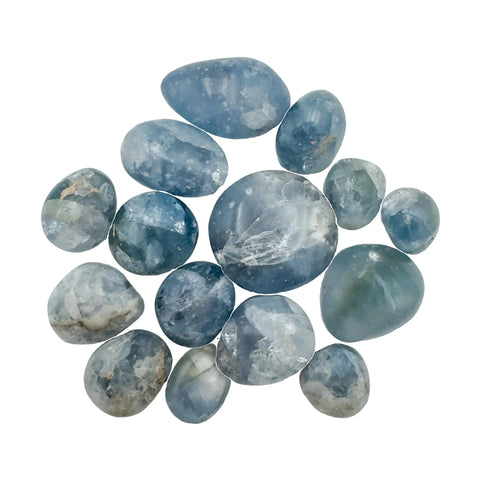
 Tumbled Stones
162 pieces
Tumbled Stones
162 pieces
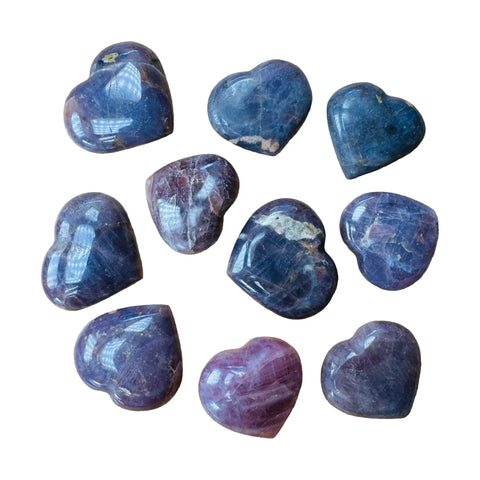
 Palm Stones
25 pieces
Palm Stones
25 pieces
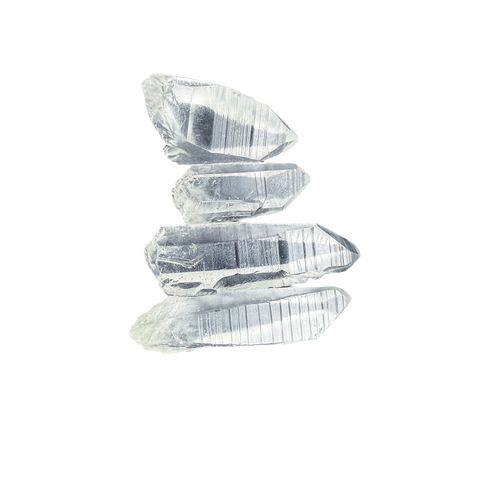
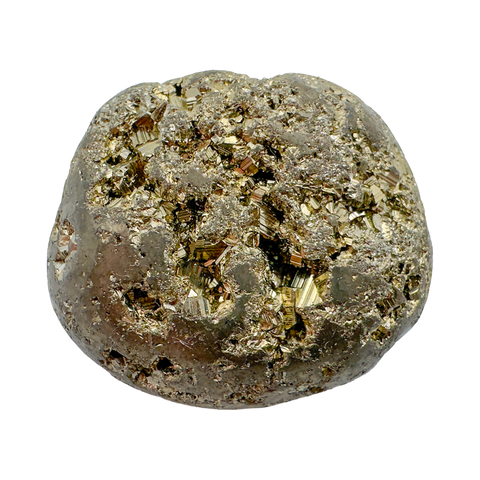
 Crystal Points
23 pieces
Crystal Points
23 pieces
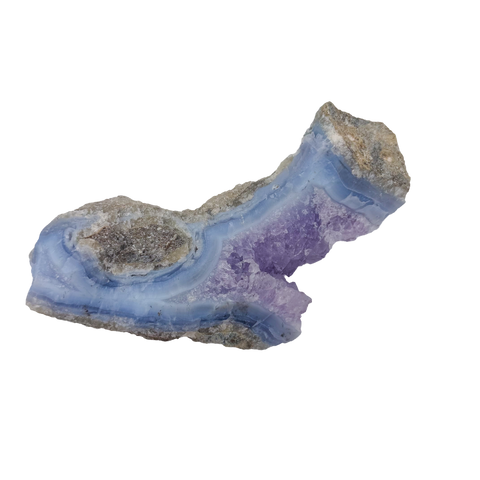
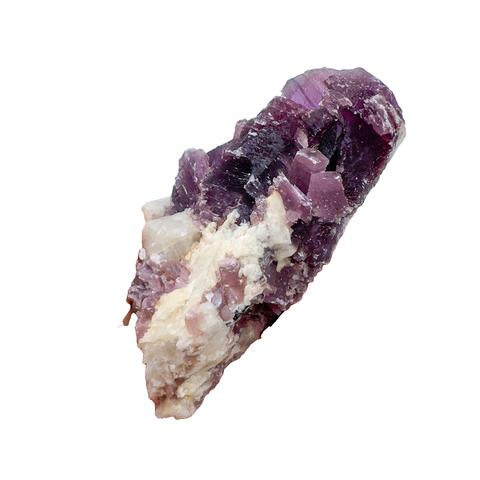
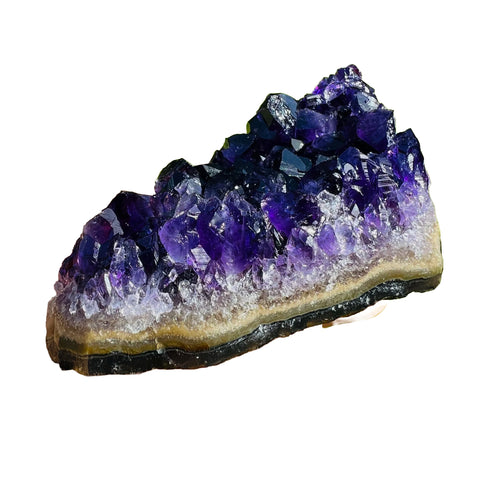
 Clusters & Geodes
104 pieces
Clusters & Geodes
104 pieces
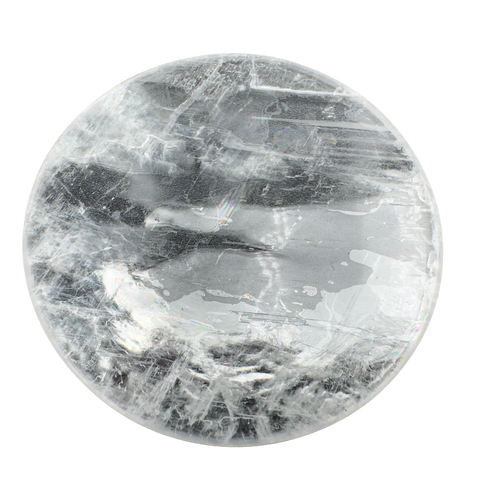
 Polished & Decor
148 pieces
Polished & Decor
148 pieces
 Mineral Specimens
259 collector pieces
Mineral Specimens
259 collector pieces
 Crystal Chips
21 pieces
Browse everything
Every collection, one page.
View All Collections →
Crystal Chips
21 pieces
Browse everything
Every collection, one page.
View All Collections →


 Aries
Mar 21 – Apr 19
Carnelian
›
Aries
Mar 21 – Apr 19
Carnelian
›
 Taurus
Apr 20 – May 20
Rose Quartz
›
Taurus
Apr 20 – May 20
Rose Quartz
›
 Gemini
May 21 – Jun 20
Agate
›
Gemini
May 21 – Jun 20
Agate
›
 Cancer
Jun 21 – Jul 22
Moonstone
›
Cancer
Jun 21 – Jul 22
Moonstone
›
 Leo
Jul 23 – Aug 22
Citrine
›
Leo
Jul 23 – Aug 22
Citrine
›
 Virgo
Aug 23 – Sep 22
Amazonite
›
Virgo
Aug 23 – Sep 22
Amazonite
›
 Libra
Sep 23 – Oct 22
Blue Lace Agate
›
Libra
Sep 23 – Oct 22
Blue Lace Agate
›
 Scorpio
Oct 23 – Nov 21
Obsidian
›
Scorpio
Oct 23 – Nov 21
Obsidian
›
 Sagittarius
Nov 22 – Dec 21
Sodalite
›
Sagittarius
Nov 22 – Dec 21
Sodalite
›
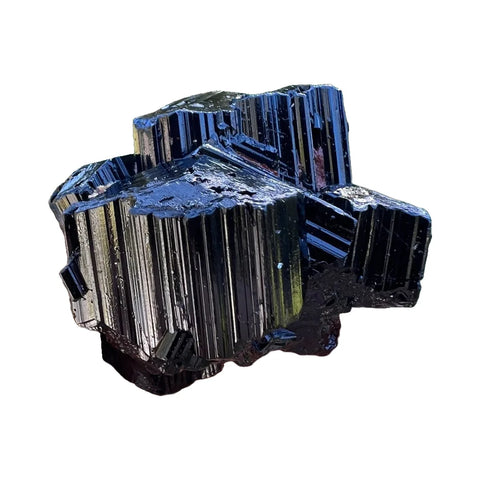
 Capricorn
Dec 22 – Jan 19
Black Tourmaline
›
Capricorn
Dec 22 – Jan 19
Black Tourmaline
›
 Aquarius
Jan 20 – Feb 18
Amethyst
›
Aquarius
Jan 20 – Feb 18
Amethyst
›
 Pisces
Feb 19 – Mar 20
Aquamarine
›
Gifting?
A birthday stone is the safe bet.
Read the zodiac guide →
Pisces
Feb 19 – Mar 20
Aquamarine
›
Gifting?
A birthday stone is the safe bet.
Read the zodiac guide →

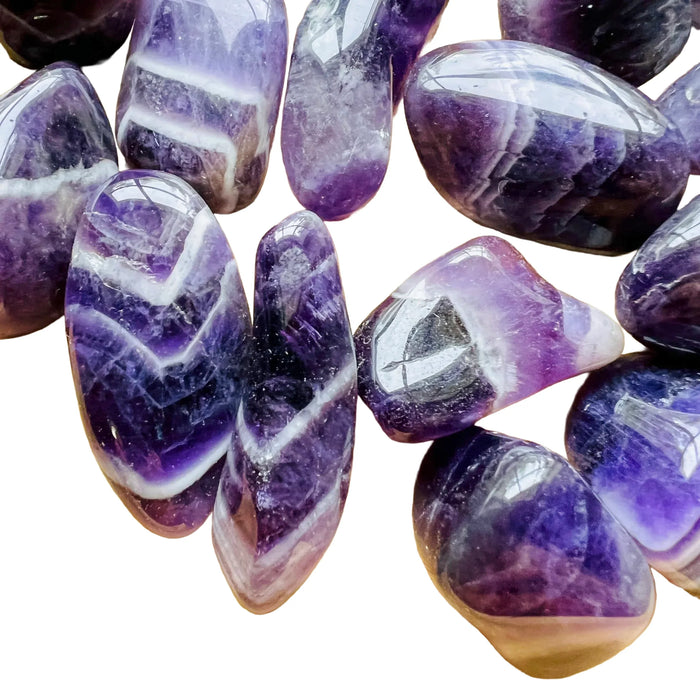
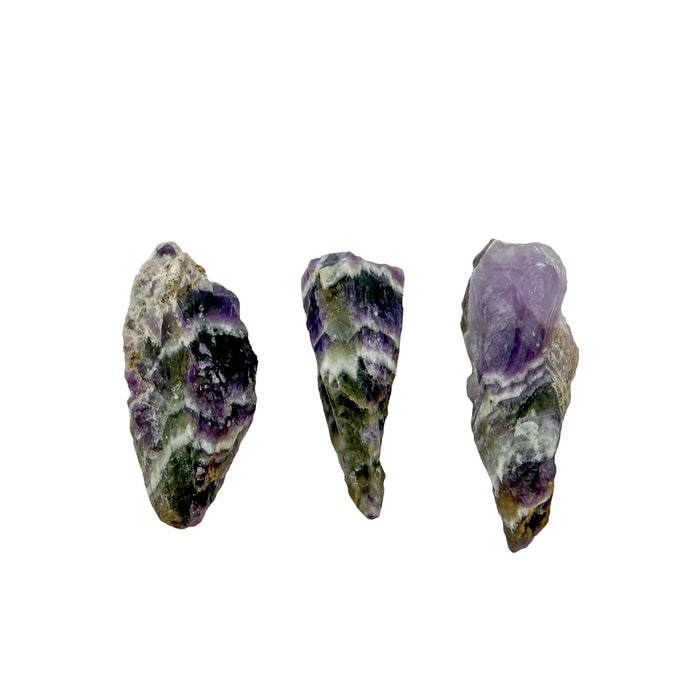
Chevron Amethyst
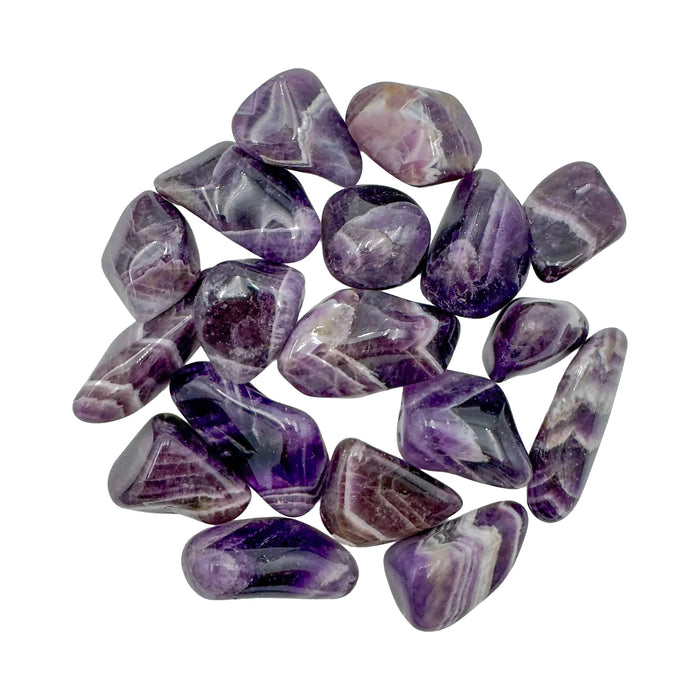
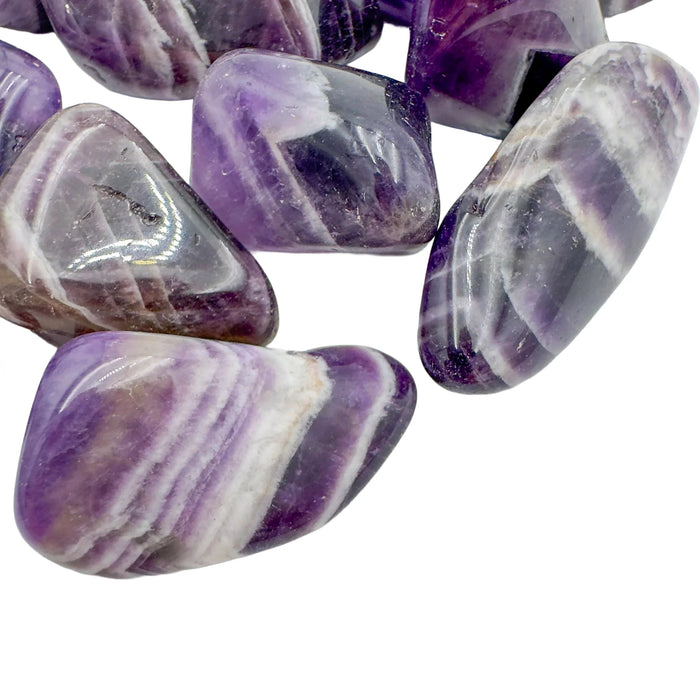
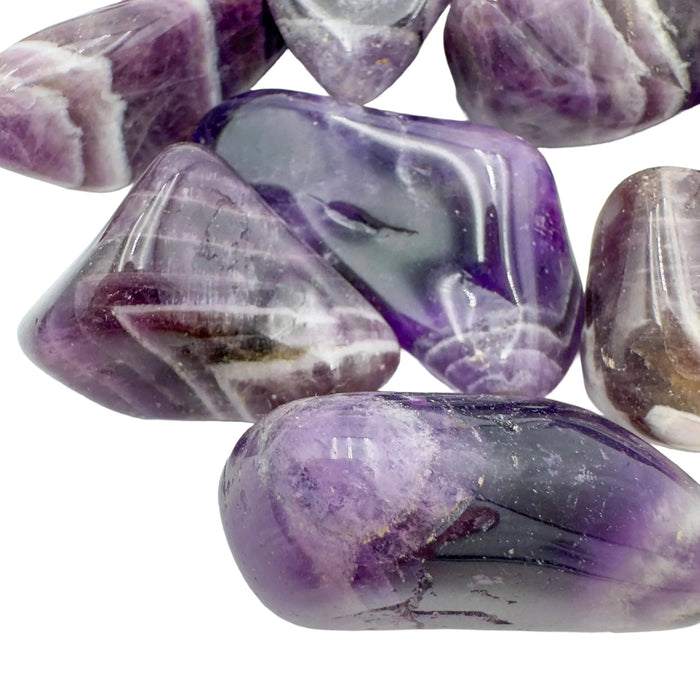
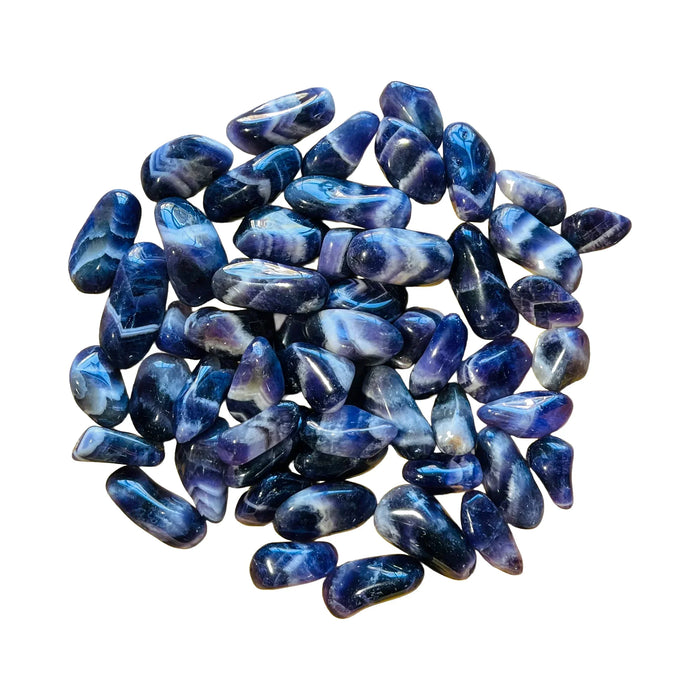
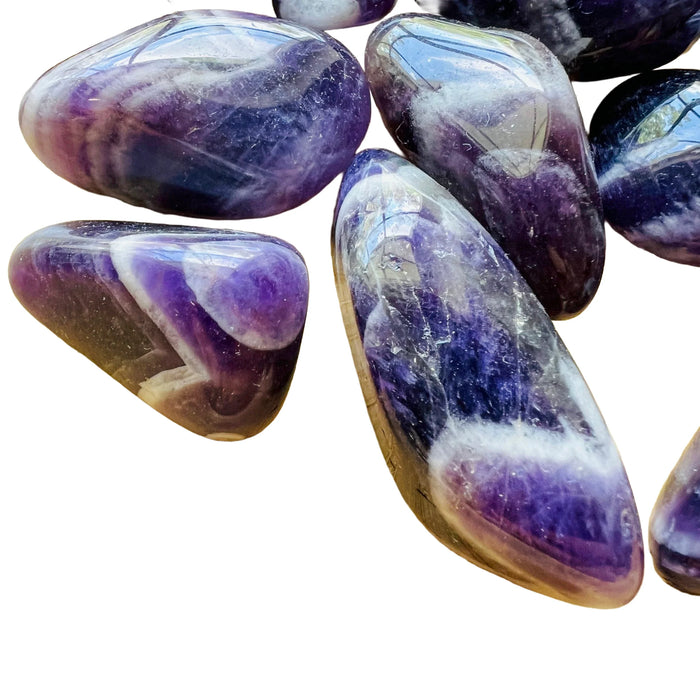
Chevron amethyst is a naturally banded form of amethyst, showing alternating violet and white V-shaped or striped patterns created during crystal growth. The banding forms as mineral-rich water levels changed over geological time, making each piece a record of that slow, layered story. Most commercial chevron amethyst is sold untreated, because the banding itself is the point. Commercial supply comes primarily from India, Brazil, and Zambia.
Shop chevron amethystThe geology.
Chevron amethyst is a quartz variety, silicon dioxide (SiO2), colored violet by trace iron and natural irradiation within the crystal structure. The chevron or banded pattern forms during growth as the mineral-rich water feeding the crystal changes in composition or mineral saturation. This creates alternating bands of amethyst (violet quartz) and milky white quartz, layered in V-shaped or striped patterns. The banding is a record of growth history, not a treatment or an accident.
It sits at 7 on the Mohs hardness scale, the same as all quartz varieties, making it durable and suitable for any use. The crystal system is trigonal, though the banding pattern is so dominant that individual crystal faces are rarely visible. Specific gravity runs 2.65, consistent with quartz. The stone shows a vitreous luster when polished and fractures conchoidally rather than along cleavage planes. One defining feature: the banding cannot be synthesized or created artificially. To get true chevron patterns, you need genuine sedimentary growth, which is why commercial chevron amethyst is almost always natural and untreated.
The origins.
India is the primary commercial source of chevron amethyst, particularly from the Jharkhand region in eastern India. The mining is small-scale and labor-intensive, involving hand-extraction and careful sorting to preserve the banding pattern. Indian chevron amethyst tends toward lighter violet tones with crisp white banding, and the material is widely available in the international market at accessible price points.
Brazil produces chevron amethyst from several deposits in Minas Gerais, yielding material with deeper violet tones and sometimes more dramatic striping. Brazilian chevron amethyst often shows richer color saturation than Indian material, and is less commonly seen in North American retail, which makes it a more distinctive find without being rare or unreasonably priced.
Zambia, particularly the Copperbelt Province, has emerged in recent years as a source of high-quality chevron amethyst. Zambian material shows deep purple tones and exceptionally clear banding. Chevron amethyst from Zambia is less widely available than Indian or Brazilian material, and sourcing it requires direct supply relationships. Other deposits exist worldwide, including Madagascar and parts of Europe, yet India, Brazil, and Zambia offer the most reliable supply and consistent banding quality to the North American market.
Traditional associations.
Chevron amethyst carries the associations of amethyst generally, yet the banded pattern adds a distinct quality to the practice. Many people are drawn to the visual symbolism of the chevron itself, the layered journey from darkness to clarity, or the sense of structure and direction built into the stone's geology.
In contemporary crystal work, chevron amethyst is associated with the Third Eye and Crown chakras, the element Air, and intentions around clarity, ritual, vision, insight, and intuition. The banding is sometimes seen as a visual representation of insight arriving in layers rather than all at once. Many people work with it during meditation or keep a piece nearby when they're building clarity around a decision or situation. The pattern invites contemplation; the stability of quartz provides grounding. It's chosen by those who want a stone that's visually distinctive without being fragile.
Spotting the real thing.
Genuine chevron amethyst shows distinct V-shaped or parallel white and violet banding throughout the stone. The banding is consistent across the piece and visible from multiple angles. The violet color is natural, ranging from pale lavender to deep purple depending on origin. True chevron banding cannot be faked with dyes or polishing; it's a structural feature of the crystal formed during growth.
Be cautious of regular amethyst or agate sold as chevron amethyst, or pieces where the banding is superficial or dyed. Genuine chevron amethyst feels substantial, is quite hard (7 on the Mohs scale), and the banding runs through the entire piece. If a stone feels soft, is lightweight, or has banding only on the surface, it's not true chevron amethyst. Look for pieces where the pattern is consistent, the violet is natural-looking rather than artificially vivid, and the white bands are clean quartz rather than discolored.
Care & handling.
Chevron amethyst is durable quartz, one of the most stable minerals you can work with. It can handle normal wear, water exposure, and direct sunlight without degrading. Unlike softer stones, it doesn't require special care routines. You can rinse it under cool running water, handle it freely, and display it without worry.
That said, the fine banding can accumulate dust in tight areas. A gentle brush or soft cloth is all that's needed for cleaning. Avoid ultrasonic or steam cleaners, which are unnecessary for quartz and could damage adjoining softer pieces if stored together. Store chevron amethyst separately from softer minerals if you're keeping a collection, simply to prevent scratching them. The stone itself is harder than most things in a typical collection and won't be damaged by contact with other minerals. Amethyst can fade with prolonged direct sunlight exposure over many months, though this is slow and cosmetic only. If you want to preserve the violet intensity, keep it in soft indirect light when not carrying it.
Pairs well with.
Proof, not promises.
We measure our own sourcing across five dimensions. Supply chain, environmental footprint, artisan support, market integrity, and pricing. The number is honest, not perfect. Where we can do better, we say so.
A deeper look.
Extended geology, sourcing, authentication, formation history, varieties by origin, and pricing for when the quick guide isn't quite enough.
Extended geology and formation
Chevron amethyst is a quartz variety with the chemical formula SiO2, crystallizing in the trigonal system. Trace iron within the crystal lattice and natural irradiation from surrounding radioactive minerals create the violet color. The chevron or banded pattern forms during crystal growth when the composition of the mineral-rich water feeding the crystal changes. As water chemistry shifts, the crystal grows in layers, alternating between periods of amethyst (violet) formation and periods of milky quartz (white) formation. Each band records a change in growth conditions, making the stone a geological chronology.
The banding cannot be created synthetically, and attempts to heat-treat chevron amethyst typically destroy the pattern or fade the color. This is why authentic chevron amethyst is almost always natural and untreated, and why any claim of heat-treated chevron should be treated with skepticism. The pattern is a defining feature that emerged during formation, not something that can be enhanced after the fact.
Regional characteristics and sourcing
Indian chevron amethyst, particularly from Jharkhand, shows pale to medium violet tones with crisp white bands. The material is abundant and widely available, making it the most affordable entry point to chevron amethyst. Mining is small-scale and labor-intensive, involving hand-extraction and careful sorting. The banding in Indian material tends toward parallel lines and geometric patterns.
Brazilian chevron amethyst from Minas Gerais displays deeper, richer violet tones and often more dramatic or complex striping. The mineral composition of Brazilian deposits creates material with better color saturation and sometimes more elaborate visual patterns. It's less commonly seen in North American retail than Indian material, and sourcing it directly requires established relationships.
Zambian chevron amethyst from the Copperbelt has become increasingly notable in recent years for exceptional quality and deep purple tones. Zambian material shows some of the clearest banding and most saturated color in the commercial supply. Direct sourcing from Zambia is more recent for many Western retailers and requires strong supply relationships to access reliably.
Authentication and testing
The most reliable authentication method is visual inspection of the banding pattern. Genuine chevron amethyst shows consistent, three-dimensional banding throughout the piece, visible from multiple angles. The pattern is not confined to the surface but runs through the stone. The violet color is natural-looking and varies slightly across the piece, reflecting natural mineral variation during formation.
Dyed agate or artificially created banding will show only surface-level pattern, feel harder and denser than amethyst, and may show color that shifts toward unnatural vibrancy. Regular amethyst without banding is sometimes misrepresented as chevron; always look for the characteristic V-shaped or striped pattern as the defining feature. If a seller cannot explain why the banding pattern exists or claims to have applied a special finish to create it, that's a warning sign.
Hardness testing confirms quartz: a piece should scratch glass or a steel knife blade, not the reverse. This distinguishes genuine quartz from softer imitation materials sometimes called amethyst.
Pricing and market notes
Grade A tumbled chevron amethyst runs $4 to $10 per piece at retail depending on size and origin. Indian material typically occupies the lower end of this range; Brazilian and Zambian material commands higher prices. Hand-polished and curated pieces range $8 to $18. Raw specimens with exceptional banding or significant size can run $20 to $80 depending on pattern quality.
Chevron amethyst priced significantly below these ranges should prompt questions about origin and authenticity. Conversely, pieces priced well above these ranges often reflect exceptional visual appeal, large size, or artistic carving work rather than the mineral itself.
Warning signs: chevron amethyst sold without origin disclosure, claims of rarity when the stone is commercially available, pieces showing no natural color variation despite claims of genuine status, or sellers unable to explain the formation of the banding pattern.
Good sourcing is a practice, not a claim.
Nothing we sell is dyed, stabilized, reconstituted, or color-enhanced without full disclosure. We name our origins where we can. We say so when we cannot. We walk away from material that does not meet our standard, even when it costs us sales.
Bring chevron amethyst home.
Raw and hand-polished chevron amethyst from India, Brazil, and Zambia. Natural banding, untreated, hand-selected for pattern and color. Each piece comes with origin documentation confirming source region and approximate mining location.
Shop the chevron amethyst collectionChevron Amethyst, in stock now.
Our most-loved Chevron Amethyst pieces, ready to ship.





- from 1,000+ reviews
- Ships within 72 hoursMonday to Friday, tracked
- 90 days to return itif you do not love it
- Free US shipping over $99$8.99 flat rate under
The Slow Note
New stones go to the list first.
No forwarding, no selling. Unsubscribe in one click. Privacy