


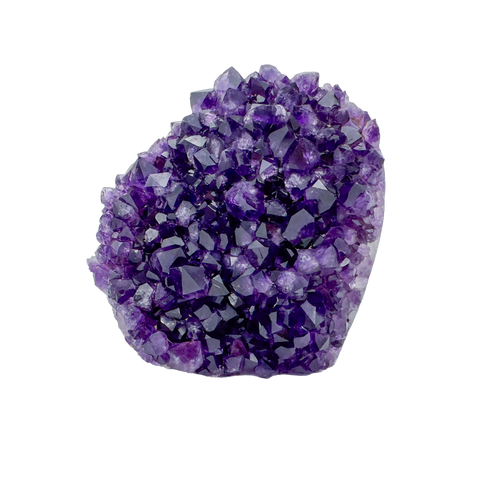
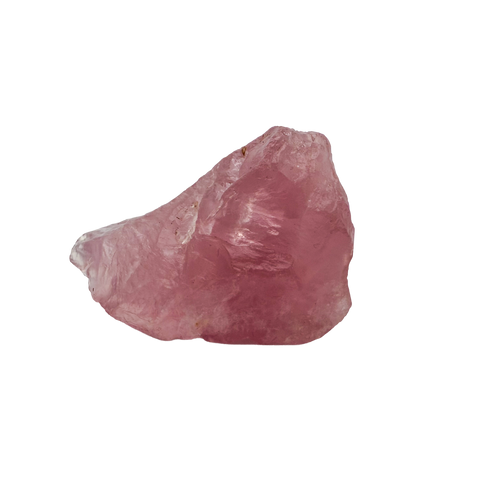
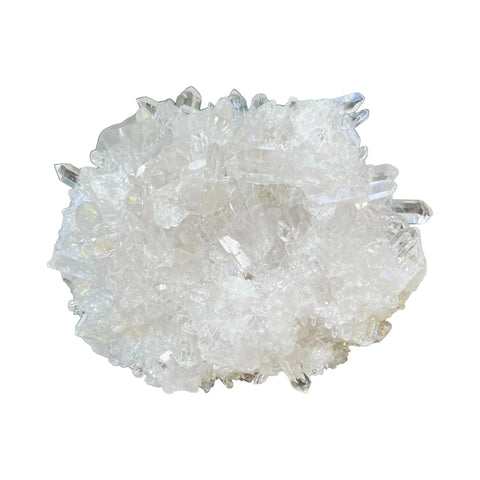
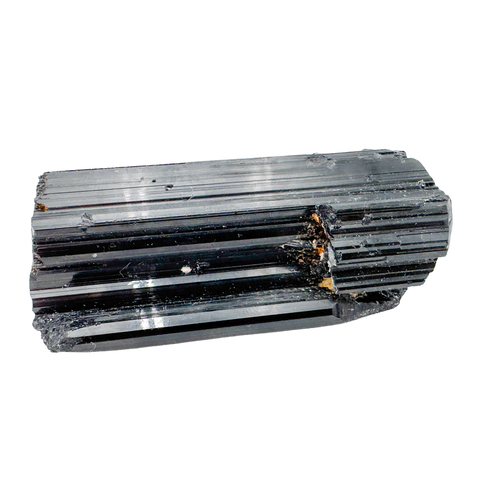
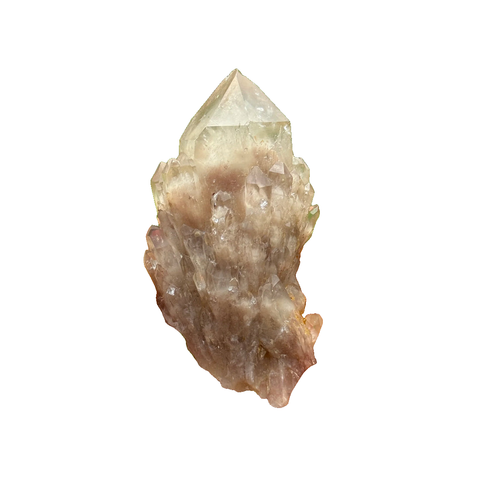
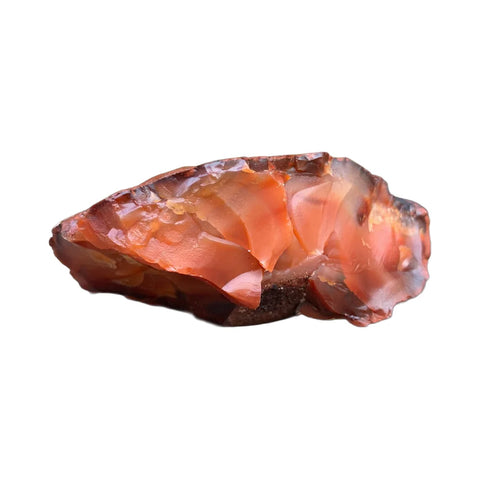
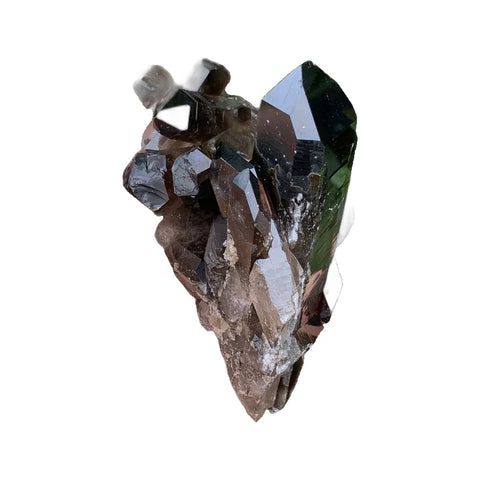
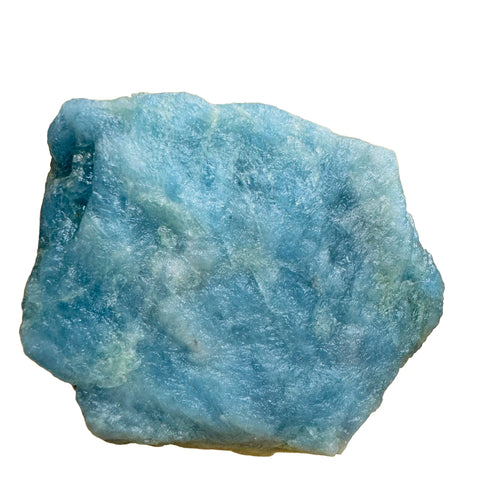
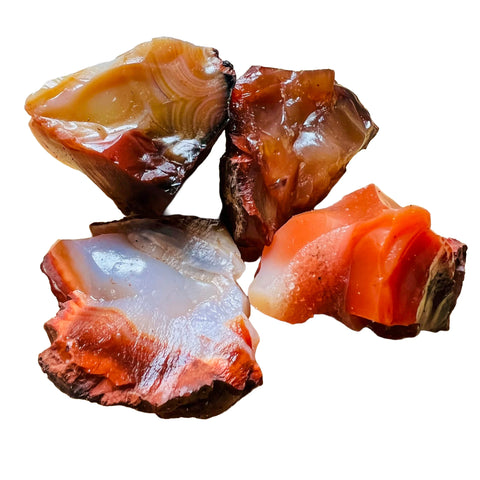


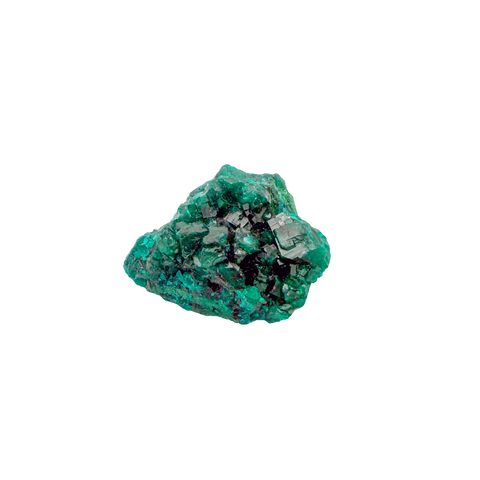
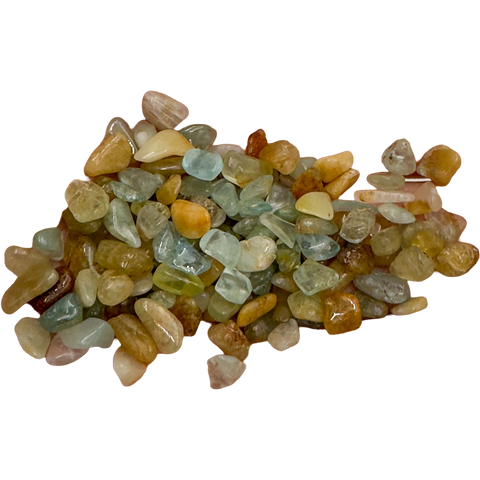
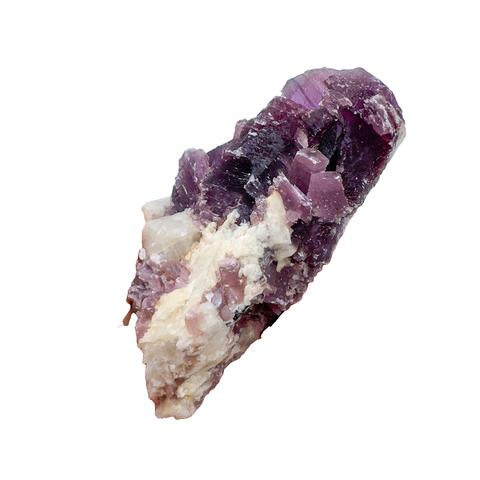
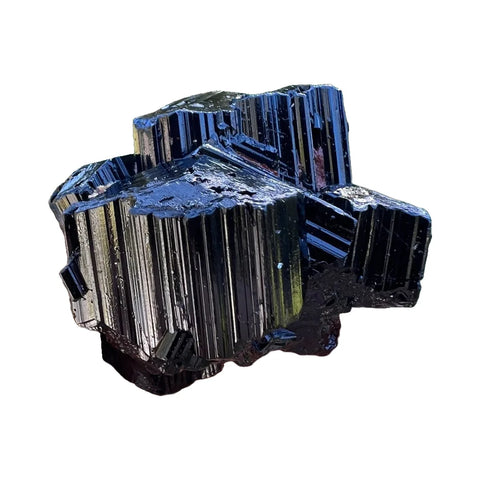
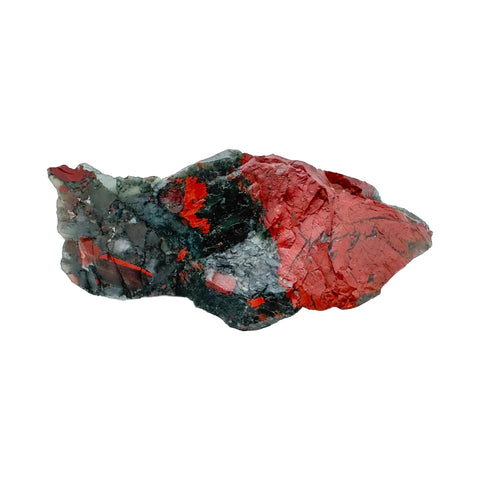
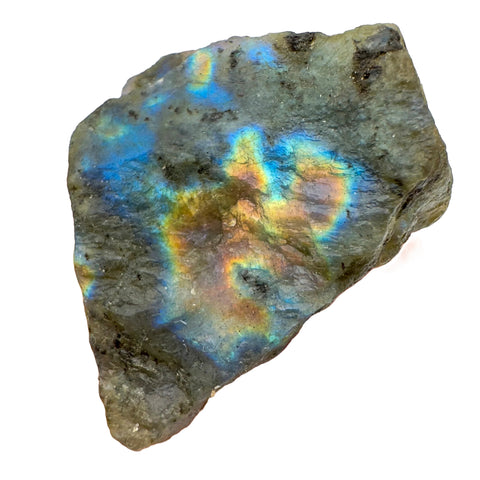
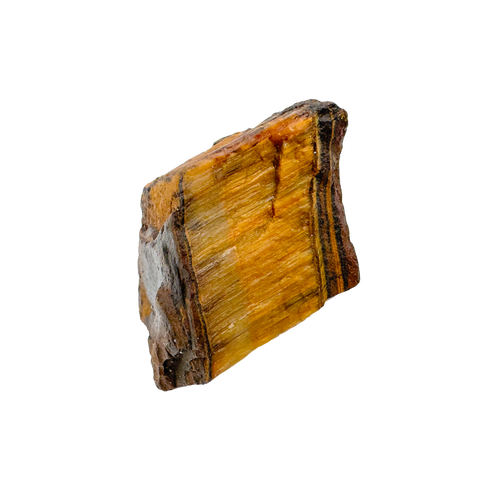
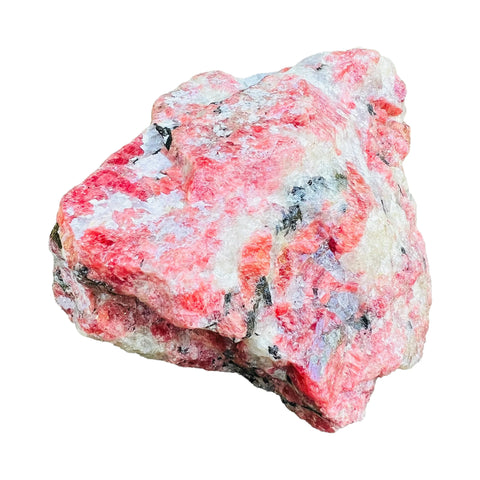
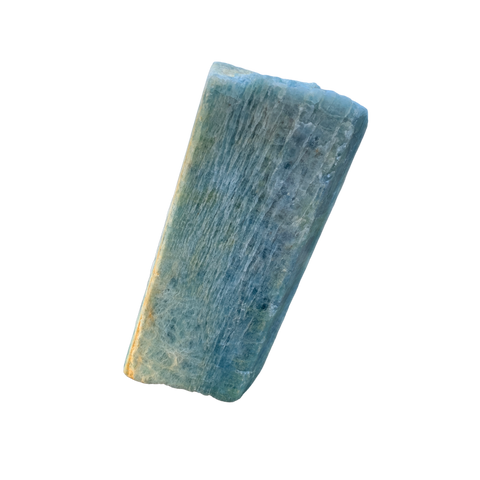
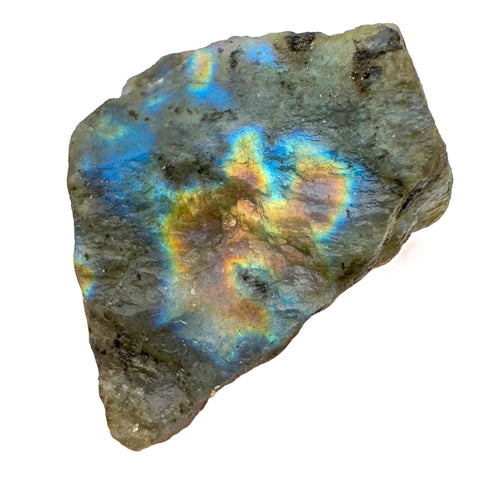
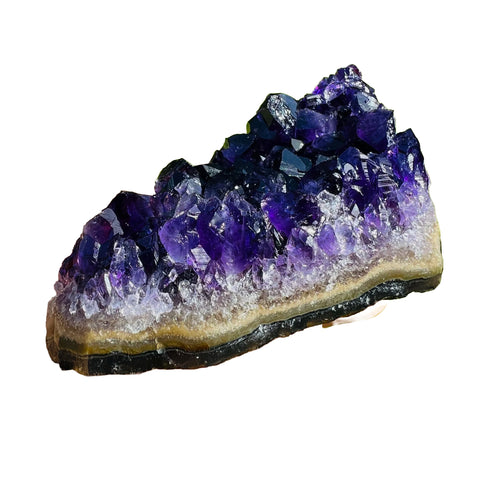



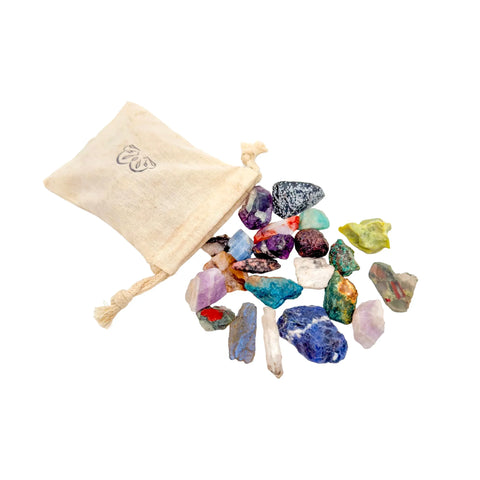
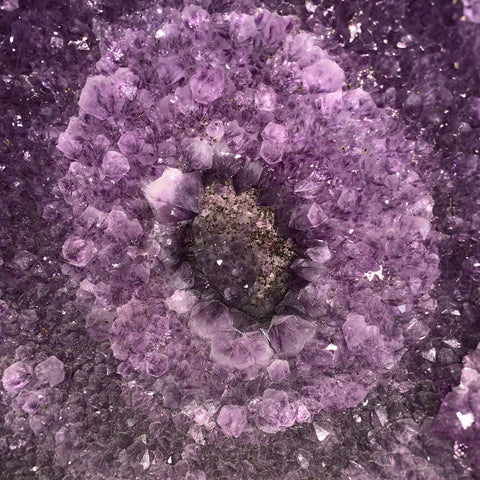
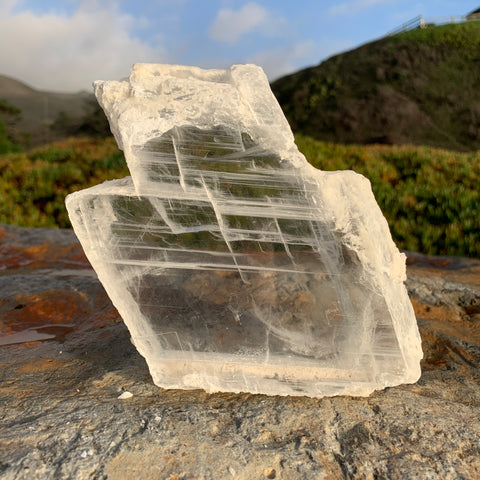
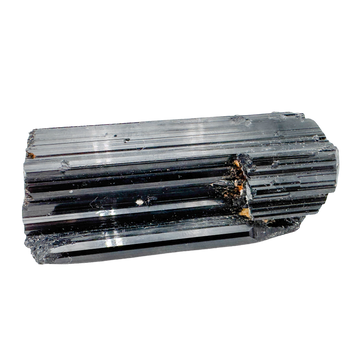
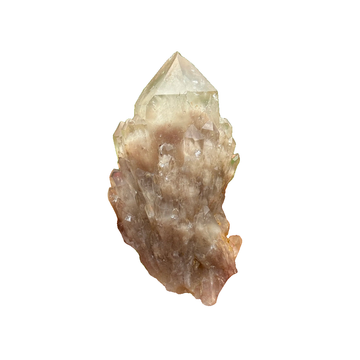
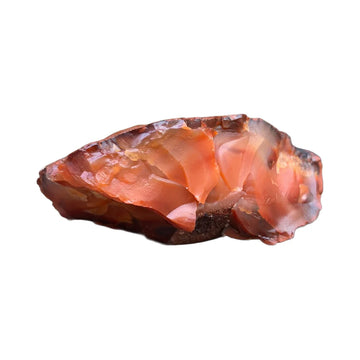
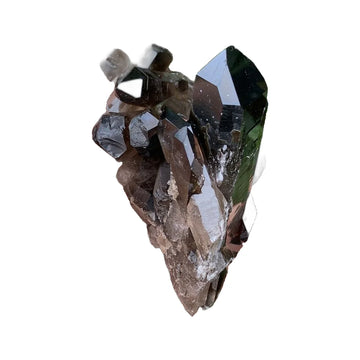
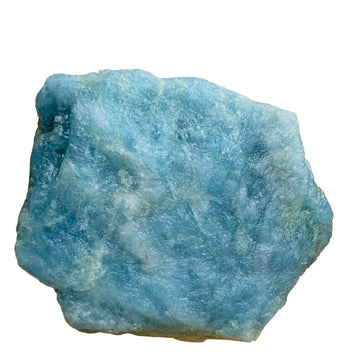
 Raw Stones
179 pieces
Raw Stones
179 pieces
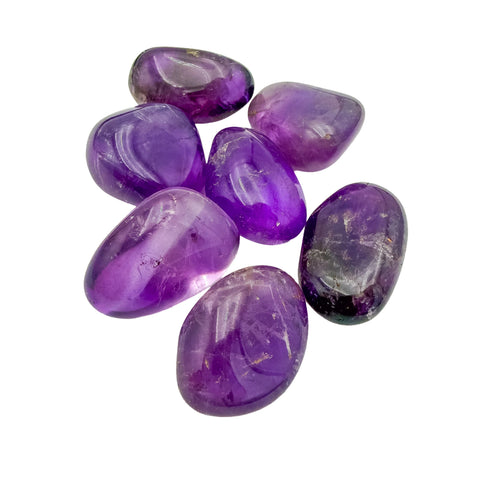
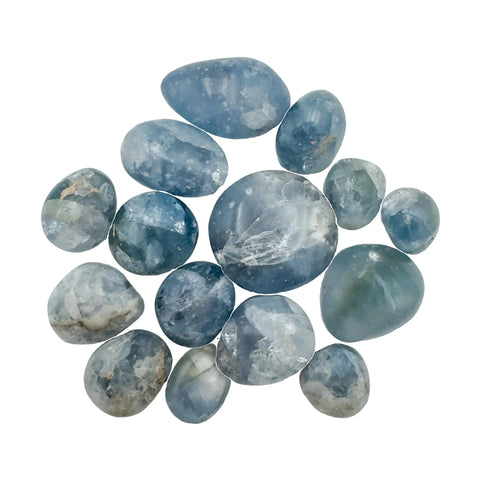
 Tumbled Stones
162 pieces
Tumbled Stones
162 pieces
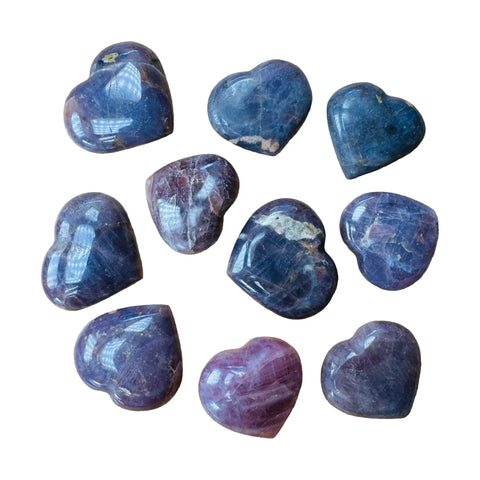
 Palm Stones
25 pieces
Palm Stones
25 pieces
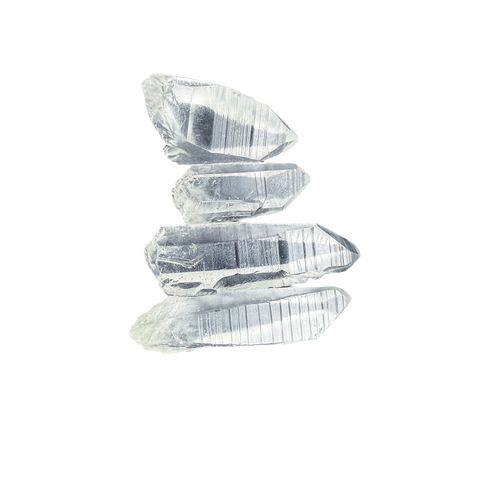
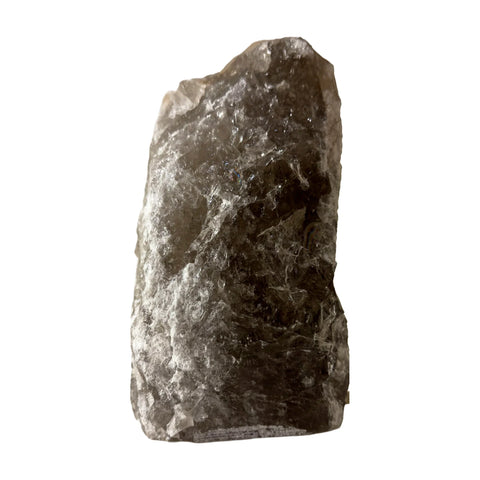
 Crystal Points
23 pieces
Crystal Points
23 pieces
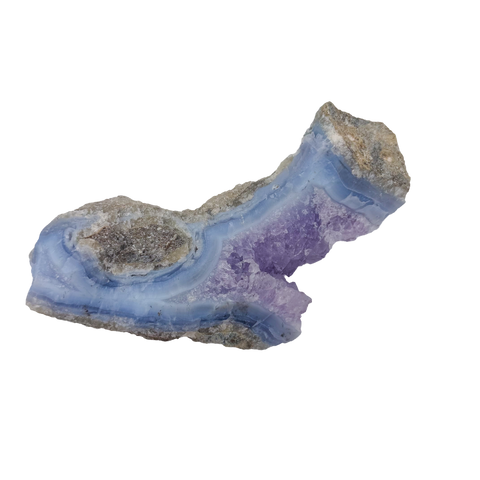
 Clusters & Geodes
104 pieces
Clusters & Geodes
104 pieces
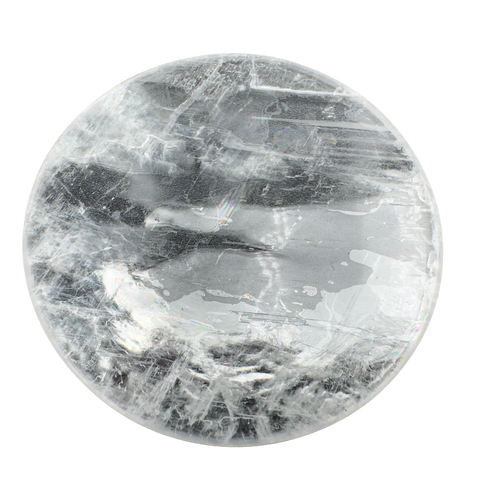
 Polished & Decor
148 pieces
Polished & Decor
148 pieces
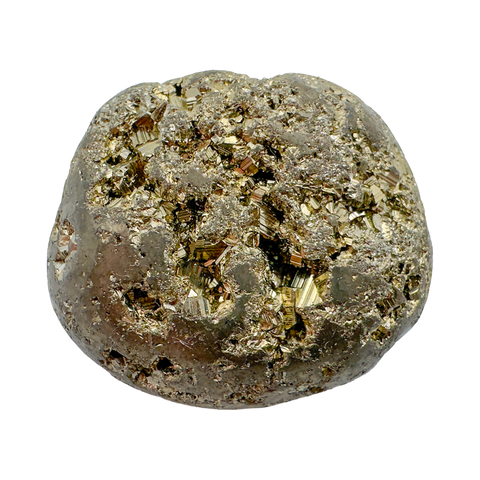
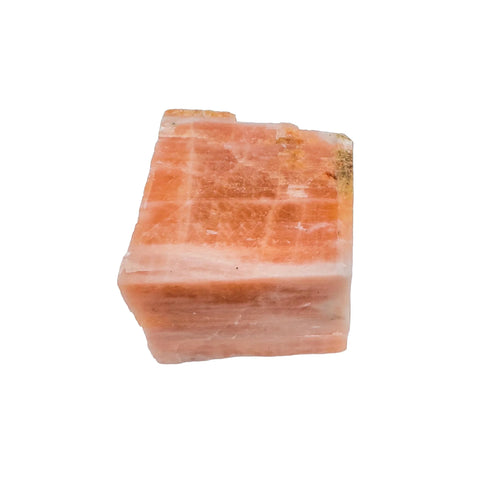
 Mineral Specimens
259 collector pieces
Mineral Specimens
259 collector pieces
 Crystal Chips
21 pieces
Browse everything
Every collection, one page.
View All Collections →
Crystal Chips
21 pieces
Browse everything
Every collection, one page.
View All Collections →


 Aries
Mar 21 – Apr 19
Carnelian
›
Aries
Mar 21 – Apr 19
Carnelian
›
 Taurus
Apr 20 – May 20
Rose Quartz
›
Taurus
Apr 20 – May 20
Rose Quartz
›
 Gemini
May 21 – Jun 20
Agate
›
Gemini
May 21 – Jun 20
Agate
›
 Cancer
Jun 21 – Jul 22
Moonstone
›
Cancer
Jun 21 – Jul 22
Moonstone
›
 Leo
Jul 23 – Aug 22
Citrine
›
Leo
Jul 23 – Aug 22
Citrine
›
 Virgo
Aug 23 – Sep 22
Amazonite
›
Virgo
Aug 23 – Sep 22
Amazonite
›
 Libra
Sep 23 – Oct 22
Blue Lace Agate
›
Libra
Sep 23 – Oct 22
Blue Lace Agate
›
 Scorpio
Oct 23 – Nov 21
Obsidian
›
Scorpio
Oct 23 – Nov 21
Obsidian
›
 Sagittarius
Nov 22 – Dec 21
Sodalite
›
Sagittarius
Nov 22 – Dec 21
Sodalite
›
 Capricorn
Dec 22 – Jan 19
Black Tourmaline
›
Capricorn
Dec 22 – Jan 19
Black Tourmaline
›
 Aquarius
Jan 20 – Feb 18
Amethyst
›
Aquarius
Jan 20 – Feb 18
Amethyst
›
 Pisces
Feb 19 – Mar 20
Aquamarine
›
Gifting?
A birthday stone is the safe bet.
Read the zodiac guide →
Pisces
Feb 19 – Mar 20
Aquamarine
›
Gifting?
A birthday stone is the safe bet.
Read the zodiac guide →

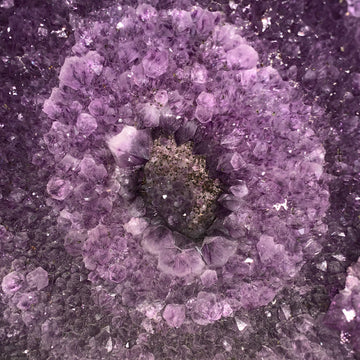
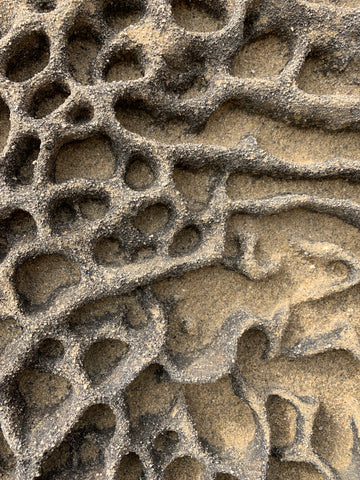
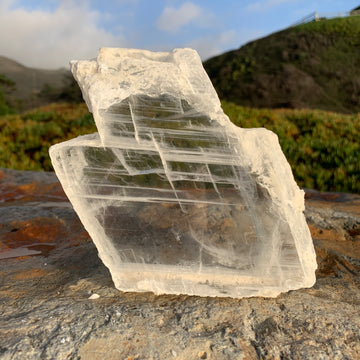
Chalcedony
Chalcedony is a family, not a single stone. The term refers to microcrystalline or cryptocrystalline quartz that includes agate, carnelian, onyx, sard, chrysoprase, bloodstone, jasper, and heliotrope. It also names the gentle pale-blue or pink translucent stones from Turkey, Madagascar, and the American West. Most varieties share a hardness of 6.5 to 7 on the Mohs scale, making chalcedony durable for everyday wear. Treatment practices vary significantly across the family, and that variation is worth understanding before you buy.
Shop chalcedonyThe geology.
Chalcedony is the overarching name for microcrystalline and cryptocrystalline quartz, meaning the quartz crystals are so fine that they're only visible under magnification. Chemical formula is SiO2, identical to larger-crystal quartz varieties, but the grain size creates distinct properties. The mineral is harder than macrocrystalline quartz, sitting at 6.5 to 7 on the Mohs scale depending on variety and location of origin. Specific gravity ranges from 2.58 to 2.64.
Chalcedony forms in a range of geological contexts: hydrothermal veins, weathered volcanic rocks, and marine sediments. The stone shows a waxy to vitreous luster and fractures conchoidally, meaning it breaks in smooth, curved patterns rather than along flat planes. The family includes a remarkable range of forms and colors: the pale-blue or pink translucent chalcedony from Turkey; agate with its bands and layers; carnelian in warm reds and oranges; chrysoprase in apple green; onyx and sard in dark, uniform tones; bloodstone with its red spots on green; jasper in countless varieties; and heliotrope with its blood-drop inclusions. Despite the visual diversity, all share the fundamental microcrystalline quartz structure.
The origins.
Chalcedony deposits exist worldwide. The pale-blue and pink translucent varieties most associated with the general term chalcedony come primarily from Turkey (particularly Cappadocia), Madagascar, and the American West. Turkey produces soft powder-blue and pale-pink chalcedony that is relatively common in the market and affordable at commodity prices. The material is worked in small to medium-scale operations and is often traded through established wholesale channels.
Brazil produces chalcedony in nearly every variety: agate with dramatic banding, carnelian in saturated warm tones, chrysoprase in green. India supplies a significant volume of carnelian, particularly from the Deccan plateau region, and agates of distinctive patterns. Botswana and Uruguay contribute banded agate and carnelian. Namibia, Madagascar, and several African nations produce quantities of bloodstone, jasper, and specialty varieties. The geographic diversity means that almost every chalcedony variety has multiple sources, creating options for sourcing with different environmental and labor practices.
Chalcedony forms in other deposits across Europe, Asia, and the Pacific, but the origins listed above represent the most reliable and most frequently traded sources to North America. The family's global distribution means a buyer can choose based on specific aesthetic qualities, origin story, or sourcing ethics rather than settling for a single "standard" version.
Traditional associations.
Because chalcedony is a family rather than a single stone, the traditional associations vary by specific variety. However, across the chalcedony group, common themes emerge: harmony, balance, gentle support, grounding, and communication. Many people work with chalcedony varieties as tools for centering themselves without the intensity of stronger stones, and for practices around community, clarity, and calm speech.
Blue chalcedony is associated with the throat chakra and communication. Pink chalcedony leans toward the heart chakra and softness. Carnelian carries the associations of warmth, vitality, and creative action. Onyx and sard are traditionally linked to grounding and protection. Chrysoprase connects with the heart and the element of earth. Bloodstone carries associations with vitality and grounding. Jasper, depending on variety, may be associated with stability, earth wisdom, or specific chakras tied to its color. None of these associations are absolute or universal. They reflect how people in contemporary crystal practice relate to the stones, not inherited tradition in the historical sense.
Spotting the real thing.
Genuine chalcedony shows subtle color variation, natural banding where present, and a smooth, waxy luster. The hardness means it doesn't scratch easily under light pressure, distinguishing it from softer minerals. Natural color in chalcedony family stones is often muted compared to mass-market commodity versions. If a stone shows unnaturally vivid, perfectly uniform color at low cost, treatment is likely. Dyed agate and chalcedony frequently show color concentration at fracture lines or edges, a visible sign of the dye penetration.
Test with light. Natural chalcedony often shows subtle banding or inclusions when held up to a light source. Dyed material may show uneven color distribution or concentration in porous areas. For carnelian specifically, natural untreated material shows warmer, more variable orange-to-red tones. Heat-treated carnelian displays more vivid, uniform deep reds. Pair visual assessment with supplier transparency. A seller who can tell you the origin, any treatments applied, and the specific variety is more trustworthy than one who just calls everything chalcedony and claims it's all natural.
Care & handling.
Chalcedony is durable and relatively low-maintenance. At 6.5 to 7 on the Mohs scale, it resists scratching from everyday handling and can handle brief water exposure without harm. However, extended soaking or submersion can gradually soften some varieties, particularly stabilized specimens. Brief rinsing under cool running water is fine. Avoid salt water, hot water, and water-based commercial cleaners. For routine cleaning, use a soft dry cloth or soft brush. If stabilized material is involved, dry methods are safest.
Store chalcedony separately from softer minerals to avoid damage, but it's hardy enough that it doesn't require the same careful handling as calcite or selenite. Avoid prolonged direct sunlight, as some varieties can fade over time. This is less dramatic than the fading in blue calcite, but worth noting, particularly for pale blues and pinks. For energetic cleansing, dry methods, smoke, sound, and moonlight are appropriate. The durability of chalcedony makes it a good choice for everyday wear in jewelry or as a pocket stone carried with keys or other objects.
Pairs well with.
Proof, not promises.
We measure our own sourcing across five dimensions. Supply chain, environmental footprint, artisan support, market integrity, and pricing. The number is honest, not perfect. Where we can do better, we say so.
A deeper look.
Extended geology, treatment practices, specific varieties, sourcing by origin, authentication, and pricing for when the quick guide isn't enough.
The microcrystalline structure
Chalcedony is quartz with a critical difference: the crystal grains are so fine that they're invisible to the naked eye. This microcrystalline structure gives chalcedony its distinctive waxy luster, smooth fracture pattern, and comparative hardness of 6.5 to 7 on the Mohs scale, compared to 7 for macrocrystalline quartz. The formula remains SiO2, but the grain size changes the physical behavior profoundly. The fine-grained structure makes chalcedony less brittle and more durable for cutting, carving, and everyday wear.
Chalcedony forms in multiple geological contexts. Hydrothermal veins produce large nodules and layers. Weathered volcanic rocks host microcrystalline quartz deposits. Marine sediments yield agate and other varieties. The formation temperature and fluid composition affect color and opacity. Iron oxide produces reds and browns in carnelian and sard. Copper compounds create greens in chrysoprase and blues in some chalcedony varieties. The diversity of color reflects the variety of origins and mineral inclusions.
Common varieties and their characteristics
Agate: Microcrystalline quartz with visible banding or layering, usually from hydrothermal deposits. Forms nodules and geodes. Available worldwide. Typically untreated in natural shades, but dyed agate is extremely common at low price points.
Carnelian: Chalcedony in warm orange-to-red tones from iron oxide. Natural varieties are warm but muted. Heat treatment deepens the color and produces vivid reds. India and Brazil are major sources. Much commercial carnelian is heat-treated.
Chrysoprase: Chalcedony in apple green to yellow-green from nickel. Australia and Germany produce the finest varieties. Naturally green material is less common and priced accordingly. Color can fade with prolonged sunlight exposure.
Onyx and sard: Dark, uniform-colored chalcedony, often layered or banded in subtle variations. Sard is reddish-brown. Onyx is black or very dark. Highly stable and durable. Treatment is less common because the natural color is already desirable at market prices.
Bloodstone (Heliotrope): Dark green chalcedony with red iron oxide spots or streaks. India and Brazil produce the most commercial supplies. The pattern is natural and requires no treatment.
Jasper: The catchall term for opaque, fine-grained chalcedony in varied colors and patterns. Exists worldwide. Stabilization with resin infill is common on porous varieties. Natural color variation is expected.
Pale-blue and pink chalcedony: Translucent to semi-translucent microcrystalline quartz from Turkey, Madagascar, and the American West. Often called simply "chalcedony" when variety-specific names don't apply. Soft powder-blue and pale pink are natural. Vivid colors at low prices indicate dye.
Treatment landscape
Dyeing is the most widespread treatment in the agate and chalcedony market. Vivid blues, purples, pinks, and greens that you see at mass-market prices are almost always dyed. The dye penetrates porous material easily and produces uniform color that natural stone cannot match. Dyed agate is not inherently harmful, but the practice creates a massive commodity market that makes natural agate harder to find and more expensive by comparison.
Heat treatment of carnelian is standard in much of the industry. Low to moderate heat deepens iron-oxide color from warm muted tones to vivid reds. The treatment is stable and permanent. Untreated carnelian exists but costs more. If a carnelian is unusually vivid or deep red at a low price, heat treatment is probable.
Stabilization with resin or polymer hardener is used on fragile or porous chalcedony, particularly jasper varieties. The treatment strengthens soft material for carving or tumbling. It's permanent and doesn't affect color, but it does alter the stone's porosity and feel slightly. Responsible sellers disclose stabilization.
Surface treatments like acid-washing or bleaching to lighten material or enhance contrast occur but are less common than dyeing or heat treatment. Waxing or oiling the surface to enhance luster is standard finishing but temporary.
Pricing and market notes
Natural agate and chalcedony varieties command significant premiums over dyed commodity material. Dyed agate tumbles may cost $0.50 to $2 per piece. Natural agate tumbles run $2 to $8. Hand-polished natural agate geodes start around $12 and scale upward based on size and color depth.
Carnelian pricing reflects treatment status. Heat-treated tumbles run $1 to $4. Untreated carnelian tumbles run $3 to $8. Hand-polished untreated carnelian starts around $8.
Chrysoprase pricing is higher due to rarity of the natural green color. Tumbles run $4 to $12. Palm stones and carved pieces scale upward from $15.
Bloodstone and onyx are typically affordable, $2 to $6 for tumbled, $8 to $20 for hand-polished, because the dark, uniform color is naturally striking and doesn't require treatment to appeal.
Pale blue and pink chalcedony from Turkey is inexpensive at $1 to $4 per tumble, reflecting the commodity market. Untreated material from Madagascar or specialized sources runs $3 to $8.
Warning signs: agate or chalcedony with no origin disclosure, claims of "untreated" with no supporting detail about where the stone came from, and prices that seem suspiciously low for the claimed natural status. If a seller is vague about treatment, assume treatment occurred.
Good sourcing is a practice, not a claim.
Nothing we sell is dyed, heat-treated, or stabilized without full disclosure. We name our origins where we can. We say so when we cannot. We walk away from material that does not meet our standard, even when it costs us sales.
Bring chalcedony home.
Natural chalcedony varieties from Turkey, Brazil, India, Madagascar, and beyond. Agate, carnelian, chrysoprase, bloodstone, and more. Hand-selected for color and finish. Each piece comes with origin and treatment documentation. No dyed material, no surprises.
Shop the chalcedony collectionThe Slow Note
New stones go to the list first.
No forwarding, no selling. Unsubscribe in one click. Privacy