


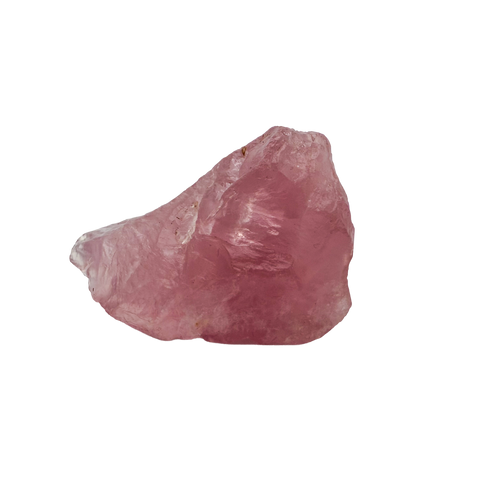
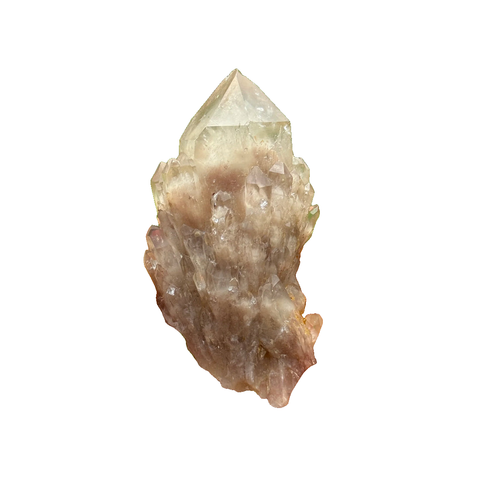
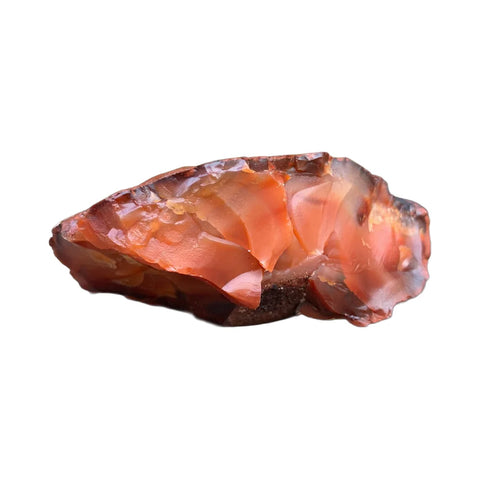
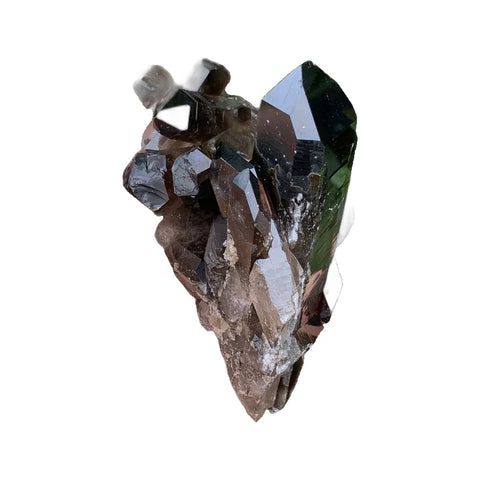
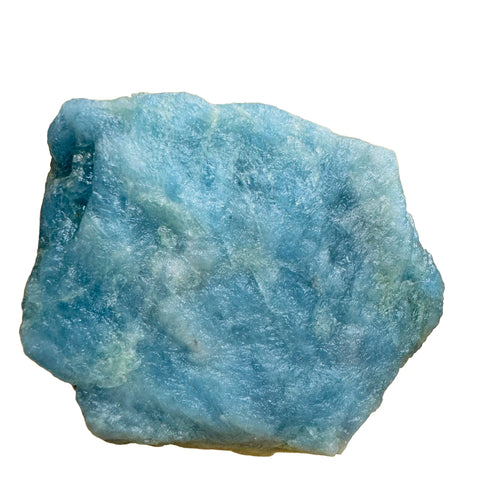
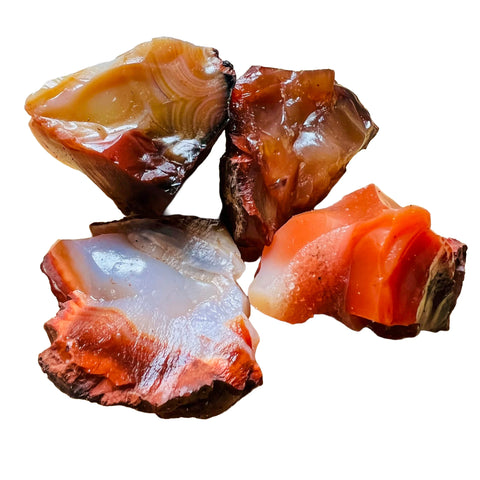


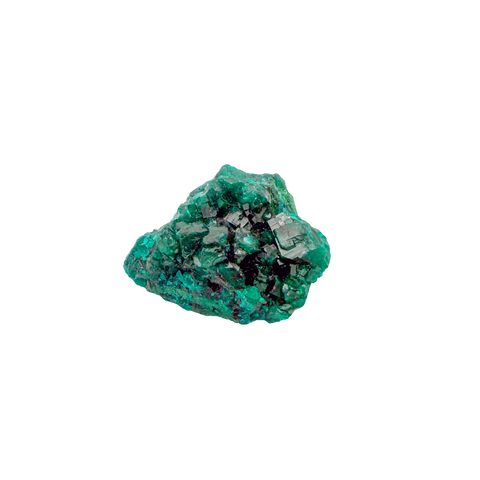
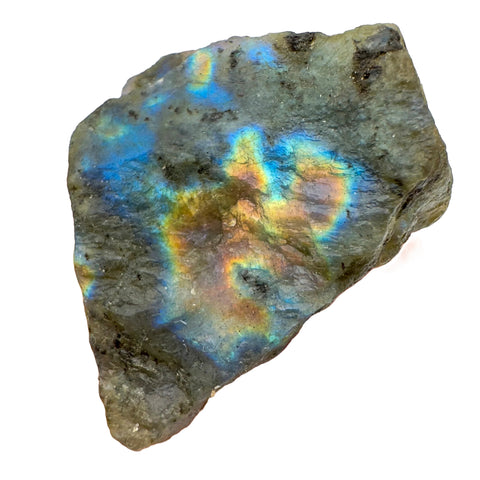
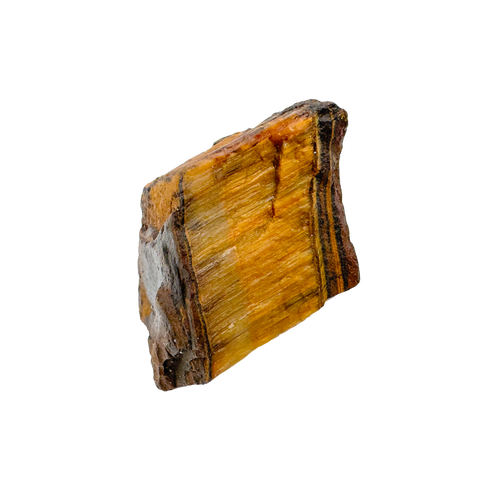
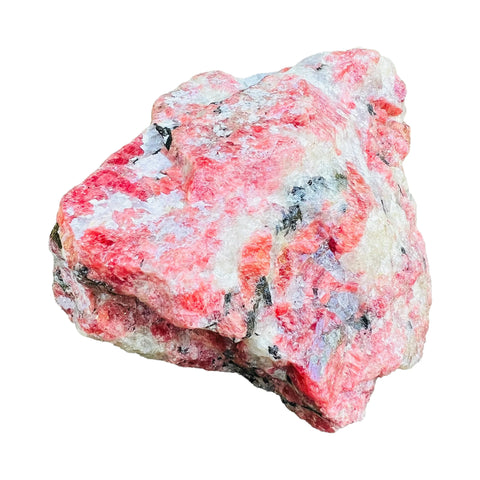
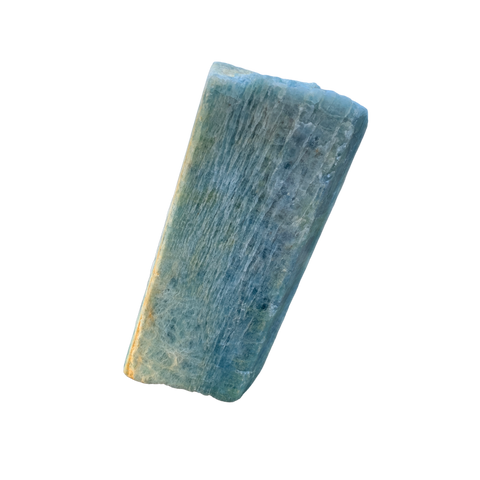
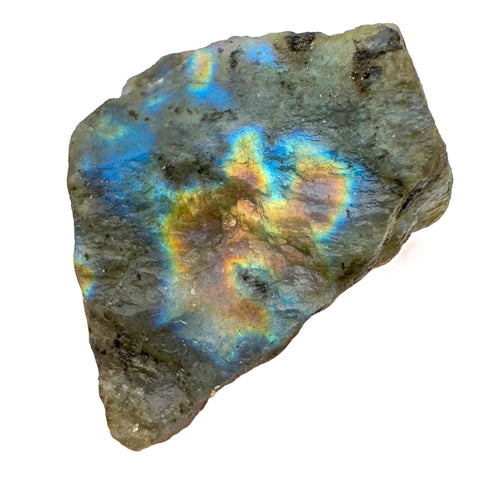
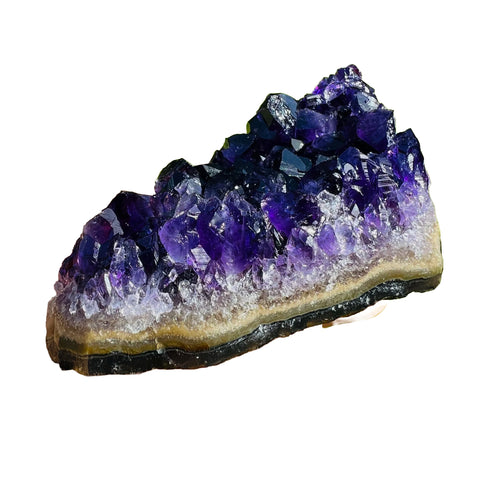


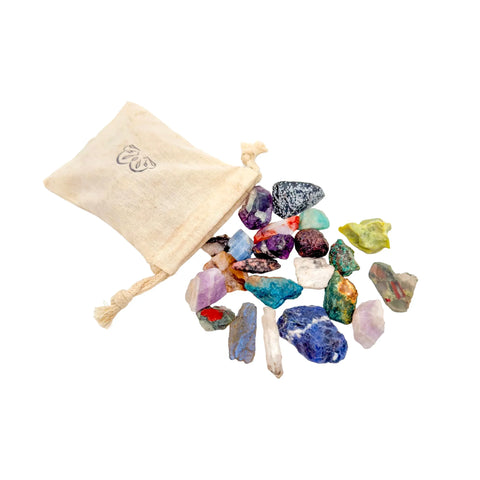
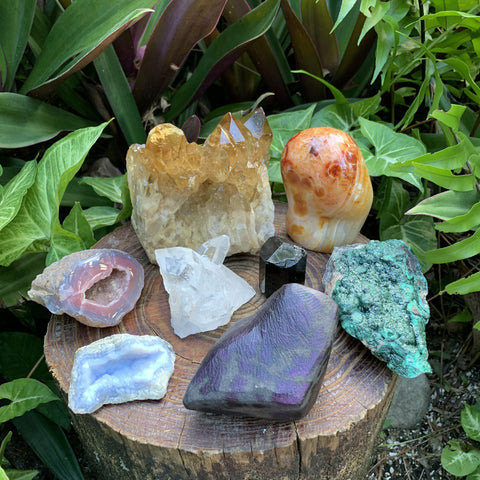
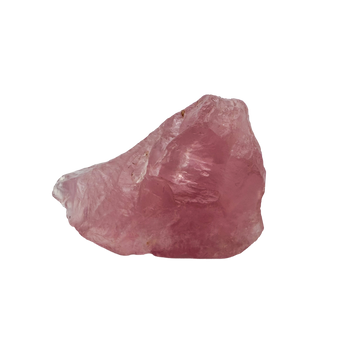
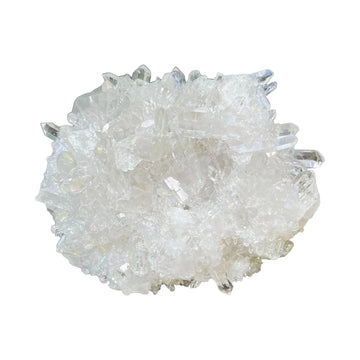
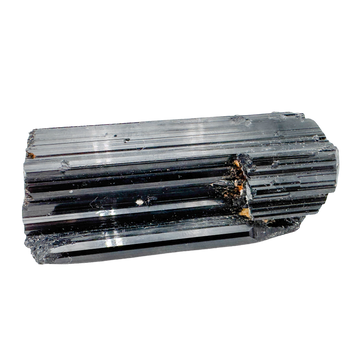
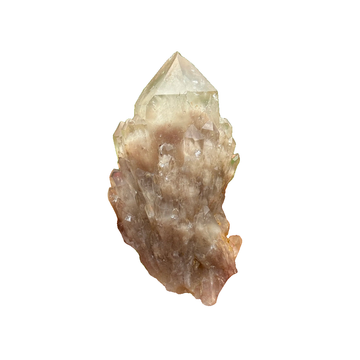
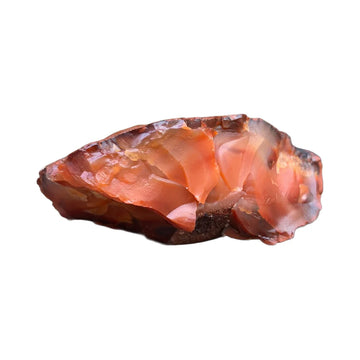
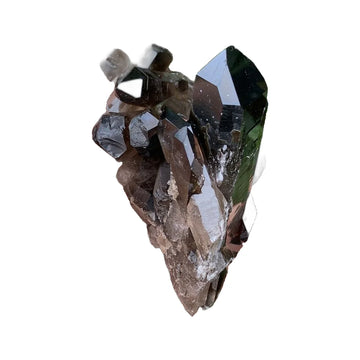
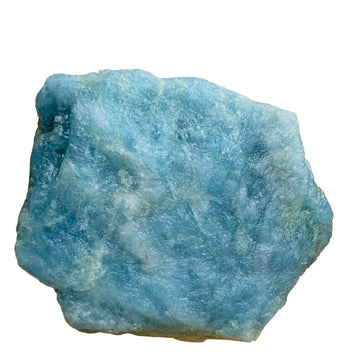
 Raw Stones
179 pieces
Raw Stones
179 pieces
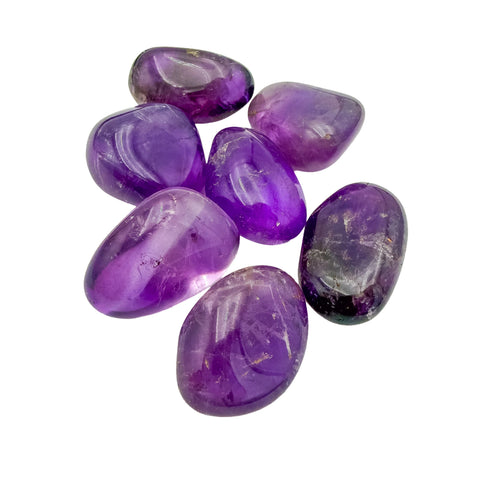
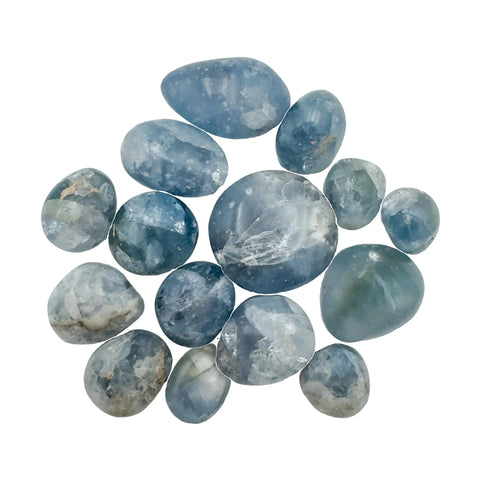
 Tumbled Stones
162 pieces
Tumbled Stones
162 pieces
 Palm Stones
25 pieces
Palm Stones
25 pieces
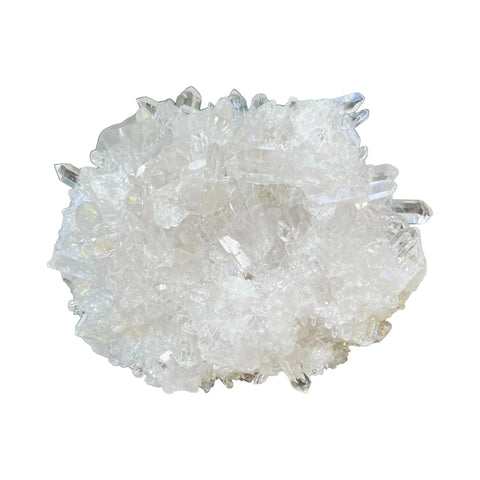
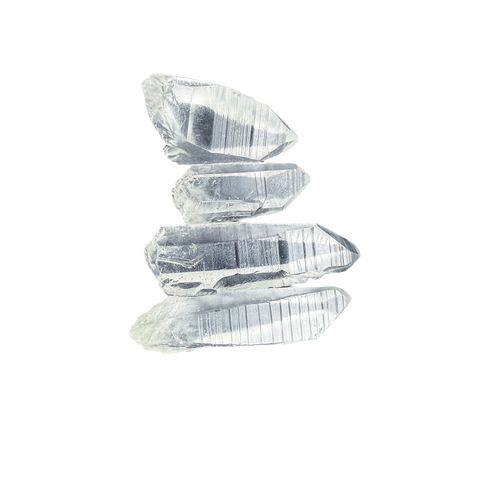
 Crystal Points
23 pieces
Crystal Points
23 pieces
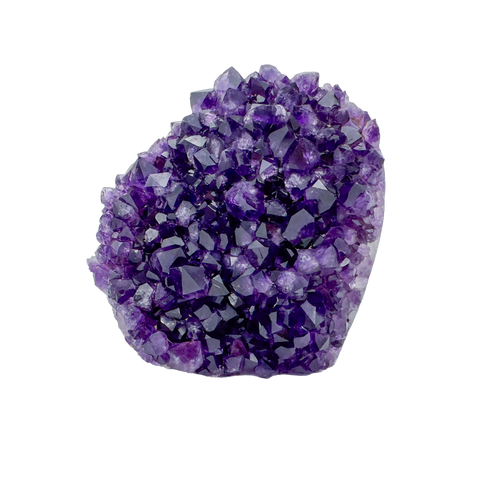
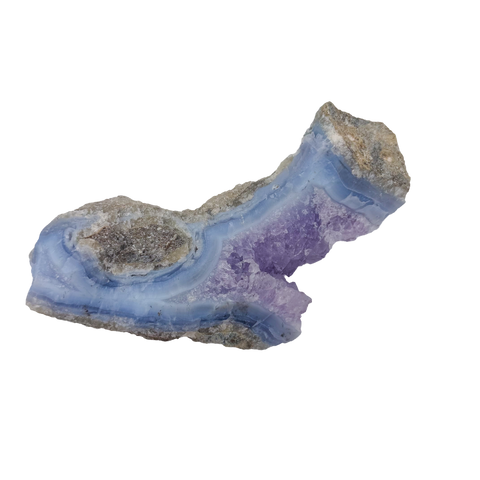
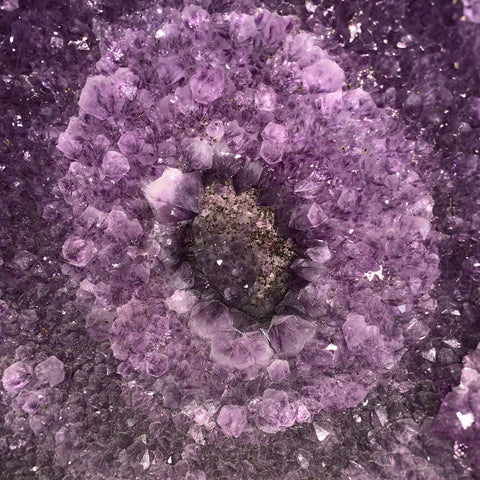
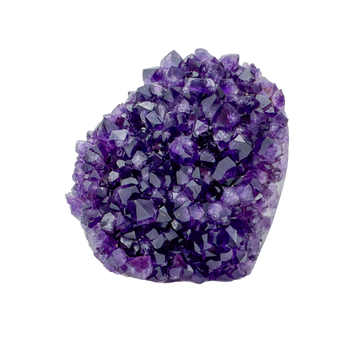
 Clusters & Geodes
104 pieces
Clusters & Geodes
104 pieces
 Polished & Decor
148 pieces
Polished & Decor
148 pieces
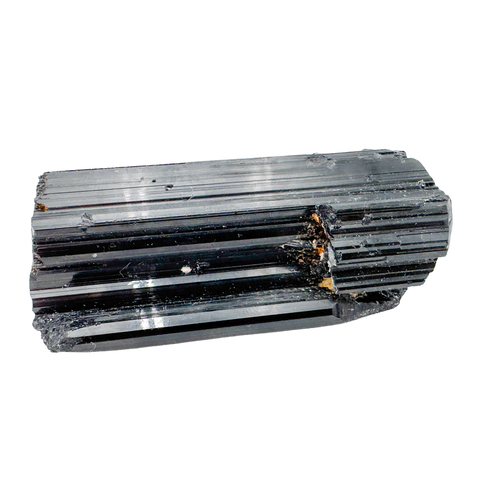
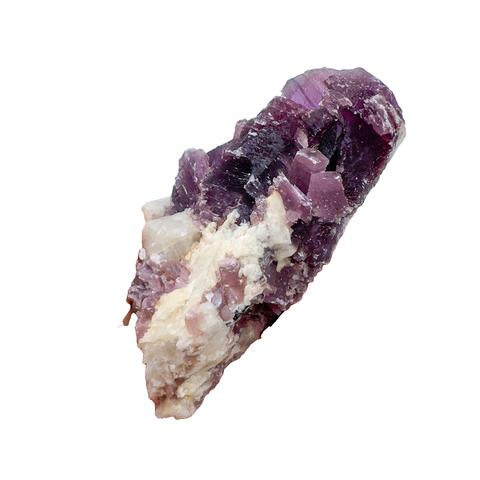
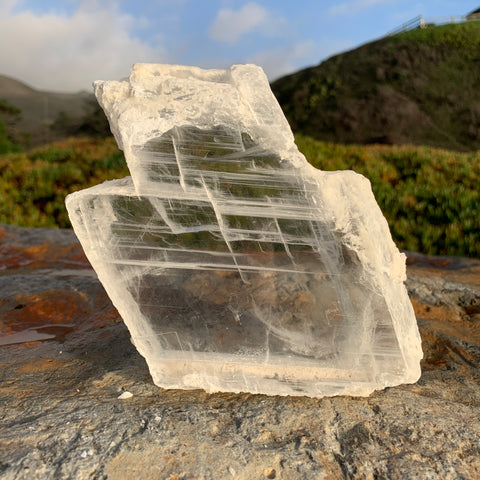
 Mineral Specimens
259 collector pieces
Mineral Specimens
259 collector pieces
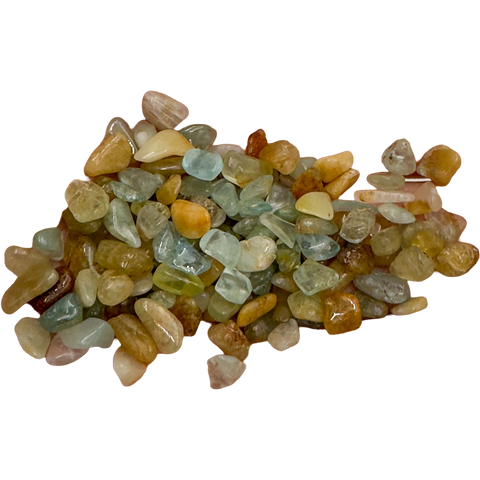
 Crystal Chips
21 pieces
Browse everything
Every collection, one page.
View All Collections →
Crystal Chips
21 pieces
Browse everything
Every collection, one page.
View All Collections →


 Aries
Mar 21 – Apr 19
Carnelian
›
Aries
Mar 21 – Apr 19
Carnelian
›
 Taurus
Apr 20 – May 20
Rose Quartz
›
Taurus
Apr 20 – May 20
Rose Quartz
›
 Gemini
May 21 – Jun 20
Agate
›
Gemini
May 21 – Jun 20
Agate
›
 Cancer
Jun 21 – Jul 22
Moonstone
›
Cancer
Jun 21 – Jul 22
Moonstone
›
 Leo
Jul 23 – Aug 22
Citrine
›
Leo
Jul 23 – Aug 22
Citrine
›
 Virgo
Aug 23 – Sep 22
Amazonite
›
Virgo
Aug 23 – Sep 22
Amazonite
›
 Libra
Sep 23 – Oct 22
Blue Lace Agate
›
Libra
Sep 23 – Oct 22
Blue Lace Agate
›
 Scorpio
Oct 23 – Nov 21
Obsidian
›
Scorpio
Oct 23 – Nov 21
Obsidian
›
 Sagittarius
Nov 22 – Dec 21
Sodalite
›
Sagittarius
Nov 22 – Dec 21
Sodalite
›
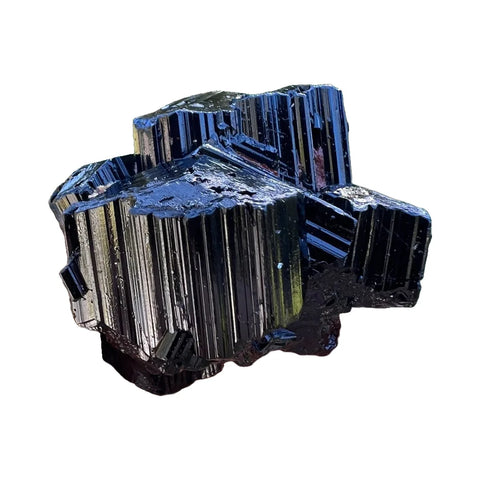
 Capricorn
Dec 22 – Jan 19
Black Tourmaline
›
Capricorn
Dec 22 – Jan 19
Black Tourmaline
›
 Aquarius
Jan 20 – Feb 18
Amethyst
›
Aquarius
Jan 20 – Feb 18
Amethyst
›
 Pisces
Feb 19 – Mar 20
Aquamarine
›
Gifting?
A birthday stone is the safe bet.
Read the zodiac guide →
Pisces
Feb 19 – Mar 20
Aquamarine
›
Gifting?
A birthday stone is the safe bet.
Read the zodiac guide →
Bloodstone
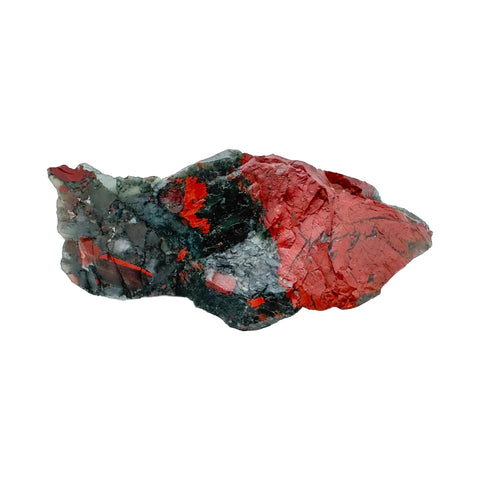
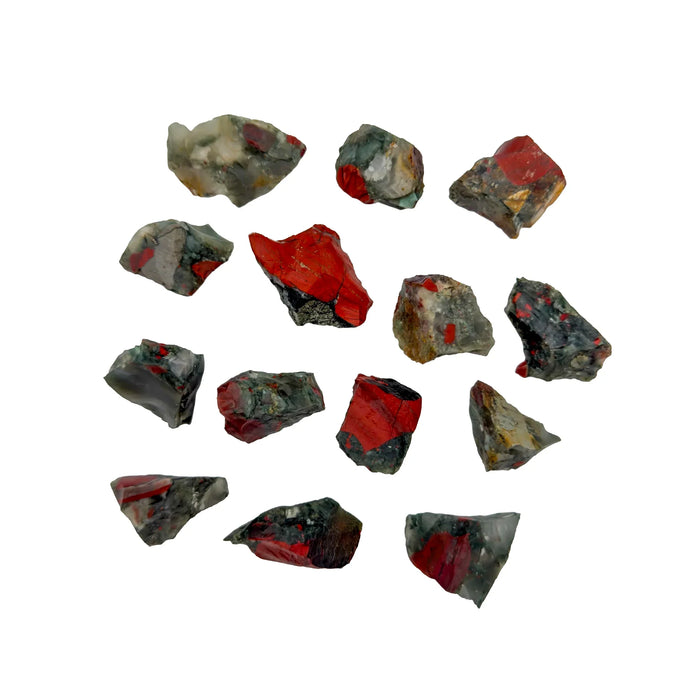
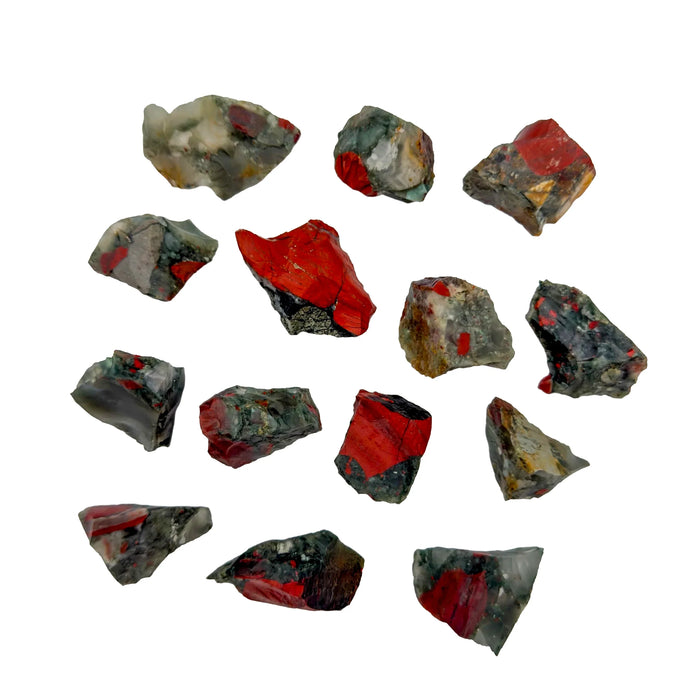
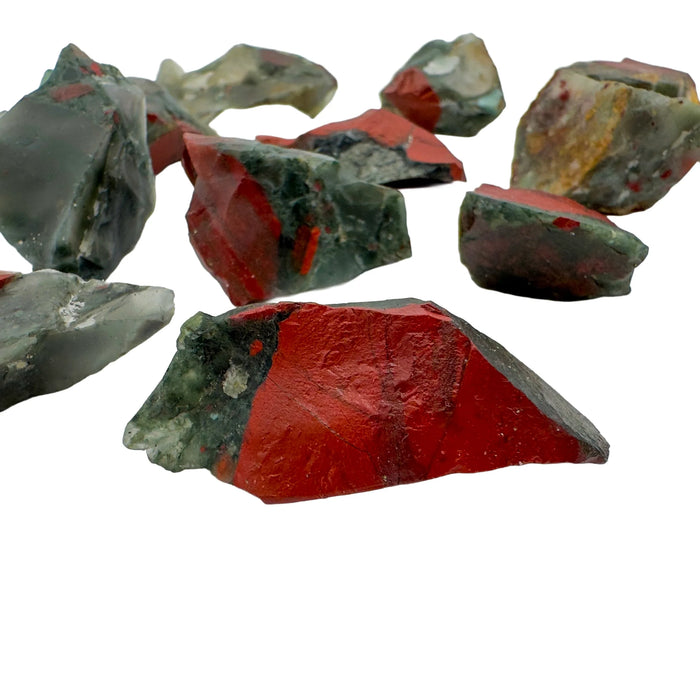
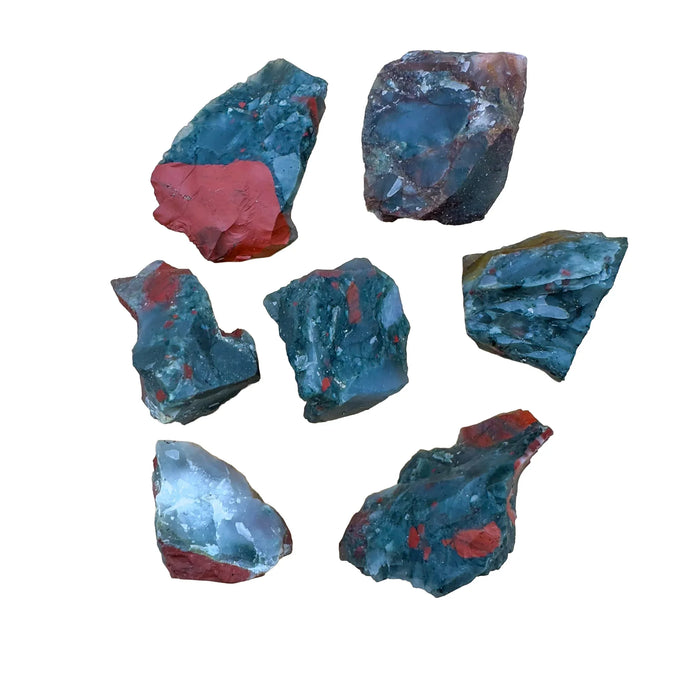
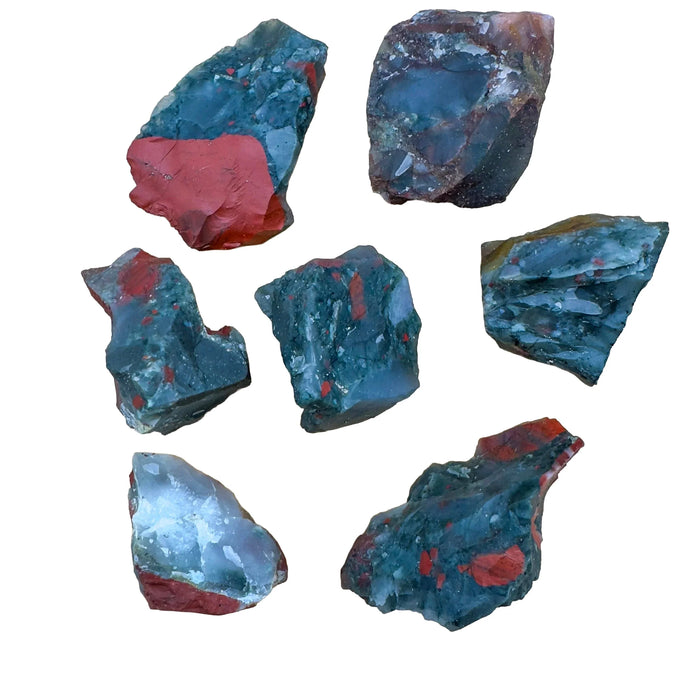
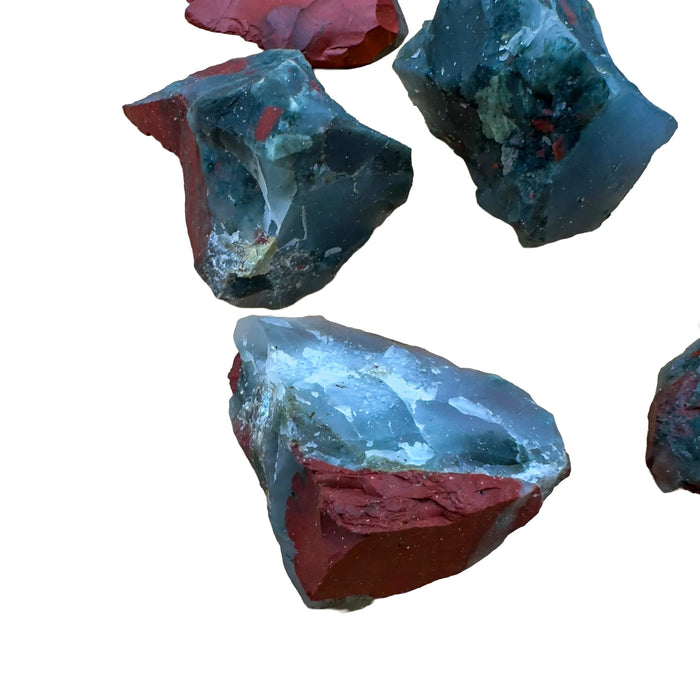
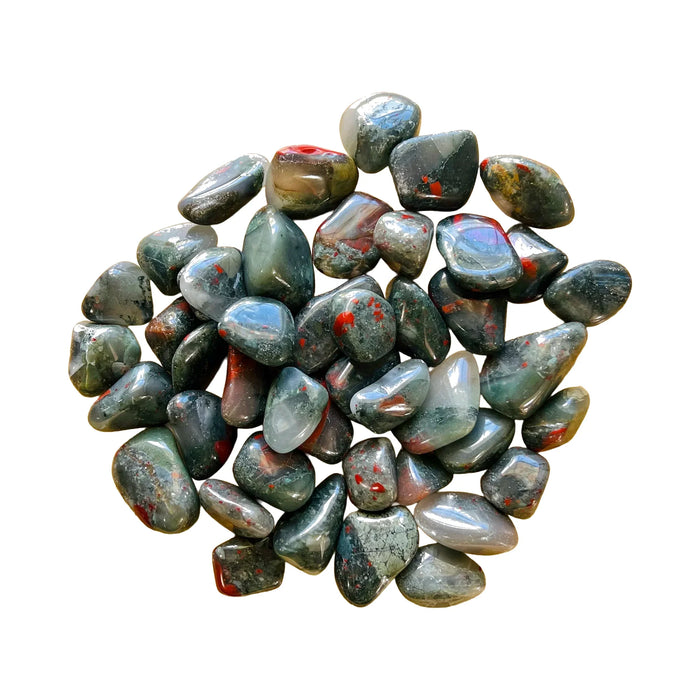
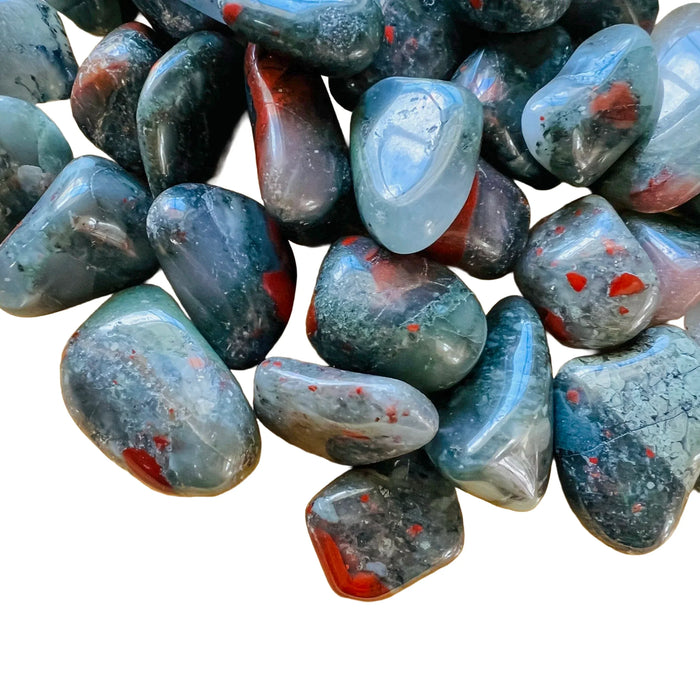
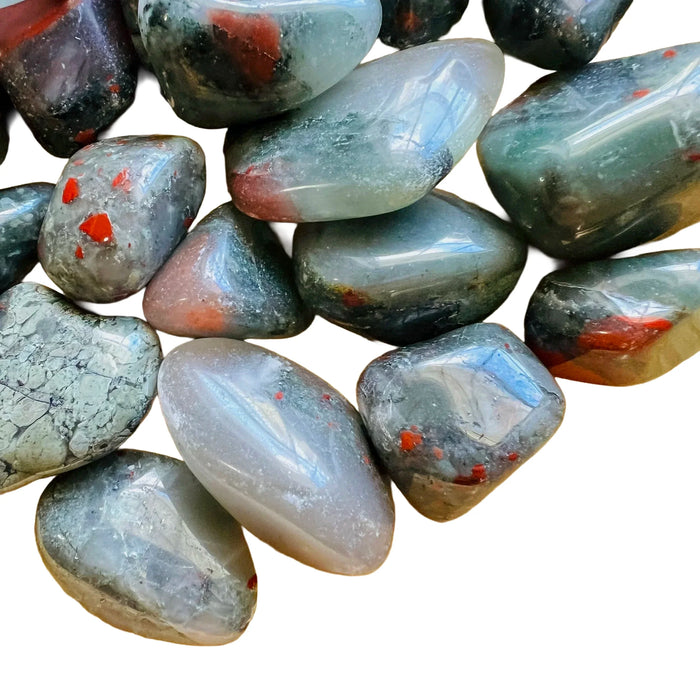
Bloodstone is a deep-green cryptocrystalline quartz studded with red hematite inclusions that read like drops of iron across the stone. Many people work with it for grounded endurance, protection through difficult seasons, and a quiet kind of vitality that returns energy rather than spends it.
Shop bloodstoneThe geology.
Bloodstone is a variety of chalcedony, which is the cryptocrystalline form of quartz: microscopic fibers of silica grown so densely that individual crystals are invisible to the eye and the stone presents as a smooth, waxy mass. Its body color is a deep forest green drawn from included iron silicates, most commonly chlorite and amphibole group minerals, distributed through the silica matrix. The characteristic red spots are hematite, an iron oxide that concentrates in pockets and veins during formation. Where the red is more spread out and patchy rather than spotted, the material is sometimes called blood jasper or green jasper with red inclusions, but bloodstone and heliotrope remain the most widely used names.
Hardness sits at 6.5 to 7 on the Mohs scale, consistent with other quartz varieties. Specific gravity runs 2.6 to 2.7. The stone takes a smooth, mirror-bright polish because of the even micro-crystalline structure, and it shows no visible grain under loupe inspection on polished surfaces. Natural bloodstone has irregular red distribution with spots varying in size, intensity, and concentration across the piece. Uniform, saturated red coloration with machine-perfect spacing is a warning sign for dyed chalcedony being passed off as bloodstone.
The origins.
The bloodstone we carry comes from a single source: the Hhohho region in the northwest of Eswatini, a small landlocked country between South Africa and Mozambique. The area sits within a belt of ancient greenstone and chert deposits that run across the southern African plateau, and the silica-rich conditions there produced the combination of deep green chalcedony with hematite spotting that defines classic bloodstone. Eswatini is not the largest global source by volume, yet the material it produces has good color saturation, clean red inclusions, and consistent enough quality to be worth committing to as our primary supply.
Bloodstone is found in a handful of other places as well. India (particularly the Kathiawar peninsula in Gujarat) has been the dominant historical source for centuries, and most bloodstone carvings in museum collections worldwide came from Indian workshops working Indian material. Australia produces good quality in Queensland and Western Australia. Brazil, Madagascar, and Scotland (the Isle of Rum) have documented deposits as well, and small quantities are reported from the western United States. We stay with Eswatini because we know the supply chain in that specific region, and we will say so if that ever changes.
Traditional associations.
Bloodstone carries one of the longest documented histories of any stone in western tradition. Ancient Greek and Roman writers called it heliotrope, the sun-turning stone, and held that its red spots carried the blood of Christ in medieval Christian retelling, particularly in the crucifixion legend where blood fell on green jasper at the foot of the cross. In classical pharmacology it was ground into a paste for staunching bleeding and reducing inflammation, and in Mughal-era India master carvers worked it into signet rings, pendants, and devotional objects that are still held in collections today. Few stones have so many centuries of continuous cultural use behind them.
In modern crystal work, bloodstone is most commonly associated with the Root and Heart chakras together, the elements Earth and Fire, and the zodiac signs Aries and Pisces. Many people work with it for vitality and physical stamina, for grounded courage in difficult seasons, for protection during travel or transition, and for the practical kind of strength that comes from staying with something longer than feels comfortable. It is often chosen by people drawn to stones with a strong physical body to them, rather than softer heart-centered or crown-centered work.
Spotting the real thing.
Genuine bloodstone shows deep forest-green body color with red hematite spots that are irregular in size, spacing, and intensity across the piece. Natural distribution is the single most useful indicator: real bloodstone has red concentrated in some regions and almost absent in others, with individual spots varying from pinpoint to pea-sized within the same stone. Dyed chalcedony passed off as bloodstone shows uniformly saturated red, evenly distributed, and often in a coordinated pattern that looks printed rather than grown. The green can also read too vivid when dye has been used, since many dyed substitutes pair artificial red with enhanced green to sell the illusion.
A practical test: chalcedony sits at 6.5 to 7 on the Mohs scale and scratches glass cleanly, while common bloodstone substitutes (dyed howlite, painted stone, glass imitations) are either too soft to scratch glass or ring with a distinct hollow tone when tapped together. Hold the stone up to strong directional light and look for internal color variation that plays across the green body as the piece rotates; genuine chalcedony has subtle internal structure, while glass or resin imitations present as flat and inert. Under a loupe, natural bloodstone shows the waxy, fiber-like texture of cryptocrystalline quartz and red spots that sit within the matrix rather than on its surface. Spots that look like they were painted on, or green color that wipes off on a damp cloth, confirm a dyed piece.
Care & handling.
Bloodstone is one of the more durable stones we carry. At 6.5 to 7 on the Mohs scale, chalcedony resists scratching in everyday contact, and its even cryptocrystalline structure makes it less prone to cleavage splits than feldspar or calcite group minerals. Brief water contact is fine for rinsing and cleaning. Warm water with a soft cloth handles most buildup; a drop of mild soap is safe for occasional deeper cleaning. Avoid prolonged soaking, ultrasonic and steam cleaners, chemical cleaners, and extremes of heat, which can affect the surface polish over time.
The stone takes everyday carry well, which is part of its traditional reputation: soldiers in ancient Rome wore bloodstone amulets for protection during travel, and medieval pilgrims carried bloodstone rings for the same purpose. Store separately from harder stones like topaz, corundum, or diamond to preserve the polish, and keep tumbled pieces in a soft pouch if mixing with other stones. For energetic cleansing, use smoke, sound, or a quick moonlight charge. Brief morning sunlight is fine; extended direct sun is not harmful but serves no particular purpose here, since bloodstone is not traditionally a solar-aligned stone despite its old name of heliotrope (sun-turning).
Pairs well with.
Proof, not promises.
We measure our own sourcing across five dimensions. Supply chain, environmental footprint, artisan support, market integrity, and pricing. The number is honest, not perfect. Where we can do better, we say so.
A deeper look.
Extended geology, sourcing, authentication, history, varieties, and pricing, for when the quick guide isn't quite enough.
Extended geology
Bloodstone is a chalcedony variety, which places it within the quartz family as a cryptocrystalline form of silicon dioxide. Quartz occurs in two broad structural categories: macrocrystalline quartz (amethyst, citrine, smoky quartz, rock crystal) where individual crystals are visible to the eye, and cryptocrystalline quartz (chalcedony, agate, jasper, bloodstone, carnelian, chrysoprase) where crystals are submicroscopic and the material presents as a dense, waxy mass. The cryptocrystalline varieties form in silica-rich fluids that precipitate quartz in open spaces (vugs, fractures, cavities) or as replacement mineralizations where silica slowly substitutes for other minerals in a host rock.
The deep green color of bloodstone comes from iron-bearing inclusions distributed through the silica matrix, most commonly chlorite, amphibole group minerals, or very fine magnetite. The red spots are hematite, an iron oxide that forms separately during the silica precipitation process and concentrates in localized pockets rather than dispersing evenly. The precise mechanism by which hematite nucleates in discrete spots rather than blending into the green matrix is not fully understood, though it appears to involve small-scale variations in the chemistry of the mineralizing fluid and the presence of microfractures that allow separate phases of mineral deposition.
Hardness (6.5 to 7) is consistent across the chalcedony group and reflects the silicon-oxygen bonding of the quartz crystal structure. Specific gravity (2.6 to 2.7) also sits in the normal quartz range. Fracture is conchoidal, meaning that broken surfaces show smooth curved fractures typical of glass and other homogeneous materials; there is no cleavage, which makes chalcedony more resistant to splitting than feldspar or calcite group stones. Luster is waxy on polished surfaces and vitreous on freshly broken surfaces.
Extended sourcing
Bloodstone is mined commercially in a handful of locations worldwide. India has been the historical center of the trade for at least a thousand years, with deposits on the Kathiawar peninsula in Gujarat supplying both raw material and finished carvings to global markets. Mughal-era carvers in particular worked Indian bloodstone into signet rings, pendants, boxes, and dagger hilts of extraordinary quality, and many of these pieces remain in museum and private collections today. The Australian outback produces good bloodstone in Queensland and Western Australia, primarily supplying domestic lapidary markets and some export. Brazil, Madagascar, Scotland (the Isle of Rum), and smaller deposits in the western United States round out the currently active commercial sources.
Eswatini produces bloodstone from small-scale operations in the Hhohho region in the northwest of the country, within a broader belt of ancient greenstone and chert formations that runs across southern Africa. The material has consistent color saturation, clean red inclusions without the muddier browns that sometimes appear in lower-quality stone, and a good take on polish. It is not the largest global source by volume, yet the supply is steady enough and the relationship with the operators is direct enough that we treat Eswatini as our primary bloodstone origin rather than cycling through whichever country's material happens to be cheapest in a given season.
Material sold as bloodstone from origins other than the above should prompt a closer look. Some sellers label green chalcedony with unrelated red jasper veining as bloodstone; the result is not technically incorrect (bloodstone is loosely defined in trade use) but the visual character differs from classic heliotrope. Others sell dyed green chalcedony with artificially added red spots; this is a straightforward misrepresentation. When in doubt, ask the seller for country and region of origin, and be cautious of sellers who cannot answer.
Authentication and warning signs
The single most useful authentication check is spot distribution. Natural bloodstone has irregular red distribution: some areas of a piece may have no red at all, others cluster with multiple spots of varying size, and individual spots range from pinpoint to pea-sized in the same stone. Dyed chalcedony passed off as bloodstone shows uniform red distribution, evenly saturated color, and often a coordinated spot pattern that looks printed or machine-applied rather than grown. A piece where every spot is the same size and color intensity is almost certainly dyed.
Green color saturation is the second check. Natural bloodstone is a deep forest or mossy green that reads slightly muted, almost earth-tinged, under daylight. Dyed material often pairs artificial red with an enhanced green that reads too vivid or too saturated, particularly under direct light. The two elements working together make the stone appear more like a commercial product than a natural material.
Hardness testing: chalcedony at 6.5 to 7 on the Mohs scale scratches glass cleanly, while common substitutes (dyed howlite, painted stone, glass imitations, resin-bonded composites) fail the test either by being too soft or by showing inconsistent scratching across the surface. A quartz point or steel needle can be run discretely along the stone's base to check for the expected hardness response. A loupe examination reveals the fine, fiber-like texture of cryptocrystalline quartz, with red spots sitting within the silica matrix rather than on its surface. Spots that appear painted on, green color that wipes off on a damp cloth, or a surface finish that feels sticky or plastic indicate a dyed or resin-treated piece. Ultraviolet light can also be useful: many modern chalcedony dyes fluoresce under long-wave UV in ways natural stone does not.
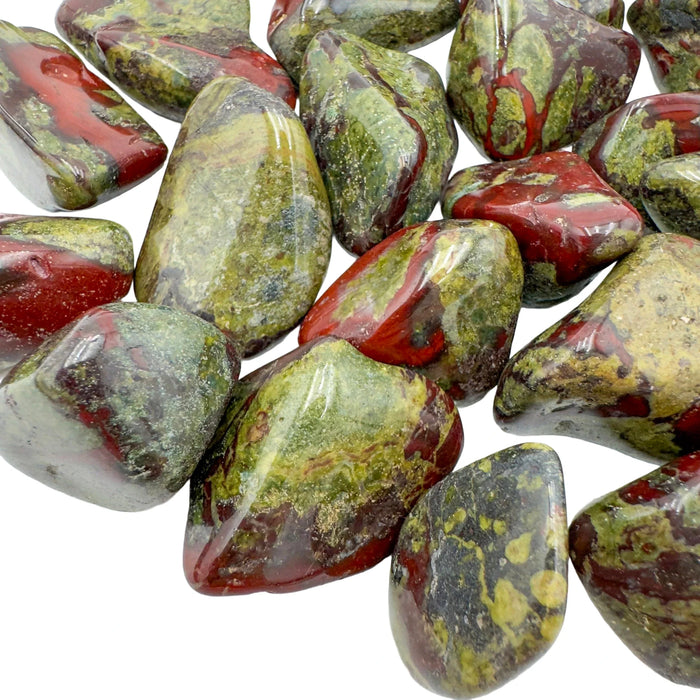
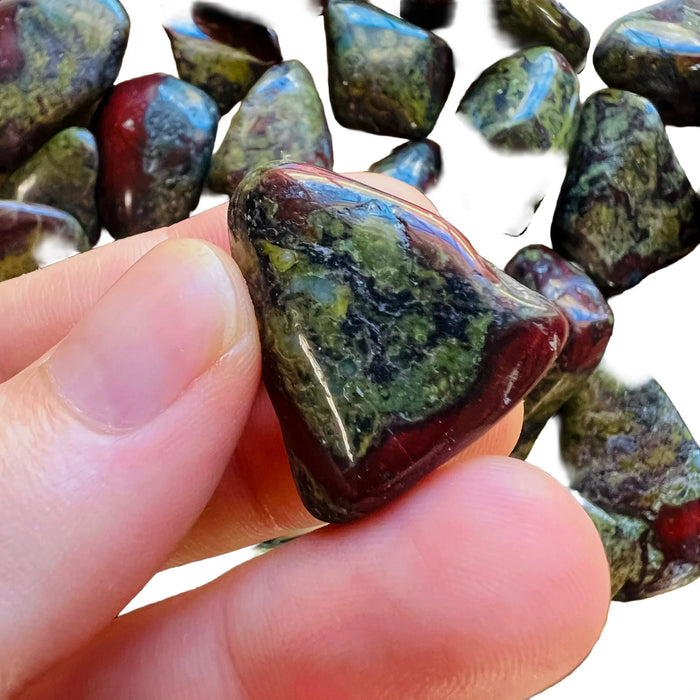
The blurrier question is bloodstone versus what trade calls "plasma" (uniform dark green chalcedony without red inclusions), green jasper, or "Mtorolite" (green chrome chalcedony from Zimbabwe). Plasma and green jasper are related materials without the classic red spots; they are not dishonest to sell as themselves, only as bloodstone. Dragon bloodstone (covered in a separate guide entry) is a different material from South Africa with green epidote-fuchsite matrix and red jasper veining, and is not strictly bloodstone despite the shared name; we disclose the distinction rather than conflate them.
Historical and cultural context
Bloodstone has one of the longest continuous cultural histories of any commonly available crystal. The ancient Greek name heliotropion, later heliotrope in English, translates as sun-turning, a reference to the belief (recorded by Pliny the Elder in the first century) that a bloodstone held in water under strong sunlight would cause the sun's reflected image to appear blood-red, sometimes used as a minor divination technique. Roman soldiers wore bloodstone amulets for protection in battle, and it was common practice to grind the stone into a paste for staunching bleeding and reducing inflammation, a use recorded in medical texts from Dioscorides through the medieval herbalists.
The medieval Christian tradition linked bloodstone to the crucifixion, with the red spots interpreted as drops of Christ's blood falling on green jasper at the foot of the cross. This association gave the stone enduring use in devotional carvings, reliquaries, and pilgrim jewelry throughout the European middle ages. The most famous surviving example is Matteo del Nassaro's sixteenth-century Descent from the Cross, carved from a single large bloodstone in which the natural red spots were positioned to appear as the wounds of Christ.
Mughal-era India (roughly the sixteenth through eighteenth centuries) produced extraordinary carved bloodstone work, including signet rings inscribed with Persian and Arabic verses, pendants set in gold, and small devotional objects that traveled throughout the Islamic world and into European courts via the Portuguese and Dutch trade. The Indian lapidary tradition's skill with bloodstone is still visible in museum collections from the Victoria and Albert to the Metropolitan to the Aga Khan Museum.
In modern crystal work, the stone's reputation has consolidated around vitality, grounded strength, protection, and the kind of steady courage that does not deplete. Chakra associations with Root and Heart together (an unusual combination reflecting its grounding-plus-vitality character), zodiac associations with Aries and Pisces, and elemental associations with Earth and Fire are all relatively modern codifications from twentieth-century crystal literature, built on the older historical foundation.
Varieties and trade names
Bloodstone (classic heliotrope): deep green chalcedony with distinct red hematite spots. What we carry from Eswatini and what this page describes.
Heliotrope: older western trade name for classic bloodstone, still used in antique and collector contexts. Same material.
Blood Jasper / Green Jasper with red inclusions: loosely related material where the red is more spread out into veining or patches rather than discrete spots. Sometimes sold as bloodstone; the distinction is informal and reasonable people use the terms differently.
Plasma: uniform dark green chalcedony without red inclusions. Related to bloodstone but not the same; often sold in its own right.
Mtorolite (Chrome Chalcedony): bright green chalcedony colored by chromium, from Zimbabwe. Not bloodstone but sometimes substituted for the green body component in lower-quality pieces.
Dragon Bloodstone: South African material with green epidote-fuchsite matrix and red jasper veining. Different mineralogy, marketed under the same name; we carry both and keep them clearly separate in our guide.
Pricing reality
Grade AA bloodstone tumbled: $4 to $10 per piece at retail for small to medium sizes. Raw pieces: $6 to $15 depending on size and color balance. Crystal specimens: $10 to $35 for medium pieces, higher for exceptional color or size. Polished cabochons and carved pieces: $15 to $80 depending on work involved and quality of the red spot distribution. Antique or museum-quality carved pieces can move into the hundreds or thousands, and the historical carving tradition means bloodstone has more high-end collector market depth than most crystals at its price tier.
Commodity-priced bloodstone (under $2 per piece, or under $10 for full strands of beads) is almost always dyed green chalcedony with artificial red spots, or lower-grade jasper sold under the bloodstone name. True bloodstone does not move at those price points because the material has to be hand-selected for color balance and red spot distribution, and the yield from raw material to display-quality finished pieces is relatively low. Similarly, "rare museum-grade bloodstone" listings at prices dramatically above the ranges above should prompt questions, since bloodstone is commercially steady and not genuinely rare from multiple sources.
Value drivers: color saturation in the green body, balance and distribution of red spots (classic heliotrope has distinct, irregular red across the stone), size, finish quality, and origin documentation. Warning signs in pricing: unusually low prices on bulk parcels, "bloodstone" sold without any visible red spots, uniformly distributed red that looks printed rather than grown, and any material sold without a stated country of origin.
Good sourcing is a practice, not a claim.
Nothing we sell is dyed, stabilized, reconstituted, or color-enhanced without full disclosure. We name our origins where we can. We say so when we cannot. We walk away from material that does not meet our standard, even when it costs us sales.
Bring bloodstone home.
Raw, tumbled, and specimen bloodstone from Hhohho, Eswatini. Natural color, untreated, hand-selected for green saturation and red spot distribution. Each piece chosen for the balance of body and inclusion that defines classic heliotrope.
Shop the bloodstone collectionBloodstone, in stock now.
Our most-loved Bloodstone pieces, ready to ship.

- from 1,000+ reviews
- Ships within 72 hoursMonday to Friday, tracked
- 90 days to return itif you do not love it
- Free US shipping over $99$8.99 flat rate under
The Slow Note
New stones go to the list first.
No forwarding, no selling. Unsubscribe in one click. Privacy