


 Agatefor stress relief
 Amazonitefor stress relief
 Aquamarinefor serenity
 Aventurinefor luck
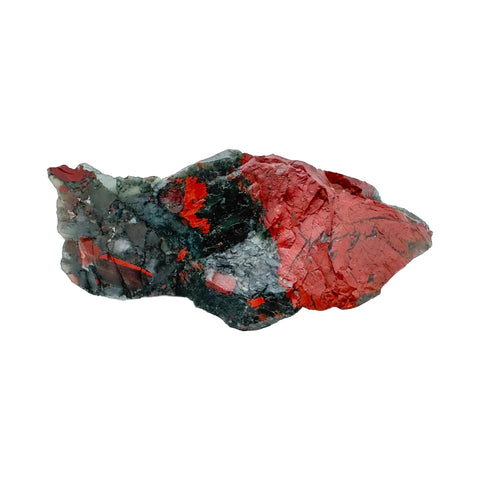
 Bloodstonefor energy
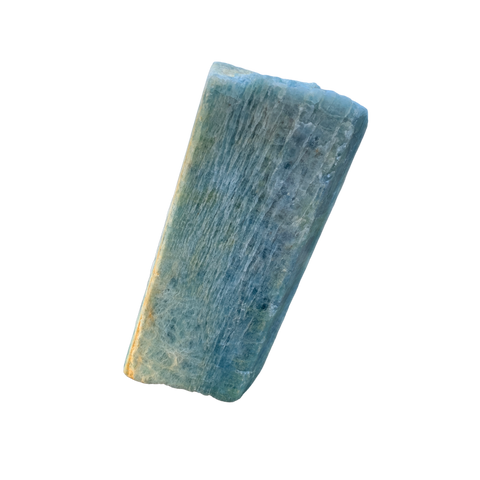
 Blue Kyanitefor confidence
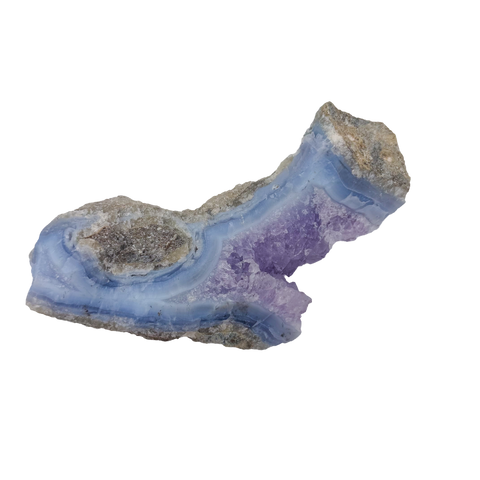
 Blue Lace Agatefor stress relief
 Chrysocollafor emotional healing
 Fluoritefor focus
 Garnetfor energy
 Lepidolitefor stress relief
 Malachitefor emotional healing
 Moonstonefor grounding
 Obsidianfor protection
 Ocean Jasperfor emotional healing
 Red Jasperfor grounding
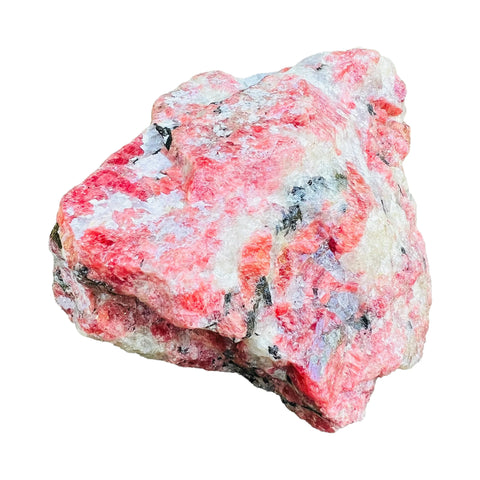
 Rhodonitefor emotional healing
 Selenitefor cleansing
 Sodalitefor focus
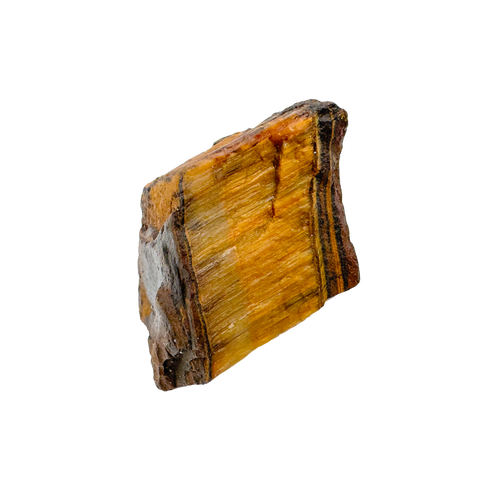
 Tiger Eyefor confidence
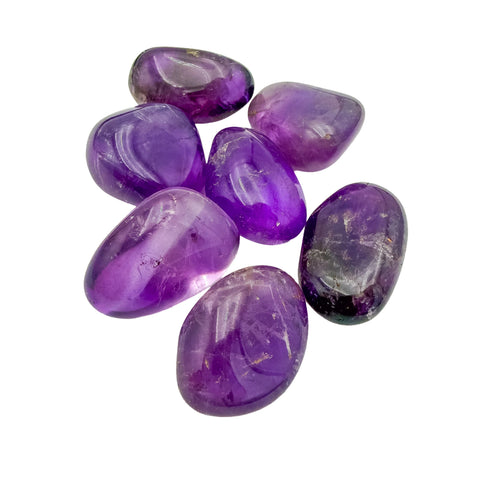


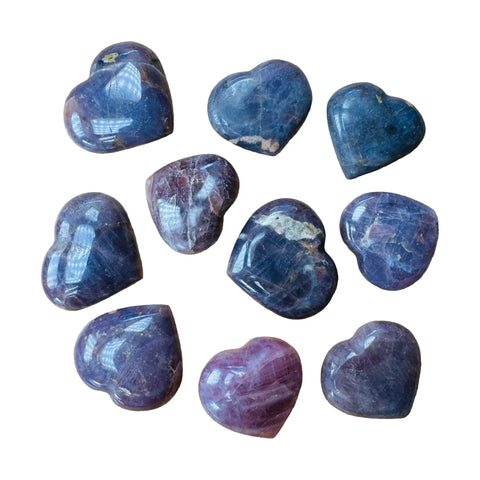


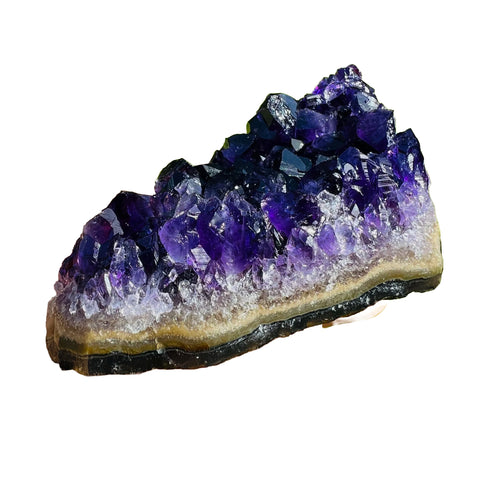





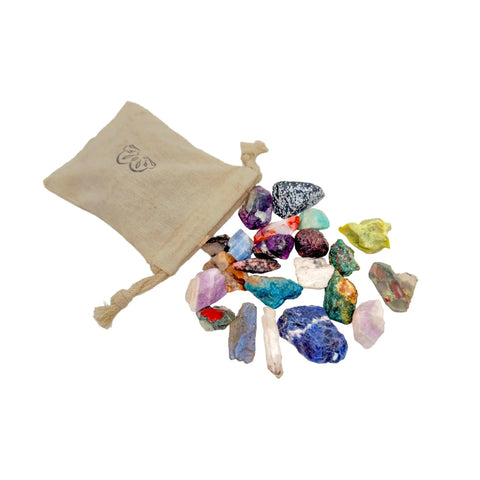
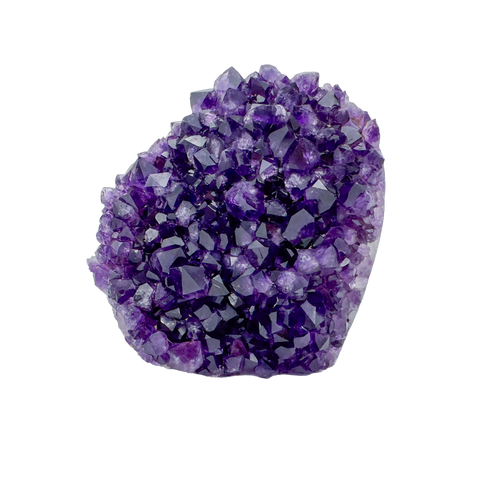
 Amethyst
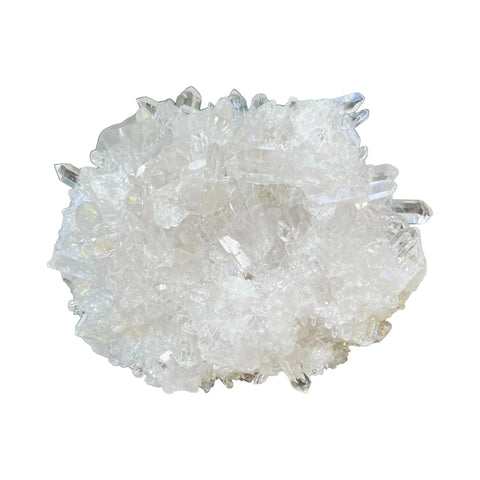
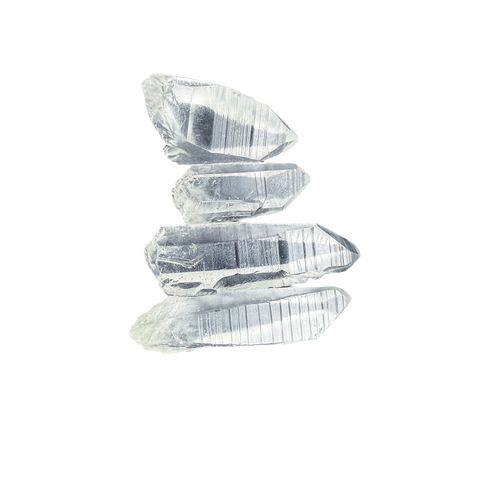
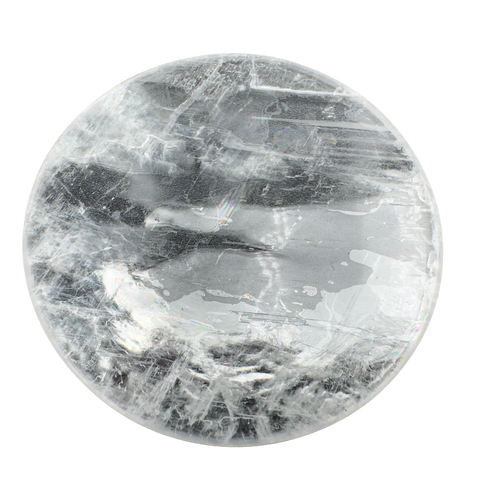
 Clear Quartz
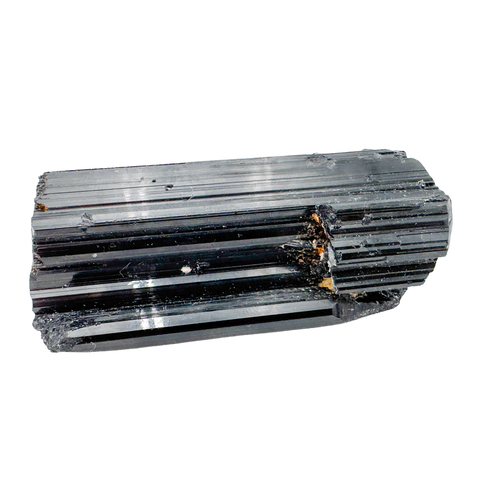
 Black Tourmaline
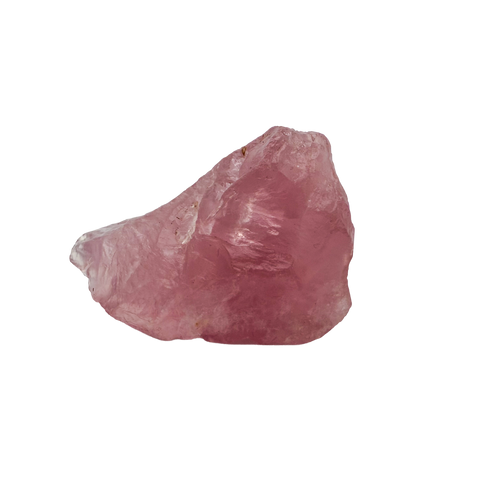
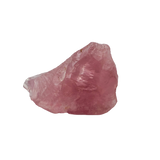 Rose Quartz
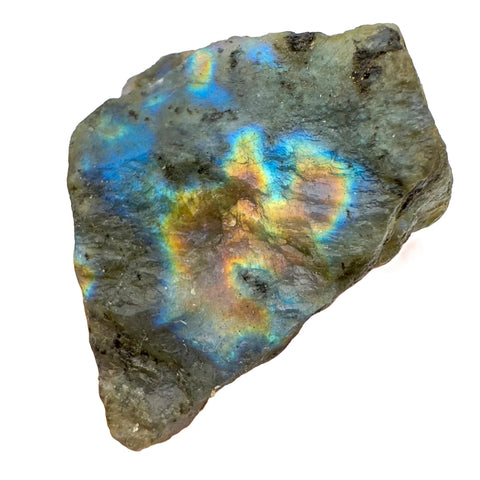
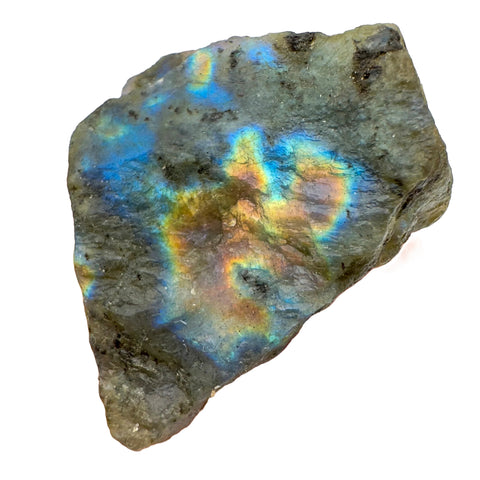
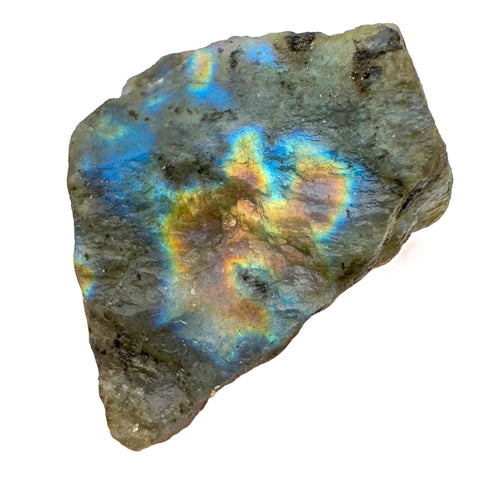
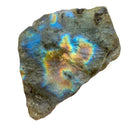 Labradorite
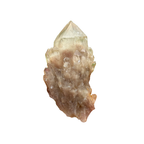 Natural Citrine
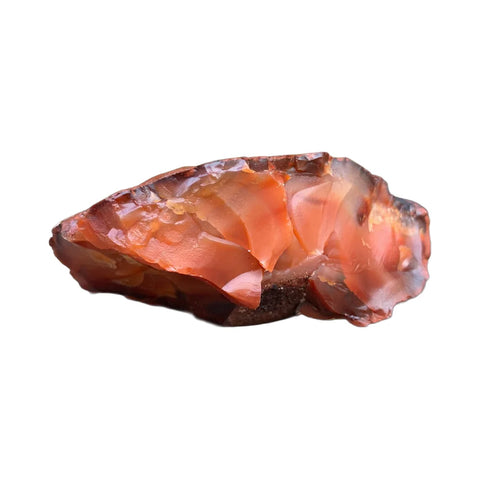
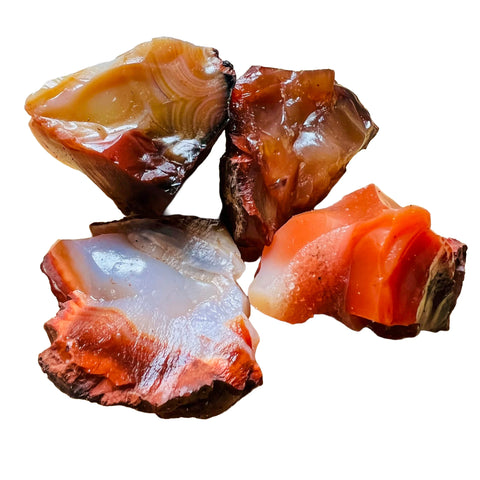
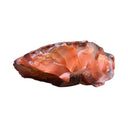 Carnelian
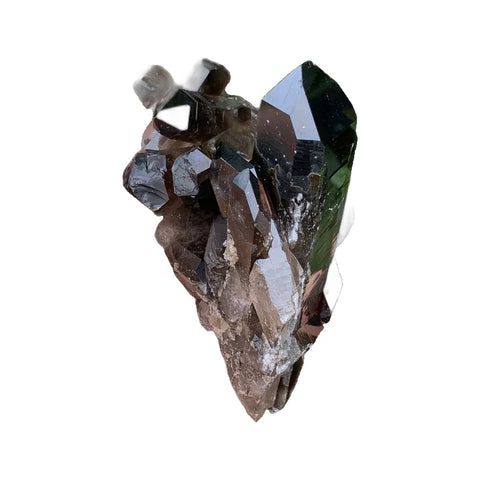
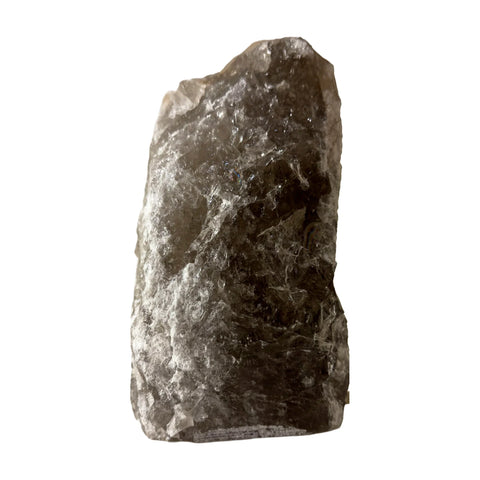
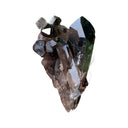 Smoky Quartz
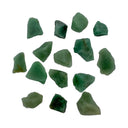 Aventurine
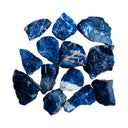 Sodalite
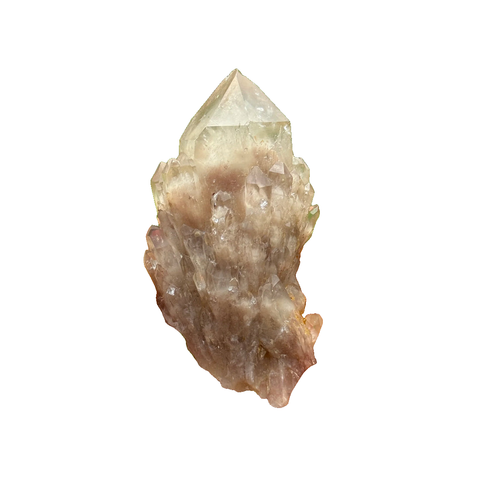
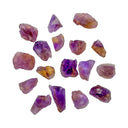 Ametrine
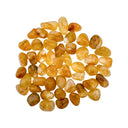 Golden Healer
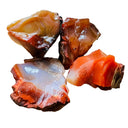 Raw Stones
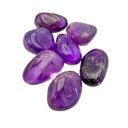 Tumbled Stones
 Palm Stones
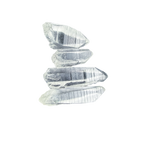 Crystal Points
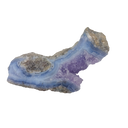 Clusters & Geodes
 Polished & Decor
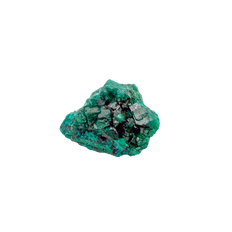 Mineral Specimens
 Crystal Chips
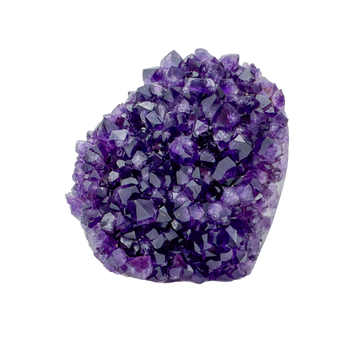
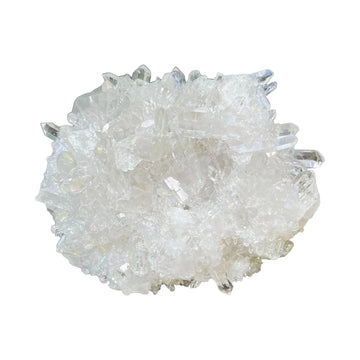
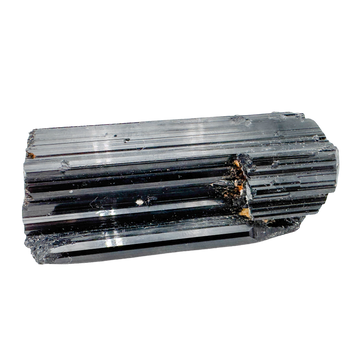
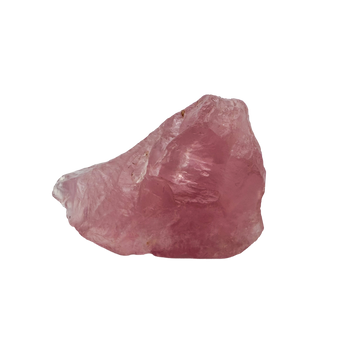
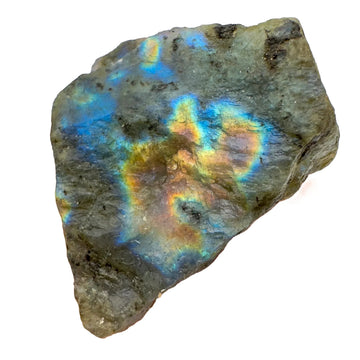
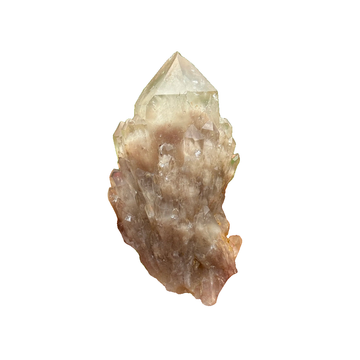
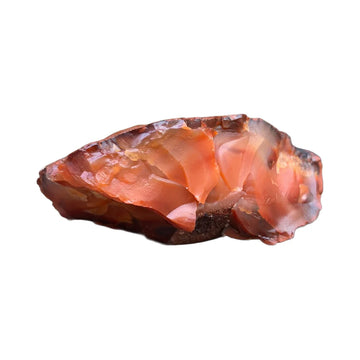
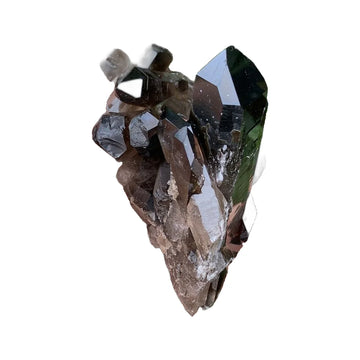
 Raw Stones
179 to choose from
Raw Stones
179 to choose from
 Tumbled Stones
162 to choose from
Tumbled Stones
162 to choose from
 Palm Stones
25 to choose from
Palm Stones
25 to choose from
 Crystal Points
23 to choose from
Crystal Points
23 to choose from
 Clusters & Geodes
103 to choose from
Clusters & Geodes
103 to choose from
 Polished & Decor
148 to choose from
Polished & Decor
148 to choose from
 Mineral Specimens
257 to choose from
Mineral Specimens
257 to choose from
 Crystal Chips
21 to choose from
Crystal Chips
21 to choose from


 AngolaAquamarine
›
AngolaAquamarine
›
 BotswanaCarnelian, Tree Agate
›
BotswanaCarnelian, Tree Agate
›
 DR CongoMalachite, Natural Citrine
›
DR CongoMalachite, Natural Citrine
›
 EswatiniBloodstone
›
EswatiniBloodstone
›
 MadagascarLabradorite, Clear Quartz
›
MadagascarLabradorite, Clear Quartz
›
 MalawiBlue Lace Agate, Garnet
›
MalawiBlue Lace Agate, Garnet
›
 MozambiqueAmazonite
›
MozambiqueAmazonite
›
 NamibiaSodalite, Blue Lace Agate
›
NamibiaSodalite, Blue Lace Agate
›
 Republic of the CongoDioptase
›
Republic of the CongoDioptase
›
 South AfricaTiger Eye, Unakite
›
South AfricaTiger Eye, Unakite
›
 ZambiaChevron Amethyst
›
ZambiaChevron Amethyst
›
 ZimbabweEmerald, Rhodonite
›
ZimbabweEmerald, Rhodonite
›
 ArgentinaBlack Obsidian, Rhodochrosite
›
ArgentinaBlack Obsidian, Rhodochrosite
›
 BoliviaAmetrine
›
BoliviaAmetrine
›
 BrazilAmethyst, Clear Quartz
›
BrazilAmethyst, Clear Quartz
›
 PeruSerpentine, Jade
›
PeruSerpentine, Jade
›
 UruguayAmethyst
›
UruguayAmethyst
›
 Dominican RepublicLarimar
›
Dominican RepublicLarimar
›
 MexicoRainbow Obsidian, Crazy Lace Agate
›
MexicoRainbow Obsidian, Crazy Lace Agate
›
 United StatesSelenite, Peridot
›
United StatesSelenite, Peridot
›
 ChinaFluorite
›
ChinaFluorite
›
 RussiaShungite
›
RussiaShungite
›
 AustraliaMookaite
›
AustraliaMookaite
›
 Where our crystals come from
See where we source →
Where our crystals come from
See where we source →


 Aries
Mar 21 to Apr 19
Carnelian
›
Aries
Mar 21 to Apr 19
Carnelian
›
 Taurus
Apr 20 to May 20
Rose Quartz
›
Taurus
Apr 20 to May 20
Rose Quartz
›
 Gemini
May 21 to Jun 20
Agate
›
Gemini
May 21 to Jun 20
Agate
›
 Cancer
Jun 21 to Jul 22
Moonstone
›
Cancer
Jun 21 to Jul 22
Moonstone
›
 Leo
Jul 23 to Aug 22
Citrine
›
Leo
Jul 23 to Aug 22
Citrine
›
 Virgo
Aug 23 to Sep 22
Amazonite
›
Virgo
Aug 23 to Sep 22
Amazonite
›
 Libra
Sep 23 to Oct 22
Blue Lace Agate
›
Libra
Sep 23 to Oct 22
Blue Lace Agate
›
 Scorpio
Oct 23 to Nov 21
Obsidian
›
Scorpio
Oct 23 to Nov 21
Obsidian
›
 Sagittarius
Nov 22 to Dec 21
Sodalite
›
Sagittarius
Nov 22 to Dec 21
Sodalite
›
 Capricorn
Dec 22 to Jan 19
Black Tourmaline
›
Capricorn
Dec 22 to Jan 19
Black Tourmaline
›
 Aquarius
Jan 20 to Feb 18
Amethyst
›
Aquarius
Jan 20 to Feb 18
Amethyst
›
 Pisces
Feb 19 to Mar 20
Aquamarine
›
Gifting?
A birthday stone is the safe bet.
Read the zodiac guide →
Pisces
Feb 19 to Mar 20
Aquamarine
›
Gifting?
A birthday stone is the safe bet.
Read the zodiac guide →


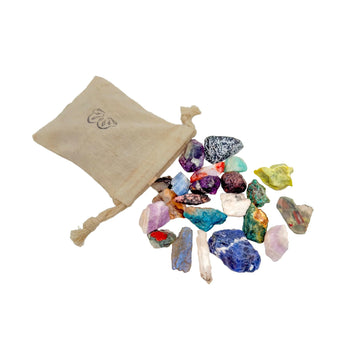
Chrysoprase
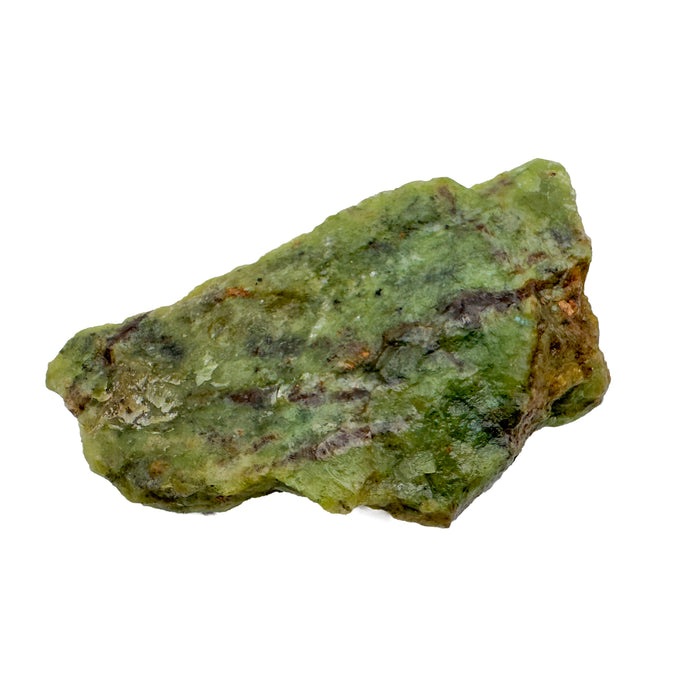
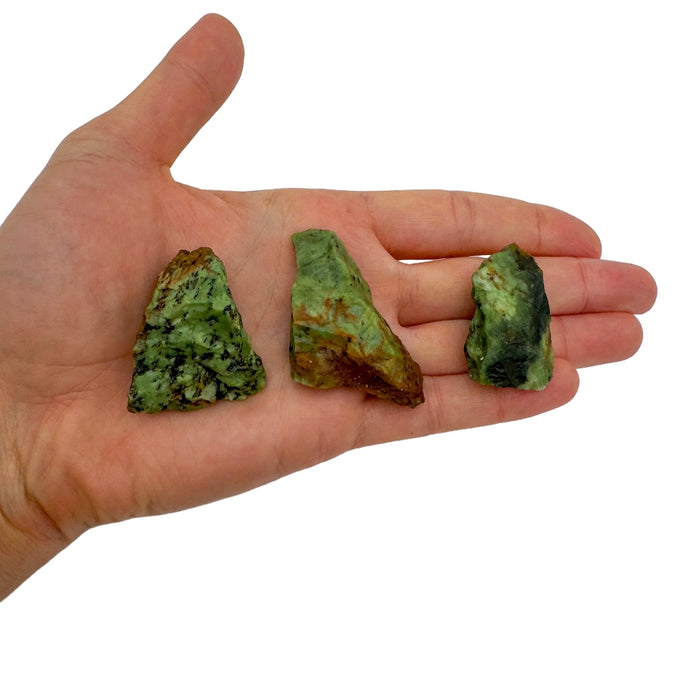
Chrysoprase is the apple-green variety of chalcedony, colored by trace nickel rather than chromium or iron. The most prized commercial supply comes from Marlborough, Queensland, Australia, where the stone has been mined continuously since the 1960s. Polish and Brazilian chrysoprase also exist, each with slightly different color character. Natural chrysoprase is rarely treated, the nickel-green is stable and beautiful as-is. Dyed chalcedony is sometimes sold as chrysoprase at low prices and can be identified by its unnaturally uniform color.
Shop chrysopraseChrysoprase, in stock now.
Our most-loved Chrysoprase pieces, ready to ship.
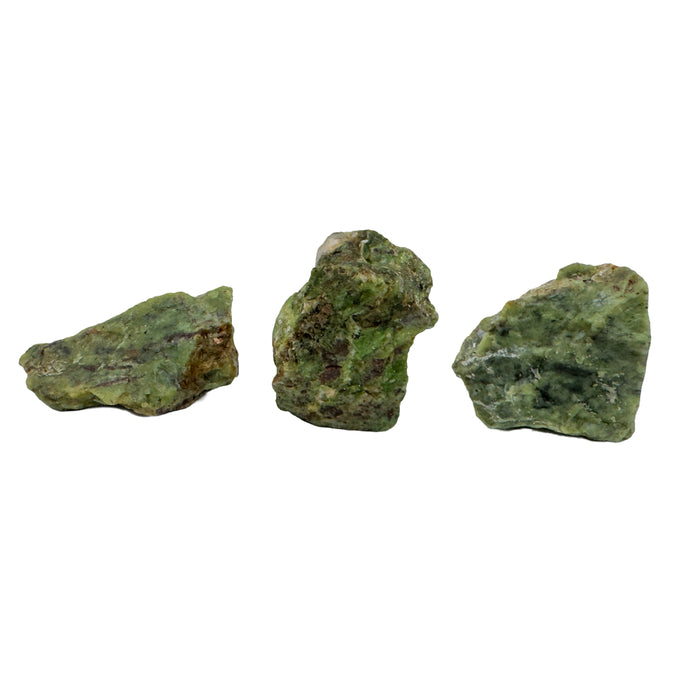
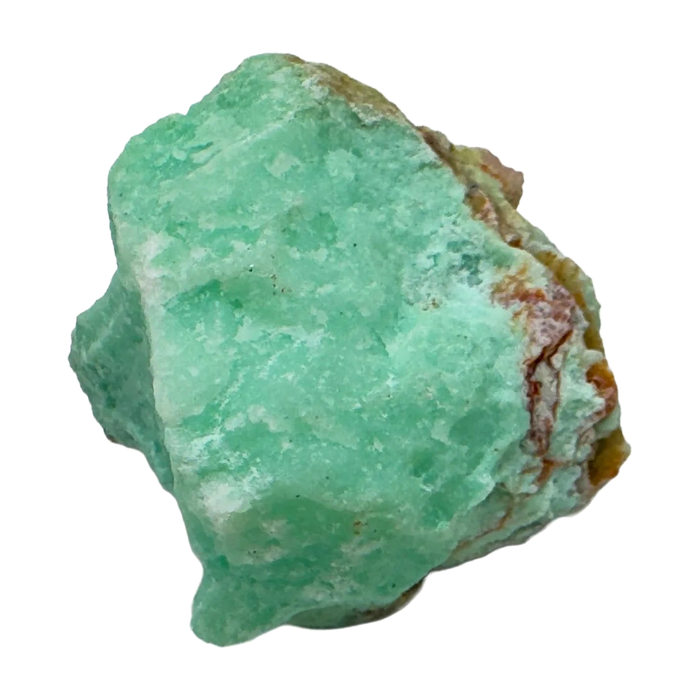
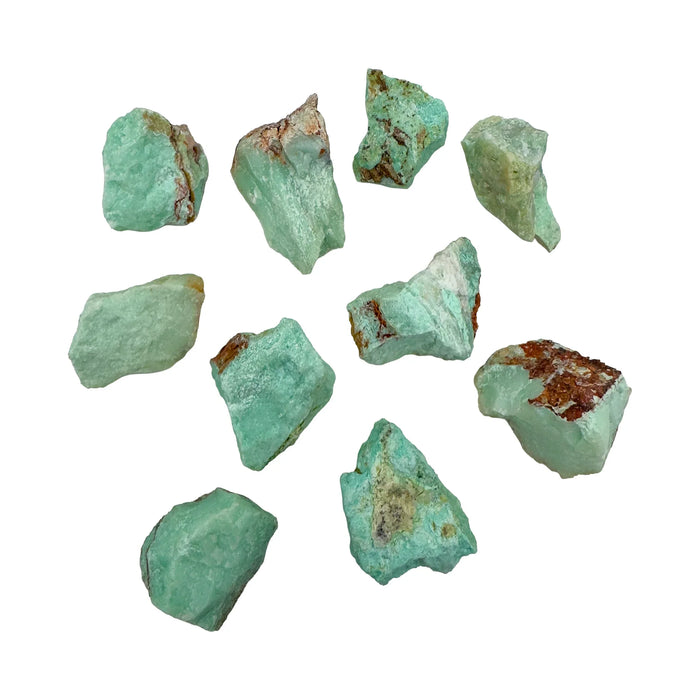
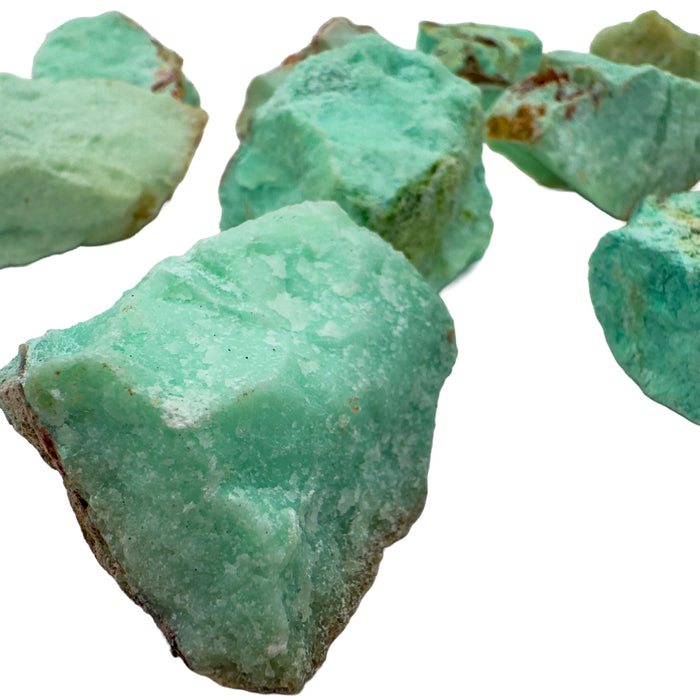
- from 1,000+ reviews
- Ships within 72 hoursMonday to Friday, tracked
- 90 days to return itif you do not love it
- Free US shipping over $99$8.99 flat rate under
The geology.
Chrysoprase is a variety of chalcedony, the microcrystalline form of quartz, with the chemical formula SiO2. Its distinctive apple-green to pistachio color comes from trace nickel in the mineral structure, not from chromium or iron like other green quartzes. The nickel substitutes for silicon in the crystal lattice or sits in structural defects, producing the warm green hue that has made chrysoprase prized since ancient times.
Chrysoprase forms in weathered nickel-bearing rock, particularly in laterite deposits and nickel ore zones. The best commercial material comes from shallow to moderate depth mining in serpentine and laterite sequences. It sits at 6.5 to 7 on the Mohs hardness scale, making it significantly harder than chalcedony's softer varieties and suitable for rings and everyday wear. The stone shows a waxy to slightly oily luster when polished and is translucent to semitransparent in thinner sections. Color can range from pale mint-green to deep apple-green, depending on nickel concentration and deposit origin. One notable characteristic: the green color is stable and does not fade with light exposure, which is a major advantage over some treated or dyed green stones.
The origins.
Australia produces the most highly regarded chrysoprase in the world market. The Marlborough district in Queensland has been mined continuously since the 1960s and supplies the majority of premium chrysoprase globally. The Australian material is known for consistent apple-green color, good translucency, and stable supply. The mining is predominantly small-scale, with hand-sorting and careful extraction to preserve the gemmy rough. The nickel content in Marlborough material is well-documented and color is reliable across seasons.
Poland produces chrysoprase from deposits in the lower Silesian region, particularly around Szklary. Polish chrysoprase tends toward a slightly paler, more yellowish-green tone compared to the deeper Australian material. The character is distinct and respected in the trade, though it's less familiar in North America than Australian stone. Supply is steady but smaller than Australian production.
Brazil, specifically from deposits in Goiás and Minas Gerais, produces chrysoprase with color ranging from pale mint to medium green. Brazilian material is less commonly available in the retail market but is genuine and fully natural. Other deposits exist in Russia, Tanzania, and parts of the USA, but Australia, Poland, and Brazil represent the primary commercial sources. The mining methods vary by region, but quality material consistently involves careful extraction and minimal harsh processing that could damage the stone.
Traditional associations.
Chrysoprase has a long history in both metaphysical practice and classical tradition. Pliny the Elder wrote of its use in ancient times, and it appears in medieval lapidaries as a stone for comfort and joy. The historical associations center on the heart, growth, and gentle happiness rather than intensity or transformation. Modern crystal practice echoes these roots while connecting them to contemporary chakra systems and intention-setting.
Today, chrysoprase is most commonly associated with the Heart chakra and the elements of Water and Earth together, reflecting both emotional flow and grounding stability. Many people work with it for practices around forgiveness, compassion, and opening the heart without forced effort. It's often chosen when someone wants to cultivate joy or optimism that feels genuine rather than performative. The traditional associations emphasize gentleness and natural healing, not dramatic change. People often carry chrysoprase or keep it nearby during times of grief or emotional transition, or simply as a companion stone for practicing gratitude and appreciation.
Spotting the real thing.
Genuine chrysoprase has a warm apple-green to mint-green color with natural variation across a single piece. The color comes from nickel and is stable under light. The stone feels smooth and slightly oily when polished, with a waxy luster. Real chrysoprase is translucent to semitransparent in thinner areas and shows subtle color shifts and banding that reflect natural formation. The hardness sits at 6.5 to 7, so it scratches quartz but not feldspar, and can be tested carefully with a steel knife (will scratch the stone, but not easily).
Dyed chrysoprase or dyed agate substitutes show artificially vivid, uniform color with no variation across the piece. These imitations often look overly bright or glossy in a way genuine chrysoprase does not. They may feel harder or show concentric banding typical of agate rather than the subtle mottling of chalcedony. Dyed pieces are common in low-price segments, so if a "chrysoprase" is unusually cheap and shows no color variation or natural character, it's likely treated. Genuine Australian chrysoprase, even at entry level, carries the warmth and subtle depth of natural nickel-colored stone.
Care & handling.
Chrysoprase is a relatively hard and durable chalcedony variety suitable for rings and daily wear. However, it should still be protected from hard impacts and scratches from harder minerals. Avoid prolonged exposure to intense heat, as this can potentially affect the color, though gradual temperature changes are fine. The stone is safe to clean with warm soapy water and a soft brush. Ultrasonic and steam cleaners are not recommended, as the vibration and temperature can stress the stone.
Store chrysoprase separately from softer stones and hard minerals that could damage it. Keep it away from prolonged direct heat sources like sunlight on a windowsill for years at a time, though brief exposure is fine and won't cause the color to fade. For energetic cleansing, use smoke, moonlight, sound, or breath rather than salt or water-based methods. The warm green color of chrysoprase is one of its most appealing qualities, so caring for it mindfully will keep it looking vibrant for years.
Pairs well with.
Proof, not promises.
We measure our own sourcing across five dimensions. Supply chain, environmental footprint, artisan support, market integrity, and pricing. The number is honest, not perfect. Where we can do better, we say so.
A deeper look.
Extended geology, sourcing, authentication, color stability, deposit varieties, and pricing for when the quick guide isn't quite enough.
Extended geology
Chrysoprase is a variety of chalcedony, the microcrystalline form of quartz, crystallizing in the trigonal system. Nickel-bearing minerals weather and alter in laterite and serpentine deposits, producing zones enriched in nickel that color the chalcedony green. The color comes from nickel ions substituting for silicon in the crystal structure or sitting in defects, creating the characteristic apple to mint green. Metal concentration varies with deposit and location within a single deposit, producing natural color variation across pieces and within specimens.
Chrysoprase forms in shallow weathering profiles of nickel-rich rock, particularly in tropical and subtropical regions. The stone is always worked from larger rough pieces rather than occurring as natural terminations. This massive form is universal and does not limit the stone's beauty or craft potential. Hardness is 6.5 to 7 on the Mohs scale, making it substantially harder than softer chalcedony varieties and suitable for jewelry wear. Specific gravity runs 2.58 to 2.64. The stone shows a waxy to slightly oily luster when polished and is translucent to semitransparent in thinner sections.
Color stability
A key distinction between natural chrysoprase and dyed imitations is the stability of the green color. Natural nickel-colored chrysoprase does not fade with light exposure. This is a major advantage and a defining characteristic of genuine material. If you want to preserve vibrant color, normal indoor light and occasional sunlight are completely fine. The color will remain stable for decades without special storage precautions. This stability also makes it easy to authenticate, as any significant color change over time suggests the piece is dyed or heat-treated.
Dyed chalcedony or dyed agate imitations may fade or shift in tone with prolonged sunlight, which is one test for authenticity. Some artificially colored stones are designed to be fade-resistant, but even those rarely achieve the warmth and natural depth of nickel-colored chrysoprase.
Sourcing in Marlborough, Poland, and Brazil
Marlborough, Queensland, Australia produces the world's premier chrysoprase. The district has been mined since the 1960s and supplies the majority of premium chrysoprase globally. The Australian material is known for consistent apple-green color, excellent translucency, and stable supply. Mining is small-scale and hand-sorted, with extraction methods designed to preserve the gemmy character of the rough. Documentation of origin is standard for Australian Marlborough material.
Poland's chrysoprase comes from deposits in lower Silesia, particularly the Szklary area. Polish material tends toward paler, slightly more yellowish-green tones compared to Australian stone. The character is respected in the international trade and fully natural. Supply is steady but smaller than Australia's.
Brazil produces chrysoprase from Goiás and Minas Gerais, with color ranging from pale mint to medium green. Brazilian material is less familiar in North American retail but is genuine and entirely natural. Other deposits exist in Russia, Tanzania, and California, but Australia, Poland, and Brazil represent the primary commercial sources today.
Authentication and testing
Genuine chrysoprase shows warm apple-green to mint-green color with natural variation. The stone is translucent in thin sections, feels smooth and slightly oily when polished, and shows subtle mottling or color shifts reflecting formation. Hardness sits at 6.5 to 7, scratching quartz but not feldspar. A careful test with a steel knife will scratch genuine chrysoprase but not easily.
Dyed imitations show artificially vivid, uniform color with no variation. They often appear glossy or shiny in a way natural chrysoprase does not. Some show concentric banding typical of agate rather than the subtle chalcedony character of real chrysoprase. Dyed pieces are common in commodity pricing segments.
The most practical test is simple observation. Genuine chrysoprase carries warmth and subtlety in its color. Dyed stones look too perfect and too bright. If a piece shows no color variation, looks artificially uniform, or was priced exceptionally low without clear origin documentation, it's likely not natural chrysoprase.
Pricing and market notes
Grade A tumbled chrysoprase runs $8 to $16 per piece at retail depending on size. Hand-polished and faceted pieces typically $14 to $30. Palm stones and larger carvings scale upward from $18 to $60 depending on origin and finish. High-quality Australian Marlborough material commands premium pricing; Polish and Brazilian material is typically more affordable.
Commodity-priced chrysoprase (under $4 per tumble, under $10 for palm stones) should prompt questions about origin and natural status. Genuine chrysoprase at those price points usually reflects small size rather than legitimate bargains. Conversely, chrysoprase priced significantly above these ranges often reflects exceptional artistry, carving work, or rare origin rather than the mineral itself.
Warning signs: chrysoprase sold without origin disclosure, material claimed to be "rare" or "museum grade" when it's commercially available, pieces showing no natural color variation despite claims of natural status, and unusually bright or uniform green that looks artificial.
Good sourcing is a practice, not a claim.
Nothing we sell is dyed, stabilized, reconstituted, or color-enhanced without full disclosure. We name our origins where we can. We say so when we cannot. We walk away from material that does not meet our standard, even when it costs us sales.
Bring chrysoprase home.
Raw, tumbled, and hand-polished chrysoprase from Australia, Poland, and Brazil. Natural color, untreated, hand-selected for tone and character. Each piece comes with origin documentation confirming the source region.
Shop the chrysoprase collectionGrounded Connections
New stones go to the list first.
No forwarding, no selling. Unsubscribe in one click. Privacy