


 Agatefor stress relief
 Amazonitefor stress relief
 Aquamarinefor serenity
 Aventurinefor luck
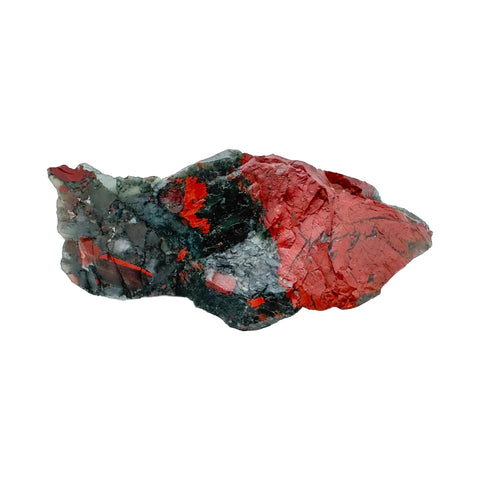
 Bloodstonefor energy
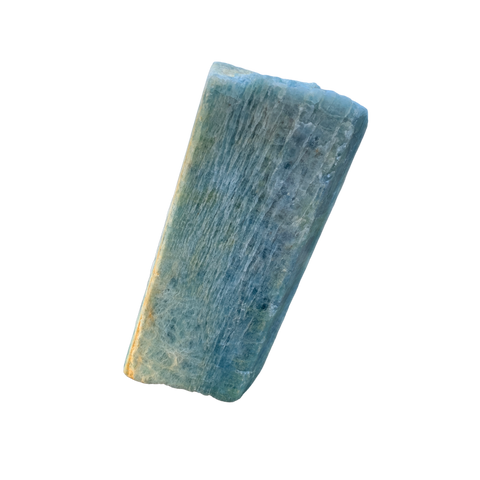
 Blue Kyanitefor confidence
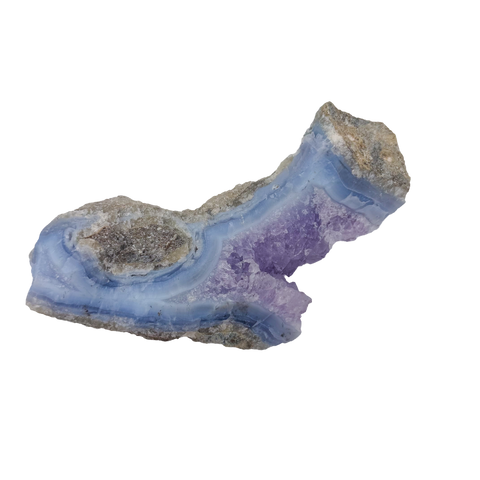
 Blue Lace Agatefor stress relief
 Chrysocollafor emotional healing
 Fluoritefor focus
 Garnetfor energy
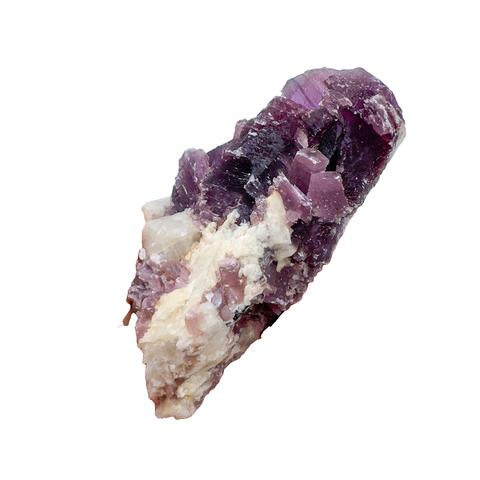
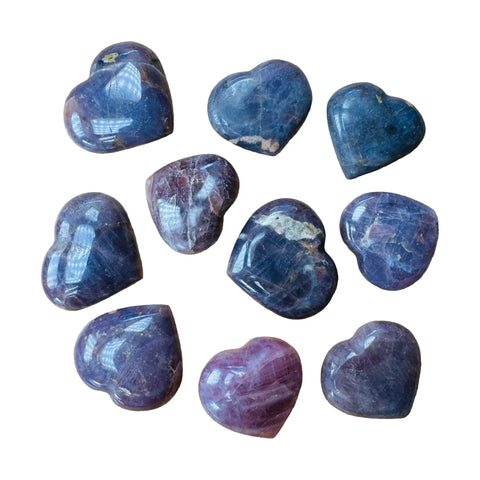
 Lepidolitefor stress relief
 Malachitefor emotional healing
 Moonstonefor grounding
 Obsidianfor protection
 Ocean Jasperfor emotional healing
 Red Jasperfor grounding
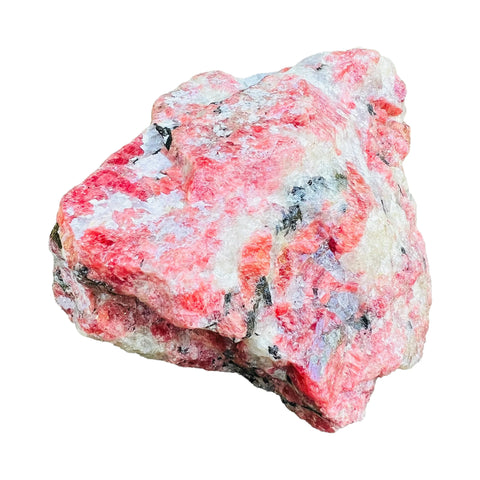
 Rhodonitefor emotional healing
 Selenitefor cleansing
 Sodalitefor focus
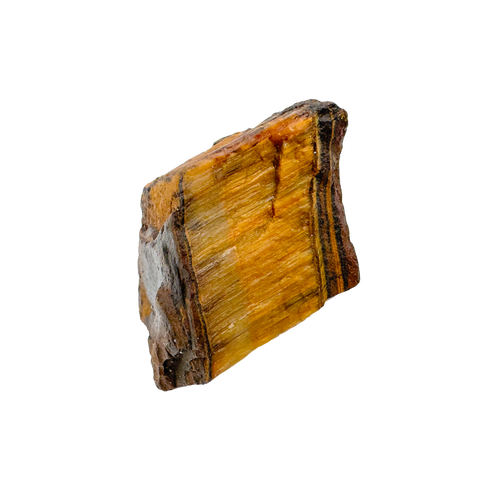
 Tiger Eyefor confidence
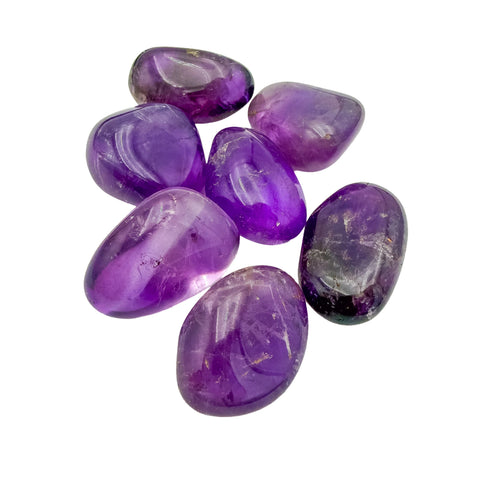




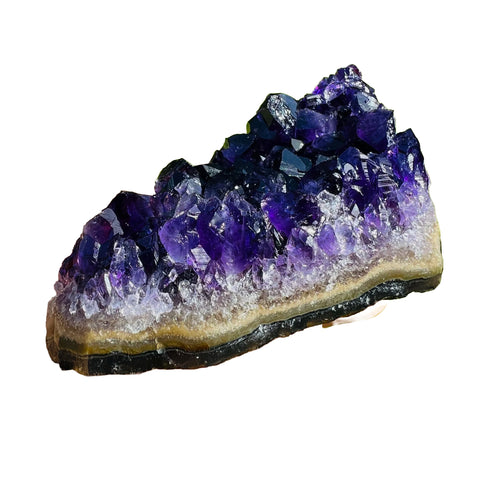






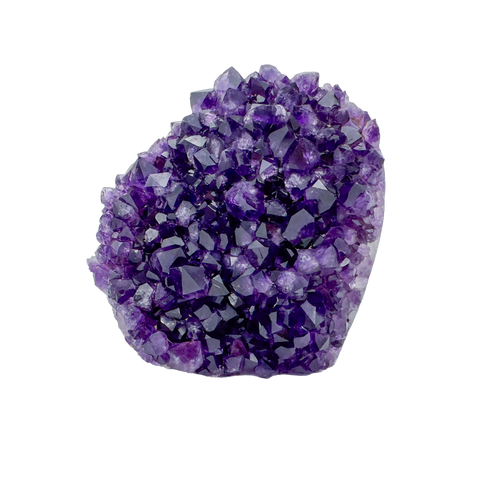
 Amethyst
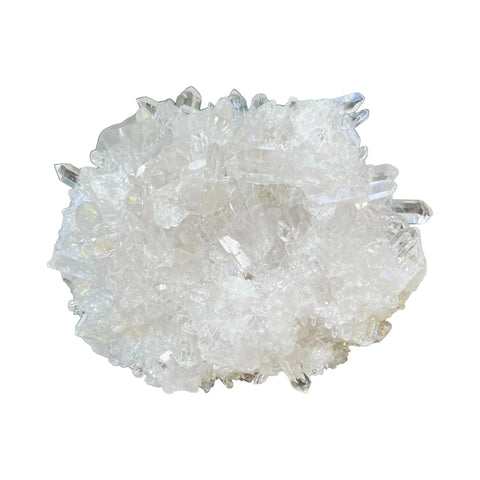
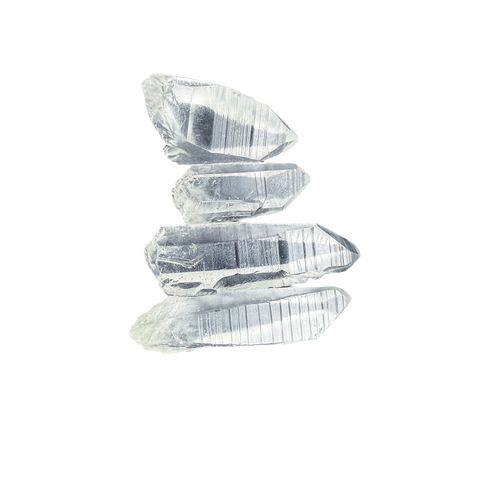
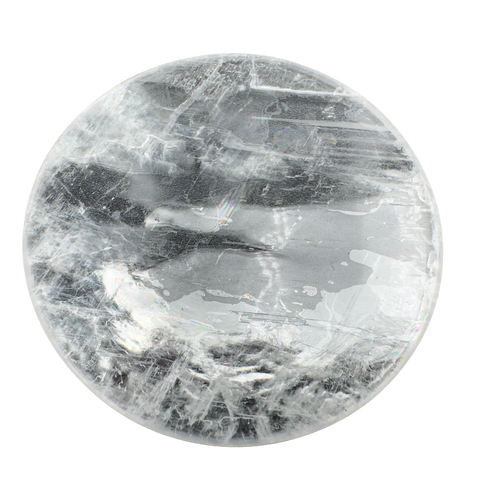
 Clear Quartz
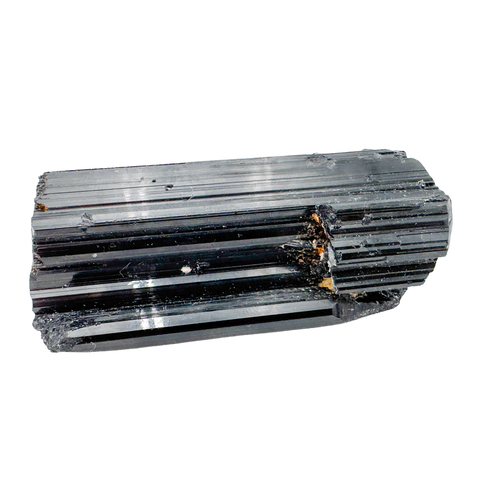
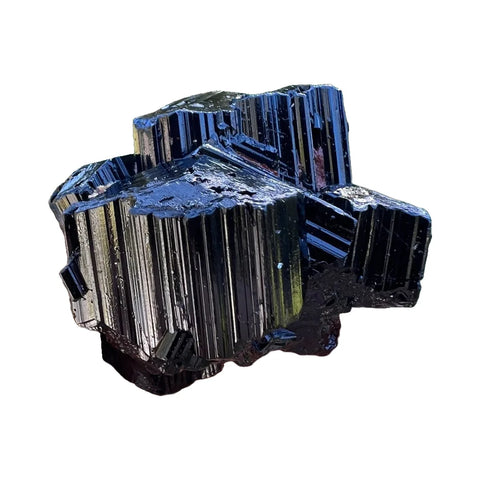
 Black Tourmaline
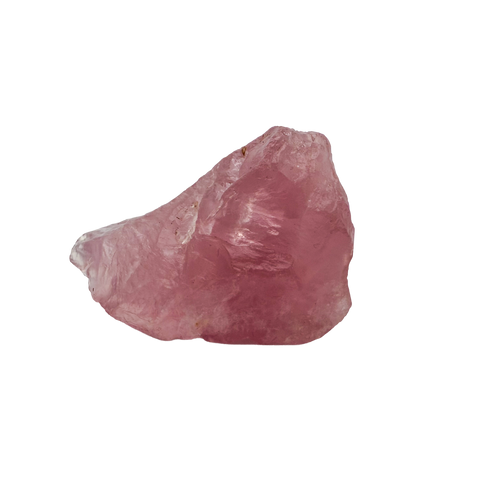
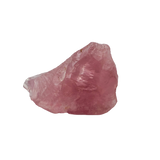 Rose Quartz
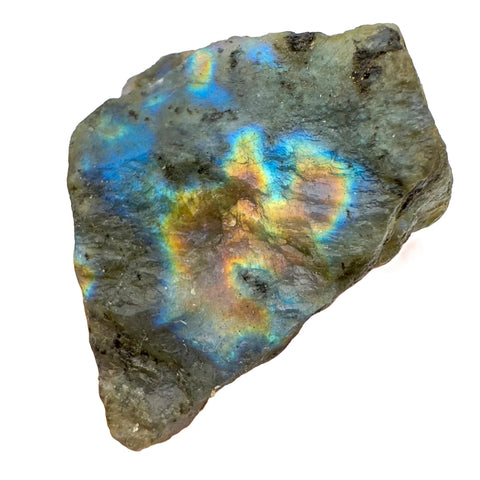
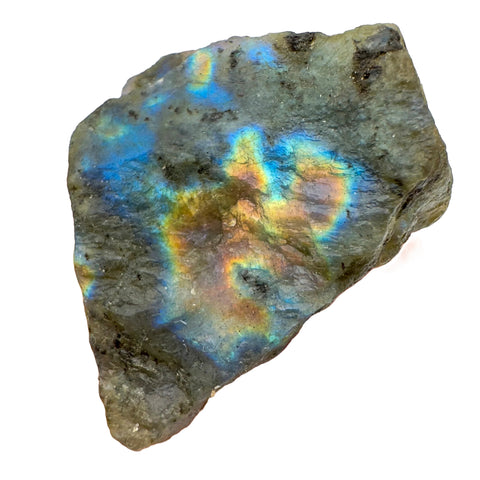
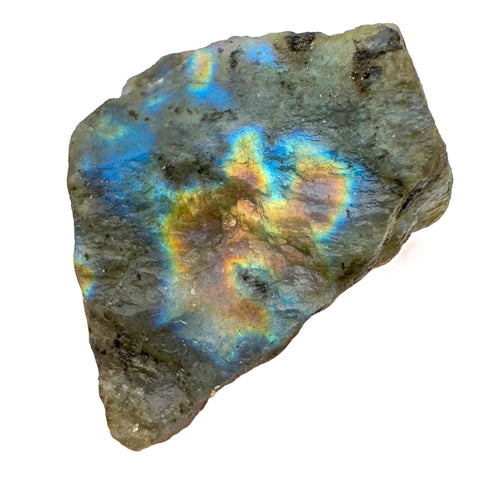
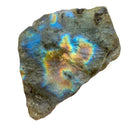 Labradorite
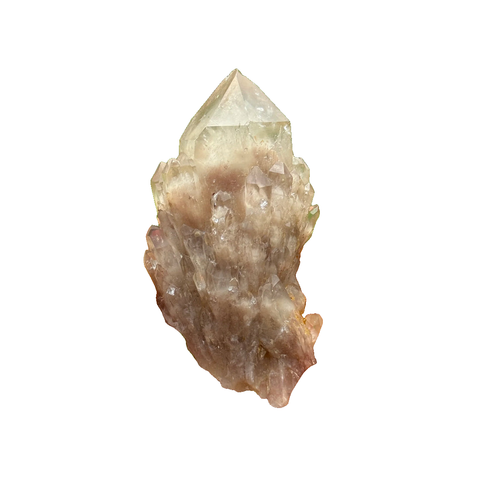
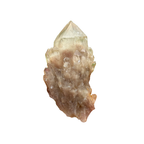 Natural Citrine
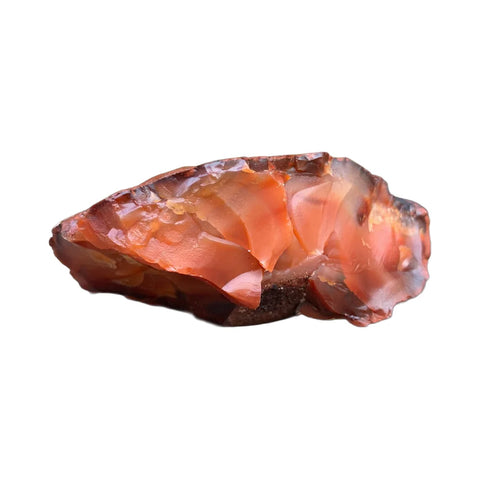
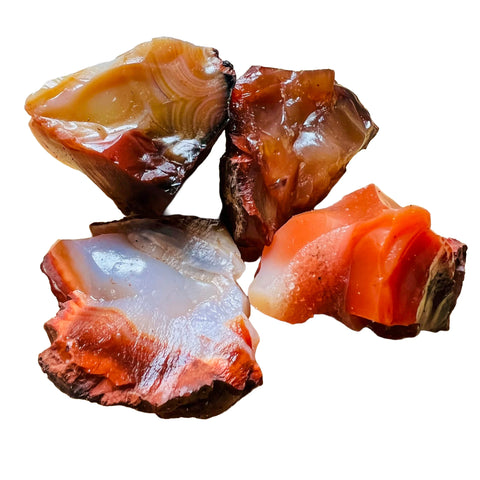
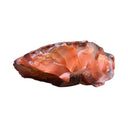 Carnelian
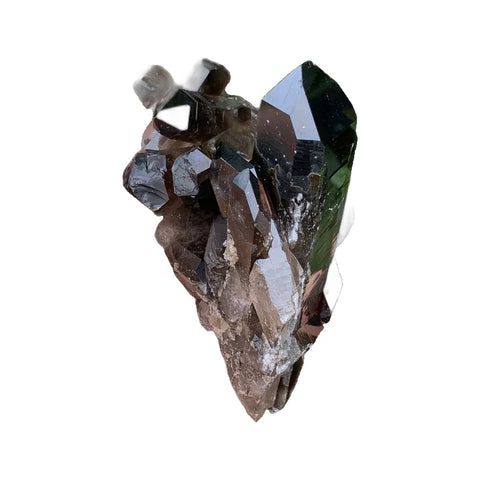
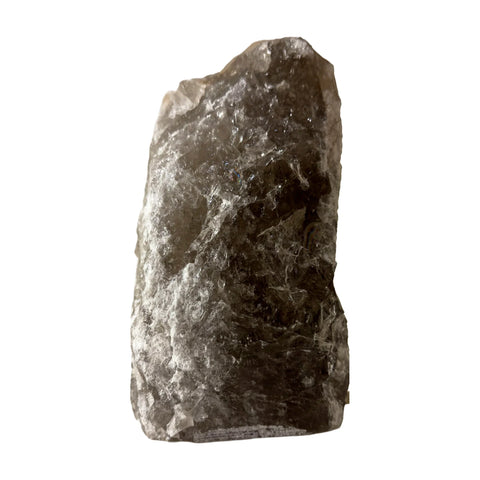
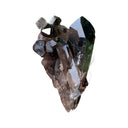 Smoky Quartz
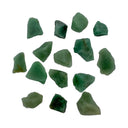 Aventurine
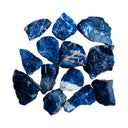 Sodalite
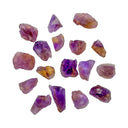 Ametrine
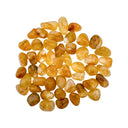 Golden Healer
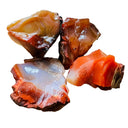 Raw Stones
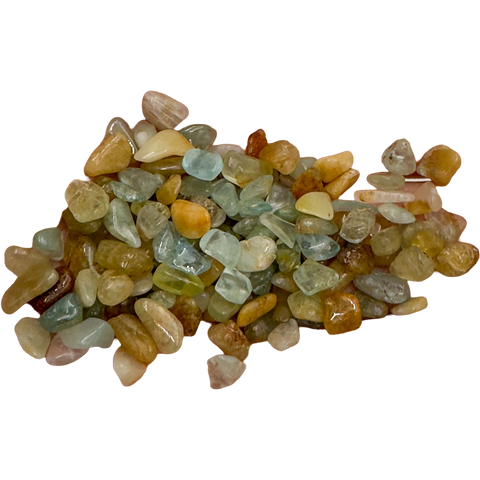
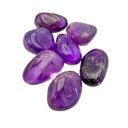 Tumbled Stones
 Palm Stones
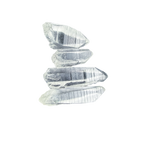 Crystal Points
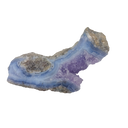 Clusters & Geodes
 Polished & Decor
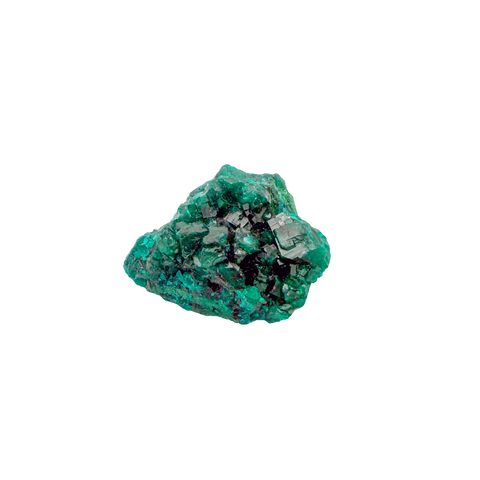
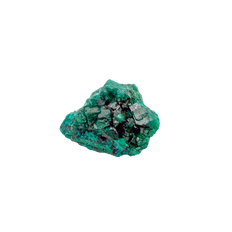 Mineral Specimens
 Crystal Chips
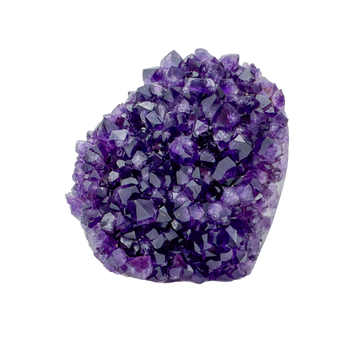
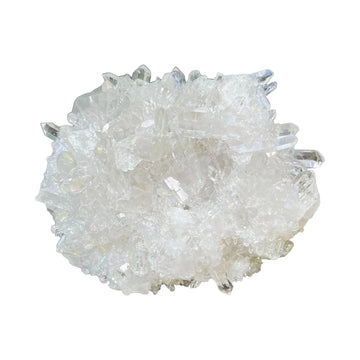
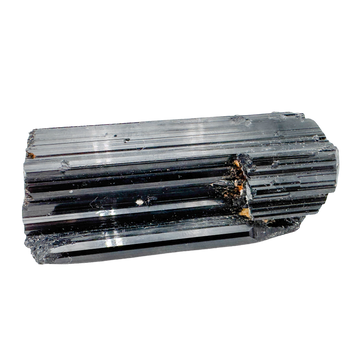
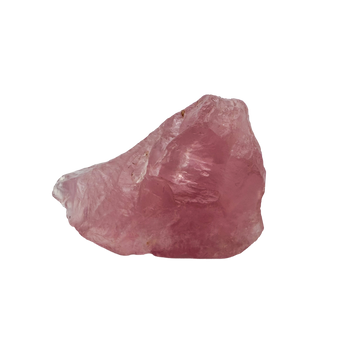
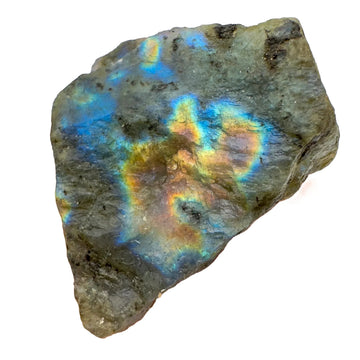
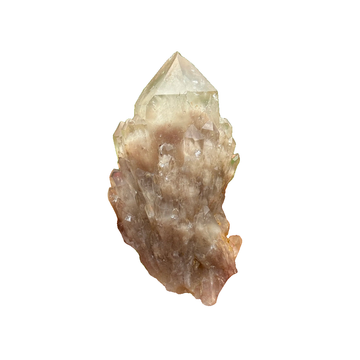
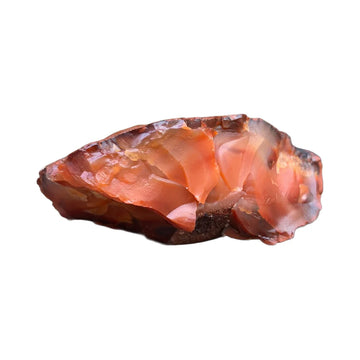
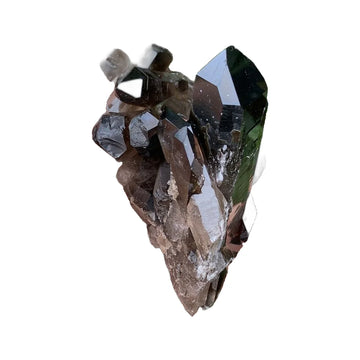
 Raw Stones
179 to choose from
Raw Stones
179 to choose from
 Tumbled Stones
162 to choose from
Tumbled Stones
162 to choose from
 Palm Stones
25 to choose from
Palm Stones
25 to choose from
 Crystal Points
23 to choose from
Crystal Points
23 to choose from
 Clusters & Geodes
97 to choose from
Clusters & Geodes
97 to choose from
 Polished & Decor
146 to choose from
Polished & Decor
146 to choose from
 Mineral Specimens
247 to choose from
Mineral Specimens
247 to choose from
 Crystal Chips
21 to choose from
Crystal Chips
21 to choose from


 AngolaAquamarine
›
AngolaAquamarine
›
 BotswanaCarnelian, Tree Agate
›
BotswanaCarnelian, Tree Agate
›
 DR CongoMalachite, Natural Citrine
›
DR CongoMalachite, Natural Citrine
›
 EswatiniBloodstone
›
EswatiniBloodstone
›
 MadagascarLabradorite, Clear Quartz
›
MadagascarLabradorite, Clear Quartz
›
 MalawiBlue Lace Agate, Garnet
›
MalawiBlue Lace Agate, Garnet
›
 MozambiqueAmazonite
›
MozambiqueAmazonite
›
 NamibiaSodalite, Blue Lace Agate
›
NamibiaSodalite, Blue Lace Agate
›
 Republic of the CongoDioptase
›
Republic of the CongoDioptase
›
 South AfricaTiger Eye, Unakite
›
South AfricaTiger Eye, Unakite
›
 ZambiaChevron Amethyst
›
ZambiaChevron Amethyst
›
 ZimbabweEmerald, Rhodonite
›
ZimbabweEmerald, Rhodonite
›
 ArgentinaBlack Obsidian, Rhodochrosite
›
ArgentinaBlack Obsidian, Rhodochrosite
›
 BoliviaAmetrine
›
BoliviaAmetrine
›
 BrazilAmethyst, Clear Quartz
›
BrazilAmethyst, Clear Quartz
›
 PeruSerpentine, Jade
›
PeruSerpentine, Jade
›
 UruguayAmethyst
›
UruguayAmethyst
›
 Dominican RepublicLarimar
›
Dominican RepublicLarimar
›
 MexicoRainbow Obsidian, Crazy Lace Agate
›
MexicoRainbow Obsidian, Crazy Lace Agate
›
 United StatesSelenite, Peridot
›
United StatesSelenite, Peridot
›
 ChinaFluorite
›
ChinaFluorite
›
 RussiaShungite
›
RussiaShungite
›
 AustraliaMookaite
›
AustraliaMookaite
›
 Where our crystals come from
See where we source →
Where our crystals come from
See where we source →


 Aquarius
Jan 20 to Feb 18
Amethyst
›
Aquarius
Jan 20 to Feb 18
Amethyst
›
 Pisces
Feb 19 to Mar 20
Aquamarine
›
Pisces
Feb 19 to Mar 20
Aquamarine
›
 Aries
Mar 21 to Apr 19
Carnelian
›
Aries
Mar 21 to Apr 19
Carnelian
›
 Taurus
Apr 20 to May 20
Rose Quartz
›
Taurus
Apr 20 to May 20
Rose Quartz
›
 Gemini
May 21 to Jun 20
Agate
›
Gemini
May 21 to Jun 20
Agate
›
 Cancer
Jun 21 to Jul 22
Moonstone
›
Cancer
Jun 21 to Jul 22
Moonstone
›
 Leo
Jul 23 to Aug 22
Citrine
›
Leo
Jul 23 to Aug 22
Citrine
›
 Virgo
Aug 23 to Sep 22
Amazonite
›
Virgo
Aug 23 to Sep 22
Amazonite
›
 Libra
Sep 23 to Oct 22
Blue Lace Agate
›
Libra
Sep 23 to Oct 22
Blue Lace Agate
›
 Scorpio
Oct 23 to Nov 21
Obsidian
›
Scorpio
Oct 23 to Nov 21
Obsidian
›
 Sagittarius
Nov 22 to Dec 21
Sodalite
›
Sagittarius
Nov 22 to Dec 21
Sodalite
›
 Capricorn
Dec 22 to Jan 19
Black Tourmaline
›
Gifting?
A birthday stone is the safe bet.
Read the zodiac guide →
Capricorn
Dec 22 to Jan 19
Black Tourmaline
›
Gifting?
A birthday stone is the safe bet.
Read the zodiac guide →


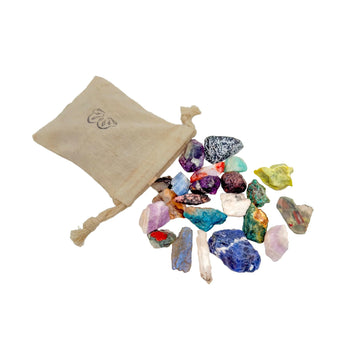
Prehnite
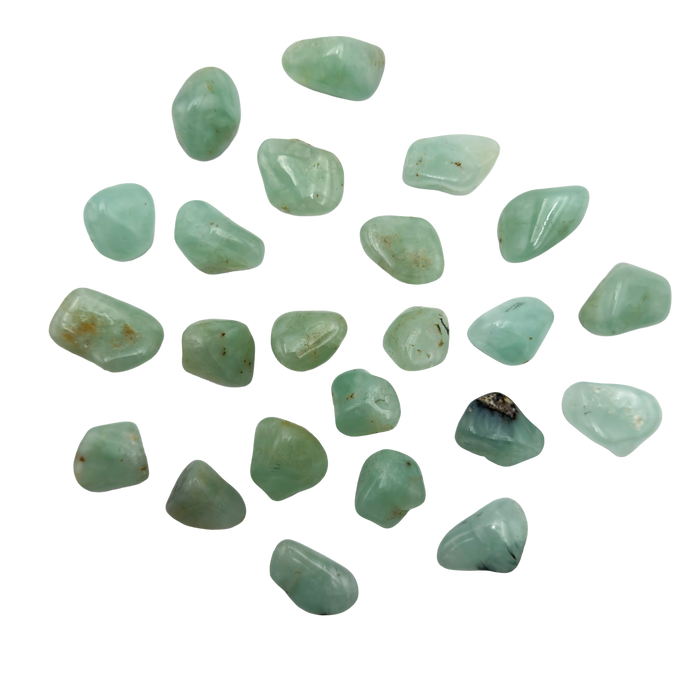
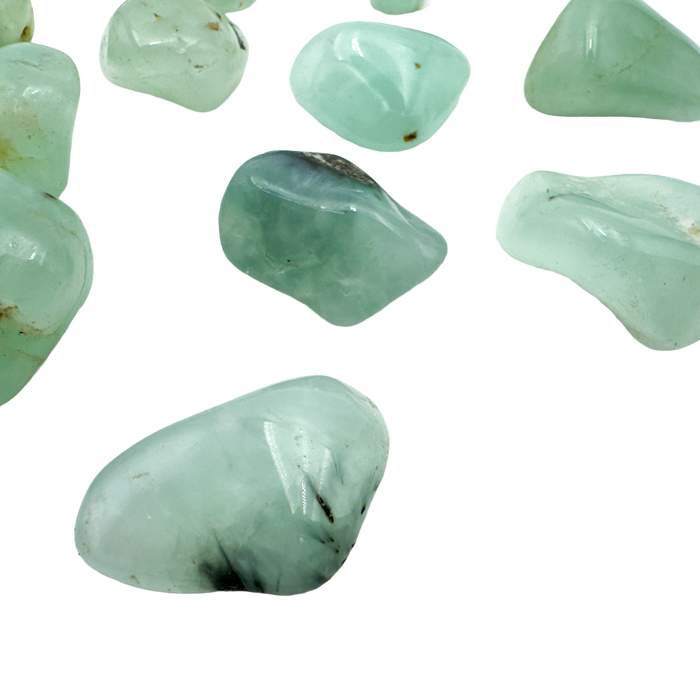
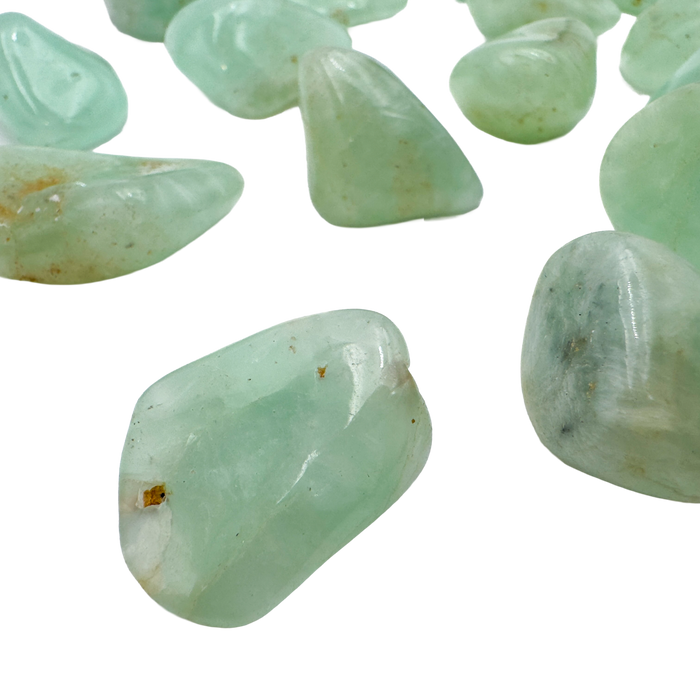
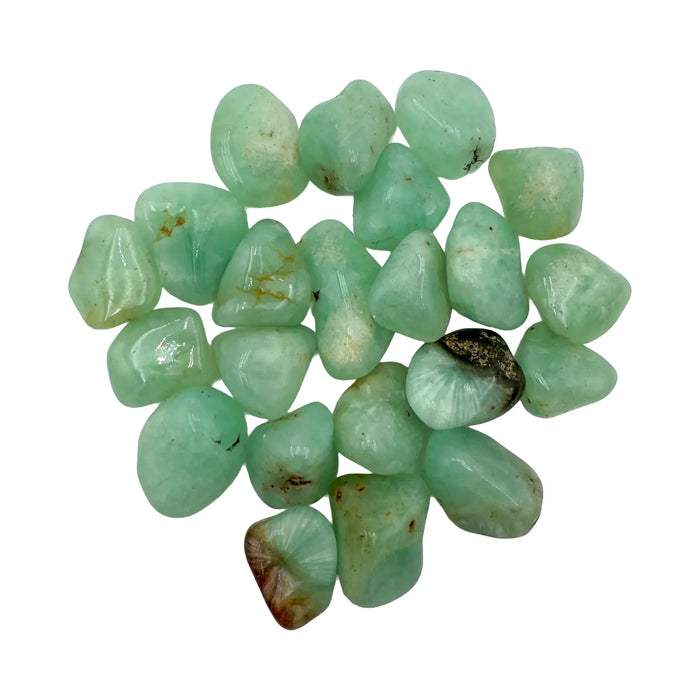
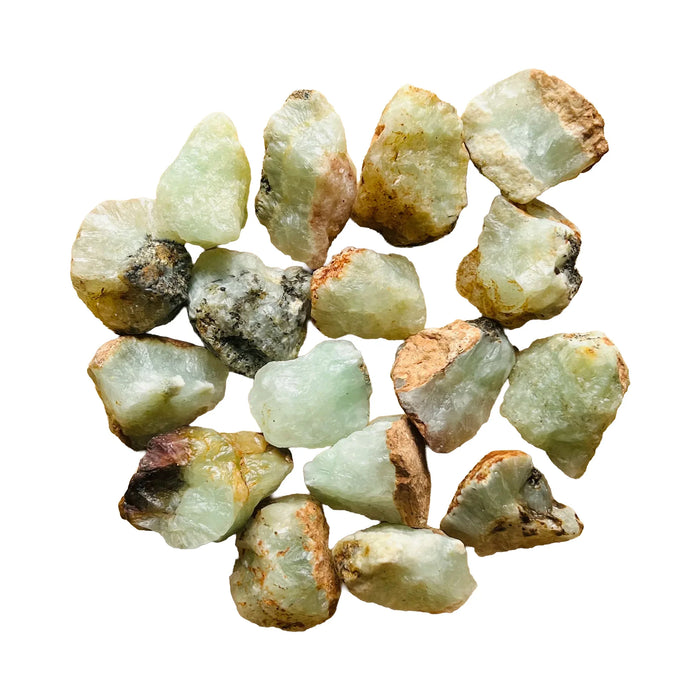
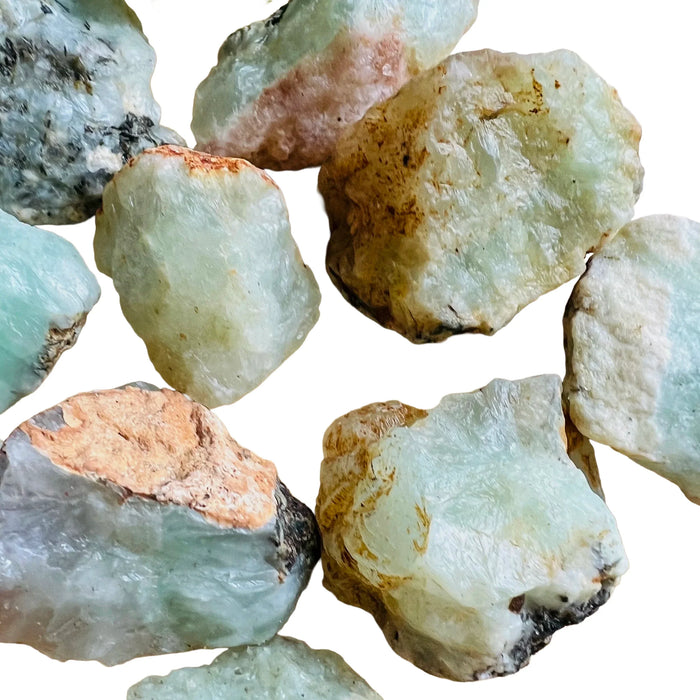
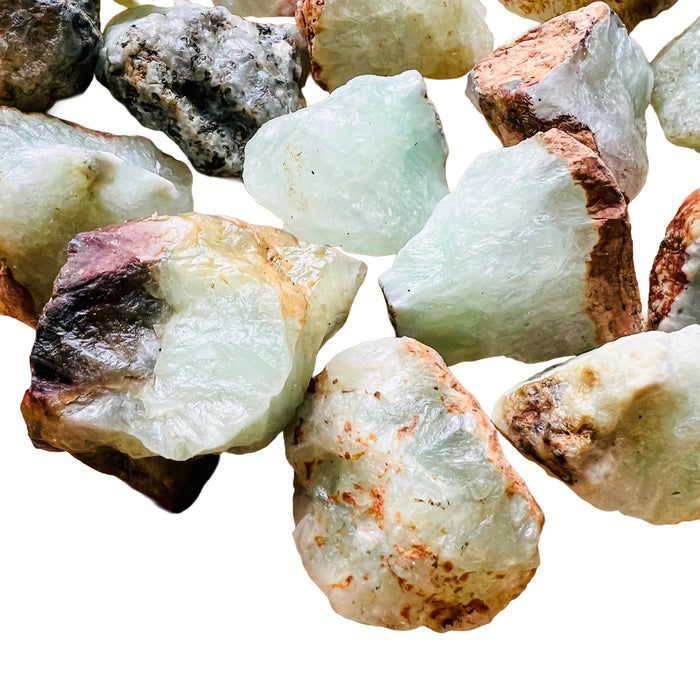
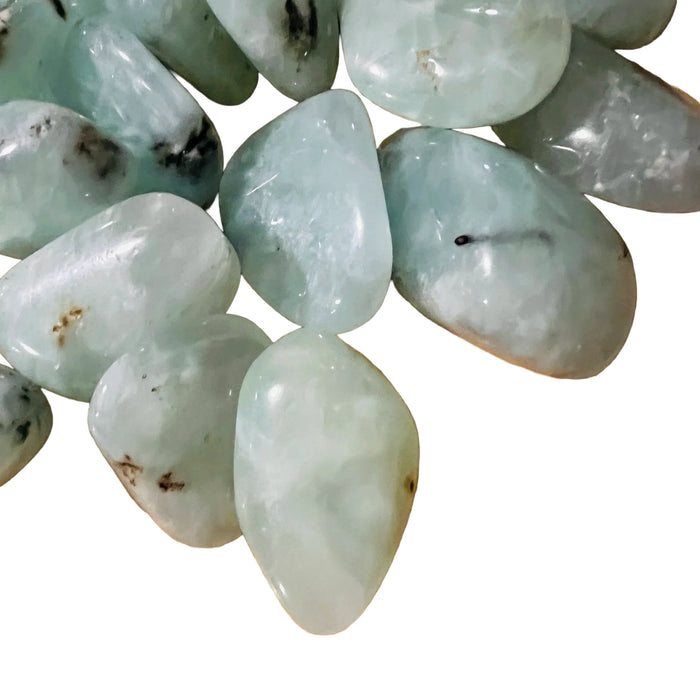
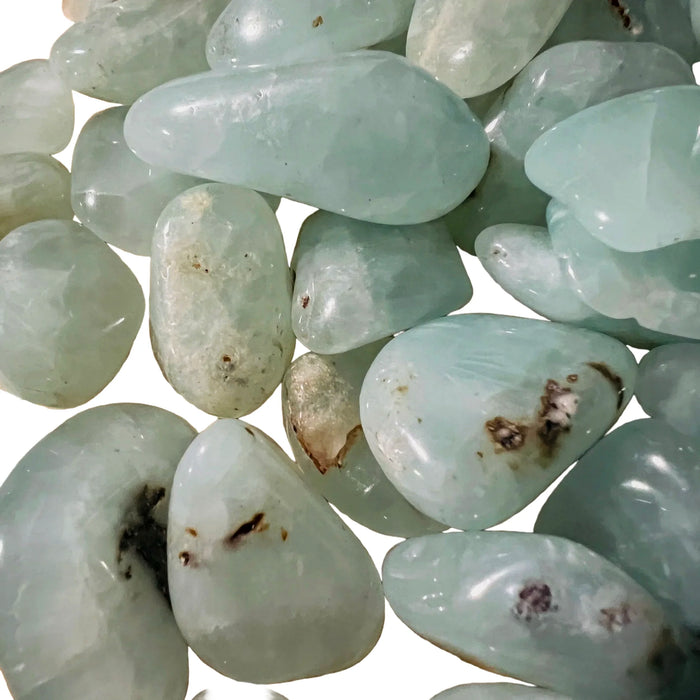
Prehnite is a pale apple-green calcium aluminum silicate mineral, often translucent and sometimes containing black tourmaline or epidote needle inclusions. Traditionally associated with heart-centered calm, emotional healing, and the quiet version of hope that sustains rather than spikes. Named after the Dutch colonel who first brought it from South Africa in 1788.
Shop prehnitePrehnite, in stock now.
Our most-loved Prehnite pieces, ready to ship.
- from 1,000+ reviews
- Ships within 72 hoursMonday to Friday, tracked
- 90 days to return itif you do not love it
- Free US shipping over $99$8.99 flat rate under
The geology.
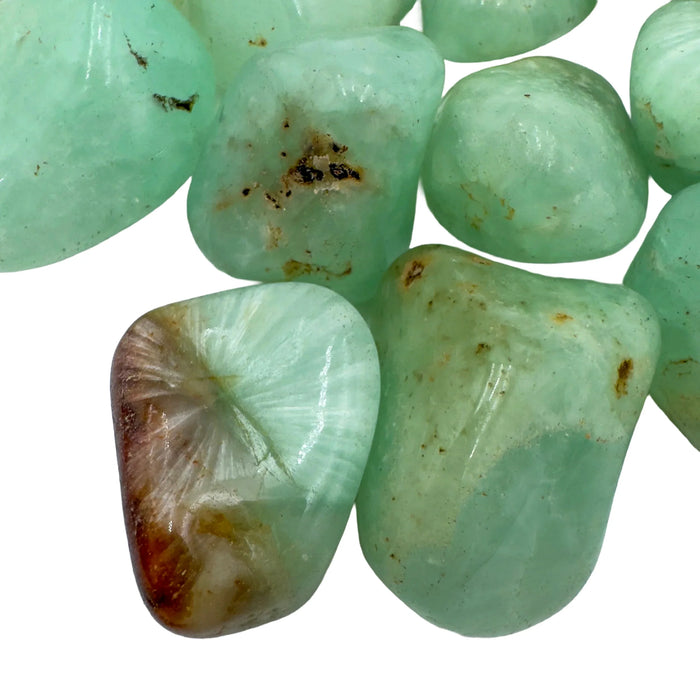
Prehnite is a calcium aluminum silicate mineral with the chemical formula Ca₂Al(AlSi₃O₁₀)(OH)₂. It crystallizes in the orthorhombic system, typically forming as translucent botryoidal or grape-like masses rather than distinct crystals. The pale apple-green color comes from traces of iron in the silicate structure. Many commercial Prehnite specimens contain black Epidote or Tourmaline needle inclusions that catch the eye and add visual contrast.
Hardness sits at 6 to 6.5 on the Mohs scale, durable enough for careful jewelry wear but softer than quartz. Cleavage is poor to absent; fracture is uneven to conchoidal. Luster vitreous to pearly. Prehnite forms in cavities of basalt and other volcanic rocks, often alongside zeolites, and is related to those mineral families geologically even though it's chemically distinct.
The origins.
Prehnite is mined across several commercial producer regions. Namibia's Erongo region and the Brandberg area produce significant commercial supply for the small-shop market. Australia's New South Wales and Victoria have historical and current production. South Africa is the type locality where Prehnite was first described in 1788. Mali, China, India, Scotland, and the United States (Connecticut, New Jersey) also produce commercial and specimen-grade material.
Each source has a recognizable character. Namibian Prehnite tends toward pale apple-green with occasional Epidote inclusions. Australian material is often deeper green. Malian Prehnite sometimes contains Epidote or Tourmaline needle inclusions prized by collectors. Scottish Prehnite from the Kilpatrick Hills is the classical collector source. The 'Grape Agate' material from Indonesia, sometimes sold as Prehnite, is actually chalcedony; ask for species confirmation.
Traditional associations.
Prehnite was named in 1788 after Hendrik von Prehn, a Dutch colonel who brought the first identified specimens from the Cape of Good Hope to Europe. It's one of the first minerals to be named after a person rather than a location or property, which was a departure from earlier naming conventions. The stone was valued by South African indigenous traditions before European contact but the pre-colonial name has been mostly lost.
Many people work with Prehnite for heart-centered calm, quiet hope, and the emotional healing that supports long practice rather than quick breakthroughs. It's most commonly associated with the Heart and Solar Plexus chakras, the elements of Earth and Water, and the zodiac signs Libra and Virgo. The classic working is as a meditation companion stone for grounded spiritual practice.
Spotting the real thing.
Real Prehnite shows natural pale-to-medium apple-green with translucent body and often botryoidal (grape-like) or granular structure. Under strong light, you can see through thinner edges; the interior often shows subtle fibrous or radiating patterns typical of orthorhombic silicates. Black Epidote or Tourmaline needle inclusions are a positive authentication sign on higher-grade specimens.
The main confusion is with Grape Agate (botryoidal chalcedony from Indonesia), which is a different mineral. Chalcedony is harder (6.5 to 7 versus Prehnite's 6 to 6.5) and has a different luster. Dyed chalcedony sold as Prehnite shows saturated uniform green, usually darker than natural Prehnite's soft apple-green. Reputable sellers name the species.
Care & handling.
Water safe for a brief rinse with warm water and a soft cloth. Skip long soaks and ultrasonic cleaners. Prehnite is stable under sunlight, though prolonged direct UV over years can slowly affect color in some specimens. Temperature shifts are fine within reason.
Cleanse energetically with moonlight, sound, smoke, or by placing on selenite overnight. At 6 to 6.5 on the Mohs scale, Prehnite handles careful daily wear in jewelry but isn't ideal for rings in demanding settings. Store separately from harder stones like quartz and topaz to preserve the polish.
Pairs well with.
Proof, not promises.
We measure our own sourcing across five dimensions. Supply chain, environmental footprint, artisan support, market integrity, and pricing. The number is honest, not perfect. Where we can do better, we say so.
A deeper look.
Extended geology, sourcing, authentication, history, varieties, and pricing, for when the quick guide isn't quite enough.
Extended geology
Prehnite is a calcium aluminum silicate with formula Ca₂Al(AlSi₃O₁₀)(OH)₂, crystallizing in the orthorhombic system. It typically forms as botryoidal (grape-like) or granular masses in cavities of basalt, dolerite, and other volcanic rocks, often associated with zeolites, Calcite, Epidote, and native Copper. Distinct crystals are rare; most commercial material is massive or botryoidal.
Specific gravity 2.80 to 2.95. Mohs hardness 6 to 6.5. Poor cleavage; fracture uneven to conchoidal. Luster vitreous to pearly on cleavage surfaces. Apple-green color from trace iron; some material is colorless, yellow, or gray. The mineral is often pyroelectric, developing a small electrical charge when heated.
Extended sourcing
Namibia's Erongo region produces commercial quantities of Prehnite, often with distinctive Epidote needle inclusions in higher-grade specimens. Australia's New South Wales and Victoria have historical deposits and current production. South Africa's Cape region is the type locality (where Hendrik von Prehn collected the first specimens described in 1788).
Mali produces Prehnite with Epidote inclusions that are prized by collectors. China (Sichuan), India (Maharashtra), Scotland (Kilpatrick Hills, classical collector source), and the United States (Connecticut, New Jersey) contribute commercial and specimen-grade material. The Deccan Traps of India have some of the largest botryoidal Prehnite masses recorded.
Authentication and warning signs
Real Prehnite shows pale to medium apple-green translucency with botryoidal or granular structure typical of the species. Under strong light, the interior shows subtle fibrous or radiating patterns. Hardness 6 to 6.5 (scratches steel but not quartz). Inclusions of black Epidote or Tourmaline needles are positive authentication signs.
Grape Agate (Indonesian botryoidal chalcedony) is the most common mislabel. Chalcedony is harder (6.5 to 7) and has a different luster and often bluer-purple color than Prehnite's green. Dyed chalcedony with artificial green color pools dye in fractures. Reputable sellers confirm species and origin.
Historical and cultural context
Hendrik von Prehn (1733-1785) was a Dutch colonel in the service of the Dutch East India Company stationed at the Cape of Good Hope. He collected mineral specimens as a hobby and sent samples to Europe for scientific description. After his death, the mineralogist Abraham Gottlob Werner named the green mineral Prehnite in his honor in 1788, making it one of the first minerals named after a person.
In contemporary metaphysical practice, Prehnite is treated as a stone of calm and quiet hope, often paired with Epidote (which frequently occurs with it in nature) for intentions related to emotional healing and patient practice. The pale green color and botryoidal texture are visually distinctive and part of the stone's appeal.
Varieties and trade names
Prehnite with Epidote: Prehnite containing dark green to black Epidote needle inclusions, often prized as specimens.
Prehnite with Tourmaline: rarer variety with black Tourmaline inclusions.
Cape Emerald: older trade name for South African Prehnite.
Grape Agate: misleading trade name sometimes applied to botryoidal chalcedony (a different species).
Pricing reality
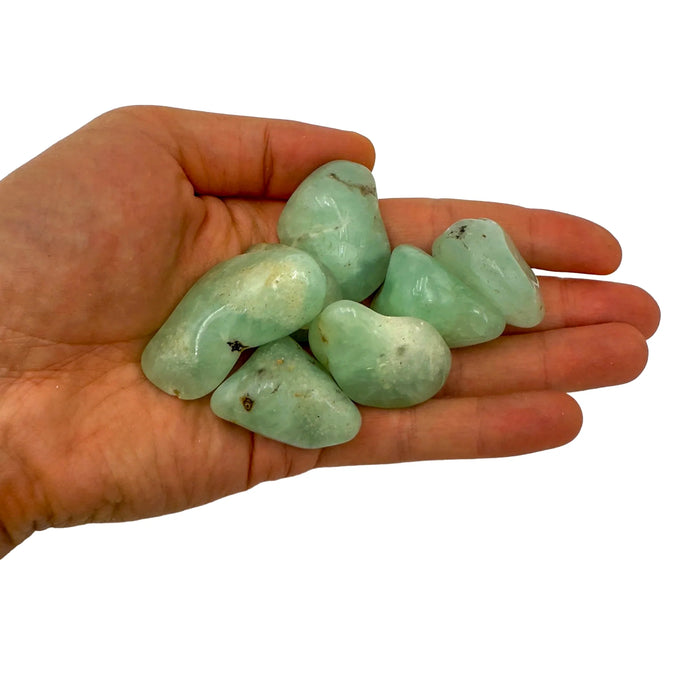
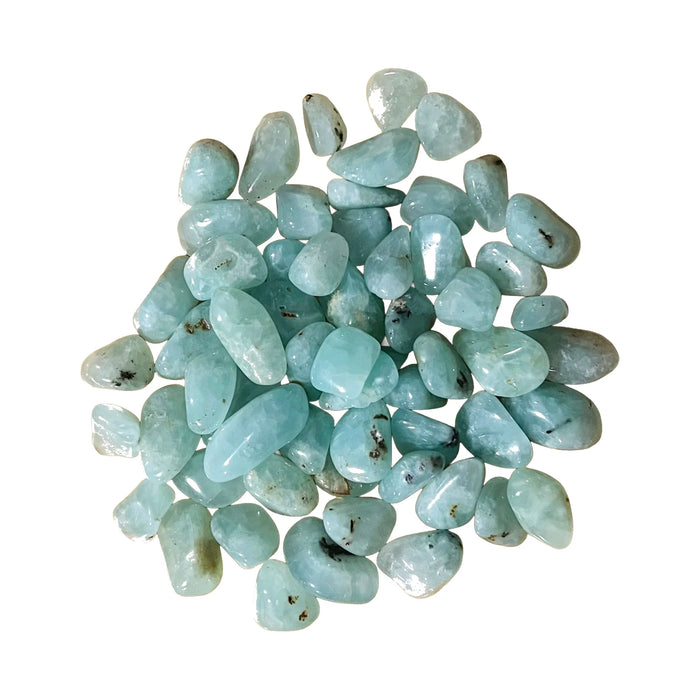
Tumbled Prehnite: 2 to 8 dollars per piece. Small polished pieces and palm stones: 10 to 40 dollars. Larger polished freeforms and spheres: 25 to 150 dollars. Specimen-grade pieces with dramatic Epidote or Tourmaline inclusions: 50 to 500 dollars. Fine Australian or Scottish collector specimens: 100 to 1,000 dollars.
Value drivers: color depth and clarity, translucency, quality of inclusions (Epidote or Tourmaline), clean polish, and documented origin. Warning signs: pieces labeled 'Prehnite' that are hard and blue-purple (probably Grape Agate), or material with no origin detail at specimen prices.
Good sourcing is a practice, not a claim.
Nothing we sell is Grape Agate or dyed chalcedony mislabeled as Prehnite. We name our origins where we can. We say so when we cannot. We walk away from material that doesn't meet our standard, even when it costs us sales.
Bring prehnite home.
Collector pieces are photographed individually, and you receive the exact piece shown. Batch stones are sold by the piece or by the pound from the lot pictured, with the same origin and treatment notes on every product page.
Shop the prehnite collectionGrounded Connections
New Prehnite pieces go to the list first.
No forwarding, no selling. Unsubscribe in one click. Privacy