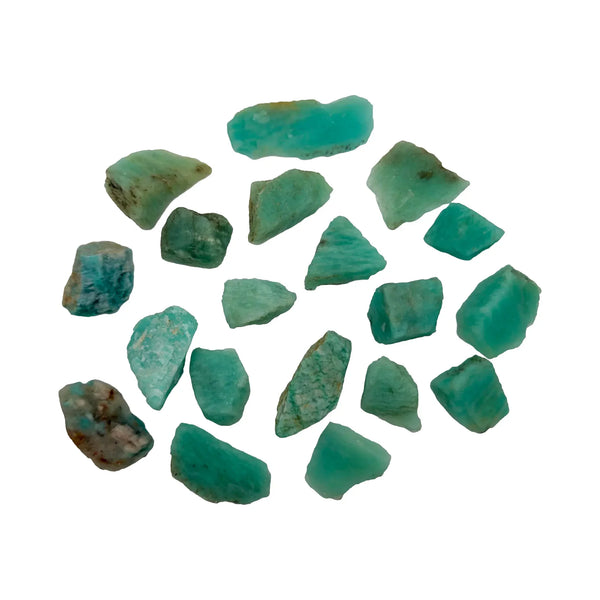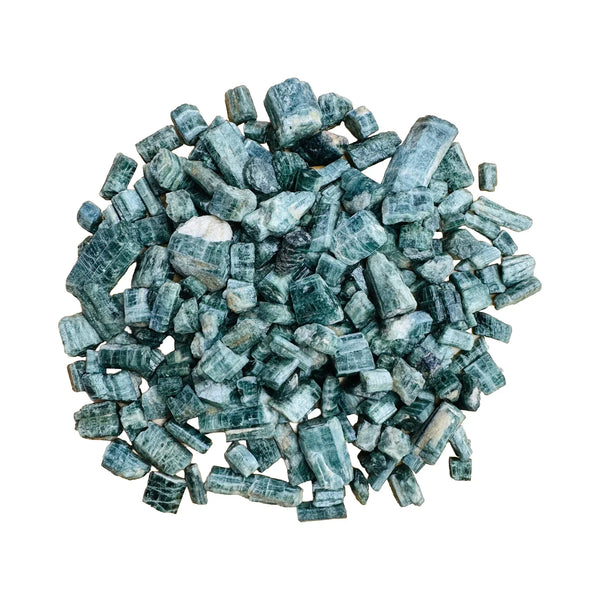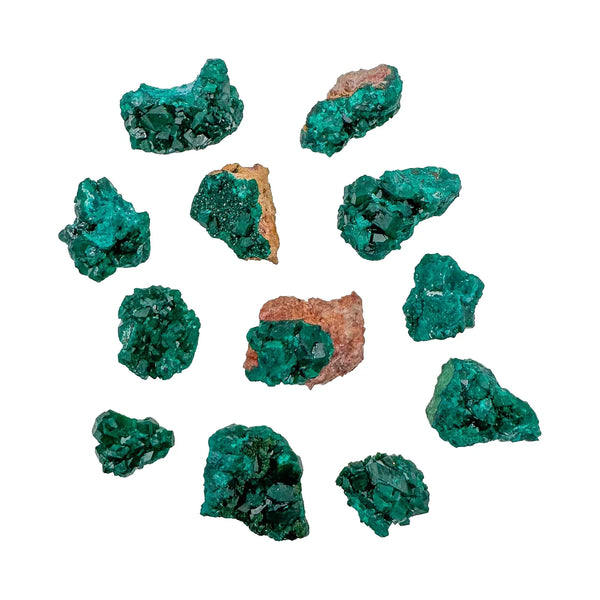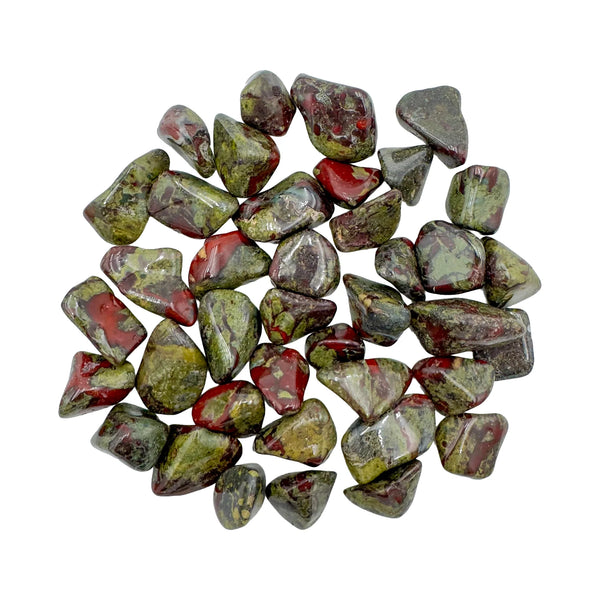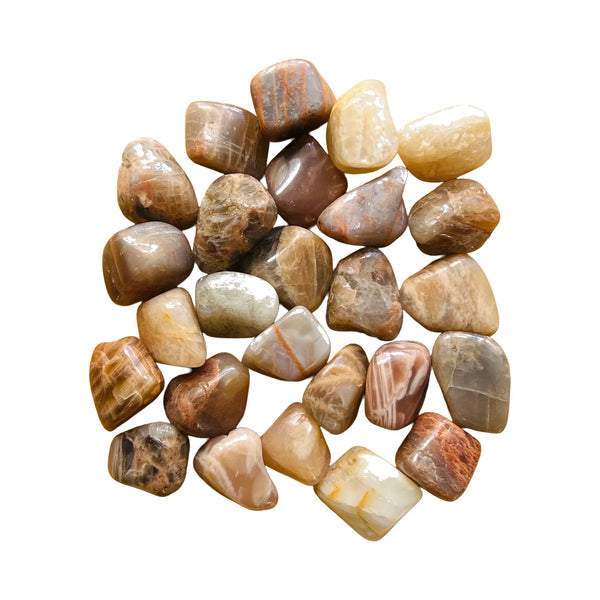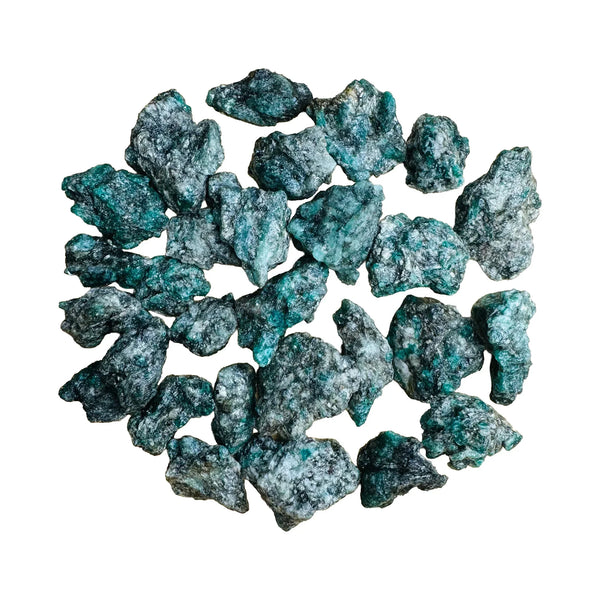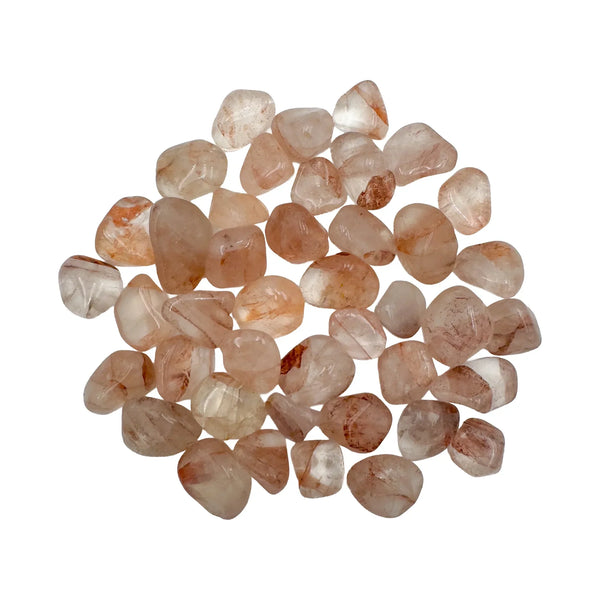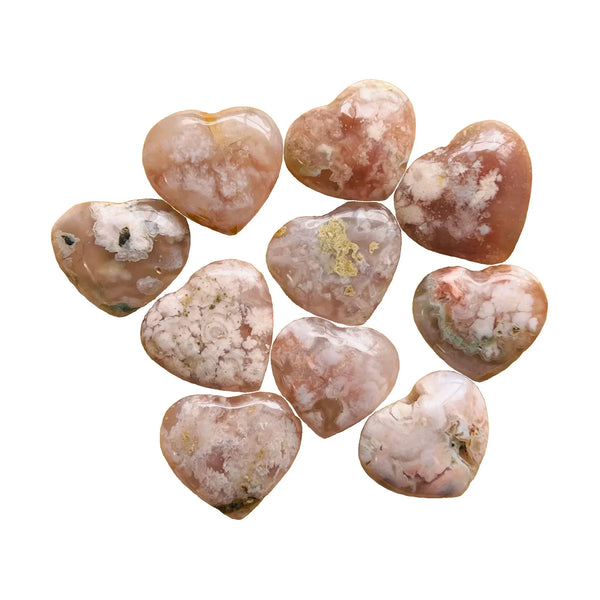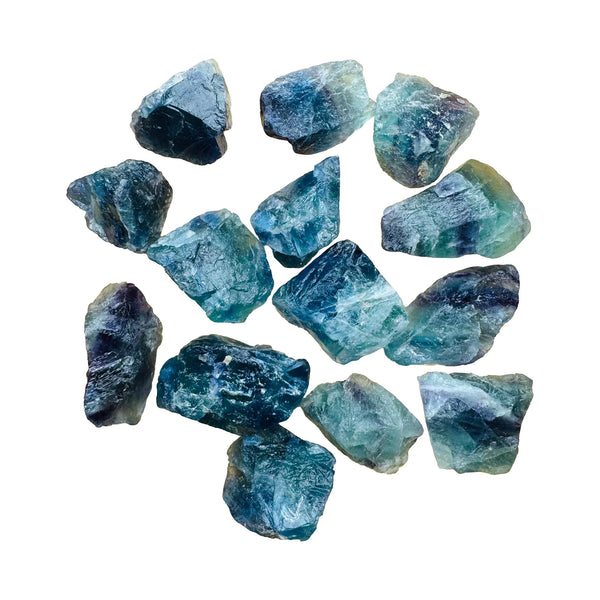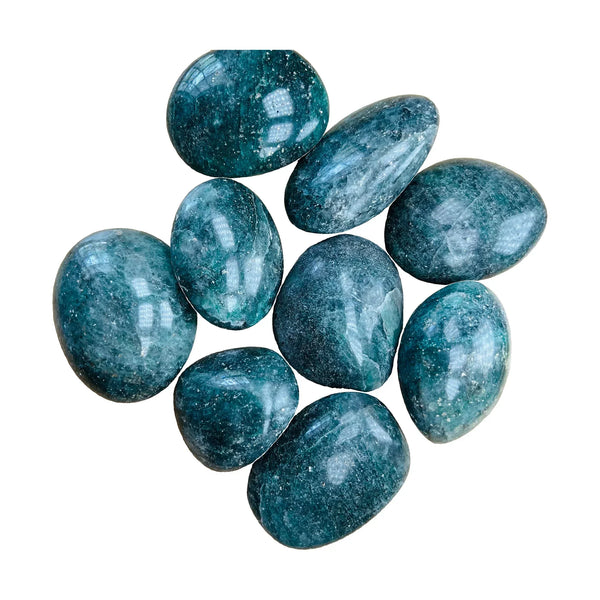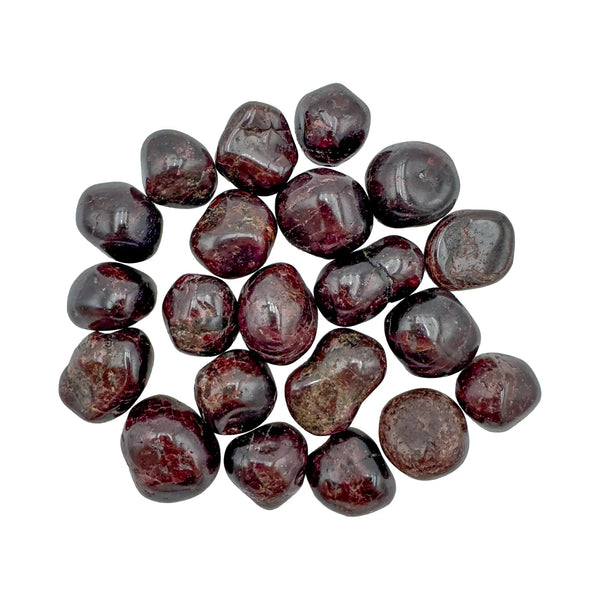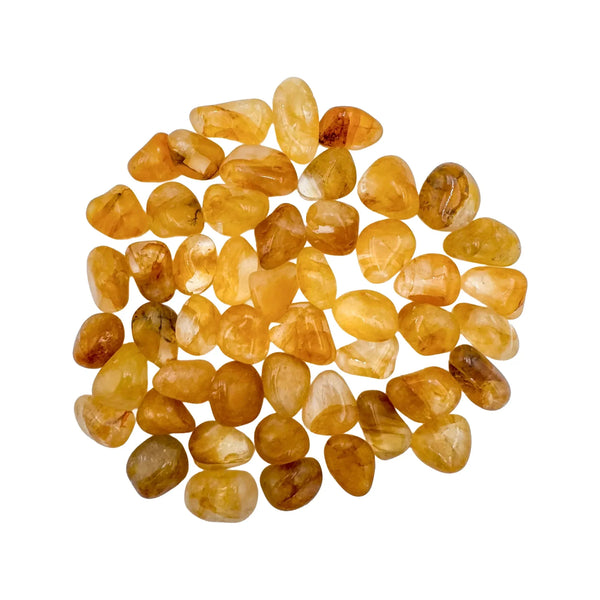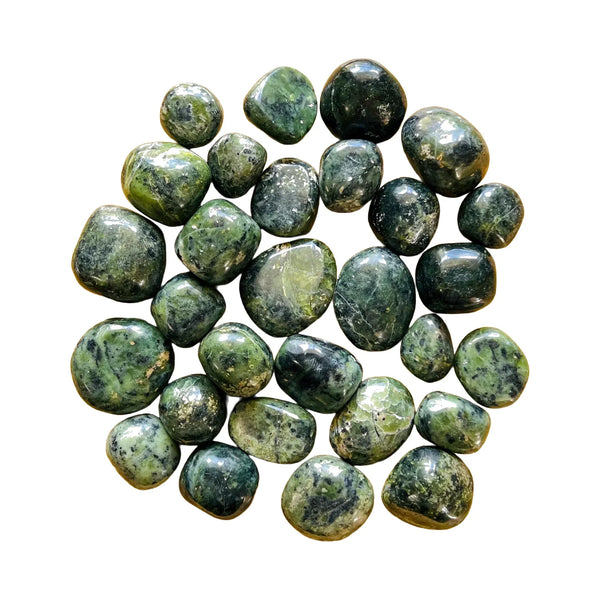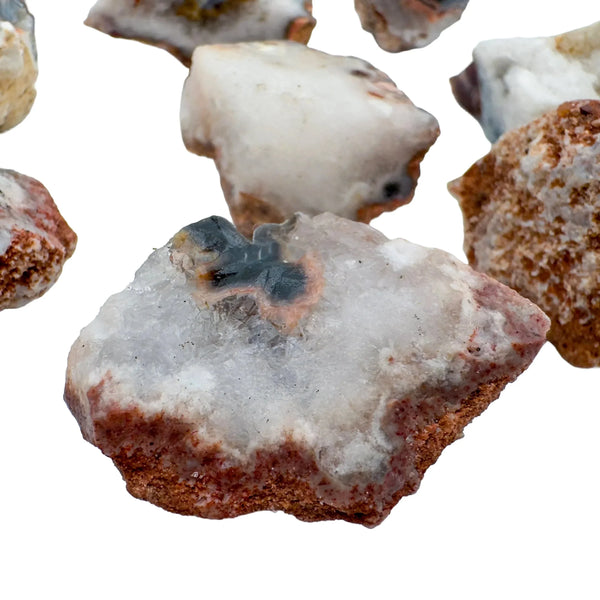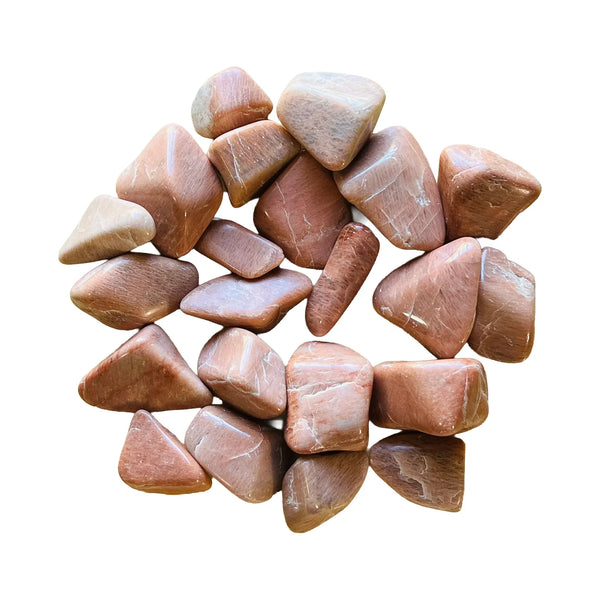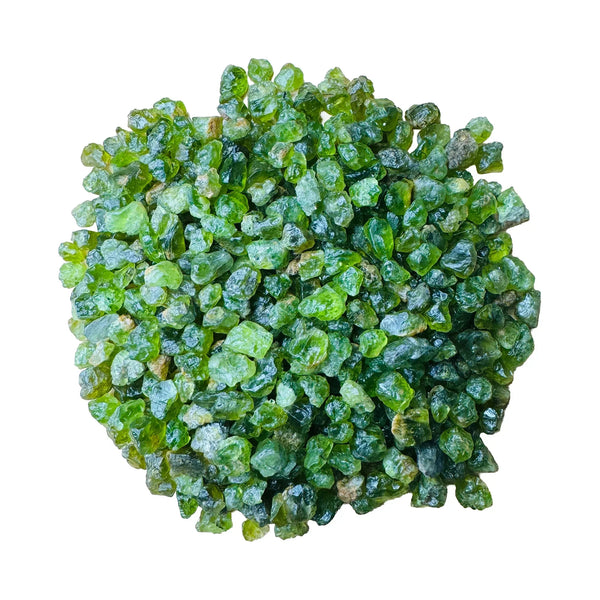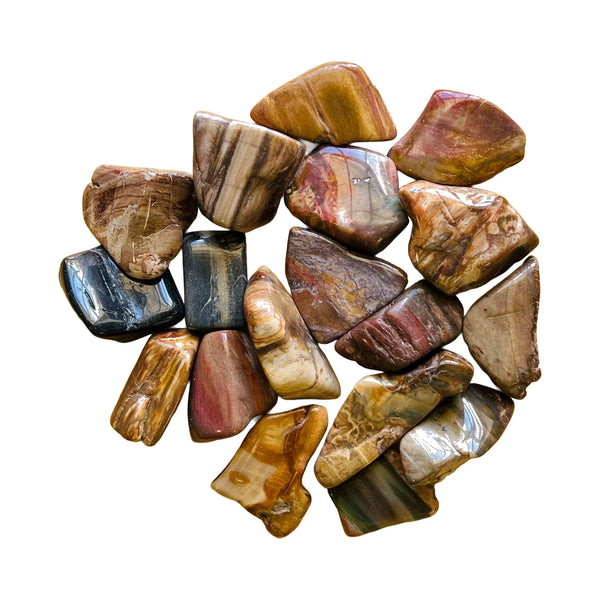
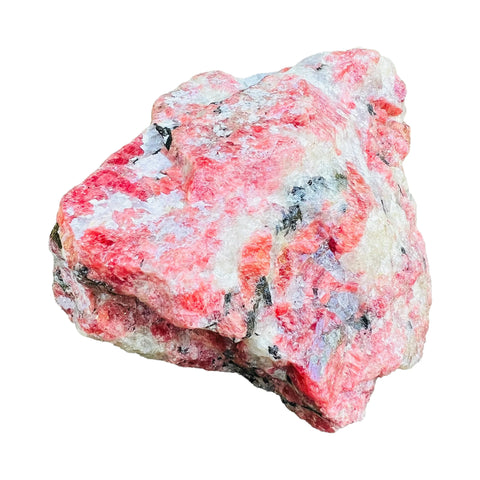
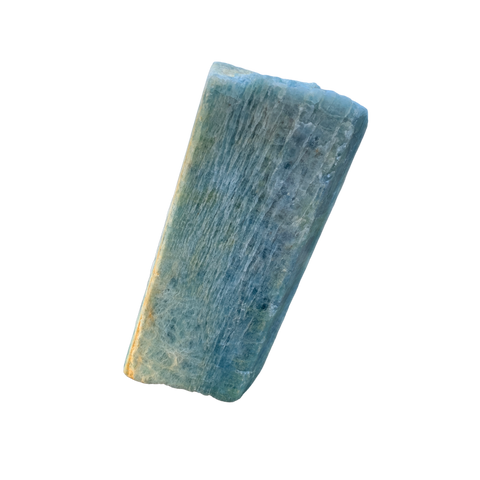
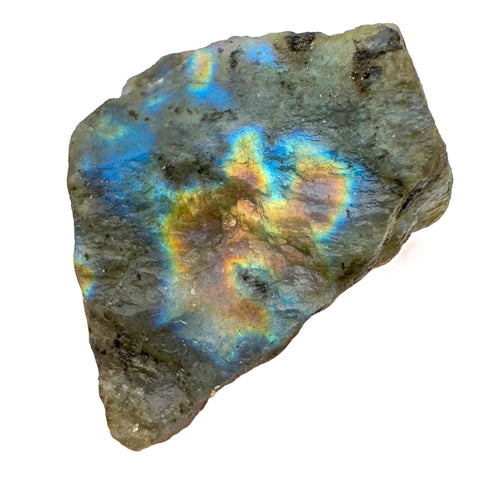
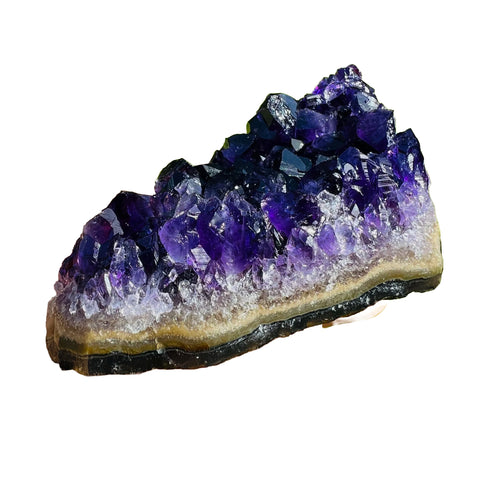


Epidote
The Stone of Healing, Manifestation & Emotional Healing
Epidote Crystal Properties
Beyond Bohemian Transparency Score
We created this score because we got tired of the crystal industry's empty promises. Every seller says "ethically sourced" but almost nobody shows their work. So we built a framework to hold ourselves accountable. Publicly.
We evaluate every crystal type across five dimensions that actually matter: how directly we source it, how mining impacts the environment, whether the communities who extract it benefit fairly, how honest the broader market is for this stone, and whether pricing reflects actual value. Each dimension is scored out of 20. This framework is built on a decade of research.
This score represents a general average across all of our Epidote. Individual pieces may score differently depending on their specific origin, supplier relationship, and sourcing details, which we document on every product page.
The Mineral Science
Epidote belongs to the Epidote | Silicate (Sorosilicate) group. Its chemical formula is Ca₂(Al,Fe)₃(SiO₄)₃(OH) , with a Mohs hardness of 6-7, crystallizing in the Monoclinic system.
At 6-7 Mohs hardness, Epidote requires some care in handling but is suitable for occasional wear. Care sensitivity is rated moderate.
Physical Properties:
| Hardness | 6-7 Mohs |
| Specific Gravity | 3.3-3.5 |
| Luster | Vitreous to resinous |
| Streak | White to grayish |
| Cleavage/Fracture | Perfect in one direction; uneven fracture |
| Crystal System | Monoclinic |
What Creates the Color
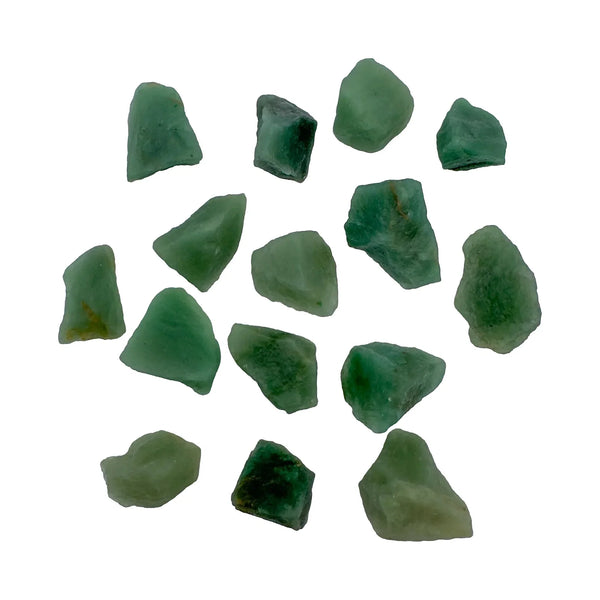
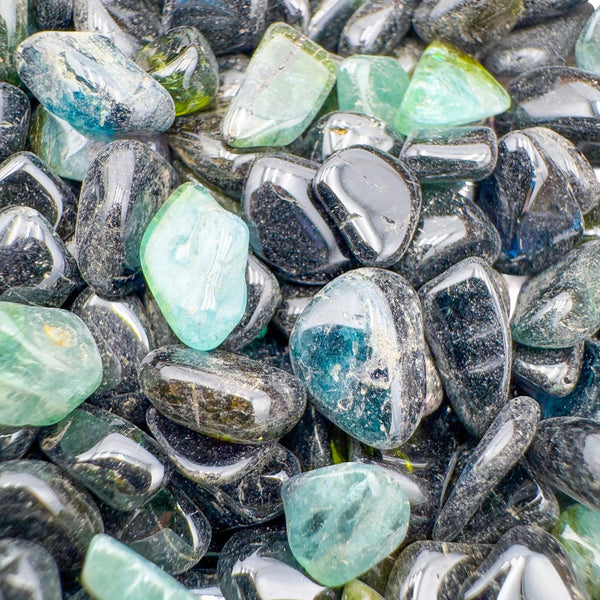
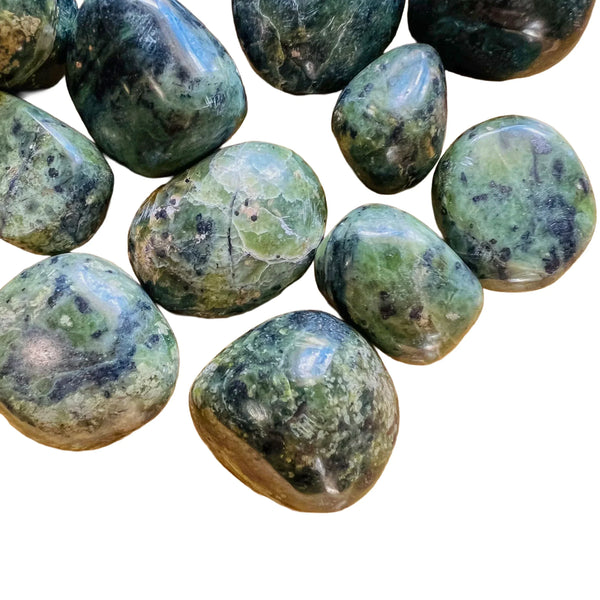
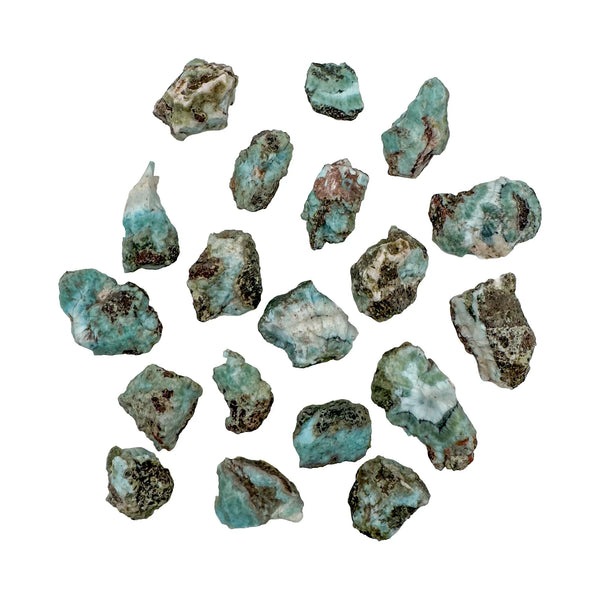
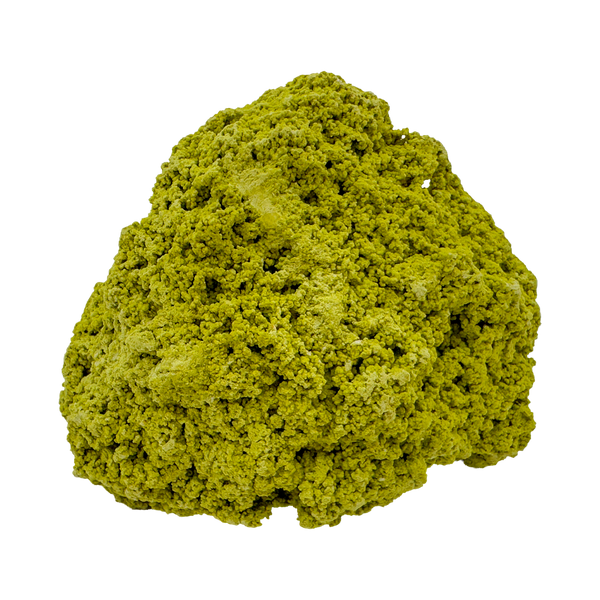
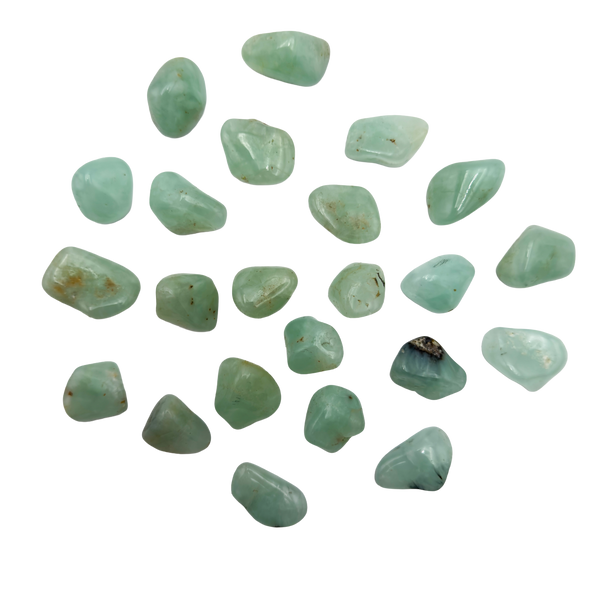
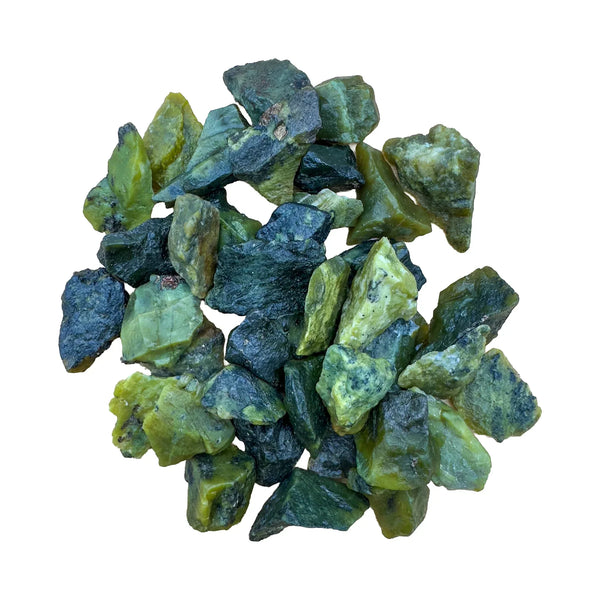
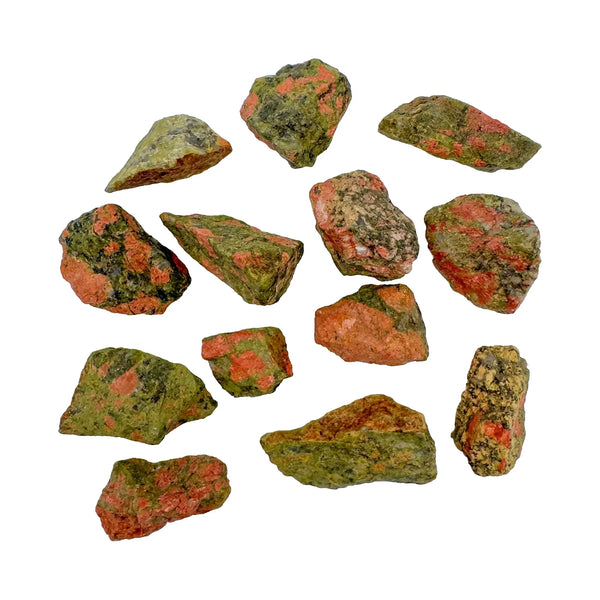
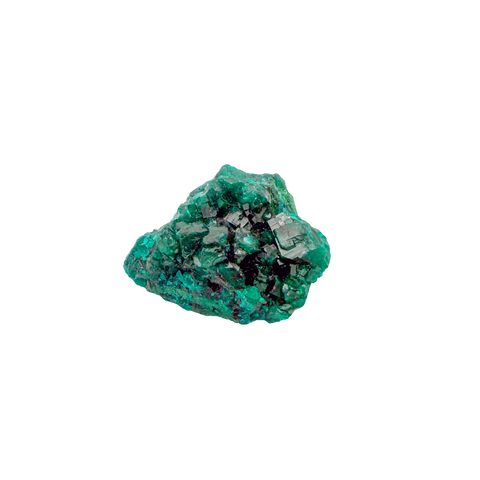
The science: Epidote's yellow-green to olive-green coloration results from iron (Fe³⁺) within its calcium aluminum iron silicate structure (Ca₂Al₃(SiO₄)₃OH). The specific shade depends on Fe³⁺ concentration; higher iron content yields darker, more olive-toned greens. The color is intrinsic to the crystal chemistry and remains stable under normal conditions.
Why this matters when buying: Authentic epidote maintains consistent color saturation across translucent sections; fading indicates possible heat damage or artificial treatment. Natural specimens often show color zoning related to growth patterns or associated minerals. Examine transparency under backlighting, genuine epidote displays semi-transparent to translucent character with visible pleochroism shifting between yellow-green and darker green at different angles.
How Epidote Forms
Low-grade metamorphic and hydrothermal alteration zones.
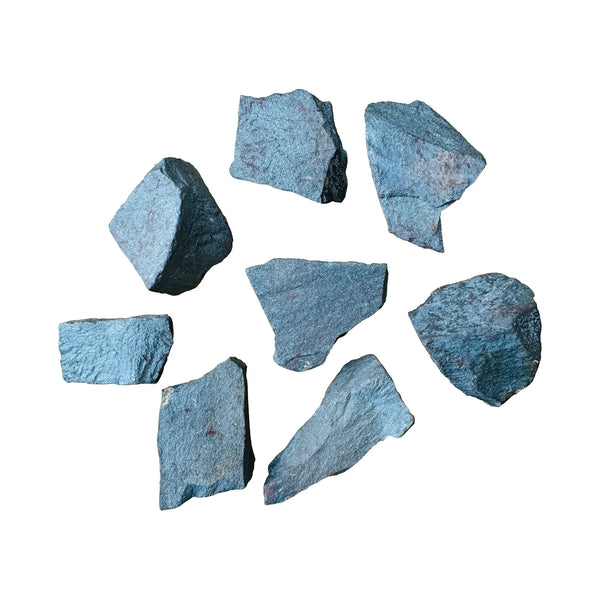
How it's collected: Quarry/open-pit in metamorphic/skarn rock; hand extraction.
Where Epidote Comes From
Primary sources: Austria, Pakistan, Italy, United States, China
Treatments & Market Reality
Market treatment profile: Rare, none typical; Est.. <5% The overall treatment risk for Epidote in the marketplace is rated low.
Naming note: Standard mineral/variety name; trade names vary mainly by color/pattern.
How to Spot Fakes
What to watch for on the market: Glass; dyed stone (where color is intense); synthetic/treated versions in jewelry.
Care & Safety
Meaning & Tradition
The following describes traditional and cultural associations. These are historical and metaphysical in nature, not medical or scientific claims. Beyond Bohemian values both scientific accuracy and cultural heritage.
Historical context: Named from Greek epidosis (“increase”), referring to a crystal form where one face appears enlarged.
In modern crystal traditions, Epidote is associated with: restorative support, goal clarity, emotional balance, grounded presence.
Practitioners also connect it with: restorative support, follow-through support, softening tension.
Correspondences:
- Chakras: Heart, Root
- Elements: Earth
- Planets: Earth
- Zodiac: Gemini
- Intentions: Healing, Manifestation, Emotional Healing, Grounding
How to Work with Epidote
Entry/daily carry: keep near entryway or carry in pocket
Best for: home/altar, meditation space, gentle daily carry
However you choose to work with Epidote, the most important thing is that you're making an informed choice. You know what it's made of, whether it's been treated, and how to care for it. That knowledge is the foundation for a meaningful relationship with any crystal.
Epidote is an excellent choice for beginners. It's widely available, well-documented, and accessible across different price points.
Identification & Authentication
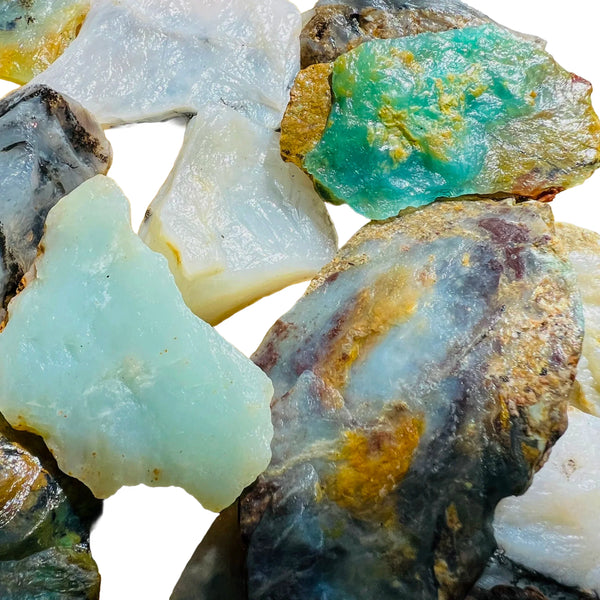
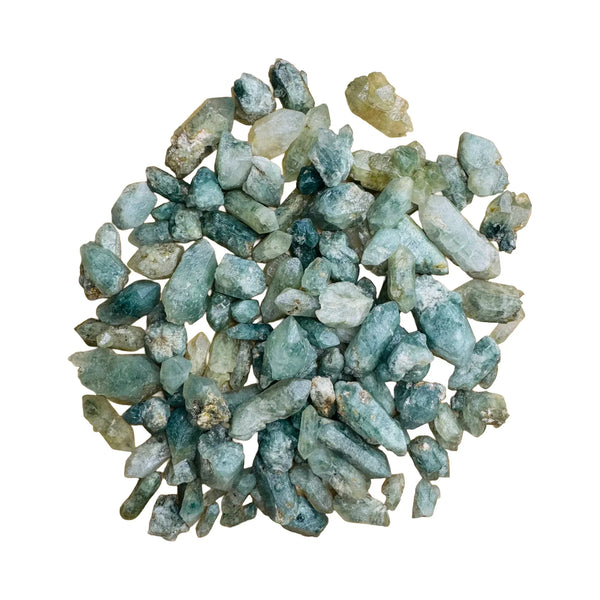
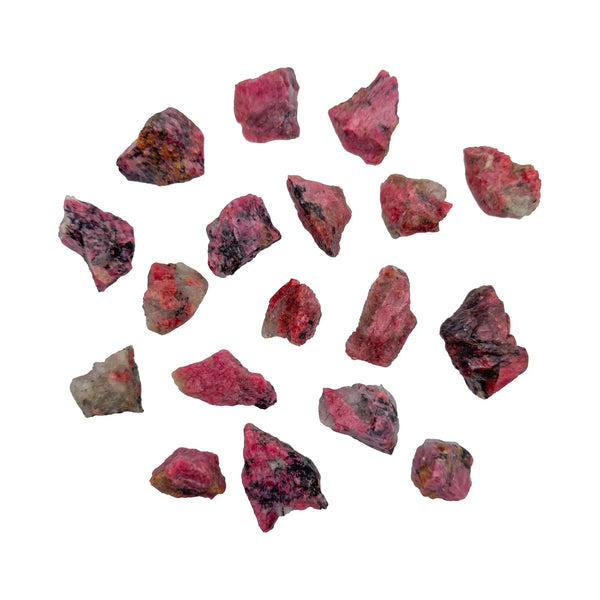
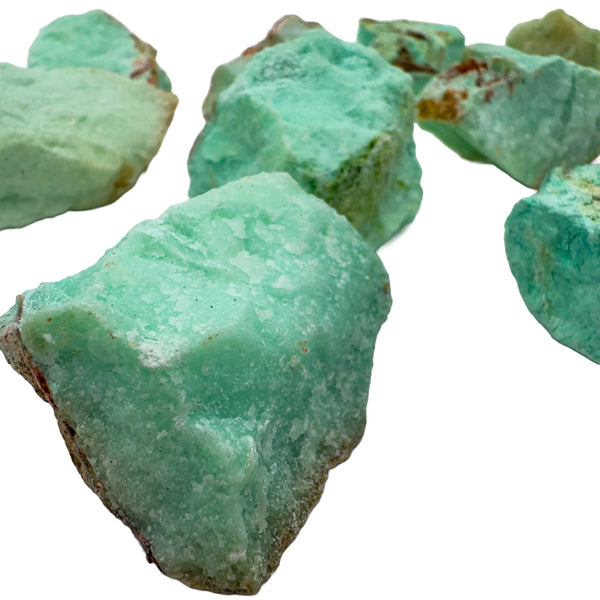
Epidote is a calcium aluminum iron silicate with a Mohs hardness of 6-7. Its color is one of the best identifiers: epidote has a distinctive pistachio to olive green that's hard to confuse with most other minerals. The color comes from iron content, and it's often described as "that specific yellow-green that nothing else quite matches."
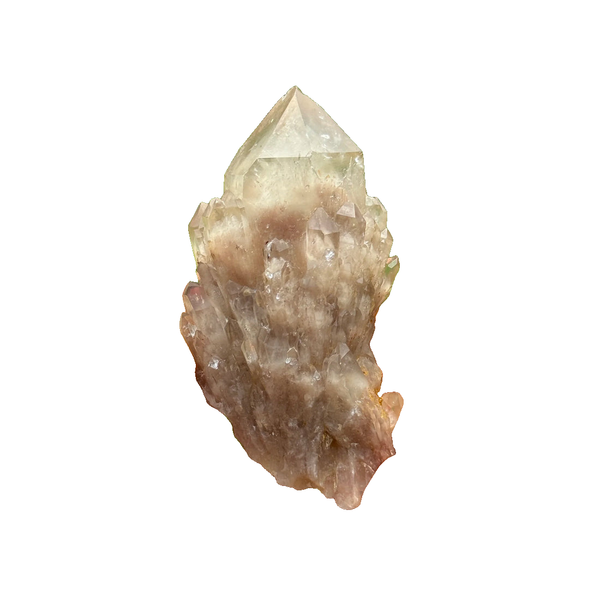
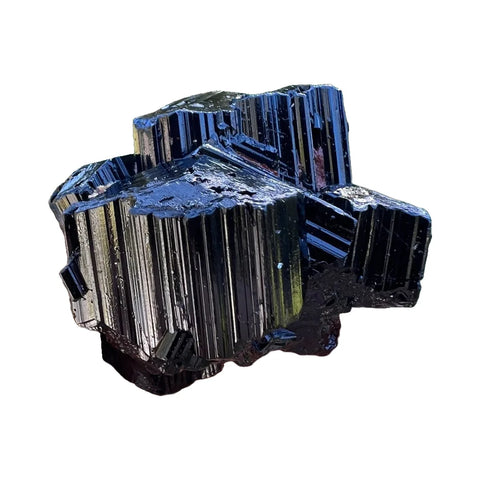
Epidote crystals are typically prismatic and striated (lined along their length). It has one perfect cleavage direction. A key optical property: epidote is strongly pleochroic, meaning it shows different colors (green, brown, yellow) when viewed from different angles.
Epidote is less commonly faked than popular stones, but it can be confused with green tourmaline, actinolite, or diopside. The pistachio color and strong pleochroism together are usually enough to confirm the identification.
Price & Rarity
Typical price range: $-$$$ | Rarity: Common (mineral), Moderate (gem quality)
Epidote specimens range from $5-30 for matrix pieces with good crystal formation. Tumbled epidote runs $3-8. Faceted epidote gems are uncommon due to the stone's cleavage and dark color, and well-cut stones can reach $20-100+ per carat.
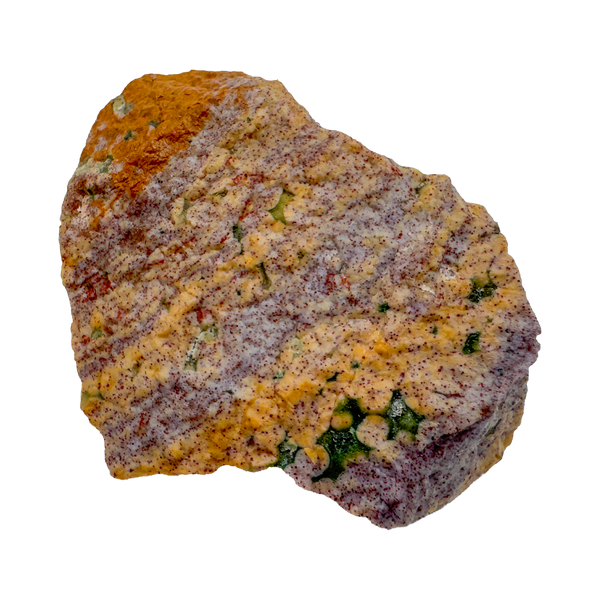
Epidote in quartz (sometimes called "dream quartz") and epidote with prehnite are popular combination specimens that tend to be priced higher than epidote alone. Large, well-formed crystal clusters from Pakistan or Alaska are the most collectible.
Sourcing & Ethics
Epidote is found globally, with notable sources in Pakistan (particularly the Balochistan region), Austria (the type locality at Knappenwand), Peru, Mozambique, Norway, and Alaska. Pakistani material tends to produce the finest crystal specimens.
Most epidote mining is small-scale and artisanal. Austrian epidote from the classic locality is well-documented. Alaskan epidote from Prince of Wales Island is collected under US mining regulations with good documentation.
Epidote doesn't face significant ethical concerns in sourcing. It's not a high-value target mineral, and most operations are small enough that the environmental footprint is minimal.
Written by
Paul Oliver, Founder of Beyond Bohemian
Every entry in this crystal guide is researched, written, and reviewed by Paul Oliver, the founder of Beyond Bohemian. With years of hands-on experience sourcing ethically mined crystals, visiting mines, and building relationships with artisan partners across the globe, Paul writes these guides to give you the honest, grounded information you won't find on most crystal sites. No recycled metaphysical claims, just real knowledge from someone who handles these stones every day.
Frequently Asked Questions
Written by
Paul Oliver, Founder of Beyond Bohemian
Every entry in this crystal guide is researched, written, and reviewed by Paul Oliver, the founder of Beyond Bohemian. With years of hands-on experience sourcing ethically mined crystals, visiting mines, and building relationships with artisan partners across the globe, Paul writes these guides to give you the honest, grounded information you won't find on most crystal sites. No recycled metaphysical claims, just real knowledge from someone who handles these stones every day.