


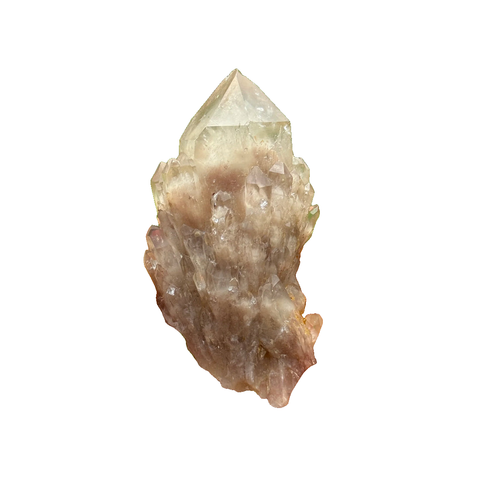
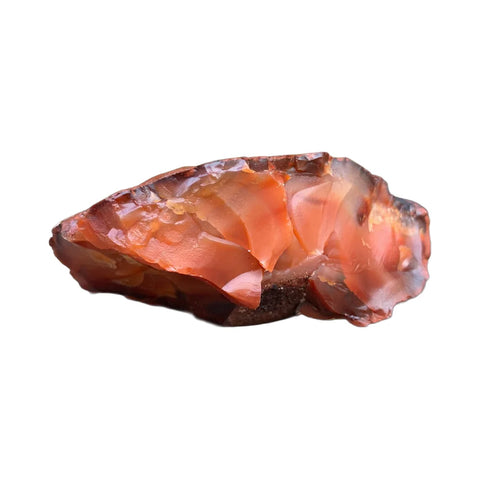
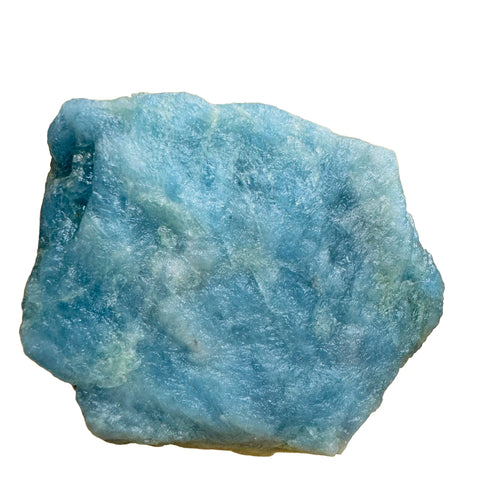
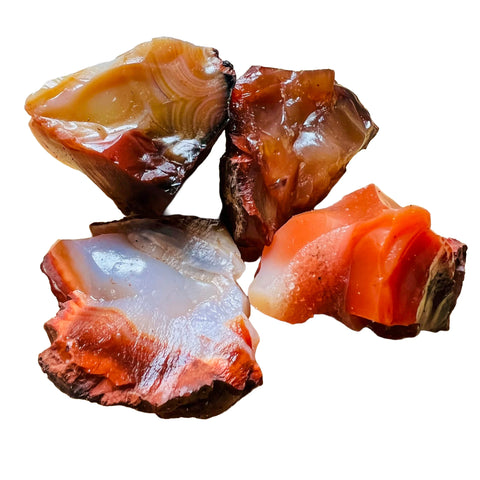


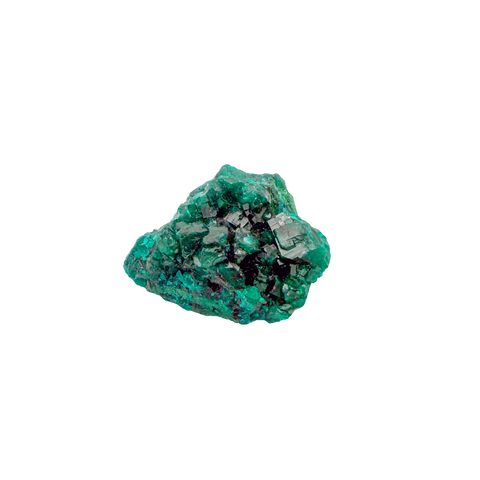
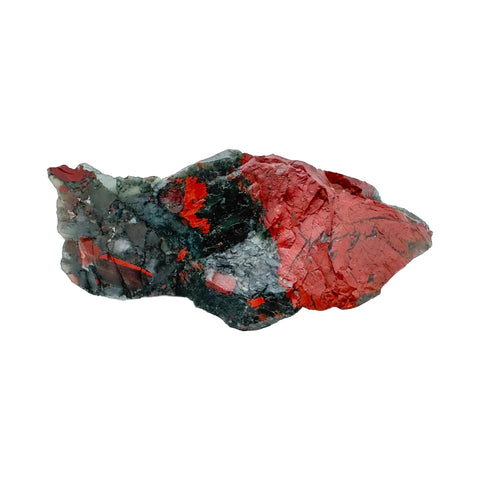
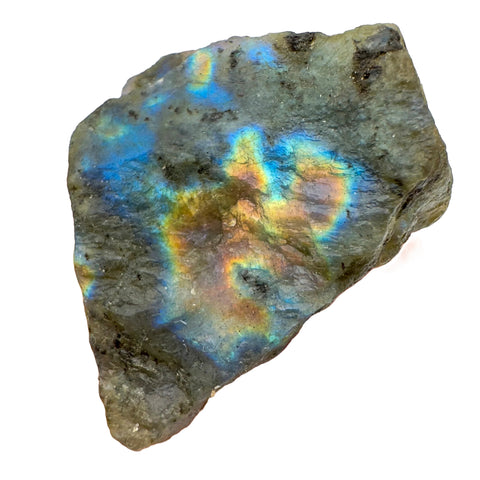
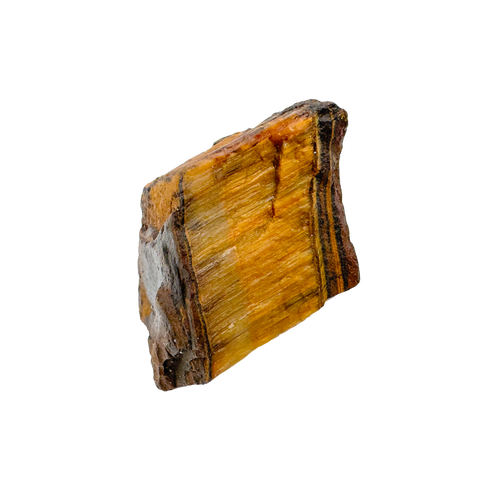
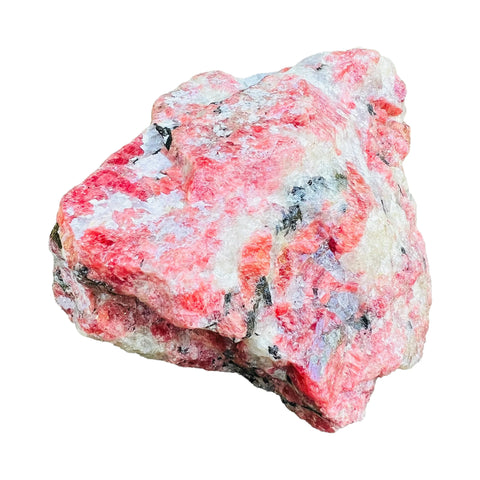
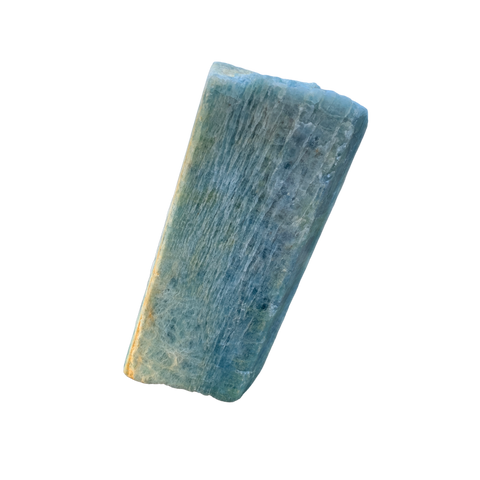
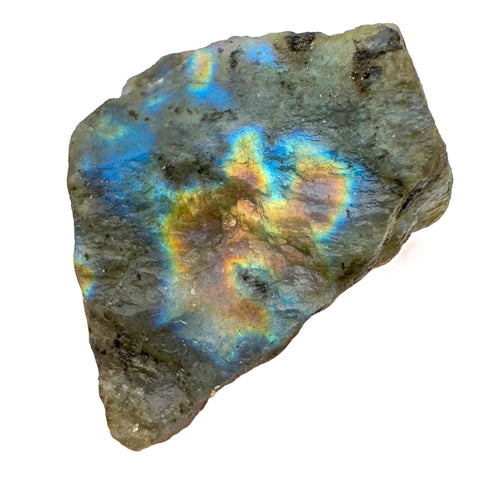
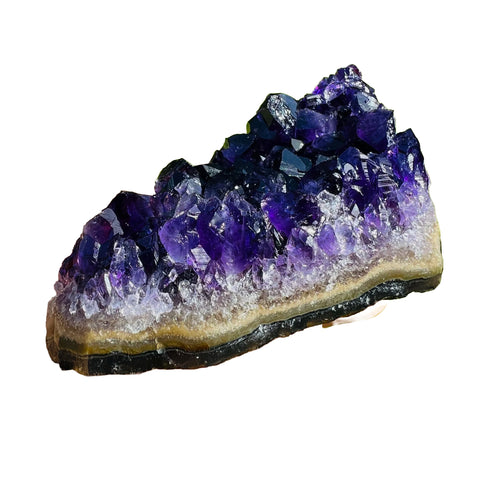



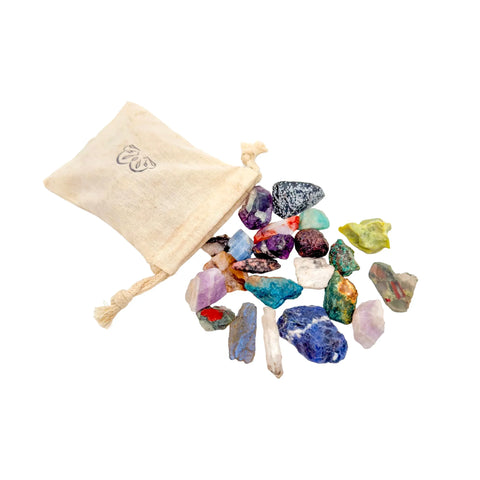


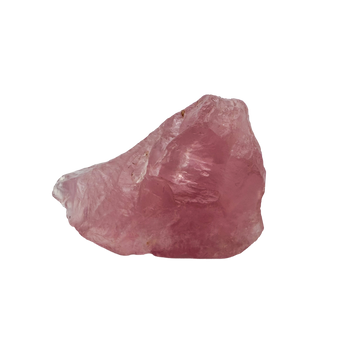
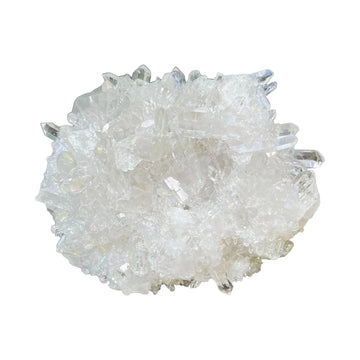
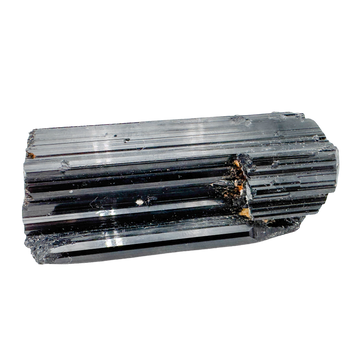
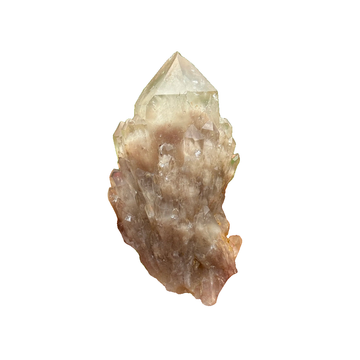
 Raw Stones
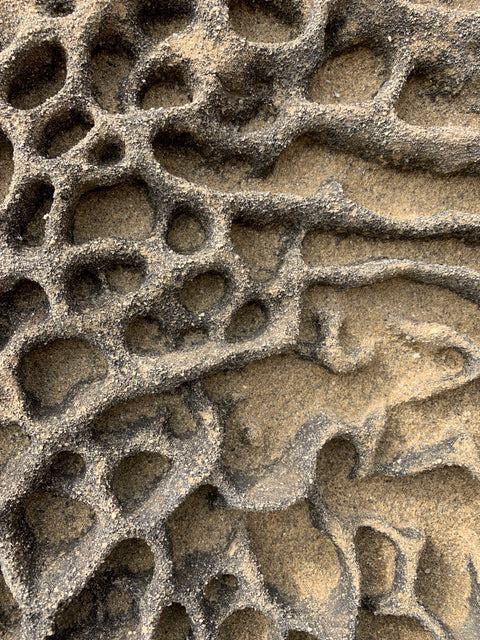
179 pieces
Raw Stones
179 pieces
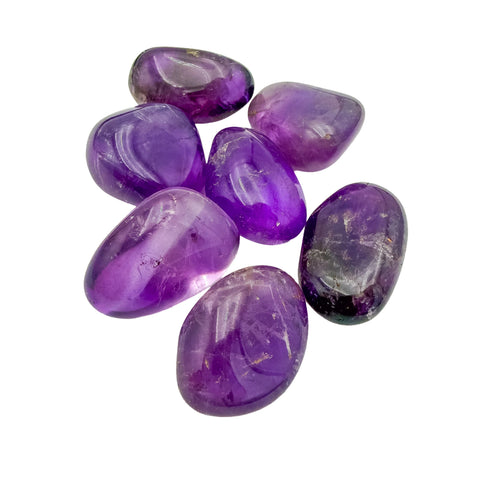
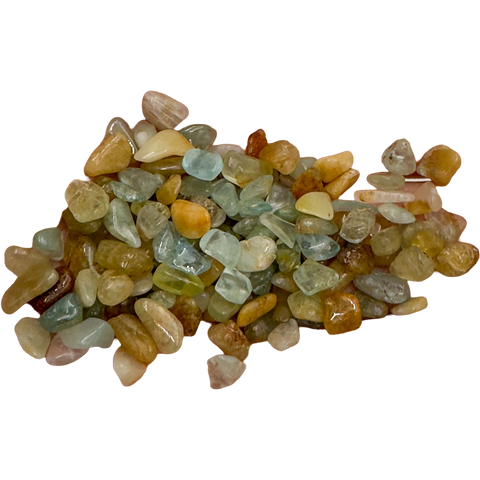
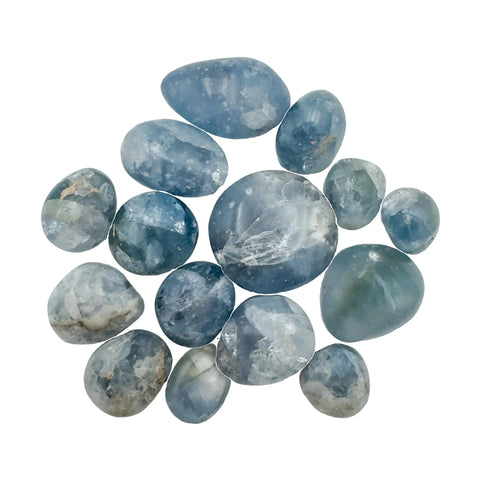
 Tumbled Stones
162 pieces
Tumbled Stones
162 pieces
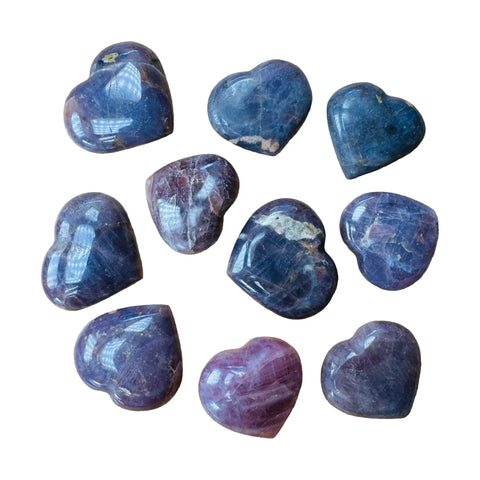
 Palm Stones
25 pieces
Palm Stones
25 pieces
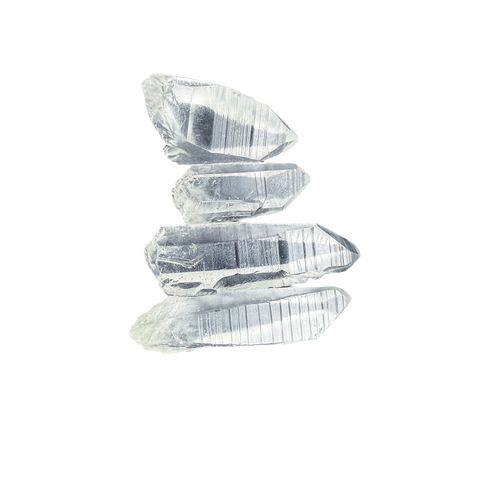
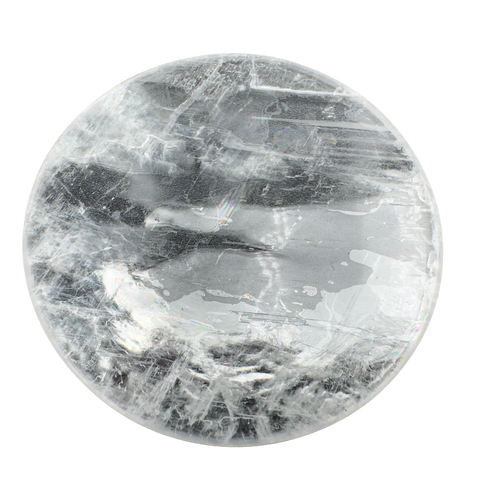
 Crystal Points
23 pieces
Crystal Points
23 pieces
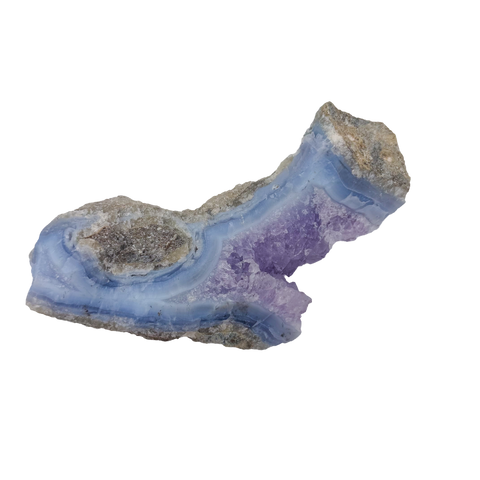
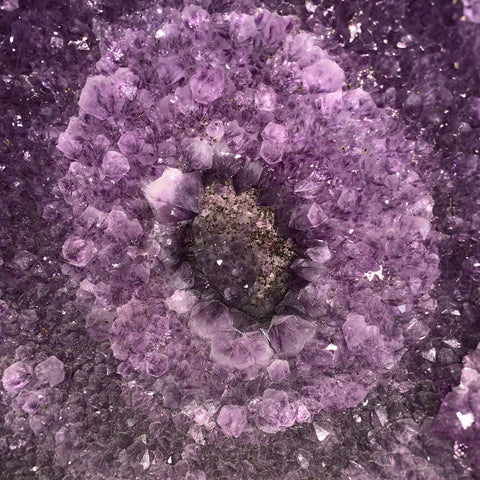
 Clusters & Geodes
104 pieces
Clusters & Geodes
104 pieces
 Polished & Decor
148 pieces
Polished & Decor
148 pieces
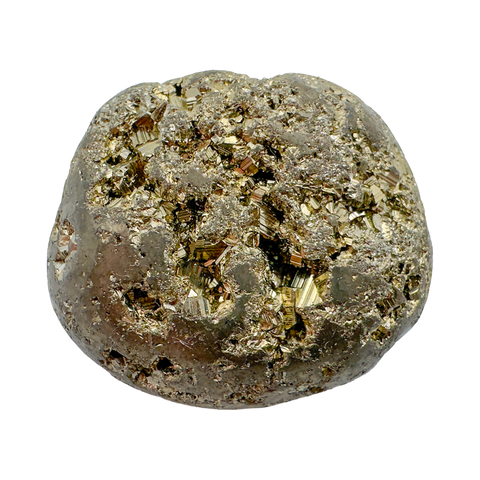
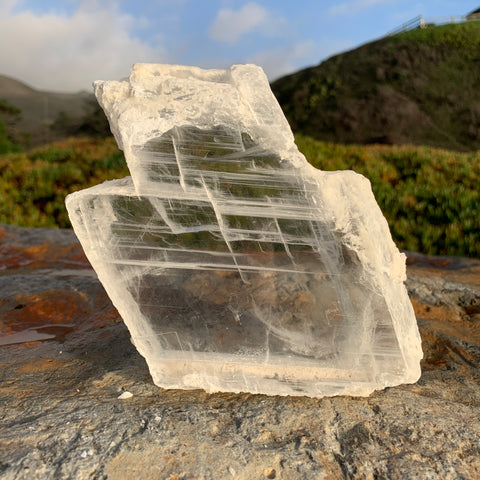
 Mineral Specimens
259 collector pieces
Mineral Specimens
259 collector pieces
 Crystal Chips
21 pieces
Browse everything
Every collection, one page.
View All Collections →
Crystal Chips
21 pieces
Browse everything
Every collection, one page.
View All Collections →


 Aries
Mar 21 – Apr 19
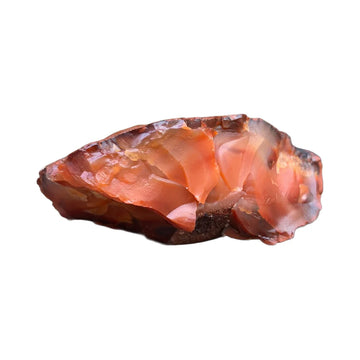
Carnelian
›
Aries
Mar 21 – Apr 19
Carnelian
›
 Taurus
Apr 20 – May 20
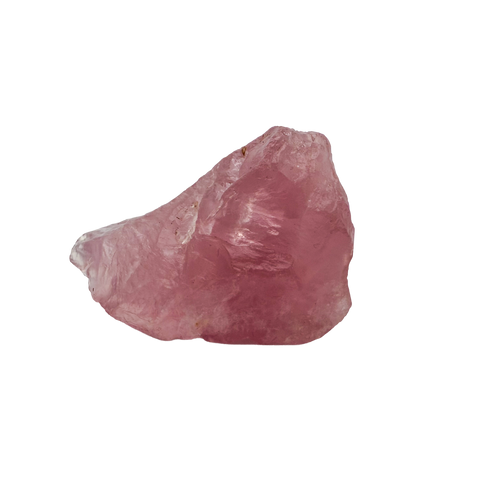
Rose Quartz
›
Taurus
Apr 20 – May 20
Rose Quartz
›
 Gemini
May 21 – Jun 20
Agate
›
Gemini
May 21 – Jun 20
Agate
›
 Cancer
Jun 21 – Jul 22
Moonstone
›
Cancer
Jun 21 – Jul 22
Moonstone
›
 Leo
Jul 23 – Aug 22
Citrine
›
Leo
Jul 23 – Aug 22
Citrine
›
 Virgo
Aug 23 – Sep 22
Amazonite
›
Virgo
Aug 23 – Sep 22
Amazonite
›
 Libra
Sep 23 – Oct 22
Blue Lace Agate
›
Libra
Sep 23 – Oct 22
Blue Lace Agate
›
 Scorpio
Oct 23 – Nov 21
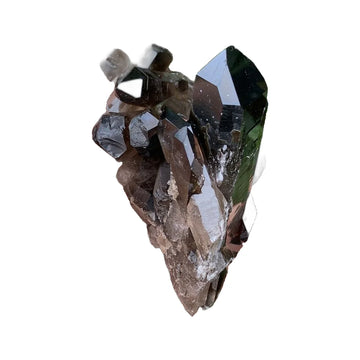
Obsidian
›
Scorpio
Oct 23 – Nov 21
Obsidian
›
 Sagittarius
Nov 22 – Dec 21
Sodalite
›
Sagittarius
Nov 22 – Dec 21
Sodalite
›
 Capricorn
Dec 22 – Jan 19
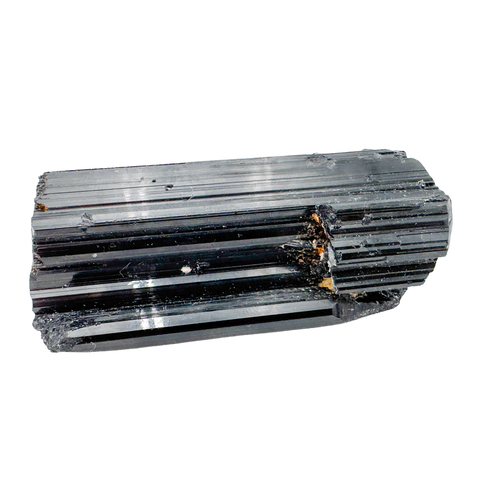
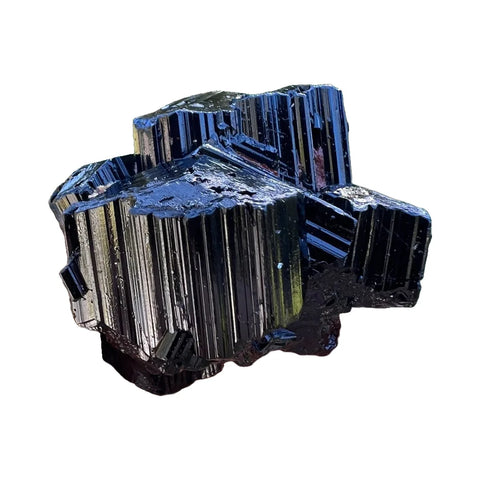
Black Tourmaline
›
Capricorn
Dec 22 – Jan 19
Black Tourmaline
›
 Aquarius
Jan 20 – Feb 18
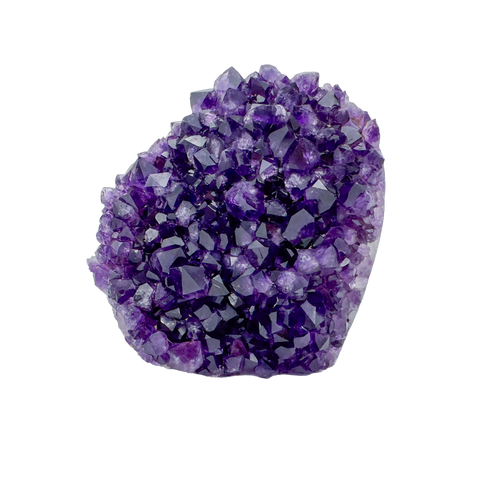
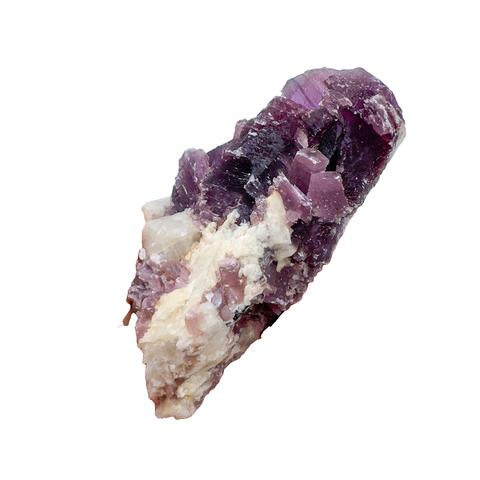
Amethyst
›
Aquarius
Jan 20 – Feb 18
Amethyst
›
 Pisces
Feb 19 – Mar 20
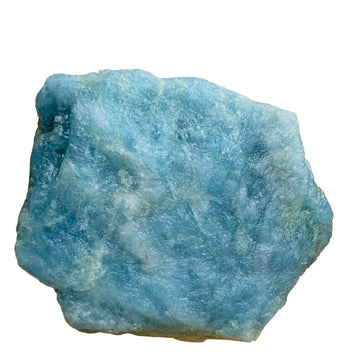
Aquamarine
›
Gifting?
A birthday stone is the safe bet.
Read the zodiac guide →
Pisces
Feb 19 – Mar 20
Aquamarine
›
Gifting?
A birthday stone is the safe bet.
Read the zodiac guide →




Shiva Lingam
Shiva Lingam is not a mineral species but a sacred shape: egg-form stones of cryptocrystalline quartz, close kin to agate and jasper, gathered and hand-polished from India's Narmada River. Tan and brown with reddish markings, they are among the most revered stones in Hindu tradition. Many people work with them for vitality, balance, and grounding.
The geology.
Shiva Lingam is defined by its shape and its source rather than by a single mineral name. The stones are cryptocrystalline quartz, a mix of chalcedony, jasper, and agate, colored tan and brown with reddish or gray markings from iron oxides and traces of basalt from the surrounding rock. In short, the material is close kin to agate and jasper, hardened silica.
What makes a Shiva Lingam is the egg or bullet form and the river that yields it. Pebbles of this banded, quartz-rich stone are collected from the Narmada River, then hand-ground and polished into the smooth, rounded shape. As cryptocrystalline quartz the material is hard, around 7 on the Mohs scale, with a smooth, waxy polish.
The origins.
Authentic Shiva Lingam stones come from one place: the Narmada River, one of the seven sacred rivers of Hinduism, which flows through Madhya Pradesh in central India. Villagers gather the naturally tumbled pebbles from the riverbed, especially around Mandhata and the temple town of Omkareshwar, and shape them by hand.
The cryptocrystalline quartz is genuine and locally sourced, but every finished Shiva Lingam is hand-carved and polished into its egg form, so the shape is human work on natural stone. The coloring is natural, from the iron-rich silica and basalt of the region. Because the shaping is skilled hand labor, finish and quality vary from piece to piece.
Traditional associations.
The Shiva Lingam is one of the most sacred forms in Hinduism, representing Lord Shiva and, in its rounded shape, the union of masculine and feminine, Shiva and Shakti. Pilgrims have honored lingam stones from the Narmada for centuries, and the egg shape carries deep devotional meaning far beyond the crystal market.
In modern crystal practice, many people work with Shiva Lingam around vitality, balance, and grounding, drawing on its root associations. It is most often linked to the Root and Sacral chakras and the element of Earth. Out of respect, it helps to remember that for many people this is first a sacred religious object, not simply a decorative stone.
Spotting the real thing.
A genuine Narmada Shiva Lingam is a hard cryptocrystalline quartz egg, tan to brown with natural reddish or gray markings, smooth and cool to the touch with a waxy polish. Because the material is around 7 on the Mohs scale, it resists scratching from a steel blade, unlike softer imitations.
Watch for painted or dyed markings, which can look too red and too even, and for eggs made of other materials, from softer stone to resin, sold under the name. Authentic stones are hand-shaped, so small irregularities are normal and expected rather than flaws. Ask for Narmada River origin and natural coloring.
Care & handling.
Shiva Lingam is durable and easy to live with. At about 7 on the Mohs scale it resists scratches and is water safe for a brief rinse, which suits its origin as a river stone. It handles regular handling well, which is fitting, since many are used devotionally and held often.
Clean it with warm water and a soft cloth, and avoid harsh chemicals, which are unnecessary for such a stable stone. Store it away from harder gems to protect the polish. Because many people regard it as sacred, some prefer to keep it on an altar or clean cloth and to cleanse it with water, incense, or sound.
Pairs well with.
A deeper look.
Extended geology, sourcing, authentication, history, and varieties, for when the quick guide isn't quite enough.
Extended geology
The material of a Shiva Lingam is cryptocrystalline quartz, meaning silica built from crystals too small to see, the same broad family as agate, jasper, and chalcedony. The tan to brown body with red and gray banding comes from iron oxides and fine intergrowths, with some basalt from the volcanic rock of the Narmada basin. Because it is a natural river stone, each piece has a slightly different pattern.
As a quartz material it has a hardness of about 7 on the Mohs scale, a conchoidal fracture, and a waxy to vitreous luster once polished. Specific gravity sits near 2.6. These are the properties that let a real Shiva Lingam take and hold a smooth, hard-wearing polish.
Extended sourcing
Shiva Lingam stones are collected from the Narmada River in Madhya Pradesh, central India, particularly around Mandhata and Omkareshwar. Local people gather suitable pebbles from the riverbed during the dry season and then grind and polish them by hand into the traditional egg shape. This makes the stones both a natural product and a piece of hand craft.
Because the work is manual and tied to one river system, output is limited by season and labor rather than by industrial mining. Larger, well-proportioned eggs with clean natural markings take more time and skill to shape and are correspondingly less common.
Authentication and warning signs
Genuine Narmada Shiva Lingams are hard, cool, and smooth, with natural, slightly irregular red-brown markings and a quartz hardness that resists a steel blade. The strongest warning signs are painted or dyed markings that look too vivid and uniform, and lightweight or soft eggs that suggest resin or a different stone.
Because authentic pieces are hand-shaped, minor asymmetry is expected and is not a fault. A seller who confirms Narmada River origin, natural coloring, and hand shaping, and who does not overstate the stone as flawless, is a good sign.
History and folklore
In Hindu tradition the lingam is a sacred symbol of Lord Shiva, and the naturally occurring stones of the Narmada, sometimes called Banalingas, are especially revered and used in worship. The Narmada itself is counted among the holy rivers of India, which deepens the significance of stones drawn from it.
This religious meaning long predates the modern crystal market. When Shiva Lingams are sold as tumbled or polished stones, they carry that devotional history with them, which is why many people treat them with particular respect rather than as ordinary decorative pieces.
Varieties and forms
Small pocket eggs: the most common and affordable, a few centimeters long.
Large altar and display lingams: bigger hand-shaped eggs, prized for even form and clear natural banding.
Higher-grade markings: pieces with crisp, well-distributed natural red-brown patterning are the most sought after.
Beware of dyed or resin imitations and of unrelated stones marketed under the Shiva Lingam name.
What it costs in the market
Shiva Lingam stones are inexpensive at the small pocket size and climb with size, symmetry, polish, and the quality of natural markings. Large, well-shaped altar pieces with clean banding are the priciest. Value is driven by size and proportion, the beauty and authenticity of the coloring, and the quality of the hand finish.
An education-first guide.
We don't currently carry Shiva Lingam stones, so there's nothing to sell you here. This guide exists because the more you understand a stone, the better every decision you make about it becomes, wherever you buy it. Explore the rest of our crystal guides for stones we do source, each with full origin and treatment notes.
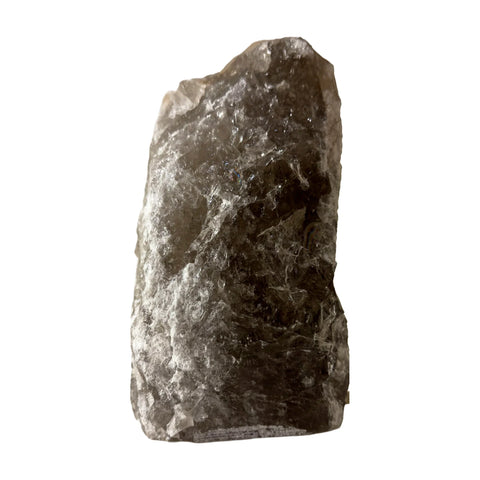
Explore the Crystal GuideLove Shiva Lingam? Meet Smoky Quartz.
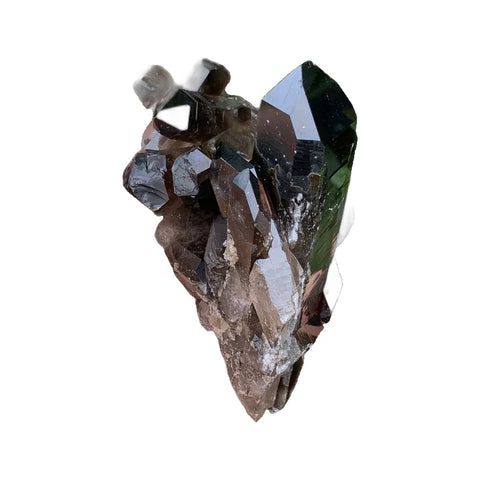
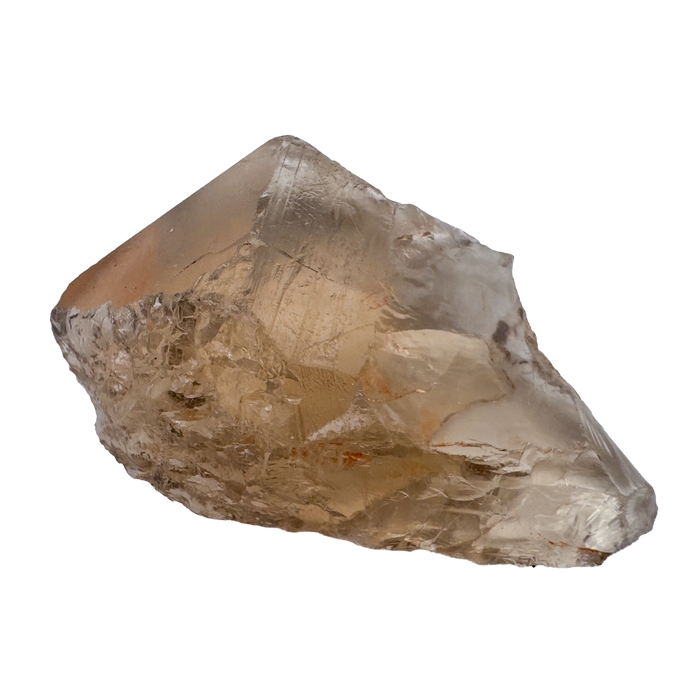
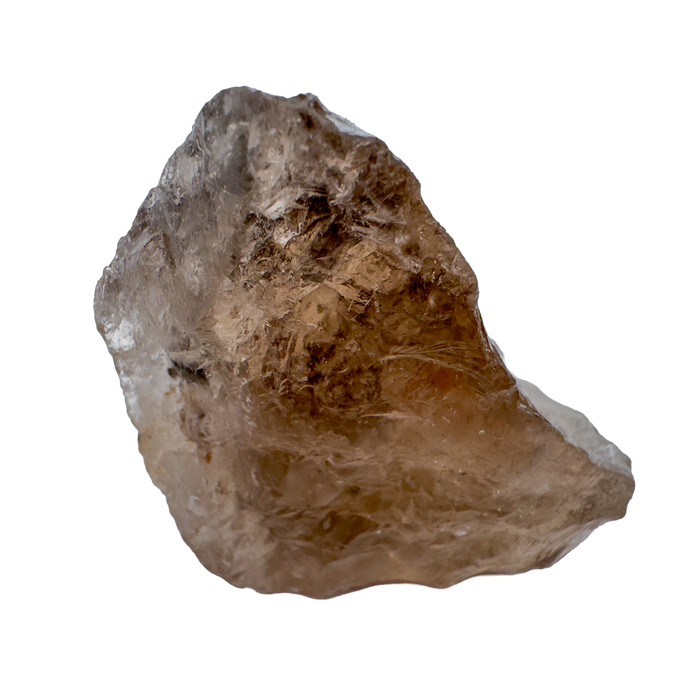
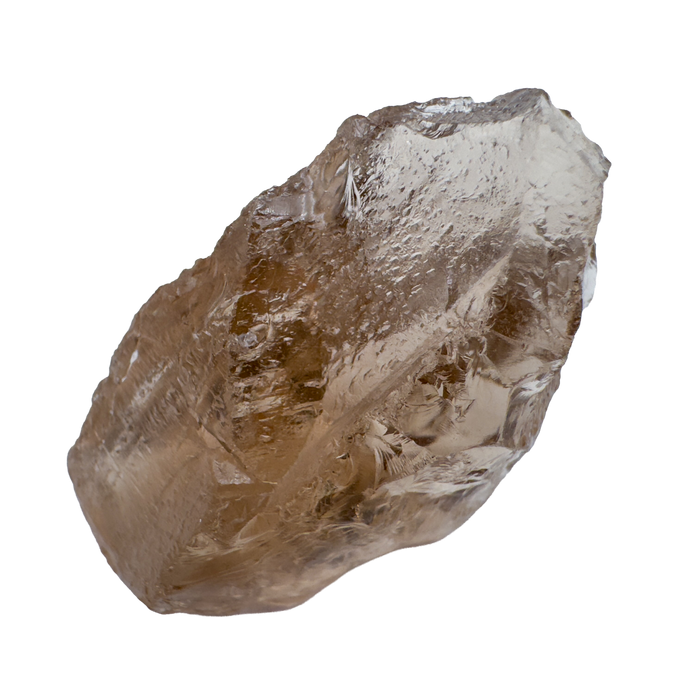
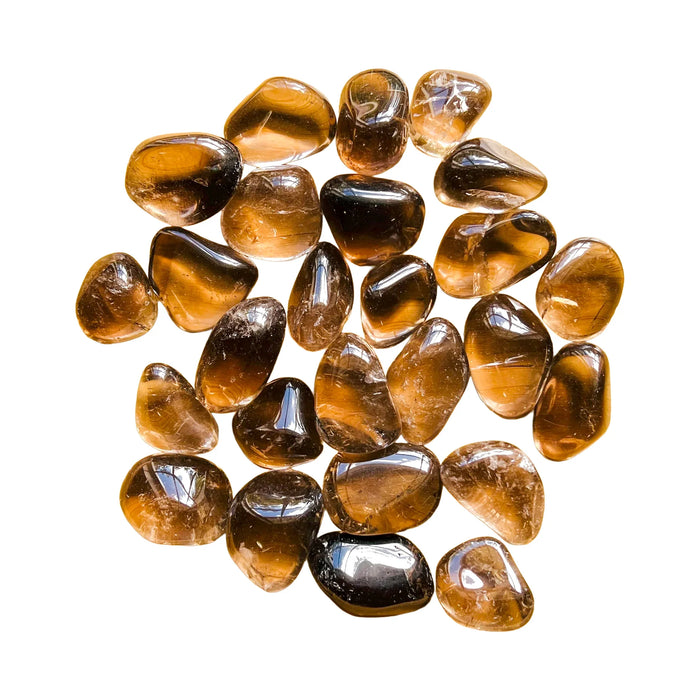
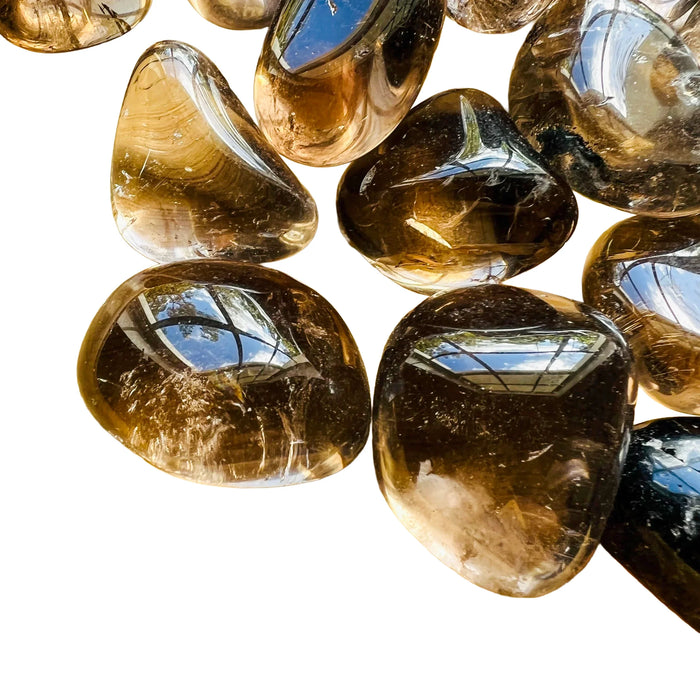
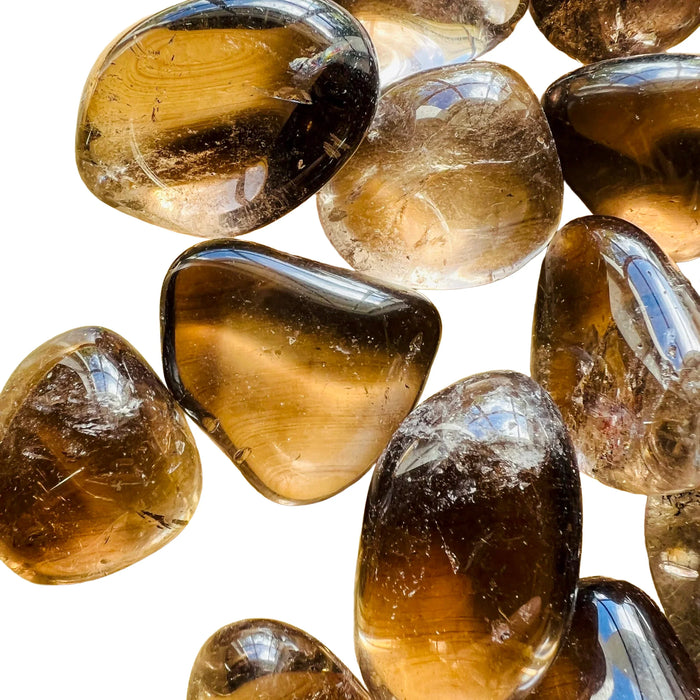
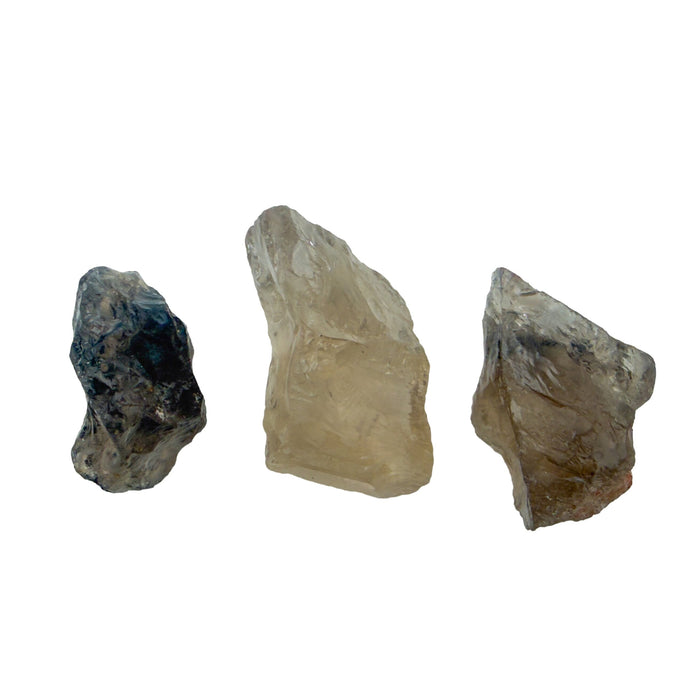
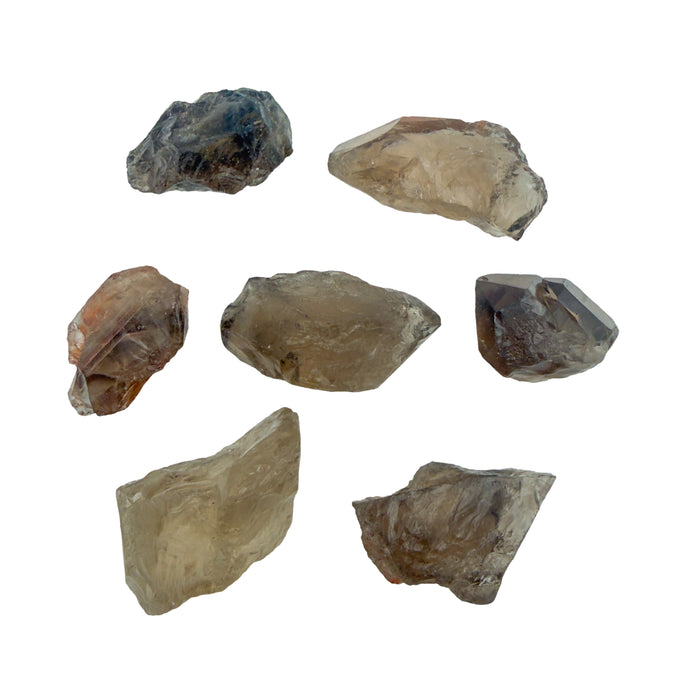
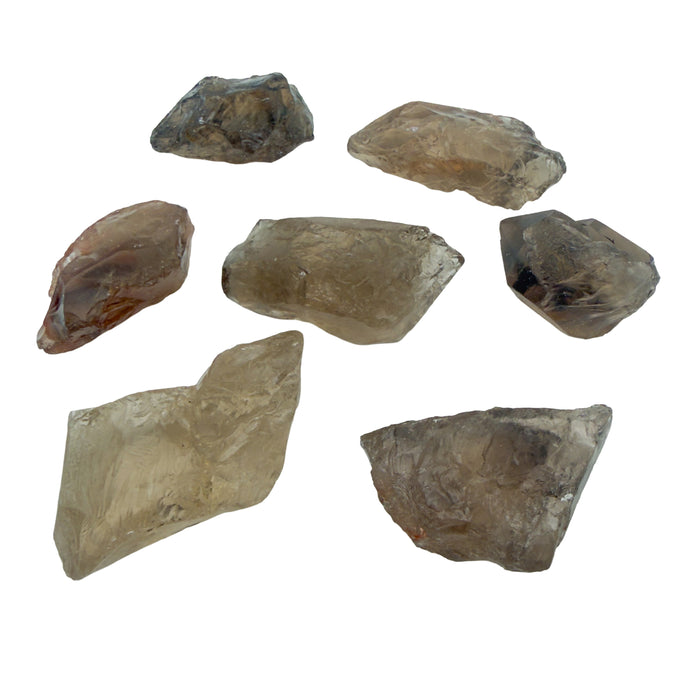
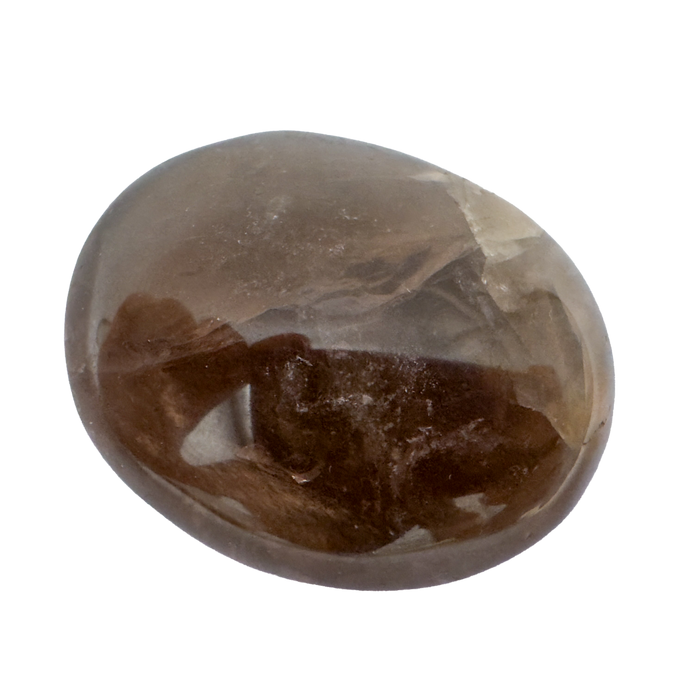
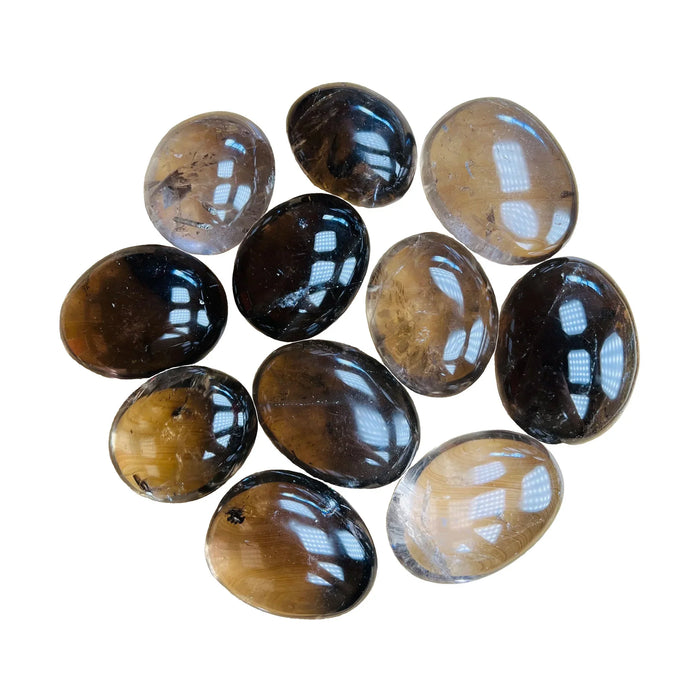
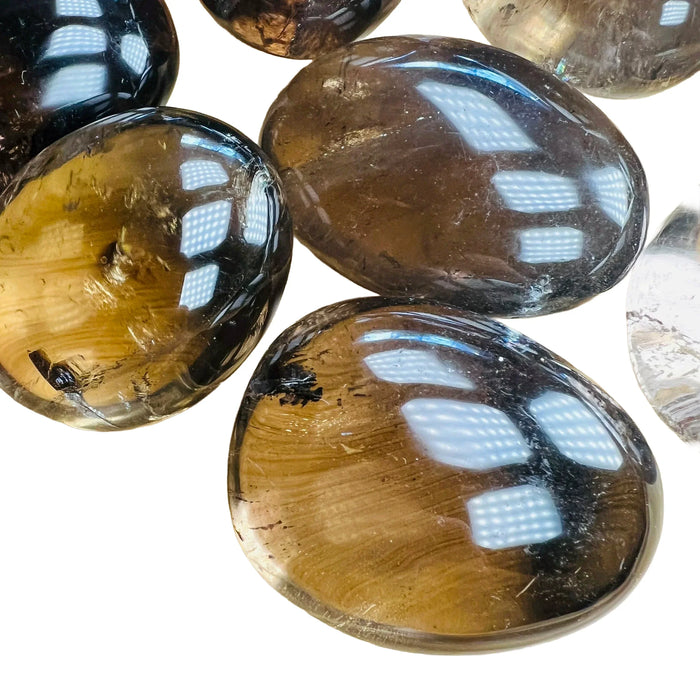
Shiva Lingam is not something we carry. Smoky Quartz is the closest match in color, and every piece passes our sourcing standards: origin named, treatments disclosed.
- from 1,000+ reviews
- Ships within 72 hoursMonday to Friday, tracked
- 90 days to return itif you do not love it
- Free US shipping over $99$8.99 flat rate under
The Slow Note
New stones go to the list first.
No forwarding, no selling. Unsubscribe in one click. Privacy