









 Agatefor stress relief
 Amazonitefor stress relief
 Aquamarinefor serenity
 Aventurinefor luck
 Bloodstonefor energy
 Blue Kyanitefor confidence
 Blue Lace Agatefor stress relief
 Chrysocollafor emotional healing
 Fluoritefor focus
 Garnetfor energy
 Lepidolitefor stress relief
 Malachitefor emotional healing
 Moonstonefor grounding
 Obsidianfor protection
 Ocean Jasperfor emotional healing
 Red Jasperfor grounding
 Rhodonitefor emotional healing
 Selenitefor cleansing
 Sodalitefor focus
 Tiger Eyefor confidence








































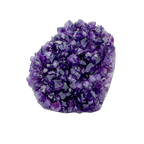 Amethyst
 Clear Quartz
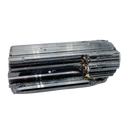 Black Tourmaline
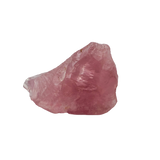 Rose Quartz
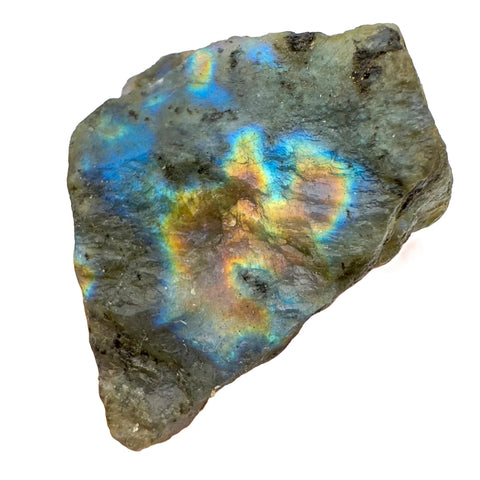
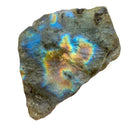 Labradorite
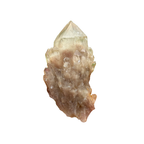 Natural Citrine
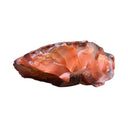 Carnelian
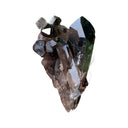 Smoky Quartz
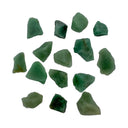 Aventurine
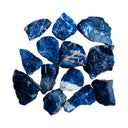 Sodalite
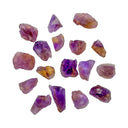 Ametrine
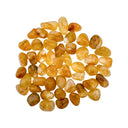 Golden Healer
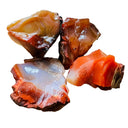 Raw Stones
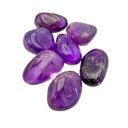 Tumbled Stones
 Palm Stones
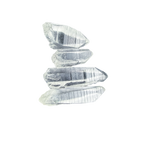 Crystal Points
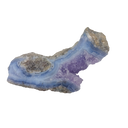 Clusters & Geodes
 Polished & Decor
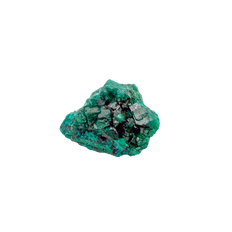 Mineral Specimens
 Crystal Chips




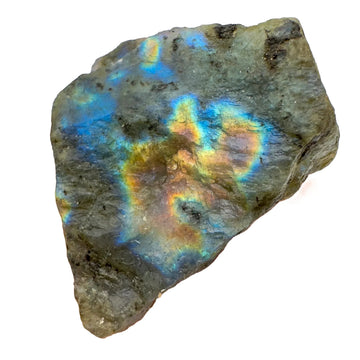



 Raw Stones
179 to choose from
Raw Stones
179 to choose from
 Tumbled Stones
162 to choose from
Tumbled Stones
162 to choose from
 Palm Stones
25 to choose from
Palm Stones
25 to choose from
 Crystal Points
23 to choose from
Crystal Points
23 to choose from
 Clusters & Geodes
101 to choose from
Clusters & Geodes
101 to choose from
 Polished & Decor
148 to choose from
Polished & Decor
148 to choose from
 Mineral Specimens
254 to choose from
Mineral Specimens
254 to choose from
 Crystal Chips
21 to choose from
Crystal Chips
21 to choose from


 AngolaAquamarine
›
AngolaAquamarine
›
 BotswanaCarnelian, Tree Agate
›
BotswanaCarnelian, Tree Agate
›
 DR CongoMalachite, Natural Citrine
›
DR CongoMalachite, Natural Citrine
›
 EswatiniBloodstone
›
EswatiniBloodstone
›
 MadagascarLabradorite, Clear Quartz
›
MadagascarLabradorite, Clear Quartz
›
 MalawiBlue Lace Agate, Garnet
›
MalawiBlue Lace Agate, Garnet
›
 MozambiqueAmazonite
›
MozambiqueAmazonite
›
 NamibiaSodalite, Blue Lace Agate
›
NamibiaSodalite, Blue Lace Agate
›
 Republic of the CongoDioptase
›
Republic of the CongoDioptase
›
 South AfricaTiger Eye, Unakite
›
South AfricaTiger Eye, Unakite
›
 ZambiaChevron Amethyst
›
ZambiaChevron Amethyst
›
 ZimbabweEmerald, Rhodonite
›
ZimbabweEmerald, Rhodonite
›
 ArgentinaBlack Obsidian, Rhodochrosite
›
ArgentinaBlack Obsidian, Rhodochrosite
›
 BoliviaAmetrine
›
BoliviaAmetrine
›
 BrazilAmethyst, Clear Quartz
›
BrazilAmethyst, Clear Quartz
›
 PeruSerpentine, Jade
›
PeruSerpentine, Jade
›
 UruguayAmethyst
›
UruguayAmethyst
›
 Dominican RepublicLarimar
›
Dominican RepublicLarimar
›
 MexicoRainbow Obsidian, Crazy Lace Agate
›
MexicoRainbow Obsidian, Crazy Lace Agate
›
 United StatesSelenite, Peridot
›
United StatesSelenite, Peridot
›
 ChinaFluorite
›
ChinaFluorite
›
 RussiaShungite
›
RussiaShungite
›
 AustraliaMookaite
›
AustraliaMookaite
›
 Where our crystals come from
See where we source →
Where our crystals come from
See where we source →


 Aries
Mar 21 to Apr 19
Carnelian
›
Aries
Mar 21 to Apr 19
Carnelian
›
 Taurus
Apr 20 to May 20
Rose Quartz
›
Taurus
Apr 20 to May 20
Rose Quartz
›
 Gemini
May 21 to Jun 20
Agate
›
Gemini
May 21 to Jun 20
Agate
›
 Cancer
Jun 21 to Jul 22
Moonstone
›
Cancer
Jun 21 to Jul 22
Moonstone
›
 Leo
Jul 23 to Aug 22
Citrine
›
Leo
Jul 23 to Aug 22
Citrine
›
 Virgo
Aug 23 to Sep 22
Amazonite
›
Virgo
Aug 23 to Sep 22
Amazonite
›
 Libra
Sep 23 to Oct 22
Blue Lace Agate
›
Libra
Sep 23 to Oct 22
Blue Lace Agate
›
 Scorpio
Oct 23 to Nov 21
Obsidian
›
Scorpio
Oct 23 to Nov 21
Obsidian
›
 Sagittarius
Nov 22 to Dec 21
Sodalite
›
Sagittarius
Nov 22 to Dec 21
Sodalite
›
 Capricorn
Dec 22 to Jan 19
Black Tourmaline
›
Capricorn
Dec 22 to Jan 19
Black Tourmaline
›
 Aquarius
Jan 20 to Feb 18
Amethyst
›
Aquarius
Jan 20 to Feb 18
Amethyst
›
 Pisces
Feb 19 to Mar 20
Aquamarine
›
Gifting?
A birthday stone is the safe bet.
Read the zodiac guide →
Pisces
Feb 19 to Mar 20
Aquamarine
›
Gifting?
A birthday stone is the safe bet.
Read the zodiac guide →


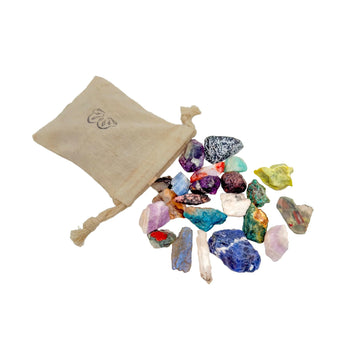










Shungite
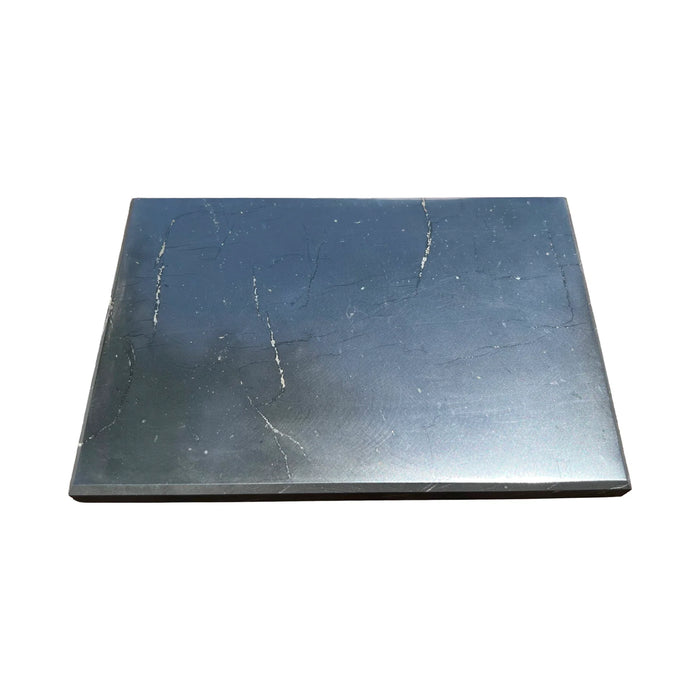
Shungite is a rare black carbon-rich rock found almost exclusively near Lake Onega in Russia's Karelia region. Its unusual structure contains fullerenes (soccer-ball-shaped carbon molecules) and it's the only known natural source of them. Traditionally associated with grounding, protection, and a quieter kind of clearing, it's got a distinctly specific regional story worth understanding.
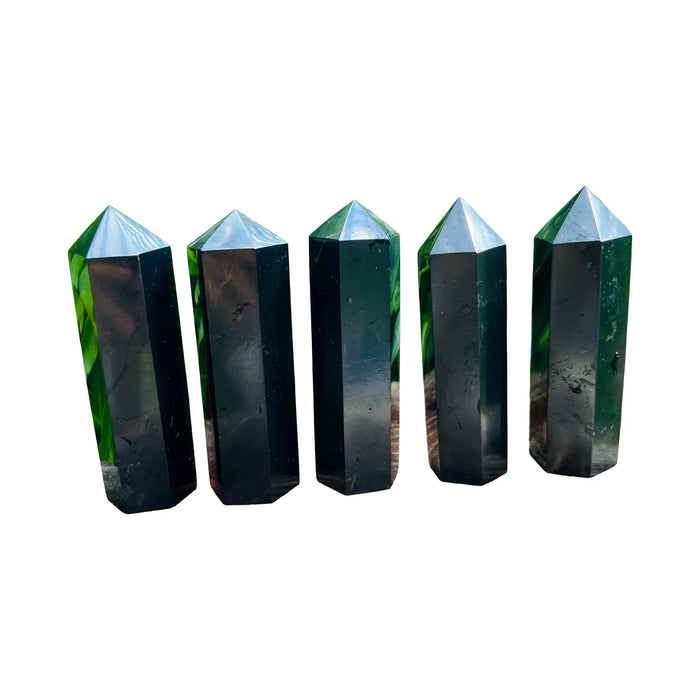
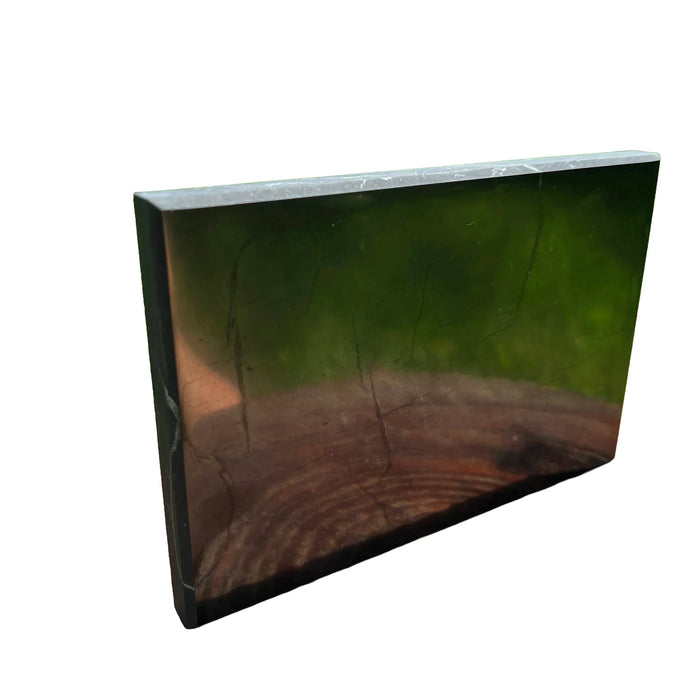
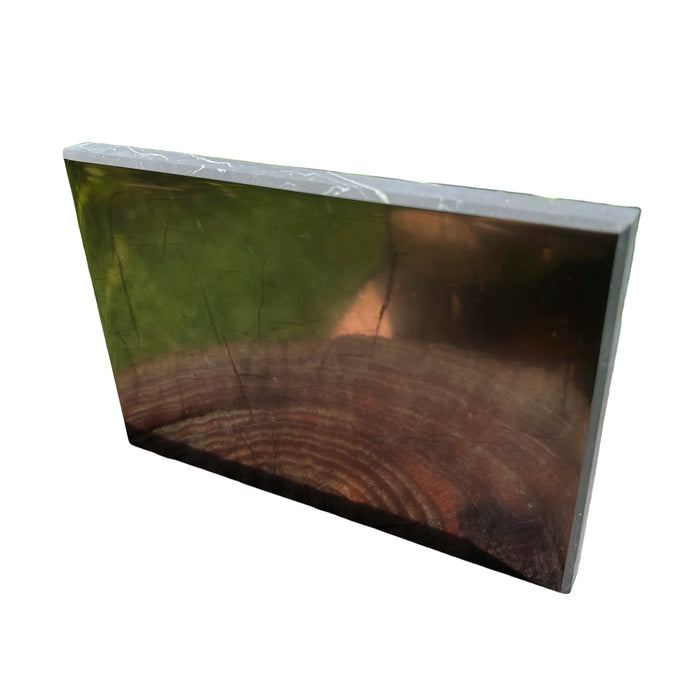
Shop shungiteShungite, in stock now.
Our most-loved Shungite pieces, ready to ship.
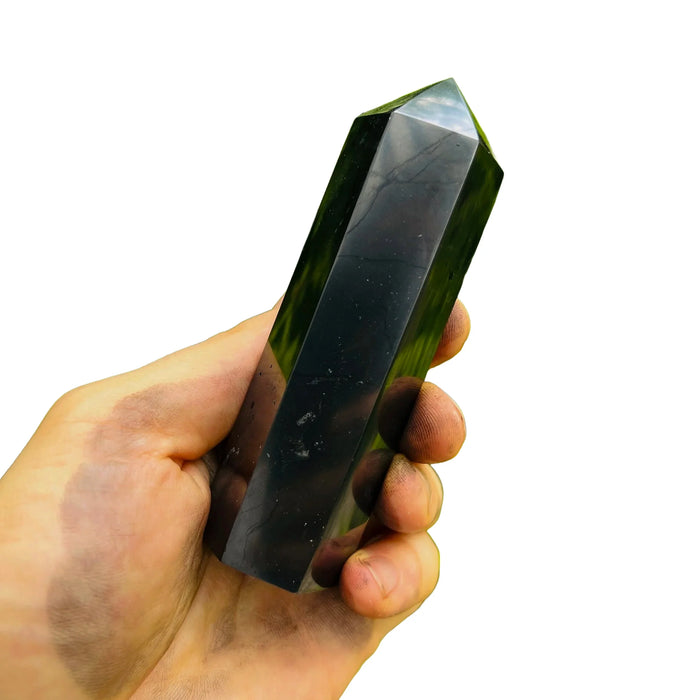
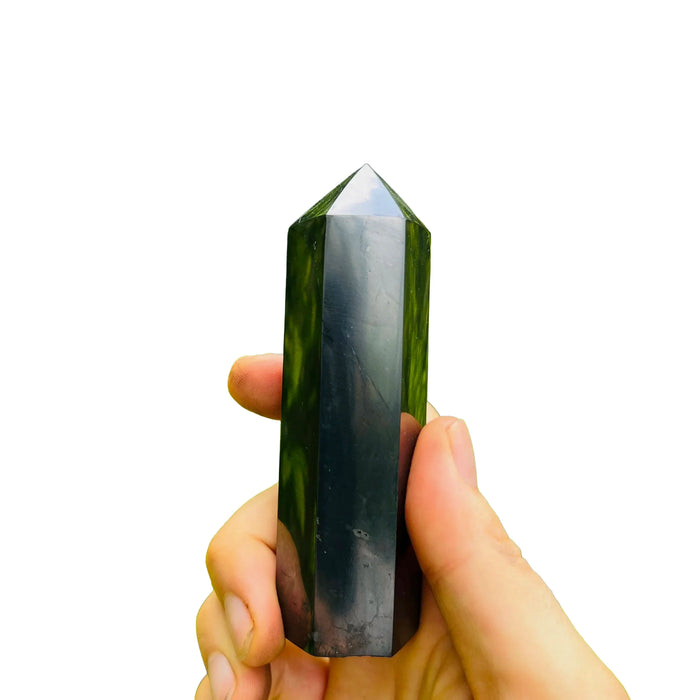
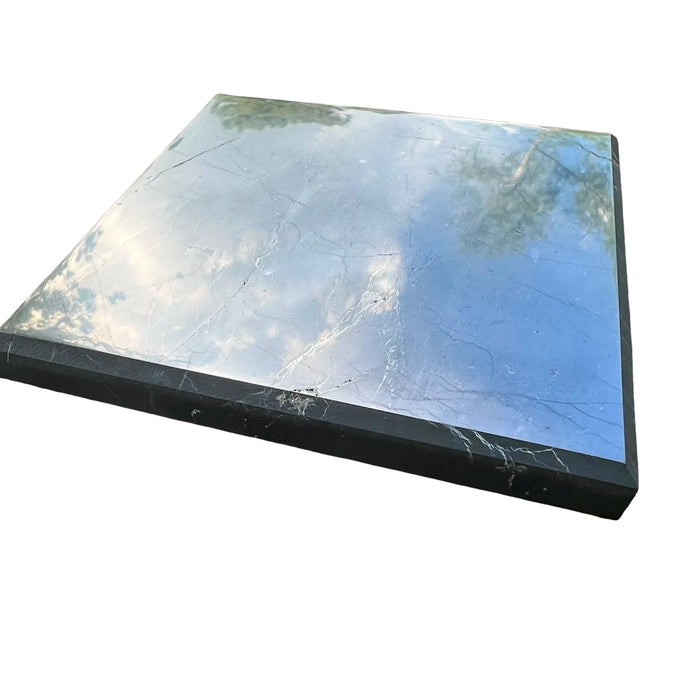
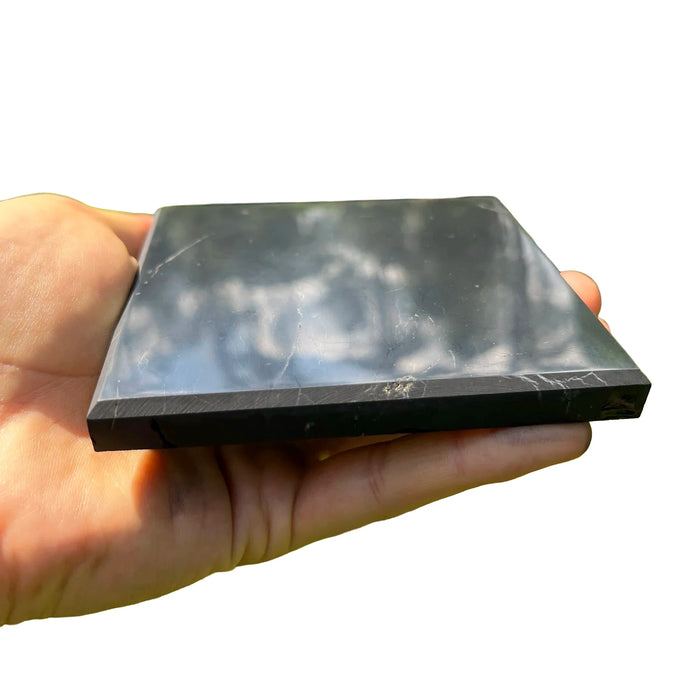
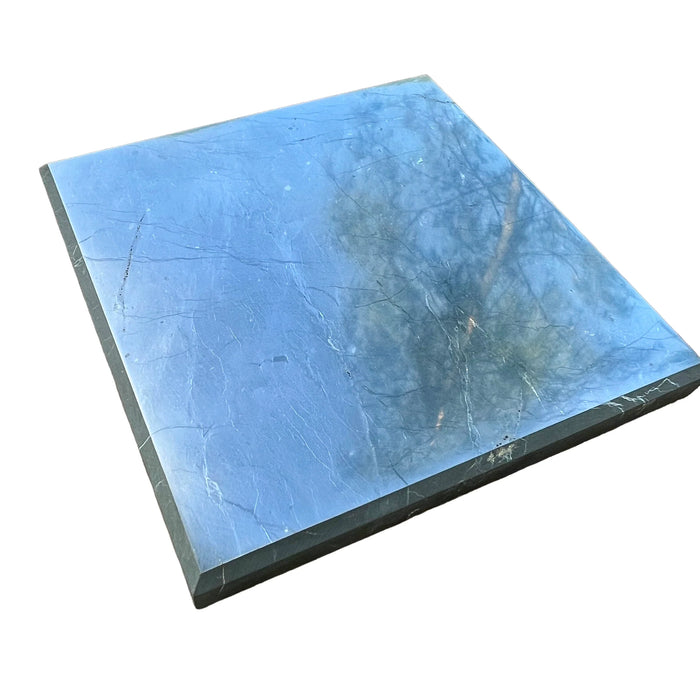
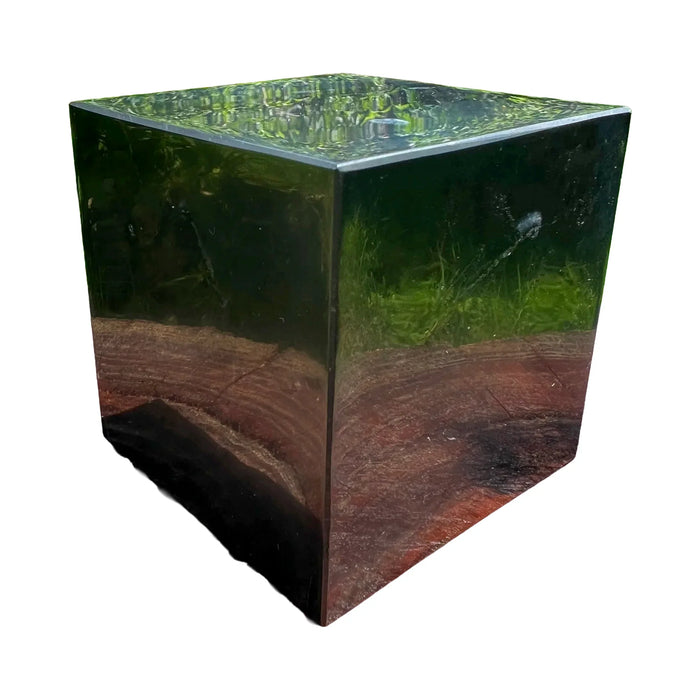
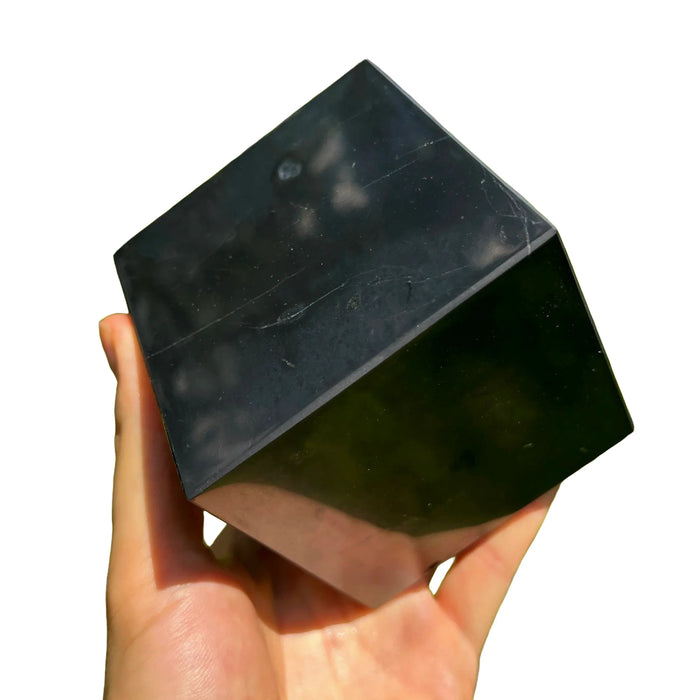
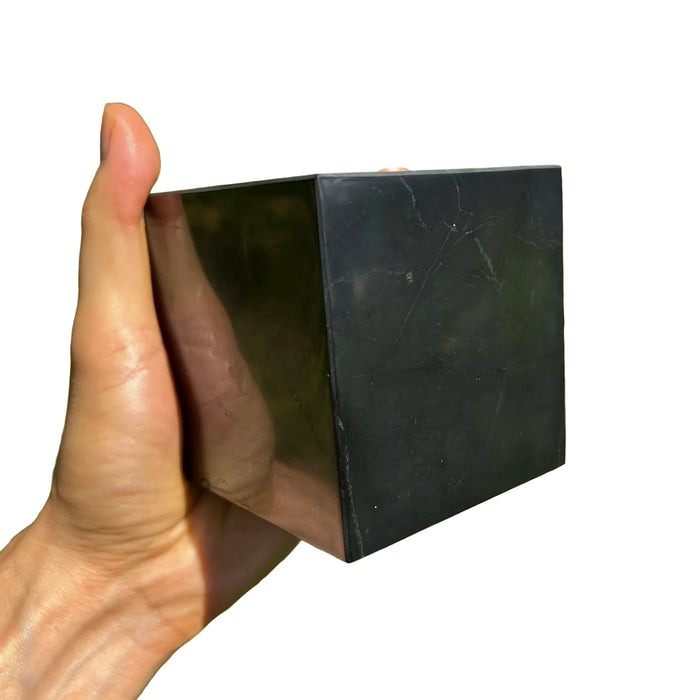
- from 1,000+ reviews
- Ships within 72 hoursMonday to Friday, tracked
- 90 days to return itif you do not love it
- Free US shipping over $99$8.99 flat rate under
The geology.
Shungite is a carbon-rich, black to near-black rock that formed roughly 2 billion years ago in the Karelia region of Russia. Unlike coal or graphite, Shungite contains fullerenes, cage-like spherical carbon molecules (C₆₀, sometimes called buckyballs), which makes it scientifically unusual. The rock grades by carbon content: Type I (elite, 98 percent carbon, highly conductive) is the highest grade, while Type III (regular, 30 to 50 percent carbon) makes up most commercial supply.
Hardness sits at 3.5 to 4 on the Mohs scale, softer than most crystal-guide stones. Fracture is conchoidal. Shungite is amorphous, no crystal system, because the carbon is arranged in complex irregular structures rather than a repeating lattice. Elite (Type I) Shungite conducts electricity and has an almost metallic sheen; regular Shungite is matte black and doesn't conduct. The difference matters because much of what's sold as 'elite' in lower-cost markets isn't.
The origins.
Shungite's geographic specificity is unusual in the stone world. The Zazhoginskoye deposit near Lake Onega in Russia's Karelia region is the only known commercial source, and the material has been studied by Russian geologists since the 1700s. The surrounding region has been known for its natural springs (reputed to be healing), which Peter the Great reportedly attributed to the Shungite-filtered waters in the early eighteenth century.
Because there's essentially one source on Earth, Shungite has no origin variation to speak of. What varies is grade. Elite (Type I) Shungite is rare, makes up about 1 percent of total deposit, and has a metallic-looking surface with nearly pure carbon content. Regular (Type III) is abundant and has a matte black finish. Anything called 'elite' that's priced near regular should raise questions, genuine elite commands significantly higher prices.
Traditional associations.
Shungite's formal documented history begins with Peter the Great in the early 1700s, who reportedly directed his soldiers to carry Shungite water-filtration stones and ordered a spa built near the Karelian deposit. Local Karelian tradition went back further and associated the rock with protection, healing waters, and the unusual character of the Lake Onega region. Russian scientific study of Shungite has continued since the eighteenth century, with significant interest in its fullerene content after the discovery of fullerenes in the 1980s.
Many people work with Shungite for grounding, protection (particularly in the context of environmental stressors), and a general clearing sense. It's most commonly associated with the Root chakra, the element of Earth, and the zodiac sign Capricorn. Contemporary practice often uses Shungite near electronics or in spaces where the working intention is clearing or filtering, an extension of its traditional water-filtration role.
Spotting the real thing.
Real Shungite is noticeably light for its size (carbon is lower density than most rocks), has a matte black surface (regular grade) or a silver-black metallic sheen (elite grade), and will leave a faint dark mark if rubbed firmly on paper because of its carbon content. Elite (Type I) Shungite conducts electricity, if you can test with a multimeter, elite will show conductivity while regular won't.
The common imitations are black glass, black obsidian, or black painted stones sold as Shungite. Glass feels warmer and heavier, and it doesn't leave a dark mark on paper. Obsidian is harder (5 to 5.5), feels denser, and has a more vitreous luster with sharp conchoidal edges. Painted rocks will chip or scratch to reveal a different color underneath. Reputable sellers document Karelian origin and distinguish clearly between elite and regular grades.
Care & handling.
Water safe and actually recommended, Shungite has a tradition of being used in water filtration, so brief rinses are fine. Avoid ultrasonic cleaners, which can propagate fractures in the relatively soft material. Elite Shungite is more fragile than regular because of the higher pure-carbon content; treat it carefully.
Cleanse energetically with moonlight, sound, smoke, or by placing on selenite overnight. At 3.5 to 4 on the Mohs scale, Shungite is soft and will scratch easily against harder stones. Store in a small pouch on its own. Shungite may leave black marks on white surfaces if it's rubbed against them, so keep that in mind for storage and display.
Pairs well with.
Proof, not promises.
We measure our own sourcing across five dimensions. Supply chain, environmental footprint, artisan support, market integrity, and pricing. The number is honest, not perfect. Where we can do better, we say so.
A deeper look.
Extended geology, sourcing, authentication, history, varieties, and pricing, for when the quick guide isn't quite enough.
Extended geology
Shungite is a rare carbon-rich rock that formed approximately 2 billion years ago in the Paleoproterozoic era from organic sediments at the bottom of an ancient inland sea. The deposits now lie in the Karelia region of northwestern Russia. The carbon content varies by deposit layer: Type I (elite, 95 to 98 percent carbon) is the rarest and most scientifically interesting; Type II (40 to 80 percent carbon); Type III (30 to 50 percent carbon, the most common commercial material); Types IV and V have lower carbon content still.
Shungite contains fullerenes, spherical carbon molecules including C₆₀ ('buckyballs'), which makes it the only known natural source of these molecules. This was confirmed after fullerenes were discovered in the lab in 1985. The rock is amorphous, meaning no crystalline structure. Hardness 3.5 to 4 Mohs. Specific gravity 1.9 to 2.1 (notably light). Elite Type I conducts electricity due to the connected graphitic carbon matrix; other types do not.
Extended sourcing
The Zazhoginskoye deposit in Karelia is essentially the sole commercial source of Shungite. Minor occurrences of shungite-like material have been reported elsewhere, but nothing with the same fullerene content or commercial significance. The deposit has been mined in some form since at least the eighteenth century.
Peter the Great established a spa at Martsial'nye Vody ('Martial Waters') near the deposit in 1714 after reportedly being healed by Shungite-filtered spring water. Russian scientific study of the material has continued since, with accelerated interest after fullerenes were identified. The fall of the Soviet Union opened wider international trade, and Shungite entered the global crystal market in the 2000s.
Authentication and warning signs
The simplest test: does it leave a dark mark if firmly rubbed on paper? Real Shungite does (carbon marks like pencil). Glass and obsidian don't. Elite grade shows a silver-black metallic sheen and conducts electricity; regular grade is matte black and doesn't. Weight is also diagnostic: real Shungite is noticeably lighter than glass or most black rocks of similar size.
Common fakes include black glass, black painted stones, and carbon black-coated ceramic. Glass is warmer to the touch and heavier. Painted stones chip to reveal colored rock underneath. Elite misrepresentation is the more nuanced issue: true Type I elite is rare and expensive; if 'elite' is being sold near regular-grade pricing, verify conductivity if possible.
Historical and cultural context
Peter the Great's early-eighteenth-century engagement with Shungite is the most documented historical moment. After reportedly being healed by spring water in the Karelian region, he had his soldiers carry Shungite water filters and ordered the construction of Martsial'nye Vody, the first Russian spa. Use of Shungite water in folk medicine in Karelia predates his involvement.
Russian scientific interest since the 1750s has produced a substantial body of research on Shungite's water-purifying properties and fullerene content. In the contemporary metaphysical market, which adopted Shungite widely in the 2000s, the stone is typically framed as an EMF-shielding or environmentally protective material, a framing that extends from the traditional water-filtering association rather than being strictly scientifically established for every claimed use.
Varieties and trade names
Elite (Type I) Shungite: 95-98% pure carbon, rare, silver-black metallic sheen, conducts electricity.
Regular (Type III) Shungite: 30-50% carbon, matte black, most common commercial material.
Petrovsky Shungite: trade name occasionally used for medium-grade material.
Shungite pyramids, spheres, and pendants: common polished formats.
Pricing reality
Regular (Type III) tumbled Shungite: 3 to 10 dollars per piece. Polished spheres and pyramids (regular): 15 to 80 dollars depending on size. Elite (Type I) tumbled pieces: 15 to 50 dollars per small stone. Elite raw specimens and larger pieces: 50 to 300 dollars. Very large elite specimens or display pieces: several hundred to over a thousand dollars.
Value drivers: grade (elite commands significant premium), size, clean finish, documented Karelian origin, and for elite, verifiable conductivity. Warning signs: 'elite' Shungite at regular-grade prices (almost certainly regular), no mention of Karelia, or pieces advertised as 'Shungite' that feel too heavy for the material (likely glass or painted rock).
Good sourcing is a practice, not a claim.
Nothing we sell is black glass, painted rock, or regular Shungite marketed as elite. We name our origins where we can. We say so when we cannot. We walk away from material that doesn't meet our standard, even when it costs us sales.
Bring shungite home.
Every piece we carry is photographed individually and listed with its grade, origin, and any treatment notes. What you see is what ships.
Shop the shungite collectionGrounded Connections
New stones go to the list first.
No forwarding, no selling. Unsubscribe in one click. Privacy