


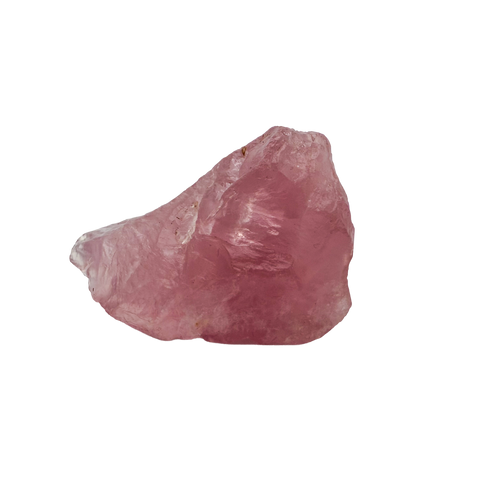
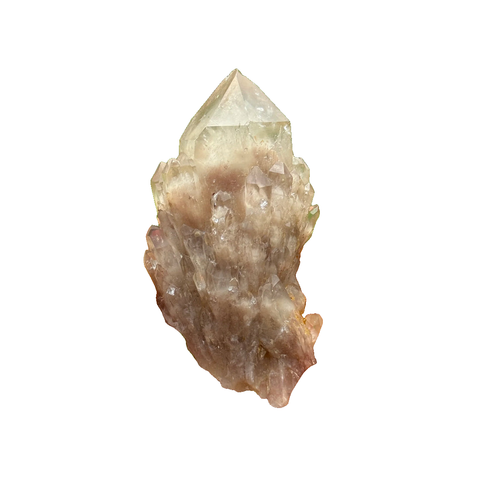
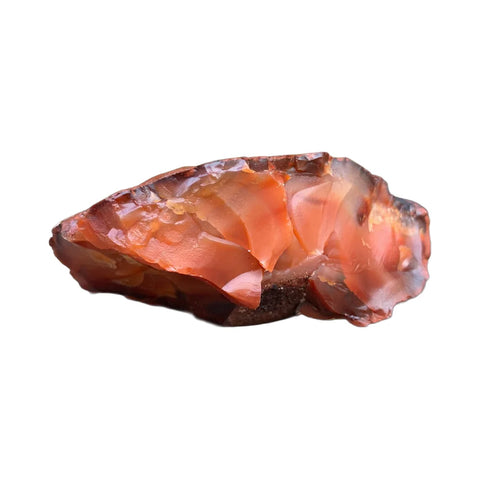
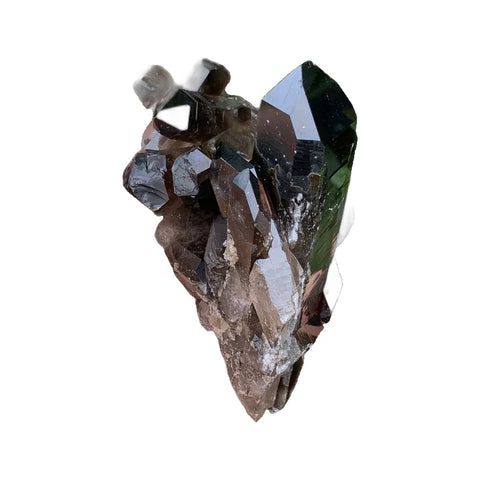
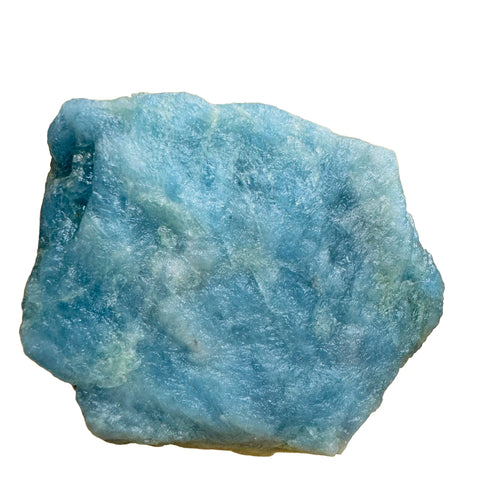
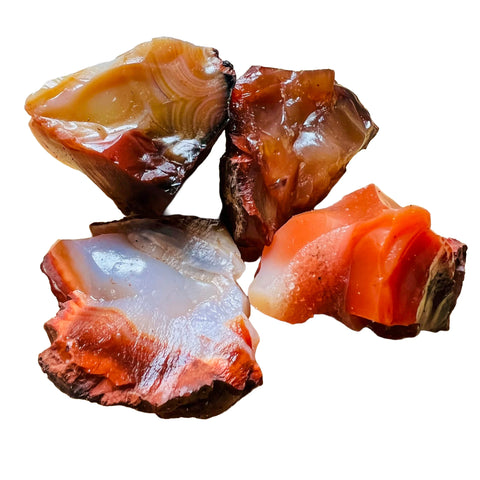


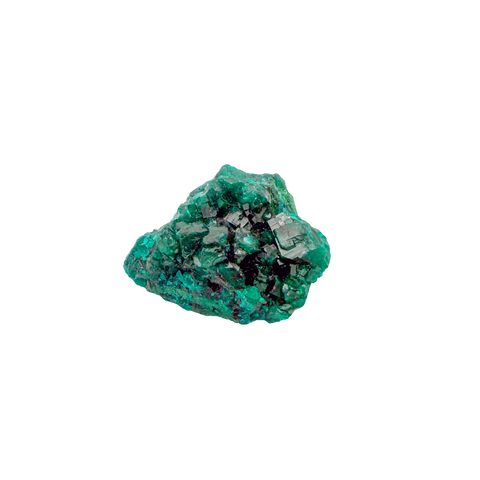
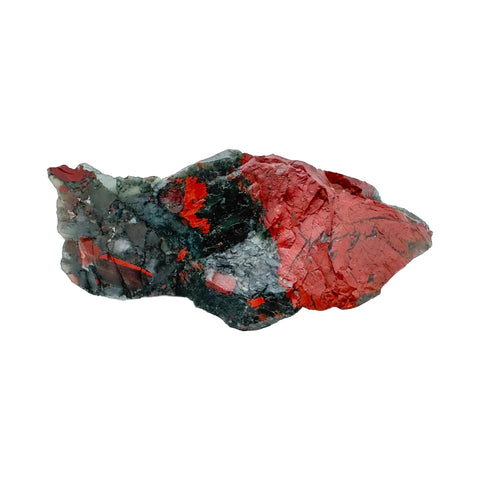
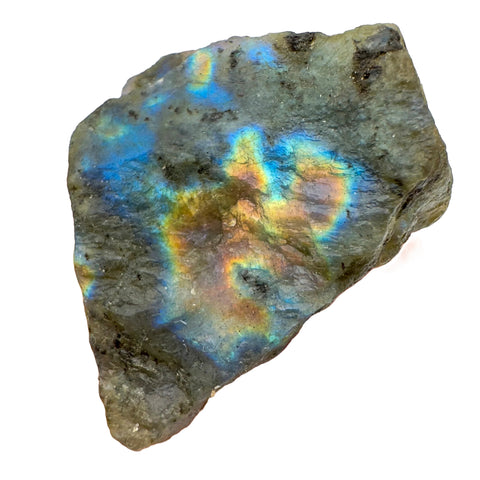
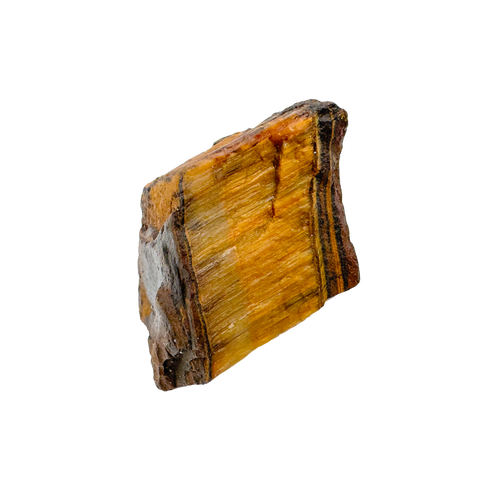
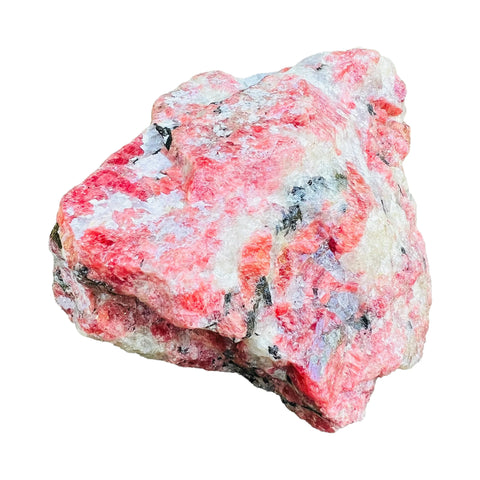
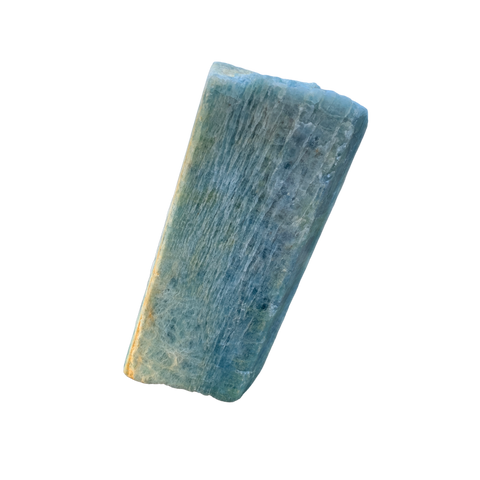
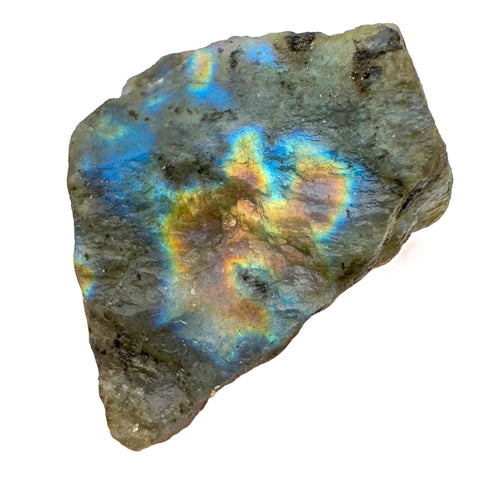
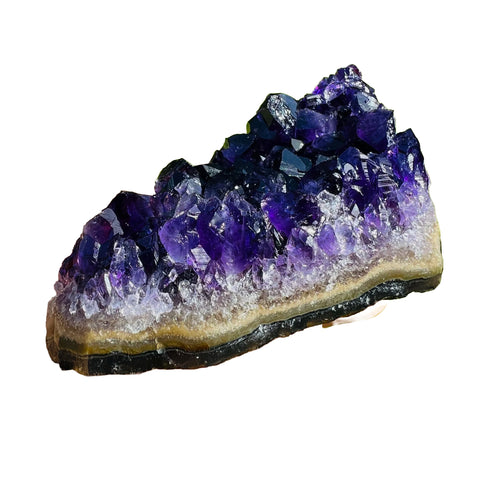



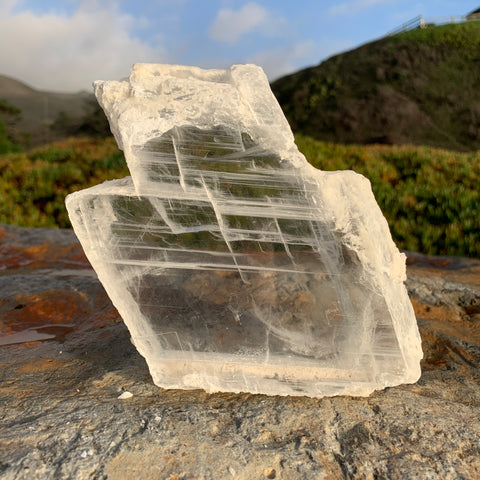
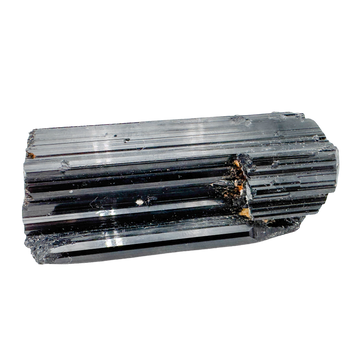
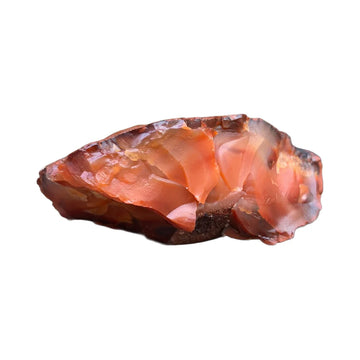
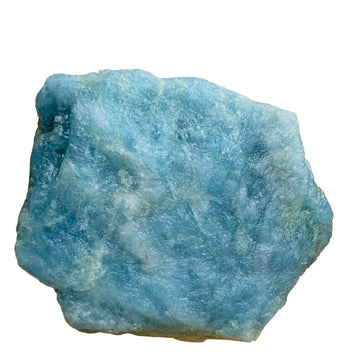
 Raw Stones
179 pieces
Raw Stones
179 pieces
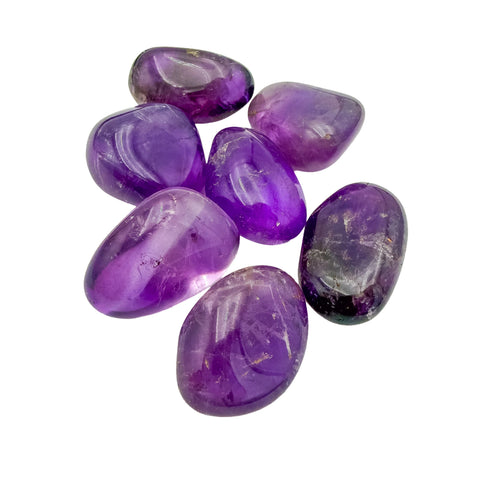
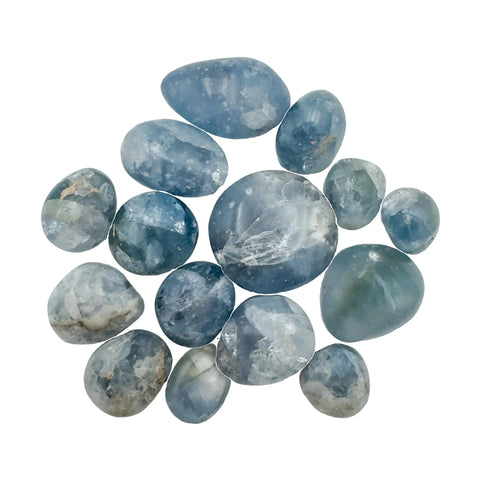
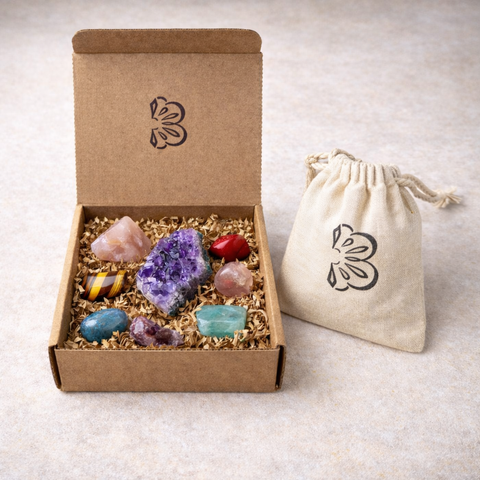
 Tumbled Stones
162 pieces
Tumbled Stones
162 pieces
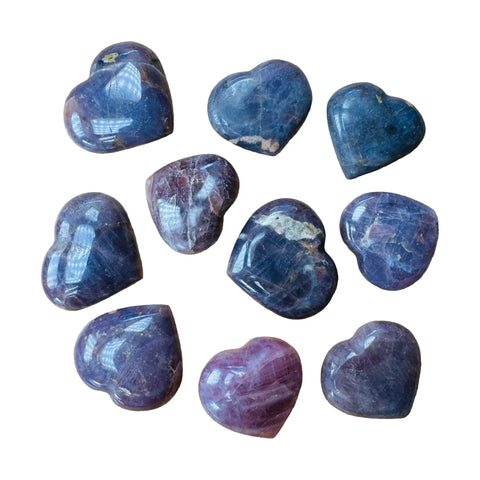
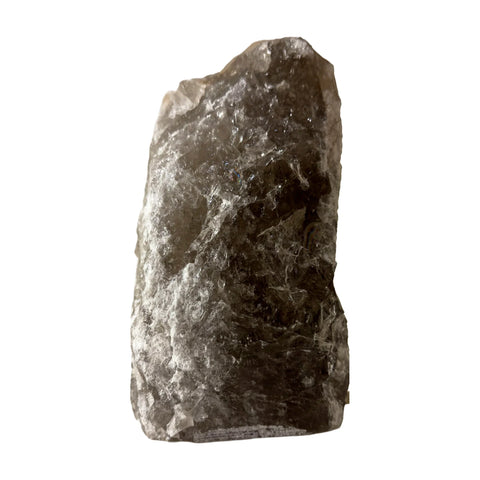
 Palm Stones
25 pieces
Palm Stones
25 pieces
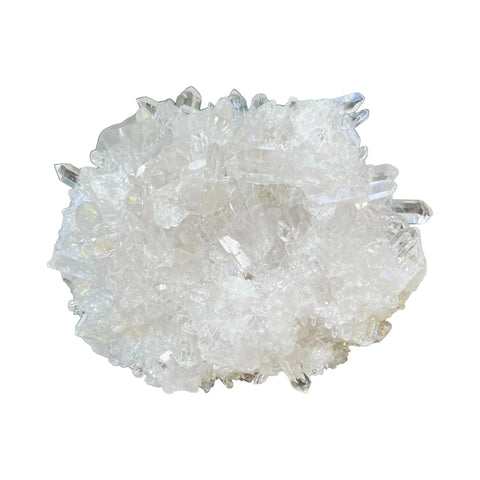
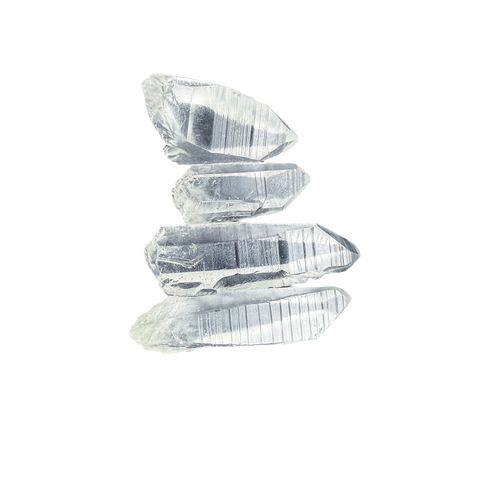
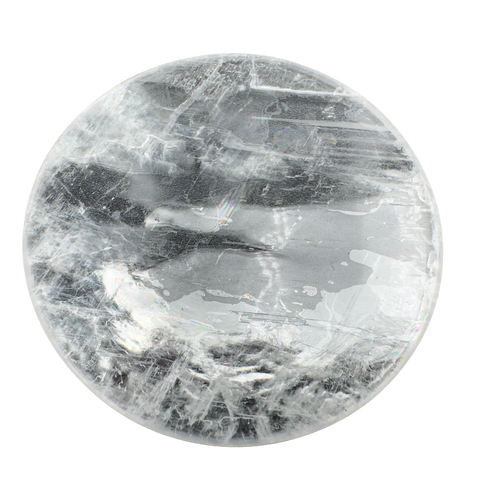
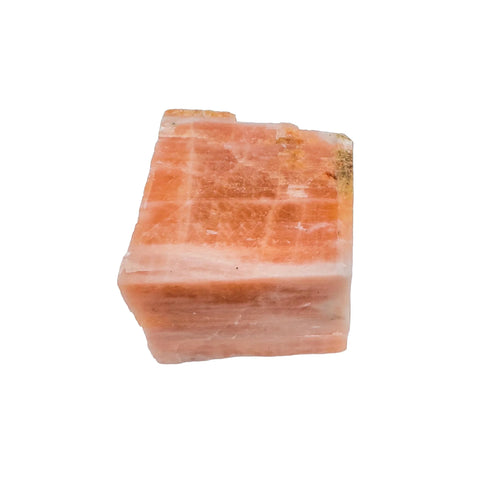
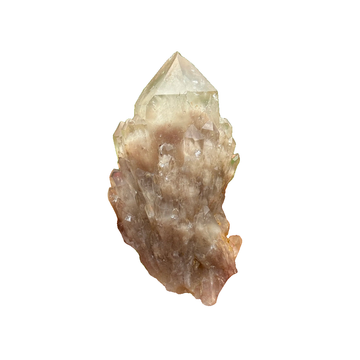
 Crystal Points
23 pieces
Crystal Points
23 pieces
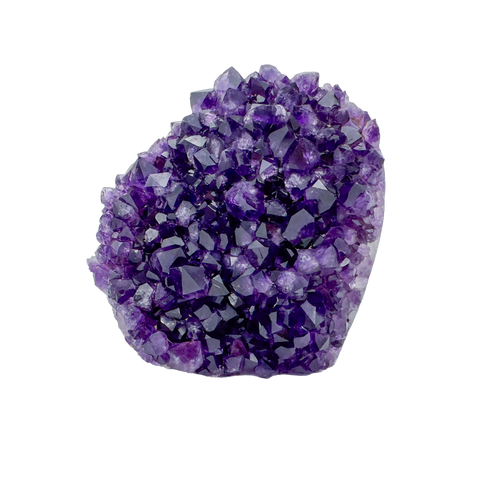
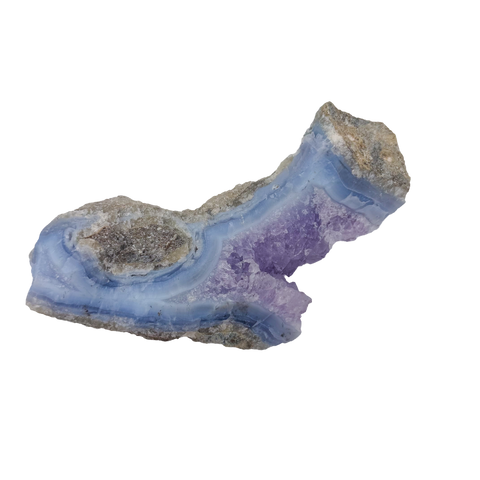
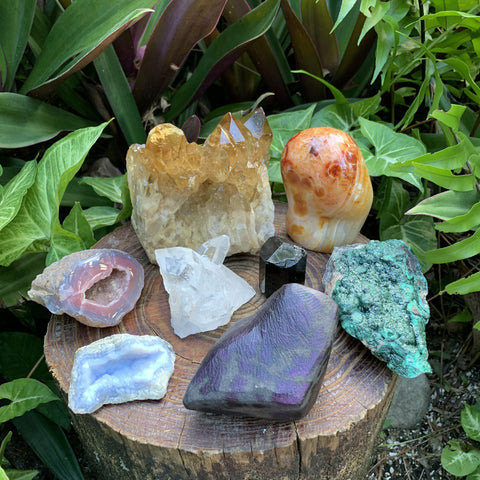
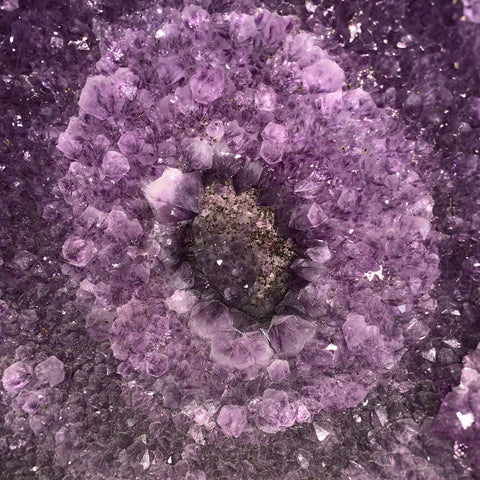
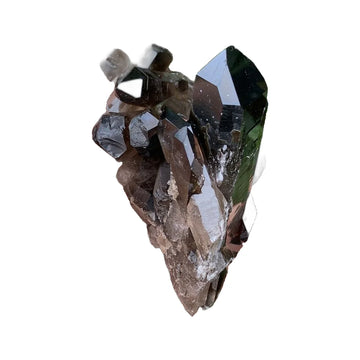
 Clusters & Geodes
105 pieces
Clusters & Geodes
105 pieces
 Polished & Decor
151 pieces
Polished & Decor
151 pieces
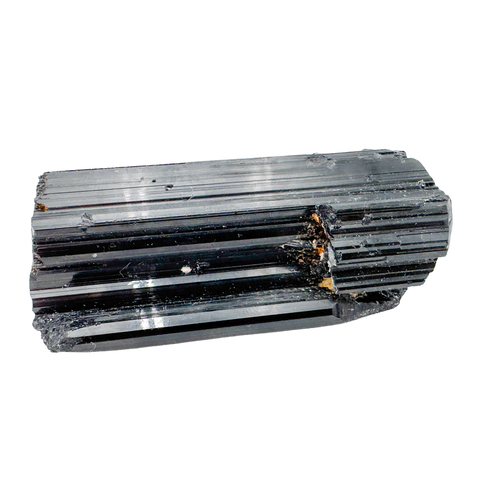
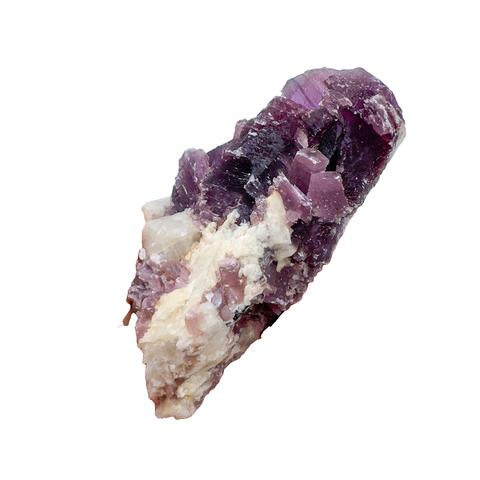
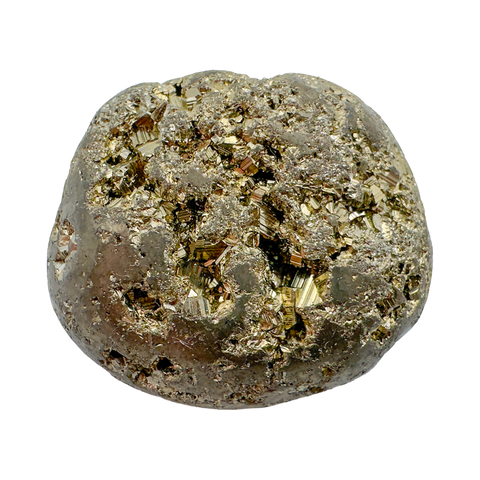
 Mineral Specimens
262 collector pieces
Mineral Specimens
262 collector pieces
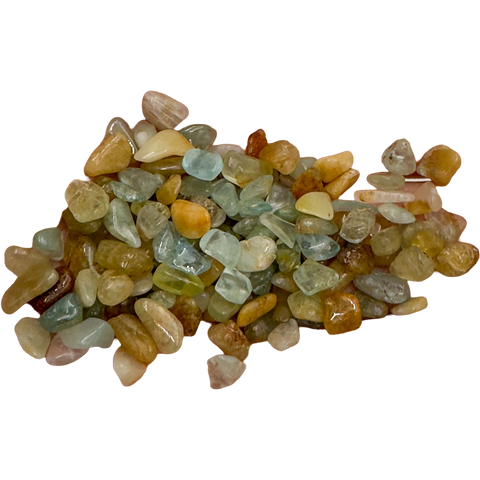
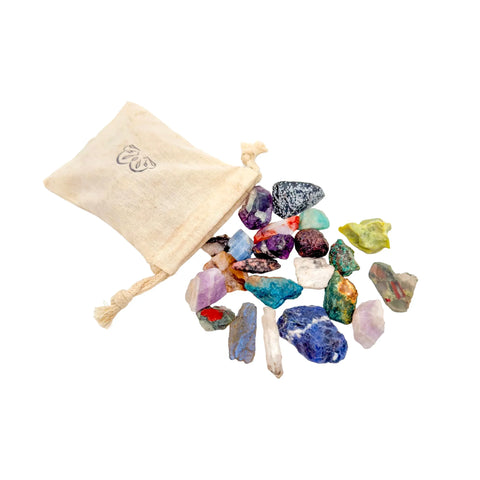
 Crystal Chips
21 pieces
Browse everything
Every collection, one page.
View All Collections →
Crystal Chips
21 pieces
Browse everything
Every collection, one page.
View All Collections →


 Aries
Mar 21 – Apr 19
Carnelian
›
Aries
Mar 21 – Apr 19
Carnelian
›
 Taurus
Apr 20 – May 20
Rose Quartz
›
Taurus
Apr 20 – May 20
Rose Quartz
›
 Gemini
May 21 – Jun 20
Agate
›
Gemini
May 21 – Jun 20
Agate
›
 Cancer
Jun 21 – Jul 22
Moonstone
›
Cancer
Jun 21 – Jul 22
Moonstone
›
 Leo
Jul 23 – Aug 22
Citrine
›
Leo
Jul 23 – Aug 22
Citrine
›
 Virgo
Aug 23 – Sep 22
Amazonite
›
Virgo
Aug 23 – Sep 22
Amazonite
›
 Libra
Sep 23 – Oct 22
Blue Lace Agate
›
Libra
Sep 23 – Oct 22
Blue Lace Agate
›
 Scorpio
Oct 23 – Nov 21
Obsidian
›
Scorpio
Oct 23 – Nov 21
Obsidian
›
 Sagittarius
Nov 22 – Dec 21
Sodalite
›
Sagittarius
Nov 22 – Dec 21
Sodalite
›
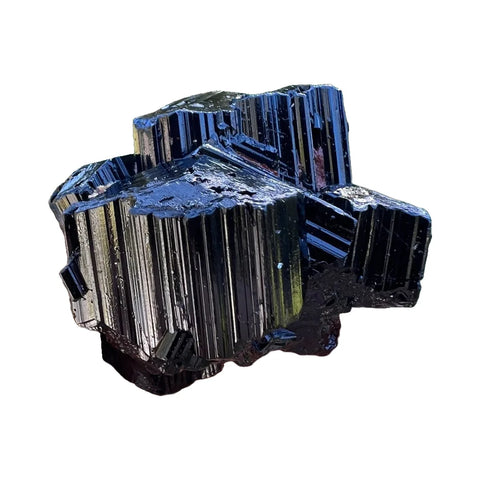
 Capricorn
Dec 22 – Jan 19
Black Tourmaline
›
Capricorn
Dec 22 – Jan 19
Black Tourmaline
›
 Aquarius
Jan 20 – Feb 18
Amethyst
›
Aquarius
Jan 20 – Feb 18
Amethyst
›
 Pisces
Feb 19 – Mar 20
Aquamarine
›
Gifting?
A birthday stone is the safe bet.
Read the zodiac guide →
Pisces
Feb 19 – Mar 20
Aquamarine
›
Gifting?
A birthday stone is the safe bet.
Read the zodiac guide →

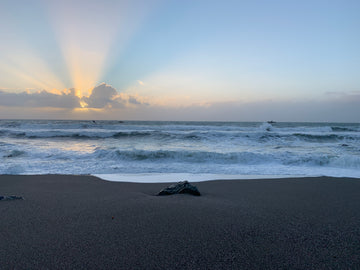
Black Obsidian
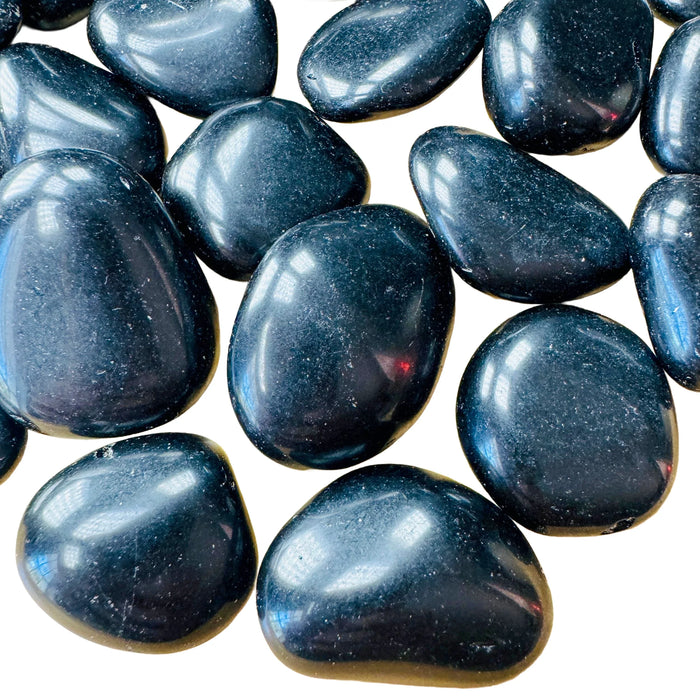
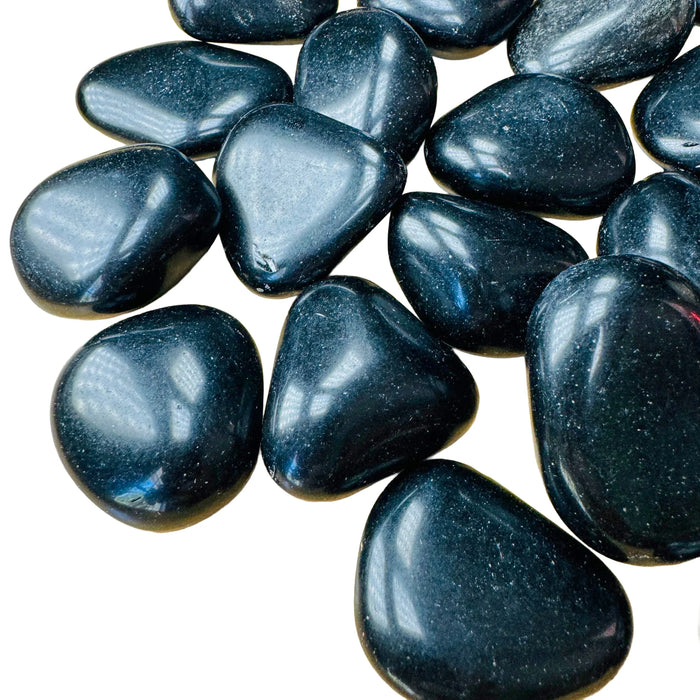
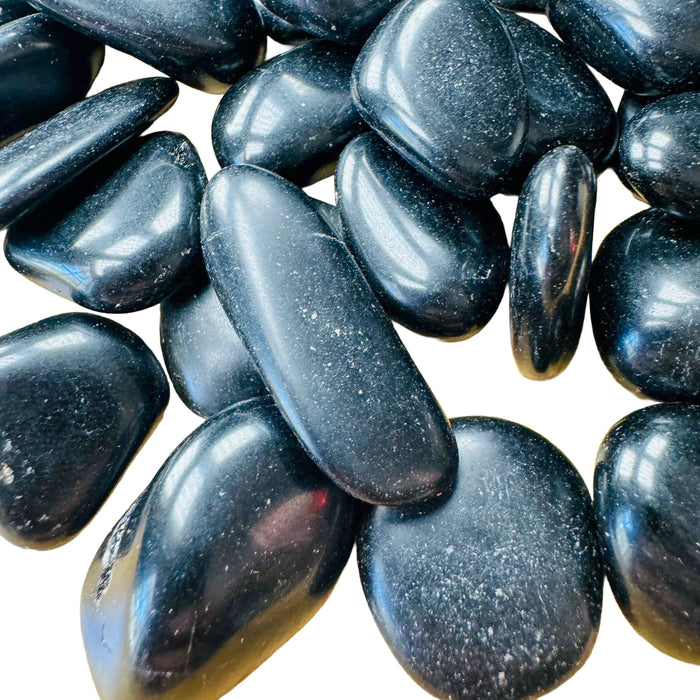
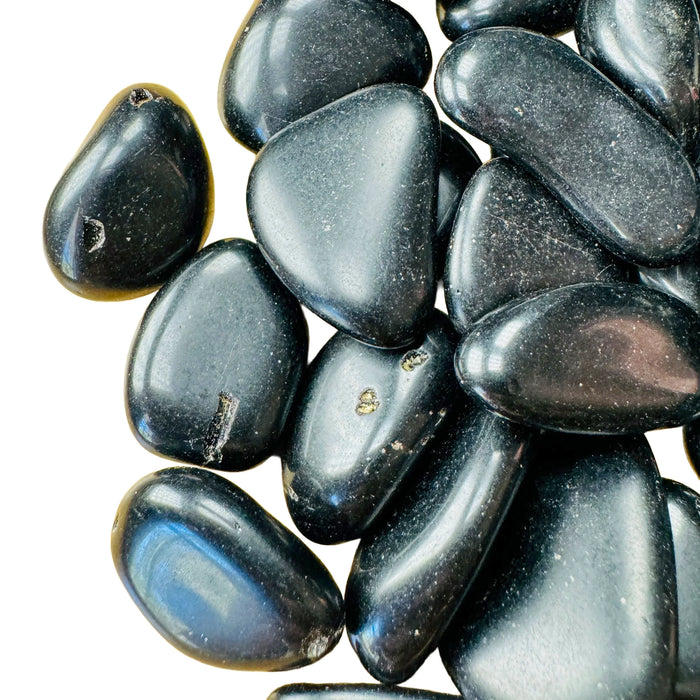
Black Obsidian is volcanic glass that forms when lava cools too quickly for crystals to develop. Unlike crystalline minerals, it's amorphous. This rapid formation gives it a distinctive glossy surface and sharp edges that have made it valuable for tools and ritual use across cultures for thousands of years. We source raw specimens from small-scale operations across several volcanic regions, with Argentina as our primary source alongside Mexico and the United States, chosen for clarity, finish, and untreated character. Many people work with black obsidian for grounding, protection, and the clear mirror-like quality that invites self-reflection.
Shop obsidianThe geology.
Black Obsidian is not technically a mineral. It's volcanic glass that forms when silica-rich lava cools rapidly without developing a crystal structure. Most stones in our collection are crystalline, but obsidian is amorphous, which changes how it behaves physically. This rapid cooling creates a smooth, glassy surface and, because the material lacks the ordered atomic structure of true minerals, it can fracture with razor-sharp edges rather than along crystal planes.
Hardness ranges from 5 to 5.5 on the Mohs scale, softer than quartz but adequate for careful daily carry and display work. The composition is primarily silicon dioxide (SiO2), but the rapid cooling prevents the characteristic crystal formation seen in quartz and chalcedony. The glossy luster and dark black color come from rapid solidification and the absence of trace elements that might otherwise color it. Black Obsidian is found wherever silica-rich volcanic activity has occurred, and quality varies significantly by source region.
The origins.
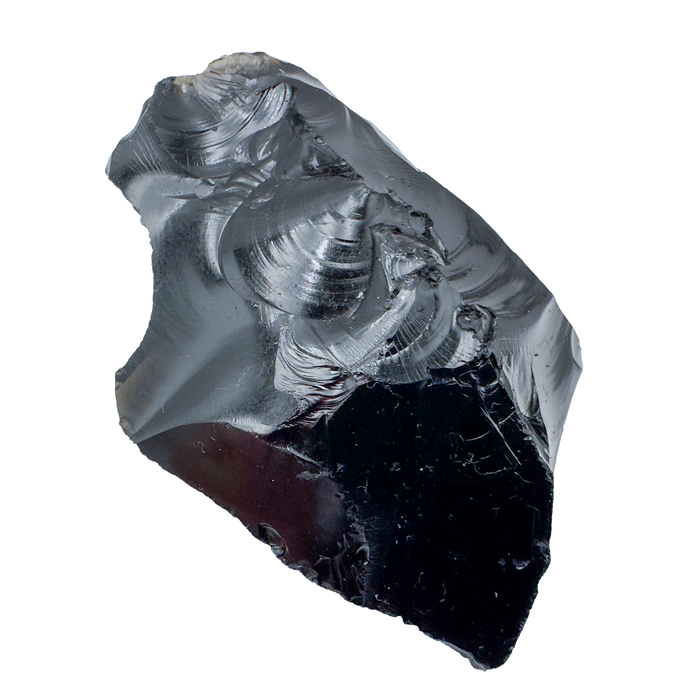
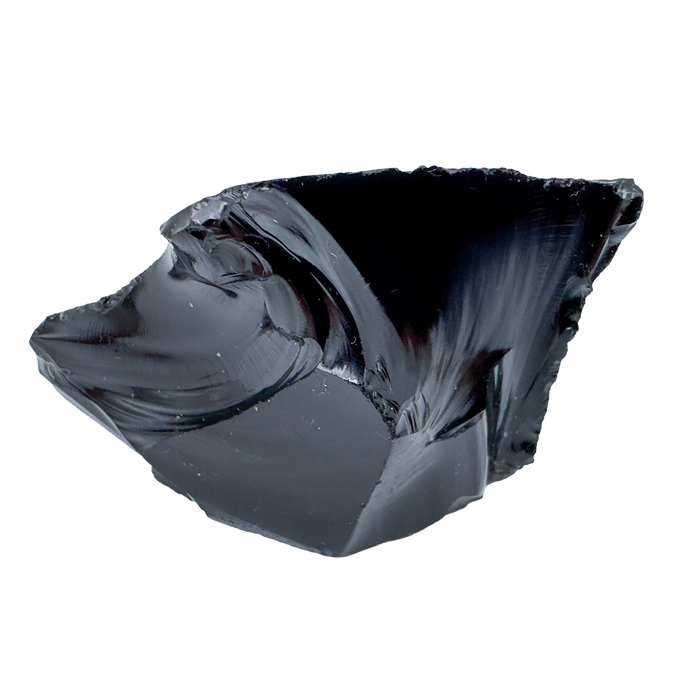
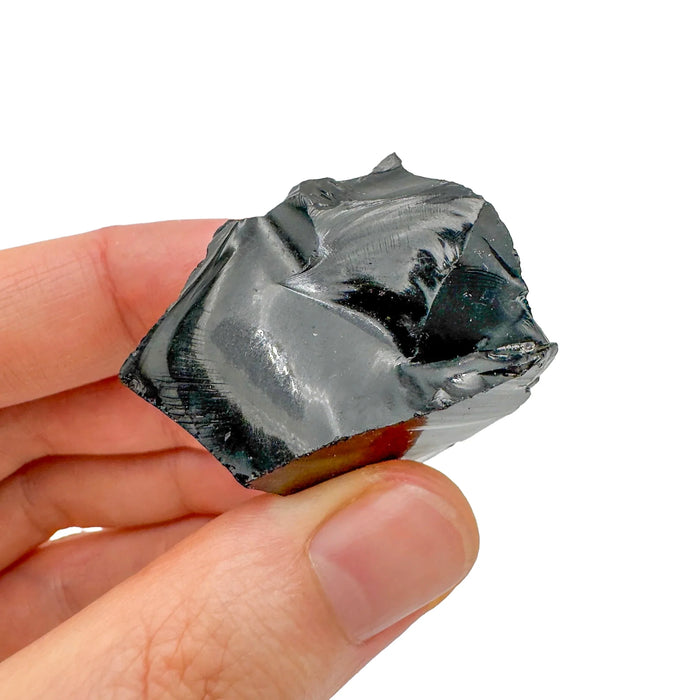
We source Black Obsidian from small-scale operations in several volcanic regions. Argentina is our primary source, alongside material from Mexico and the United States, with occasional pieces from other deposits as relationships and quality permit. Raw chunks are hand-extracted and minimally processed. Unlike heavily polished obsidian that may be artificially enhanced to a mirror-like shine, our raw specimens retain their natural finish and character. The glossy appearance is the stone's genuine surface, not something applied.
Obsidian forms wherever silica-rich lava has cooled rapidly. Commercial deposits occur across South America, Mexico, the western United States, Iceland, Armenia, Turkey, and parts of Asia. Each source produces distinct varieties based on local lava composition and cooling conditions. Some deposits yield banded or striped material, others solid blacks. We carry obsidian from a rotating mix of regions rather than committing to one, which gives us flexibility on quality and lets us walk away from any source that no longer meets our standard. Origin is confirmed at the batch level on every piece we list.
Traditional associations.
Black Obsidian has one of the longest histories of any stone humans have used, extending back at least 100,000 years. Archaeological evidence shows obsidian tools and trade goods across Africa, the Mediterranean, and Mesoamerica. The Aztecs called it "itzli" and valued it for both practical tools and ritual objects. Native cultures across North and South America used obsidian for blades, arrowheads, and spiritual practice. The stone's sharpness and reflective quality made it sacred across many traditions, tied to clarity, seeing truth, and spiritual protection.
In modern crystal practice, Black Obsidian is most often associated with the Root chakra, the element Earth, and the zodiac sign Sagittarius. Many people work with it for grounding, protection, clearing negative energy, and the kind of clarity that comes from honest self-reflection. Some choose it when seeking to see situations or themselves clearly, drawn to the mirror-like quality and the association with truth-telling. Others work with it for energetic shielding and the sense of solid boundaries that the stone's weight and density seem to offer.
Spotting the real thing.
Real Black Obsidian has a natural glossy luster and deep, consistent black color. Hold it up to light; if it shows red or brown tones at thin edges, that's genuine obsidian (called "mahogany obsidian"). If it's completely opaque with no light transmission at edges, that's also typical. The surface should feel smooth and slightly warm to the touch, without the cold, manufactured feel of plastic or treated glass. Real obsidian will not show uniform polish marks or artificial shine patterns under close inspection.
Common imitations include black tourmaline (which is crystalline and has visible striations), dyed or treated glass, and plastic-coated stones. The key distinction is that genuine obsidian has a waxy to vitreous luster (glossy but not metallic) and will show the telltale properties of volcanic glass: no crystal structure under magnification, the capacity to fracture with sharp edges, and a weight and feel consistent with natural stone. If it feels artificially polished or has a plastic sheen, treatment is likely.
Care & handling.
Black Obsidian requires moderate care. It sits at 5 to 5.5 on the Mohs scale, softer than many stones we carry, so avoid dropping or rough handling that could damage the edges. The glossy surface is not a treatment but the stone's natural state, and it will maintain its shine with gentle care. Rinse with lukewarm water and mild soap if needed. Do not soak in water or expose to prolonged moisture, which can lead to surface clouding over time. Dry immediately after any water contact.
Because Black Obsidian fractures easily if struck, store it separately or with soft padding to prevent chipping. Sharp edges can form, so handle raw specimens with awareness. Polished or tumbled pieces are safer for daily carry but still benefit from protective cloth storage. Black Obsidian is safe for brief water contact during cleaning but not recommended for long-term water exposure like crystal elixirs. For energetic cleansing, use smoke, moonlight, or sound rather than water or salt.
Pairs well with.
Proof, not promises.
We measure our own sourcing across five dimensions. Supply chain, environmental footprint, artisan support, market integrity, and pricing. The number is honest, not perfect. Where we can do better, we say so.
A deeper look.
Extended volcanology, obsidian formation mechanics, sourcing clarity in treated markets, historical obsidian use across cultures, regional varieties and qualities, hardness challenges, and the distinction between volcanic glass and crystalline minerals.
Obsidian geology and formation
Obsidian forms at the margins of lava flows where silica-rich lava cools quickly enough that atoms do not have time to arrange into an ordered crystal lattice. This is the key difference between obsidian and minerals like quartz. At the molecular level, quartz has a repeating, ordered structure of silicon and oxygen atoms. Obsidian's atoms are frozen in random arrangement. This amorphous structure determines obsidian's unique properties: it fractures with conchoidal (curved) breaks rather than along defined planes, creating naturally sharp edges. This is why obsidian was such a valuable tool material historically.
The color comes from composition. Pure silica would be colorless, but trace elements and impurities give obsidian its characteristic black. The black color typically comes from iron oxides and magnetite. Some obsidian deposits produce banded, striped, or "mahogany" varieties where light transmission shows reddish-brown at thin edges. Shiny inclusions can create "snowflake obsidian" (with white cristobalite crystals) or "gold sheen obsidian" (from magnetite platelets aligned during cooling). All of these are natural variations reflecting local cooling conditions and mineral content.
Sourcing and regional varieties
Obsidian deposits exist across the volcanically active regions of the world. Argentina, our primary source for Black Obsidian, sits along the Andes volcanic belt and produces dense, fine-grained material with the deep, consistent black we look for. Mexico has been one of the world's most historically significant obsidian sources, with deposits used by Mesoamerican cultures for tools, mirrors, and ritual objects. The western United States, particularly Oregon, California, and Idaho, holds substantial deposits, some producing solid blacks and others banded or mahogany varieties.
Beyond those three, commercial obsidian comes from Armenia, Turkey, Iceland, New Zealand, Japan, and parts of South America beyond Argentina. Each region's geology produces distinct qualities tied to local lava composition and cooling conditions. We work primarily with Argentina, Mexico, and the United States because we know those supply lines well, but we will pull from other regions when a batch meets our quality and treatment standards. Sourcing well means understanding these differences and walking away from material that doesn't meet the bar, even when the price is right.
Treatment and detection
Obsidian treatment is less common than for many stones, but does occur. Artificial polishing to mirror-like perfection is the most frequent treatment, using compounds that don't change the stone's chemistry but dramatically alter its appearance. Heat treatment can deepen color in some deposits. Dyed obsidian is less common than dyed agate or quartz but does exist in markets. Detection of artificial polish is possible with examination under magnification for uniform polish patterns versus the natural glossiness of untreated material. Treated obsidian typically shows signs of mechanical polishing and may have microstreaks.
Historical significance
Obsidian trade is one of the oldest archaeological records of human commerce. Obsidian from the Anatolian highlands appears in sites across the Mediterranean from 12,000 years ago. Obsidian from Oregon appears in Great Plains archaeological sites, evidence of long-distance trade. Mesoamerican cultures, particularly the Aztecs, created entire trading networks around obsidian. The stone was used for mirrors, blades, pendants, and ritual objects. The association with clarity, protection, and truth-telling in modern practice has deep roots in these historical uses.
Hardness and durability challenges
Obsidian's main limitation is its hardness. At 5 to 5.5 on the Mohs scale, it's softer than quartz (7), agate (6.5-7), and many common stones. This makes it vulnerable to scratching and chipping. Historically, this weakness was acceptable because of its value as a tool material. Obsidian fractures into sharp edges, making it superior to harder but duller rocks for cutting. In modern crystal practice, this means treating raw obsidian as a specimen or protective piece rather than everyday jewelry. Tumbled or polished obsidian is safer for carry but still benefits from careful handling.
Mineral versus volcanic glass
The distinction between obsidian and minerals is important technically. Minerals, by scientific definition, must have a crystalline structure. Obsidian lacks this. It's considered a mineraloid, a natural solid that resembles minerals but lacks crystal structure. This distinction doesn't make obsidian less valid or valuable, but it does change how it behaves. It has no cleavage planes, no symmetry axes, and will not form crystal faces under natural conditions. Understanding this distinction helps explain obsidian's unique properties and why it behaves differently from the crystalline stones that dominate our collections.
Good sourcing is a practice, not a claim.
Nothing we sell is polished beyond natural finish, heat-enhanced, dyed, or treated without full disclosure. We name our origins where we can. We say so when we cannot. We walk away from material that does not meet our standard, even when it costs us sales.
Bring Black Obsidian home.
Raw and tumbled specimens sourced primarily from Argentina, with additional pieces from Mexico and the United States. Natural, untreated, hand-selected for clarity and finish quality. Each piece carries the genuine glossy surface and deep black color that characterize untreated Black Obsidian, chosen for its grounding presence, protective associations, and the mirror-like quality that invites clarity and reflection.
Shop the Obsidian collectionBlack Obsidian, in stock now.
Our most-loved Black Obsidian pieces, ready to ship.


- from 1,000+ reviews
- Ships within 72 hoursMonday to Friday, tracked
- 90 days to return itif you do not love it
- Free US shipping over $99$8.99 flat rate under
The Slow Note
New stones go to the list first.
No forwarding, no selling. Unsubscribe in one click. Privacy