


 Agatefor stress relief
 Amazonitefor stress relief
 Aquamarinefor serenity
 Aventurinefor luck
 Bloodstonefor energy
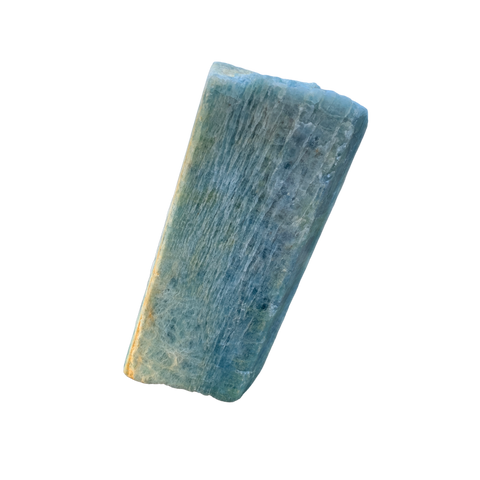
 Blue Kyanitefor confidence
 Blue Lace Agatefor stress relief
 Chrysocollafor emotional healing
 Fluoritefor focus
 Garnetfor energy
 Lepidolitefor stress relief
 Malachitefor emotional healing
 Moonstonefor grounding
 Obsidianfor protection
 Ocean Jasperfor emotional healing
 Red Jasperfor grounding
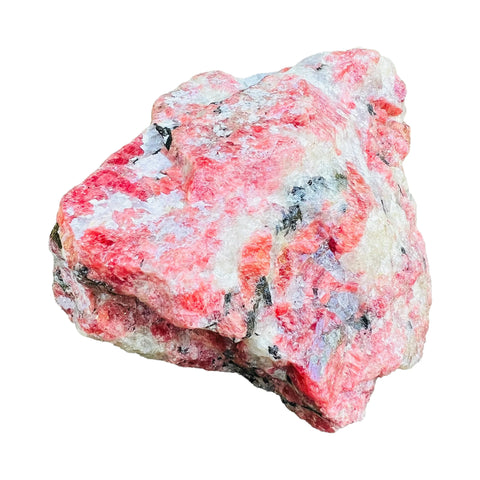
 Rhodonitefor emotional healing
 Selenitefor cleansing
 Sodalitefor focus
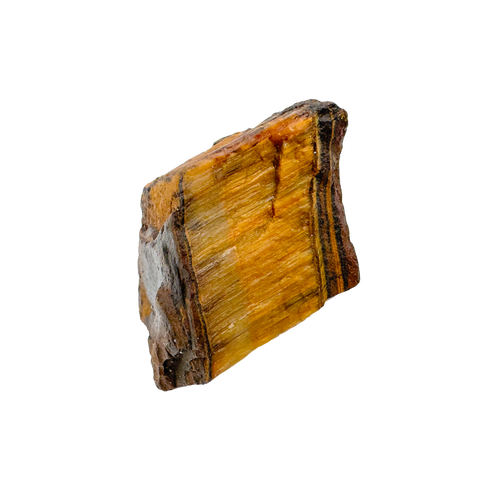
 Tiger Eyefor confidence
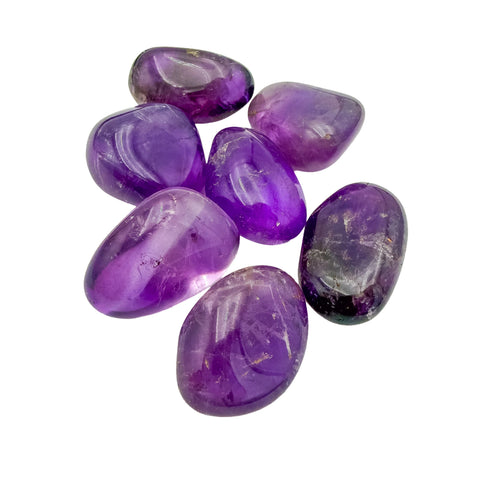


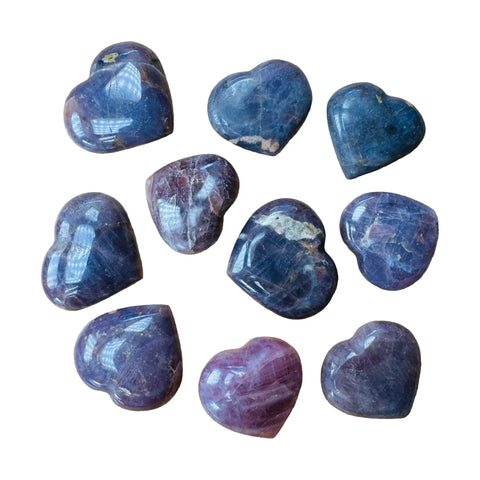
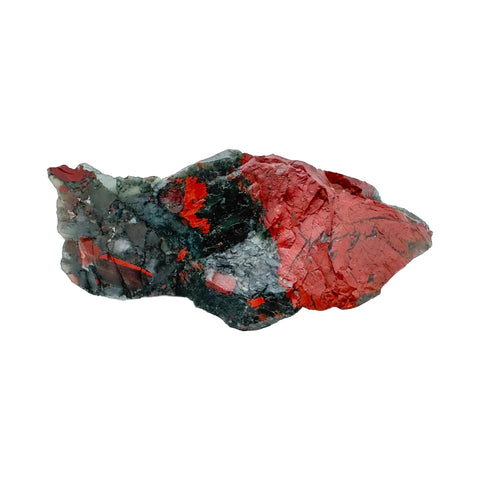
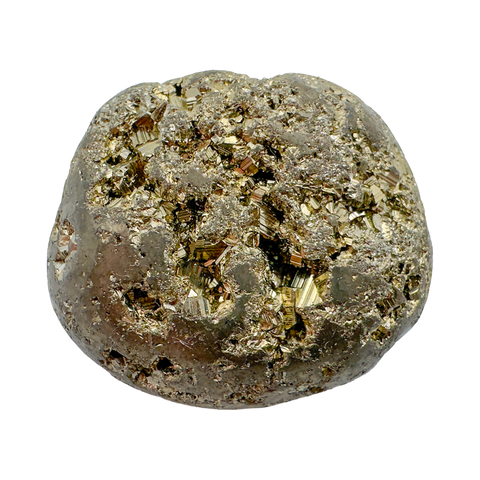
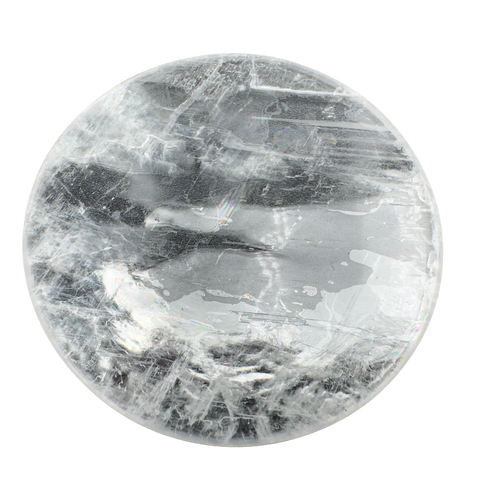


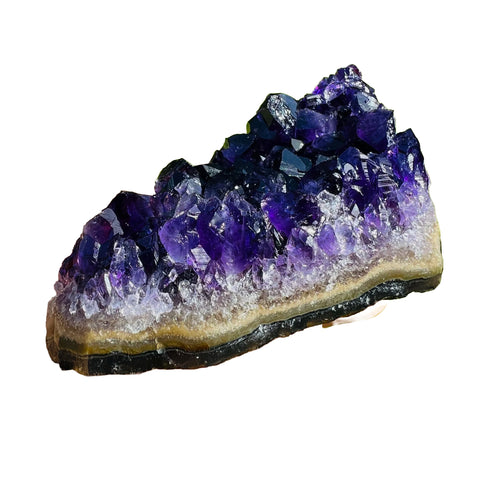






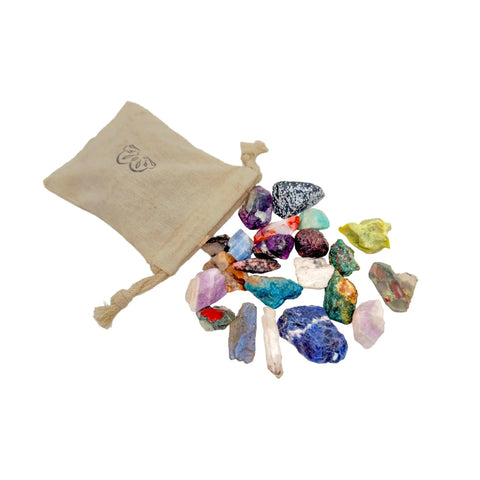
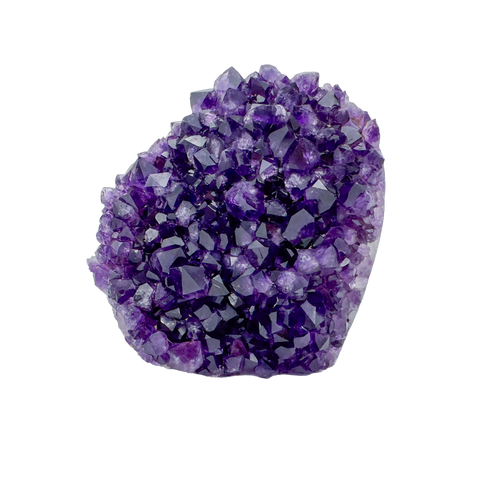
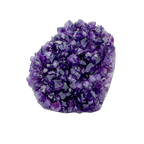 Amethyst
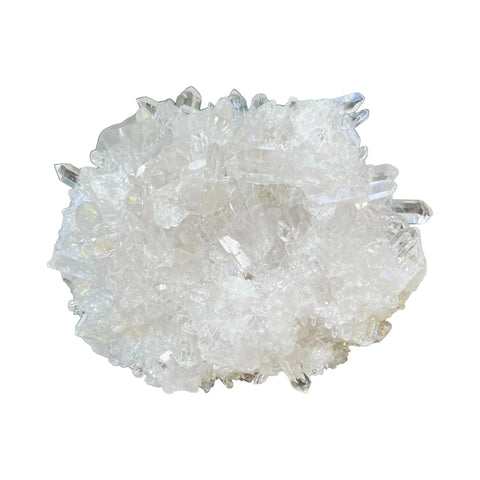
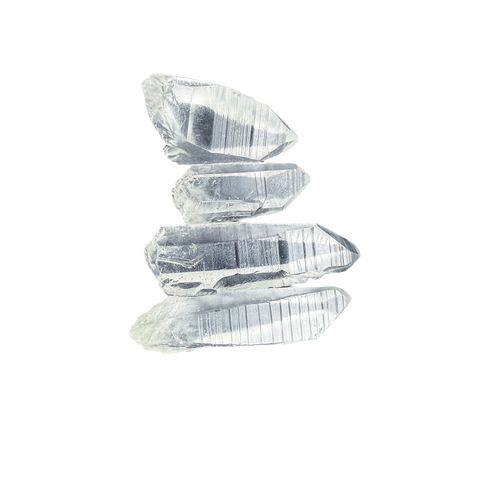
 Clear Quartz
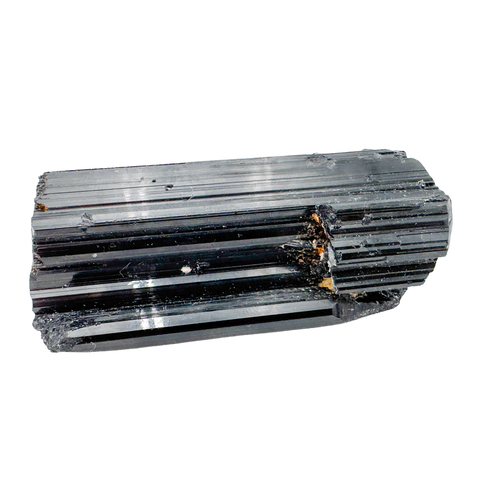
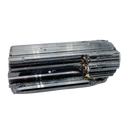 Black Tourmaline
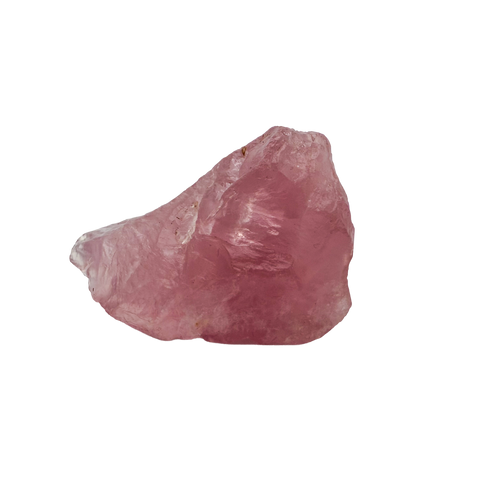
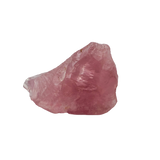 Rose Quartz
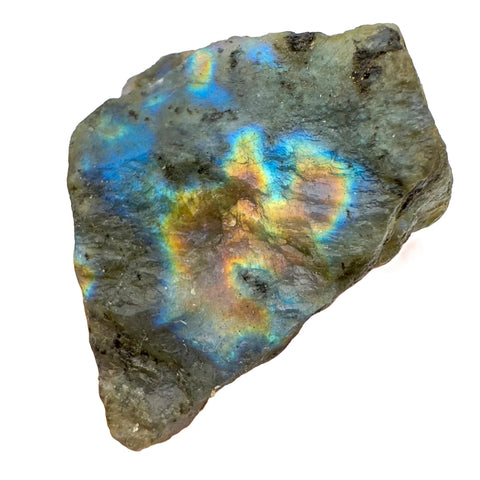
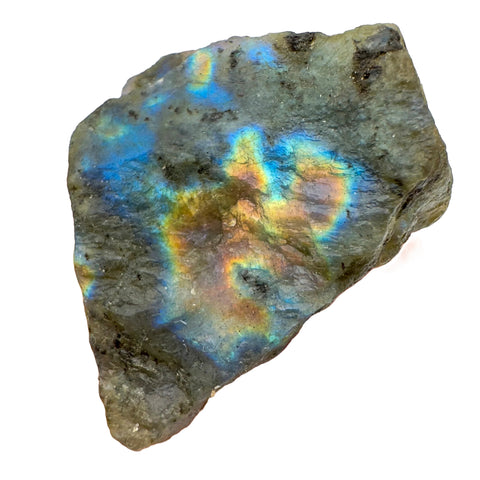
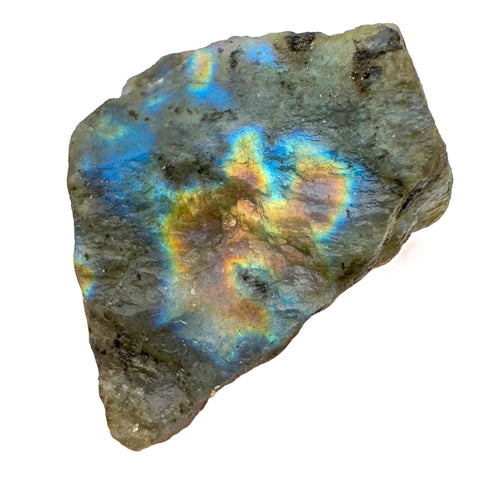
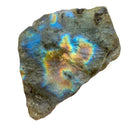 Labradorite
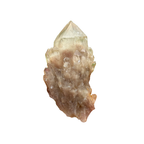 Natural Citrine
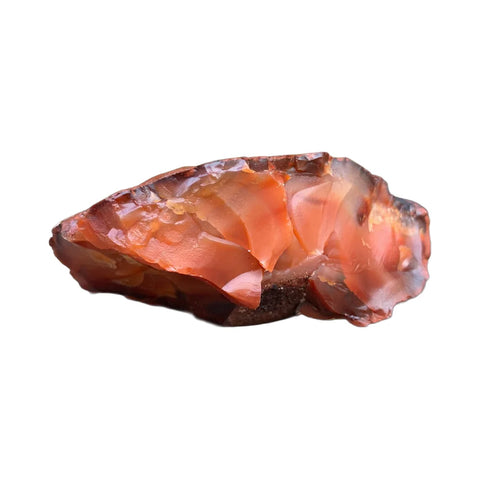
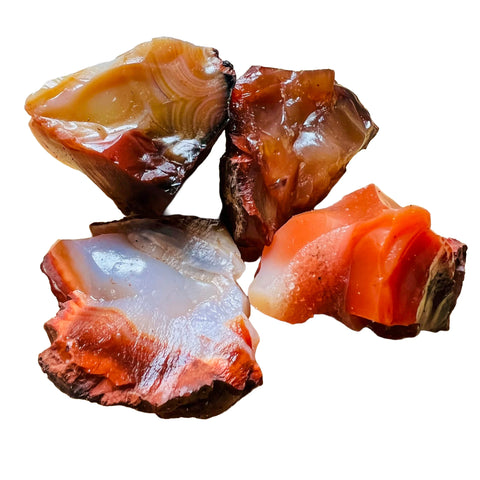
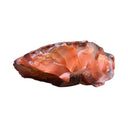 Carnelian
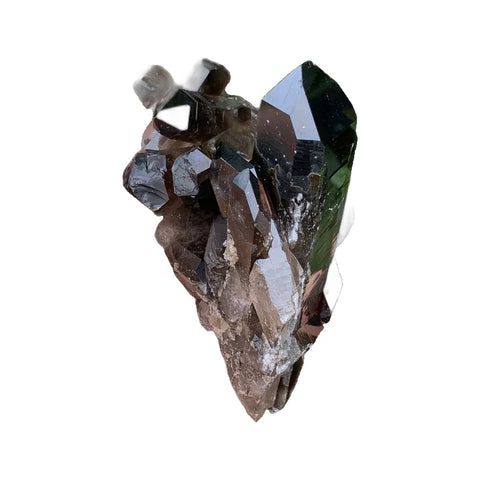
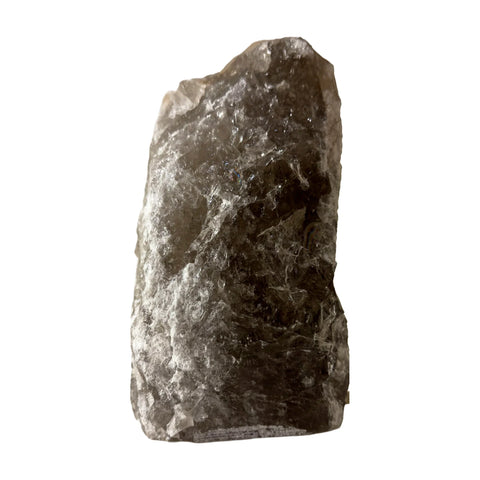
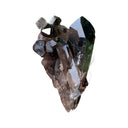 Smoky Quartz
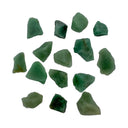 Aventurine
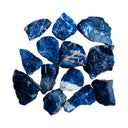 Sodalite
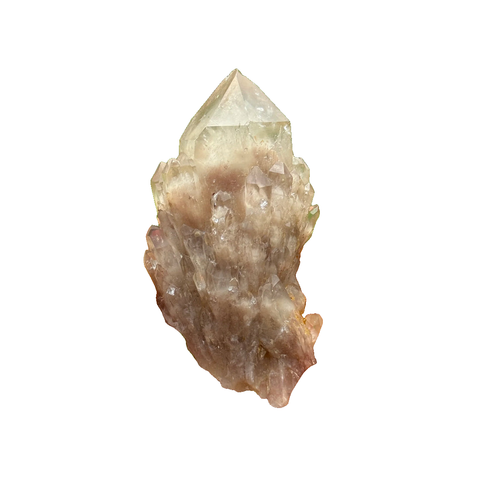
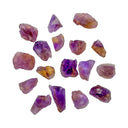 Ametrine
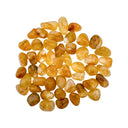 Golden Healer
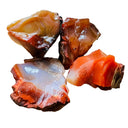 Raw Stones
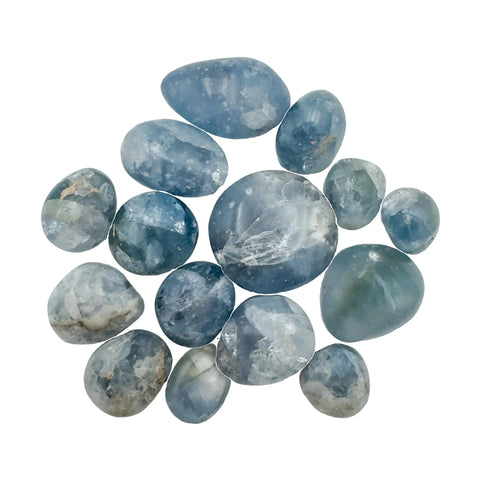
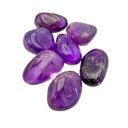 Tumbled Stones
 Palm Stones
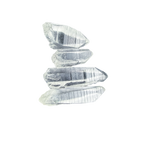 Crystal Points
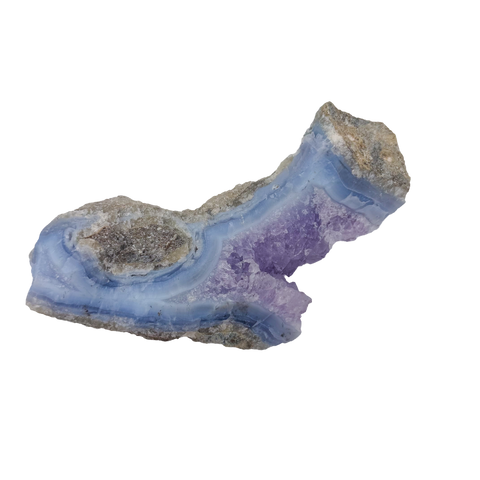
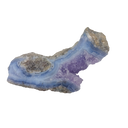 Clusters & Geodes
 Polished & Decor
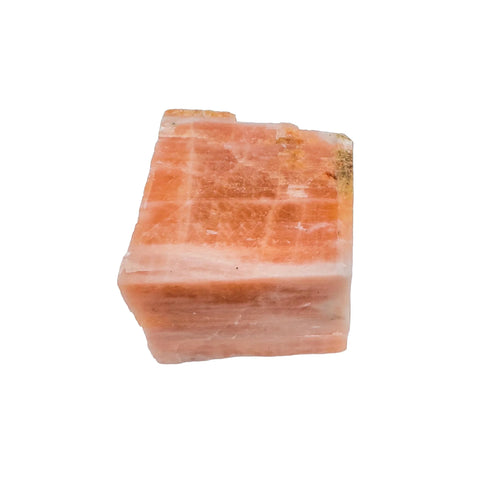
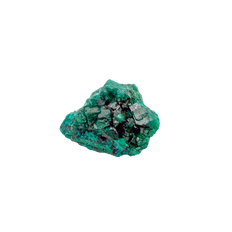 Mineral Specimens
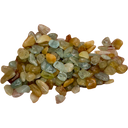 Crystal Chips
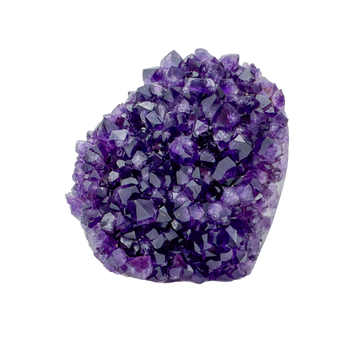
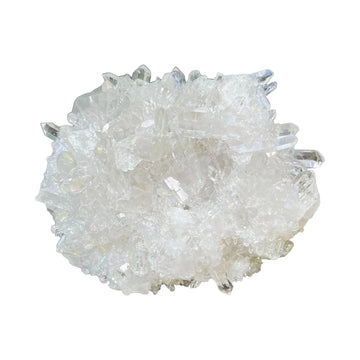
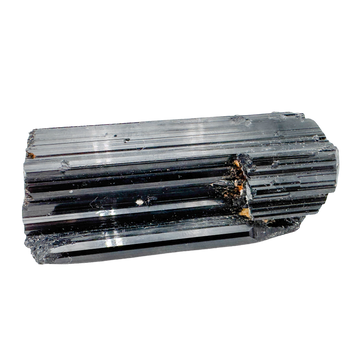
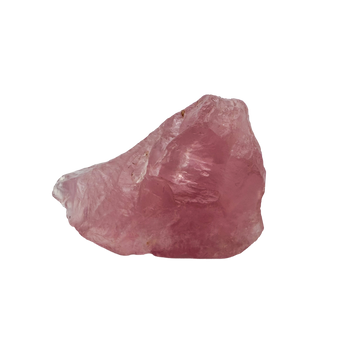
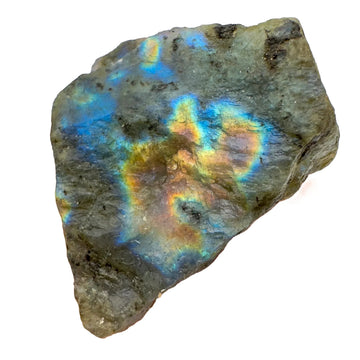
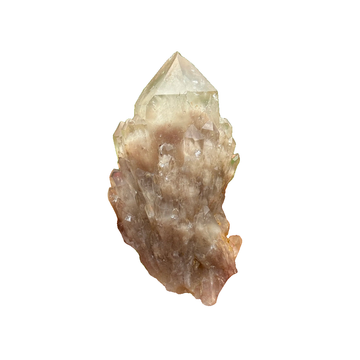
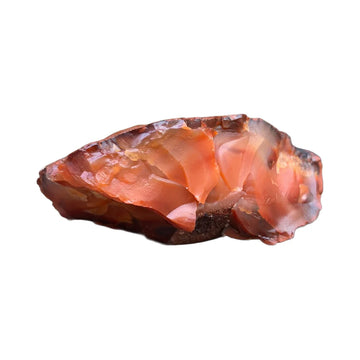
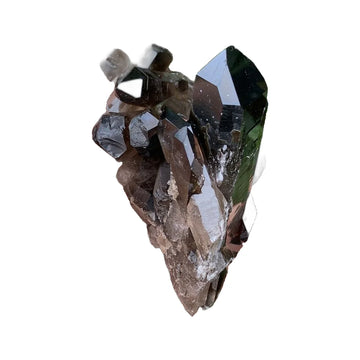
 Raw Stones
179 to choose from
Raw Stones
179 to choose from
 Tumbled Stones
162 to choose from
Tumbled Stones
162 to choose from
 Palm Stones
25 to choose from
Palm Stones
25 to choose from
 Crystal Points
23 to choose from
Crystal Points
23 to choose from
 Clusters & Geodes
96 to choose from
Clusters & Geodes
96 to choose from
 Polished & Decor
146 to choose from
Polished & Decor
146 to choose from
 Mineral Specimens
245 to choose from
Mineral Specimens
245 to choose from
 Crystal Chips
21 to choose from
Crystal Chips
21 to choose from


 AngolaAquamarine
›
AngolaAquamarine
›
 BotswanaCarnelian, Tree Agate
›
BotswanaCarnelian, Tree Agate
›
 DR CongoMalachite, Natural Citrine
›
DR CongoMalachite, Natural Citrine
›
 EswatiniBloodstone
›
EswatiniBloodstone
›
 MadagascarLabradorite, Clear Quartz
›
MadagascarLabradorite, Clear Quartz
›
 MalawiBlue Lace Agate, Garnet
›
MalawiBlue Lace Agate, Garnet
›
 MozambiqueAmazonite
›
MozambiqueAmazonite
›
 NamibiaSodalite, Blue Lace Agate
›
NamibiaSodalite, Blue Lace Agate
›
 Republic of the CongoDioptase
›
Republic of the CongoDioptase
›
 South AfricaTiger Eye, Unakite
›
South AfricaTiger Eye, Unakite
›
 ZambiaChevron Amethyst
›
ZambiaChevron Amethyst
›
 ZimbabweEmerald, Rhodonite
›
ZimbabweEmerald, Rhodonite
›
 ArgentinaBlack Obsidian, Rhodochrosite
›
ArgentinaBlack Obsidian, Rhodochrosite
›
 BoliviaAmetrine
›
BoliviaAmetrine
›
 BrazilAmethyst, Clear Quartz
›
BrazilAmethyst, Clear Quartz
›
 PeruSerpentine, Jade
›
PeruSerpentine, Jade
›
 UruguayAmethyst
›
UruguayAmethyst
›
 Dominican RepublicLarimar
›
Dominican RepublicLarimar
›
 MexicoRainbow Obsidian, Crazy Lace Agate
›
MexicoRainbow Obsidian, Crazy Lace Agate
›
 United StatesSelenite, Peridot
›
United StatesSelenite, Peridot
›
 ChinaFluorite
›
ChinaFluorite
›
 RussiaShungite
›
RussiaShungite
›
 AustraliaMookaite
›
AustraliaMookaite
›
 Where our crystals come from
See where we source →
Where our crystals come from
See where we source →


 Aquarius
Jan 20 to Feb 18
Amethyst
›
Aquarius
Jan 20 to Feb 18
Amethyst
›
 Pisces
Feb 19 to Mar 20
Aquamarine
›
Pisces
Feb 19 to Mar 20
Aquamarine
›
 Aries
Mar 21 to Apr 19
Carnelian
›
Aries
Mar 21 to Apr 19
Carnelian
›
 Taurus
Apr 20 to May 20
Rose Quartz
›
Taurus
Apr 20 to May 20
Rose Quartz
›
 Gemini
May 21 to Jun 20
Agate
›
Gemini
May 21 to Jun 20
Agate
›
 Cancer
Jun 21 to Jul 22
Moonstone
›
Cancer
Jun 21 to Jul 22
Moonstone
›
 Leo
Jul 23 to Aug 22
Citrine
›
Leo
Jul 23 to Aug 22
Citrine
›
 Virgo
Aug 23 to Sep 22
Amazonite
›
Virgo
Aug 23 to Sep 22
Amazonite
›
 Libra
Sep 23 to Oct 22
Blue Lace Agate
›
Libra
Sep 23 to Oct 22
Blue Lace Agate
›
 Scorpio
Oct 23 to Nov 21
Obsidian
›
Scorpio
Oct 23 to Nov 21
Obsidian
›
 Sagittarius
Nov 22 to Dec 21
Sodalite
›
Sagittarius
Nov 22 to Dec 21
Sodalite
›
 Capricorn
Dec 22 to Jan 19
Black Tourmaline
›
Gifting?
A birthday stone is the safe bet.
Read the zodiac guide →
Capricorn
Dec 22 to Jan 19
Black Tourmaline
›
Gifting?
A birthday stone is the safe bet.
Read the zodiac guide →


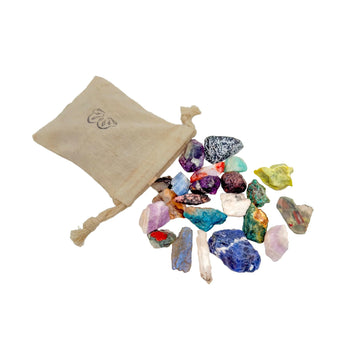

Black Onyx
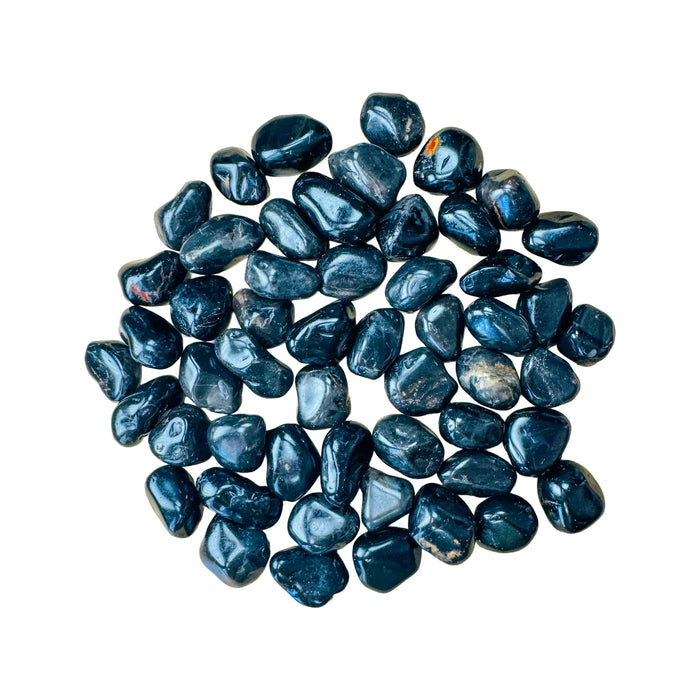
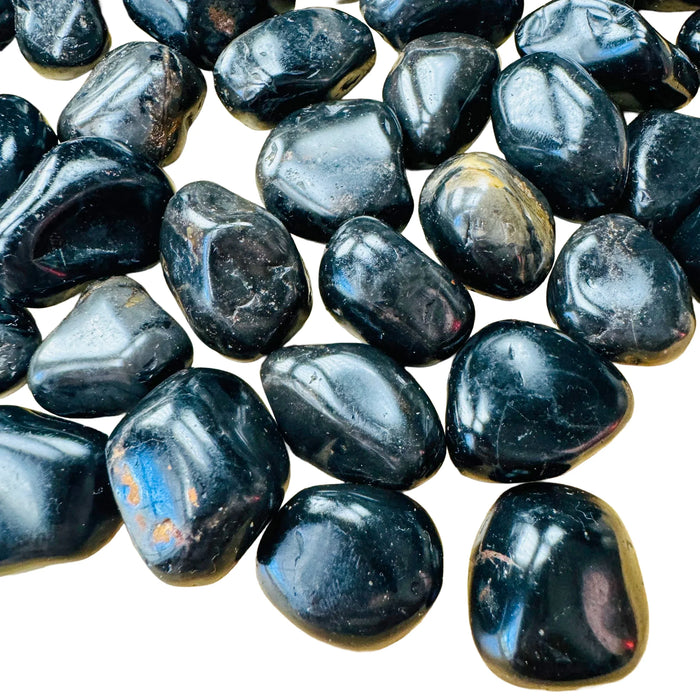
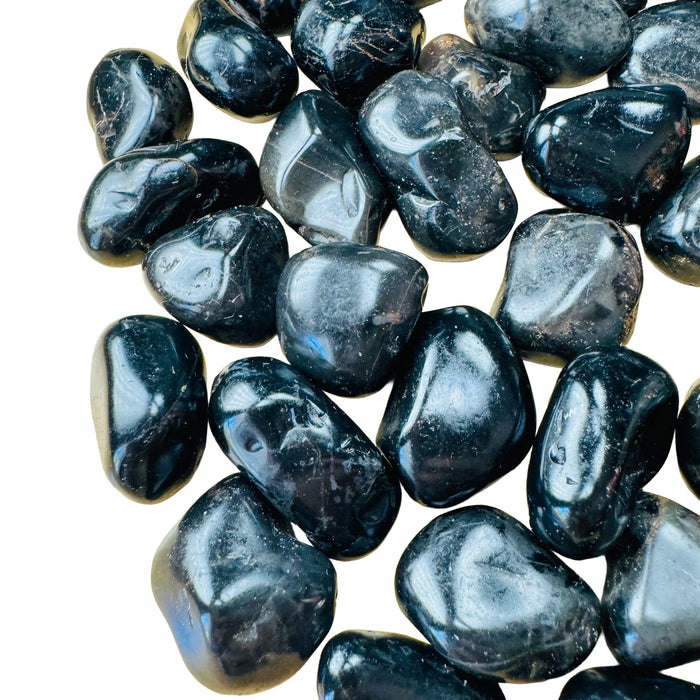
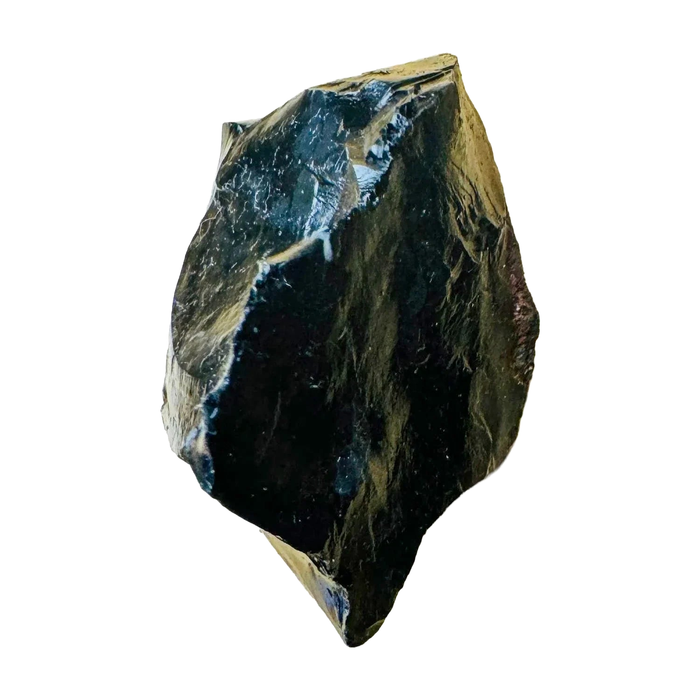
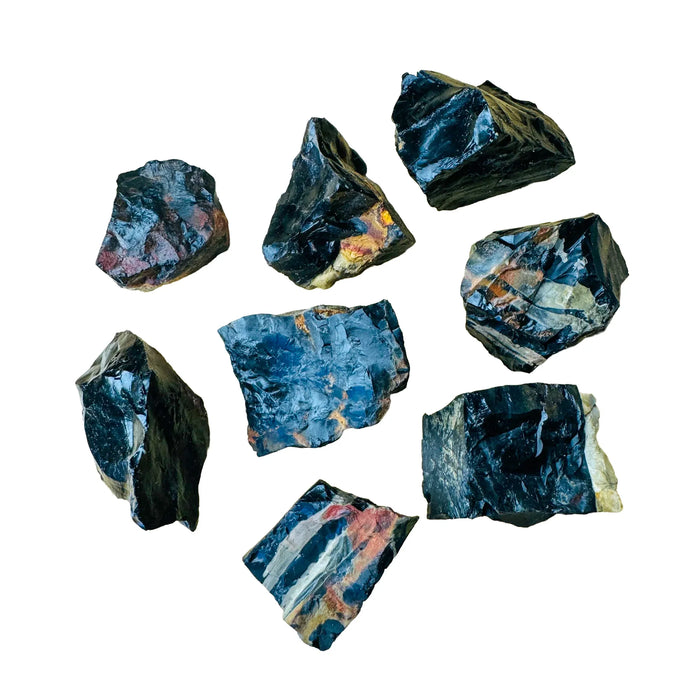
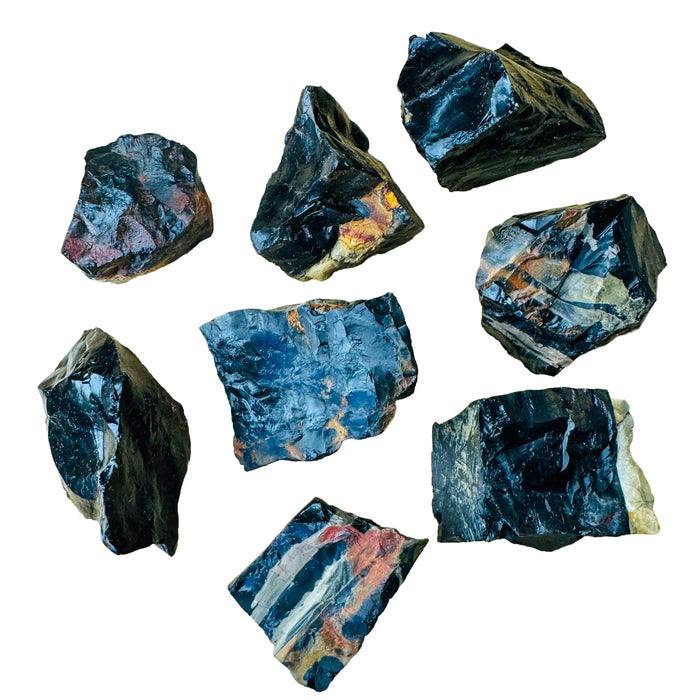
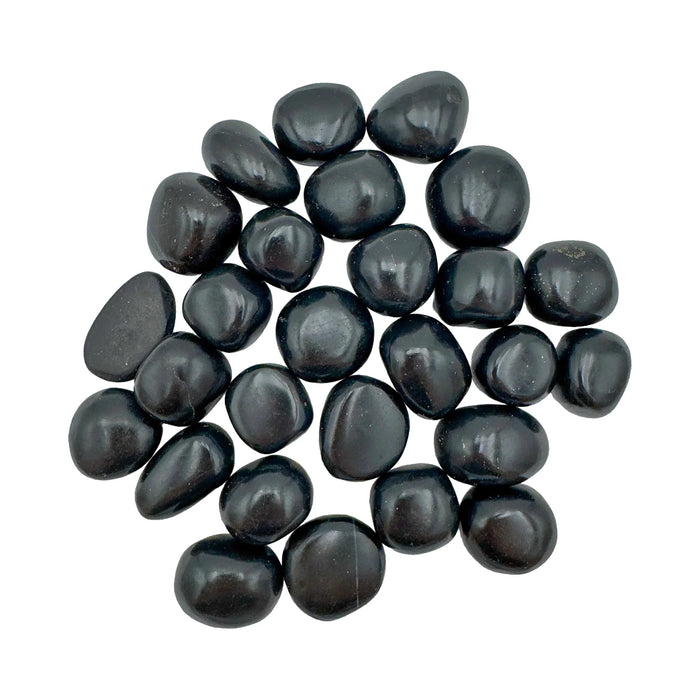
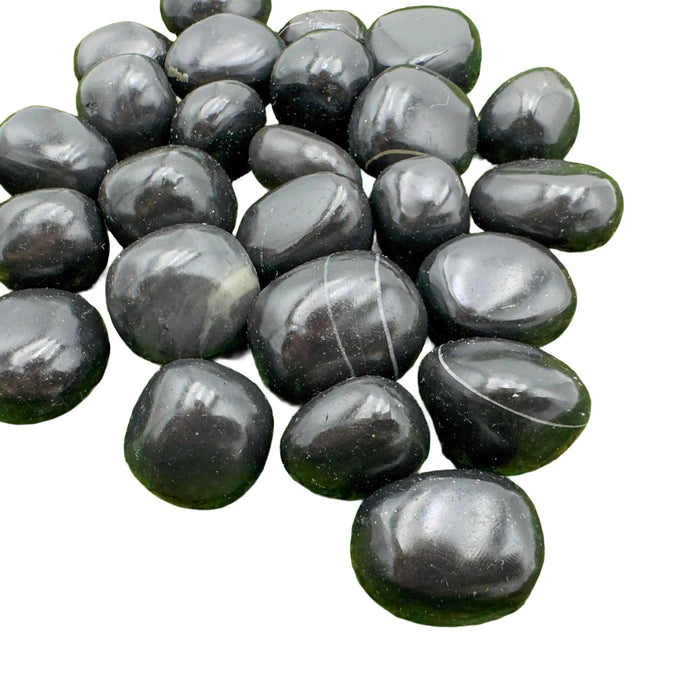
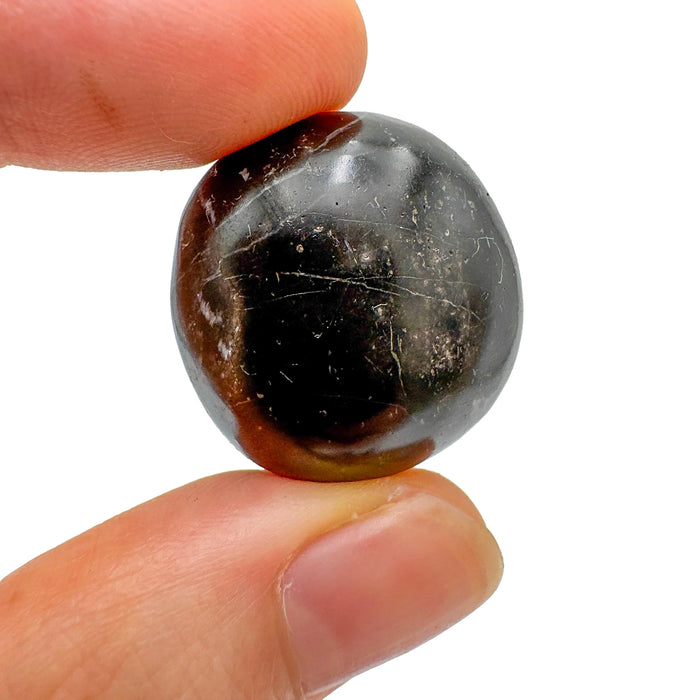
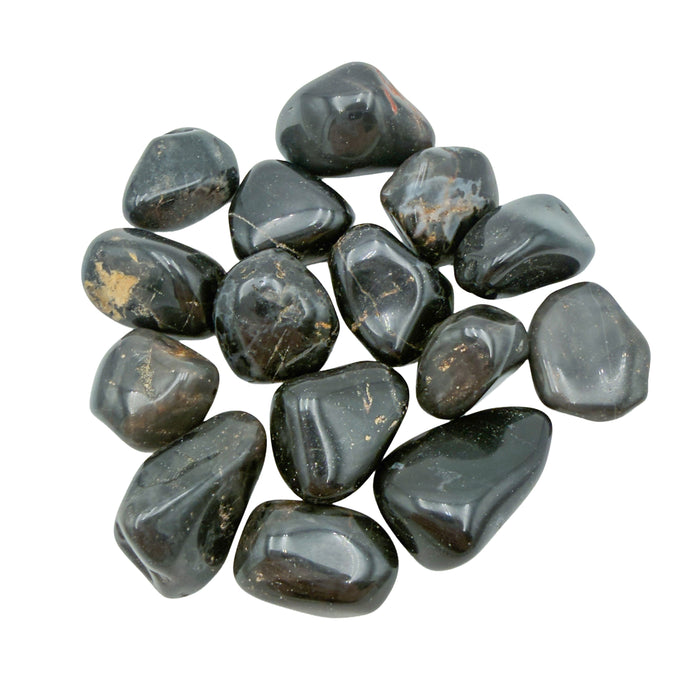
Black onyx is chalcedony, a microcrystalline form of quartz, and most black onyx on the market is gray chalcedony dyed solid black. Ours is natural and undyed, so the color runs from charcoal to gray with soft banding, sometimes with white or orange. Our pieces come from Brazil and Peru. Many people work with black onyx for protection, grounding, and clarity when facing challenge.
Shop black onyxBlack Onyx, in stock now.
Our most-loved Black Onyx pieces, ready to ship.


- from 1,000+ reviews
- Ships within 72 hoursMonday to Friday, tracked
- 90 days to return itif you do not love it
- Free US shipping over $99$8.99 flat rate under
The geology.
Black onyx is chalcedony, a microcrystalline form of quartz. In natural, undyed pieces like ours, the charcoal to gray color comes from trace mineral inclusions such as iron, manganese, or carbon within the chalcedony structure. Most dyed black onyx starts as the gray or banded chalcedony found widely in alluvial deposits. We source from Minas Gerais in Brazil, where natural dark chalcedony occurs in secondary and alluvial deposits, and from Ancash in Peru, where hand-polished pieces are selected and finished by artisanal workers. The natural color is permanent and stable across light and moisture conditions.
Black onyx's hardness sits at 6.5 to 7 on the Mohs scale, making it durable for daily wear and resistant to scratching. The mineral has a waxy to vitreous luster and trigonal crystal system. Specific gravity ranges from 2.58 to 2.64. In our pieces the color is intrinsic to the material, not applied through treatment. This makes natural, undyed chalcedony a genuine variety of quartz, distinct from the dyed material that has become industry standard.
The origins.
We source natural, undyed dark chalcedony from two regions. From Minas Gerais, Brazil, we source raw pieces from alluvial and secondary deposits through small-scale operations that hand-extract and hand-select each piece. From Ancash, Peru, we source hand-polished tumbled stones that are selected from natural, undyed chalcedony and finished by artisanal workers without additional treatment. Both sources provide documented origin verified at the batch level. The choice between raw Brazilian form and Peruvian hand-polished form is a matter of preference and use.
Most commercial black onyx sold globally is dyed gray chalcedony. Natural, undyed onyx is the exception, not the standard. We prioritize sourcing the natural material rather than the dyed market default because it aligns with our commitment to transparency and substance over hype. We work with specific suppliers in Brazil and Peru because we understand the intermediaries, can confirm the natural status of material at source, and maintain consistent sourcing. If either relationship changes, we will note it transparently.
Traditional associations.
Black onyx has a long history in lapidaries and protective traditions. The Romans valued black stones for protection and wore black onyx in amulets and seals. Medieval lapidaries consistently list onyx as a protective mineral, associated with grounding and with the ability to absorb and transform negative energy. The stone's dark appearance carries metaphorical weight in these traditions, connecting it to strength and protective presence.
In modern crystal practice, black onyx is most often associated with the Root chakra, the element Earth, and zodiac sign Capricorn. Many people work with it for protection during change, grounding when feeling scattered, and clarity in the face of difficulty. Some choose it when navigating challenge or transition, seeking the sense of stability and protective presence that black onyx's density seems to represent. The depth of color carries meaning for those drawn to it, suggesting wholeness and integration.
Spotting the real thing.
Genuine chalcedony is hard enough that it resists scratching under normal handling and will not scratch under fingernail pressure or a copper coin. The luster is waxy to vitreous, never glassy or plastic-looking. Natural chalcedony often shows zoning or banding, a sign of natural color variation layered during formation. Natural, undyed onyx like ours is rarely an even jet black: expect charcoal to gray tones, soft banding, and sometimes white or orange. A perfectly uniform, inky black usually points to dye.
Be cautious of imitations: black glass, black plastic, painted stones, or dyed chalcedony passed as natural. Test genuine black onyx by checking hardness, luster, and specific gravity (should range 2.58 to 2.64 for natural chalcedony). If the material feels lightweight, is overly glossy, seems plastic-coated, or transfers color to a damp cloth, it is likely not natural, undyed chalcedony. Ask your seller about the natural status of the material, where the stone was sourced, and whether it has been treated. Transparency on sourcing and material origin is the marker of an honest seller.
Care & handling.
Black onyx is durable for daily wear and needs no special care. Warm water, mild soap, and a soft brush are safe for cleaning; dry it afterward. Avoid harsh chemicals and cleaners. Store black onyx with other minerals without worry it will scratch easily, though we recommend keeping it away from very soft minerals like selenite to prevent damage to those stones.
For energetic cleansing, black onyx responds well to smoke, sound, moonlight, and sunlight without fading. Avoid steam or heat exposure. Handle raw pieces gently to avoid dropping them. For jewelry pieces, check mountings regularly to ensure stones stay secure. Black onyx's durability makes it suitable for daily carry and collection building.
Pairs well with.
Proof, not promises.
We measure our own sourcing across five dimensions. Supply chain, environmental footprint, artisan support, market integrity, and pricing. The number is honest, not perfect. Where we can do better, we say so.
A deeper look.
Market reality of black onyx dyeing, chalcedony sourcing by region, dye methods and permanence, how to spot treated versus genuine material, historical context, and why we disclose treatment fully.
The market reality of black onyx
Most black onyx sold globally is dyed chalcedony. The base material is gray agate or banded chalcedony that has been treated with black dye to produce the uniform black color the market expects and demands. This is the commercial standard. Natural black chalcedony is the exception, not the norm. It occurs less frequently in nature, requires hand-selection rather than chemical treatment, and costs more to source because the work is front-loaded instead of relying on a dye bath to standardize color.
The question for an ethical seller is not whether to source dyed or natural material, but to be clear about what you are choosing when you buy. We prioritize natural, undyed chalcedony because it aligns with our commitment to substance and transparency. But most crystal shops source dyed, and that's the market reality. The distinction matters because knowing what you have is the foundation of trust.
Why natural black chalcedony is rarer
Black coloration in chalcedony comes from trace mineral inclusions such as iron, manganese, or carbon. These inclusions must be present in sufficient concentration and distribution to create a naturally black appearance. Most chalcedony deposits produce gray or banded material. The black variety requires geological conditions that produce consistent dark coloring without treatment. When natural black chalcedony does occur, it is valued because it is genuine variation, not produced variation.
Brazil's Minas Gerais region produces both gray and naturally dark chalcedony from alluvial and secondary deposits. Peru's Ancash region similarly produces both types. Hand-selection means identifying pieces with good natural color and banding before they reach polishing or finishing stages. This is slower and more selective than running gray material through a dye bath, but it yields material that is stable by virtue of its composition, not by treatment.
How our Brazil and Peru sources differ from the dyed market
We source raw material from Minas Gerais, Brazil, that is hand-extracted from deposits and selected for natural color before any processing. We source hand-polished pieces from Ancash, Peru, where artisanal workers select and finish natural, undyed chalcedony using traditional methods. Both sources are prioritized because they represent the natural form of the material, not the dyed-for-market form.
The sourcing difference shows in specificity: we can name the region, the deposit type, and the labor practices because the supply chain is built on selection and finishing, not on chemical treatment and standardization. This is harder to scale, more expensive to maintain, and fundamentally different from sourcing gray chalcedony and running it through a dye house. We do it because it aligns with our values. We name it because you deserve to know what you are choosing.
Historical use and protective tradition
Black stones have carried protective meaning across cultures for thousands of years. The Romans valued black onyx extensively, carving seals and amulets that were intended to protect the wearer and mark authenticity in transactions. Medieval lapidaries consistently list onyx as a protective mineral, associated with grounding and with the ability to anchor and stabilize during difficulty. This history is real. It applies to black chalcedony, whether naturally black or dyed. The use of black onyx in intention and ritual has genuine historical depth. The color and tradition are what carry meaning. The sourcing method is what demonstrates respect for the tradition and the buyer.
How we verify natural status
We work with suppliers in both regions who understand the difference between gray and naturally dark chalcedony in their raw deposits. We verify material status at sourcing and conduct batch-level confirmation. We hand-select pieces to ensure their color and banding are consistent with natural material characteristics. We test hardness, specific gravity, and luster against standards for chalcedony. We maintain documented relationships with suppliers precisely so we can confirm that what we are selling as natural, undyed chalcedony is indeed undyed, not material that was later dyed by a middleman. This verification is what differentiates our sourcing from market standard practice.
Good sourcing is a practice, not a claim.
Nothing we sell is hidden or misnamed. Our black onyx is natural, not dyed, uncommon in the market and something we verify with every batch. We name our origins. We say so when we cannot. We source honesty before we source stones.
Bring black onyx home.
Raw pieces from Minas Gerais, Brazil, and hand-polished tumbled stones from Ancash, Peru. Both are natural, undyed chalcedony in charcoal to gray, with soft banding and natural color variation. Each piece carries the protective presence that black onyx has held in tradition for thousands of years. Hand-selected for quality, finish, and supplier integrity. Start with one form and see which resonates with you.
Shop the black onyx collectionGrounded Connections
New Black Onyx pieces go to the list first.
No forwarding, no selling. Unsubscribe in one click. Privacy