


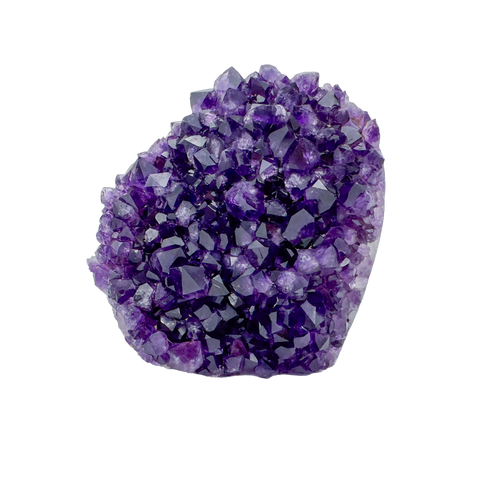
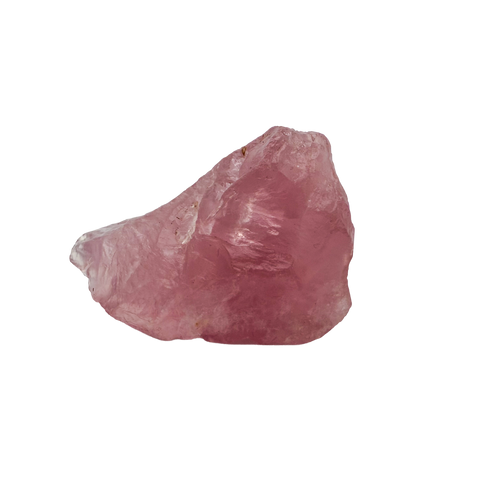
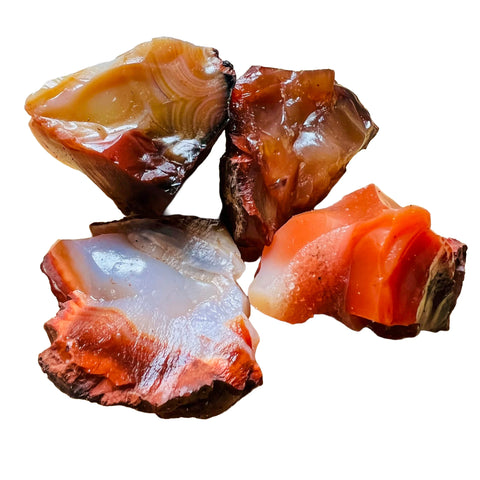


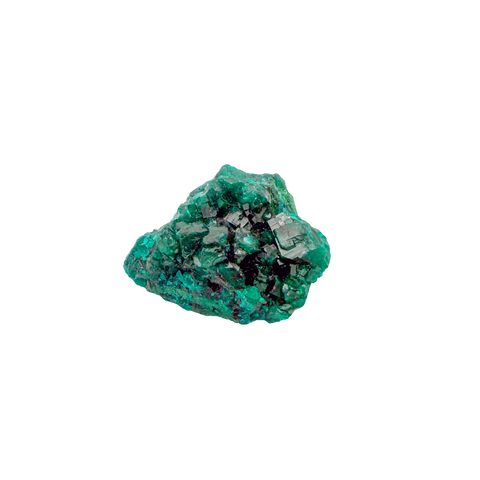
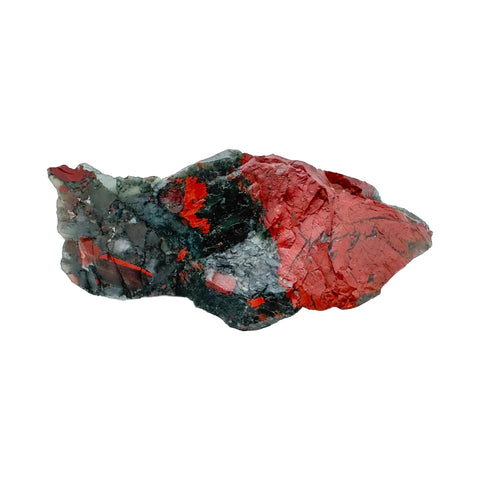
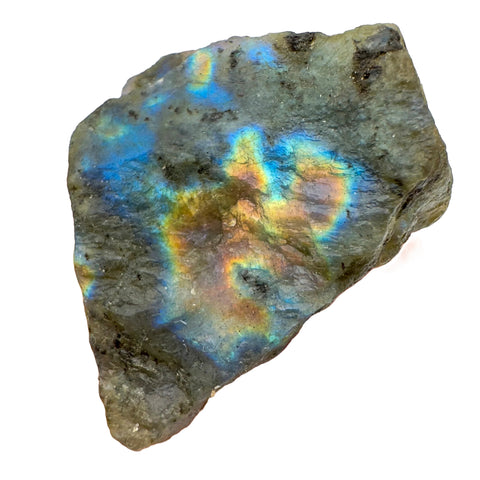
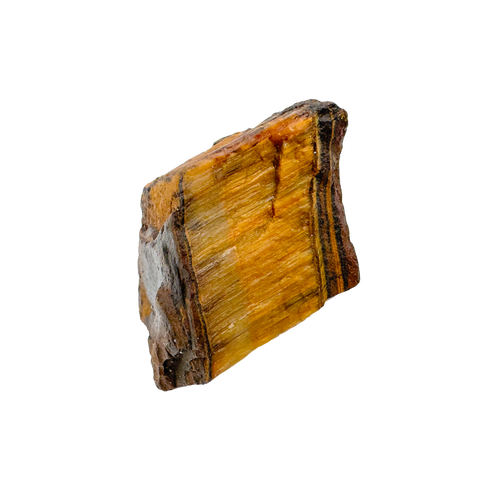
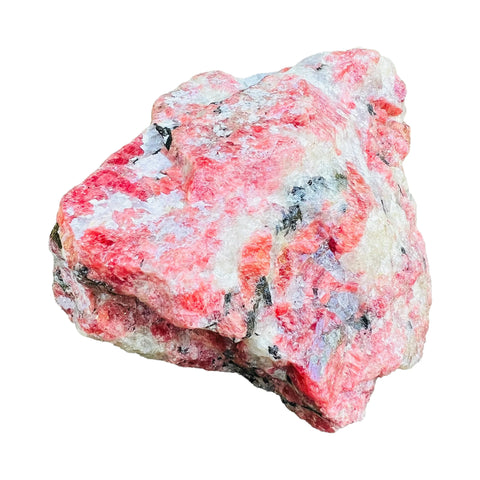
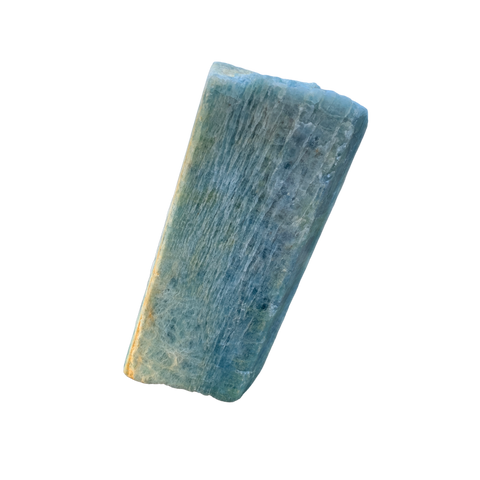
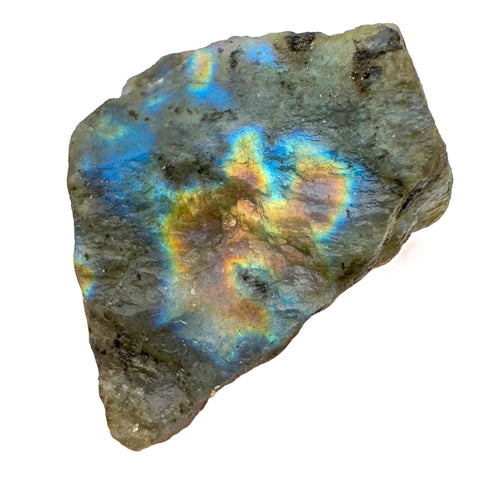
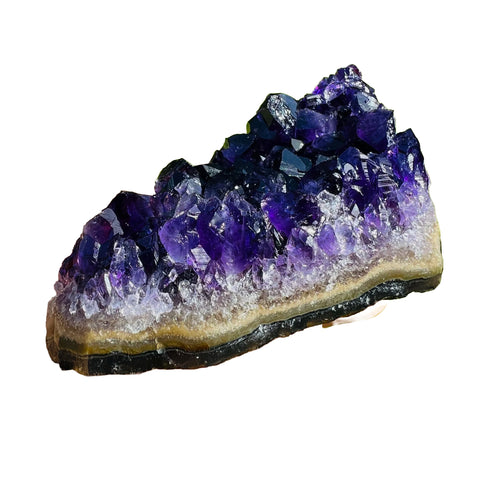



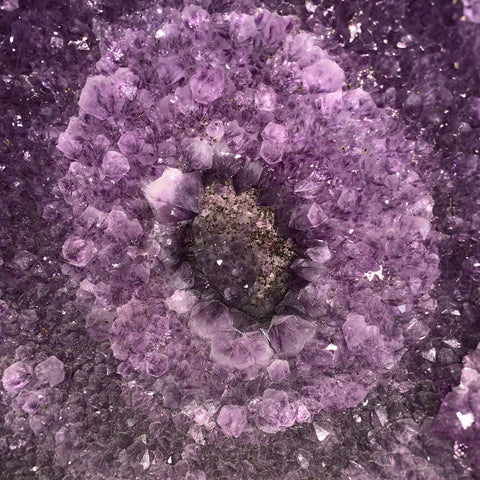
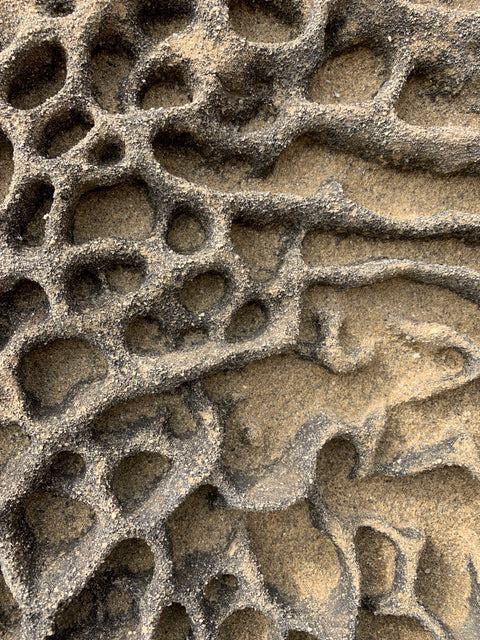
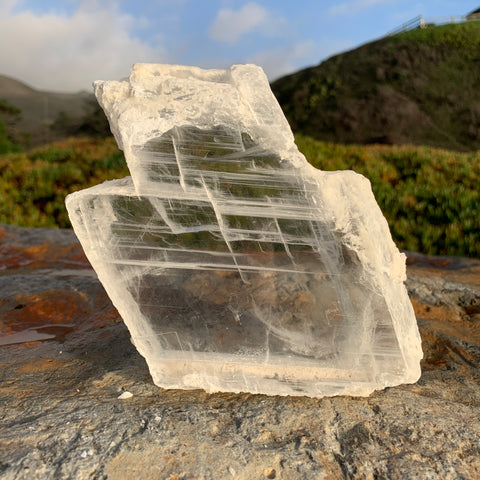

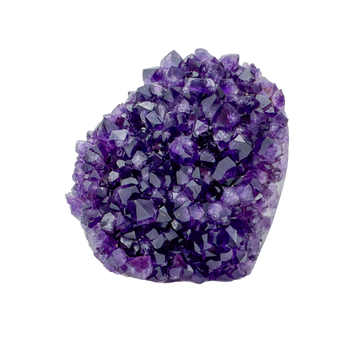
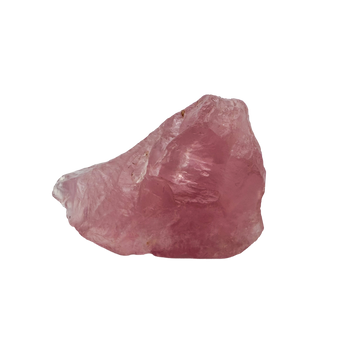
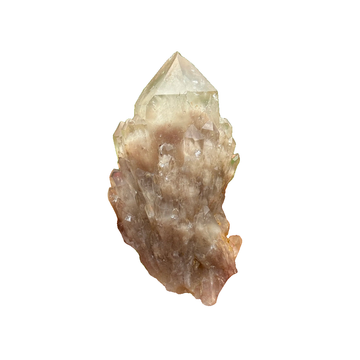
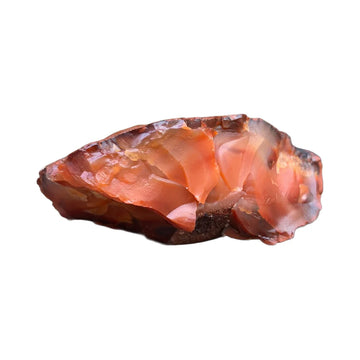
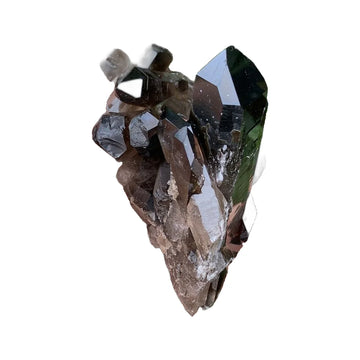
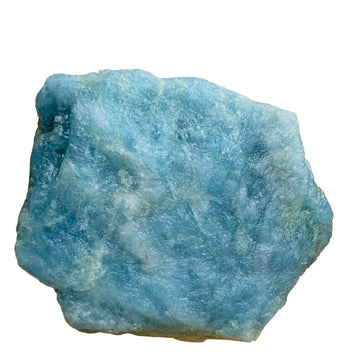
 Raw Stones
179 pieces
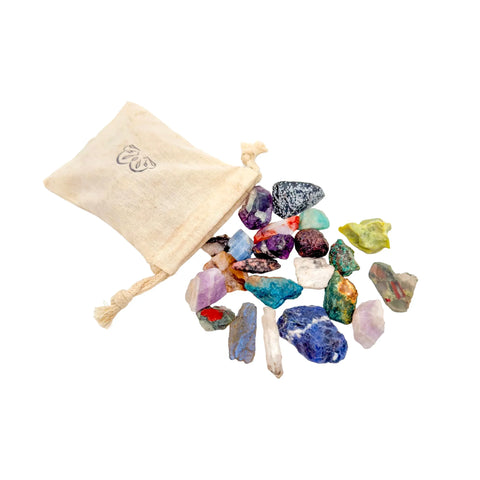
Raw Stones
179 pieces
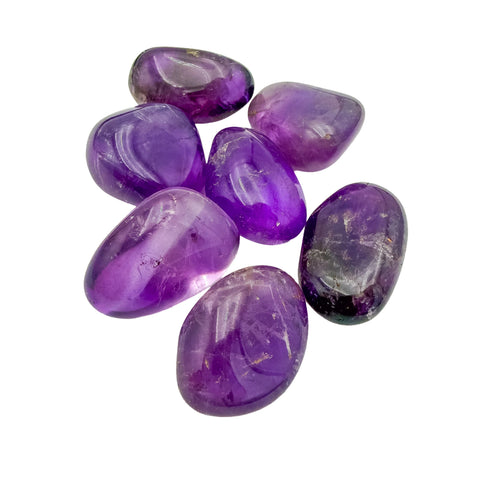
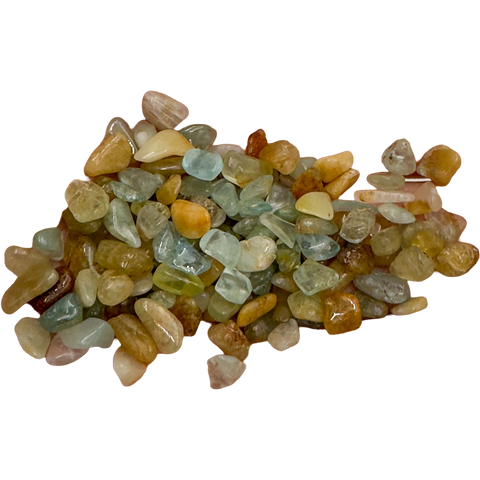
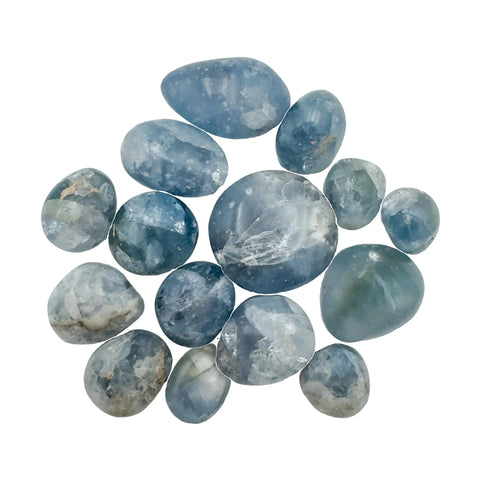
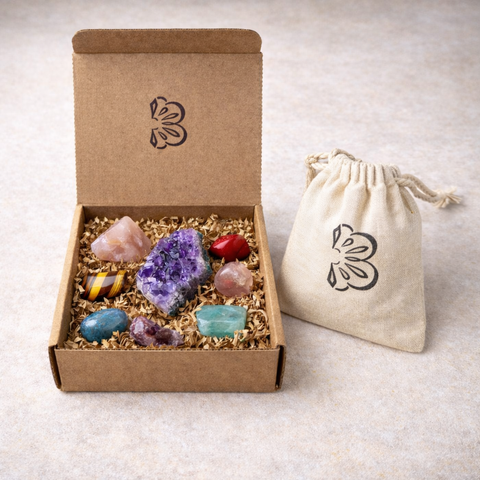
 Tumbled Stones
162 pieces
Tumbled Stones
162 pieces
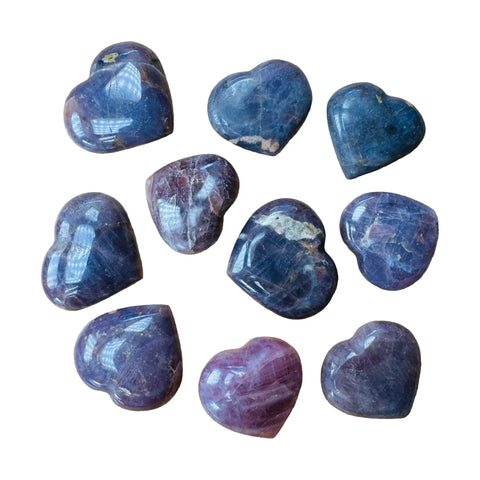
 Palm Stones
25 pieces
Palm Stones
25 pieces
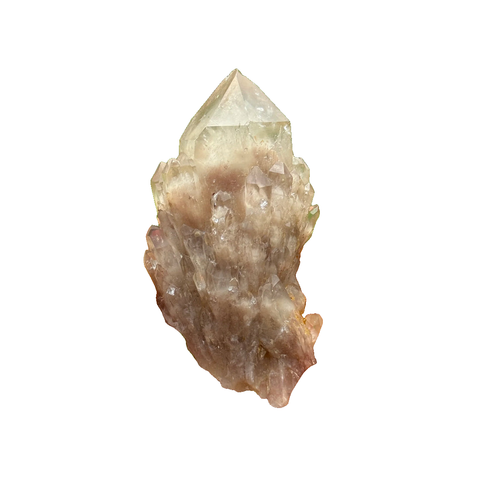
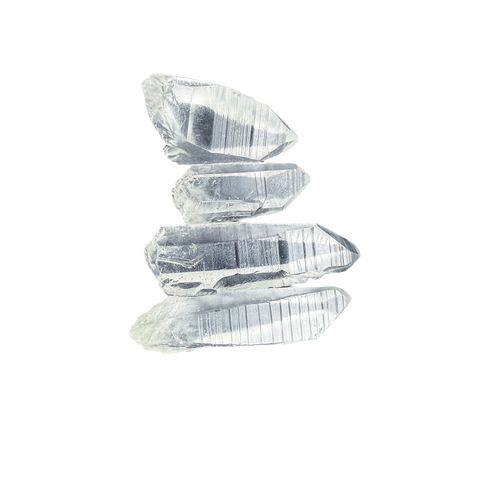
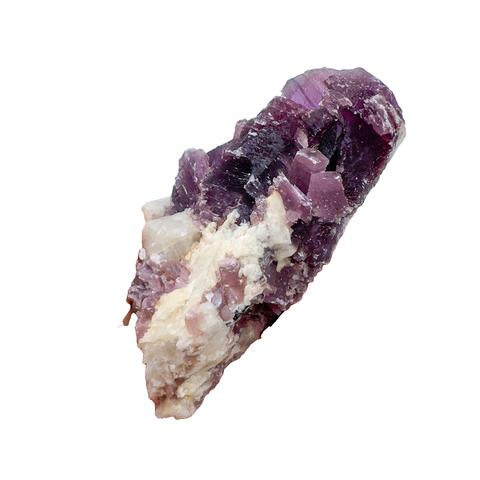
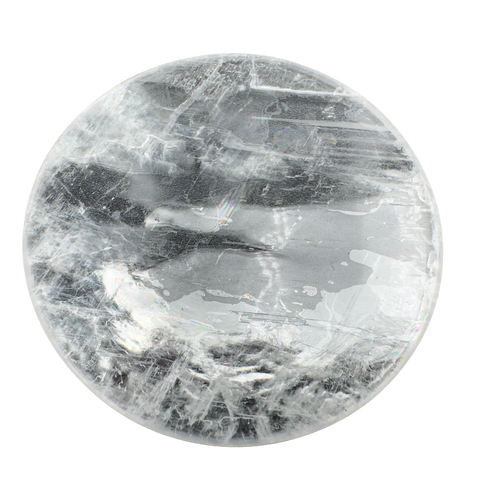
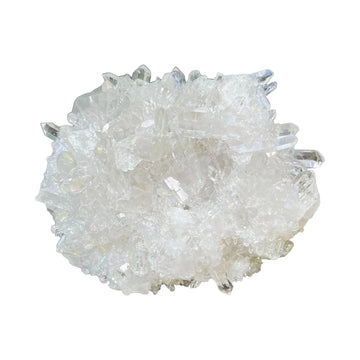
 Crystal Points
23 pieces
Crystal Points
23 pieces
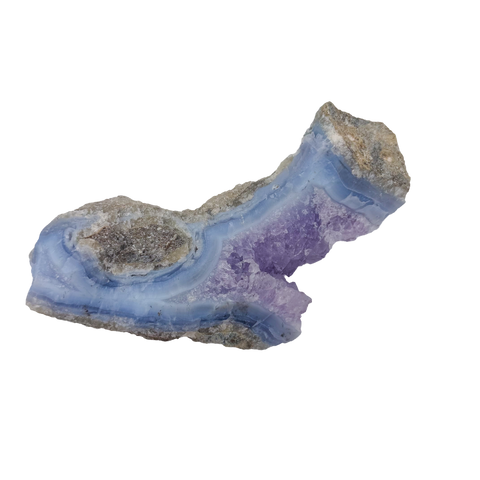
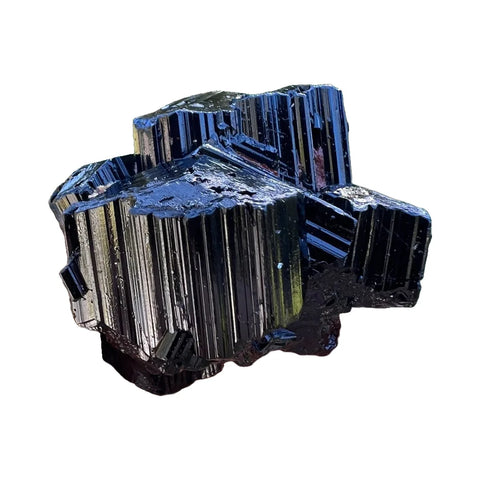
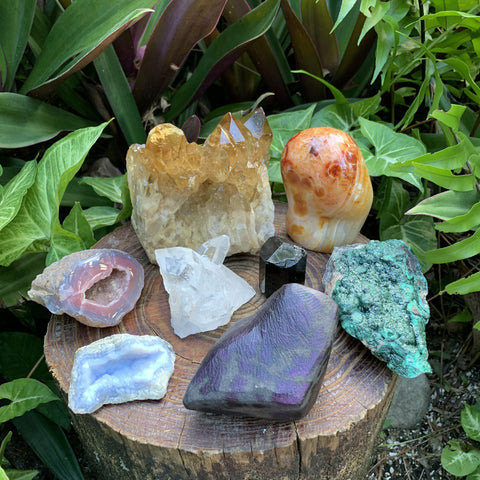
 Clusters & Geodes
104 pieces
Clusters & Geodes
104 pieces
 Polished & Decor
148 pieces
Polished & Decor
148 pieces
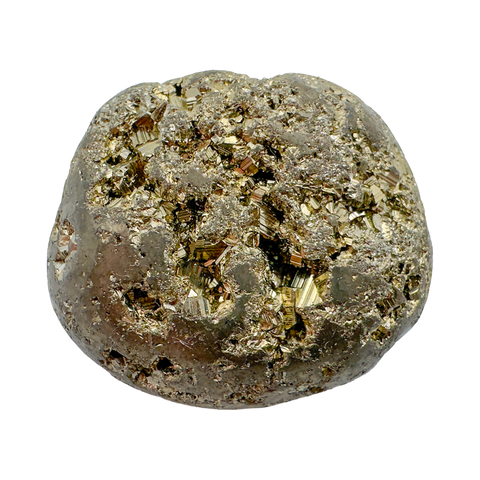
 Mineral Specimens
259 collector pieces
Mineral Specimens
259 collector pieces
 Crystal Chips
21 pieces
Browse everything
Every collection, one page.
View All Collections →
Crystal Chips
21 pieces
Browse everything
Every collection, one page.
View All Collections →


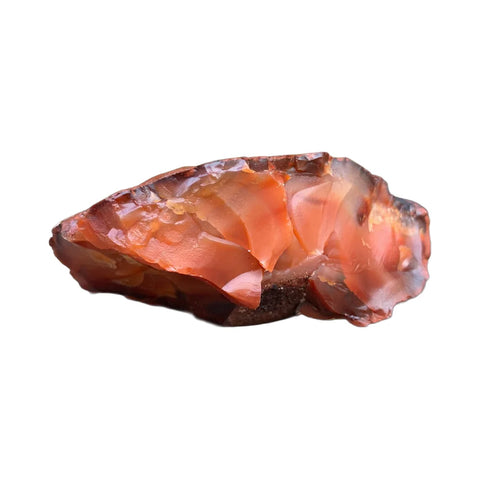
 Aries
Mar 21 – Apr 19
Carnelian
›
Aries
Mar 21 – Apr 19
Carnelian
›
 Taurus
Apr 20 – May 20
Rose Quartz
›
Taurus
Apr 20 – May 20
Rose Quartz
›
 Gemini
May 21 – Jun 20
Agate
›
Gemini
May 21 – Jun 20
Agate
›
 Cancer
Jun 21 – Jul 22
Moonstone
›
Cancer
Jun 21 – Jul 22
Moonstone
›
 Leo
Jul 23 – Aug 22
Citrine
›
Leo
Jul 23 – Aug 22
Citrine
›
 Virgo
Aug 23 – Sep 22
Amazonite
›
Virgo
Aug 23 – Sep 22
Amazonite
›
 Libra
Sep 23 – Oct 22
Blue Lace Agate
›
Libra
Sep 23 – Oct 22
Blue Lace Agate
›
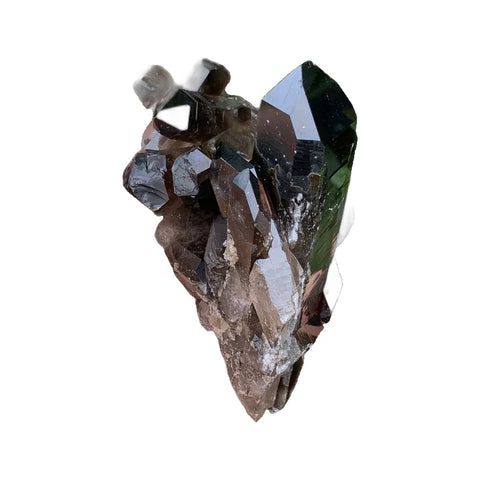
 Scorpio
Oct 23 – Nov 21
Obsidian
›
Scorpio
Oct 23 – Nov 21
Obsidian
›
 Sagittarius
Nov 22 – Dec 21
Sodalite
›
Sagittarius
Nov 22 – Dec 21
Sodalite
›
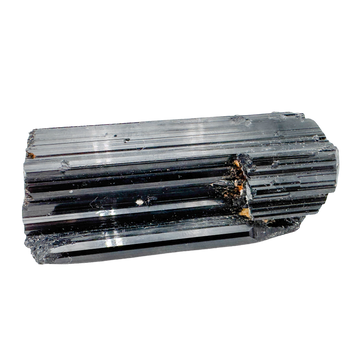
 Capricorn
Dec 22 – Jan 19
Black Tourmaline
›
Capricorn
Dec 22 – Jan 19
Black Tourmaline
›
 Aquarius
Jan 20 – Feb 18
Amethyst
›
Aquarius
Jan 20 – Feb 18
Amethyst
›
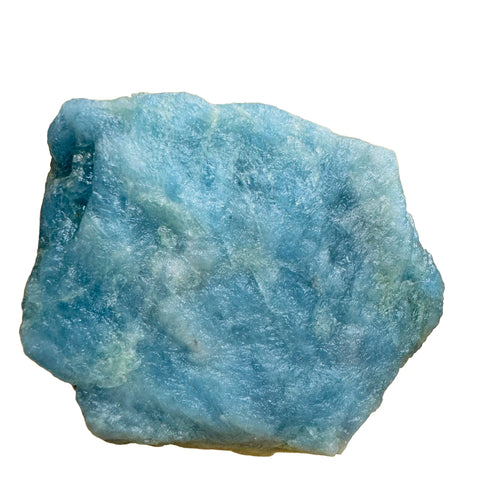
 Pisces
Feb 19 – Mar 20
Aquamarine
›
Gifting?
A birthday stone is the safe bet.
Read the zodiac guide →
Pisces
Feb 19 – Mar 20
Aquamarine
›
Gifting?
A birthday stone is the safe bet.
Read the zodiac guide →


Gold Sheen Obsidian
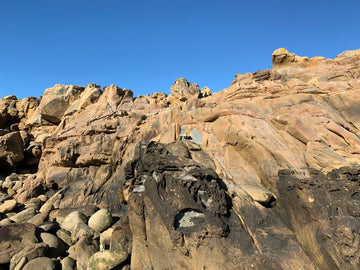
Gold sheen obsidian looks like ordinary black obsidian until you tilt it toward the light, and a soft golden shimmer sweeps across the surface. That glow is entirely natural, created by microscopic bubbles and inclusions locked in alignment when the lava froze. It is one of nature's quieter light shows, hidden in plain volcanic glass.
The geology.
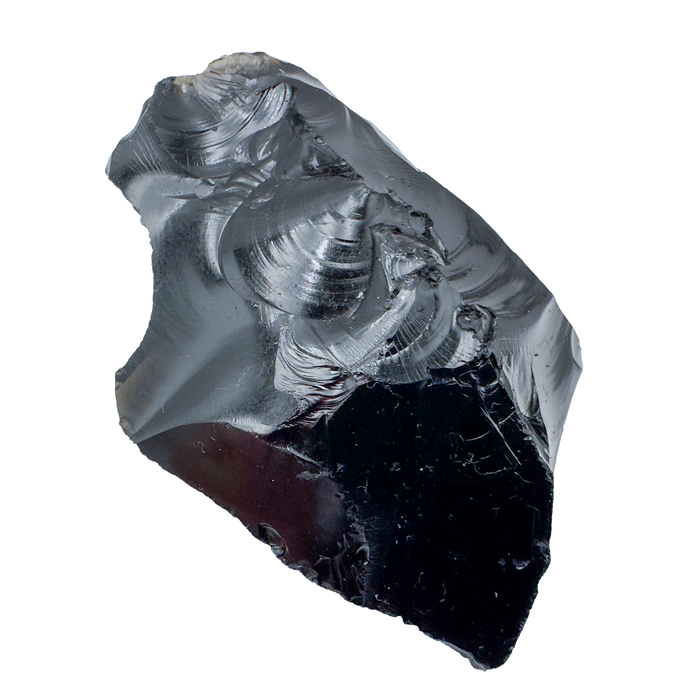
Obsidian is natural volcanic glass, formed when silica-rich lava cools so fast that mineral crystals never get the chance to grow. Its makeup is mostly silicon dioxide with other elements mixed in, and because it is glass it has no crystal structure. Hardness sits around 5 to 5.5 on the Mohs scale, and it breaks with the sharp, curved conchoidal fracture that made obsidian a tool stone for ancient peoples.
The gold sheen comes from what is trapped inside. As the lava flowed and cooled, countless tiny gas bubbles and plate-like inclusions were stretched and lined up along the flow layers. When light hits that aligned layer at the right angle, it bounces back as a golden shimmer that seems to float beneath the surface. Change the angle and the sheen shifts or disappears. It is a structural effect, not a coating or a dye.
The origins.
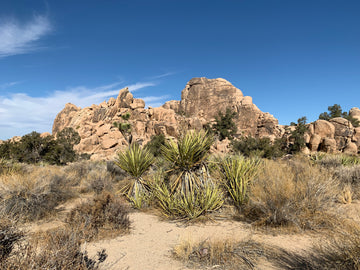
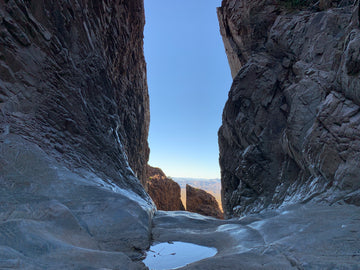
Most gold sheen obsidian on the market comes from Mexico, home to some of the world's great obsidian flows. Smaller quantities of sheen obsidian are reported from parts of the western United States and the Caucasus. Because obsidian forms wherever the right lava cools quickly, it is found in many volcanic regions, but the well-aligned gold sheen material is more particular.
It is usually cut into cabochons, spheres, palm stones, and carvings oriented so the sheen appears across the face of the piece. Skilled cutting matters here, because the shimmer only shows when the aligned layer is presented to the light correctly, so orientation is part of the craft.
Traditional associations.
Obsidian has a deep reputation as a protective, grounding, and truth-revealing stone, and for centuries polished obsidian was used as a mirror for reflection and scrying. Gold sheen obsidian carries that lineage with a warmer note, its hidden glow suggesting light found within darkness.
Many people work with it for grounding, clearing, and honest self-reflection, and it is most often linked to the Root chakra, the element of Earth, and the sign Sagittarius. A common practice is to gaze into the sheen as a focus for meditation. These are traditional associations, shared as lore rather than fact.
Spotting the real thing.
Real gold sheen obsidian is glassy and jet black in ordinary light, revealing its single sweep of golden shimmer only when tilted to a light source. The sheen moves as you rotate the piece and sits in one aligned plane, unlike scattered glitter. The body should show the smooth, glassy character and conchoidal fracture of true obsidian.
The main imitation is manufactured glass, sometimes goldstone or other sparkly glass, which shows dense, evenly scattered flecks rather than a single moving sheen. Be aware too that gold sheen, silver sheen, and rainbow obsidian are distinct natural varieties, so a piece should be sold as the one it actually is. If the sparkle is everywhere at once and does not sweep with the light, treat it as glass.
Care & handling.
Gold sheen obsidian is softer than quartz at 5 to 5.5 on the Mohs scale, and as a glass it can chip and scratch, so handle it with a little care. It is fine for a quick rinse in warm water with a soft cloth, and it makes an easy pendant, sphere, or palm stone, though rings are more exposed to knocks.
Keep it away from harder stones, avoid sudden temperature changes and harsh chemicals, and skip ultrasonic cleaners, since glass can be brittle at edges. Store it wrapped or padded to protect the polish that lets the sheen show. To reset it energetically, many people use smoke, sound, or moonlight rather than water or salt.
Pairs well with.
A deeper look.
Extended geology, sourcing, authentication, history, and varieties, for when the quick guide isn't quite enough.
Extended geology
Obsidian forms at the fast-cooling margins of felsic lava flows and domes, where high silica content and rapid quenching prevent crystals from nucleating.
Extended sourcing
Mexico is the leading source of gold sheen obsidian, with famous obsidian localities that have been worked since pre-Columbian times.
Authentication and warning signs
Genuine gold sheen obsidian is natural glass with a single, mobile sheen that appears only at the right angle.
History and folklore
Obsidian is one of humanity's oldest raw materials, worked into blades, arrowheads, and mirrors for thousands of years, and revered in cultures from Mesoamerica to the Mediterranean.
Varieties and trade names
Gold sheen obsidian: black glass with a warm golden sweep, the subject of this guide.
Silver sheen obsidian: the same effect in cooler silver-white.
Rainbow obsidian: bands of colored sheen from layered nanocrystals.
What it costs in the market
Gold sheen obsidian is an affordable stone, valued for craft and effect rather than rarity.
An education-first guide.
We don't currently carry gold sheen obsidian, so there's nothing to sell you here. This guide exists because the more you understand a stone, the better every decision you make about it becomes, wherever you buy it. Explore the rest of our crystal guides for stones we do source, each with full origin and treatment notes.
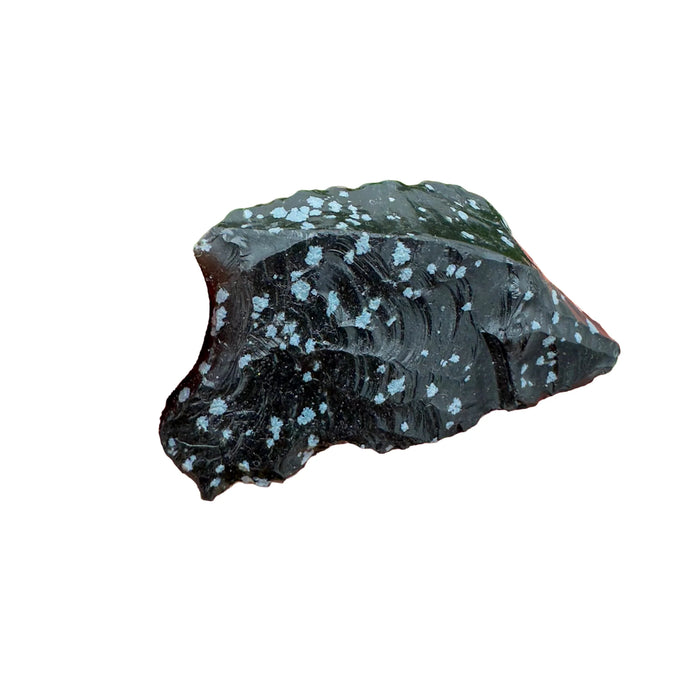
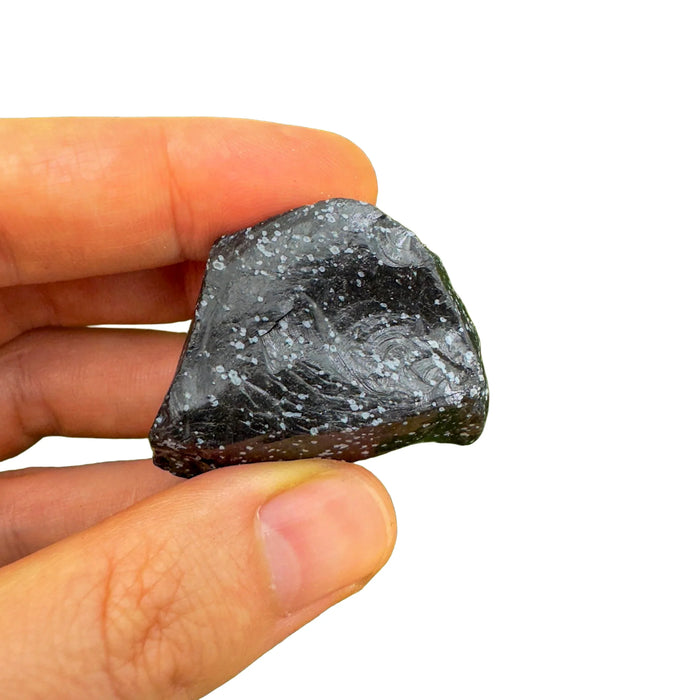
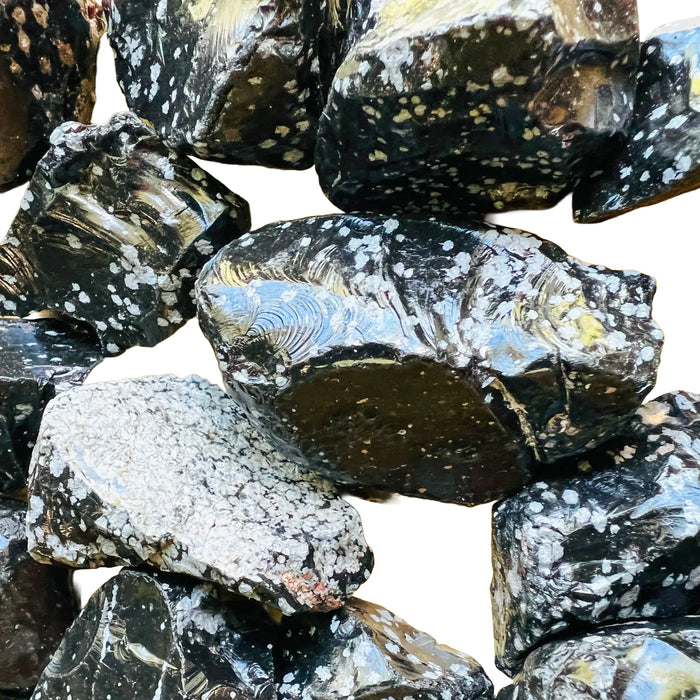
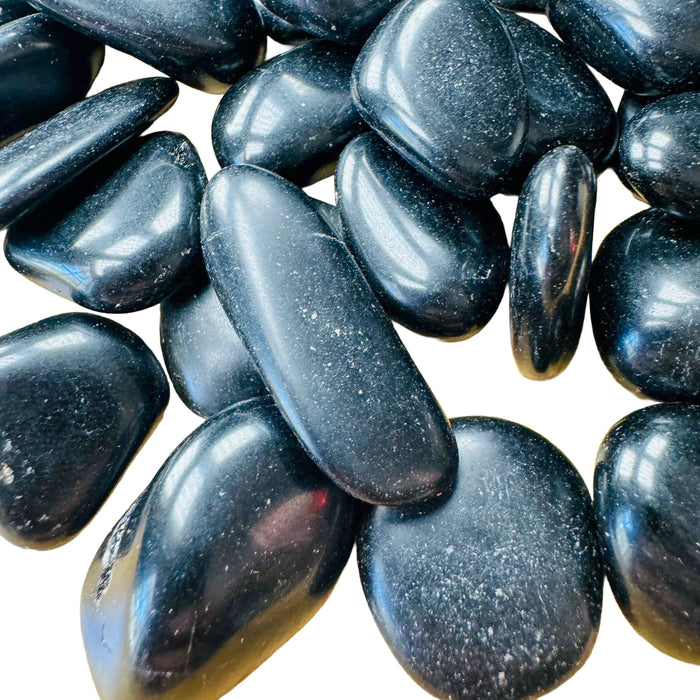
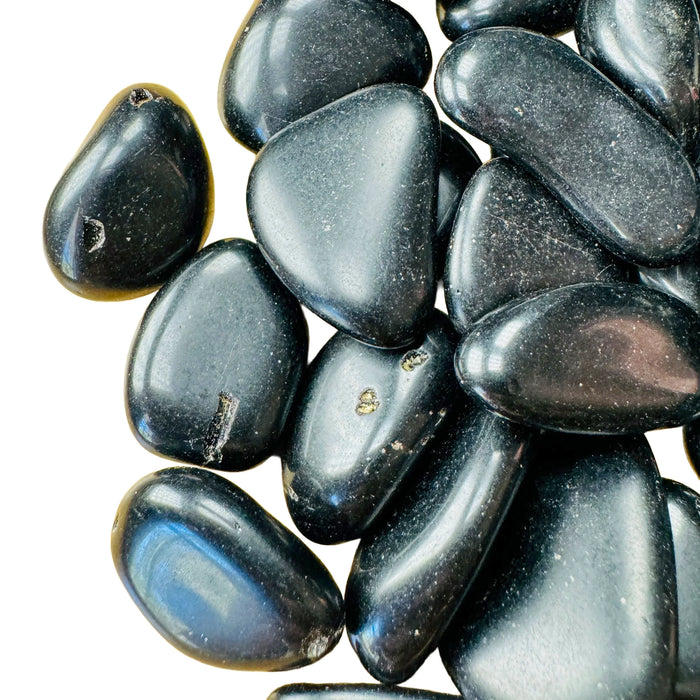
Explore the Crystal GuideThe closest match we carry: Obsidian.
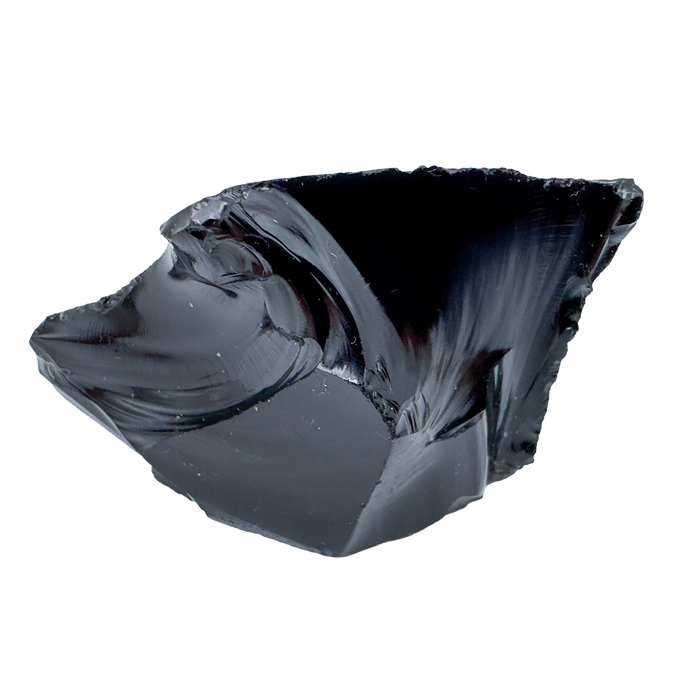
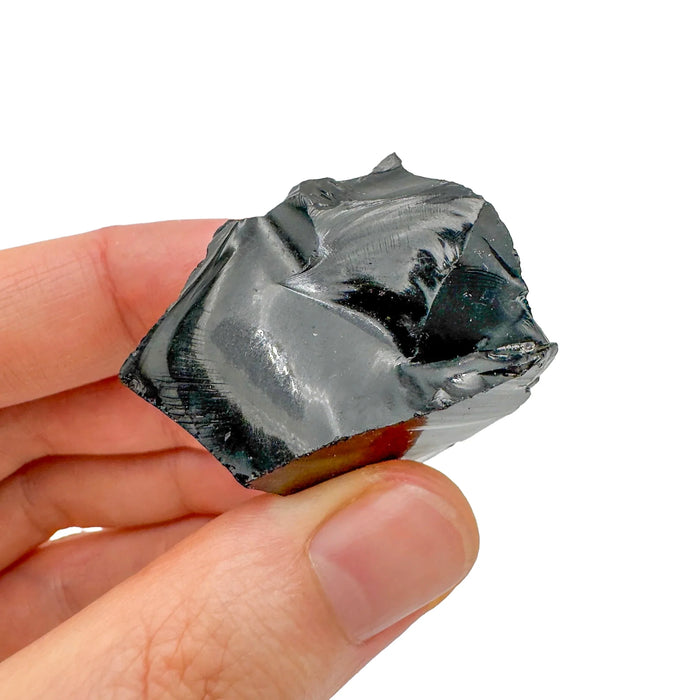
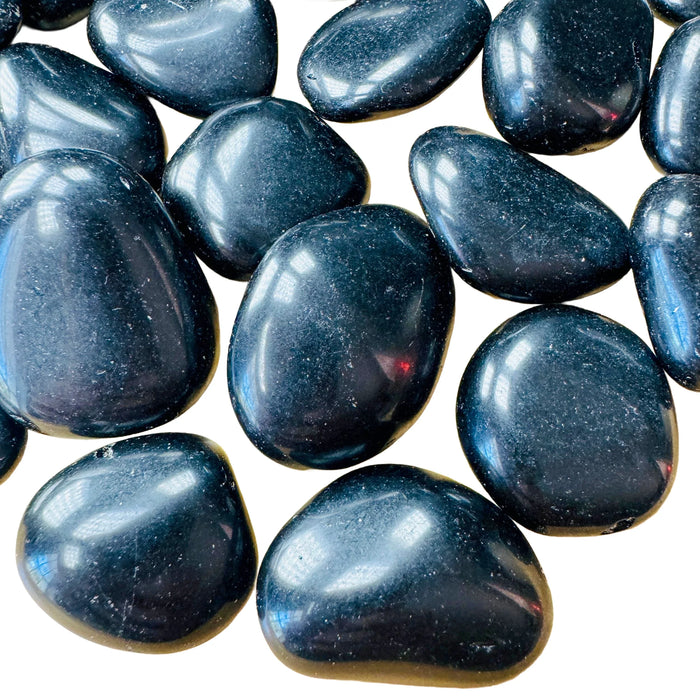
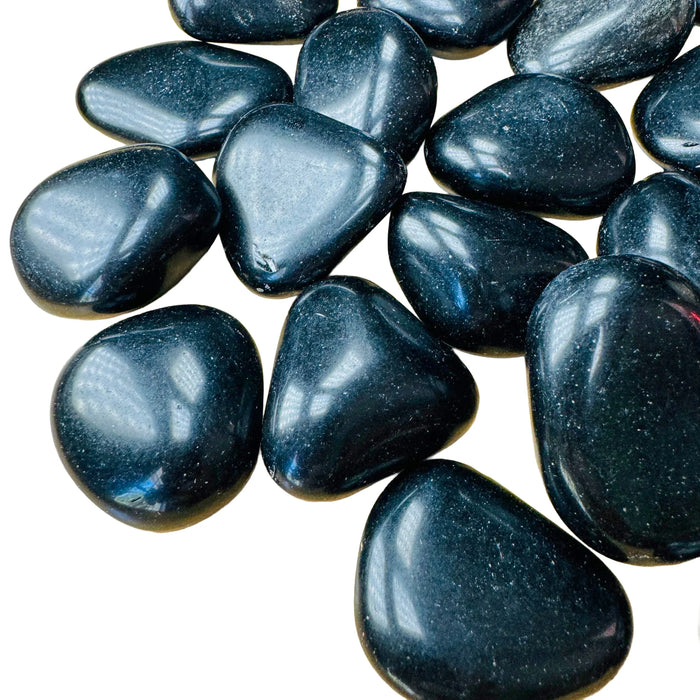
Gold Sheen Obsidian is not something we carry. Obsidian is the closest match in our collection, and every piece passes our sourcing standards: origin named, treatments disclosed.


- from 1,000+ reviews
- Ships within 72 hoursMonday to Friday, tracked
- 90 days to return itif you do not love it
- Free US shipping over $99$8.99 flat rate under
The Slow Note
New stones go to the list first.
No forwarding, no selling. Unsubscribe in one click. Privacy