


 Agatefor stress relief
 Amazonitefor stress relief
 Aquamarinefor serenity
 Aventurinefor luck
 Bloodstonefor energy
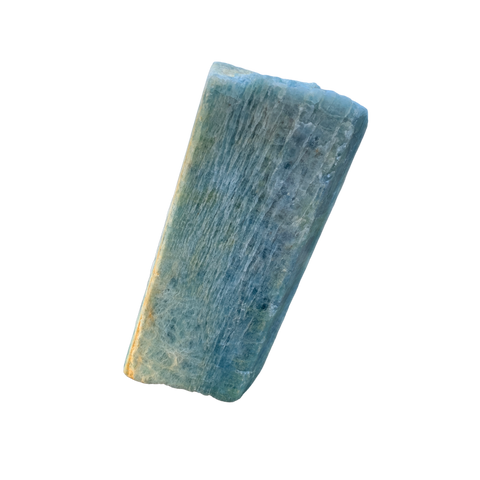
 Blue Kyanitefor confidence
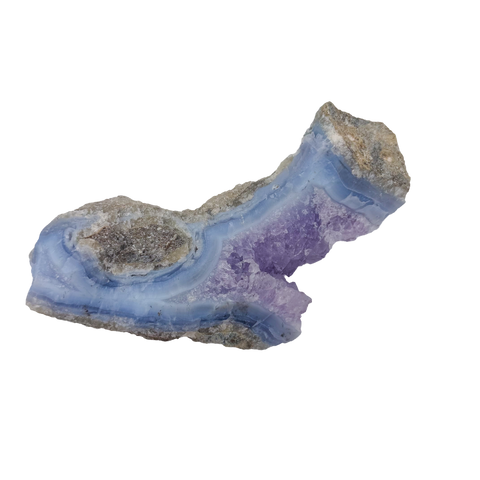
 Blue Lace Agatefor stress relief
 Chrysocollafor emotional healing
 Fluoritefor focus
 Garnetfor energy
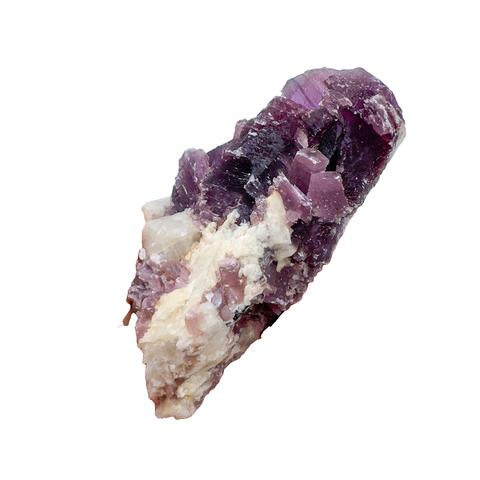
 Lepidolitefor stress relief
 Malachitefor emotional healing
 Moonstonefor grounding
 Obsidianfor protection
 Ocean Jasperfor emotional healing
 Red Jasperfor grounding
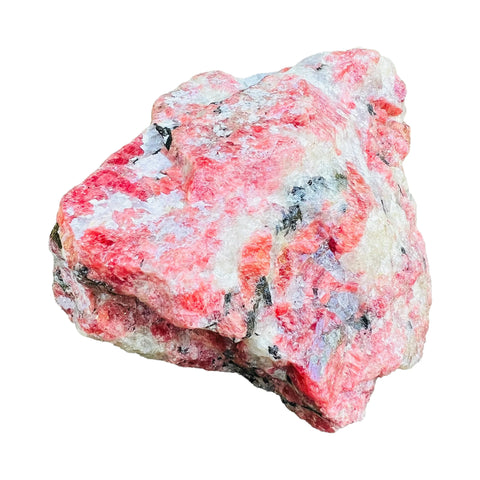
 Rhodonitefor emotional healing
 Selenitefor cleansing
 Sodalitefor focus
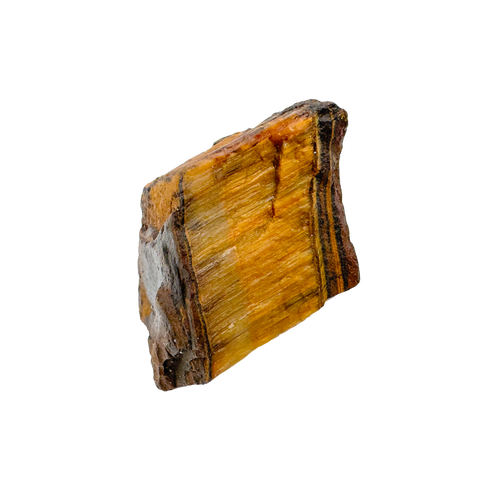
 Tiger Eyefor confidence
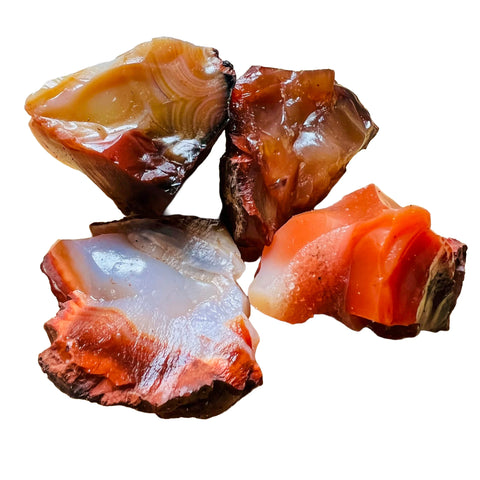
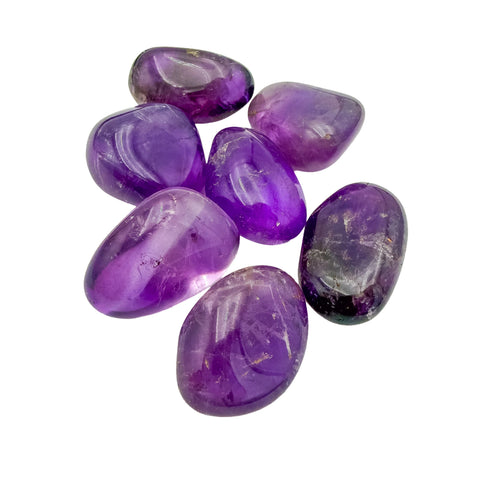


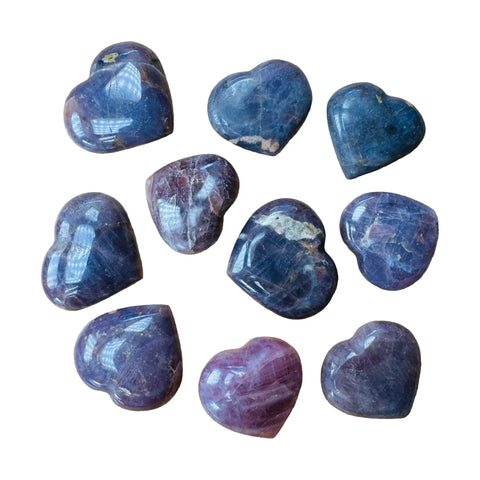
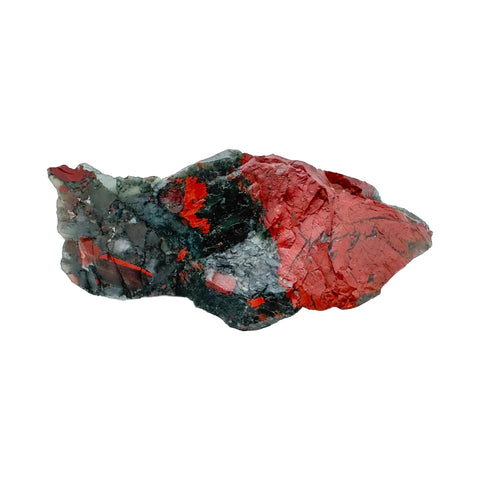
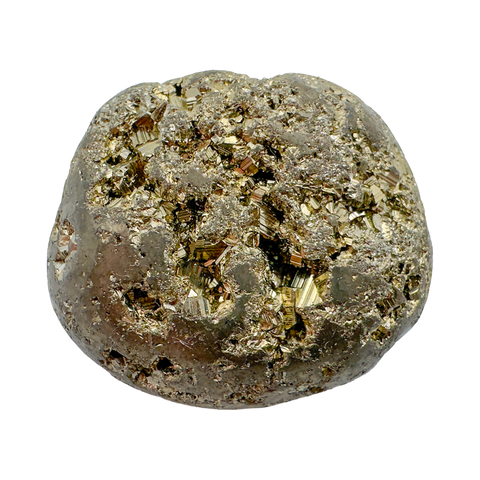
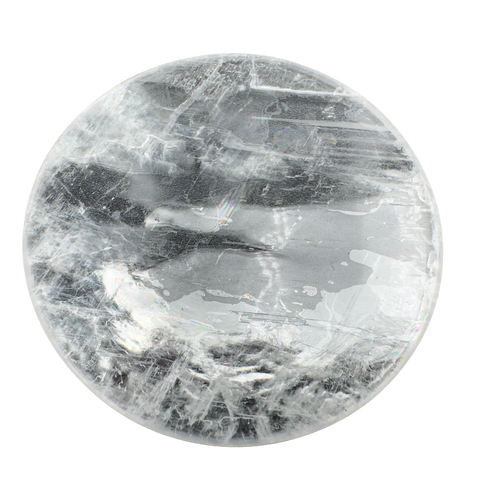


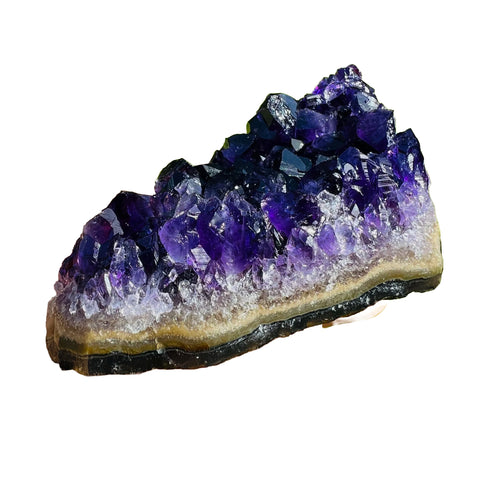





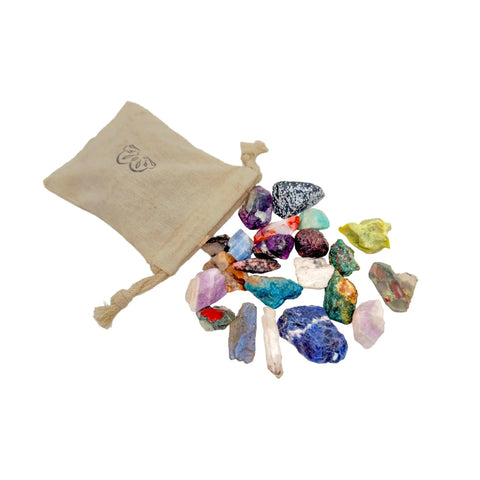
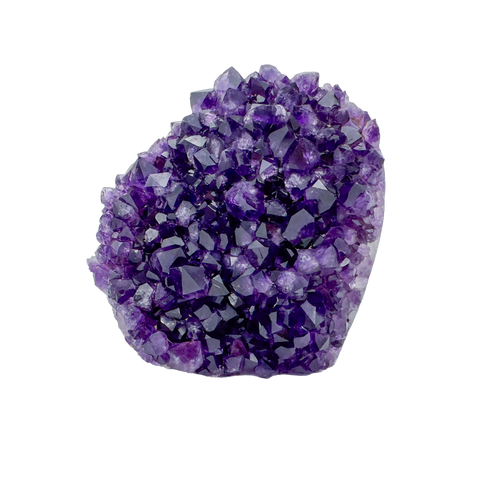
 Amethyst
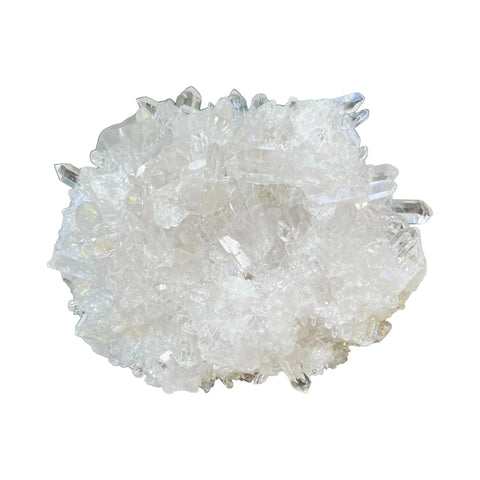
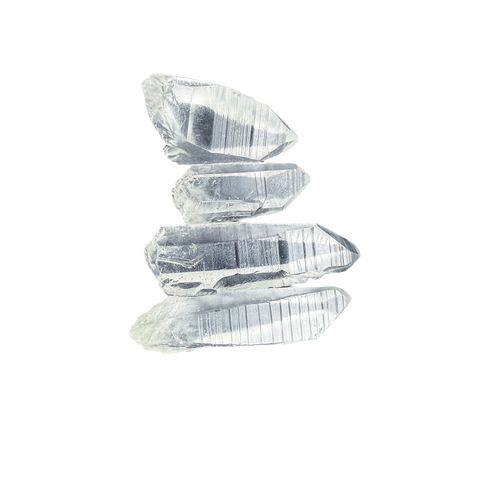
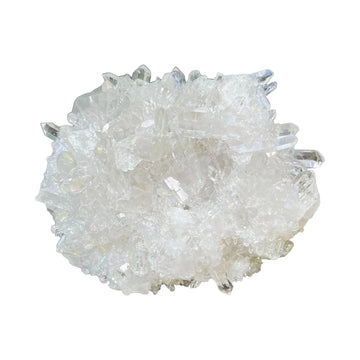
 Clear Quartz
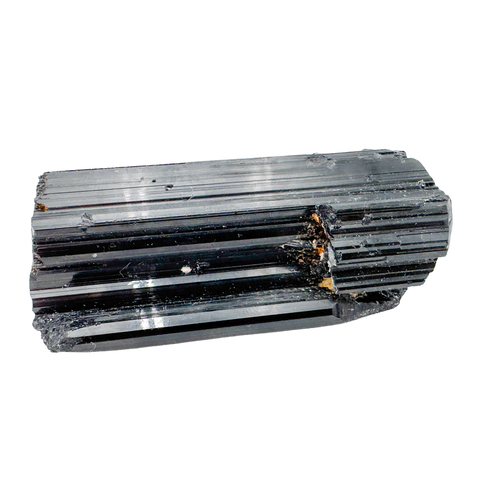
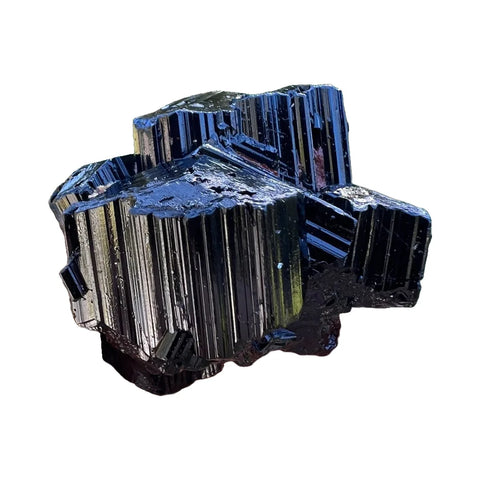
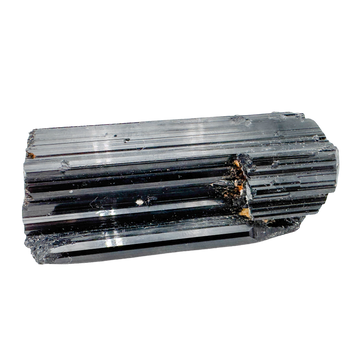
 Black Tourmaline
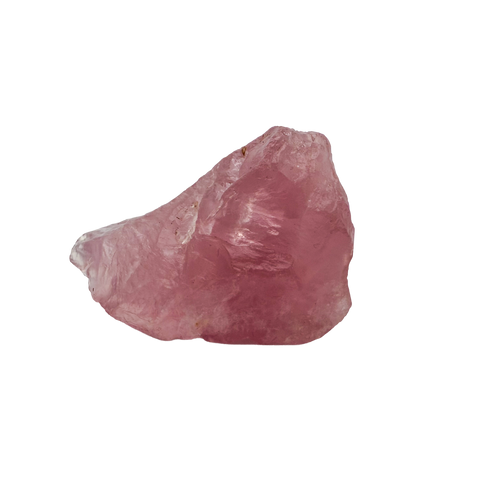
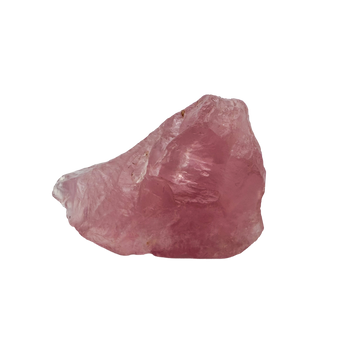
 Rose Quartz
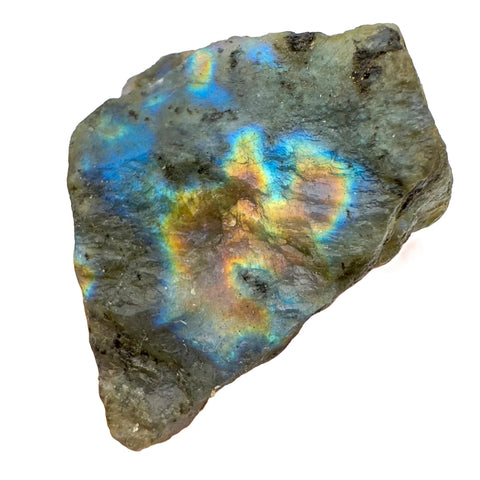
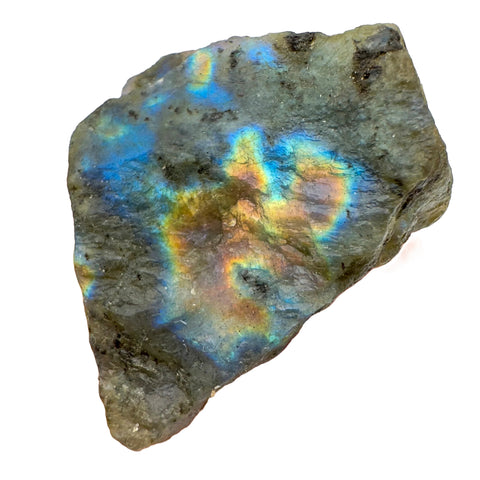
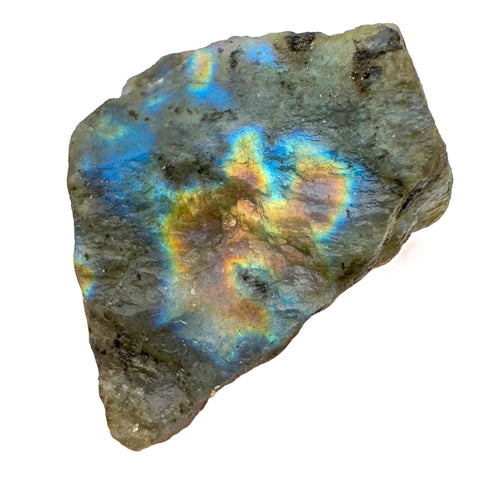
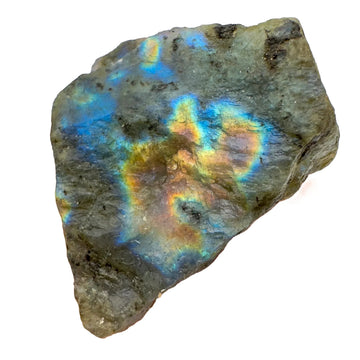
 Labradorite
 Natural Citrine
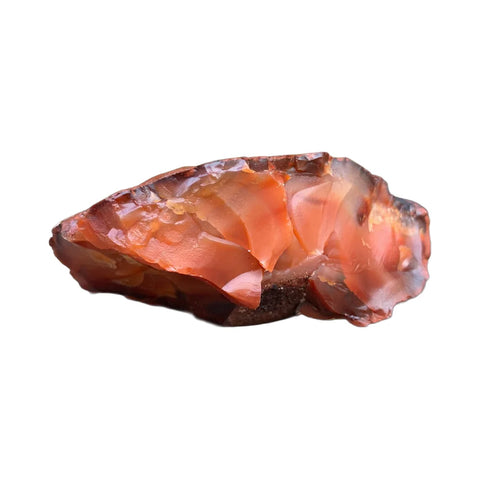
 Carnelian
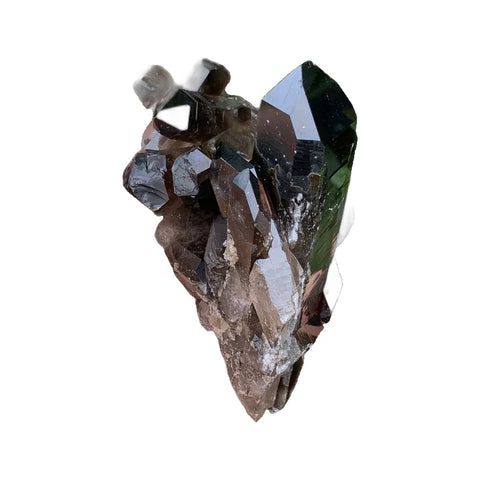
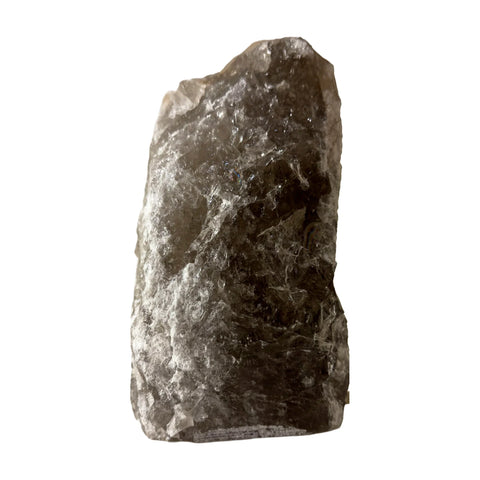
 Smoky Quartz
 Aventurine
 Sodalite
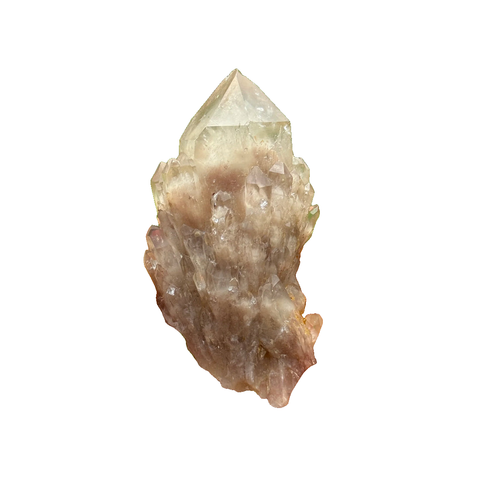
 Ametrine
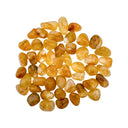 Golden Healer
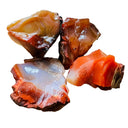 Raw Stones
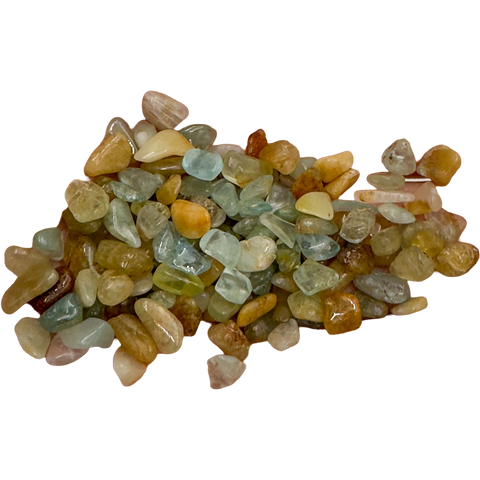
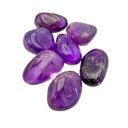 Tumbled Stones
 Palm Stones
 Crystal Points
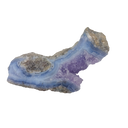 Clusters & Geodes
 Polished & Decor
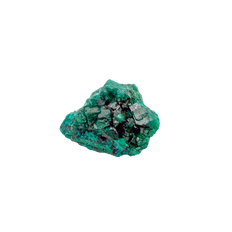 Mineral Specimens
 Crystal Chips
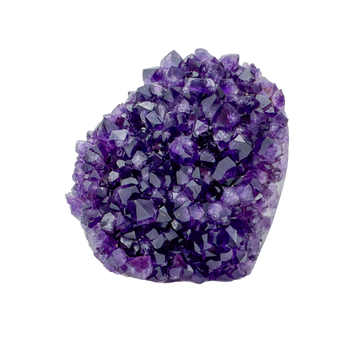
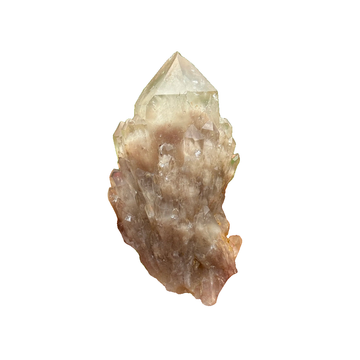
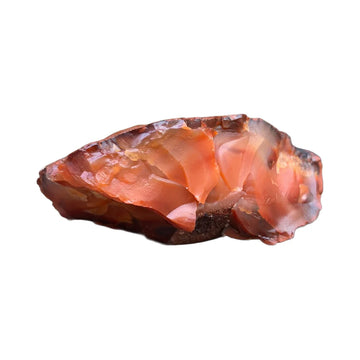
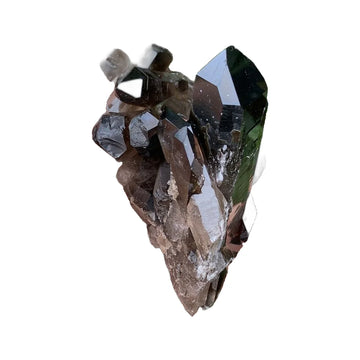
 Raw Stones
179 to choose from
Raw Stones
179 to choose from
 Tumbled Stones
162 to choose from
Tumbled Stones
162 to choose from
 Palm Stones
25 to choose from
Palm Stones
25 to choose from
 Crystal Points
23 to choose from
Crystal Points
23 to choose from
 Clusters & Geodes
98 to choose from
Clusters & Geodes
98 to choose from
 Polished & Decor
147 to choose from
Polished & Decor
147 to choose from
 Mineral Specimens
248 to choose from
Mineral Specimens
248 to choose from
 Crystal Chips
21 to choose from
Crystal Chips
21 to choose from


 AngolaAquamarine
›
AngolaAquamarine
›
 BotswanaCarnelian, Tree Agate
›
BotswanaCarnelian, Tree Agate
›
 DR CongoMalachite, Natural Citrine
›
DR CongoMalachite, Natural Citrine
›
 EswatiniBloodstone
›
EswatiniBloodstone
›
 MadagascarLabradorite, Clear Quartz
›
MadagascarLabradorite, Clear Quartz
›
 MalawiBlue Lace Agate, Garnet
›
MalawiBlue Lace Agate, Garnet
›
 MozambiqueAmazonite
›
MozambiqueAmazonite
›
 NamibiaSodalite, Blue Lace Agate
›
NamibiaSodalite, Blue Lace Agate
›
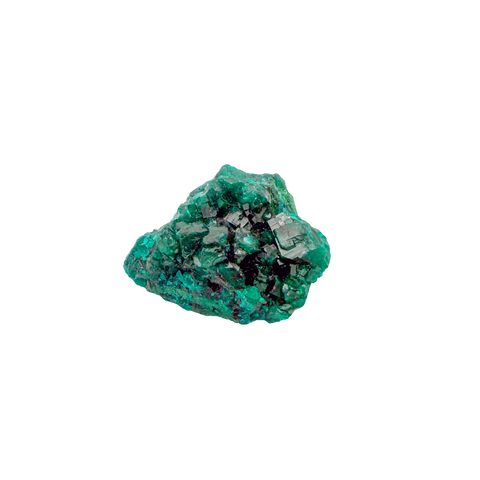
 Republic of the CongoDioptase
›
Republic of the CongoDioptase
›
 South AfricaTiger Eye, Unakite
›
South AfricaTiger Eye, Unakite
›
 ZambiaChevron Amethyst
›
ZambiaChevron Amethyst
›
 ZimbabweEmerald, Rhodonite
›
ZimbabweEmerald, Rhodonite
›
 ArgentinaBlack Obsidian, Rhodochrosite
›
ArgentinaBlack Obsidian, Rhodochrosite
›
 BoliviaAmetrine
›
BoliviaAmetrine
›
 BrazilAmethyst, Clear Quartz
›
BrazilAmethyst, Clear Quartz
›
 PeruSerpentine, Jade
›
PeruSerpentine, Jade
›
 UruguayAmethyst
›
UruguayAmethyst
›
 Dominican RepublicLarimar
›
Dominican RepublicLarimar
›
 MexicoRainbow Obsidian, Crazy Lace Agate
›
MexicoRainbow Obsidian, Crazy Lace Agate
›
 United StatesSelenite, Peridot
›
United StatesSelenite, Peridot
›
 ChinaFluorite
›
ChinaFluorite
›
 RussiaShungite
›
RussiaShungite
›
 AustraliaMookaite
›
AustraliaMookaite
›
 Where our crystals come from
See where we source →
Where our crystals come from
See where we source →


 Aries
Mar 21 to Apr 19
Carnelian
›
Aries
Mar 21 to Apr 19
Carnelian
›
 Taurus
Apr 20 to May 20
Rose Quartz
›
Taurus
Apr 20 to May 20
Rose Quartz
›
 Gemini
May 21 to Jun 20
Agate
›
Gemini
May 21 to Jun 20
Agate
›
 Cancer
Jun 21 to Jul 22
Moonstone
›
Cancer
Jun 21 to Jul 22
Moonstone
›
 Leo
Jul 23 to Aug 22
Citrine
›
Leo
Jul 23 to Aug 22
Citrine
›
 Virgo
Aug 23 to Sep 22
Amazonite
›
Virgo
Aug 23 to Sep 22
Amazonite
›
 Libra
Sep 23 to Oct 22
Blue Lace Agate
›
Libra
Sep 23 to Oct 22
Blue Lace Agate
›
 Scorpio
Oct 23 to Nov 21
Obsidian
›
Scorpio
Oct 23 to Nov 21
Obsidian
›
 Sagittarius
Nov 22 to Dec 21
Sodalite
›
Sagittarius
Nov 22 to Dec 21
Sodalite
›
 Capricorn
Dec 22 to Jan 19
Black Tourmaline
›
Capricorn
Dec 22 to Jan 19
Black Tourmaline
›
 Aquarius
Jan 20 to Feb 18
Amethyst
›
Aquarius
Jan 20 to Feb 18
Amethyst
›
 Pisces
Feb 19 to Mar 20
Aquamarine
›
Gifting?
A birthday stone is the safe bet.
Read the zodiac guide →
Pisces
Feb 19 to Mar 20
Aquamarine
›
Gifting?
A birthday stone is the safe bet.
Read the zodiac guide →


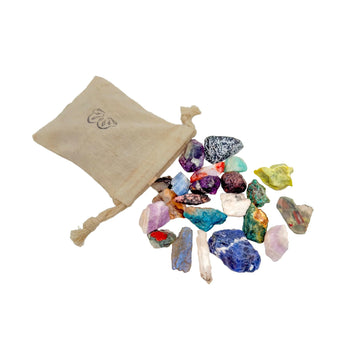
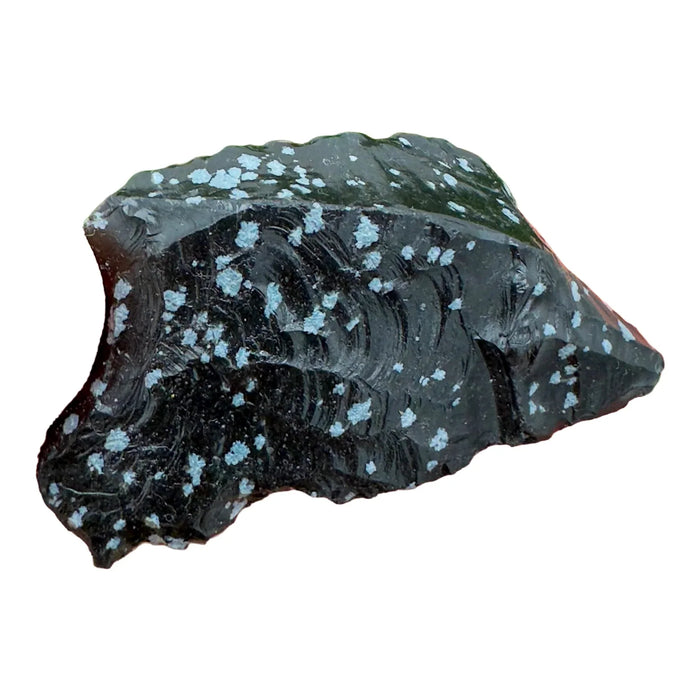
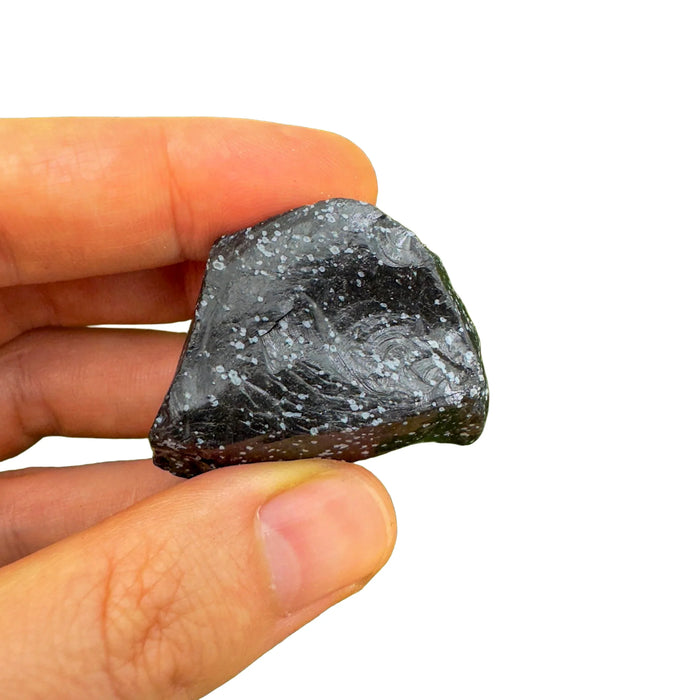
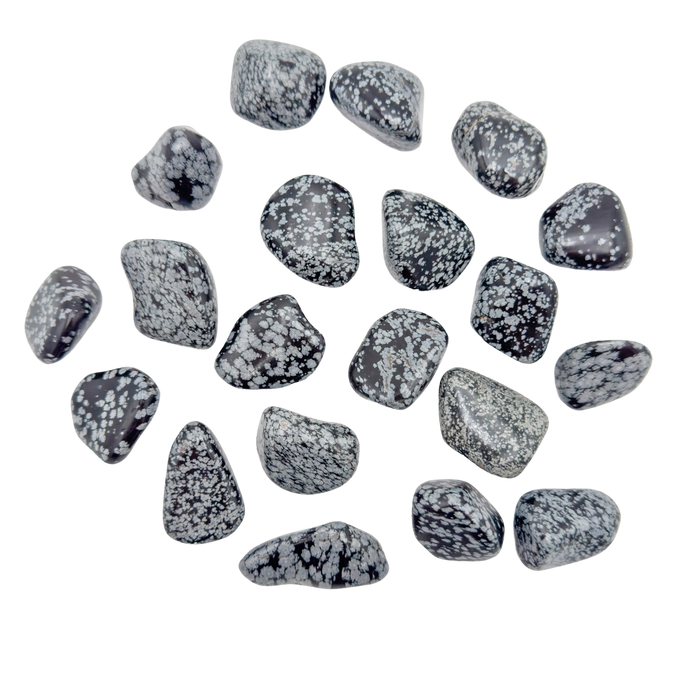
Snowflake Obsidian
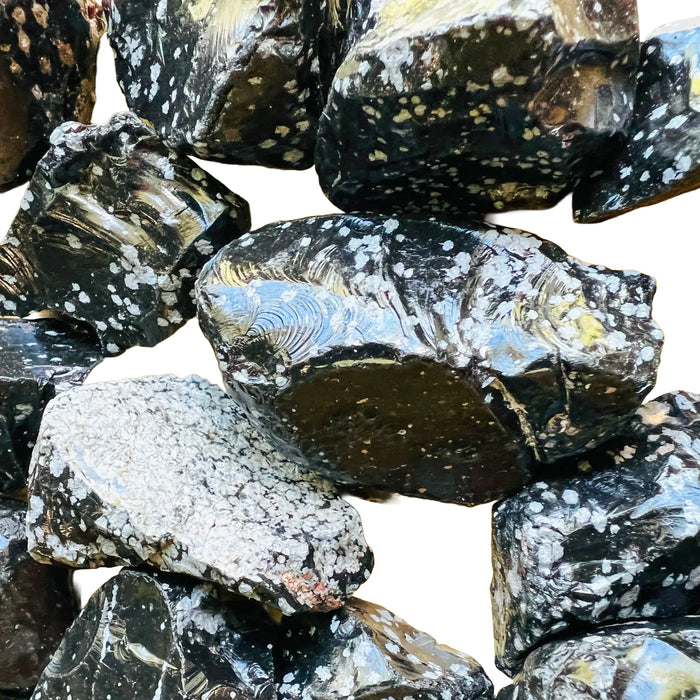
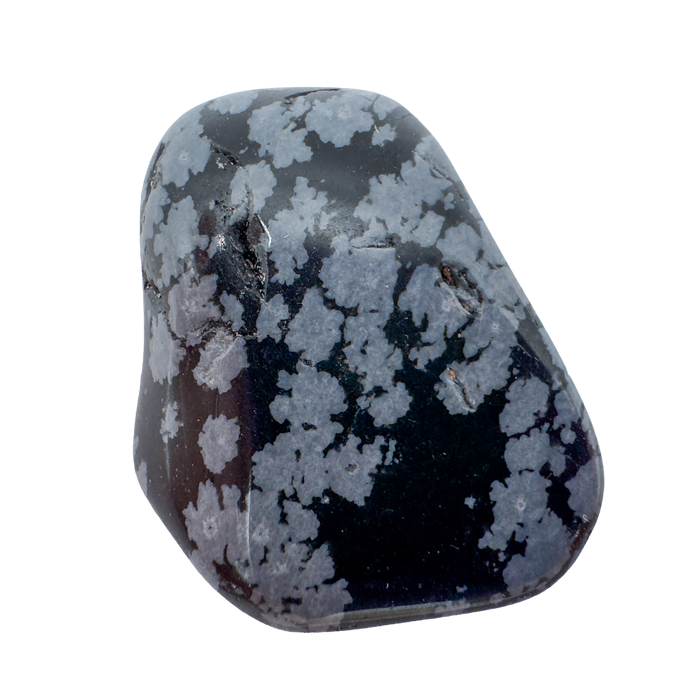
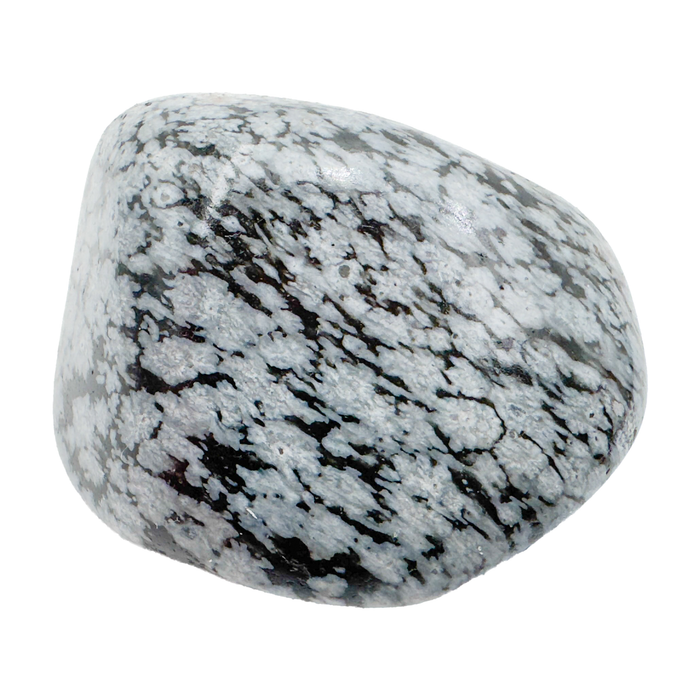
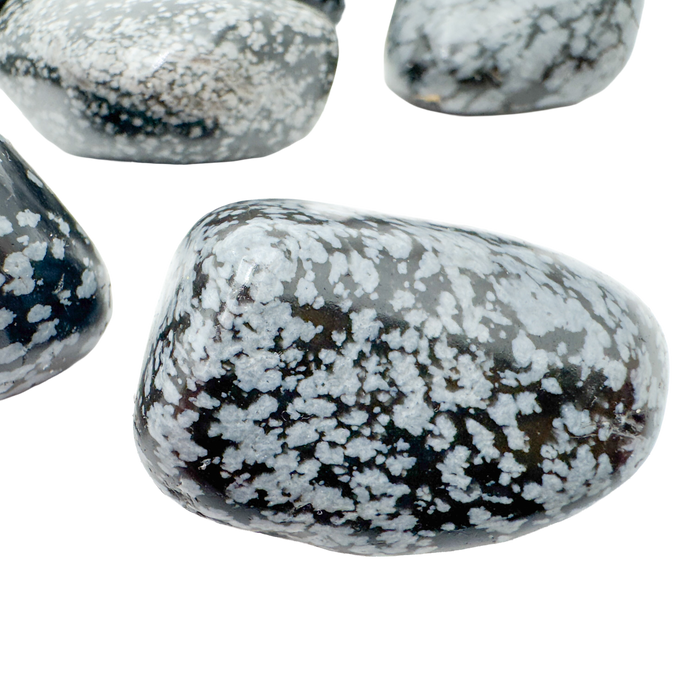
Snowflake Obsidian is a black volcanic glass punctuated by white, flower-like patches of cristobalite, a quartz-family mineral that crystallized inside the glass as it weathered. Traditionally associated with shadow work, grounding, and the kind of honesty that doesn't flinch. It reads like a night sky held in stone.
Shop snowflake obsidianSnowflake Obsidian, in stock now.
Our most-loved Snowflake Obsidian pieces, ready to ship.
- from 1,000+ reviews
- Ships within 72 hoursMonday to Friday, tracked
- 90 days to return itif you do not love it
- Free US shipping over $99$8.99 flat rate under
The geology.
Snowflake Obsidian is a naturally occurring volcanic glass, same formation as regular black obsidian, which happens when silica-rich lava cools too fast to organize into crystals. The white snowflake patches are cristobalite, a polymorph of quartz that formed later as the glass began to devitrify (a slow process where the amorphous structure starts to crystallize). The pattern comes from how those cristobalite crystals nucleated in clusters inside the glass.
Hardness sits at 5 to 5.5 on the Mohs scale. Like all obsidian, it has a conchoidal fracture, meaning it breaks in curved, shell-like patterns that leave razor-sharp edges. This is why obsidian was used for blades and arrowheads across prehistoric cultures. No cleavage, vitreous luster, and it reads glossy when polished.
The origins.
Snowflake Obsidian forms wherever silica-rich lava cools quickly and is later partially devitrified. The United States is the dominant commercial producer, particularly the Mineral Mountains of Utah, the Glass Buttes of Oregon, and various locations in California and Idaho. Mexico (Jalisco and Guerrero), Turkey, and Armenia also produce commercial quantities.
American Snowflake Obsidian, particularly from Utah, is the signature commercial material and makes up most of the small-shop supply. Mexican material tends to have larger, more defined white patches. The snowflake pattern varies piece by piece and is part of the appeal. No two tumbled stones look exactly alike.
Traditional associations.
Obsidian has been worked by humans for at least 700,000 years, making it one of the oldest consciously used stone materials. Its conchoidal fracture and ability to hold an edge sharper than surgical steel made it the premier material for blades, arrowheads, and ceremonial objects across prehistoric cultures worldwide. Pre-Columbian Mesoamerican societies used obsidian in ritual objects, mirrors, and weapons; Greek and Roman writers described obsidian mirrors and amulets.
Many people work with Snowflake Obsidian for shadow work, grounding, and the quiet confrontation of what you've been avoiding. It's most commonly associated with the Root chakra, the elements of Earth and Fire, and the zodiac signs Capricorn and Virgo. The white-in-black pattern is often read as light moving through difficulty, a more patient, integrated approach than pure black obsidian.
Spotting the real thing.
Real Snowflake Obsidian shows a glossy, almost wet-looking black surface with naturally shaped white patches that vary in size and density across the piece. Under a loupe, you can sometimes see the radial crystalline structure of the cristobalite snowflakes. The edges of a broken piece are glass-sharp and curve in conchoidal patterns.
Glass imitations with painted or inlaid white patches are rare but exist at the very bottom of the market. Dead giveaways: patches that are all identical in size and spacing (real cristobalite forms irregular clusters), color painted on the surface, or air bubbles visible under magnification. Reputable sellers name the country of origin.
Care & handling.
Water safe for a brief rinse with warm water and a soft cloth. Skip ultrasonic cleaners, which can propagate microscopic fractures in the glass. Snowflake Obsidian can chip if dropped on hard surfaces because of its conchoidal fracture, handle with the same care you'd give any glass object.
Cleanse energetically with moonlight, sound, smoke, or by placing on selenite overnight. Stable under sunlight. At 5 to 5.5 on the Mohs scale, it's soft enough to scratch with harder stones, so store separately. Watch for sharp edges on raw or broken pieces.
Pairs well with.
Proof, not promises.
We measure our own sourcing across five dimensions. Supply chain, environmental footprint, artisan support, market integrity, and pricing. The number is honest, not perfect. Where we can do better, we say so.
A deeper look.
Extended geology, sourcing, authentication, history, varieties, and pricing, for when the quick guide isn't quite enough.
Extended geology
Snowflake Obsidian is a variety of obsidian, a naturally occurring volcanic glass formed from silica-rich rhyolitic lava that cooled too quickly to organize into a crystalline structure. Composition is roughly 70 to 75 percent silica (SiO₂) with smaller amounts of other oxides. The glass phase is amorphous, meaning it has no long-range atomic order.
The white snowflake patches are cristobalite, a high-temperature polymorph of quartz. As the obsidian glass ages or is exposed to moderate heat, it slowly devitrifies, the amorphous structure begins to crystallize from nucleation sites, producing the radial patches of cristobalite. Mohs hardness 5 to 5.5. Specific gravity 2.35 to 2.60. Luster vitreous. Fracture conchoidal.
Extended sourcing
Utah's Mineral Mountains produce the classic commercial American Snowflake Obsidian, often with well-defined, flower-shaped cristobalite patches. Oregon's Glass Buttes is another major source, producing obsidian with a wider range of including rainbow sheen and mahogany varieties. California, Idaho, and New Mexico also have commercial deposits.
Mexico's Jalisco and Guerrero states produce Snowflake Obsidian with larger and sometimes more dramatic white patches. Turkey's Armenia region, along with Iceland, contribute smaller quantities to the global market. Each source has subtle signature differences in pattern density and base glass quality.
Authentication and warning signs
Real obsidian feels heavy for its size (higher density than most imitations), with a glass-sharp conchoidal fracture at broken edges. The snowflake patches should vary in size, density, and position across the piece, never perfectly uniform. Under magnification you can sometimes see the radial fibrous structure of individual cristobalite crystals within each snowflake.
Synthetic glass imitations are rare but exist. Giveaways include patches that are all identical in size (suggesting mass-produced decorative glass), air bubbles visible inside the material, or surface-painted white spots that can be scratched off. Price is also a signal: Snowflake Obsidian is inexpensive, so suspiciously low prices typically mean the real thing rather than a fake.
Historical and cultural context
Obsidian is one of the oldest continuously worked stone materials. Tools made from obsidian have been found at archaeological sites dating back over 700,000 years. Pre-Columbian Mesoamerican cultures, particularly the Aztecs and Maya, used obsidian for blades, arrowheads, mirrors, and ceremonial objects. The Aztec god Tezcatlipoca is often depicted with an obsidian mirror.
Greek and Roman writers described obsidian mirrors for scrying. The name comes from Obsidius, a Roman traveler said to have brought the first stones back from Ethiopia. In modern metaphysical practice, Snowflake Obsidian is associated with a gentler form of shadow work than black obsidian, the idea being that the white patches offer moments of insight within darker territory.
Varieties and trade names
Snowflake Obsidian: black glass with white cristobalite patches.
Mahogany Obsidian: black with reddish-brown streaks from iron oxide.
Rainbow Obsidian: obsidian showing iridescent sheens from nanoparticle inclusions.
Apache Tears: small rounded obsidian nodules, often translucent.
Sheen Obsidian: gold or silver sheen from aligned gas inclusions.
Pricing reality
Tumbled Snowflake Obsidian: 1 to 5 dollars per piece. Small carved shapes and palm stones: 8 to 25 dollars. Larger polished freeforms and spheres: 25 to 100 dollars depending on pattern density and size. Specimen-grade raw pieces with dramatic snowflake clusters: 30 to 150 dollars.
Value drivers: pattern quality (distinct, well-formed cristobalite patches), balance of black and white, size of the piece, clean polish, and documented origin. Warning signs: painted-looking patches, suspiciously uniform pattern distribution, or pieces with no origin offered.
Good sourcing is a practice, not a claim.
Nothing we sell is synthetic glass or painted imitation sold as natural obsidian. We name our origins where we can. We say so when we cannot. We walk away from material that doesn't meet our standard, even when it costs us sales.
Bring snowflake-obsidian home.
Every piece we carry is photographed individually and listed with its own origin and treatment notes. What you see is what ships.
Shop the snowflake-obsidian collectionGrounded Connections
New stones go to the list first.
No forwarding, no selling. Unsubscribe in one click. Privacy