


 Agatefor stress relief
 Amazonitefor stress relief
 Aquamarinefor serenity
 Aventurinefor luck
 Bloodstonefor energy
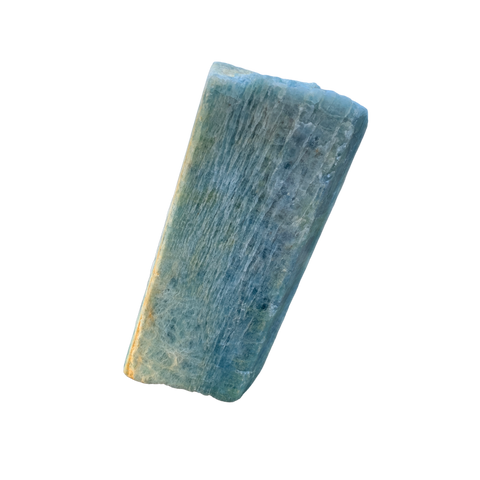
 Blue Kyanitefor confidence
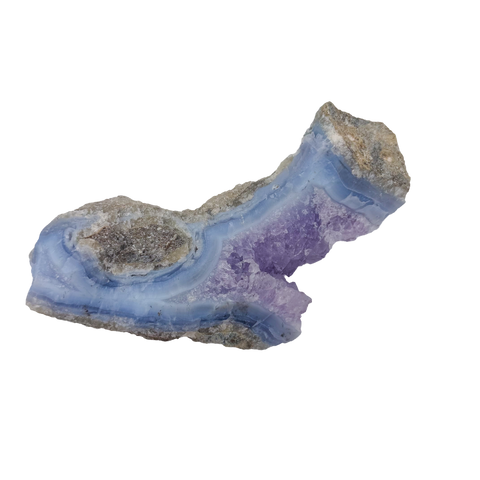
 Blue Lace Agatefor stress relief
 Chrysocollafor emotional healing
 Fluoritefor focus
 Garnetfor energy
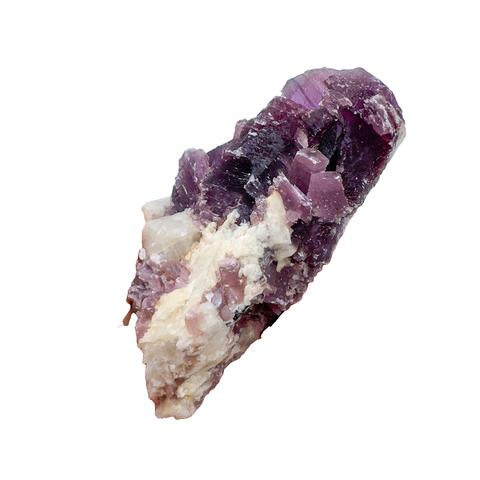
 Lepidolitefor stress relief
 Malachitefor emotional healing
 Moonstonefor grounding
 Obsidianfor protection
 Ocean Jasperfor emotional healing
 Red Jasperfor grounding
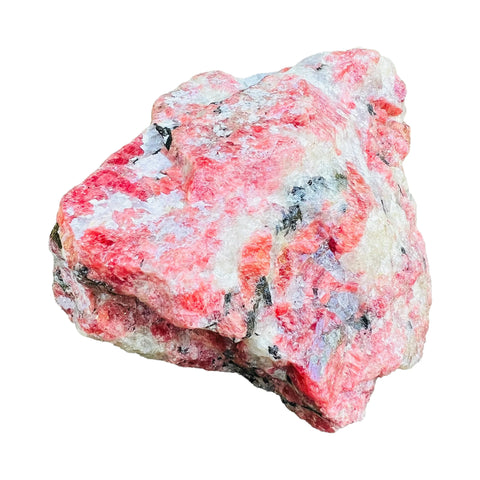
 Rhodonitefor emotional healing
 Selenitefor cleansing
 Sodalitefor focus
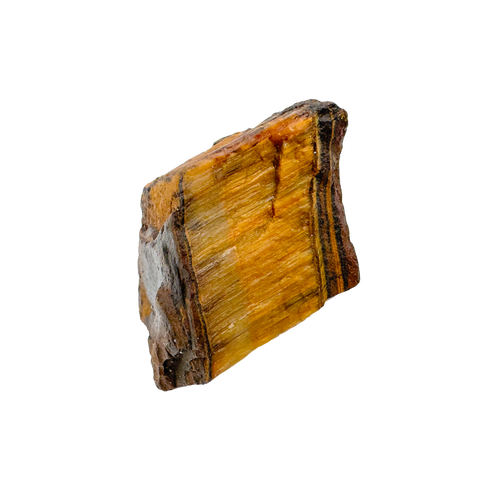
 Tiger Eyefor confidence
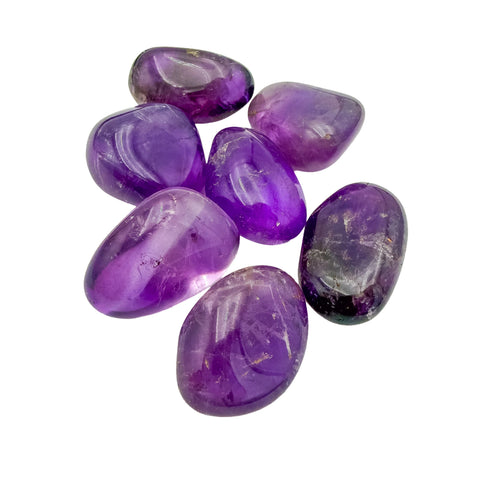


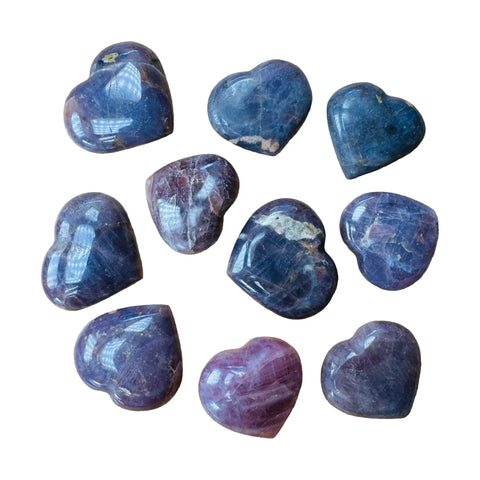
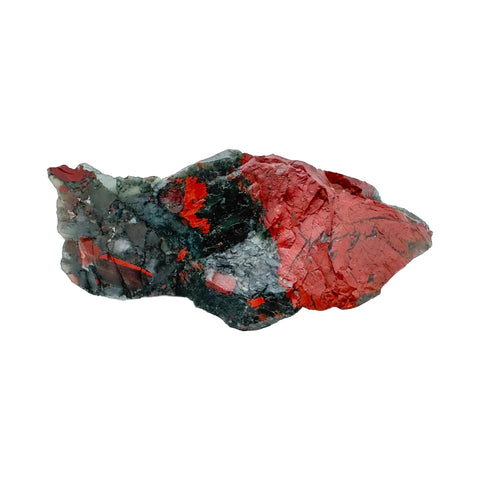
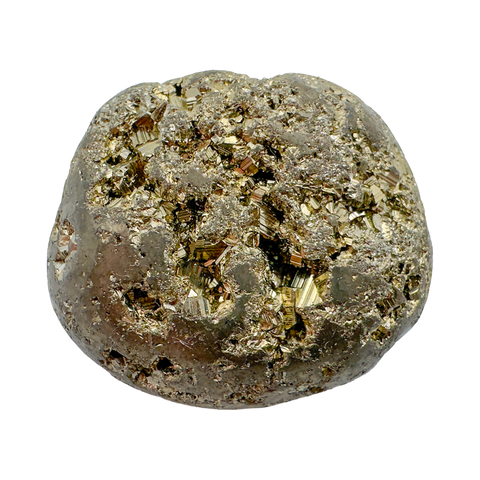
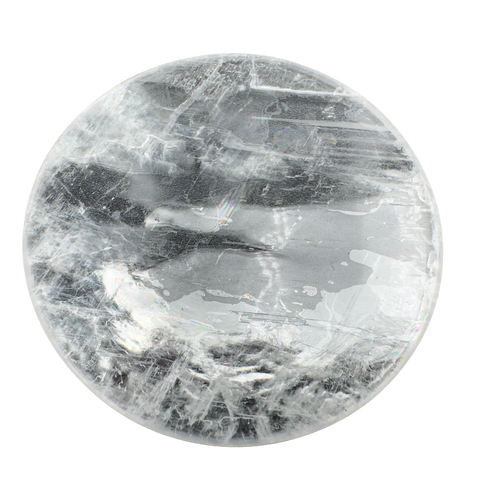


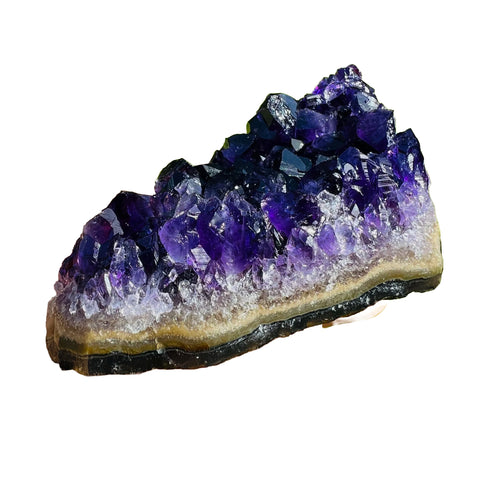






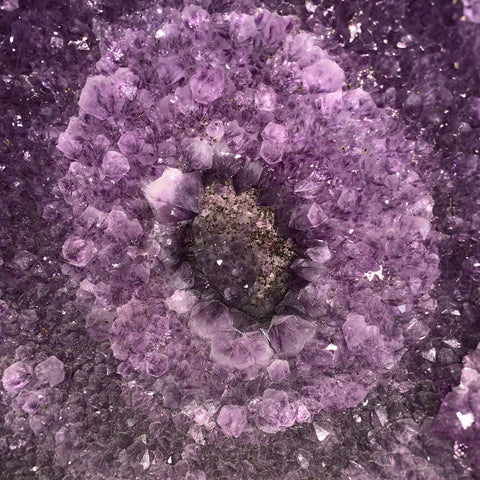
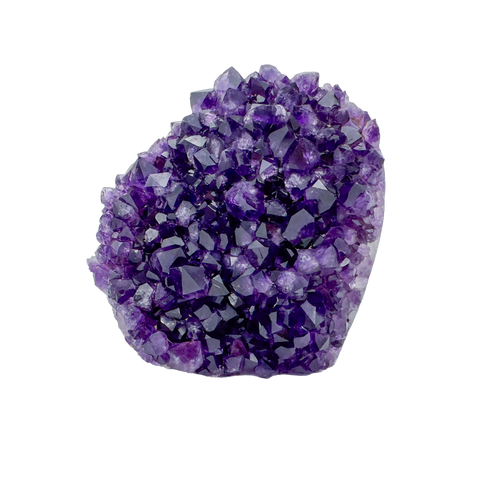
 Amethyst
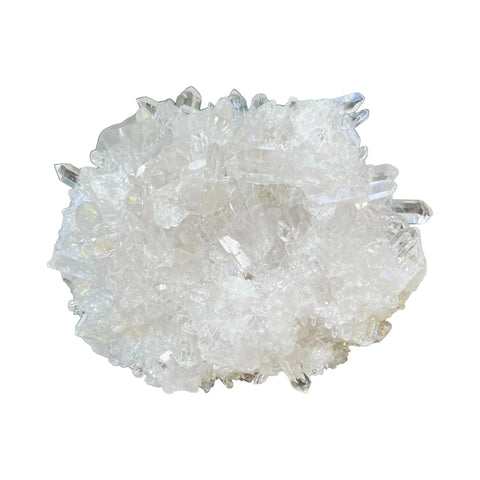
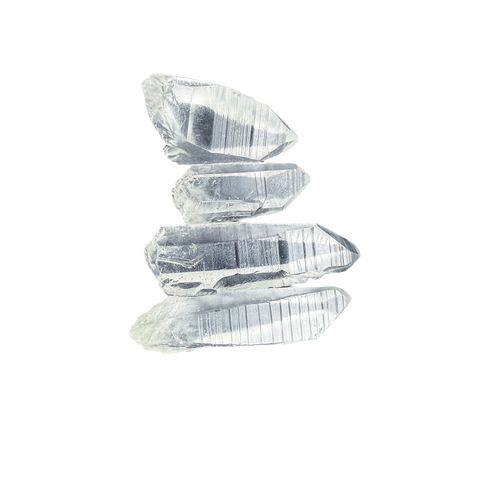
 Clear Quartz
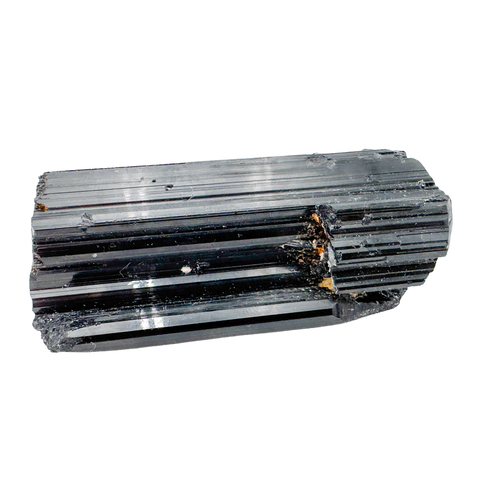
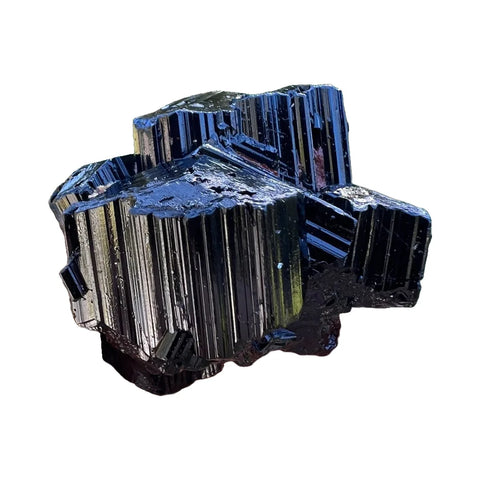
 Black Tourmaline
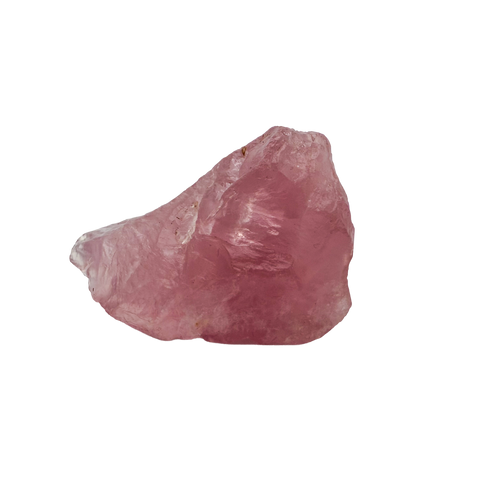
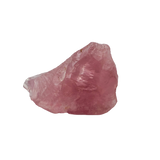 Rose Quartz
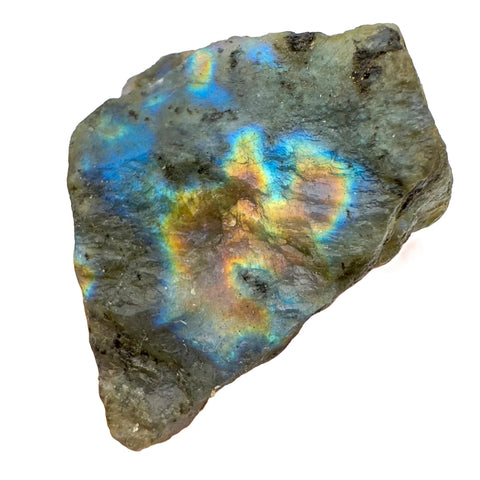
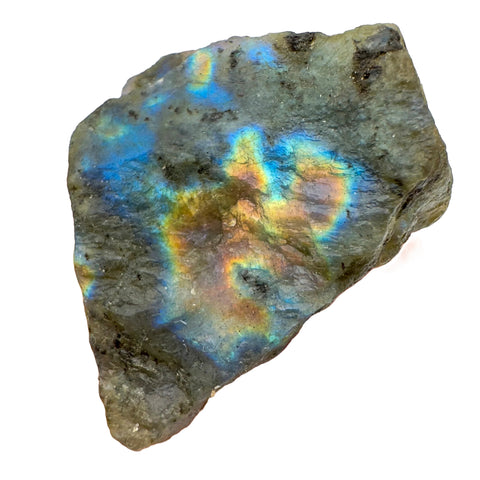
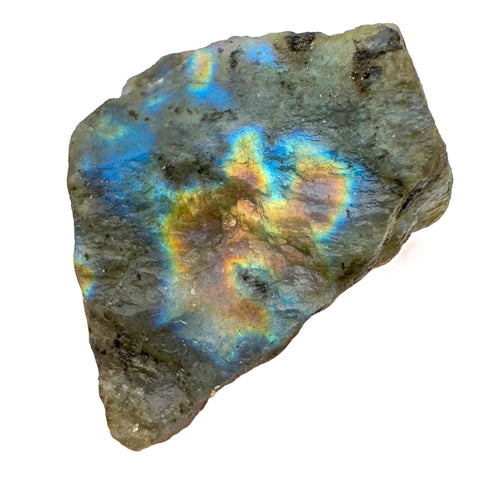
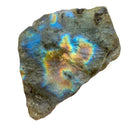 Labradorite
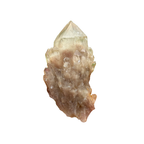 Natural Citrine
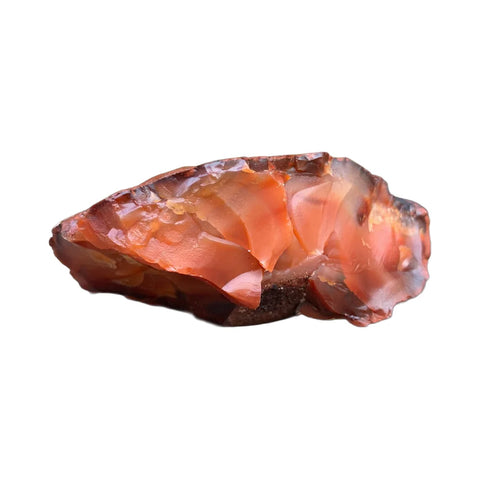
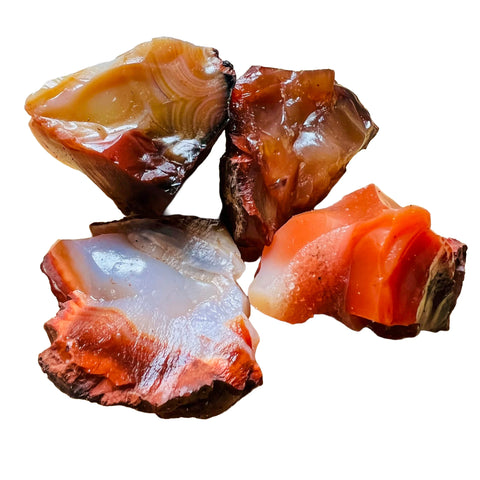
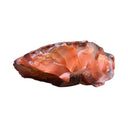 Carnelian
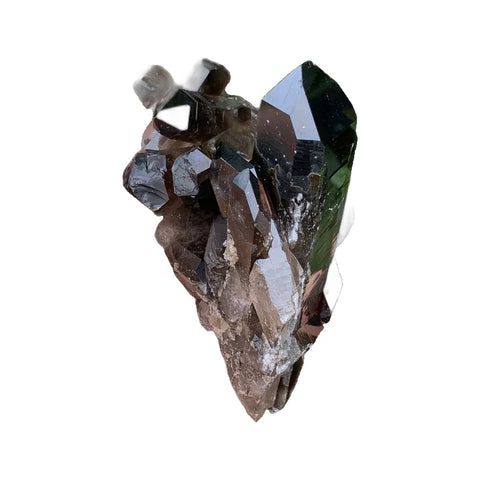
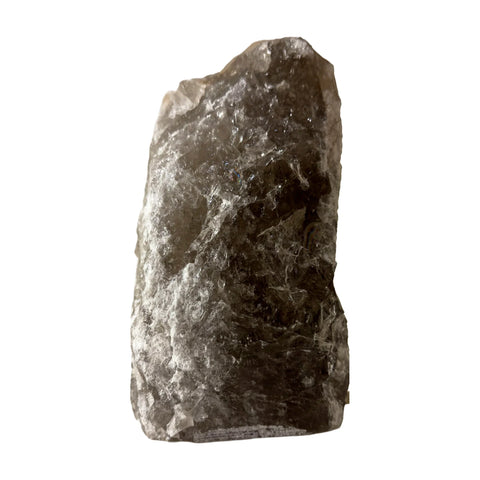
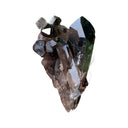 Smoky Quartz
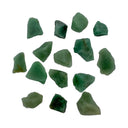 Aventurine
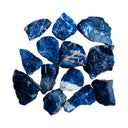 Sodalite
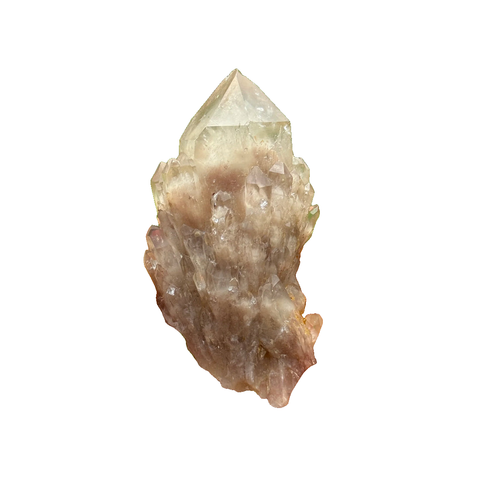
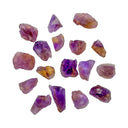 Ametrine
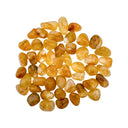 Golden Healer
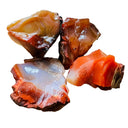 Raw Stones
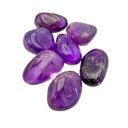 Tumbled Stones
 Palm Stones
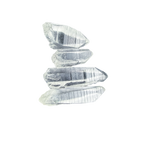 Crystal Points
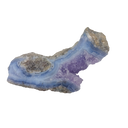 Clusters & Geodes
 Polished & Decor
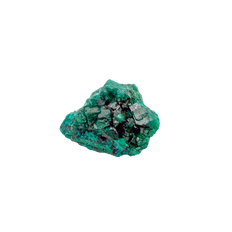 Mineral Specimens
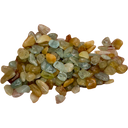 Crystal Chips
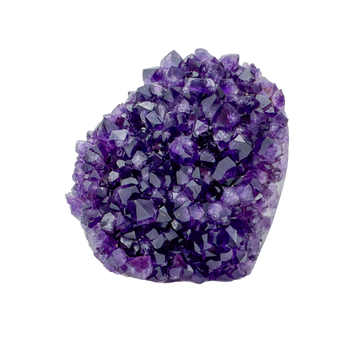
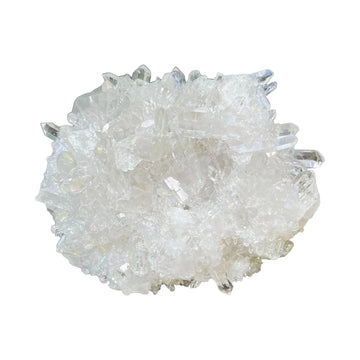
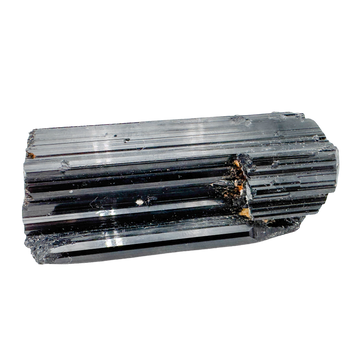
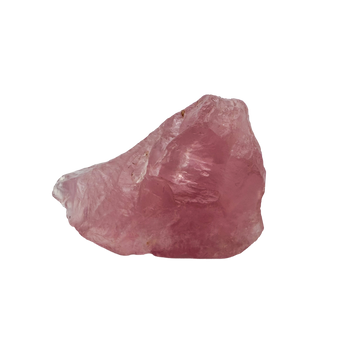
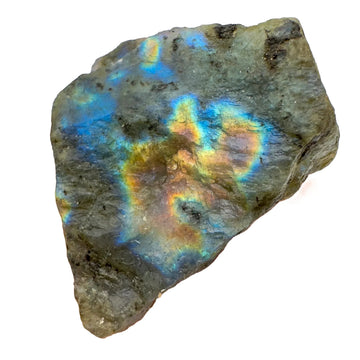
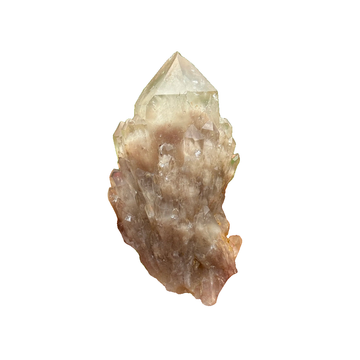
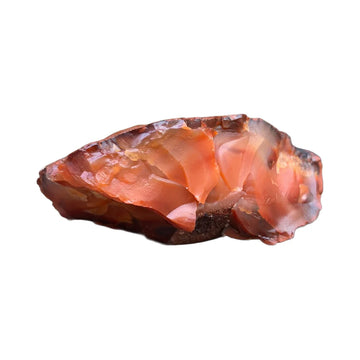
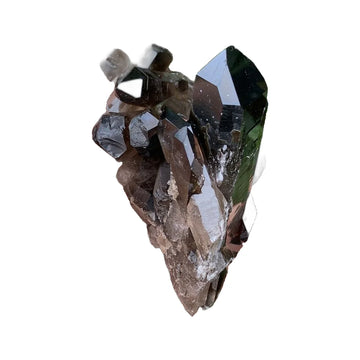
 Raw Stones
179 to choose from
Raw Stones
179 to choose from
 Tumbled Stones
162 to choose from
Tumbled Stones
162 to choose from
 Palm Stones
25 to choose from
Palm Stones
25 to choose from
 Crystal Points
23 to choose from
Crystal Points
23 to choose from
 Clusters & Geodes
97 to choose from
Clusters & Geodes
97 to choose from
 Polished & Decor
146 to choose from
Polished & Decor
146 to choose from
 Mineral Specimens
247 to choose from
Mineral Specimens
247 to choose from
 Crystal Chips
21 to choose from
Crystal Chips
21 to choose from


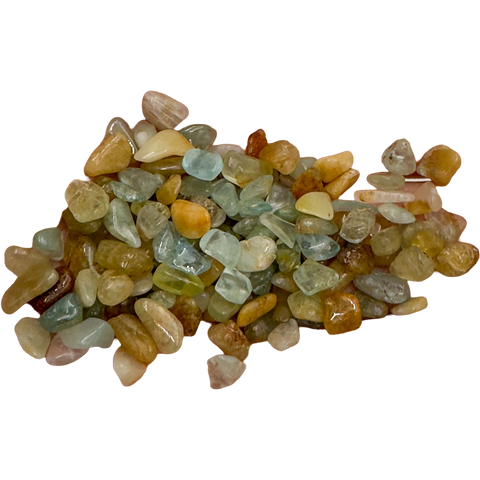
 AngolaAquamarine
›
AngolaAquamarine
›
 BotswanaCarnelian, Tree Agate
›
BotswanaCarnelian, Tree Agate
›
 DR CongoMalachite, Natural Citrine
›
DR CongoMalachite, Natural Citrine
›
 EswatiniBloodstone
›
EswatiniBloodstone
›
 MadagascarLabradorite, Clear Quartz
›
MadagascarLabradorite, Clear Quartz
›
 MalawiBlue Lace Agate, Garnet
›
MalawiBlue Lace Agate, Garnet
›
 MozambiqueAmazonite
›
MozambiqueAmazonite
›
 NamibiaSodalite, Blue Lace Agate
›
NamibiaSodalite, Blue Lace Agate
›
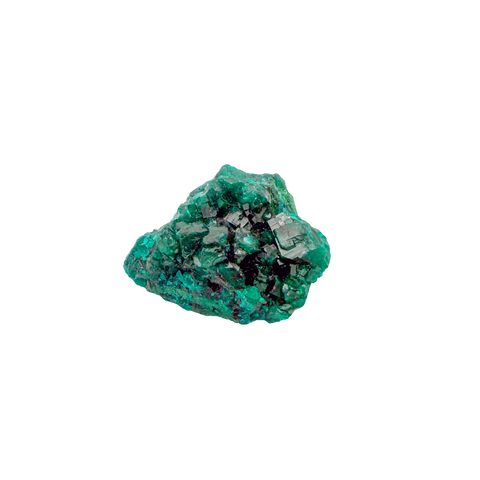
 Republic of the CongoDioptase
›
Republic of the CongoDioptase
›
 South AfricaTiger Eye, Unakite
›
South AfricaTiger Eye, Unakite
›
 ZambiaChevron Amethyst
›
ZambiaChevron Amethyst
›
 ZimbabweEmerald, Rhodonite
›
ZimbabweEmerald, Rhodonite
›
 ArgentinaBlack Obsidian, Rhodochrosite
›
ArgentinaBlack Obsidian, Rhodochrosite
›
 BoliviaAmetrine
›
BoliviaAmetrine
›
 BrazilAmethyst, Clear Quartz
›
BrazilAmethyst, Clear Quartz
›
 PeruSerpentine, Jade
›
PeruSerpentine, Jade
›
 UruguayAmethyst
›
UruguayAmethyst
›
 Dominican RepublicLarimar
›
Dominican RepublicLarimar
›
 MexicoRainbow Obsidian, Crazy Lace Agate
›
MexicoRainbow Obsidian, Crazy Lace Agate
›
 United StatesSelenite, Peridot
›
United StatesSelenite, Peridot
›
 ChinaFluorite
›
ChinaFluorite
›
 RussiaShungite
›
RussiaShungite
›
 AustraliaMookaite
›
AustraliaMookaite
›
 Where our crystals come from
See where we source →
Where our crystals come from
See where we source →


 Aquarius
Jan 20 to Feb 18
Amethyst
›
Aquarius
Jan 20 to Feb 18
Amethyst
›
 Pisces
Feb 19 to Mar 20
Aquamarine
›
Pisces
Feb 19 to Mar 20
Aquamarine
›
 Aries
Mar 21 to Apr 19
Carnelian
›
Aries
Mar 21 to Apr 19
Carnelian
›
 Taurus
Apr 20 to May 20
Rose Quartz
›
Taurus
Apr 20 to May 20
Rose Quartz
›
 Gemini
May 21 to Jun 20
Agate
›
Gemini
May 21 to Jun 20
Agate
›
 Cancer
Jun 21 to Jul 22
Moonstone
›
Cancer
Jun 21 to Jul 22
Moonstone
›
 Leo
Jul 23 to Aug 22
Citrine
›
Leo
Jul 23 to Aug 22
Citrine
›
 Virgo
Aug 23 to Sep 22
Amazonite
›
Virgo
Aug 23 to Sep 22
Amazonite
›
 Libra
Sep 23 to Oct 22
Blue Lace Agate
›
Libra
Sep 23 to Oct 22
Blue Lace Agate
›
 Scorpio
Oct 23 to Nov 21
Obsidian
›
Scorpio
Oct 23 to Nov 21
Obsidian
›
 Sagittarius
Nov 22 to Dec 21
Sodalite
›
Sagittarius
Nov 22 to Dec 21
Sodalite
›
 Capricorn
Dec 22 to Jan 19
Black Tourmaline
›
Gifting?
A birthday stone is the safe bet.
Read the zodiac guide →
Capricorn
Dec 22 to Jan 19
Black Tourmaline
›
Gifting?
A birthday stone is the safe bet.
Read the zodiac guide →


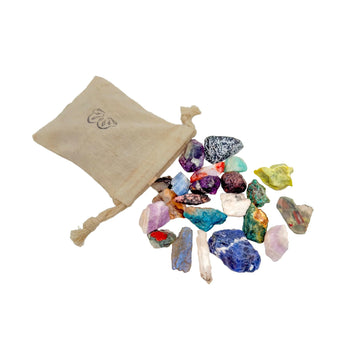
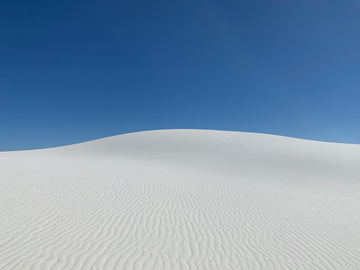
Snow Quartz
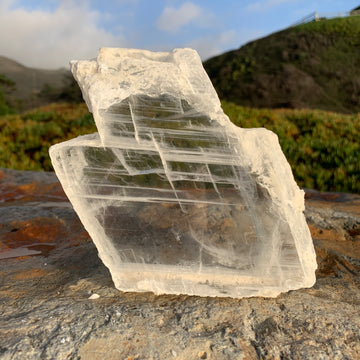
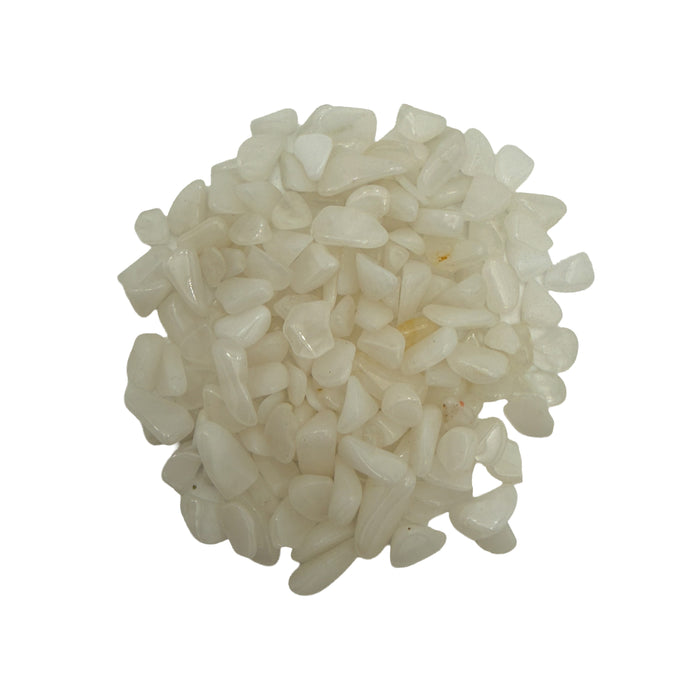
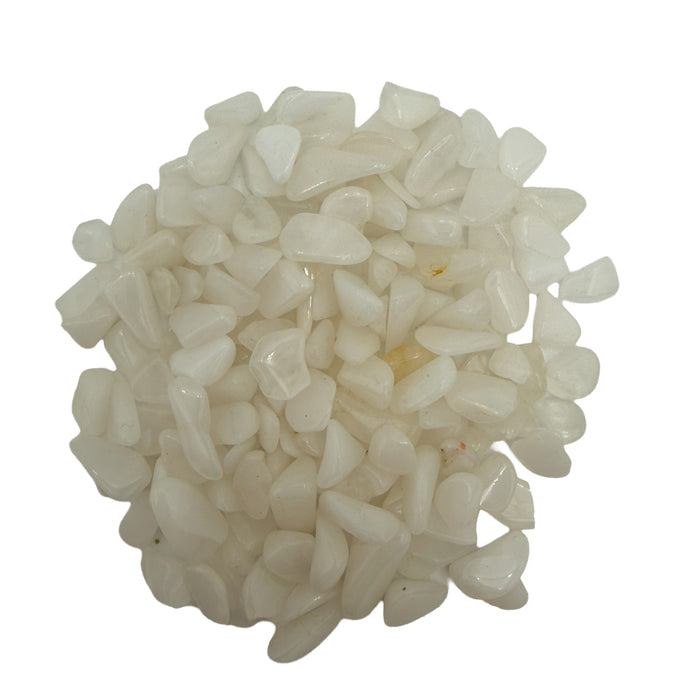
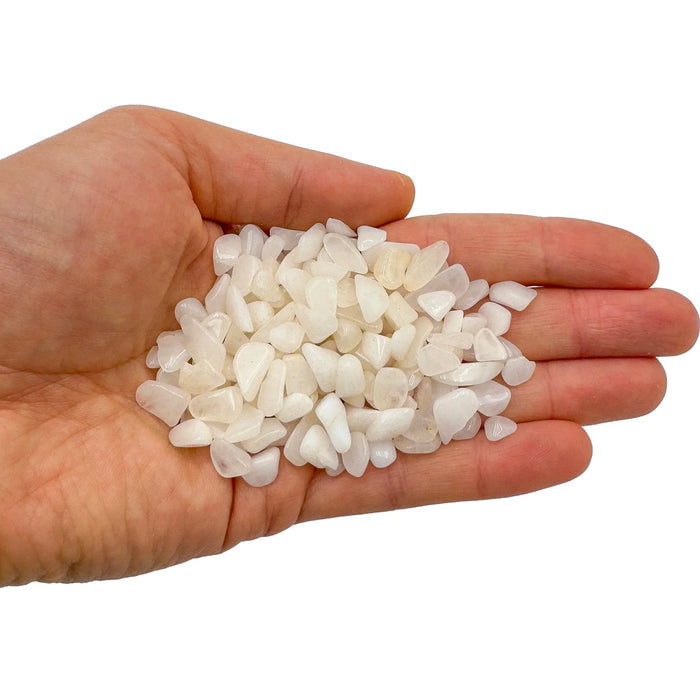
Snow Quartz is a milky white variety of quartz whose opacity comes from microscopic bubbles of gas and water trapped inside the crystal. Traditionally associated with patience, simplicity, and quiet clarity, a softer alternative to clear quartz for anyone who finds pure transparency too bright. It reads like fresh snow in the hand.
Shop snow quartzSnow Quartz, in stock now.
From Zambezia Province, Mozambique, ready to ship.
- from 1,000+ reviews
- Ships within 72 hoursMonday to Friday, tracked
- 90 days to return itif you do not love it
- Free US shipping over $99$8.99 flat rate under
The geology.
Snow Quartz is ordinary quartz (SiO₂) whose milky white appearance comes from countless microscopic inclusions of gas and water trapped inside the crystal during formation. Those tiny cavities scatter light rather than letting it pass through cleanly, giving the stone its characteristic opacity. Also sometimes called Milky Quartz, it's one of the most common quartz varieties by volume.
Hardness sits at 7 on the Mohs scale, identical to clear quartz and most other quartz varieties. No cleavage, conchoidal fracture, vitreous luster. Snow Quartz takes a polish well and holds up to daily wear. When a piece feels noticeably weightier than expected for its size, that's usually a good sign: the microscopic bubbles don't much affect density.
The origins.
Snow Quartz forms in a wide range of geological settings and is mined across multiple commercial producer regions worldwide. Brazil's Minas Gerais, Mozambique, Madagascar, the United States (particularly the Carolinas and Arkansas), and India all produce significant commercial quantities. Because it's so common, Snow Quartz is often a byproduct of mining operations focused on other gem varieties.
Each source has subtle differences. Mozambican material tends to be very uniformly milky and takes a particularly clean polish. Brazilian Snow Quartz sometimes shows faint banding or a slight gray cast. American material from the Carolinas often has a warmer tone. At this price point, quality is mostly about polish and size rather than origin prestige.
Traditional associations.
Snow Quartz's tradition runs through Milky Quartz, which has been worked since antiquity alongside other quartz varieties. It appears in amulets and beadwork from multiple ancient cultures, often as a more accessible alternative to clear quartz. Ancient Greek and Roman writers described milky quartz as 'frozen water' or 'eternal ice', early understandings of quartz's optical properties held that it was water so thoroughly cooled it would never melt.
Many people work with Snow Quartz for patience, simplicity, and the quieter forms of clarity that don't need to push through. It's most commonly associated with the Crown chakra, the element of Water, and the zodiac sign Capricorn. Some practitioners pair it with clear quartz to soften clear's amplifying energy.
Spotting the real thing.
Real Snow Quartz shows a milky white body that can range from translucent at the edges to fully opaque in thicker sections. Under strong light you can often see faint internal structure or wispy cloud-like patterns from the distribution of inclusions. It feels cool to the touch and has the slightly slick, almost waxy surface quartz is known for when polished.
The common imitations are white glass or opaque resin. Glass feels warmer to the touch, shows air bubbles under magnification, and has a more uniform opacity. Resin tends to feel lighter and can develop surface scratches that real quartz resists. The hardness test is reliable here: Snow Quartz will scratch glass, while glass and resin won't scratch quartz.
Care & handling.
Water safe for normal cleaning with warm water and a soft cloth. Snow Quartz handles saltwater rinses and brief ultrasonic cleaning better than most stones because it's structurally homogeneous and hard. Sunlight is fine, and temperature shifts don't concern it within reason.
Cleanse energetically with moonlight, sound, smoke, salt water, or by placing on selenite overnight. At 7 on the Mohs scale, Snow Quartz handles daily wear well in all jewelry settings. Store with other quartzes or on its own; it won't scratch most stones but can scratch softer materials.
Pairs well with.
Proof, not promises.
We measure our own sourcing across five dimensions. Supply chain, environmental footprint, artisan support, market integrity, and pricing. The number is honest, not perfect. Where we can do better, we say so.
A deeper look.
Extended geology, sourcing, authentication, history, varieties, and pricing, for when the quick guide isn't quite enough.
Extended geology
Snow Quartz, also called Milky Quartz, is the most abundant macrocrystalline variety of quartz (SiO₂) on Earth. Its milky appearance comes from microscopic fluid inclusions: tiny cavities containing water, carbon dioxide, and other gases trapped during crystal growth. These inclusions scatter light, making the quartz opaque rather than transparent.
The underlying crystal structure is identical to clear quartz: trigonal system, hardness 7, specific gravity 2.65, vitreous luster, no cleavage, conchoidal fracture. What changes is the distribution of inclusions. Heavily included material reads fully opaque; lightly included material retains partial translucency at the edges.
Extended sourcing
Snow Quartz is mined on nearly every continent, often as a byproduct of operations targeting other quartz varieties (clear, smoky, amethyst, citrine). Brazil's Minas Gerais is a major commercial source. Mozambique produces uniformly milky material that takes a very clean polish. Madagascar, India, and the United States contribute significant volumes.
Historical sources include the European Alps, Russia's Ural Mountains, and various Asian deposits. Because Snow Quartz is so common, origin matters less for pricing than it does for rarer stones, quality of polish, size, and freedom from chips are the primary value drivers in the commercial market.
Authentication and warning signs
The hardness test is the most reliable authentication. Snow Quartz scratches glass easily. Glass imitations will not scratch glass (equal hardness) and actually break more readily when struck against real quartz. Under magnification, real Snow Quartz shows a natural distribution of tiny inclusions and often faint internal structure; glass and resin show either air bubbles or perfect uniformity.
Rare but occasional fakes include opaque resin cabochons sold as polished stone. Weight is a giveaway: real quartz is noticeably denser than resin for the same size piece. Reputable sellers will confirm country of origin even at this price point.
Historical and cultural context
Ancient Greek and Roman writers, including Theophrastus and Pliny the Elder, described milky quartz as krystallos, meaning 'frozen' or 'eternal ice.' The belief that quartz was water so thoroughly cooled it would never melt persisted in various forms through the Middle Ages. Snow Quartz beads appear in amulets and ornaments across prehistoric and ancient cultures as a more affordable alternative to clear rock crystal.
In contemporary metaphysical practice, Snow Quartz is grouped with clear quartz as a general-purpose stone but framed as a softer, gentler presence, useful for people who find clear quartz too amplifying or too bright. The color association with snow and winter leans toward stillness, patience, and quiet reflection.
Varieties and trade names
Snow Quartz: the fully opaque, uniformly white variety.
Milky Quartz: older and broader name, often used interchangeably with Snow Quartz.
Quartzite: a different material, metamorphosed sandstone rather than crystalline quartz, sometimes sold alongside Snow Quartz but mineralogically distinct.
Massive Quartz: general term for non-crystalline quartz, of which Snow Quartz is one variety.
Pricing reality
Snow Quartz is one of the most affordable stones in the guide. Tumbled pieces: 1 to 3 dollars each. Polished chips and small carved shapes: 4 to 15 dollars. Larger freeforms, spheres, and statement pieces: 15 to 60 dollars depending on size and polish quality. Specimen-grade pieces are uncommon because the material is so abundant.
Value drivers: size, clean polish, uniformity of color, absence of chips or cloudy veining. Warning signs: suspiciously heavy pieces (possible glass or resin), surface shine that looks lacquered rather than polished, or pieces with no origin offered at the low end of the market.
Good sourcing is a practice, not a claim.
Nothing we sell is glass, resin, or quartzite mislabeled as Snow Quartz. We name our origins where we can. We say so when we cannot. We walk away from material that doesn't meet our standard, even when it costs us sales.
Bring snow-quartz home.
Collector pieces are photographed individually, and you receive the exact piece shown. Batch stones are sold by the piece or by the pound from the lot pictured, with the same origin and treatment notes on every product page.
Shop the snow-quartz collectionGrounded Connections
New Snow Quartz pieces go to the list first.
No forwarding, no selling. Unsubscribe in one click. Privacy