









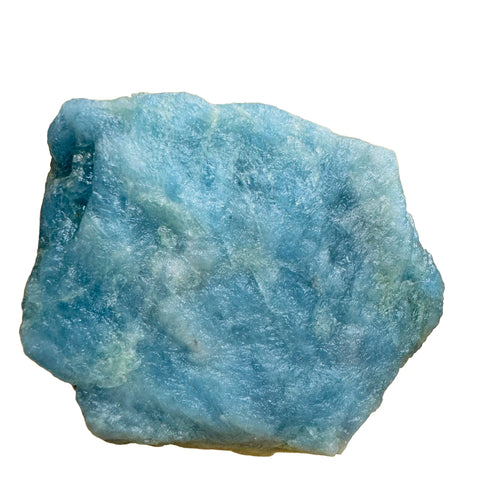











































 Raw Stones
180 pieces
Raw Stones
180 pieces
 Tumbled Stones
162 pieces
Tumbled Stones
162 pieces
 Palm Stones
26 pieces
Palm Stones
26 pieces
 Crystal Points
23 pieces
Crystal Points
23 pieces
 Clusters & Geodes
109 pieces
Clusters & Geodes
109 pieces
 Polished & Decor
152 pieces
Polished & Decor
152 pieces
 Mineral Specimens
261 collector pieces
Mineral Specimens
261 collector pieces
 Crystal Chips
21 pieces
Browse everything
Every collection, one page.
View All Collections →
Crystal Chips
21 pieces
Browse everything
Every collection, one page.
View All Collections →


 Aries
Mar 21 – Apr 19
Carnelian
›
Aries
Mar 21 – Apr 19
Carnelian
›
 Taurus
Apr 20 – May 20
Rose Quartz
›
Taurus
Apr 20 – May 20
Rose Quartz
›
 Gemini
May 21 – Jun 20
Agate
›
Gemini
May 21 – Jun 20
Agate
›
 Cancer
Jun 21 – Jul 22
Moonstone
›
Cancer
Jun 21 – Jul 22
Moonstone
›
 Leo
Jul 23 – Aug 22
Citrine
›
Leo
Jul 23 – Aug 22
Citrine
›
 Virgo
Aug 23 – Sep 22
Amazonite
›
Virgo
Aug 23 – Sep 22
Amazonite
›
 Libra
Sep 23 – Oct 22
Blue Lace Agate
›
Libra
Sep 23 – Oct 22
Blue Lace Agate
›
 Scorpio
Oct 23 – Nov 21
Obsidian
›
Scorpio
Oct 23 – Nov 21
Obsidian
›
 Sagittarius
Nov 22 – Dec 21
Sodalite
›
Sagittarius
Nov 22 – Dec 21
Sodalite
›
 Capricorn
Dec 22 – Jan 19
Black Tourmaline
›
Capricorn
Dec 22 – Jan 19
Black Tourmaline
›
 Aquarius
Jan 20 – Feb 18
Amethyst
›
Aquarius
Jan 20 – Feb 18
Amethyst
›
 Pisces
Feb 19 – Mar 20
Aquamarine
›
Gifting?
A birthday stone is the safe bet.
Read the zodiac guide →
Pisces
Feb 19 – Mar 20
Aquamarine
›
Gifting?
A birthday stone is the safe bet.
Read the zodiac guide →











Rainbow Obsidian
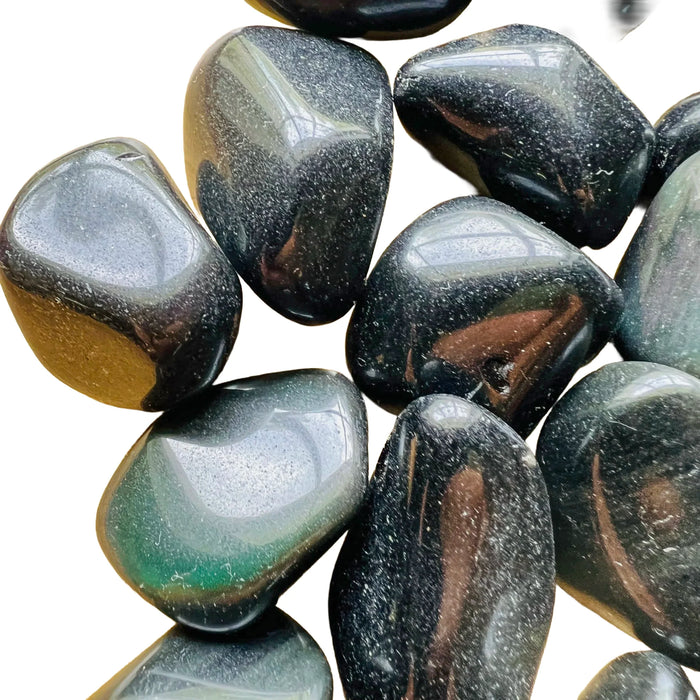
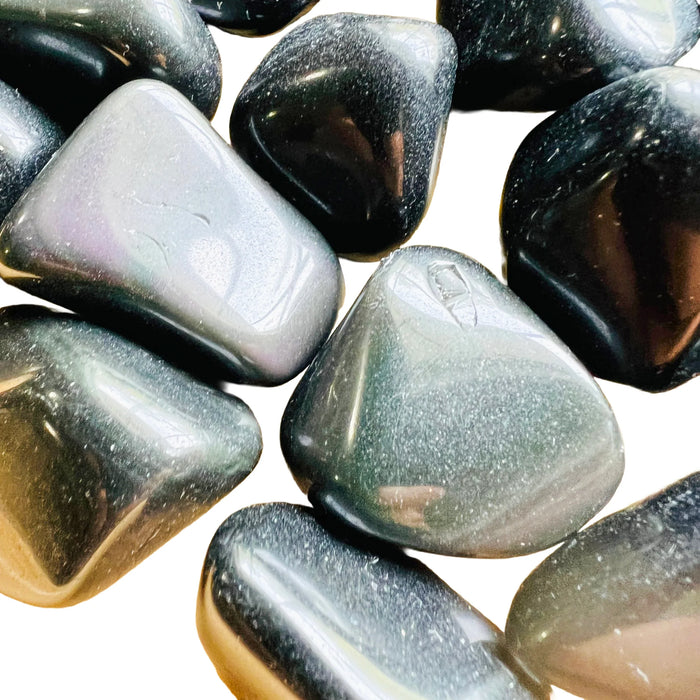
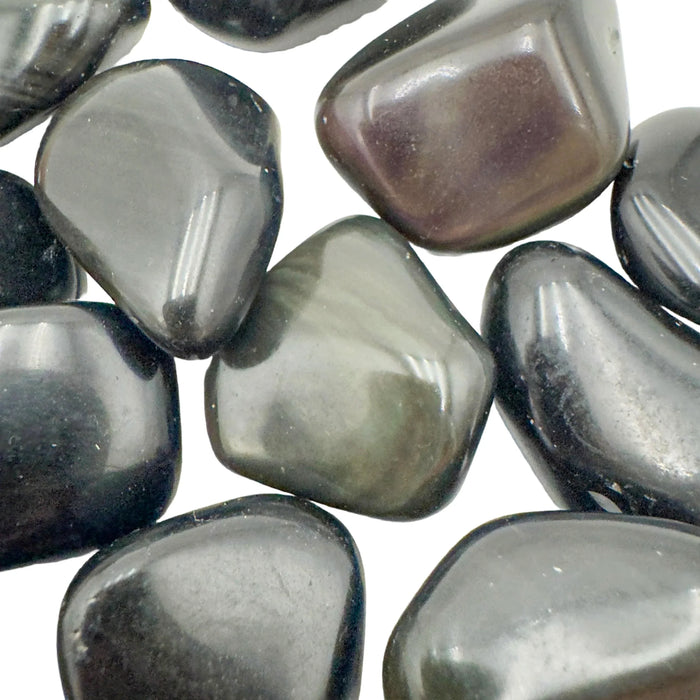
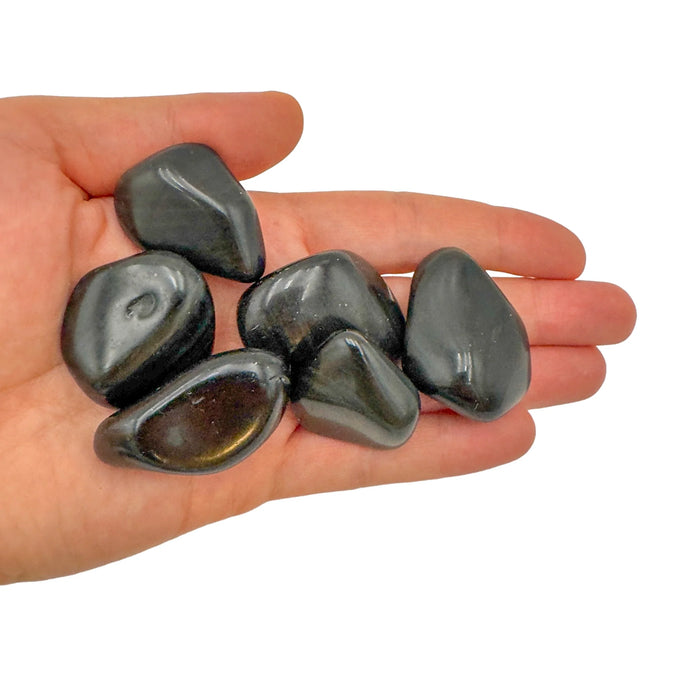
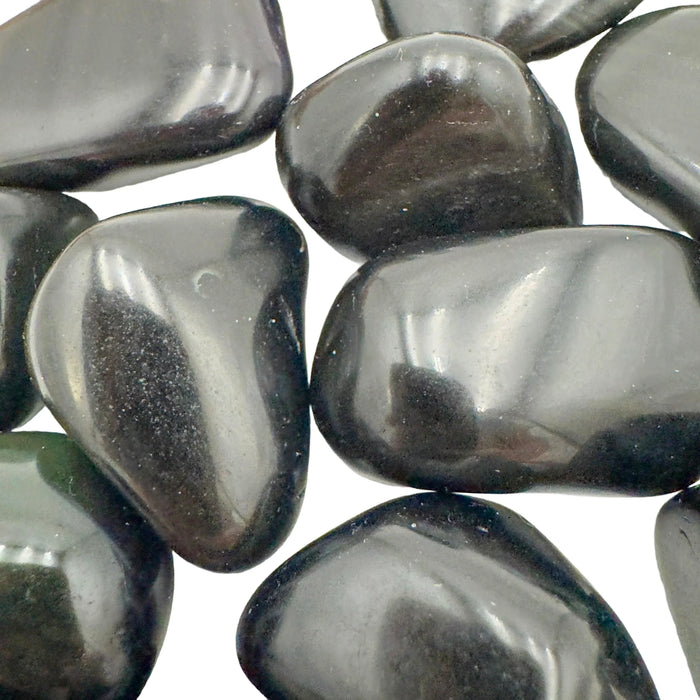
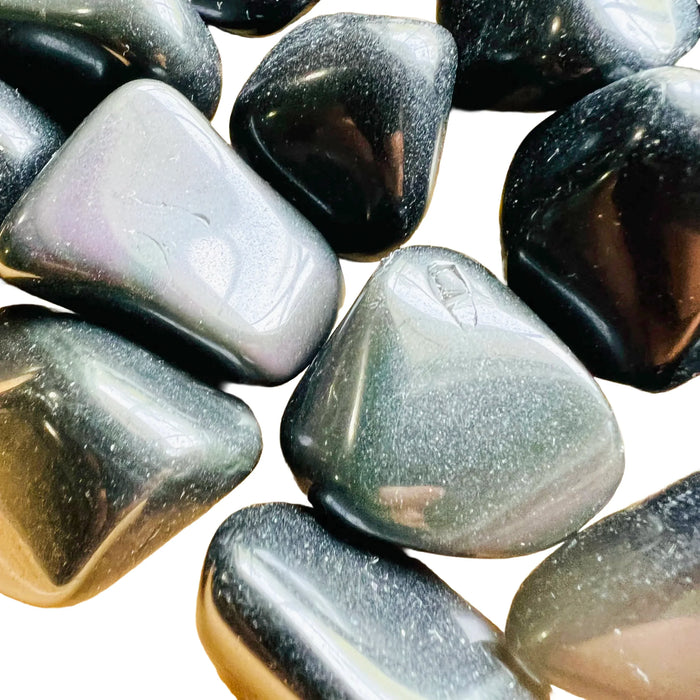
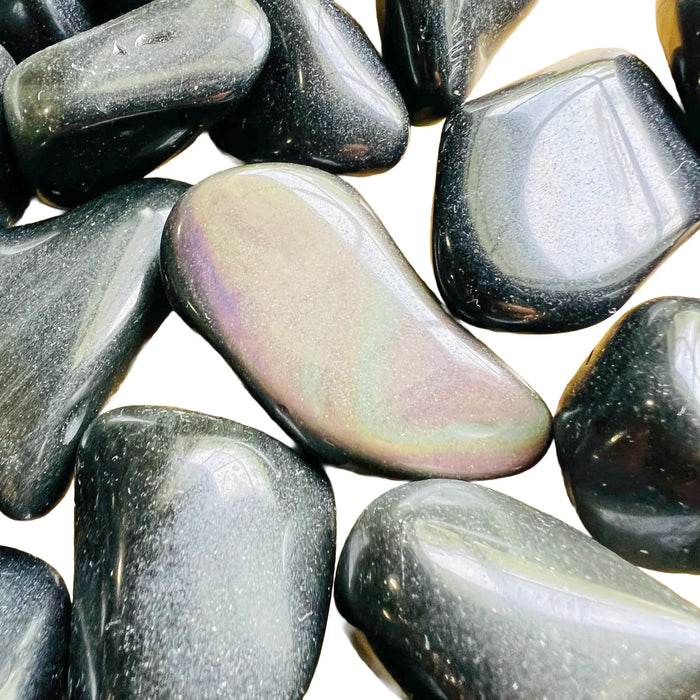
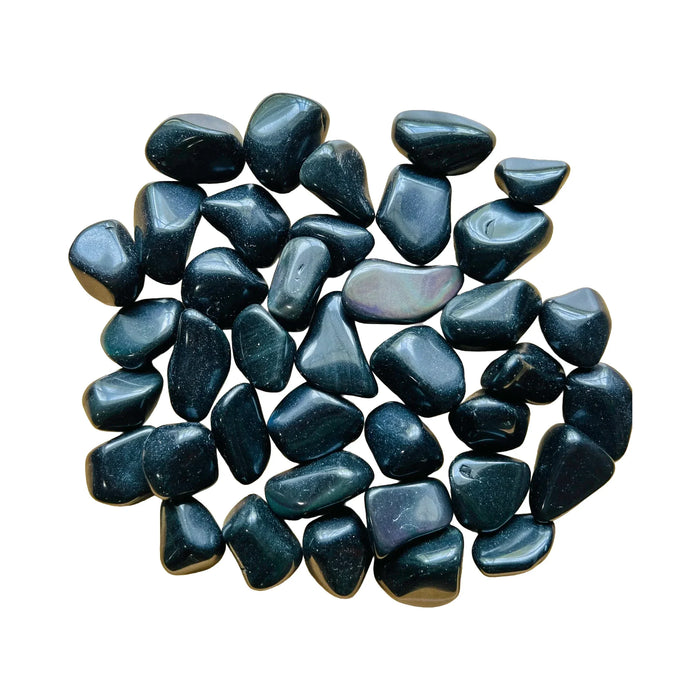
Rainbow Obsidian is black volcanic glass whose surface reveals soft iridescent bands of green, violet, gold, and blue when the light catches at the right angle. The sheen comes from aligned nanocrystals of magnetite inside the glass. Traditionally associated with grief processing, emotional layers, and the patient uncovering of what's been hidden. Mexico is essentially the only commercial source.
Shop rainbow-obsidianThe geology.
Rainbow Obsidian is a naturally occurring volcanic glass, same basic composition as regular black obsidian: silica-rich lava (about 70 to 75 percent SiO₂) that cooled too fast to crystallize. What makes Rainbow Obsidian different is the presence of oriented magnetite nanocrystals inside the glass. These nanocrystals formed during slow cooling and are arranged in parallel layers; when light passes through and reflects off those aligned layers, it separates into the soft spectrum sheen you see on a polished piece.
Hardness sits at 5 to 5.5 on the Mohs scale. Like all obsidian, fracture is conchoidal and razor-sharp at broken edges. The rainbow effect is strongest on pieces cut and polished to reveal the nanocrystal layers at the right angle, which is why tumbled Rainbow Obsidian sometimes shows stronger sheen than raw pieces.
The origins.
Rainbow Obsidian is essentially a Mexican stone in commercial terms. The state of Jalisco, particularly around Sierra de Tapalpa and El Calvario, is the primary source of commercial material. Rainbow-sheen varieties have been documented at other obsidian localities (Armenia, Turkey, parts of the western United States) but the Mexican material dominates the global market. Pre-Columbian Mesoamerican cultures worked Rainbow Obsidian alongside regular obsidian.
Within Mexican supply, the sheen quality varies from subtle to dramatic. Polished cabochons and tumbled stones are typically cut to maximize the rainbow effect. Raw Rainbow Obsidian shows less sheen until it's shaped and polished along the right plane.
Traditional associations.
Rainbow Obsidian has a deep pre-Columbian tradition in Mesoamerica. Aztec culture associated obsidian generally with the god Tezcatlipoca (the Smoking Mirror) and used it in scrying mirrors and ceremonial blades. Rainbow Obsidian specifically was valued for its sheen and used in ornamental objects, jewelry, and ritual items. The name Tezcatlipoca itself references obsidian's reflective quality.
Many people work with Rainbow Obsidian for grief processing, releasing emotional layers, and the slow uncovering of what's been buried. It's most commonly associated with the Root and Heart chakras, the elements of Earth and Fire, and the zodiac signs Libra and Scorpio. The classic working is framed as a gentler alternative to black obsidian's more direct shadow work, appropriate when the process needs patience rather than confrontation.
Spotting the real thing.
Real Rainbow Obsidian appears black under most lighting but shows soft iridescent bands when you tilt the polished surface to catch light at the right angle. The sheen is internal, emerging from within the glass, not a surface coating. Under strong oblique light, the rainbow effect moves across the stone as you rotate it. Broken edges show the characteristic razor-sharp conchoidal fracture of obsidian.
Painted or coated glass with rainbow finishes can appear similar but shows uniform sheen that covers the surface rather than emerging from within. The coating can be scratched off to reveal uncolored glass underneath. Real Rainbow Obsidian is heavy for its size compared to most imitations, with the characteristic obsidian weight and cool touch.
Care & handling.
Water safe for a brief rinse with warm water and a soft cloth. Skip ultrasonic cleaners, which can propagate microscopic fractures in the glass. Avoid impact on hard surfaces, because obsidian chips and breaks with sharp edges. The rainbow sheen is stable and doesn't fade with light or time.
Cleanse energetically with moonlight, sound, smoke, or by placing on selenite overnight. At 5 to 5.5 on the Mohs scale, Rainbow Obsidian scratches easily against harder stones. Store in a small pouch separately. Handle cut edges with the same care as any glass object.
Pairs well with.
Proof, not promises.
We measure our own sourcing across five dimensions. Supply chain, environmental footprint, artisan support, market integrity, and pricing. The number is honest, not perfect. Where we can do better, we say so.
A deeper look.
Extended geology, sourcing, authentication, history, varieties, and pricing, for when the quick guide isn't quite enough.
Extended geology
Rainbow Obsidian is silica-rich volcanic glass (roughly 70 to 75 percent SiO₂) that contains oriented nanocrystals of magnetite (Fe₃O₄) formed during slow cooling after initial rapid solidification. The magnetite nanocrystals are too small to resolve visibly but are arranged in parallel layers. When light enters the glass and reflects off these layers, thin-film interference produces the spectrum of color visible as sheen.
The effect is a form of structural coloration, similar to the iridescence in soap bubbles or butterfly wings but occurring within a solid volcanic glass. Hardness 5 to 5.5 Mohs. Specific gravity 2.35 to 2.60. Luster vitreous. No cleavage. Fracture conchoidal. Amorphous structure.
Extended sourcing
Mexico's Jalisco state, particularly the Sierra de Tapalpa and El Calvario volcanic areas, produces the vast majority of commercial Rainbow Obsidian. The region's geology, with layered rhyolitic flows that cooled under the right conditions, produced the magnetite nanocrystal structure that creates the sheen. Mexican Rainbow Obsidian has a continuous documented tradition going back to pre-Columbian times.
Smaller quantities of rainbow-sheen obsidian have been documented at localities in Armenia, Turkey, Ethiopia, and parts of the western United States (Oregon, California), though these sources produce limited commercial material. For practical purposes, Rainbow Obsidian in the small-shop market is Mexican.
Authentication and warning signs
The rainbow sheen on real material is internal. When you tilt a polished piece under light, colored bands move through the glass as the reflective angle changes. Painted or coated glass imitations show sheen that sits on the surface and appears the same from most angles; scratching reveals uncolored glass underneath. Real Rainbow Obsidian is heavy for its size, with the characteristic cool feel of volcanic glass.
Manufactured glass with iridescent coatings is sometimes sold as Rainbow Obsidian at the very bottom of the market. Check the sheen with a loupe: real nanocrystal-based sheen is three-dimensional and varies with angle; applied coating is flat and uniform. Reputable sellers confirm Mexican origin.
Historical and cultural context
Pre-Columbian Mesoamerican cultures, particularly the Aztecs and earlier Toltec and Olmec civilizations, worked obsidian extensively for tools, weapons, and ceremonial objects. Rainbow Obsidian specifically was used in ornamental and ritual contexts, valued for its sheen. The Aztec god Tezcatlipoca (Smoking Mirror) was associated with obsidian, and scrying mirrors made from polished obsidian were used in divination.
Modern metaphysical practice associates Rainbow Obsidian with grief, emotional layers, and gentle release, framing it as a softer alternative to black obsidian's more direct shadow work. The layered iridescence provides a visual metaphor for emotional and psychological layers; contemporary practitioners often use the stone in meditation work focused on processing loss or uncovering buried emotional material.
Varieties and trade names
Rainbow Obsidian: the standard Mexican iridescent black obsidian.
Sheen Obsidian: broader category for obsidian with optical effects, including gold sheen and silver sheen varieties.
Velvet Obsidian: trade name for deeply iridescent material with particularly rich sheen.
Rainbow Sheen Obsidian: more specific terminology some sellers use to distinguish from coated glass imitations.
Pricing reality
Tumbled Rainbow Obsidian: 2 to 8 dollars per piece. Small polished cabochons and palm stones: 10 to 40 dollars. Larger polished freeforms and spheres: 30 to 120 dollars depending on size and strength of sheen. Fine specimen-grade pieces with exceptional rainbow effect: 80 to 300 dollars.
Value drivers: strength and distribution of the rainbow sheen, size, clean polish, absence of chips or flow lines that interrupt the sheen, and documented Mexican origin. Warning signs: 'Rainbow Obsidian' with painted-looking uniform sheen, pieces without origin information, or suspiciously bright colors that suggest coated glass.
Good sourcing is a practice, not a claim.
Nothing we sell is painted glass or coated imitation sold as natural Rainbow Obsidian. We name our origins where we can. We say so when we cannot. We walk away from material that doesn't meet our standard, even when it costs us sales.
Bring rainbow-obsidian home.
Every piece we carry is photographed individually and listed with its own origin and treatment notes. What you see is what ships.
Shop the rainbow-obsidian collectionRainbow Obsidian, in stock now.
Our most-loved Rainbow Obsidian pieces, ready to ship.

- from 1,000+ reviews
- Ships within 72 hoursMonday to Friday, tracked
- 90 days to return itif you do not love it
- Free US shipping over $99$8.99 flat rate under
The Slow Note
New stones go to the list first.
No forwarding, no selling. Unsubscribe in one click. Privacy