






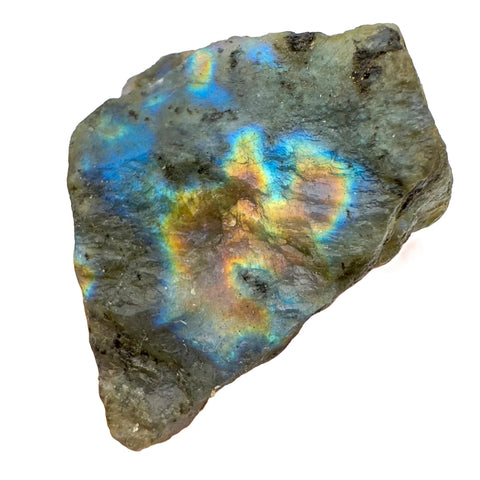



 Agatefor stress relief
 Amazonitefor stress relief
 Aquamarinefor serenity
 Aventurinefor luck
 Bloodstonefor energy
 Blue Kyanitefor confidence
 Blue Lace Agatefor stress relief
 Chrysocollafor emotional healing
 Fluoritefor focus
 Garnetfor energy
 Lepidolitefor stress relief
 Malachitefor emotional healing
 Moonstonefor grounding
 Obsidianfor protection
 Ocean Jasperfor emotional healing
 Red Jasperfor grounding
 Rhodonitefor emotional healing
 Selenitefor cleansing
 Sodalitefor focus
 Tiger Eyefor confidence









































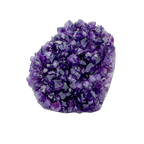 Amethyst
 Clear Quartz
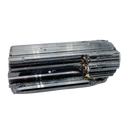 Black Tourmaline
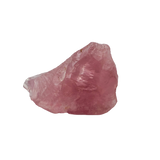 Rose Quartz
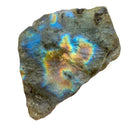 Labradorite
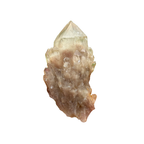 Natural Citrine
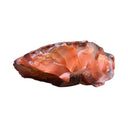 Carnelian
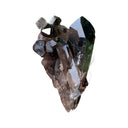 Smoky Quartz
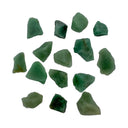 Aventurine
 Sodalite
 Ametrine
 Golden Healer
 Raw Stones
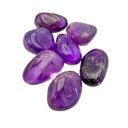 Tumbled Stones
 Palm Stones
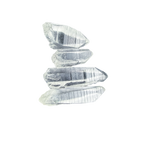 Crystal Points
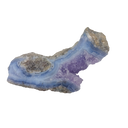 Clusters & Geodes
 Polished & Decor
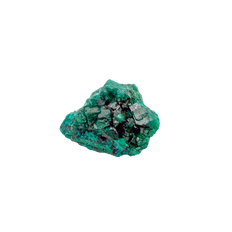 Mineral Specimens
 Crystal Chips




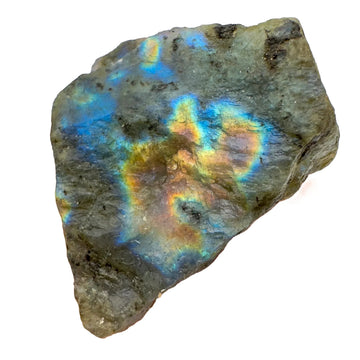



 Raw Stones
179 to choose from
Raw Stones
179 to choose from
 Tumbled Stones
162 to choose from
Tumbled Stones
162 to choose from
 Palm Stones
25 to choose from
Palm Stones
25 to choose from
 Crystal Points
23 to choose from
Crystal Points
23 to choose from
 Clusters & Geodes
96 to choose from
Clusters & Geodes
96 to choose from
 Polished & Decor
146 to choose from
Polished & Decor
146 to choose from
 Mineral Specimens
245 to choose from
Mineral Specimens
245 to choose from
 Crystal Chips
21 to choose from
Crystal Chips
21 to choose from


 AngolaAquamarine
›
AngolaAquamarine
›
 BotswanaCarnelian, Tree Agate
›
BotswanaCarnelian, Tree Agate
›
 DR CongoMalachite, Natural Citrine
›
DR CongoMalachite, Natural Citrine
›
 EswatiniBloodstone
›
EswatiniBloodstone
›
 MadagascarLabradorite, Clear Quartz
›
MadagascarLabradorite, Clear Quartz
›
 MalawiBlue Lace Agate, Garnet
›
MalawiBlue Lace Agate, Garnet
›
 MozambiqueAmazonite
›
MozambiqueAmazonite
›
 NamibiaSodalite, Blue Lace Agate
›
NamibiaSodalite, Blue Lace Agate
›
 Republic of the CongoDioptase
›
Republic of the CongoDioptase
›
 South AfricaTiger Eye, Unakite
›
South AfricaTiger Eye, Unakite
›
 ZambiaChevron Amethyst
›
ZambiaChevron Amethyst
›
 ZimbabweEmerald, Rhodonite
›
ZimbabweEmerald, Rhodonite
›
 ArgentinaBlack Obsidian, Rhodochrosite
›
ArgentinaBlack Obsidian, Rhodochrosite
›
 BoliviaAmetrine
›
BoliviaAmetrine
›
 BrazilAmethyst, Clear Quartz
›
BrazilAmethyst, Clear Quartz
›
 PeruSerpentine, Jade
›
PeruSerpentine, Jade
›
 UruguayAmethyst
›
UruguayAmethyst
›
 Dominican RepublicLarimar
›
Dominican RepublicLarimar
›
 MexicoRainbow Obsidian, Crazy Lace Agate
›
MexicoRainbow Obsidian, Crazy Lace Agate
›
 United StatesSelenite, Peridot
›
United StatesSelenite, Peridot
›
 ChinaFluorite
›
ChinaFluorite
›
 RussiaShungite
›
RussiaShungite
›
 AustraliaMookaite
›
AustraliaMookaite
›
 Where our crystals come from
See where we source →
Where our crystals come from
See where we source →


 Aquarius
Jan 20 to Feb 18
Amethyst
›
Aquarius
Jan 20 to Feb 18
Amethyst
›
 Pisces
Feb 19 to Mar 20
Aquamarine
›
Pisces
Feb 19 to Mar 20
Aquamarine
›
 Aries
Mar 21 to Apr 19
Carnelian
›
Aries
Mar 21 to Apr 19
Carnelian
›
 Taurus
Apr 20 to May 20
Rose Quartz
›
Taurus
Apr 20 to May 20
Rose Quartz
›
 Gemini
May 21 to Jun 20
Agate
›
Gemini
May 21 to Jun 20
Agate
›
 Cancer
Jun 21 to Jul 22
Moonstone
›
Cancer
Jun 21 to Jul 22
Moonstone
›
 Leo
Jul 23 to Aug 22
Citrine
›
Leo
Jul 23 to Aug 22
Citrine
›
 Virgo
Aug 23 to Sep 22
Amazonite
›
Virgo
Aug 23 to Sep 22
Amazonite
›
 Libra
Sep 23 to Oct 22
Blue Lace Agate
›
Libra
Sep 23 to Oct 22
Blue Lace Agate
›
 Scorpio
Oct 23 to Nov 21
Obsidian
›
Scorpio
Oct 23 to Nov 21
Obsidian
›
 Sagittarius
Nov 22 to Dec 21
Sodalite
›
Sagittarius
Nov 22 to Dec 21
Sodalite
›
 Capricorn
Dec 22 to Jan 19
Black Tourmaline
›
Gifting?
A birthday stone is the safe bet.
Read the zodiac guide →
Capricorn
Dec 22 to Jan 19
Black Tourmaline
›
Gifting?
A birthday stone is the safe bet.
Read the zodiac guide →


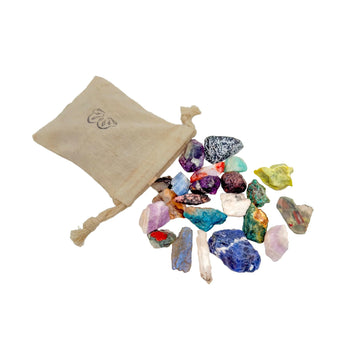










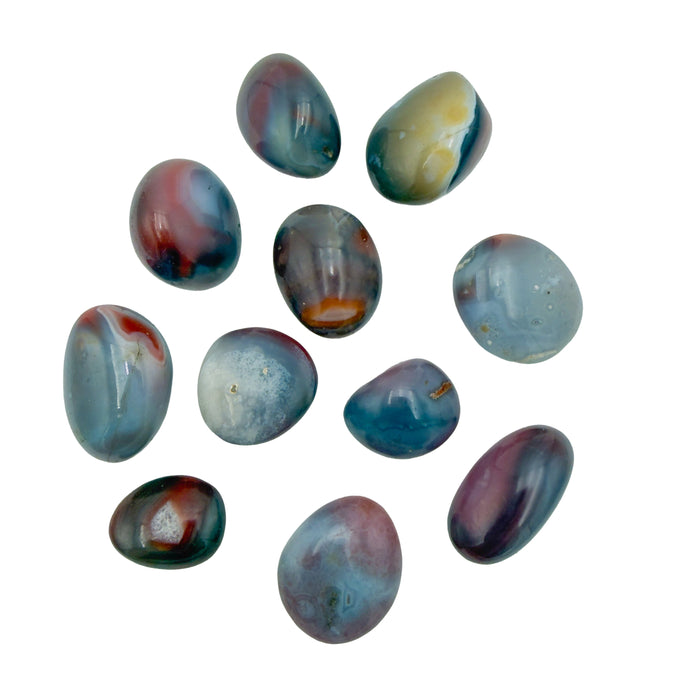
Red Agate
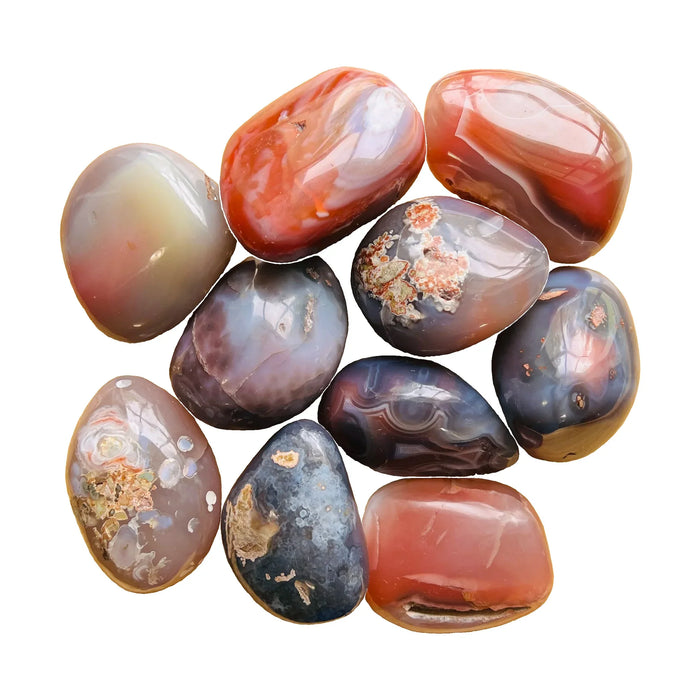
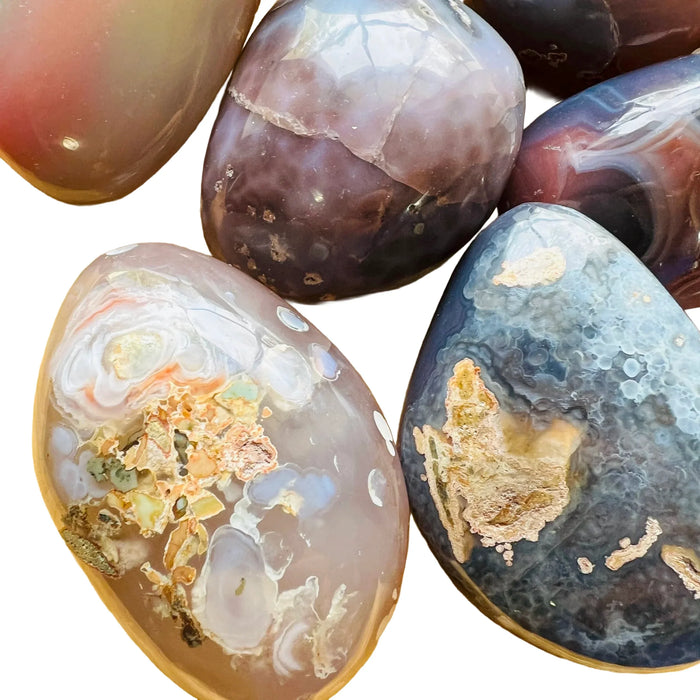
Red Agate is a chalcedony variety colored by iron oxide inclusions, ranging from pale terracotta through deep carnelian red. Traditionally associated with grounding, vitality, and the steady warmth of the root and sacral chakras. Much of the commercial Red Agate on the market is heat-treated to deepen color, which is an acceptable treatment when disclosed.
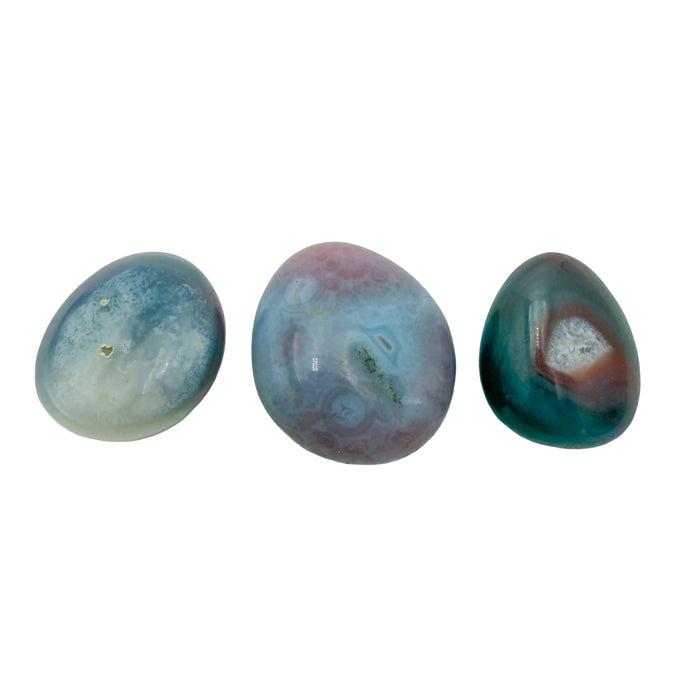
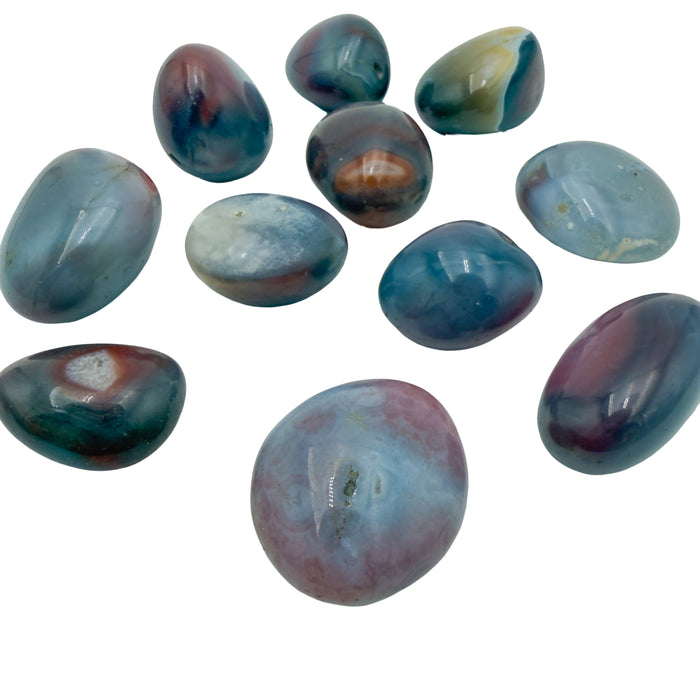
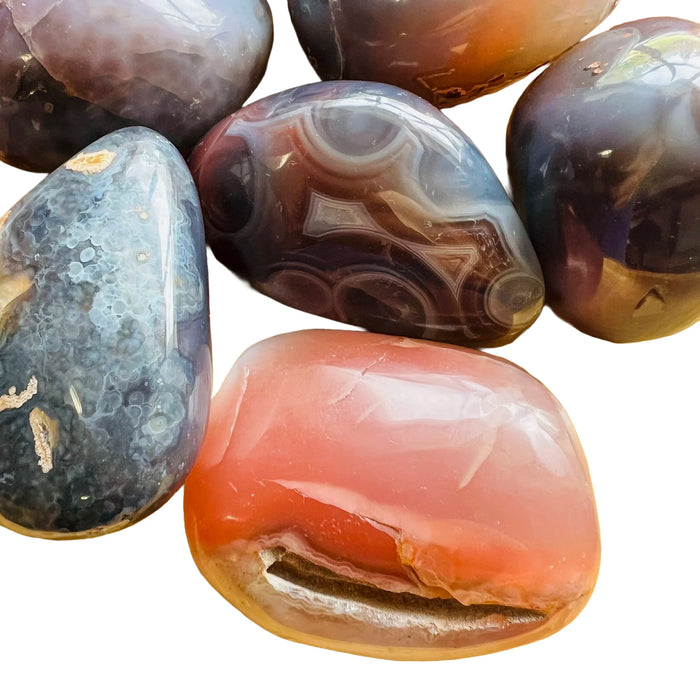
Shop red agateRed Agate, in stock now.
Our most-loved Red Agate pieces, ready to ship.
- from 1,000+ reviews
- Ships within 72 hoursMonday to Friday, tracked
- 90 days to return itif you do not love it
- Free US shipping over $99$8.99 flat rate under
The geology.
Red Agate is a variety of chalcedony, which is microcrystalline quartz (SiO₂) with grains too fine to resolve without magnification. The red color comes from iron oxide inclusions (primarily hematite) distributed through the silica matrix. Natural Red Agate is relatively uncommon; much of what's sold as Red Agate is lighter agate that has been heat-treated to intensify the red color. Heat-treatment converts iron hydroxides to hematite, deepening the tone. This is acceptable when disclosed.
Hardness runs 6.5 to 7 on the Mohs scale, durable enough for daily-wear jewelry. No cleavage, conchoidal fracture, vitreous to waxy luster. Red Agate shares structural properties with carnelian (a related red chalcedony), and the two are often hard to distinguish; in practice, Carnelian is typically brighter and more translucent, while Red Agate leans deeper and more opaque.
The origins.
Red Agate is mined across multiple commercial producer regions. Zimbabwe supplies much of the small-shop tumbled material. Brazil's Rio Grande do Sul is a historical source of agate generally, with Red Agate typically produced through heat treatment of paler material. India (Gujarat), Botswana, Madagascar, and the United States (Oregon, Montana) also produce Red Agate commercially.
Each source has subtle differences. Zimbabwean Red Agate is often a deep, uniform reddish-brown. Brazilian material is often heat-treated from banded agate and shows subtle banding beneath the red color. Indian Red Agate tends toward terracotta tones. The presence or absence of heat treatment is typically the more meaningful distinction than country of origin for most buyers.
Traditional associations.
Agate has been worked continuously since antiquity. Red Agate specifically appears in ancient Egyptian, Mesopotamian, and Greek jewelry; the Egyptians associated red stones with blood, life force, and the goddess Isis. Roman tradition used Red Agate in signet rings and amulets for protection in battle. The name agate comes from the Achates River in Sicily, where Theophrastus first documented the material in the fourth century BCE.
Many people work with Red Agate for grounding, vitality, physical strength, and the patient warmth that keeps you going through slow seasons. It's most commonly associated with the Root and Sacral chakras, the elements of Fire and Earth, and the zodiac signs Aries and Taurus. The classic working is as a steadying companion stone rather than a quick-shift stone.
Spotting the real thing.
Real Red Agate shows a natural, slightly uneven red color with subtle variation across a single piece. Polished pieces have a vitreous to slightly waxy finish. Under strong light, the stone is often partially translucent at thinner edges. Under a loupe, the fine-grained microcrystalline structure is sometimes visible. Natural untreated Red Agate often shows banding or color zoning; heat-treated pieces usually have more uniform color.
Dyed agate at the bottom of the market shows saturated uniform red with dye pooling in fractures and color that may fade or bleed with prolonged contact with chemicals or strong light. Glass imitations feel warmer to the touch and lack the weight of real agate. Reputable sellers disclose heat treatment in writing and distinguish treated from natural material.
Care & handling.
Water safe for a brief rinse with warm water and a soft cloth. Skip long soaks, saltwater, and ultrasonic cleaners. Red Agate is stable under sunlight, though dyed Red Agate, which we do not carry, can fade with prolonged UV exposure. Temperature shifts are fine within reason.
Cleanse energetically with moonlight, sound, smoke, salt water, or by placing on selenite overnight. At 6.5 to 7 on the Mohs scale, Red Agate handles daily wear well in all jewelry settings. Store separately from harder stones like topaz and sapphire to preserve the polish.
Pairs well with.
Proof, not promises.
We measure our own sourcing across five dimensions. Supply chain, environmental footprint, artisan support, market integrity, and pricing. The number is honest, not perfect. Where we can do better, we say so.
A deeper look.
Extended geology, sourcing, authentication, history, varieties, and pricing, for when the quick guide isn't quite enough.
Extended geology
Red Agate is a variety of chalcedony, microcrystalline quartz (SiO₂) colored by iron oxide inclusions, primarily hematite. The stone forms when silica-saturated groundwater infiltrates cavities in volcanic or sedimentary host rock and crystallizes over time. Iron-bearing fluids introduce the color-giving minerals during formation or later alteration.
Specific gravity 2.58 to 2.64. Mohs hardness 6.5 to 7. Luster vitreous to waxy. No cleavage; fracture conchoidal. Heat treatment at temperatures around 400 to 500 degrees Celsius converts iron hydroxides to hematite, deepening the color. This treatment is permanent and undetectable by appearance alone, which is why disclosure matters.
Extended sourcing
Zimbabwe's chalcedony deposits produce commercial Red Agate material for the global small-shop market. Brazil's Rio Grande do Sul is a historical heavyweight for agate generally, with most Brazilian Red Agate being heat-treated from paler banded material. The Brazilian heat-treatment tradition goes back to the nineteenth century and became an industrial process in the twentieth.
India's Gujarat region produces significant agate volumes and has treatment workshops that process material from multiple sources. Botswana, Madagascar, and the United States (Oregon, Montana) also contribute. Each source has recognizable color tendencies, though heat treatment tends to even out some of those differences.
Authentication and warning signs
Real Red Agate shows natural color variation across a single piece, often with subtle banding or zoning visible under strong light. The polish reads vitreous to waxy. Heat-treated material is genuinely real Red Agate; the treatment simply deepens the natural iron oxide color.
Dyed agate at the bottom of the market shows uniform saturated red, often with dye pooled in surface fractures. Dyed pieces can fade with UV exposure or chemical contact. Glass imitations are warmer to the touch and lighter. The authentic question for Red Agate is usually treatment disclosure rather than authenticity; ask whether the color is natural or heat-treated.
Historical and cultural context
Red Agate has been worked since antiquity. Ancient Egyptian tradition associated red stones with blood, life force, and the goddess Isis; Red Agate amulets appear in funerary contexts. Greek and Roman traditions used Red Agate in signet rings, cameos, and protective amulets for soldiers. Pliny the Elder described red agates in his Natural History.
The stone has been continuously present in jewelry across cultures: Chinese, Islamic, medieval European, and pre-Columbian traditions all worked Red Agate. Contemporary metaphysical practice groups it with root-chakra and grounding stones, often alongside Carnelian (which shares the red chalcedony family and many associations).
Varieties and trade names
Red Agate: the general term for red chalcedony varieties.
Carnelian: a closely related red chalcedony, typically brighter and more translucent.
Sardonyx: red-and-white banded variety, historically distinct from Red Agate.
Fire Agate: a different category, showing iridescent sheens rather than simple red color.
Dragon Vein Agate: trade name for Red Agate with crackle patterns, usually heat-shocked and dyed.
Pricing reality
Tumbled Red Agate: 1 to 5 dollars per piece. Small carved shapes and palm stones: 6 to 30 dollars. Larger freeforms and spheres: 20 to 100 dollars depending on size and color depth.
Value drivers: depth and saturation of red, balance of color across the piece, absence of chips, clean polish, and disclosed treatment status. Warning signs: suspiciously uniform deep red at very low prices (possibly dyed), no treatment disclosure, or pieces labeled as natural when heat treatment is likely.
Good sourcing is a practice, not a claim.
Nothing we sell is dyed material sold as natural Red Agate. Our Red Agate is untreated, neither heated nor dyed, and we name our origins where we can. We walk away from material that doesn't meet our standard, even when it costs us sales.
Bring red-agate home.
Collector pieces are photographed individually, and you receive the exact piece shown. Batch stones are sold by the piece or by the pound from the lot pictured, with the same origin and treatment notes on every product page.
Shop the red-agate collectionGrounded Connections
New Red Agate pieces go to the list first.
No forwarding, no selling. Unsubscribe in one click. Privacy