Shop All Crystals
Raw StonesTumbled StonesBest Sellers
Our Picks
Sets & Bundles
New Arrivals
just inGifts
The Collector's Table
Perfectly Imperfect
save up to 50%Gift Cards
Not sure where to start? Take the Crystal Quiz →
Most popular
The stones people reach for again.
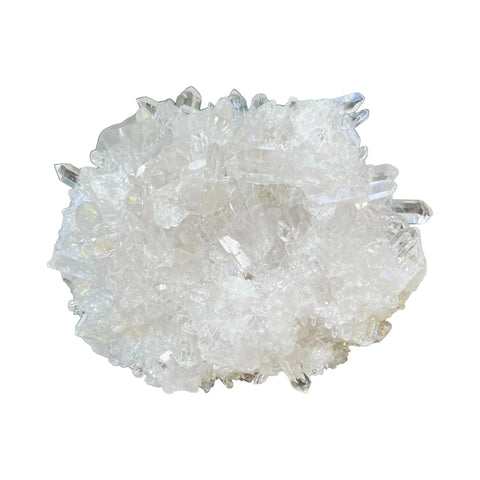
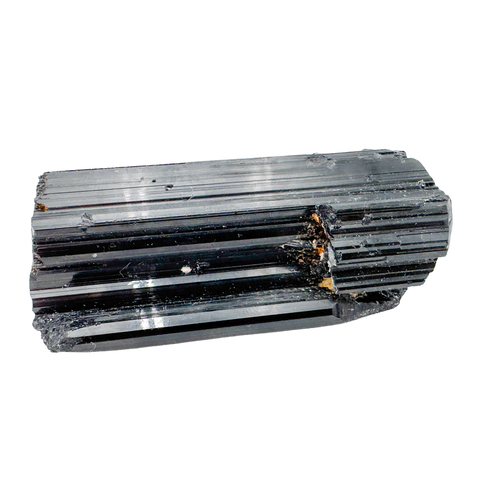
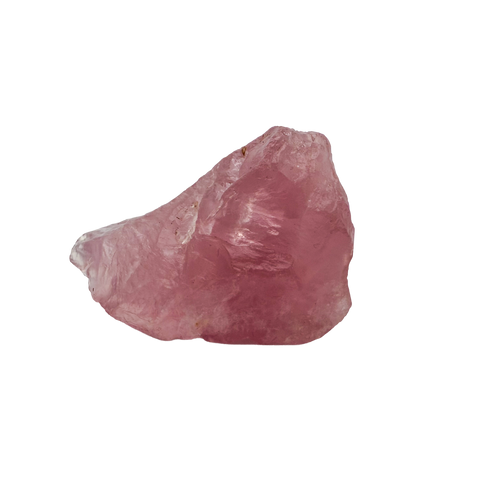
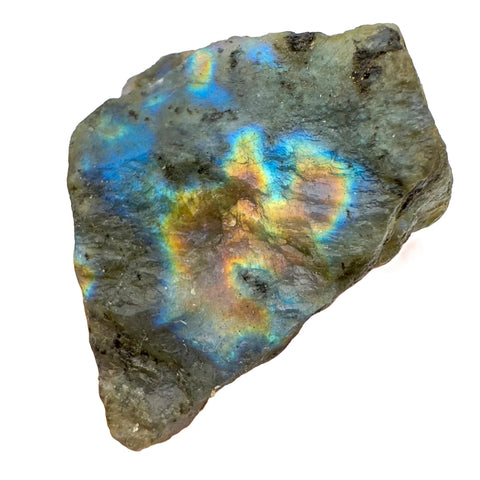
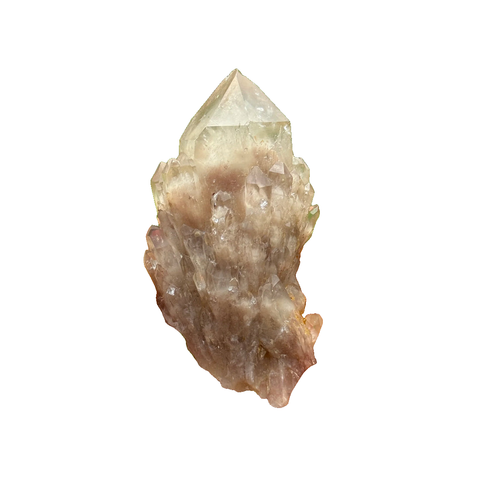
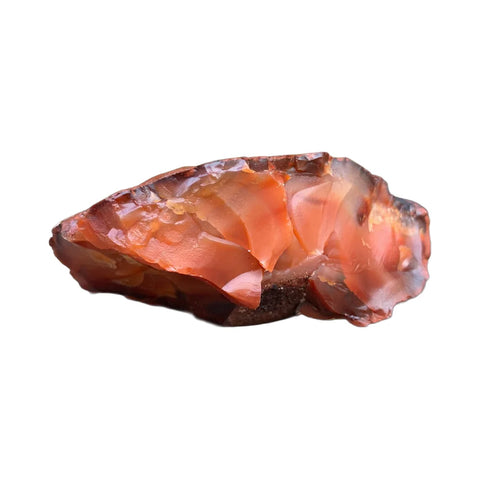
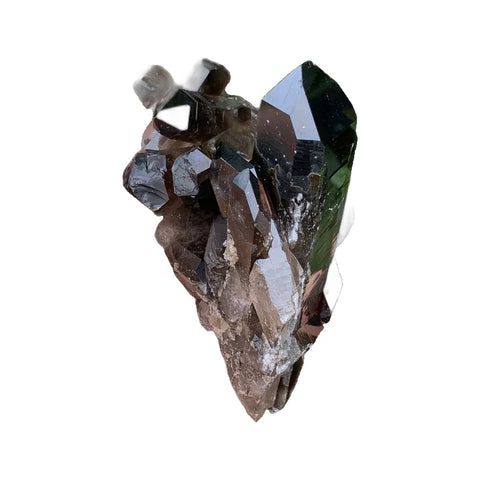
More Stones We Carry
Others we keep in depth, A to Z.
 Agatefor stress relief
 Amazonitefor stress relief
 Aquamarinefor serenity
 Aventurinefor luck
 Bloodstonefor energy
 Blue Kyanitefor confidence
 Blue Lace Agatefor stress relief
 Chrysocollafor emotional healing
 Fluoritefor focus
 Garnetfor energy
 Lepidolitefor stress relief
 Malachitefor emotional healing
 Moonstonefor grounding
 Obsidianfor protection
 Ocean Jasperfor emotional healing
 Red Jasperfor grounding
 Rhodonitefor emotional healing
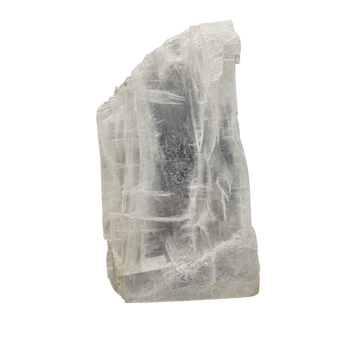
 Selenitefor cleansing
 Sodalitefor focus
 Tiger Eyefor confidence
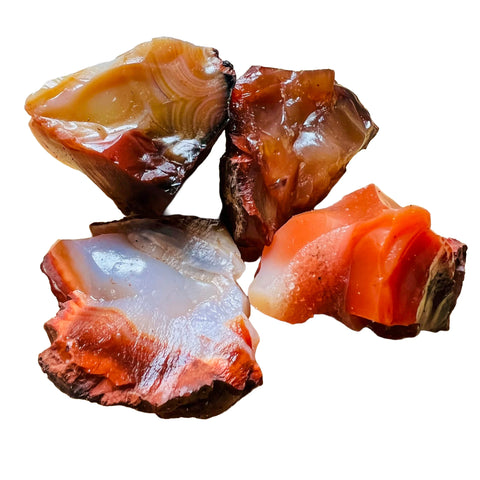
Raw Stones
179 to choose from
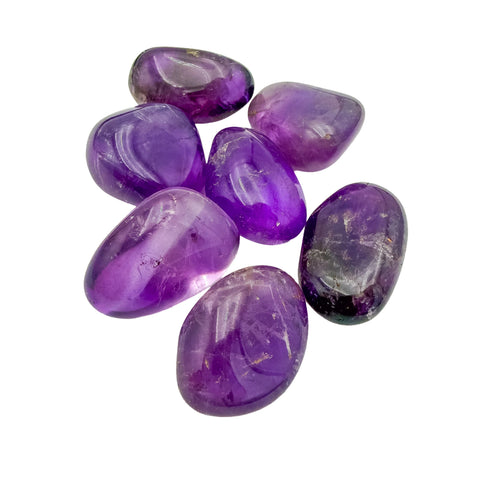
Tumbled Stones
162 to choose from

Palm Stones
25 to choose from
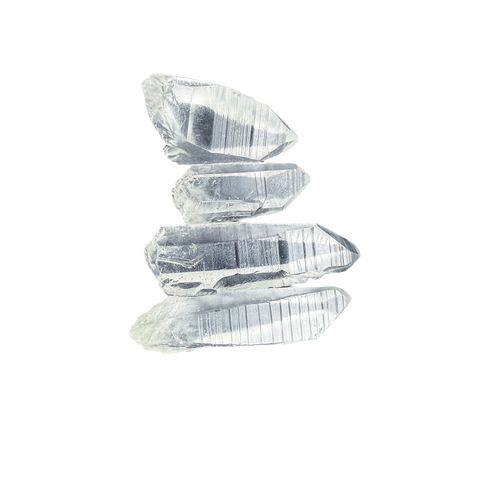
Crystal Points
23 to choose from
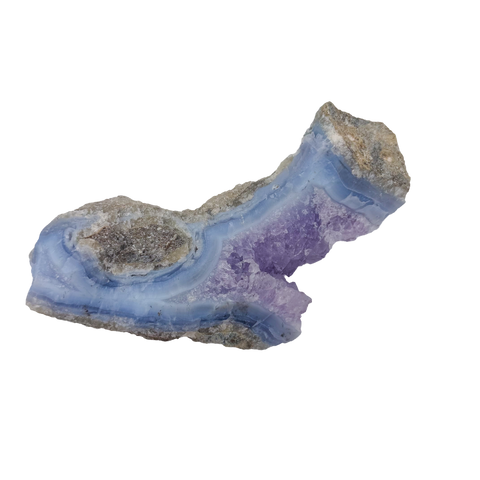
Clusters & Geodes
96 to choose from

Polished & Decor
146 to choose from
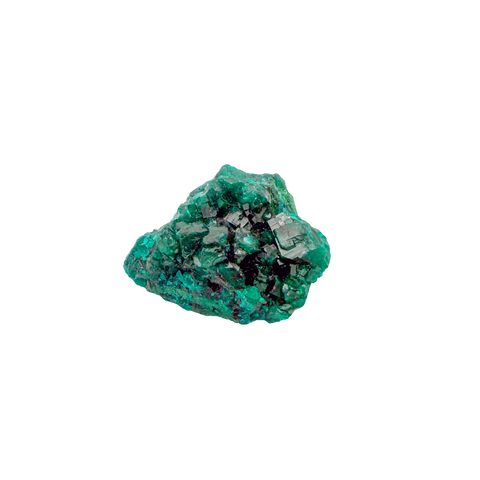
Mineral Specimens
245 to choose from
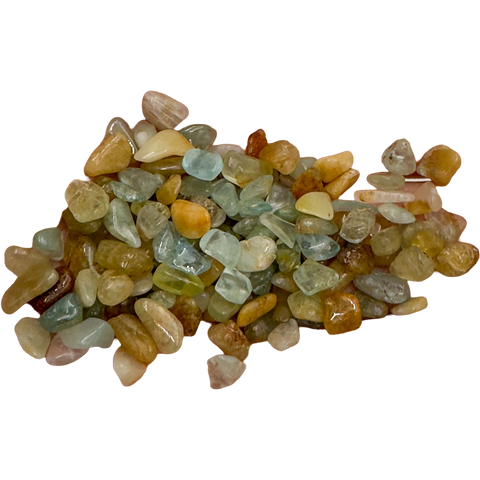
Crystal Chips
21 to choose from
Browse everything
Every collection, one page.
Raw, tumbled, points, palms, geodes, spheres. The whole counter in one place.
View All Collections →
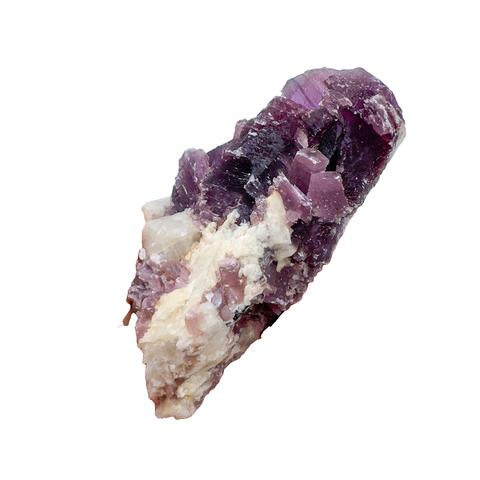
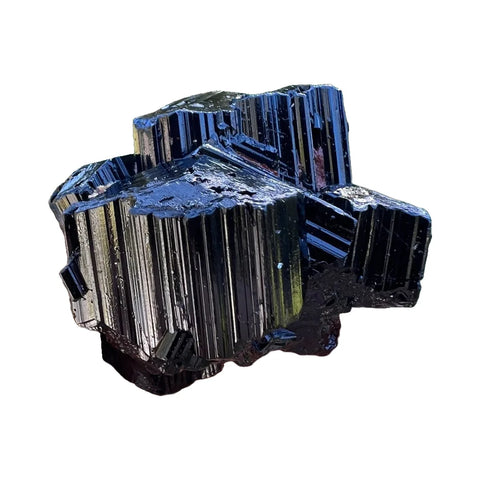
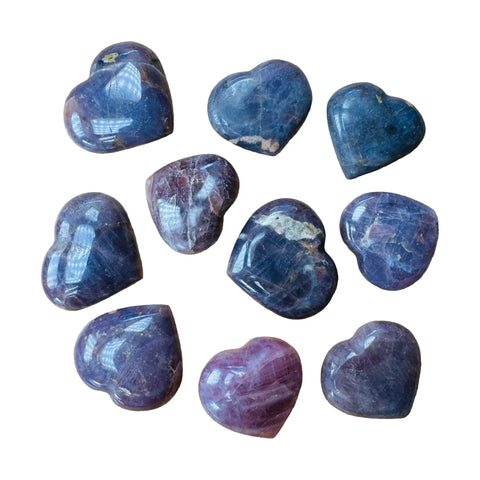
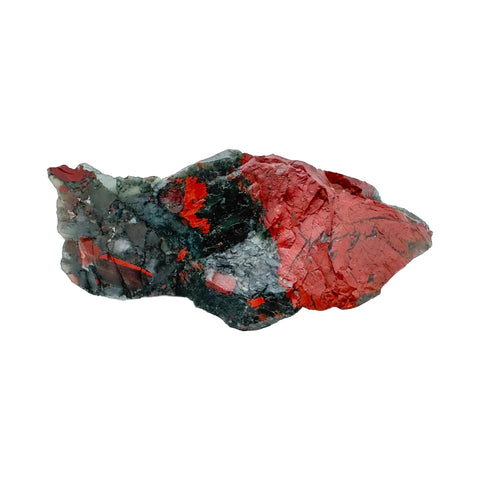
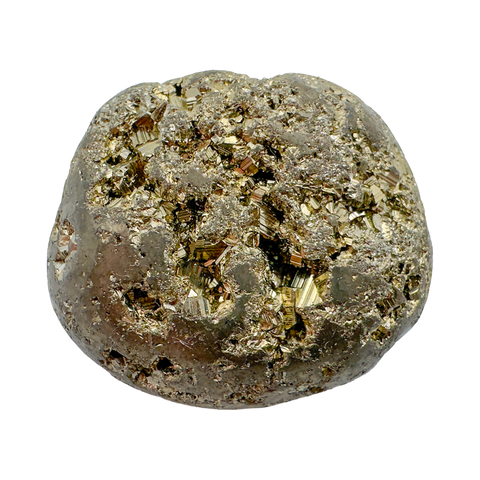
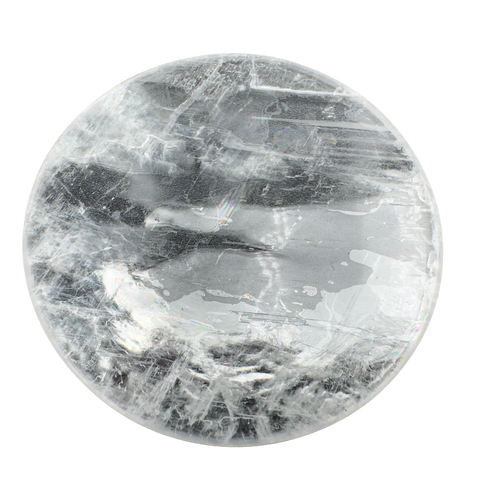
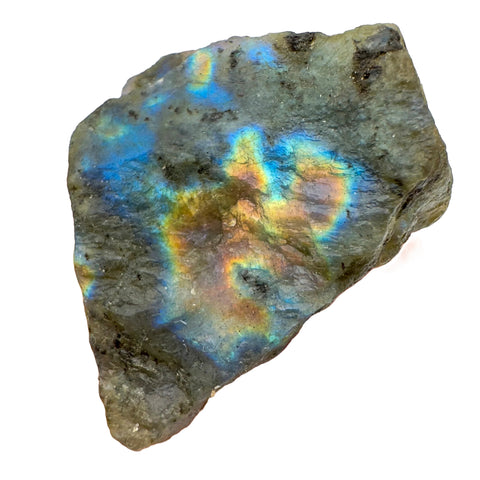
Most shopped origins
Where most of our stones come from.


Root
steadiness
Sacral
creativity
Solar Plexus
confidence
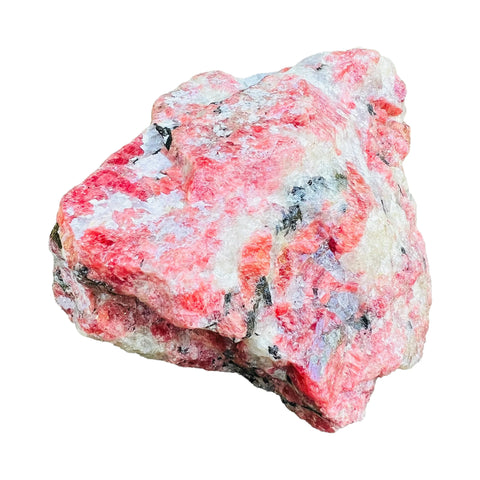
Heart
connection
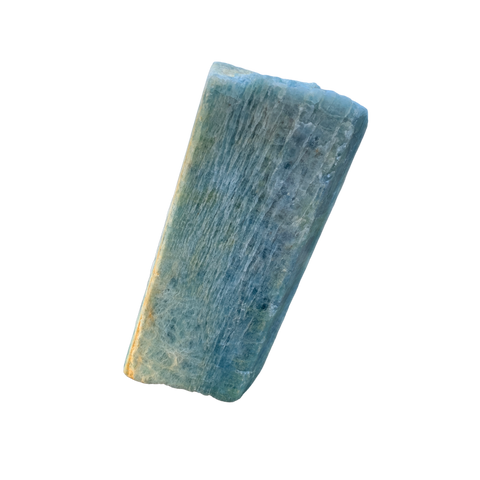
Throat
voice
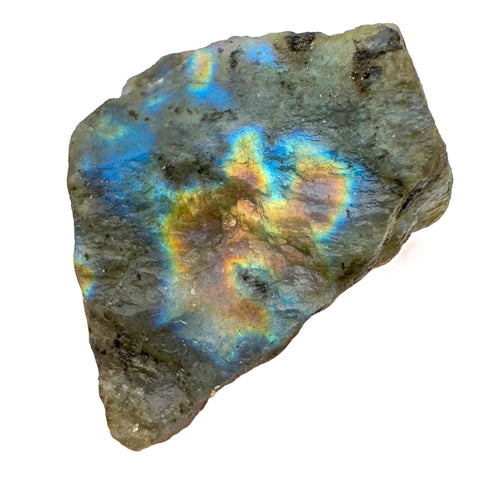
Third Eye
intuition
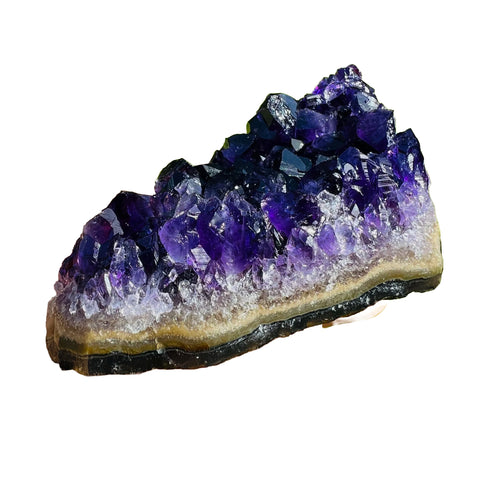
Crown
clarity
Five-minute read
The seven, in plain language.
What each chakra governs, the stones traditionally matched to it, and where to place them. No jargon.
Read the chakra guide →

Aquarius
Jan 20 to Feb 18
Amethyst

Pisces
Feb 19 to Mar 20
Aquamarine

Aries
Mar 21 to Apr 19
Carnelian
Taurus
Apr 20 to May 20
Rose Quartz
Gemini
May 21 to Jun 20
Agate

Cancer
Jun 21 to Jul 22
Moonstone

Leo
Jul 23 to Aug 22
Citrine

Virgo
Aug 23 to Sep 22
Amazonite

Libra
Sep 23 to Oct 22
Blue Lace Agate

Scorpio
Oct 23 to Nov 21
Obsidian

Sagittarius
Nov 22 to Dec 21
Sodalite

Capricorn
Dec 22 to Jan 19
Black Tourmaline
Gifting?
A birthday stone is the safe bet.
Every sign's stones, what they mean, and how to choose between them.
Read the zodiac guide →


The House
A Small Shop That Checks What Others Take on Faith


Tried and trusted
4.9 out of 5 from 1,000+ reviews.
Across our products, Google and store. We publish them all, including the hard ones.
Read the Reviews →
The Crystal GuideCrystal Properties A to ZEducational LibraryJournalCrystal IdentifierCrystal Grading GuideCrystal Care
Not sure where to start? Take the Crystal Quiz →
A Decade of Field Research
Know the Stone Before You Buy It
Two Minutes
Not sure where to start? Take the Crystal Quiz.
Honest questions, and a stone that fits the answer.
Take the Quiz →
Beyond Ethical™ SourcingOur Sourcing CriteriaFrom the Source to YouWhere Our Crystals Come FromChoosing Ethical SuppliersWholesale and StockistsSustainability Practices
Beyond Ethical™
Real Sourcing Details on Every Piece, Not Vague Claims
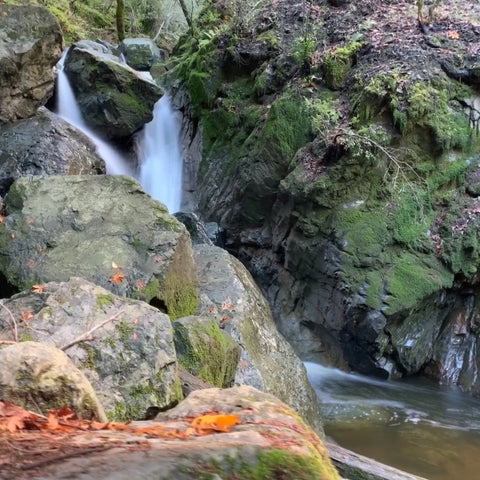
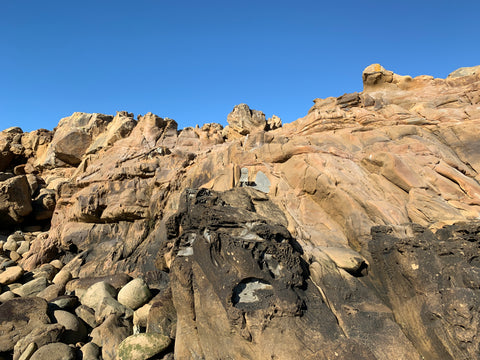
The Promise
The crystal industry runs on trust nobody is checking.
We check. Read the Beyond Ethical™ promise.
Read the Promise →
For Retailers & Practitioners
Stock Stones Your Customers Can Trust
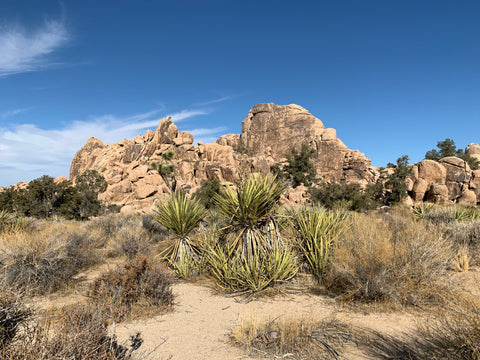
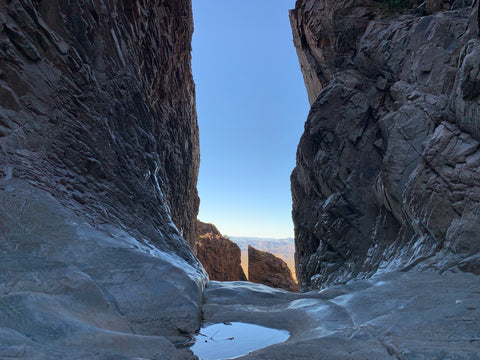
Trade Accounts
The same disclosed sourcing, at trade pricing.
Every wholesale batch ships with its origin disclosure.
Apply for Wholesale →
Menu
Search the shop
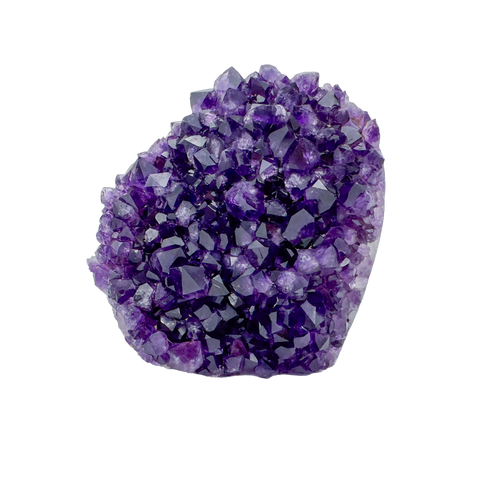
![]() Amethyst
Amethyst
![]() Clear Quartz
Clear Quartz
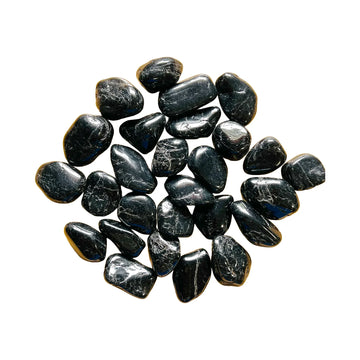
![]() Black Tourmaline
Black Tourmaline
![]() Rose Quartz
Rose Quartz
![]() Labradorite
Labradorite
![]() Natural Citrine
Natural Citrine
![]() Carnelian
Carnelian
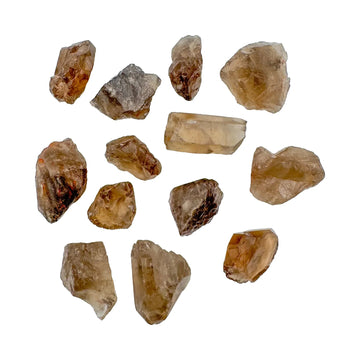
![]() Smoky Quartz
Smoky Quartz
![]() Aventurine
Aventurine
![]() Sodalite
Sodalite
![]() Ametrine
Ametrine
![]() Golden Healer
Golden Healer
![]() Raw Stones
Raw Stones
![]() Tumbled Stones
Tumbled Stones
![]() Palm Stones
Palm Stones
![]() Crystal Points
Crystal Points
![]() Clusters & Geodes
Clusters & Geodes
![]() Polished & Decor
Polished & Decor
![]() Mineral Specimens
Mineral Specimens
![]() Crystal Chips
Crystal Chips
Shop by stone
 Amethyst
 Clear Quartz
 Black Tourmaline
 Rose Quartz
 Labradorite
 Natural Citrine
 Carnelian
 Smoky Quartz
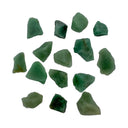 Aventurine
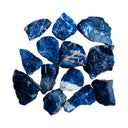 Sodalite
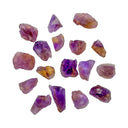 Ametrine
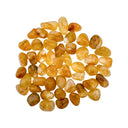 Golden Healer
Shop by form
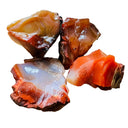 Raw Stones
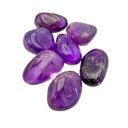 Tumbled Stones
 Palm Stones
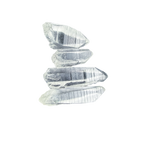 Crystal Points
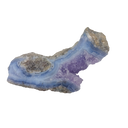 Clusters & Geodes
 Polished & Decor
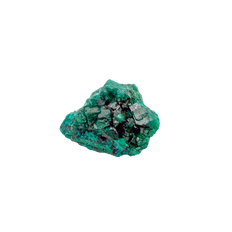 Mineral Specimens
 Crystal Chips
Shop
Shop All Crystals
›Best Sellers
›Our Picks
›Sets & Bundles
›New Arrivals
just in›Gifts
›The Collector's Table
›Perfectly Imperfect
save up to 50%›Gift Cards
›
More ways to shop
Not sure where to start? Take the Crystal Quiz →
The House
Contact›
★★★★★ 4.9 out of 5 from 1,000+ reviews →
Free US Shipping Over $99 · 90-Day Returns
Shop by Stone
Most popular
The stones people reach for again.
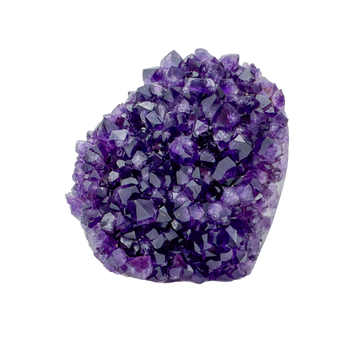
Amethyst
for calm
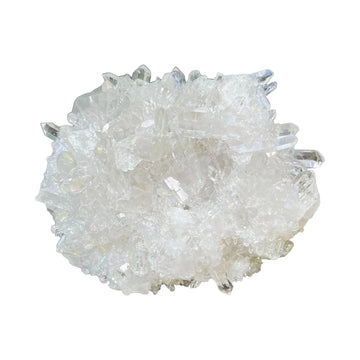
Clear Quartz
for clarity
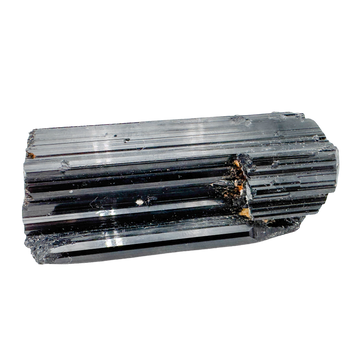
Black Tourmaline
for protection
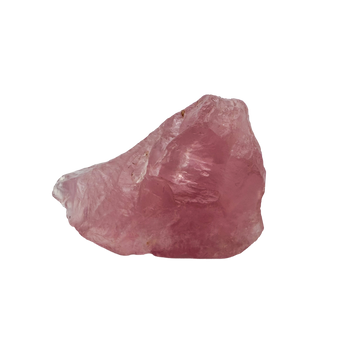
Rose Quartz
for love
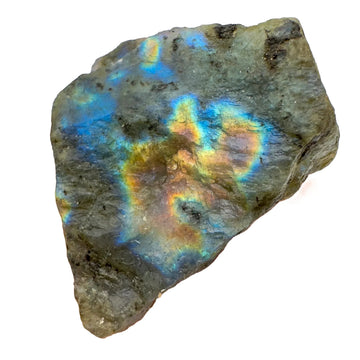
Labradorite
for intuition
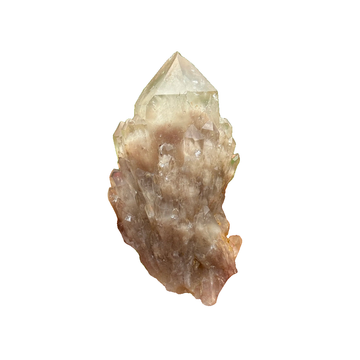
Natural Citrine
for abundance
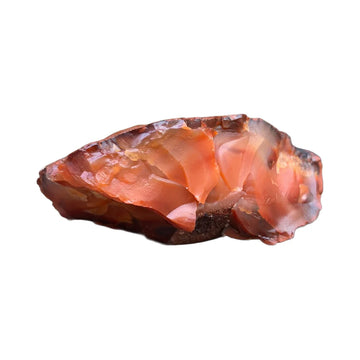
Carnelian
for motivation
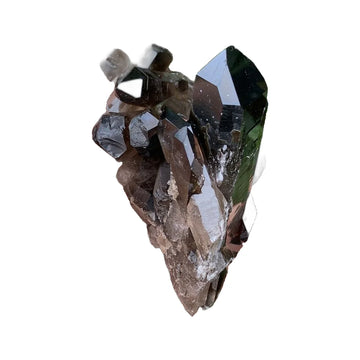
Smoky Quartz
for grounding
Every stone we carry
A to Z.
AgateAmazoniteAmethystAmetrineAngeliteApache TearsApatiteAquamarineAragoniteAventurineAzuriteBlack KyaniteBlack MoonstoneBlack ObsidianBlack OnyxBlack TourmalineBloodstoneBlue CalciteBlue KyaniteBlue Lace AgateBlue OpalBlue Rose QuartzBrown AragoniteCactus Spirit QuartzCalciteCarnelianCelestiteChevron AmethystChlorite QuartzChocolate CalciteChrysocollaChrysopraseCitrineClear QuartzCobalt CalciteCrazy Lace AgateDendritic AgateDendritic OpalDiopsideDioptaseDragon BloodstoneEarth MoonstoneEmeraldFire QuartzFlower AgateFluoriteFuchsiteGarnetGolden HealerGreen JadeGreen TourmalineHematiteHoney CalciteHowliteIncluded QuartzJadeJasperKambaba JasperKyaniteLabradoriteLarimarLazuliteLemurian QuartzLepidoliteLithium QuartzMalachiteMangano CalciteMookaite JasperMoonstoneMorganiteNontroniteObsidianOcean JasperOnyxOpalOrange CalciteOrca AgatePatagonia AgatePeach MoonstonePeridotPetrified WoodPink AgatePink OpalPrehnitePyriteQuartzRainbow ObsidianRed AgateRed AragoniteRed JasperRhodochrositeRhodoniteRose QuartzRutilated QuartzSeleniteSeptarianSerpentineShattuckiteShungiteSmoky AmethystSmoky QuartzSnow QuartzSnowflake ObsidianSodaliteStichtiteTiger EyeTourmalineTree AgateUnakiteWatermelon TourmalineWhite OpalYellow Jasper
See Our Entire Collection →
Shop by Form
 Raw Stones
179 to choose from
Raw Stones
179 to choose from
 Tumbled Stones
162 to choose from
Tumbled Stones
162 to choose from
 Palm Stones
25 to choose from
Palm Stones
25 to choose from
 Crystal Points
23 to choose from
Crystal Points
23 to choose from
 Clusters & Geodes
96 to choose from
Clusters & Geodes
96 to choose from
 Polished & Decor
146 to choose from
Polished & Decor
146 to choose from
 Mineral Specimens
245 to choose from
Mineral Specimens
245 to choose from
 Crystal Chips
21 to choose from
Crystal Chips
21 to choose from
Also
Crystal Hearts17 to choose fromCrystal Spheres6 to choose fromSets & Bundles35 to choose from
Browse everything
Every collection, one page.
View All Collections →
By Intention


By Origin
Shop stones by the country they came from.
Africa
 AngolaAquamarine
›
AngolaAquamarine
›
 BotswanaCarnelian, Tree Agate
›
BotswanaCarnelian, Tree Agate
›
 DR CongoMalachite, Natural Citrine
›
DR CongoMalachite, Natural Citrine
›
 EswatiniBloodstone
›
EswatiniBloodstone
›
 MadagascarLabradorite, Clear Quartz
›
MadagascarLabradorite, Clear Quartz
›
 MalawiBlue Lace Agate, Garnet
›
MalawiBlue Lace Agate, Garnet
›
 MozambiqueAmazonite
›
MozambiqueAmazonite
›
 NamibiaSodalite, Blue Lace Agate
›
NamibiaSodalite, Blue Lace Agate
›
 Republic of the CongoDioptase
›
Republic of the CongoDioptase
›
 South AfricaTiger Eye, Unakite
›
South AfricaTiger Eye, Unakite
›
 ZambiaChevron Amethyst
›
ZambiaChevron Amethyst
›
 ZimbabweEmerald, Rhodonite
›
ZimbabweEmerald, Rhodonite
›
South America
 ArgentinaBlack Obsidian, Rhodochrosite
›
ArgentinaBlack Obsidian, Rhodochrosite
›
 BoliviaAmetrine
›
BoliviaAmetrine
›
 BrazilAmethyst, Clear Quartz
›
BrazilAmethyst, Clear Quartz
›
 PeruSerpentine, Jade
›
PeruSerpentine, Jade
›
 UruguayAmethyst
›
UruguayAmethyst
›
North America
 Dominican RepublicLarimar
›
Dominican RepublicLarimar
›
 MexicoRainbow Obsidian, Crazy Lace Agate
›
MexicoRainbow Obsidian, Crazy Lace Agate
›
 United StatesSelenite, Peridot
›
United StatesSelenite, Peridot
›
Europe and Asia
 ChinaFluorite
›
ChinaFluorite
›
 RussiaShungite
›
RussiaShungite
›
Oceania
 AustraliaMookaite
›
AustraliaMookaite
›
 Where our crystals come from
See where we source →
Where our crystals come from
See where we source →
By Chakra


By Zodiac
 Aquarius
Jan 20 to Feb 18
Amethyst
›
Aquarius
Jan 20 to Feb 18
Amethyst
›
 Pisces
Feb 19 to Mar 20
Aquamarine
›
Pisces
Feb 19 to Mar 20
Aquamarine
›
 Aries
Mar 21 to Apr 19
Carnelian
›
Aries
Mar 21 to Apr 19
Carnelian
›
 Taurus
Apr 20 to May 20
Rose Quartz
›
Taurus
Apr 20 to May 20
Rose Quartz
›
 Gemini
May 21 to Jun 20
Agate
›
Gemini
May 21 to Jun 20
Agate
›
 Cancer
Jun 21 to Jul 22
Moonstone
›
Cancer
Jun 21 to Jul 22
Moonstone
›
 Leo
Jul 23 to Aug 22
Citrine
›
Leo
Jul 23 to Aug 22
Citrine
›
 Virgo
Aug 23 to Sep 22
Amazonite
›
Virgo
Aug 23 to Sep 22
Amazonite
›
 Libra
Sep 23 to Oct 22
Blue Lace Agate
›
Libra
Sep 23 to Oct 22
Blue Lace Agate
›
 Scorpio
Oct 23 to Nov 21
Obsidian
›
Scorpio
Oct 23 to Nov 21
Obsidian
›
 Sagittarius
Nov 22 to Dec 21
Sodalite
›
Sagittarius
Nov 22 to Dec 21
Sodalite
›
 Capricorn
Dec 22 to Jan 19
Black Tourmaline
›
Gifting?
A birthday stone is the safe bet.
Read the zodiac guide →
Capricorn
Dec 22 to Jan 19
Black Tourmaline
›
Gifting?
A birthday stone is the safe bet.
Read the zodiac guide →
About
The House
A Small Shop That Checks What Others Take on Faith

Our Story
Paul and Zina. Why we started Beyond Bohemian.

Shipping Information
Insured, tracked, packed by hand
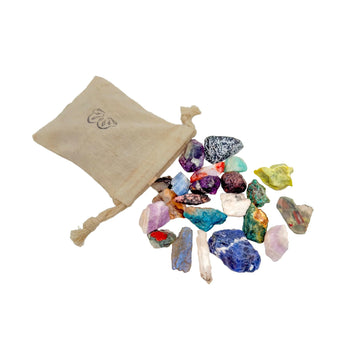
Bag Buy Back
Return the bag, get store credit
Learn
A Decade of Field Research
Know the Stone Before You Buy It
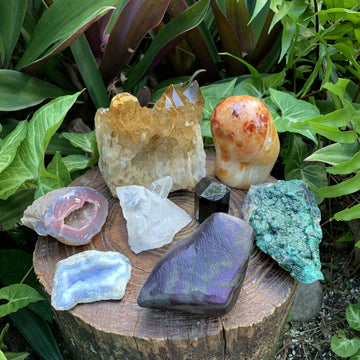
Crystal Properties A to Z
Every stone in the library
Crystal Grading Guide
What A, AA, and AAA mean
Crystal Identifier
Name that mystery stone
Ethical Sourcing
Beyond Ethical™
Real Sourcing Details on Every Piece, Not Vague Claims
Beyond Ethical™ Sourcing
The promise, in full
Our Sourcing Criteria
What we check, what we refuse
From the Source to You
The path a stone travels
Where Our Crystals Come From
Named mines, named countries
Wholesale
For Retailers & Practitioners
Stock Stones Your Customers Can Trust
Wholesale Guidelines
MOQs, pricing, terms
Wholesale Application
Apply for trade pricing
Business Advisory Sessions
Build your crystal business

Agate
Banding that moves slow, like time marked in stone.
- Stone
- Chalcedony (quartz)
- Major Sources
- Brazil, Uruguay, Mexico & Botswana
- Treatment
- Often dyed; ours undyed
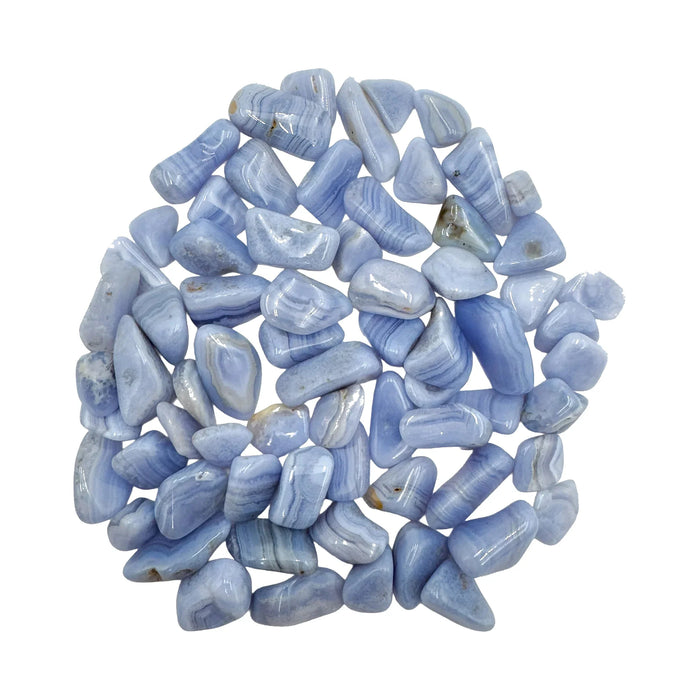
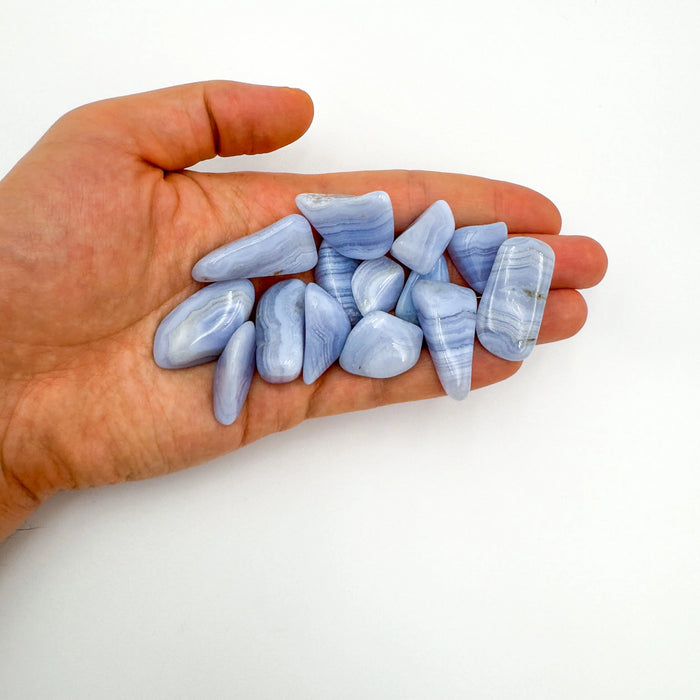
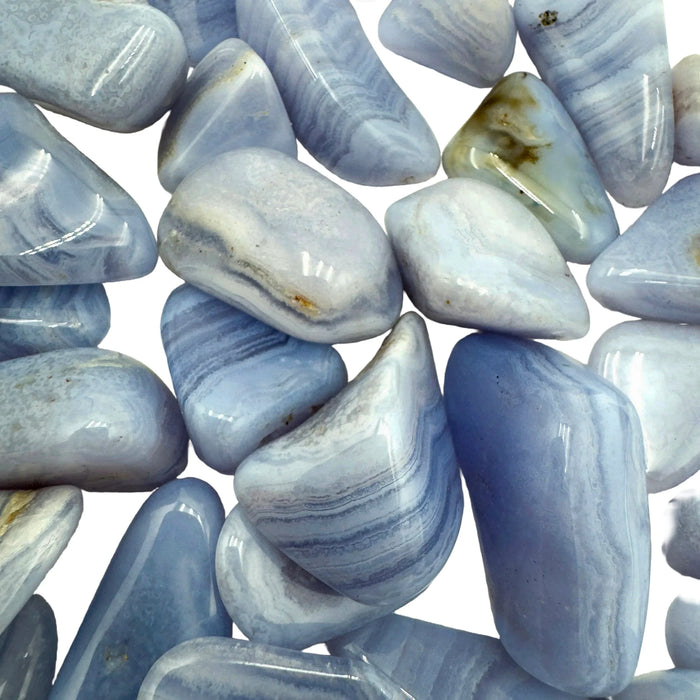
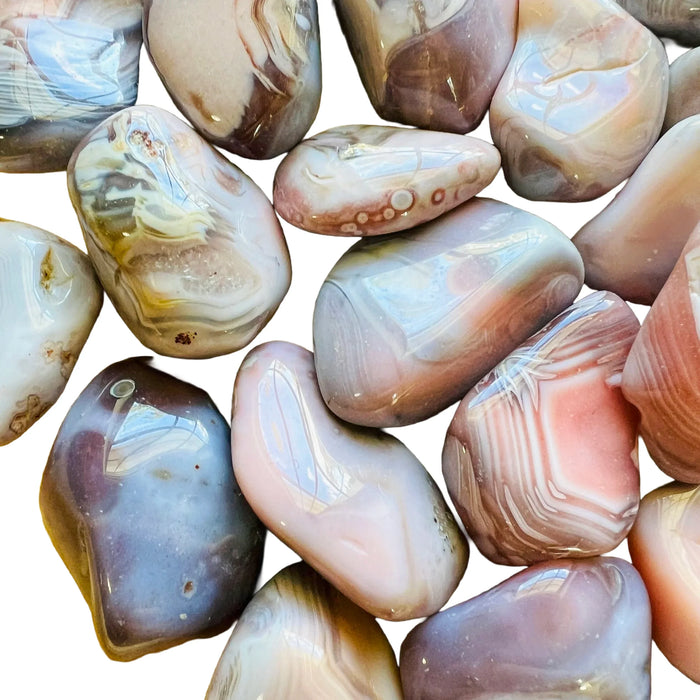
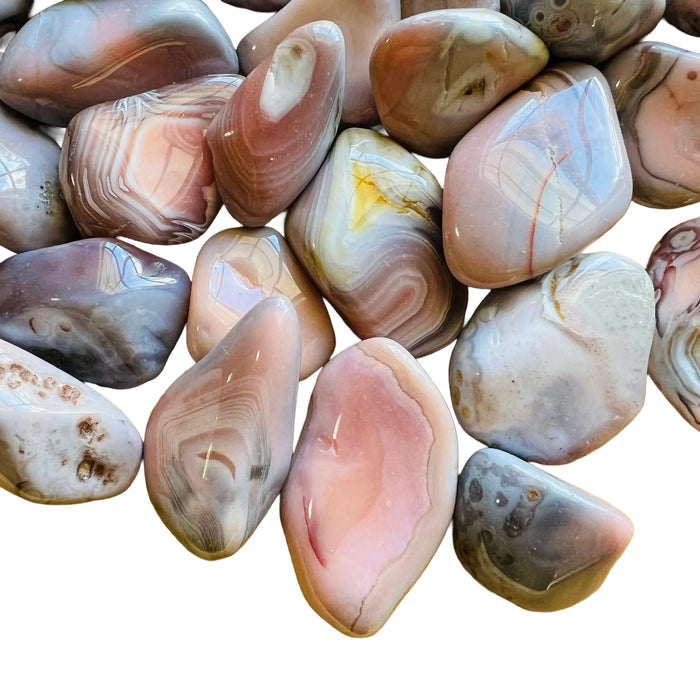
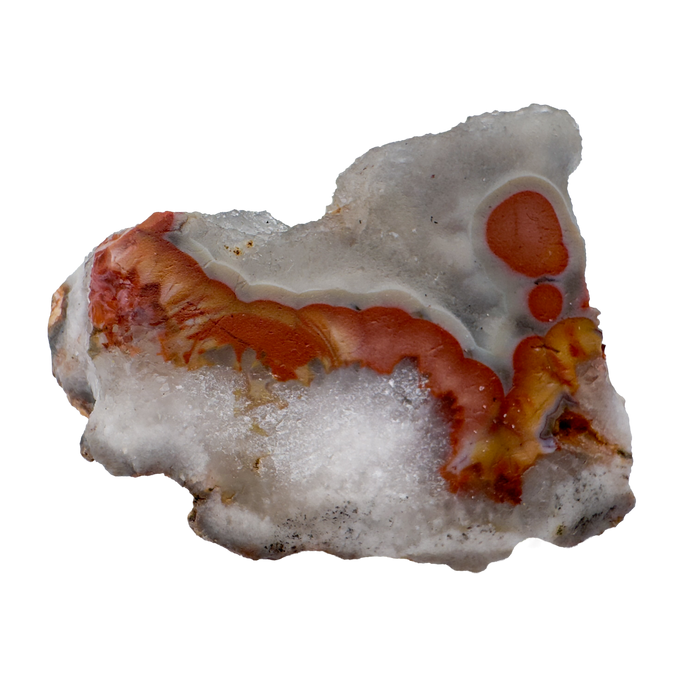
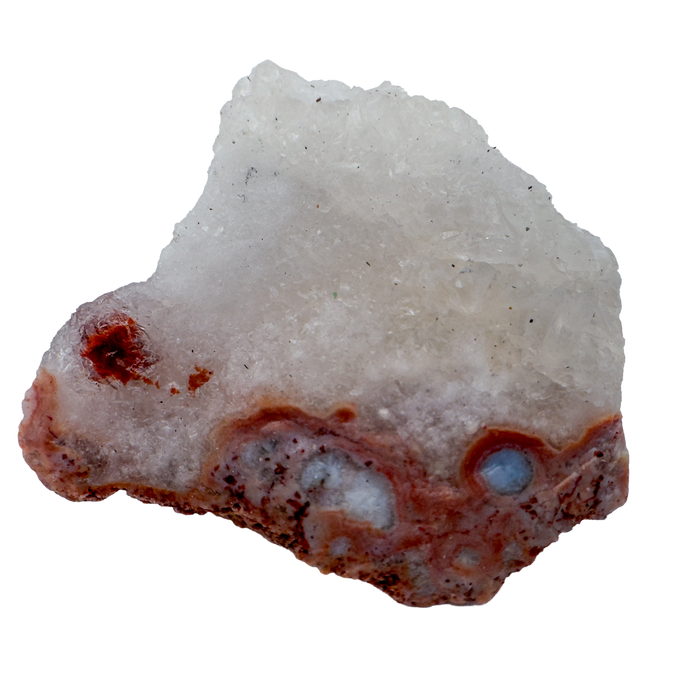
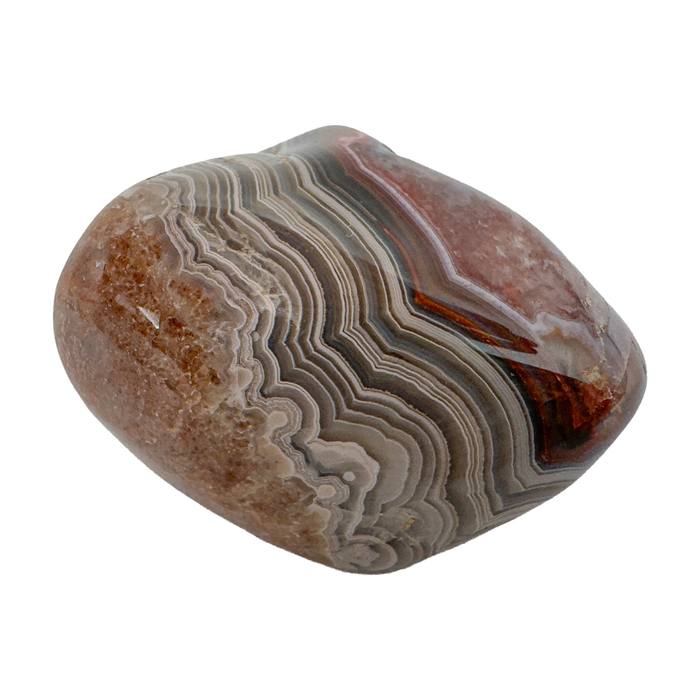
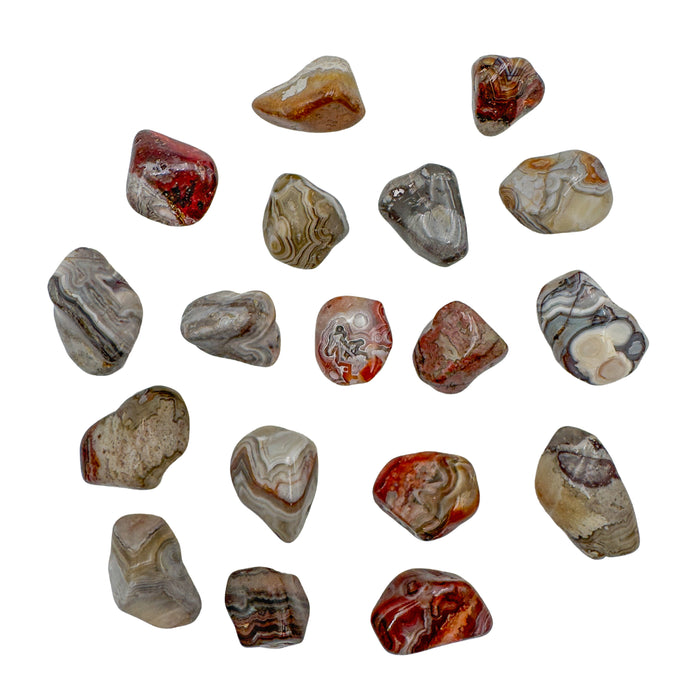
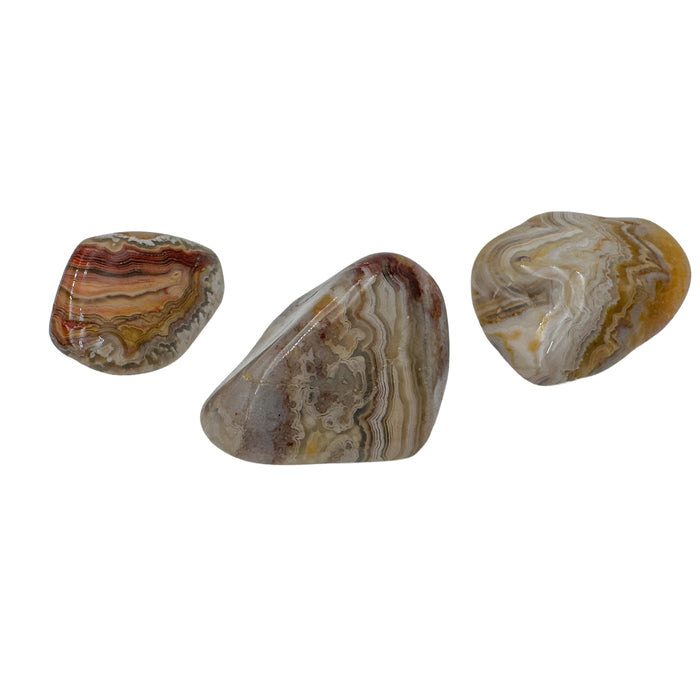
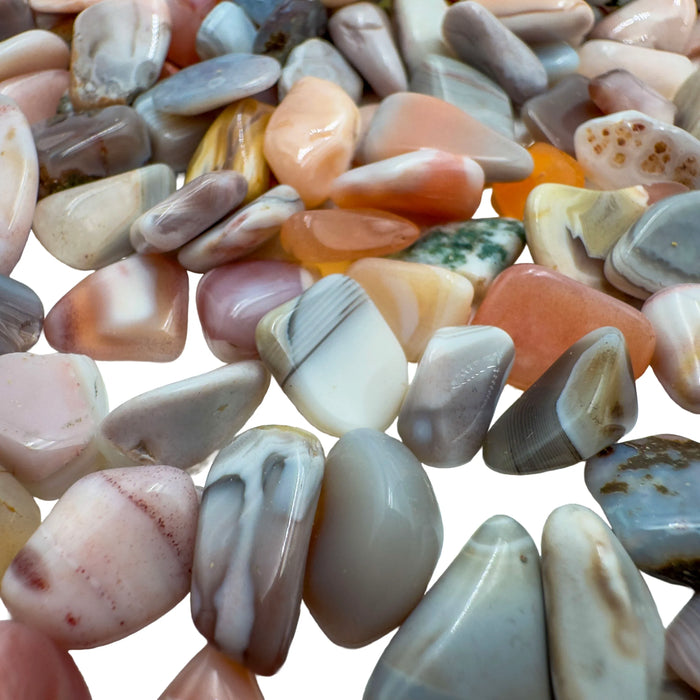
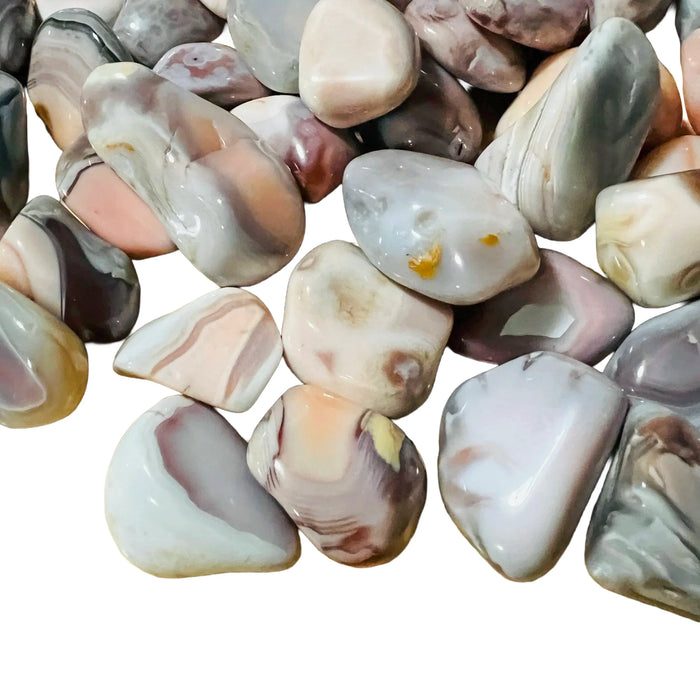
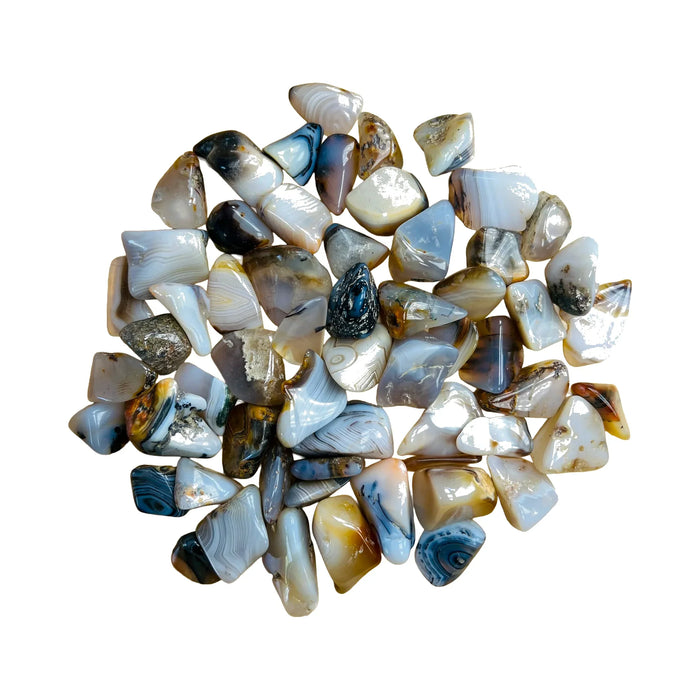
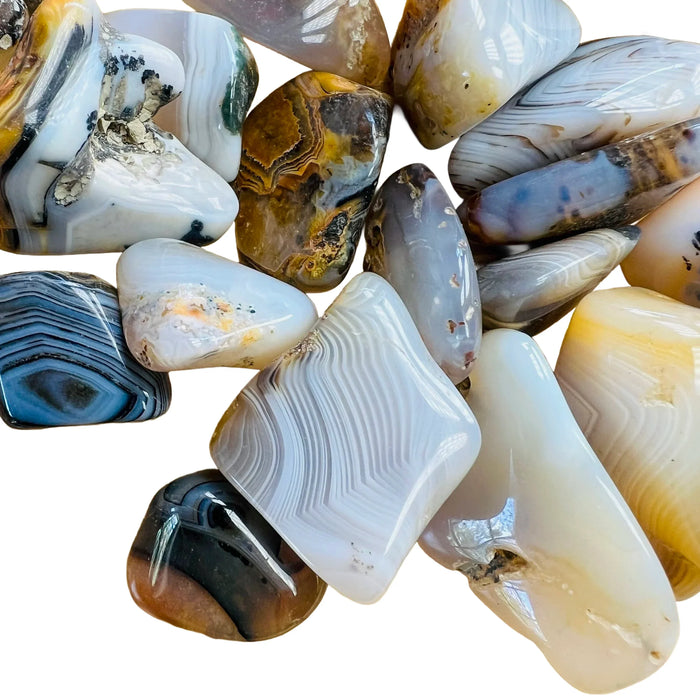
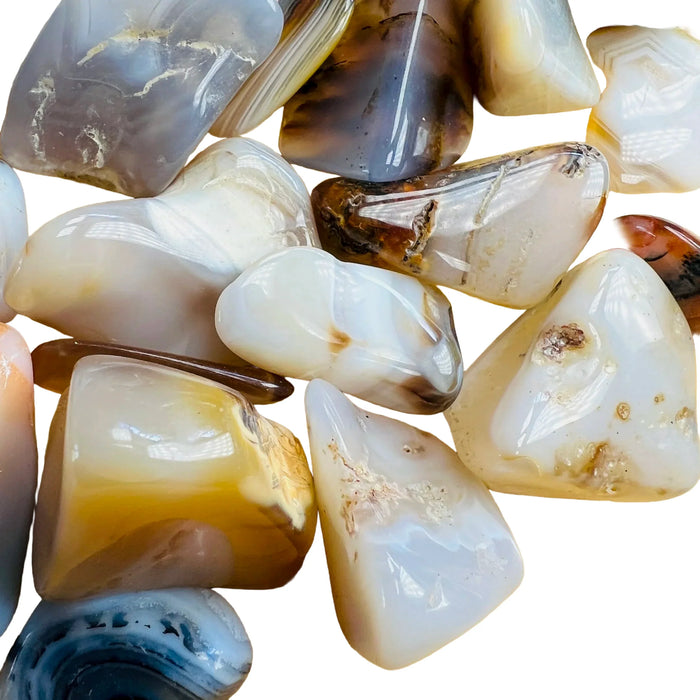
Agate is banded chalcedony, a fine-grained quartz that fills cavities in volcanic rock one silica layer at a time. It's sold as raw nodules, geodes, slices and tumbled stones. Bright, flat pinks, blues and purples are usually dyed, while natural agate shows soft, layered color.
Read the Agate Guidebestseller
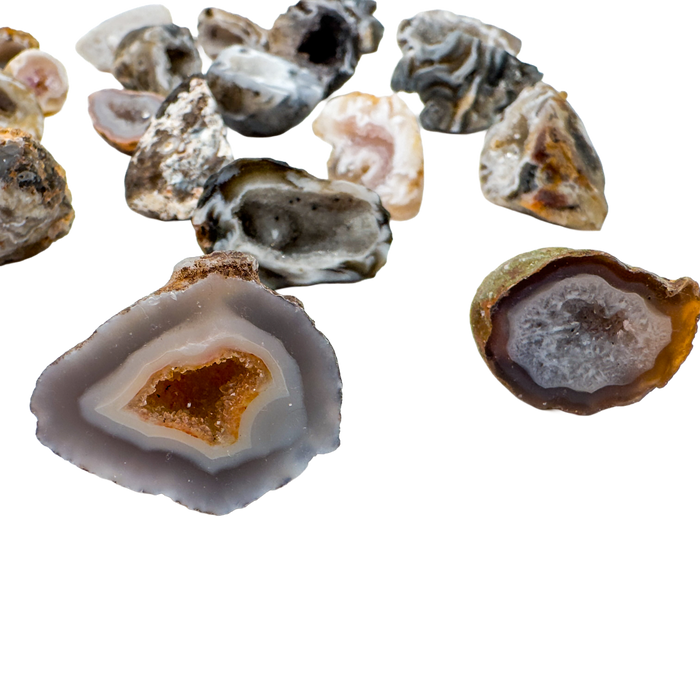
AA Grade | 0.50–1.50″
ǁKARAS REGION, NAMIBIA
STRESS RELIEF◇EMOTIONAL HEALING◇MEDITATION
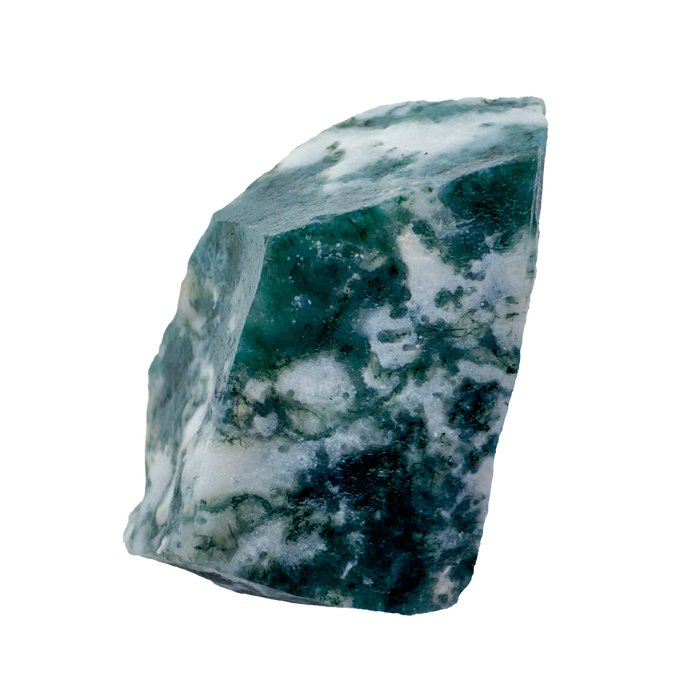
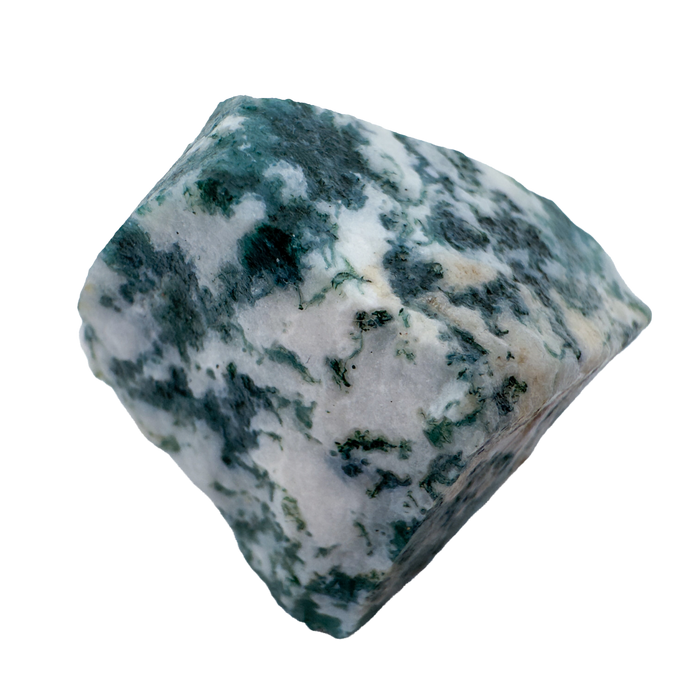
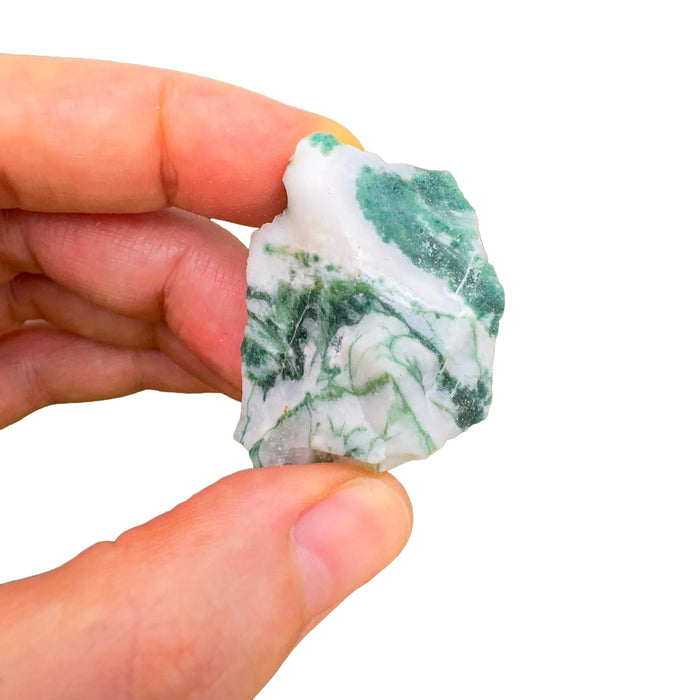

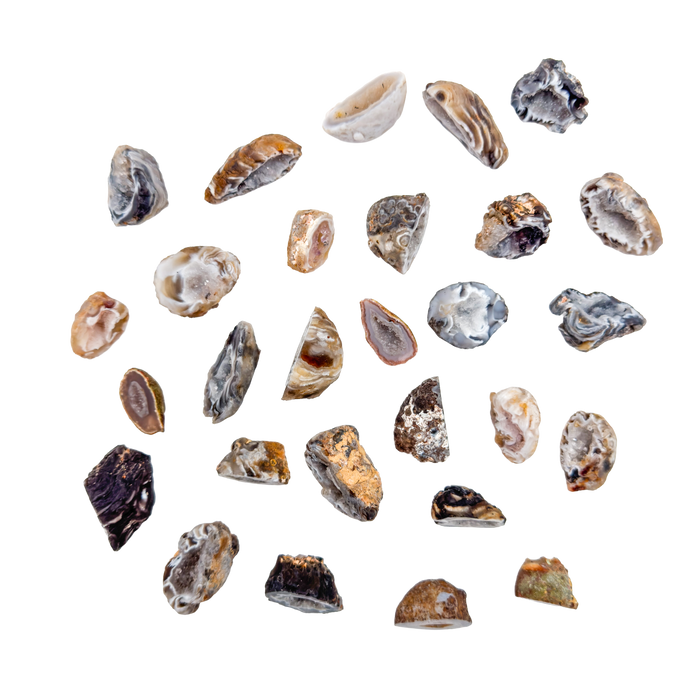
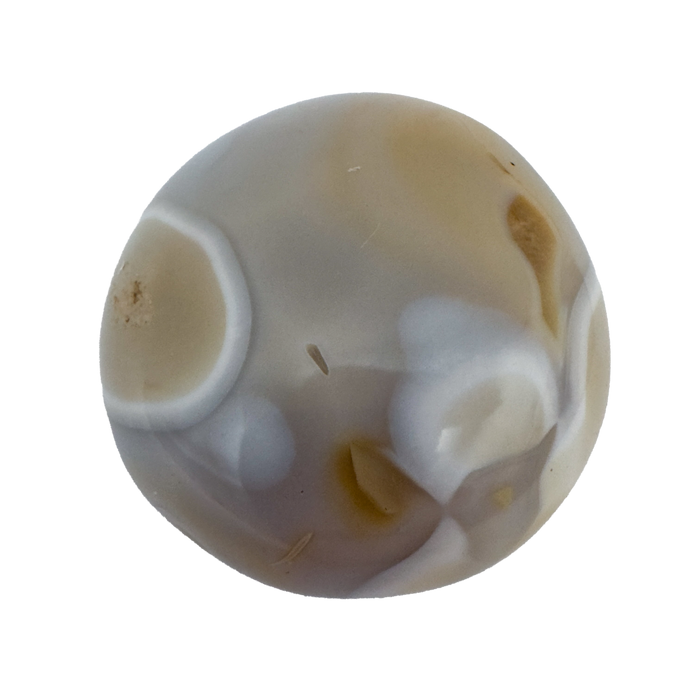
AA Grade | 1.50–3″
SOFIA, MADAGASCAR
STRESS RELIEF◇EMOTIONAL HEALING◇CONFIDENCE
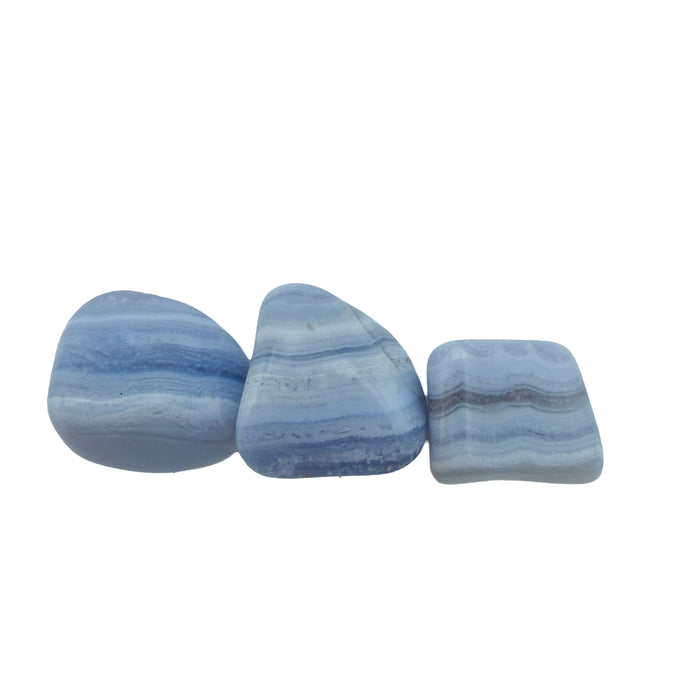
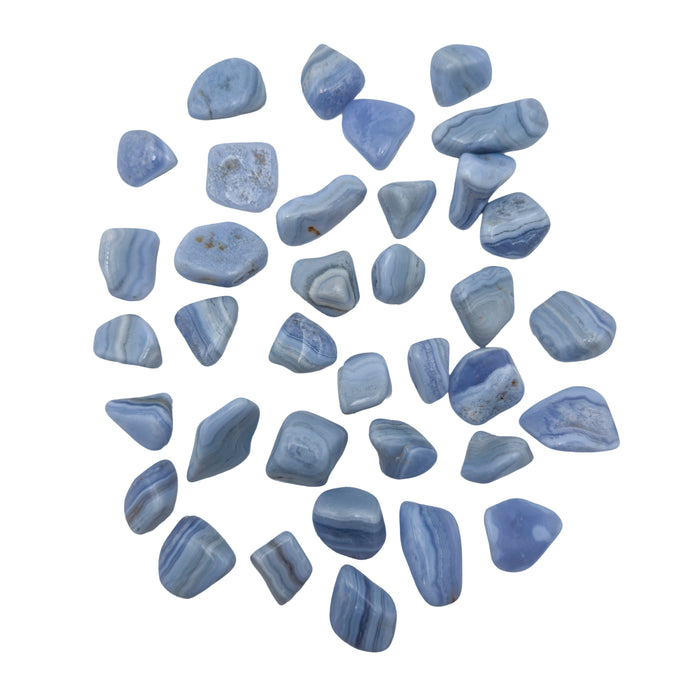
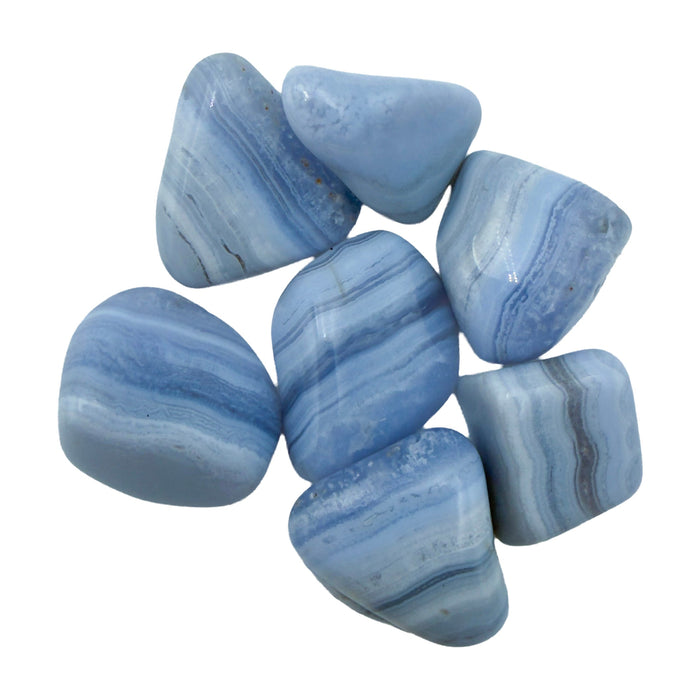
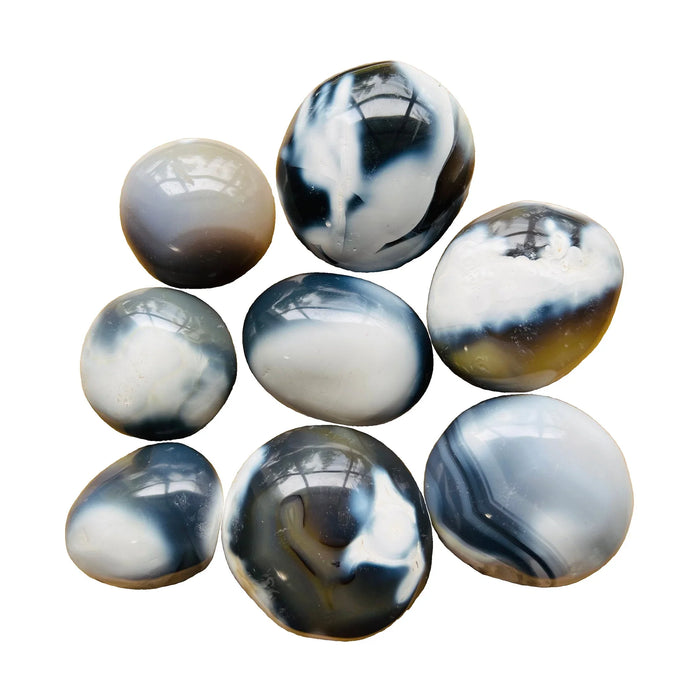
A Grade | 1–1.50″
ǁKARAS REGION, NAMIBIA
STRESS RELIEF◇EMOTIONAL HEALING◇MEDITATION
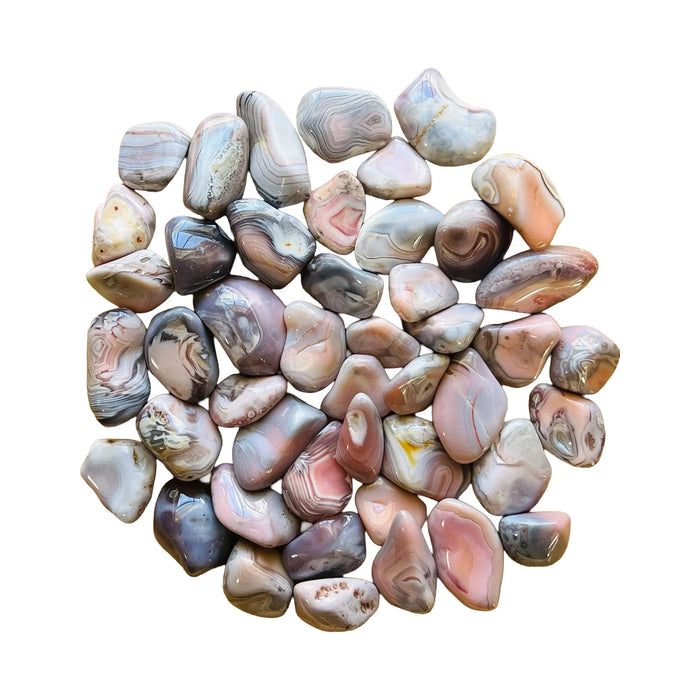

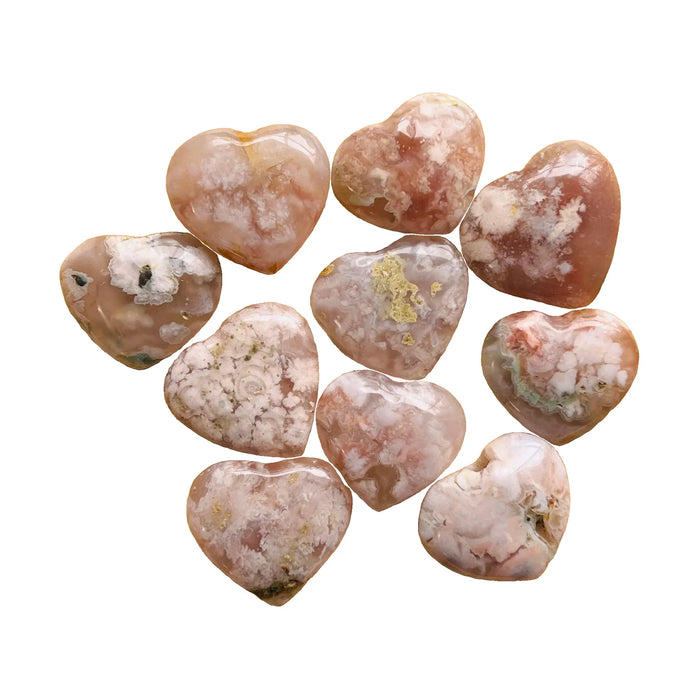
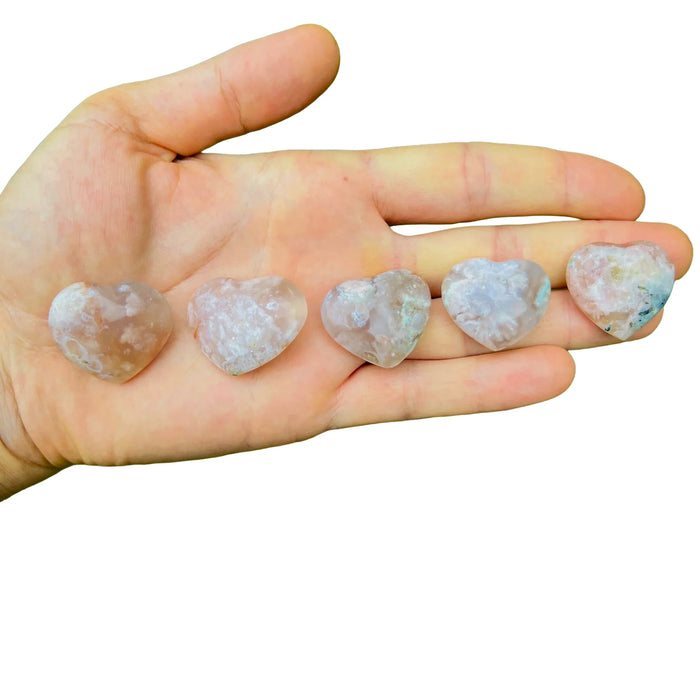
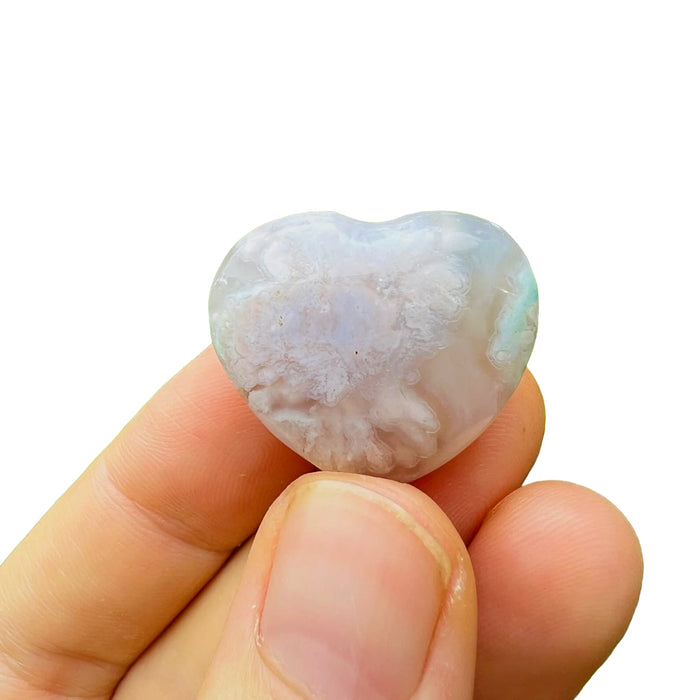
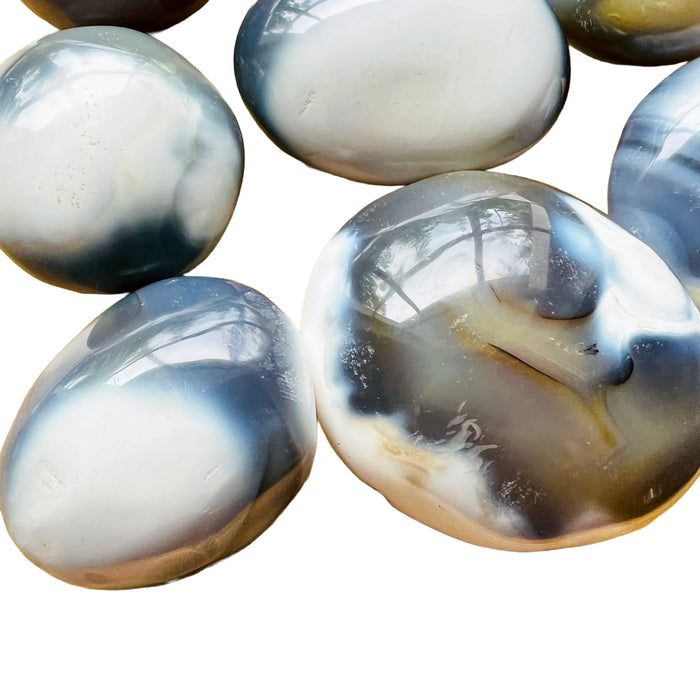
AA Grade | 1.00–1.50″
SOFIA, MADAGASCAR
LOVE◇EMOTIONAL HEALING◇MANIFESTATION
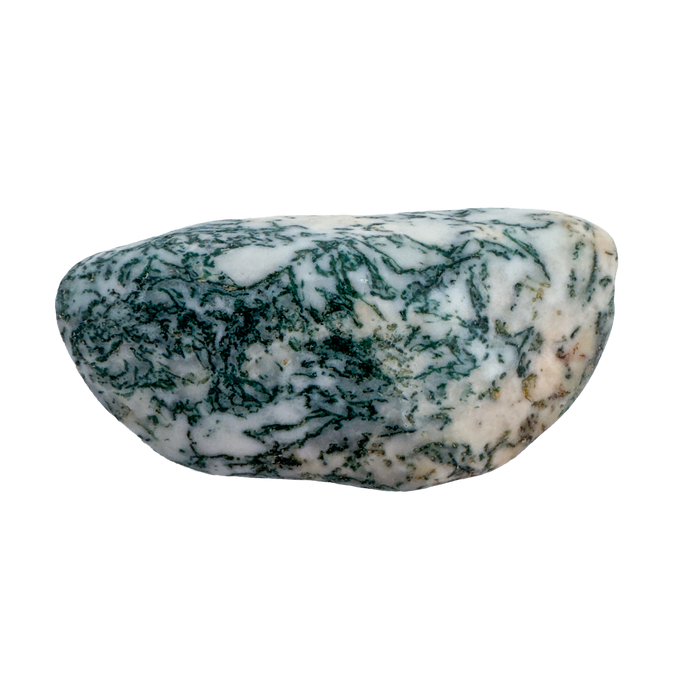
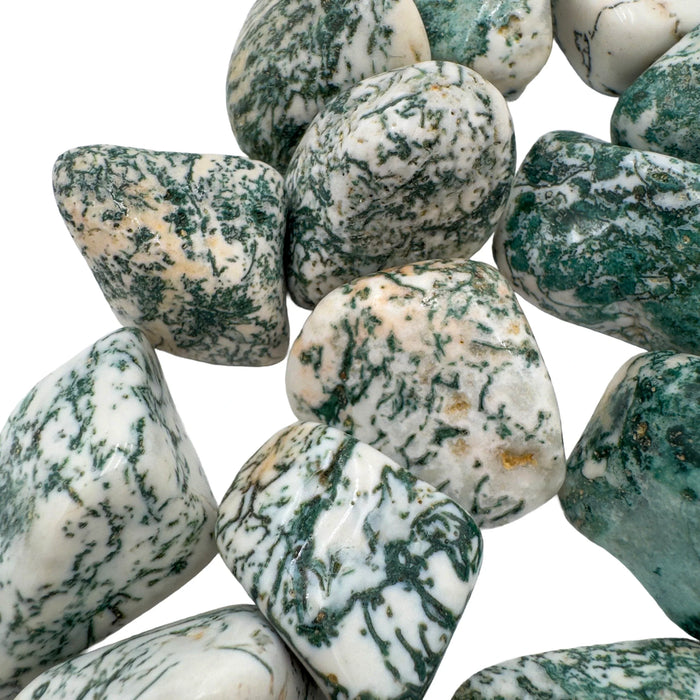
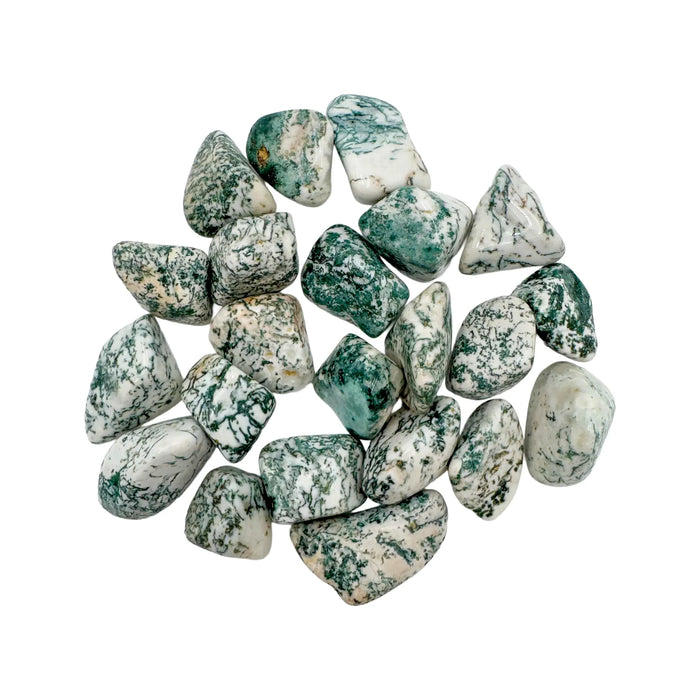
A Grade | 1–1.50″
FRANCISTOWN, BOTSWANA
HEALING◇EMOTIONAL HEALING◇GROUNDING
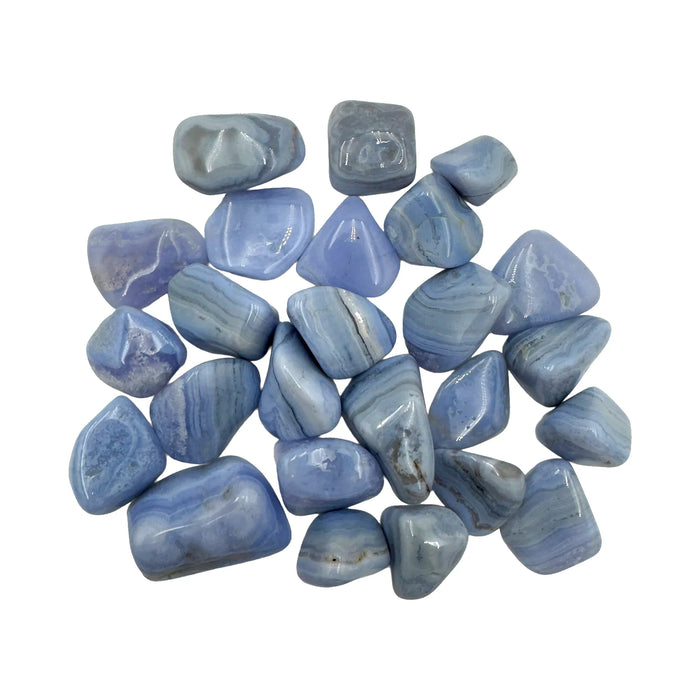
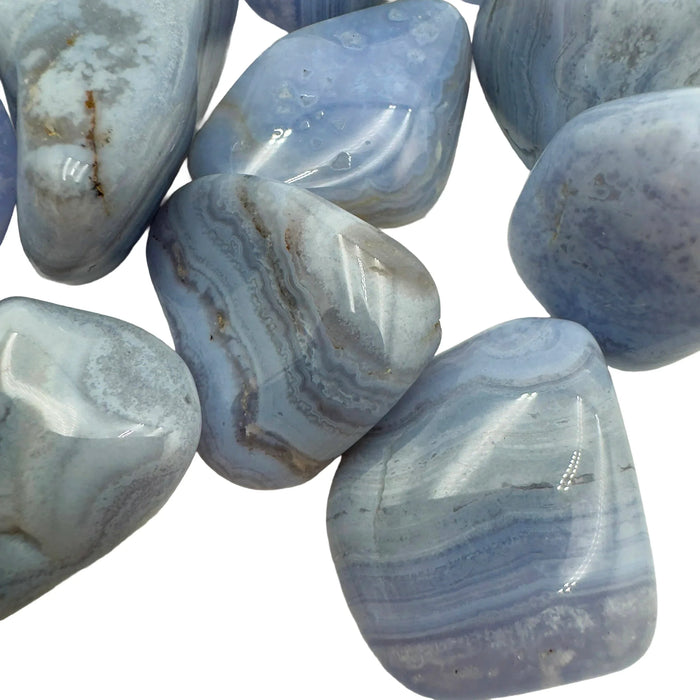
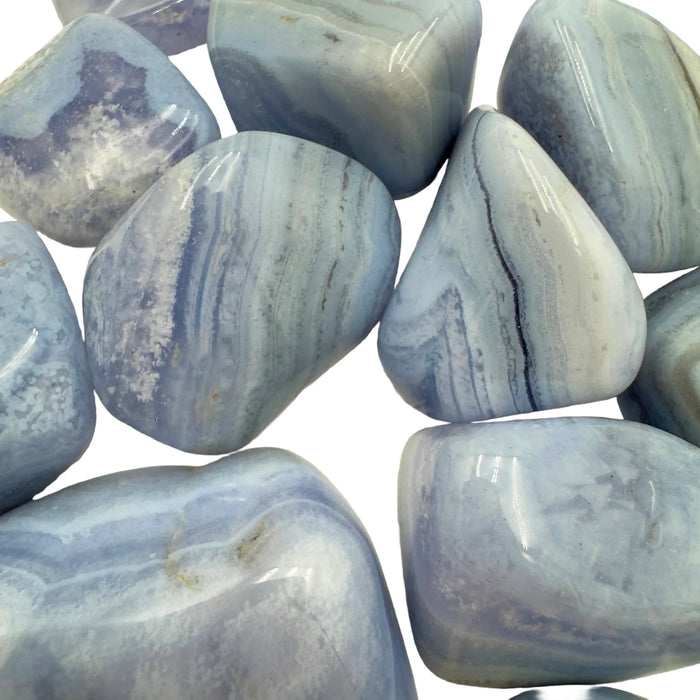
A Grade | 1.25–2″
ǁKARAS REGION, NAMIBIA
STRESS RELIEF◇EMOTIONAL HEALING◇MEDITATION
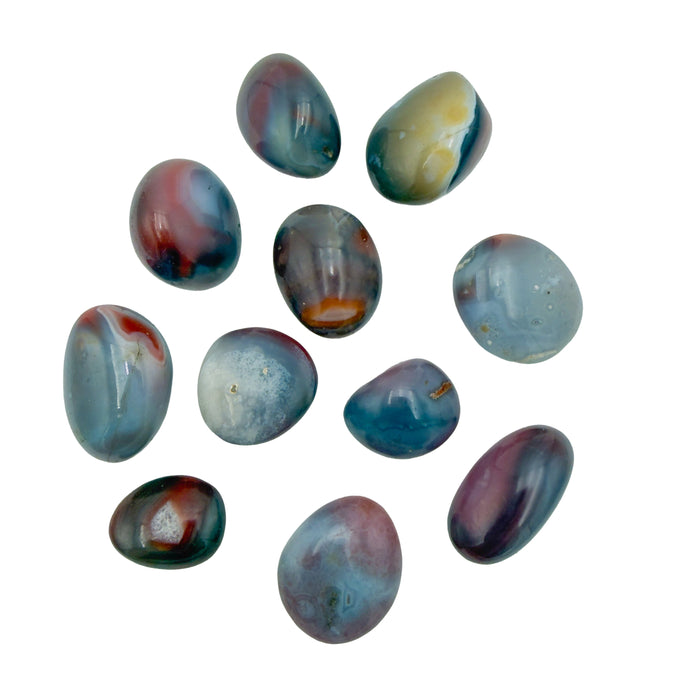
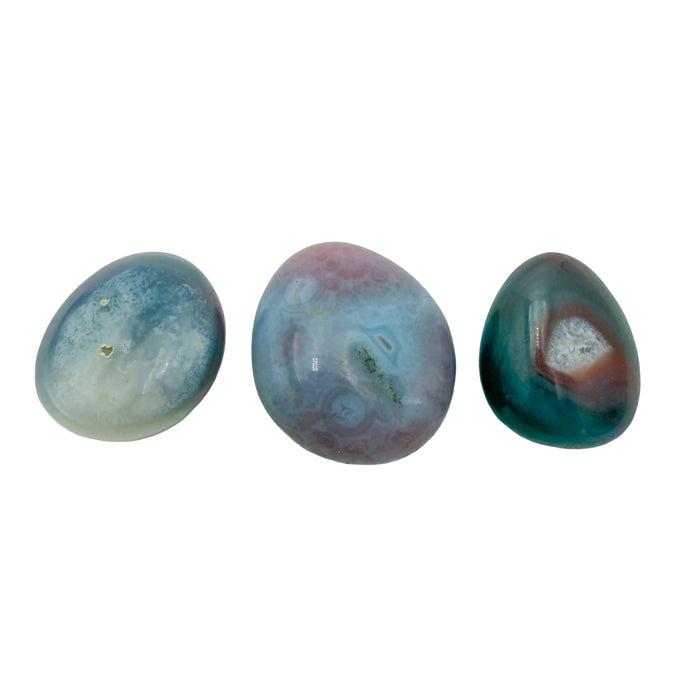
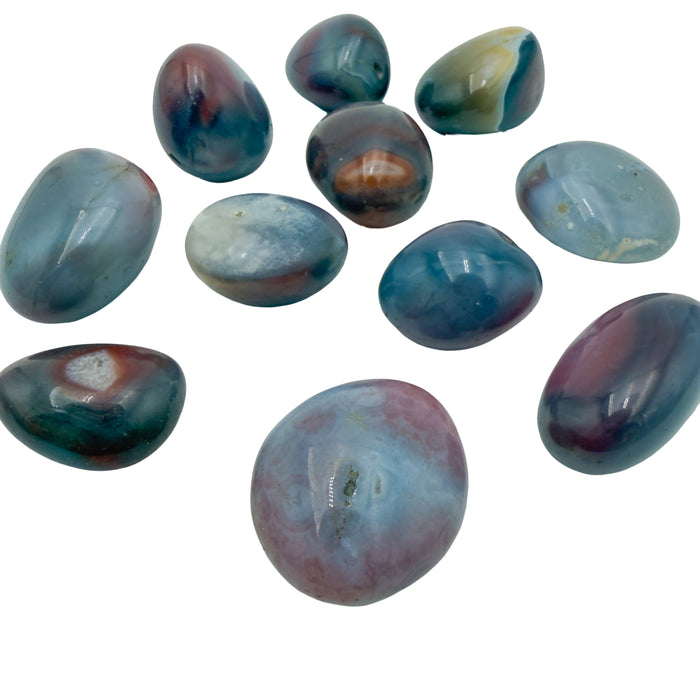
AA Grade | 1.25–2″
MATABELELAND SOUTH PROVINCE, ZIMBABWE
GROUNDING◇PROTECTION◇ENERGY
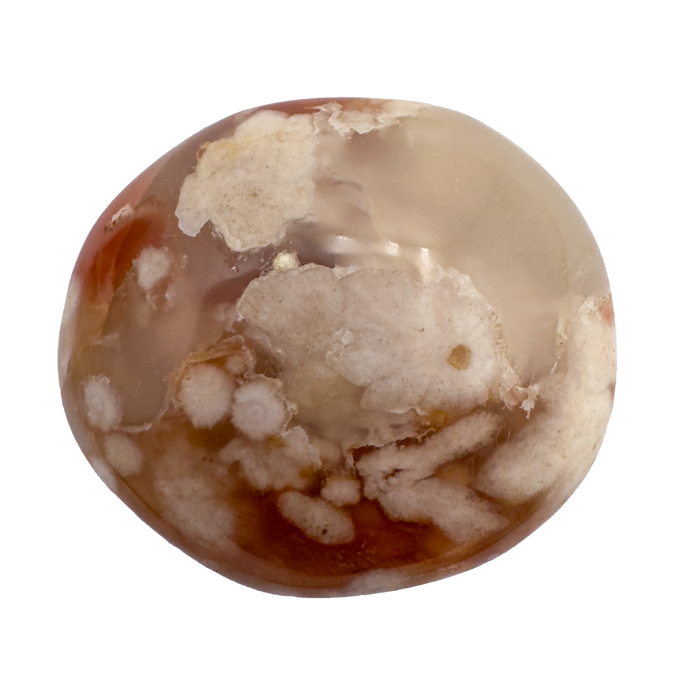
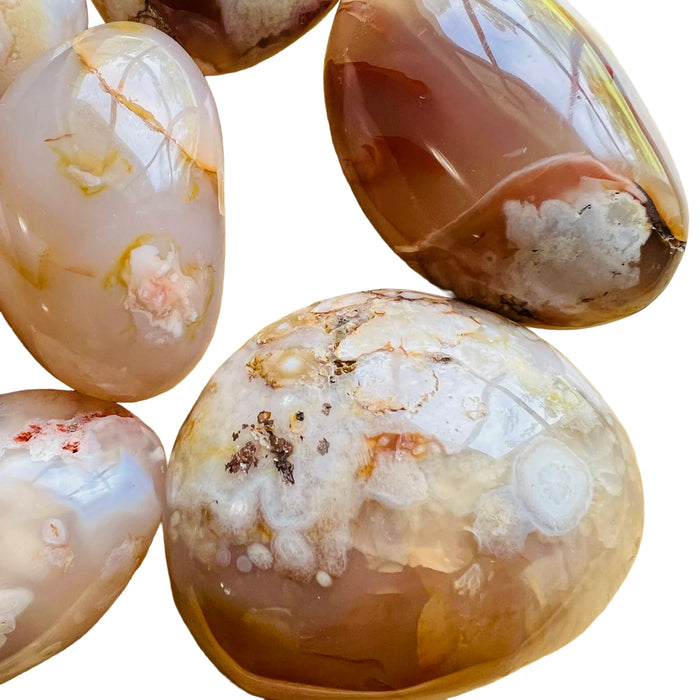
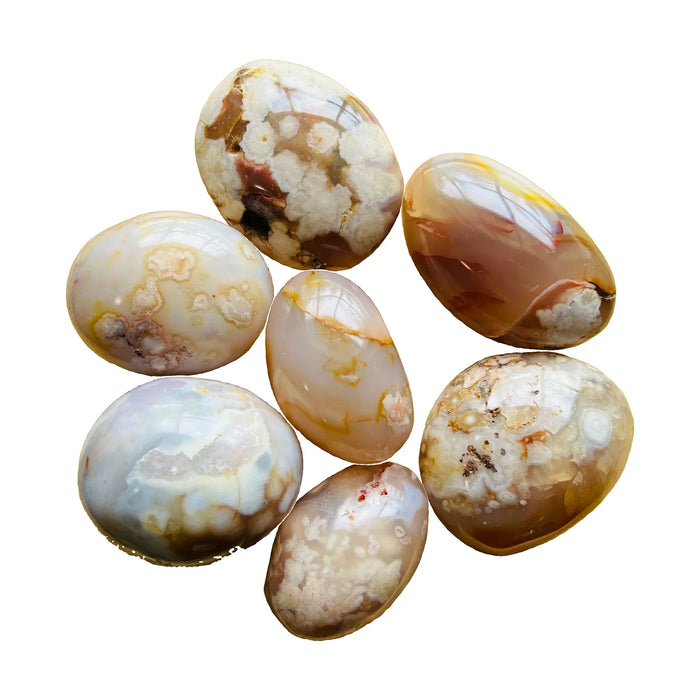
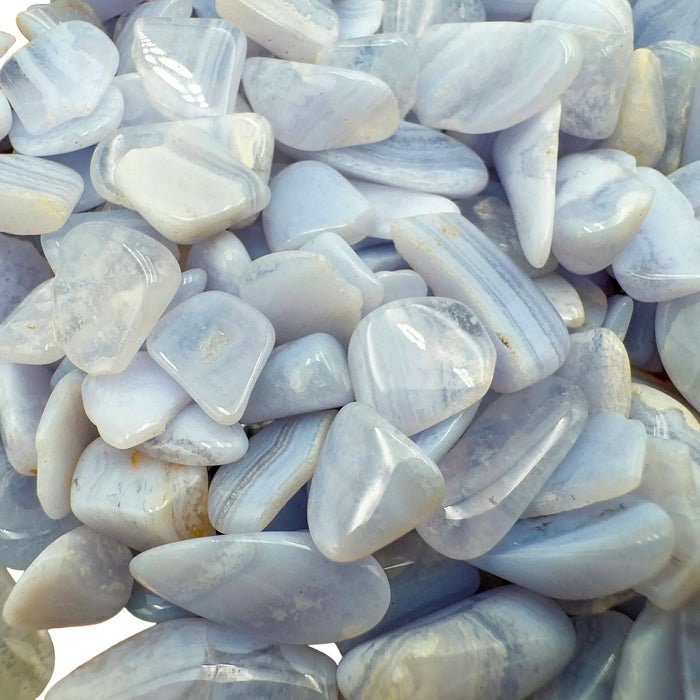
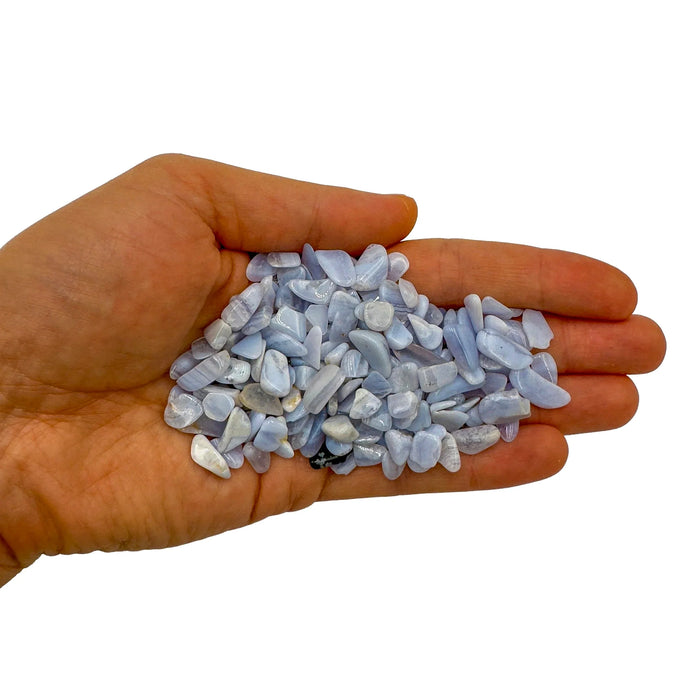
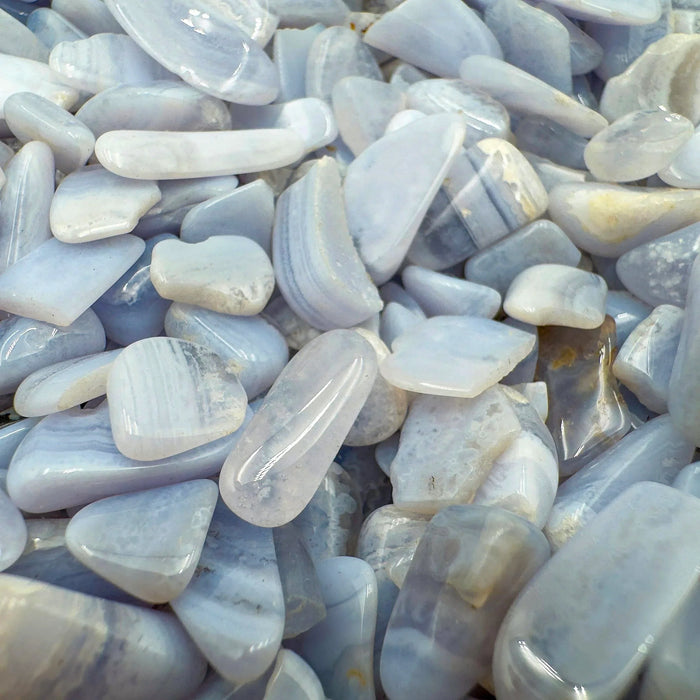
A Grade | 0.25–0.50″
KUNENE, NAMIBIA
STRESS RELIEF◇EMOTIONAL HEALING◇MEDITATION
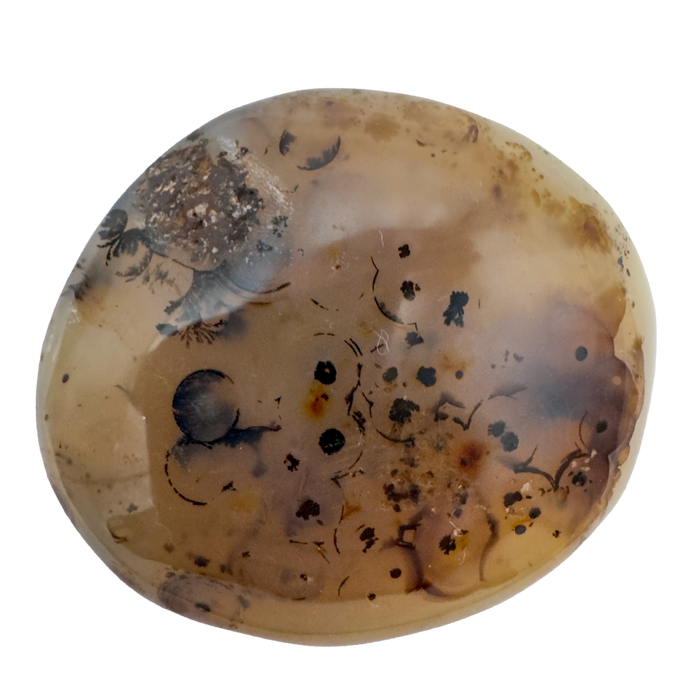
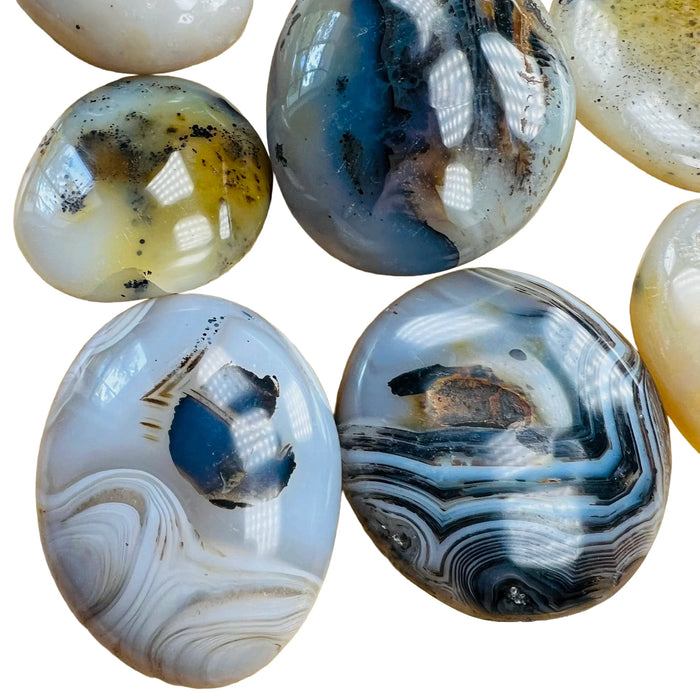
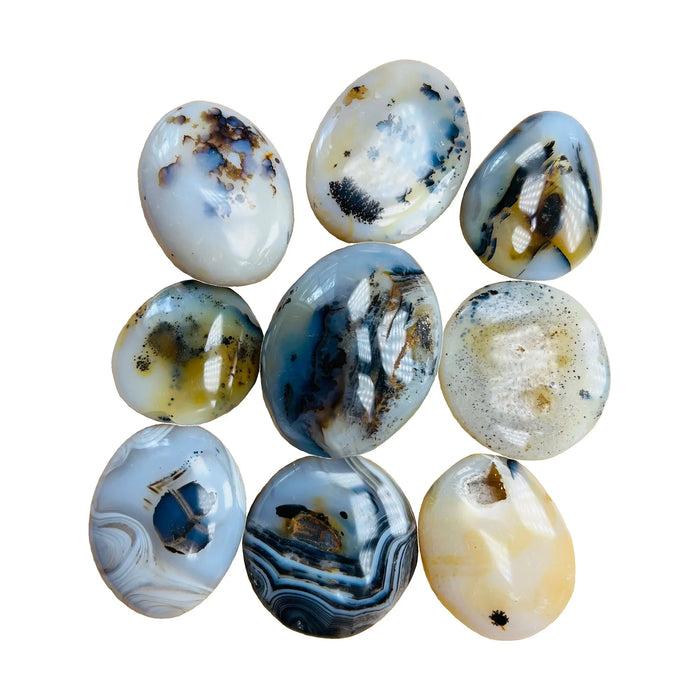
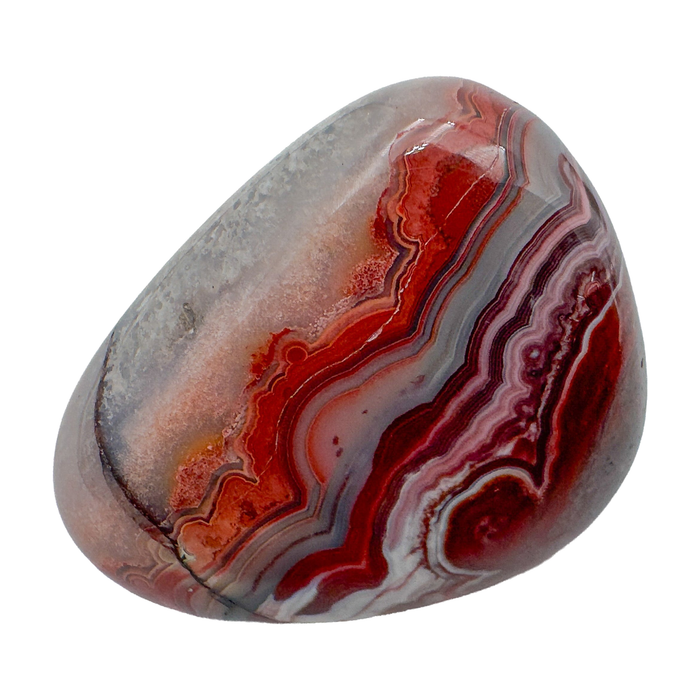
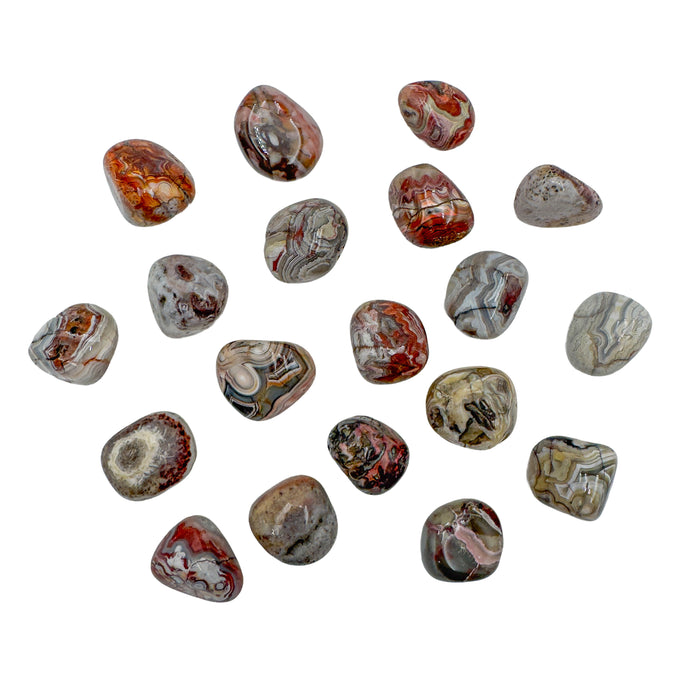
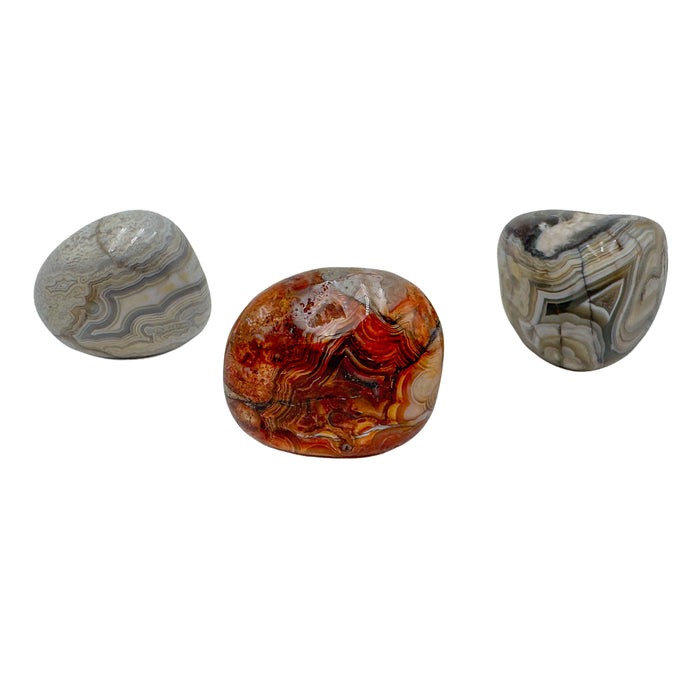
AA Grade | 1–1.50″
CHIHUAHUA, MEXICO
ENERGY◇STRESS RELIEF◇MANIFESTATION
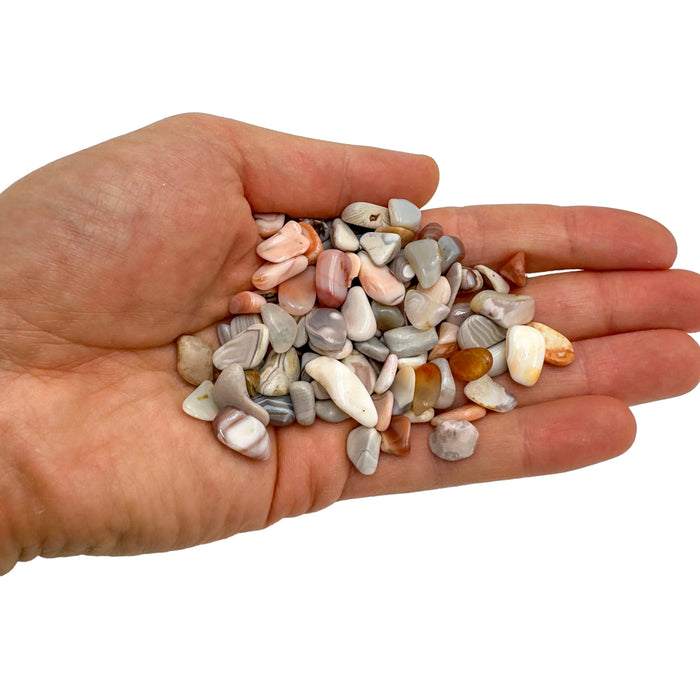
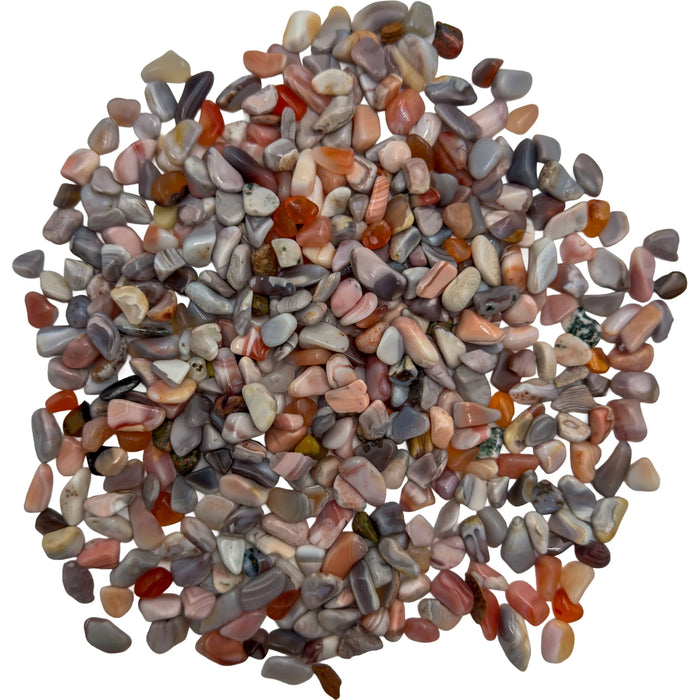
A Grade | 0.25–0.50″
FRANCISTOWN, BOTSWANA
GROUNDING◇STRESS RELIEF◇SLEEP
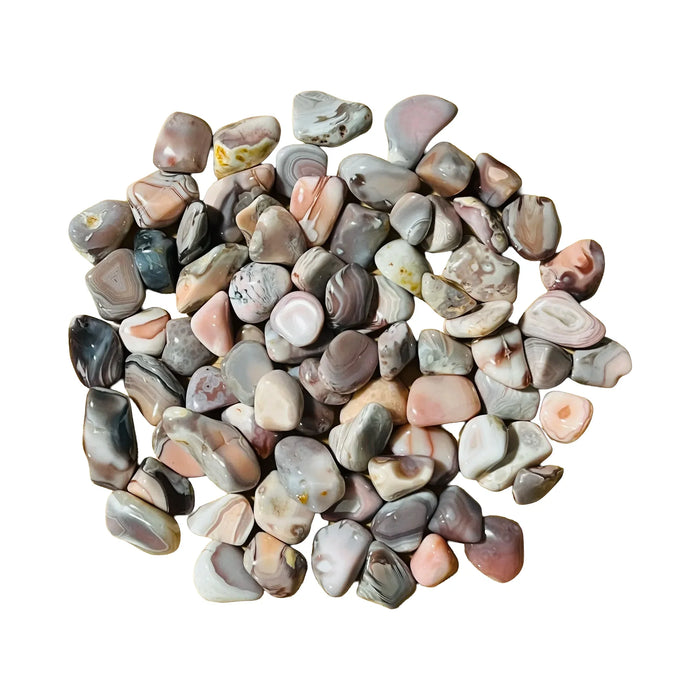
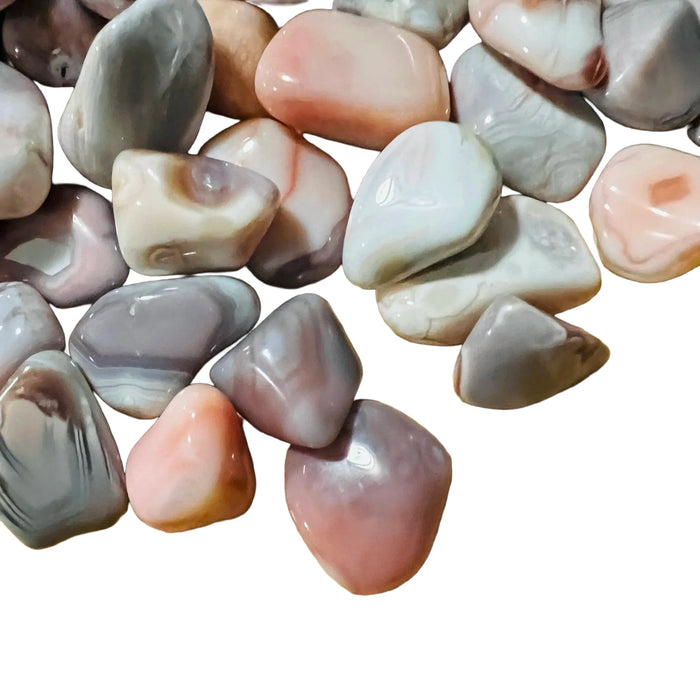
A Grade | 0.75–1.25″
BETSIBOKA, MADAGASCAR
GROUNDING◇HEALING◇EMOTIONAL HEALING
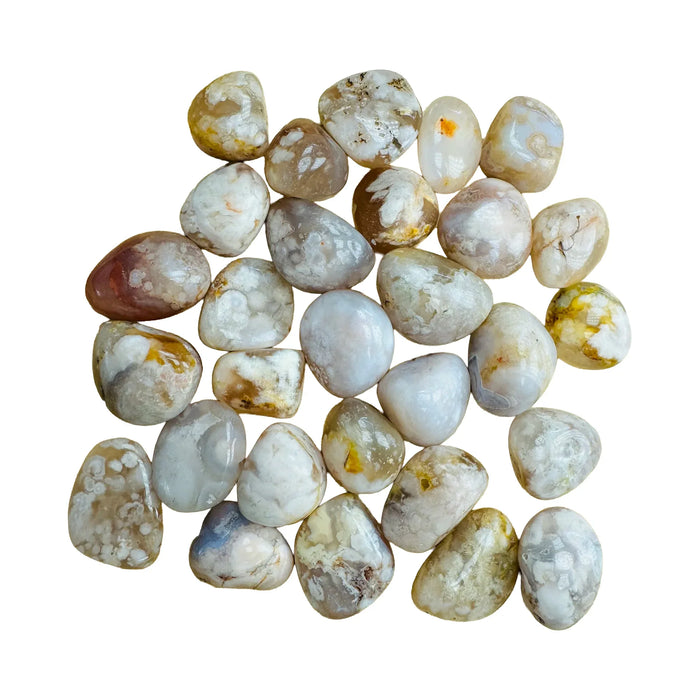
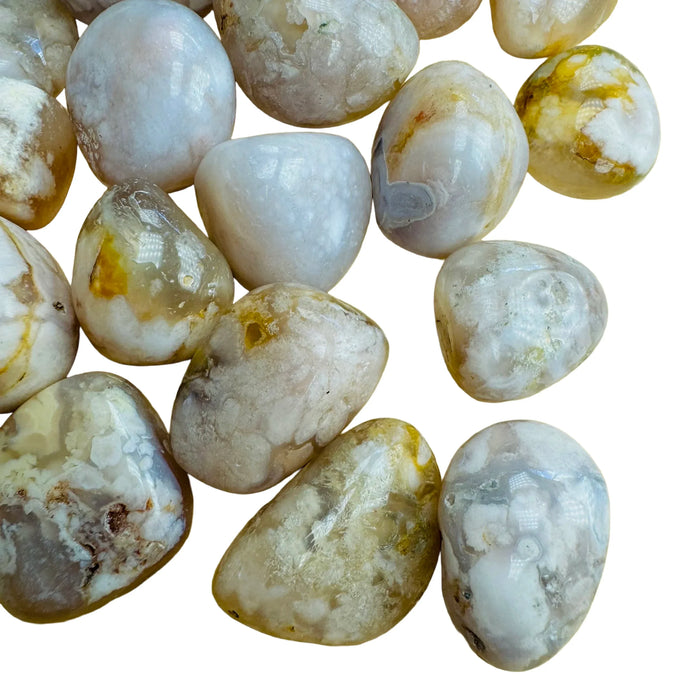
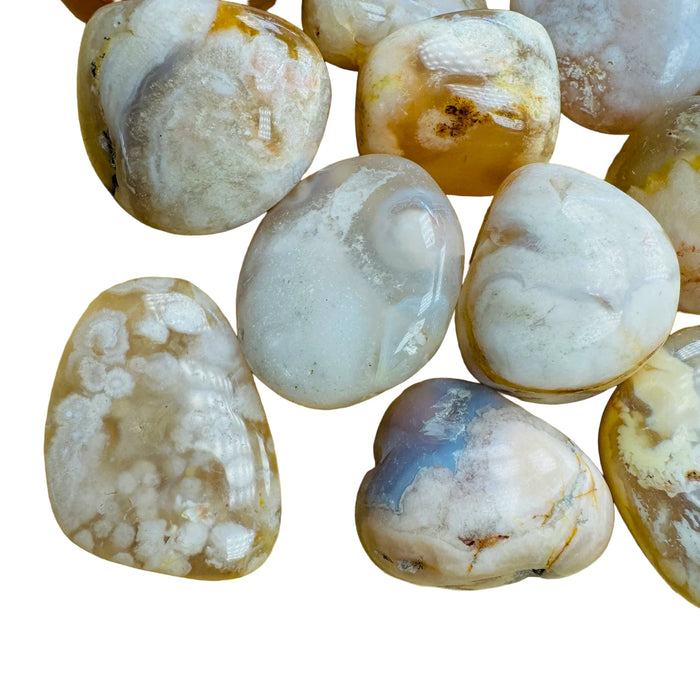
AA Grade | 0.75–1.25″
ANALAMANGA, MADAGASCAR
LOVE◇EMOTIONAL HEALING◇MANIFESTATION
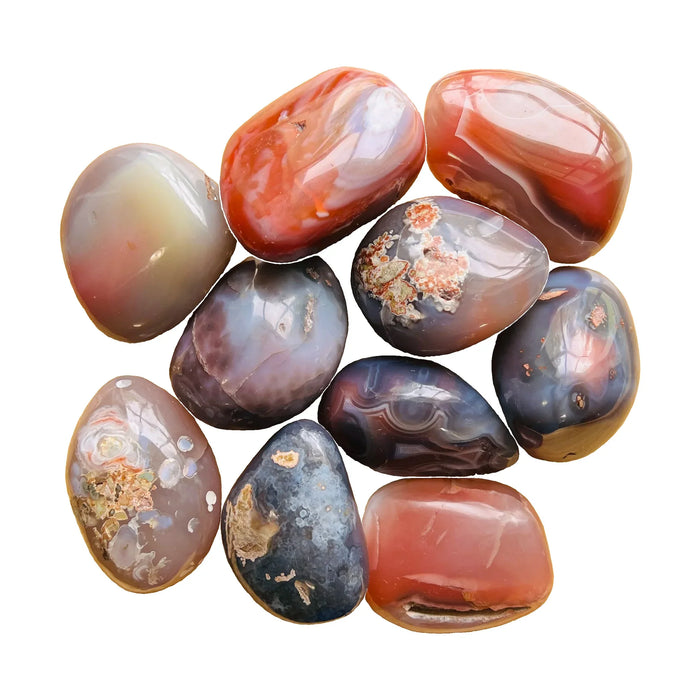
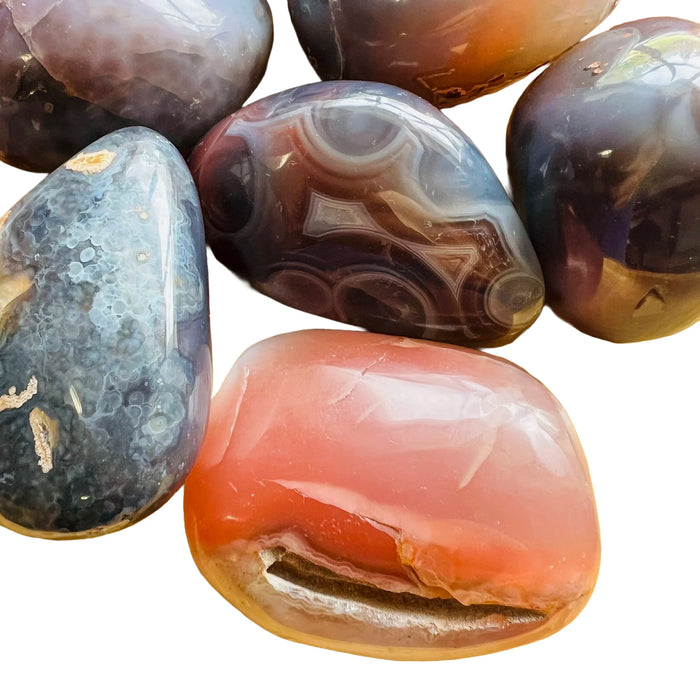
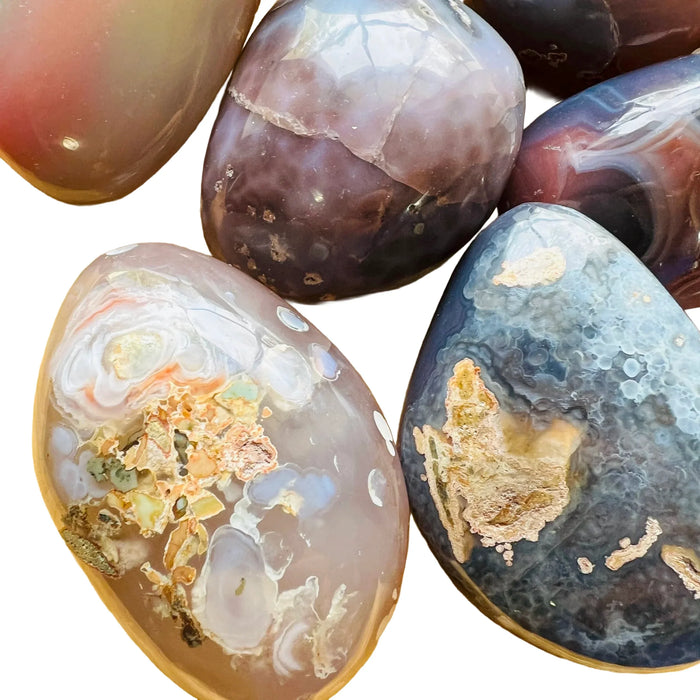
AA Grade | 1.50–3″
MATABELELAND SOUTH PROVINCE, ZIMBABWE
GROUNDING◇PROTECTION◇ENERGY
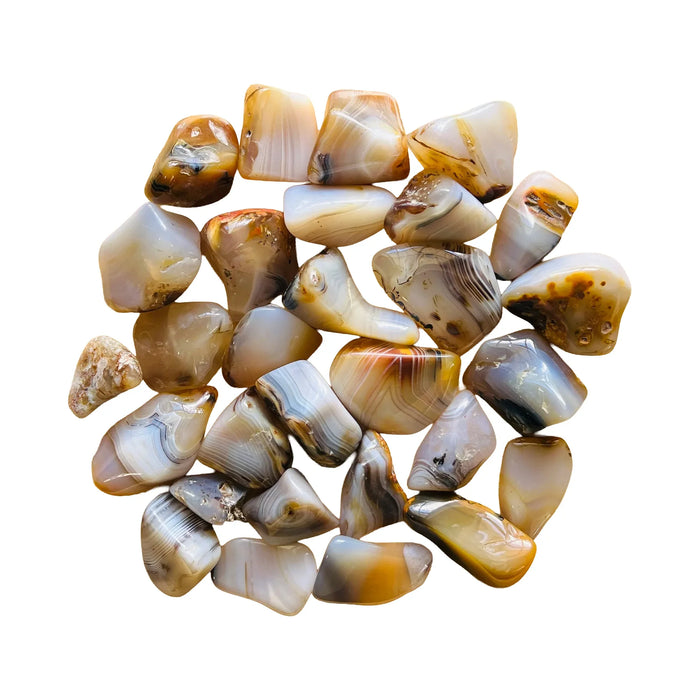
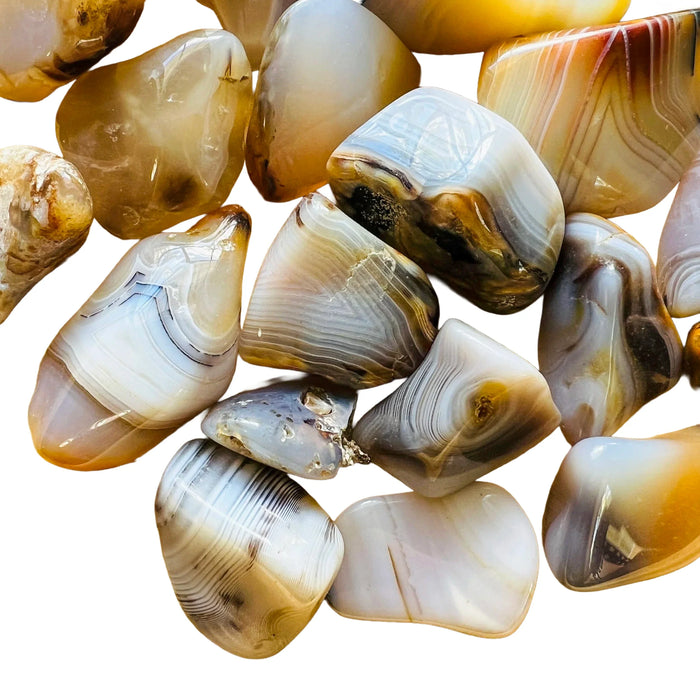
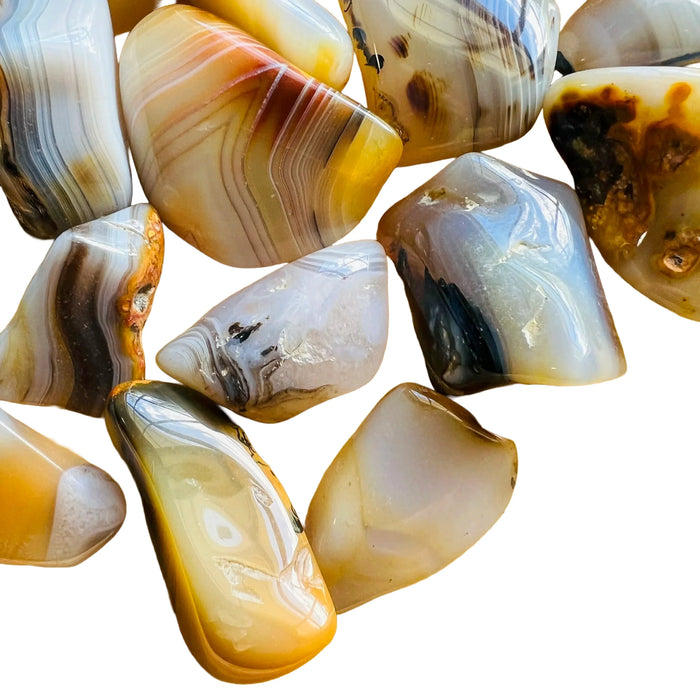
A Grade | 1–1.50″
BETSIBOKA, MADAGASCAR
GROUNDING◇HEALING◇EMOTIONAL HEALING


A Grade | 4.48″ H x 2.34″ Dia
MATABELELAND SOUTH PROVINCE, ZIMBABWE
GROUNDING◇FOCUS◇EMOTIONAL HEALING
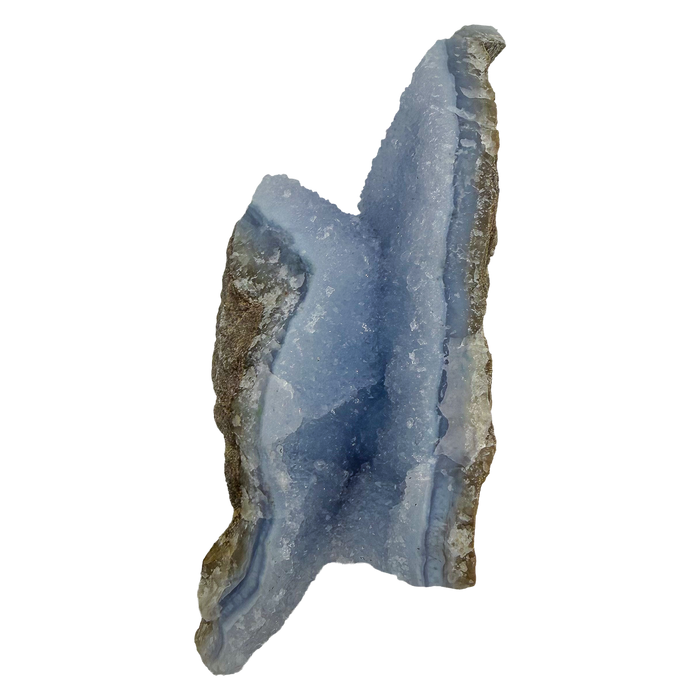
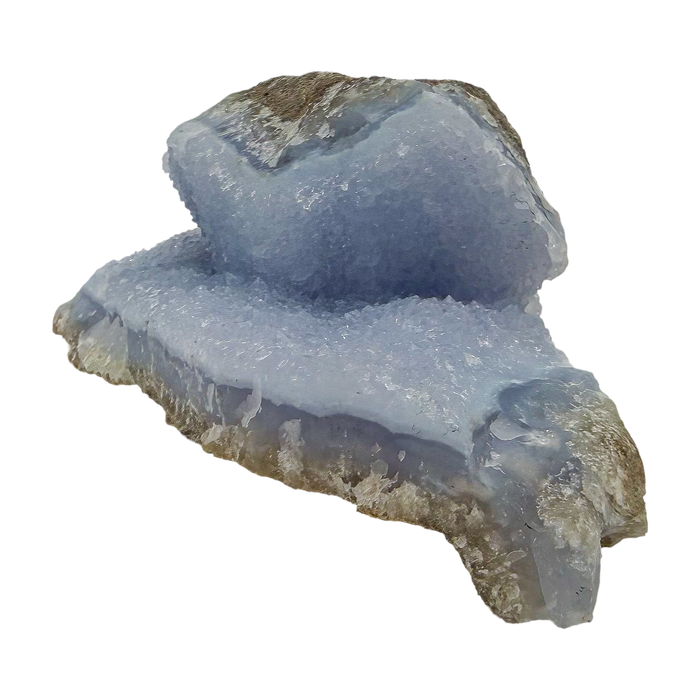
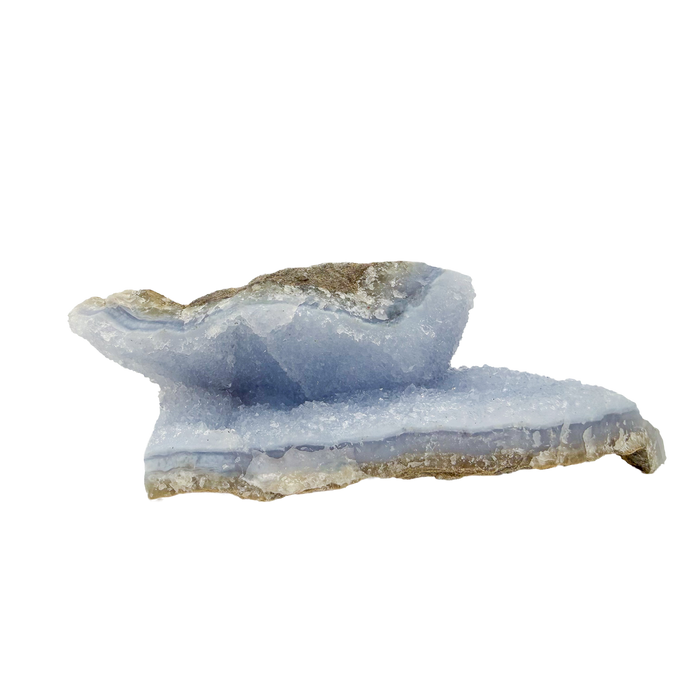
AA Grade | 6.71″ L x 2.43″ W x 2.39″ H
NSIPE, MALAWI
STRESS RELIEF◇EMOTIONAL HEALING◇MEDITATION
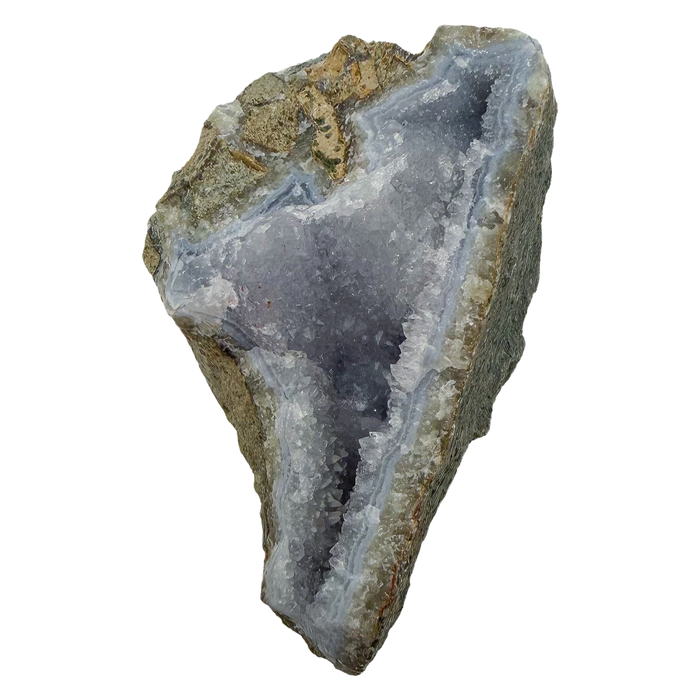
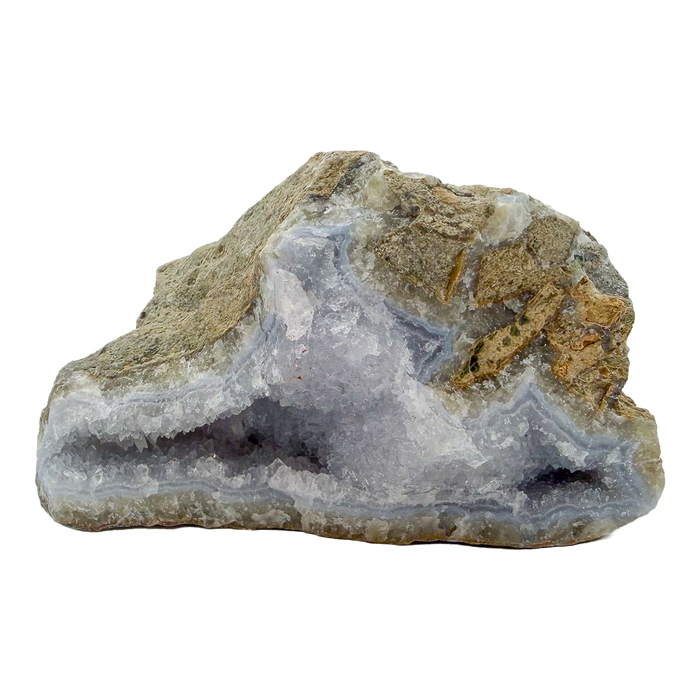
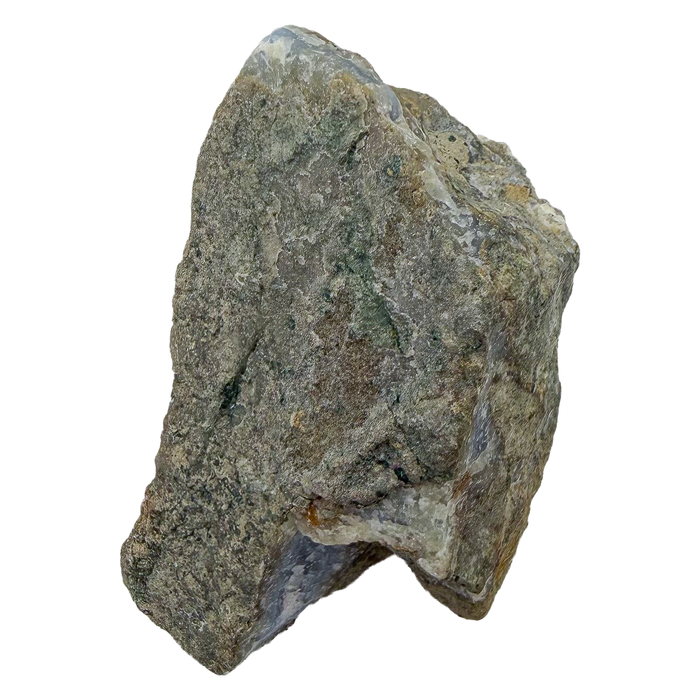
AA Grade | 4.71″ L x 2.96″ W x 2.64″ H
NSIPE, MALAWI
STRESS RELIEF◇EMOTIONAL HEALING◇MEDITATION

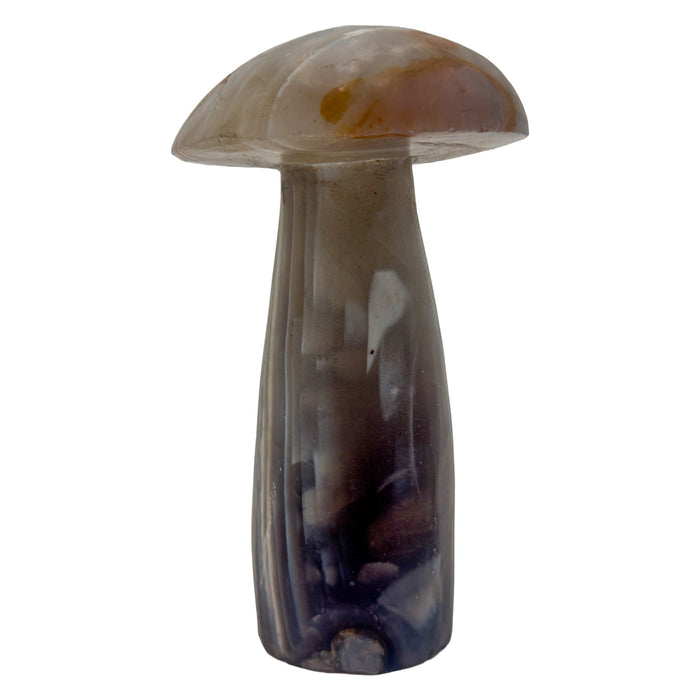

A Grade | 5.66″ H x 3.23″ Dia
MATABELELAND SOUTH PROVINCE, ZIMBABWE
GROUNDING◇FOCUS◇EMOTIONAL HEALING
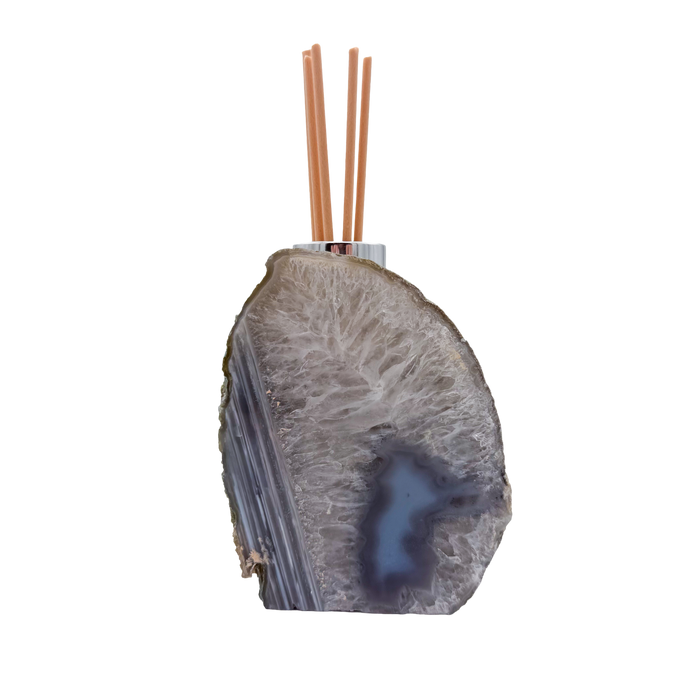
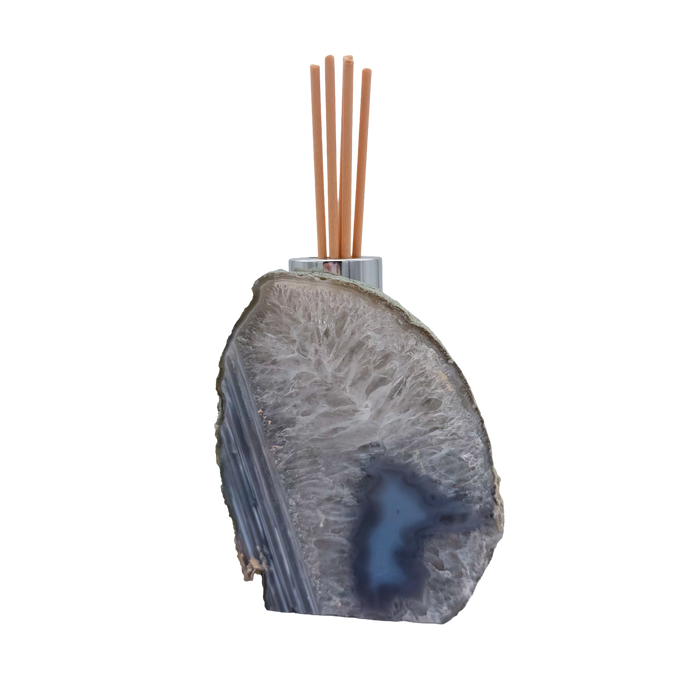

A Grade | 2.50–3.50″ L x 2.50–3.50″ W x 4.00–5.00″ H
MINAS GERAIS, BRAZIL
GROUNDING◇PROTECTION◇HEALING
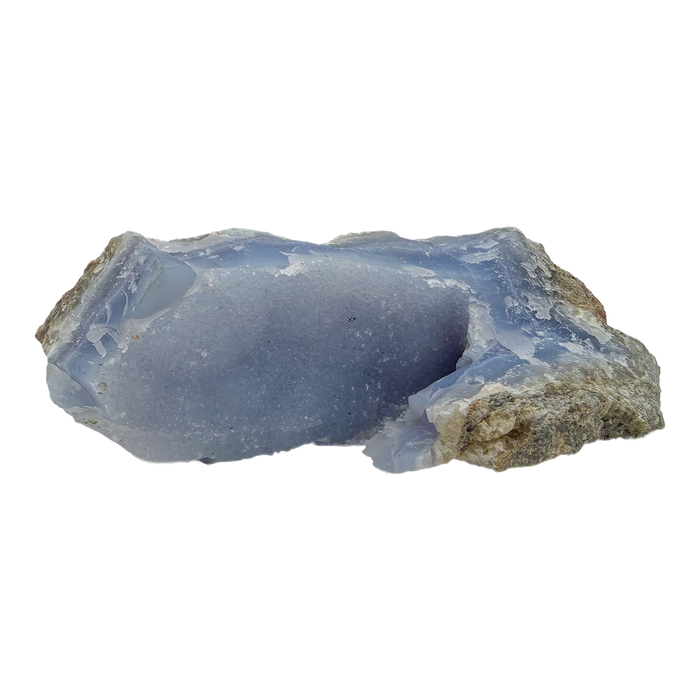
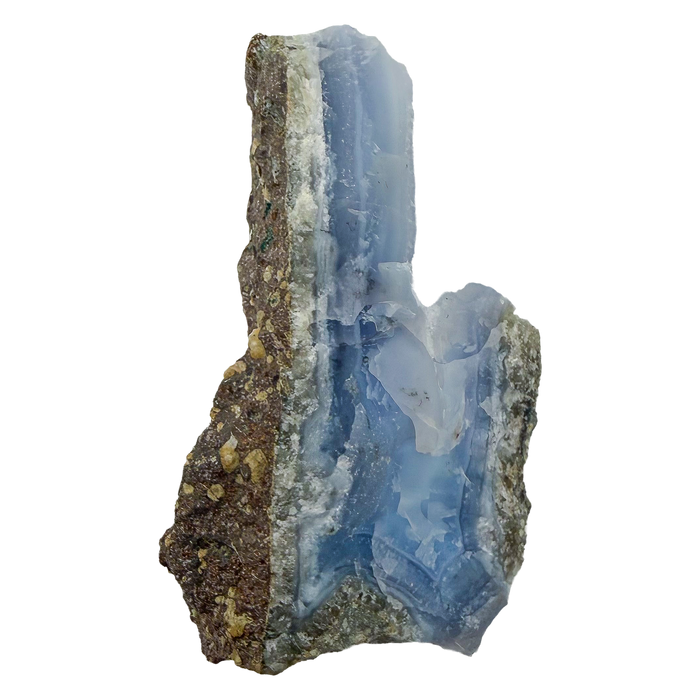
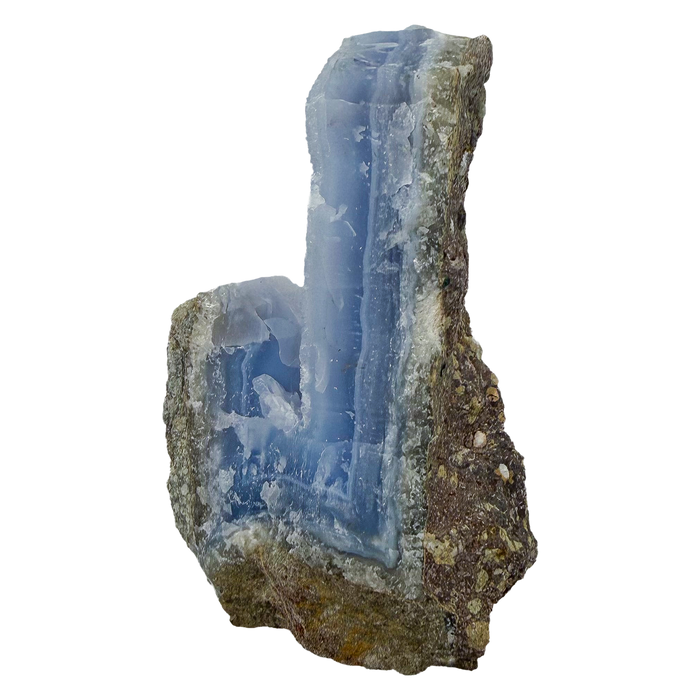
AA Grade | 4.95″ L x 2.93″ W x 1.70″ H
NSIPE, MALAWI
STRESS RELIEF◇EMOTIONAL HEALING◇MEDITATION
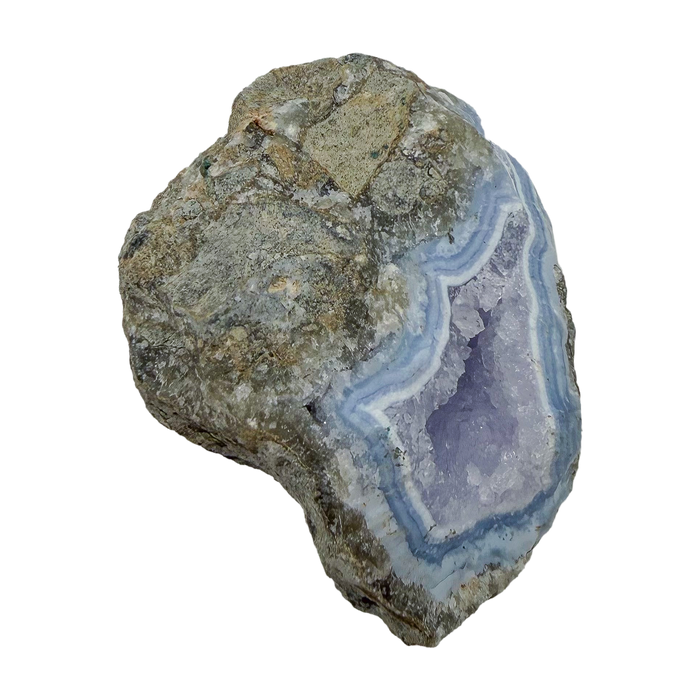
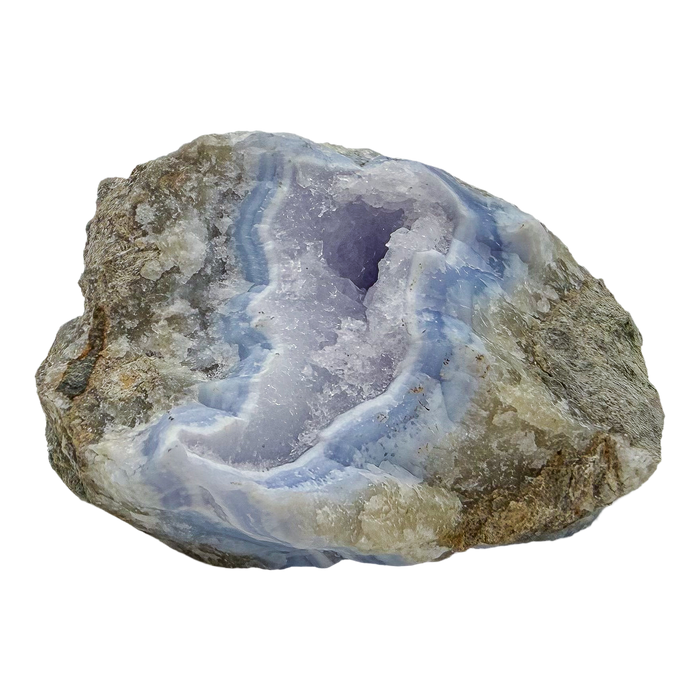
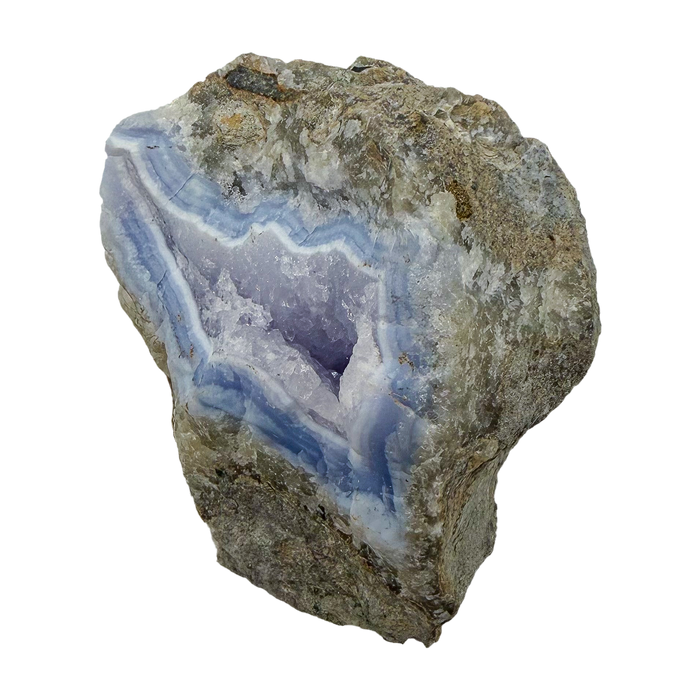
AA Grade | 3.74″ L x 3.06″ W x 2.10″ H
NSIPE, MALAWI
STRESS RELIEF◇EMOTIONAL HEALING◇MEDITATION
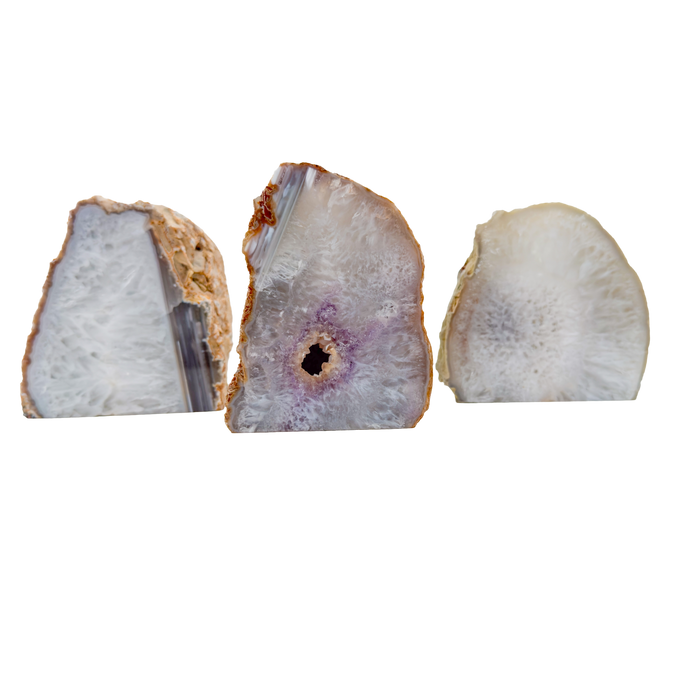
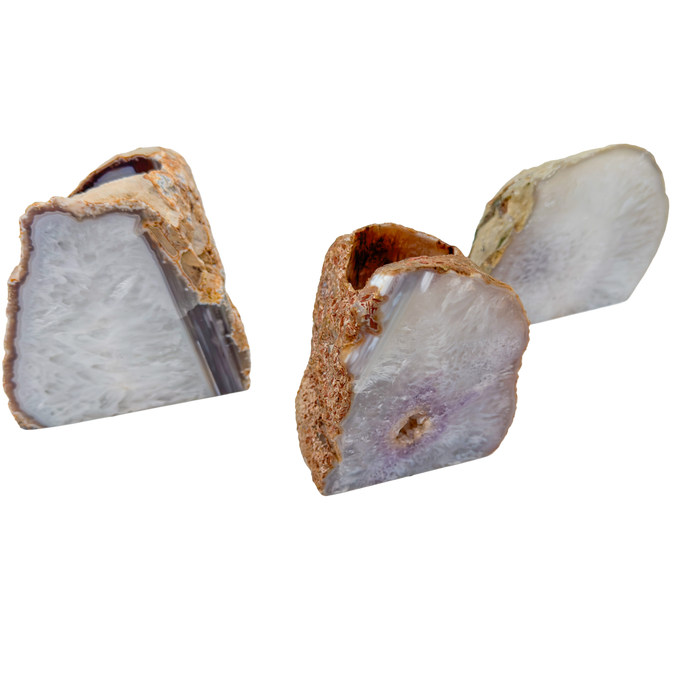
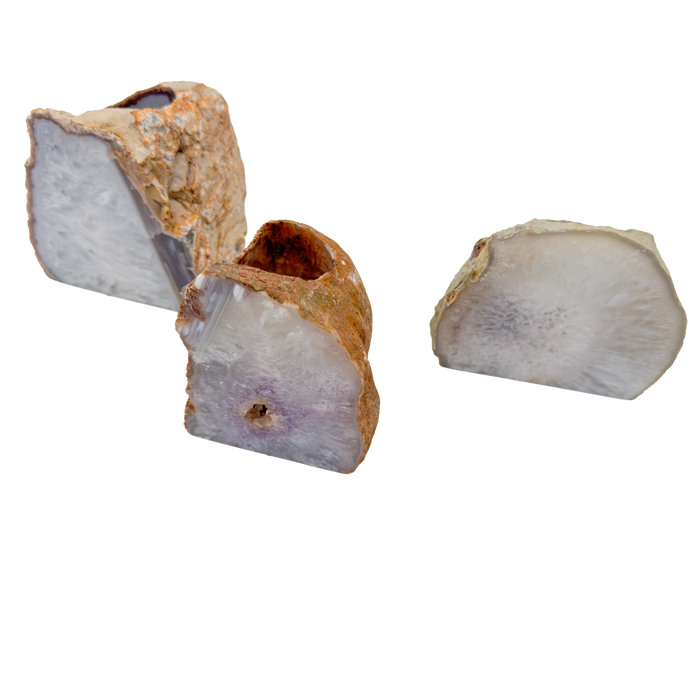
AA Grade | 3.00–4.00″ L x 2.50–3.50″ W x 4.00–5.00″ H
MINAS GERAIS, BRAZIL
GROUNDING◇PROTECTION◇HEALING
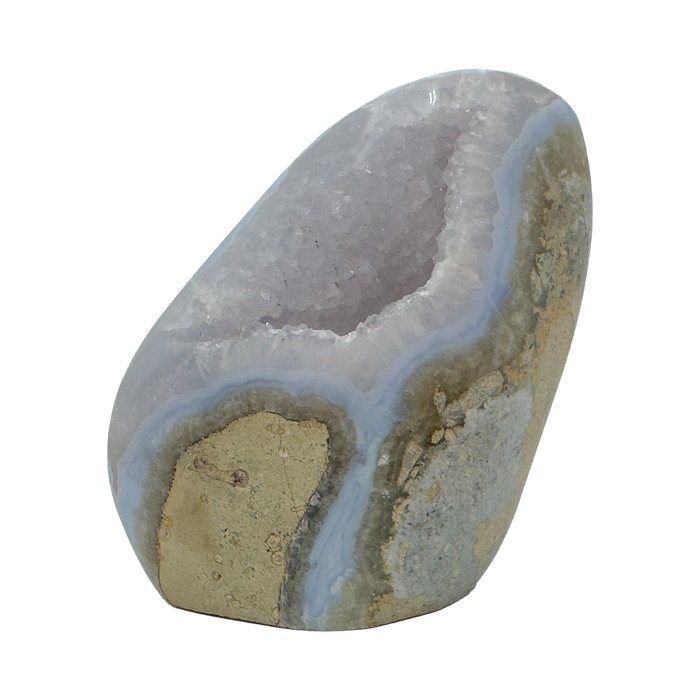
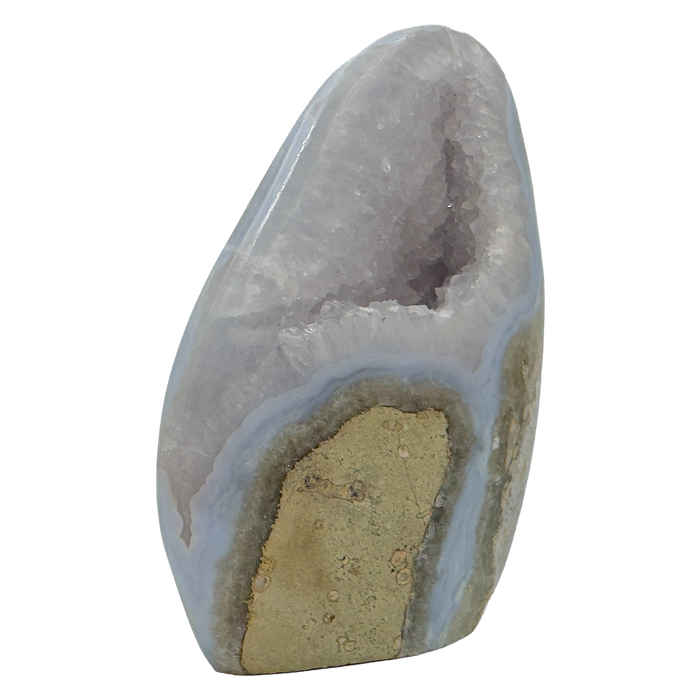
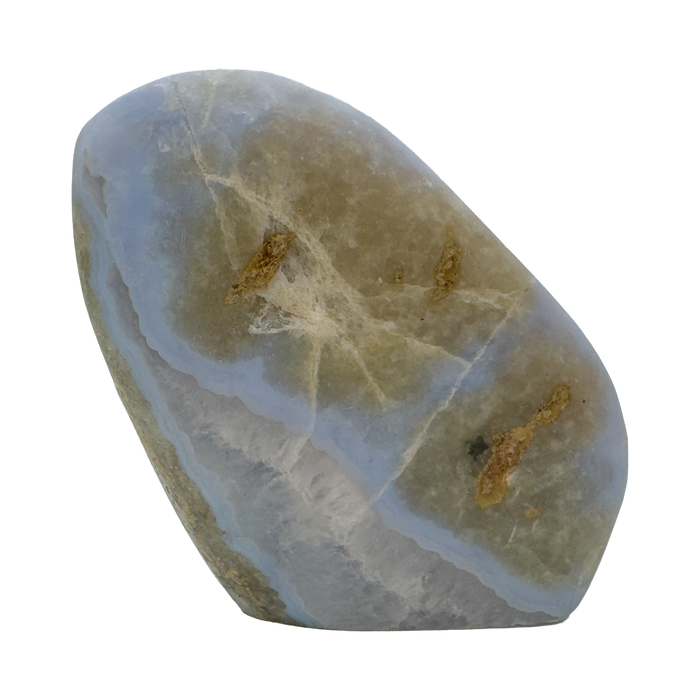
A Grade | 3.63″ L x 1.55″ W x 4.13″ H
NSIPE, MALAWI
STRESS RELIEF◇EMOTIONAL HEALING◇MEDITATION
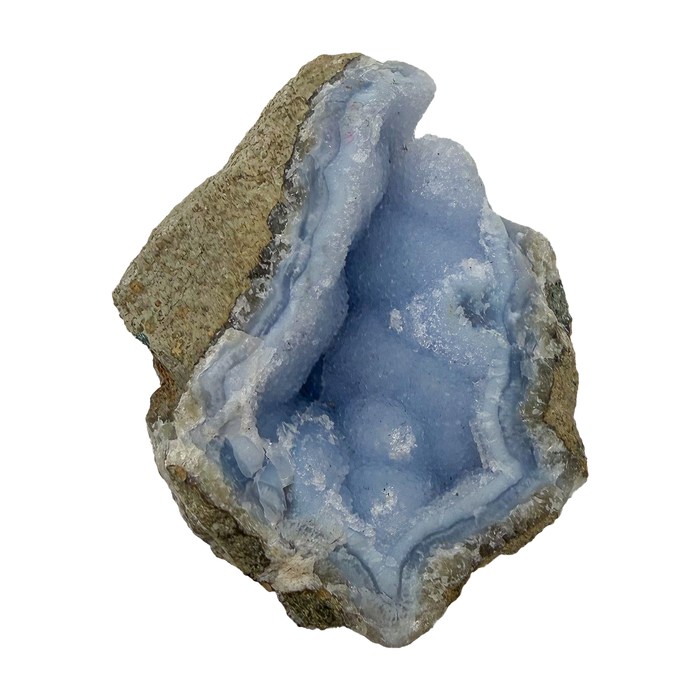
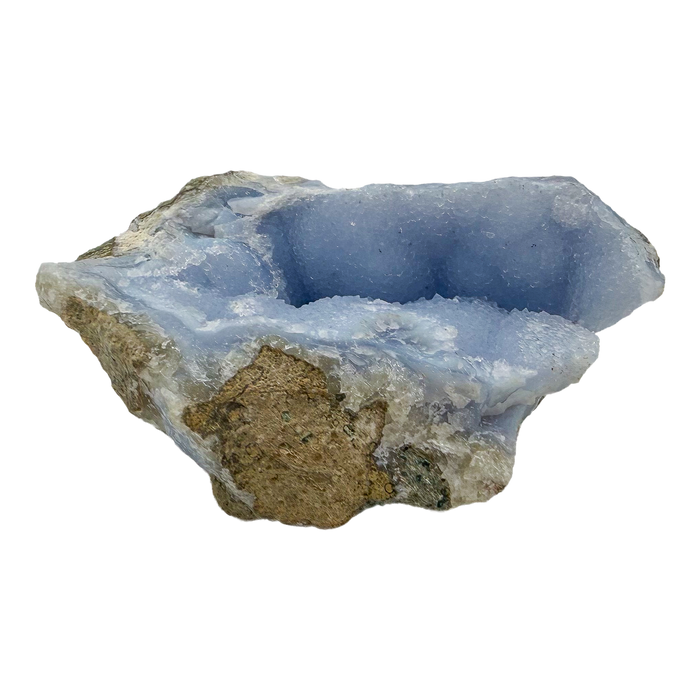
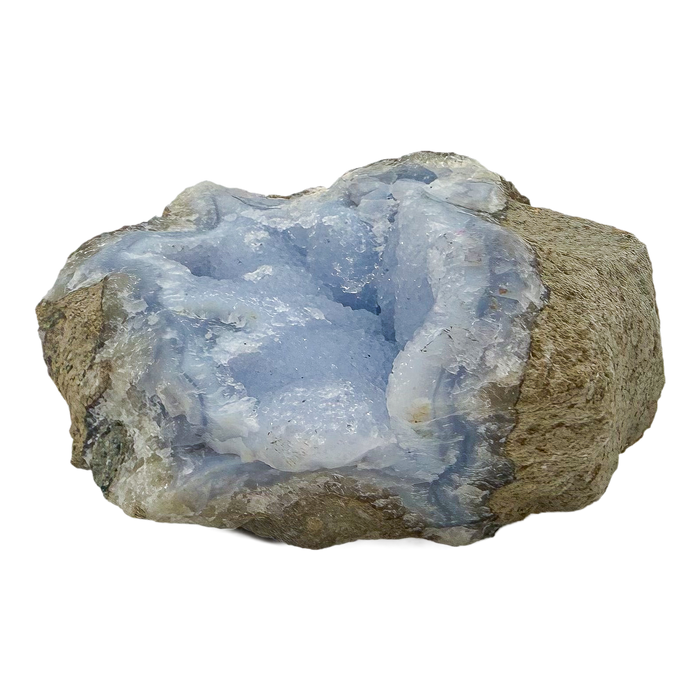
AA Grade | 3.84″ L x 3.61″ W x 1.92″ H
NSIPE, MALAWI
STRESS RELIEF◇EMOTIONAL HEALING◇MEDITATION
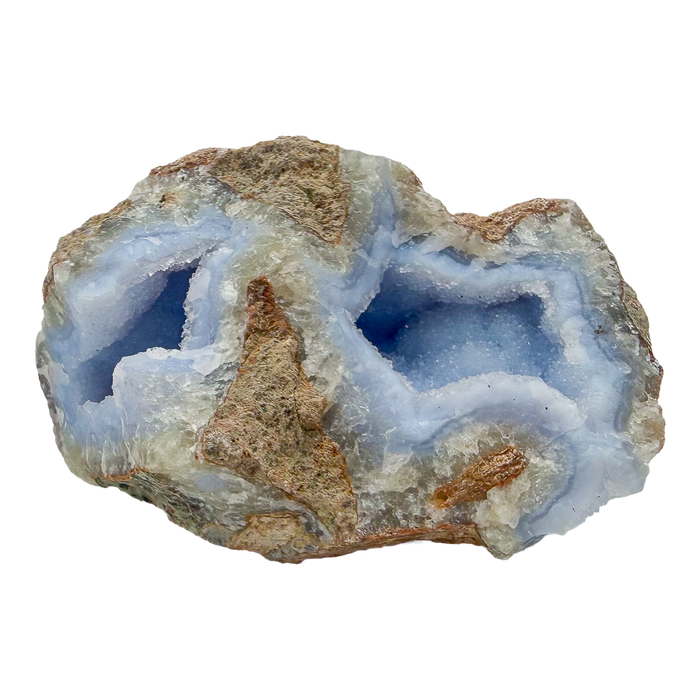
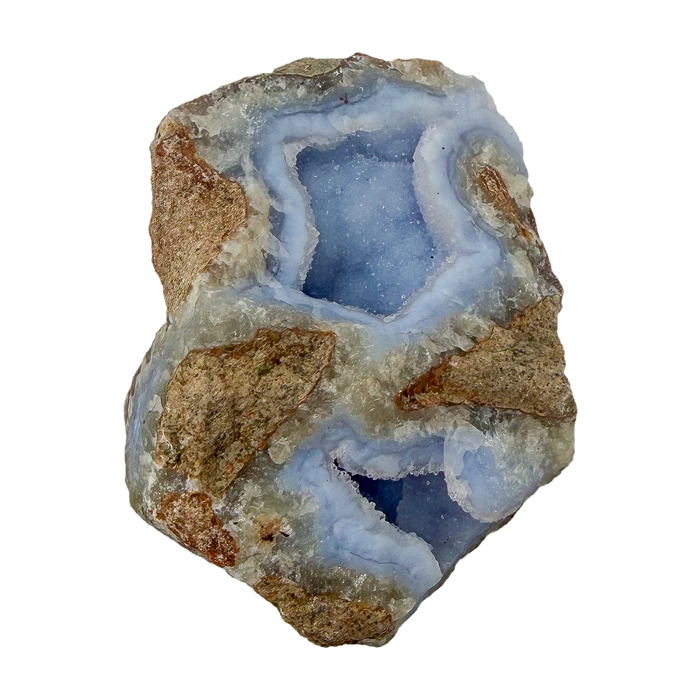
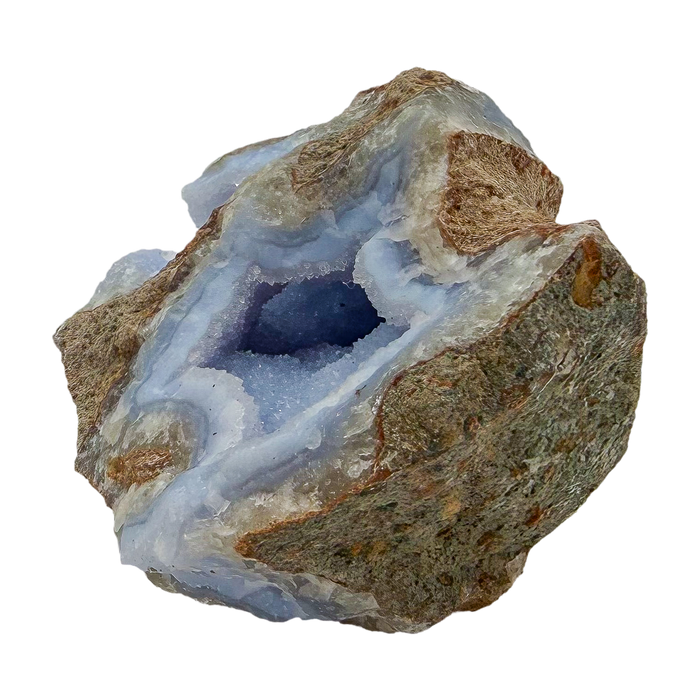
AA Grade | 3.87″ L x 2.73″ W x 1.98″ H
NSIPE, MALAWI
STRESS RELIEF◇EMOTIONAL HEALING◇MEDITATION
final sale
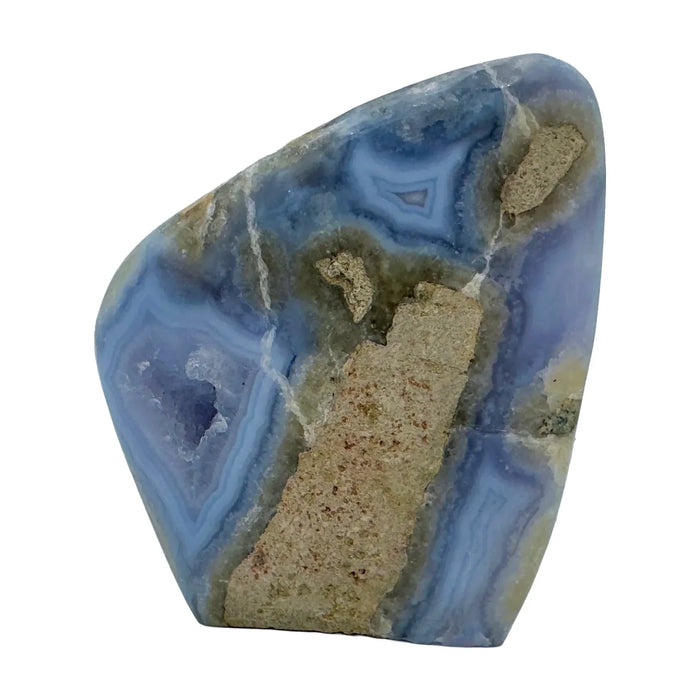
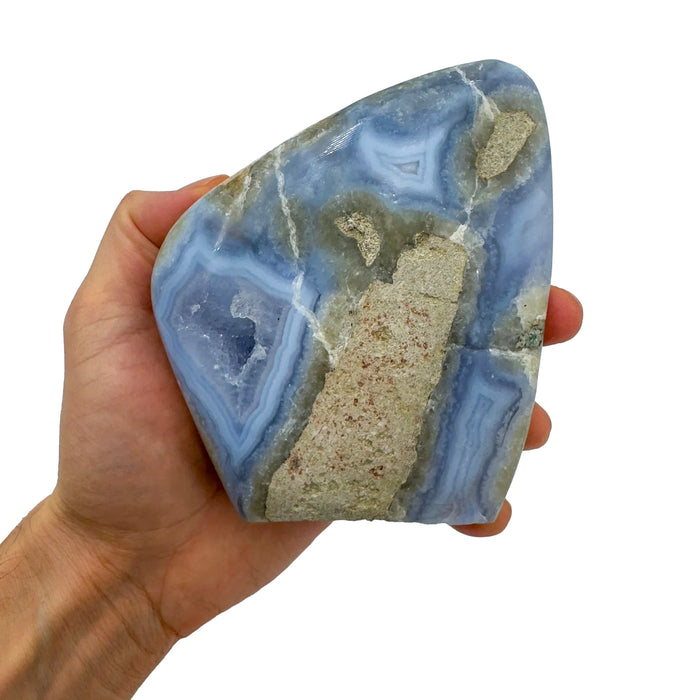
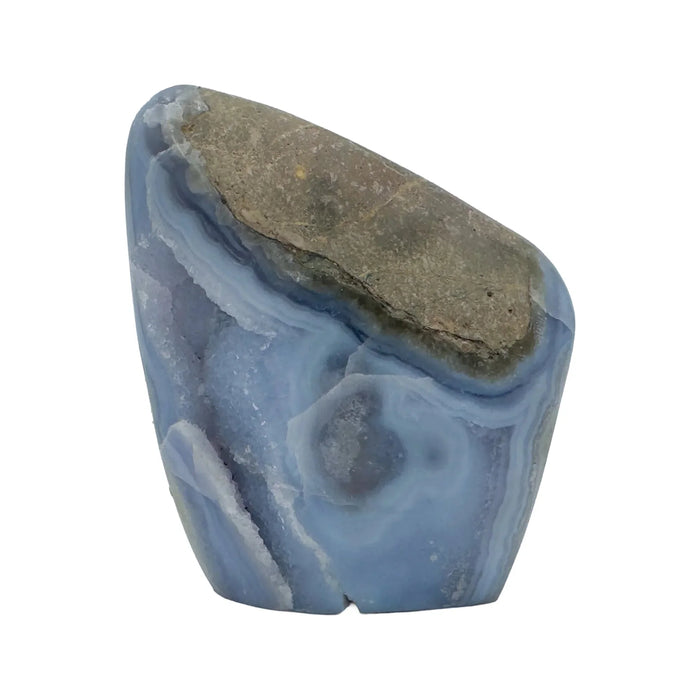
AA Grade | 3.95″ L x 1.68″ W x 4.79″ H
NSIPE, MALAWI
STRESS RELIEF◇EMOTIONAL HEALING◇MEDITATION
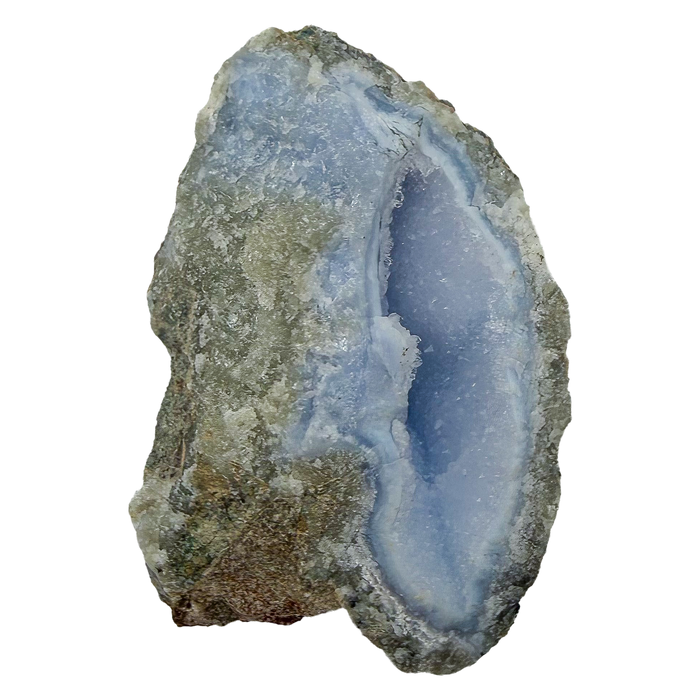
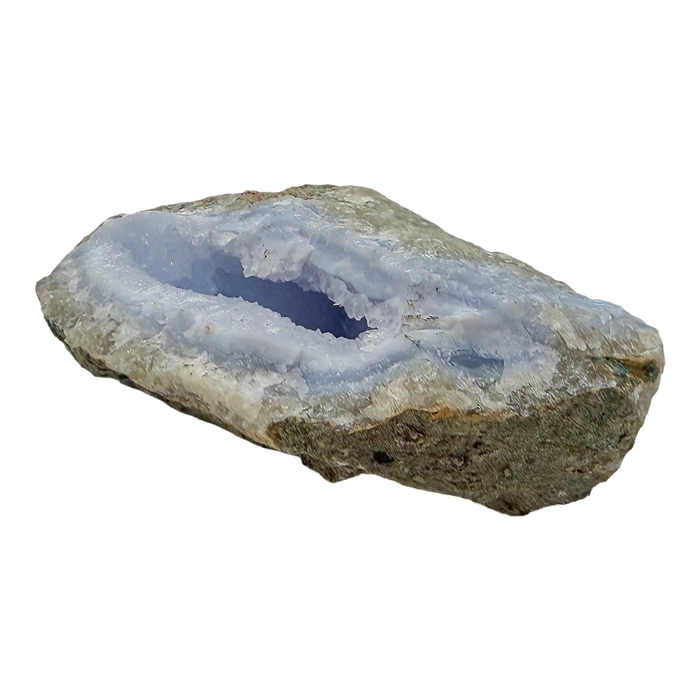
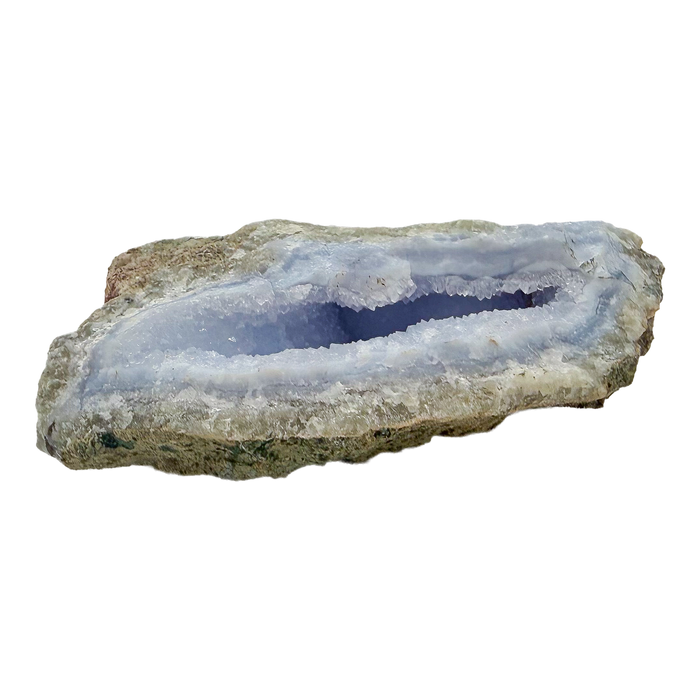
AA Grade | 4.79″ L x 3.20″ W x 1.30″ H
NSIPE, MALAWI
STRESS RELIEF◇EMOTIONAL HEALING◇MEDITATION
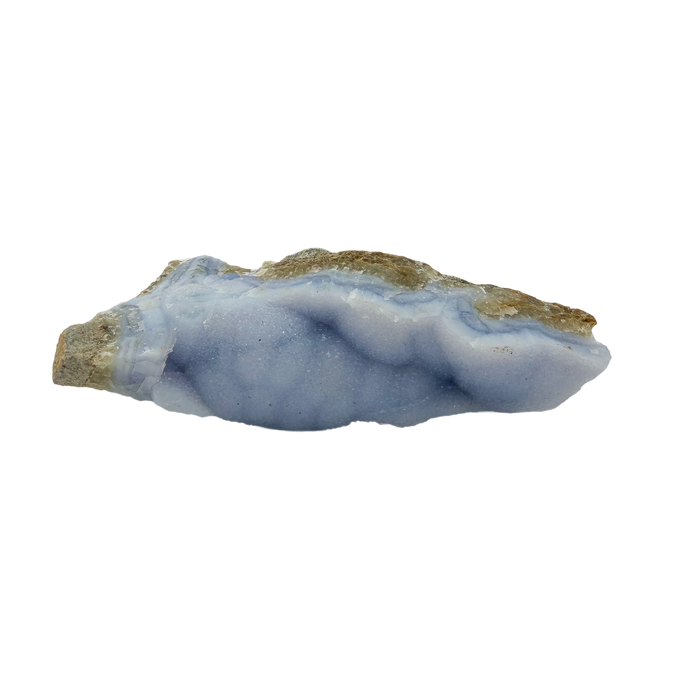
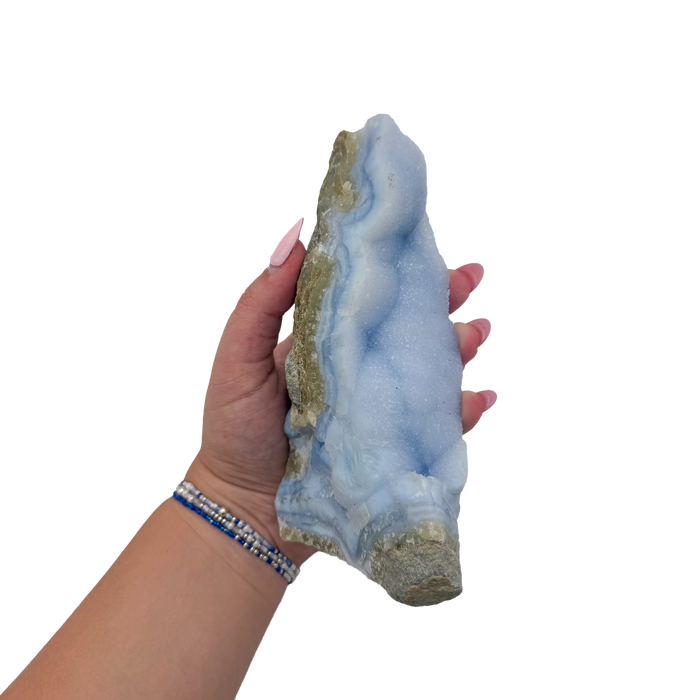
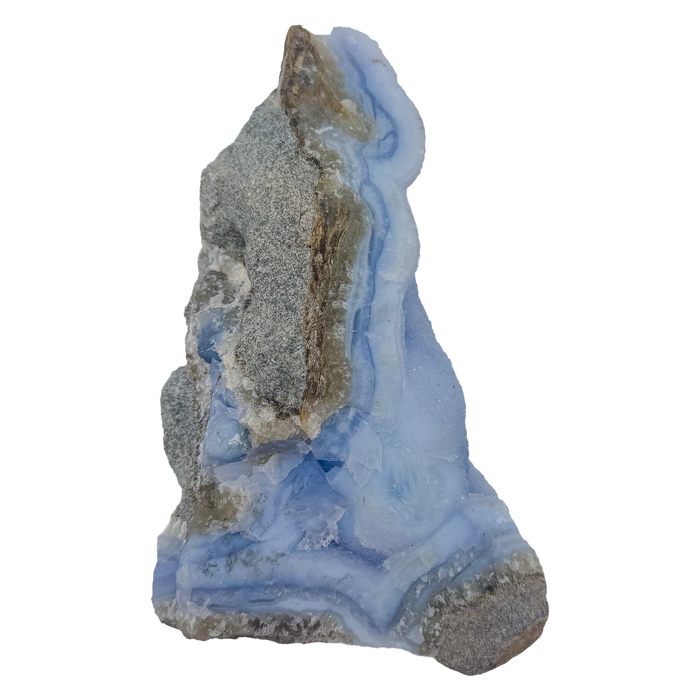
AA Grade | 6.59″ L x 3.40″ W x 1.81″ H
NSIPE, MALAWI
STRESS RELIEF◇EMOTIONAL HEALING◇MEDITATION
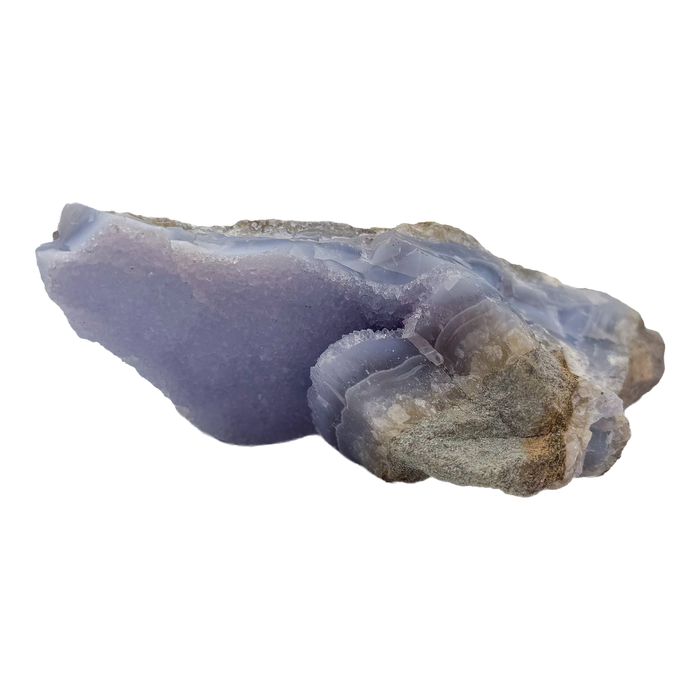
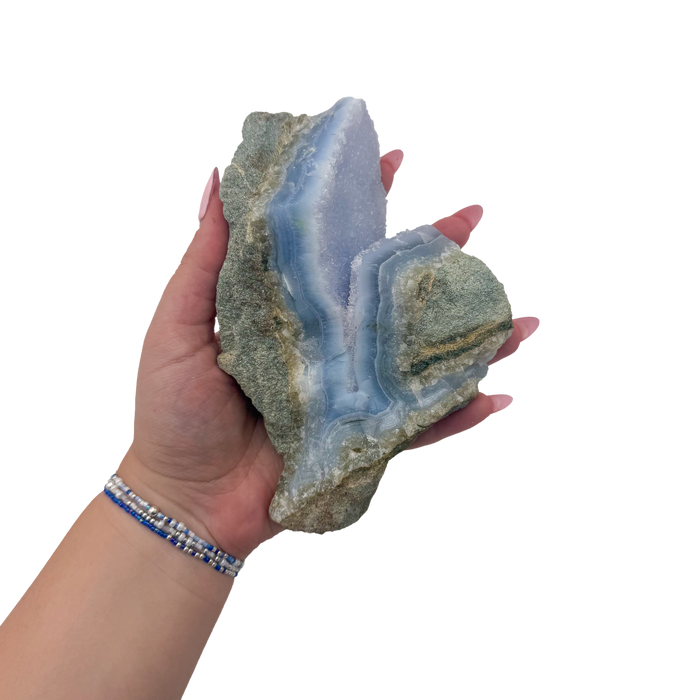
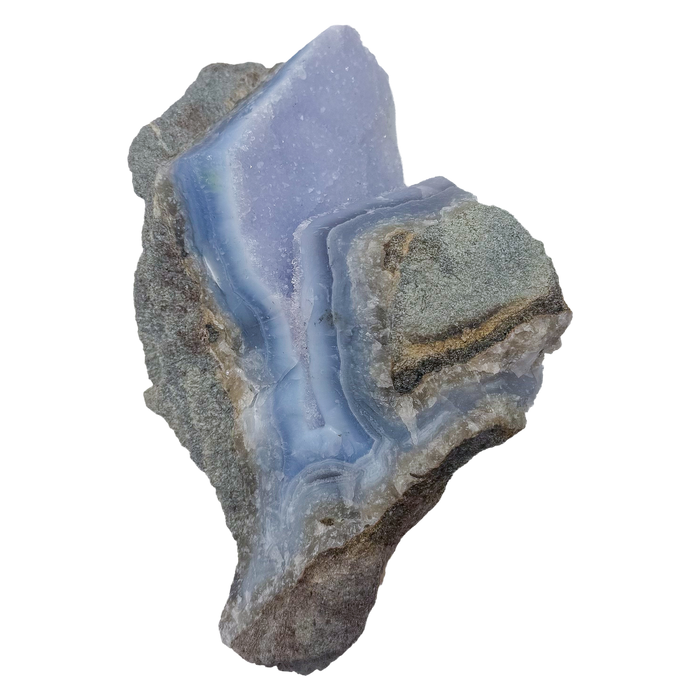
AA Grade | 6.43″ L x 4.12″ W x 2.42″ H
NSIPE, MALAWI
STRESS RELIEF◇EMOTIONAL HEALING◇MEDITATION
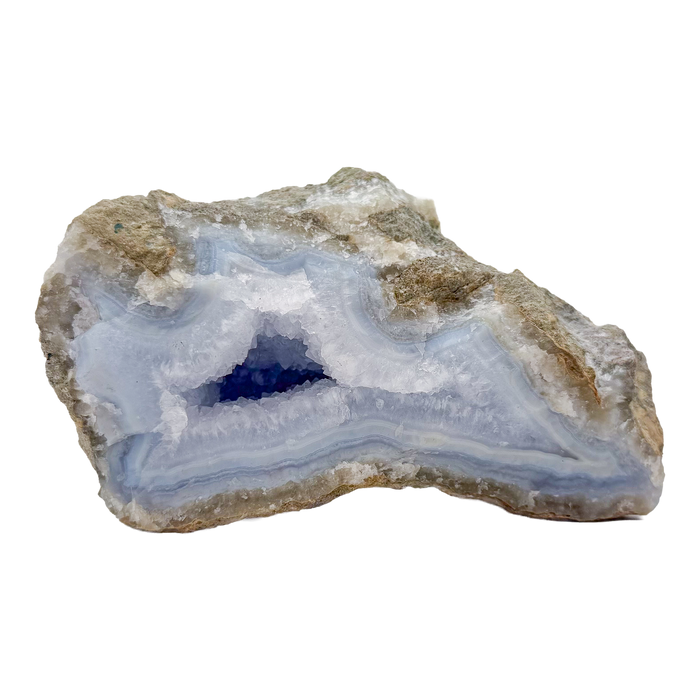
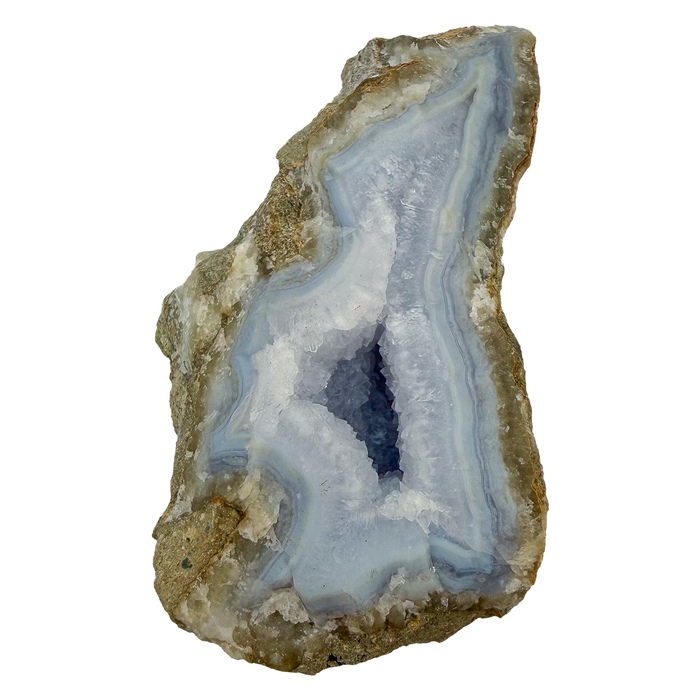
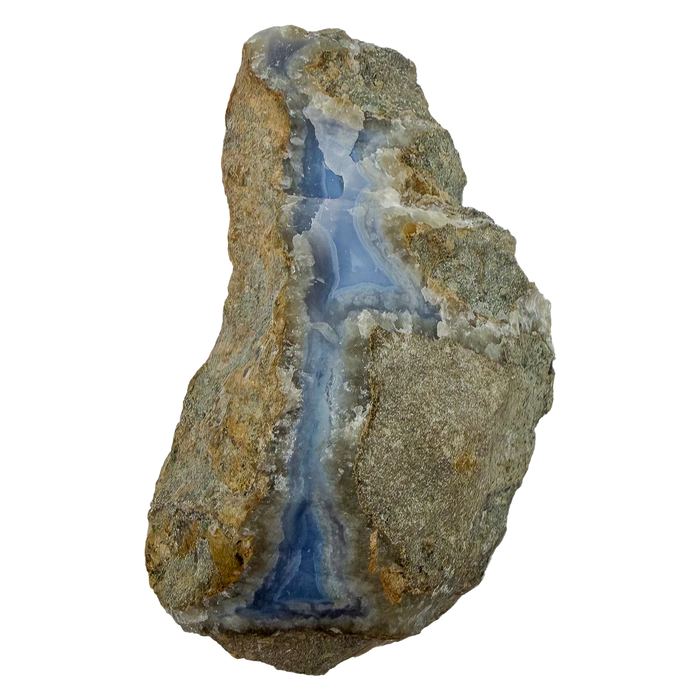
AA Grade | 5.48″ L x 2.56″ W x 3.20″ H
NSIPE, MALAWI
STRESS RELIEF◇EMOTIONAL HEALING◇MEDITATION
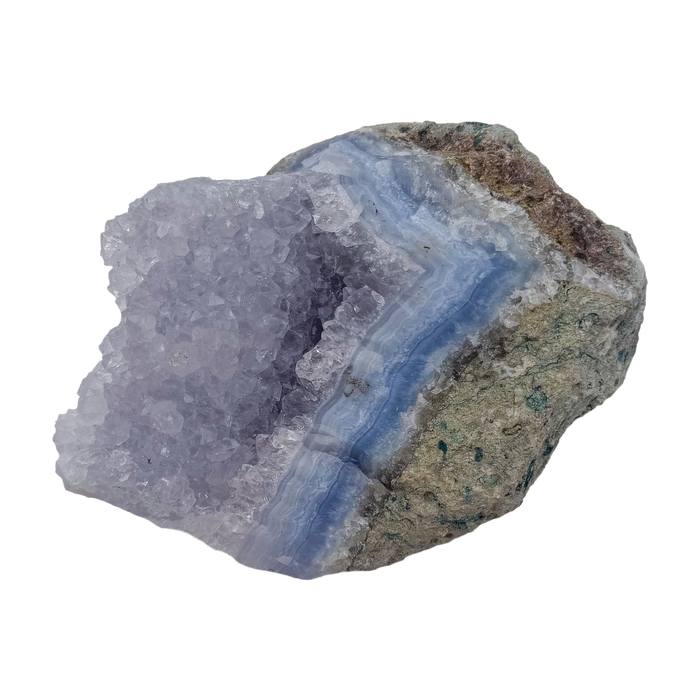
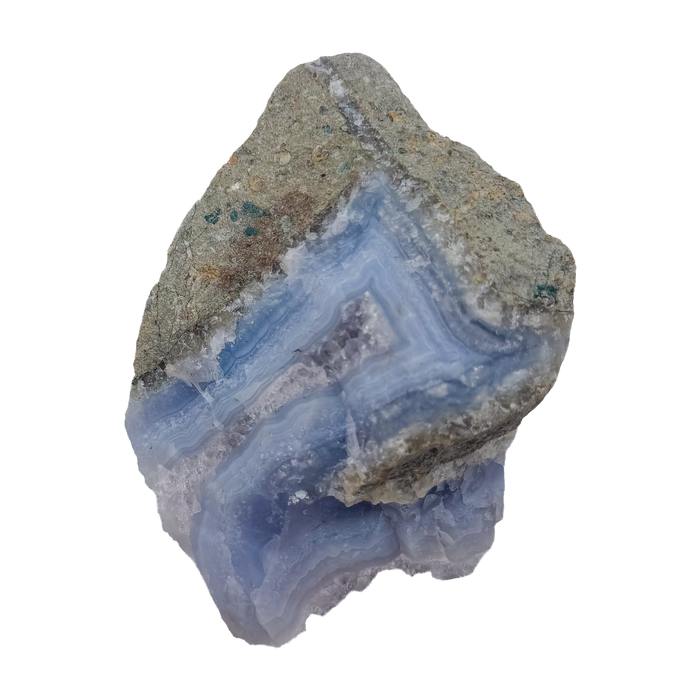
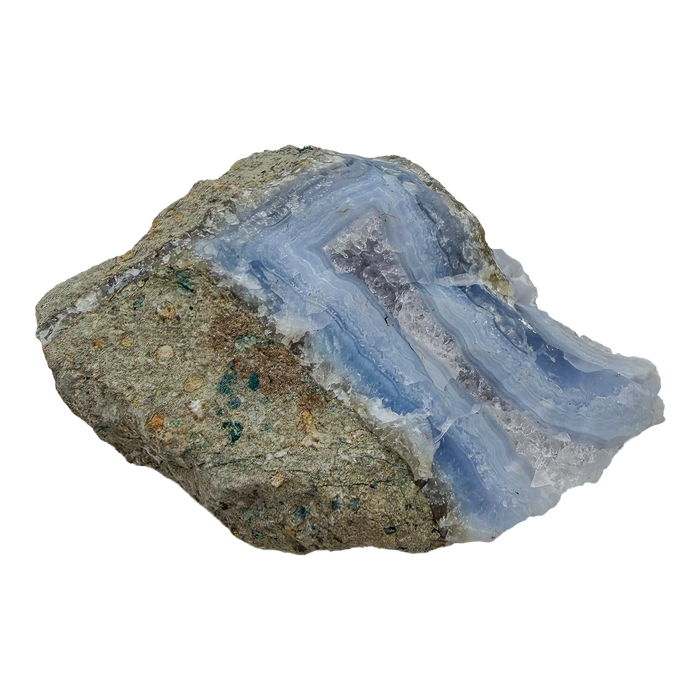
AA Grade | 4.29″ L x 3.16″ W x 1.59″ H
NSIPE, MALAWI
STRESS RELIEF◇EMOTIONAL HEALING◇MEDITATION
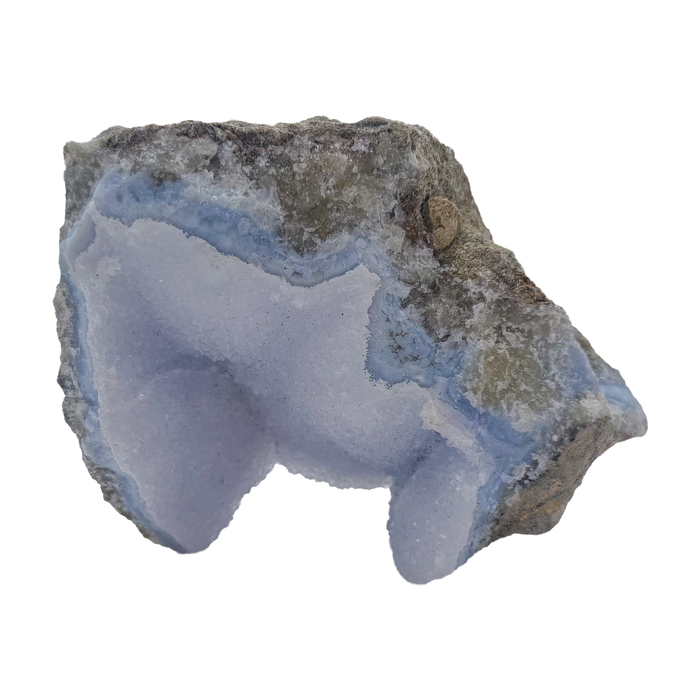
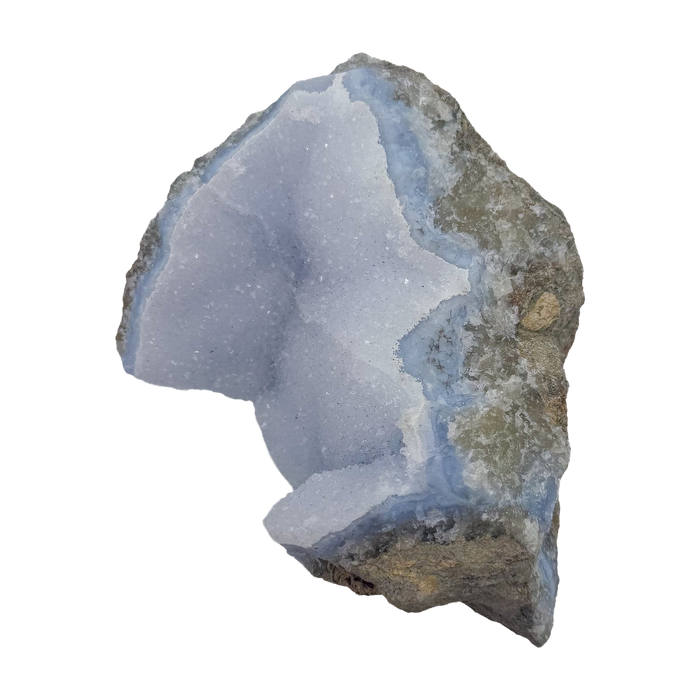
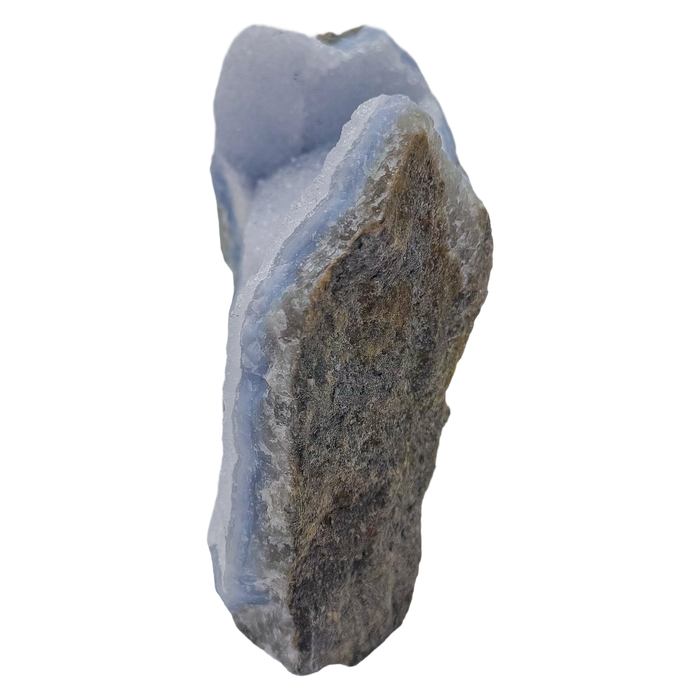
AA Grade | 4.88″ L x 2.06″ W x 3.82″ H
NSIPE, MALAWI
STRESS RELIEF◇EMOTIONAL HEALING◇MEDITATION
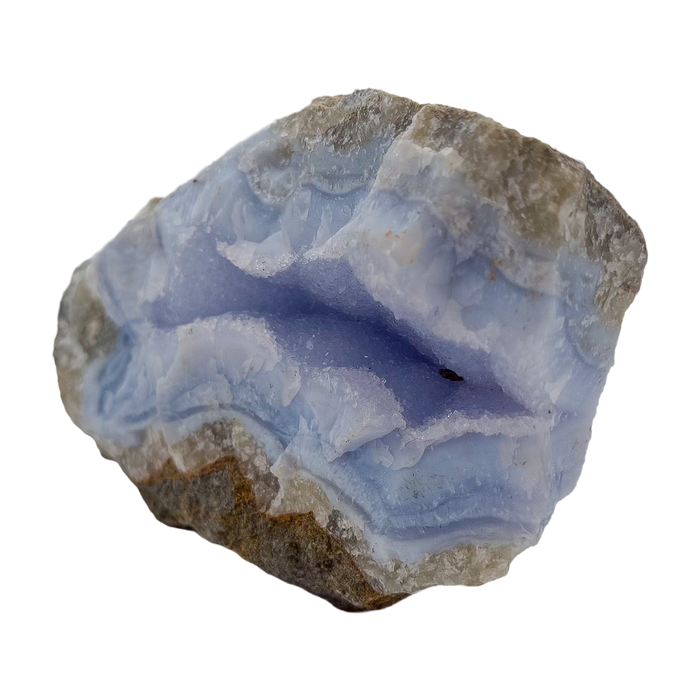
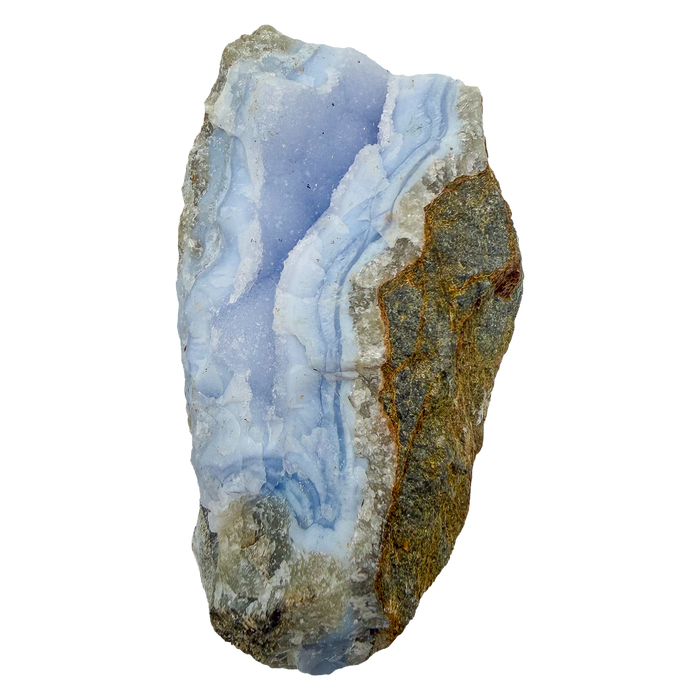
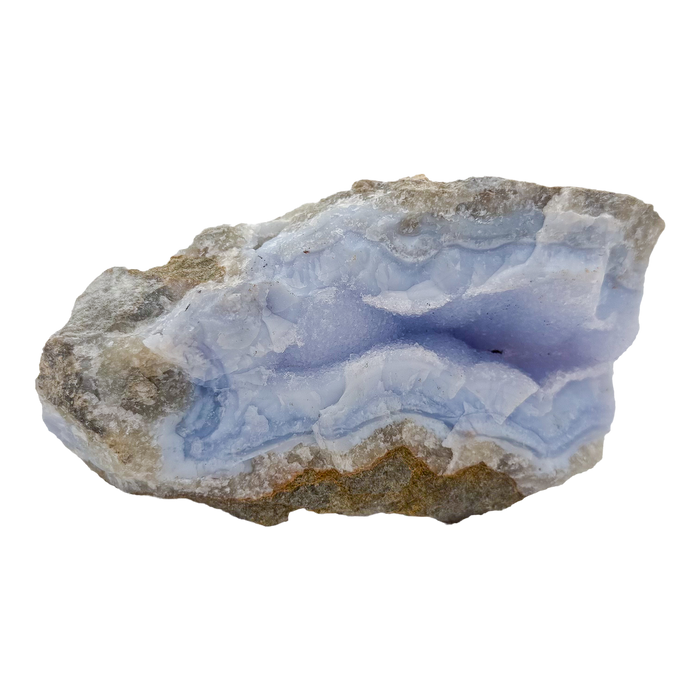
AA Grade | 4.85″ L x 2.68″ W x 1.74″ H
NSIPE, MALAWI
STRESS RELIEF◇EMOTIONAL HEALING◇MEDITATION
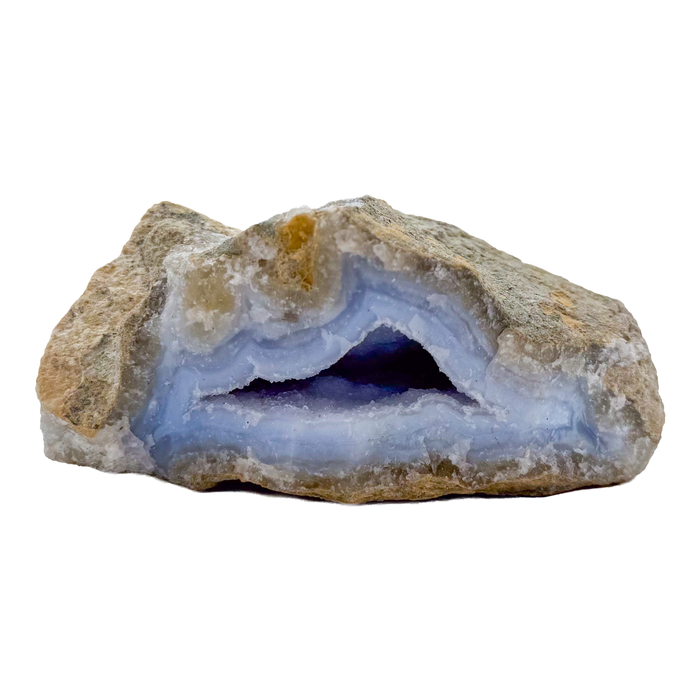
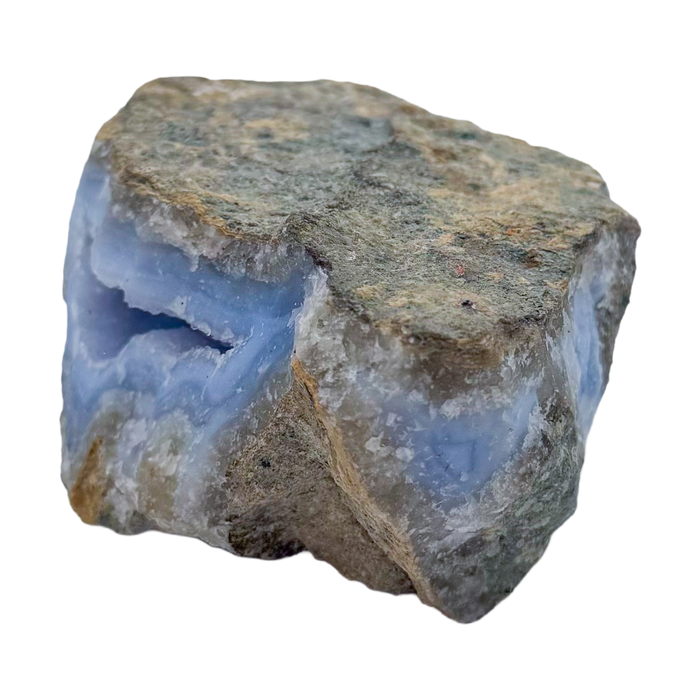
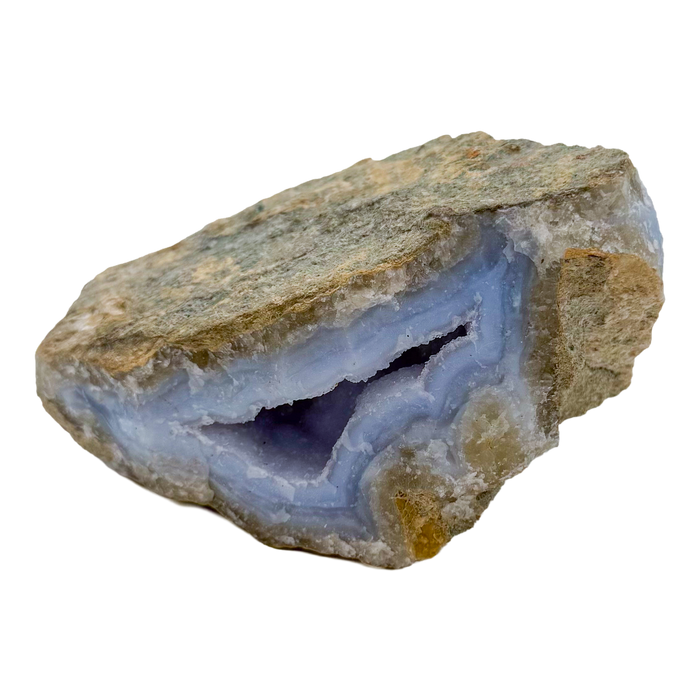
AA Grade | 4.67″ L x 3.23″ W x 2.00″ H
NSIPE, MALAWI
STRESS RELIEF◇EMOTIONAL HEALING◇MEDITATION
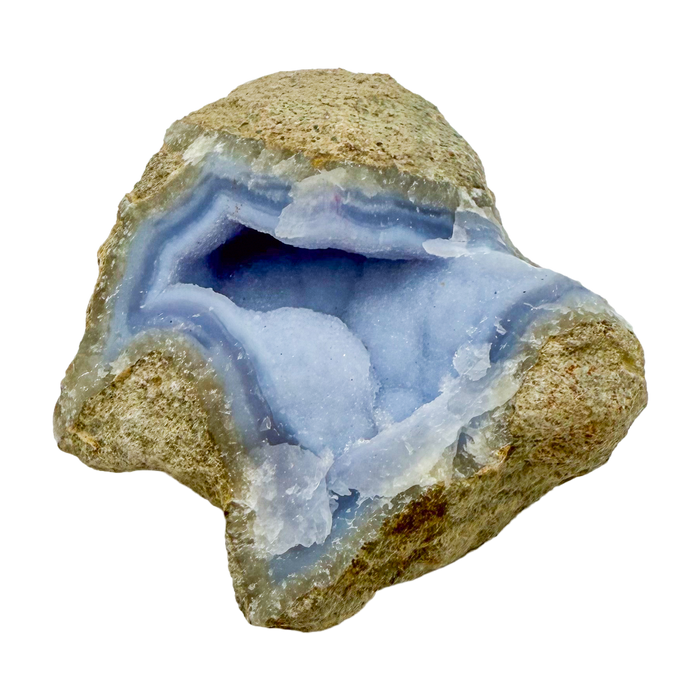
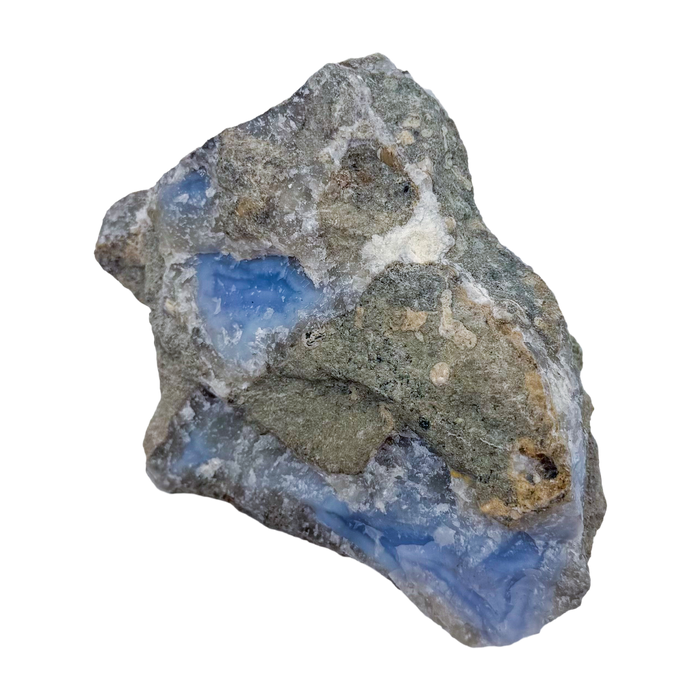
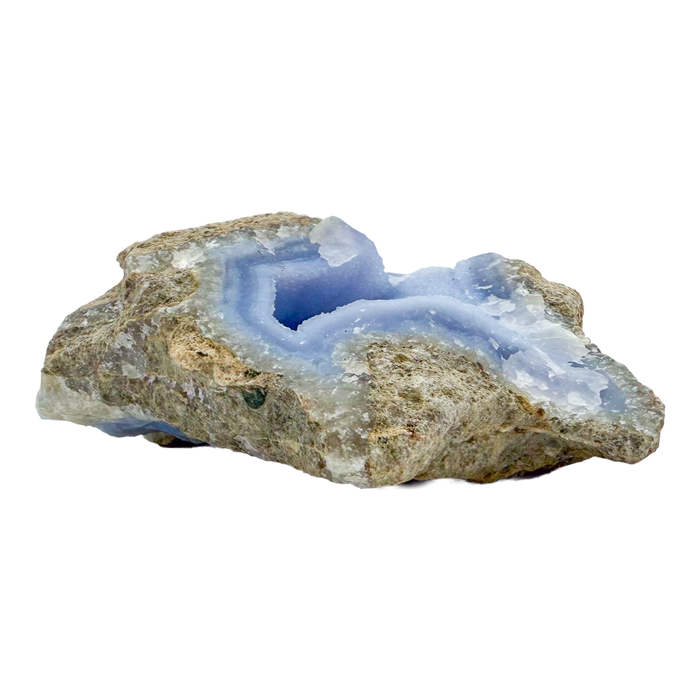
AA Grade | 5.08″ L x 4.04″ W x 2.18″ H
NSIPE, MALAWI
STRESS RELIEF◇EMOTIONAL HEALING◇MEDITATION
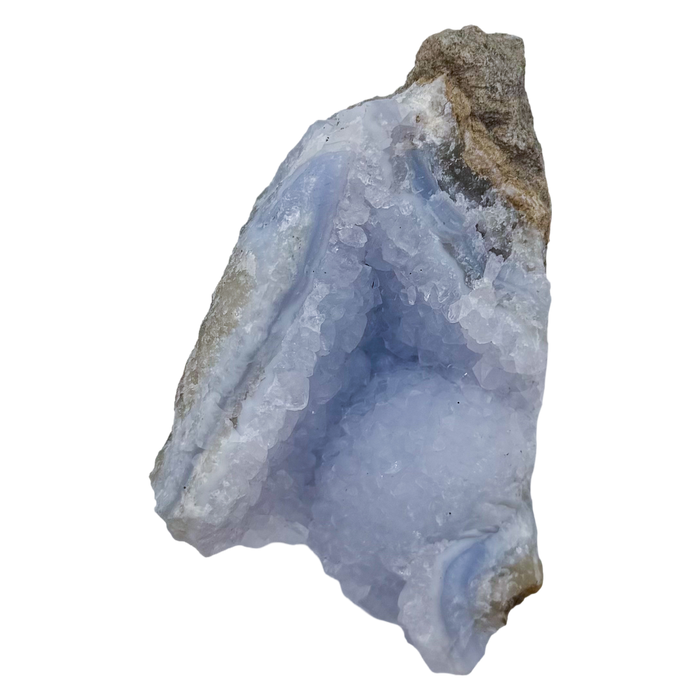
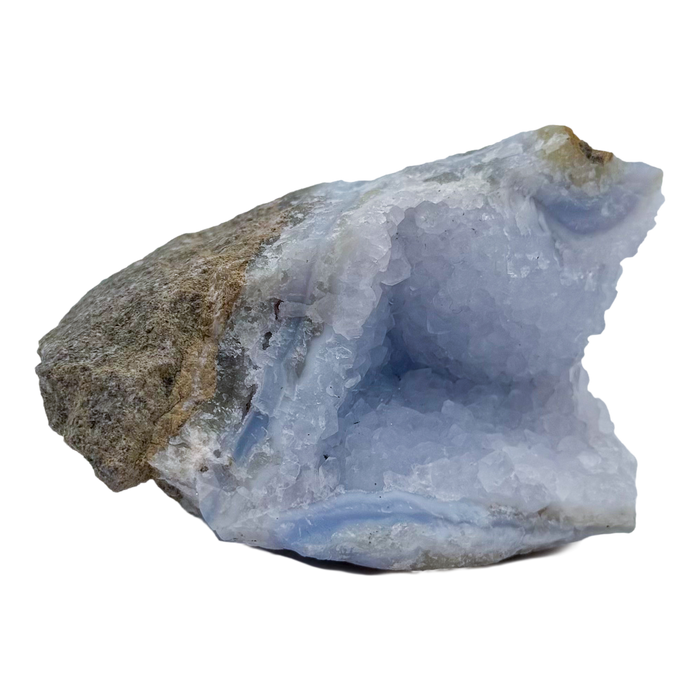
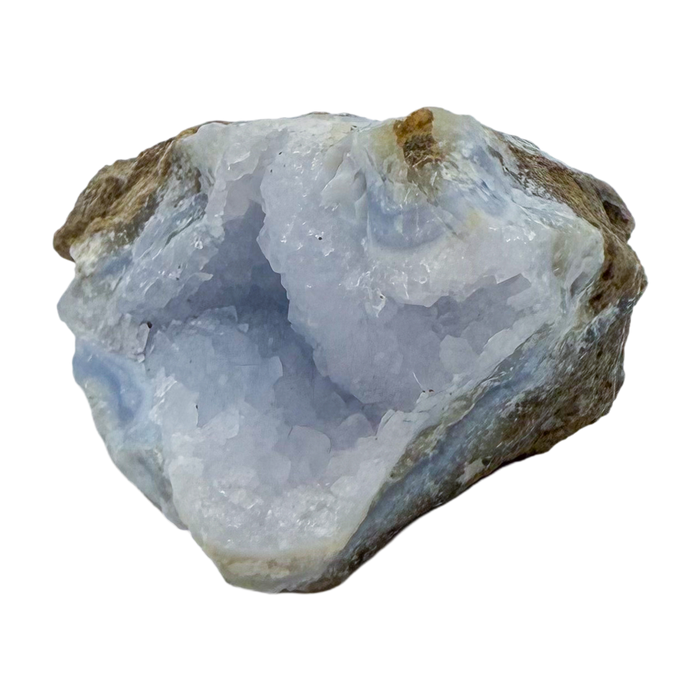
AA Grade | 3.83″ L x 2.87″ W x 2.19″ H
NSIPE, MALAWI
STRESS RELIEF◇EMOTIONAL HEALING◇MEDITATION
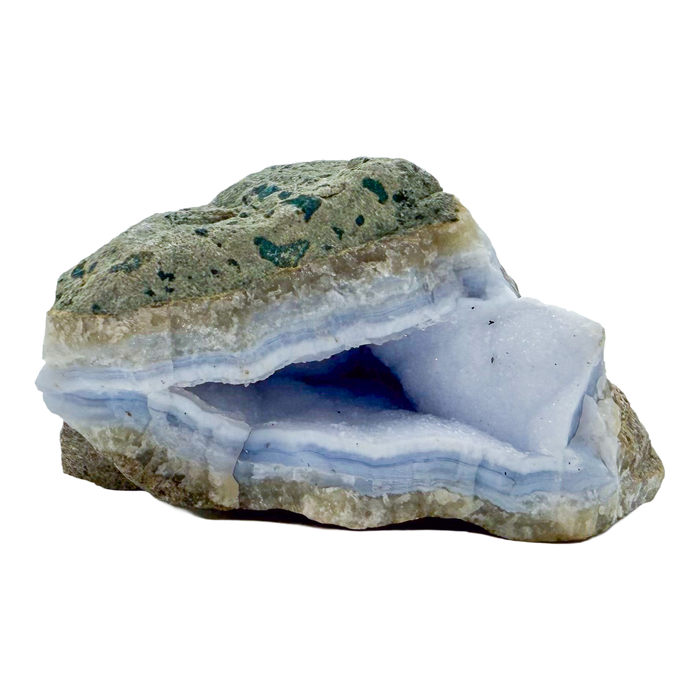
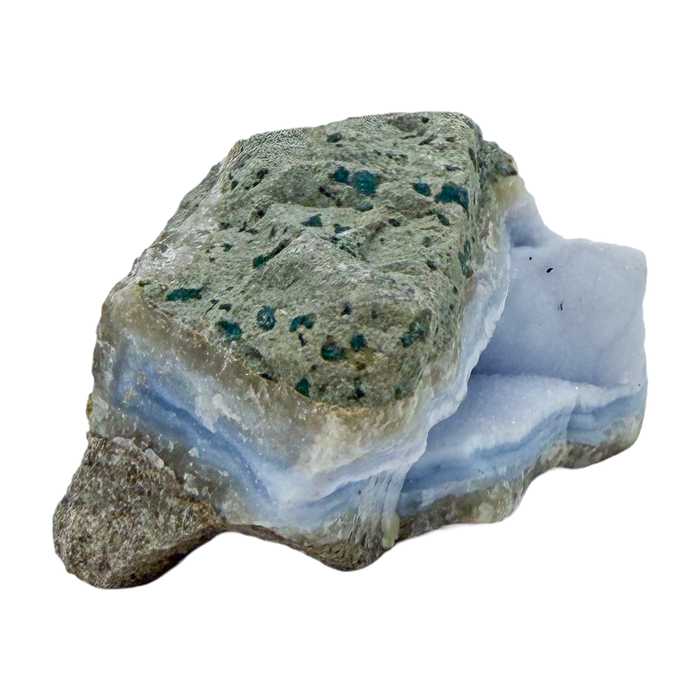
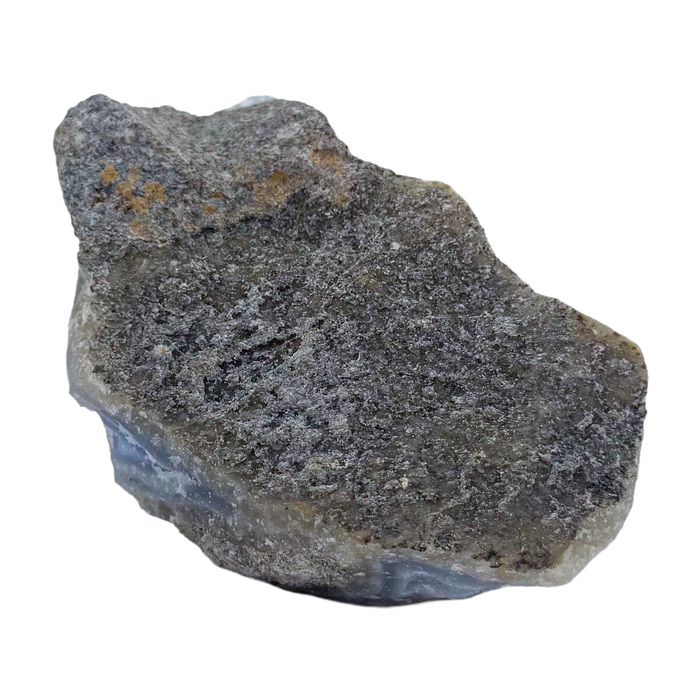
AA Grade | 3.87″ L x 2.50″ W x 2.19″ H
NSIPE, MALAWI
STRESS RELIEF◇EMOTIONAL HEALING◇MEDITATION
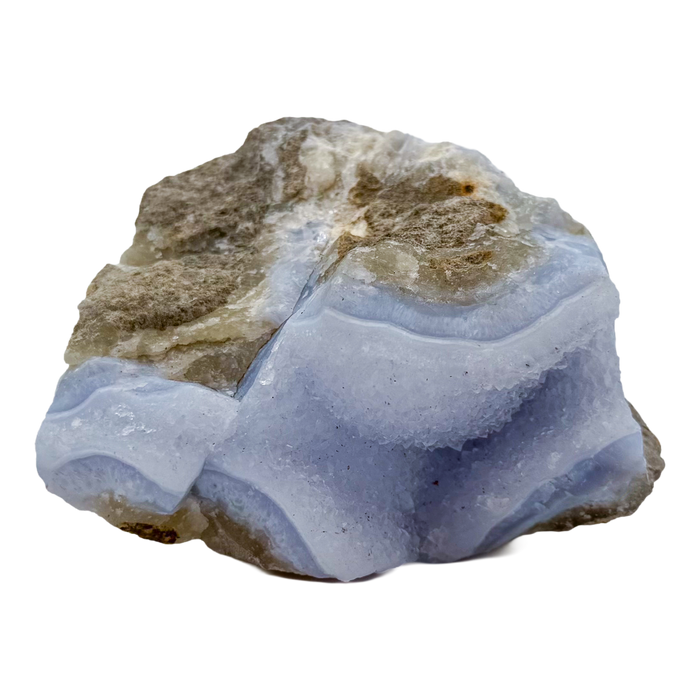
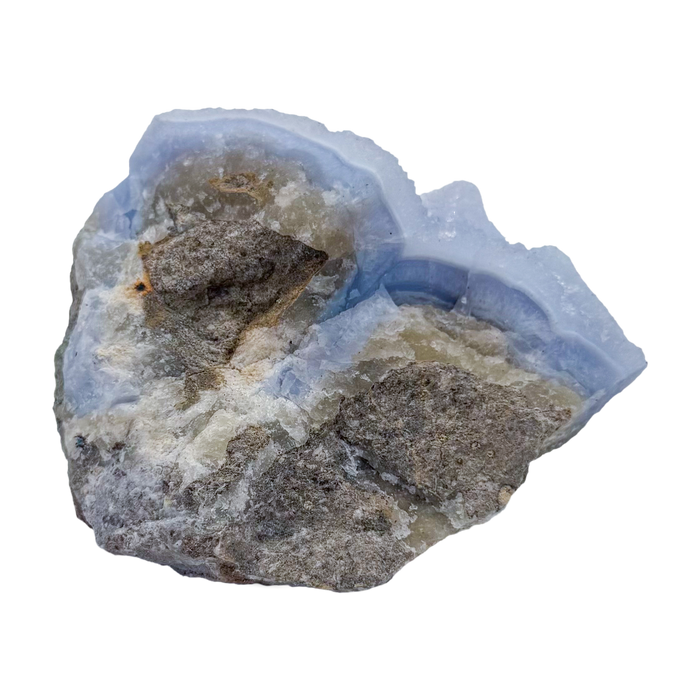
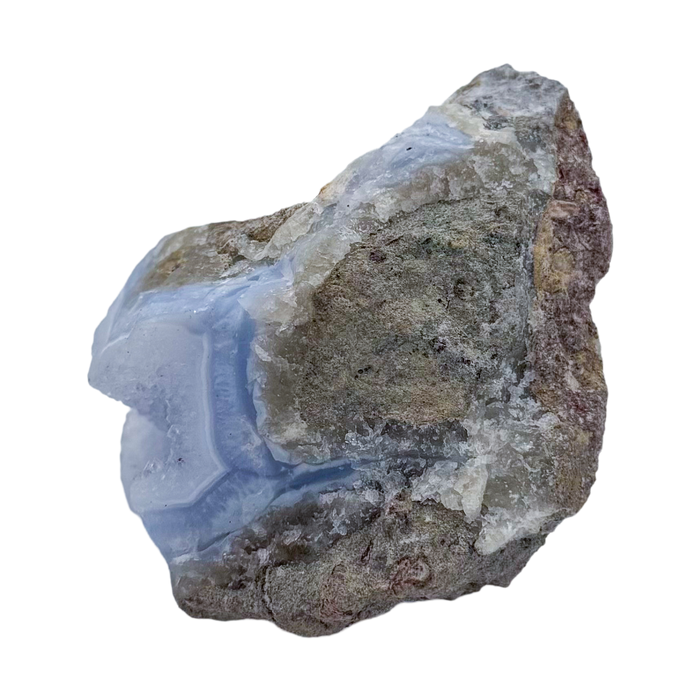
AA Grade | 3.79″ L x 2.91″ W x 1.99″ H
NSIPE, MALAWI
STRESS RELIEF◇EMOTIONAL HEALING◇MEDITATION
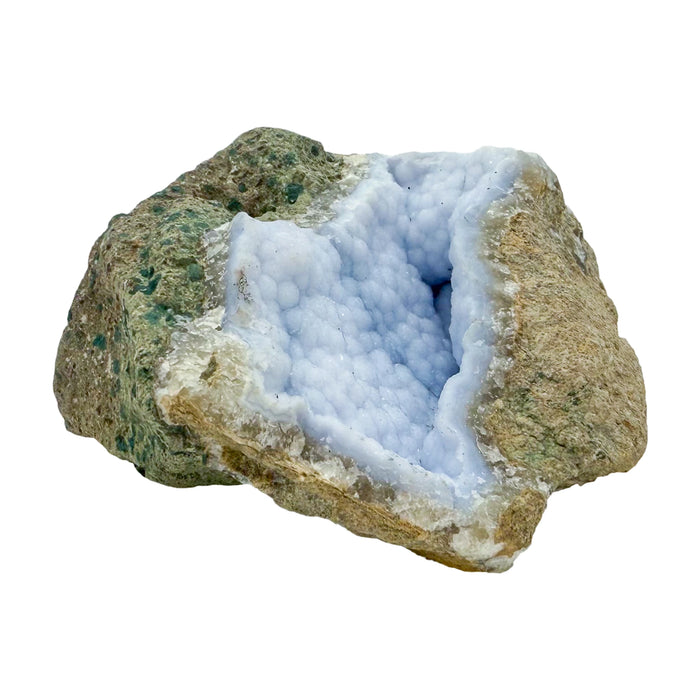
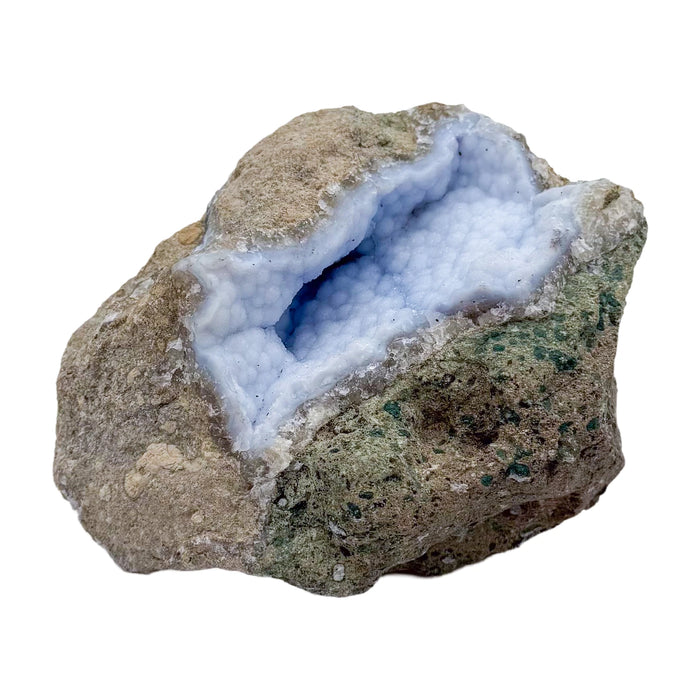
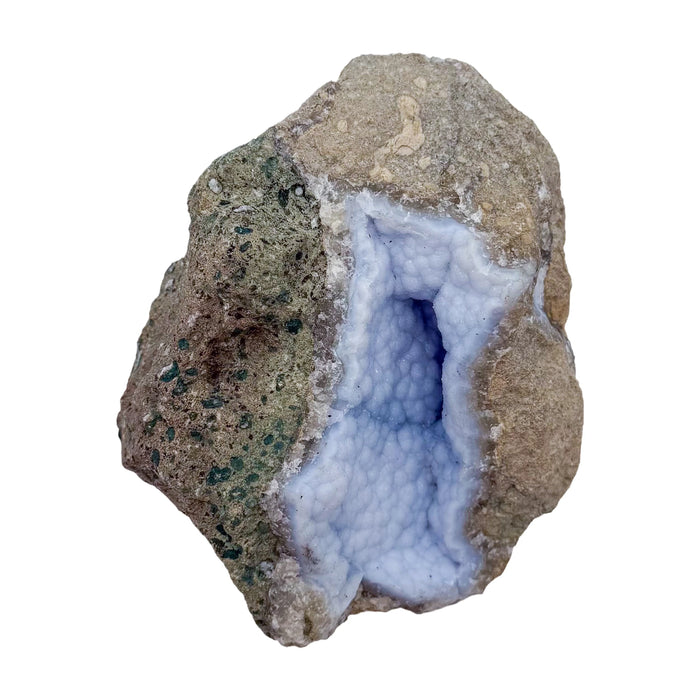
AA Grade | 5.30″ L x 4.15″ W x 3.20″ H
NSIPE, MALAWI
STRESS RELIEF◇EMOTIONAL HEALING◇MEDITATION