


 Agatefor stress relief
 Amazonitefor stress relief
 Aquamarinefor serenity
 Aventurinefor luck
 Bloodstonefor energy
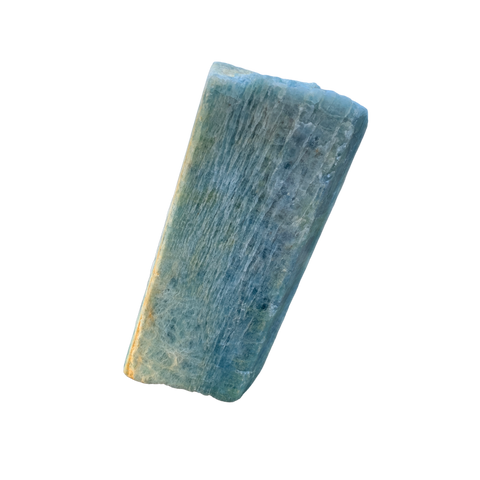
 Blue Kyanitefor confidence
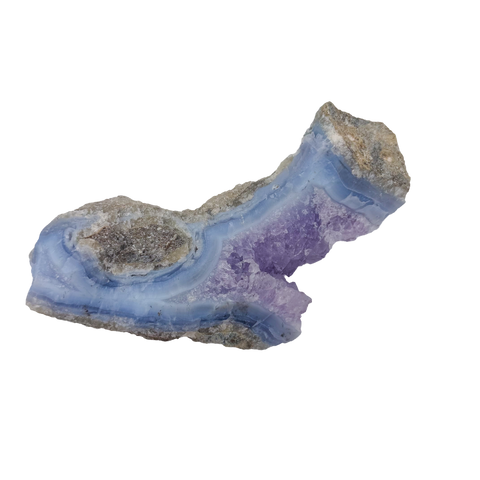
 Blue Lace Agatefor stress relief
 Chrysocollafor emotional healing
 Fluoritefor focus
 Garnetfor energy
 Lepidolitefor stress relief
 Malachitefor emotional healing
 Moonstonefor grounding
 Obsidianfor protection
 Ocean Jasperfor emotional healing
 Red Jasperfor grounding
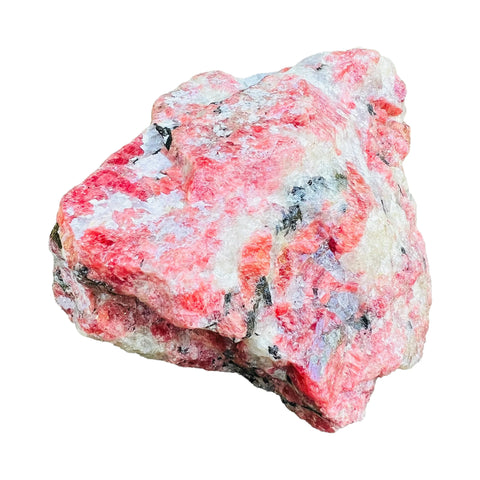
 Rhodonitefor emotional healing
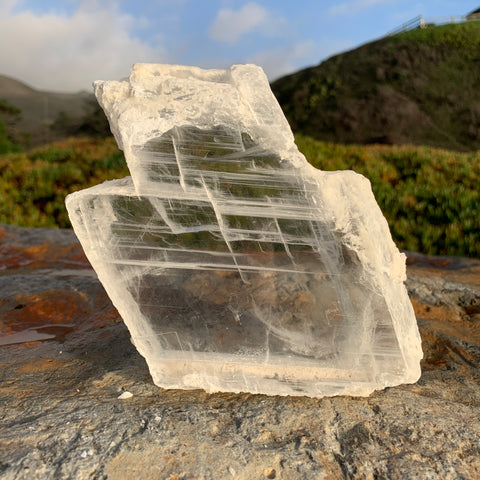
 Selenitefor cleansing
 Sodalitefor focus
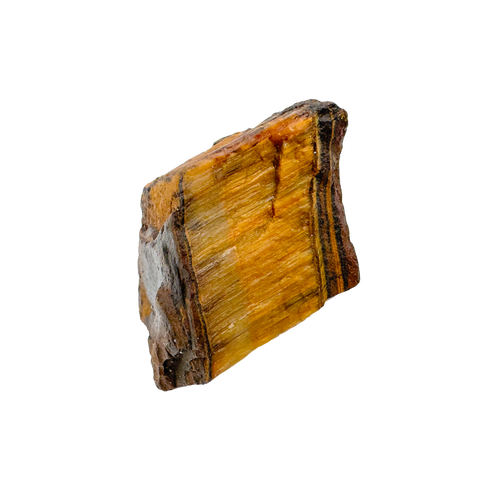
 Tiger Eyefor confidence
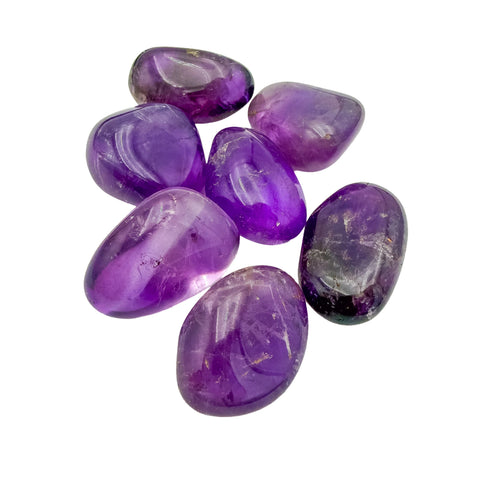


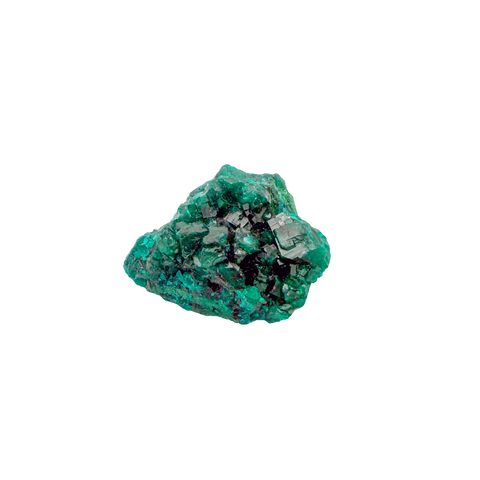
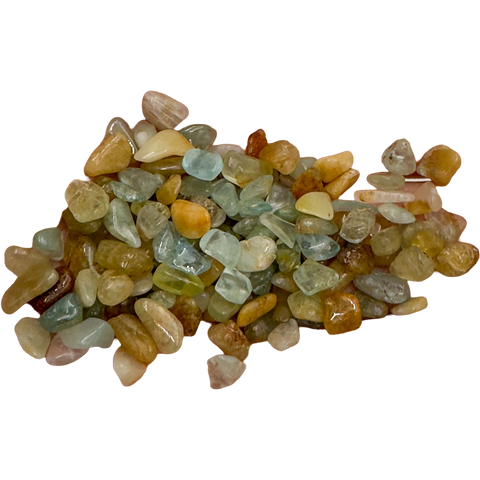
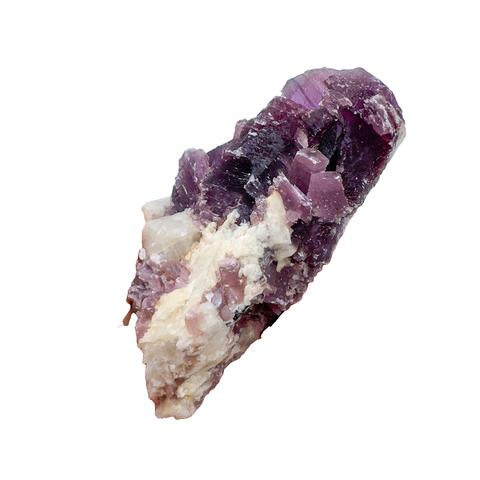
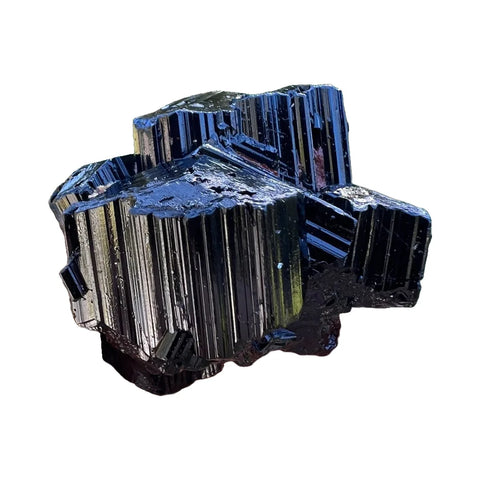
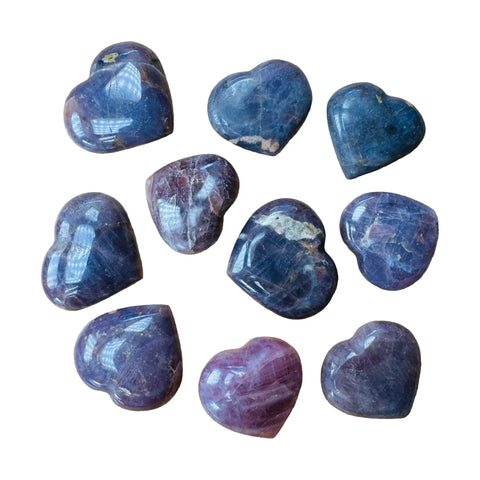
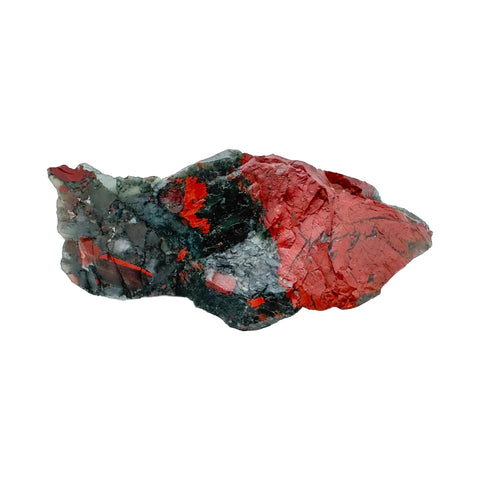
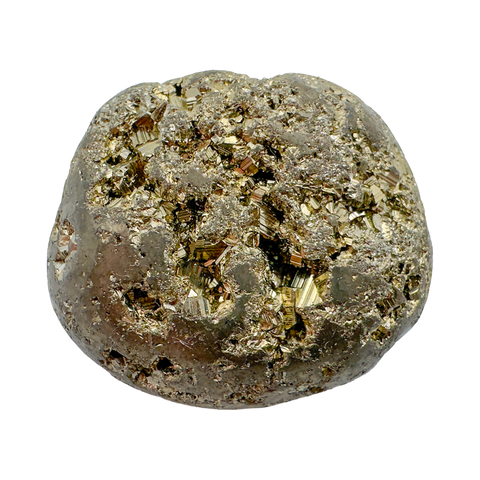
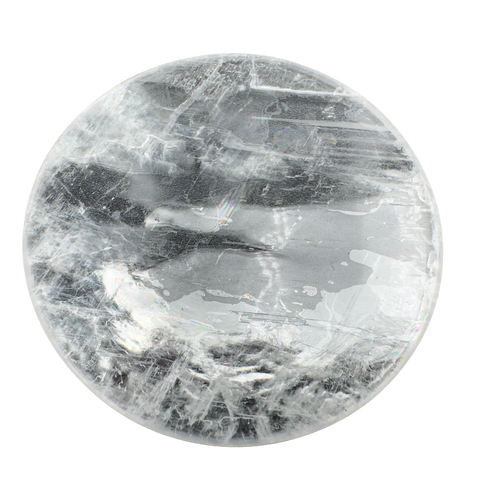


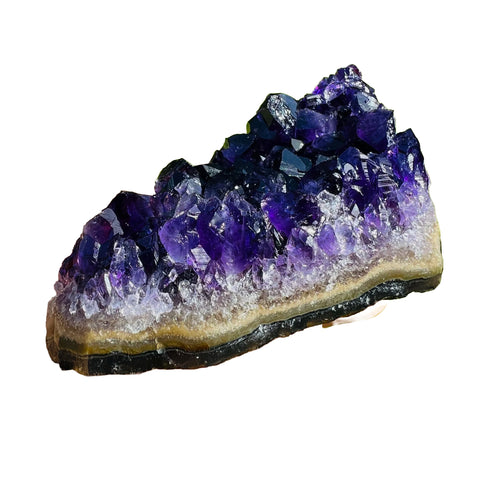






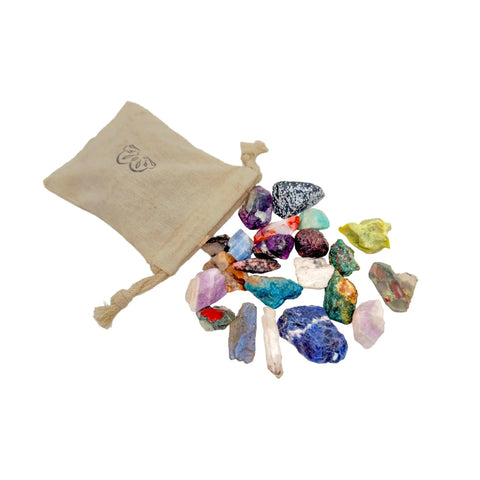
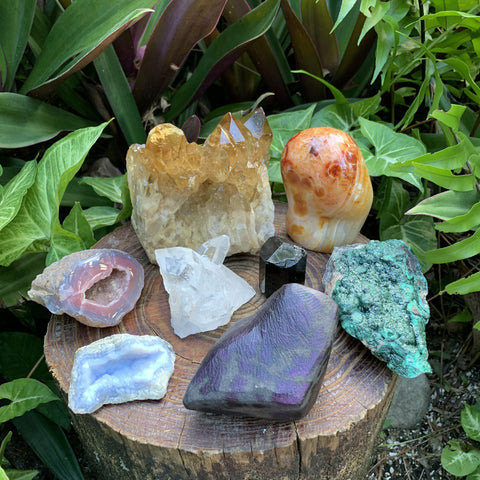
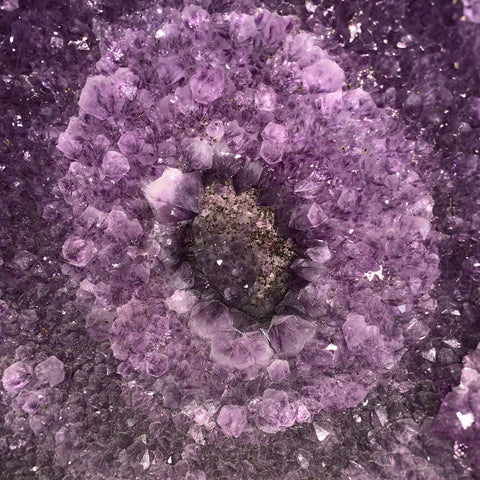
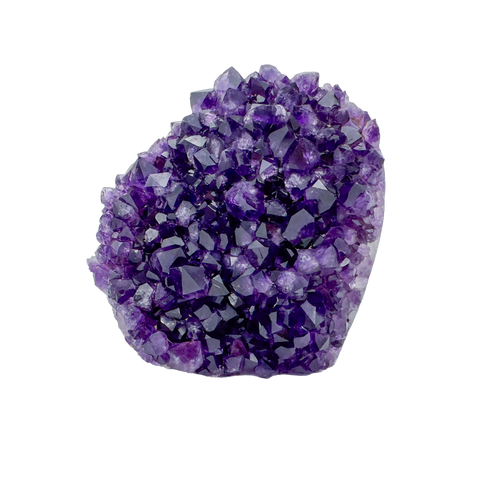
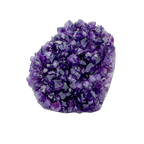 Amethyst
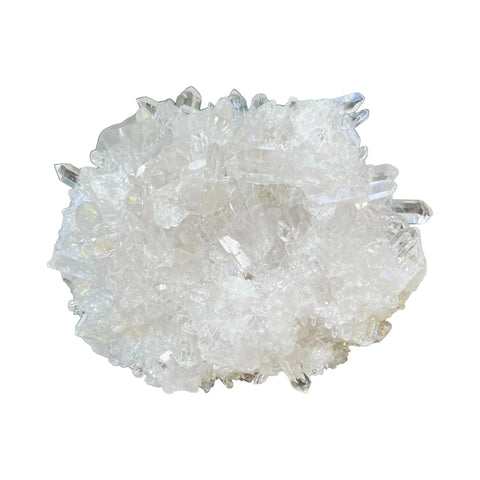
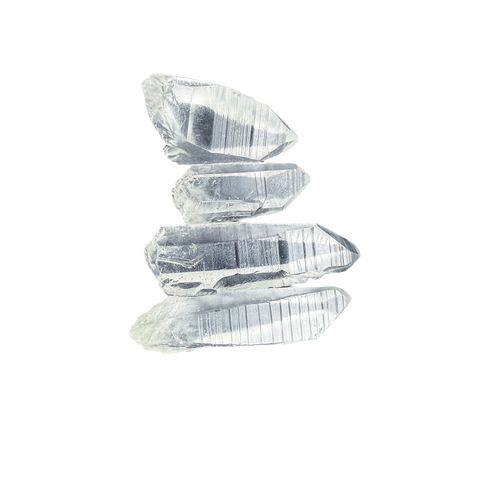
 Clear Quartz
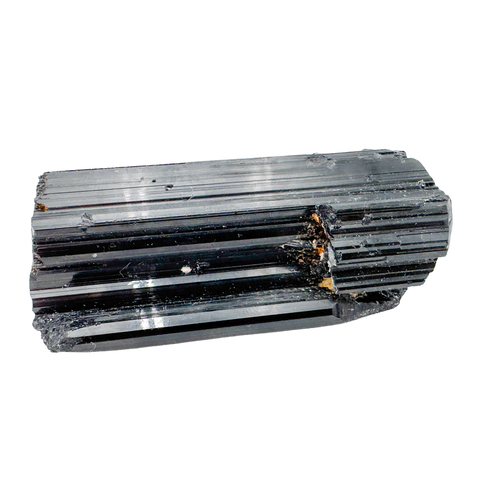
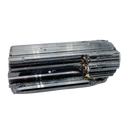 Black Tourmaline
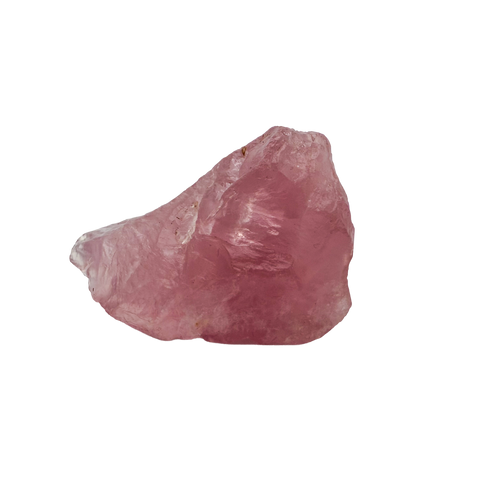
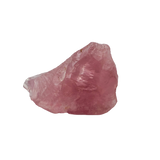 Rose Quartz
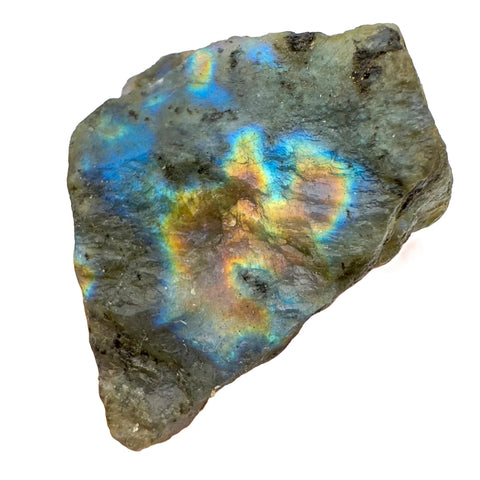
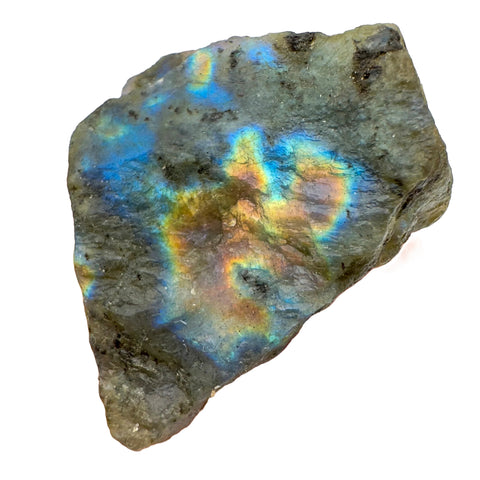
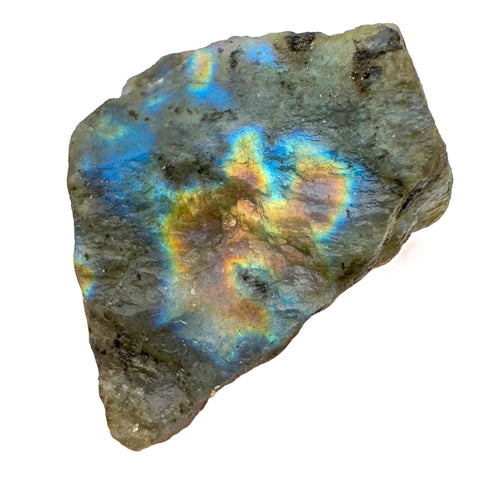
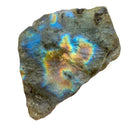 Labradorite
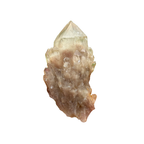 Natural Citrine
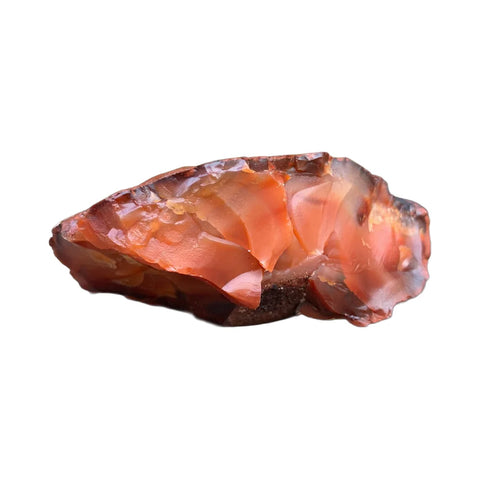
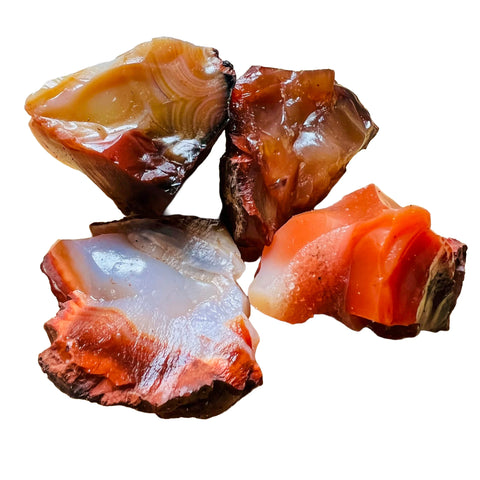
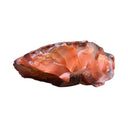 Carnelian
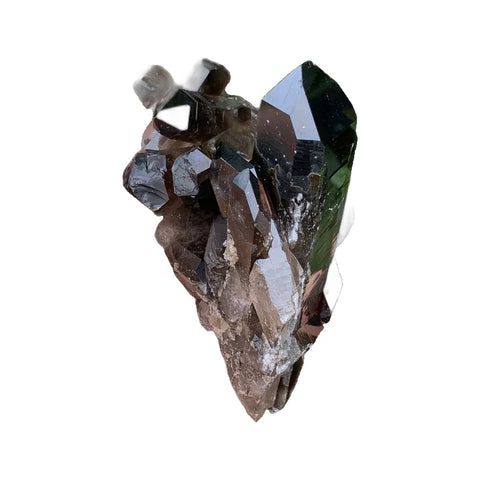
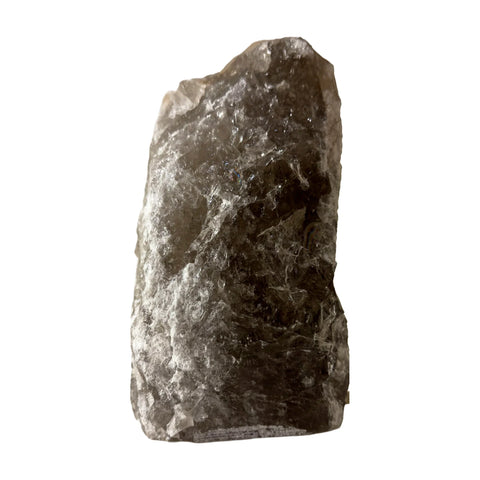
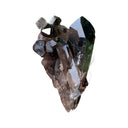 Smoky Quartz
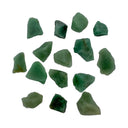 Aventurine
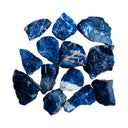 Sodalite
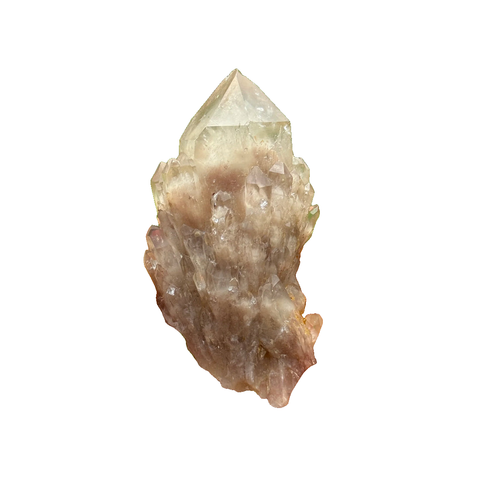
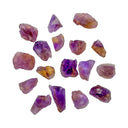 Ametrine
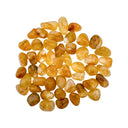 Golden Healer
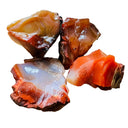 Raw Stones
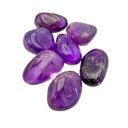 Tumbled Stones
 Palm Stones
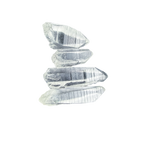 Crystal Points
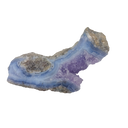 Clusters & Geodes
 Polished & Decor
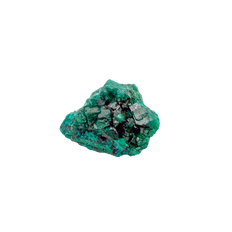 Mineral Specimens
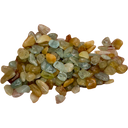 Crystal Chips
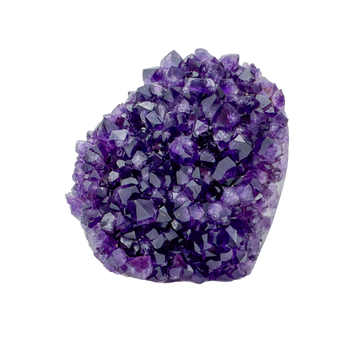
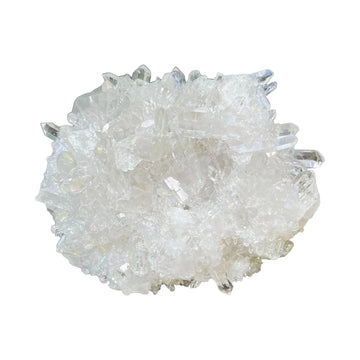
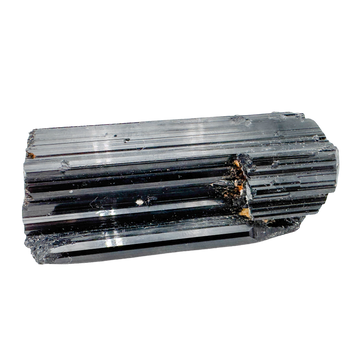
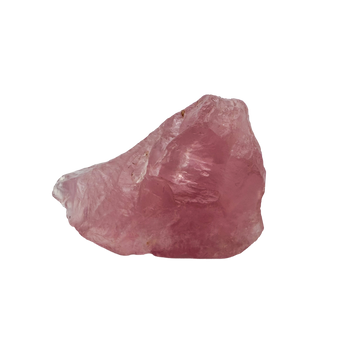
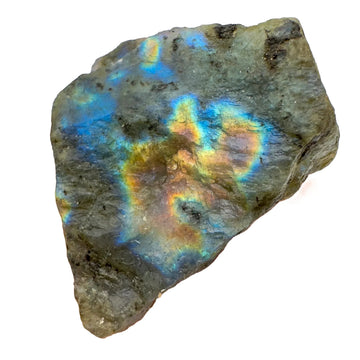
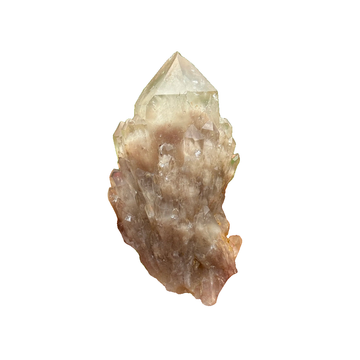
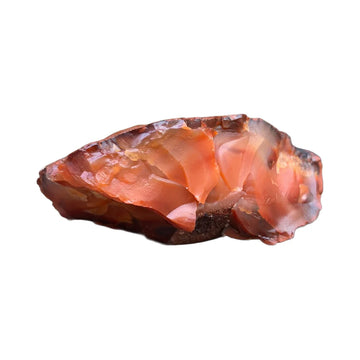
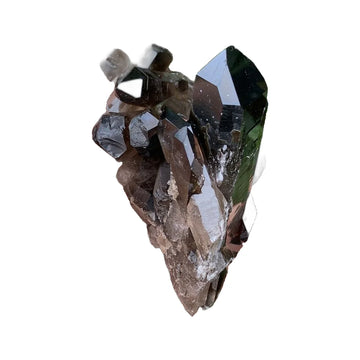
 Raw Stones
179 to choose from
Raw Stones
179 to choose from
 Tumbled Stones
162 to choose from
Tumbled Stones
162 to choose from
 Palm Stones
25 to choose from
Palm Stones
25 to choose from
 Crystal Points
23 to choose from
Crystal Points
23 to choose from
 Clusters & Geodes
96 to choose from
Clusters & Geodes
96 to choose from
 Polished & Decor
146 to choose from
Polished & Decor
146 to choose from
 Mineral Specimens
245 to choose from
Mineral Specimens
245 to choose from
 Crystal Chips
21 to choose from
Crystal Chips
21 to choose from


 AngolaAquamarine
›
AngolaAquamarine
›
 BotswanaCarnelian, Tree Agate
›
BotswanaCarnelian, Tree Agate
›
 DR CongoMalachite, Natural Citrine
›
DR CongoMalachite, Natural Citrine
›
 EswatiniBloodstone
›
EswatiniBloodstone
›
 MadagascarLabradorite, Clear Quartz
›
MadagascarLabradorite, Clear Quartz
›
 MalawiBlue Lace Agate, Garnet
›
MalawiBlue Lace Agate, Garnet
›
 MozambiqueAmazonite
›
MozambiqueAmazonite
›
 NamibiaSodalite, Blue Lace Agate
›
NamibiaSodalite, Blue Lace Agate
›
 Republic of the CongoDioptase
›
Republic of the CongoDioptase
›
 South AfricaTiger Eye, Unakite
›
South AfricaTiger Eye, Unakite
›
 ZambiaChevron Amethyst
›
ZambiaChevron Amethyst
›
 ZimbabweEmerald, Rhodonite
›
ZimbabweEmerald, Rhodonite
›
 ArgentinaBlack Obsidian, Rhodochrosite
›
ArgentinaBlack Obsidian, Rhodochrosite
›
 BoliviaAmetrine
›
BoliviaAmetrine
›
 BrazilAmethyst, Clear Quartz
›
BrazilAmethyst, Clear Quartz
›
 PeruSerpentine, Jade
›
PeruSerpentine, Jade
›
 UruguayAmethyst
›
UruguayAmethyst
›
 Dominican RepublicLarimar
›
Dominican RepublicLarimar
›
 MexicoRainbow Obsidian, Crazy Lace Agate
›
MexicoRainbow Obsidian, Crazy Lace Agate
›
 United StatesSelenite, Peridot
›
United StatesSelenite, Peridot
›
 ChinaFluorite
›
ChinaFluorite
›
 RussiaShungite
›
RussiaShungite
›
 AustraliaMookaite
›
AustraliaMookaite
›
 Where our crystals come from
See where we source →
Where our crystals come from
See where we source →


 Aquarius
Jan 20 to Feb 18
Amethyst
›
Aquarius
Jan 20 to Feb 18
Amethyst
›
 Pisces
Feb 19 to Mar 20
Aquamarine
›
Pisces
Feb 19 to Mar 20
Aquamarine
›
 Aries
Mar 21 to Apr 19
Carnelian
›
Aries
Mar 21 to Apr 19
Carnelian
›
 Taurus
Apr 20 to May 20
Rose Quartz
›
Taurus
Apr 20 to May 20
Rose Quartz
›
 Gemini
May 21 to Jun 20
Agate
›
Gemini
May 21 to Jun 20
Agate
›
 Cancer
Jun 21 to Jul 22
Moonstone
›
Cancer
Jun 21 to Jul 22
Moonstone
›
 Leo
Jul 23 to Aug 22
Citrine
›
Leo
Jul 23 to Aug 22
Citrine
›
 Virgo
Aug 23 to Sep 22
Amazonite
›
Virgo
Aug 23 to Sep 22
Amazonite
›
 Libra
Sep 23 to Oct 22
Blue Lace Agate
›
Libra
Sep 23 to Oct 22
Blue Lace Agate
›
 Scorpio
Oct 23 to Nov 21
Obsidian
›
Scorpio
Oct 23 to Nov 21
Obsidian
›
 Sagittarius
Nov 22 to Dec 21
Sodalite
›
Sagittarius
Nov 22 to Dec 21
Sodalite
›
 Capricorn
Dec 22 to Jan 19
Black Tourmaline
›
Gifting?
A birthday stone is the safe bet.
Read the zodiac guide →
Capricorn
Dec 22 to Jan 19
Black Tourmaline
›
Gifting?
A birthday stone is the safe bet.
Read the zodiac guide →


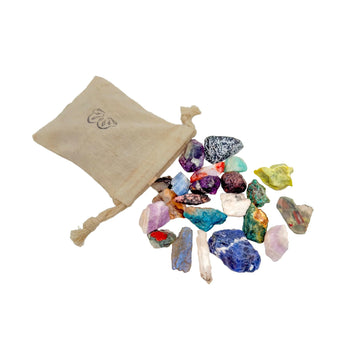
Red Aragonite
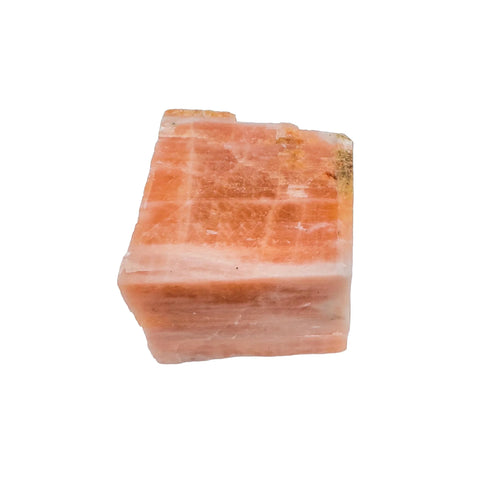
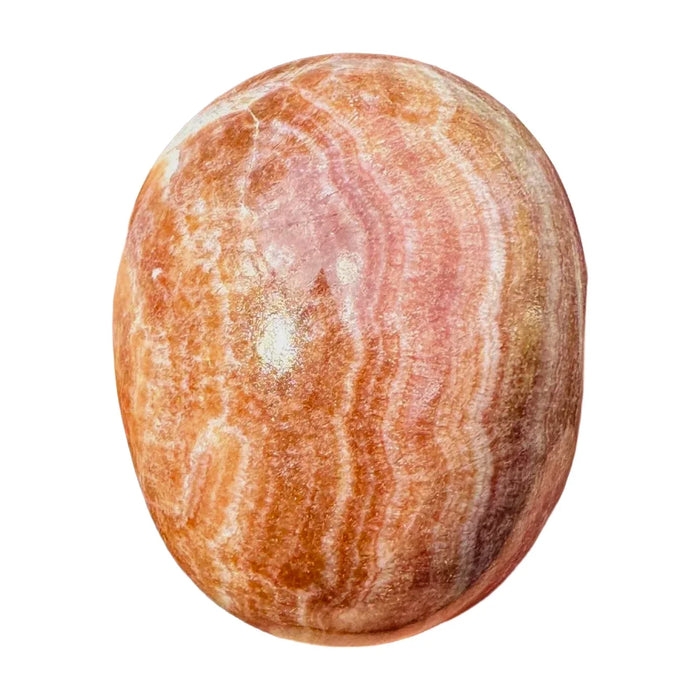
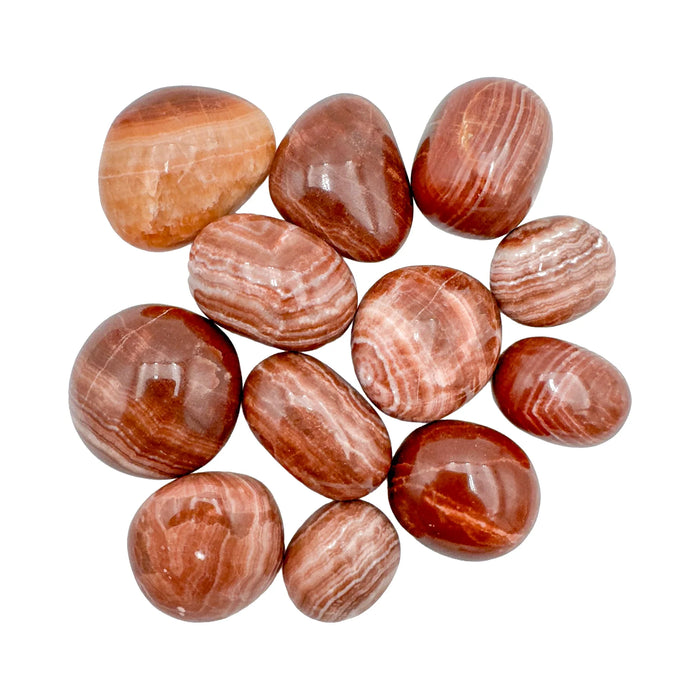
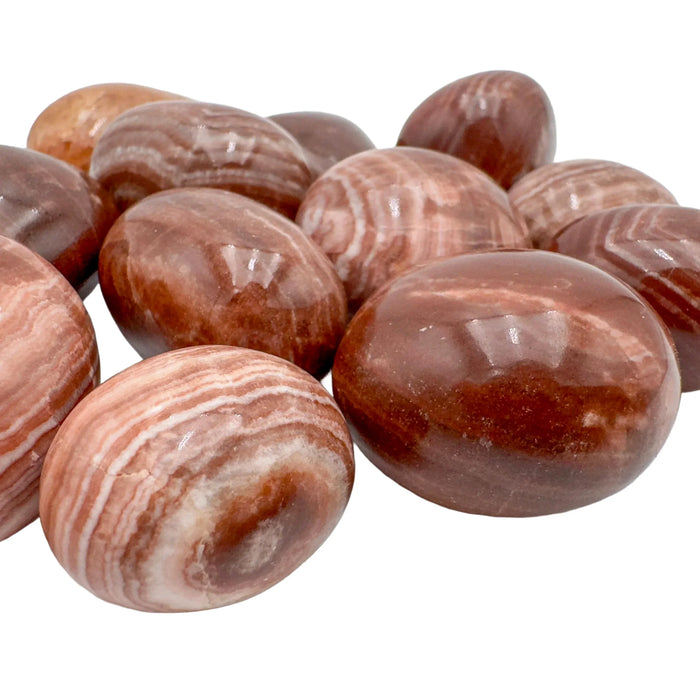
Red Aragonite is a calcium carbonate mineral with a warm reddish-brown color from iron impurities, chemically identical to calcite but with a different crystal structure. Traditionally associated with patience, steady growth, and the grounding work of the root and earth chakras. Often intergrown with calcite in the same piece.
Shop red aragoniteRed Aragonite, in stock now.
From Junín, Peru, ready to ship.
- from 1,000+ reviews
- Ships within 72 hoursMonday to Friday, tracked
- 90 days to return itif you do not love it
- Free US shipping over $99$8.99 flat rate under
The geology.
Red Aragonite is a calcium carbonate (CaCO₃) mineral, the same chemistry as calcite but with a different crystal structure: orthorhombic rather than trigonal. The two are polymorphs, meaning same chemistry, different atomic arrangement. The reddish-brown color comes from iron impurities substituted into the carbonate structure. Aragonite is the less-stable polymorph at surface temperatures and often transforms to calcite over geological time, though many aragonite deposits persist.
Hardness sits at 3.5 to 4 on the Mohs scale. The stone scratches easily with a steel blade and is soft enough to require careful handling. Cleavage is imperfect in one direction. Fracture is subconchoidal. Specific gravity 2.93, denser than calcite. Most commercial Red Aragonite appears as tumbled nodules or massive pieces rather than distinct crystals.
The origins.
Red Aragonite is mined in several commercial producer regions. Peru's Junin region produces much of the small-shop supply, with iron-rich reddish-brown material from carbonate-rich sedimentary deposits. Mexico, Morocco, Spain, Namibia, and the United States (Arizona, New Mexico) also produce commercial Red Aragonite. Each source has a recognizable color signature, though most commercial material reads as warm terracotta to brick red.
Aragonite forms in marine environments, hot springs, and caves where calcium carbonate precipitates under specific conditions. Red Aragonite specifically requires iron-bearing groundwater during formation. The material is distinct from the 'sputnik' or star Aragonite clusters that come from specific Moroccan and Spanish localities.
Traditional associations.
Aragonite was named for Molina de Aragón in Spain, where it was first described scientifically in the eighteenth century, though the mineral itself has been worked in various forms since antiquity. Red Aragonite specifically has no deep distinct cultural tradition; its use in the metaphysical market is a late-twentieth-century development, built on the color (red for root chakra) and the carbonate chemistry (shared with calcite and other stones associated with grounding and earth work).
Many people work with Red Aragonite for patience, steady growth, and the kind of grounding that supports long projects rather than quick fixes. It's associated with the Root and Earth Star chakras, the element of Earth, and the zodiac sign Capricorn. The classic working is as a companion stone for long-term intentions rather than immediate-shift work.
Spotting the real thing.
Real Red Aragonite shows natural reddish-brown color with subtle variation across a single piece. The stone is soft (3.5 to 4 on Mohs), so a steel blade will scratch it. Under magnification, the orthorhombic crystal structure is visible in well-formed specimens; in massive material, aragonite is hard to tell from calcite with simple tests: both leave a white streak and both fizz in acid, though aragonite is denser (2.93 versus 2.71).
The main rare imitation is dyed calcite, which shows uniform color without natural variation and may pool color in fractures. Reputable sellers confirm the species. The softness is diagnostic: anything too hard to scratch with a steel blade isn't Aragonite or Calcite.
Care & handling.
Water safe for brief, gentle rinses with lukewarm water and a soft cloth. Skip long soaks, ultrasonic cleaners, and any acidic cleaners, which can etch the surface. Because Red Aragonite is a carbonate, acidic water will dissolve it slowly. Avoid household cleaners, vinegar, and citrus.
Cleanse energetically with moonlight, sound, smoke, or by placing on selenite. Never use salt, citrus, or acidic cleansing methods. At 3.5 to 4 on the Mohs scale, Red Aragonite is soft and will scratch easily against harder stones. Store in a small pouch on its own and handle carefully.
Pairs well with.
Proof, not promises.
We measure our own sourcing across five dimensions. Supply chain, environmental footprint, artisan support, market integrity, and pricing. The number is honest, not perfect. Where we can do better, we say so.
A deeper look.
Extended geology, sourcing, authentication, history, varieties, and pricing, for when the quick guide isn't quite enough.
Extended geology
Red Aragonite is calcium carbonate (CaCO₃) crystallizing in the orthorhombic system. It's one of three polymorphs of calcium carbonate, the others being calcite (trigonal, most common) and vaterite (rare). Aragonite is less thermodynamically stable than calcite at surface conditions and transforms to calcite over geological time, though many aragonite deposits persist due to formation conditions or impurity stabilization.
The reddish-brown color in Red Aragonite comes from iron impurities (Fe²⁺ or Fe³⁺) substituting into the carbonate structure. Mohs hardness 3.5 to 4. Specific gravity 2.93 (denser than calcite's 2.71). Imperfect cleavage in one direction. Subconchoidal fracture. Luster vitreous to resinous.
Extended sourcing
Peru's Junin region produces significant commercial Red Aragonite, primarily from carbonate-rich sedimentary deposits with iron-bearing groundwater. The material is typically sold as tumbled nodules and polished chunks rather than distinct crystals.
Mexico, Morocco, Spain (Molina de Aragón, for which the mineral is named), Namibia, and the United States (Arizona, New Mexico) produce commercial Aragonite in various colors. Red Aragonite specifically is less common than white or yellow varieties; most iron-colored material comes from Peruvian sources.
Authentication and warning signs
Real Red Aragonite is soft (3.5 to 4 Mohs) and will scratch with a steel blade. Color shows natural variation across a piece. Under magnification, the carbonate structure is visible, and acid reactions (vinegar on a hidden spot) will produce effervescence typical of carbonates. Aragonite is often harder than calcite to distinguish in massive form without chemical or structural tests.
Dyed calcite is the main imitation; dyed pieces show uniform color and may pool dye in fractures. Anything too hard to scratch with a steel blade isn't Aragonite or Calcite. Reputable sellers confirm the species and origin.
Historical and cultural context
Aragonite was named by Abraham Gottlob Werner in the late eighteenth century for the town of Molina de Aragón in Spain. The distinction between Aragonite and Calcite as separate polymorphs of the same chemistry was one of the founding observations of mineralogy, establishing that identical chemistry could produce distinct minerals through different crystal structures.
Red Aragonite has no deep distinct cultural tradition; it shares ancient carbonate mineral traditions with calcite and other carbonates but isn't prominent in pre-modern texts. Contemporary metaphysical practice treats it as a patient grounding stone, combining carbonate associations with root-chakra color symbolism.
Varieties and trade names
Red Aragonite: the iron-bearing reddish-brown variety covered here.
Sputnik Aragonite (Star Aragonite): clusters of radiating crystals, often from Morocco and Spain.
Brown Aragonite: iron-bearing brown variety, close cousin to Red Aragonite.
White Aragonite: pure iron-free material, often used in industrial applications.
Flos Ferri Aragonite: coral-like white variety found in iron mines.
Pricing reality
Tumbled Red Aragonite: 1 to 4 dollars per piece. Small polished shapes: 5 to 15 dollars. Larger polished pieces: 15 to 60 dollars. Specimen-grade clusters: 30 to 200 dollars depending on formation and color quality.
Value drivers: depth of red color, absence of chips, clean polish, and documented origin. Warning signs: dyed calcite sold as Red Aragonite (uniform color, pools in fractures), pieces without origin detail, or material that's too hard to be a carbonate.
Good sourcing is a practice, not a claim.
Nothing we sell is dyed calcite or resin-stabilized material sold as natural Red Aragonite. We name our origins where we can. We walk away from material that doesn't meet our standard, even when it costs us sales.
Bring red-aragonite home.
Collector pieces are photographed individually, and you receive the exact piece shown. Batch stones are sold by the piece or by the pound from the lot pictured, with the same origin and treatment notes on every product page. Browse our full Aragonite collection for related varieties.
Shop the red-aragonite collectionGrounded Connections
New Red Aragonite pieces go to the list first.
No forwarding, no selling. Unsubscribe in one click. Privacy