


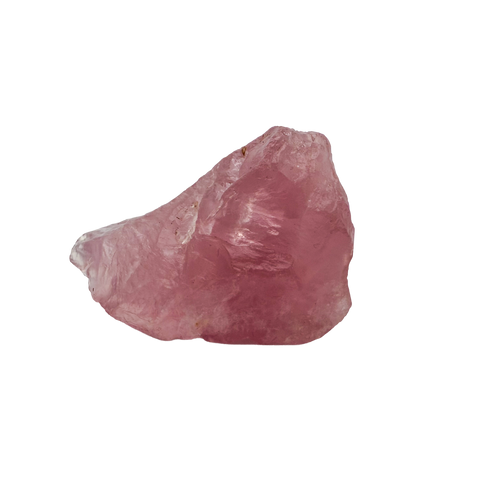
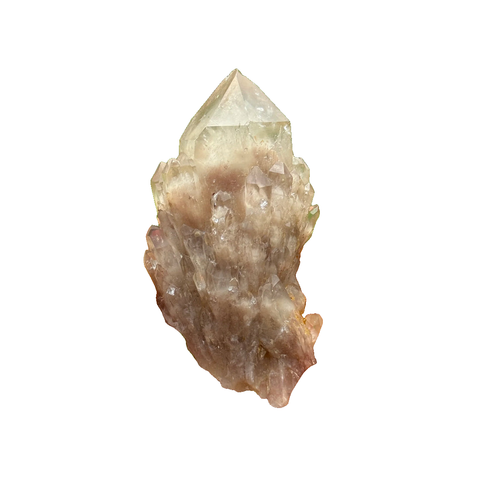
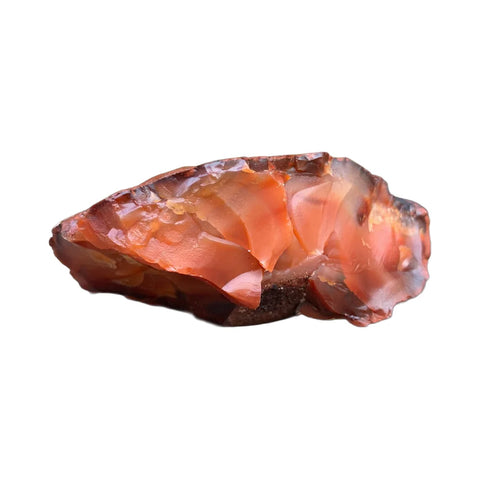
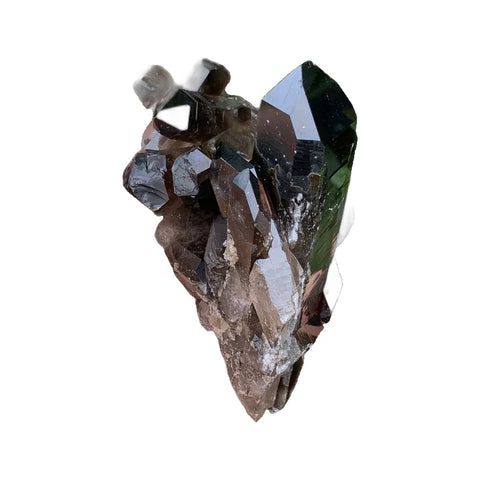
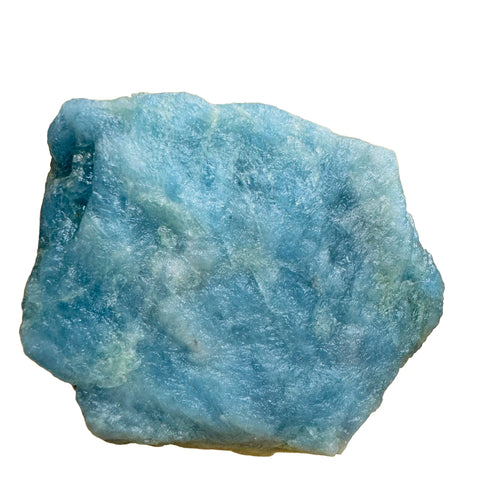
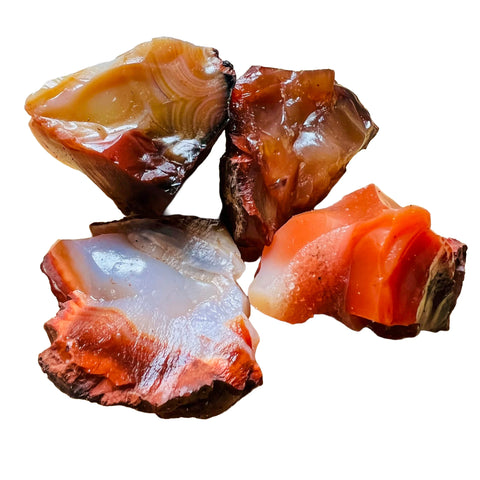


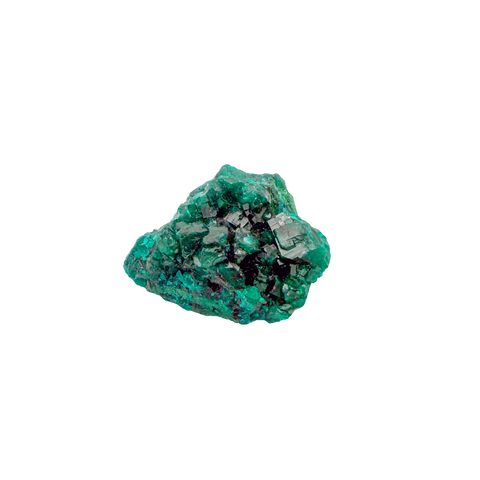
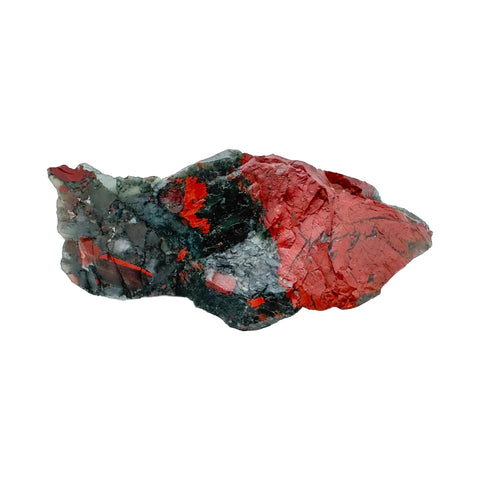
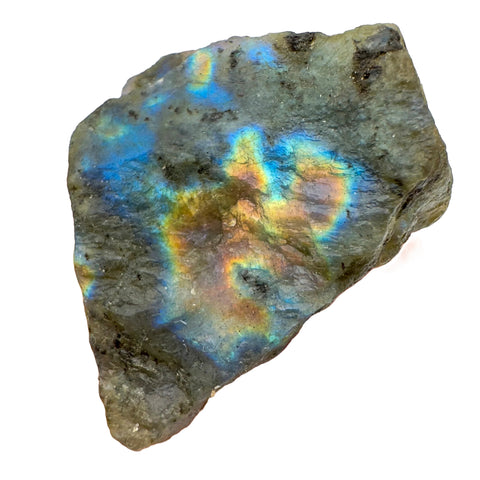
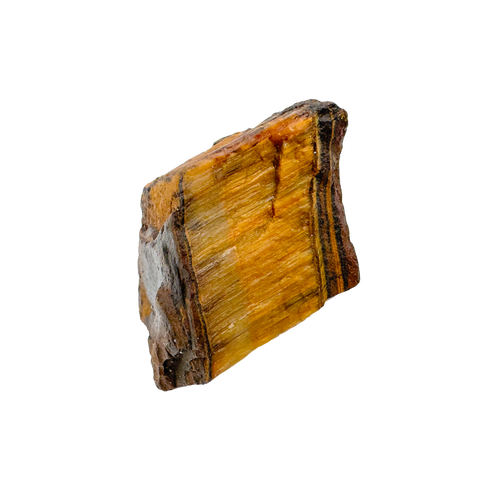
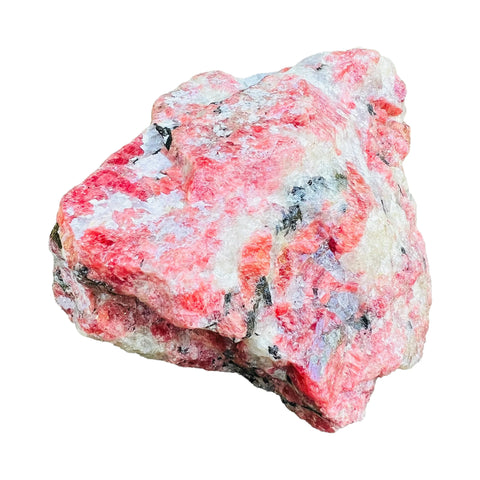
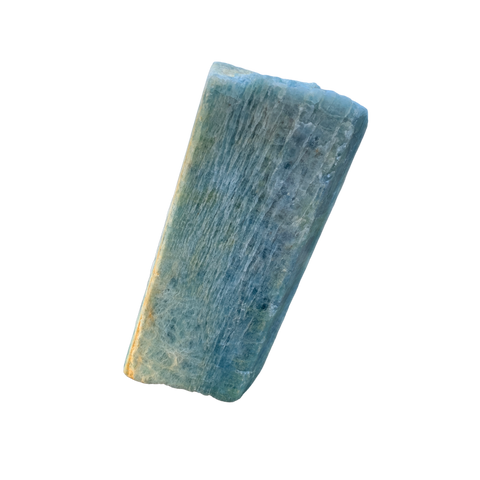
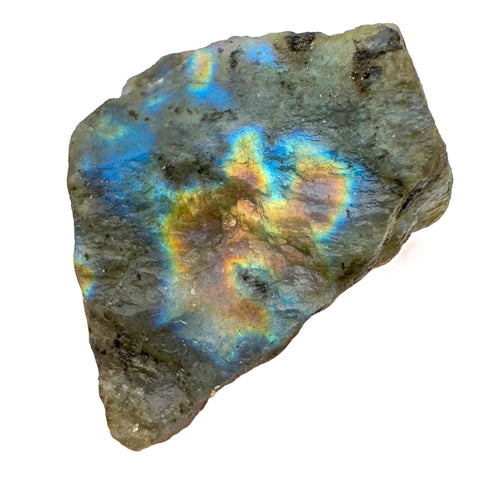
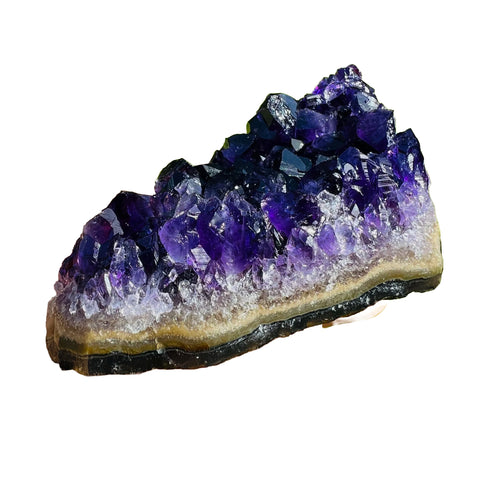



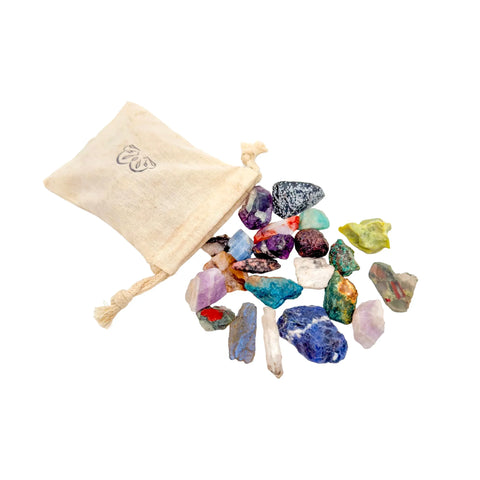
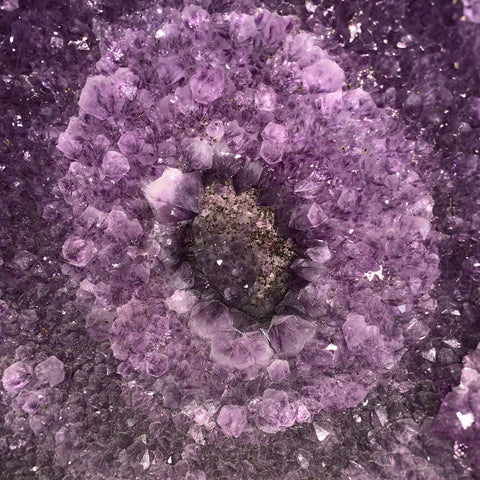
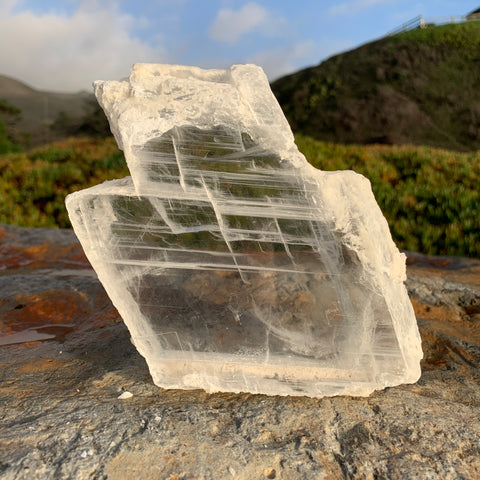

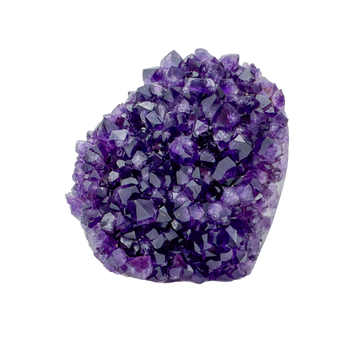
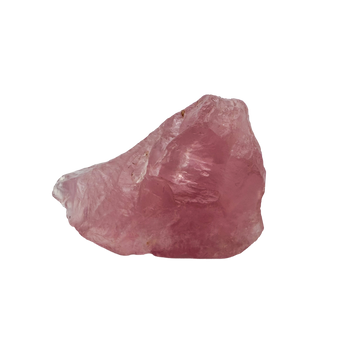
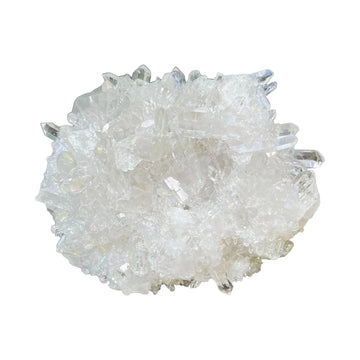
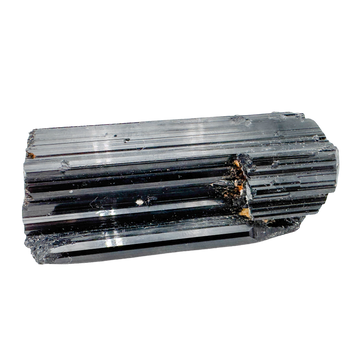
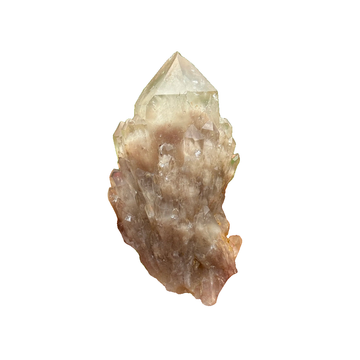
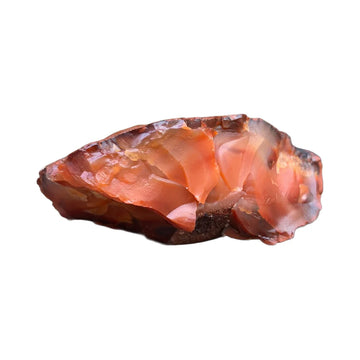
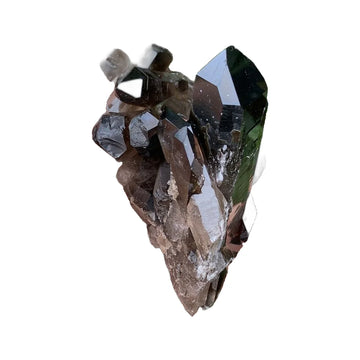
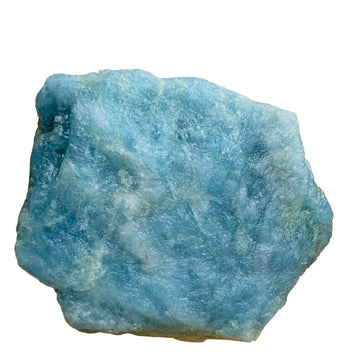
 Raw Stones
179 pieces
Raw Stones
179 pieces
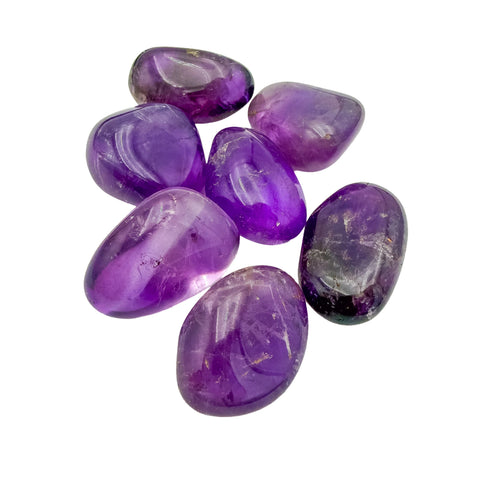
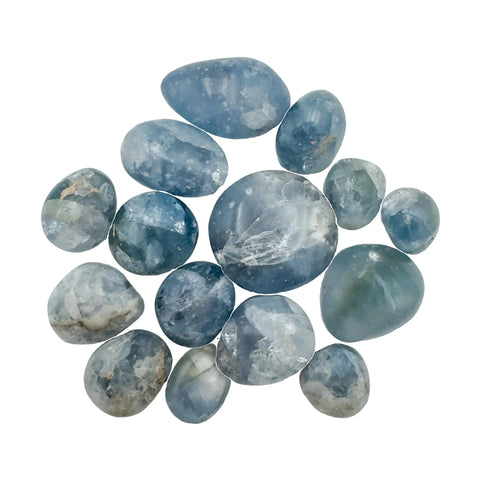
 Tumbled Stones
162 pieces
Tumbled Stones
162 pieces
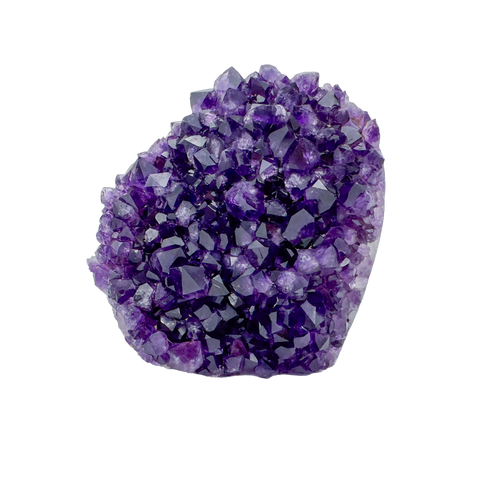
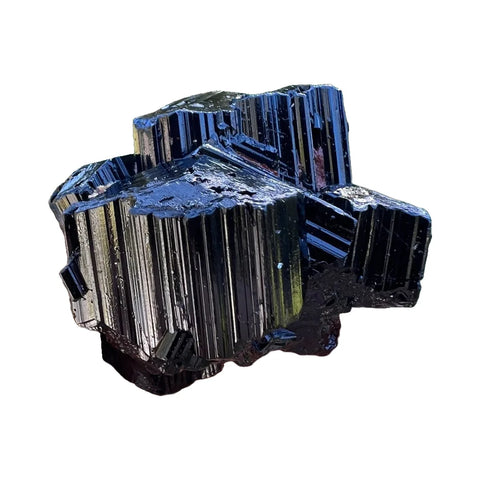
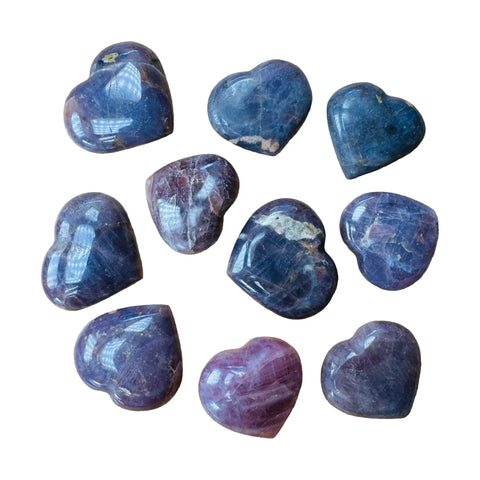
 Palm Stones
25 pieces
Palm Stones
25 pieces
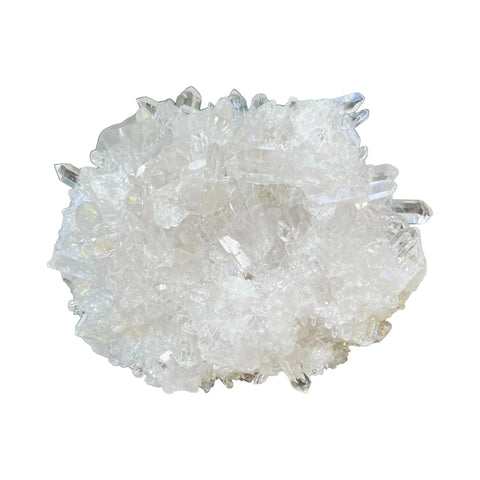
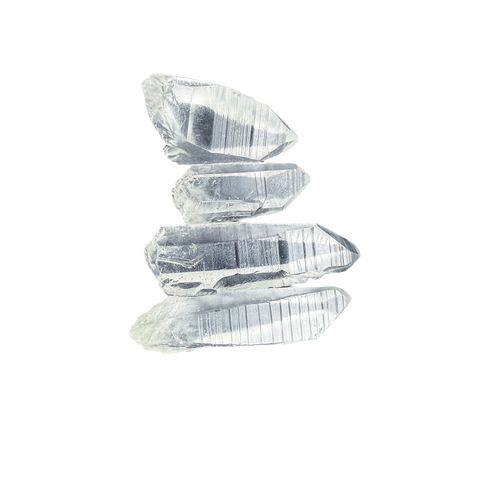
 Crystal Points
23 pieces
Crystal Points
23 pieces
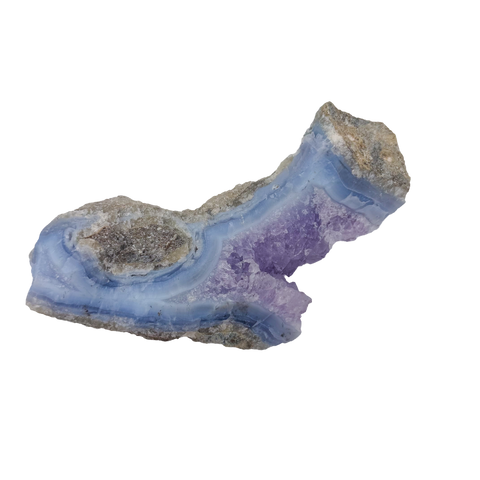
 Clusters & Geodes
104 pieces
Clusters & Geodes
104 pieces
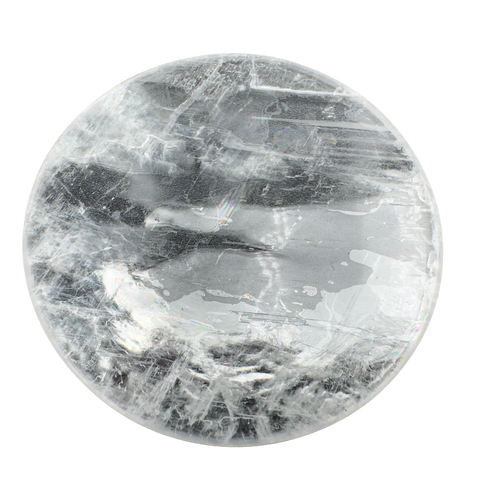
 Polished & Decor
148 pieces
Polished & Decor
148 pieces
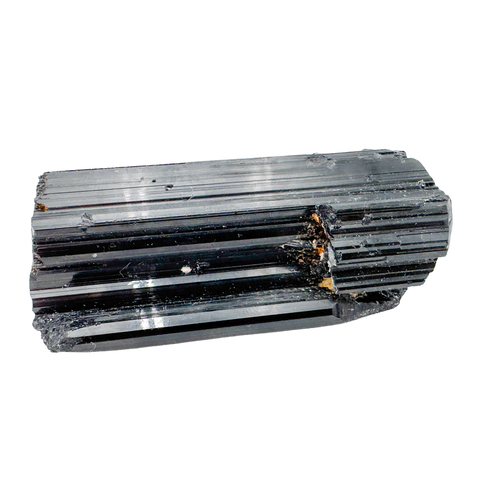
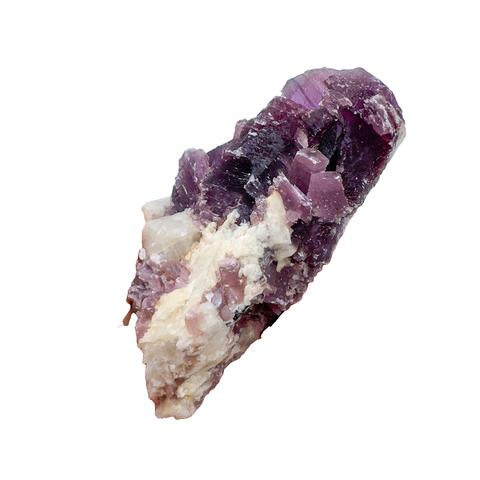
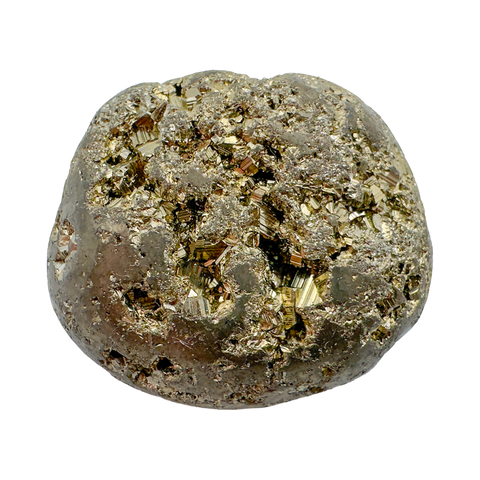
 Mineral Specimens
259 collector pieces
Mineral Specimens
259 collector pieces
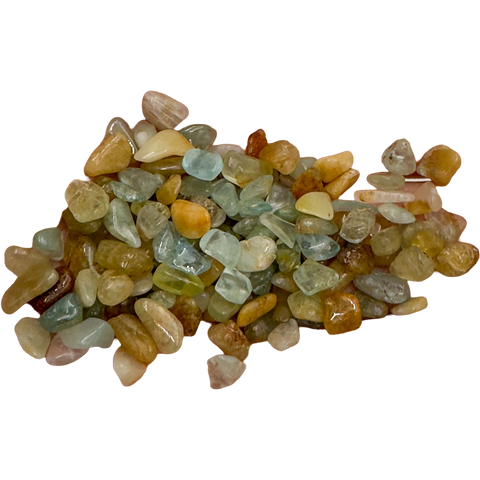
 Crystal Chips
21 pieces
Browse everything
Every collection, one page.
View All Collections →
Crystal Chips
21 pieces
Browse everything
Every collection, one page.
View All Collections →


 Aries
Mar 21 – Apr 19
Carnelian
›
Aries
Mar 21 – Apr 19
Carnelian
›
 Taurus
Apr 20 – May 20
Rose Quartz
›
Taurus
Apr 20 – May 20
Rose Quartz
›
 Gemini
May 21 – Jun 20
Agate
›
Gemini
May 21 – Jun 20
Agate
›
 Cancer
Jun 21 – Jul 22
Moonstone
›
Cancer
Jun 21 – Jul 22
Moonstone
›
 Leo
Jul 23 – Aug 22
Citrine
›
Leo
Jul 23 – Aug 22
Citrine
›
 Virgo
Aug 23 – Sep 22
Amazonite
›
Virgo
Aug 23 – Sep 22
Amazonite
›
 Libra
Sep 23 – Oct 22
Blue Lace Agate
›
Libra
Sep 23 – Oct 22
Blue Lace Agate
›
 Scorpio
Oct 23 – Nov 21
Obsidian
›
Scorpio
Oct 23 – Nov 21
Obsidian
›
 Sagittarius
Nov 22 – Dec 21
Sodalite
›
Sagittarius
Nov 22 – Dec 21
Sodalite
›
 Capricorn
Dec 22 – Jan 19
Black Tourmaline
›
Capricorn
Dec 22 – Jan 19
Black Tourmaline
›
 Aquarius
Jan 20 – Feb 18
Amethyst
›
Aquarius
Jan 20 – Feb 18
Amethyst
›
 Pisces
Feb 19 – Mar 20
Aquamarine
›
Gifting?
A birthday stone is the safe bet.
Read the zodiac guide →
Pisces
Feb 19 – Mar 20
Aquamarine
›
Gifting?
A birthday stone is the safe bet.
Read the zodiac guide →


Calcite
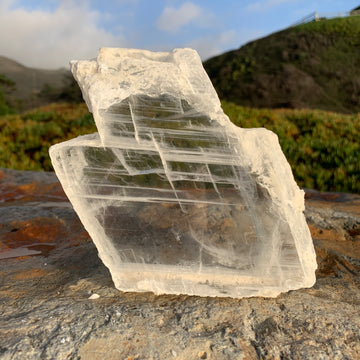
Calcite is a calcium carbonate mineral that comes in a remarkable range of colors and crystal forms. The calcite family includes orange, honey, green, pink mangano, blue, cobalt, red, chocolate, and optical (clear) varieties. Each has slightly different associations, origin regions, and treatment profiles. Most calcite is relatively soft (Mohs 3) and water-sensitive. Commercial calcite comes from Mexico, Brazil, Peru, Morocco, China, and Iceland.
Shop calcite varietiesThe geology.
Calcite is a calcium carbonate mineral with the chemical formula CaCO3, crystallizing in the trigonal (rhombohedral) crystal system. The calcite family is large and includes varieties that form under different conditions and in different parts of the world. What unites them is the crystal structure and the basic composition. What separates them are the trace metals that color the stone: iron, copper, cobalt, and manganese each create distinct hues.
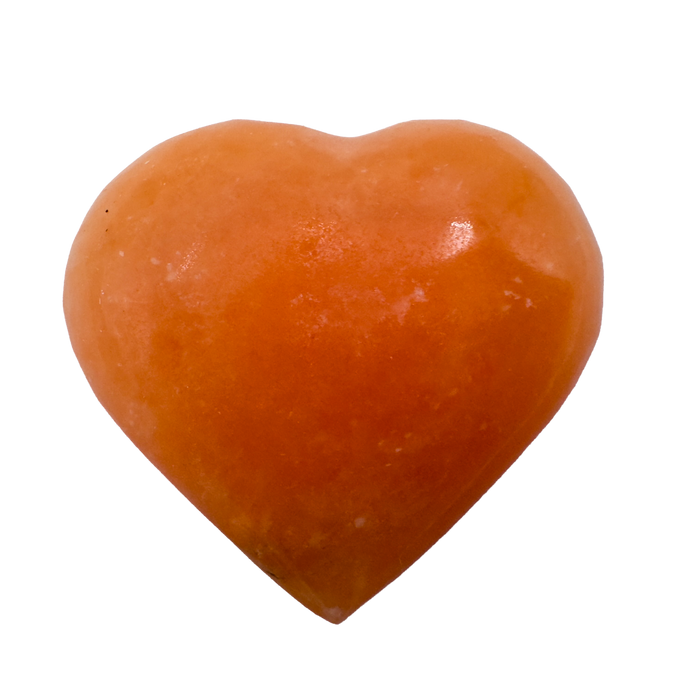
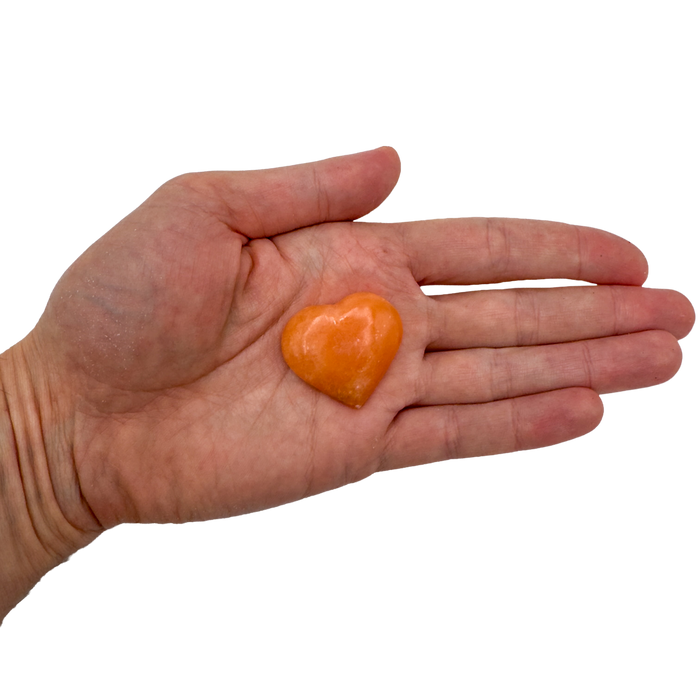
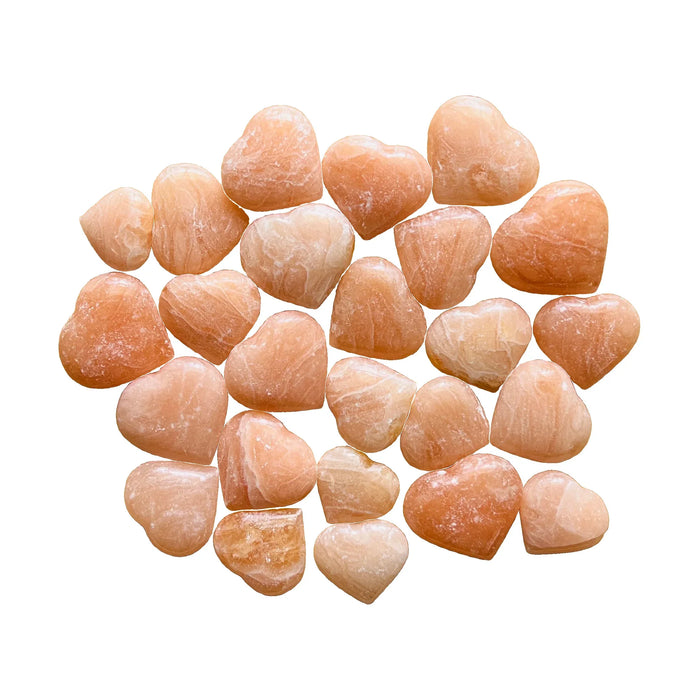
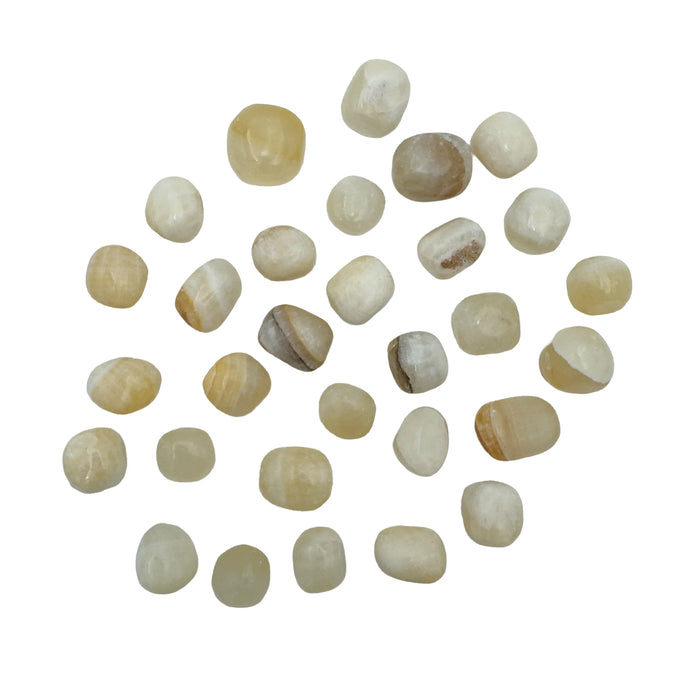
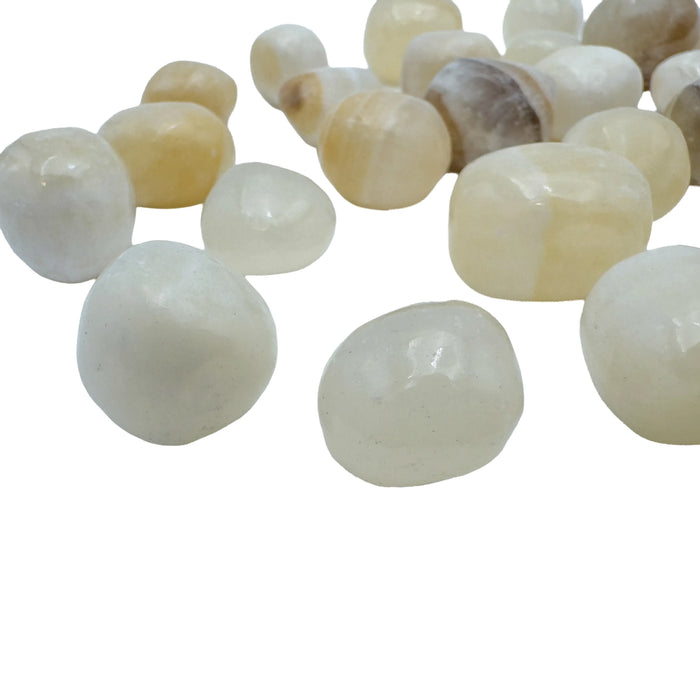
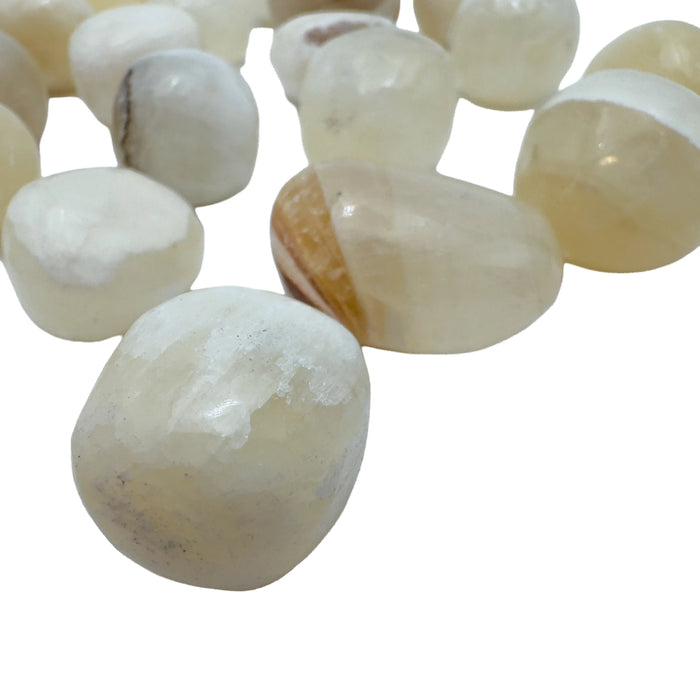
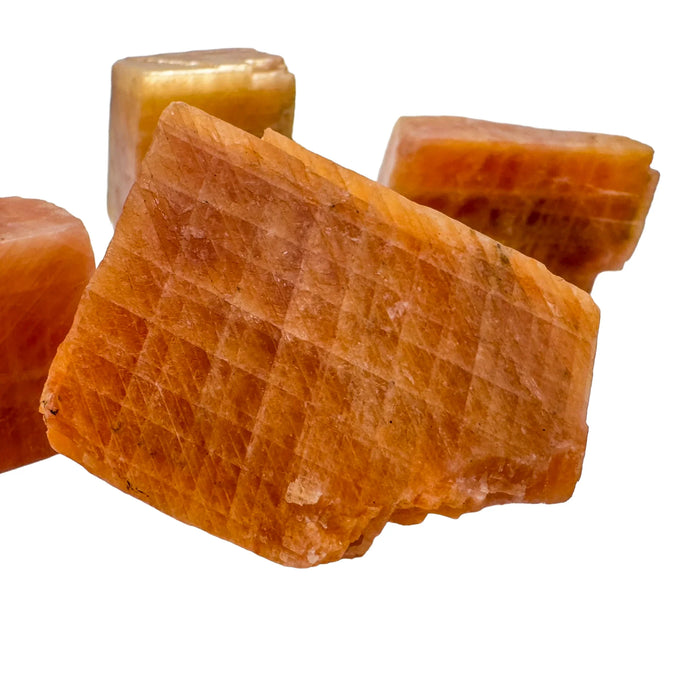
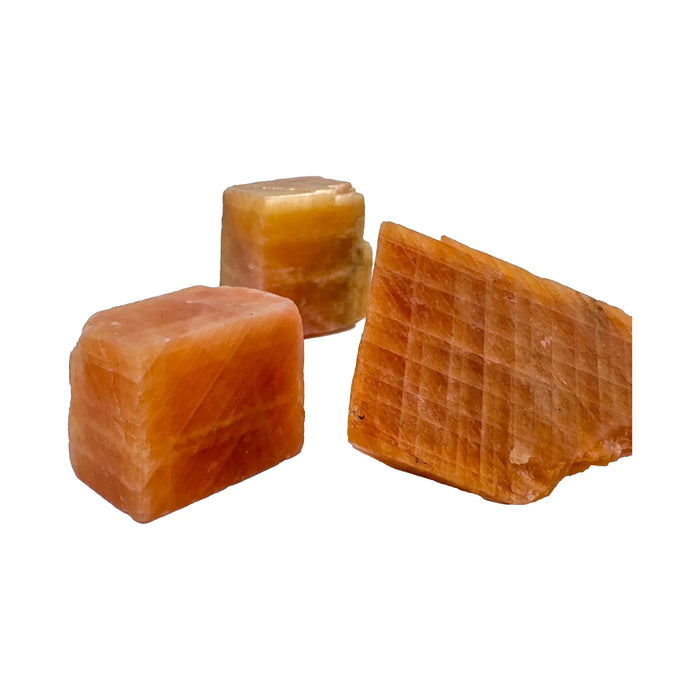
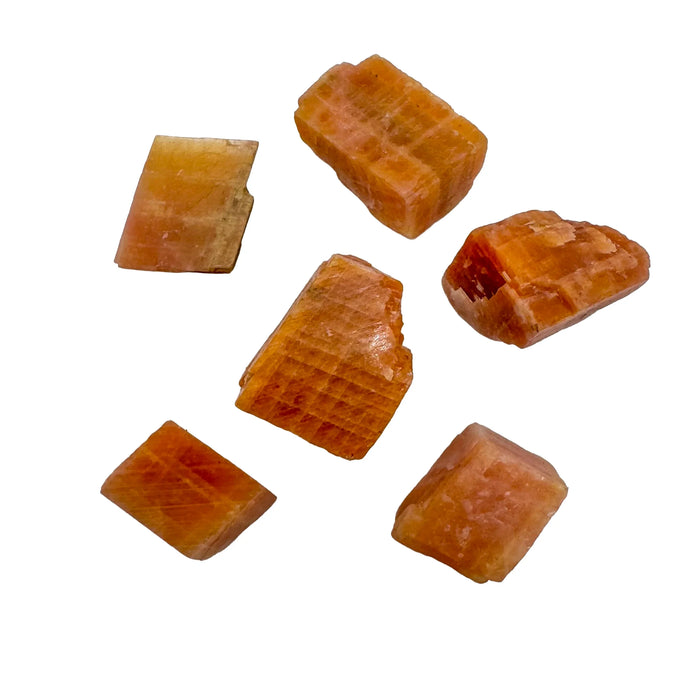
Orange calcite and honey calcite contain iron oxides that give them warm, peachy to golden tones. Green calcite incorporates nickel or iron in different proportions. Pink mangano calcite gets its soft rose color from manganese. Blue calcite forms from copper compounds. Cobalt calcite is dyed or treated to achieve its vivid pink or purple, making it the calcite family member most likely to carry aftermarket enhancement. Optical calcite, or Iceland Spar, is the clear or near-clear variety prized for birefringence and rarely treated because clarity is its entire value.
All calcite sits at Mohs 3, making it softer than quartz but harder than some other carbonates. The family characteristic is softness, water sensitivity, and a tendency toward waxy luster. The various colors express the mineral's adaptability and the specific geological conditions where each variety formed.
The origins.
The calcite family is found across the globe. Orange calcite and honey calcite come primarily from Mexico, where pegmatite deposits in regions like Durango and Naica produce abundant material. These warm-toned stones are relatively common in the market and tend toward affordable pricing. Mexico's calcite is usually hand-sorted and polished without additional treatment.
Brazil produces optical calcite, also known as Iceland Spar, along with green and some pale calcite specimens. The material is worked through small-scale mining operations and is often more expensive than Mexican varieties because clarity and optical properties are difficult to achieve and grade. Brazil's calcite deposits have been mined for centuries and remain one of the world's most reliable sources.
Peru supplies blue, pink mangano, and red aragonite calcite varieties. The deposits are mineral-rich and often yield fine specimens. Sourcing from Peru typically involves direct relationships with small cooperatives, which supports local communities but also requires careful vetting to ensure fair compensation and safe mining practices.
Other regions contribute to global supply: Iceland produces optical calcite; Morocco and China supply tumbled and polished calcite for the export market. The quality and labor conditions vary significantly by region. We prioritize the Mexico, Brazil, and Peru sources where we have documented supplier relationships.
Traditional associations.
The calcite family has varied associations because each color carries its own mineral history and cultural context. Orange calcite is traditionally worked with for warmth, creative flow, and gentle abundance. Honey calcite is associated with clarity and calm decision-making. Green calcite is linked to heart work and emotional balance. Pink mangano calcite connects to compassion and gentleness. Blue calcite pairs with throat-chakra work and quiet communication. Cobalt calcite, though often treated, carries associations with spiritual clarity and intuition in modern practice.
What unites all calcite varieties is their softness as a metaphor. Many people work with calcite when they want support that feels gentle rather than forceful, when they're seeking flow rather than resistance, and when they need a reminder that softness can be a form of strength. The family is modern in its current metaphysical associations, becoming popular in crystal work in the latter half of the 20th century.
Each variety has its own chakra link and traditional intention. The way to work with a specific calcite is to start with the one whose color calls you, learn its associations, and see what shifts in your practice. Calcite family members work well together and also pair easily with softer stones like selenite, celestite, and angelite.
Spotting the real thing.
Genuine calcite feels soft and waxy to the touch. Most varieties will scratch easily with a copper coin or fingernail. The color in natural calcite will vary across a single piece, with natural banding or subtle shifts in tone reflecting formation conditions. Natural calcite shows the softness as a defining trait, not a flaw. Look for pieces where you can see variation and texture rather than absolute uniform color.
Dyed calcite or calcite substitutes show artificially vivid and uniform color, feel harder to the touch, and don't scratch easily. Dyed pieces often have a slight sheen or glossiness that natural calcite lacks. Some dyed calcite has been stabilized, making it noticeably harder than genuine untreated material. A simple test: genuine calcite reacts to weak acid (vinegar on a hidden edge produces slight fizz), while most imitations do not. If a stone feels hard, shows uniform color, and scratches glass rather than the reverse, it's not natural calcite.
Care & handling.
Calcite is soft and water-sensitive. The stone should never be soaked or submerged in water for extended periods, as it will slowly dissolve or soften. Brief rinsing under cool running water is acceptable, but avoid salt water, warm water, and water-based cleaners. Dry care is best. If dust accumulates, use a soft dry brush or cloth rather than water. Store calcite separately from harder minerals that could scratch it, and avoid carrying it loose in a pocket with keys or other hard objects.
The softness is a core characteristic of the mineral, not a sign of poor quality. Handle with care to avoid drops or pressure on edges. Don't use ultrasonic or steam cleaners. Some calcite varieties (especially blue calcite) can fade gradually with prolonged direct sunlight exposure. If you want to preserve the color as it is, store in soft indirect light when not in use. For energetic cleansing, use smoke, sound, moonlight, or breath rather than water or salt. Treat the softness as a feature rather than a liability.
Pairs well with.
Proof, not promises.
We measure our own sourcing across five dimensions. Supply chain, environmental footprint, artisan support, market integrity, and pricing. The number is honest, not perfect. Where we can do better, we say so.
A deeper look.
Extended geology of the calcite family, sourcing by region, treatment practices, varieties overview, and market notes for when the quick guide isn't quite enough.
The calcite family and trace metal coloring
Calcite forms under a wide range of conditions: in pegmatite deposits, hydrothermal veins, evaporite layers, and metamorphic rocks. The basic mineral is always calcium carbonate (CaCO3), but trace metals within the crystal structure determine color. A calcite crystal can incorporate iron, copper, manganese, cobalt, nickel, and other transition metals in small amounts. The concentration and oxidation state of these metals affect both the hue and the saturation.
Orange calcite and honey calcite get their warm tones from iron oxides. Green calcite incorporates nickel or iron in a different valence state. Pink mangano calcite forms where manganese is present during crystallization. Blue calcite's pale blue comes from copper; deeper blues are usually the result of aftermarket treatment. Clear or near-clear calcite (optical calcite or Iceland Spar) forms under conditions where few if any trace metals are incorporated.
The family is chemically identical but visually and practically very different depending on color and origin. Understanding the trace metal responsible for color helps identify natural versus treated material and predicts which varieties are commonly enhanced in the market.
Sourcing by region
Mexico remains the largest supplier of warm-toned calcite (orange, honey, pale yellow) to North America. Deposits in Durango, Naica, and other regions yield abundant material that is hand-selected, cut, and polished. Mexican calcite is affordable and usually natural. The mining is small-scale and often involves family operations passed down through generations.
Brazil supplies both optical calcite and some green and pale varieties. The optical calcite is prized for clarity and birefringence; it's rarer than Mexican material and commands higher prices. Production is steady but more limited than Mexico's.
Peru's deposits produce blue, pink mangano, and red aragonite calcites. The material is often fine quality and sourced through cooperatives. Peru's calcite has become more available in recent years as supply chains have expanded, though direct supplier relationships remain important for ensuring fair labor practices.
Other sources (Iceland, Morocco, China) contribute to global supply but in smaller volumes or with less documented sourcing chains. Iceland Spar from Iceland is authentic and historically significant, but most optical calcite today comes from Brazil. China produces large quantities of tumbled and polished calcite, much of it dyed or stabilized, for the mass market.
Treatment practices in the market
Blue calcite is the most frequently treated member of the family. Acid-wash removes the dull outer layer and brightens the blue. Dye enhances or creates vivid color. Stabilization with resin hardens the stone for carving and polishing. A typical commercial blue calcite at low retail price (under $3 tumbled) is almost always treated in one or more of these ways.
Orange and honey calcite are usually natural. The warm tones are inherent to the mineral and don't require enhancement. However, some commercial lots are polished to a high shine that creates an artificial appearance.
Green and pink mangano calcite are mostly natural in our experience, though some commercial material carries light treatment. Cobalt calcite is often dyed or treated to achieve its vivid color and is rarely natural.
Optical calcite is never treated; clarity is its only value and any treatment would reduce it. Clear calcite commands higher prices precisely because it doesn't need enhancement.
Caring for calcite across the family
All calcite varieties share the same basic care needs. The Mohs 3 hardness means scratching is possible with common objects. Water sensitivity means extended soaking will soften or dissolve the stone. Sunlight can fade blue calcite and some other varieties over time. Handle gently, store separately from harder minerals, keep dry, and use breath or smoke for energetic cleansing rather than water or salt.
The softness of calcite is sometimes seen as a liability in the market, but it's actually a distinguishing trait. Calcite's weakness is its strength in mineral form; the softness allows the family to express color and light in ways harder minerals cannot.
Pricing across the family
Tumbled orange or honey calcite typically runs $2 to $8 depending on size and polish. Blue calcite starts around $3 tumbled and goes to $12 for hand-polished pieces. Green calcite and pink mangano start around $4 and scale upward. Optical calcite is more expensive, typically $8 to $25 for smaller specimens and up to $50 to $100 for larger display pieces.
Pricing reflects treatment status, origin, grade, and rarity. Untreated material costs more than treated. Natural blue calcite is significantly more expensive than treated blue calcite. Hand-selected and polished material is priced higher than tumbled bulk. Smaller pieces are sometimes overpriced due to handling labor; larger specimens offer better per-gram value.
Good sourcing is a practice, not a claim.
Nothing we sell is dyed, stabilized, reconstituted, or color-enhanced without full disclosure. We name our origins where we can. We say so when we cannot. We walk away from material that does not meet our standard, even when it costs us sales.
Bring calcite home.
Raw, polished, and tumbled calcite across the family. Orange, honey, blue, green, pink mangano, cobalt, and red varieties sourced from Mexico, Brazil, and Peru. Natural and treated status disclosed per variety and batch. Each piece hand-selected for tone and finish.
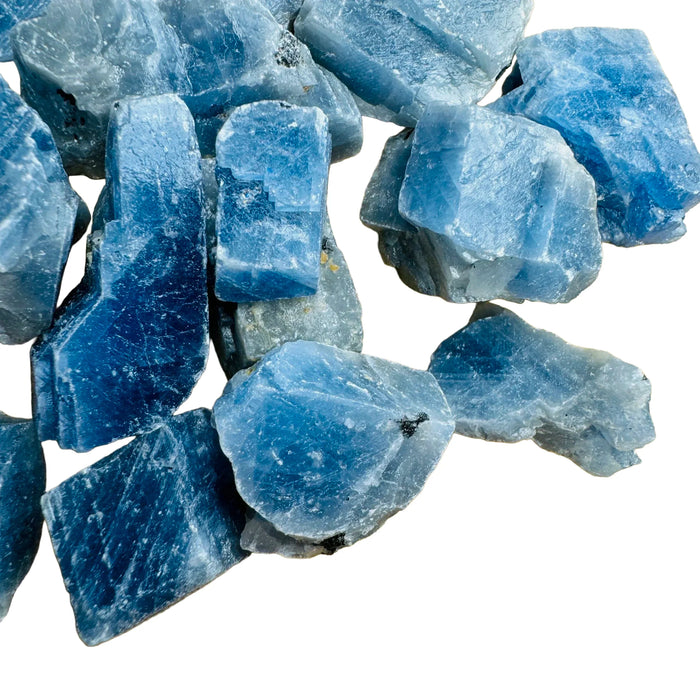
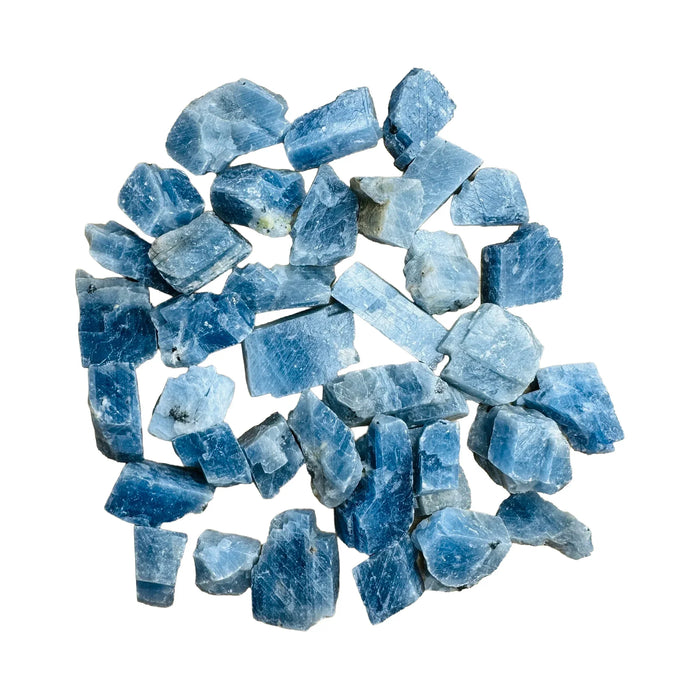
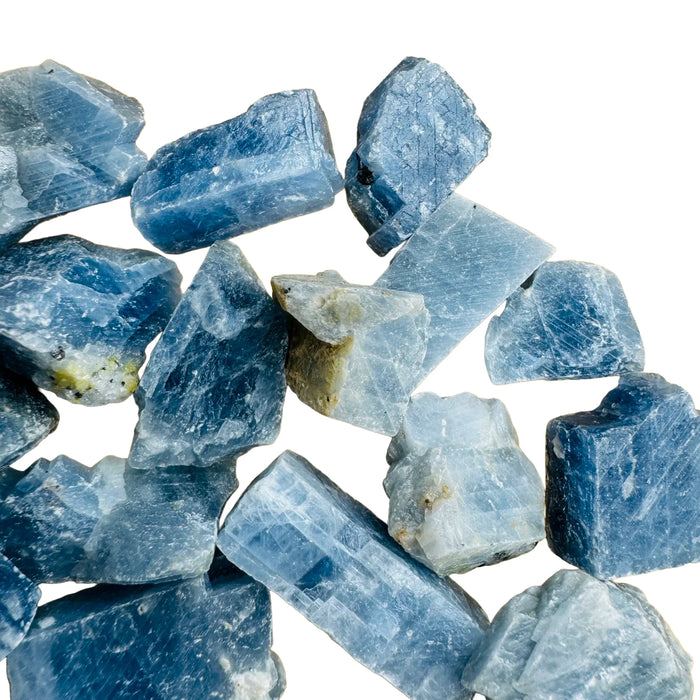
Shop the calcite collectionCalcite, in stock now.
Our most-loved Calcite pieces, ready to ship.
- from 1,000+ reviews
- Ships within 72 hoursMonday to Friday, tracked
- 90 days to return itif you do not love it
- Free US shipping over $99$8.99 flat rate under
The Slow Note
New stones go to the list first.
No forwarding, no selling. Unsubscribe in one click. Privacy