


 Agatefor stress relief
 Amazonitefor stress relief
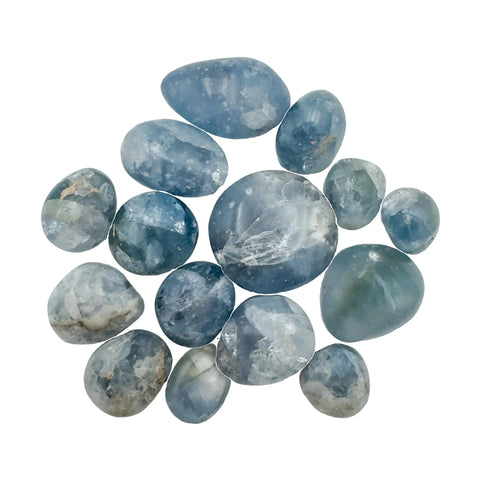
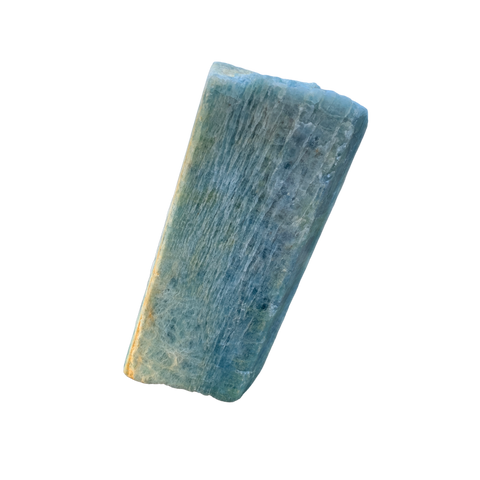
 Aquamarinefor serenity
 Aventurinefor luck
 Bloodstonefor energy
 Blue Kyanitefor confidence
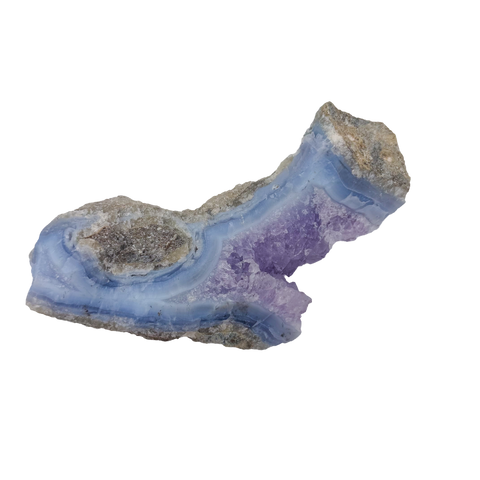
 Blue Lace Agatefor stress relief
 Chrysocollafor emotional healing
 Fluoritefor focus
 Garnetfor energy
 Lepidolitefor stress relief
 Malachitefor emotional healing
 Moonstonefor grounding
 Obsidianfor protection
 Ocean Jasperfor emotional healing
 Red Jasperfor grounding
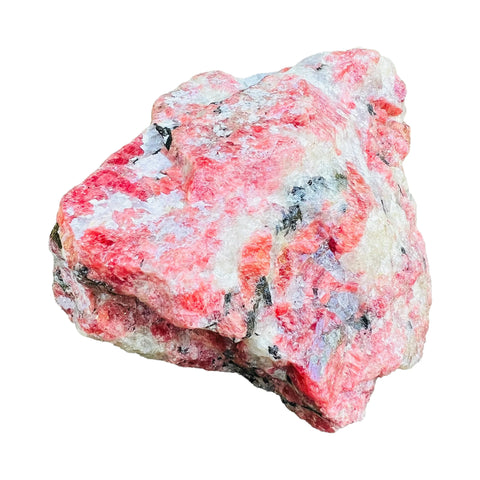
 Rhodonitefor emotional healing
 Selenitefor cleansing
 Sodalitefor focus
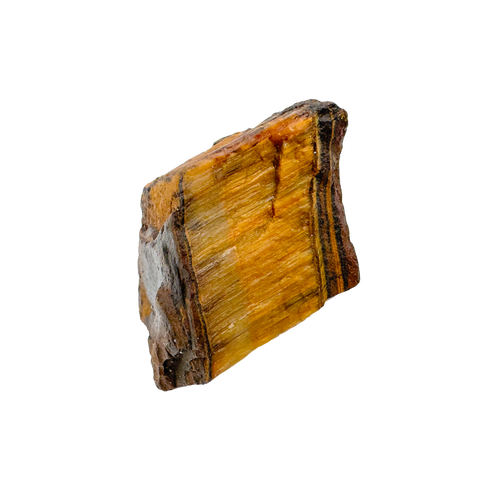
 Tiger Eyefor confidence
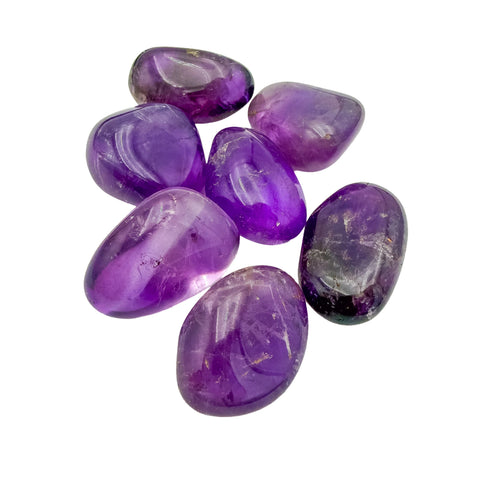


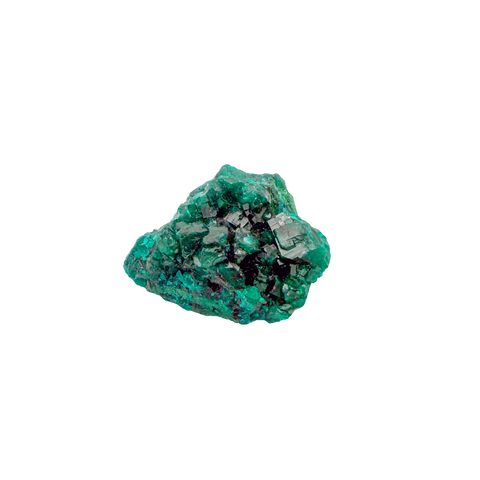
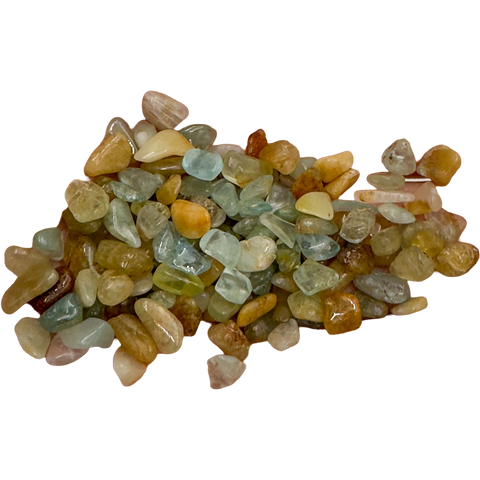
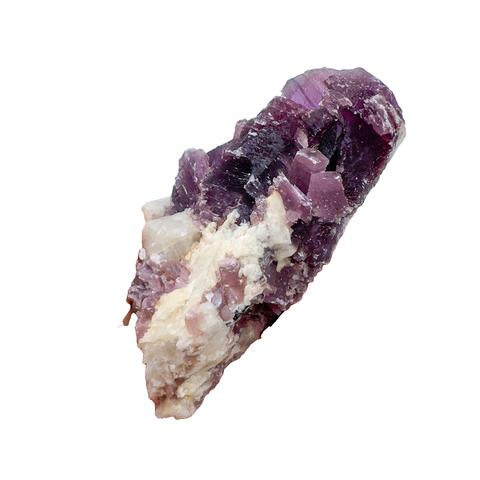
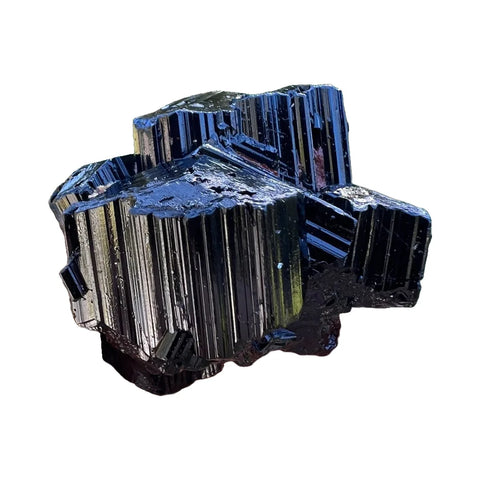
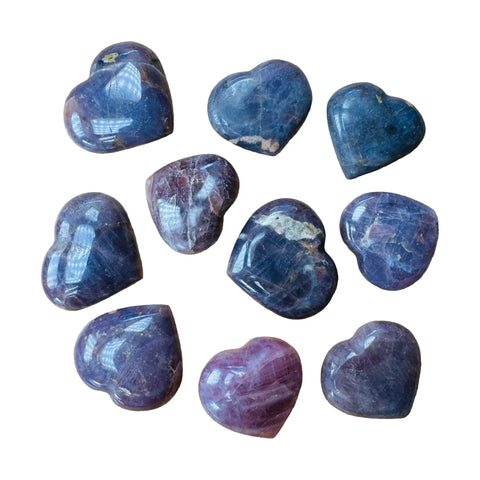
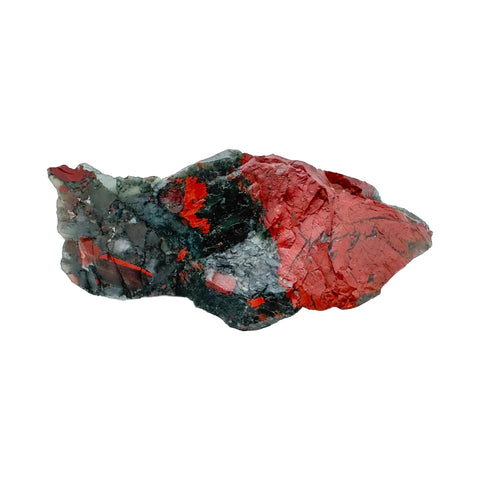
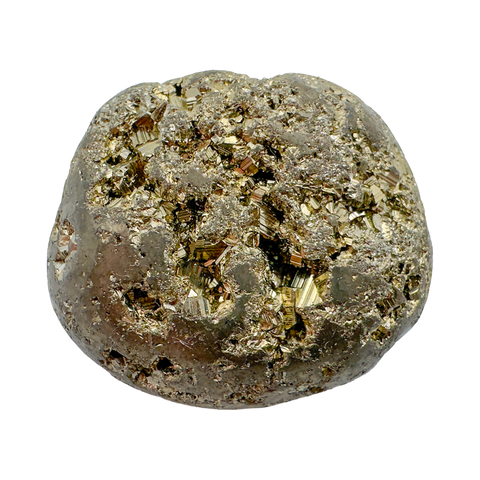
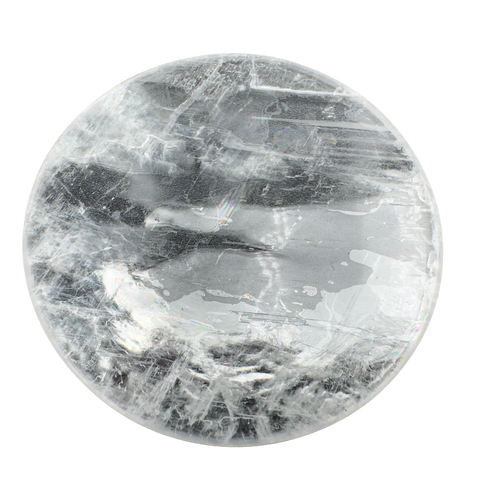


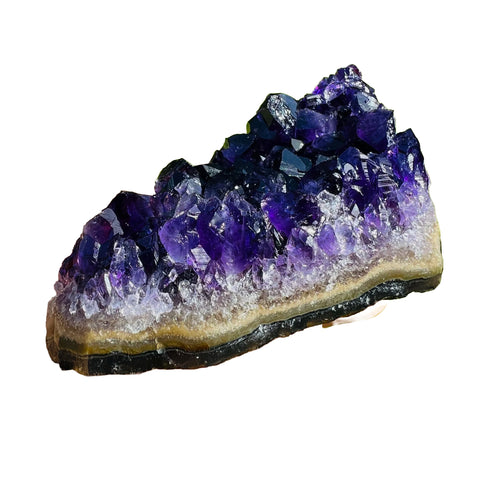




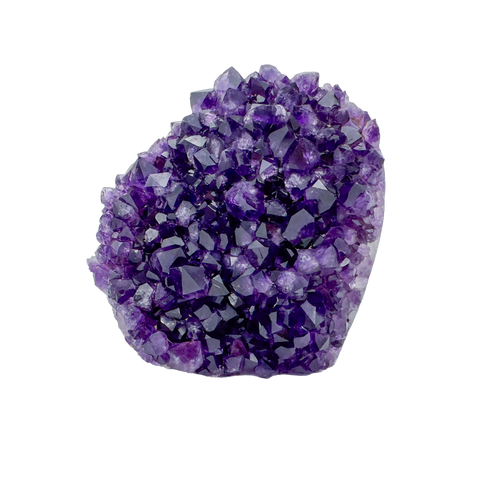
 Amethyst
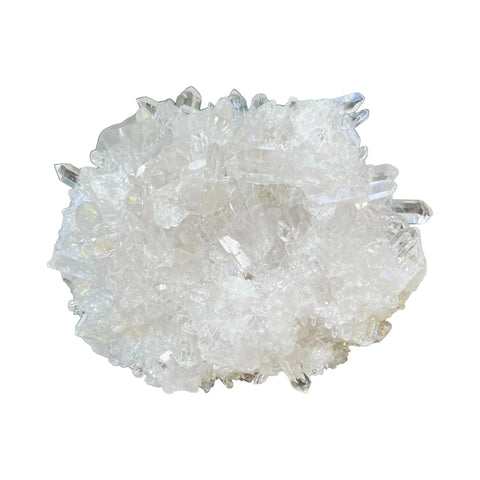
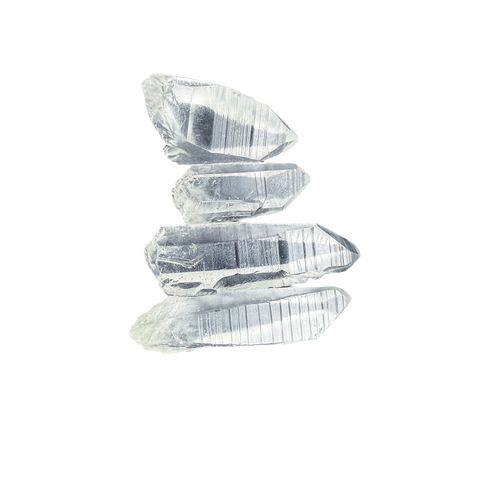
 Clear Quartz
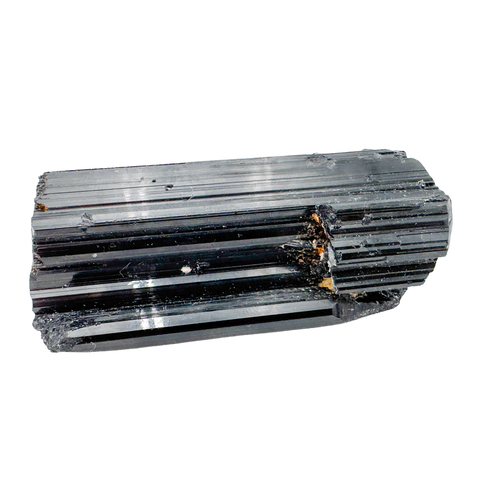
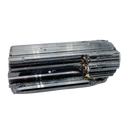 Black Tourmaline
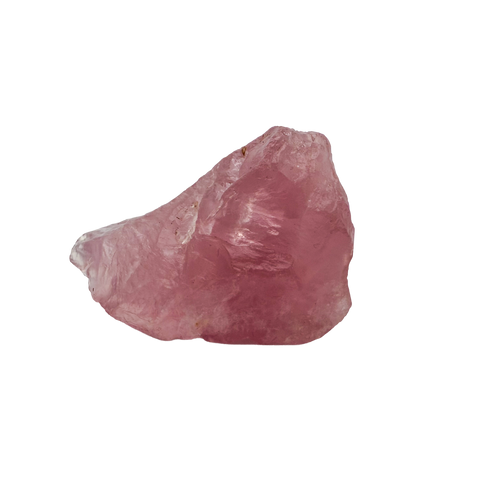
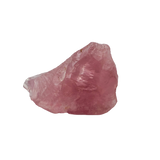 Rose Quartz
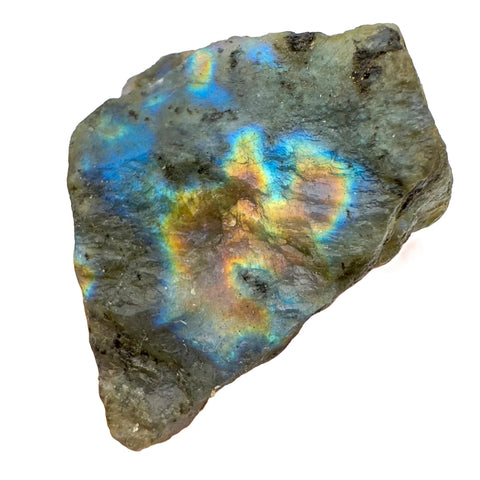
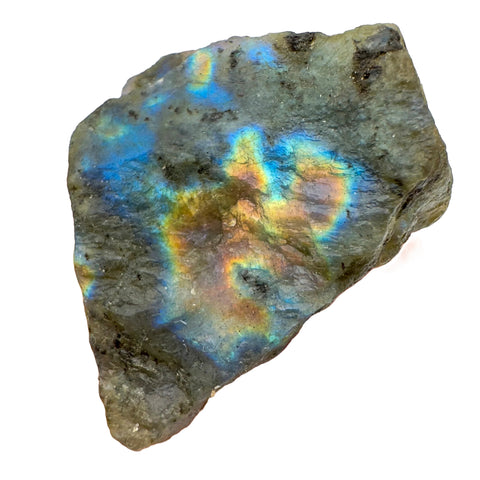
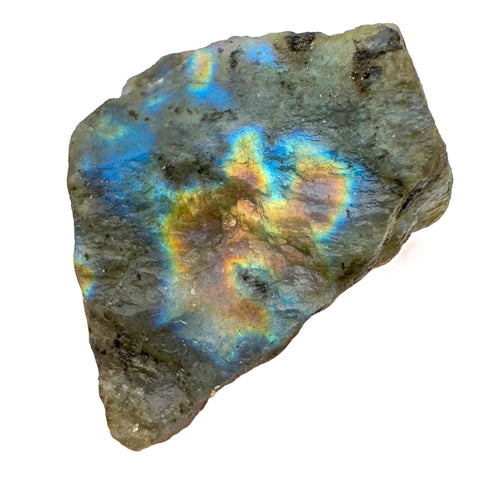
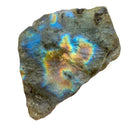 Labradorite
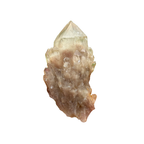 Natural Citrine
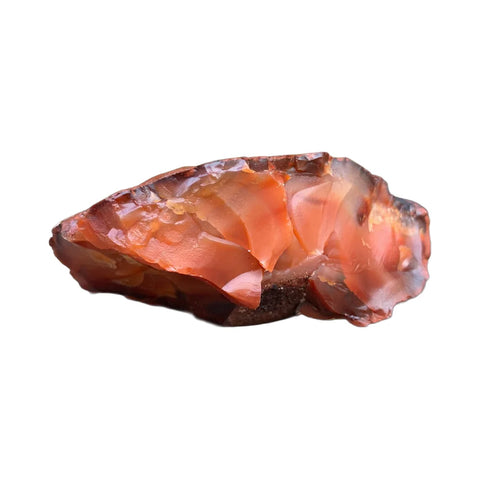
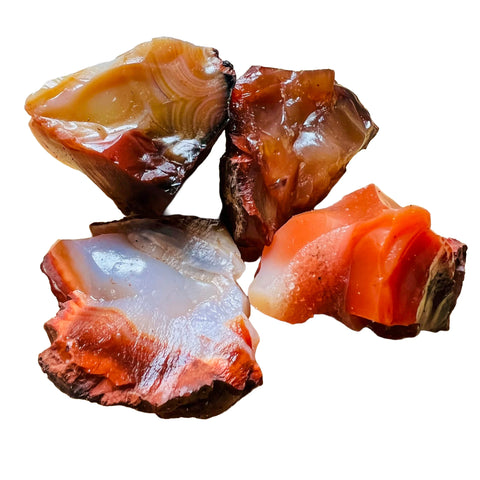
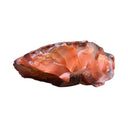 Carnelian
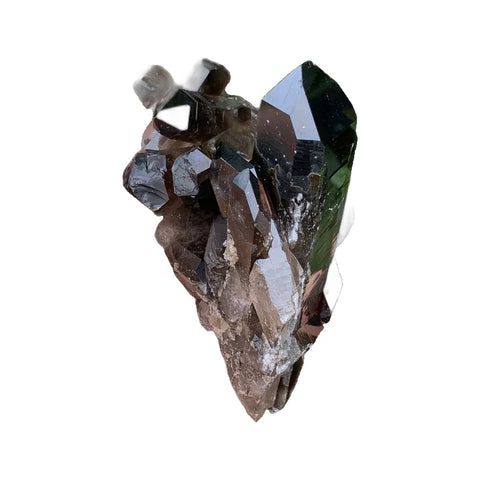
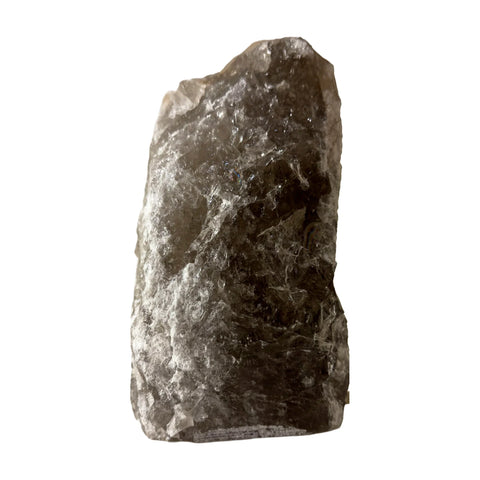
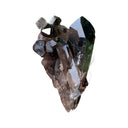 Smoky Quartz
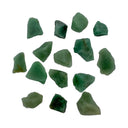 Aventurine
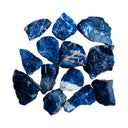 Sodalite
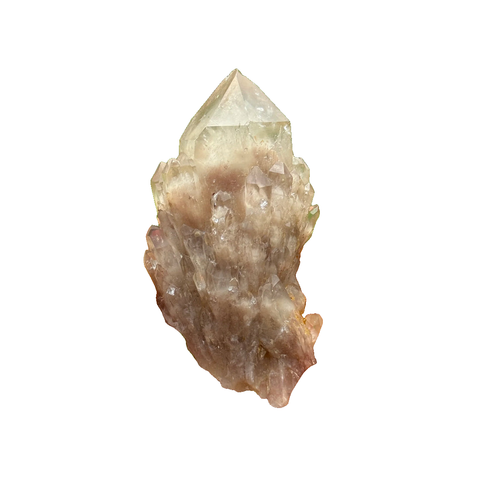
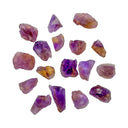 Ametrine
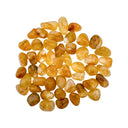 Golden Healer
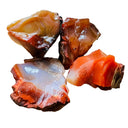 Raw Stones
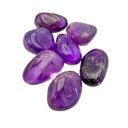 Tumbled Stones
 Palm Stones
 Crystal Points
 Clusters & Geodes
 Polished & Decor
 Mineral Specimens
 Crystal Chips
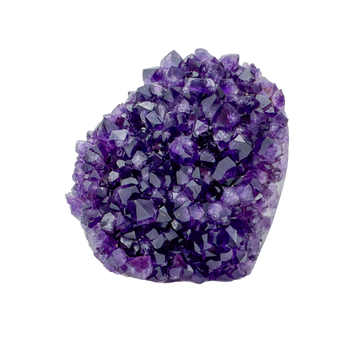
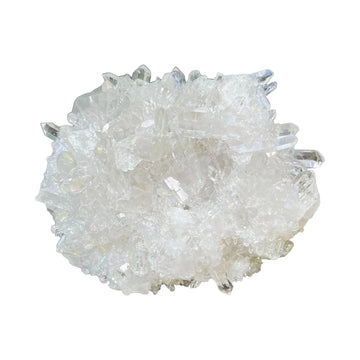
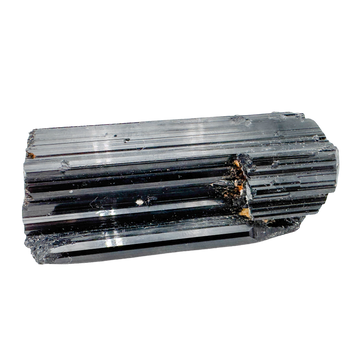
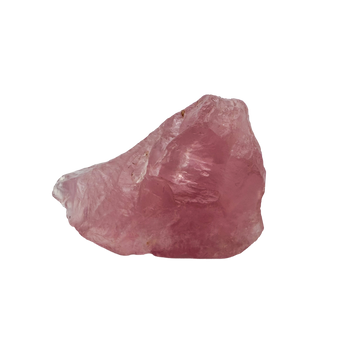
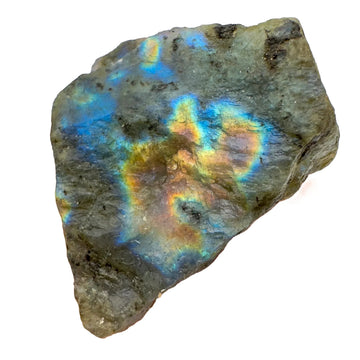
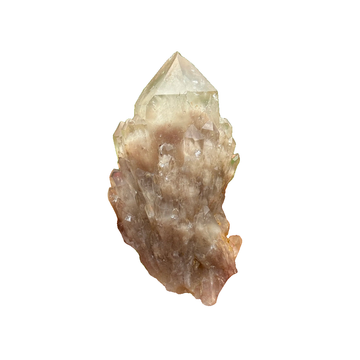
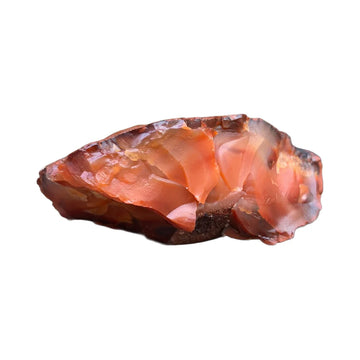
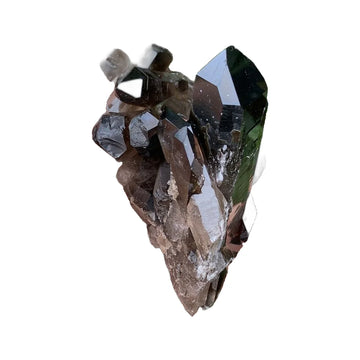
 Raw Stones
179 to choose from
Raw Stones
179 to choose from
 Tumbled Stones
162 to choose from
Tumbled Stones
162 to choose from
 Palm Stones
25 to choose from
Palm Stones
25 to choose from
 Crystal Points
23 to choose from
Crystal Points
23 to choose from
 Clusters & Geodes
98 to choose from
Clusters & Geodes
98 to choose from
 Polished & Decor
147 to choose from
Polished & Decor
147 to choose from
 Mineral Specimens
248 to choose from
Mineral Specimens
248 to choose from
 Crystal Chips
21 to choose from
Crystal Chips
21 to choose from


 AngolaAquamarine
›
AngolaAquamarine
›
 BotswanaCarnelian, Tree Agate
›
BotswanaCarnelian, Tree Agate
›
 DR CongoMalachite, Natural Citrine
›
DR CongoMalachite, Natural Citrine
›
 EswatiniBloodstone
›
EswatiniBloodstone
›
 MadagascarLabradorite, Clear Quartz
›
MadagascarLabradorite, Clear Quartz
›
 MalawiBlue Lace Agate, Garnet
›
MalawiBlue Lace Agate, Garnet
›
 MozambiqueAmazonite
›
MozambiqueAmazonite
›
 NamibiaSodalite, Blue Lace Agate
›
NamibiaSodalite, Blue Lace Agate
›
 Republic of the CongoDioptase
›
Republic of the CongoDioptase
›
 South AfricaTiger Eye, Unakite
›
South AfricaTiger Eye, Unakite
›
 ZambiaChevron Amethyst
›
ZambiaChevron Amethyst
›
 ZimbabweEmerald, Rhodonite
›
ZimbabweEmerald, Rhodonite
›
 ArgentinaBlack Obsidian, Rhodochrosite
›
ArgentinaBlack Obsidian, Rhodochrosite
›
 BoliviaAmetrine
›
BoliviaAmetrine
›
 BrazilAmethyst, Clear Quartz
›
BrazilAmethyst, Clear Quartz
›
 PeruSerpentine, Jade
›
PeruSerpentine, Jade
›
 UruguayAmethyst
›
UruguayAmethyst
›
 Dominican RepublicLarimar
›
Dominican RepublicLarimar
›
 MexicoRainbow Obsidian, Crazy Lace Agate
›
MexicoRainbow Obsidian, Crazy Lace Agate
›
 United StatesSelenite, Peridot
›
United StatesSelenite, Peridot
›
 ChinaFluorite
›
ChinaFluorite
›
 RussiaShungite
›
RussiaShungite
›
 AustraliaMookaite
›
AustraliaMookaite
›
 Where our crystals come from
See where we source →
Where our crystals come from
See where we source →


 Aries
Mar 21 to Apr 19
Carnelian
›
Aries
Mar 21 to Apr 19
Carnelian
›
 Taurus
Apr 20 to May 20
Rose Quartz
›
Taurus
Apr 20 to May 20
Rose Quartz
›
 Gemini
May 21 to Jun 20
Agate
›
Gemini
May 21 to Jun 20
Agate
›
 Cancer
Jun 21 to Jul 22
Moonstone
›
Cancer
Jun 21 to Jul 22
Moonstone
›
 Leo
Jul 23 to Aug 22
Citrine
›
Leo
Jul 23 to Aug 22
Citrine
›
 Virgo
Aug 23 to Sep 22
Amazonite
›
Virgo
Aug 23 to Sep 22
Amazonite
›
 Libra
Sep 23 to Oct 22
Blue Lace Agate
›
Libra
Sep 23 to Oct 22
Blue Lace Agate
›
 Scorpio
Oct 23 to Nov 21
Obsidian
›
Scorpio
Oct 23 to Nov 21
Obsidian
›
 Sagittarius
Nov 22 to Dec 21
Sodalite
›
Sagittarius
Nov 22 to Dec 21
Sodalite
›
 Capricorn
Dec 22 to Jan 19
Black Tourmaline
›
Capricorn
Dec 22 to Jan 19
Black Tourmaline
›
 Aquarius
Jan 20 to Feb 18
Amethyst
›
Aquarius
Jan 20 to Feb 18
Amethyst
›
 Pisces
Feb 19 to Mar 20
Aquamarine
›
Gifting?
A birthday stone is the safe bet.
Read the zodiac guide →
Pisces
Feb 19 to Mar 20
Aquamarine
›
Gifting?
A birthday stone is the safe bet.
Read the zodiac guide →

Bumblebee Jasper
Bumblebee Jasper is a striking yellow, black, and gray banded composite from Indonesia's Mount Papandayan volcanic region. It is not a true jasper but rather a sedimentary rock formed in solfataric volcanic vents where sulfur-rich hot springs deposit mineral layers. The vivid yellow bands are natural sulfur. Many people work with it for confidence, bold action, and the kind of creative energy that feels like permission to take the leap.
Shop bumblebee jasperThe geology.
Bumblebee Jasper is a modern trade name (appearing in the early 2000s) for a striking yellow, black, and gray banded material from Indonesia. It is not a true jasper, which is microcrystalline quartz. Instead, this material is a sedimentary rock formed in solfataric (fumarolic) volcanic environments where sulfur-rich hot springs deposit mineral layers on the surface. The yellow bands are natural sulfur; the black comes from manganese or volcanic glass; the gray is volcanic ash. The bulk composition is a mix of calcium carbonates (calcite and aragonite) with sulfur, volcanic ash, and often trace realgar (arsenic sulfide) and orpiment (arsenic trisulfide).
Hardness runs 3 to 4 on the Mohs scale, set by the calcite and aragonite matrix. This softness requires careful handling. The material forms where sulfur-rich deposits accumulate in volcanic vents, making the supply geographically limited to regions with active or recent volcanism. Because this rock can contain sulfur and occasionally trace arsenic compounds, it must be handled with care. Wash your hands after touching bumblebee jasper. Do not use it in direct-contact water elixirs or ingest it. This applies to all bumblebee jasper on the market, regardless of claimed source or treatment.
The origins.
Bumblebee Jasper comes from a single geographic source: Mount Papandayan in West Java, Indonesia. The deposit sits in an active solfataric volcanic region where sulfur-rich hot springs and fumaroles create conditions for layered mineral deposition. The material is hand-dug from surface quarries and deposits, then hand-polished on site or at finishing facilities nearby. Supply is limited and fluctuates based on volcanic activity and permit conditions in the region. Indonesia is effectively the only commercial source for this material worldwide.
The market for bumblebee jasper expanded in the early 2000s as Indonesian material reached crystal dealers in Western markets. Claims of bumblebee jasper from other regions should be scrutinized. Sellers marketing material as bumblebee jasper from elsewhere are either misrepresenting origin or confusing this material with other banded stones. We source directly from the West Java region and can document origin per batch. If a dealer cannot provide Indonesian origin documentation, that material is questionable.
Traditional associations.
Bumblebee Jasper carries modern market associations with no deep historical tradition. The name and use emerged in the early 2000s as Indonesian material reached Western crystal markets. The bold yellow and black banding drew immediate symbolic attention, and dealers and practitioners began associating it with fire element and solar plexus chakra energy.
In contemporary crystal work, many people choose bumblebee jasper for confidence, bold action, personal power, manifestation, and creative energy. The stone is often used for moving through hesitation or claiming what you want rather than waiting for permission. It is sometimes paired with other fire-element or solar-plexus stones like citrine, tiger's eye, or carnelian when the intention centers on action and personal will. The warmth of the yellow and the grounding weight of the black make it visually appealing for people drawn to stones that feel both bright and substantial. All associations are invitational only, not prescriptive.
Spotting the real thing.
Genuine bumblebee jasper shows bold, natural irregularity in its yellow, black, and gray banding. The pattern should never look perfectly uniform or printed. The material is soft (Mohs 3 to 4), and a steel knife blade will scratch it easily. If you press gently with a fingernail, true bumblebee jasper will show a faint mark. Hard jasper substitutes (microcrystalline quartz varieties) will not scratch under a blade. When rubbed vigorously, genuine bumblebee jasper may release a faint sulfur scent. The Indonesian origin should be documented by your dealer. Material labeled only as bumblebee jasper with no mention of Indonesia should be questioned.
Stabilized or resin-impregnated pieces may feel slightly plasticky or have an unnaturally glossy finish compared to hand-polished natural material. Natural pieces show a more even, matte-to-satin finish after polishing. Watch for color uniformity that seems too perfect; natural volcanic deposition creates subtle variation even within a single piece. If a piece feels harder than you expect or does not show any softness under a fingernail test, it is likely a quartz jasper substitute or composite material, not genuine bumblebee jasper from Indonesia.
Care & handling.
Bumblebee jasper requires careful handling because it is soft (Mohs 3 to 4), porous, and contains sulfur. Never immerse it in water or expose it to prolonged moisture. Clean with a dry or barely damp cloth only. Do not soak, do not use saltwater, and avoid chemical cleaners. Water exposure can degrade the material and cause crumbling over time. Store in a dry location, separately from harder stones that could scratch it or from stones requiring water-based cleansing.
Because this material can contain sulfur and trace arsenic compounds, wash your hands after handling. Never use bumblebee jasper in water elixirs or ingest it in any form. This is a non-negotiable safety requirement. Use it for display, meditation, carrying in pouches, or holding during intention work. For energetic cleansing, use smoke, sound, breath, or moonlight rather than water or salt. Handle gently and avoid pressure or dropping, as the softness makes it vulnerable to damage. The same care you would give a delicate chalk stone applies here. Many people appreciate this vulnerability as part of the stone's character and find meaning in its need for protection.
Pairs well with.
Proof, not promises.
We measure our own sourcing across five dimensions. Supply chain, environmental footprint, artisan support, market integrity, and pricing. The number is honest, not perfect. Where we can do better, we say so.
A deeper look.
Extended geology, sourcing, authentication, historical context, safety, and pricing for when the quick guide is not enough.
Extended geology and formation
Bumblebee Jasper forms in solfataric volcanic environments, regions with geothermal activity where volcanic gases (primarily sulfur dioxide) escape from subsurface vents. As these sulfur-rich gases cool and oxidize at the surface, they deposit layers of sulfur and other minerals on top of volcanic ash and sediment. Over time, these layered deposits become consolidated into a composite rock made of calcite, aragonite, sulfur, volcanic glass, and trace arsenic-bearing minerals like realgar and orpiment. The material is young geologically, still forming in active or recently active solfataric zones, which is why supply is limited to geologically active regions.
The yellow color comes directly from native sulfur that precipitated from volcanic gases. The black bands result from manganese oxides or volcanic glass. Gray and tan layers are volcanic ash. The layering pattern reflects seasonal or event-driven cycles of gas release and deposition, creating the banded structure that gives the stone its visual appeal. Hardness of 3 to 4 on the Mohs scale is determined by the softer calcite and aragonite matrix that holds the material together. The presence of trace arsenic compounds (primarily in realgar and orpiment) requires that the stone be handled with care and never ingested or dissolved in water.
Mount Papandayan and Indonesian sourcing
Mount Papandayan in West Java, Indonesia is a complex volcanic system in the Sunda Strait region. The mountain sits within a larger volcanic arc shaped by subduction of the Indo-Australian Plate beneath the Eurasian Plate. Solfataric activity in the region has been documented for centuries, with written accounts describing sulfur mining and volcanic gases emerging from vents. The specific bumblebee jasper deposit sits in zones where historical and recent sulfur precipitation has created the colorful banded material that crystal dealers began marketing in the early 2000s.
Hand-dug quarrying operations at Mount Papandayan extract material from surface deposits and thin surface layers. The material is then transported to finishing facilities where it is hand-polished to enhance the banding and create the smooth surfaces that buyers expect. Supply fluctuates based on permit conditions, volcanic activity (which can open or close access to deposit areas), and seasonal weather. Indonesia is the only current commercial source for this material. Deposits elsewhere (if they exist) have not entered the international market, making bumblebee jasper effectively Indonesia-specific in the trade.
Authentication and market imitations
Genuine bumblebee jasper is soft (scratches under a steel blade), shows natural irregularity in banding, and releases a faint sulfur scent when rubbed. The material should always originate from Indonesia with documented West Java sourcing. Imitations include dyed banded agate, dyed banded calcite, or resin-stabilized composites that feel harder or glossier than natural hand-polished material. Hard jasper varieties (microcrystalline quartz) will not scratch under a blade and are much harder than genuine bumblebee jasper.
Stabilized pieces are common in lower-cost markets. Resin impregnation fills pores and hardens the material, making it more durable but also masking the natural softness and texture. If a piece feels unexpectedly hard or smooth or has a plasticky sheen, it may be stabilized. Genuine natural pieces show the hand-polished quality of the stone, not a varnished or coated appearance. Always ask about treatment and origin before buying.
Safety, handling, and the arsenic question
Bumblebee jasper contains sulfur and trace arsenic compounds (realgar and orpiment). These are present in the mineral structure, not as coatings or treatments. The risk comes from direct contact and from dissolution in water or saliva. Wash your hands after handling the stone. Do not put it in your mouth or use it in water elixirs. Do not allow children or pets unsupervised access to raw or broken pieces, which could increase exposure to dust. For adults using the stone for meditation, carrying, or display, the risk is minimal with basic care. The stone is safe to touch and hold. It is unsafe to ingest or dissolve in water.
Market history and trade names
The name bumblebee jasper and widespread commercial distribution emerged in the early 2000s. Before that, the material was largely unknown outside Indonesia. As crystal and mineral markets expanded online, Indonesian material reached Western dealers and buyers who saw the striking banding and gave it a trade name drawing from the color pattern. The "jasper" part of the name is a misnomer, as the material is not microcrystalline quartz but rather a composite volcanic sediment. The name stuck and is now entrenched in the market, but understanding that bumblebee jasper is not a true jasper is important for correctly placing it geologically and understanding its care requirements.
Pricing and value drivers
Grade A bumblebee jasper polished pieces: small pieces $15 to $35, palm stones $35 to $80, larger display pieces or carvings $80 to $200+. Value drivers include color saturation and boldness of banding, size, finish quality, documentation of Indonesian origin, and freedom from visible damage or wear. Single-origin material with limited supply justifies premium pricing compared to abundant banded stones. Commodity-priced bumblebee jasper (under $10 per piece) is likely stabilized, treated, or a substitute material.
Price variation by form is significant. Polished tumbled stones and palm stones command higher per-gram prices because the finishing labor is intensive. Larger raw or minimally finished pieces may be less expensive per gram but require more careful handling. Carved specialty pieces or pieces with exceptional banding patterns reach higher prices. Supply interruptions due to permit issues or volcanic activity can cause temporary price spikes.
Good sourcing is a practice, not a claim.
Nothing we sell is dyed, stabilized, reconstituted, or color-enhanced without full disclosure. We name our origins where we can. We say so when we cannot. We walk away from material that does not meet our standard, even when it costs us sales.
Bring bumblebee jasper home.
Hand-polished bumblebee jasper from West Java, Indonesia. Natural, untreated, hand-selected for bold yellow, black, and gray banding. Each piece finished with care and chosen for color saturation and clarity of pattern. Safety handled: we disclose the sulfur and arsenic composition upfront and provide clear care and use guidelines.
Shop the bumblebee jasper collectionGrounded Connections
New stones go to the list first.
No forwarding, no selling. Unsubscribe in one click. Privacy