


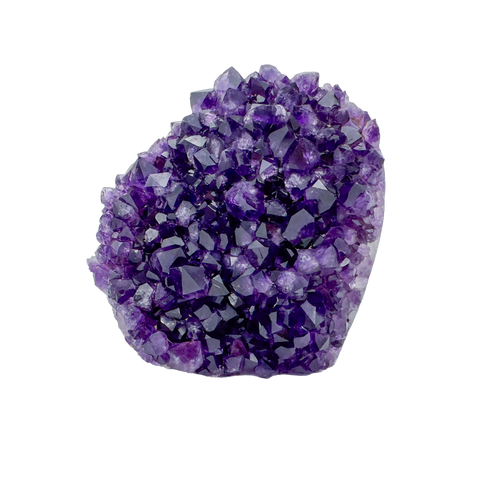
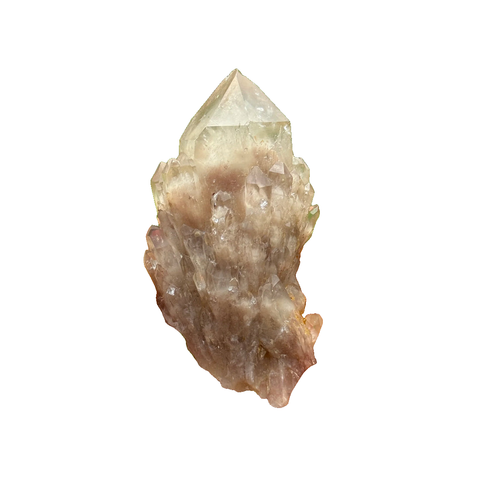
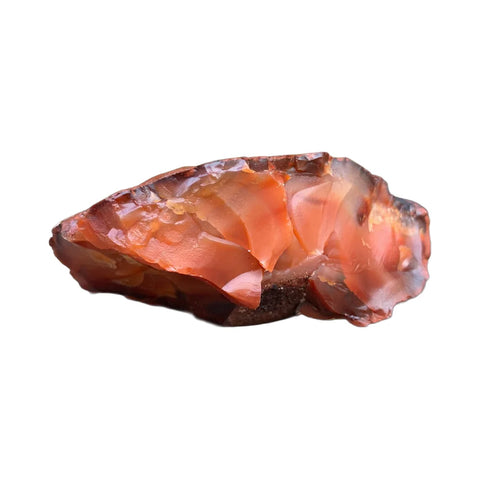
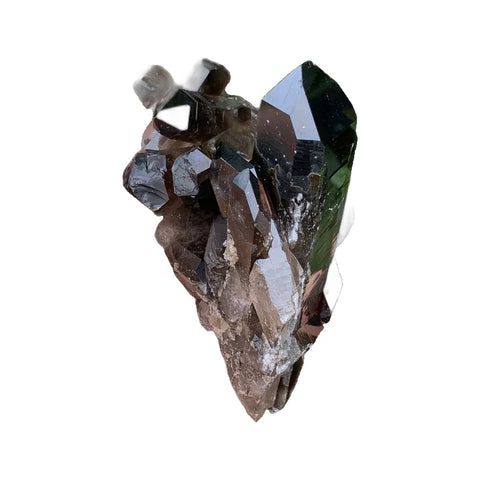
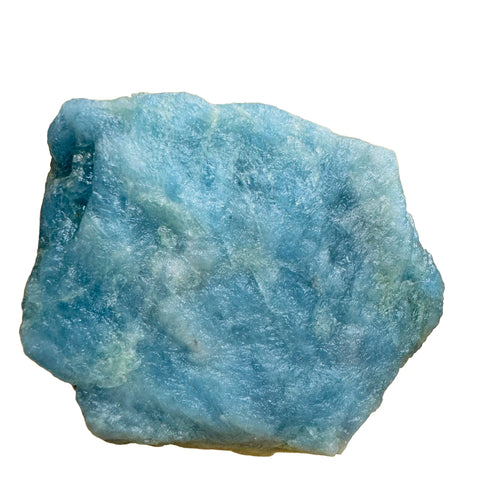
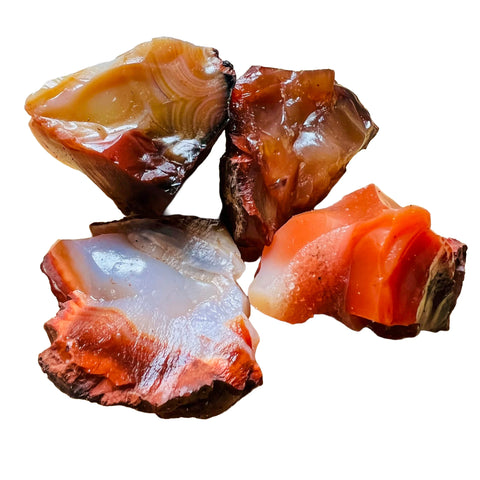


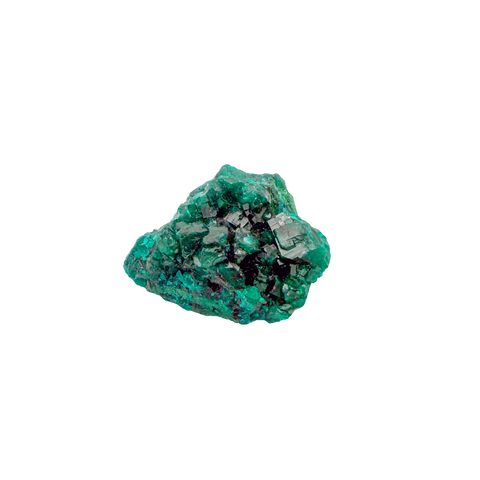
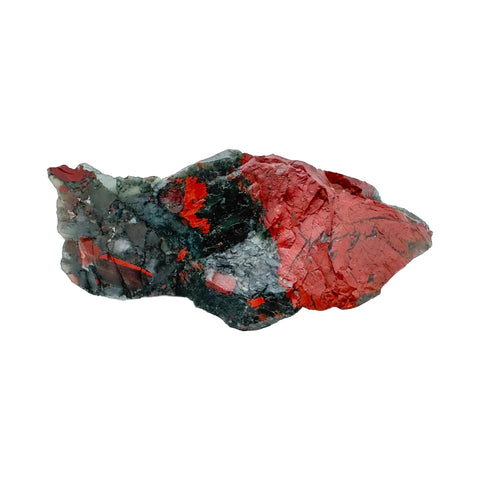
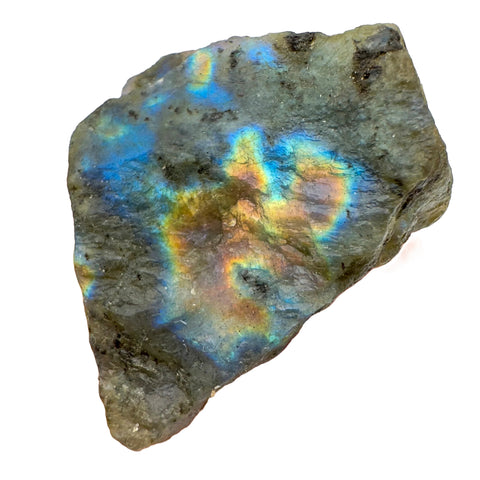
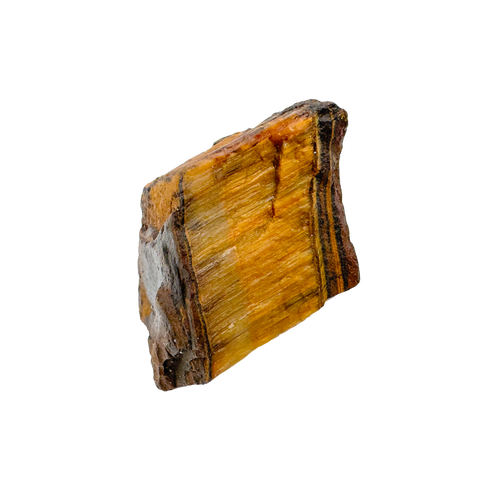
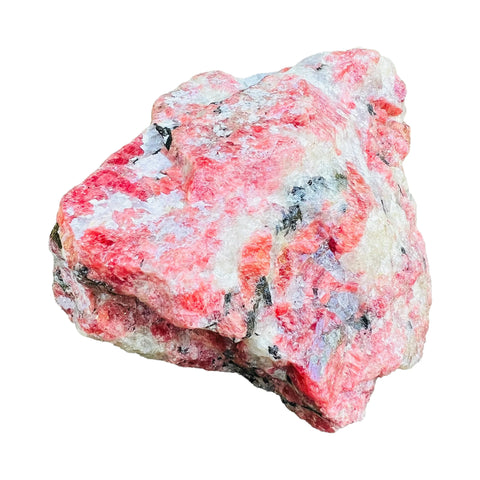
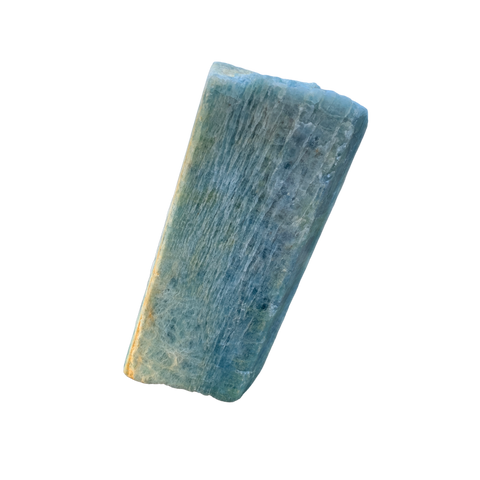
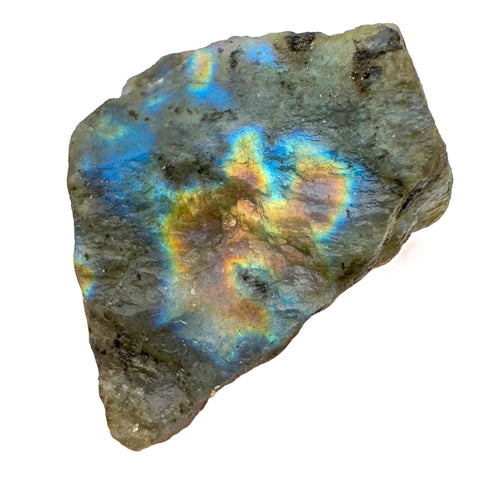
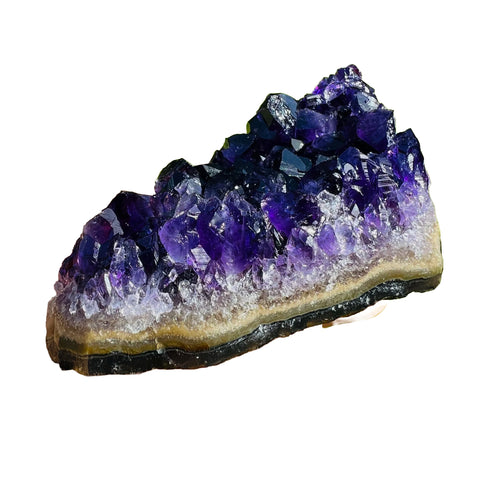



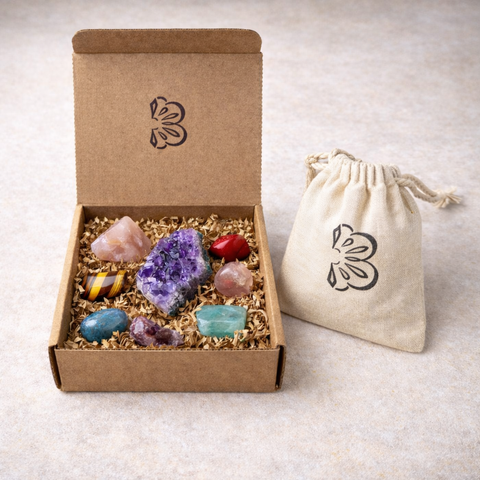
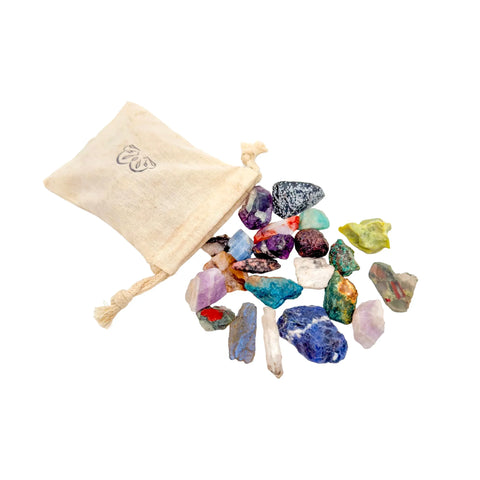
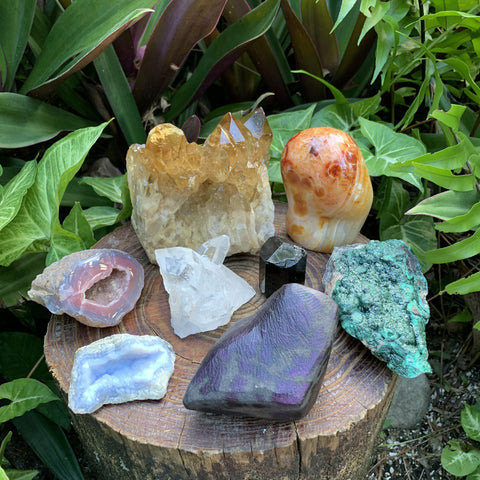
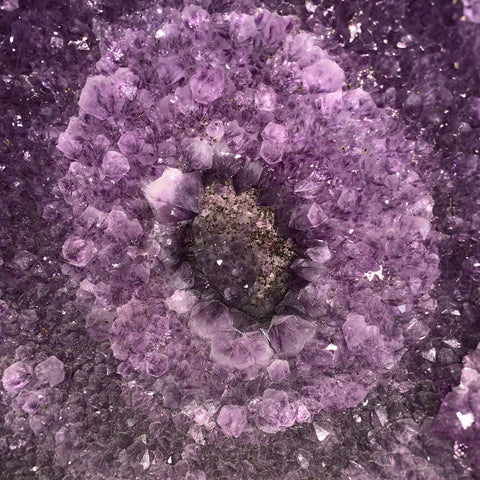
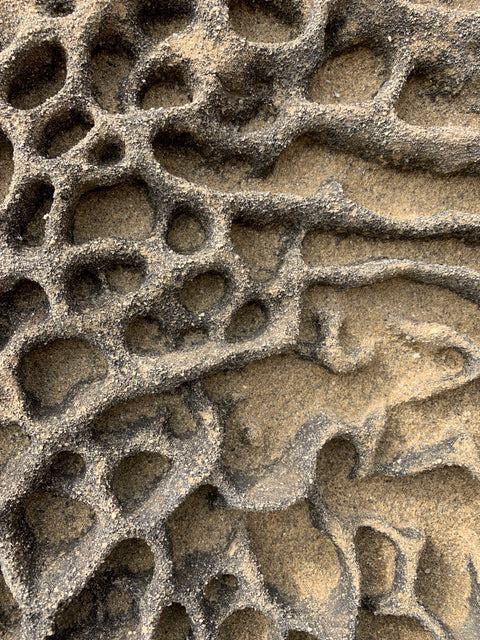
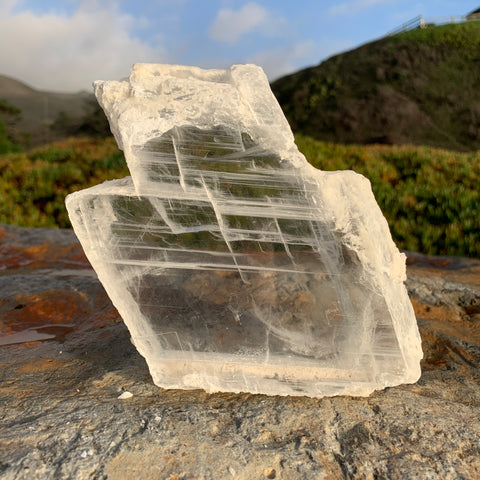
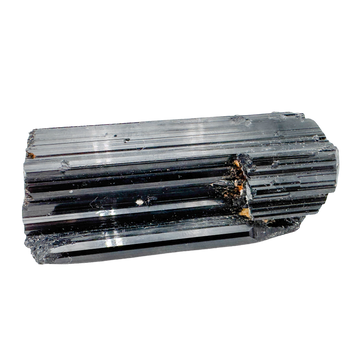
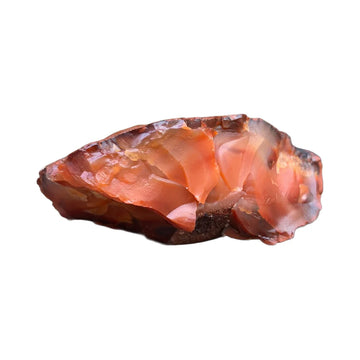
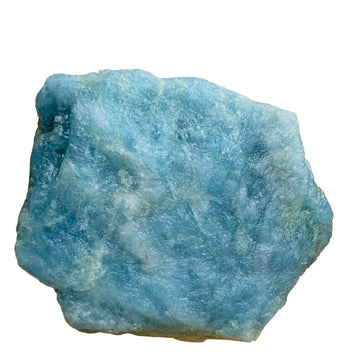
 Raw Stones
179 pieces
Raw Stones
179 pieces
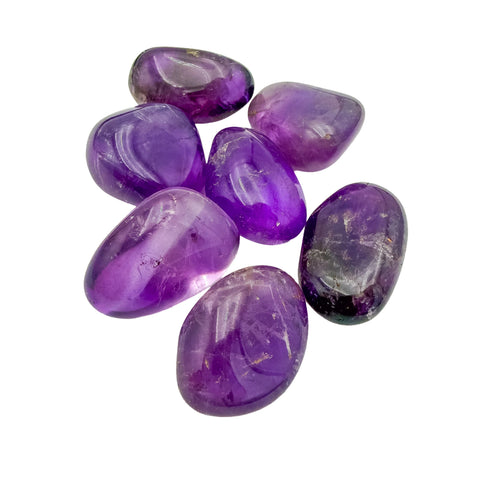
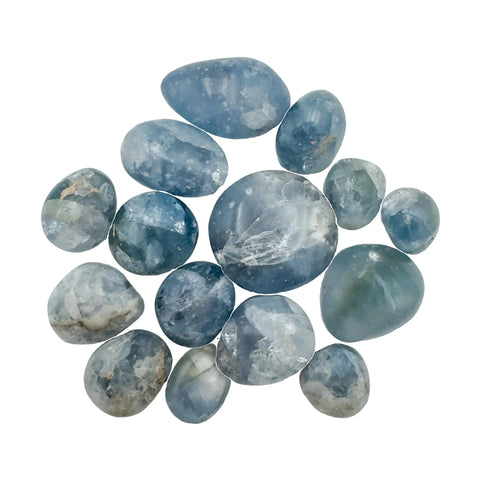
 Tumbled Stones
162 pieces
Tumbled Stones
162 pieces
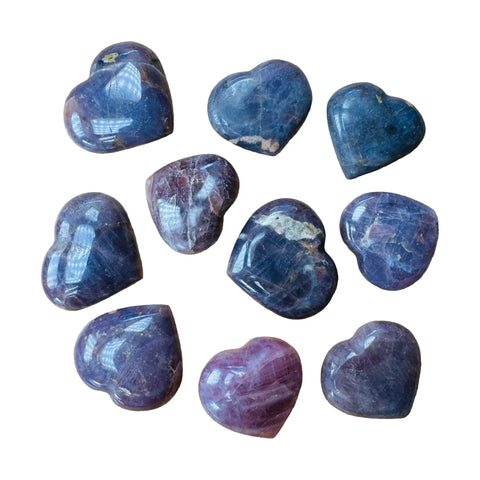
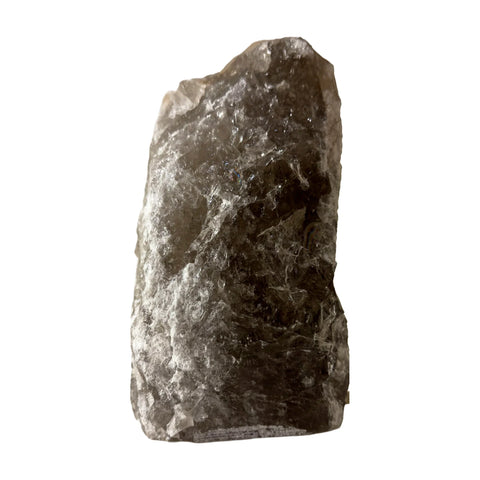
 Palm Stones
25 pieces
Palm Stones
25 pieces
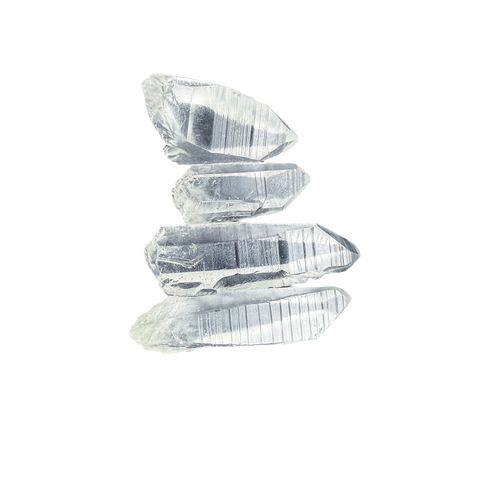
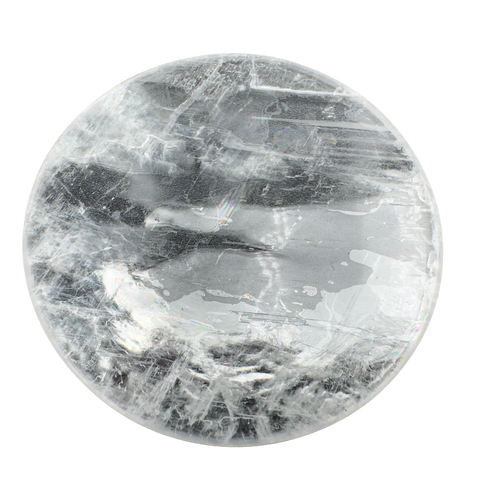
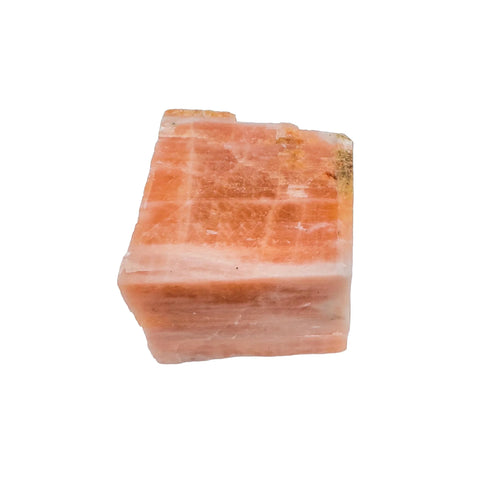
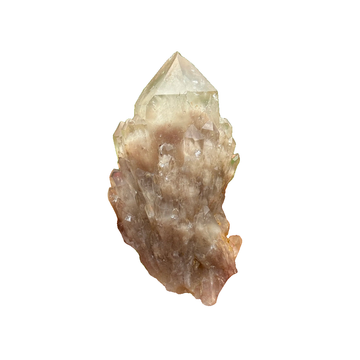
 Crystal Points
23 pieces
Crystal Points
23 pieces
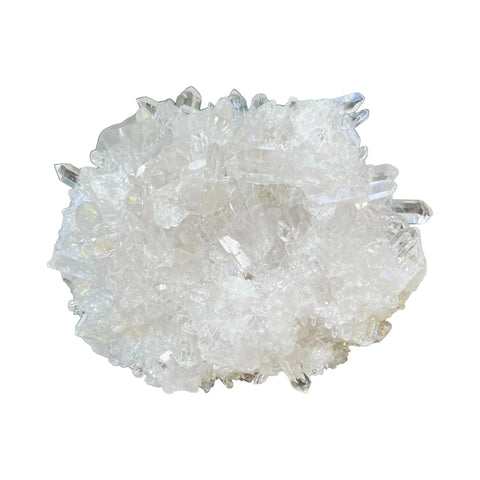
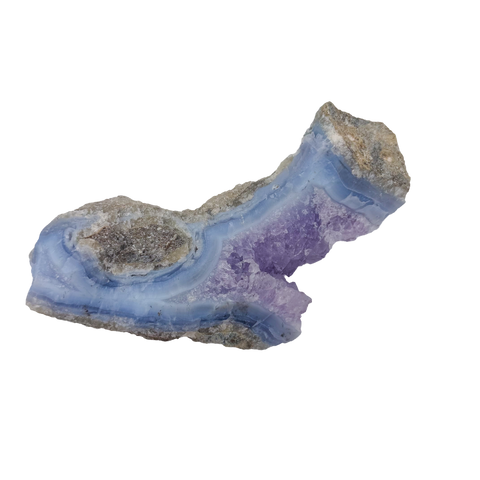
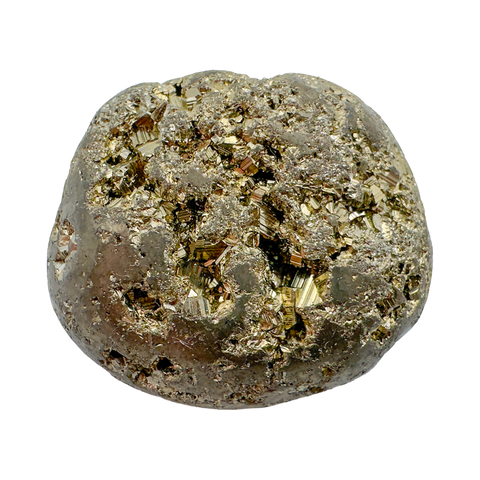
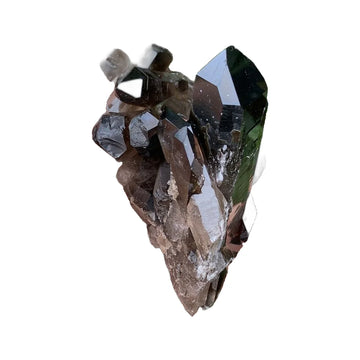
 Clusters & Geodes
104 pieces
Clusters & Geodes
104 pieces
 Polished & Decor
148 pieces
Polished & Decor
148 pieces
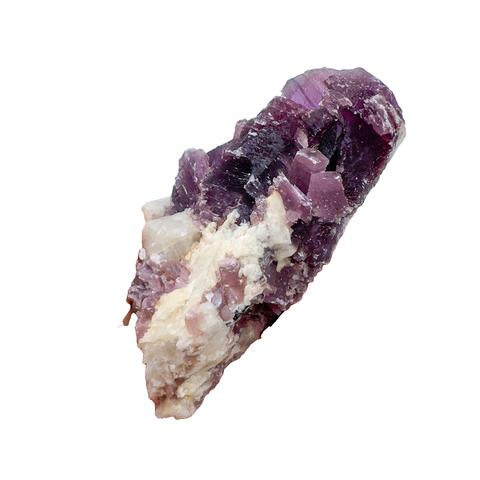
 Mineral Specimens
259 collector pieces
Mineral Specimens
259 collector pieces
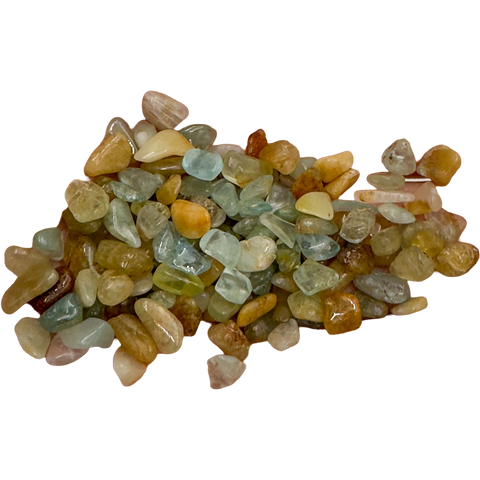
 Crystal Chips
21 pieces
Browse everything
Every collection, one page.
View All Collections →
Crystal Chips
21 pieces
Browse everything
Every collection, one page.
View All Collections →


 Aries
Mar 21 – Apr 19
Carnelian
›
Aries
Mar 21 – Apr 19
Carnelian
›
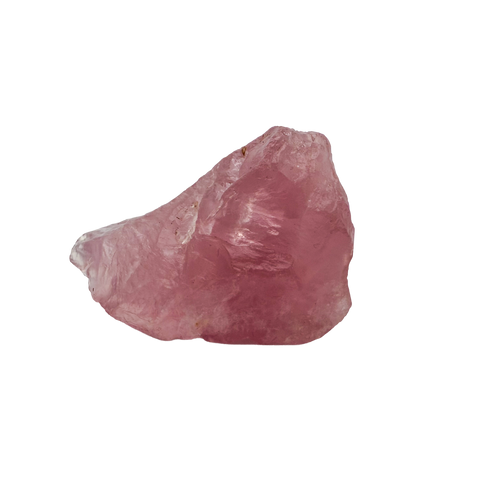
 Taurus
Apr 20 – May 20
Rose Quartz
›
Taurus
Apr 20 – May 20
Rose Quartz
›
 Gemini
May 21 – Jun 20
Agate
›
Gemini
May 21 – Jun 20
Agate
›
 Cancer
Jun 21 – Jul 22
Moonstone
›
Cancer
Jun 21 – Jul 22
Moonstone
›
 Leo
Jul 23 – Aug 22
Citrine
›
Leo
Jul 23 – Aug 22
Citrine
›
 Virgo
Aug 23 – Sep 22
Amazonite
›
Virgo
Aug 23 – Sep 22
Amazonite
›
 Libra
Sep 23 – Oct 22
Blue Lace Agate
›
Libra
Sep 23 – Oct 22
Blue Lace Agate
›
 Scorpio
Oct 23 – Nov 21
Obsidian
›
Scorpio
Oct 23 – Nov 21
Obsidian
›
 Sagittarius
Nov 22 – Dec 21
Sodalite
›
Sagittarius
Nov 22 – Dec 21
Sodalite
›
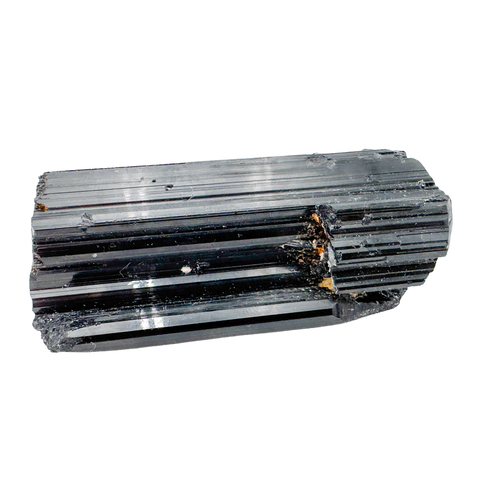
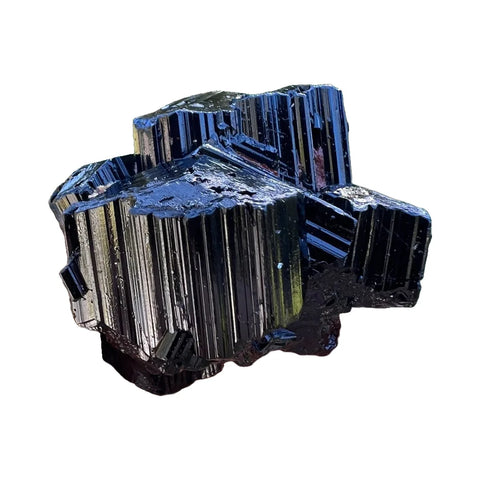
 Capricorn
Dec 22 – Jan 19
Black Tourmaline
›
Capricorn
Dec 22 – Jan 19
Black Tourmaline
›
 Aquarius
Jan 20 – Feb 18
Amethyst
›
Aquarius
Jan 20 – Feb 18
Amethyst
›
 Pisces
Feb 19 – Mar 20
Aquamarine
›
Gifting?
A birthday stone is the safe bet.
Read the zodiac guide →
Pisces
Feb 19 – Mar 20
Aquamarine
›
Gifting?
A birthday stone is the safe bet.
Read the zodiac guide →

Brown Aragonite
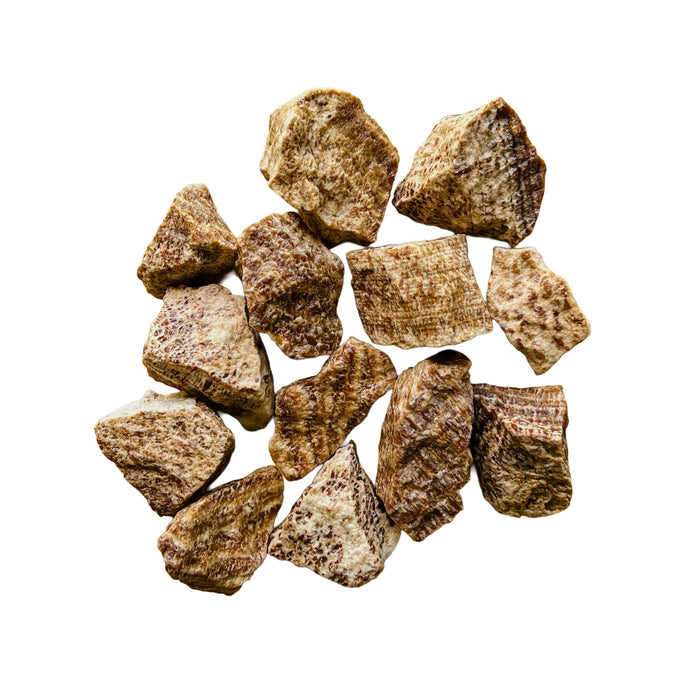
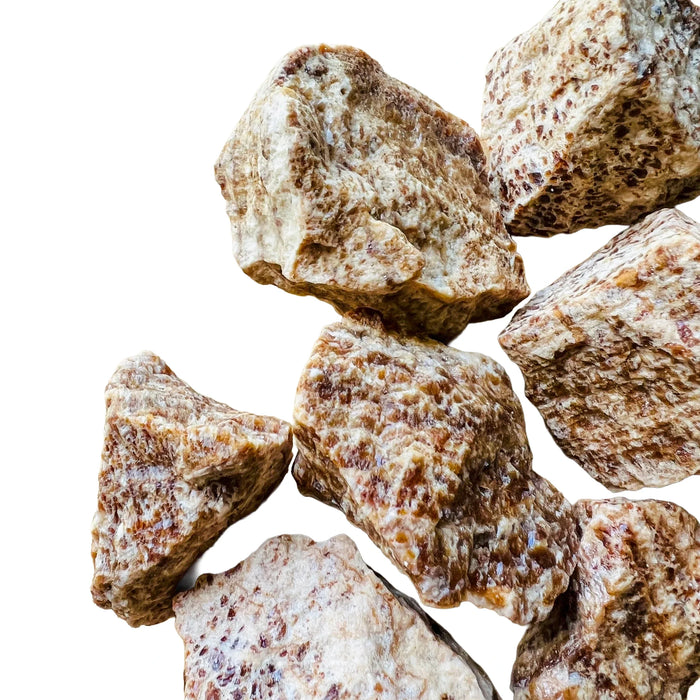
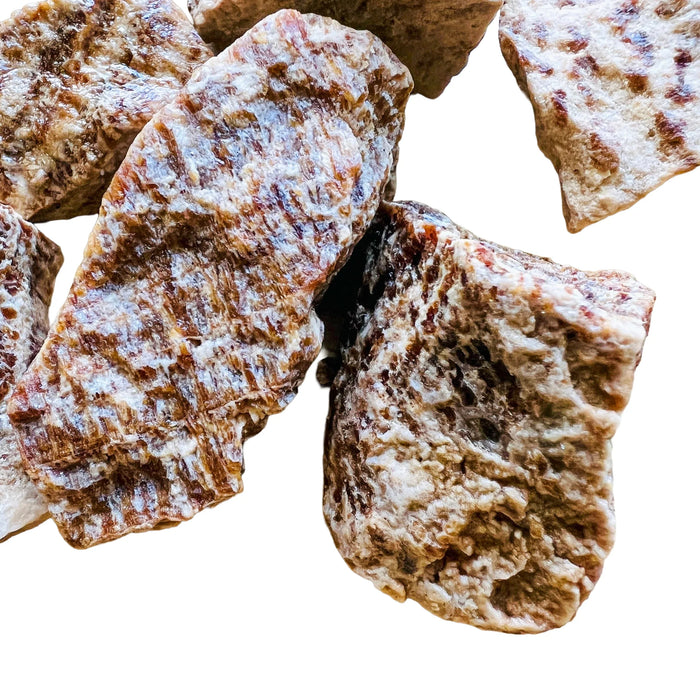
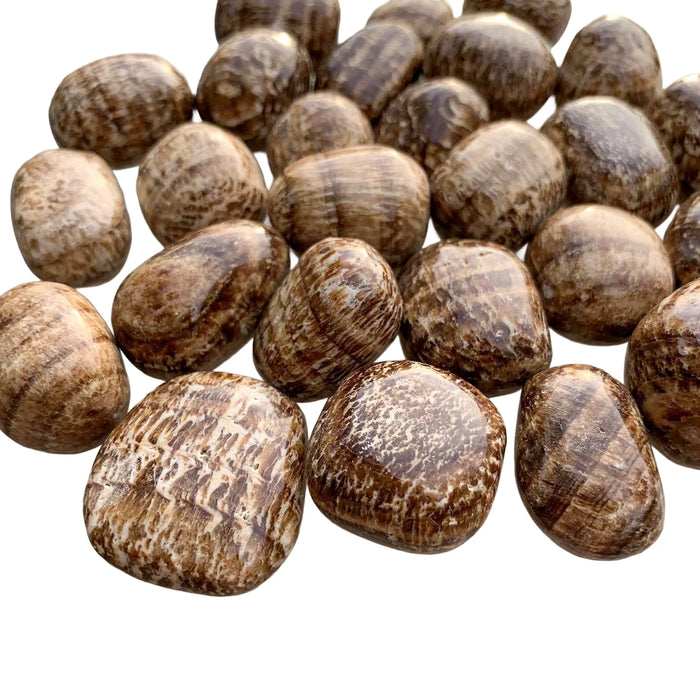
Brown Aragonite is a calcium carbonate mineral formed in the sedimentary deposits of Peru, its warm brown tone created by iron oxide trace elements within the crystal structure. It is naturally untreated, soft to the touch, and carries a grounding presence that many people work with for steadiness, focus, and calm in the body.
Shop brown aragoniteThe geology.
Brown Aragonite is a calcium carbonate mineral, the same chemical formula as calcite (CaCO3) but with a different crystal structure. Aragonite forms in orthorhombic crystals, while calcite forms in trigonal crystals. The brown tone comes from trace iron oxide suspended within the crystal lattice during formation. Aragonite originates in sedimentary deposits, hot spring environments, and hydrothermal veins. It also serves as the primary structural mineral in mollusk shells and coral skeletons in marine systems. Over geological time, surface-level aragonite converts to calcite as it loses water and energy; specimens in collections are preserved because they remain protected from these conditions.
The Mohs hardness sits at 3.5 to 4, making brown aragonite softer than quartz but slightly harder than calcite. Specific gravity is approximately 2.93, meaning it feels denser than calcite despite the same chemical formula. Brown aragonite typically occurs in massive form rather than as display-quality crystal points, which is why the polished tumbled and raw pieces we carry are hand-selected from rough material. The texture of the stone is fine and even, with a waxy to matte luster depending on polish and polish level. Aragonite is slightly soluble in weak acids and reacts noticeably when exposed to dilute hydrochloric acid.
The origins.
The brown aragonite we carry comes from Junín region in Peru, where hand-extraction from sedimentary deposits provides steady access to natural, untreated material. The Peruvian sourcing channel is complex; we work only with documented partners who can verify extraction source and chain of custody per batch. The material arrives as rough stone and is hand-sorted, then tumbled or left raw according to the final form. No chemical treatment is applied. We acknowledge other commercial sources of aragonite exist. Morocco is known for distinctive radial "sputnik" cluster specimens. Spain, Mexico, and Namibia also produce aragonite, though much of it takes cluster or specialty forms. Our commitment is to Peruvian brown aragonite because the color profile is reliable and our sourcing relationships are documented.
Aragonite trade is secondary to calcite in the global market, which means prices remain relatively modest and supply is steady rather than subject to dramatic shortages. Some aragonite enters the market through mining operations focused on industrial calcium carbonate, while other material comes from small-scale hand-extraction the way ours does. If our Peru source ever changes, we will disclose it openly.
Traditional associations.
Brown Aragonite is associated with the Root and Sacral chakras and the Earth element. Its warm, dense energy aligns with grounding practice. Many people work with it for settling scattered thoughts, for stability during transition, for stress relief when the body feels tense or unmoored, and for the kind of calm focus that comes from slow, steady presence. It is often chosen by people drawn to brown and earth-toned stones for tactile practice, meditation, and movement work. Brown Aragonite pairs naturally with black tourmaline, smoky quartz, and hematite when the intention involves anchoring and stability. Some people keep a piece nearby during study or focused work, finding its solid presence supports concentration without overstimulation.
The traditional use of aragonite in crystal work is relatively modern compared to minerals with longer historical records. The name and association developed within twentieth-century crystal markets as mineral knowledge expanded. What endures in contemporary practice is the simple resonance between the stone's physical properties (dense, grounding, warm) and the feeling many people seek when they reach for it.
Spotting the real thing.
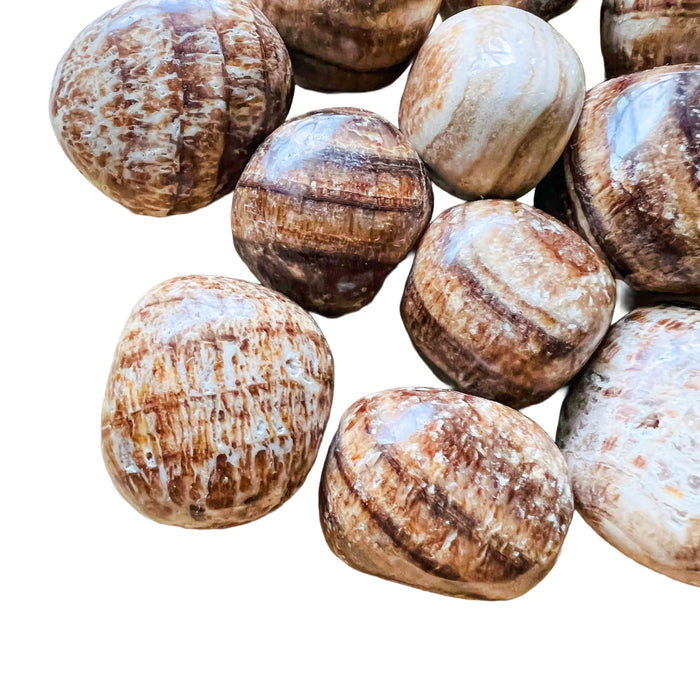
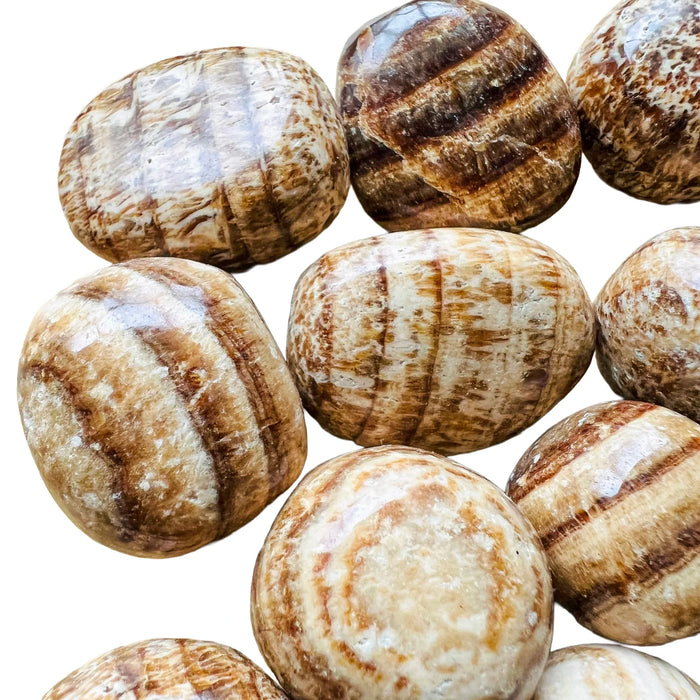
Genuine brown aragonite scratches easily under fingernail pressure or gentle run of a copper coin. The stone feels dense and has a warm, even brown color throughout, often with subtle darker veining or banding. The surface texture on polished pieces is smooth and slightly waxy. On raw specimens, you can see fine granular structure and subtle radiating or fibrous patterns under close inspection. Aragonite is slightly denser than calcite for similar size, so it feels a bit heavier than you might expect. Hold it up to light and you will see it is opaque rather than transparent; some specimens show translucence at thin edges.
Dyed calcite is sometimes sold as aragonite in lower-cost markets. Dyed material concentrates color in surface cracks, has a slightly glassier feel, and scratches less easily than genuine aragonite. Distinguish real aragonite from calcite by density (aragonite feels heavier), by subtle fibrous structure visible in magnification (calcite shows rhombohedral cleavage faces), and by the acid test on a small chip (both fizz, but aragonite reacts slightly faster). These distinctions matter because aragonite requires slightly different care than calcite due to water sensitivity.
Care & handling.
Brown Aragonite is softer than quartz and sensitive to water and acids. The stone should be kept dry. Brief rinsing under running water is acceptable, but prolonged soaking, hot water, saltwater, and acidic liquids should be avoided. With extended water exposure, aragonite can slowly revert to gypsum or calcite, which alters the stone's appearance and density. Store in a dry location, separately from harder stones that might scratch it or from aggressive cleaning methods. Do not apply harsh chemicals or smoke residue cleaners.
Handling should be gentle. Do not carry in pockets with keys or harder minerals. Avoid pressure, stress, or dropping. For energetic cleansing, use smoke, sound, or moonlight rather than water. Brief direct sunlight is fine, but prolonged UV exposure can very slowly fade iron-tinted stones over extended time, so avoid permanent direct sunlight placement. The softness of Brown Aragonite is part of its character. Many people find its gentle density a meaningful anchor for grounding practice.
Pairs well with.
Proof, not promises.
We measure our own sourcing across five dimensions. Supply chain, environmental footprint, artisan support, market integrity, and pricing. The number is honest, not perfect. Where we can do better, we say so.
A deeper look.
Extended geology, sourcing, authentication, history, varieties, and pricing, for when the quick guide isn't quite enough.
Extended geology
Aragonite is one of two common polymorphs of calcium carbonate (CaCO3), the other being calcite. Polymorphs are minerals with identical chemical composition but different crystal structures. Aragonite has orthorhombic symmetry (three unequal axes at right angles), while calcite has trigonal symmetry. This difference in structure creates different physical properties: aragonite is denser (specific gravity 2.95 vs calcite's 2.71), slightly harder (3.5 to 4 vs calcite's 3), and more water-sensitive because the crystal structure absorbs moisture more readily. Over geological time and surface conditions, aragonite slowly converts to the more stable calcite form, losing water and settling into lower energy state. This is why old aragonite specimens, especially cluster formations from decades past, sometimes show visible conversion to calcite on exposed surfaces.
Brown color in aragonite comes from trace iron oxide (iron hydroxide compounds and iron-stained mineral inclusions) that substitute for some calcium atoms in the crystal lattice during formation. The intensity of brown depends on iron concentration and on the exact oxidation state of the iron present. Natural brown aragonite varies from pale tan to deep russet depending on these factors. Aragonite forms in multiple geological environments. Sedimentary deposits, such as those in Junín, Peru, form when mineral-rich water precipitates calcium carbonate in ancient sea beds or inland lake systems. Hot springs and hydrothermal vents produce aragonite when mineral-laden geothermal water cools and deposits dissolved salts. Aragonite also forms as the primary structural mineral in mollusk shells (nacre and shell layers) and in coral skeletons, which is why marine aragonite represents a significant global reservoir of this mineral.
Extended sourcing
Peru's aragonite deposits sit primarily in the Andean uplands, particularly in the Junín region where sedimentary mineral formations provide access to hand-extractable material. The sourcing channel is small, labor-intensive, and carries the complexity of artisanal mining regulation in Peru. We work through intermediaries who document batch origin, handling, and hand-polishing labor. We have not personally visited operations, which we acknowledge as a transparency limitation. If direct visibility becomes possible, we will pursue it. Peru remains our commitment because supply is steady, color quality is reliable, and we know the intermediaries involved. Other aragonite sources exist: Morocco produces distinctive cluster specimens known in the collector market, Spain has historical deposits, Mexico mines aragonite for industrial calcium carbonate use, Namibia produces some specimens. We focus on Peruvian brown aragonite because we can document the sourcing channel and because the handwork (extraction, sorting, polishing) aligns with our values. If Peru supply changes, we will explore alternatives and disclose any shift.
Authentication and market imitations
Dyed calcite and dyed lower-grade aragonite are the most common substitutes for fine brown aragonite in lower-cost markets. These feel slightly harder, do not scratch as easily under fingernail pressure, and show concentrated dye color in surface cracks rather than even color throughout the stone. Genuine aragonite is soft, scratches readily, and shows warm brown tone consistently from core to surface.
The defining test is density and hardness: aragonite feels noticeably heavier than calcite at the same size. Under a loupe, genuine aragonite shows fine, even texture with no visible cleavage planes. Calcite shows rhombohedral cleavage as clear angled planes. The acid test on a chip (dilute hydrochloric acid) causes both to fizz, but aragonite reacts slightly faster and more uniformly. Water sensitivity distinguishes aragonite from calcite and glass: genuine aragonite, when soaked for extended periods, slowly absorbs water and loses its waxy luster as it begins converting to gypsum. This is not a test to perform on pieces you own, but it illustrates the fundamental difference.
Historical and cultural context
Aragonite was identified as a distinct mineral in the late eighteenth century in deposits near Aragón, Spain, where it was recognized as chemically identical to calcite but structurally different. It remained a geological curiosity for over a century. Brown aragonite entered the commercial crystal market in the late twentieth century as mineral knowledge expanded and sourcing networks opened. Unlike minerals with deep historical traditions tied to specific cultures, brown aragonite carries a modern narrative of grounding and stability that emerged from contemporary crystal practice rather than from ancient use. The name itself refers to its birthplace, and the associations reflect modern sensibility about what earth-toned, dense stones offer.
Related minerals and trade distinctions
Calcite is the structural polymorph of aragonite, chemically identical but structurally different. Aragonite converts to calcite over geological time. Gypsum is the hydrated form of calcium sulfate, completely different chemically, but often appears alongside calcite and aragonite in sedimentary formations. Celestite (strontium sulfate) is sometimes confused with blue aragonite, but is a different mineral entirely. Brown aragonite could be confused with brown calcite, brown spar, or lower-grade brown fluorite, but hardness, density, and crystal structure tests quickly distinguish them.
Pricing reality
Grade A tumbled brown aragonite: $6 to $14 per piece at retail for small to medium sizes. Palm stones: $12 to $28. Raw specimens: $8 to $20. Polished carved pieces and specialty forms: $20 to $50 depending on size and artistry. Aragonite priced under $3 per piece is almost always dyed calcite or heavily treated lower-grade material. Genuine hand-polished aragonite does not move at those price points because the softness requires careful finishing and yield from raw material is relatively low. Value drivers include consistency of brown tone, size, finish quality, and absence of damage or visible cracks. Warning signs include extremely low bulk pricing, material sold without clear origin statement, overly uniform color that appears printed rather than natural, and lack of documented supply chain information.
Good sourcing is a practice, not a claim.
Nothing we sell is dyed, stabilized, reconstituted, or color-enhanced without full disclosure. We name our origins where we can. We say so when we cannot. We walk away from material that does not meet our standard, even when it costs us sales.
Bring brown aragonite home.
Tumbled, raw, and polished brown aragonite from Junín, Peru. Natural, untreated, hand-selected for warm brown tone and consistent quality. Each piece finished with care to honor the softness of the stone, and chosen for clarity and subtle banding that makes each one distinctive.
Shop the brown aragonite collectionBrown Aragonite, in stock now.
Our most-loved Brown Aragonite pieces, ready to ship.
- from 1,000+ reviews
- Ships within 72 hoursMonday to Friday, tracked
- 90 days to return itif you do not love it
- Free US shipping over $99$8.99 flat rate under
The Slow Note
New stones go to the list first.
No forwarding, no selling. Unsubscribe in one click. Privacy