









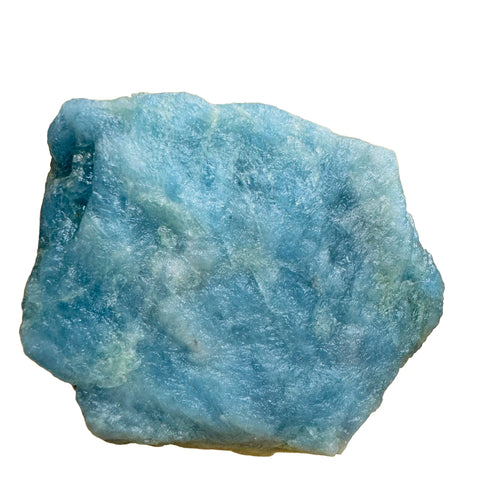


























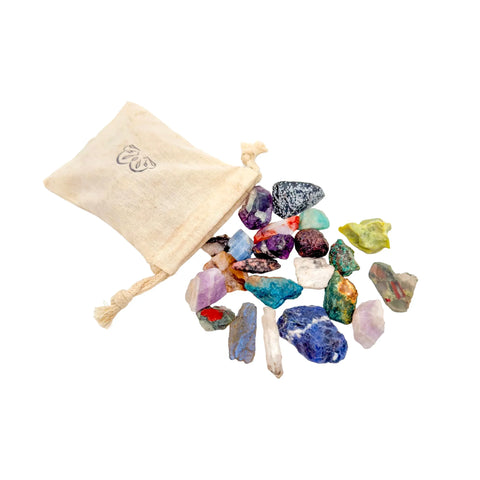

















 Raw Stones
179 pieces
Raw Stones
179 pieces
 Tumbled Stones
162 pieces
Tumbled Stones
162 pieces
 Palm Stones
25 pieces
Palm Stones
25 pieces
 Crystal Points
23 pieces
Crystal Points
23 pieces
 Clusters & Geodes
104 pieces
Clusters & Geodes
104 pieces
 Polished & Decor
148 pieces
Polished & Decor
148 pieces
 Mineral Specimens
259 collector pieces
Mineral Specimens
259 collector pieces
 Crystal Chips
21 pieces
Browse everything
Every collection, one page.
View All Collections →
Crystal Chips
21 pieces
Browse everything
Every collection, one page.
View All Collections →


 Aries
Mar 21 – Apr 19
Carnelian
›
Aries
Mar 21 – Apr 19
Carnelian
›
 Taurus
Apr 20 – May 20
Rose Quartz
›
Taurus
Apr 20 – May 20
Rose Quartz
›
 Gemini
May 21 – Jun 20
Agate
›
Gemini
May 21 – Jun 20
Agate
›
 Cancer
Jun 21 – Jul 22
Moonstone
›
Cancer
Jun 21 – Jul 22
Moonstone
›
 Leo
Jul 23 – Aug 22
Citrine
›
Leo
Jul 23 – Aug 22
Citrine
›
 Virgo
Aug 23 – Sep 22
Amazonite
›
Virgo
Aug 23 – Sep 22
Amazonite
›
 Libra
Sep 23 – Oct 22
Blue Lace Agate
›
Libra
Sep 23 – Oct 22
Blue Lace Agate
›
 Scorpio
Oct 23 – Nov 21
Obsidian
›
Scorpio
Oct 23 – Nov 21
Obsidian
›
 Sagittarius
Nov 22 – Dec 21
Sodalite
›
Sagittarius
Nov 22 – Dec 21
Sodalite
›
 Capricorn
Dec 22 – Jan 19
Black Tourmaline
›
Capricorn
Dec 22 – Jan 19
Black Tourmaline
›
 Aquarius
Jan 20 – Feb 18
Amethyst
›
Aquarius
Jan 20 – Feb 18
Amethyst
›
 Pisces
Feb 19 – Mar 20
Aquamarine
›
Gifting?
A birthday stone is the safe bet.
Read the zodiac guide →
Pisces
Feb 19 – Mar 20
Aquamarine
›
Gifting?
A birthday stone is the safe bet.
Read the zodiac guide →











Blue Rose Quartz
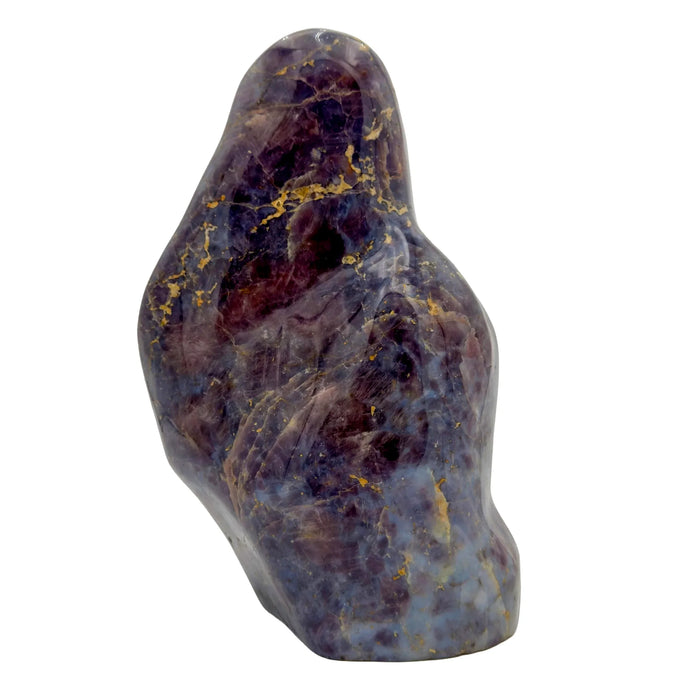
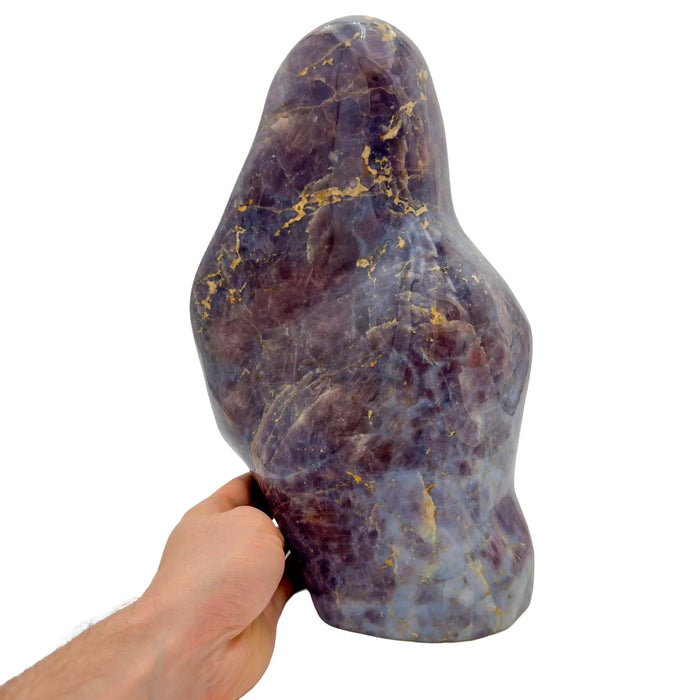
Blue Rose Quartz is a natural variety of quartz found almost exclusively in Madagascar, showing a gentle blend of pink and blue tones in the same stone. The pink comes from microscopic fibrous inclusions of dumortierite-group minerals, and the blue comes from similar iron or magnesium-bearing fibrous inclusions. Unlike dyed or coated material, the color is internal and permanent. Many people work with it for gentle love, emotional calm, and the space where feeling meets voice.
Shop blue rose quartzThe geology.
Blue Rose Quartz is a natural variety of quartz (silicon dioxide, SiO2) containing two different fibrous mineral inclusions that create its distinctive pink and blue tones. The pink color comes from microscopic fibers of dumortierite-group minerals, which are aluminum borosilicate compounds. The blue comes from similar fibrous inclusions that are iron-bearing or magnesium-bearing forms of dumortierite or related silicates. Both sets of inclusions form inside the quartz matrix during slow cooling in hydrothermal veins and pegmatites, creating a single stone with gentle gradations of pink and blue rather than sharp color divisions.
Quartz itself ranks 7 on the Mohs hardness scale, making Blue Rose Quartz durable for jewelry and daily handling. Specific gravity runs near 2.65, standard for quartz varieties. The trigonal crystal system is shared with all quartz, though the fibrous inclusions often obscure visible crystal faces. The color in genuine Blue Rose Quartz is internal to the stone and permanent; it cannot fade with exposure to light or moisture because it is locked inside the quartz structure rather than applied as a coating or dye. This distinguishes it sharply from coated "aura quartz" or dyed material sold under misleading names.
The origins.
Blue Rose Quartz is found almost exclusively in Alaotra-Mangoro, a region in northeastern Madagascar. The material forms in pegmatites and hydrothermal veins where slow cooling allows the two different types of fibrous mineral inclusions to crystallize inside quartz simultaneously. Mining operations in the region are small-scale and artisanal, with hand-sorting at the source and minimal mechanical processing. The raw material reaches us through established sourcing channels, and we work with intermediaries who document batch origins and supply practices. We have not personally visited the mining sites, but we maintain documented relationships with our suppliers and ask questions about practices and conditions.
Blue Rose Quartz from Madagascar is different from standard pink rose quartz, which is mined widely in Brazil, Namibia, and the United States. Standard pink rose quartz is colored by titanium and iron impurities and shows only pink tones. Blue Rose Quartz's distinctive pink and blue blend comes from dumortierite inclusions and is unique to Madagascar sources. If you see this exact color profile from other regions, it is likely coated or dyed material. Our commitment is to this specific Madagascar source and to transparency about what we carry.
Traditional associations.
Blue Rose Quartz carries traditional associations with the Heart and Throat chakras and with the elements Water and Air. The blend of pink and blue is often understood as a bridge between the heart (love, feeling) and the throat (expression, voice). In crystal work, it is commonly paired with intentions around gentle love, emotional calm, compassionate communication, and speaking softer truths. Many people choose it when they want to move through difficult conversations with kindness, or when they are learning to balance emotional openness with clear expression.
The stone itself carries metaphorical weight. The natural blend of two colors is understood by many as a symbol of holding opposites together without tension: pink warmth and blue calm, feeling and clarity, softness and strength. People often work with Blue Rose Quartz during transitions where they are learning to honor their emotions without being overwhelmed by them, or when they are working on self-compassion and gentleness toward themselves. Like rose quartz in general, it is invitational rather than commanding, offering support rather than pushing change.
Spotting the real thing.
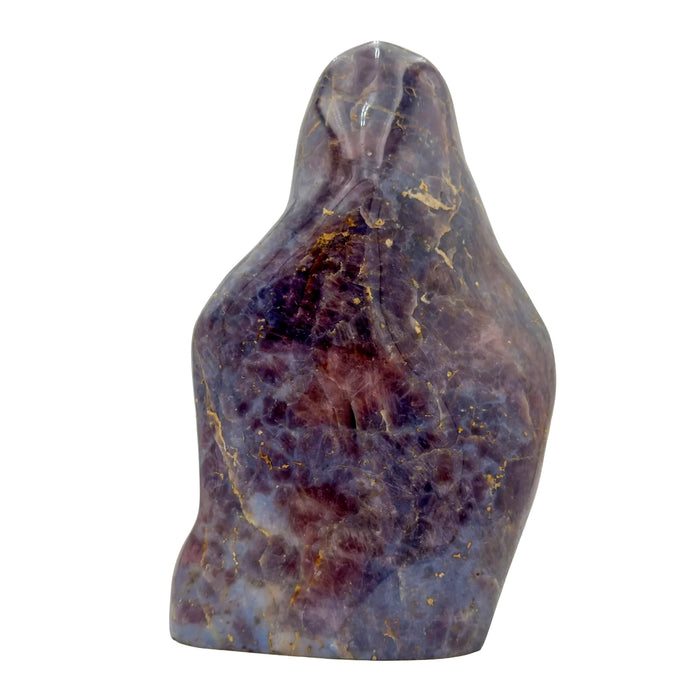
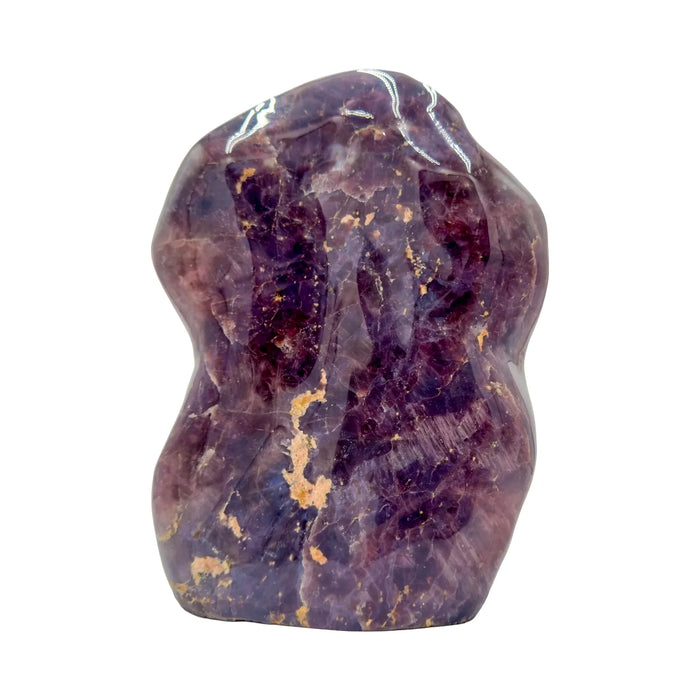
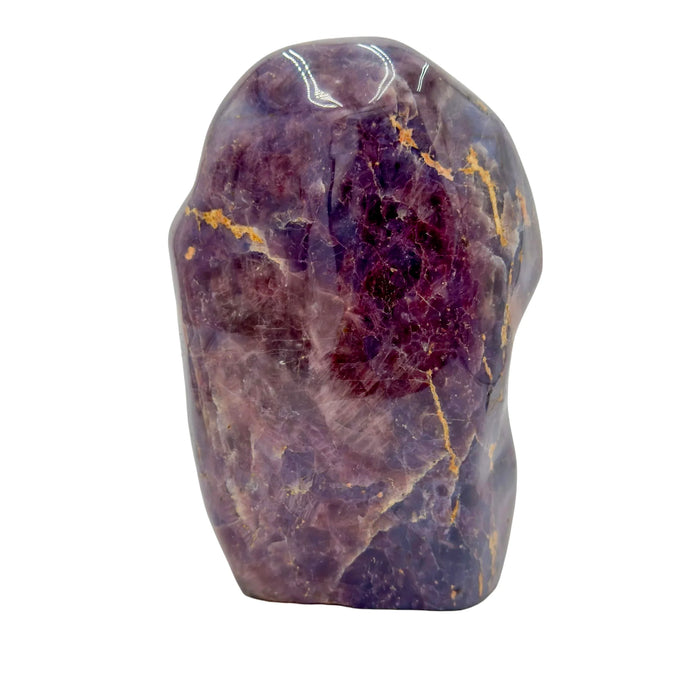
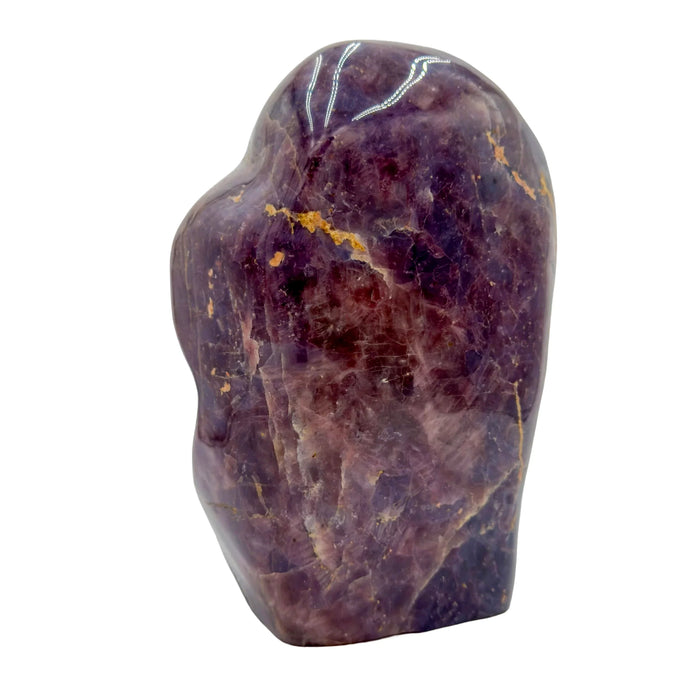
Genuine Blue Rose Quartz shows both pink and blue tones within the same stone, often with gentle gradations or soft zoning between the colors. The surface is smooth and polished, with a waxy or glassy luster typical of quartz. Hold the stone to light and you will see that the color comes from within the stone, not from a surface coating. The pink and blue should blend naturally rather than appearing as separate painted layers. The stone feels cool and smooth to the touch, consistent with natural quartz hardness.
Dyed pink quartz or coated quartz imitations are often uniform in color and feel thin or hollow when held. Coated "aura" quartz shows iridescent metallic or rainbow sheen that genuine Blue Rose Quartz does not have. Dyed material may be overly vivid or have color that looks printed onto the surface. The simplest test is hardness: genuine Blue Rose Quartz at Mohs 7 will scratch glass easily and cannot be scratched by a steel tool or fingernail. If a piece feels soft, scratches easily under modest pressure, or shows a metallic sheen, it is not genuine Blue Rose Quartz.
Care & handling.
Blue Rose Quartz is durable and low-maintenance compared to many stones. At Mohs 7, it resists scratching and can be worn in jewelry or carried in daily life without special precautions. Clean it with warm water and mild soap, rinse thoroughly, and dry with a soft cloth. Avoid ultrasonic and steam cleaners, which can damage internal fractures if present (a concern with any quartz variety). For jewelry, gentle handling is always wise, but Blue Rose Quartz does not require the careful isolation that softer stones demand.
Pink and blue quartz can fade slightly with prolonged direct sunlight exposure over months or years, though this is gradual and not an immediate concern. Store pieces out of intense direct sun if you want to preserve color saturation long-term. For energetic cleansing, water is fine, as is moonlight, sound, or breath. The durability of quartz makes it forgiving in practice. Many people work with Blue Rose Quartz in daily carry, wear it as jewelry, place it in living spaces, or hold it during meditation without worrying about damage or degradation.
Pairs well with.
Proof, not promises.
We measure our own sourcing across five dimensions. Supply chain, environmental footprint, artisan support, market integrity, and pricing. The number is honest, not perfect. Where we can do better, we say so.
A deeper look.
Extended geology, sourcing, authentication, varieties, and pricing, for when the quick guide isn't quite enough.
Extended geology
Blue Rose Quartz is quartz (silicon dioxide, SiO2) colored by two different types of fibrous mineral inclusions. The pink color comes from microscopic fibers of dumortierite or dumortierite-group minerals (aluminum borosilicate silicates), which appear as thin needles distributed throughout the quartz matrix. The blue color comes from similar fibrous inclusions that are iron-bearing or magnesium-bearing silicates, including blue dumortierite variants or related needle-like minerals. Both sets of inclusions form during the cooling of hydrothermal veins and pegmatites, where quartz crystallizes slowly around the forming fibers.
The pink and blue tones appear in the same stone because the two types of inclusions crystallize at similar temperatures and depths. In some pieces, the colors are well-mixed and create a soft lavender or periwinkle overall appearance. In others, zoning is visible, with pink-dominant areas and blue-dominant areas within the same freeform. This variation is natural and is part of the visual signature of genuine Madagascar Blue Rose Quartz. Uniform color in a piece claiming to be Blue Rose Quartz is a sign of dyed material.
Quartz is Mohs 7, making Blue Rose Quartz durable for jewelry and daily handling. Specific gravity runs 2.64 to 2.66. Crystal system is trigonal (hexagonal family), though the fibrous inclusions often obscure the typical six-sided crystal terminations. Fracture is conchoidal (shell-like). Luster is waxy to glassy. Under ultraviolet light, most Blue Rose Quartz shows no fluorescence or very faint fluorescence, distinguishing it from some dyed substitutes that may glow brightly under UV.
Extended sourcing
Blue Rose Quartz is mined in Alaotra-Mangoro, a region in northeastern Madagascar known for mineral diversity. The mining is artisanal and small-scale, with hand extraction and hand-sorting at the source. Raw material is finished into tumbled stones and polished freeforms through careful hand-polishing to preserve the delicate balance of the pink and blue tones. We work through intermediaries who maintain documented relationships with the cooperatives and who can provide batch-level information about origin and supply practices. This is not direct-relationship sourcing, which is a limitation we acknowledge, but it is documented sourcing with accountability.
Madagascar is effectively the only significant commercial source for Blue Rose Quartz with this specific color profile. Standard pink rose quartz from Brazil, Namibia, and the United States is far more abundant and cheaper. If you see this exact pink and blue blend from other regions or at very low prices, it is almost certainly coated or dyed material. Our sourcing commitment is to Madagascar, and we maintain that commitment even as the price is higher than mass-market pink quartz.
Authentication and market imitations
Dyed pink quartz and coated quartz imitations are the most common substitutes for Blue Rose Quartz. Dyed pink quartz painted with additional blue dye or coating can be made to resemble Blue Rose Quartz if the work is careful. Coated "aura quartz" with vaporized metal finishes can show blue iridescence that might be confused with Blue Rose Quartz at first glance, but aura quartz has a metallic, rainbow sheen that genuine Blue Rose Quartz does not have.
The hardness test is reliable. Genuine Blue Rose Quartz at Mohs 7 will scratch glass easily and cannot be scratched by a steel tool, copper coin, or fingernail. Dyed pink quartz or soft mineral substitutes will scratch under pressure or feel softer. Color uniformity is another clue: genuine Blue Rose Quartz shows natural variation and soft gradations; dyed material often shows uniform or printed-looking color. Under magnification, genuine Blue Rose Quartz shows fibrous inclusions visible as fine lines; dyed material shows a smooth, painted surface.
Historical and cultural context
Blue Rose Quartz does not carry a long historical record because it has only been available in the crystal market for roughly two decades. It emerged from Madagascar as the island's mineral resources became better known to the crystal industry. The name and the associations grew naturally from its appearance: a blend of pink (traditional rose quartz associations with love and softness) and blue (throat chakra and calm). Modern crystal work paired it with Heart and Throat chakra associations because the color itself suggested that bridge.
Unlike stones with deep archaeological or cultural histories, Blue Rose Quartz carries a modern narrative built from its visual qualities and its rarity. The appeal is in what the stone presents: a natural blend of two colors that feel complementary, durable quartz that is accessible for daily work, and a supply story rooted in a single specific place.
Related minerals and trade distinctions
Blue Rose Quartz IS quartz variety with dumortierite inclusions. It is not a blend of rose quartz and another mineral; it is a single quartz crystal with two types of colored inclusions. Standard pink rose quartz contains different impurities (titanium and iron rather than dumortierite) and shows only pink tones. The blue-pink blend is unique to Madagascar sources and is the defining feature that sets this material apart.
Blue Lace Agate is sometimes carried alongside Blue Rose Quartz in collections because both are pale blue and associated with throat energy, but they are entirely different minerals: agate is microcrystalline quartz (many small quartz crystals) with different color mechanisms, while Blue Rose Quartz is macrocrystalline quartz (single large crystal) with dumortierite inclusions. They pair well thematically but are mineralogically distinct.
Availability and pricing reality
Blue Rose Quartz is limited in supply because the Alaotra-Mangoro source is the only significant commercial source and mining there is small-scale. Retail pricing typically ranges from $20 to $80 for a single freeform or palm stone depending on size, color saturation, and finish quality. Larger or exceptionally colored pieces command higher prices. Our current inventory is limited, and new product launches depend on supply availability from Madagascar.
Value drivers: intensity and balance of the pink and blue colors, size, finish quality (hand-polished or natural form), and absence of visible fractures or damage. Pieces that are predominantly one color (mostly pink or mostly blue) are less desirable than those showing good balance. Warning signs: extremely low pricing (under $10 for substantial pieces, which suggests dyed material or misrepresentation), uniform single color marketed as Blue Rose Quartz, material sold without stated Madagascar origin, and overly vivid blue that looks painted rather than grown.
Good sourcing is a practice, not a claim.
Nothing we sell is dyed, stabilized, reconstituted, or color-enhanced without full disclosure. We name our origins where we can. We say so when we cannot. We walk away from material that does not meet our standard, even when it costs us sales.
Bring Blue Rose Quartz home.
Freeforms and polished pieces from Alaotra-Mangoro, Madagascar. Natural, untreated, hand-selected for balanced pink and blue color and clarity. Each piece finished with care and chosen for the distinctive blend that makes Blue Rose Quartz impossible to confuse with standard pink rose quartz or mass-market dyed material.
Shop the blue rose quartz collectionBlue Rose Quartz, in stock now.
Our most-loved Blue Rose Quartz pieces, ready to ship.
- from 1,000+ reviews
- Ships within 72 hoursMonday to Friday, tracked
- 90 days to return itif you do not love it
- Free US shipping over $99$8.99 flat rate under
The Slow Note
New stones go to the list first.
No forwarding, no selling. Unsubscribe in one click. Privacy