


 Agatefor stress relief
 Amazonitefor stress relief
 Aquamarinefor serenity
 Aventurinefor luck
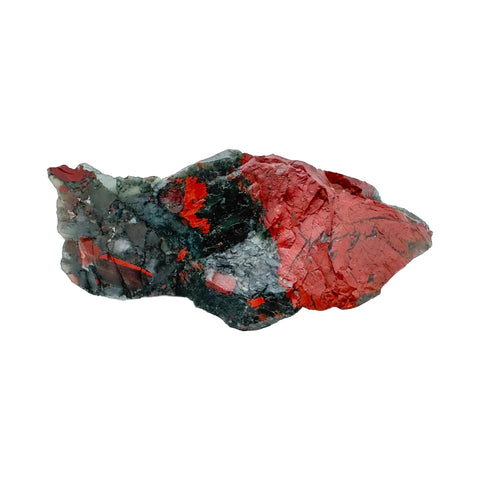
 Bloodstonefor energy
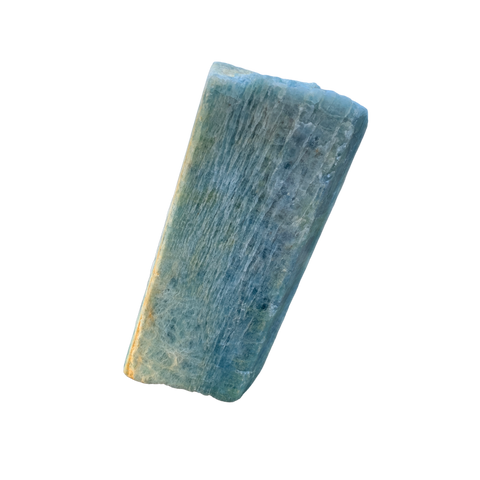
 Blue Kyanitefor confidence
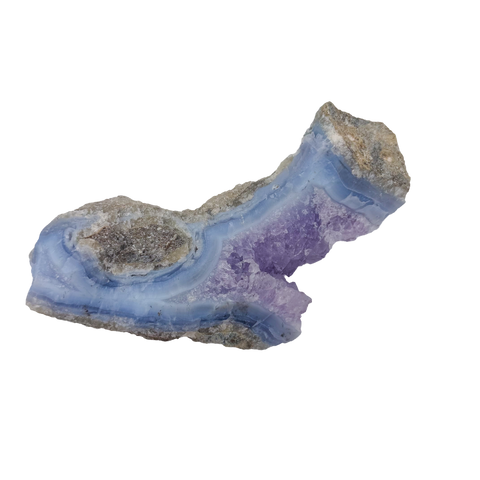
 Blue Lace Agatefor stress relief
 Chrysocollafor emotional healing
 Fluoritefor focus
 Garnetfor energy
 Lepidolitefor stress relief
 Malachitefor emotional healing
 Moonstonefor grounding
 Obsidianfor protection
 Ocean Jasperfor emotional healing
 Red Jasperfor grounding
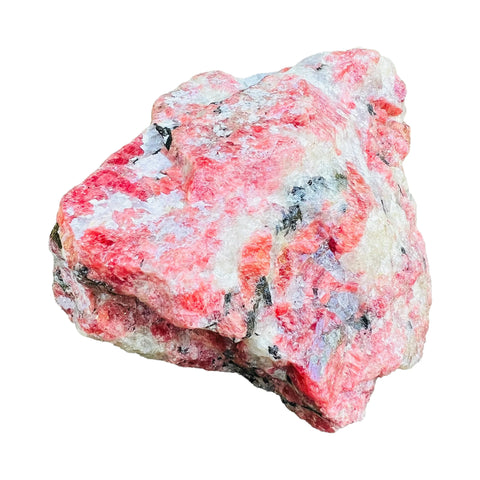
 Rhodonitefor emotional healing
 Selenitefor cleansing
 Sodalitefor focus
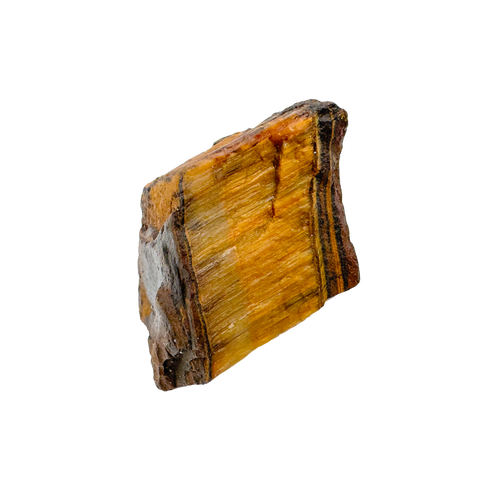
 Tiger Eyefor confidence
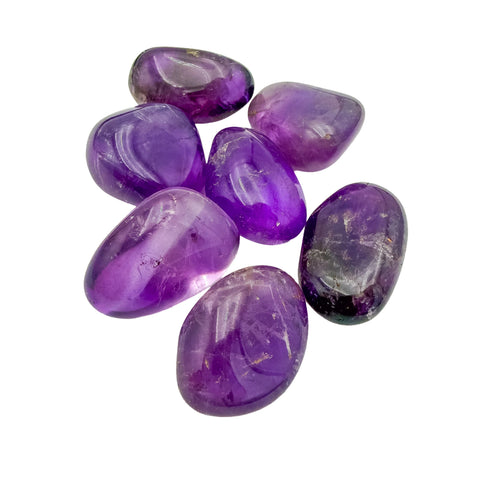


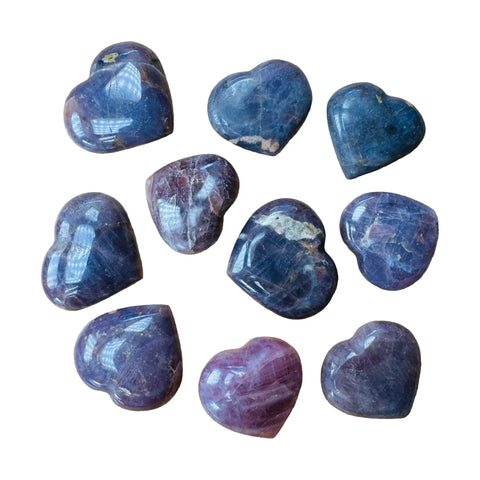


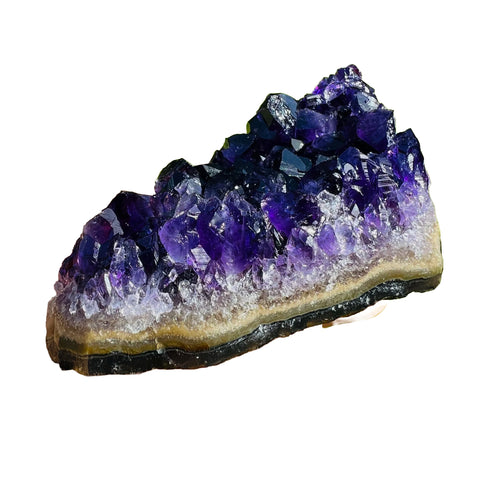





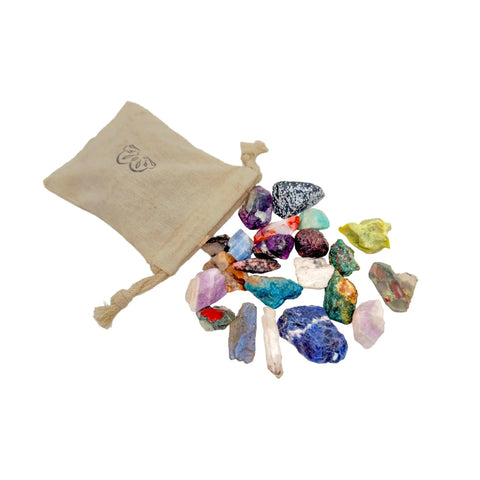
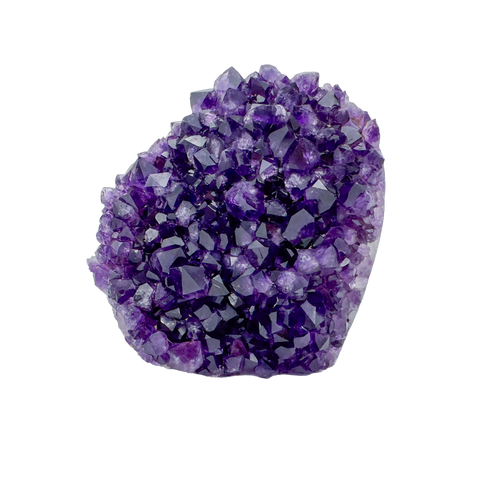
 Amethyst
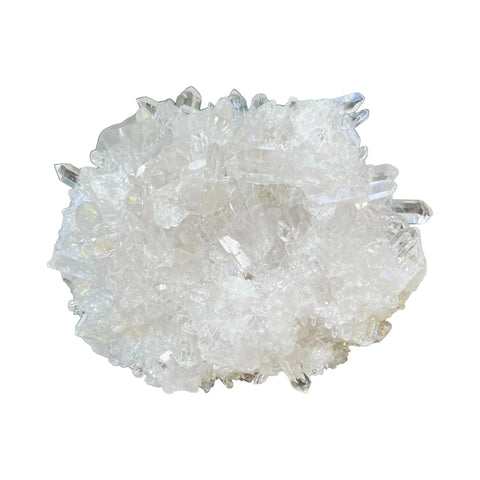
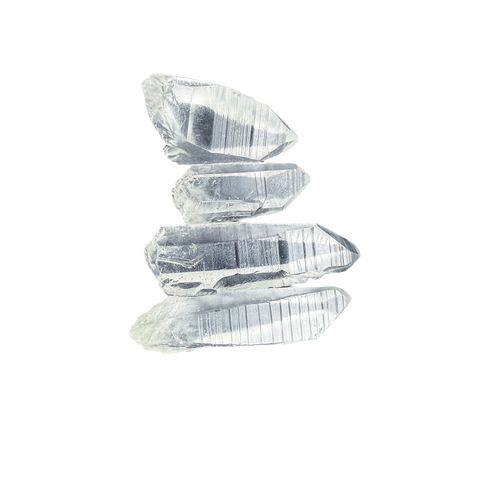
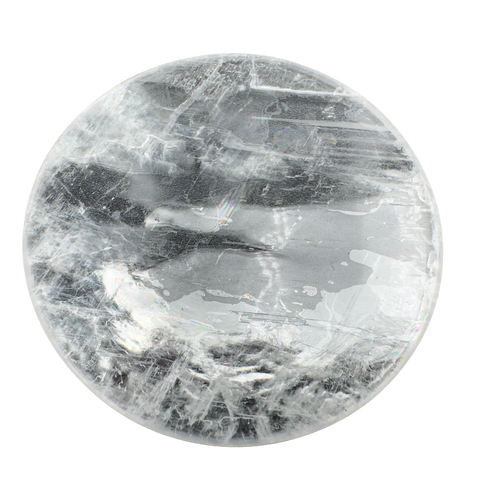
 Clear Quartz
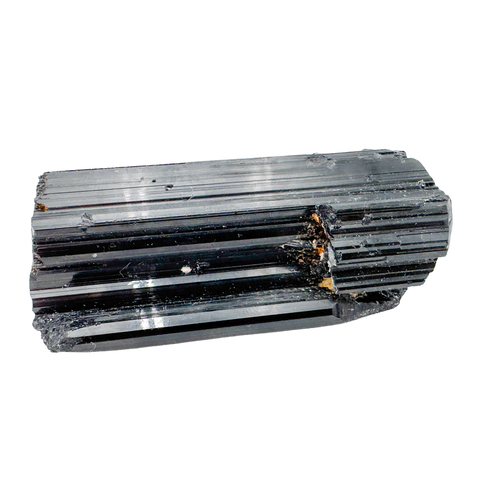
 Black Tourmaline
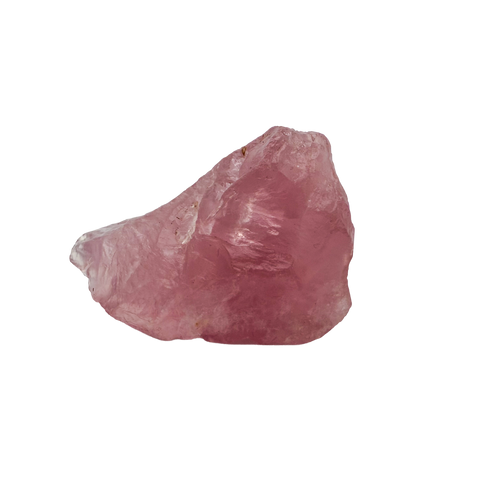
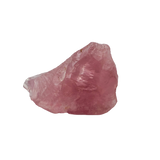 Rose Quartz
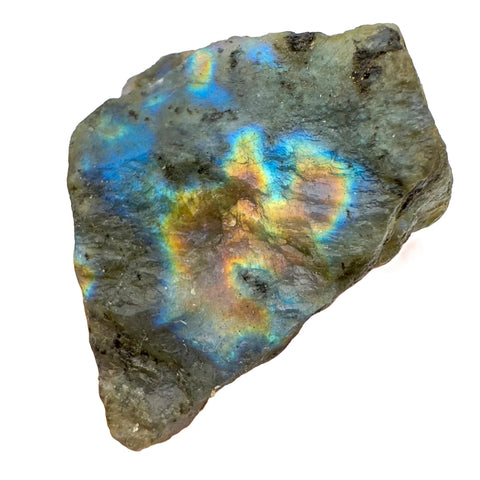
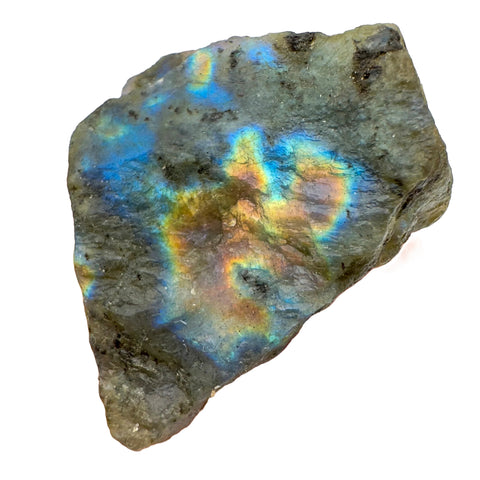
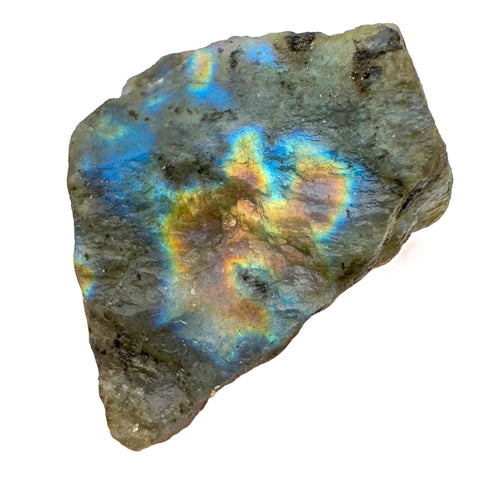
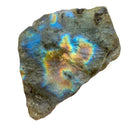 Labradorite
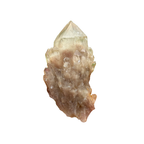 Natural Citrine
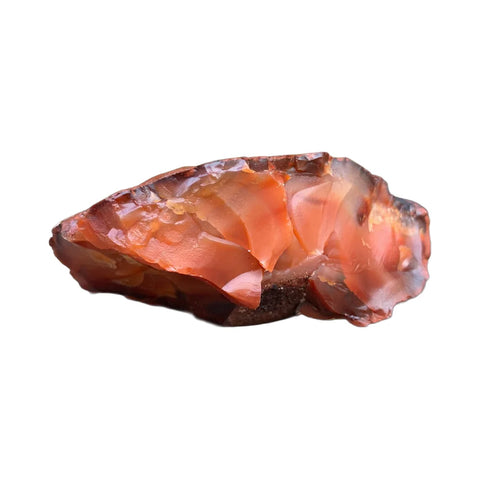
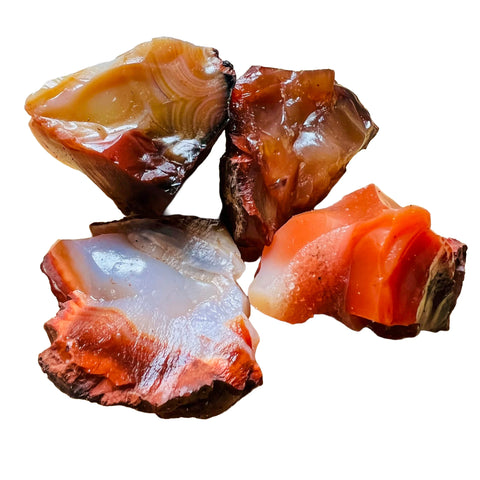
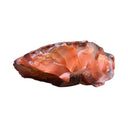 Carnelian
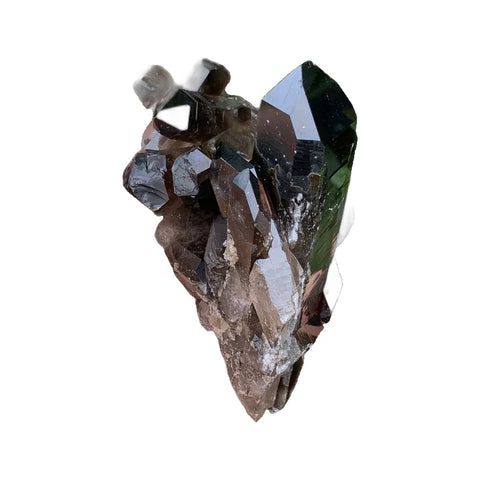
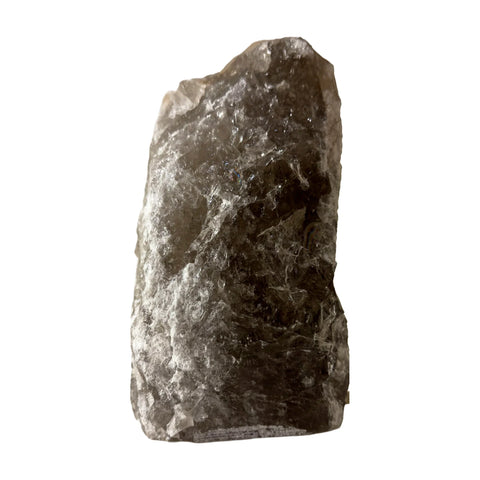
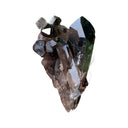 Smoky Quartz
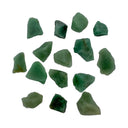 Aventurine
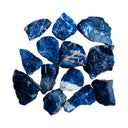 Sodalite
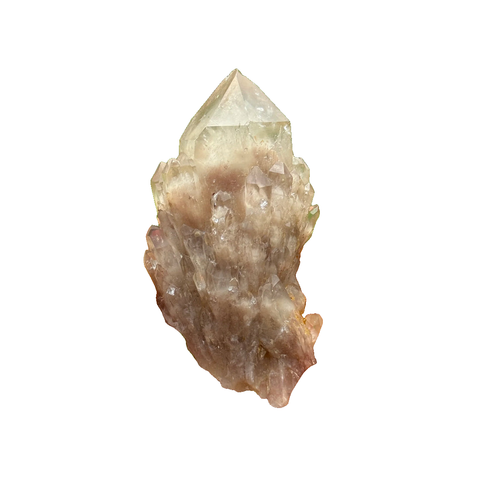
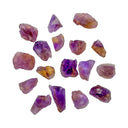 Ametrine
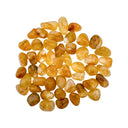 Golden Healer
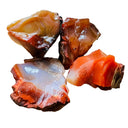 Raw Stones
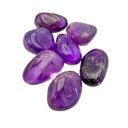 Tumbled Stones
 Palm Stones
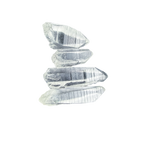 Crystal Points
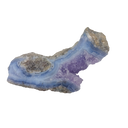 Clusters & Geodes
 Polished & Decor
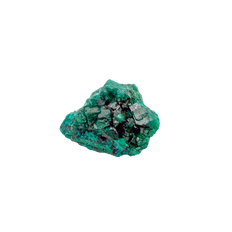 Mineral Specimens
 Crystal Chips
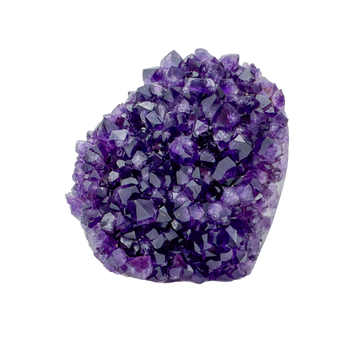
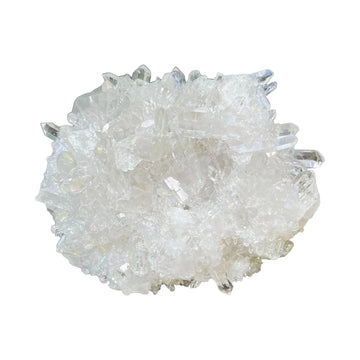
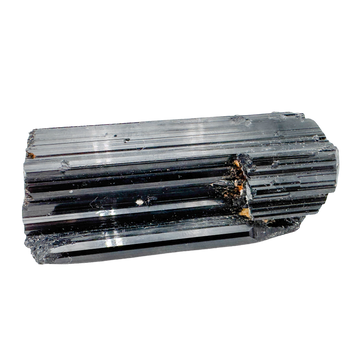
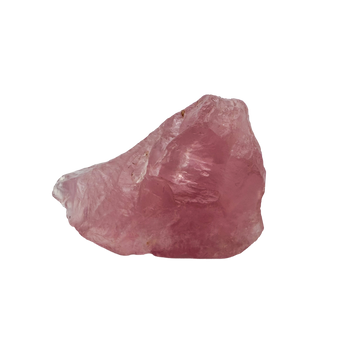
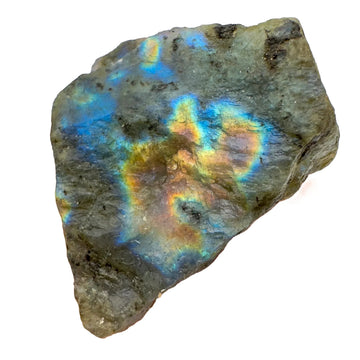
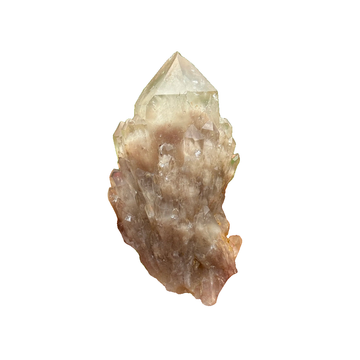
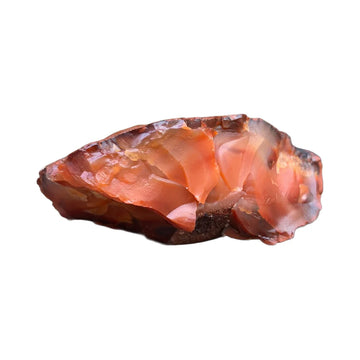
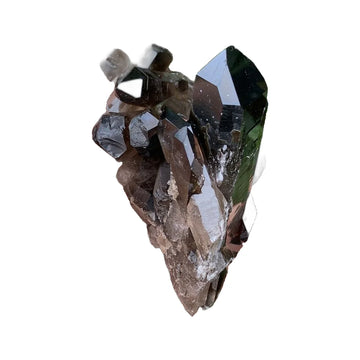
 Raw Stones
179 to choose from
Raw Stones
179 to choose from
 Tumbled Stones
162 to choose from
Tumbled Stones
162 to choose from
 Palm Stones
25 to choose from
Palm Stones
25 to choose from
 Crystal Points
23 to choose from
Crystal Points
23 to choose from
 Clusters & Geodes
103 to choose from
Clusters & Geodes
103 to choose from
 Polished & Decor
148 to choose from
Polished & Decor
148 to choose from
 Mineral Specimens
257 to choose from
Mineral Specimens
257 to choose from
 Crystal Chips
21 to choose from
Crystal Chips
21 to choose from


 AngolaAquamarine
›
AngolaAquamarine
›
 BotswanaCarnelian, Tree Agate
›
BotswanaCarnelian, Tree Agate
›
 DR CongoMalachite, Natural Citrine
›
DR CongoMalachite, Natural Citrine
›
 EswatiniBloodstone
›
EswatiniBloodstone
›
 MadagascarLabradorite, Clear Quartz
›
MadagascarLabradorite, Clear Quartz
›
 MalawiBlue Lace Agate, Garnet
›
MalawiBlue Lace Agate, Garnet
›
 MozambiqueAmazonite
›
MozambiqueAmazonite
›
 NamibiaSodalite, Blue Lace Agate
›
NamibiaSodalite, Blue Lace Agate
›
 Republic of the CongoDioptase
›
Republic of the CongoDioptase
›
 South AfricaTiger Eye, Unakite
›
South AfricaTiger Eye, Unakite
›
 ZambiaChevron Amethyst
›
ZambiaChevron Amethyst
›
 ZimbabweEmerald, Rhodonite
›
ZimbabweEmerald, Rhodonite
›
 ArgentinaBlack Obsidian, Rhodochrosite
›
ArgentinaBlack Obsidian, Rhodochrosite
›
 BoliviaAmetrine
›
BoliviaAmetrine
›
 BrazilAmethyst, Clear Quartz
›
BrazilAmethyst, Clear Quartz
›
 PeruSerpentine, Jade
›
PeruSerpentine, Jade
›
 UruguayAmethyst
›
UruguayAmethyst
›
 Dominican RepublicLarimar
›
Dominican RepublicLarimar
›
 MexicoRainbow Obsidian, Crazy Lace Agate
›
MexicoRainbow Obsidian, Crazy Lace Agate
›
 United StatesSelenite, Peridot
›
United StatesSelenite, Peridot
›
 ChinaFluorite
›
ChinaFluorite
›
 RussiaShungite
›
RussiaShungite
›
 AustraliaMookaite
›
AustraliaMookaite
›
 Where our crystals come from
See where we source →
Where our crystals come from
See where we source →


 Aries
Mar 21 to Apr 19
Carnelian
›
Aries
Mar 21 to Apr 19
Carnelian
›
 Taurus
Apr 20 to May 20
Rose Quartz
›
Taurus
Apr 20 to May 20
Rose Quartz
›
 Gemini
May 21 to Jun 20
Agate
›
Gemini
May 21 to Jun 20
Agate
›
 Cancer
Jun 21 to Jul 22
Moonstone
›
Cancer
Jun 21 to Jul 22
Moonstone
›
 Leo
Jul 23 to Aug 22
Citrine
›
Leo
Jul 23 to Aug 22
Citrine
›
 Virgo
Aug 23 to Sep 22
Amazonite
›
Virgo
Aug 23 to Sep 22
Amazonite
›
 Libra
Sep 23 to Oct 22
Blue Lace Agate
›
Libra
Sep 23 to Oct 22
Blue Lace Agate
›
 Scorpio
Oct 23 to Nov 21
Obsidian
›
Scorpio
Oct 23 to Nov 21
Obsidian
›
 Sagittarius
Nov 22 to Dec 21
Sodalite
›
Sagittarius
Nov 22 to Dec 21
Sodalite
›
 Capricorn
Dec 22 to Jan 19
Black Tourmaline
›
Capricorn
Dec 22 to Jan 19
Black Tourmaline
›
 Aquarius
Jan 20 to Feb 18
Amethyst
›
Aquarius
Jan 20 to Feb 18
Amethyst
›
 Pisces
Feb 19 to Mar 20
Aquamarine
›
Gifting?
A birthday stone is the safe bet.
Read the zodiac guide →
Pisces
Feb 19 to Mar 20
Aquamarine
›
Gifting?
A birthday stone is the safe bet.
Read the zodiac guide →


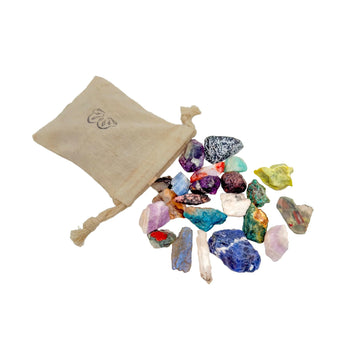
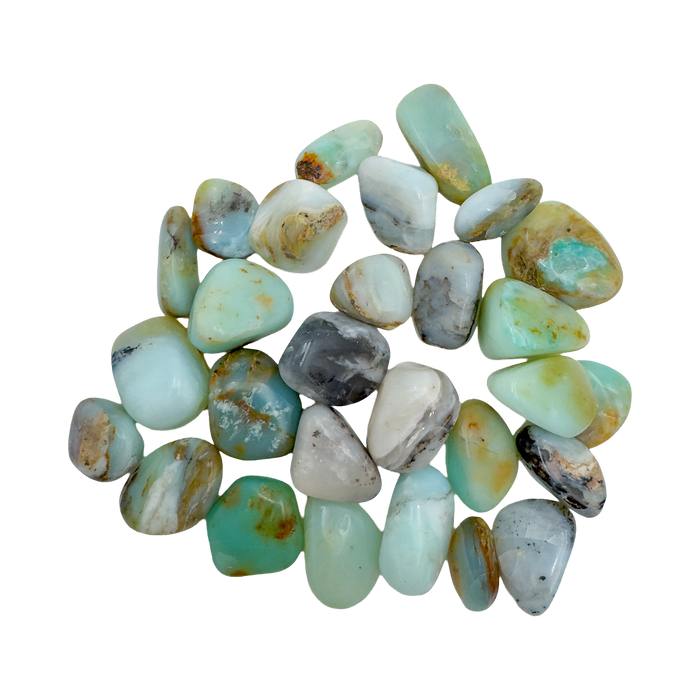
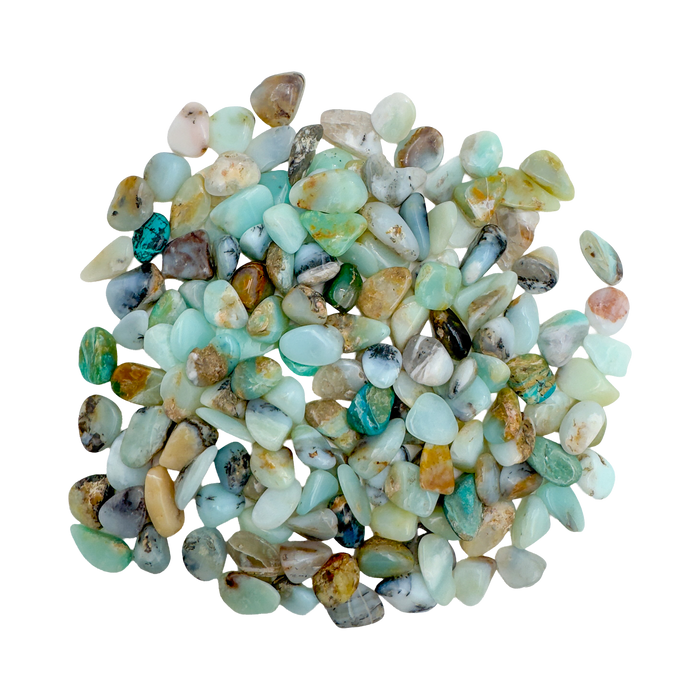
Blue Opal
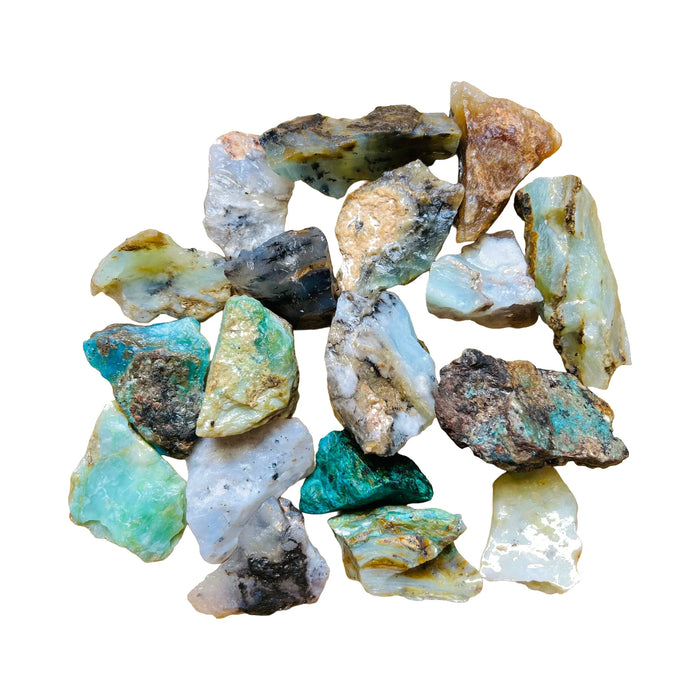
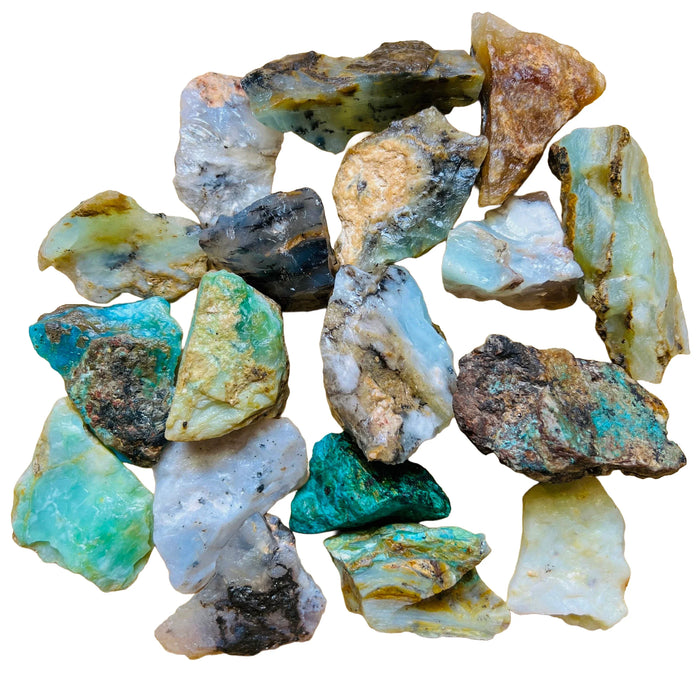
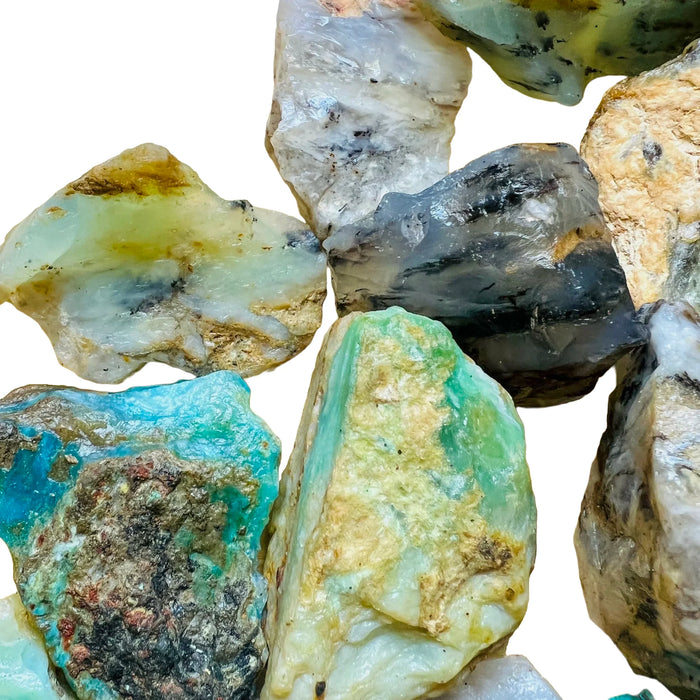
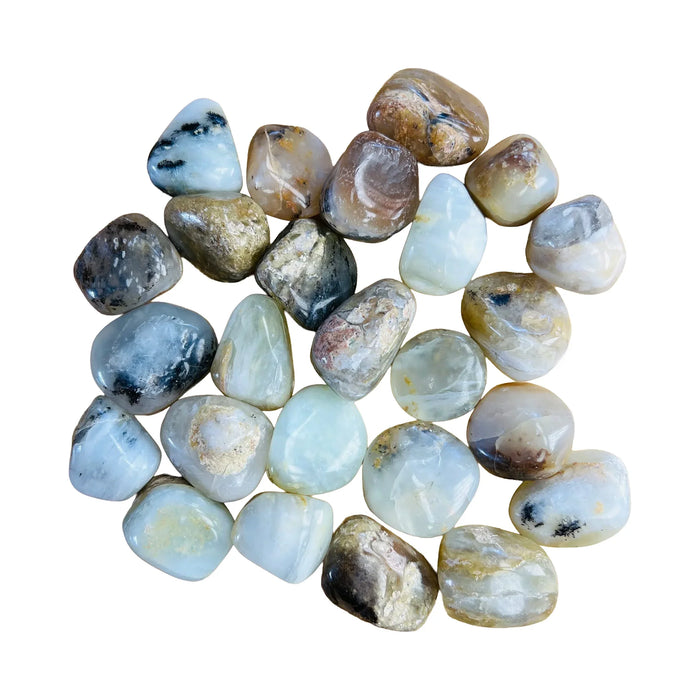
Blue opal is a pale, milky-blue variety of opal best known from the Andean deposits of Peru and from sources in the United States. Unlike precious opal, it shows no rainbow play of color; instead its beauty lives in soft translucent blue, formed naturally over geological time. The stone is relatively soft at 5.5 to 6.5 on the Mohs scale and can be fragile. Worth knowing: much of what's sold as "blue opal" at low prices is actually opalite, a manufactured glass, not a natural stone.
Shop blue opalBlue Opal, in stock now.
Our most-loved Blue Opal pieces, ready to ship.
- from 1,000+ reviews
- Ships within 72 hoursMonday to Friday, tracked
- 90 days to return itif you do not love it
- Free US shipping over $99$8.99 flat rate under
The geology.
Blue opal is a hydrated silica mineral with the chemical formula SiO2 nH2O. It's an amorphous form of opal, meaning it has no crystalline structure visible to the naked eye, unlike quartz or calcite. The soft blue to pale blue color comes from trace metals, particularly iron, which occupy spaces within the silica matrix. The structure contains significant water content, typically 5 to 20 percent by weight, which gives opal its characteristic softness and subtle translucency.
The stone forms in weathered rock deposits and volcanic zones where silica-rich solutions slowly accumulate and harden over thousands of years. Blue opal doesn't form as crystals but rather as massive material, which is why commercial pieces are always worked from larger rough into tumbled stones, polished cabochons, or carvings. Its softness at 5.5 to 6.5 on the Mohs scale makes it more fragile than quartz but harder than calcite. Blue opal also contains water, which means extreme dryness can cause fine crazing (small cracks) to develop on the surface. This is a natural property of opal as a mineral, not a sign of poor care.
The origins.
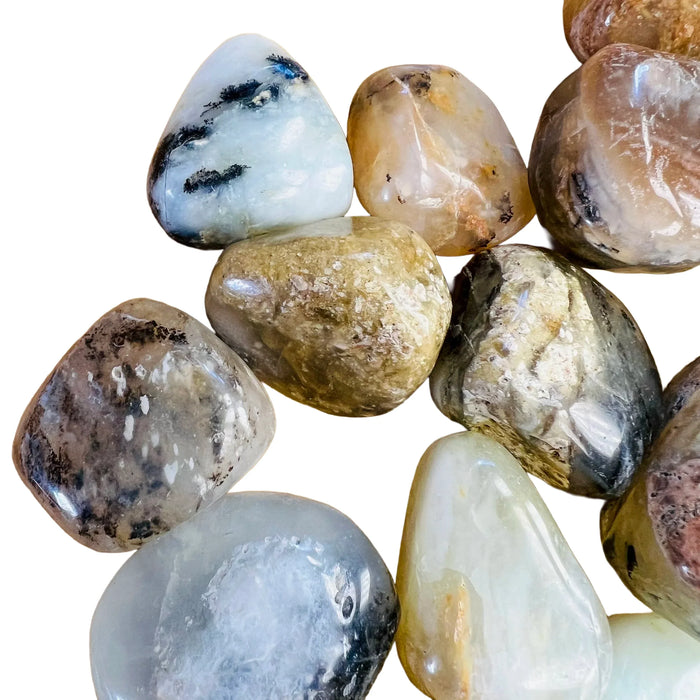
The blue opal we carry comes primarily from two sources: Peru and Oregon in the United States. Peru's Andean blue opal, sometimes called Andean blue opal, comes from weathered volcanic deposits at elevation. The color is typically pale to medium blue, with a subtle milky translucence that becomes evident when held to light. Peruvian blue opal tends toward slightly cooler, more delicate tones. The material is mined through small-scale operations and hand-selected before being worked into finished pieces.
Oregon's blue opal is sourced from its own geological zones in the high desert region. It often presents with slightly warmer undertones or subtle banding compared to Peruvian material. Oregon blue opal has historically been less prominent in the commercial market than its Peruvian counterpart, which makes it a less familiar find in retail settings. Both origins are entirely natural, equally genuine, and equally valid as blue opal.
Blue opal also occurs in deposits in Madagascar, Slovakia, and elsewhere. Yet Peru and Oregon remain the most reliable and consistent sources for North American supply, with established relationships and confirmed mining practices. Other origins exist, and we acknowledge they're part of the full story of where blue opal forms around the world.
Traditional associations.
Blue opal is a modern addition to contemporary crystal practice, becoming widely known only in recent decades as more deposits were accessed and brought to market. It does not have deep historical roots in traditional metaphysical practice. Its current associations were built by modern crystal workers who recognized its pale, watery blue color, its softness, and its throat and third eye chakra affinity, and began pairing it with intentions around calm communication and intuitive listening.
In modern practice, blue opal is most commonly associated with the Throat chakra and Third Eye center, the element Water, and intentions around peace, gentle communication, emotional softening, and calm. Many people work with it during meditation, carry it to support thoughtful speech, and pair it with other cooling or water-aligned stones when they want subtle emotional support rather than intense energetic work. It is often chosen for its gentle presentation rather than bold visual impact. The traditional associations emphasize its role in quieting mental noise and supporting communication that flows from a grounded place.
Spotting the real thing.
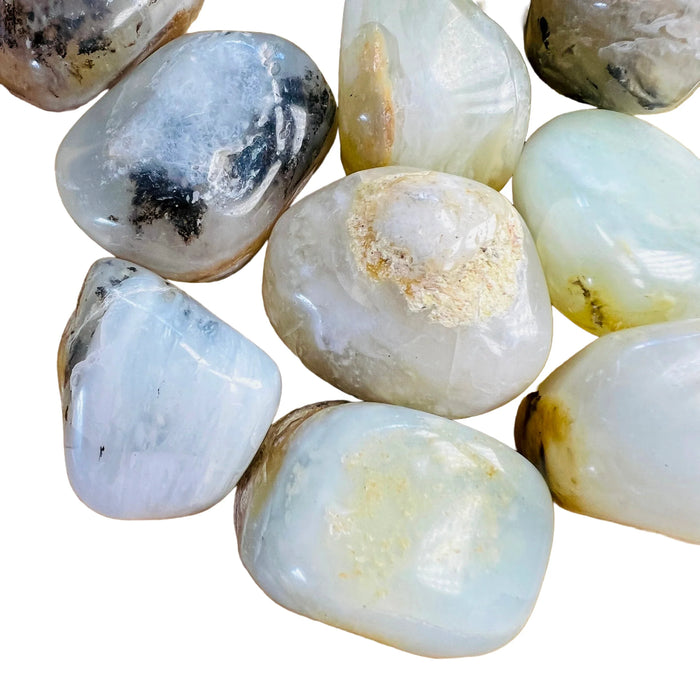
Genuine blue opal feels smooth and waxy to the touch, with a subtle translucent quality when held to light. The color is pale to medium blue, and you'll see variation across a single piece rather than absolute uniformity. True blue opal is soft, scratching easily under a copper coin or even a fingernail. When scratched, the scratch line will be white, not colored, because you're exposing the silica beneath the surface layer.
Opalite, the glass substitute, feels much harder and does not scratch under fingernail pressure. It's often uniformly bright blue, lacks any translucence or subtle banding, and feels cold and glassy rather than waxy. Dyed chalcedony, another common substitute, scratches more slowly than true opal and often shows an obviously uniform dyed color. A practical test: genuine blue opal reacts to weak acid (a small amount of vinegar on a hidden edge produces slight fizzing), while opalite and dyed substitutes will not. The softness and the pale, translucent quality are defining features of authentic blue opal.
Care & handling.
Blue opal is soft and water-bearing, which means it needs gentle handling. Avoid prolonged soaking or submerging the stone in water. Brief rinsing under cool running water is acceptable, but extended water contact can soften the material or cause crazing (fine surface cracks). Dry care is best. For cleansing, use smoke, sound, breath, or moonlight rather than water or salt. If dust accumulates, use a soft dry cloth or a soft brush instead of water.
Store the stone in a soft cloth or small velvet pouch, away from harder minerals that could scratch it. Avoid ultrasonic cleaners, steam cleaners, and heat. Do not carry it loose in a pocket with keys or coins. Extreme dryness over long periods can cause crazing as the water in the opal slowly evaporates, so storing it in a normal humidity environment (not in a dry room or near heating vents) helps preserve it. The softness and the pale beauty of blue opal are core to its character. Handle that gently.
Pairs well with.
Proof, not promises.
We measure our own sourcing across five dimensions. Supply chain, environmental footprint, artisan support, market integrity, and pricing. The number is honest, not perfect. Where we can do better, we say so.
A deeper look.
Extended geology, sourcing, authentication, water content, varieties, and pricing for when the quick guide isn't quite enough.
Extended geology
Blue opal is a hydrated form of silica with the general formula SiO2 nH2O, where n represents the variable amount of water in the structure. Unlike crystalline quartz, opal is amorphous, meaning its silica molecules are arranged randomly rather than in a repeating geometric pattern. This randomness is why opal feels different from quartz and why it can be worked so smoothly.
The blue color comes primarily from iron compounds suspended or bound within the silica matrix. Trace amounts of other metals, particularly copper, may contribute secondary tones. The amount of water in blue opal typically ranges from 5 to 20 percent by weight, and this water is not loosely bound but rather integrated into the mineral structure. This is crucial for understanding why blue opal can develop crazing if it loses water gradually over years, and why extreme dryness is a concern.
Blue opal forms in weathered volcanic rock, in zones where silica-rich groundwater moves slowly through fractures and porous zones, depositing silica as the water evaporates or reacts with surrounding material. This process takes thousands to millions of years. The result is massive opal, never as distinct crystals, and always worked from larger rough material into finished pieces.
Water content and preservation
The water in blue opal is not a flaw, it's structural. This water keeps the stone soft and slightly translucent. However, if opal is stored in extremely dry conditions for extended periods, it can lose water and develop fine surface cracks called crazing. This does not mean the stone is broken, but it does affect appearance and can make the piece feel less smooth to the touch. Conversely, soaking opal in water does not restore crazing, and extended water immersion can soften the stone further.
For long-term care, store blue opal in a normal humidity environment. A velvet pouch or soft cloth pouch kept in a drawer, shelf, or display case at room humidity is ideal. Avoid storing it in plastic bags sealed for months, in dry rooms heated intensely in winter, or exposed to direct sun which can gradually fade the color.
Sourcing in Peru and Oregon
Peru's Andean blue opal comes from weathered volcanic deposits in the Andes mountains, accessed through small-scale hand-mining operations. The color tends toward pale, cool blue with a milky translucence. Material is sorted by hand before it leaves the mining zone, and finished pieces are typically tumbled or cabochon-cut. Sourcing relationships in Peru have been established over years, allowing us to confirm mining practices and labor conditions with reasonable confidence.
Oregon's blue opal comes from high desert deposits in the state's interior. The material tends toward slightly warmer or more saturated blue compared to Peruvian opal, and it's less common in the commercial market. Oregon mining is similarly small-scale and hand-sorted, yet documentation of labor practices and environmental oversight is less robust than we prefer, and we continue working to deepen this sourcing relationship.
Authentication and testing
Genuine blue opal is soft, scratching easily under fingernail or copper coin pressure. The scratch appears white, not colored. Opalite, the glass substitute, is much harder and resists scratching under normal finger pressure. Opalite often shows uniformly bright, saturated blue without the natural color variation of genuine opal. Dyed chalcedony, another market substitute, is harder than opal and usually shows more intense, obviously artificial color.
Genuine blue opal is translucent when held to light, showing a subtle glow. Opalite is not translucent and appears opaque. True opal also has a waxy feel, not a cold glassy feel. The acid test (vinegar on a hidden edge producing slight fizzing) definitively confirms silica-based opal, though this is destructive and best reserved for authentication of pieces you don't intend to keep.
Pricing and market notes
Tumbled blue opal typically runs $3 to $8 per piece at retail, depending on size and polish quality. Hand-polished pieces and raw chunks run $7 to $15. Larger specimens, special forms, or pieces selected for exceptional color range from $15 to $40 or more. Very low pricing (under $3 per tumble, under $8 for palm stones) should prompt questions about whether the material is genuine opal or opalite substitute. Commodity opalite routinely sells under $2 per piece, which should be a clear signal.
Warning signs: blue opal sold without origin disclosure, material claimed to be "museum quality" or "rare" when blue opal is commercially available, and pieces showing zero color variation or translucence despite claims of natural status. Reputable sellers can discuss their sourcing relationship and testing methods without defensiveness.
Good sourcing is a practice, not a claim.
Nothing we sell is dyed, stabilized, reconstituted, or color-enhanced without full disclosure. We name our origins where we can. We say so when we cannot. We walk away from material that does not meet our standard, even when it costs us sales.
Bring blue opal home.
Raw and hand-polished blue opal from Peru and Oregon. Natural, untreated, and hand-selected for tone and translucence. Each piece comes with origin documentation confirming Peru or Oregon source.
Shop the blue opal collectionGrounded Connections
New stones go to the list first.
No forwarding, no selling. Unsubscribe in one click. Privacy