


 Agatefor stress relief
 Amazonitefor stress relief
 Aquamarinefor serenity
 Aventurinefor luck
 Bloodstonefor energy
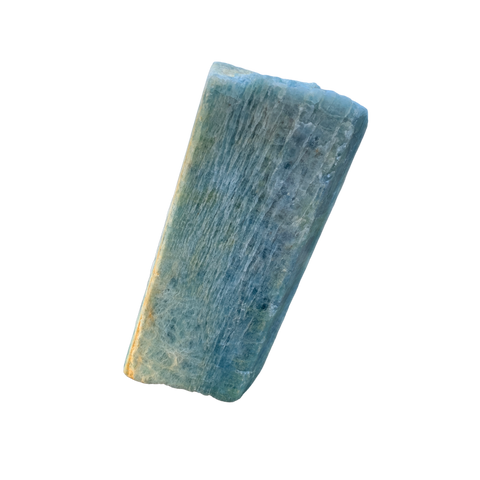
 Blue Kyanitefor confidence
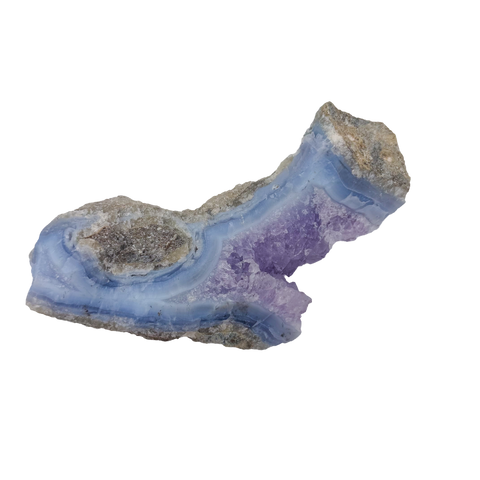
 Blue Lace Agatefor stress relief
 Chrysocollafor emotional healing
 Fluoritefor focus
 Garnetfor energy
 Lepidolitefor stress relief
 Malachitefor emotional healing
 Moonstonefor grounding
 Obsidianfor protection
 Ocean Jasperfor emotional healing
 Red Jasperfor grounding
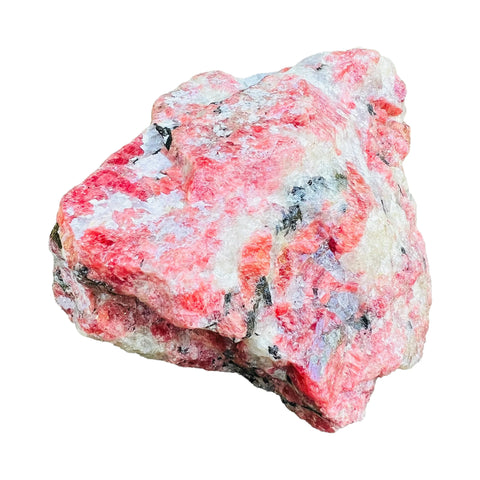
 Rhodonitefor emotional healing
 Selenitefor cleansing
 Sodalitefor focus
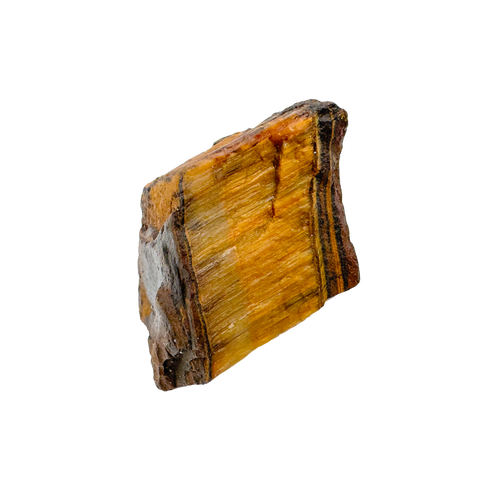
 Tiger Eyefor confidence
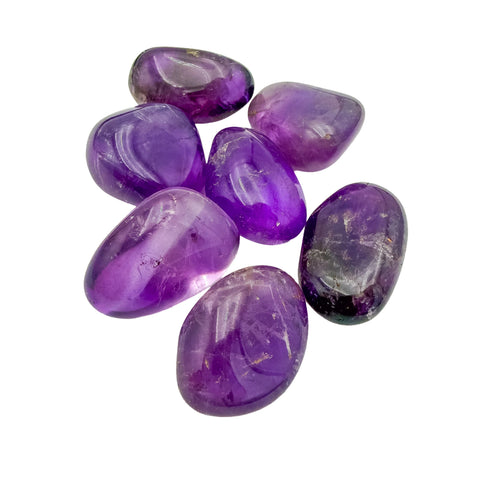


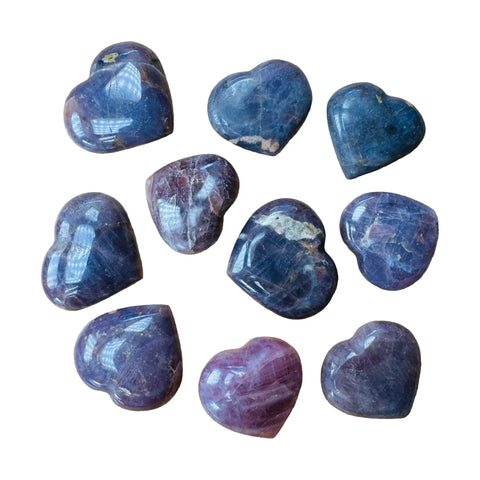
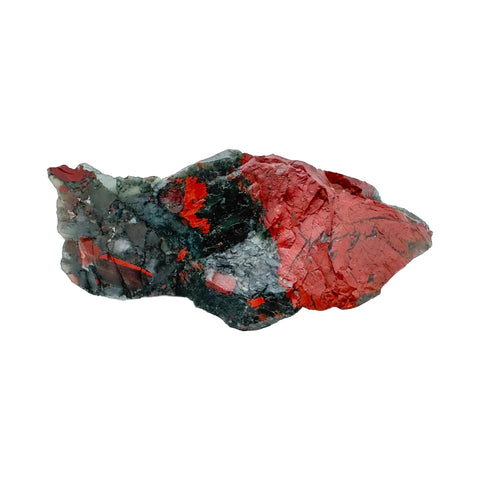
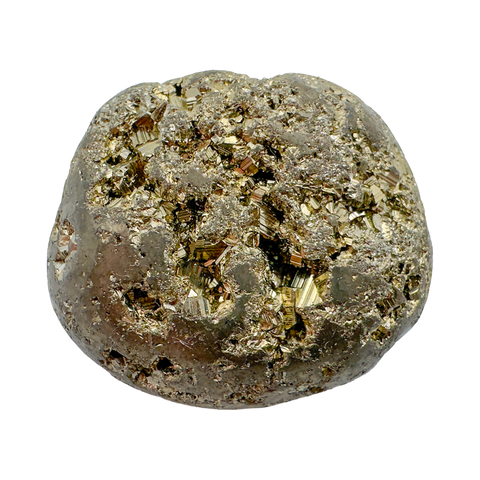
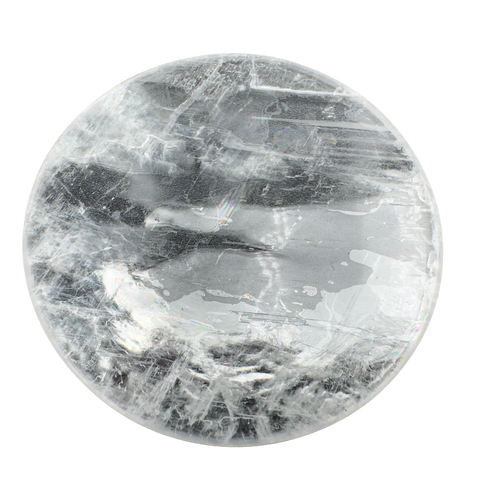


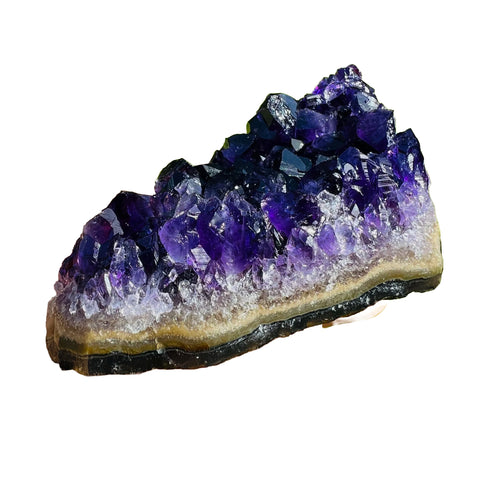




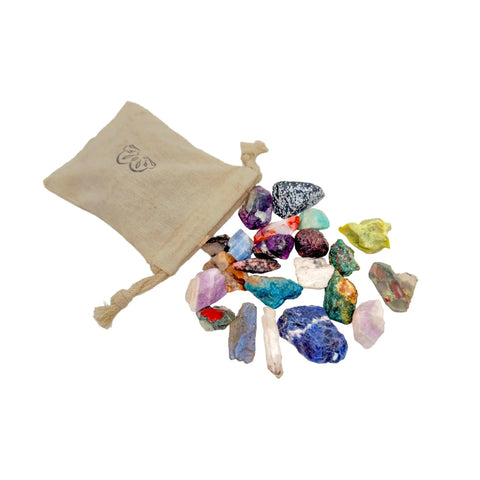
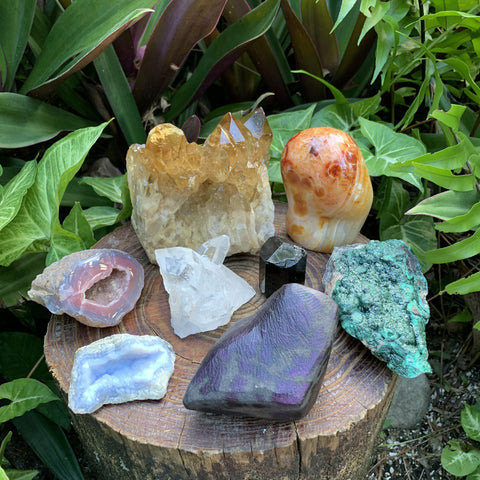
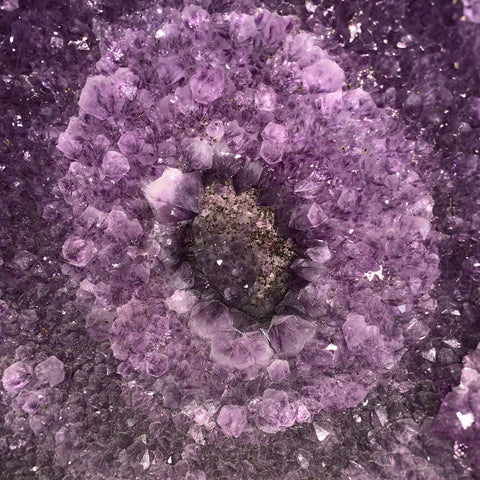
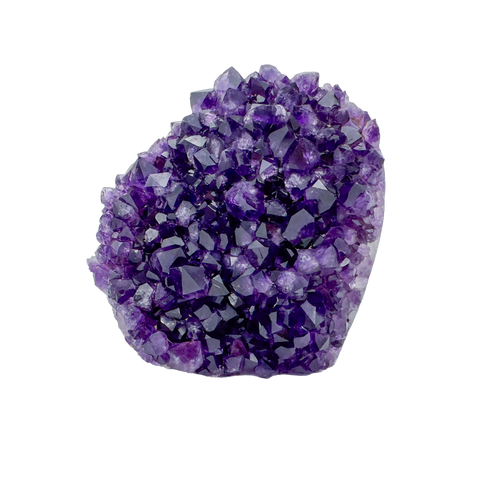
 Amethyst
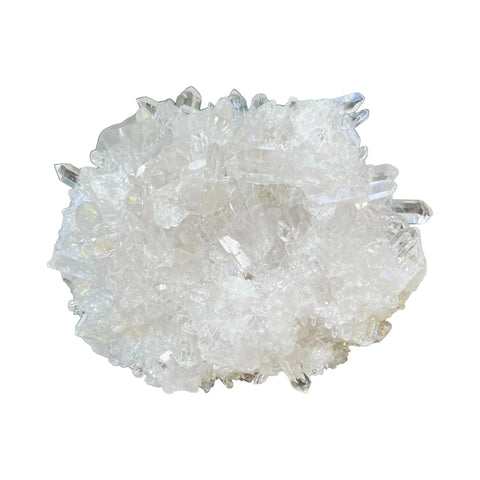
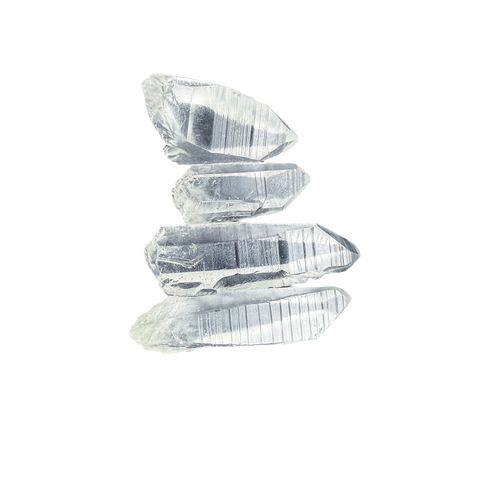
 Clear Quartz
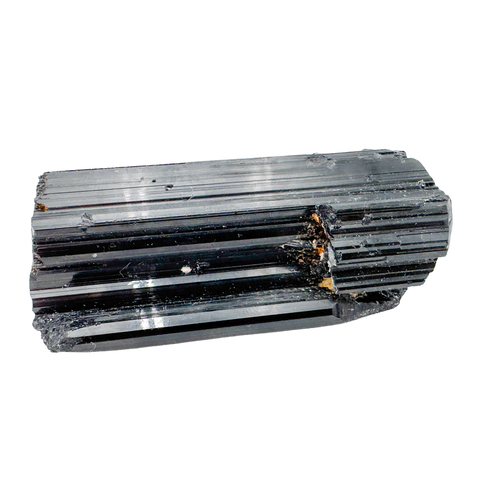
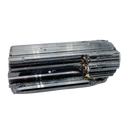 Black Tourmaline
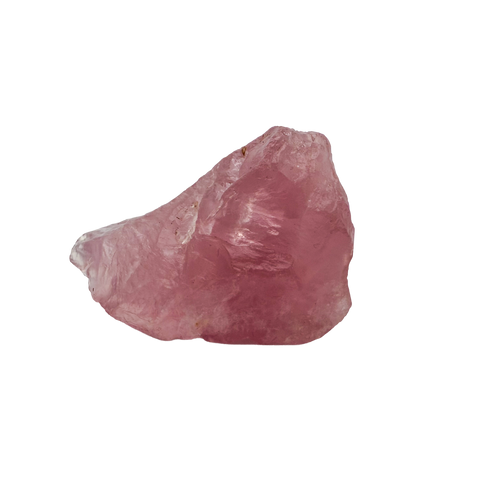
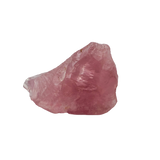 Rose Quartz
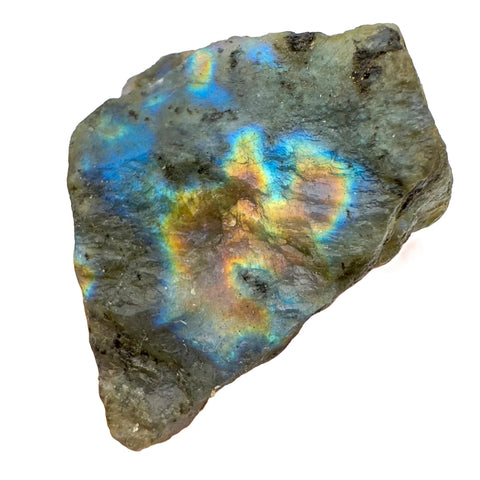
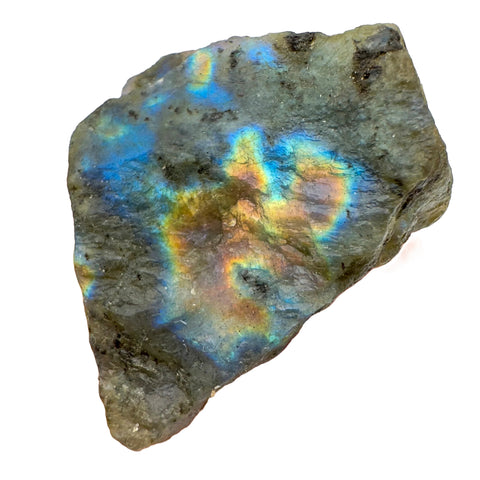
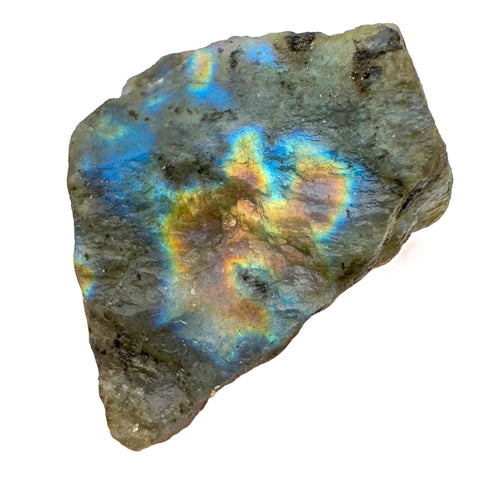
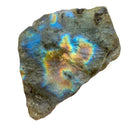 Labradorite
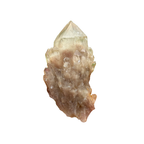 Natural Citrine
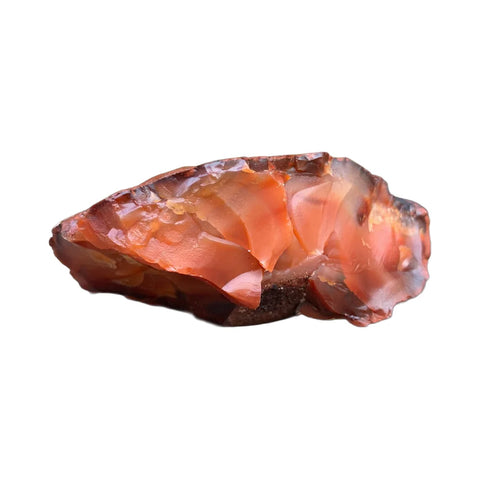
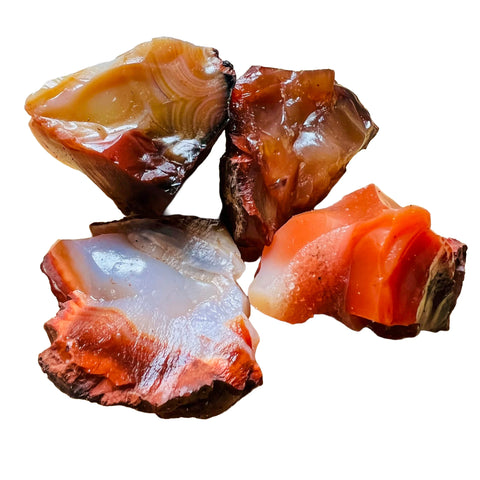
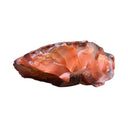 Carnelian
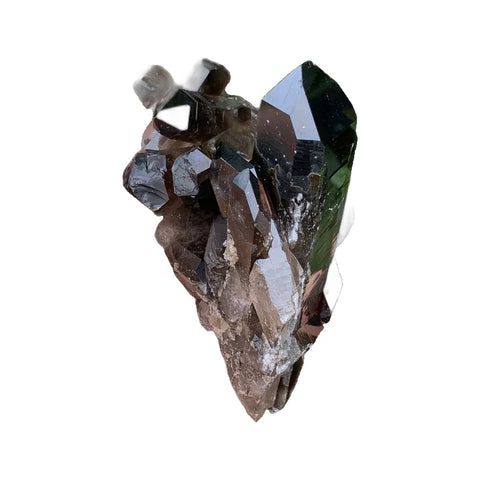
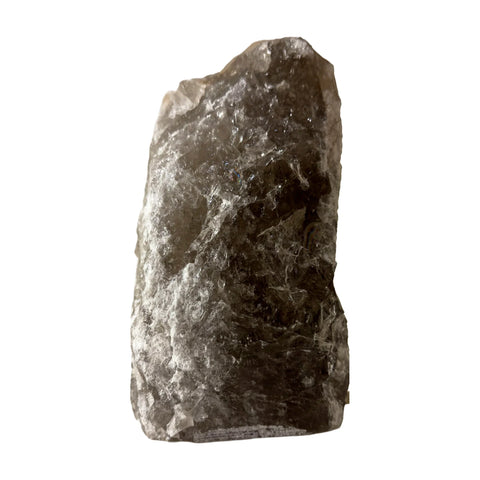
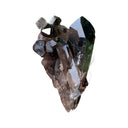 Smoky Quartz
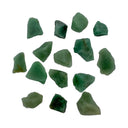 Aventurine
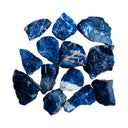 Sodalite
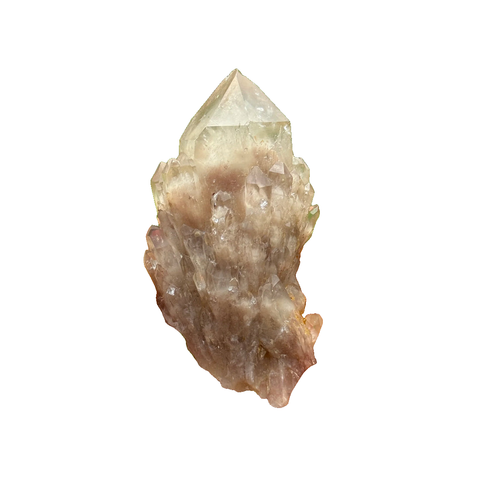
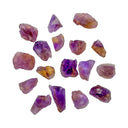 Ametrine
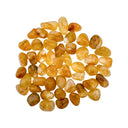 Golden Healer
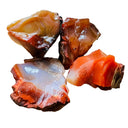 Raw Stones
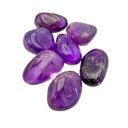 Tumbled Stones
 Palm Stones
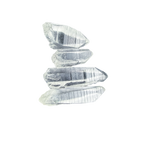 Crystal Points
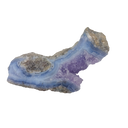 Clusters & Geodes
 Polished & Decor
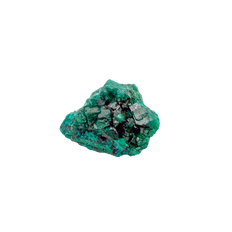 Mineral Specimens
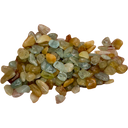 Crystal Chips
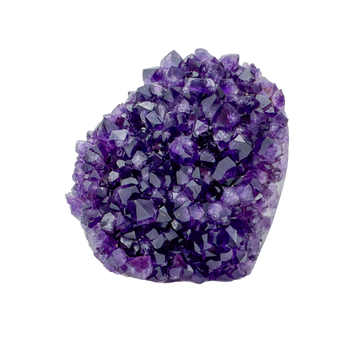
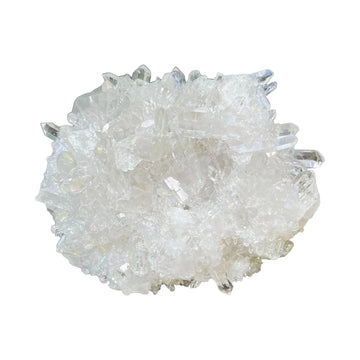
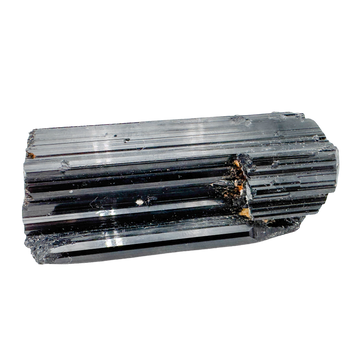
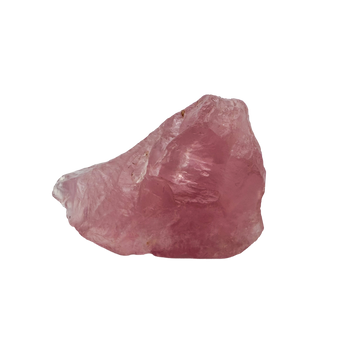
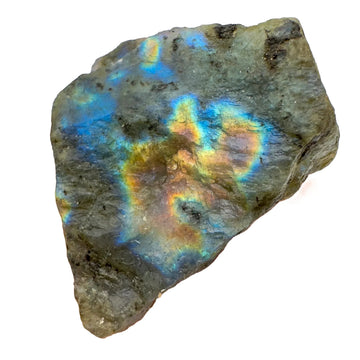
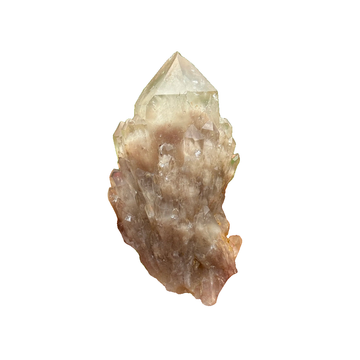
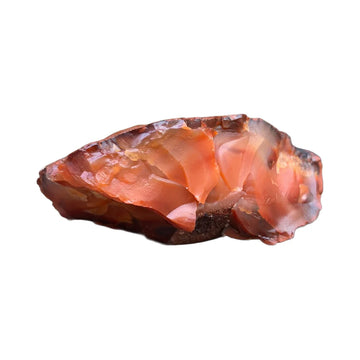
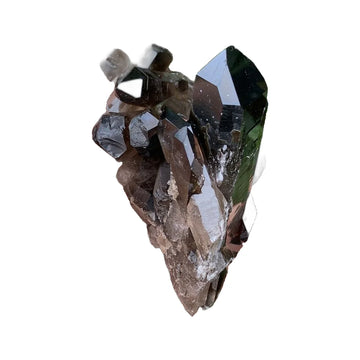
 Raw Stones
179 to choose from
Raw Stones
179 to choose from
 Tumbled Stones
162 to choose from
Tumbled Stones
162 to choose from
 Palm Stones
25 to choose from
Palm Stones
25 to choose from
 Crystal Points
23 to choose from
Crystal Points
23 to choose from
 Clusters & Geodes
103 to choose from
Clusters & Geodes
103 to choose from
 Polished & Decor
148 to choose from
Polished & Decor
148 to choose from
 Mineral Specimens
257 to choose from
Mineral Specimens
257 to choose from
 Crystal Chips
21 to choose from
Crystal Chips
21 to choose from


 AngolaAquamarine
›
AngolaAquamarine
›
 BotswanaCarnelian, Tree Agate
›
BotswanaCarnelian, Tree Agate
›
 DR CongoMalachite, Natural Citrine
›
DR CongoMalachite, Natural Citrine
›
 EswatiniBloodstone
›
EswatiniBloodstone
›
 MadagascarLabradorite, Clear Quartz
›
MadagascarLabradorite, Clear Quartz
›
 MalawiBlue Lace Agate, Garnet
›
MalawiBlue Lace Agate, Garnet
›
 MozambiqueAmazonite
›
MozambiqueAmazonite
›
 NamibiaSodalite, Blue Lace Agate
›
NamibiaSodalite, Blue Lace Agate
›
 Republic of the CongoDioptase
›
Republic of the CongoDioptase
›
 South AfricaTiger Eye, Unakite
›
South AfricaTiger Eye, Unakite
›
 ZambiaChevron Amethyst
›
ZambiaChevron Amethyst
›
 ZimbabweEmerald, Rhodonite
›
ZimbabweEmerald, Rhodonite
›
 ArgentinaBlack Obsidian, Rhodochrosite
›
ArgentinaBlack Obsidian, Rhodochrosite
›
 BoliviaAmetrine
›
BoliviaAmetrine
›
 BrazilAmethyst, Clear Quartz
›
BrazilAmethyst, Clear Quartz
›
 PeruSerpentine, Jade
›
PeruSerpentine, Jade
›
 UruguayAmethyst
›
UruguayAmethyst
›
 Dominican RepublicLarimar
›
Dominican RepublicLarimar
›
 MexicoRainbow Obsidian, Crazy Lace Agate
›
MexicoRainbow Obsidian, Crazy Lace Agate
›
 United StatesSelenite, Peridot
›
United StatesSelenite, Peridot
›
 ChinaFluorite
›
ChinaFluorite
›
 RussiaShungite
›
RussiaShungite
›
 AustraliaMookaite
›
AustraliaMookaite
›
 Where our crystals come from
See where we source →
Where our crystals come from
See where we source →


 Aries
Mar 21 to Apr 19
Carnelian
›
Aries
Mar 21 to Apr 19
Carnelian
›
 Taurus
Apr 20 to May 20
Rose Quartz
›
Taurus
Apr 20 to May 20
Rose Quartz
›
 Gemini
May 21 to Jun 20
Agate
›
Gemini
May 21 to Jun 20
Agate
›
 Cancer
Jun 21 to Jul 22
Moonstone
›
Cancer
Jun 21 to Jul 22
Moonstone
›
 Leo
Jul 23 to Aug 22
Citrine
›
Leo
Jul 23 to Aug 22
Citrine
›
 Virgo
Aug 23 to Sep 22
Amazonite
›
Virgo
Aug 23 to Sep 22
Amazonite
›
 Libra
Sep 23 to Oct 22
Blue Lace Agate
›
Libra
Sep 23 to Oct 22
Blue Lace Agate
›
 Scorpio
Oct 23 to Nov 21
Obsidian
›
Scorpio
Oct 23 to Nov 21
Obsidian
›
 Sagittarius
Nov 22 to Dec 21
Sodalite
›
Sagittarius
Nov 22 to Dec 21
Sodalite
›
 Capricorn
Dec 22 to Jan 19
Black Tourmaline
›
Capricorn
Dec 22 to Jan 19
Black Tourmaline
›
 Aquarius
Jan 20 to Feb 18
Amethyst
›
Aquarius
Jan 20 to Feb 18
Amethyst
›
 Pisces
Feb 19 to Mar 20
Aquamarine
›
Gifting?
A birthday stone is the safe bet.
Read the zodiac guide →
Pisces
Feb 19 to Mar 20
Aquamarine
›
Gifting?
A birthday stone is the safe bet.
Read the zodiac guide →

Larimar
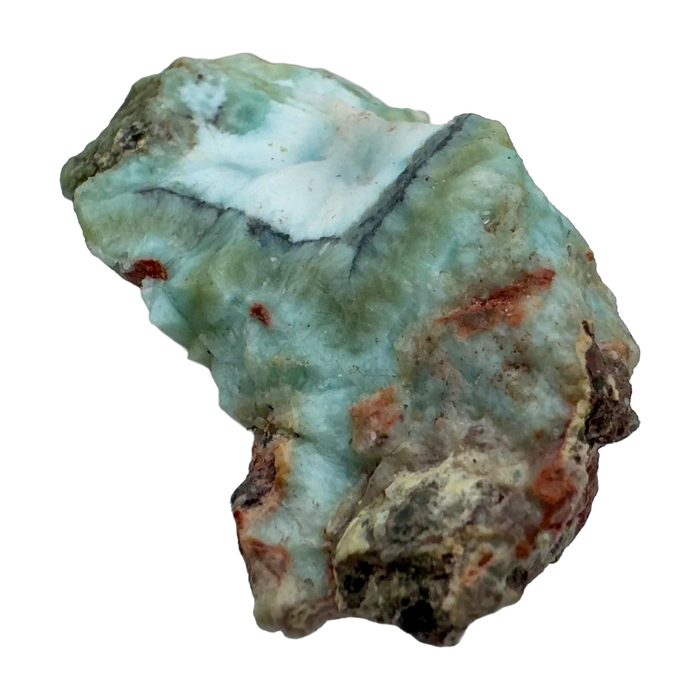
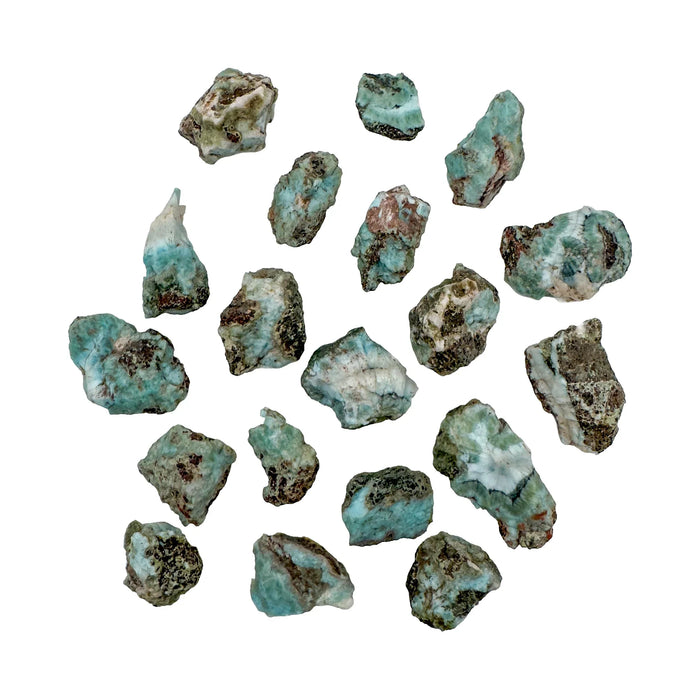
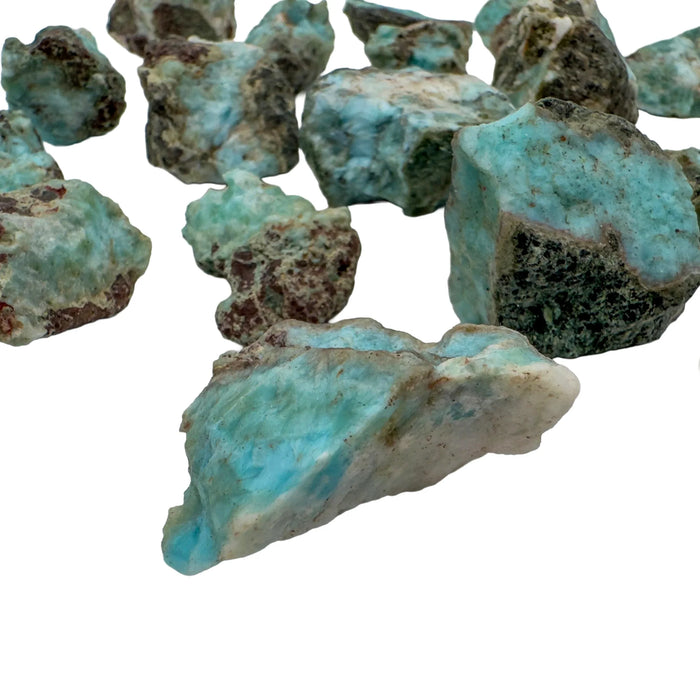
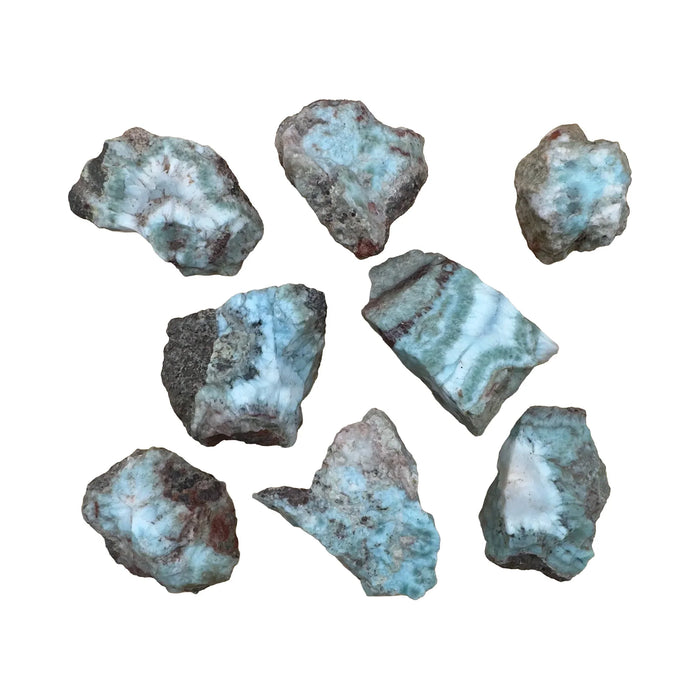
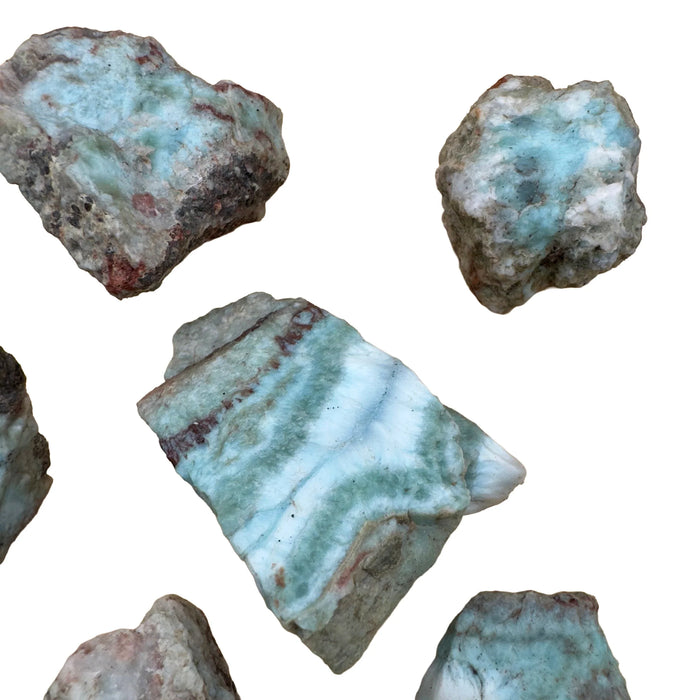
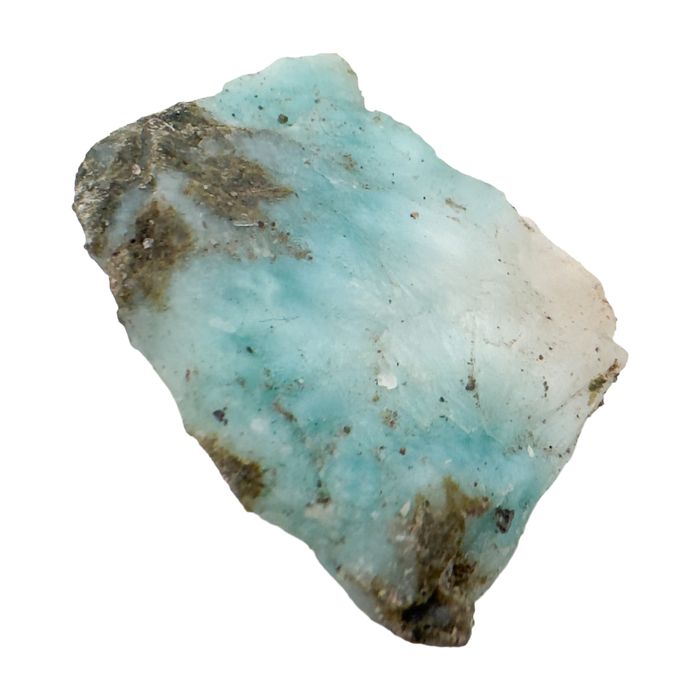
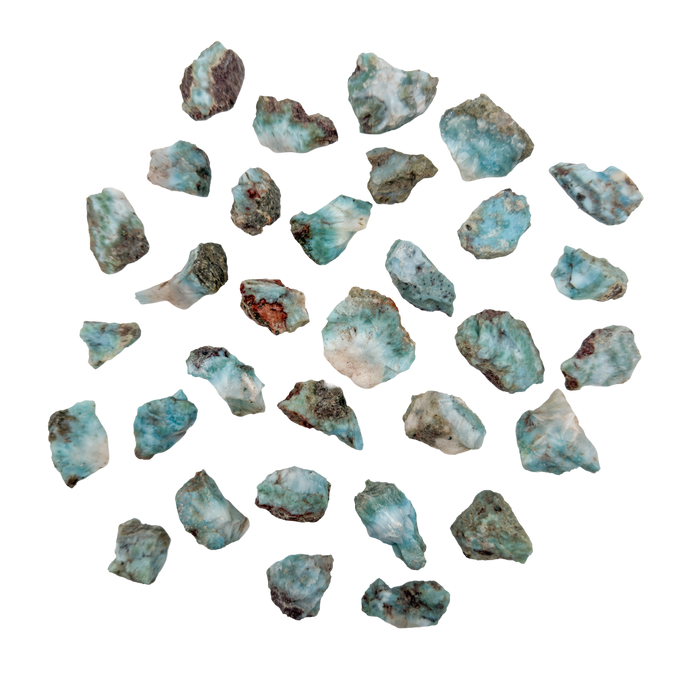
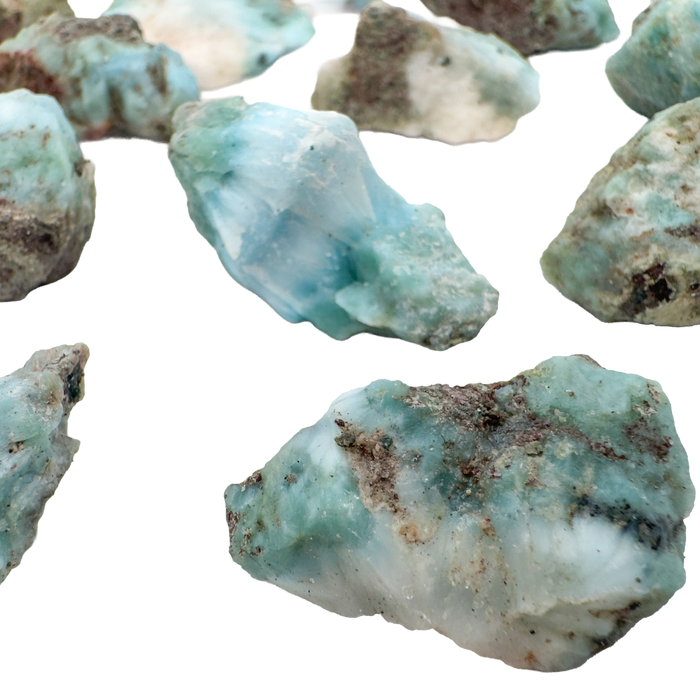
Larimar is the blue variety of pectolite, a mineral found only in the Dominican Republic where trace cobalt creates its signature soft blue and white marbled pattern. It is rarely treated because its color comes from the mineral structure itself, not from external enhancement. Many people work with it for calm communication, emotional healing, and the kind of quiet that feels like permission to rest.
Shop larimarLarimar, in stock now.
Our most-loved Larimar pieces, ready to ship.

- from 1,000+ reviews
- Ships within 72 hoursMonday to Friday, tracked
- 90 days to return itif you do not love it
- Free US shipping over $99$8.99 flat rate under
The geology.
Larimar is the blue variety of pectolite, a sodium calcium silicate hydroxide mineral (NaCa2Si3O8(OH)) found almost exclusively in the Dominican Republic. The soft blue coloring comes from trace cobalt that replaces calcium atoms in the crystal lattice, creating color centers that absorb and transmit blue light. The characteristic marbled pattern of blue and white forms as the mineral deposits into vugs and fractures in volcanic basalt. The name is a modern trade name, coined in the 1970s, blending a personal name with the Spanish word "mar" meaning sea.
Larimar sits at 4.5 to 5 on the Mohs hardness scale, making it harder than many softer stones but still moderate in durability. Specific gravity runs approximately 2.84. The mineral has a triclinic crystal system (three unequal axes at non-right angles), though individual crystals are too fine to observe; the material presents as banded masses with blue zones in a white matrix. The luster is vitreous (glassy), and the stone is typically opaque to translucent. Genuine larimar never fluoresces under ultraviolet light, which is a useful authentication test.
The origins.
Larimar is sourced almost exclusively from the Barahona Province in the Dominican Republic, specifically from the Bahoruco mountain range where hydrothermal fluids deposited pectolite into vugs and fractures during the Miocene epoch roughly 5 to 10 million years ago. No other location on Earth produces larimar of commercial gem quality. The deposit is highly localized, which is why supply remains limited and prices remain stable relative to more abundantly sourced stones. Extraction is artisanal and hand-based. Miners hand-dig shallow shafts into the mountain, extract raw material, and sort and wash it at the source. Weather and terrain significantly affect production flow.
Pectolite occurs elsewhere in small quantities. Italy, Canada, the United States, and Japan all have minor pectolite deposits. However, none of these sources produce the characteristic blue color that defines larimar. Generic white or gray pectolite is not marketed as larimar and remains primarily a geological curiosity. Our commitment is exclusively to Dominican-sourced blue pectolite from Barahona. We work through documented intermediaries who track origin and batch information.
Traditional associations.
Larimar as a commercial stone is modern, emerging in the 1970s and 1980s as international crystal markets expanded. The name itself was coined in that era, and no deep historical tradition precedes its market popularity. The Taíno, the indigenous people of the Caribbean before Spanish contact, likely encountered pectolite in the Dominican landscape, but specific cultural use records are limited. The contemporary associations with larimar developed within the crystal and metaphysical communities and reflect its Caribbean origin, its calm coloring, and its connections to water and emotional softness.
In modern crystal work, larimar is most commonly associated with the Throat and Heart chakras, the element Water, and lunar energy. Many people work with it for calm communication, for speaking soft truths, for emotional healing and grief work, and for releasing nervous system tension. It is often paired with other blue and water-aligned stones when the intention involves quieting rather than activating. The softness and gentleness of the stone carry metaphorical weight for people drawn to it as a reminder of permission to be vulnerable.
Spotting the real thing.
Genuine larimar shows the characteristic soft blue and white marbled pattern, never uniform blue. The white portions can make up anywhere from 10 to 50 percent of the stone, depending on where the piece was cut. The blue zones are pale to medium blue, never vivid or saturated. Larimar scratches with a steel knife (Mohs 4.5 to 5) but will not scratch glass. Blue calcite is much softer (Mohs 3) and scratches easily under fingernail pressure; it lacks larimar's marbled pattern and shows a distinct rhombohedral cleavage (three directions of clean break). Dyed howlite is uniform blue throughout, lacks marbling, and scratches easily as well.
A specific gravity test is reliable: genuine larimar runs approximately 2.84, which is noticeably lighter than quartz (2.65) and denser than most chalcedonies. A scale test on a known piece can confirm this. Under short-wave ultraviolet light, genuine larimar shows no fluorescence. Many blue dyes fluoresce brightly, making this an efficient authentication step. Dominican origin should always be stated in product descriptions and invoices.
Care & handling.
Larimar sits at moderate hardness and durability. Clean it with a damp cloth or brief cool-water rinse. Avoid soaking, hot water, saltwater, and ultrasonic cleaners, as prolonged moisture exposure can affect the surface over time. Chemical cleaners are unnecessary and should be avoided. Store it separately from harder stones that could scratch it. The main care concern is prolonged direct sunlight, which can fade the blue color over years of intense exposure. Brief sunlight is fine, but extended UV exposure will eventually dull the tone. Moonlight is a better choice for energetic work and display.
For energetic cleansing, use water briefly, smoke, sound, or moonlight. Unlike softer stones, larimar can handle a quick rinse under running cool water if you prefer water-based cleansing. The stone is durable enough for moderate wear, though like all stones in the 4.5 to 5 range, it benefits from protective care in jewelry. The characteristic marbled pattern is part of its beauty and authenticity, not a flaw to work around.
Pairs well with.
Proof, not promises.
We measure our own sourcing across five dimensions. Supply chain, environmental footprint, artisan support, market integrity, and pricing. The number is honest, not perfect. Where we can do better, we say so.
A deeper look.
Extended geology, sourcing, authentication, history, varieties, and pricing, for when the quick guide isn't quite enough.
Extended geology
Larimar is the blue variety of pectolite, a sodium calcium silicate hydroxide (NaCa2Si3O8(OH)) that forms in specific hydrothermal environments. In the case of Dominican larimar, the mineral formed during the Miocene epoch, roughly 5 to 10 million years ago, when hot hydrothermal fluids rich in silica, sodium, and calcium percolated through vugs and fractures in volcanic basalt in the Bahoruco mountain range. As these fluids cooled and concentrated, pectolite precipitated into the available spaces, filling cavities with fibrous to crystalline aggregates. The blue coloration results from trace cobalt that substitutes for calcium in the crystal structure, creating color centers that absorb longer wavelengths of light and transmit blue. The intensity of blue depends on cobalt concentration, which varies from vug to vug within the same deposit.
The characteristic marbled appearance of blue and white comes from variable cobalt distribution during precipitation. Areas with higher cobalt concentration appear deeper blue, while areas with little or no cobalt remain white. This variation is not a flaw but rather the signature of the mineral's formation process. The white component is pectolite without the cobalt impurity. Some specimens show distinct banding; others show mottling or swirling. No two pieces are identical.
Hardness of 4.5 to 5 on the Mohs scale places larimar in the moderate range. It is harder than calcite (3), fluorite (4), and apatite (5), but softer than quartz varieties (7) and feldspar (6). Specific gravity is approximately 2.84, making it lighter than quartz and denser than most borate minerals. The crystal system is triclinic, but individual crystals are too fine to observe; the stone presents as massive, fibrous aggregates. Fracture is uneven. The luster is vitreous to silky, depending on the degree of polish and surface finish. Transparency ranges from opaque to translucent, with some lighter specimens showing faint internal glow when held to light.
Extended sourcing
The Barahona Province of the Dominican Republic is the only commercial source of blue pectolite in the world. The deposit is geographically and geologically unique. No other pectolite-producing region on Earth has documented the combination of hydrothermal conditions and cobalt availability that produces this characteristic blue color. This geographic uniqueness is both a commercial advantage (high-quality larimar is inherently rare and desirable) and a supply vulnerability (any disruption to Dominican mining affects the entire global supply).
Extraction is entirely artisanal. Miners work in teams, hand-digging shafts into the mountainside, often reaching depths of 20 to 40 feet depending on vug location. Tools are simple: pickaxes, shovels, chisels, and hammers. Material is extracted, inspected for color and fractures, roughly sorted at the mine site, rinsed, and transported to distribution centers. No mechanized mining equipment is used. This low-impact extraction method is consistent with our sourcing values, but the artisanal approach also means production is sensitive to weather, labor availability, and local conditions. Rainy seasons can halt or slow extraction due to terrain instability.
Pectolite occurs in small quantities in Italy (near Trentino-Alto Adige), Canada (Quebec), the United States (New Jersey, New York), and Japan (Yokohama). None of these deposits produce gem-quality blue pectolite. The material is typically white, gray, or colorless, and remains primarily of geological rather than commercial crystal-market interest. Dominican origin is the only source for larimar as the gem trade knows it.
Authentication and market imitations
Blue calcite is the most common substitute. Calcite (CaCO3) is much softer (Mohs 3) and scratches easily under fingernail pressure or a copper coin. It also shows a distinct rhombohedral cleavage, three directions of perfect breakage that create sharp angles. Larimar shows uneven fracture without cleavage. Under magnification, blue calcite shows the transparent to translucent crystalline structure of a carbonate, while larimar shows the opaque, fibrous texture of a silicate aggregate.
Dyed howlite is another common imitation. Howlite is naturally white and porous, making it easy to absorb blue dyes. Dyed howlite is uniformly blue (or at least, evenly colored), lacking the marbled white banding that characterizes genuine larimar. The uniformity is the key tell. Genuine larimar always shows zones of white alongside zones of blue. Dyed howlite is also softer (Mohs 3.5) and scratches more easily than genuine larimar.
Resin-stabilized raw larimar is a more subtle case. Some raw specimens have crumbly or fragile sections due to fine fracturing. Dealers sometimes treat raw pieces with clear epoxy resin to stabilize them and prevent deterioration during cutting and finishing. This is a legitimate practice when disclosed, as it extends the usability of marginal material. However, stabilized pieces should always be clearly noted in product descriptions and invoicing. Stabilization does not change the chemical composition of the larimar, but it does change the handling and care requirements slightly (no extended soaking, gentle cleaning only).
UV light testing is a reliable authentication tool. Genuine larimar shows zero fluorescence under short-wave ultraviolet light (254 nm). Many blue dyes fluoresce brightly, and blue calcite can show faint pink or orange fluorescence. Blue howlite typically does not fluoresce, so UV is less useful for distinguishing it from larimar, but the hardness and color uniformity tests are definitive.
Historical and cultural context
Larimar is a modern market stone. The trade name itself was coined in the 1970s, blending the Spanish word "mar" (sea) with a personal name. Before that era, the blue pectolite from Dominican deposits was known locally but not widely traded internationally. The emergence of larimar as a commercial stone coincided with the broader expansion of the crystal and metaphysical markets in the 1970s and 1980s.
The Taíno people, who inhabited the Caribbean islands before Spanish colonization in 1492, almost certainly encountered pectolite in the Dominican landscape. However, specific documentation of Taíno use of larimar is limited. The contemporary associations with larimar as a calming, emotionally healing stone developed within modern crystal and New Age communities rather than from ancient practice. The name and narrative are recent, but the stone itself has geological age and presence in the Caribbean landscape.
Related minerals and trade distinctions
Larimar IS blue pectolite. There is no mineralogical distinction; the trade name simply refers to the blue color variety. Pectolite is a sorosilicate (a silicate mineral in which two silicate tetrahedra share a corner). It is unrelated to feldspars, carbonates, or sulfates. White or gray pectolite from other sources is occasionally sold but is not marketed as larimar. The blue color is the defining characteristic that justifies the premium price and the market name.
Celestite is a pale blue strontium sulfate mineral that is sometimes confused with larimar at first glance. Celestite is harder (3.5 to 4 on Mohs scale, comparable to larimar), but it has a different crystal system (orthorhombic), different chemical composition (SrSO4), and often a more vivid, more uniform blue. Celestite also shows a distinct triclinic or rhombohedral cleavage, unlike larimar's uneven fracture. Aquamarine is much harder (7.5 to 8) and more transparent, with a very different appearance.
Pricing reality
High-quality raw larimar specimens: $15 to $35 per piece for small to medium sizes. Polished tumbled pieces: $35 to $80. Palm stones: $50 to $120. Larger carvings or special formations: $120 to $400 depending on size, quality, and finish intricacy. Specimens with particularly deep blue saturation, minimal white, and exceptional polish command premium prices. Commodity-priced larimar under $10 is almost always blue calcite, dyed howlite, or synthetic imitations. True larimar does not move at those price points because the limited supply, artisanal extraction cost, and hand-selection labor support higher prices.
Value drivers: color saturation and distribution (higher blue percentage commands higher price), size, clarity of blue without excessive white, finish quality, and absence of visible damage. Warning signs: overly uniform blue (suggests dye), absence of any white banding (likely not larimar), extremely low pricing on bulk parcels, material sold without origin disclosure, and material labeled simply as "pectolite" without the "Dominican" or "Barahona" origin qualifier. Price variation by source within the Dominican Republic does exist but is subtle; Barahona material is the commercial standard.
Good sourcing is a practice, not a claim.
Nothing we sell is dyed, stabilized, reconstituted, or color-enhanced without full disclosure. We name our origins where we can. We say so when we cannot. We walk away from material that does not meet our standard, even when it costs us sales.
Bring larimar home.
Raw and polished larimar from the Barahona Province, Dominican Republic. Natural, untreated, hand-selected for color saturation and the soft blue-to-white marbled pattern that makes each piece distinctive. Each stone finished with care to honor both the rarity of the source and the gentleness of the mineral.
Shop the larimar collectionGrounded Connections
New stones go to the list first.
No forwarding, no selling. Unsubscribe in one click. Privacy