


 Agatefor stress relief
 Amazonitefor stress relief
 Aquamarinefor serenity
 Aventurinefor luck
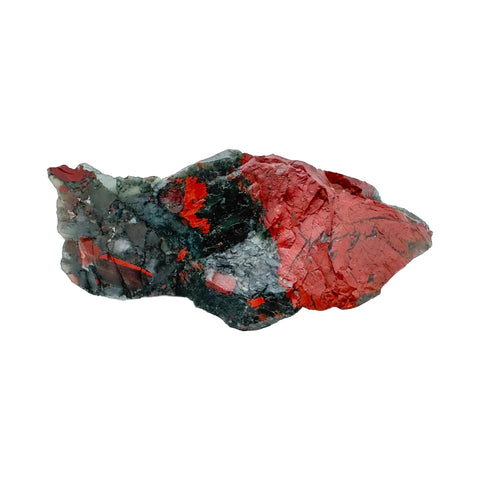
 Bloodstonefor energy
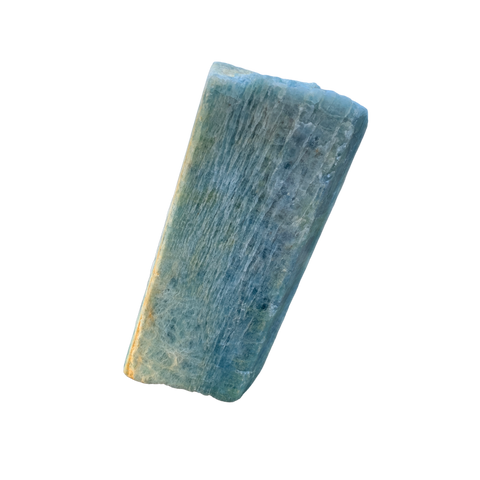
 Blue Kyanitefor confidence
 Blue Lace Agatefor stress relief
 Chrysocollafor emotional healing
 Fluoritefor focus
 Garnetfor energy
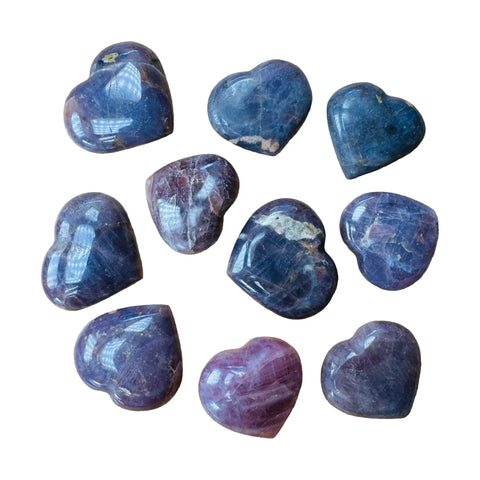
 Lepidolitefor stress relief
 Malachitefor emotional healing
 Moonstonefor grounding
 Obsidianfor protection
 Ocean Jasperfor emotional healing
 Red Jasperfor grounding
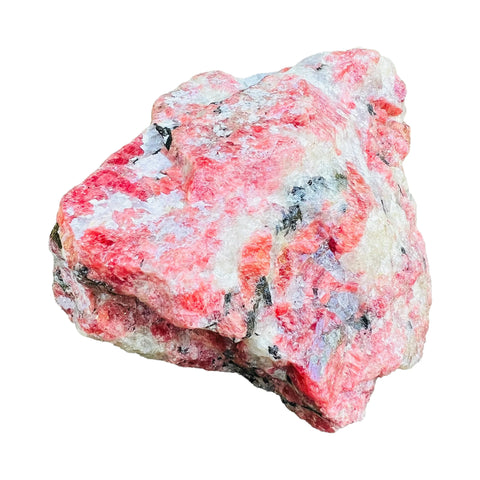
 Rhodonitefor emotional healing
 Selenitefor cleansing
 Sodalitefor focus
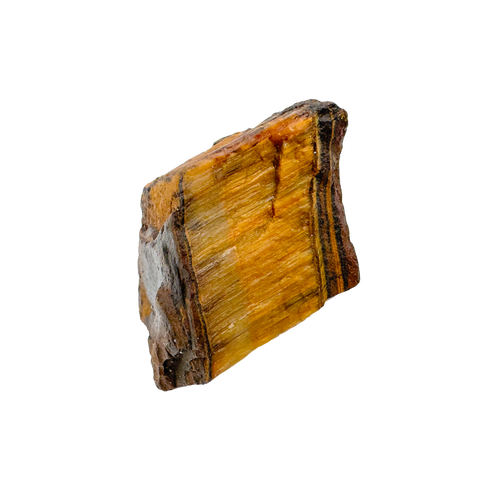
 Tiger Eyefor confidence
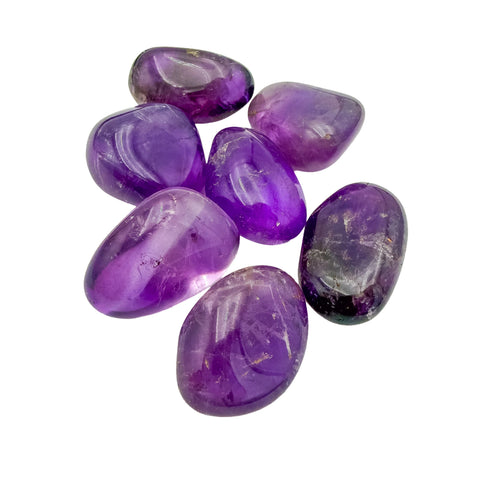




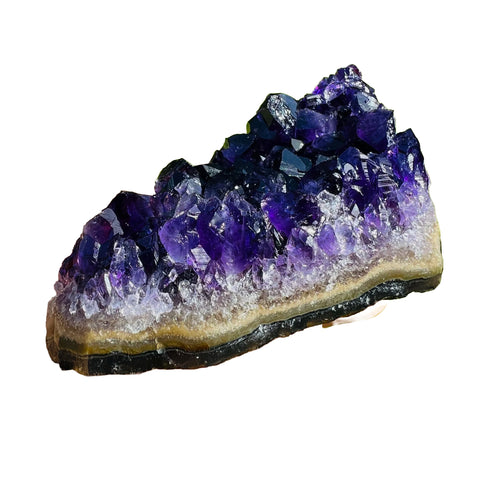





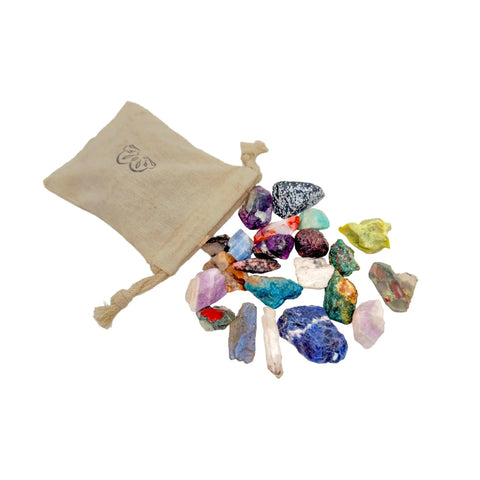
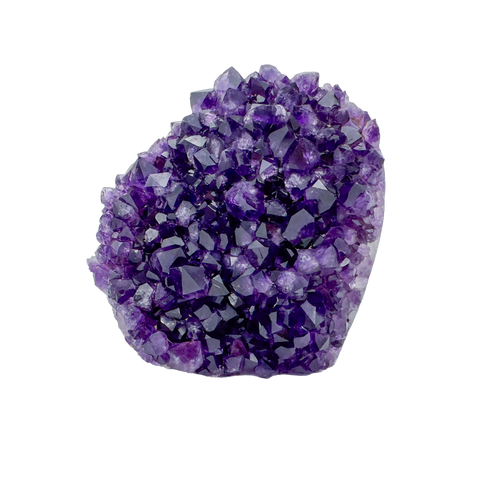
 Amethyst
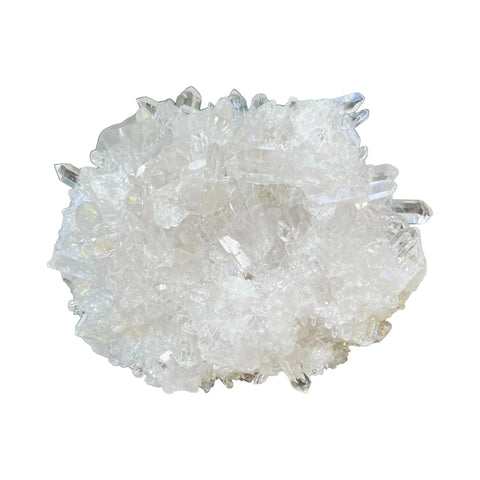
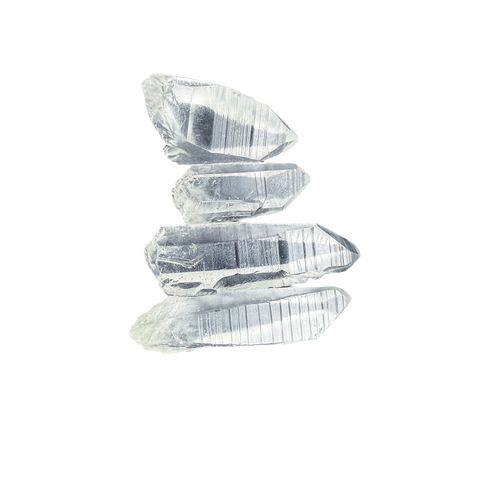
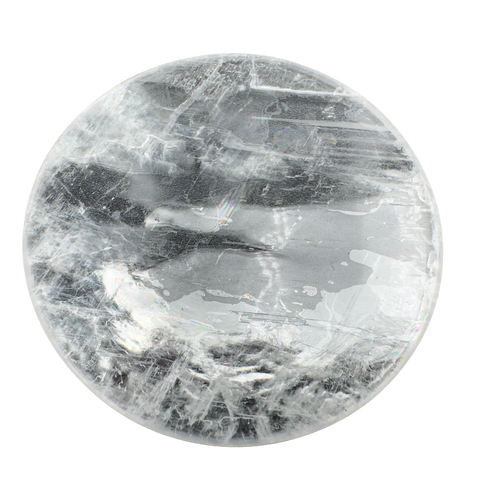
 Clear Quartz
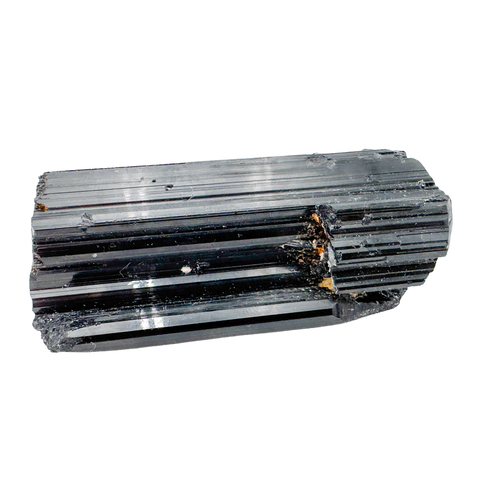
 Black Tourmaline
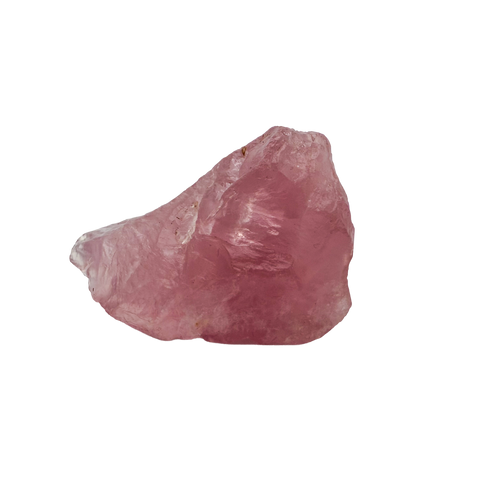
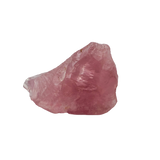 Rose Quartz
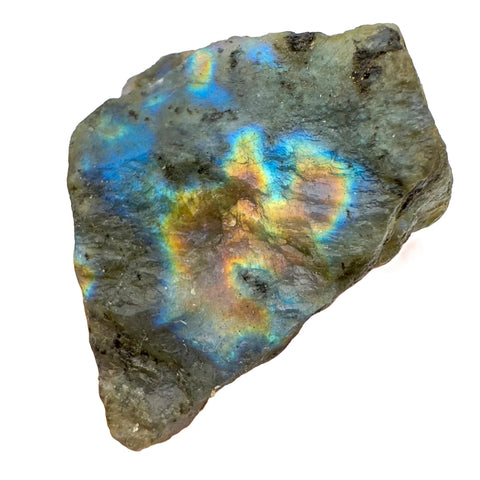
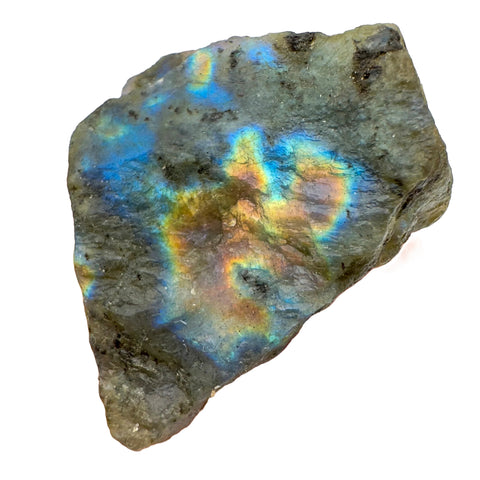
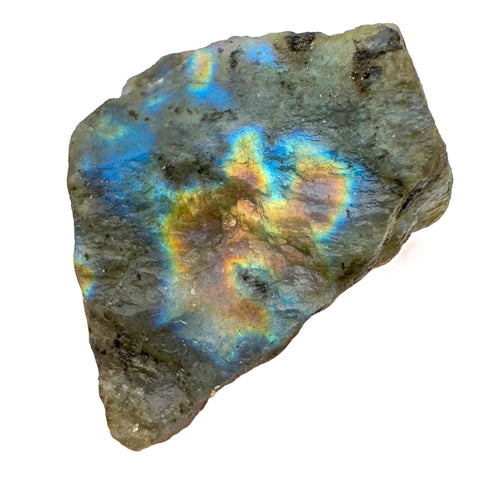
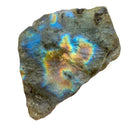 Labradorite
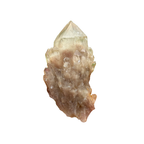 Natural Citrine
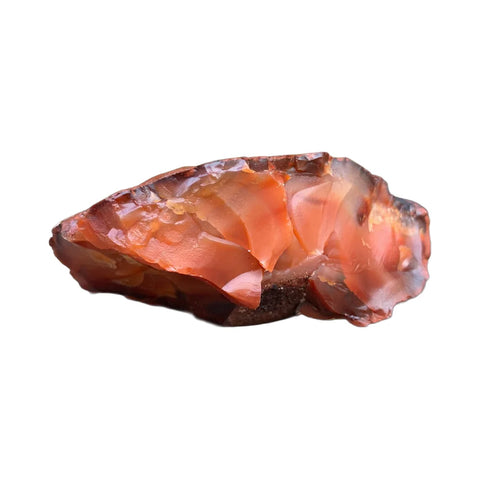
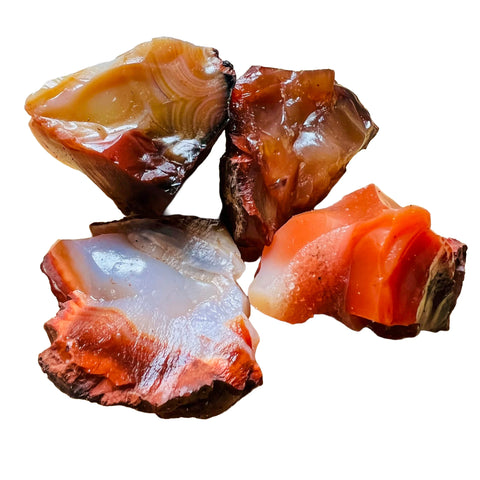
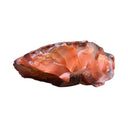 Carnelian
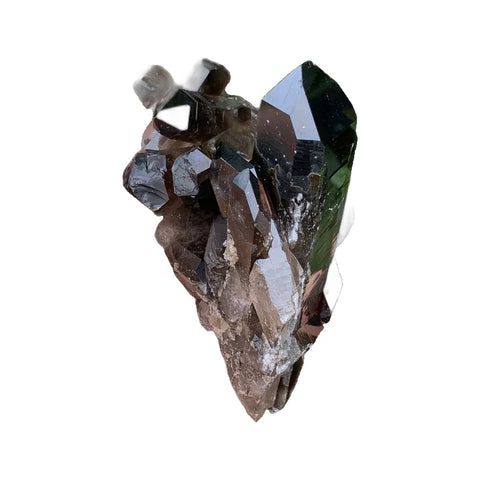
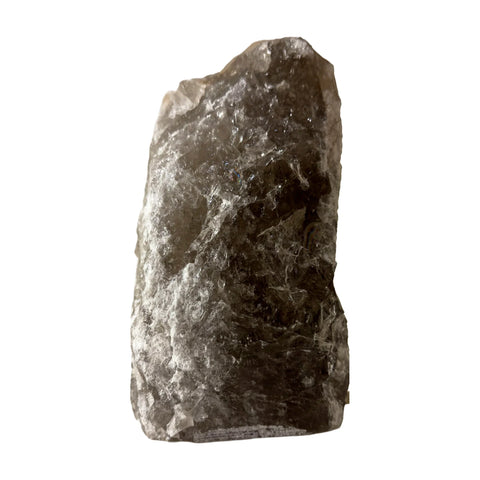
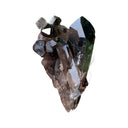 Smoky Quartz
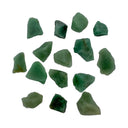 Aventurine
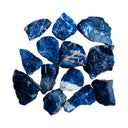 Sodalite
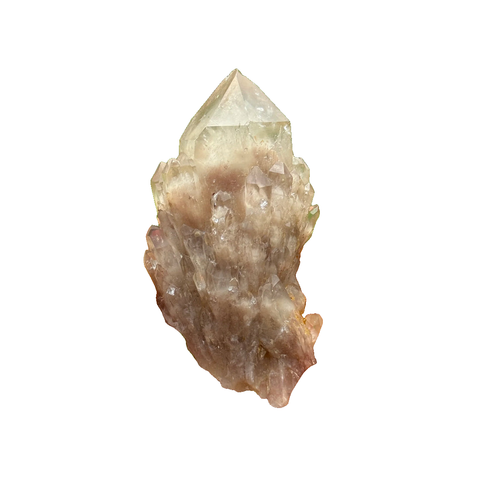
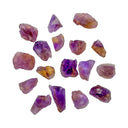 Ametrine
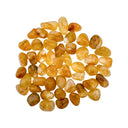 Golden Healer
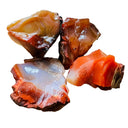 Raw Stones
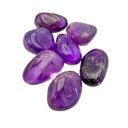 Tumbled Stones
 Palm Stones
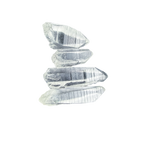 Crystal Points
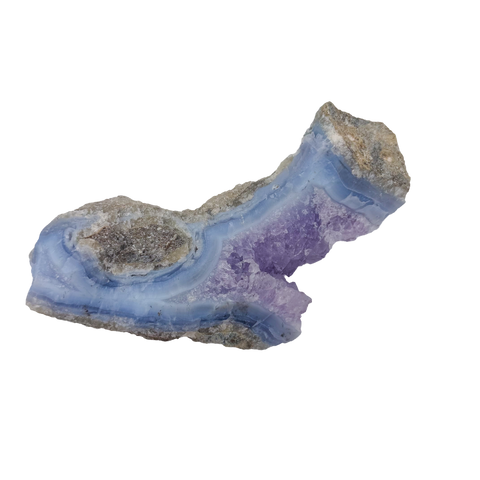
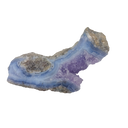 Clusters & Geodes
 Polished & Decor
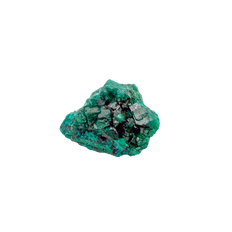 Mineral Specimens
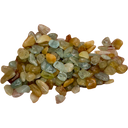 Crystal Chips
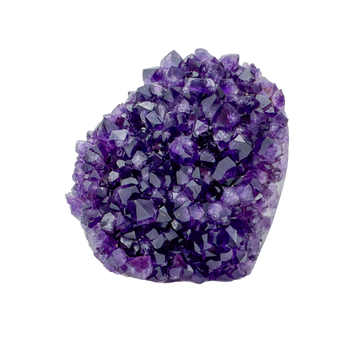
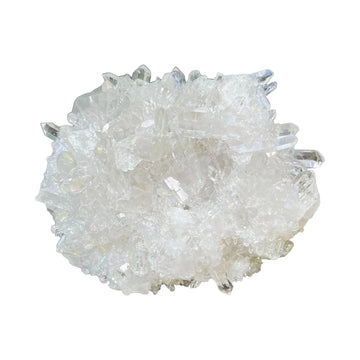
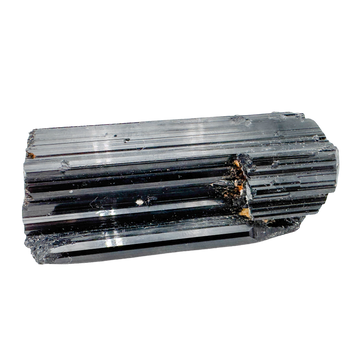
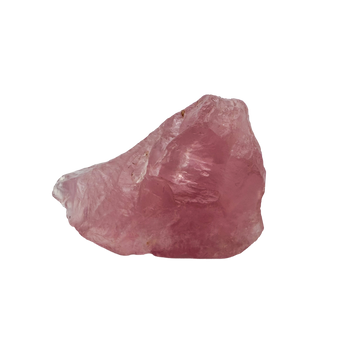
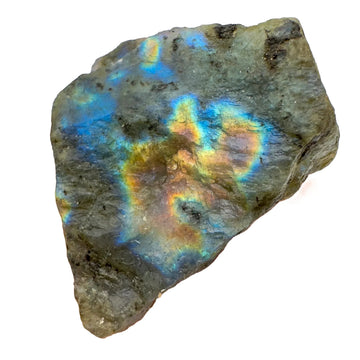
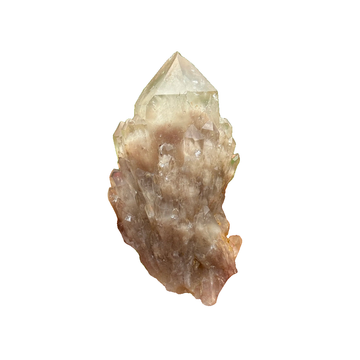
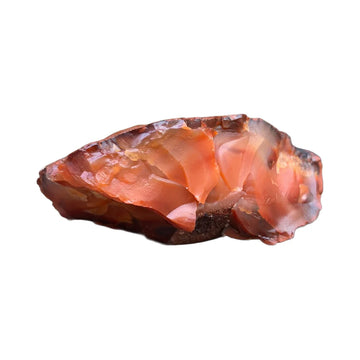
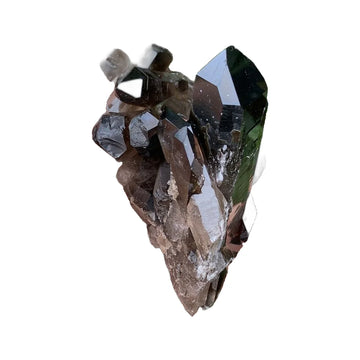
 Raw Stones
179 to choose from
Raw Stones
179 to choose from
 Tumbled Stones
162 to choose from
Tumbled Stones
162 to choose from
 Palm Stones
25 to choose from
Palm Stones
25 to choose from
 Crystal Points
23 to choose from
Crystal Points
23 to choose from
 Clusters & Geodes
98 to choose from
Clusters & Geodes
98 to choose from
 Polished & Decor
147 to choose from
Polished & Decor
147 to choose from
 Mineral Specimens
248 to choose from
Mineral Specimens
248 to choose from
 Crystal Chips
21 to choose from
Crystal Chips
21 to choose from


 AngolaAquamarine
›
AngolaAquamarine
›
 BotswanaCarnelian, Tree Agate
›
BotswanaCarnelian, Tree Agate
›
 DR CongoMalachite, Natural Citrine
›
DR CongoMalachite, Natural Citrine
›
 EswatiniBloodstone
›
EswatiniBloodstone
›
 MadagascarLabradorite, Clear Quartz
›
MadagascarLabradorite, Clear Quartz
›
 MalawiBlue Lace Agate, Garnet
›
MalawiBlue Lace Agate, Garnet
›
 MozambiqueAmazonite
›
MozambiqueAmazonite
›
 NamibiaSodalite, Blue Lace Agate
›
NamibiaSodalite, Blue Lace Agate
›
 Republic of the CongoDioptase
›
Republic of the CongoDioptase
›
 South AfricaTiger Eye, Unakite
›
South AfricaTiger Eye, Unakite
›
 ZambiaChevron Amethyst
›
ZambiaChevron Amethyst
›
 ZimbabweEmerald, Rhodonite
›
ZimbabweEmerald, Rhodonite
›
 ArgentinaBlack Obsidian, Rhodochrosite
›
ArgentinaBlack Obsidian, Rhodochrosite
›
 BoliviaAmetrine
›
BoliviaAmetrine
›
 BrazilAmethyst, Clear Quartz
›
BrazilAmethyst, Clear Quartz
›
 PeruSerpentine, Jade
›
PeruSerpentine, Jade
›
 UruguayAmethyst
›
UruguayAmethyst
›
 Dominican RepublicLarimar
›
Dominican RepublicLarimar
›
 MexicoRainbow Obsidian, Crazy Lace Agate
›
MexicoRainbow Obsidian, Crazy Lace Agate
›
 United StatesSelenite, Peridot
›
United StatesSelenite, Peridot
›
 ChinaFluorite
›
ChinaFluorite
›
 RussiaShungite
›
RussiaShungite
›
 AustraliaMookaite
›
AustraliaMookaite
›
 Where our crystals come from
See where we source →
Where our crystals come from
See where we source →


 Aries
Mar 21 to Apr 19
Carnelian
›
Aries
Mar 21 to Apr 19
Carnelian
›
 Taurus
Apr 20 to May 20
Rose Quartz
›
Taurus
Apr 20 to May 20
Rose Quartz
›
 Gemini
May 21 to Jun 20
Agate
›
Gemini
May 21 to Jun 20
Agate
›
 Cancer
Jun 21 to Jul 22
Moonstone
›
Cancer
Jun 21 to Jul 22
Moonstone
›
 Leo
Jul 23 to Aug 22
Citrine
›
Leo
Jul 23 to Aug 22
Citrine
›
 Virgo
Aug 23 to Sep 22
Amazonite
›
Virgo
Aug 23 to Sep 22
Amazonite
›
 Libra
Sep 23 to Oct 22
Blue Lace Agate
›
Libra
Sep 23 to Oct 22
Blue Lace Agate
›
 Scorpio
Oct 23 to Nov 21
Obsidian
›
Scorpio
Oct 23 to Nov 21
Obsidian
›
 Sagittarius
Nov 22 to Dec 21
Sodalite
›
Sagittarius
Nov 22 to Dec 21
Sodalite
›
 Capricorn
Dec 22 to Jan 19
Black Tourmaline
›
Capricorn
Dec 22 to Jan 19
Black Tourmaline
›
 Aquarius
Jan 20 to Feb 18
Amethyst
›
Aquarius
Jan 20 to Feb 18
Amethyst
›
 Pisces
Feb 19 to Mar 20
Aquamarine
›
Gifting?
A birthday stone is the safe bet.
Read the zodiac guide →
Pisces
Feb 19 to Mar 20
Aquamarine
›
Gifting?
A birthday stone is the safe bet.
Read the zodiac guide →


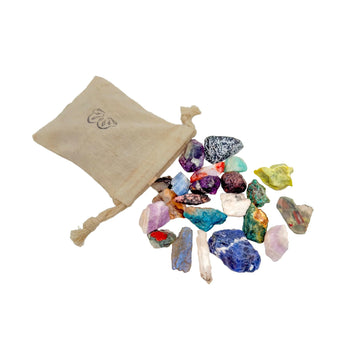
Lazulite
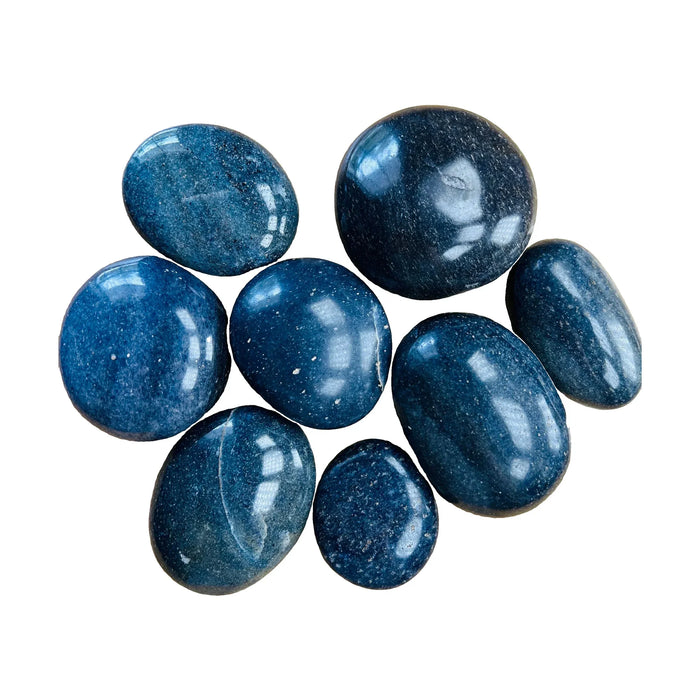
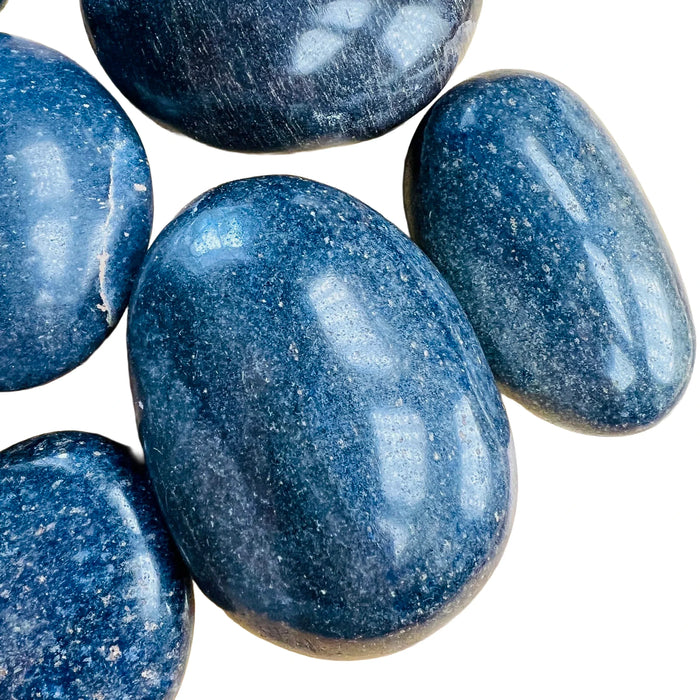
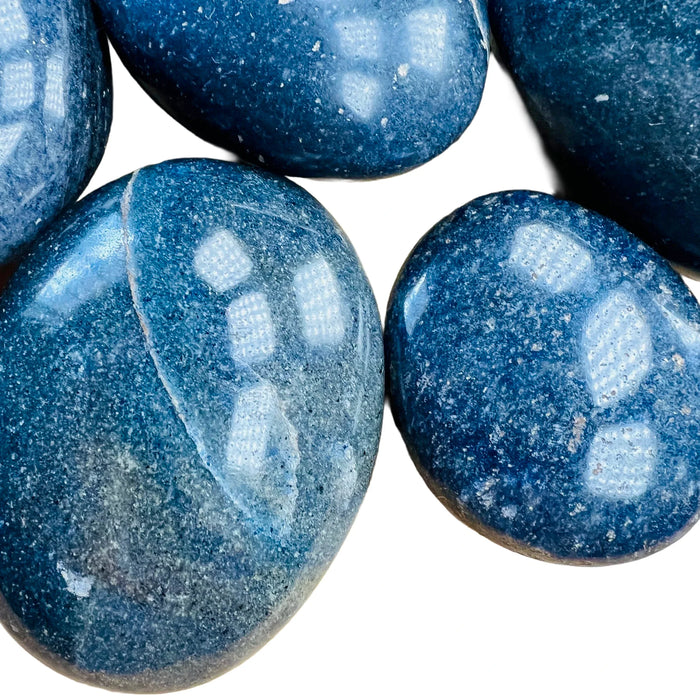
Lazulite is a deep azure-blue phosphate mineral, distinct from Lapis Lazuli despite the similar names. It forms in granitic pegmatites and metamorphic deposits, emerging as brilliant blue crystals and masses. Many people work with it for practices around mental focus, intuition, and cutting through noise when thinking gets clouded.
Shop lazuliteLazulite, in stock now.
From Amoron’i Mania, Madagascar, ready to ship.
- from 1,000+ reviews
- Ships within 72 hoursMonday to Friday, tracked
- 90 days to return itif you do not love it
- Free US shipping over $99$8.99 flat rate under
The geology.
Lazulite is a magnesium aluminum phosphate hydroxide (MgAl2(PO4)2(OH)2), a phosphate mineral that forms in granitic pegmatites and metamorphic phosphate-rich deposits. The name derives from Arabic and Persian roots referring to blue, connected historically to the word lazuli, but lazulite is a chemically distinct mineral from Lapis Lazuli. The color comes from iron and the crystal structure, producing a deep azure blue that is intrinsic to the mineral. Lazulite occurs as tabular or blocky crystals embedded in quartz and feldspar matrices, sometimes as massive aggregates in metamorphic rocks.
Hardness is 5.5 to 6 on the Mohs scale, making it moderately durable for display and careful wear. Specific gravity runs approximately 3.1, somewhat heavier than quartz. The mineral has a monoclinic crystal system and shows vitreous luster on fresh faces, often with a slight sheen. Lazulite does not fluoresce under ultraviolet light. The deep, consistent azure color is the defining characteristic, and this color appears naturally in the Madagascar material we carry without enhancement or treatment.
The origins.
The lazulite we carry comes from Madagascar, specifically from artisanal mining operations in the Amoron'i Mania region. These are hand-based operations where material is extracted, sorted, and partially finished locally before export. Our Madagascar lazulite arrives as tumbled stones and hand-carved palm stones, with consistent deep azure blue color. We work with documented suppliers who track batches by origin region. The material is natural and untreated, with the color being the inherent property of the mineral itself.
Lazulite occurs in other regions as well. Historically significant deposits exist in Austria (Werfen, the type locality), and smaller amounts come from Georgia (USA), Brazil, Canada (Yukon), and Switzerland. These sources produce both collector specimens and finished stones, but the Madagascar supply is most consistent for retail-grade tumbled and palm stones. Other sources may yield different color depths or matrix characteristics. We commit to Madagascar as our primary retail source because the color profile is reliable, the supply is steady, and we maintain relationships with our intermediaries. If sourcing ever changes, we will state so clearly.
Traditional associations.
Lazulite has no deep historical tradition in the way some stones do. The modern crystal market associates it with the Third Eye and Crown chakras, the elements Air and Water, and practices around mental clarity and intuition. The name itself links to the azure-blue category of stones, a group that has carried meaning in various cultures, but lazulite specifically is a modern collector's discovery and trade focus rather than an ancient worked stone.
In contemporary crystal work, many people work with lazulite for focus when thinking becomes muddled, for sharpening intuition, and for meditative practices aimed at clarity. It is often paired with other Third Eye stones like sodalite, lapis lazuli, and iolite when the intention involves deepening awareness or cutting through mental noise. The deep color and relative rarity of the mineral contribute to its appeal among collectors and those seeking a specific aesthetic alongside intentional work.
Spotting the real thing.
Genuine lazulite displays a deep, consistent azure blue color that is even across the stone and not overly vivid or artificial-looking. The texture is smooth and even on polished pieces, with a slightly vitreous luster. Hardness falls at 5.5 to 6 on the Mohs scale, which means the stone will scratch glass but not steel. Hold the stone up to light and you will see it is opaque to slightly translucent, without the transparency of quartz varieties or the internal glow of some minerals.
The most common confusion is with Lapis Lazuli, which is a rock dominated by the mineral lazurite. Real Lapis Lazuli typically shows golden pyrite flecks and white calcite patches throughout, and it is softer (5 to 5.5 Mohs). Lazulite does not have these characteristics. Dyed glass or dyed chalcedony imitations are harder and glassier to the touch. Genuine lazulite has a solid, velvety quality to the color rather than a glassy transparency. If you see white or golden inclusions in what is labeled lazulite, it is likely Lapis Lazuli or a blend being mislabeled.
Care & handling.
Lazulite is moderately durable and reasonably friendly for display and careful handling. Water is safe for brief rinsing under running water. Avoid prolonged soaking, saltwater, and harsh chemical cleaners. Store separately from harder stones that might scratch it, though at 5.5 to 6 Mohs it is harder than many softer stones. The stone handles gentle care well and does not require the attention that very soft minerals need.
For energetic cleansing, use water, smoke, sound, or moonlight. Lazulite pairs well with meditative practice and responds to gentle intentional handling rather than rough use. It is suitable for carrying in a pocket with care, or for meditation work where it stays stationary. Direct sunlight is fine in small doses but not necessary for the stone's wellbeing. The moderate hardness makes it a low-maintenance stone compared to very soft materials, though it should still be treated with respect and not dropped or pressured against harder surfaces.
Pairs well with.
Proof, not promises.
We measure our own sourcing across five dimensions. Supply chain, environmental footprint, artisan support, market integrity, and pricing. The number is honest, not perfect. Where we can do better, we say so.
A deeper look.
Extended geology, sourcing, authentication, history, varieties, and pricing, for when the quick guide isn't quite enough.
Extended geology
Lazulite is a magnesium aluminum phosphate hydroxide with the chemical formula MgAl2(PO4)2(OH)2. It forms in granitic pegmatites where magma cools slowly underground, and in metamorphic rocks enriched in phosphate minerals. The mineral often occurs as tabular or blocky crystals embedded in quartz and feldspar matrices. The deep azure blue color comes from iron and the crystal structure, a property that is intrinsic to the mineral and not dependent on external dyeing or heating. The color is stable over geological time and does not fade with exposure to light or air.
Mohs hardness of 5.5 to 6 places lazulite in the moderate hardness range, harder than many soft display stones but softer than quartz (7). Specific gravity is approximately 3.1, notably heavier than quartz (2.65), giving the stone a solid, weighted feel. The crystal system is monoclinic, a system with three unequal axes at right angles. Luster is vitreous (glassy) on fresh crystal faces, often with a slight sheen. The mineral does not fluoresce under ultraviolet light. Fracture is uneven.
Critical distinction: Lazulite versus Lapis Lazuli
Lazulite and Lapis Lazuli are often confused because of their similar names and both being blue. They are chemically and mineralogically distinct. Lazulite is MgAl2(PO4)2(OH)2, a phosphate mineral. Lapis Lazuli is a rock dominated by the mineral lazurite (a feldspathoid silicate), often mixed with calcite and pyrite. Lapis Lazuli typically shows golden pyrite flecks and white calcite patches. Lazulite does not. Lapis Lazuli is softer (5 to 5.5 Mohs) than lazulite (5.5 to 6). The name similarity reflects that both derive from the Arabic/Persian word for blue, but the minerals are entirely separate.
Extended sourcing
Madagascar is the primary commercial source for retail-grade lazulite in the modern crystal market. The Amoron'i Mania region produces material that is mined artisanally, sorted locally, and finished as tumbled stones and palm stones. Our supply comes through documented intermediaries who maintain relationships with local miners and carvers. Historically significant deposits exist in Austria (Werfen), which was the original type locality for lazulite in the nineteenth century. Other deposits occur in Georgia (Graves Mountain, USA), Brazil, Canada (Yukon), and Switzerland, but these produce primarily collector specimens or small amounts of finished material.
The market for lazulite is smaller than for many other blues, which is why sourcing is more limited. We commit to Madagascar as our primary source because the color quality is reliable, the supply is steady, and we have documented relationships with our suppliers. If sourcing patterns change, we will communicate those shifts clearly.
Authentication and market imitations
The most common substitution is Lapis Lazuli sold as lazulite without proper mineral disclosure. Real Lapis Lazuli shows golden pyrite flecks and white calcite veining, which lazulite does not have. Dyed glass or dyed chalcedony imitations exist but are less common for lazulite than for other blues. These imitations are harder and glassier to the touch than genuine lazulite.
Under a loupe, genuine lazulite shows a solid, even color with no visible gold or white inclusions. Lapis Lazuli shows the characteristic flecks and patches. Dyed glass has a glassy, homogeneous texture. Genuine lazulite has a velvety quality to the blue rather than a transparent glassy appearance. The defining test: genuine lazulite has a specific gravity of about 3.1, making it noticeably heavier than quartz or calcite of similar size. Lapis Lazuli (being a rock) has variable density depending on its composition, but typical Lapis runs lighter than lazulite.
Historical and cultural context
Lazulite has no ancient historical tradition of its own. The mineral was first identified and named in the nineteenth century from Austrian specimens. It remained primarily a geological specimen until the late twentieth-century crystal market expanded and brought lazulite into the realm of worked stones and collector pieces. Modern associations with Third Eye and Crown chakras, and with focus and intuition, are contemporary additions to the crystal market rather than rooted in historical or cultural practice.
The broader category of azure-blue stones has carried symbolic weight across cultures for centuries, and lazulite inherits some of that general association. Yet lazulite itself is a modern discovery in the context of worked gemstones and crystal practice.
Related minerals and distinctions
Lapis Lazuli is the most frequently confused mineral. Sodalite is another blue phosphate-family mineral and is sometimes carried alongside lazulite, though the two are distinct. Azurite is a blue copper mineral with a different origin and chemistry. Blue Kyanite is an aluminum silicate with different hardness and optical properties. Iolite is a blue magnesium silicate. Celestite is a strontium sulfate mineral, pale blue, and softer than lazulite. Clear Quartz pairs well aesthetically and energetically with lazulite in many collections.
Pricing reality
Grade A lazulite tumbled: $8 to $18 per piece at retail for small to medium sizes. Palm stones: $18 to $45. Hand-carved pieces: $40 to $120 depending on size and intricacy of work. The rarity of the mineral and the labor-intensive nature of hand-carving drive pricing above commodity rates. Lazulite under $5 per piece is almost certainly not genuine or is heavily damaged material.
Value drivers: color saturation and evenness, size, finish quality on carved pieces, lack of visible damage, and clarity of mineral identification (honest lazulite versus mislabeled Lapis Lazuli). Price variation exists by origin, with Madagascar material commanding a slight premium due to consistent color and accessible supply. Warning signs: extremely low pricing, material sold without origin disclosure, overly vivid artificial-looking blue, and especially any listing that conflates lazulite with Lapis Lazuli without clear mineral distinction.
Good sourcing is a practice, not a claim.
Nothing we sell is dyed, stabilized, reconstituted, or color-enhanced without full disclosure. We name our origins where we can. We say so when we cannot. We walk away from material that does not meet our standard, even when it costs us sales.
Bring lazulite home.
Tumbled, palm stone, and hand-carved lazulite from Madagascar. Natural, untreated, hand-selected for deep, consistent azure blue. Each piece finished with care to honor the mineral's clarity and beauty, chosen for color depth and the skilled work that brings out the stone's character.
Shop the lazulite collectionGrounded Connections
New stones go to the list first.
No forwarding, no selling. Unsubscribe in one click. Privacy