


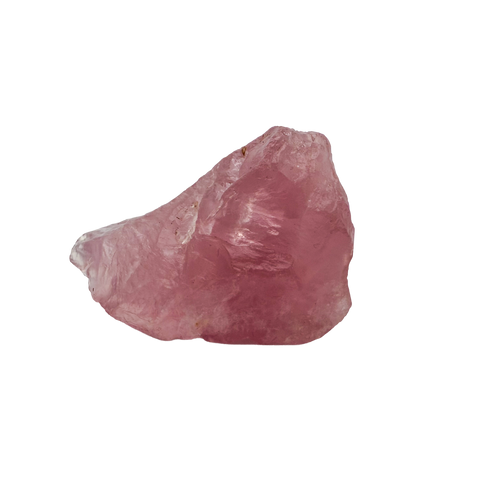
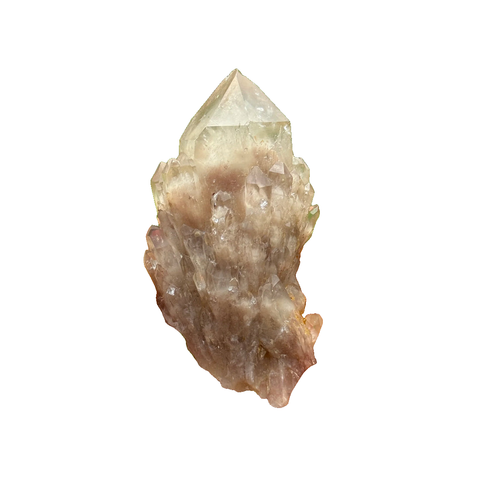
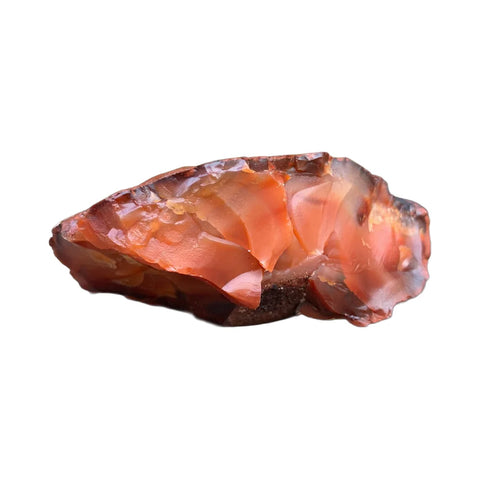
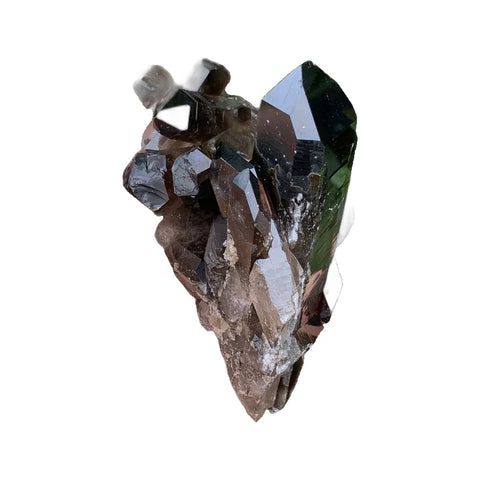
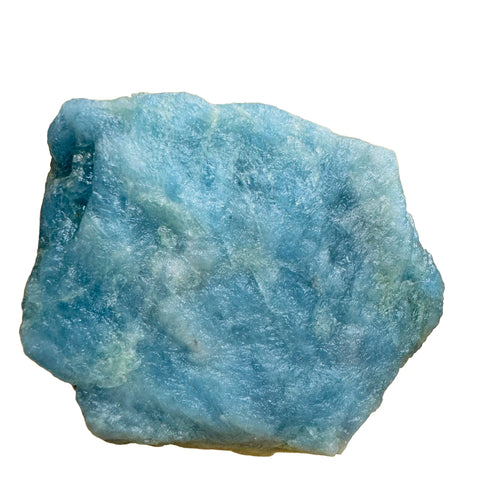
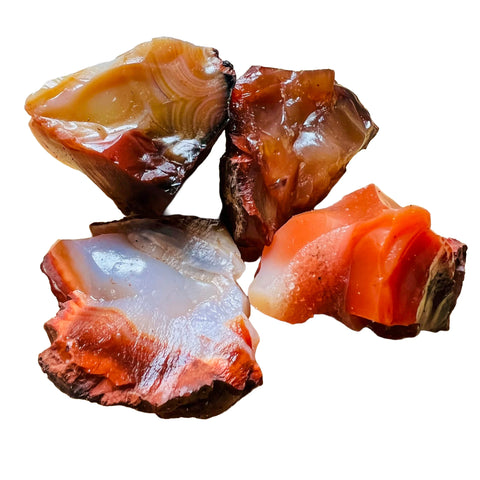


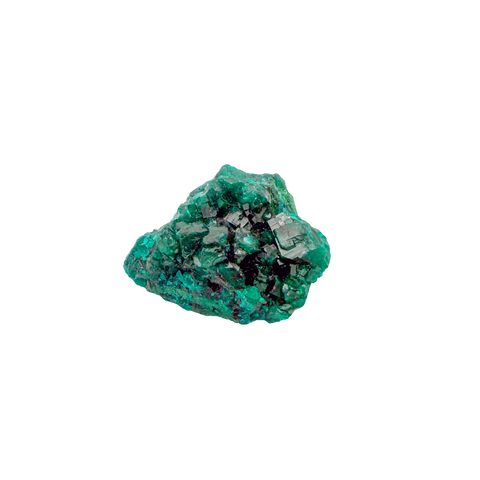
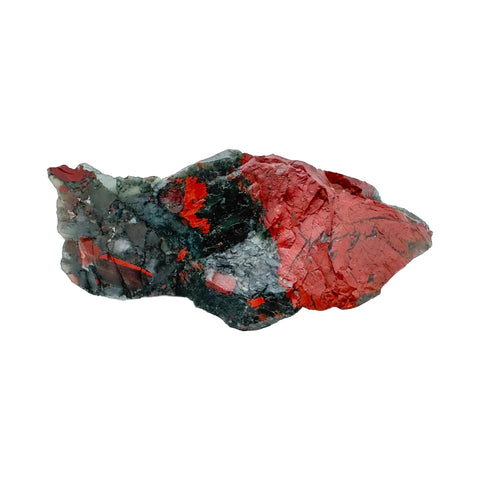
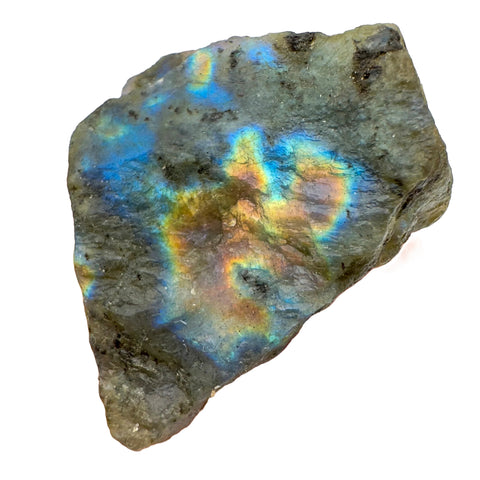
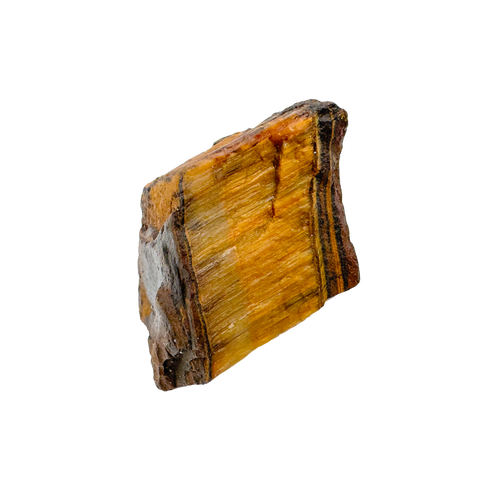
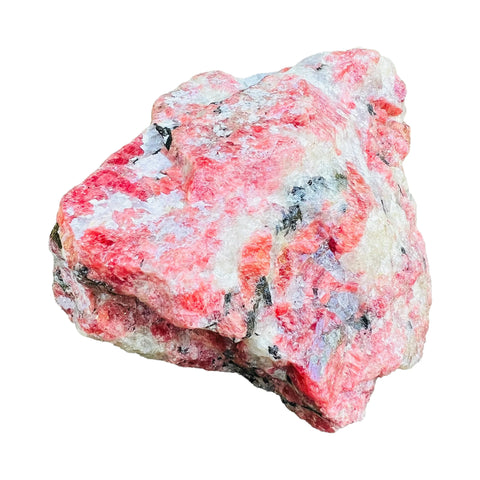
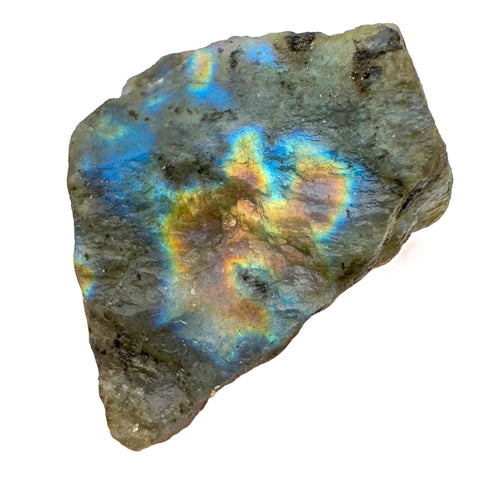



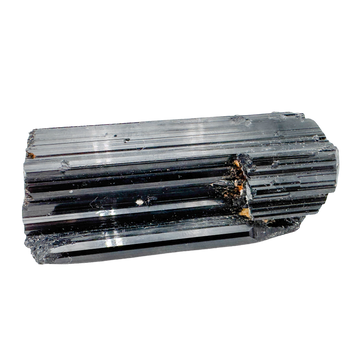
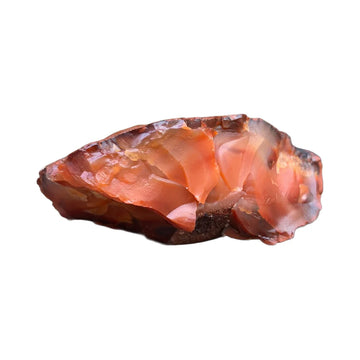
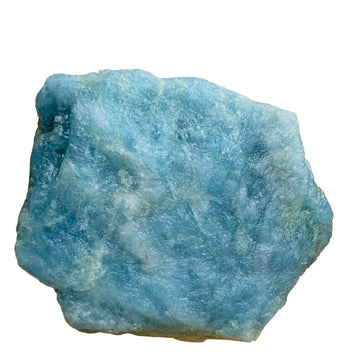
 Raw Stones
179 pieces
Raw Stones
179 pieces
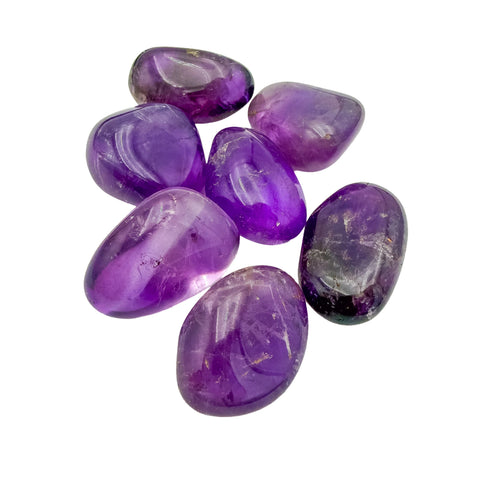
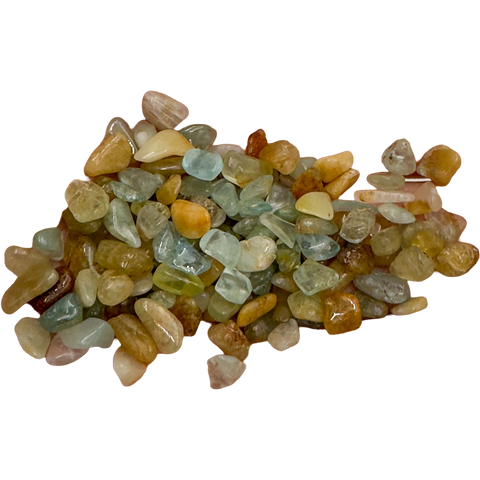
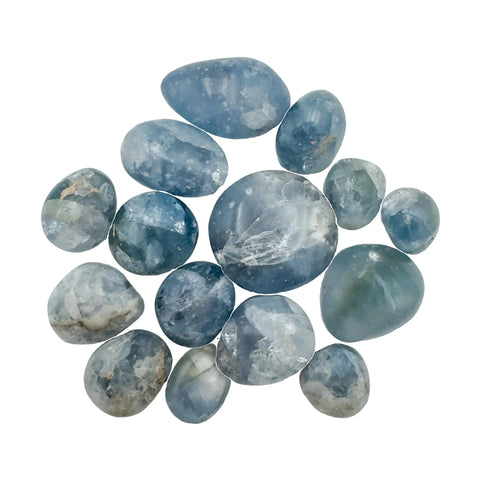
 Tumbled Stones
162 pieces
Tumbled Stones
162 pieces
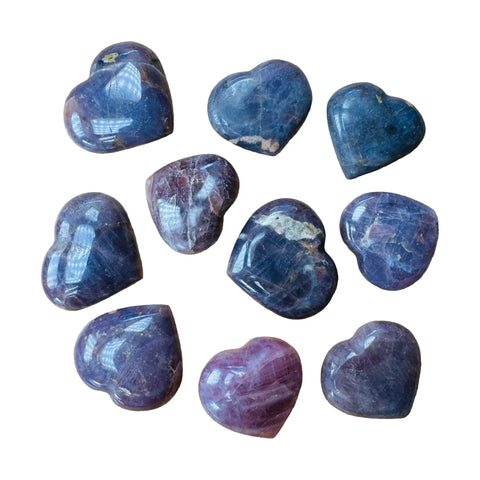
 Palm Stones
25 pieces
Palm Stones
25 pieces
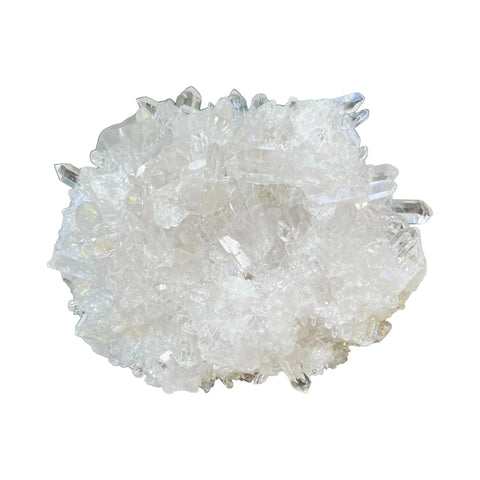
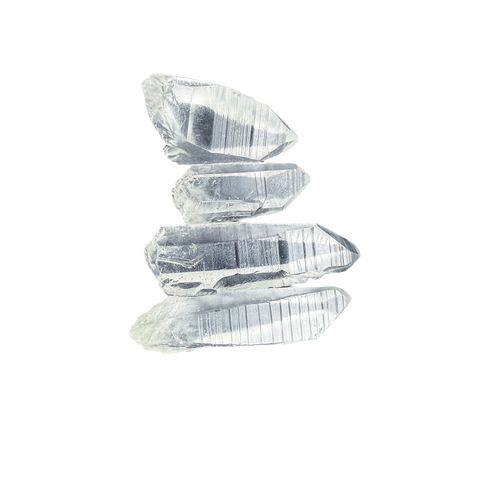
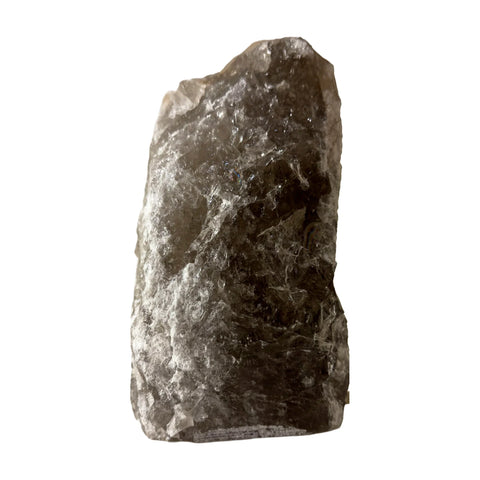
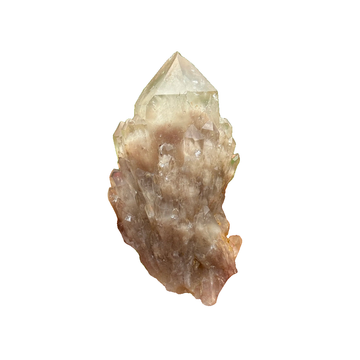
 Crystal Points
23 pieces
Crystal Points
23 pieces
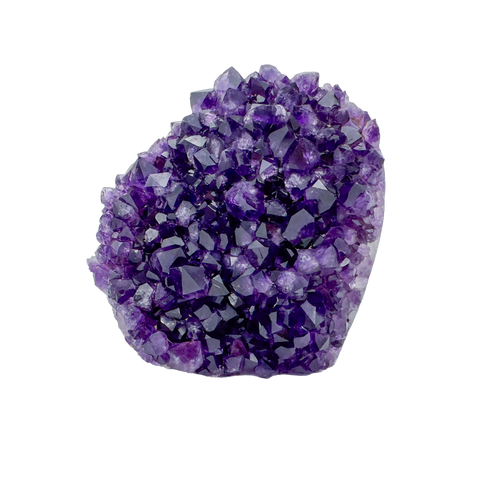
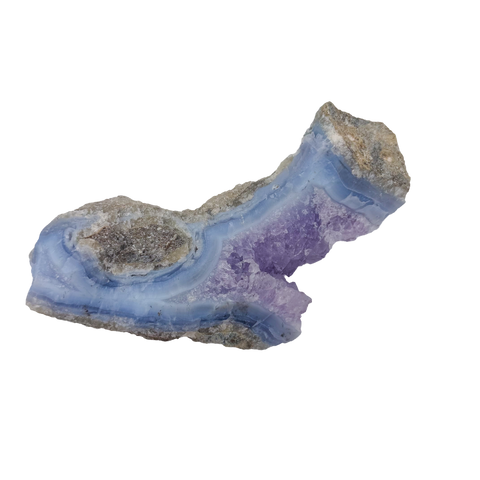
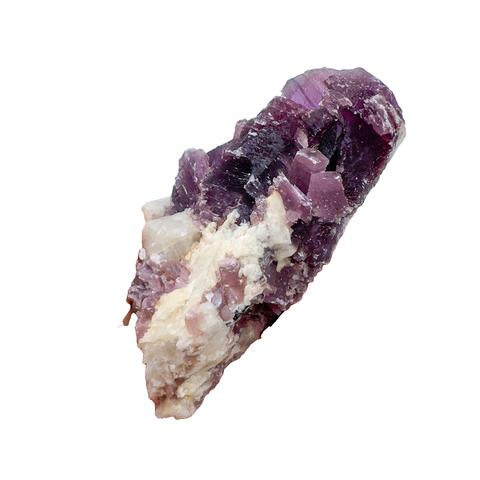
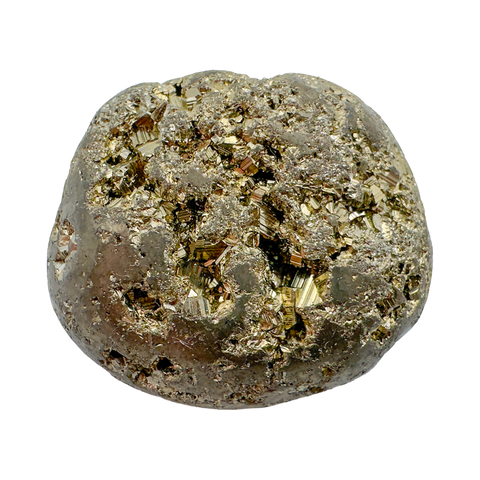
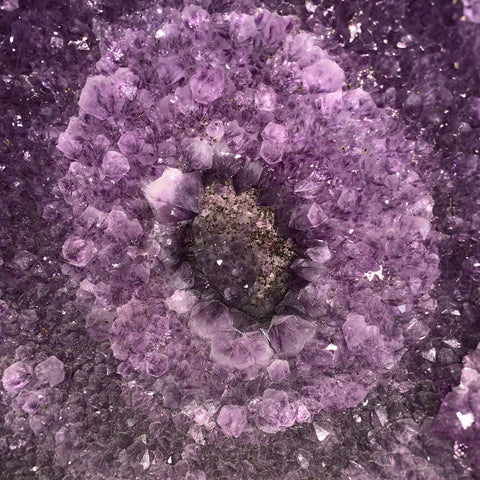
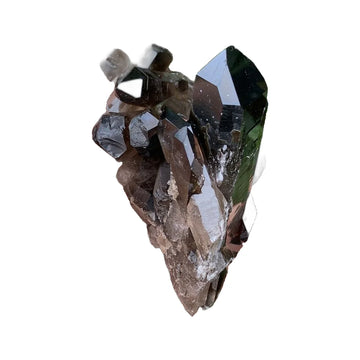
 Clusters & Geodes
105 pieces
Clusters & Geodes
105 pieces
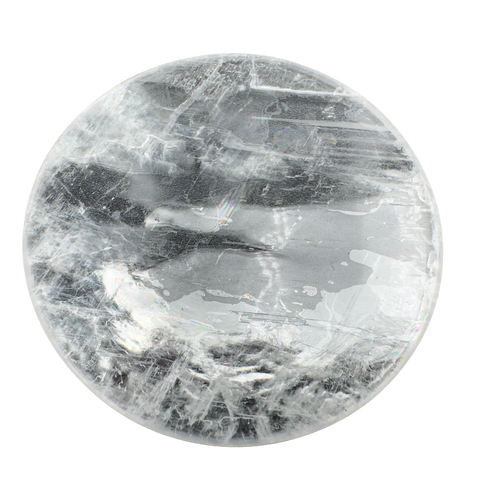
 Polished & Decor
151 pieces
Polished & Decor
151 pieces
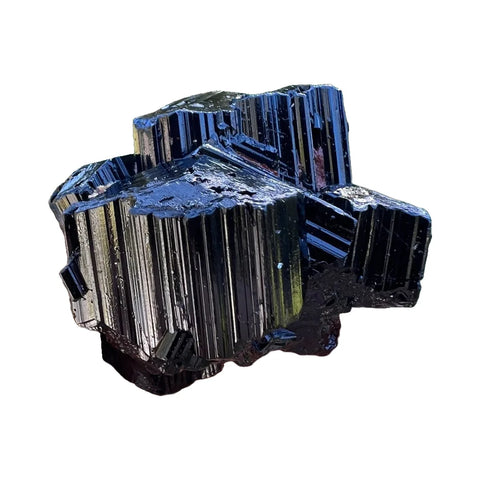
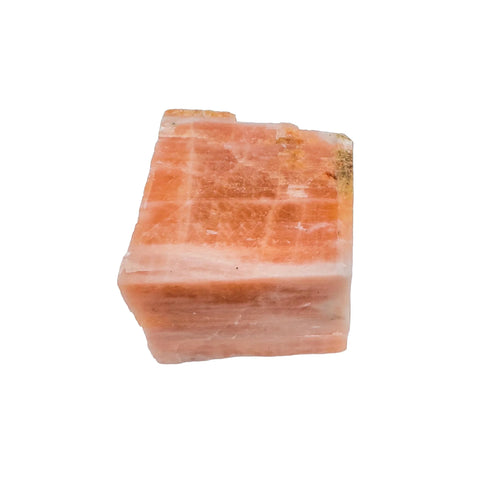
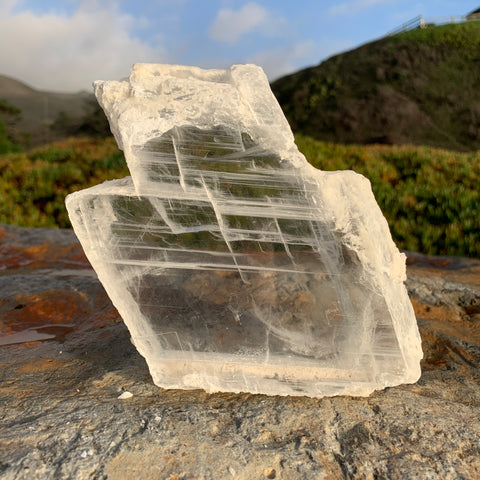
 Mineral Specimens
262 collector pieces
Mineral Specimens
262 collector pieces
 Crystal Chips
21 pieces
Browse everything
Every collection, one page.
View All Collections →
Crystal Chips
21 pieces
Browse everything
Every collection, one page.
View All Collections →


 Aries
Mar 21 – Apr 19
Carnelian
›
Aries
Mar 21 – Apr 19
Carnelian
›
 Taurus
Apr 20 – May 20
Rose Quartz
›
Taurus
Apr 20 – May 20
Rose Quartz
›
 Gemini
May 21 – Jun 20
Agate
›
Gemini
May 21 – Jun 20
Agate
›
 Cancer
Jun 21 – Jul 22
Moonstone
›
Cancer
Jun 21 – Jul 22
Moonstone
›
 Leo
Jul 23 – Aug 22
Citrine
›
Leo
Jul 23 – Aug 22
Citrine
›
 Virgo
Aug 23 – Sep 22
Amazonite
›
Virgo
Aug 23 – Sep 22
Amazonite
›
 Libra
Sep 23 – Oct 22
Blue Lace Agate
›
Libra
Sep 23 – Oct 22
Blue Lace Agate
›
 Scorpio
Oct 23 – Nov 21
Obsidian
›
Scorpio
Oct 23 – Nov 21
Obsidian
›
 Sagittarius
Nov 22 – Dec 21
Sodalite
›
Sagittarius
Nov 22 – Dec 21
Sodalite
›
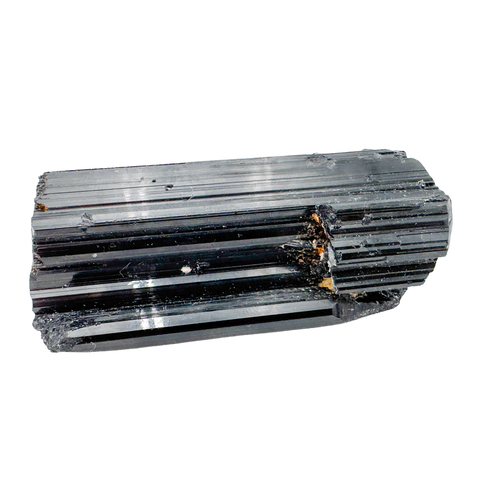
 Capricorn
Dec 22 – Jan 19
Black Tourmaline
›
Capricorn
Dec 22 – Jan 19
Black Tourmaline
›
 Aquarius
Jan 20 – Feb 18
Amethyst
›
Aquarius
Jan 20 – Feb 18
Amethyst
›
 Pisces
Feb 19 – Mar 20
Aquamarine
›
Gifting?
A birthday stone is the safe bet.
Read the zodiac guide →
Pisces
Feb 19 – Mar 20
Aquamarine
›
Gifting?
A birthday stone is the safe bet.
Read the zodiac guide →


Blue Kyanite
Blue kyanite is a brilliant blue aluminum silicate that forms as sharp-edged bladed crystals, unusual in habit and striking in presence. It is one of the few minerals traditionally noted for not needing to be cleared in the same way many other stones are. Many people work with it for alignment, high-vibration energy, and clarity that feels direct and uncluttered.
Shop blue kyaniteThe geology.
Blue kyanite is an aluminum silicate mineral with the chemical formula Al2SiO5, crystallizing in the triclinic system. Its defining characteristic is anisotropic hardness, which means the hardness differs depending on the direction of pressure applied to the crystal. Along the length of the blade, hardness sits at 4 to 5 on the Mohs scale. Across the width of the blade (perpendicular to the long axis), hardness jumps to 6 to 7. This unusual property makes kyanite one of the few minerals whose hardness actually varies with crystal orientation, a fact noted and tested by every crystallographer who works with it.
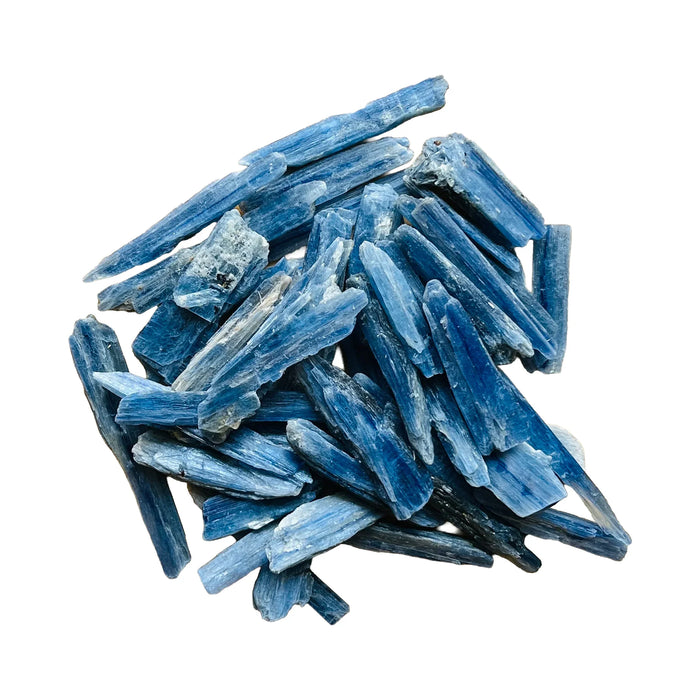
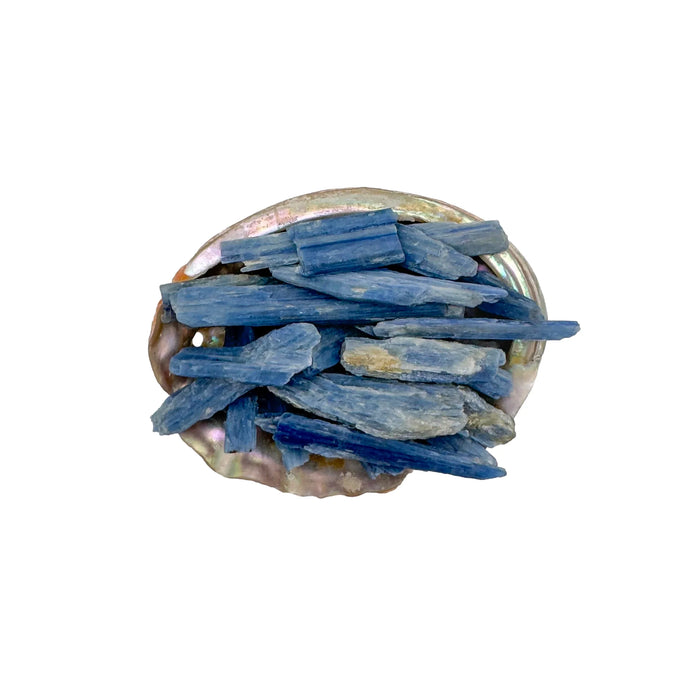
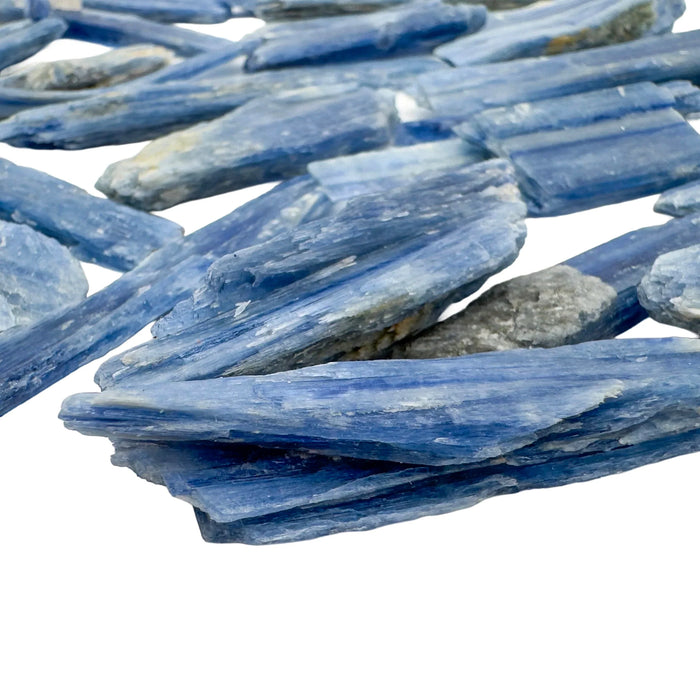
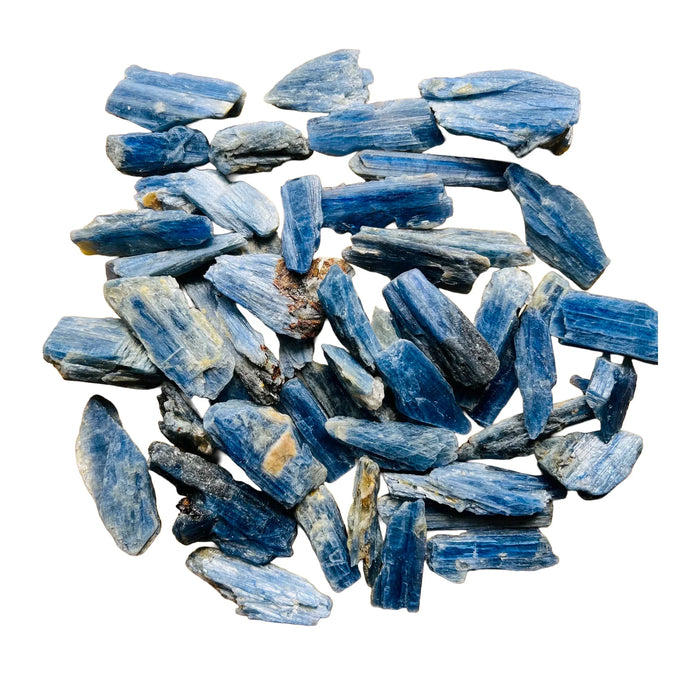
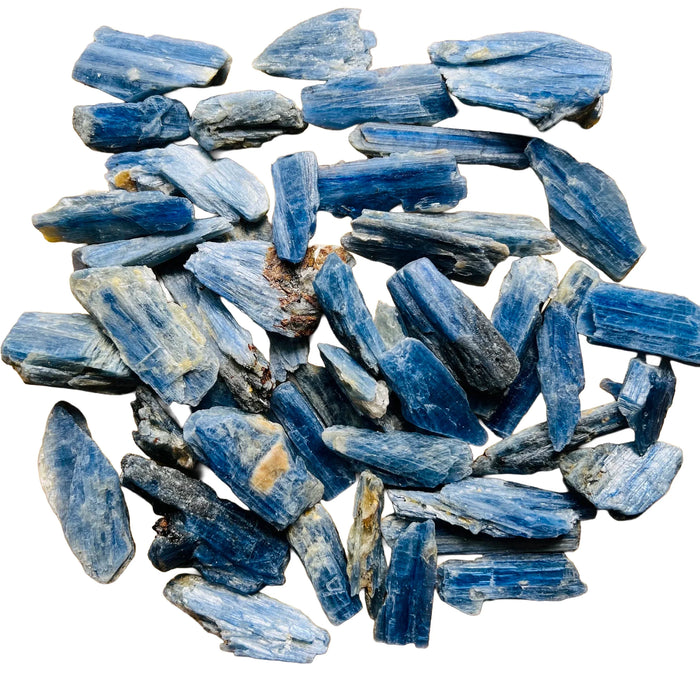
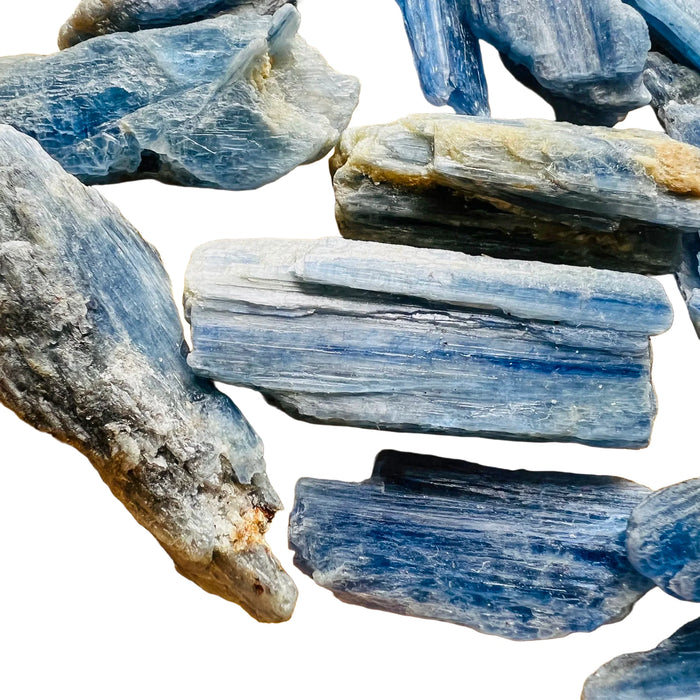
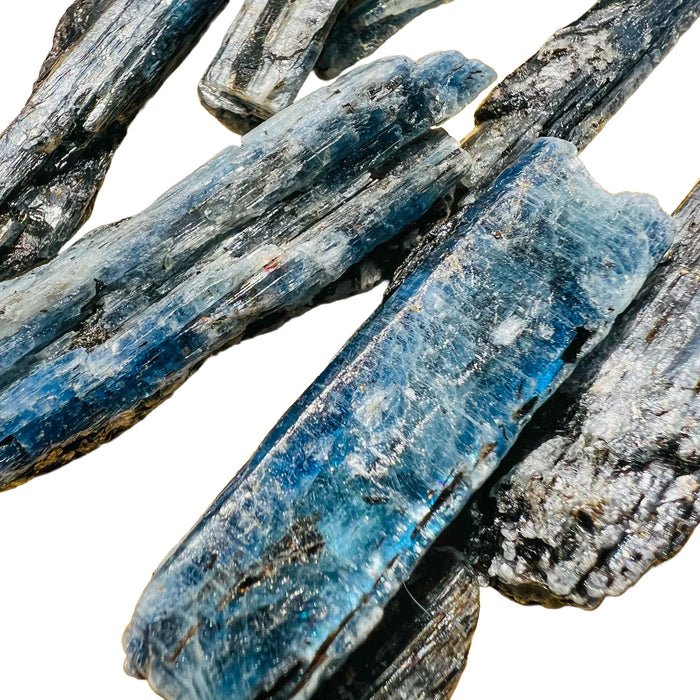
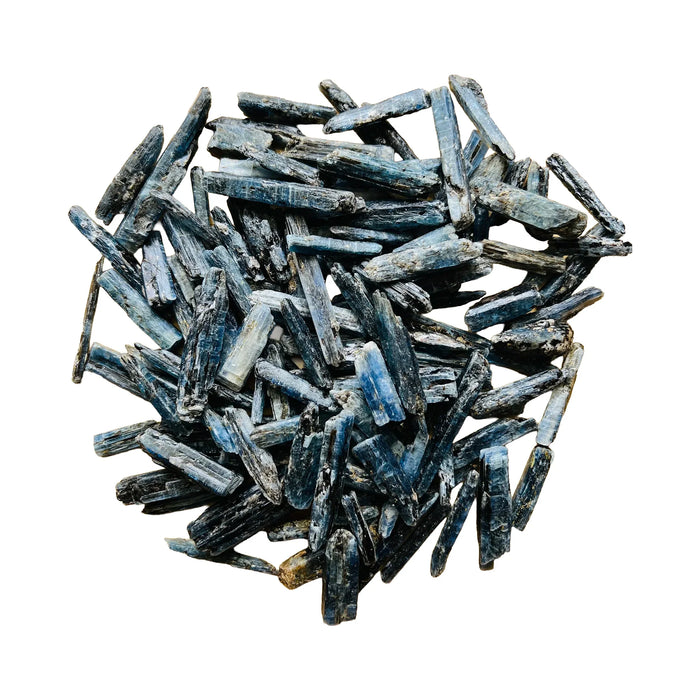
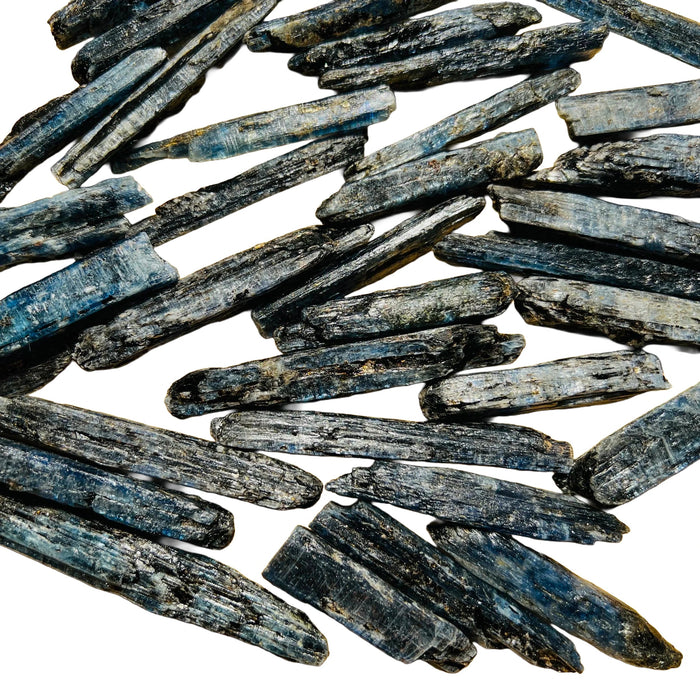
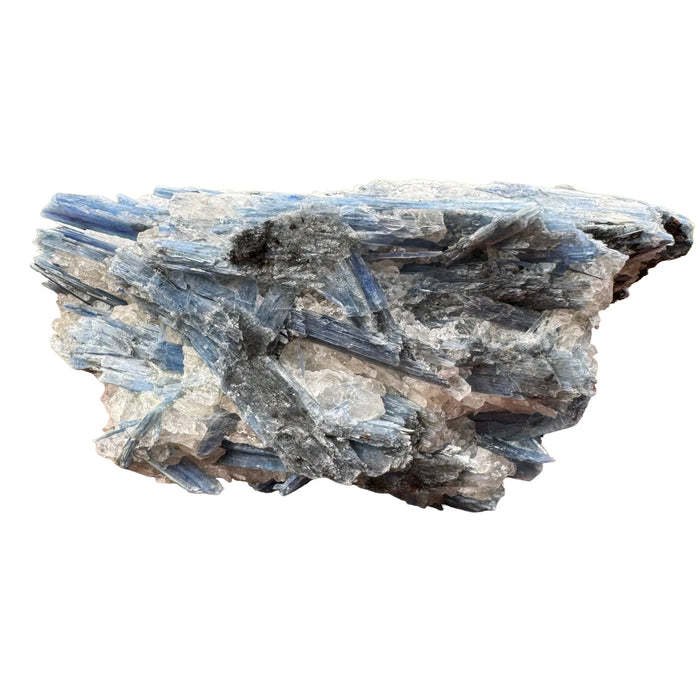
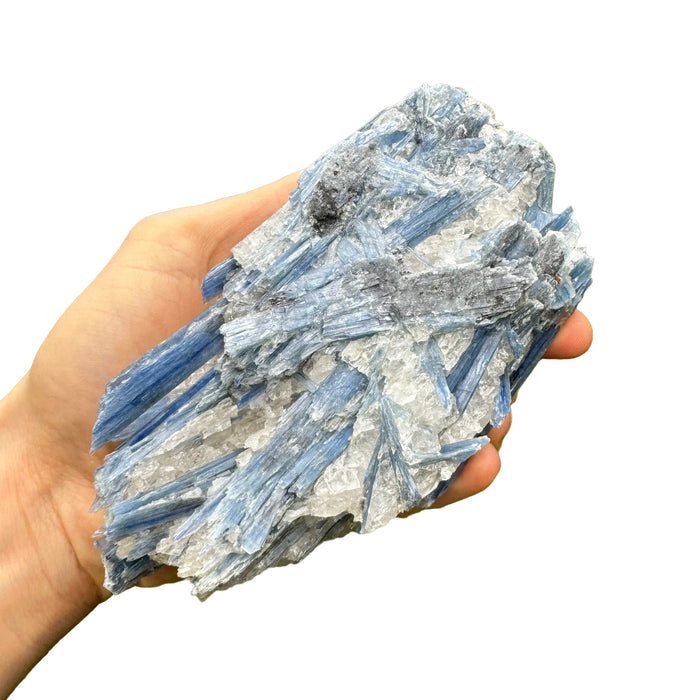
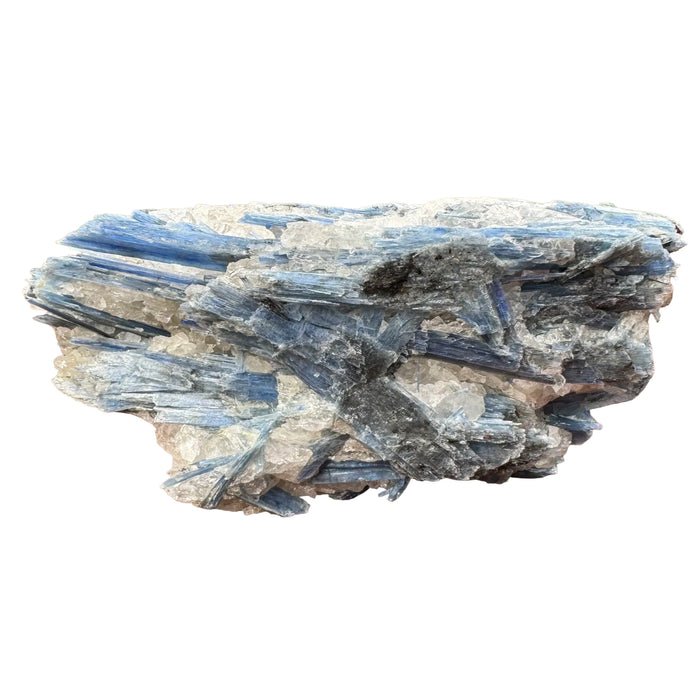
Blue kyanite forms as sharp, flat-bladed crystals, often with fine striations (parallel grooves) running the length of the blade. The color comes from trace iron that replaces aluminum in the crystal structure. Blue kyanite ranges from pale sky-blue to deep indigo depending on iron content and origin. The crystal form is the mineral's most distinctive feature; kyanite does not form as massive rounded stones but as angular, pointed blades that can look almost delicate despite their considerable hardness in one direction.
Specific gravity runs 3.5 to 3.7, making kyanite denser than many other minerals. The crystals often show a vitreous (glassy) luster on fresh surfaces. The mineral is brittle; despite its hardness, a crystal can snap if pressure is applied in the wrong direction. This combination of hardness and brittleness defines how kyanite responds to wear and handling.
The origins.
The blue kyanite we carry comes from two primary sources: Brazil and Zimbabwe. Brazilian blue kyanite, sourced primarily from Minas Gerais in the southeast, produces well-formed bladed crystals with strong, saturated blue color. The material is worked through small-scale mining and crystal selection, with many pieces hand-selected for quality and color depth. Brazilian material is the more commonly seen variety in the North American market.
Zimbabwe produces a different character of blue kyanite. The crystals there tend to form thicker, heavier blades with slightly darker, deeper blue tones and sometimes faint green or gray undertones from trace copper or other minerals. The material is less commonly imported to North America than Brazilian kyanite, which makes it a less familiar find, though both are equally genuine. Zimbabwean blue kyanite often shows more color variation and depth within a single specimen.
Blue kyanite occurs in metamorphic deposits worldwide, including parts of the United States, France, Switzerland, and other regions, but Brazil and Zimbabwe supply most of the blue kyanite available to the commercial crystal market. The mining methods vary by region, but most commercial-grade blue kyanite is worked by hand selection and careful extraction to preserve the crystals' integrity.
Traditional associations.
Blue kyanite has a long history in mineral collecting and lapidary work, where its unusual anisotropic hardness has been known since at least the nineteenth century. In metaphysical practice, kyanite entered the crystal working vocabulary more recently, gaining prominence in the 1980s and 1990s alongside the broader expansion of the crystal market. Its current associations are rooted in the mineral's reputation as one of the few stones that supposedly does not hold negative energy and therefore does not need clearing or cleansing in the traditional sense.
In modern crystal work, blue kyanite is most commonly associated with the Throat and Third Eye chakras, the elements Air and Ether, and the intention of clarity, alignment, and high-vibration work. Many people work with it for clearing mental fog, for speaking truth with clarity, and for the kind of direct, uncluttered perception that aligns the intuitive and rational mind together. It is often chosen by people drawn to structure and clear communication, or by those working with subtle energy and spiritual alignment. The sharpness and directness of the crystal form itself carries metaphorical weight for the work people bring to the stone.
Spotting the real thing.
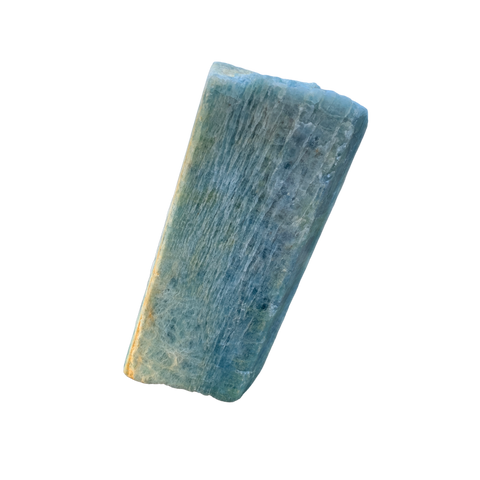
Genuine blue kyanite is immediately recognizable by its distinctive bladed crystal form. The crystals are sharp-edged, flat, and elongated, with fine striations running the length of the blade. The color is bright, saturated blue, ranging from sky-blue to deep indigo. The crystal shows a glassy (vitreous) luster. The edges of the blades are sharp, not rounded or tumbled, because the crystal form itself is what gives kyanite its presence and appeal.
Dyed or treated substitutes typically do not show the sharp blade form and are usually rounded or polished into more conventionally attractive shapes. Any kyanite that is tumbled smooth or appears as massive rounded material rather than as distinct crystals should prompt questions about authenticity. Synthetic or treated varieties are rare in the market, but imitations using dyed glass or quartz sometimes appear priced unusually low. Genuine blue kyanite commands prices that reflect the mining, selection, and crystal preservation work; commodity pricing should raise suspicion about origin or treatment status.
Care & handling.
Blue kyanite is hardy but brittle, which means it is resistant to scratching along the length of the blade but can snap if pressure is applied perpendicular to the crystal structure. Handle the stone gently and avoid dropping it or applying pressure across the width of the blades. Store kyanite separately from other stones that could bump it or exert pressure on the delicate edges. Display pieces, carried pieces, or altar stones should be placed where they will not be knocked over or pressed against hard surfaces.
Clean kyanite with cool water and a soft cloth. Brief warm water and mild soap are fine for occasional deeper cleaning. Avoid ultrasonic and steam cleaners, harsh chemicals, and saltwater. Kyanite does not need special clearing or cleansing in the way many other stones do, which is part of its traditional reputation. Energetically, it is often treated as self-clearing. Physically, it responds well to smoke, sound, moonlight, or sunlight. The sharpness and clarity of the stone are part of its character; protect them by storing and handling with intention.
Pairs well with.
Proof, not promises.
We measure our own sourcing across five dimensions. Supply chain, environmental footprint, artisan support, market integrity, and pricing. The number is honest, not perfect. Where we can do better, we say so.
A deeper look.
Extended geology, anisotropic hardness, sourcing, authentication, and pricing for when the quick guide isn't quite enough.
Extended geology and anisotropic hardness
Blue kyanite is an aluminum silicate, Al2SiO5, in the triclinic crystal system. The defining characteristic is anisotropic hardness, which is rare among commercial minerals. Hardness along the length of the blade (the c-axis) sits at Mohs 4 to 5. Hardness across the width (perpendicular to the long axis) jumps to 6 to 7. This means the same mineral can be scratched by quartz (hardness 7) when pressure is applied in one direction but scratches quartz when pressure is applied in another direction. This property was recognized in the nineteenth century and remains one of the most useful diagnostic features for identifying genuine kyanite.
The blue color comes from iron impurities that replace some aluminum atoms in the crystal lattice. Color ranges from pale sky-blue to deep indigo depending on iron content. Other varieties of kyanite exist in white, green, and black, but blue is the most prized. The crystal form is almost always bladed, flat, and elongated, with fine striations (tiny parallel grooves) running the length of the blade. These striations are a natural feature of how kyanite crystallizes and are not a defect.
Specific gravity runs 3.5 to 3.7, denser than many other minerals. The crystal structure is brittle; while the mineral is hard along the blade, it can snap if pressure is applied perpendicular to the crystal structure, which is why kyanite requires gentle handling despite its considerable hardness in certain directions.
Brazilian and Zimbabwean sourcing
Brazil, particularly Minas Gerais in the southeast, produces blue kyanite crystals known for well-formed blade shape and saturated blue color. The mining is primarily small-scale with hand selection and careful crystal extraction. Brazilian material is the most common in the North American market and commands consistent supply and pricing.
Zimbabwe produces blue kyanite with a different character. Crystals tend to form thicker and darker, sometimes with undertones of green or gray from copper or other trace minerals. The material is less frequently imported to North America, which makes it less familiar to many people. Both Brazilian and Zimbabwean sources are equally genuine; the differences are mineralogical rather than quality differences.
Blue kyanite deposits occur worldwide, including in parts of the United States, Switzerland, France, and Nepal, but Brazil and Zimbabwe supply the majority of the commercial market for fine-quality blue kyanite.
Authentication and the blade form
The sharp-bladed crystal form is the single most useful authentication feature. Genuine blue kyanite exists as distinct, flat, elongated blades with sharp edges and fine striations. Any kyanite that is tumbled smooth, rounded, or presented as massive material should raise questions. The crystal form is kyanite's defining feature; processing into other shapes is uncommon and usually reflected in the positioning and marketing of the piece.
The anisotropic hardness itself can be tested: a piece that scratches glass along its length but not across its width is kyanite. Dyed glass or quartz imitations are harder in all directions and do not exhibit this directional hardness variation.
Pricing and market reality
Small blades and chips typically range $6 to $12 at retail. Medium well-formed pieces with good color run $12 to $25. Larger or exceptional crystals with color depth and clear form command $25 to $60 and upward. Exceptionally large display pieces can exceed $100.
Commodity pricing (under $6 for what is represented as fine kyanite) should prompt questions about origin, treatment, or whether the material is correctly identified. The work of mining, selecting, and preserving kyanite crystals reflects in the pricing. Very low prices often indicate low-quality material, incorrect identification, or sourcing of uncertain origin.
Good sourcing is a practice, not a claim.
Nothing we sell is dyed, stabilized, reconstituted, or color-enhanced without full disclosure. We name our origins where we can. We say so when we cannot. We walk away from material that does not meet our standard, even when it costs us sales.
Bring blue kyanite home.
Raw bladed crystals from Brazil and Zimbabwe. Natural, untreated, hand-selected for color, form, and clarity. Each piece comes with origin documentation confirming either Brazil or Zimbabwe source.
Shop the blue kyanite collectionBlue Kyanite, in stock now.
Our most-loved Blue Kyanite pieces, ready to ship.
- from 1,000+ reviews
- Ships within 72 hoursMonday to Friday, tracked
- 90 days to return itif you do not love it
- Free US shipping over $99$8.99 flat rate under
The Slow Note
New stones go to the list first.
No forwarding, no selling. Unsubscribe in one click. Privacy