


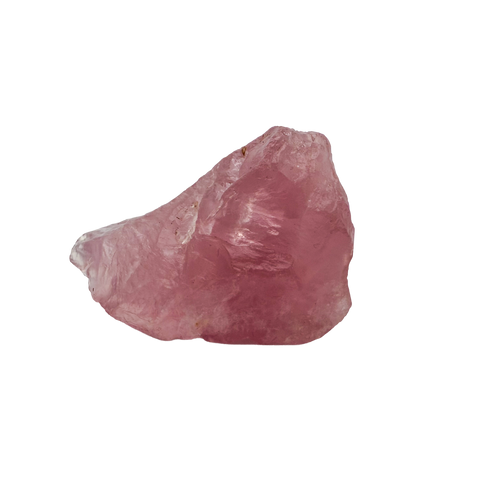
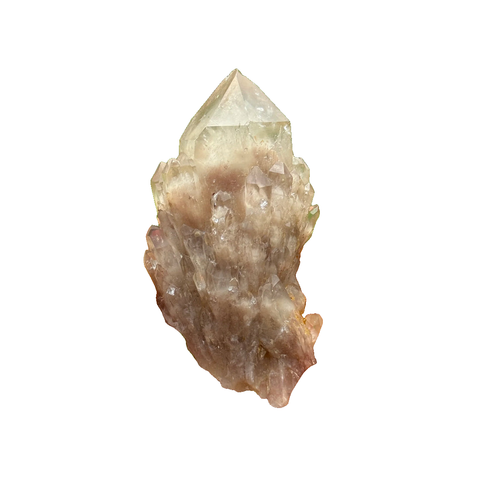
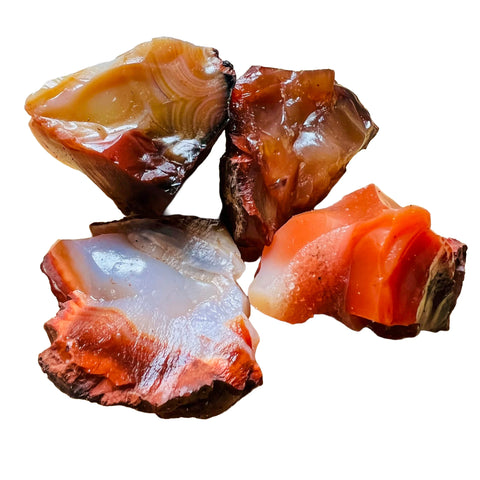


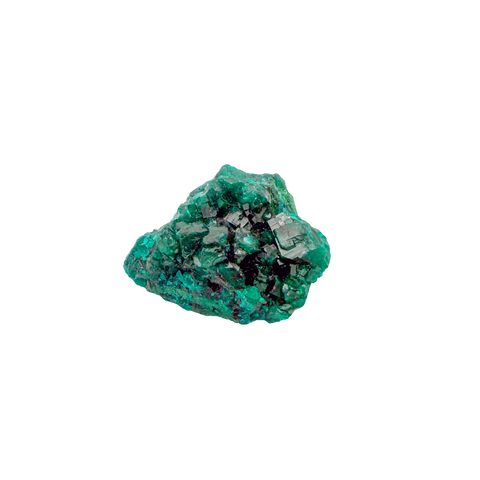
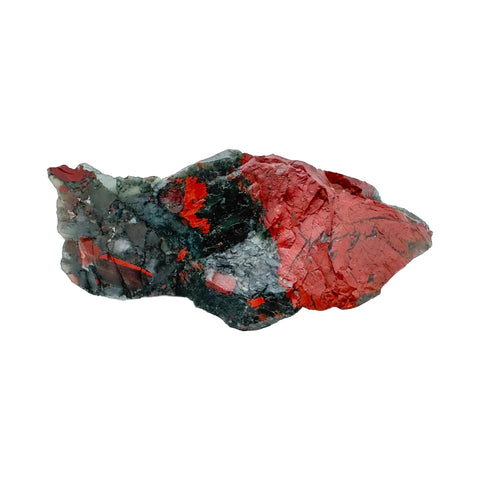
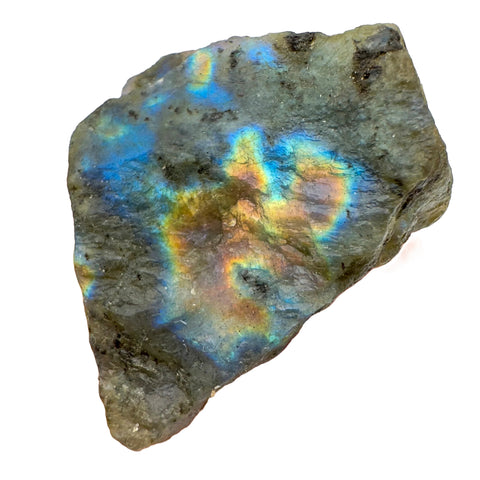
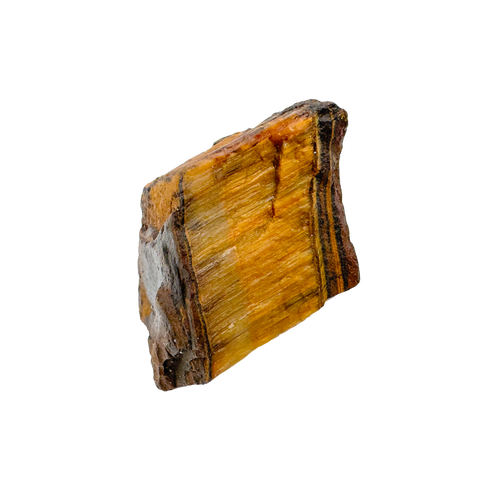
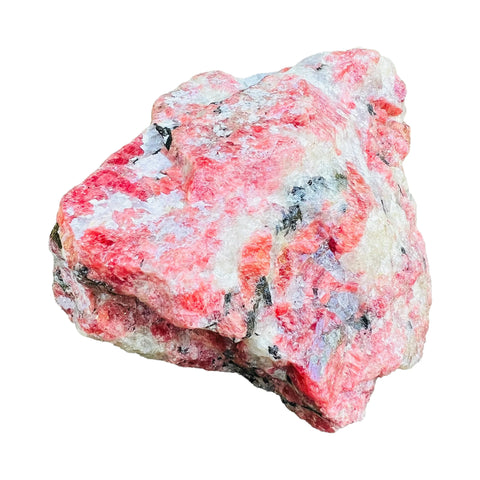
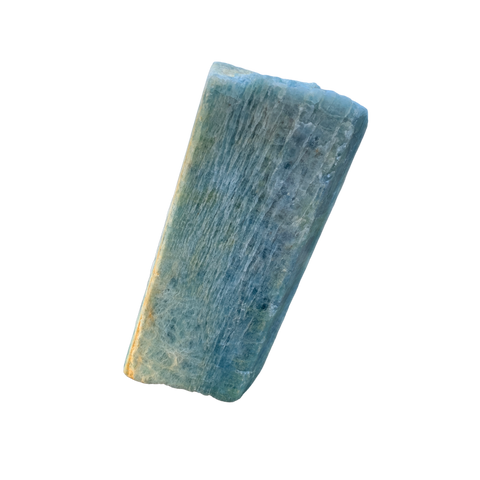
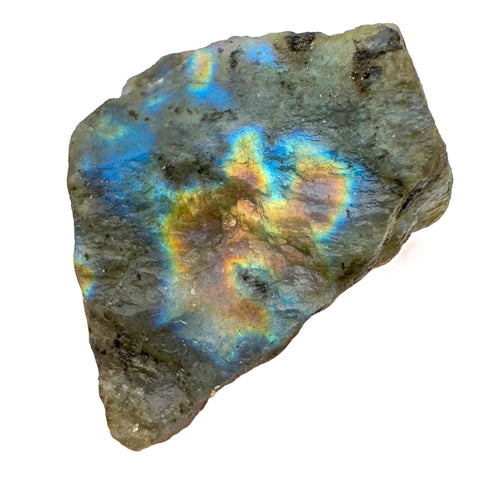
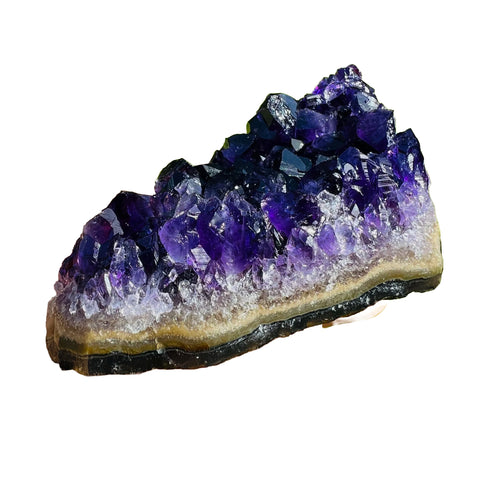



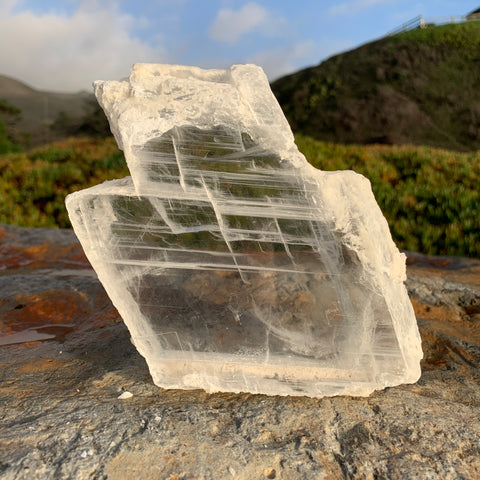
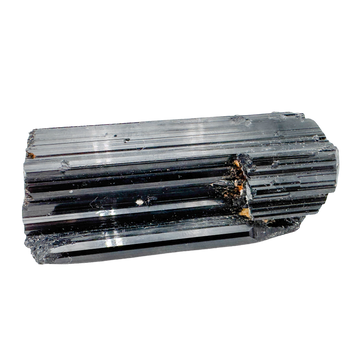
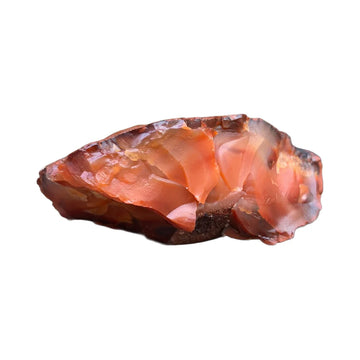
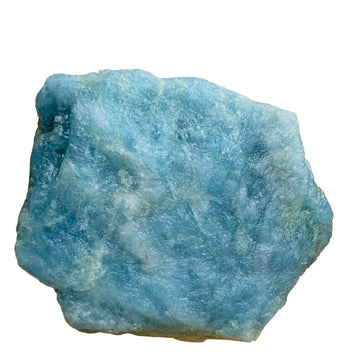
 Raw Stones
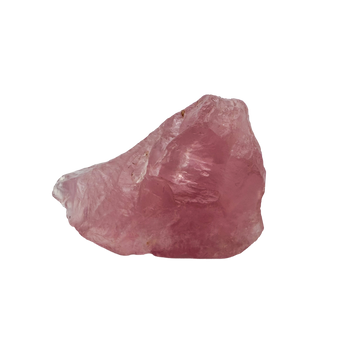
179 pieces
Raw Stones
179 pieces
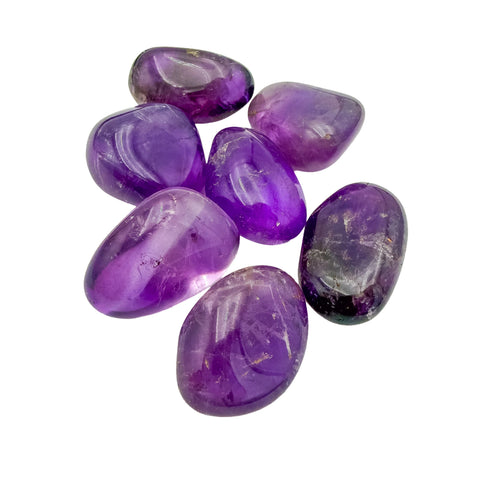
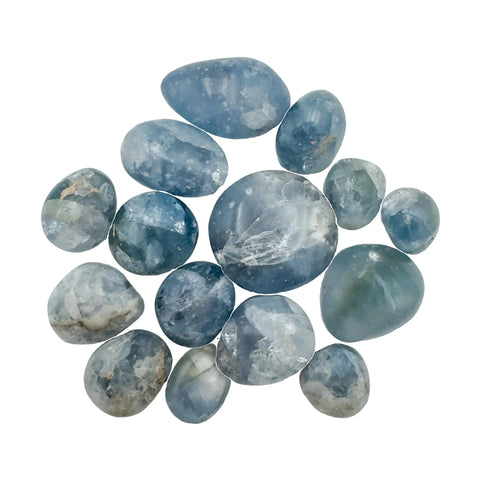
 Tumbled Stones
162 pieces
Tumbled Stones
162 pieces
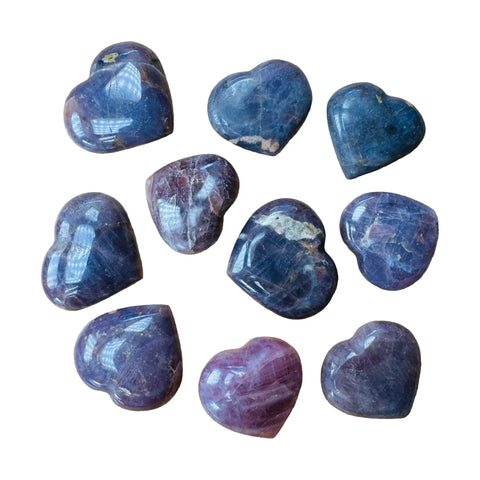
 Palm Stones
25 pieces
Palm Stones
25 pieces
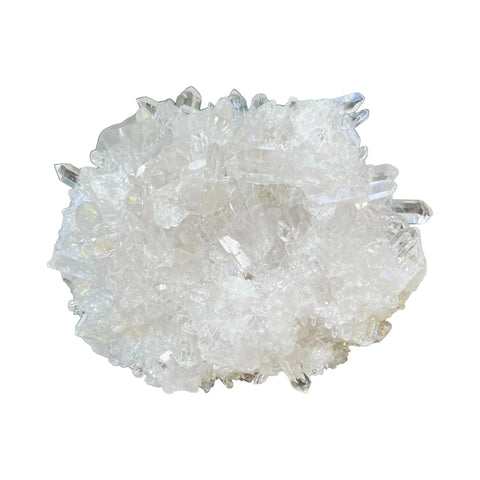
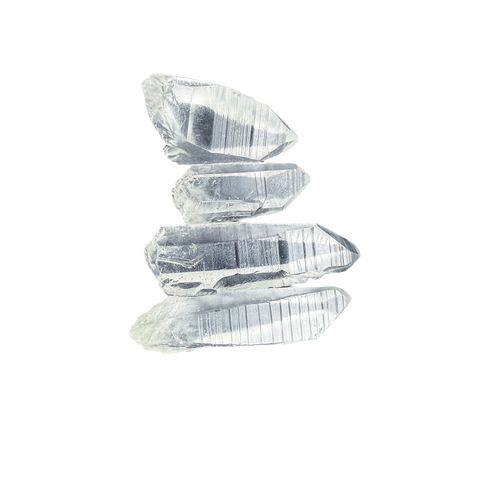
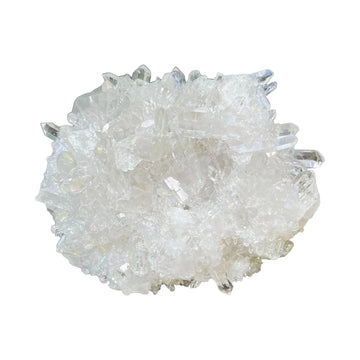
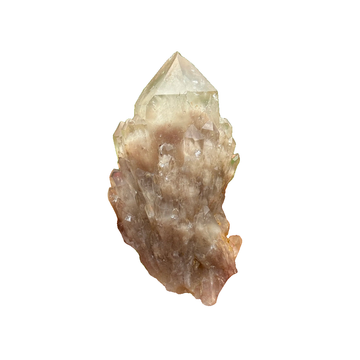
 Crystal Points
23 pieces
Crystal Points
23 pieces
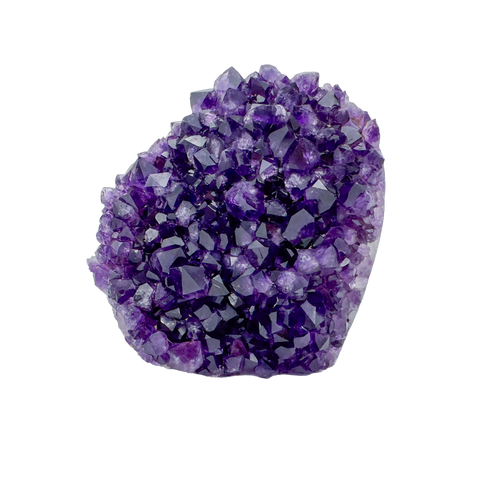
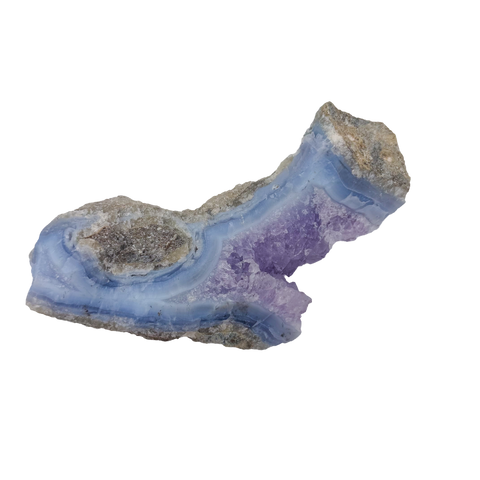
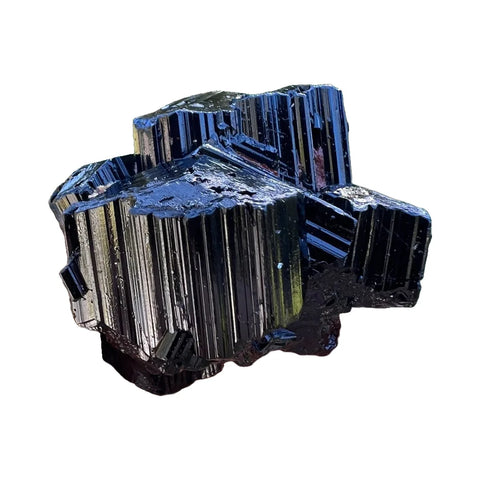
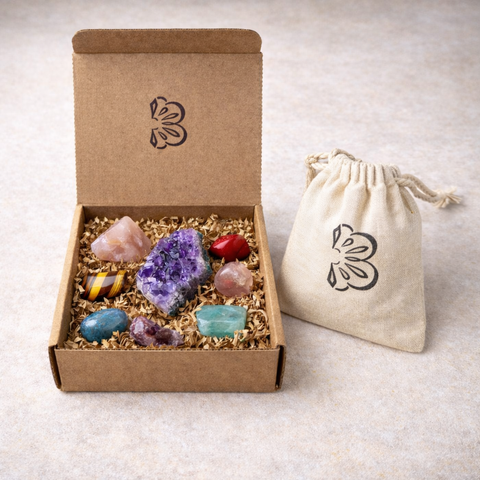
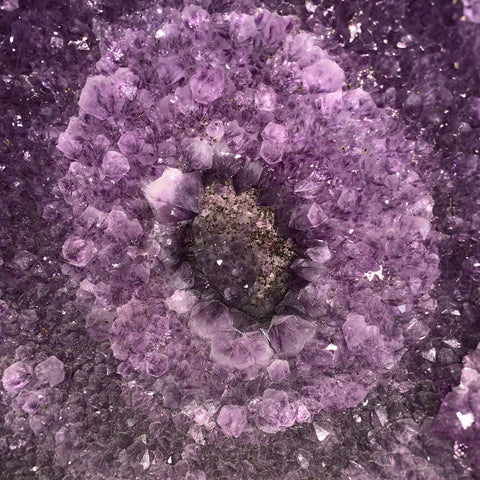
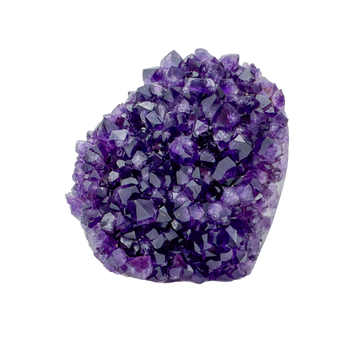
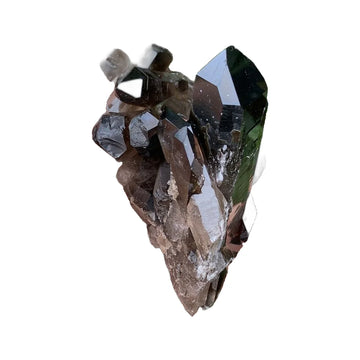
 Clusters & Geodes
104 pieces
Clusters & Geodes
104 pieces
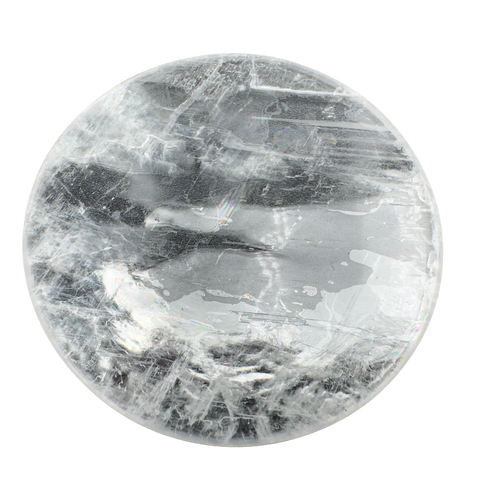
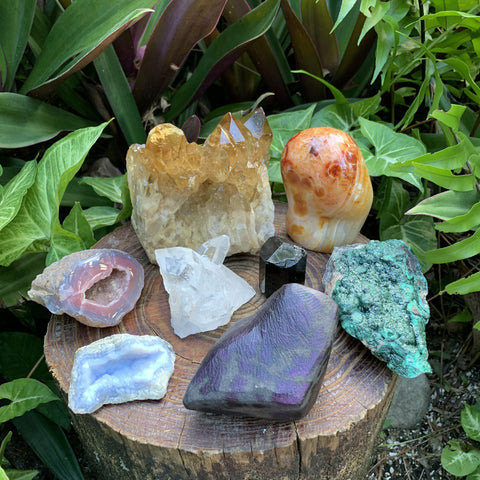
 Polished & Decor
148 pieces
Polished & Decor
148 pieces
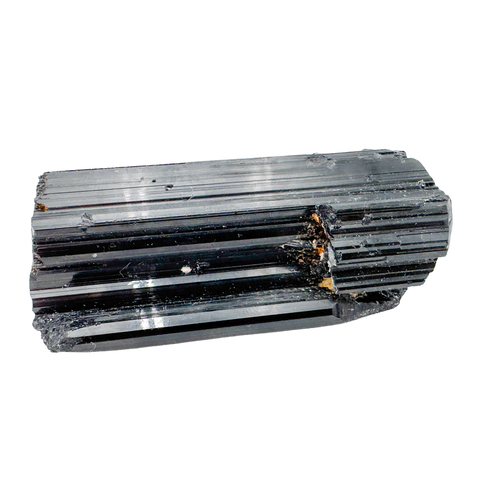
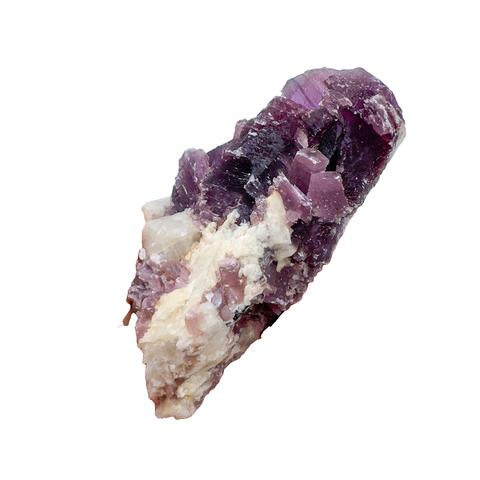
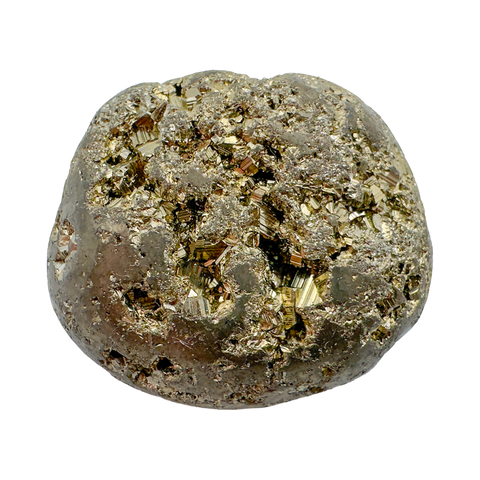
 Mineral Specimens
259 collector pieces
Mineral Specimens
259 collector pieces
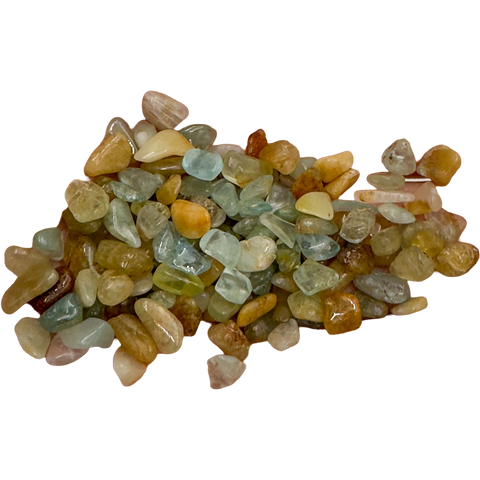
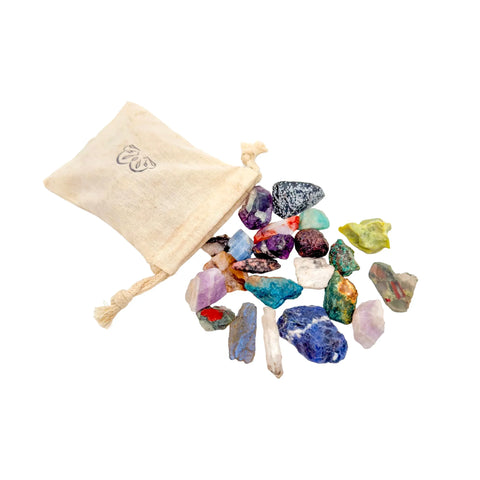
 Crystal Chips
21 pieces
Browse everything
Every collection, one page.
View All Collections →
Crystal Chips
21 pieces
Browse everything
Every collection, one page.
View All Collections →


 Aries
Mar 21 – Apr 19
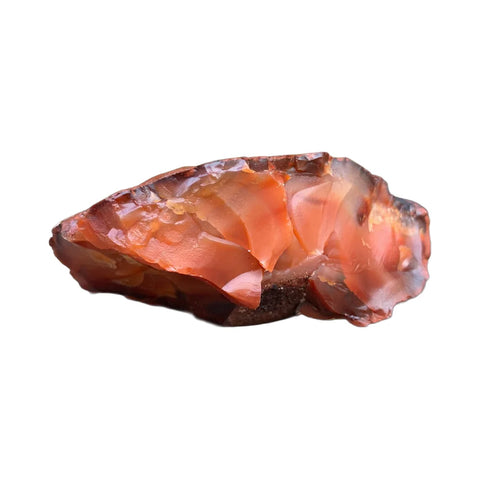
Carnelian
›
Aries
Mar 21 – Apr 19
Carnelian
›
 Taurus
Apr 20 – May 20
Rose Quartz
›
Taurus
Apr 20 – May 20
Rose Quartz
›
 Gemini
May 21 – Jun 20
Agate
›
Gemini
May 21 – Jun 20
Agate
›
 Cancer
Jun 21 – Jul 22
Moonstone
›
Cancer
Jun 21 – Jul 22
Moonstone
›
 Leo
Jul 23 – Aug 22
Citrine
›
Leo
Jul 23 – Aug 22
Citrine
›
 Virgo
Aug 23 – Sep 22
Amazonite
›
Virgo
Aug 23 – Sep 22
Amazonite
›
 Libra
Sep 23 – Oct 22
Blue Lace Agate
›
Libra
Sep 23 – Oct 22
Blue Lace Agate
›
 Scorpio
Oct 23 – Nov 21
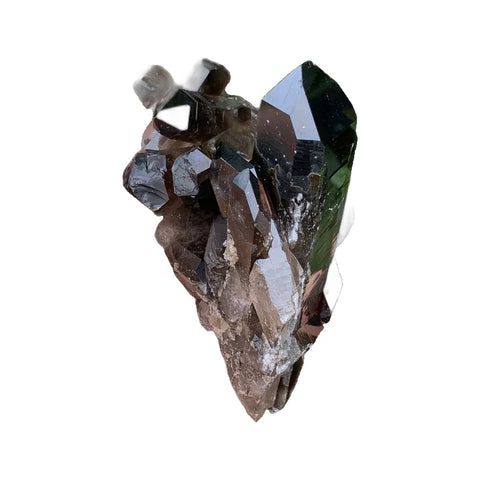
Obsidian
›
Scorpio
Oct 23 – Nov 21
Obsidian
›
 Sagittarius
Nov 22 – Dec 21
Sodalite
›
Sagittarius
Nov 22 – Dec 21
Sodalite
›
 Capricorn
Dec 22 – Jan 19
Black Tourmaline
›
Capricorn
Dec 22 – Jan 19
Black Tourmaline
›
 Aquarius
Jan 20 – Feb 18
Amethyst
›
Aquarius
Jan 20 – Feb 18
Amethyst
›
 Pisces
Feb 19 – Mar 20
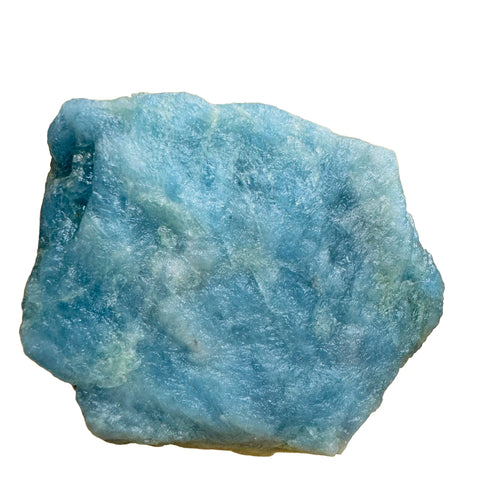
Aquamarine
›
Gifting?
A birthday stone is the safe bet.
Read the zodiac guide →
Pisces
Feb 19 – Mar 20
Aquamarine
›
Gifting?
A birthday stone is the safe bet.
Read the zodiac guide →


Iolite
Iolite is the gem-quality form of cordierite, a magnesium iron aluminum cyclosilicate known for its remarkable pleochroism. The stone shifts between violet, blue, and gray-yellow depending on the angle of light. Many people work with it for meditation, clarity, intuition, and the kind of vision that comes from inward sight.
Shop ioliteThe geology.
Iolite is the gem-quality form of cordierite, a magnesium iron aluminum cyclosilicate that forms in metamorphic rocks, particularly through regional or contact metamorphism of aluminum-rich sedimentary rocks. The name comes from the Greek word ion, meaning violet, referencing the stone's characteristic color. The most distinctive property of iolite is strong pleochroism: the stone displays different colors depending on the direction light travels through it, showing violet, blue, and gray-yellow hues as you rotate it. This optical property is the single most important authentication cue and a defining characteristic that sets iolite apart from similar-looking stones.
Hardness sits at 7 to 7.5 on the Mohs scale, making iolite durable and suitable for jewelry and daily wear. Specific gravity ranges from 2.58 to 2.66. The orthorhombic crystal system means the stone has three unequal axes at right angles. Iolite was historically called water sapphire in the gem trade because of its visual similarity to sapphire, though the two are unrelated minerals. The pleochroic property of iolite may have been used by Viking navigators as a natural polarizing filter to find the sun through overcast skies, though this remains historically debated. The stone is typically untreated because its natural violet-blue color and pleochroism are inherent optical properties that do not require enhancement.
The origins.
The iolite we carry comes from Madagascar, specifically from artisanal mining operations in the Amoron'i Mania region. The material we receive is hand-carved into palm stone form from larger rough cordierite material. Madagascar provides consistent blue-violet tones with strong pleochroic properties, and the palm stones are finished with attention to the stone's natural optical characteristics. We work through trusted intermediaries who document the supply chain per batch and confirm origin before material reaches us. The hand-carving of palm stones from rough stock is labor-intensive artisanal work that supports local economies in the mining regions.
Iolite is mined commercially in other regions as well. India, Sri Lanka, Brazil, Tanzania, and Myanmar all produce gem-quality cordierite for the market. These sources vary in color intensity and pleochroism quality. We commit to Madagascar as our primary source because the material shows reliable blue-violet coloring, the pleochroism is strong and consistent, the artisanal scale of the operations aligns with our sourcing values, and we know the intermediaries involved. If our Madagascar supply ever changes, we will say so directly.
Traditional associations.
Iolite is associated with the Third Eye chakra and the elements Air and Water. Many people work with it for meditation, intuition, clarity of vision, and inner sight. The stone is often chosen for practices around focus, decision-making, dream work, and finding direction through uncertainty. A reference to the Viking navigation legend connects iolite to the idea of finding one's way through obstacles, both literal and metaphorical. The pleochroic nature of the stone itself carries symbolic weight for many: the fact that it reveals different colors depending on the angle of view serves as a metaphor for seeing beyond the surface or from multiple perspectives.
Iolite is not associated with a long historical tradition tied to a specific culture or era. Rather, its place in modern crystal work emerges from its optical properties and its connection to themes of vision, sight, and inner knowing. The Third Eye chakra association is modern, reflecting contemporary crystal practice. Many people are drawn to iolite because its appearance and behavior, not because of ancient lineage or cultural significance.
Spotting the real thing.
The most reliable way to authenticate iolite is by observing its pleochroism. Rotate the stone in front of a light source and watch the color shift between blue, violet, and gray-yellow as you change your viewing angle. Real iolite displays strong, visible color changes. Sapphire, the most common substitute due to the historical water sapphire trade name, is harder (Mohs 9) and does not show pleochroism. Hold the stone up to light and confirm that the color shifts when rotated. Tanzanite also shows pleochroism but is softer (Mohs 6 to 7) than iolite and displays a different hue range (purplish-blue rather than violet-blue).
Hardness testing: genuine iolite scratches glass but is not scratched by steel, confirming the Mohs 7 to 7.5 range. Sapphire will not scratch glass with applied pressure. Tanzanite is softer and will show wear more easily than iolite. Specific gravity provides another cue: iolite sits at around 2.6, slightly lighter than quartz. Real iolite shows internal color zones and inclusions, not a surface coating or uniform saturation. The pleochroic color shift is the most distinctive and reliable authentication property for iolite.
Care & handling.
Iolite at Mohs 7 to 7.5 is durable for handling and suitable for jewelry, including rings and pendants. The stone tolerates daily wear well. Clean iolite with warm water and mild soap, then rinse thoroughly and dry with a soft cloth. Avoid ultrasonic and steam cleaners, as strong vibrations can damage internal fractures if present. Extended direct sunlight should be avoided as some iolite can fade slightly over very long periods, though the stone is relatively stable. Store iolite separately from softer stones to prevent you from scratching them during handling.
For energetic cleansing, water, smoke, sound, moonlight, or breath are all suitable options. Unlike softer stones, iolite is robust enough to tolerate water cleansing if you choose that approach. The key is to avoid extreme temperature changes and prolonged pressure on the stone. The pleochroism that makes iolite distinctive is a permanent optical property, not a coating or treatment, so normal care and handling will not diminish it. Treat it as you would any other durable stone of comparable hardness.
Pairs well with.
Proof, not promises.
We measure our own sourcing across five dimensions. Supply chain, environmental footprint, artisan support, market integrity, and pricing. The number is honest, not perfect. Where we can do better, we say so.
A deeper look.
Extended geology, sourcing, authentication, history, varieties, and pricing, for when the quick guide isn't quite enough.
Extended geology
Iolite is the gem-quality variety of cordierite, a magnesium iron aluminum cyclosilicate (Mg₂Al₄Si₅O₁₈) that forms in metamorphic rocks. The mineral crystallizes in the orthorhombic crystal system with three unequal axes at right angles. Cordierite forms primarily through regional or contact metamorphism of aluminum-rich sedimentary rocks and is often found in gneisses, schists, and other metamorphic assemblages. The blue-violet color comes from iron ions that substitute into the crystal structure. The intensity and exact hue vary depending on iron concentration and the degree of oxidation.
The most distinctive optical property is strong pleochroism, the ability to transmit different colors depending on the crystallographic direction the light travels through the stone. When light enters along different axes, iolite appears blue, violet, or gray-yellow. This property is so pronounced that it was historically used by navigators and is considered the primary authentication characteristic. The pleochroism arises from the way iron impurities scatter and absorb certain wavelengths of light differently along different crystal axes. Specific gravity ranges from 2.58 to 2.66. Hardness of 7 to 7.5 makes iolite durable enough for jewelry and daily handling. The mineral has an uneven fracture and shows no cleavage.
The name iolite comes from the Greek ion, meaning violet, referencing the characteristic color. The historic trade name water sapphire emerged because of the visual similarity to sapphire, though the two are completely unrelated minerals. Iolite is actually a cyclosilicate with a framework structure, while sapphire is corundum (aluminum oxide). The confusion created centuries of market mixing and misrepresentation. Modern understanding of pleochroism and hardness makes authentication straightforward for anyone who knows what to look for.
Extended sourcing
Madagascar is the primary commercial source for gem-quality iolite (cordierite) in the crystal and jewelry market. The Amoron'i Mania region produces blue-violet material with strong pleochroism and good color saturation. India produces cordierite of variable quality, and much of it is lighter in color or lacks strong pleochroism. Sri Lanka, Brazil, Tanzania, and Myanmar also produce gem cordierite, but volumes and consistency vary year to year. The market size is smaller than for many other blues (sapphire, tanzanite, sodalite), which keeps iolite less visible in mainstream markets but accessible in specialized crystal collections.
We work through intermediaries to source Madagascar iolite, which is a transparency limitation we acknowledge openly. Direct site visits to artisanal mining operations are logistically difficult and carry their own ethical complexities. Our intermediaries document origin per batch and track the supply chain, and we have established relationships with them based on consistent quality and documentation. If direct visibility or direct sourcing ever becomes possible, we will pursue it. Madagascar remains our commitment because the material is reliable in color and pleochroism, the scale of the operations aligns with our values around artisanal work, and the hand-carving of palm stones from rough stock is skilled labor that we want to support.
Authentication and market imitations
Pleochroism is the definitive authentication tool for iolite. Rotate the stone in front of light and observe the color shift from blue to violet to gray-yellow. Real iolite shows strong, visible color changes. Sapphire (water sapphire is the misleading trade name) does not display pleochroism and is harder (Mohs 9) than iolite. Tanzanite also shows pleochroism but is softer (Mohs 6 to 7) and displays a purplish-blue rather than violet-blue hue. Hardness testing confirms iolite at Mohs 7 to 7.5, scratches glass, and is not scratched by steel. Tanzanite shows wear more easily than iolite and is more fragile.
Under a loupe, genuine iolite shows internal color zones and banding related to how the pleochroic light is traveling through the stone. The internal structure is even and fine-grained. Synthetic or glass imitations would show a uniform, overly perfect appearance without natural variation. Specific gravity testing (iolite around 2.6) can confirm identity against heavier stones like sapphire (3.99). The pleochroic shift remains the most reliable field test for anyone examining iolite by eye.
Historical context and Viking navigation
The possibility that Viking navigators used iolite (or similar pleochroic stones) as a natural polarizing filter to locate the sun through overcast skies remains historically debated and unproven. Some sources suggest that a stone called sólarsteinn (sun-stone) in Norse sagas may have been iolite, tourmaline, or another pleochroic mineral. Others argue the evidence is insufficient and the Vikings relied on other navigational methods. The story persists in crystal markets and popular literature, but historians have not reached consensus. We mention the legend because it connects iolite to themes of vision and navigation that resonate with modern crystal practice, but we do not present it as historical fact.
Iolite itself is not a stone with deep cultural significance tied to any specific civilization or tradition. The modern association with Third Eye chakra work, intuition, and vision emerges from contemporary crystal practice rather than from historical use. This is fine. Many valuable crystals in current use were not known in ancient times or carry no historical lineage. Their significance in modern practice is real even without ancient precedent.
Related minerals and trade distinctions
Iolite IS gem-quality cordierite. There is no mineralogical distinction between the two names, simply a convention that gem-quality, translucent blue material is called iolite while opaque or industrial-grade cordierite stays named as cordierite. The two are the same mineral. Water sapphire is not a type of sapphire at all, just a misleading trade name. Tanzanite is strontium aluminum silicate (a different family from cordierite), shows pleochroism, and is softer. Sapphire is corundum (aluminum oxide), harder than iolite, and does not show pleochroism. These are fundamentally different minerals despite surface color similarities in blue forms.
Pricing reality
Iolite palm stones sit in the $$ to $$$ range depending on size, Grade AA quality, and pleochroic intensity. Smaller or lower-grade pieces start lower, while larger pieces with exceptional pleochroism command higher prices. Hand-carving and finishing labor is reflected in pricing. The specific gravity and durability of iolite mean it is not as soft as angelite or as precious as sapphire, so prices fall into a middle zone. Pricing is consistent with artisanal hand-carved stone work from Madagascar. Commodity iolite below market rates is rare because artisanal carving prevents deep discounting. Price variation by origin is modest because Madagascar is the primary source and supply is steady.
Value drivers: pleochroic intensity and clarity, size, finish quality, Grade AA vs. lower grades, and clarity of origin. Warning signs: iolite sold without pleochroism description, extremely low pricing relative to size and labor, material sold as water sapphire without clarification of the trade name confusion, and origin statements missing or vague. Reputable sources will describe and celebrate the pleochroic properties, not hide them. The color shift is what makes iolite valuable.
Good sourcing is a practice, not a claim.
Nothing we sell is dyed, stabilized, reconstituted, or color-enhanced without full disclosure. We name our origins where we can. We say so when we cannot. We walk away from material that does not meet our standard, even when it costs us sales.
Bring iolite home.
Grade AA iolite palm stones from Amoron'i Ania, Madagascar. Natural, untreated, hand-carved from rough cordierite and hand-selected for strong pleochroism and violet-blue color. Each piece shows the full spectrum of color shift that makes iolite distinctive. Finished with care and chosen for clarity and pleochroic intensity.
Shop the iolite collectionThe Slow Note
New stones go to the list first.
No forwarding, no selling. Unsubscribe in one click. Privacy