









 Agatefor stress relief
 Amazonitefor stress relief
 Aquamarinefor serenity
 Aventurinefor luck
 Bloodstonefor energy
 Blue Kyanitefor confidence
 Blue Lace Agatefor stress relief
 Chrysocollafor emotional healing
 Fluoritefor focus
 Garnetfor energy
 Lepidolitefor stress relief
 Malachitefor emotional healing
 Moonstonefor grounding
 Obsidianfor protection
 Ocean Jasperfor emotional healing
 Red Jasperfor grounding
 Rhodonitefor emotional healing
 Selenitefor cleansing
 Sodalitefor focus
 Tiger Eyefor confidence








































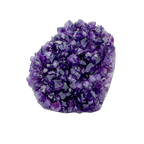 Amethyst
 Clear Quartz
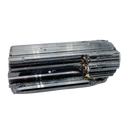 Black Tourmaline
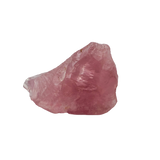 Rose Quartz
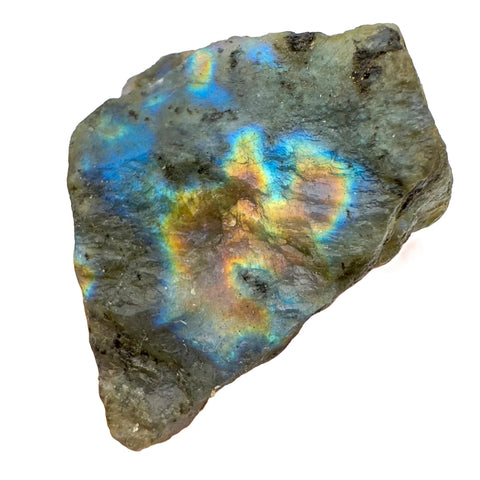
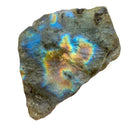 Labradorite
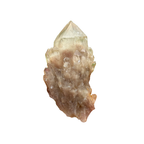 Natural Citrine
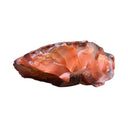 Carnelian
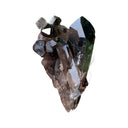 Smoky Quartz
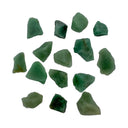 Aventurine
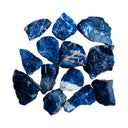 Sodalite
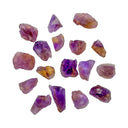 Ametrine
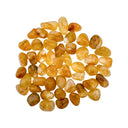 Golden Healer
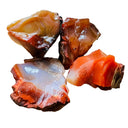 Raw Stones
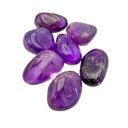 Tumbled Stones
 Palm Stones
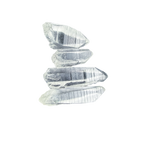 Crystal Points
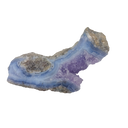 Clusters & Geodes
 Polished & Decor
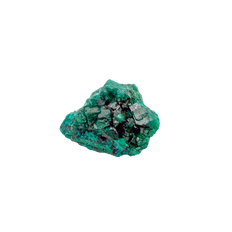 Mineral Specimens
 Crystal Chips




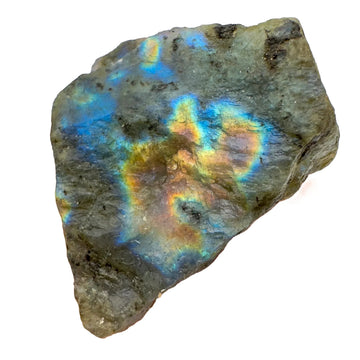



 Raw Stones
179 to choose from
Raw Stones
179 to choose from
 Tumbled Stones
162 to choose from
Tumbled Stones
162 to choose from
 Palm Stones
25 to choose from
Palm Stones
25 to choose from
 Crystal Points
23 to choose from
Crystal Points
23 to choose from
 Clusters & Geodes
98 to choose from
Clusters & Geodes
98 to choose from
 Polished & Decor
147 to choose from
Polished & Decor
147 to choose from
 Mineral Specimens
248 to choose from
Mineral Specimens
248 to choose from
 Crystal Chips
21 to choose from
Crystal Chips
21 to choose from


 AngolaAquamarine
›
AngolaAquamarine
›
 BotswanaCarnelian, Tree Agate
›
BotswanaCarnelian, Tree Agate
›
 DR CongoMalachite, Natural Citrine
›
DR CongoMalachite, Natural Citrine
›
 EswatiniBloodstone
›
EswatiniBloodstone
›
 MadagascarLabradorite, Clear Quartz
›
MadagascarLabradorite, Clear Quartz
›
 MalawiBlue Lace Agate, Garnet
›
MalawiBlue Lace Agate, Garnet
›
 MozambiqueAmazonite
›
MozambiqueAmazonite
›
 NamibiaSodalite, Blue Lace Agate
›
NamibiaSodalite, Blue Lace Agate
›
 Republic of the CongoDioptase
›
Republic of the CongoDioptase
›
 South AfricaTiger Eye, Unakite
›
South AfricaTiger Eye, Unakite
›
 ZambiaChevron Amethyst
›
ZambiaChevron Amethyst
›
 ZimbabweEmerald, Rhodonite
›
ZimbabweEmerald, Rhodonite
›
 ArgentinaBlack Obsidian, Rhodochrosite
›
ArgentinaBlack Obsidian, Rhodochrosite
›
 BoliviaAmetrine
›
BoliviaAmetrine
›
 BrazilAmethyst, Clear Quartz
›
BrazilAmethyst, Clear Quartz
›
 PeruSerpentine, Jade
›
PeruSerpentine, Jade
›
 UruguayAmethyst
›
UruguayAmethyst
›
 Dominican RepublicLarimar
›
Dominican RepublicLarimar
›
 MexicoRainbow Obsidian, Crazy Lace Agate
›
MexicoRainbow Obsidian, Crazy Lace Agate
›
 United StatesSelenite, Peridot
›
United StatesSelenite, Peridot
›
 ChinaFluorite
›
ChinaFluorite
›
 RussiaShungite
›
RussiaShungite
›
 AustraliaMookaite
›
AustraliaMookaite
›
 Where our crystals come from
See where we source →
Where our crystals come from
See where we source →


 Aries
Mar 21 to Apr 19
Carnelian
›
Aries
Mar 21 to Apr 19
Carnelian
›
 Taurus
Apr 20 to May 20
Rose Quartz
›
Taurus
Apr 20 to May 20
Rose Quartz
›
 Gemini
May 21 to Jun 20
Agate
›
Gemini
May 21 to Jun 20
Agate
›
 Cancer
Jun 21 to Jul 22
Moonstone
›
Cancer
Jun 21 to Jul 22
Moonstone
›
 Leo
Jul 23 to Aug 22
Citrine
›
Leo
Jul 23 to Aug 22
Citrine
›
 Virgo
Aug 23 to Sep 22
Amazonite
›
Virgo
Aug 23 to Sep 22
Amazonite
›
 Libra
Sep 23 to Oct 22
Blue Lace Agate
›
Libra
Sep 23 to Oct 22
Blue Lace Agate
›
 Scorpio
Oct 23 to Nov 21
Obsidian
›
Scorpio
Oct 23 to Nov 21
Obsidian
›
 Sagittarius
Nov 22 to Dec 21
Sodalite
›
Sagittarius
Nov 22 to Dec 21
Sodalite
›
 Capricorn
Dec 22 to Jan 19
Black Tourmaline
›
Capricorn
Dec 22 to Jan 19
Black Tourmaline
›
 Aquarius
Jan 20 to Feb 18
Amethyst
›
Aquarius
Jan 20 to Feb 18
Amethyst
›
 Pisces
Feb 19 to Mar 20
Aquamarine
›
Gifting?
A birthday stone is the safe bet.
Read the zodiac guide →
Pisces
Feb 19 to Mar 20
Aquamarine
›
Gifting?
A birthday stone is the safe bet.
Read the zodiac guide →












Tanzanite
Tanzanite is the blue-violet variety of the mineral zoisite, found in just one place on Earth, the Merelani Hills of northern Tanzania. It is famously pleochroic, flashing blue, violet, and burgundy depending on the angle you view it. Only discovered in 1967 and named by Tiffany and Co., it became one of the most loved gems of the modern era.
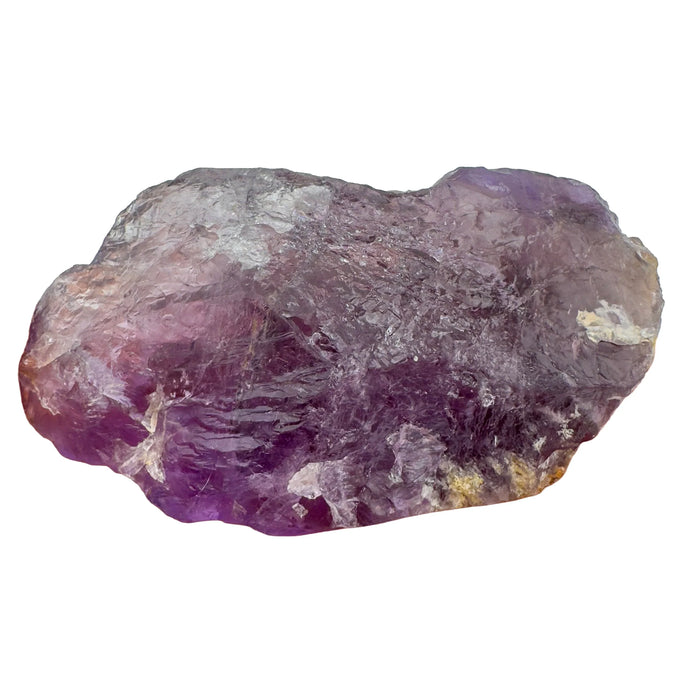
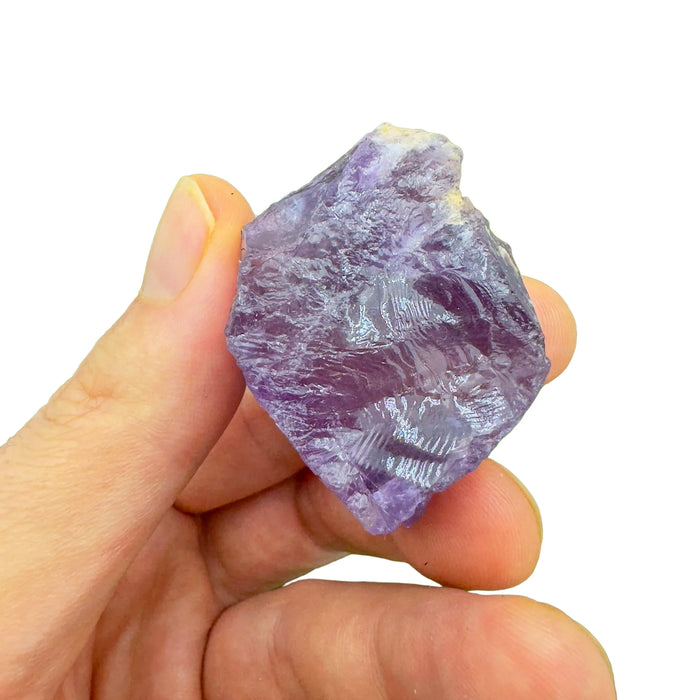
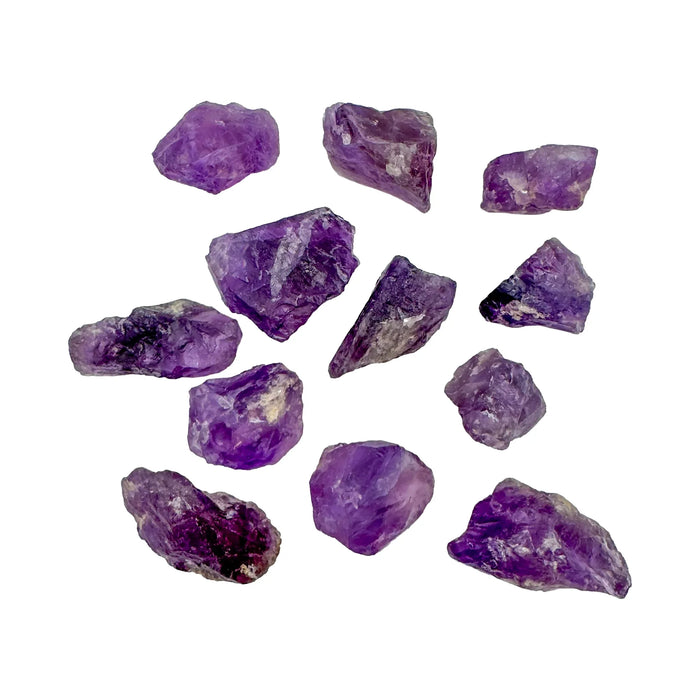
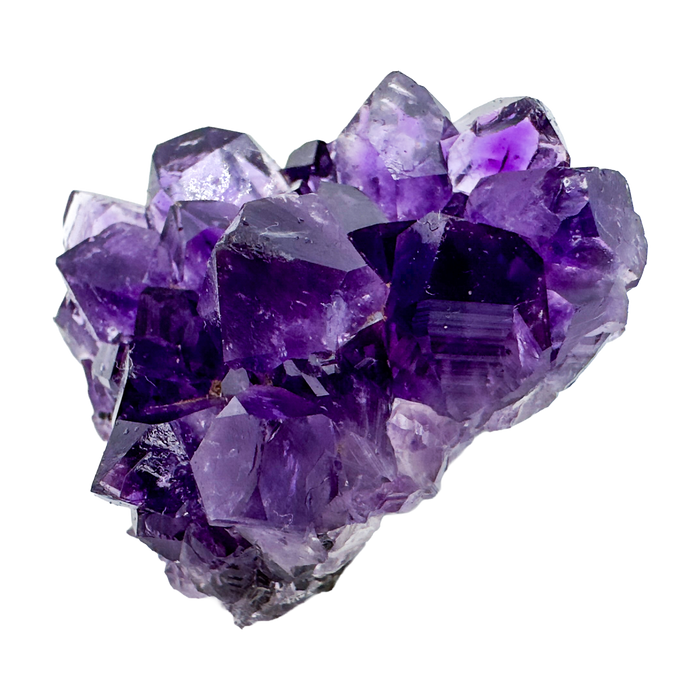
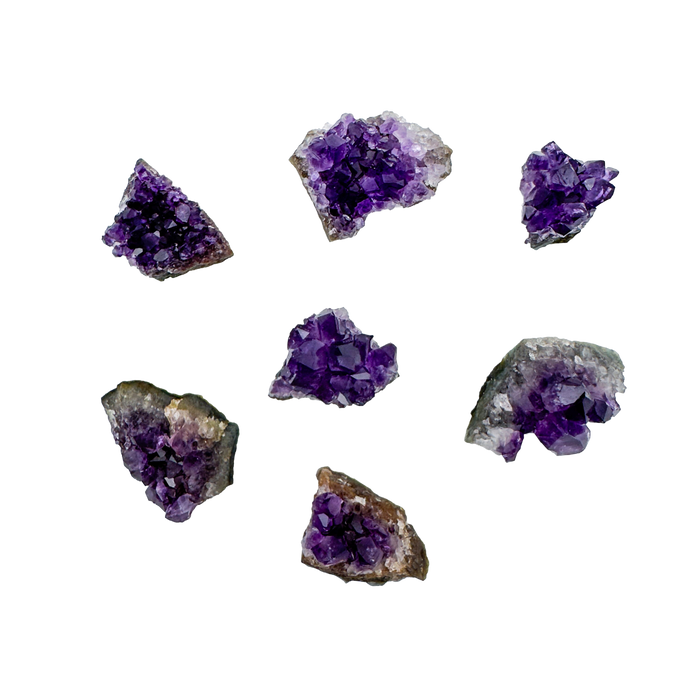
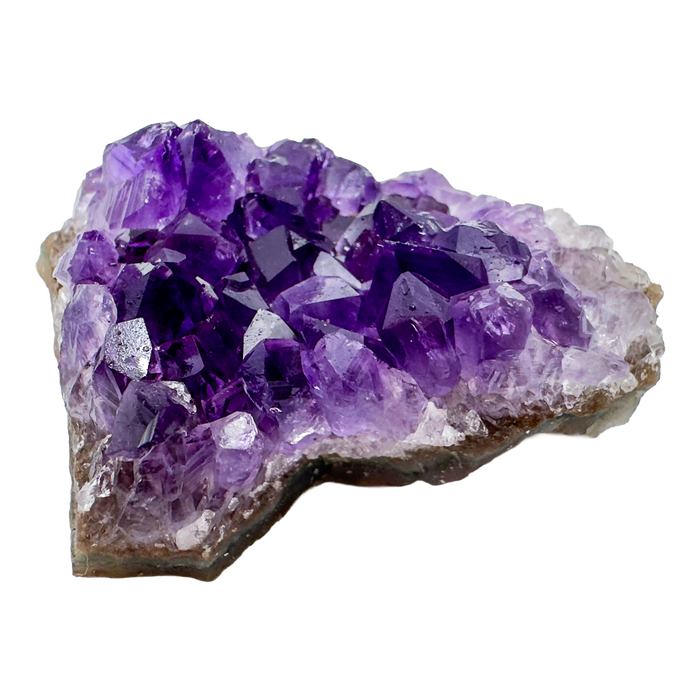
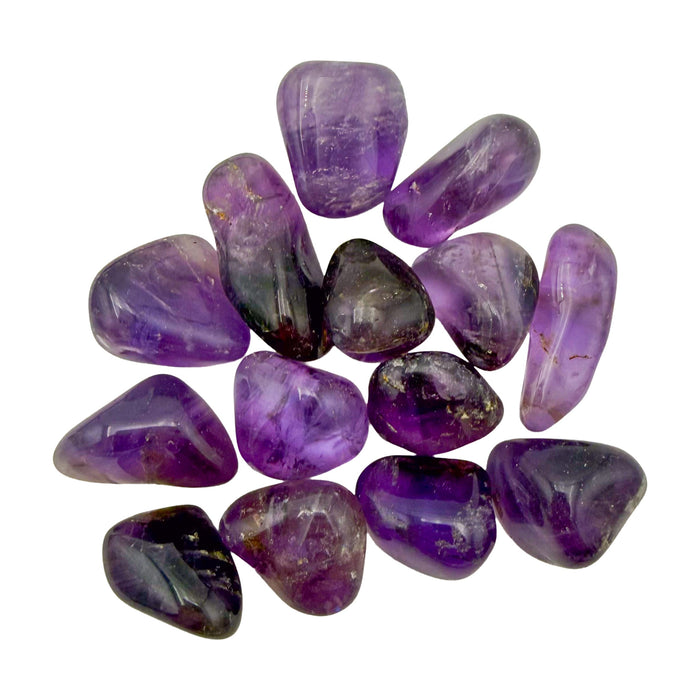
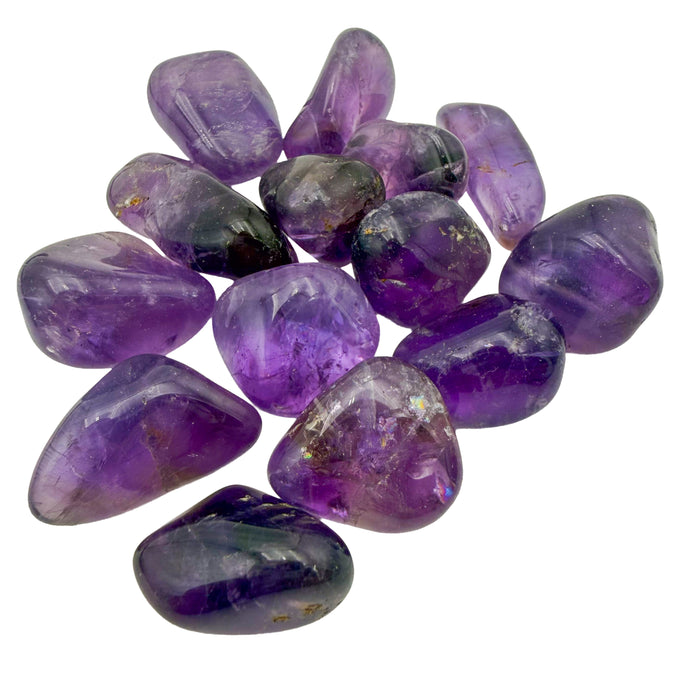
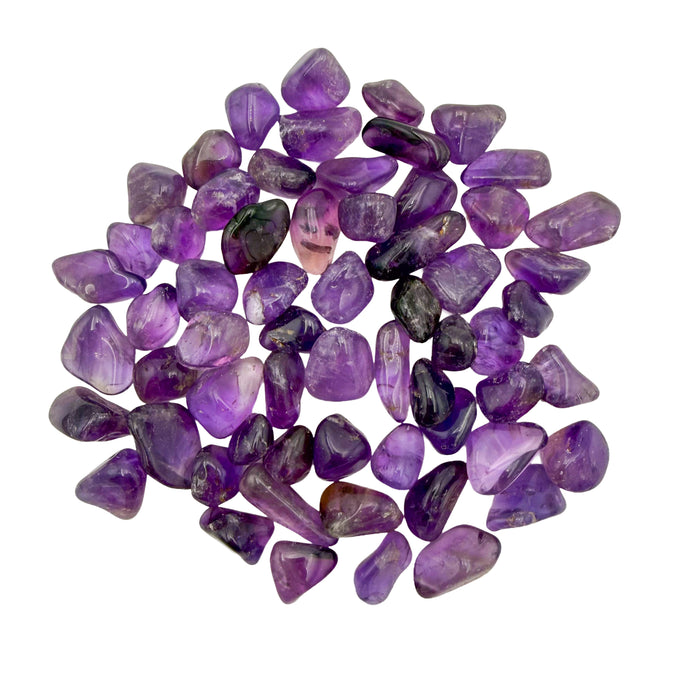
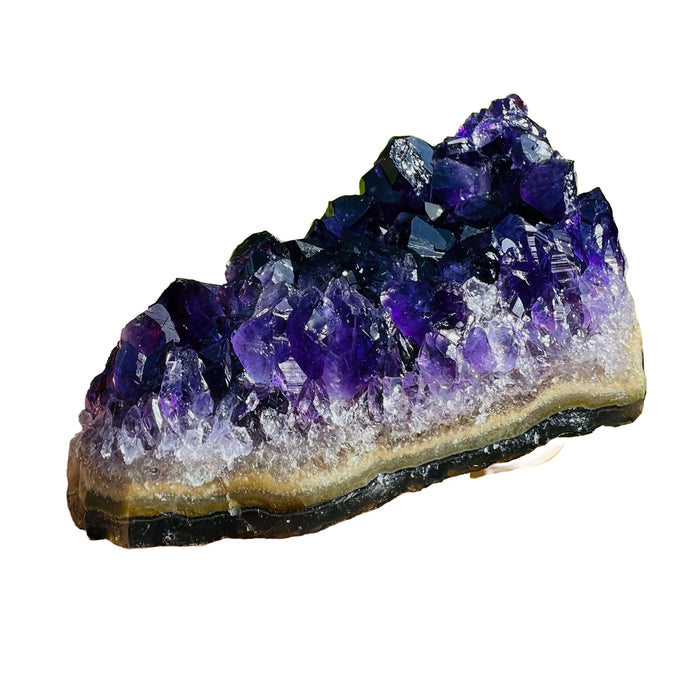
Love Tanzanite? Meet Amethyst.
Tanzanite is not something we carry. Amethyst is the closest match in color, and every product page names its origin and grade.


- from 1,000+ reviews
- Ships within 72 hoursMonday to Friday, tracked
- 90 days to return itif you do not love it
- Free US shipping over $99$8.99 flat rate under
The geology.
Tanzanite is a trade name for the blue to violet variety of zoisite, a calcium aluminum silicate with the formula Ca2Al3(SiO4)3(OH). Its color comes from trace amounts of vanadium. What sets it apart is strong pleochroism: a single crystal can show blue, violet, and a reddish burgundy along its three different axes, so cutters orient the rough carefully to bring out the most blue or the most violet.
Zoisite crystallizes in the orthorhombic system and rates 6.5 to 7 on the Mohs scale, with a specific gravity near 3.35. It has a direction of cleavage and is sensitive to sudden temperature change, so it asks for a little more care than a quartz or a sapphire. The rough formed under a rare combination of geologic conditions that has not been duplicated anywhere else found so far.
The origins.
Tanzanite comes from a single small area, the Merelani Hills near Mount Kilimanjaro in northern Tanzania. It was first found in 1967, with credit often given to a local named Jumanne Ngoma, and the deposit has been worked by both small-scale miners and larger operations ever since. There is no second locality in commercial production, which is the heart of the stone's story.
Tiffany and Co. introduced the gem to the world in 1968 and gave it the name tanzanite, after the country, through company vice president Henry Platt. Because the supply traces to one mountain, tanzanite is often described as a one-source gem, and that scarcity, rather than ancient tradition, is what drives much of its appeal.
Traditional associations.
As a modern gem, tanzanite carries newer associations rather than centuries of folklore. Many people connect it with intuition, insight, and a sense of calm transformation, drawn to the way its color sits between blue and violet, the meeting point of the throat and the higher mind.
It is most often linked to the Throat, Third Eye, and Crown chakras and the element of wind. In 2002 it was added as a modern December birthstone, giving it a place alongside turquoise and blue zircon for that month.
Spotting the real thing.
The clearest sign of genuine tanzanite is pleochroism: rock the stone gently and you should see distinct shifts between blue, violet, and a reddish tone. That trichroic flash is hard for imitations to fake. Beware glass and synthetic forsterite sold as tanzanite, along with coated quartz, which lack the true three-color play.
Tanzanite is also relatively soft for a faceted gem and has cleavage, so an unusually scratch-free, oversaturated stone at a low price deserves scrutiny. For anything significant, a gem lab report confirms that it is zoisite and notes treatment. Be cautious when the word tanzanite is used loosely for any blue-violet stone.
Care & handling.
Treat tanzanite gently. At 6.5 to 7 on the Mohs scale with cleavage and sensitivity to thermal shock, it should never go in an ultrasonic or steam cleaner. Warm soapy water and a soft brush are all it needs, and a quick rinse is plenty.
Avoid sharp knocks and sudden temperature swings, and keep it away from harsh chemicals. It makes a beautiful pendant or earring, and works in rings best with a protective setting and mindful wear. Store it on its own so harder stones do not scratch it.
Pairs well with.
A deeper look.
Extended geology, sourcing, authentication, history, and varieties, for when the quick guide isn't quite enough.
Extended geology
Tanzanite belongs to the zoisite group, an epidote-related calcium aluminum silicate. The blue-violet color is driven by vanadium, and the reddish-brown tones in untreated rough come from a different oxidation state that heat removes. Its hallmark is trichroism: blue, violet, and burgundy show along the three crystallographic axes. Cutters weigh color against yield, since orienting for the deepest blue can cost carat weight. Hardness runs 6.5 to 7, with cleavage and a density near 3.35.
Extended sourcing
Every commercial tanzanite traces to the Merelani Hills in the Manyara and Arusha area of Tanzania, near Kilimanjaro. The field is divided into mining blocks worked by a mix of artisanal miners and mechanized operations. Because the source is finite and singular, conversations about tanzanite often turn to long-term supply, and many in the trade treat fine material as a stone to acquire while it is available.
Treatment in depth
Routine heating, generally around 600 degrees Celsius, converts brownish rough to the desired blue-violet and is considered permanent and stable. The vast majority of tanzanite on the market is heated, so it is the expected condition rather than a flaw. Untreated stones that are naturally blue are uncommon and collectible. Surface coatings to deepen color exist and are far less desirable, which is another reason to ask for disclosure.
Authentication and warning signs
Genuine tanzanite shows real pleochroism, durability typical of zoisite, and inclusions consistent with natural growth. Watch for glass, synthetic forsterite, and coated or assembled stones marketed under the tanzanite name. Its softness and cleavage are also clues, since a flawless, very cheap blue-violet stone may be an imitation. Lab testing is the reliable path for valuable pieces.
History and naming
Tanzanite was discovered in 1967, and Tiffany and Co. brought it to market the following year, choosing the name tanzanite to honor its country of origin rather than calling it blue zoisite. The campaign succeeded, and within a generation the gem became a mainstream favorite. It was named a modern December birthstone in 2002.
Varieties and market
Most tanzanite is described as blue dominant or violet dominant, with the deepest, most saturated blue-violet stones the most valuable. There are rarer chrome-colored stones, color shifts, and cat's-eye material. Value is driven mainly by depth and purity of color, then clarity and size. Pale or grayish stones are far more affordable than vivid, richly saturated examples.
An education-first guide.
We made this guide to explain what tanzanite is, where it comes from, why it is almost always heated, and how to recognize the real stone, so every decision you make about it is a better one, wherever you buy. Explore the rest of our crystal guides for more stones, each with full origin and treatment notes.
Explore the Crystal GuideGrounded Connections
New stones go to the list first.
No forwarding, no selling. Unsubscribe in one click. Privacy