


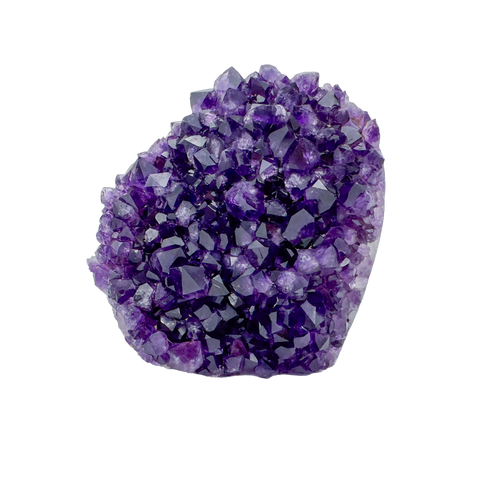
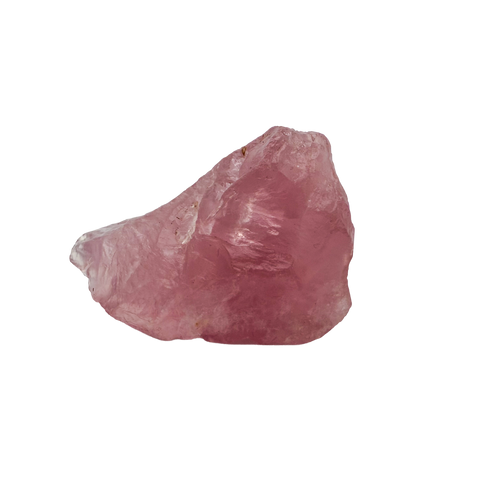
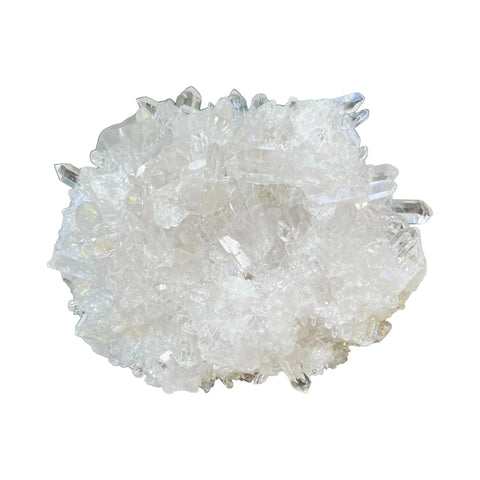
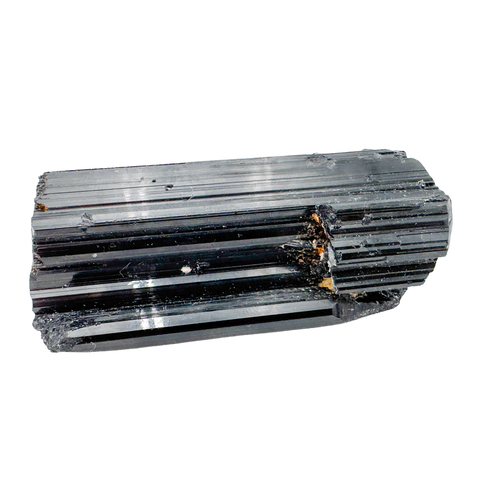
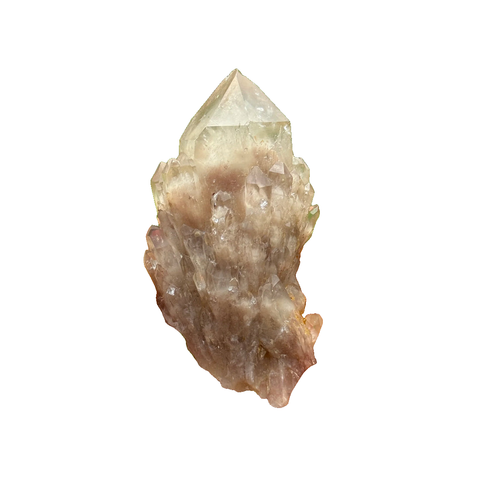
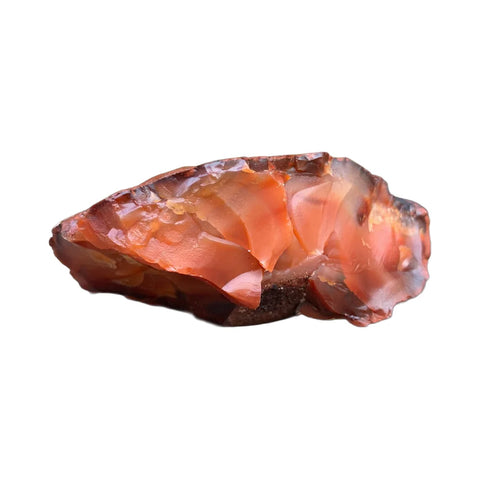
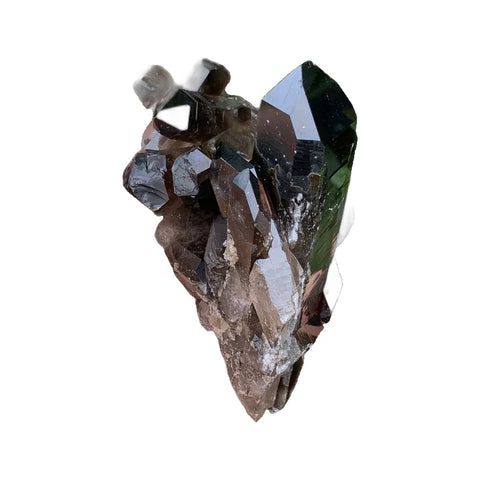
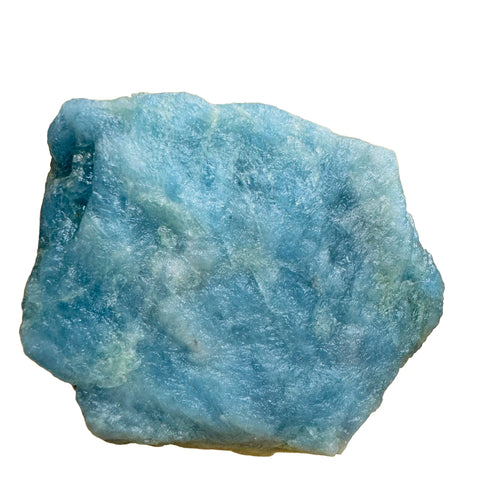
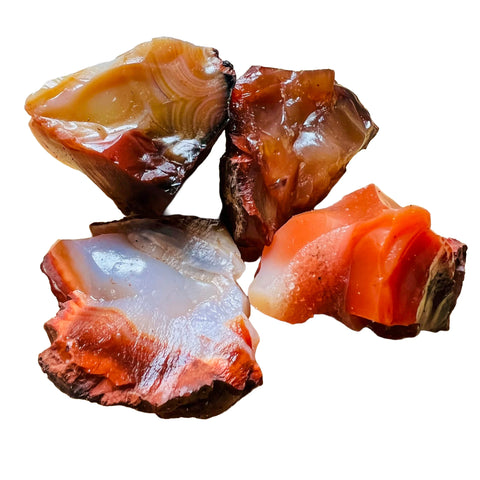


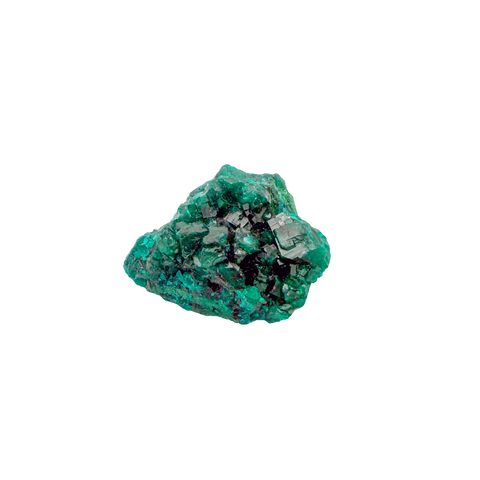
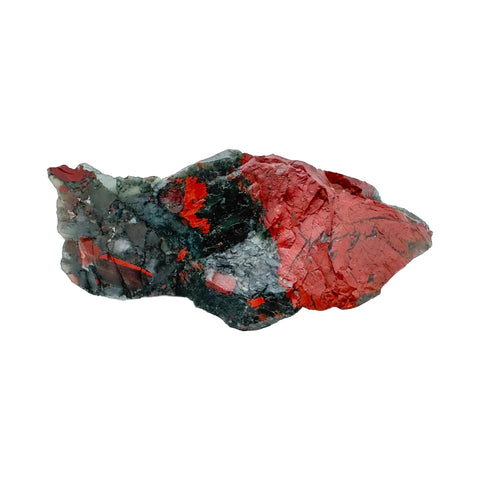
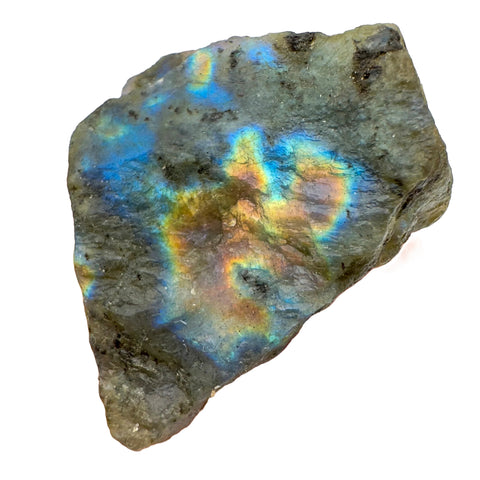
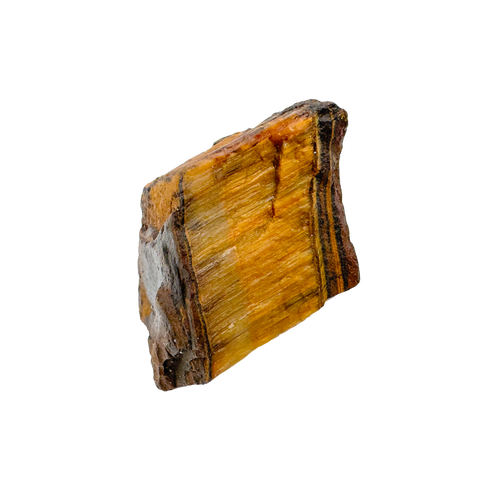
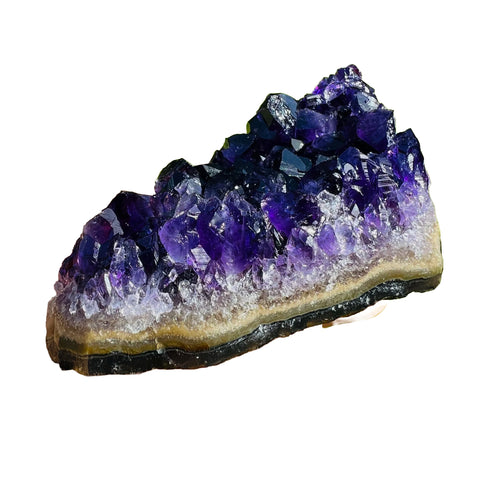


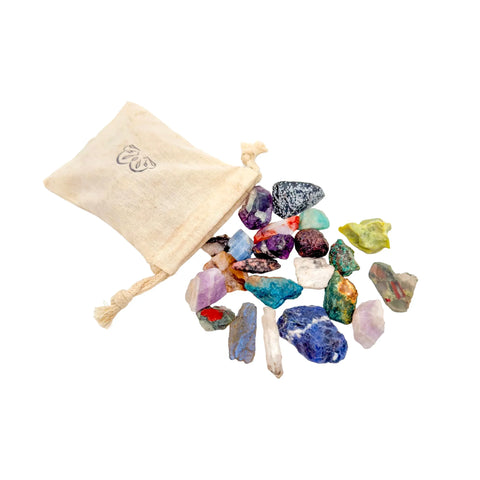
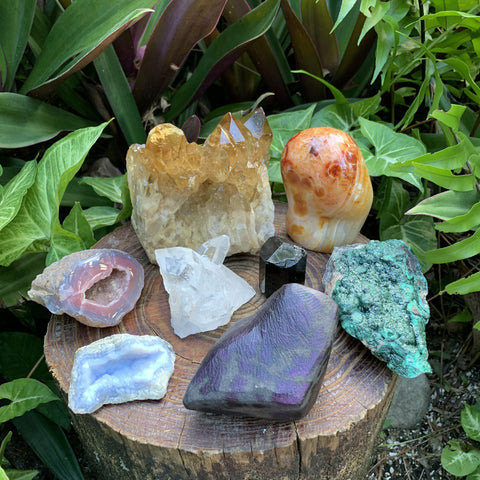
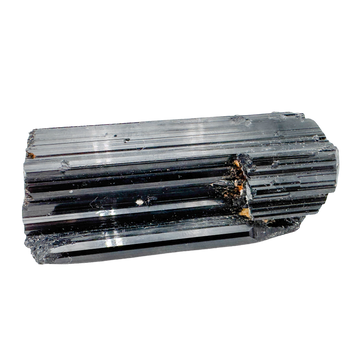
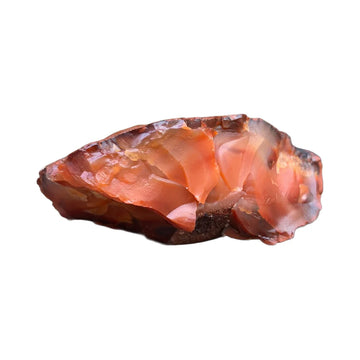
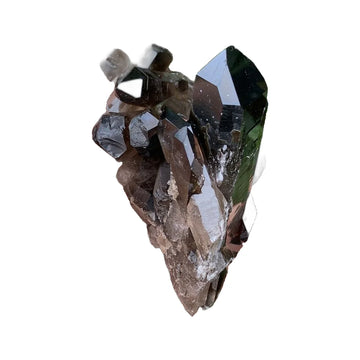
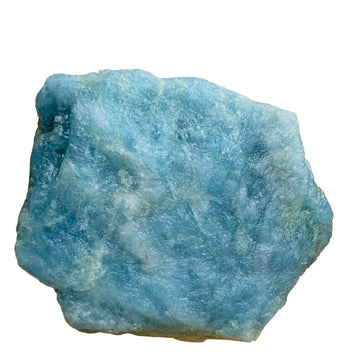
 Raw Stones
179 pieces
Raw Stones
179 pieces
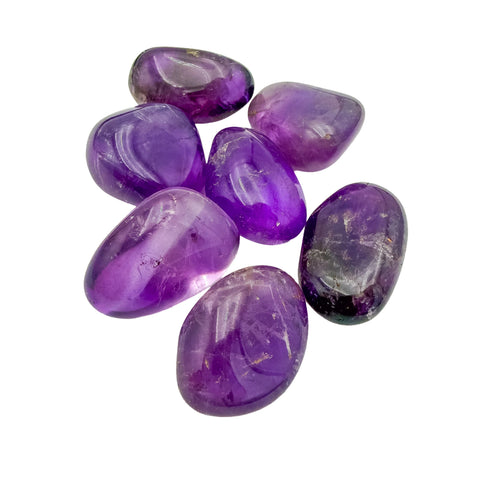
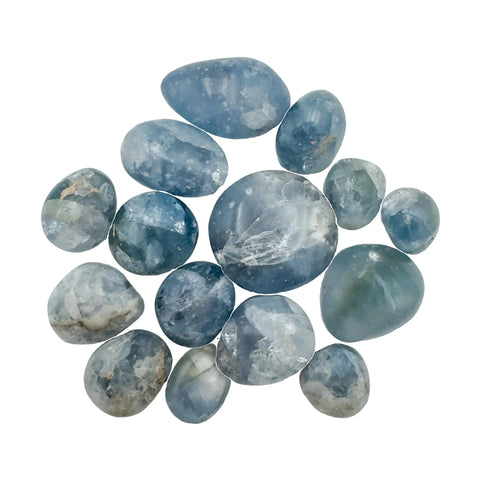
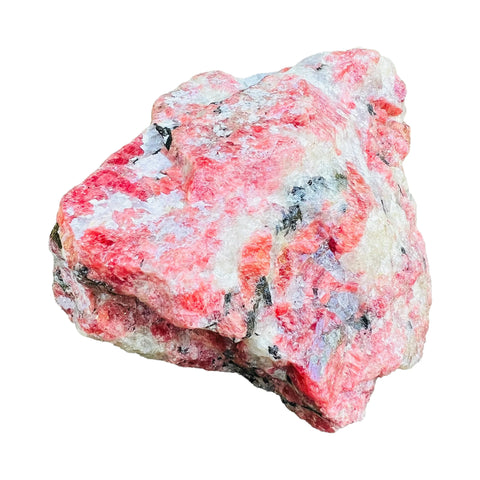
 Tumbled Stones
162 pieces
Tumbled Stones
162 pieces
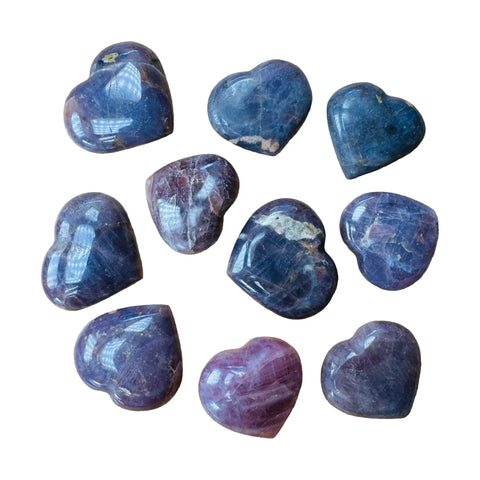
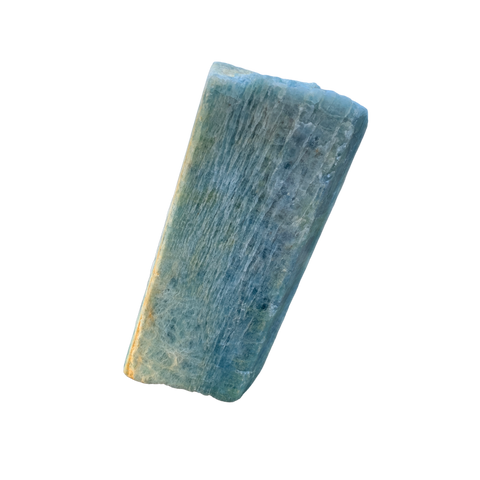
 Palm Stones
25 pieces
Palm Stones
25 pieces
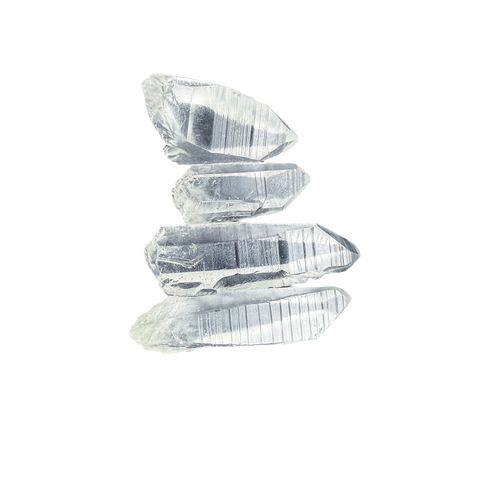
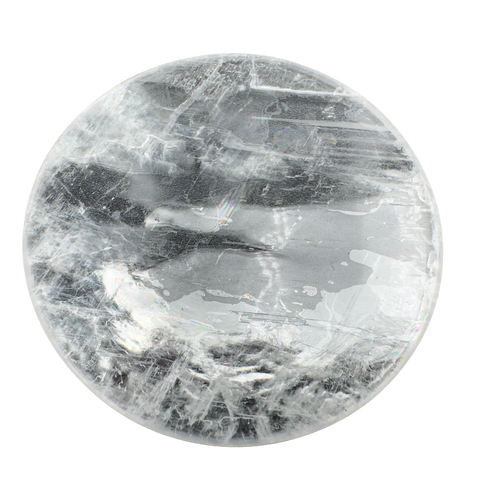
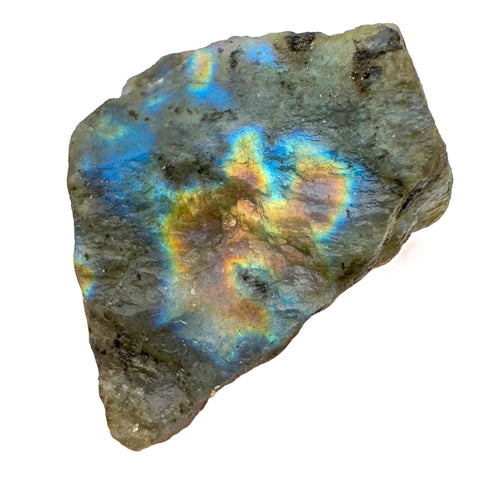
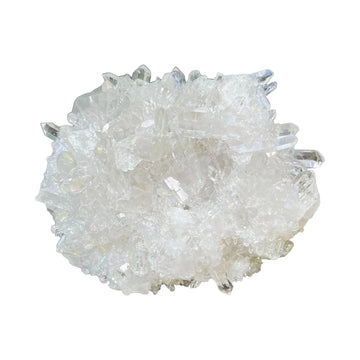
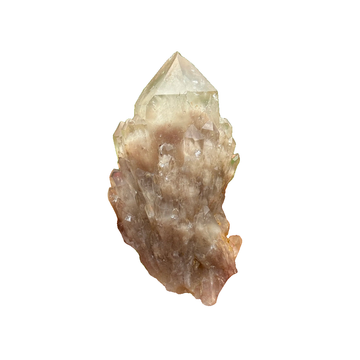
 Crystal Points
23 pieces
Crystal Points
23 pieces
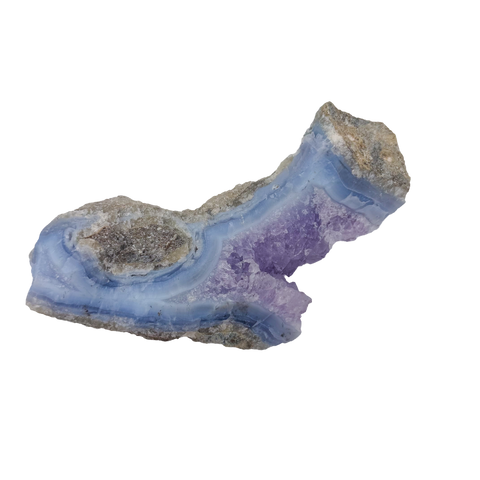
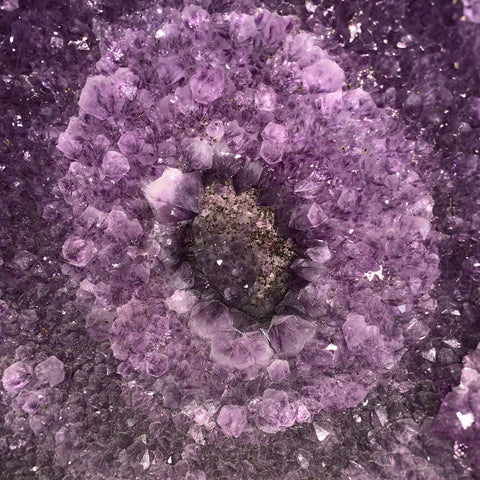
 Clusters & Geodes
104 pieces
Clusters & Geodes
104 pieces
 Polished & Decor
148 pieces
Polished & Decor
148 pieces
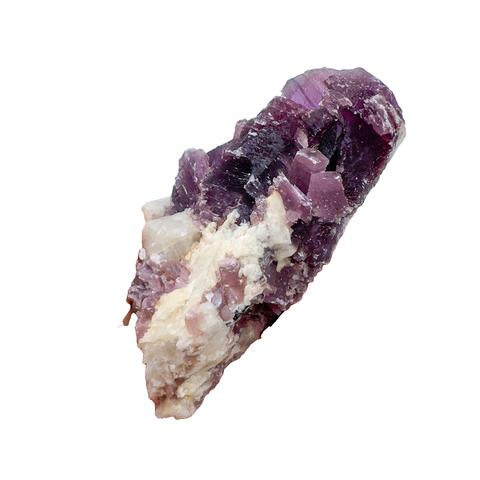
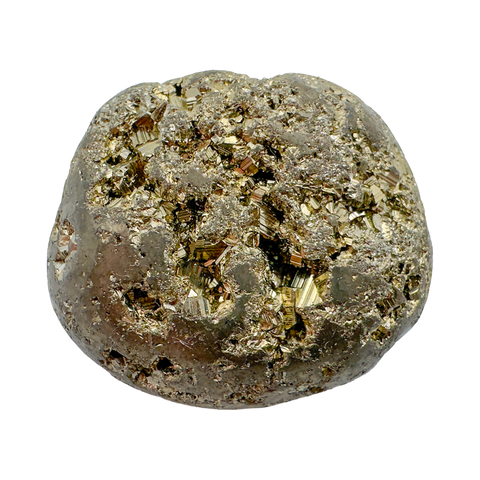
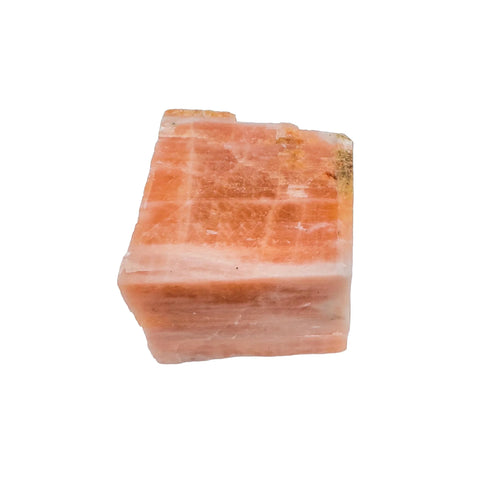
 Mineral Specimens
259 collector pieces
Mineral Specimens
259 collector pieces
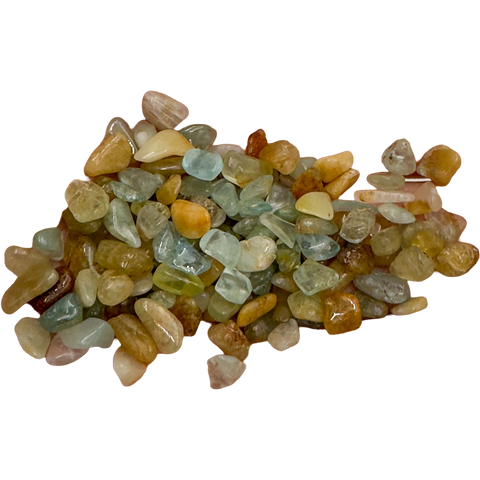
 Crystal Chips
21 pieces
Browse everything
Every collection, one page.
View All Collections →
Crystal Chips
21 pieces
Browse everything
Every collection, one page.
View All Collections →


 Aries
Mar 21 – Apr 19
Carnelian
›
Aries
Mar 21 – Apr 19
Carnelian
›
 Taurus
Apr 20 – May 20
Rose Quartz
›
Taurus
Apr 20 – May 20
Rose Quartz
›
 Gemini
May 21 – Jun 20
Agate
›
Gemini
May 21 – Jun 20
Agate
›
 Cancer
Jun 21 – Jul 22
Moonstone
›
Cancer
Jun 21 – Jul 22
Moonstone
›
 Leo
Jul 23 – Aug 22
Citrine
›
Leo
Jul 23 – Aug 22
Citrine
›
 Virgo
Aug 23 – Sep 22
Amazonite
›
Virgo
Aug 23 – Sep 22
Amazonite
›
 Libra
Sep 23 – Oct 22
Blue Lace Agate
›
Libra
Sep 23 – Oct 22
Blue Lace Agate
›
 Scorpio
Oct 23 – Nov 21
Obsidian
›
Scorpio
Oct 23 – Nov 21
Obsidian
›
 Sagittarius
Nov 22 – Dec 21
Sodalite
›
Sagittarius
Nov 22 – Dec 21
Sodalite
›
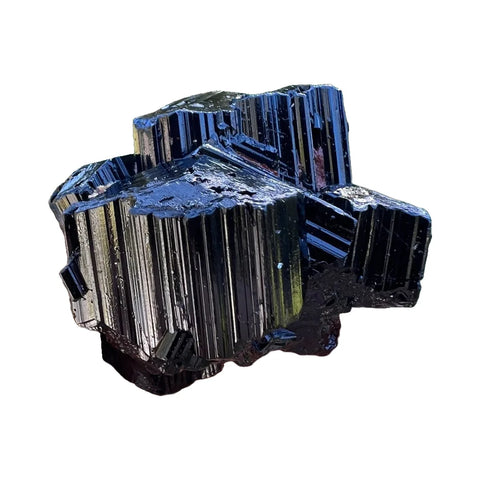
 Capricorn
Dec 22 – Jan 19
Black Tourmaline
›
Capricorn
Dec 22 – Jan 19
Black Tourmaline
›
 Aquarius
Jan 20 – Feb 18
Amethyst
›
Aquarius
Jan 20 – Feb 18
Amethyst
›
 Pisces
Feb 19 – Mar 20
Aquamarine
›
Gifting?
A birthday stone is the safe bet.
Read the zodiac guide →
Pisces
Feb 19 – Mar 20
Aquamarine
›
Gifting?
A birthday stone is the safe bet.
Read the zodiac guide →
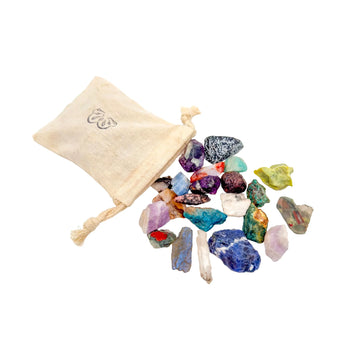
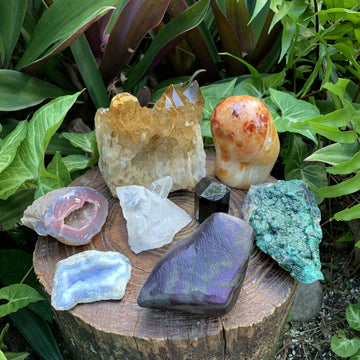
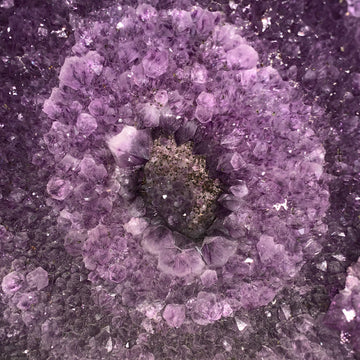
Included Quartz
Included quartz, often called lodolite or garden quartz, is clear or smoky quartz with trapped mineral inclusions visible from outside. The inclusions form during crystal growth from mineral-rich fluids, creating unique internal landscapes. Many people work with it for meditation, visualization, manifestation, and accessing the inner landscapes of the mind.
Shop included quartzThe geology.
Included quartz is clear or smoky quartz with trapped mineral inclusions visible inside the crystal. The inclusions form during crystal growth when the quartz develops in fluids rich with other minerals like chlorite, feldspar, hematite, rutile, and iron oxides. As the quartz host crystal expands, these minerals become trapped inside rather than settling as separate crystals, creating unique internal landscapes. The inclusions are not surface features or damage, but actual minerals caught in time during the formation process.
The quartz host maintains the properties of silicon dioxide, with a hardness of 7 on the Mohs scale, a trigonal crystal system, and a specific gravity of 2.65. The inclusions vary widely, most commonly green chlorite (which gives the "garden" appearance), but also orange-red hematite, black iron oxides, golden rutile, and white feldspar. No two pieces are identical because each formed with its own unique arrangement of trapped minerals. Raw points preserve natural terminations, while tumbled pieces and polished specimens showcase the inclusions more clearly. The optical clarity of the quartz host combined with the visible color variation of the inclusions creates the striking visual effect included quartz is known for.
The origins.
The included quartz we carry comes from Minas Gerais, Brazil, from pegmatite deposits that also produce standard quartz varieties. These deposits form in zones where mineral-rich fluids cool slowly, allowing quartz to crystallize while trapping whatever minerals are present in the surrounding environment. Our material is specifically raw points with natural terminations that showcase the inclusions without heavy processing. The points come through direct supply relationships with small-scale crystal dealers in the region who hand-select pieces based on inclusion variety and clarity.
Included quartz occurs in other regions as well. Madagascar produces significant quantities, often with different inclusion combinations than Brazil material. India, Russia, and parts of the United States (particularly Arkansas) also yield included quartz. Each region produces material with its own characteristic inclusion profile. Brazilian lodolite is widely considered the finest for variety and color saturation of inclusions, especially for the green chlorite form. We commit to Brazil as our primary source because the inclusion quality is consistent, the supply is stable, and we have established working relationships. If our sourcing ever shifts, we will state it clearly.
Traditional associations.
Included quartz carries the amplifying energy traditional quartz is known for, combined with associations specific to its internal landscapes. Trade names like "lodolite," "garden quartz," "scenic quartz," and "shaman's dream stone" emerged in the late twentieth century as the crystal market grew, each highlighting different aspects of how people experience the stone. The nickname "shaman's dream stone" reflects the use of included quartz in visualization and meditation practices, where the internal world visible in the crystal serves as a focal point for inner work.
In modern crystal work, included quartz is most commonly associated with the Crown and Heart chakras, and with manifestation, meditation, intuition, dreamwork, and healing work. Many people work with it for visualization practices, inner travel, accessing deeper layers of consciousness, and for recalling dreams. The visible "gardens" inside the stone carry metaphorical weight for those drawn to internal landscapes and unseen worlds. It is often paired with clear quartz, amethyst, and other high-vibration stones when the intention involves accessing higher awareness or refining intuition.
Spotting the real thing.
Genuine included quartz shows clear or translucent quartz host with visible mineral inclusions trapped inside, not as surface features. When you hold the stone to light, the inclusions appear to sit within the crystal, not on top of it. The host crystal should be hard (scratch glass easily with the point), and the inclusions should show natural color variation and irregular arrangements. Real chlorite inclusions are green and distributed throughout the stone in natural patterns. Real hematite inclusions are orange-red to rust-colored and often form clusters or bands. Raw points show natural terminations without artificial grinding or polishing.
Dyed quartz with artificial "inclusions" or manufactured composite pieces are the primary counterfeits. These feel different in hand, appear less transparent, and show artificially uniform or symmetrical inclusion patterns. Synthetic composites may show visible seams or layers when examined closely. A practical test, genuine quartz scratches glass easily, while many glass imitations do not. Real included quartz feels cool to the touch and is heavier than resin or plastic composites. Another marker, heat an inconspicuous edge of a raw point briefly with a flame, genuine quartz is heat-stable; composite materials may discolor, warp, or emit an acrid smell.
Care & handling.
Included quartz at Mohs 7 is durable for daily handling and care is straightforward. The stone can be cleaned with warm water and mild soap, rinsed thoroughly, and dried with a soft cloth. Ultrasonic cleaners are generally safe for included quartz without inclusions of softer minerals, but if uncertain, stick to gentle methods to avoid stress on inclusion boundaries. Avoid prolonged direct sunlight, which can fade some of the inclusion colors (particularly hematite) over time. Keep the stone away from sudden temperature changes, as thermal shock can fracture crystals along inclusion boundaries.
For energetic cleansing, water is appropriate for included quartz, as is smoke, sound, moonlight, or breath. The stone responds well to all standard energetic practices. Store included quartz with other quartz varieties or with harder stones (Mohs 7 or above) to avoid scratching softer pieces. The internal landscapes are part of the stone's character and need no special treatment. Many people meditate while holding included quartz, gazing into the internal gardens as a focal point for visualization and inner travel. The durability of the stone means it will hold up to frequent handling and close work.
Pairs well with.
Proof, not promises.
We measure our own sourcing across five dimensions. Supply chain, environmental footprint, artisan support, market integrity, and pricing. The number is honest, not perfect. Where we can do better, we say so.
A deeper look.
Extended geology, sourcing, authentication, history, varieties, and pricing, for when the quick guide isn't quite enough.
Extended geology
Included quartz, known by trade names lodolite, garden quartz, scenic quartz, and shaman's dream stone, is a clear or smoky quartz host crystal with trapped mineral inclusions visible inside. The inclusions form during crystal growth when quartz crystallizes from mineral-rich hydrothermal fluids in pegmatite environments. As the quartz crystal expands, minerals like chlorite, feldspar, hematite, rutile, and iron oxides are captured within the growing crystal structure. These minerals remain locked inside as the crystal cools and solidifies, creating the internal landscape visible from outside the crystal.
The most common inclusion type is green chlorite, which gives included quartz the "garden" appearance. Hematite inclusions appear as orange-red to rust-colored bands or clusters. Iron oxides create black or dark brown streaks and formations. Rutile appears as golden-yellow to brassy linear inclusions. Feldspar inclusions are typically white or cream-colored and often appear as angular formations. The combination and arrangement of inclusions varies dramatically from piece to piece because each crystal formed in its own unique hydrothermal environment. No two pieces are identical, which is why collectors value included quartz for its individuality.
The quartz host maintains a hardness of 7 on the Mohs scale, specific gravity of 2.65, and a trigonal crystal system. The optical clarity of the quartz host combined with the visible color contrast of the inclusions creates the striking visual effect. Raw points preserve natural terminations and show the full extent of internal formations. Tumbled pieces showcase inclusions by cutting away outer rough material, though lose some of the natural geometry. Polished specimens are increasingly common but typically represent heavier processing.
Extended sourcing
Brazil, specifically the Minas Gerais region, produces the world's finest commercial included quartz. The pegmatite deposits there crystallized under conditions that trapped diverse mineral combinations, resulting in the high-quality inclusion variety Brazilian material is known for. Madagascar also produces significant quantities of included quartz, often with different inclusion profiles than Brazilian material, including higher proportions of rutile and feldspar inclusions. India, Russia, and the United States (Arkansas, Colorado, and other western states) yield included quartz as well, though typically in smaller quantities or with less dramatic inclusion combinations.
We source through direct relationships with small-scale crystal suppliers in Minas Gerais who hand-select raw points based on inclusion clarity and color variety. Our supply chain includes documentation of source region and batch tracking, creating transparency that outperforms commodity-sourced material. We commit to Brazil as our primary source because the inclusion quality is consistent and we have established working relationships. If direct access to superior material from other regions becomes possible, we would evaluate it openly and disclose any sourcing changes clearly.
Authentication and market imitations
The most common counterfeits are dyed quartz with artificially applied inclusions and manufactured composite pieces sold as genuine lodolite. Dyed quartz typically shows artificially uniform or symmetrically arranged "inclusions" that lack the natural variation real included quartz displays. Composite pieces may show visible seams, layers, or a glossy artificial appearance. Genuine included quartz has inclusions trapped inside the crystal, visible when held to light, with irregular and natural-looking distributions.
Simple tests for authenticity: (1) Hardness: genuine quartz scratches glass easily, while many glass imitations do not. (2) Weight and texture: real included quartz is denser and feels more substantial than resin or plastic composites, and cooler to the touch. (3) Heat test: gently heat an inconspicuous edge of a raw point with a flame, genuine quartz is heat-stable; composites may discolor, warp, or emit chemical smells. (4) Visual inspection: genuine inclusions show natural color variation, irregular distribution, and appear three-dimensional when viewed from different angles. Artificial inclusions often appear flat or uniform.
Ultraviolet light testing can also reveal synthetic treatments, as some dyes fluoresce in ways natural minerals do not. Under a loupe, genuine included quartz shows natural-looking mineral textures and color gradations, while dyed imitations show overly uniform or printed-looking coloration. Composite materials often show visible particle boundaries or a lack of internal structure real minerals display.
Historical and cultural context
Included quartz emerged as a named and collected stone in the late twentieth century as crystal and mineral markets expanded. The trade names "lodolite," "garden quartz," and "shaman's dream stone" are modern marketing terms that reflect how contemporary crystal workers experience the stone: as a tool for visualization, meditation, and accessing inner worlds. Unlike stones with archaeological records tied to specific cultures, included quartz carries a narrative rooted entirely in the modern crystal and spiritual market.
The appeal of included quartz grew alongside broader interest in quartz varieties and in stones specifically associated with meditation and intuitive work. The internal landscapes visible in the crystal align with contemporary metaphors about inner worlds and unseen consciousness. The stone is not tied to a specific historical period or cultural practice but rather to modern associations with mindfulness, visualization, and personal inner work.
Related minerals and trade distinctions
Included quartz is a variety of quartz (silicon dioxide, SiO₂) with trapped minerals. It differs from intentionally created composites like synthetic inclusions or dyed stones. Rutilated quartz is a specific type of included quartz with rutile inclusions (golden needle-like formations), and is sometimes sold separately because collectors value rutile's specific optical effects. Chlorite quartz is another included-quartz variety with green chlorite inclusions, also sometimes sold as a distinct category. Tourmalinated quartz contains black tourmaline inclusions. All are varieties of included quartz but are sometimes marketed under separate trade names based on the dominant inclusion type.
Clear quartz without inclusions is a different stone entirely, though the quartz host in included quartz is the same mineral. Smoky quartz (quartz with natural color from irradiation, not inclusions) is sometimes confused with included quartz but contains no trapped minerals. Amethyst (purple quartz) can also be included, creating "included amethyst," which combines color and trapped minerals in one crystal.
Pricing reality
Raw points: $18 to $60 per piece at retail for small to medium sizes, depending on size, inclusion variety, and clarity. Large or exceptional pieces with dramatic inclusion combinations: $60 to $150. Palm-sized polished specimens: $40 to $100. Specialty pieces or carved forms: $80 and up. Commodity-priced included quartz under $10 per raw point is often synthetic composite or dyed quartz. Genuine included quartz does not move at those price points because each piece requires hand-selection, and the yield of high-quality material from rough is relatively low.
Value drivers: inclusion type and vividness of color, clarity and transparency of the quartz host, size, form, and presence of natural terminations on raw points. Pieces with balanced color, clear internal structure, and larger visible inclusion formations command premium pricing. Chlorite-dominant material is typically priced lower than rutile or dramatic hematite inclusions. Warning signs: artificially uniform pricing across widely varying pieces, included quartz sold without clear origin, overly vivid uniform color that appears printed, and material without any certification of natural origin. Price variation by origin is significant because Brazilian material commands a premium due to consistency and quality, while lesser-quality global material costs less.
Good sourcing is a practice, not a claim.
Nothing we sell is dyed, stabilized, reconstituted, or color-enhanced without full disclosure. We name our origins where we can. We say so when we cannot. We walk away from material that does not meet our standard, even when it costs us sales.
Bring included quartz home.
Raw points and polished specimens from Minas Gerais, Brazil. Natural, untreated quartz with natural mineral inclusions. Each piece hand-selected for inclusion clarity, color variety, and the depth of the internal landscape. No two are alike.
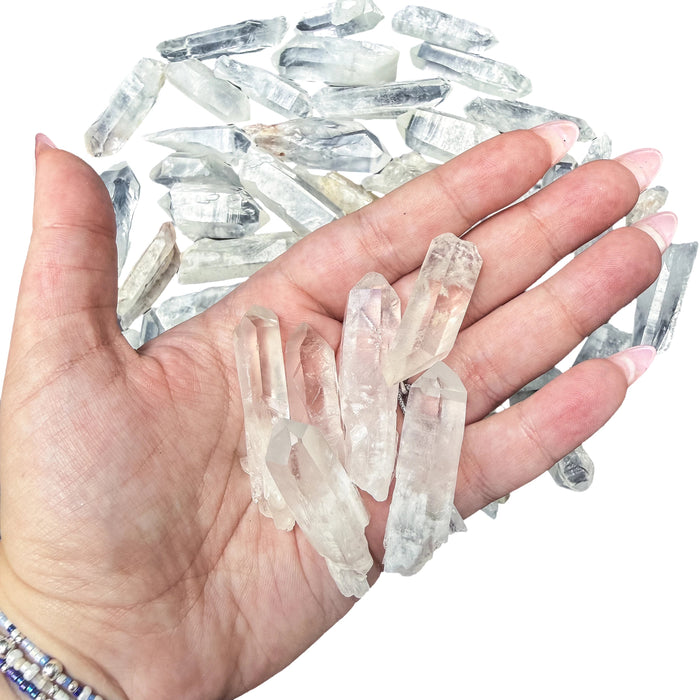
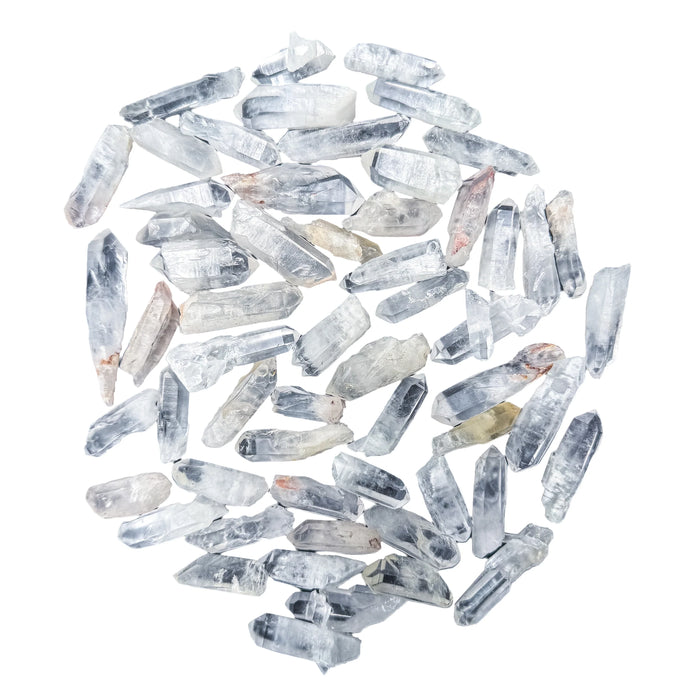
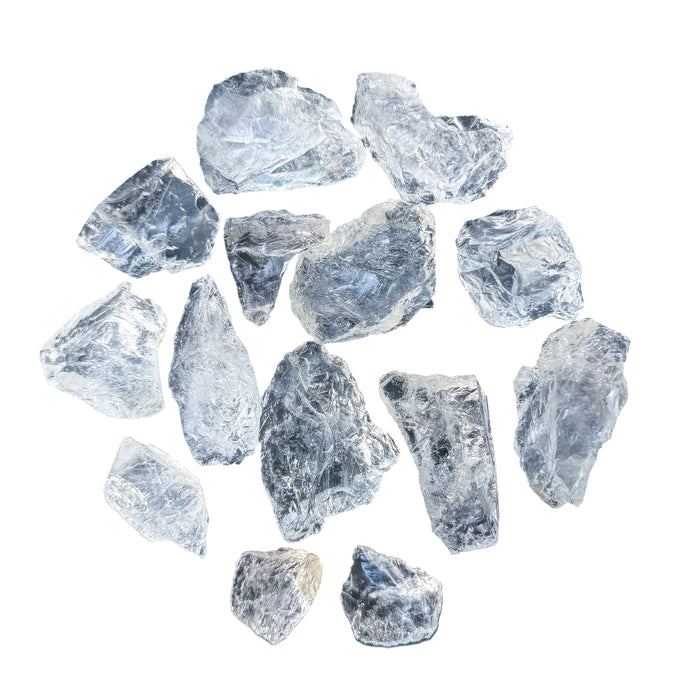
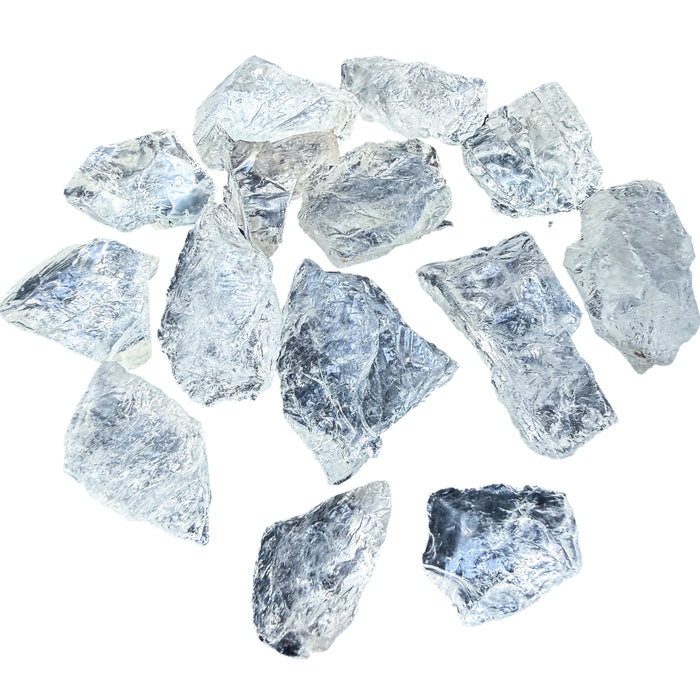
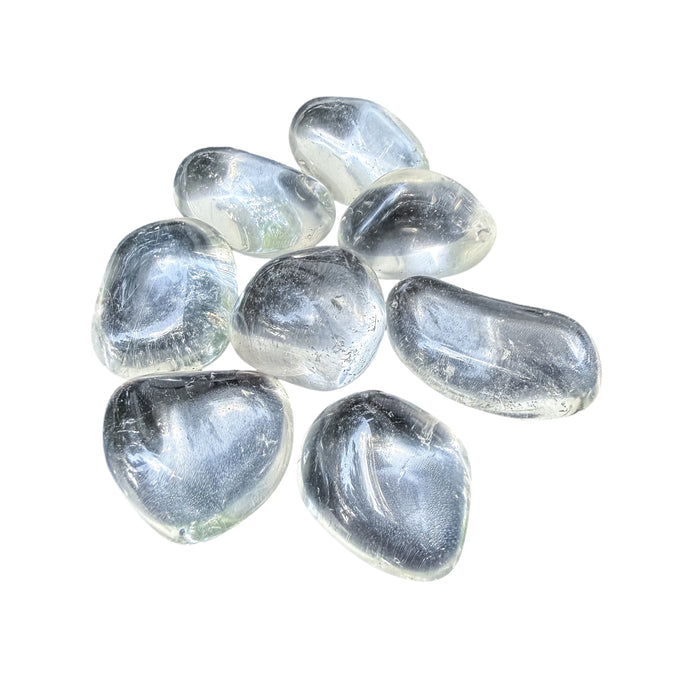
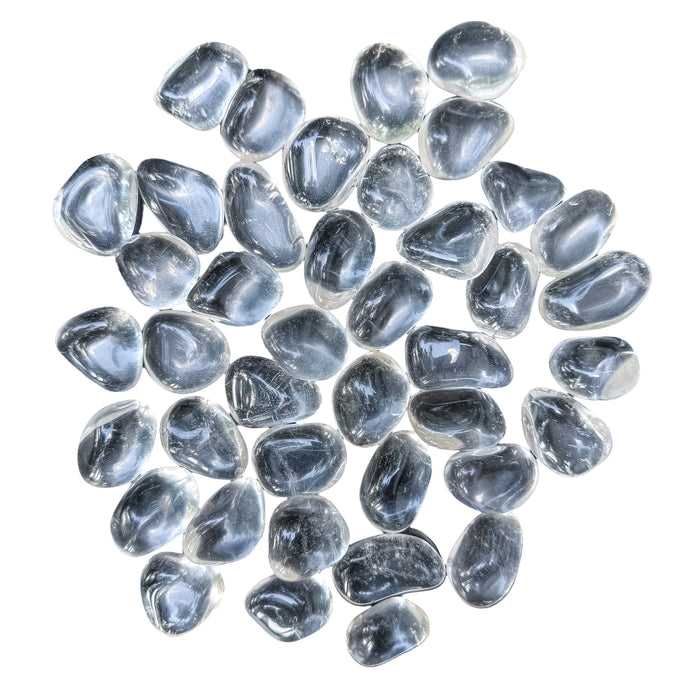
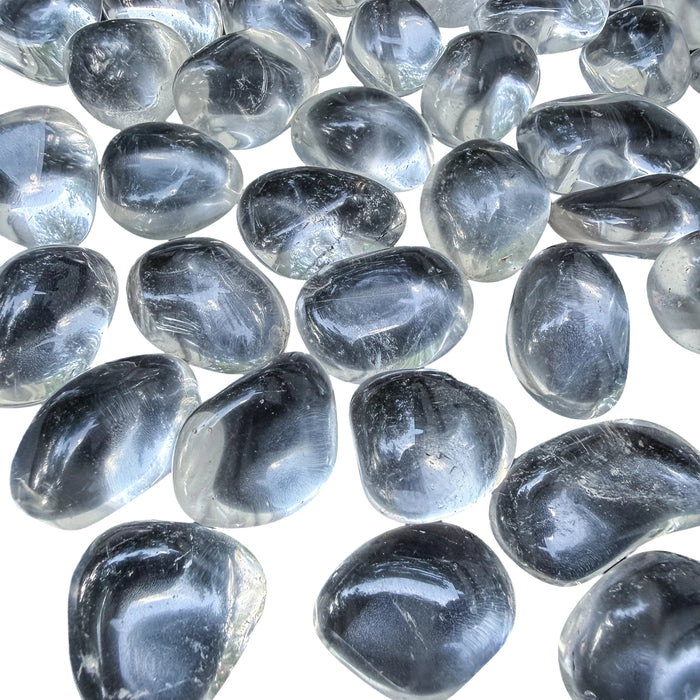
Shop the included quartz collectionThe closest match we carry: Clear Quartz.
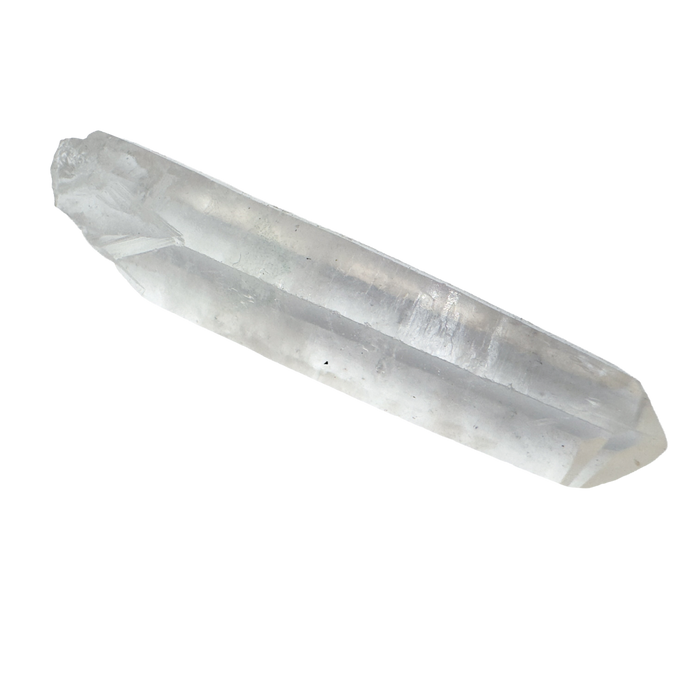
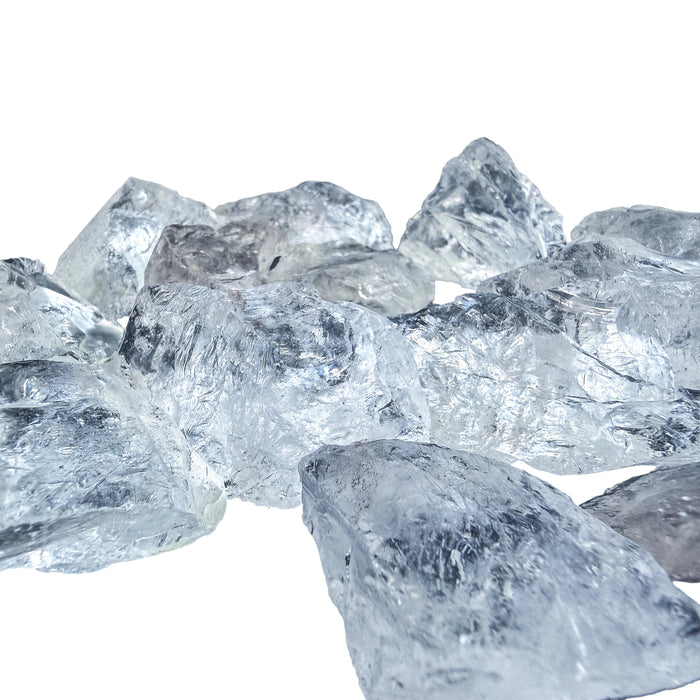
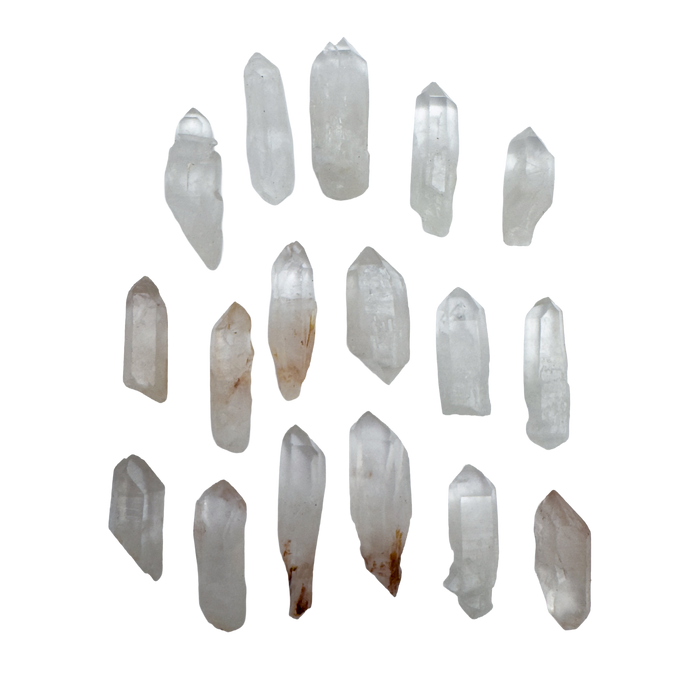
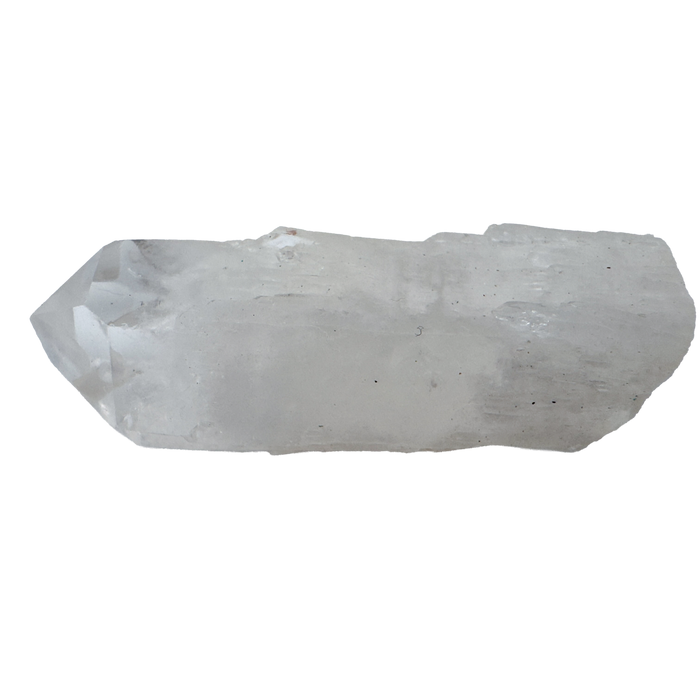
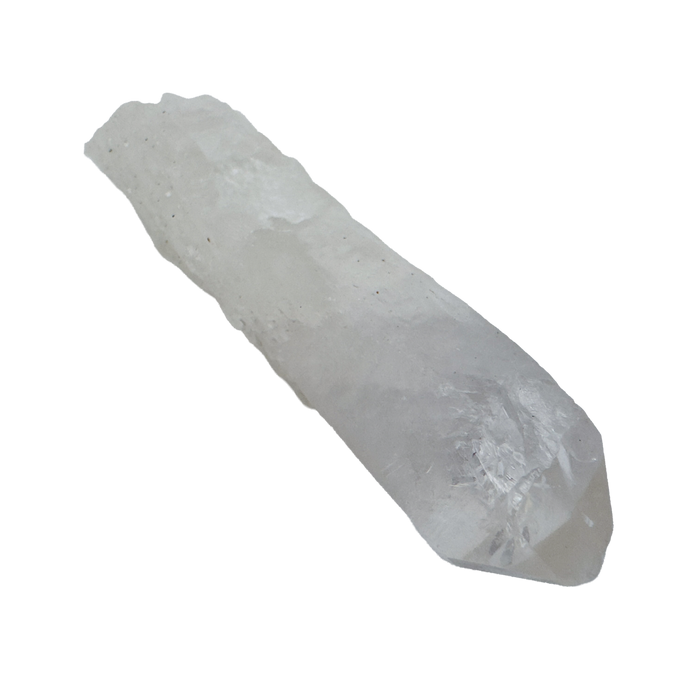
Included Quartz is not something we carry. Clear Quartz is the closest match in our collection, and every piece passes our sourcing standards: origin named, treatments disclosed.
- from 1,000+ reviews
- Ships within 72 hoursMonday to Friday, tracked
- 90 days to return itif you do not love it
- Free US shipping over $99$8.99 flat rate under
The Slow Note
New stones go to the list first.
No forwarding, no selling. Unsubscribe in one click. Privacy