


Shop All Crystals
Best Sellers
Our Picks
New Arrivals
JUST INThe Collector's Table
Perfectly Imperfect
SAVE UP TO 50%Gift Cards
Not sure where to start? Take the Crystal Quiz →
The Eight
The stones people reach for again.
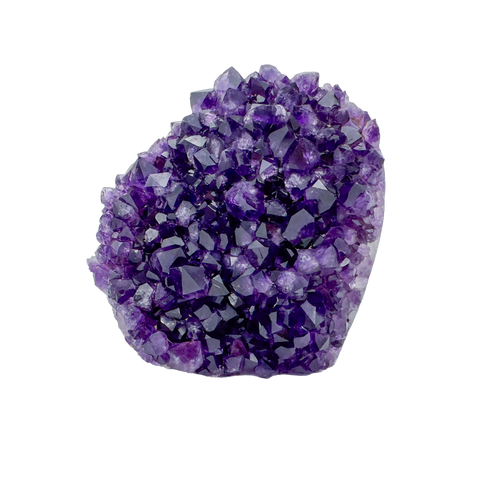
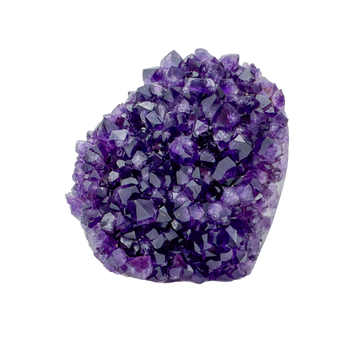
Amethyst
for calm
Shop Amethyst →
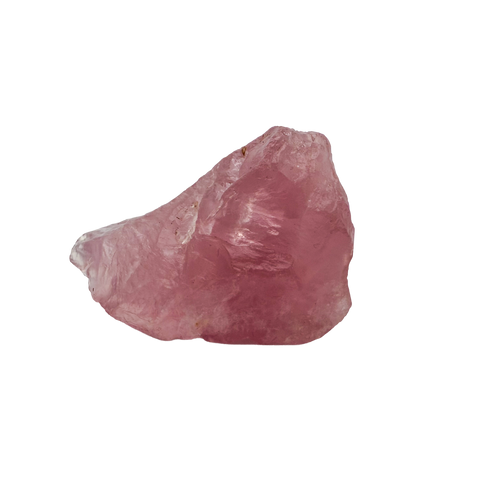
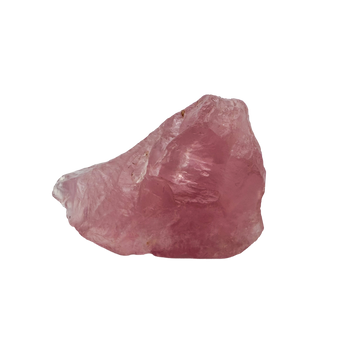
Rose Quartz
for love
Shop Rose Quartz →
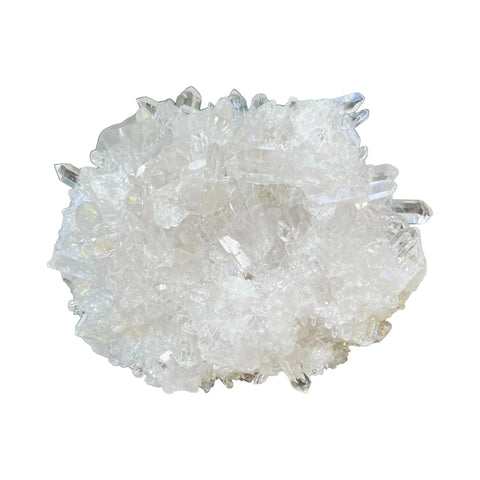
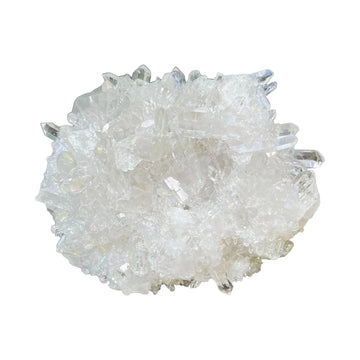
Clear Quartz
the master healer
Shop Clear Quartz →
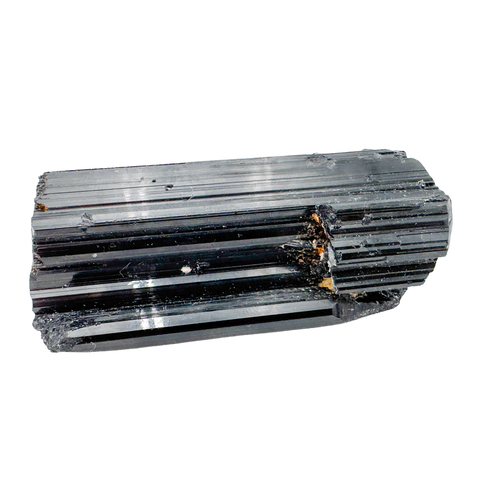
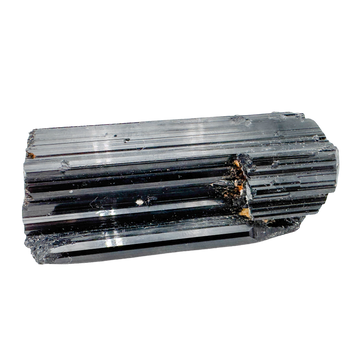
Black Tourmaline
for protection
Shop Tourmaline →
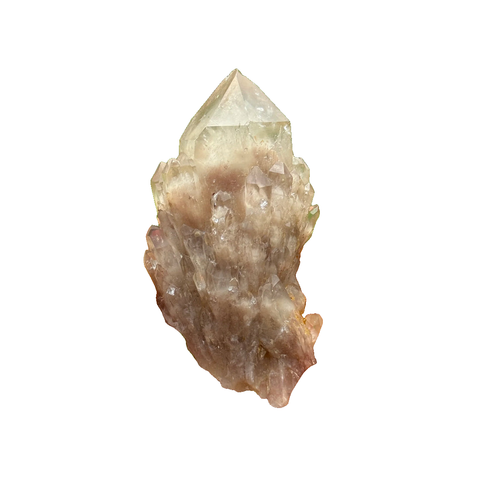
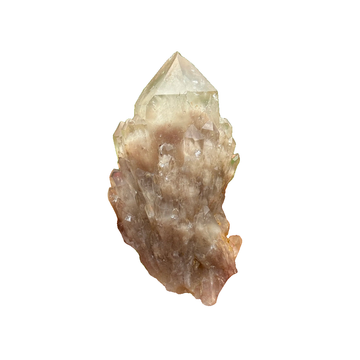
Natural Citrine
for abundance
Shop Citrine →
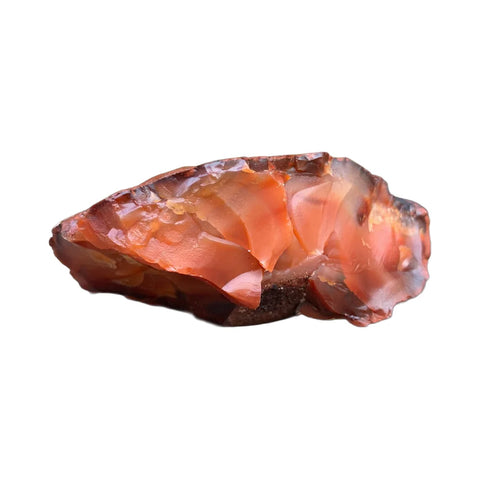
Carnelian
for motivation
Shop Carnelian →
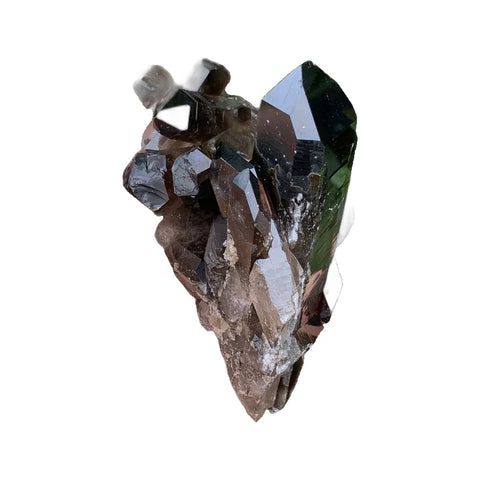
Smoky Quartz
for grounding
Shop Smoky Quartz →
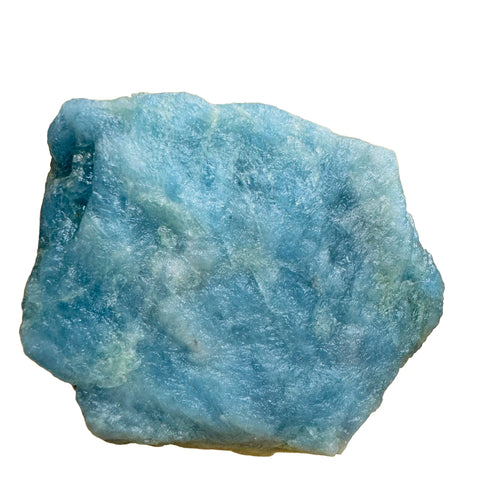
Aquamarine
for serenity
Shop Aquamarine →
The Full Library
A sample. We carry 100+ types in all.
AgateAmazoniteAmetrineAngeliteApatiteAragoniteAventurineAzuriteBlack MoonstoneBlack ObsidianBlack OnyxBloodstoneBlue CalciteBlue KyaniteBlue Lace AgateCelestiteChrysocollaChrysopraseCitrineFluoriteGarnetHematiteJadeLabradoriteLarimarLepidoliteMalachiteMangano CalciteMoonstoneObsidianOcean JasperOrange CalcitePyriteRed JasperRhodoniteSeleniteSodaliteSunstoneTiger EyeYellow Jasper
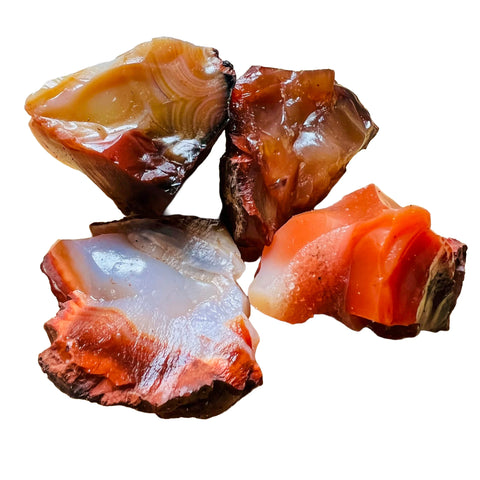
Raw Stones
173 pieces
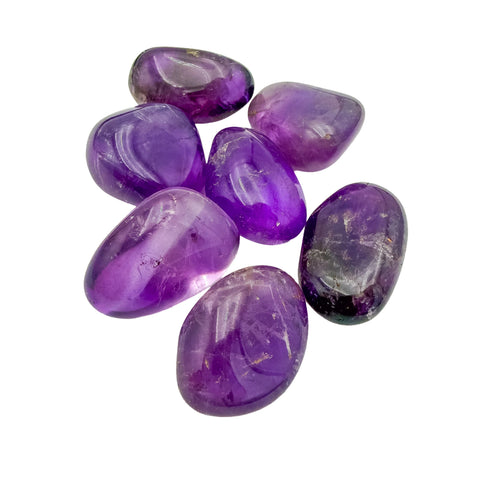
Tumbled Stones
161 pieces

Palm Stones
26 pieces
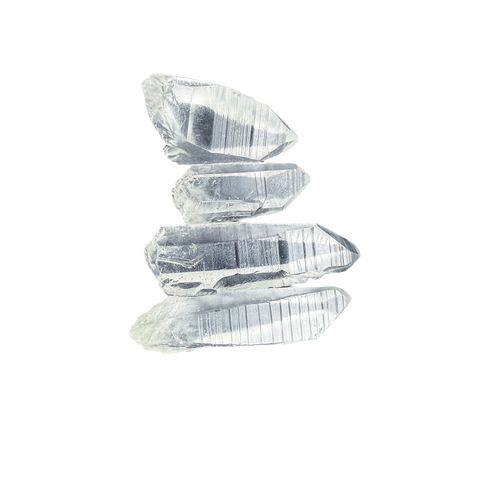
Crystal Points
22 pieces
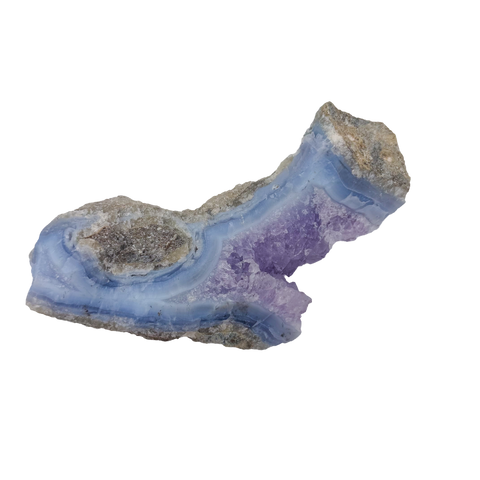
Clusters & Geodes
129 pieces

Polished & Decor
152 pieces
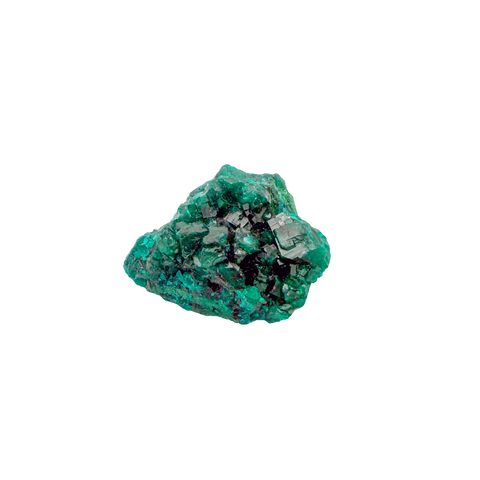
Mineral Specimens
260 collector pieces
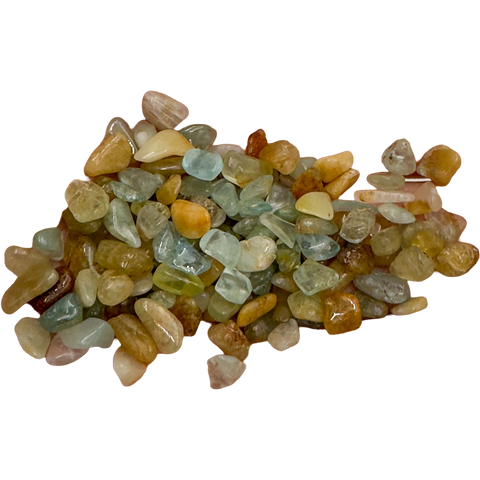
Crystal Chips
21 pieces
Browse everything
Every collection, one page.
Raw, tumbled, points, palms, geodes, spheres. The whole counter in one place.
View All Collections →
Root
steadiness
Sacral
creativity
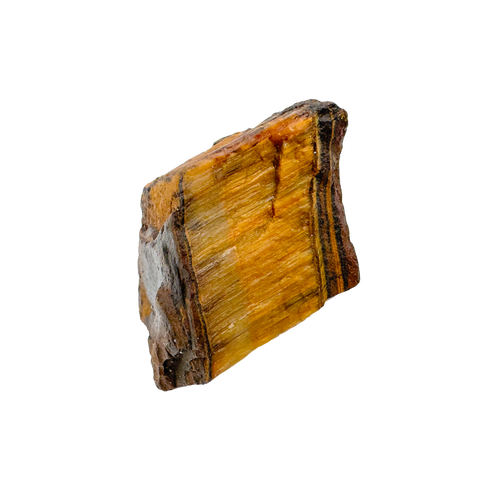
Solar Plexus
confidence
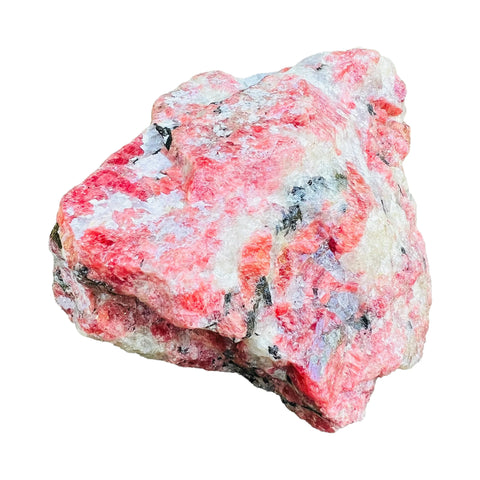
Heart
connection
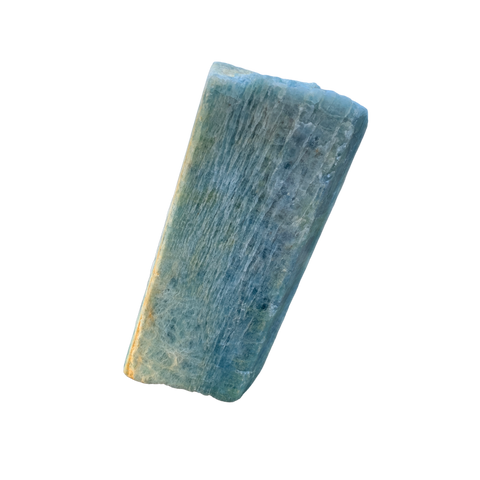
Throat
voice
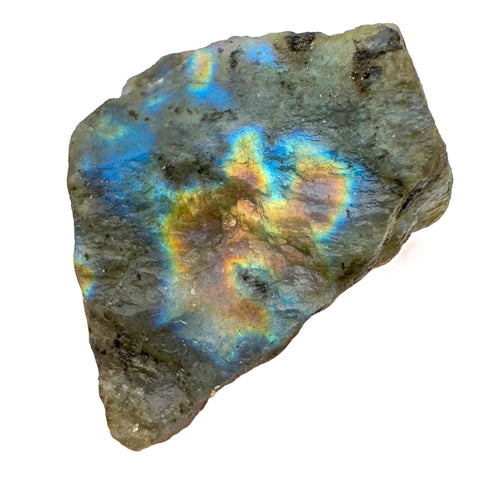
Third Eye
intuition
Crown
clarity
Five-minute read
The seven, in plain language.
What each chakra governs, the stones traditionally matched to it, and where to place them. No jargon.
Read the chakra guide →

Aries
Mar 21 – Apr 19
Carnelian

Taurus
Apr 20 – May 20
Rose Quartz

Gemini
May 21 – Jun 20
Agate

Cancer
Jun 21 – Jul 22
Moonstone

Leo
Jul 23 – Aug 22
Citrine

Virgo
Aug 23 – Sep 22
Amazonite

Libra
Sep 23 – Oct 22
Blue Lace Agate

Scorpio
Oct 23 – Nov 21
Obsidian

Sagittarius
Nov 22 – Dec 21
Sodalite

Capricorn
Dec 22 – Jan 19
Black Tourmaline

Aquarius
Jan 20 – Feb 18
Amethyst

Pisces
Feb 19 – Mar 20
Aquamarine
Gifting?
A birthday stone is the safe bet.
Every sign's stones, what they mean, and how to choose between them.
Read the zodiac guide →


The House
A Small Shop That Checks What Others Take on Faith

Tried and trusted
2,000+ verified buyers. 4.99 stars.
Every review is from a real order. We publish them all, including the hard ones.
Read the Reviews →
The Crystal GuideCrystal Properties A–ZEducational LibraryJournalCrystal IdentifierCrystal Grading GuideCrystal Care
Not sure where to start? Take the Crystal Quiz →
A Decade of Field Research
Know the Stone Before You Buy It
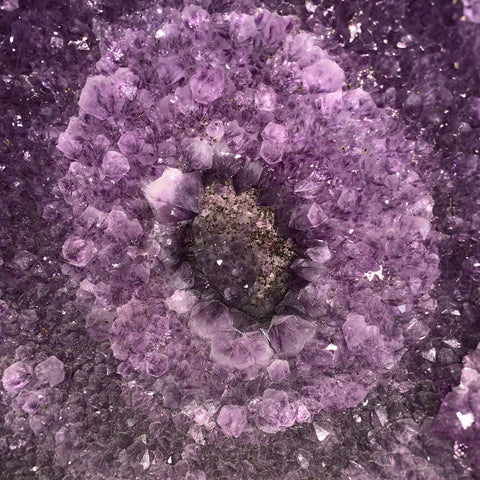
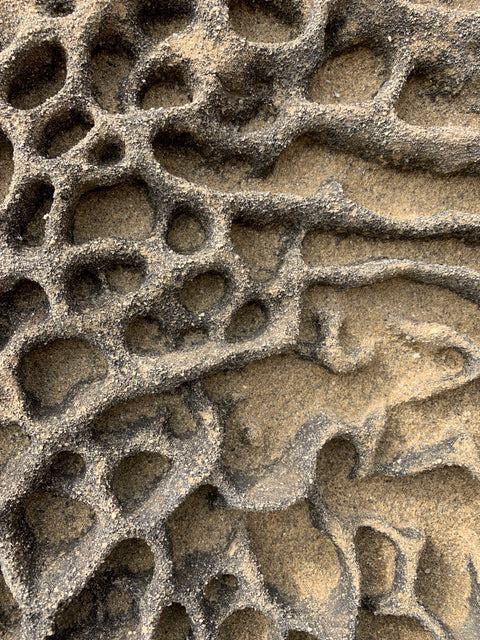
Two Minutes
Not sure where to start? Take the Crystal Quiz.
Honest questions, and a stone that fits the answer.
Take the Quiz →
Beyond Ethical™ SourcingOur Sourcing CriteriaFrom the Source to YouWhere Our Crystals Come FromChoosing Ethical SuppliersSustainability Practices
Beyond Ethical™
Real Sourcing Details on Every Piece, Not Vague Claims
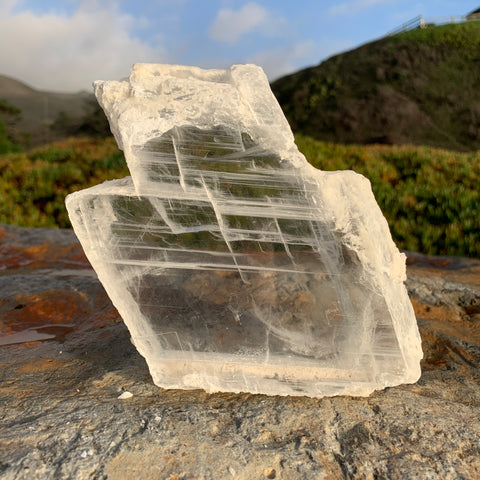

The Promise
The crystal industry runs on trust nobody is checking.
We check. Read the Beyond Ethical™ promise.
Read the Promise →
For Retailers & Practitioners
Stock Stones Your Customers Can Trust

Trade Accounts
The same disclosed sourcing, at trade pricing.
Every wholesale batch ships with its origin disclosure.
Apply for Wholesale →
Menu
Search crystals and guides →
Shop
Shop All Crystals
›Best Sellers
›Our Picks
›New Arrivals
JUST IN›The Collector's Table
›Perfectly Imperfect
SAVE UP TO 50%›Gift Cards
›
Browse by
Not sure where to start? Take the Crystal Quiz →
The House
Contact›
★★★★★ 4.99 · 2,000+ Reviews →
Free US Shipping Over $99 · 90-Day Returns
The Stones
The stones people reach for again.
Amethyst
for calm
Rose Quartz
for love
Clear Quartz
the master healer
Black Tourmaline
for protection
Natural Citrine
for abundance
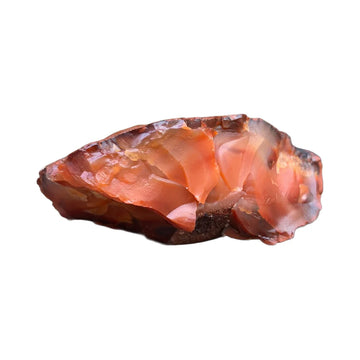
Carnelian
for motivation
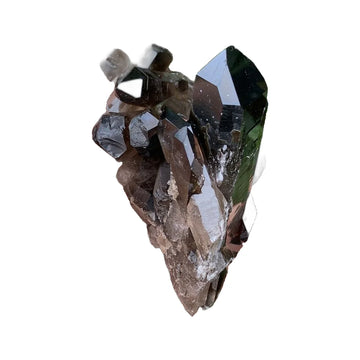
Smoky Quartz
for grounding
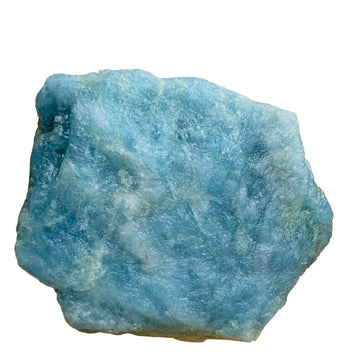
Aquamarine
for serenity
The Full Library
A sample. We carry 100+ types in all.
AgateAmazoniteAmetrineAngeliteApatiteAragoniteAventurineAzuriteBlack MoonstoneBlack ObsidianBlack OnyxBloodstoneBlue CalciteBlue KyaniteBlue Lace AgateCelestiteChrysocollaChrysopraseCitrineFluoriteGarnetHematiteJadeLabradoriteLarimarLepidoliteMalachiteMangano CalciteMoonstoneObsidianOcean JasperOrange CalcitePyriteRed JasperRhodoniteSeleniteSodaliteSunstoneTiger EyeYellow Jasper
Browse All Stones A–Z →
By Form
 Raw Stones
173 pieces
Raw Stones
173 pieces
 Tumbled Stones
161 pieces
Tumbled Stones
161 pieces
 Palm Stones
26 pieces
Palm Stones
26 pieces
 Crystal Points
22 pieces
Crystal Points
22 pieces
 Clusters & Geodes
129 pieces
Clusters & Geodes
129 pieces
 Polished & Decor
152 pieces
Polished & Decor
152 pieces
 Mineral Specimens
260 collector pieces
Mineral Specimens
260 collector pieces
 Crystal Chips
21 pieces
Browse everything
Every collection, one page.
View All Collections →
Crystal Chips
21 pieces
Browse everything
Every collection, one page.
View All Collections →
By Intention


By Chakra


By Zodiac
 Aries
Mar 21 – Apr 19
Carnelian
›
Aries
Mar 21 – Apr 19
Carnelian
›
 Taurus
Apr 20 – May 20
Rose Quartz
›
Taurus
Apr 20 – May 20
Rose Quartz
›
 Gemini
May 21 – Jun 20
Agate
›
Gemini
May 21 – Jun 20
Agate
›
 Cancer
Jun 21 – Jul 22
Moonstone
›
Cancer
Jun 21 – Jul 22
Moonstone
›
 Leo
Jul 23 – Aug 22
Citrine
›
Leo
Jul 23 – Aug 22
Citrine
›
 Virgo
Aug 23 – Sep 22
Amazonite
›
Virgo
Aug 23 – Sep 22
Amazonite
›
 Libra
Sep 23 – Oct 22
Blue Lace Agate
›
Libra
Sep 23 – Oct 22
Blue Lace Agate
›
 Scorpio
Oct 23 – Nov 21
Obsidian
›
Scorpio
Oct 23 – Nov 21
Obsidian
›
 Sagittarius
Nov 22 – Dec 21
Sodalite
›
Sagittarius
Nov 22 – Dec 21
Sodalite
›
 Capricorn
Dec 22 – Jan 19
Black Tourmaline
›
Capricorn
Dec 22 – Jan 19
Black Tourmaline
›
 Aquarius
Jan 20 – Feb 18
Amethyst
›
Aquarius
Jan 20 – Feb 18
Amethyst
›
 Pisces
Feb 19 – Mar 20
Aquamarine
›
Gifting?
A birthday stone is the safe bet.
Read the zodiac guide →
Pisces
Feb 19 – Mar 20
Aquamarine
›
Gifting?
A birthday stone is the safe bet.
Read the zodiac guide →
About
The House
A Small Shop That Checks What Others Take on Faith

Our Story
Paul and Zina. Why we started Beyond Bohemian.
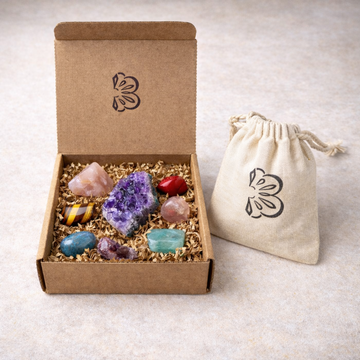
Shipping Information
Insured, tracked, packed by hand
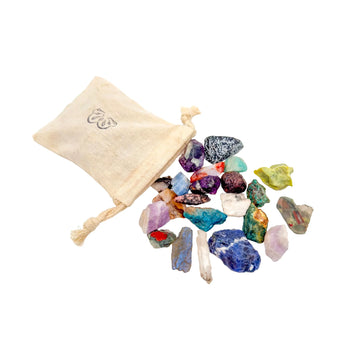
Bag Buy Back
Return the bag, get store credit
Learn
A Decade of Field Research
Know the Stone Before You Buy It
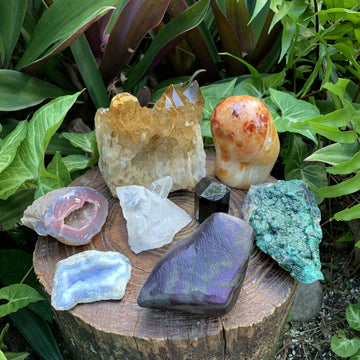
Crystal Properties A–Z
Every stone in the library
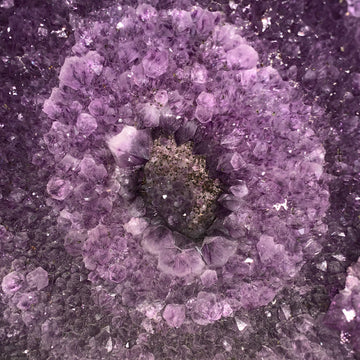
Crystal Grading Guide
What A, AA, and AAA mean
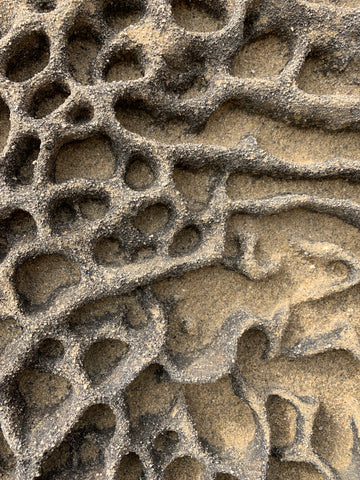
Crystal Identifier
Name that mystery stone
Ethical Sourcing
Beyond Ethical™
Real Sourcing Details on Every Piece, Not Vague Claims
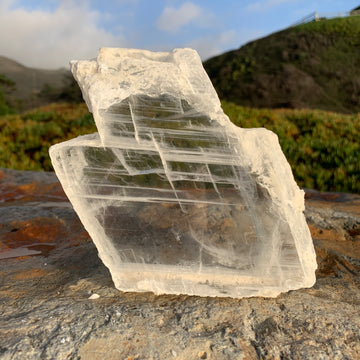
Beyond Ethical™ Sourcing
The promise, in full
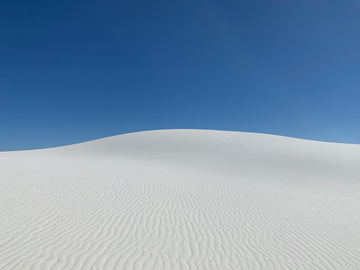
Our Sourcing Criteria
What we check, what we refuse
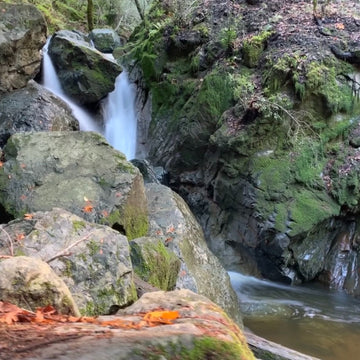
From the Source to You
The path a stone travels
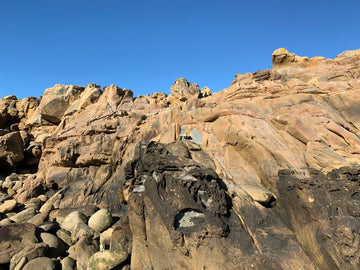
Where Our Crystals Come From
Named mines, named countries
Wholesale
For Retailers & Practitioners
Stock Stones Your Customers Can Trust
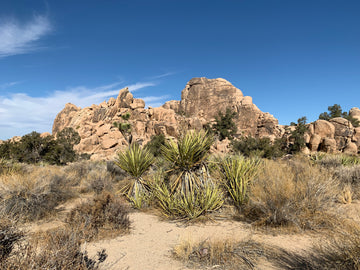
Wholesale Guidelines
MOQs, pricing, terms

Wholesale Application
Apply for trade pricing
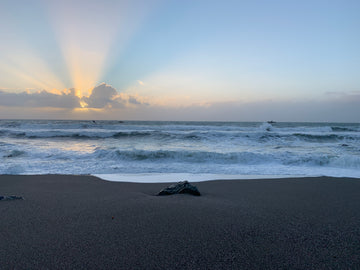
Business Advisory Sessions
Build your crystal business
Opal
Opal
The family behind the colors. Worth knowing before you pick a variety.
Opal is a family of hydrated amorphous silica stones, including the famous play-of-color varieties (White Opal, Black Opal, Fire Opal) and the common opal varieties (Pink Opal, Blue Opal, Green Opal). The whole family shares the same basic chemistry but varies dramatically in appearance and value. Traditionally associated with vision, intuition, and the shifting quality of perception itself.
Read the full Opal Crystal Guide →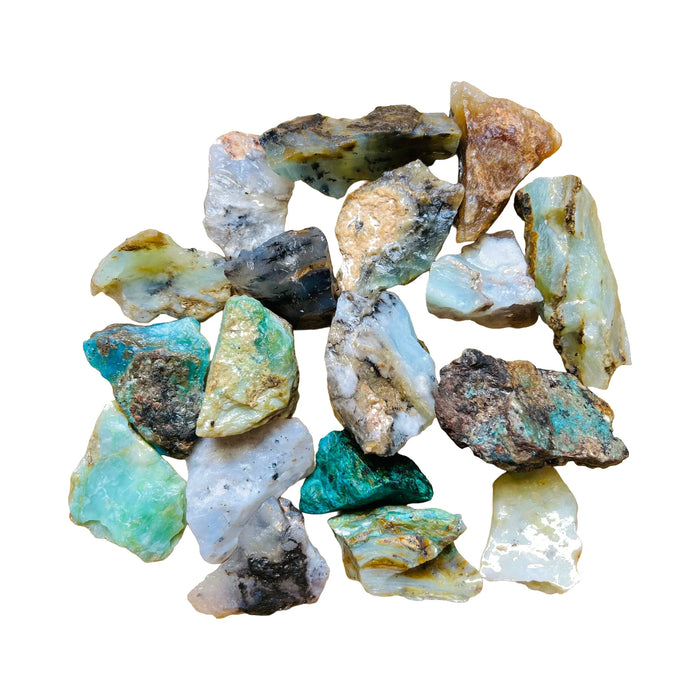
Andean Blue Opal Raw Stones
A Grade | 1–2″
ACARI, PERU
EMOTIONAL HEALING◇STRESS RELIEF◇INTUITION
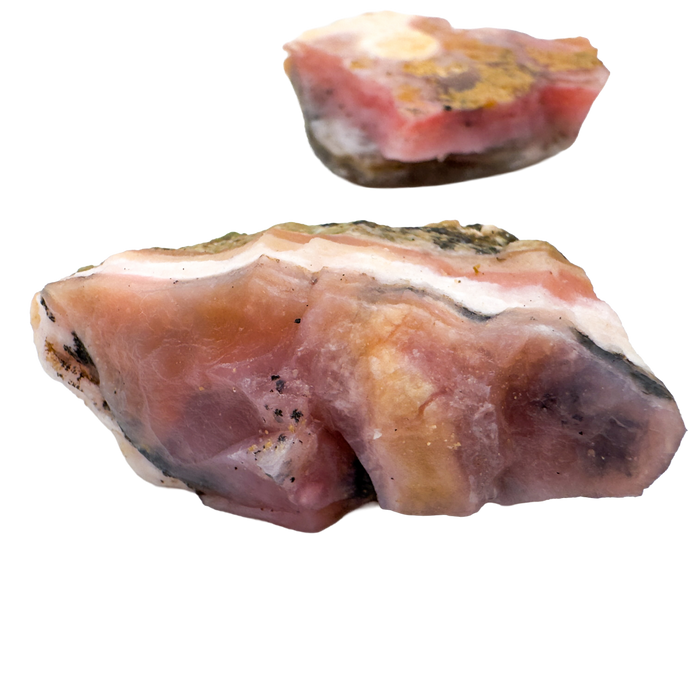
Pink Opal Raw Stones
A Grade | 1–2″
AREQUIPA, PERU
LOVE◇SELF LOVE◇EMOTIONAL HEALING
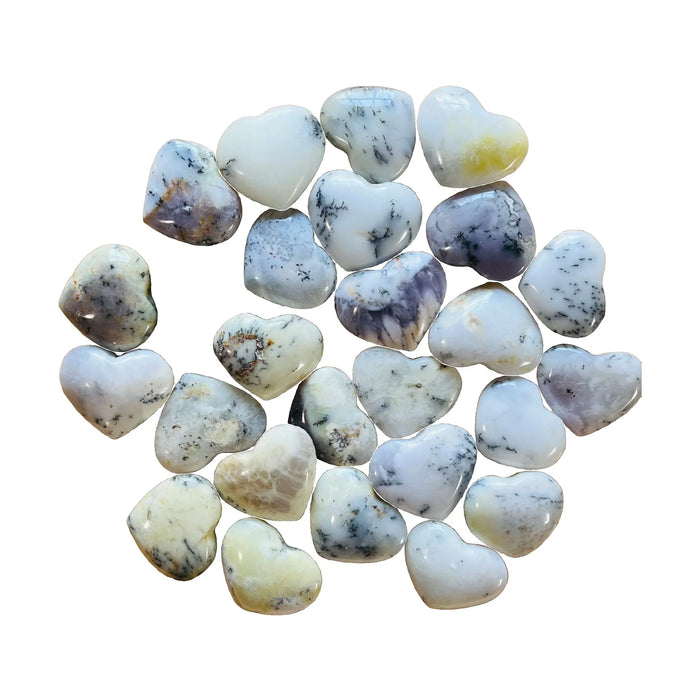
Dendritic Opal Polished Hearts
AA Grade | 1.00–1.50″
ATSINANANA, MADAGASCAR
GROUNDING◇MANIFESTATION◇HEALING
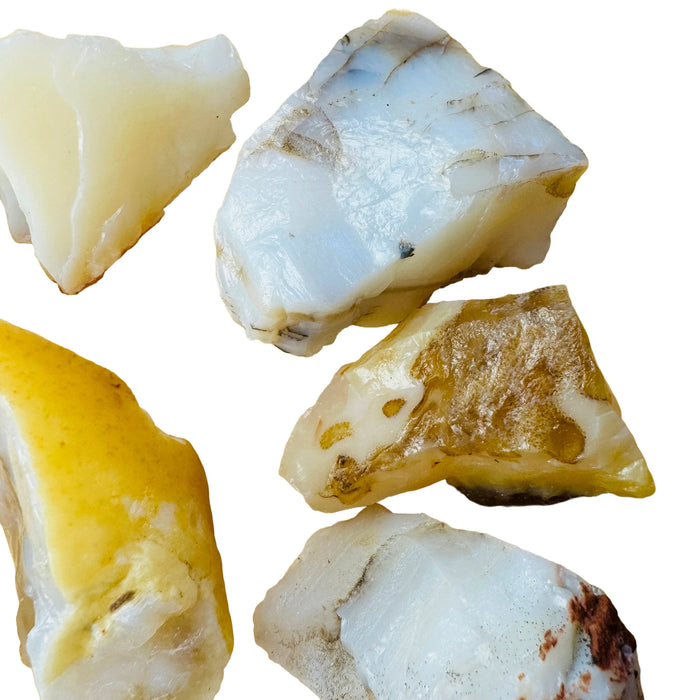
White Opal Raw Stones
A Grade | 1.50–3″
RIO GRANDE DO SUL, BRAZIL
INTUITION◇MEDITATION◇MANIFESTATION
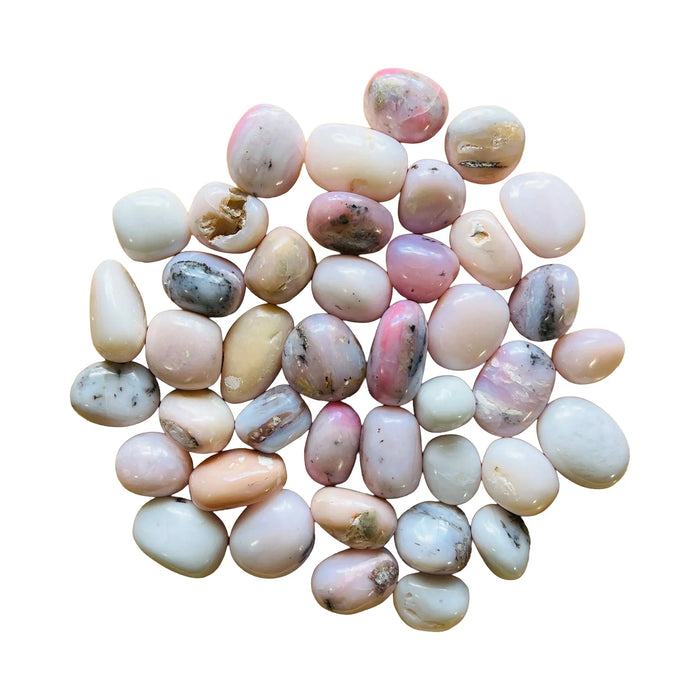
Pink Opal Hand Polished Stones
A Grade | 0.75–1.25″
ICA, PERU
LOVE◇SELF LOVE◇EMOTIONAL HEALING
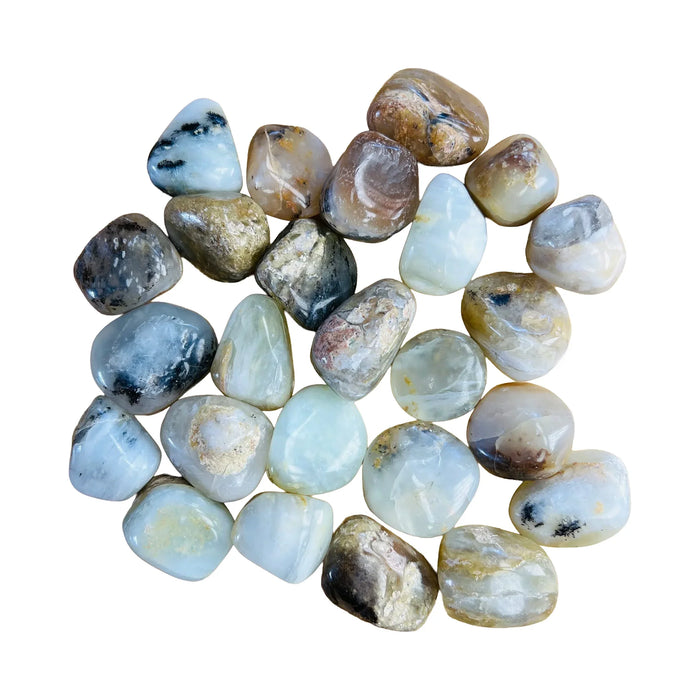
Andean Blue Opal Tumbled Stones
A Grade | 1–1.50″
ACARI, PERU
EMOTIONAL HEALING◇STRESS RELIEF◇INTUITION
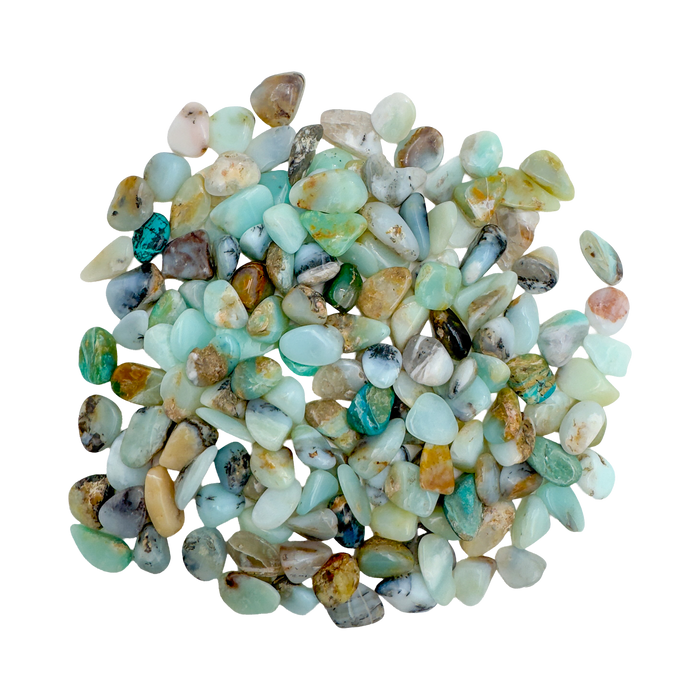
Andean Blue Opal Tumbled Stones
AA Grade | 0.25–0.75″
ACARI, PERU
EMOTIONAL HEALING◇STRESS RELIEF◇INTUITION
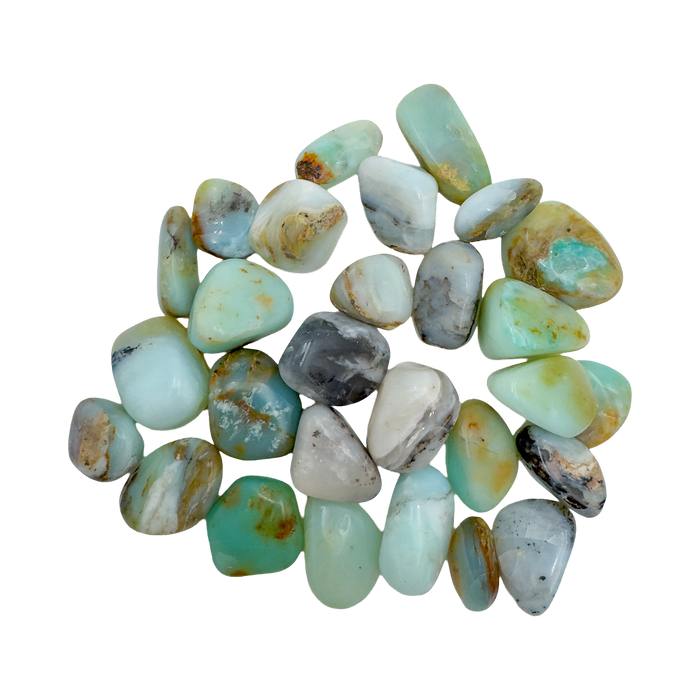
Andean Blue Opal Tumbled Stones
AA Grade | 0.75–1.25″
ACARI, PERU
EMOTIONAL HEALING◇STRESS RELIEF◇INTUITION