




Blue Opal Crystal Guide: meaning, origin & properties
Learn what Blue Opal is, where ours comes from, traditional associations across cultures, and how to identify a real specimen, in our complete Blue Opal Crystal Guide.
In stock
We work directly with the mine or workshop, with no intermediaries in between. The relationship is personal, pricing is transparent, and we can speak to each batch.
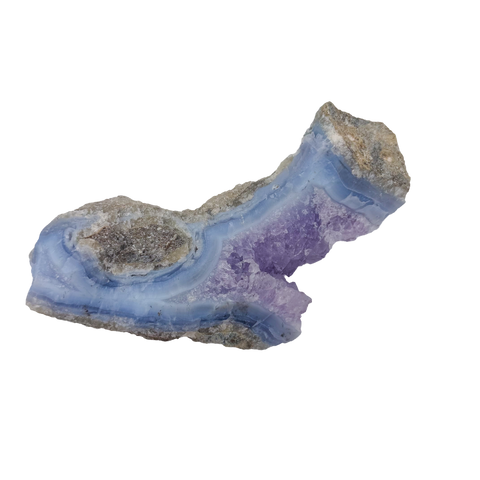
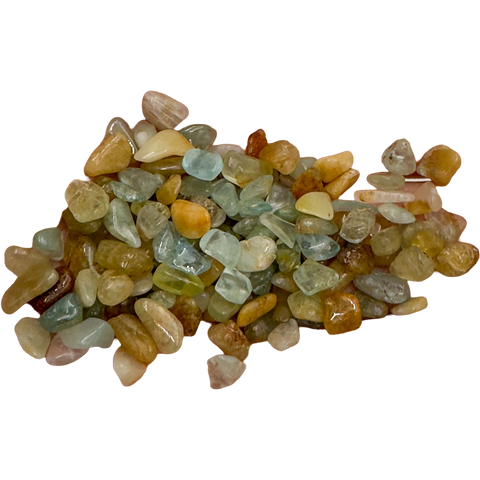
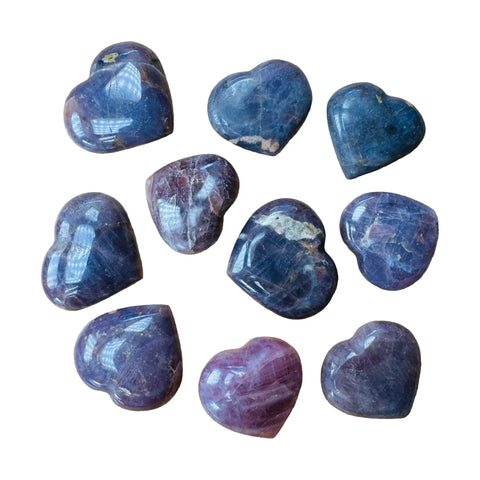
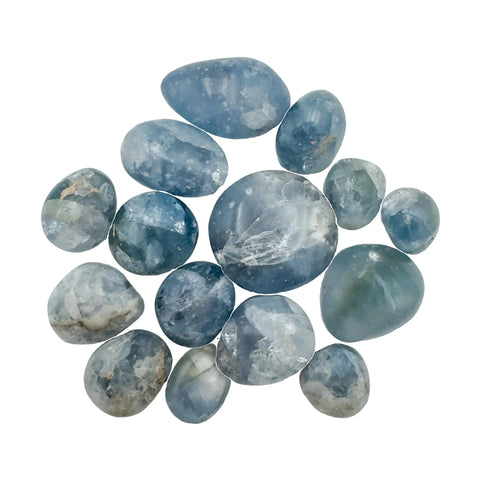
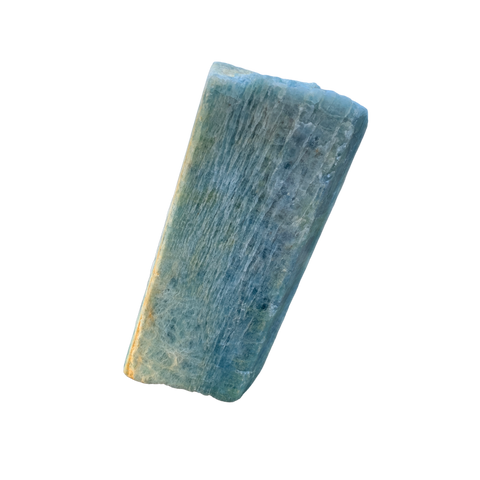
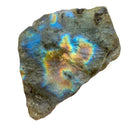
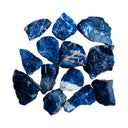
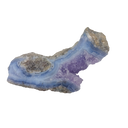
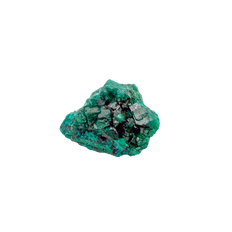
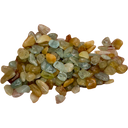
Read our Sourcing Standards →These are AA-grade Andean Blue Opal tumbled stones from Acari, Peru. Andean opal is a common opal, showing soft, even blue color rather than the play-of-fire of precious opal. Each piece runs 0.75-1.25 inches at Mohs 5.5-6.5, bought directly at the source. A favorite stress relief stone for pockets and bedside tables.
Andean Blue Opal is a mineraloid (not a true crystalline mineral) composed of amorphous hydrated silica, with a Mohs hardness of 5.5 to 6.5. The blue color comes from trace copper compounds and other minerals.
Peruvian Blue Opal is distinct from common opal in that it typically has a more saturated, sea-blue tone tied to the volcanic geology of the Andes.
On the market, watch for opalite (manmade glass) and synthetic opals that mimic the look but lack the natural color variation and inclusions.
Andean Blue Opal is traditionally associated with emotional healing, stress relief, gentle intuition, and confident communication. Many people work with this stone for soft processing of difficult emotions, calm under pressure, and finding their voice in situations that feel overwhelming.
It makes a beautiful meditation companion, whether held or placed nearby.
These are traditional associations drawn from historical practice. This stone is not a substitute for medical or mental health care.
A starting place for your own quiet practice.