


 Agatefor stress relief
 Amazonitefor stress relief
 Aquamarinefor serenity
 Aventurinefor luck
 Bloodstonefor energy
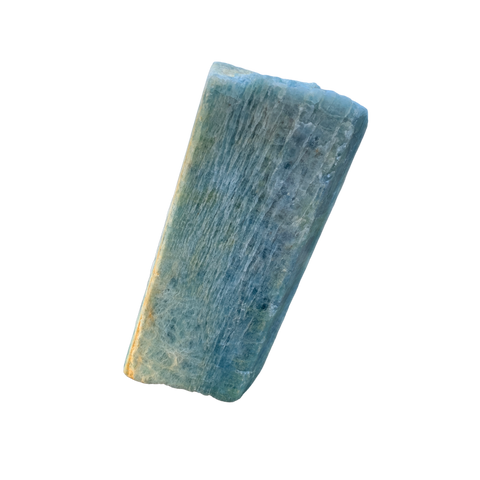
 Blue Kyanitefor confidence
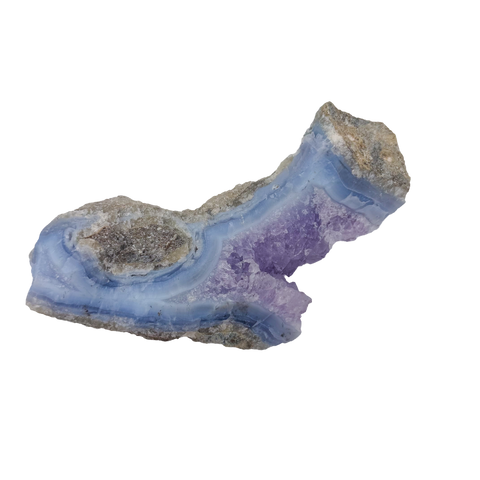
 Blue Lace Agatefor stress relief
 Chrysocollafor emotional healing
 Fluoritefor focus
 Garnetfor energy
 Lepidolitefor stress relief
 Malachitefor emotional healing
 Moonstonefor grounding
 Obsidianfor protection
 Ocean Jasperfor emotional healing
 Red Jasperfor grounding
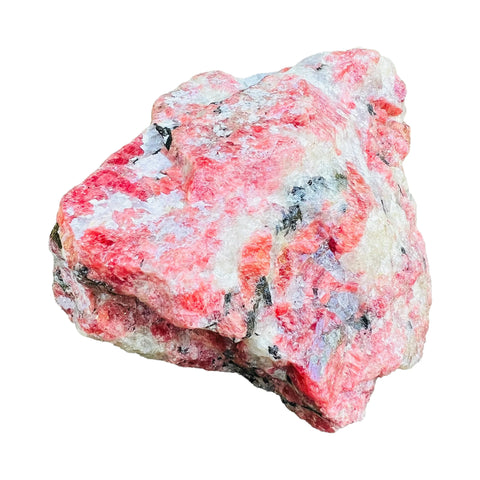
 Rhodonitefor emotional healing
 Selenitefor cleansing
 Sodalitefor focus
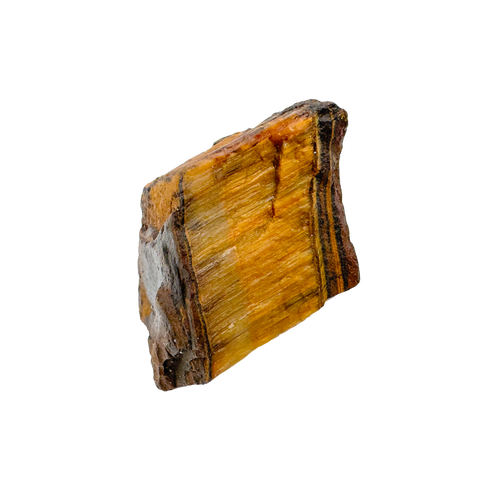
 Tiger Eyefor confidence
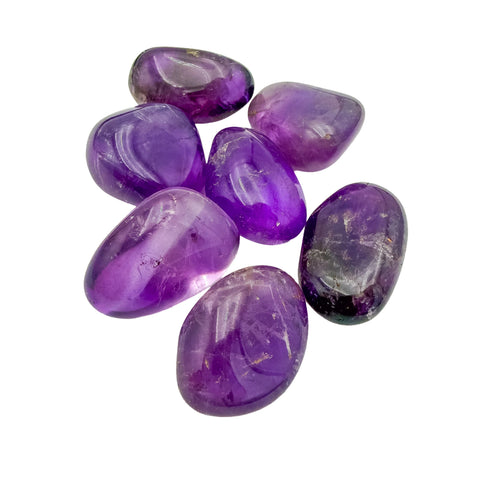


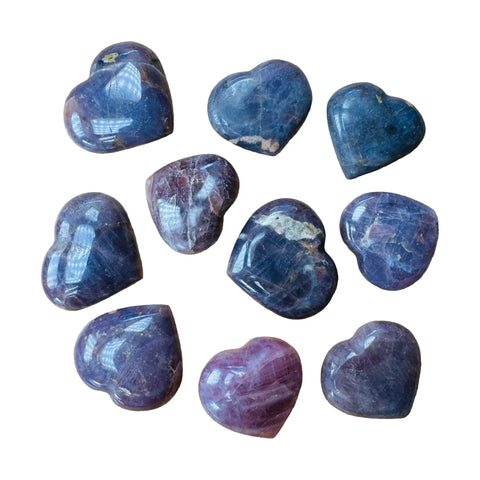
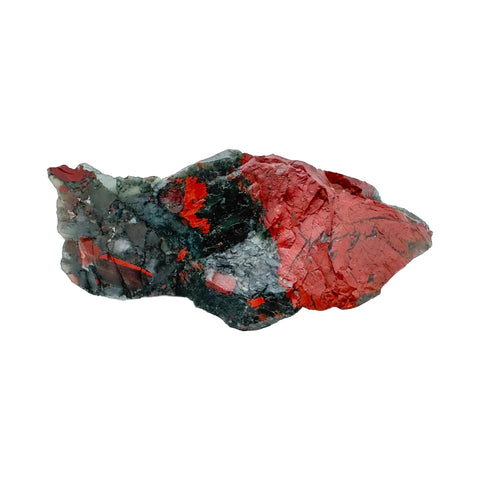
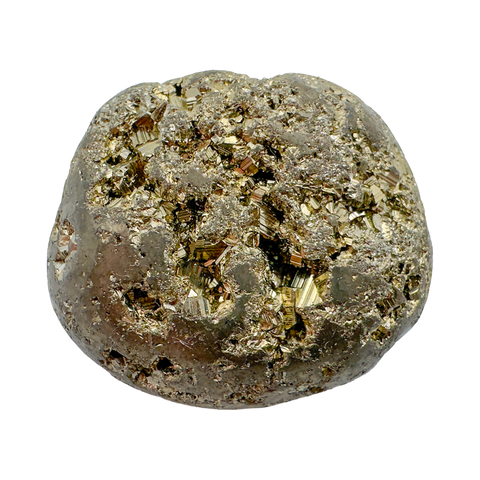
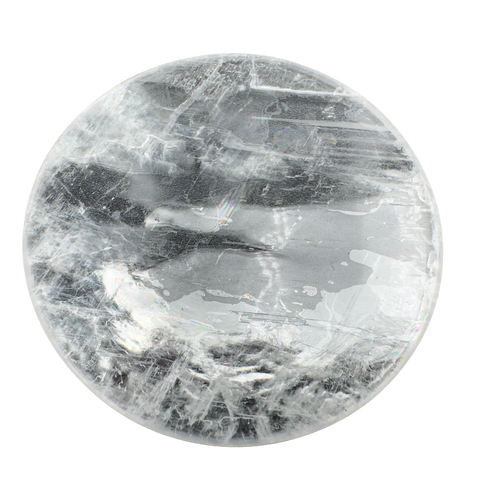


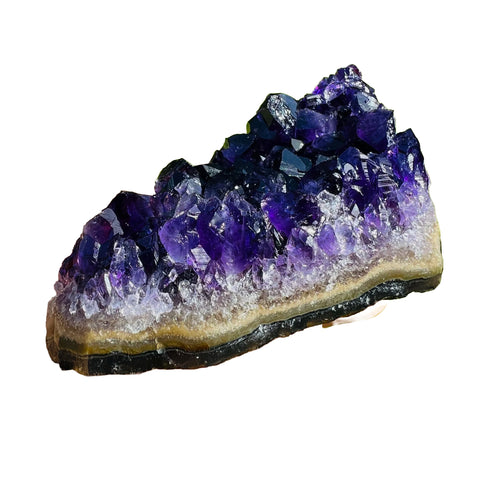





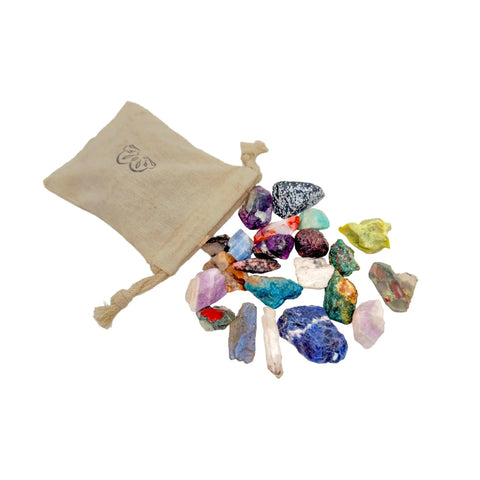
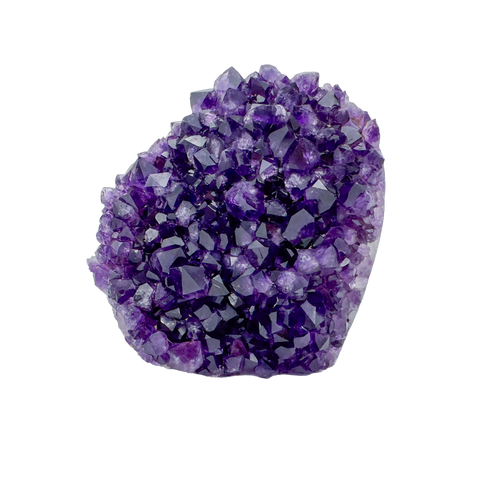
 Amethyst
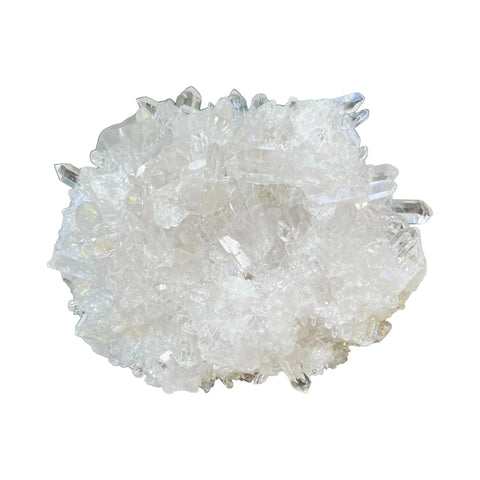
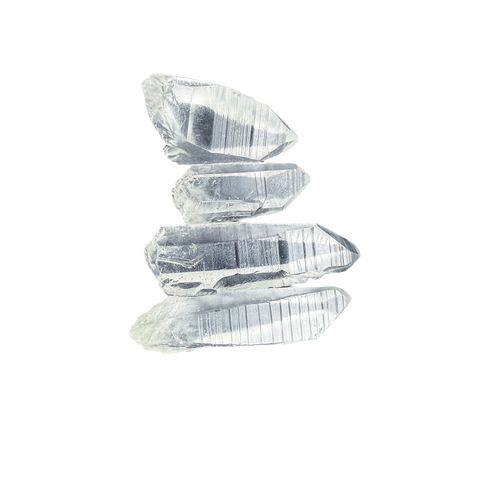
 Clear Quartz
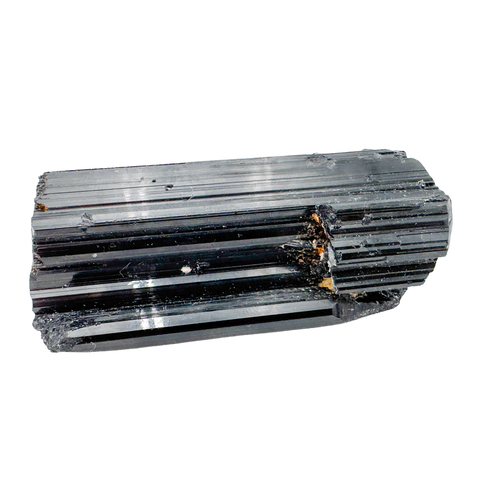
 Black Tourmaline
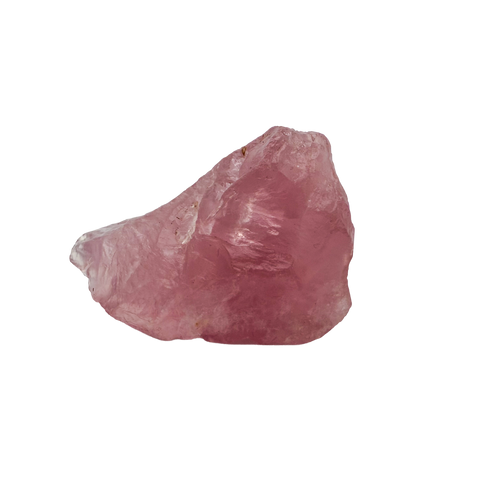
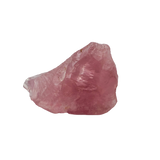 Rose Quartz
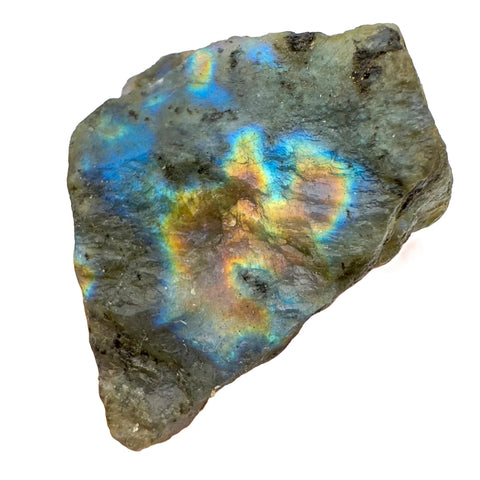
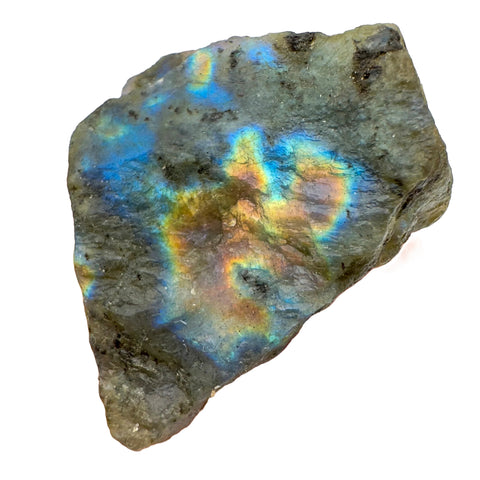
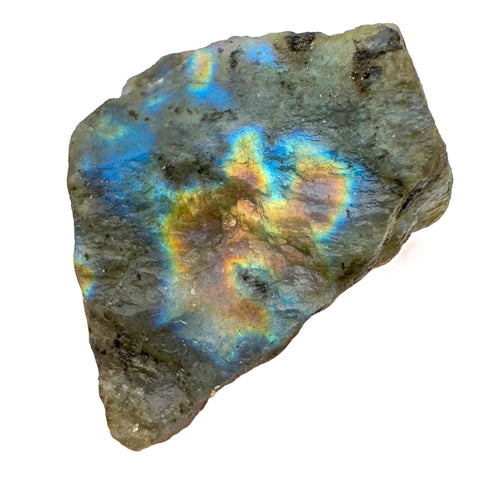
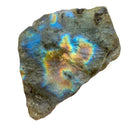 Labradorite
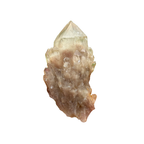 Natural Citrine
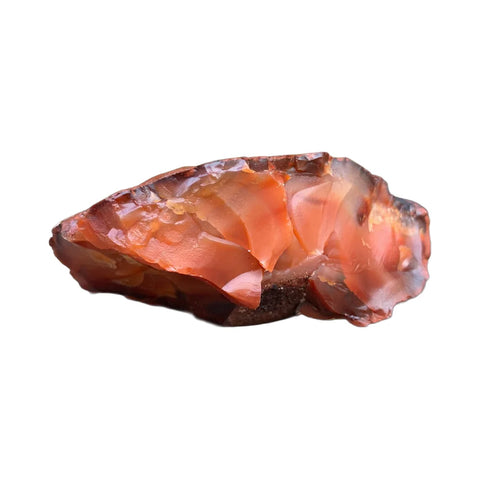
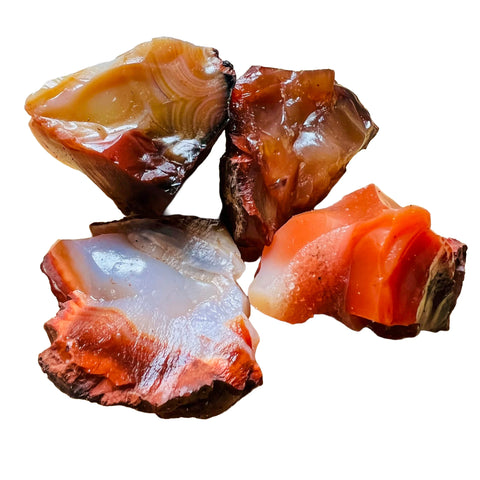
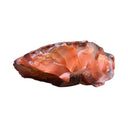 Carnelian
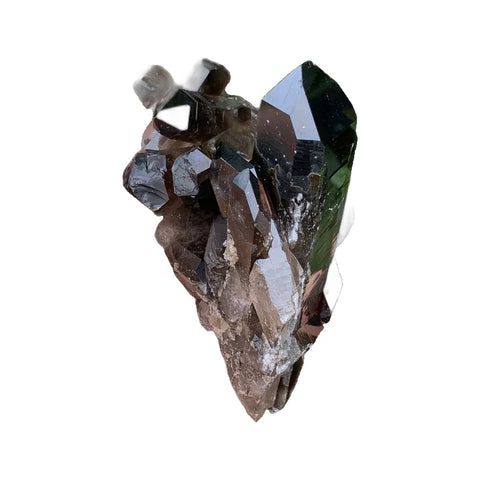
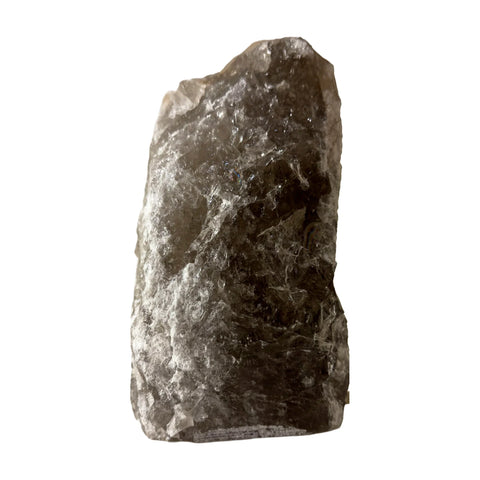
 Smoky Quartz
 Aventurine
 Sodalite
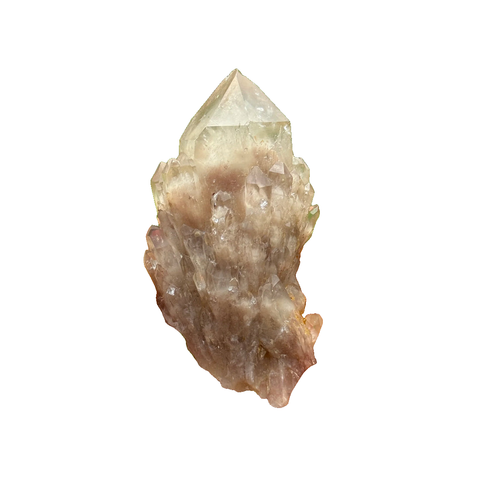
 Ametrine
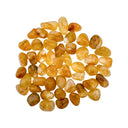 Golden Healer
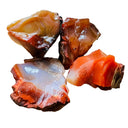 Raw Stones
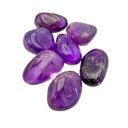 Tumbled Stones
 Palm Stones
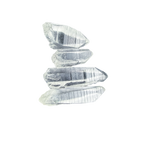 Crystal Points
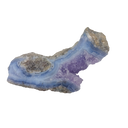 Clusters & Geodes
 Polished & Decor
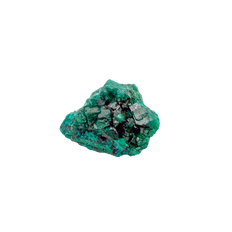 Mineral Specimens
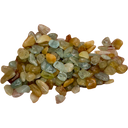 Crystal Chips
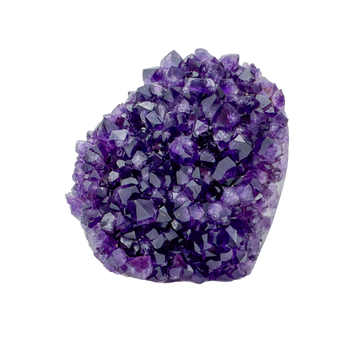
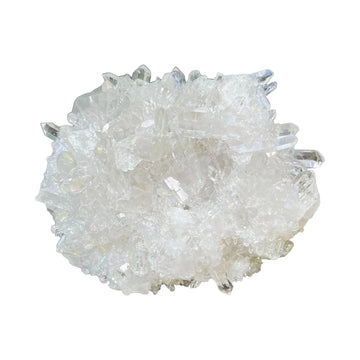
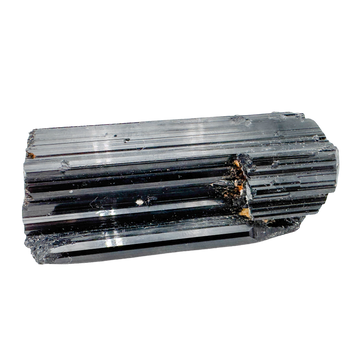
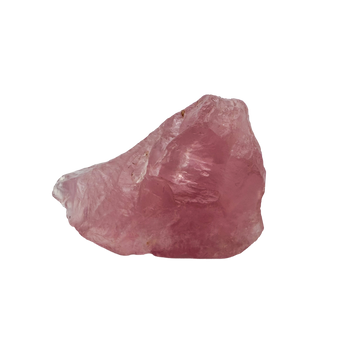
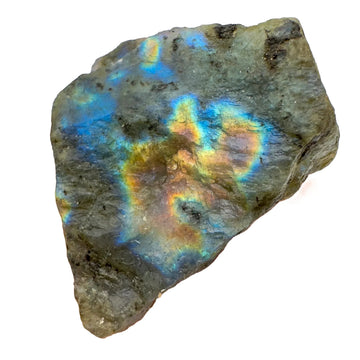
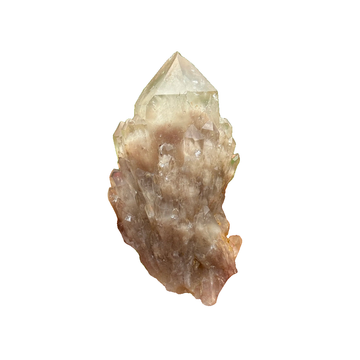
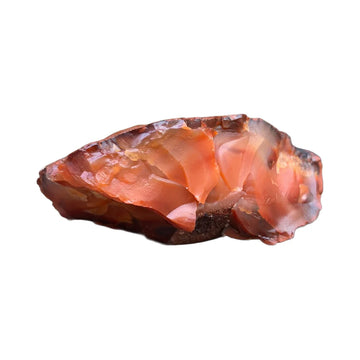
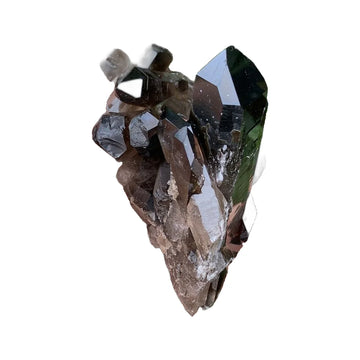
 Raw Stones
179 to choose from
Raw Stones
179 to choose from
 Tumbled Stones
162 to choose from
Tumbled Stones
162 to choose from
 Palm Stones
25 to choose from
Palm Stones
25 to choose from
 Crystal Points
23 to choose from
Crystal Points
23 to choose from
 Clusters & Geodes
98 to choose from
Clusters & Geodes
98 to choose from
 Polished & Decor
147 to choose from
Polished & Decor
147 to choose from
 Mineral Specimens
248 to choose from
Mineral Specimens
248 to choose from
 Crystal Chips
21 to choose from
Crystal Chips
21 to choose from


 AngolaAquamarine
›
AngolaAquamarine
›
 BotswanaCarnelian, Tree Agate
›
BotswanaCarnelian, Tree Agate
›
 DR CongoMalachite, Natural Citrine
›
DR CongoMalachite, Natural Citrine
›
 EswatiniBloodstone
›
EswatiniBloodstone
›
 MadagascarLabradorite, Clear Quartz
›
MadagascarLabradorite, Clear Quartz
›
 MalawiBlue Lace Agate, Garnet
›
MalawiBlue Lace Agate, Garnet
›
 MozambiqueAmazonite
›
MozambiqueAmazonite
›
 NamibiaSodalite, Blue Lace Agate
›
NamibiaSodalite, Blue Lace Agate
›
 Republic of the CongoDioptase
›
Republic of the CongoDioptase
›
 South AfricaTiger Eye, Unakite
›
South AfricaTiger Eye, Unakite
›
 ZambiaChevron Amethyst
›
ZambiaChevron Amethyst
›
 ZimbabweEmerald, Rhodonite
›
ZimbabweEmerald, Rhodonite
›
 ArgentinaBlack Obsidian, Rhodochrosite
›
ArgentinaBlack Obsidian, Rhodochrosite
›
 BoliviaAmetrine
›
BoliviaAmetrine
›
 BrazilAmethyst, Clear Quartz
›
BrazilAmethyst, Clear Quartz
›
 PeruSerpentine, Jade
›
PeruSerpentine, Jade
›
 UruguayAmethyst
›
UruguayAmethyst
›
 Dominican RepublicLarimar
›
Dominican RepublicLarimar
›
 MexicoRainbow Obsidian, Crazy Lace Agate
›
MexicoRainbow Obsidian, Crazy Lace Agate
›
 United StatesSelenite, Peridot
›
United StatesSelenite, Peridot
›
 ChinaFluorite
›
ChinaFluorite
›
 RussiaShungite
›
RussiaShungite
›
 AustraliaMookaite
›
AustraliaMookaite
›
 Where our crystals come from
See where we source →
Where our crystals come from
See where we source →


 Aries
Mar 21 to Apr 19
Carnelian
›
Aries
Mar 21 to Apr 19
Carnelian
›
 Taurus
Apr 20 to May 20
Rose Quartz
›
Taurus
Apr 20 to May 20
Rose Quartz
›
 Gemini
May 21 to Jun 20
Agate
›
Gemini
May 21 to Jun 20
Agate
›
 Cancer
Jun 21 to Jul 22
Moonstone
›
Cancer
Jun 21 to Jul 22
Moonstone
›
 Leo
Jul 23 to Aug 22
Citrine
›
Leo
Jul 23 to Aug 22
Citrine
›
 Virgo
Aug 23 to Sep 22
Amazonite
›
Virgo
Aug 23 to Sep 22
Amazonite
›
 Libra
Sep 23 to Oct 22
Blue Lace Agate
›
Libra
Sep 23 to Oct 22
Blue Lace Agate
›
 Scorpio
Oct 23 to Nov 21
Obsidian
›
Scorpio
Oct 23 to Nov 21
Obsidian
›
 Sagittarius
Nov 22 to Dec 21
Sodalite
›
Sagittarius
Nov 22 to Dec 21
Sodalite
›
 Capricorn
Dec 22 to Jan 19
Black Tourmaline
›
Capricorn
Dec 22 to Jan 19
Black Tourmaline
›
 Aquarius
Jan 20 to Feb 18
Amethyst
›
Aquarius
Jan 20 to Feb 18
Amethyst
›
 Pisces
Feb 19 to Mar 20
Aquamarine
›
Gifting?
A birthday stone is the safe bet.
Read the zodiac guide →
Pisces
Feb 19 to Mar 20
Aquamarine
›
Gifting?
A birthday stone is the safe bet.
Read the zodiac guide →


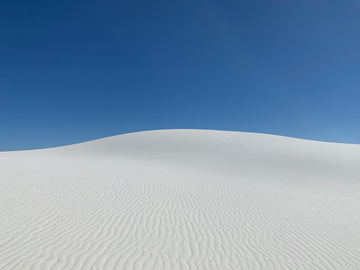
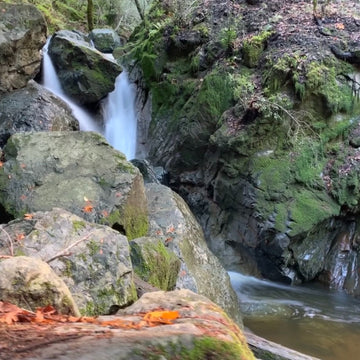
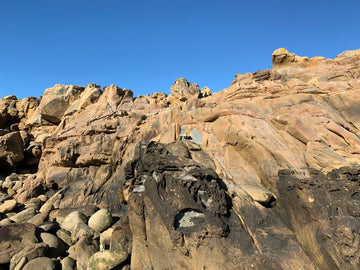
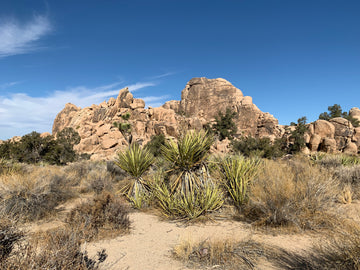
Opal
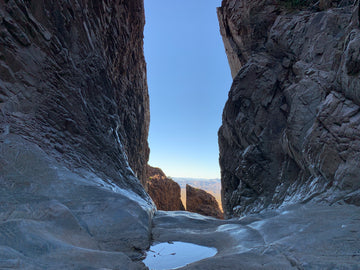
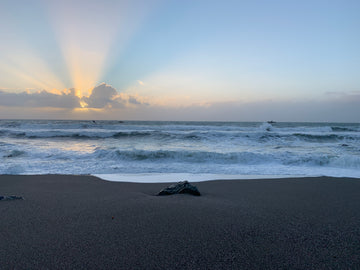
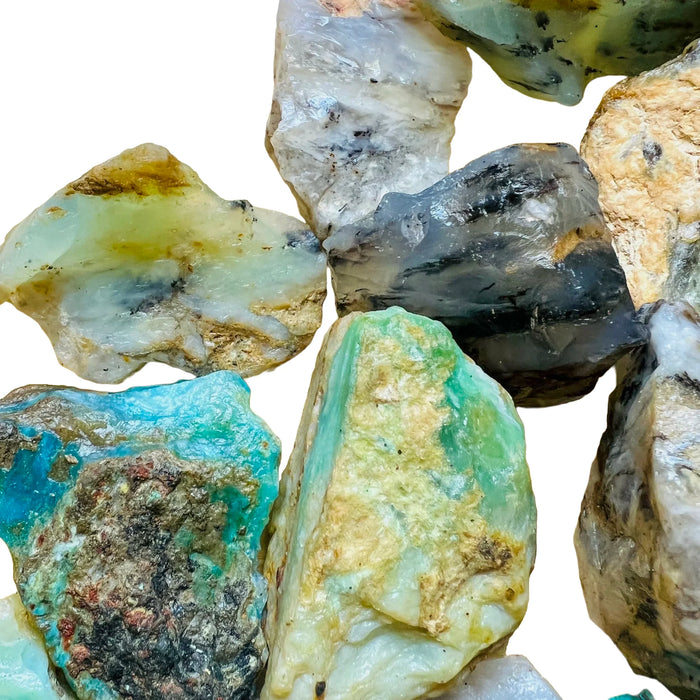
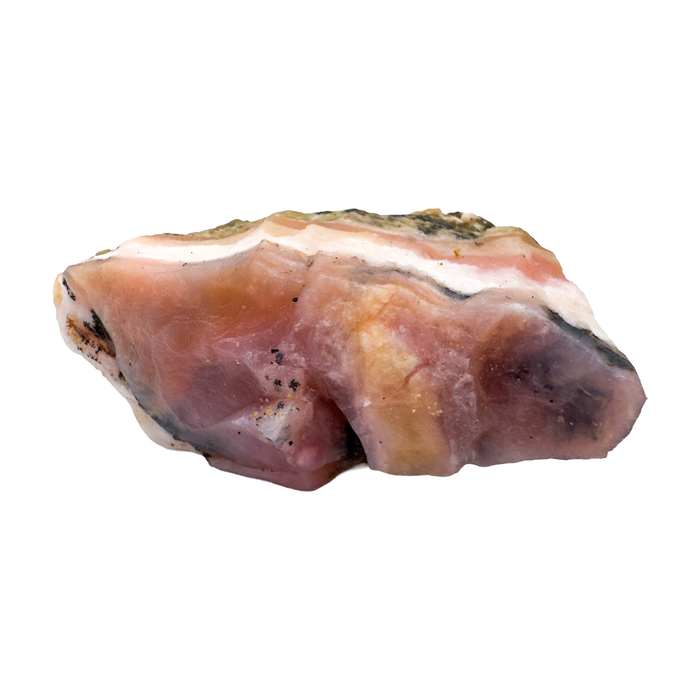
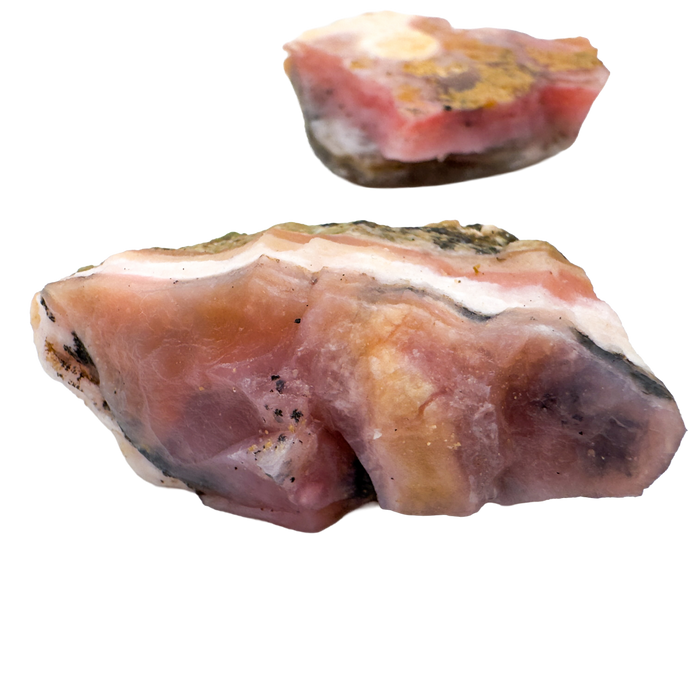
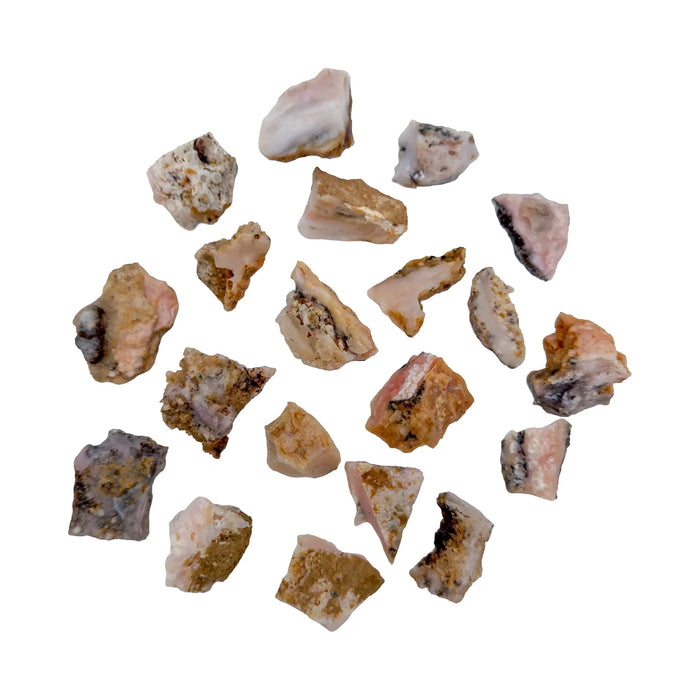
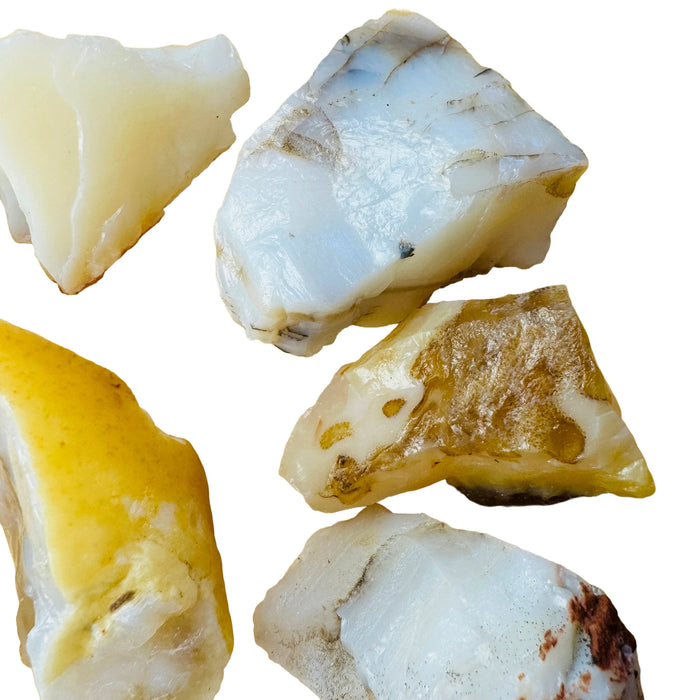
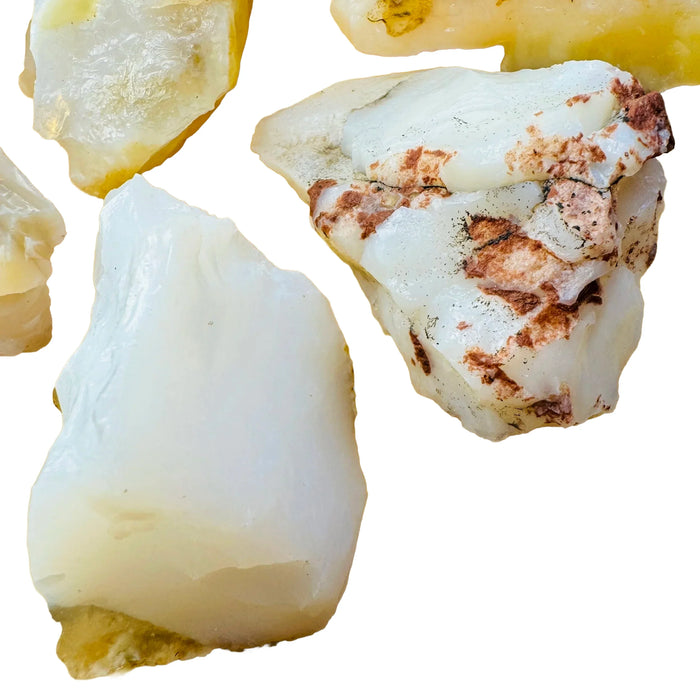
Opal is a family of hydrated amorphous silica stones, including the famous play-of-color varieties (White Opal, Black Opal, Fire Opal) and the common opal varieties (Pink Opal, Blue Opal, Green Opal). The whole family shares the same basic chemistry but varies dramatically in appearance and value. Traditionally associated with vision, intuition, and the shifting quality of perception itself.
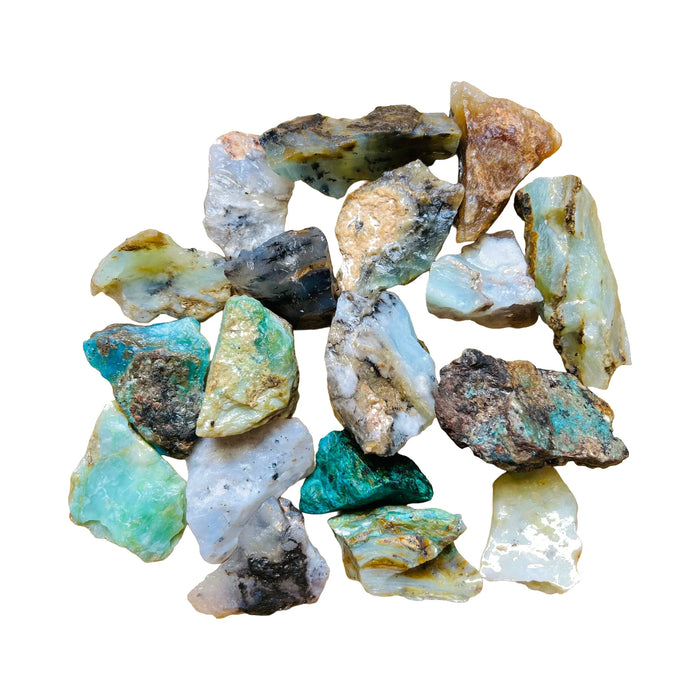
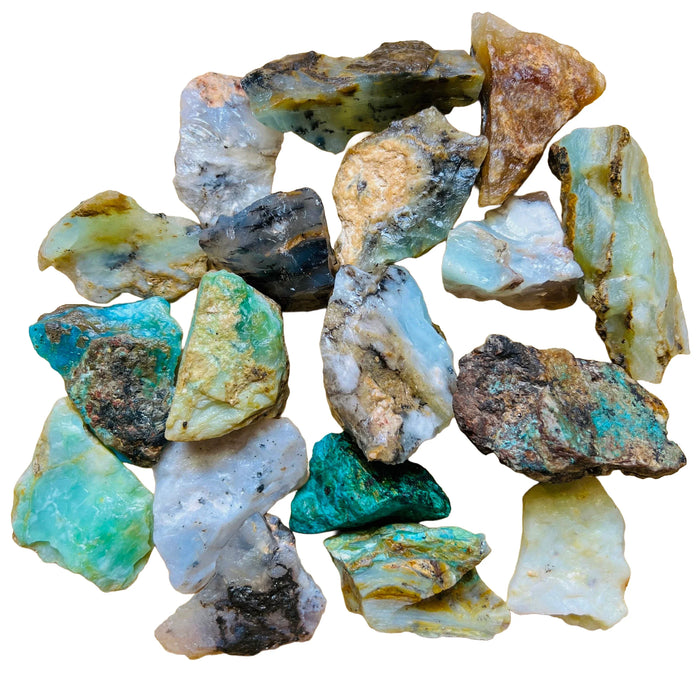
Shop opalOpal, in stock now.
Our most-loved Opal pieces, ready to ship.
- from 1,000+ reviews
- Ships within 72 hoursMonday to Friday, tracked
- 90 days to return itif you do not love it
- Free US shipping over $99$8.99 flat rate under
The geology.
Opal is hydrated amorphous silica, with chemical formula SiO₂·nH₂O. Water content runs from 3 to 21 percent by weight, making opal one of the few gem materials where water is part of the chemistry rather than surface moisture. Unlike the crystalline quartz family, opal has no long-range atomic order: silica spheres are arranged without a repeating lattice. The entire opal family shares this basic structure; what varies is color source, sphere arrangement, and presence or absence of play-of-color.
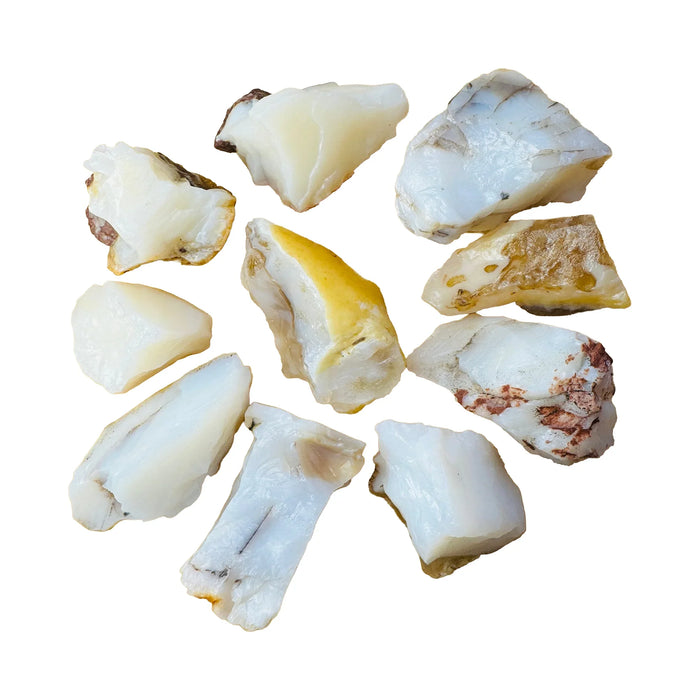
The family divides into two broad categories. Precious opal (including White Opal, Black Opal, Fire Opal, Boulder Opal) shows play-of-color, a spectral fire caused by regular silica sphere stacking that diffracts light. Common opal (including Pink Opal, Blue Opal, Green Opal, Dendritic Opal) lacks play-of-color but often has solid body colors from trace minerals. Hardness across the family runs 5.5 to 6.5 Mohs, softer than quartz. No cleavage; conchoidal fracture.
The origins.
Opal is mined across several primary commercial regions worldwide. Australia produces most of the world's precious opal (White Opal, Black Opal, Boulder Opal), primarily from South Australia (Coober Pedy, Mintabie, Andamooka) and Queensland. Ethiopia emerged in the 2010s as a major source of Welo Opal, a hydrophane variety. Mexico produces Fire Opal and common opal from Queretaro and Jalisco. Peru produces Pink Opal and Andean Blue Opal from Andean deposits. The United States, Brazil, Indonesia, and Honduras contribute smaller quantities.
Each source produces distinct varieties with their own character. Australian opal has the longest commercial history and remains the benchmark for precious varieties. Ethiopian Welo Opal is hydrophane (absorbs water temporarily), which changes care requirements. Peruvian Pink Opal and Andean Blue Opal are common opal varieties with solid body colors. When buying opal, the specific variety matters more than the family designation because care requirements and value vary dramatically.
Traditional associations.
Opal has one of the richest gemstone traditions, going back to at least Roman times when Pliny the Elder described it as containing the colors of every precious stone in one. Roman nobility valued opal highly, as did medieval European royalty. A nineteenth-century novel by Sir Walter Scott attached an undeserved reputation for bad luck to opal, hurting the gem market for decades; this superstition has largely faded in the twentieth century. Australian Aboriginal traditions associate opal fields with creation stories and consider the stones sacred landscape features.
Many people work with opal for vision, intuition, and the shifting quality of perception. Specific varieties carry more specific associations: White Opal for crown-chakra and softer intuitive work, Black Opal for deep shadow work, Fire Opal for passion and vitality, Pink Opal for gentle heart work, Blue Opal for throat-chakra communication. The family-level association is perceptual flexibility and the ability to see what shifts depending on the angle.
Spotting the real thing.
Real opal shows the characteristics of its specific variety. Precious opal shows play-of-color that shifts with viewing angle, with the flashes emerging from within the stone rather than from the surface. Common opal shows solid body color often with partial translucency. Hardness 5.5 to 6.5 will scratch with a hardened steel blade but not easily with a fingernail.
Glass imitations (including opalite, a manufactured glass sometimes sold as opal) show uniform milky-blue translucency without true play-of-color. Synthetic lab-grown opal shows perfect geometric color patches (often called 'lizard skin' under magnification). Doublets and triplets are thin slices of real opal backed or capped with dark material; these are legitimate composites when disclosed. Dyed opal shows color pooling in fractures. Always ask for the specific variety, origin, and treatment status.
Care & handling.
Care requirements vary significantly by variety but the general rule is: skip water soaks entirely. Opal is hydrated silica and can absorb water, oils, and chemicals over time, which affects color and stability. Avoid ultrasonic cleaners, steam cleaners, saltwater, and household cleaners. Wipe with a barely-damp soft cloth if needed.
Ethiopian Welo Opal is hydrophane and will temporarily absorb water visibly; this is normal but means care is especially important. Heat and sudden temperature changes can cause crazing (network of fine cracks) in all opal varieties. Store in a pouch in stable humidity. Cleanse energetically with moonlight, sound, or smoke; never use salt, citrus, or water soaks for cleansing any opal variety.
Pairs well with.
Proof, not promises.
We measure our own sourcing across five dimensions. Supply chain, environmental footprint, artisan support, market integrity, and pricing. The number is honest, not perfect. Where we can do better, we say so.
A deeper look.
Extended geology, sourcing, authentication, history, varieties, and pricing, for when the quick guide isn't quite enough.
Extended geology
Opal is amorphous hydrated silica with chemical formula SiO₂·nH₂O, where n can range from 3 to 21 percent by weight. The silica forms as microscopic spheres that stack together to form the stone; in precious opal, these spheres are regular enough in size and arrangement to diffract light, producing play-of-color. In common opal, sphere arrangement is less regular, so the stone shows body color but no spectral fire.
Specific gravity runs 1.98 to 2.25, notably light. Mohs hardness 5.5 to 6.5. Luster vitreous to resinous. No cleavage; conchoidal to uneven fracture. Opal forms in sedimentary settings when silica-rich groundwater precipitates in voids in rock (often volcanic ash, weathered sandstone, or fossilized wood). Formation typically takes very long periods; significant opal deposits are millions of years old.
Extended sourcing
Australia has dominated commercial opal production since the late 1800s. Coober Pedy in South Australia is the world's largest opal-producing town, known for White Opal and Crystal Opal. Mintabie (also in South Australia, mine closed 2019) produced Black Opal and White Opal. Lightning Ridge in New South Wales is the primary source of Black Opal, the most valuable opal variety. Queensland produces Boulder Opal.
Ethiopia's Welo region entered the global market in the 2010s with significant volumes of Welo Opal (hydrophane precious opal). Mexico's Queretaro and Jalisco produce Fire Opal (orange-red translucent, usually without play-of-color). Peru produces Pink Opal and Andean Blue Opal from Andean deposits. The United States (Nevada, Oregon, Idaho), Brazil, Indonesia, and Honduras produce additional commercial material.
Authentication and warning signs
Real opal shows characteristics of its specific variety. Precious opal has play-of-color that moves with viewing angle and emerges from within the stone. Common opal has solid body color with partial translucency. Hardness 5.5 to 6.5 distinguishes opal from harder gemstones and glass imitations.
Opalite is a glass imitation that's uniformly milky-blue without true play-of-color; it's sold under its own name or sometimes misrepresented as opal. Synthetic opal shows perfect geometric color patches. Doublets (thin real opal on dark backing) and triplets (real opal between dark backing and clear cap) are legitimate but should be disclosed. Dyed and resin-stabilized opal is common at the bottom of the market, particularly for Ethiopian and common opal varieties.
Historical and cultural context
Pliny the Elder wrote that opal contained the gentler fire of ruby, the glorious purple of amethyst, and the sea-green of emerald, all shining together in incredible union. Roman nobility valued opal highly, and it remained a prestige gem through medieval Europe. The stone features in various royal treasures and church ornaments.
Australian Aboriginal traditions associate opal fields with creation stories: in one tradition, the Creator came down to Earth on a rainbow to bring peace, and where the feet touched the ground, the stones came alive and began to sparkle. The Creator's rainbow bridge left traces in the opal fields. Ethiopian opal use goes back to pre-modern times but became globally significant only recently. In contemporary practice, opal is grouped with perceptual and intuitive stones, with specific varieties carrying more specific associations.
Varieties and trade names
Precious opal varieties (show play-of-color):
White Opal: white or light body with color play, most common precious type.
Black Opal: dark body with vivid color play, most valuable precious opal.
Crystal Opal: transparent to translucent body with color play.
Boulder Opal: opal attached to dark host rock.
Fire Opal: orange-red translucent opal, usually without color play, Mexican.
Welo Opal: Ethiopian hydrophane opal.
Common opal varieties (no play-of-color):
Pink Opal: Peruvian pink common opal.
Blue Opal: Andean blue common opal.
Green Opal: Prase or chrysoprase-colored common opal.
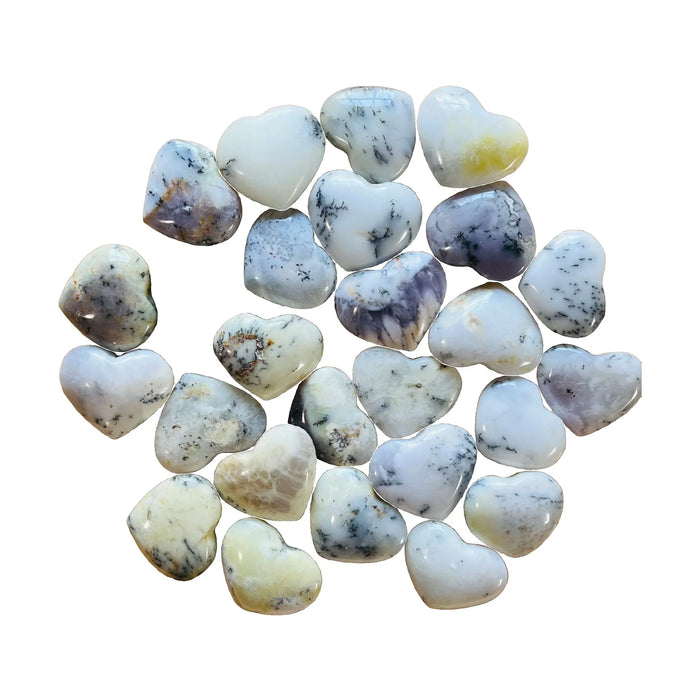
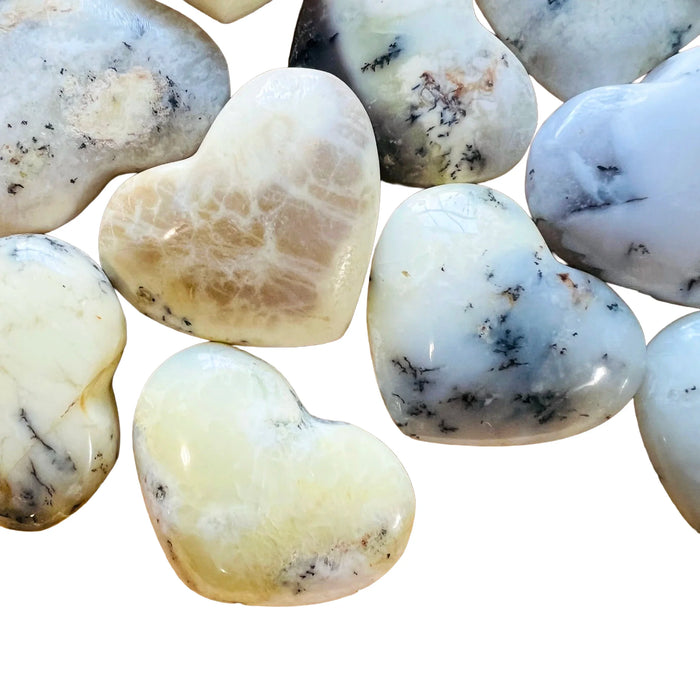
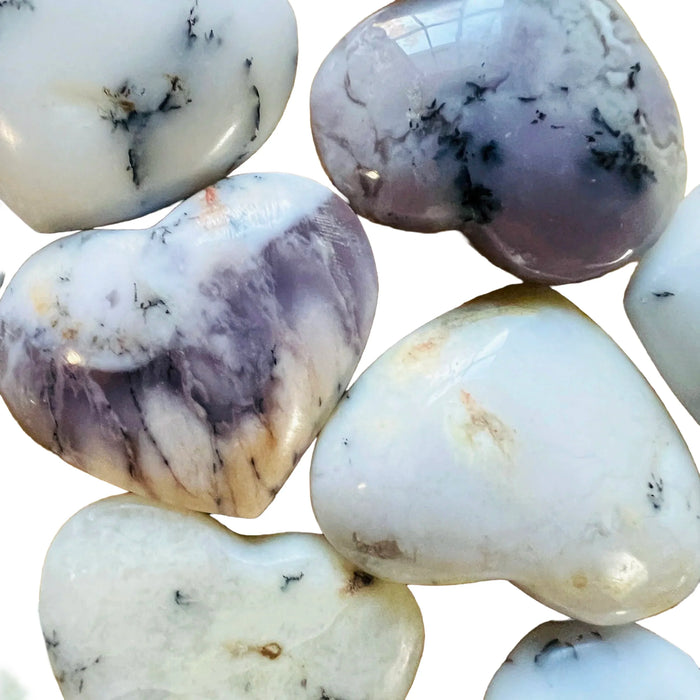
Dendritic Opal: opal with manganese dendrite inclusions.
Hyalite Opal: water-clear, sometimes UV-fluorescent, common opal.
Pricing reality
Common opal (Pink, Blue, Green): tumbled 3-15 dollars, polished 20-100 dollars. Fire Opal: 20-200 dollars per carat depending on color and clarity. Ethiopian Welo Opal: 30-300 dollars per carat. Australian White Opal: 50-500+ dollars per carat. Fine Black Opal: 500 to tens of thousands of dollars per carat. Museum-grade Black Opal: hundreds of thousands.
Value drivers: play-of-color quality and pattern (for precious varieties), body tone, variety-specific rarity, size, origin, and treatment status. Warning signs: 'opal' at suspiciously low prices (likely opalite glass), no variety or origin named, or play-of-color that looks too regular (possibly synthetic).
Good sourcing is a practice, not a claim.
Nothing we sell is opalite glass, synthetic opal, or undisclosed doublets sold as solid opal. We disclose variety, origin, treatment status, and composite construction on every listing. We walk away from material that doesn't meet our standard, even when it costs us sales.
Bring opal home.
Every piece we carry is photographed individually and listed with its variety, origin, treatment status, and care profile. What you see is what ships. For specific opal varieties, see their individual guides.
Shop the opal collectionGrounded Connections
New stones go to the list first.
No forwarding, no selling. Unsubscribe in one click. Privacy