


 Agatefor stress relief
 Amazonitefor stress relief
 Aquamarinefor serenity
 Aventurinefor luck
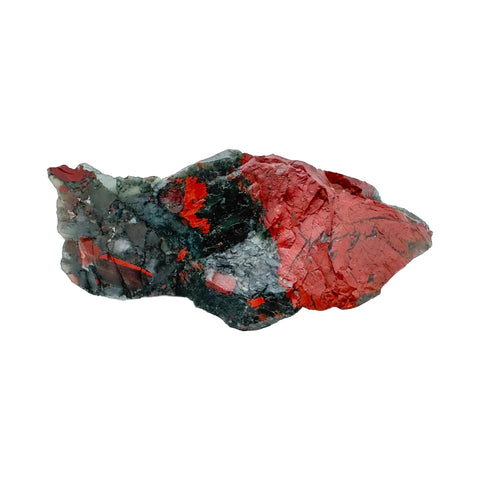
 Bloodstonefor energy
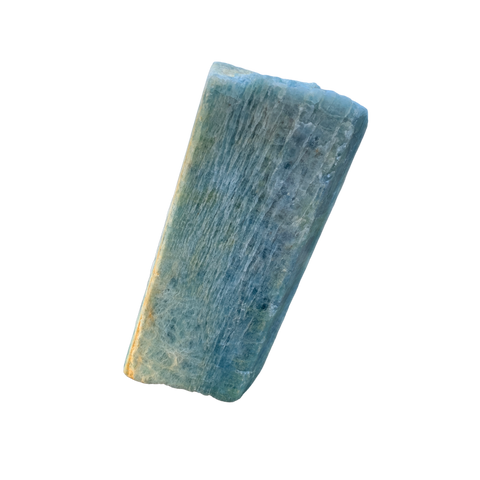
 Blue Kyanitefor confidence
 Blue Lace Agatefor stress relief
 Chrysocollafor emotional healing
 Fluoritefor focus
 Garnetfor energy
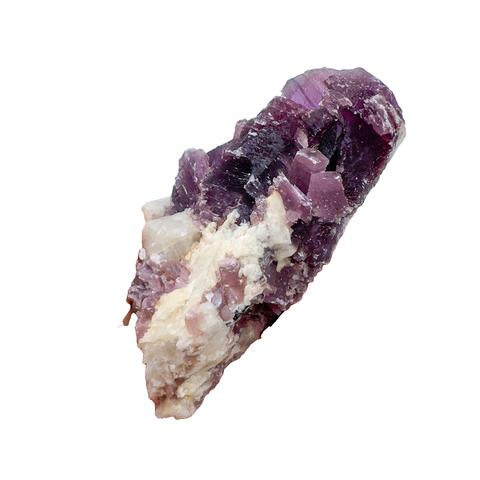
 Lepidolitefor stress relief
 Malachitefor emotional healing
 Moonstonefor grounding
 Obsidianfor protection
 Ocean Jasperfor emotional healing
 Red Jasperfor grounding
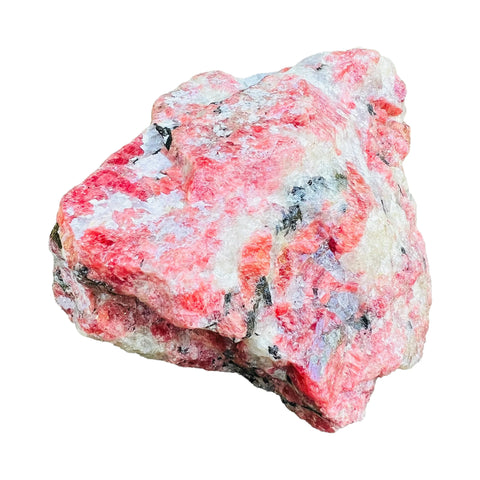
 Rhodonitefor emotional healing
 Selenitefor cleansing
 Sodalitefor focus
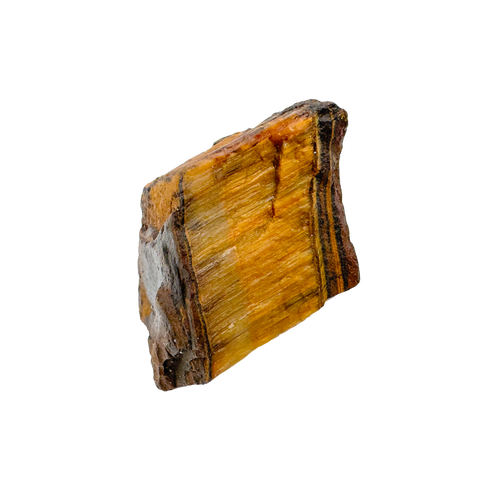
 Tiger Eyefor confidence
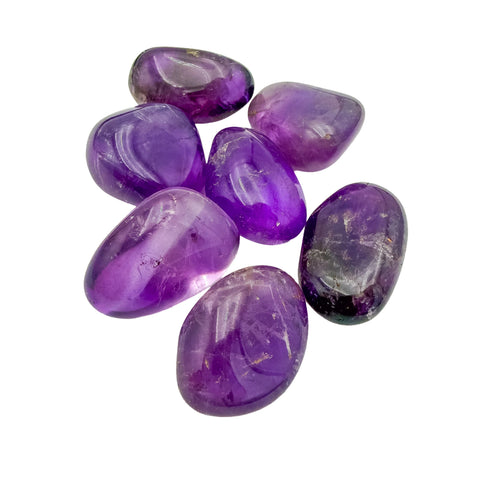


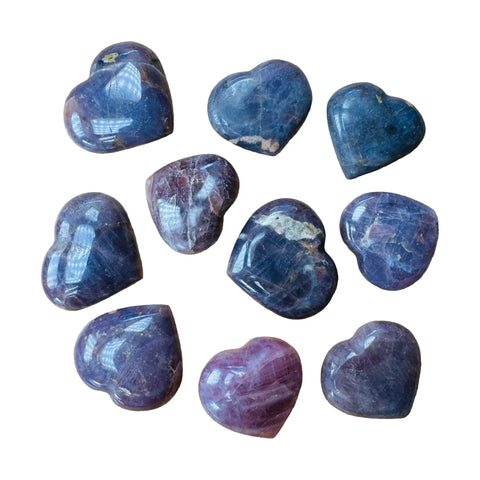


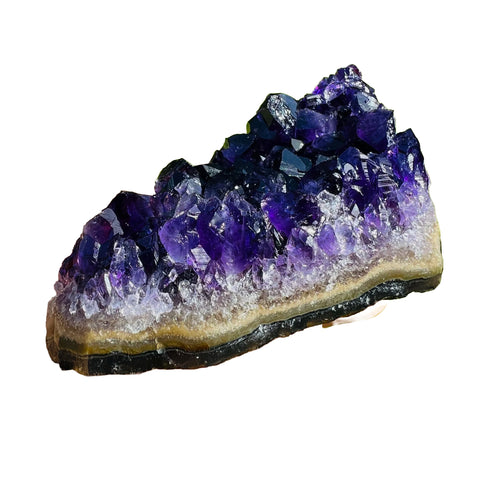






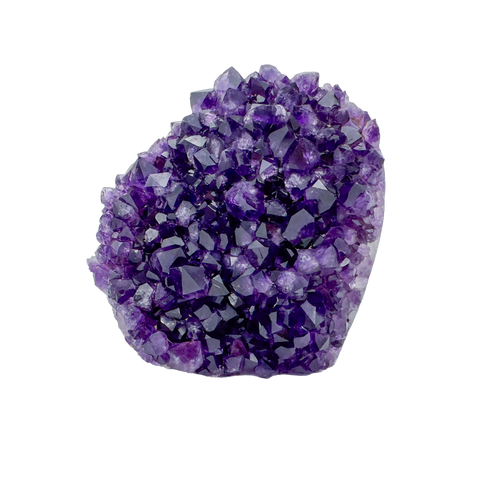
 Amethyst
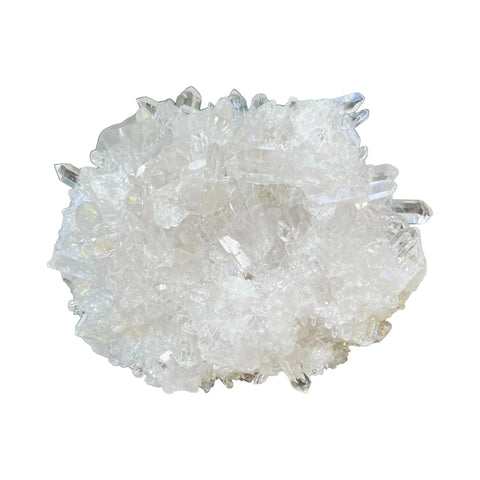
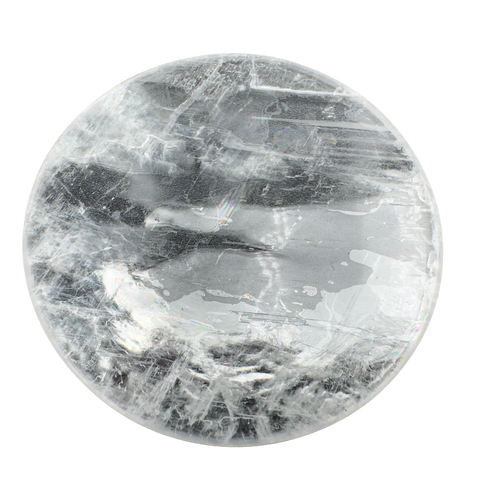
 Clear Quartz
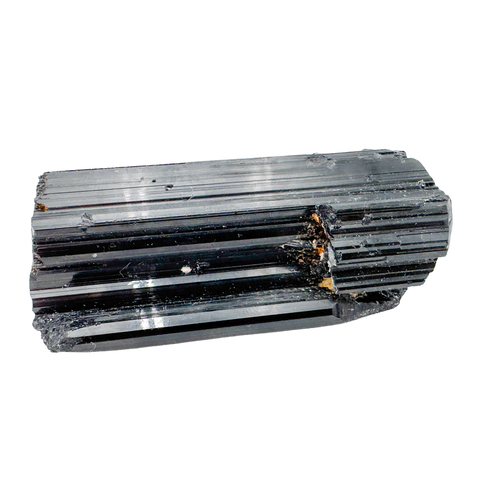
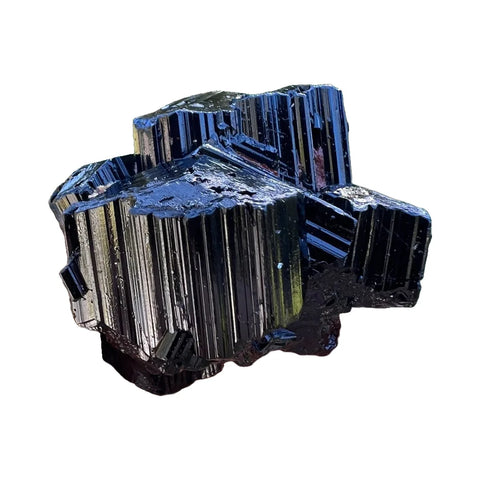
 Black Tourmaline
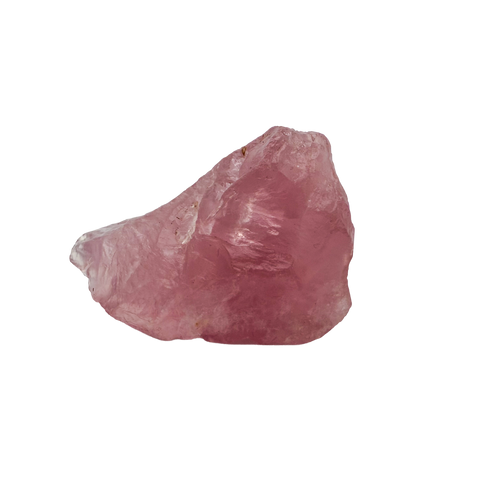
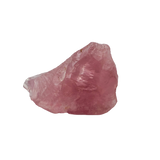 Rose Quartz
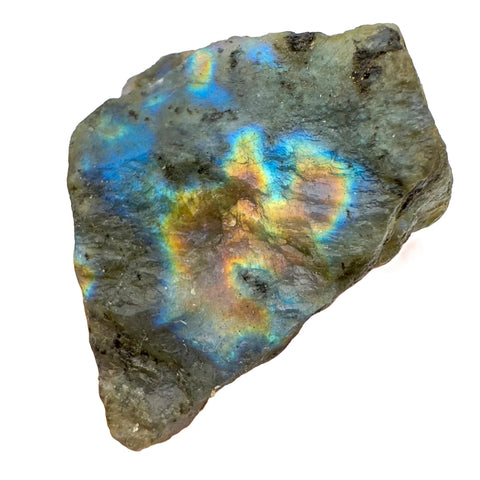
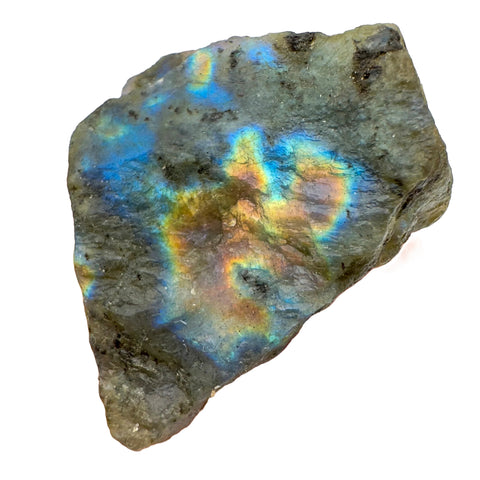
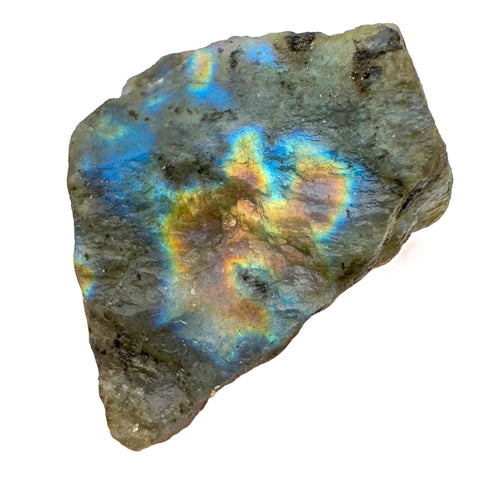
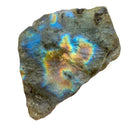 Labradorite
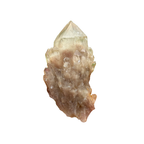 Natural Citrine
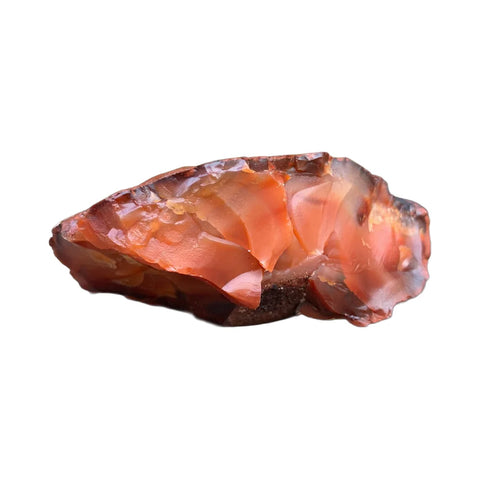
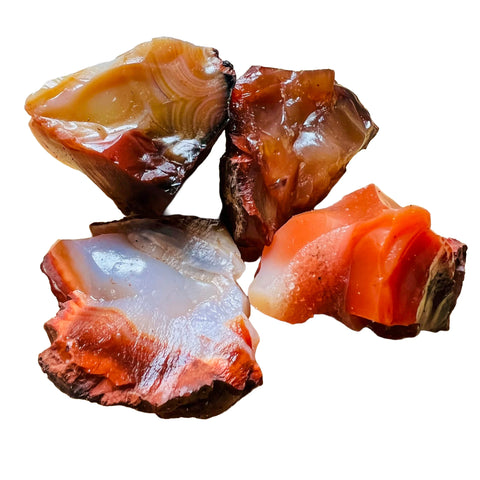
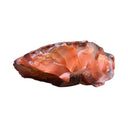 Carnelian
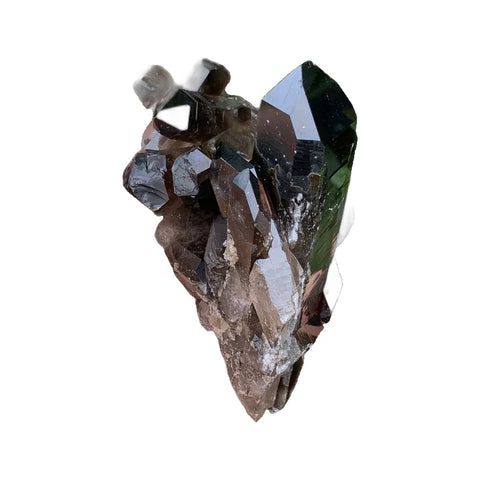
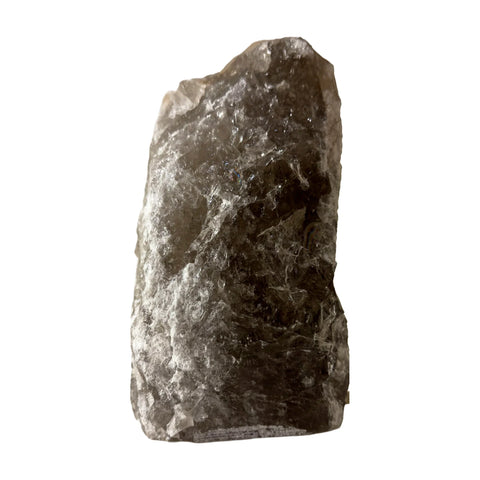
 Smoky Quartz
 Aventurine
 Sodalite
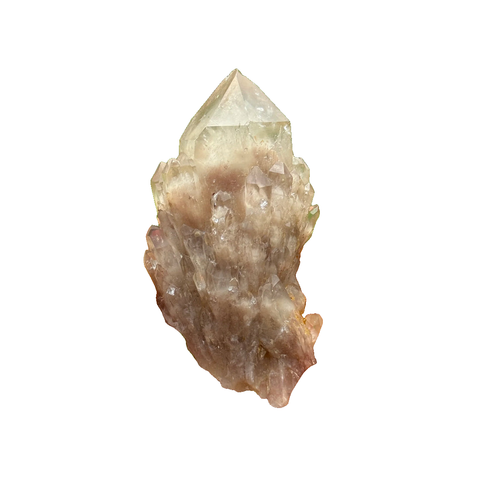
 Ametrine
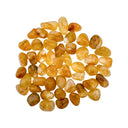 Golden Healer
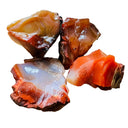 Raw Stones
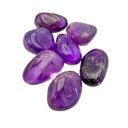 Tumbled Stones
 Palm Stones
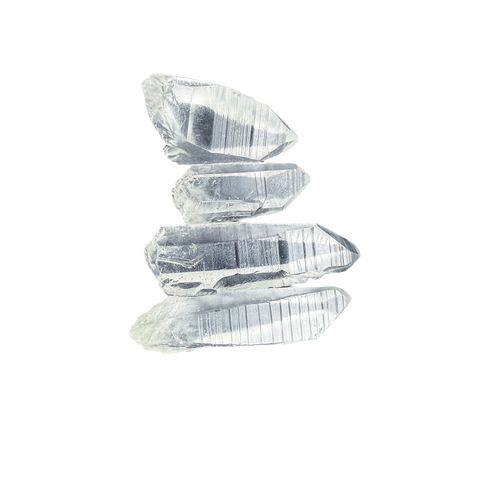
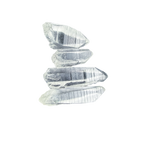 Crystal Points
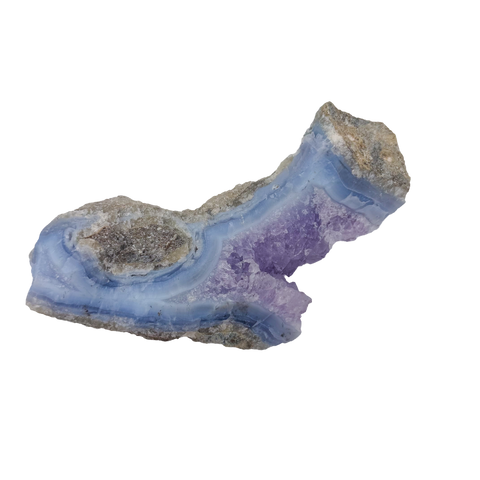
 Clusters & Geodes
 Polished & Decor
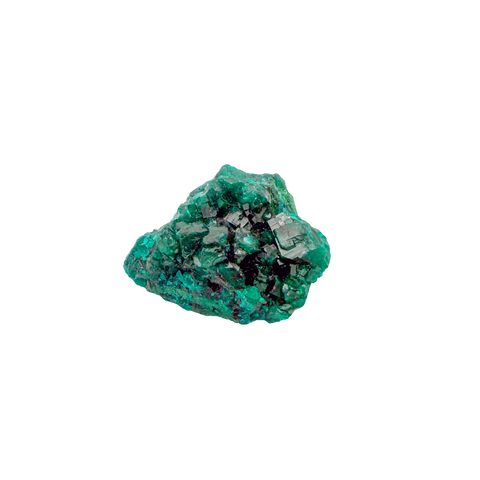
 Mineral Specimens
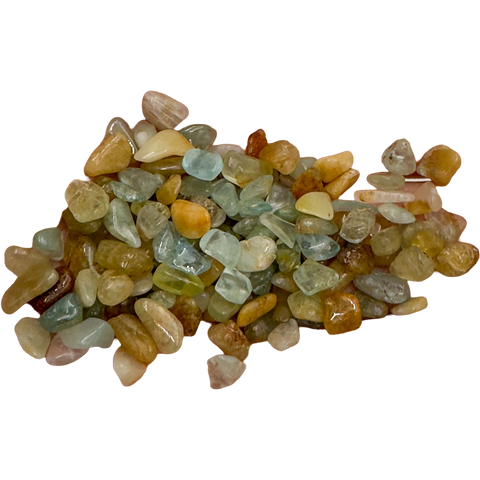
 Crystal Chips
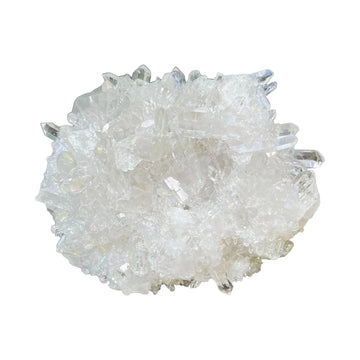
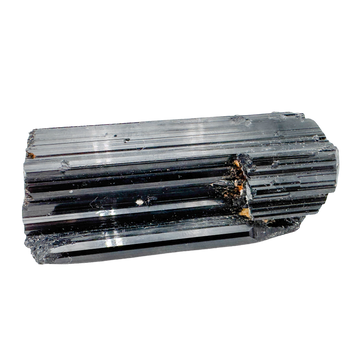
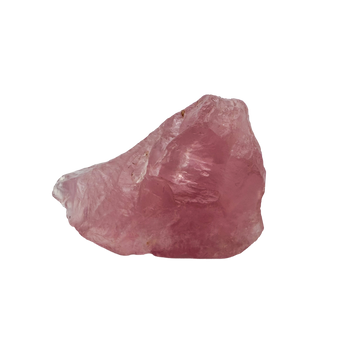
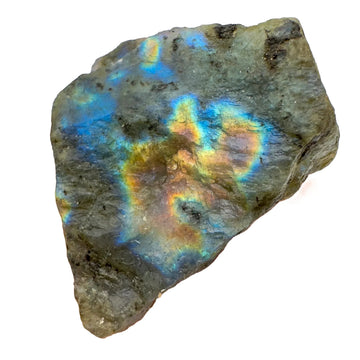
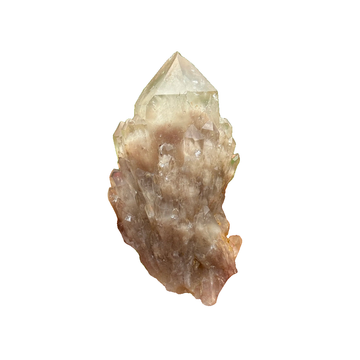
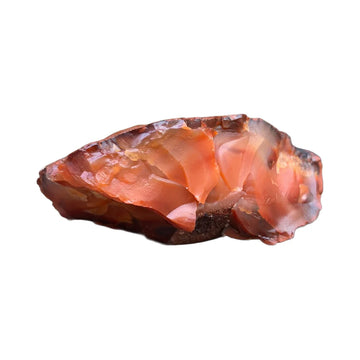
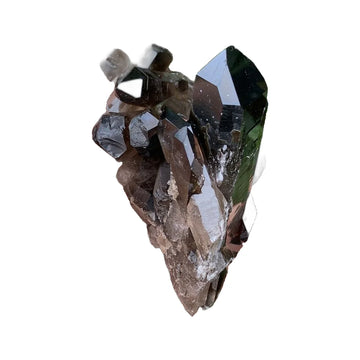
 Raw Stones
179 to choose from
Raw Stones
179 to choose from
 Tumbled Stones
162 to choose from
Tumbled Stones
162 to choose from
 Palm Stones
25 to choose from
Palm Stones
25 to choose from
 Crystal Points
23 to choose from
Crystal Points
23 to choose from
 Clusters & Geodes
96 to choose from
Clusters & Geodes
96 to choose from
 Polished & Decor
146 to choose from
Polished & Decor
146 to choose from
 Mineral Specimens
245 to choose from
Mineral Specimens
245 to choose from
 Crystal Chips
21 to choose from
Crystal Chips
21 to choose from


 AngolaAquamarine
›
AngolaAquamarine
›
 BotswanaCarnelian, Tree Agate
›
BotswanaCarnelian, Tree Agate
›
 DR CongoMalachite, Natural Citrine
›
DR CongoMalachite, Natural Citrine
›
 EswatiniBloodstone
›
EswatiniBloodstone
›
 MadagascarLabradorite, Clear Quartz
›
MadagascarLabradorite, Clear Quartz
›
 MalawiBlue Lace Agate, Garnet
›
MalawiBlue Lace Agate, Garnet
›
 MozambiqueAmazonite
›
MozambiqueAmazonite
›
 NamibiaSodalite, Blue Lace Agate
›
NamibiaSodalite, Blue Lace Agate
›
 Republic of the CongoDioptase
›
Republic of the CongoDioptase
›
 South AfricaTiger Eye, Unakite
›
South AfricaTiger Eye, Unakite
›
 ZambiaChevron Amethyst
›
ZambiaChevron Amethyst
›
 ZimbabweEmerald, Rhodonite
›
ZimbabweEmerald, Rhodonite
›
 ArgentinaBlack Obsidian, Rhodochrosite
›
ArgentinaBlack Obsidian, Rhodochrosite
›
 BoliviaAmetrine
›
BoliviaAmetrine
›
 BrazilAmethyst, Clear Quartz
›
BrazilAmethyst, Clear Quartz
›
 PeruSerpentine, Jade
›
PeruSerpentine, Jade
›
 UruguayAmethyst
›
UruguayAmethyst
›
 Dominican RepublicLarimar
›
Dominican RepublicLarimar
›
 MexicoRainbow Obsidian, Crazy Lace Agate
›
MexicoRainbow Obsidian, Crazy Lace Agate
›
 United StatesSelenite, Peridot
›
United StatesSelenite, Peridot
›
 ChinaFluorite
›
ChinaFluorite
›
 RussiaShungite
›
RussiaShungite
›
 AustraliaMookaite
›
AustraliaMookaite
›
 Where our crystals come from
See where we source →
Where our crystals come from
See where we source →


 Aquarius
Jan 20 to Feb 18
Amethyst
›
Aquarius
Jan 20 to Feb 18
Amethyst
›
 Pisces
Feb 19 to Mar 20
Aquamarine
›
Pisces
Feb 19 to Mar 20
Aquamarine
›
 Aries
Mar 21 to Apr 19
Carnelian
›
Aries
Mar 21 to Apr 19
Carnelian
›
 Taurus
Apr 20 to May 20
Rose Quartz
›
Taurus
Apr 20 to May 20
Rose Quartz
›
 Gemini
May 21 to Jun 20
Agate
›
Gemini
May 21 to Jun 20
Agate
›
 Cancer
Jun 21 to Jul 22
Moonstone
›
Cancer
Jun 21 to Jul 22
Moonstone
›
 Leo
Jul 23 to Aug 22
Citrine
›
Leo
Jul 23 to Aug 22
Citrine
›
 Virgo
Aug 23 to Sep 22
Amazonite
›
Virgo
Aug 23 to Sep 22
Amazonite
›
 Libra
Sep 23 to Oct 22
Blue Lace Agate
›
Libra
Sep 23 to Oct 22
Blue Lace Agate
›
 Scorpio
Oct 23 to Nov 21
Obsidian
›
Scorpio
Oct 23 to Nov 21
Obsidian
›
 Sagittarius
Nov 22 to Dec 21
Sodalite
›
Sagittarius
Nov 22 to Dec 21
Sodalite
›
 Capricorn
Dec 22 to Jan 19
Black Tourmaline
›
Gifting?
A birthday stone is the safe bet.
Read the zodiac guide →
Capricorn
Dec 22 to Jan 19
Black Tourmaline
›
Gifting?
A birthday stone is the safe bet.
Read the zodiac guide →


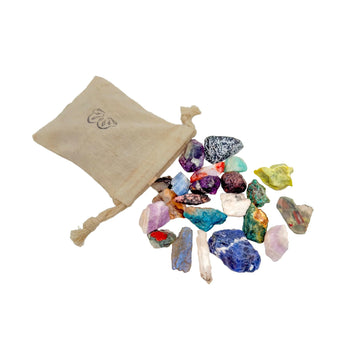
Lemurian Quartz
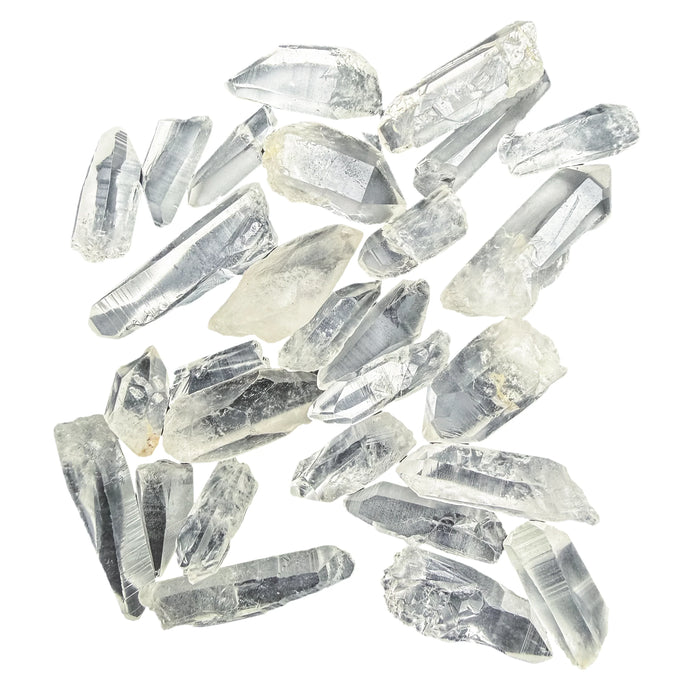
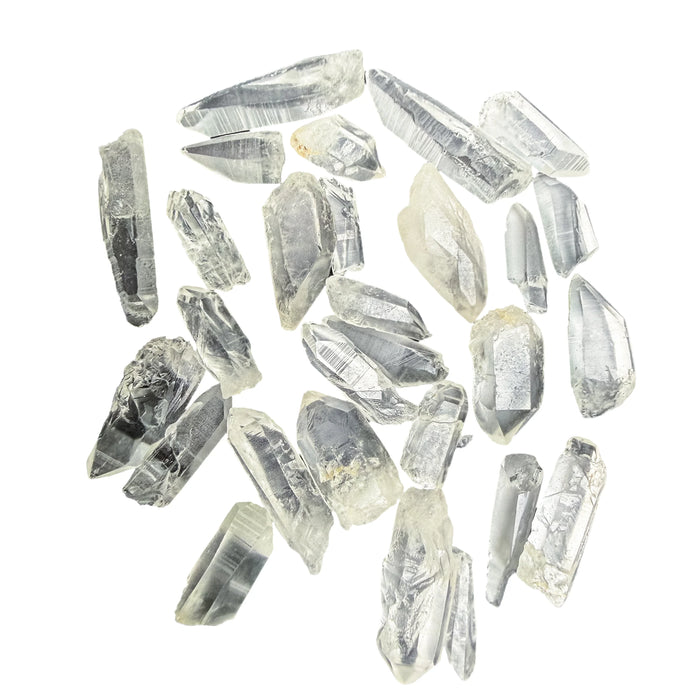
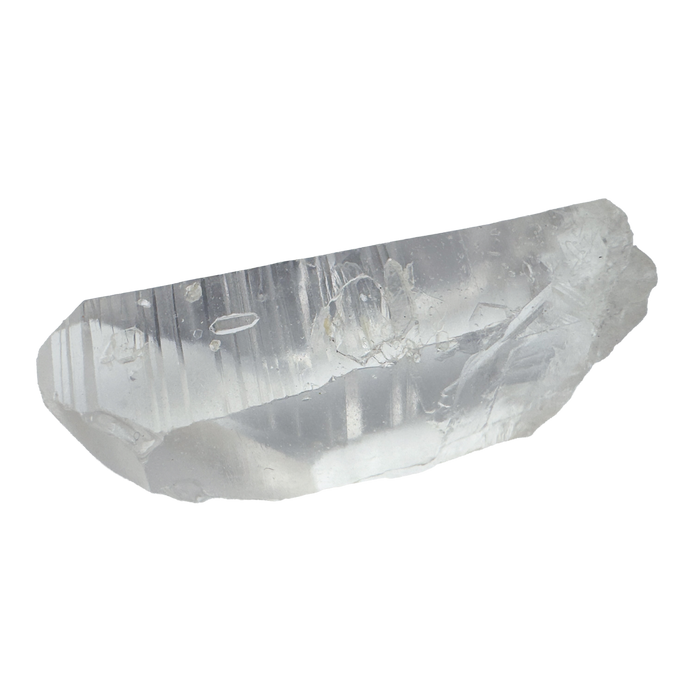
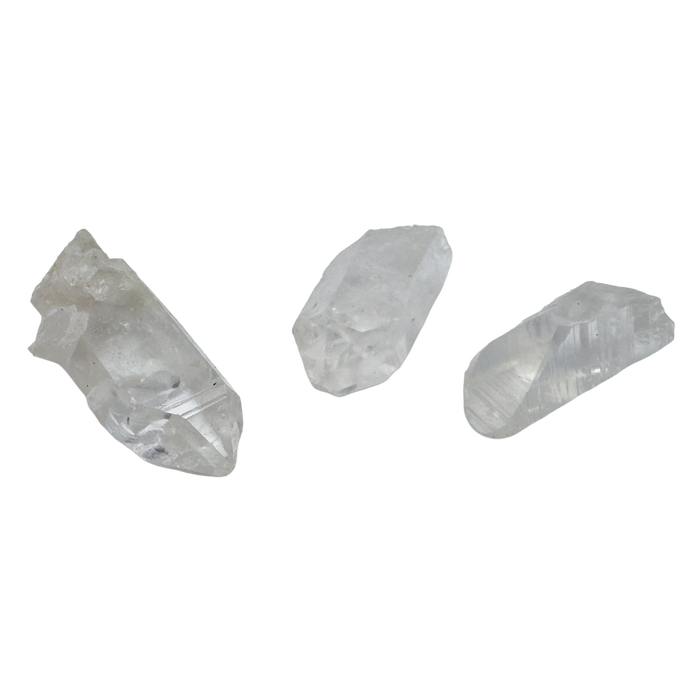
Lemurian Quartz is a trade name for clear quartz crystal points with distinctive horizontal striations etched naturally into their prismatic faces. These barcode-like ridges are growth features that form when crystal conditions shift during crystallization. The name references a fictional lost continent, but the stone itself is standard clear quartz, Mohs 7, with a visual signature that has drawn seekers since the 1990s. Many people work with it for meditation, intuition, and the sense of reading layered information in the stone itself.
Shop lemurian quartzLemurian Quartz, in stock now.
Our most-loved Lemurian Quartz pieces, ready to ship.

- from 1,000+ reviews
- Ships within 72 hoursMonday to Friday, tracked
- 90 days to return itif you do not love it
- Free US shipping over $99$8.99 flat rate under
The geology.
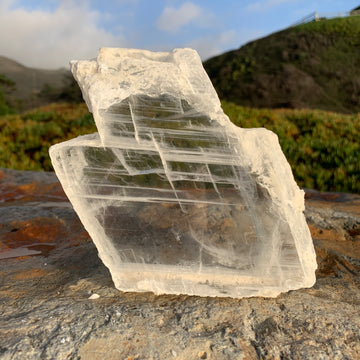
Lemurian Quartz is a trade name for clear quartz crystal points (silicon dioxide, SiO2) that carry a distinctive pattern of horizontal striations across their prismatic faces. These striations are natural growth features, not a separate mineral variety. They form when the rate of crystal growth changes during crystallization, or when shifts in the mineral saturation of the surrounding fluids leave visible growth bands as the crystal builds outward. The result looks like a barcode or a ladder of horizontal ridges perpendicular to the long axis of the crystal.
The striations themselves are not a sign of damage or treatment. They are the record of the crystal's growth history etched into the surface, much like growth rings in a tree. All standard quartz properties apply: Mohs 7 hardness, trigonal crystal system, specific gravity around 2.65, no cleavage, vitreous luster, and complete transparency to clarity. Clear quartz with pronounced horizontal striations was marketed as Lemurian Quartz beginning in the 1990s and 2000s, with most commercial material coming from Brazilian pegmatite deposits. The name references the fictional lost continent of Lemuria, a modern invention with no historical basis. The stone's popularity is entirely modern and market-driven.
The origins.
The Lemurian Quartz we carry comes from small-scale cooperative mining operations in Minas Gerais, Brazil. Brazilian pegmatite deposits produce quartz crystal points with the characteristic horizontal striations that define the trade category. The material is hand-selected and hand-finished using jojoba oil to enhance the natural surface texture without altering the crystal structure or the striations themselves. The crystal points are sorted by size, clarity, and striation prominence, then prepared for sale in their natural form.
Striated clear quartz also occurs in other regions, including Colombia, Madagascar, and parts of the United States, but Brazilian material dominates the commercial market because the striations tend to be more pronounced and the crystal color is consistent. We commit to Brazil as our primary source because the supply is reliable, the cooperative model supports small-scale workers, and the hand-finishing process preserves the stone's natural character. Lemurian-style quartz from any origin is standard clear quartz; the trade name simply describes the visible growth pattern, not a location-specific property.
Traditional associations.
Lemurian Quartz has no ancient history or deep cultural tradition. The trade name emerged in the 1990s and 2000s as the crystal market expanded and marketed varieties of clear quartz to specific audiences. The name itself draws from the fictional lost continent of Lemuria, a modern myth with no archaeological basis. We use the trade name because it is how the stone is widely known, but we want to be clear: the myth is fiction, and the stone has no actual connection to any lost civilization. It is clear quartz with a distinctive visual growth pattern.
In contemporary crystal work, Lemurian Quartz is most commonly associated with the Crown and Third Eye chakras, the element Air, and intentions around meditation, intuition, manifestation, and cleansing. Many people work with it for reading the internal layers of information the striations metaphorically represent. It is often chosen for meditation practices, intention setting, and energy work. Some people are drawn to the stone's connection to record-keeping and the idea of accessing stored knowledge through the layers visible in the crystal. The physical striations become a symbol for accessing deeper layers of understanding or memory.
Spotting the real thing.
Genuine Lemurian Quartz shows horizontal striations that appear as subtle, slightly irregular ridges running perpendicular to the long axis of the crystal face. The striations should look like they are part of the crystal's surface, integrated into the stone, not etched or carved onto it after the fact. Natural growth striations vary slightly in depth and spacing as you move across the crystal face. The overall appearance is consistent with a crystal that grew under changing conditions, not with identical, perfectly parallel grooves that suggest artificial cutting.
Hold the crystal to light and examine the striations closely. Natural growth bands have subtle variation, gentle curves, and irregular spacing. Artificial line-cutting looks too crisp, too uniform, and too evenly spaced, like a machine made them. Natural striations may also vary between the different prismatic faces of the same crystal. The points should show the characteristic clear quartz hardness (Mohs 7) and transparency. Scratches glass but is not scratched by copper or steel. Any crystal sold as Lemurian Quartz without clear striations visible in good light is either mislabeled or has been poorly finished.
Care & handling.
Lemurian Quartz is durable and low-maintenance because quartz is Mohs 7 and tolerates most handling without damage. Clean it with water and mild soap, then rinse and dry with a soft cloth. It tolerates most standard cleaning methods, including gentle scrubbing with a soft brush if needed. Avoid prolonged exposure to extreme heat or sudden temperature changes, which can cause micro-fractures in some stones. Store it with other quartz or harder stones; it will not scratch easily and can safely sit alongside other specimens.
For energetic cleansing, water, smoke, sound, moonlight, and breath are all suitable choices. The high Mohs hardness means this stone tolerates water-based cleansing methods that would damage softer minerals like selenite or angelite. Lemurian Quartz carries the standard durability of clear quartz and will remain clear and bright with minimal care. The striations do not fade, change, or wear away under normal use or exposure to light.
Pairs well with.
Proof, not promises.
We measure our own sourcing across five dimensions. Supply chain, environmental footprint, artisan support, market integrity, and pricing. The number is honest, not perfect. Where we can do better, we say so.
A deeper look.
Extended geology, sourcing, authentication, history, varieties, and pricing, for when the quick guide isn't quite enough.
Extended geology and growth mechanics
Lemurian Quartz is clear quartz (silicon dioxide, SiO2) with naturally occurring horizontal striations. The striations are growth features that form during crystallization when conditions in the surrounding fluid change. Quartz grows by atomic accretion: silicon and oxygen atoms in the fluid attach to the crystal face in an orderly repeating pattern. When the rate of crystal growth changes, or when the saturation of silicon dioxide in the solution shifts, a visible line or ridge marks the boundary between growth periods. This is the same mechanism that creates growth bands in many crystals, including garnet, tourmaline, and beryl.
The horizontal orientation perpendicular to the crystal's long axis reflects the geometry of quartz's hexagonal form and the way the prism faces grow outward. The striations do not penetrate deeply into the crystal; they are surface features marking the external record of the growth history. Quartz has a trigonal crystal system (which belongs to the broader hexagonal family), hardness 7, specific gravity 2.65, no cleavage, and vitreous luster. Standard quartz with pronounced striations is indistinguishable from other clear quartz in all measurable properties except appearance.
Market history and naming
The term "Lemurian Quartz" emerged in crystal markets in the 1990s and 2000s. The name references the fictional lost continent of Lemuria, a sunken land bridge proposed by 19th-century naturalists to explain species distribution before modern plate tectonics was widely accepted, and later recast by occult writers as a lost civilization. Lemuria never existed. The myth persists in fringe esotericism and has been adopted by modern crystal markets as a marketing frame. Striated quartz from Brazil began being called Lemurian Quartz sometime in the 1990s, and the name has stuck despite having no historical, geological, or archaeological basis.
The market adoption of the name reflects the modern crystal industry's tendency to create narratives and mythologies around stones to enhance their perceived value and spiritual significance. In this case, the narrative of a lost continent and ancient encoded knowledge appeals to seekers interested in metaphysical history and secret wisdom. The striations themselves become visual metaphors for layers of information or records from a fictional ancient civilization. This is a modern construction, not a reflection of how the stone was historically used or understood.
Sourcing and supply chain
Brazilian pegmatites in Minas Gerais produce clear quartz crystals, many of which show pronounced horizontal striations. These deposits have been mined for decades both for industrial quartz use and for the collector and crystal market. Small-scale cooperative operations extract material using hand-tools and simple machinery, with workers sorting and hand-finishing points for sale to wholesalers and retailers. The hand-finishing typically involves cleaning the crystal; the jojoba oil finish on our raw points is applied by hand in-house, enhancing the natural texture of the striations without chemically altering the mineral.
The material we source comes through documented intermediaries with established relationships in the region. We know the country and region of origin per batch, but we acknowledge that we do not have direct visibility into the mining operations themselves. Pegmatite mining in Brazil, like many artisanal mining operations, exists in regulatory spaces where labor documentation and environmental oversight can be inconsistent. This is a limitation we acknowledge rather than overclaim our knowledge beyond what we can verify.
Authentication and market issues
Some Lemurian Quartz sold in lower-cost markets has been acid-washed to enhance the visibility of natural striations, or artificially incised with horizontal lines to imitate natural growth patterns. Acid washing can change the surface appearance and texture of the crystal. Artificial line-cutting appears as suspiciously crisp, uniform, perfectly parallel grooves that do not vary in depth or spacing. Genuine growth striations show subtle irregularity and natural variation across the crystal face. This is a visible distinction with careful inspection.
Another market practice is to sell striated clear quartz that is not specifically from Brazil or not particularly fine examples under the Lemurian name without origin disclosure. Reputable sellers specify origin, clarity, and striation quality. If a seller cannot tell you where the Lemurian Quartz comes from, be cautious. We disclose Brazil as the origin for all our material and select for clarity and striation prominence because we believe the stone's visual character is what draws people to it.
Related minerals and distinctions
Lemurian Quartz is simply clear quartz with horizontal striations. There is no mineralogical variety distinction. All other quartz varieties (amethyst, smoky quartz, rose quartz, citrine) can theoretically show striations as well, though they are less commonly marketed under distinct names. Phantom quartz (quartz with visible internal layers of different minerals) is sometimes confused with Lemurian Quartz because both feature visible layers and striation-like visual patterns. Phantom quartz's layers are inside the crystal; Lemurian Quartz's striations are on the surface. Clear quartz with inclusions of chlorite can also appear layered and is sometimes sold alongside Lemurian Quartz in collections.
Pricing and value
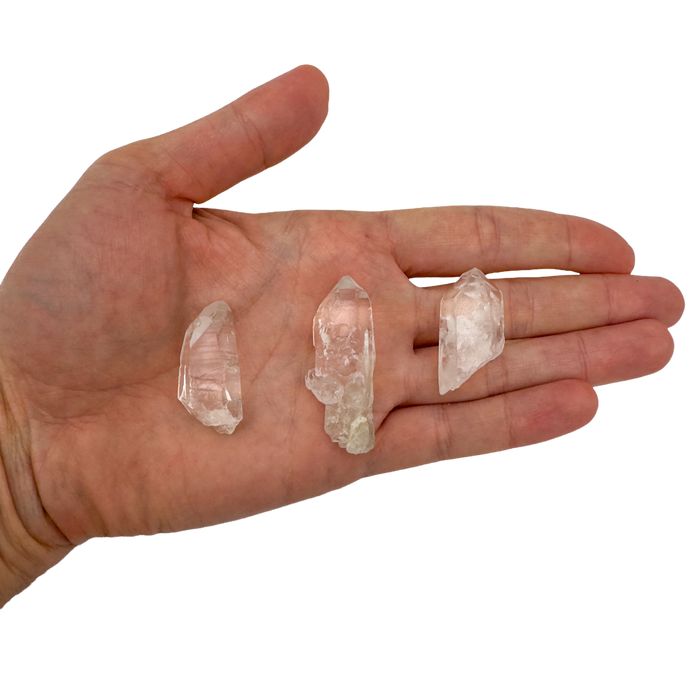
Retail pricing for raw Brazilian Lemurian Quartz points: small (2-3 inches): $8 to $15; medium (4-6 inches): $15 to $30; large (7+ inches): $30 to $80 depending on clarity and striation prominence. Polished points and special forms command premiums for labor-intensive hand-finishing. Wholesale pricing is significantly lower; retail markup reflects the hand-selection, hand-finishing, and sourcing work. Material sold at extremely low prices ($2 to $3 per point regardless of size) is often mass-produced from lower-clarity or weakly striated material, sometimes treated to enhance the striations artificially.
Value drivers: clarity (transparent without visible cloudiness), striation prominence (clear, visible horizontal ridges), size, and finish quality. Warning signs: seller cannot identify the origin, material sold without striation visibility in normal light, suspiciously uniform pricing across different sizes (suggesting mass-produced or treated material), or pricing dramatically below the ranges noted above. Price variation by size and quality is normal; price uniformity across wide size ranges is a warning sign.
Good sourcing is a practice, not a claim.
Nothing we sell is dyed, stabilized, reconstituted, or color-enhanced without full disclosure. We name our origins where we can. We say so when we cannot. We walk away from material that does not meet our standard, even when it costs us sales.
Bring lemurian quartz home.
Raw crystal points from Minas Gerais, Brazil. Natural, untreated, hand-selected for pronounced horizontal striations and clear transparency. Each piece finished with care to honor the natural growth patterns that make the stone distinctive. Lemurian Quartz carries the durability of clear quartz and the visual story of its crystallization written in its surface.
Shop the lemurian quartz collectionGrounded Connections
New Lemurian Quartz pieces go to the list first.
No forwarding, no selling. Unsubscribe in one click. Privacy